Percussion Instruments for Beginners
Percussion instruments for beginners offer an exciting way to explore rhythm and sound, making them a popular choice for those starting their musical journey. Whether you're interested in learning basic beats or joining a school band, there are plenty of accessible options designed to help new musicians build confidence and develop essential skills. From handheld drums to simple shakers, percussion instruments for beginners provide a fun and engaging introduction to music, perfect for all ages and skill levels. Discover the ideal instrument to kickstart your passion for percussion and enjoy hours of creative play.
Sort
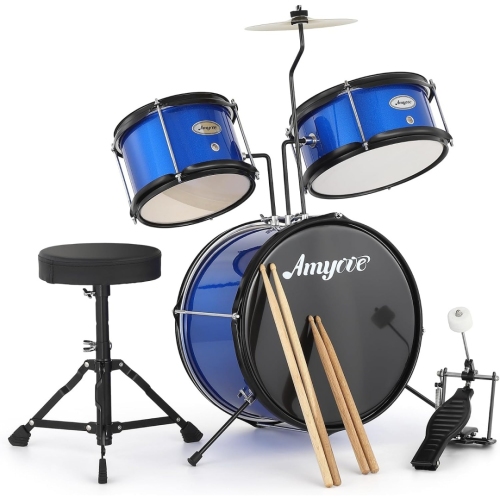
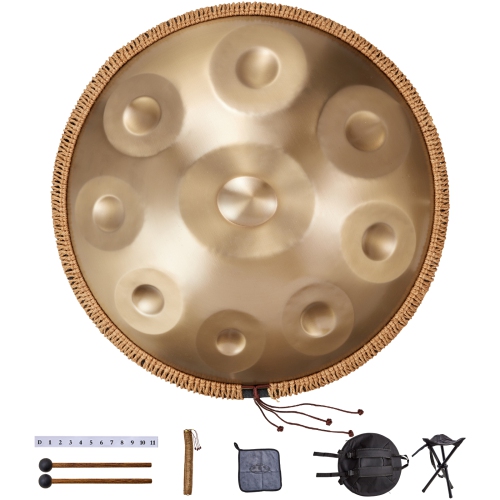
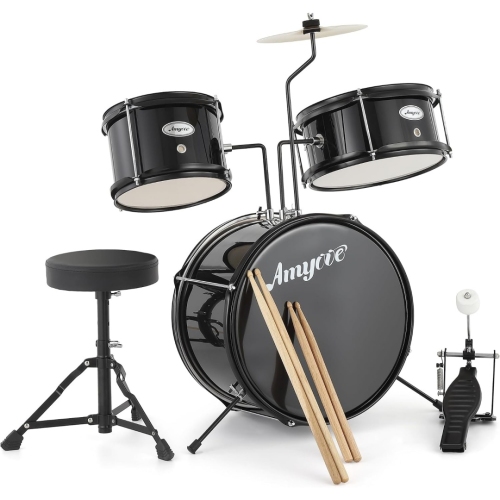
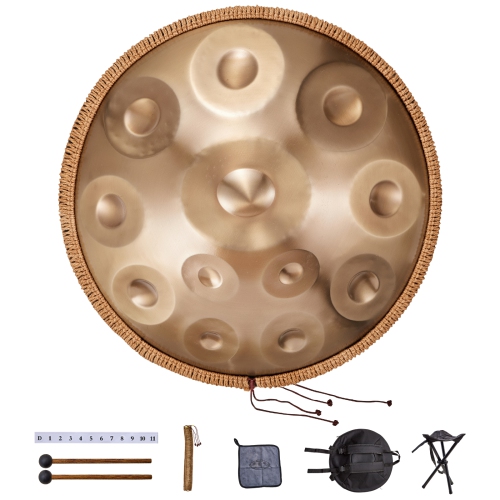


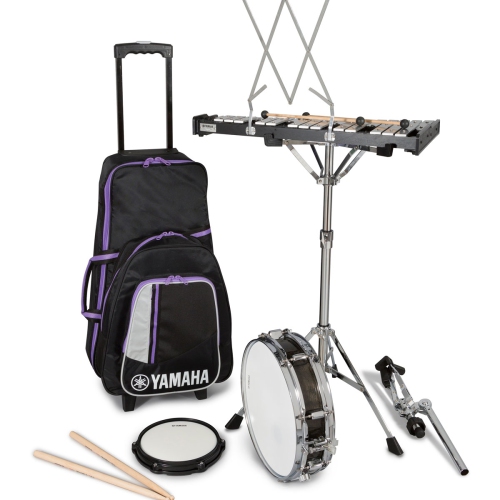
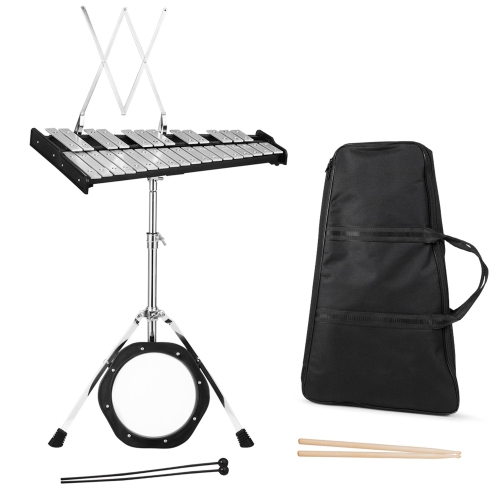
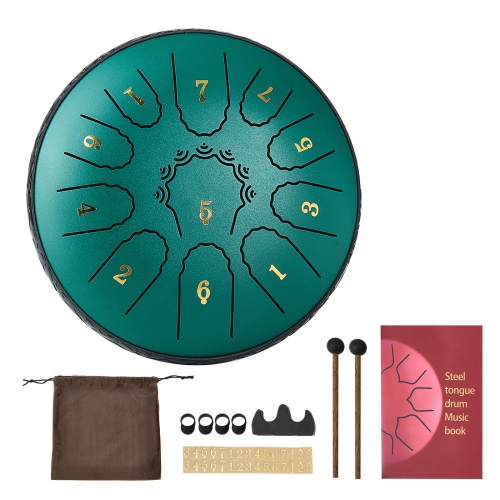

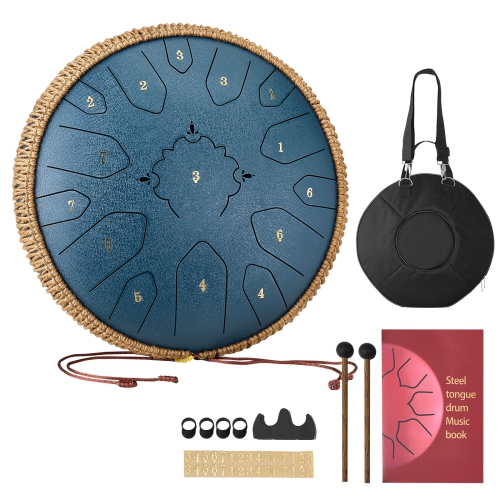
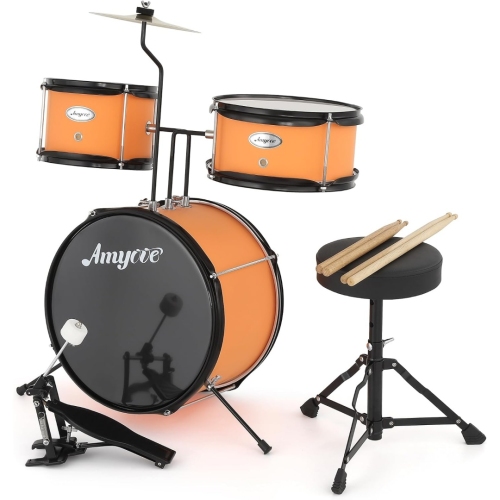
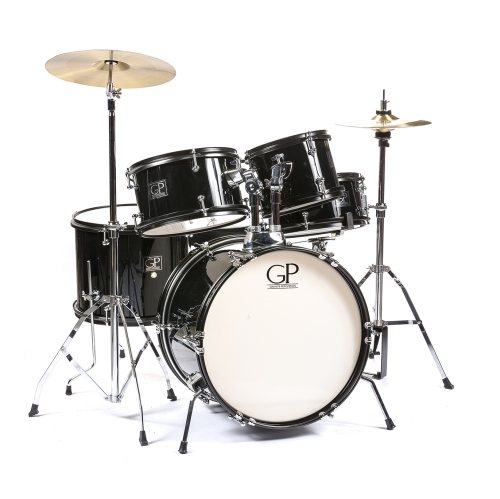
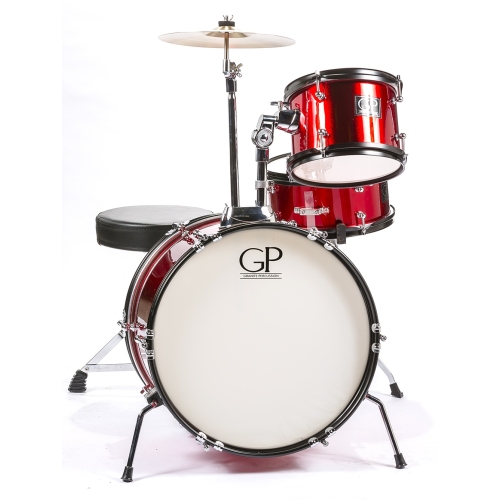
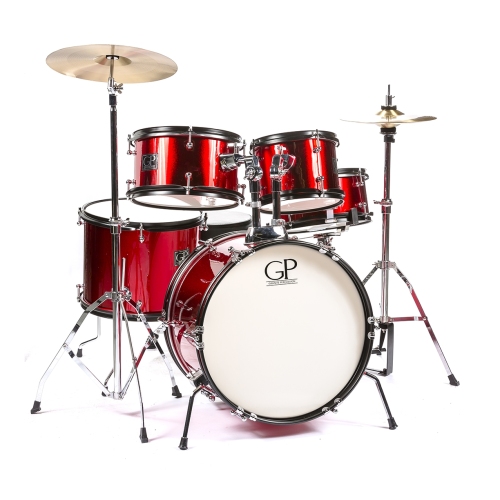
From steady beats to your first simple melodies
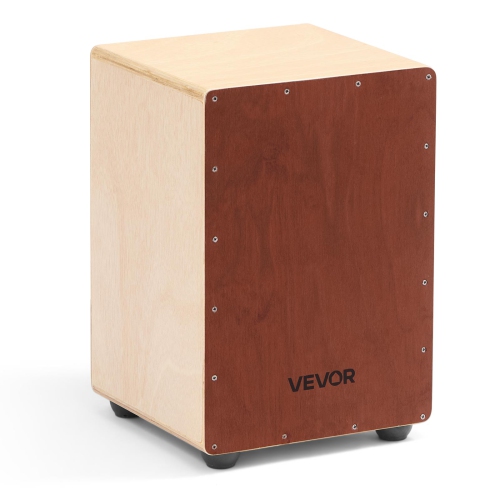
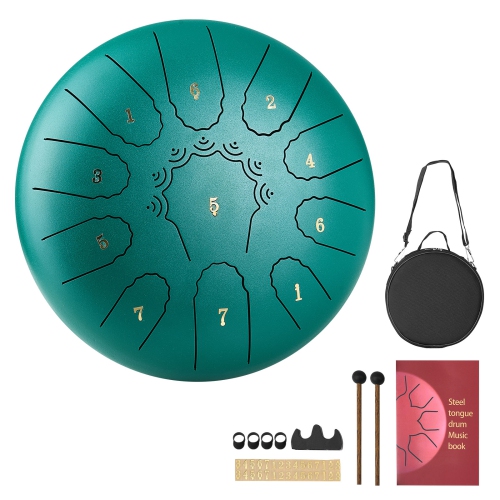
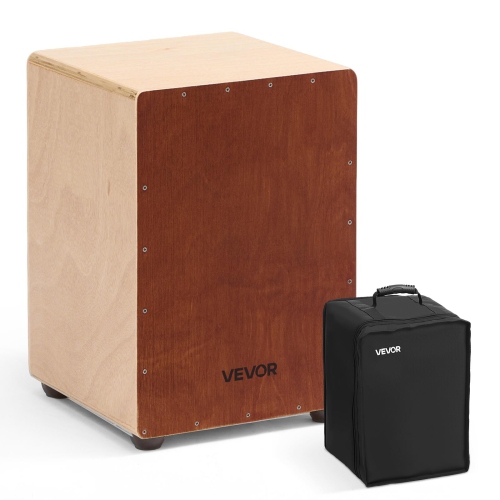
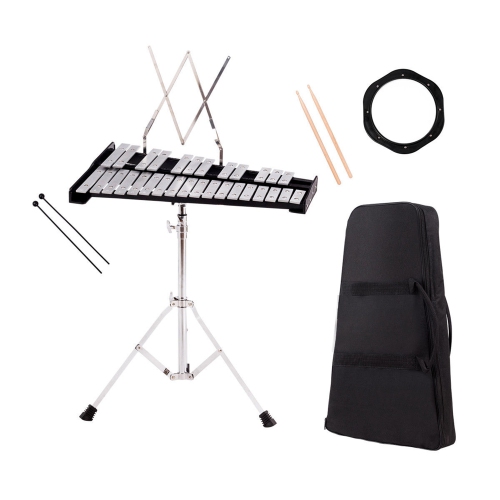
Percussion instruments for beginners create sound when they are struck, shaken, scraped, or tapped, making them an approachable way to explore rhythm and musical expression. They generally fall into two groups: pitched percussion, which produces identifiable musical notes, and unpitched percussion, which primarily provides rhythm and texture. Bell kits and instruments with tuned bars can introduce simple melodies alongside timing, while shakers, tambourines, cajóns, and many hand drums let new players concentrate on keeping a steady beat. Both groups offer room to develop coordination, listening skills, and control without requiring complex finger positions before the first sound. A shaker can add a soft pulse to an acoustic song, a tambourine can give a chorus a brighter accent, and a hand drum can produce contrasting tones through changes in striking position and touch. Although these instruments can be straightforward to start playing, their musical range grows with the player’s technique. Consistent timing, relaxed movement, and the ability to play quietly are meaningful skills even on the simplest instrument. The most suitable starting point often depends on what draws someone to music. A learner who enjoys picking out familiar tunes may connect with pitched percussion, while someone who taps along to favourite songs may prefer a rhythm-focused instrument. Percussion can also complement singing, guitar, or piano without requiring the space associated with a full drum kit. For younger learners, a clear sound and a manageable playing motion can make an instrument easier to engage with. Teens and adults may appreciate the same accessibility, especially when returning to music or joining an informal group. The distinction is less about finding an instrument with no learning curve and more about finding one that makes early practice enjoyable. A comfortable instrument with an appealing sound gives a beginner something worth returning to, whether that means repeating a short rhythm at home or adding a steady pulse to a group performance.
Materials and construction influence how percussion feels, sounds, and stands up to repeated use. Wooden shells and bodies often have a warm, resonant character, while metal components can add brightness, ring, or a crisp accent. Synthetic shells and drumheads may offer more consistent performance when humidity varies, although the sound also depends on dimensions, design, and tuning. Natural drumheads can provide a responsive feel, but changes in moisture and temperature may affect their tension and tone. On instruments with tuned bars, the bar material and mounting system help determine the clarity of each note and how long it rings. Smooth edges, secure hardware, and firmly attached handles matter for instruments that will be carried between rooms or shared among players. Fit deserves just as much attention as sound. A hand drum should allow a relaxed playing position rather than forcing the shoulders upward, and its playing surface should feel manageable for the intended user. A cajón needs a stable body and a seat height that lets the player sit comfortably with both feet supported. Shakers and mallets should be easy to hold without squeezing tightly; larger or heavier versions are not automatically better for a beginner. For children, age guidance and the presence of small detachable parts are important considerations, particularly with jingles, beaters, and accessories. A compact instrument may suit a small practice area, but compact does not necessarily mean quiet. A metal triangle or tambourine can carry clearly through a home, while a larger drum may produce a lower sound that travels through floors. Playing feel, volume, and available space work together. Where quiet practice is important, a practice pad can support stick control with less sound than an acoustic drum, though it does not reproduce every aspect of a drumhead’s response. Suitable sticks or mallets also matter: their weight and striking surface affect both the tone and the wear placed on an instrument.
Everyday use is often what separates a good beginner choice from an instrument that spends most of its time packed away. A lightweight shaker can be easy to bring to a music lesson, while a larger hand drum may need a comfortable carrying bag and a dedicated storage spot. In a classroom or community music group, sturdy construction and surfaces that can be cleaned according to the maker’s directions are especially useful. At home, a stable playing area and an instrument that is easy to set up can make short practice sessions more practical. Care is usually straightforward, but it should suit the materials. A soft, dry cloth can remove dust from many hard surfaces, while drumheads, unfinished wood, and metal components may have different cleaning requirements. Excess moisture, direct heat, and unsuitable cleaners can damage finishes or affect playing surfaces. Storage away from radiators and damp areas helps protect materials, and a case or padded bag can limit knocks during transport. Loose hardware, worn mallet heads, and rough edges are worth addressing before they interfere with comfortable playing. Volume also deserves consideration, particularly when several percussion instruments are played together; lower playing intensity, appropriate hearing protection, and breaks can help manage exposure to loud sound. As gifts, beginner percussion instruments can suit children exploring music, adults taking up a hobby, or singers and instrumentalists who want another way to participate in a group. The recipient’s interests and living space usually offer better clues than age alone. Someone drawn to melodies may enjoy tuned percussion, while a person who loves accompanying songs may prefer an instrument built around rhythm. For a broader comparison of approachable musical options, Easy Instruments for Beginners offers another starting point. Percussion leaves plenty of room for individual preference: a soft shake beneath a verse, a clear bell note, or a steady hand-drum pattern can each provide a satisfying first connection to making music.
Top selling and popular products
-
 Your price for this item is $232.9
-
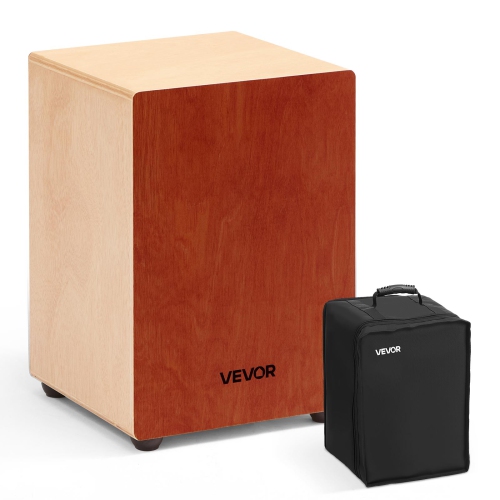 Your price for this item is $98.9
-
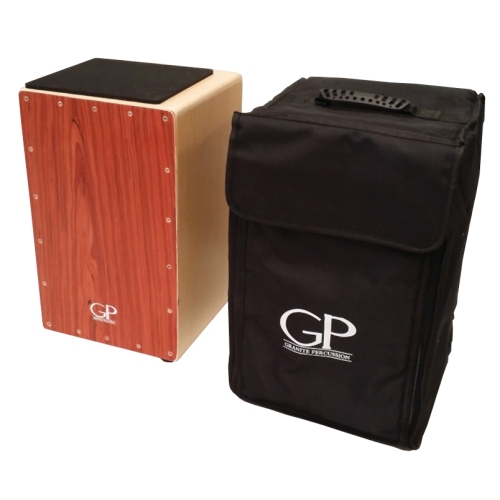 Your price for this item is $169.99
-
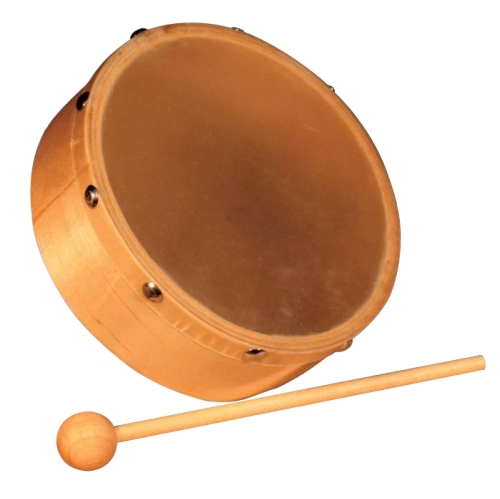 Your price for this item is $17.99
-
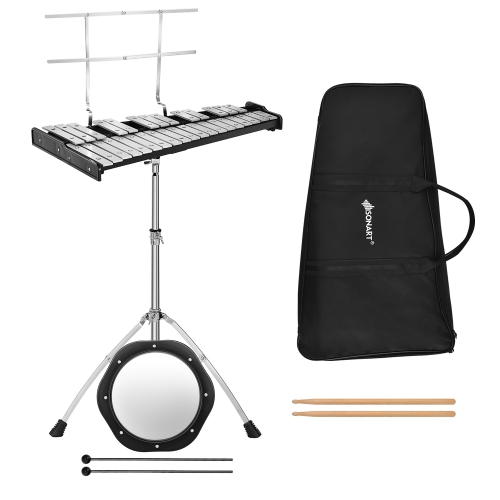 Your price for this item is $155.99
-
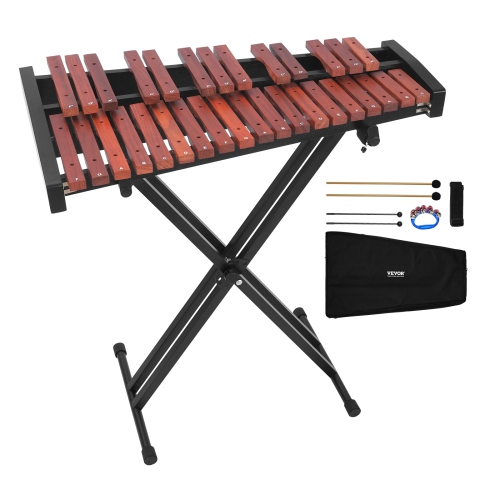 Your price for this item is $174.99
-
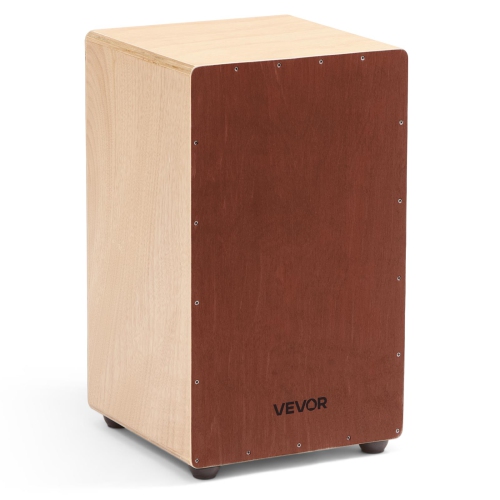 Your price for this item is $98.9
-
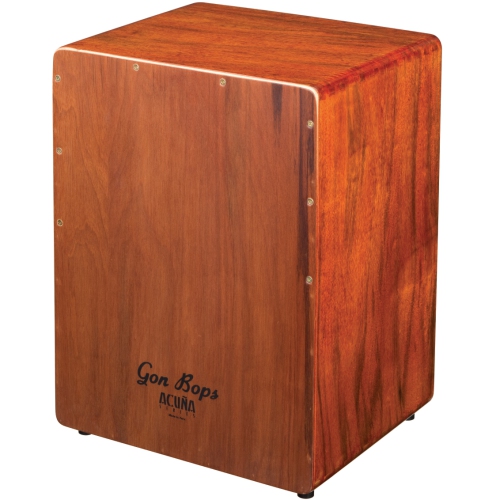 Your price for this item is $515.76
Discover more categories related to Percussion Instruments for Beginners
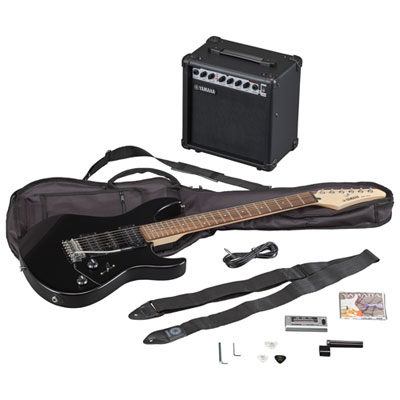
Top Collections:
Best Black Friday Deals This Year, Best Black Friday Deals On Electronics, Kindle Devices, Pokemon Centers, Best Black Friday Deals On Apple Products, Best Cameras for Sports Photography, Dyson Airwrap, Pokémon 30th Celebration Cards, Apple iPhone 17 Pro, Canon G7X Cameras
Some products may be subject to Environmental Handling Fees
(EHF) depending on your province.
Learn more about EHFs.