Musical Keyboards With Stands
Enhance your musical talents with our selection of high-quality musical keyboards with stands. Whether you are a beginner looking to learn the basics or a seasoned musician seeking to elevate your performances, we have the perfect keyboard for you. Designed for both convenience and comfort, these keyboards come with sturdy stands that provide stability while playing. Explore our range of musical keyboards with stands and take your music to the next level.
Sort

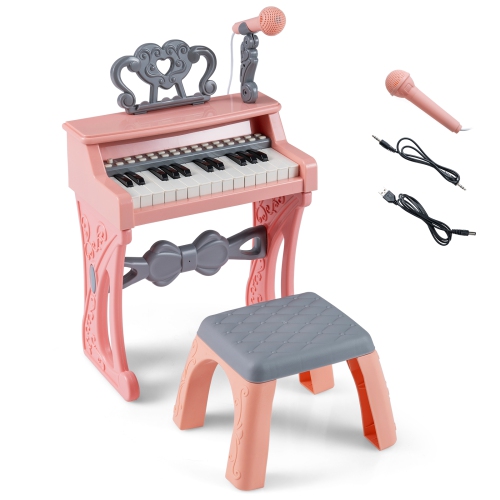
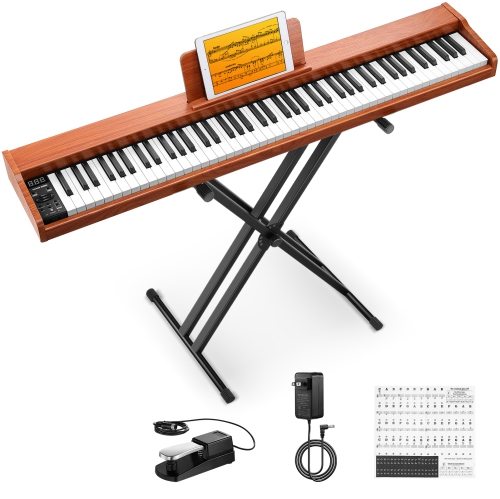
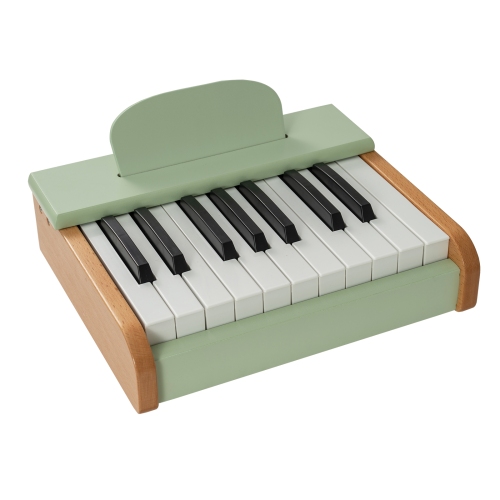
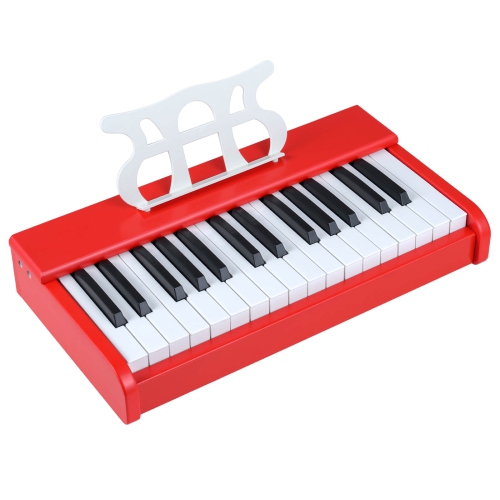
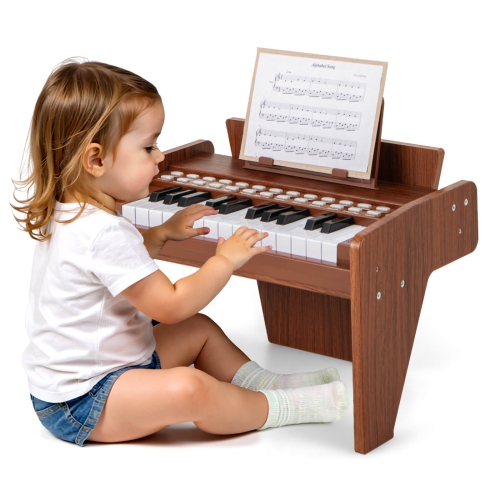
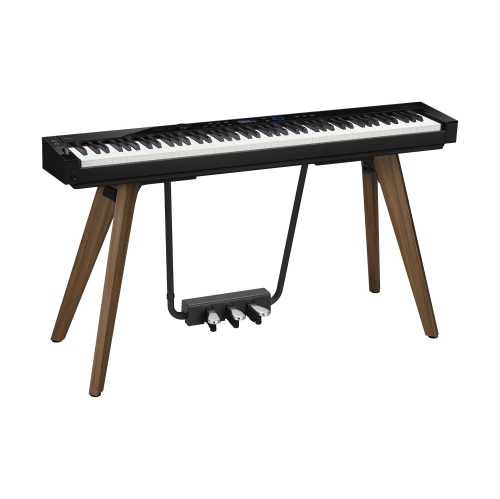
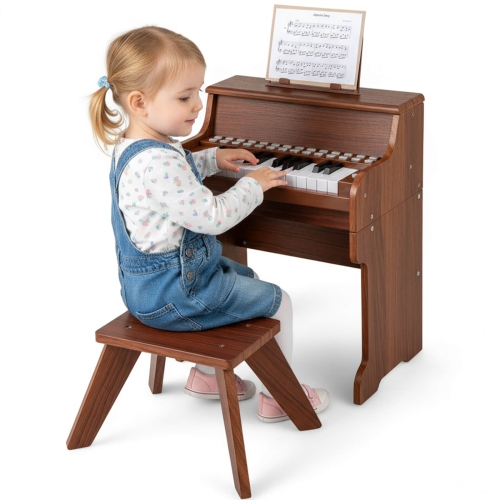
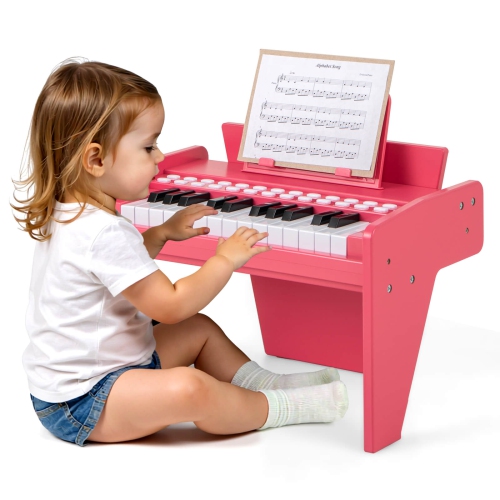

From first lessons to home studio sessions
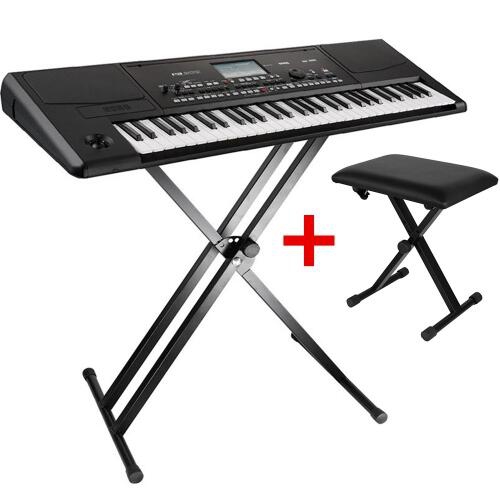
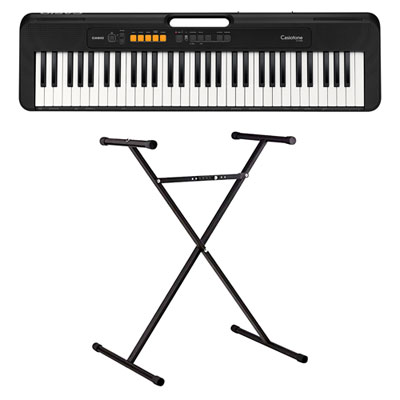
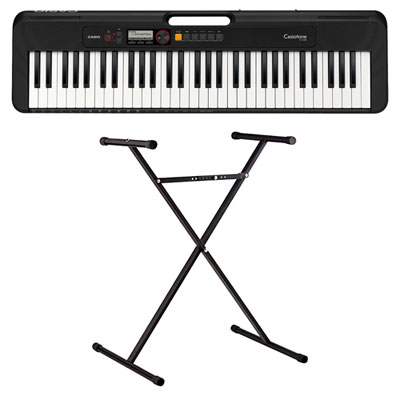
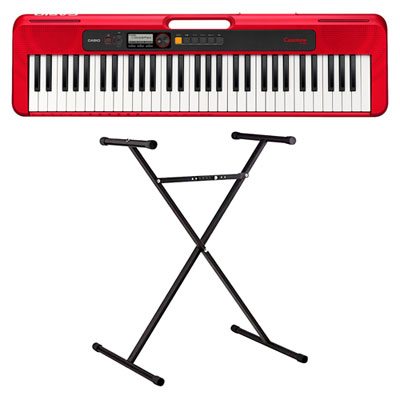
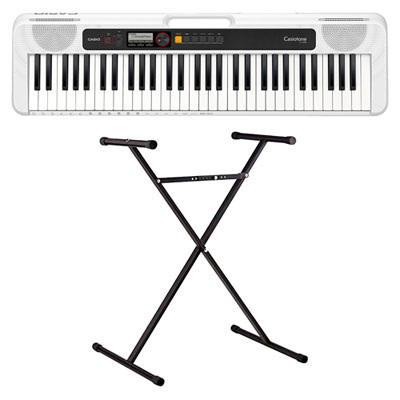
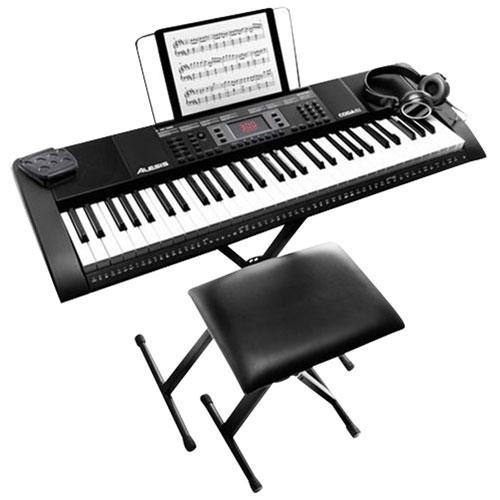
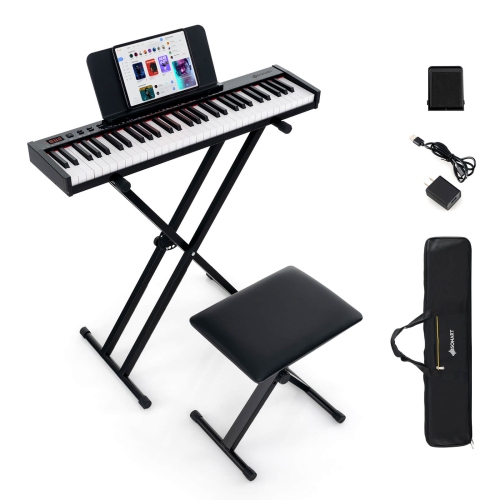
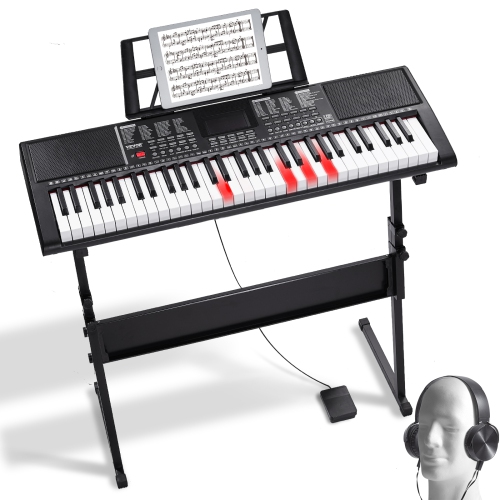
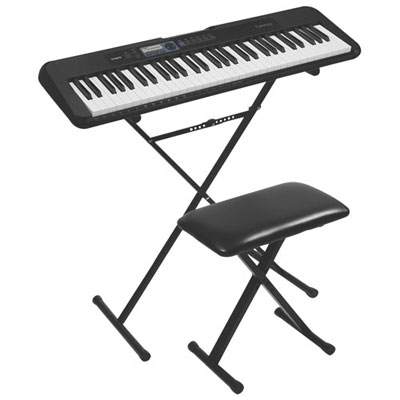
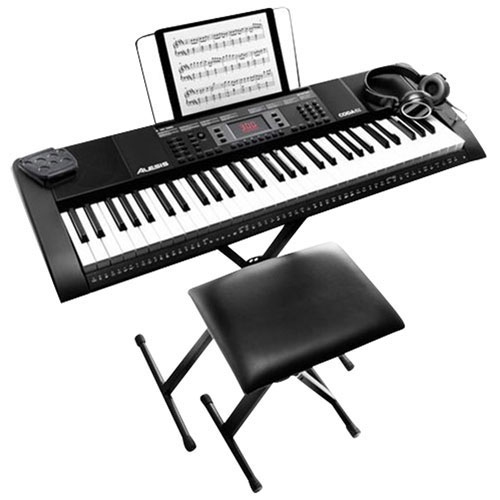
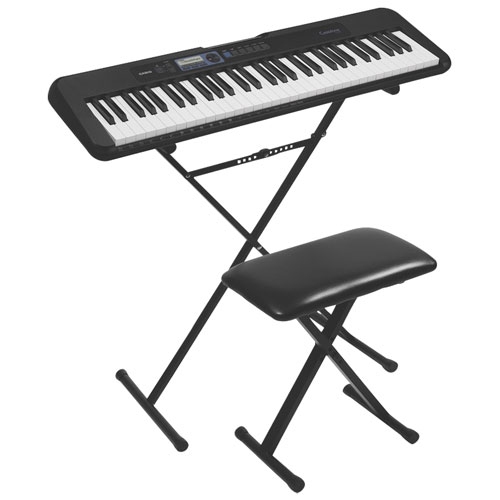
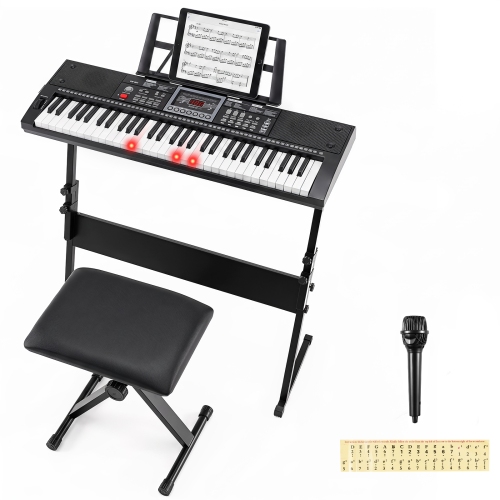
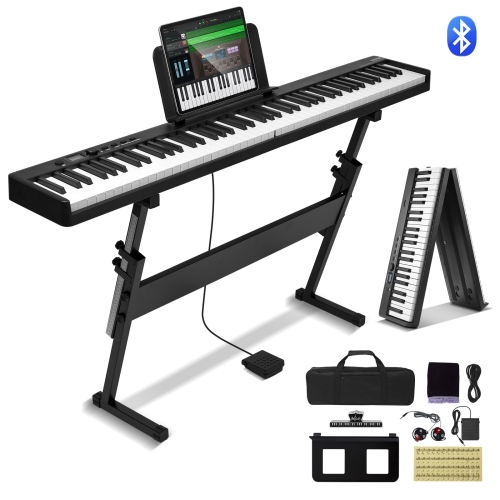
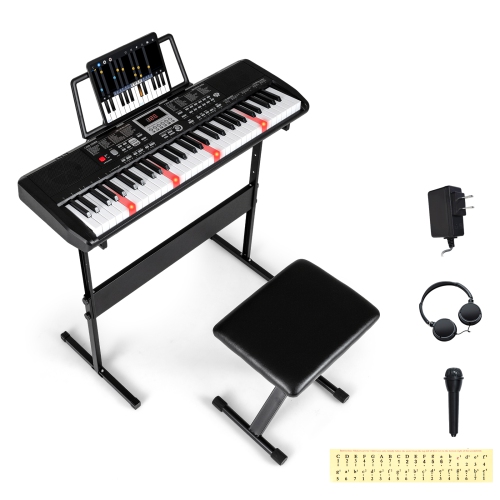
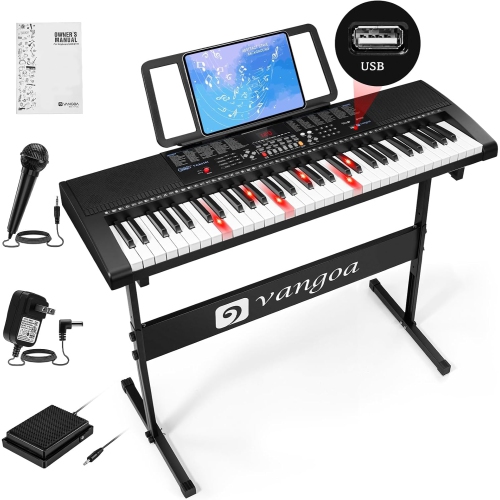
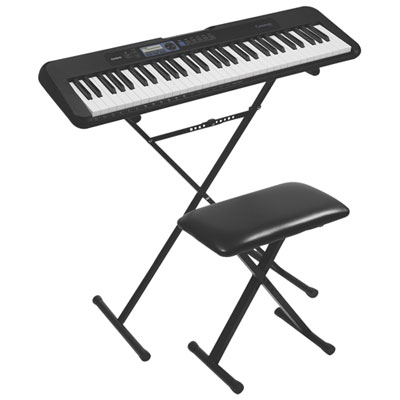
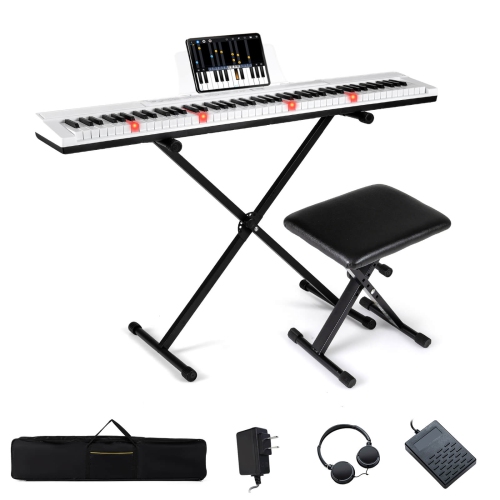
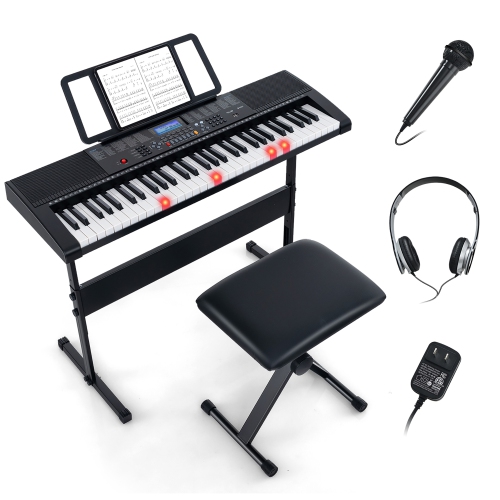
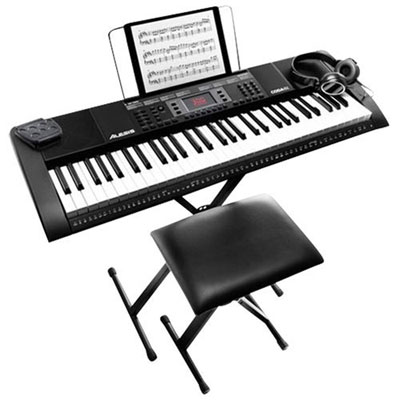
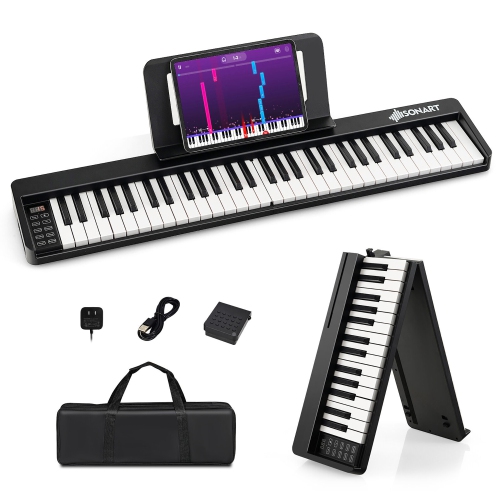
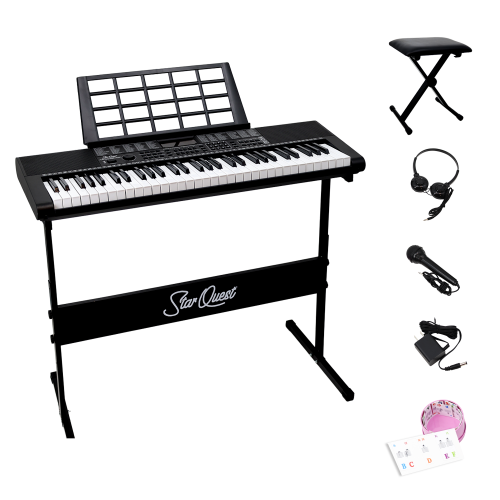
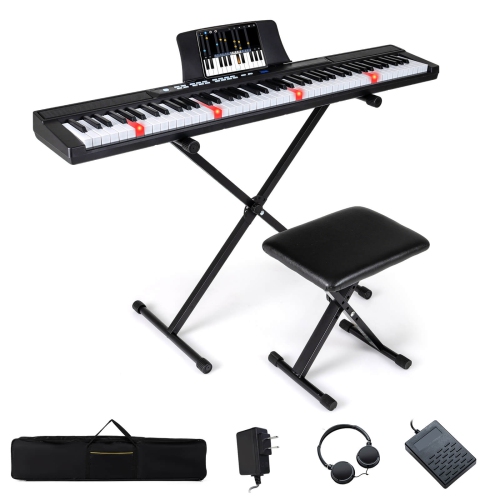
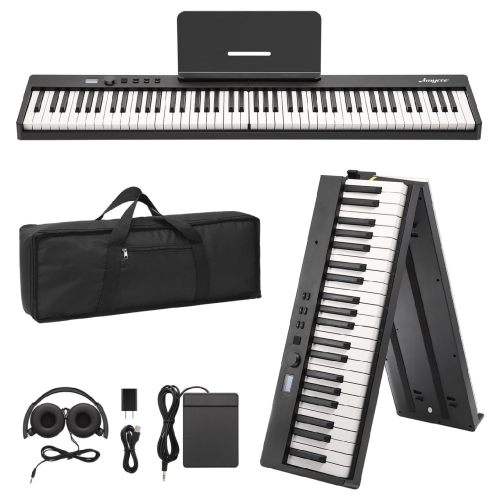
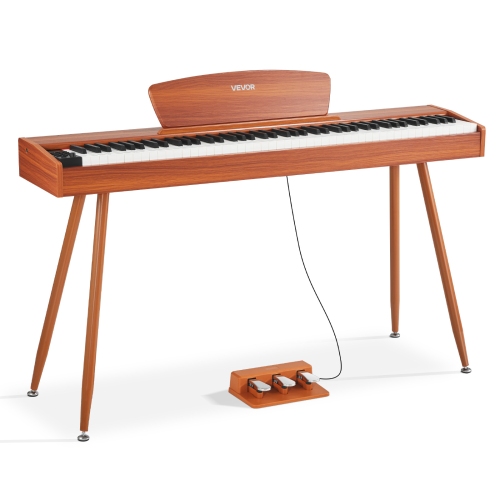
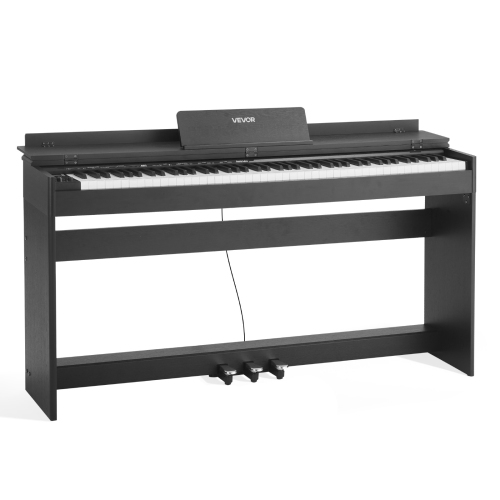
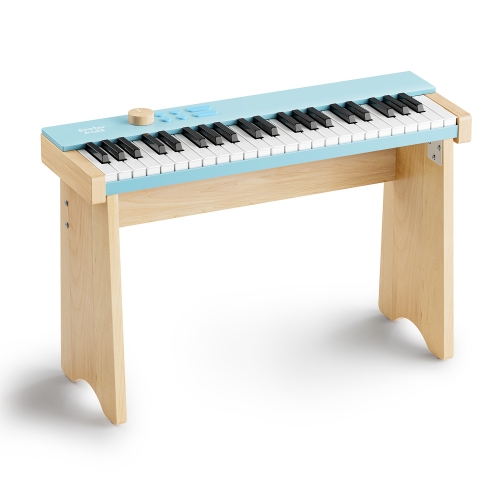
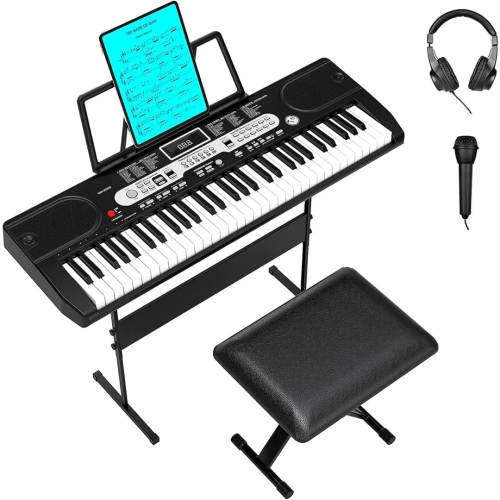
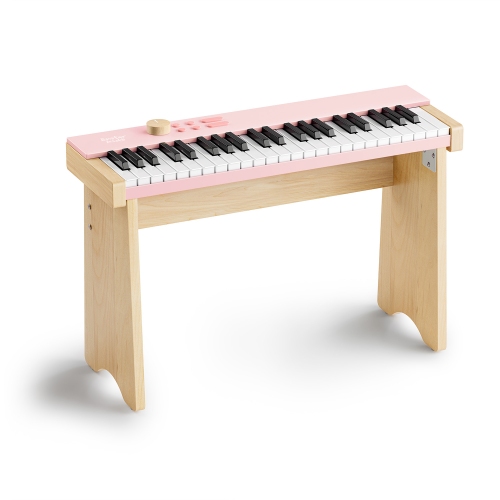
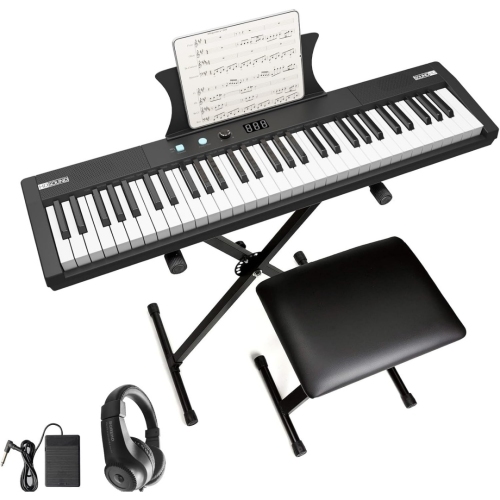
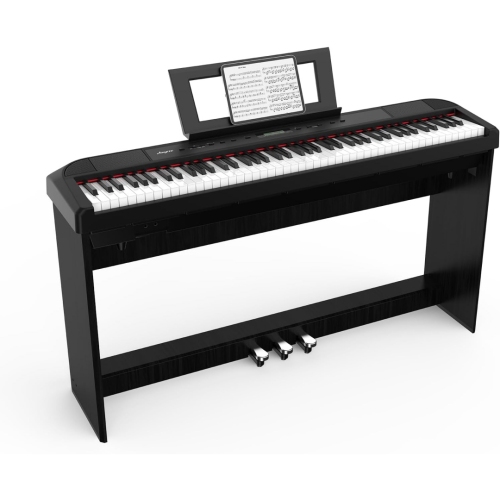
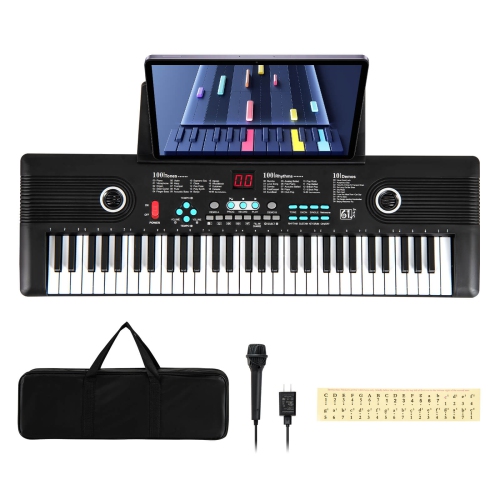
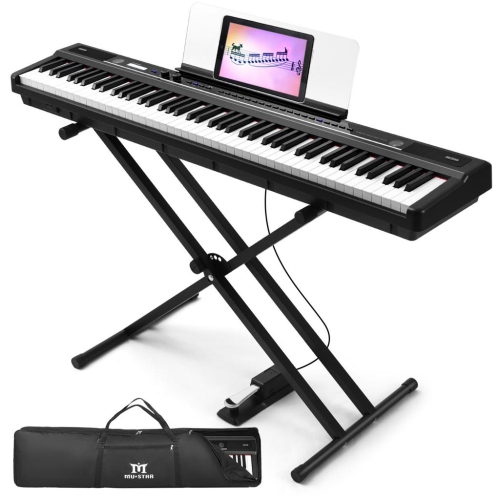
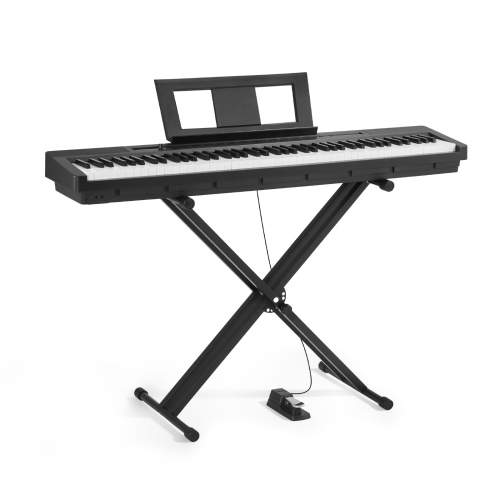
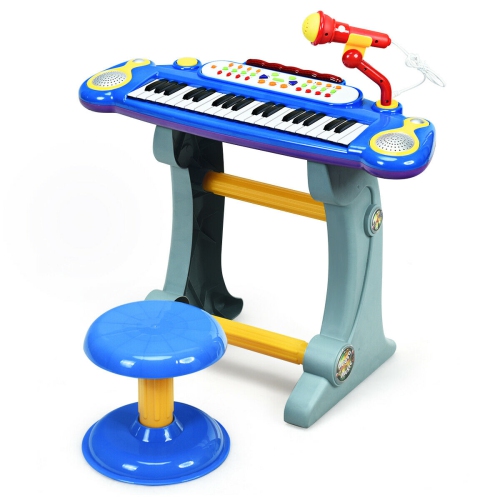
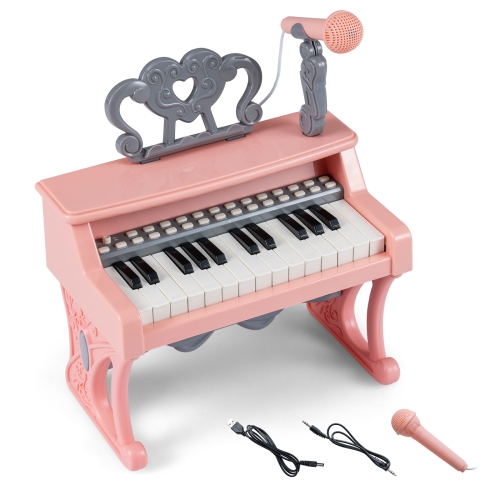
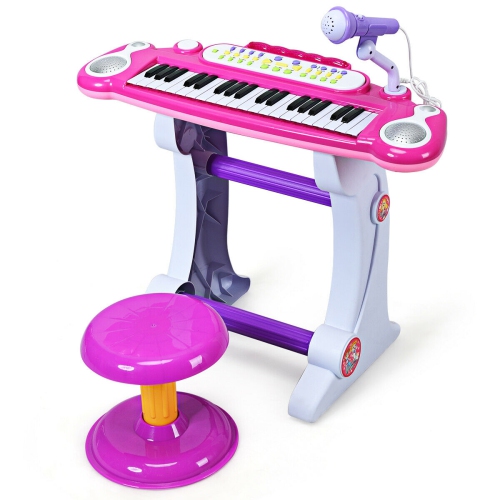
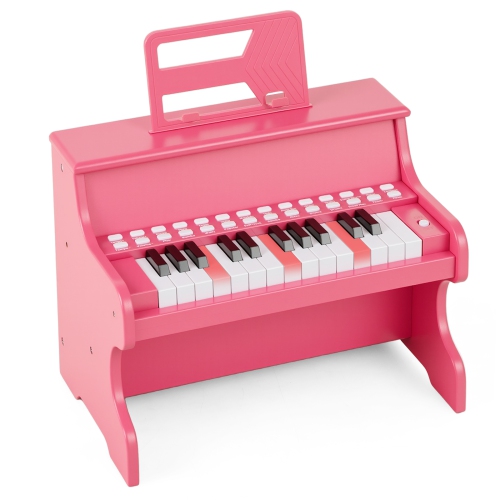
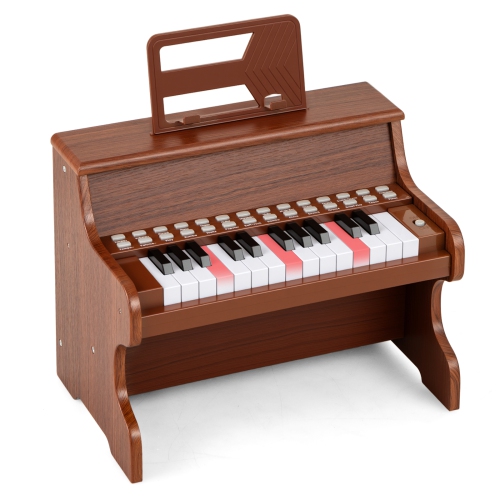
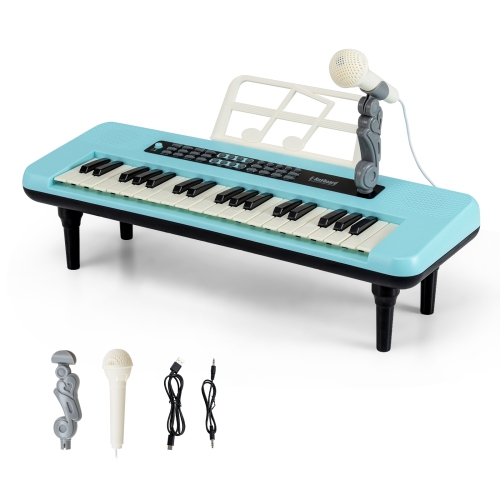
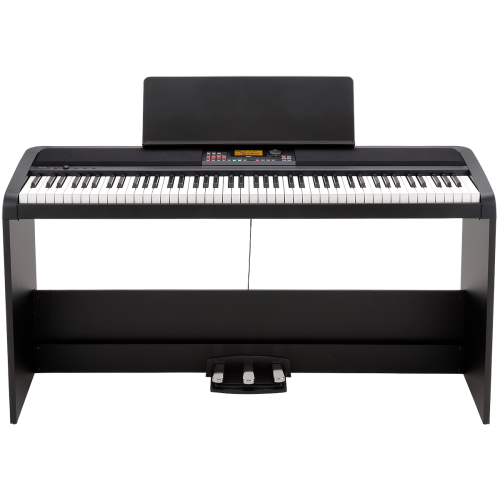
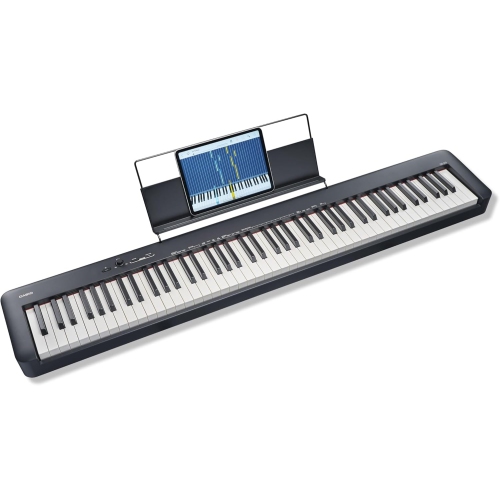
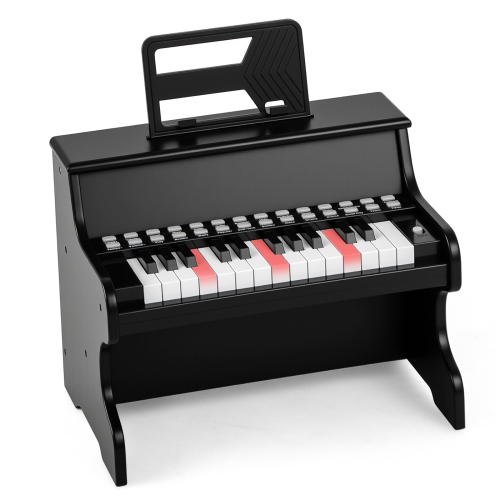
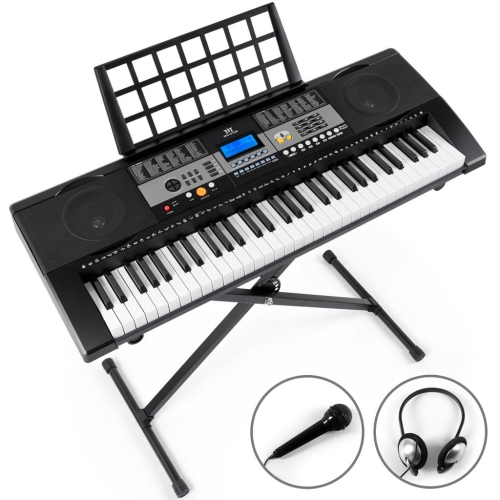
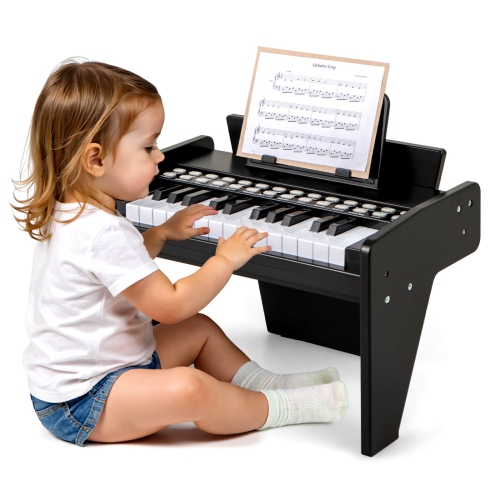
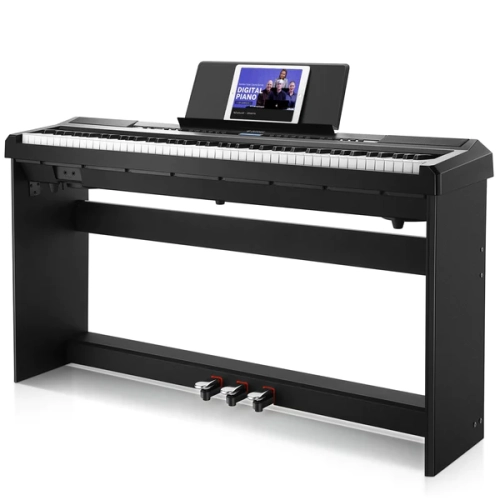
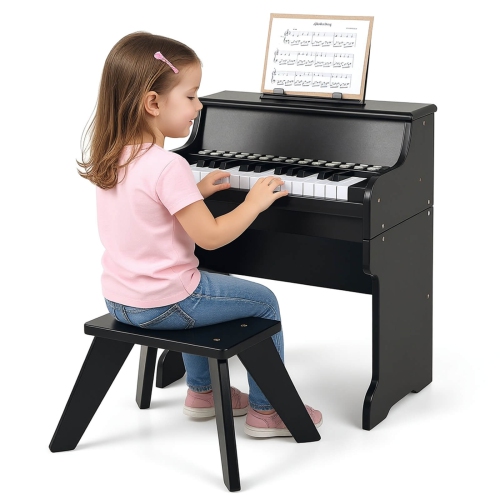
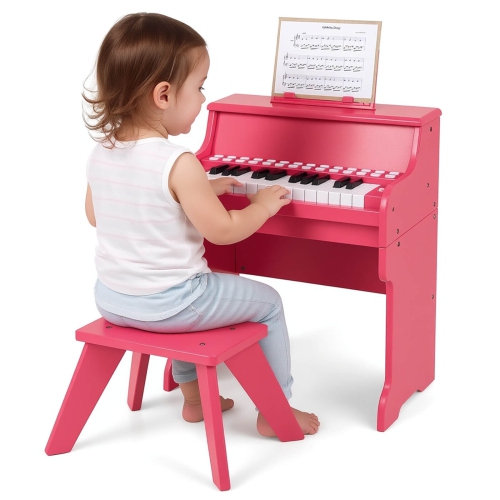
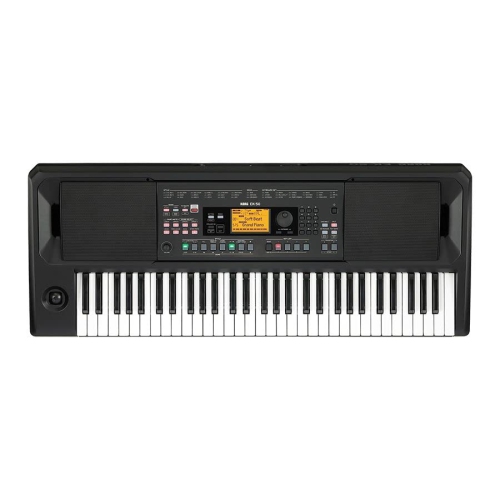
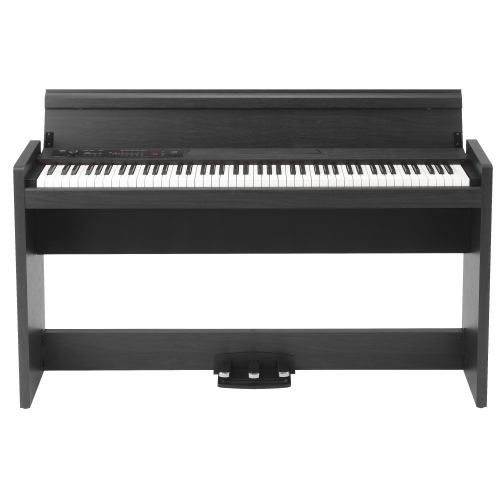
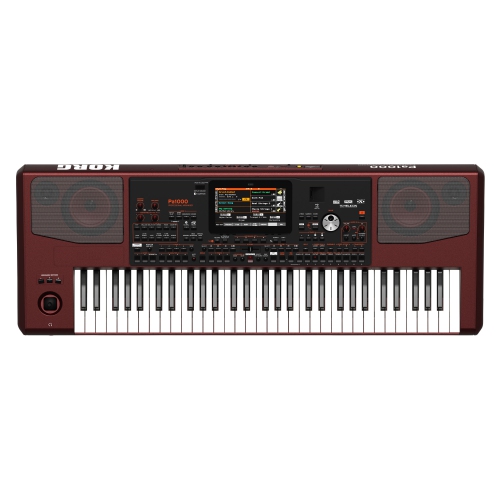
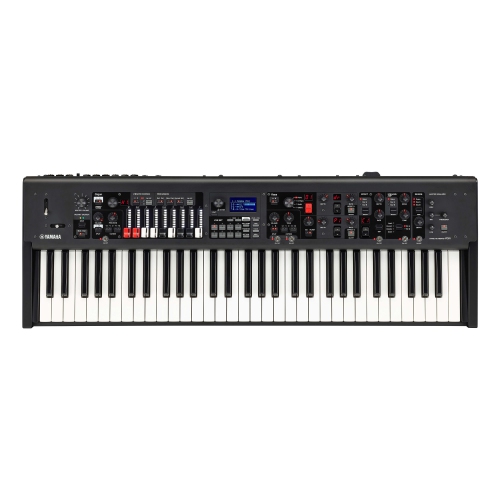
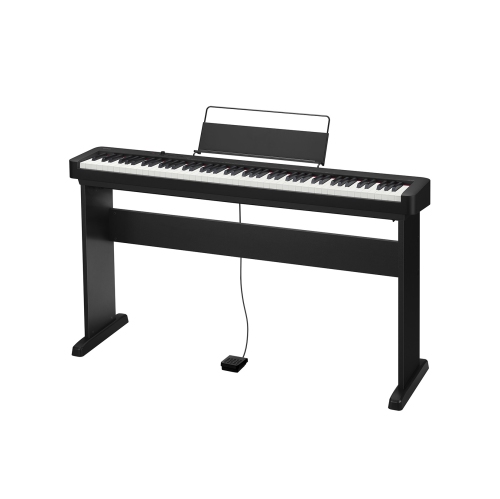
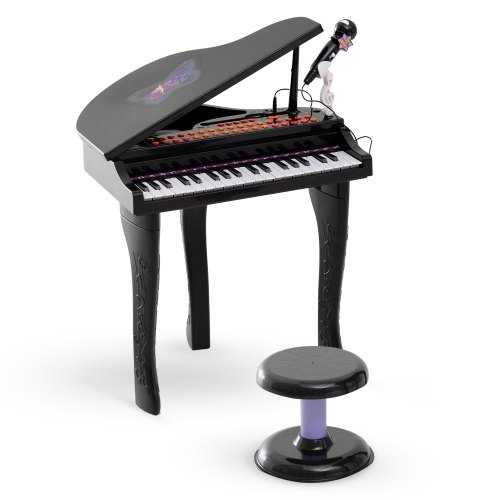
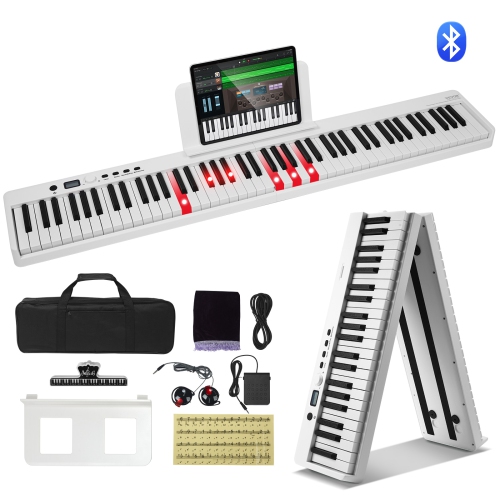
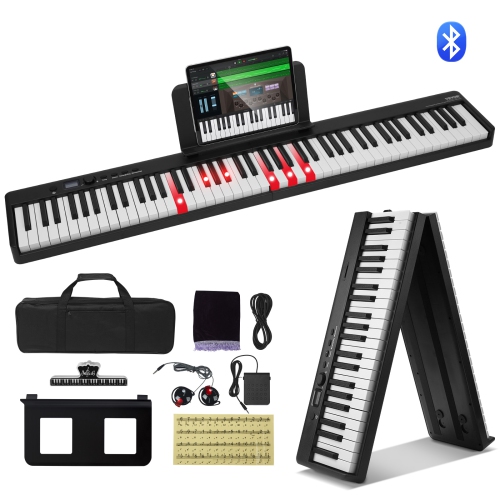
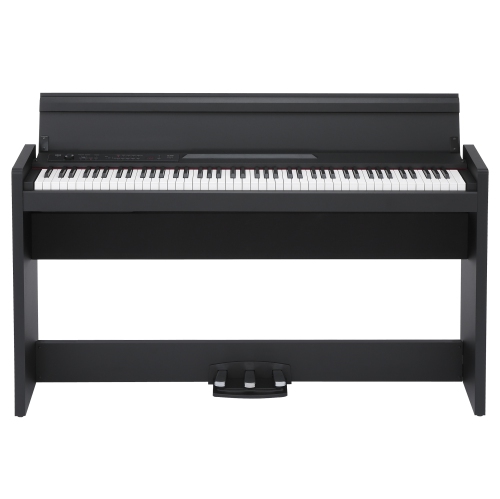
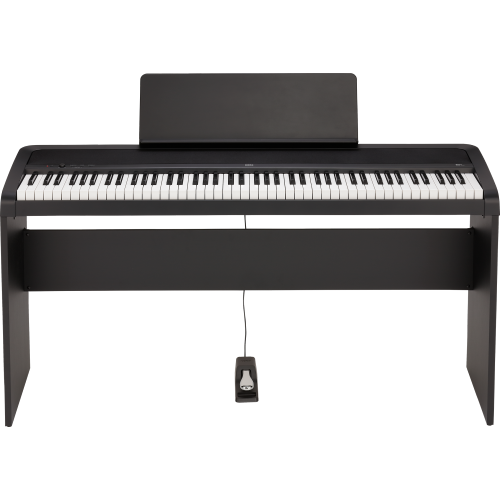
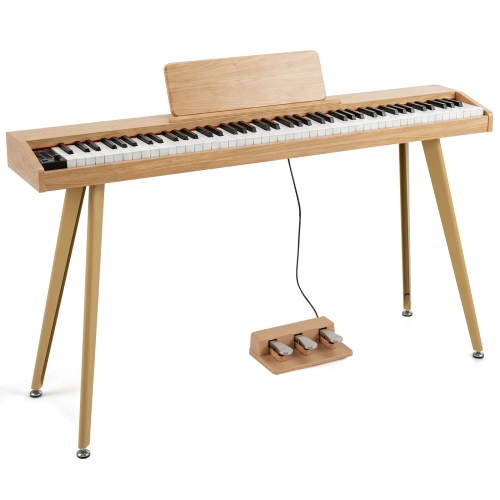
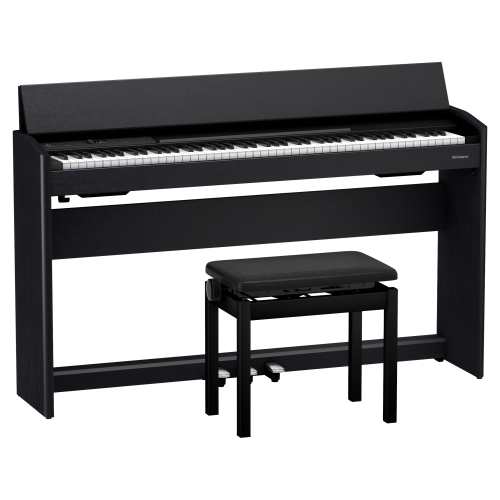
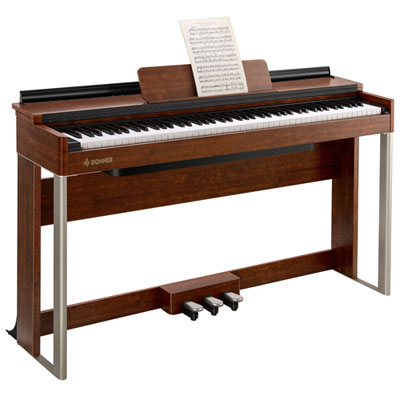
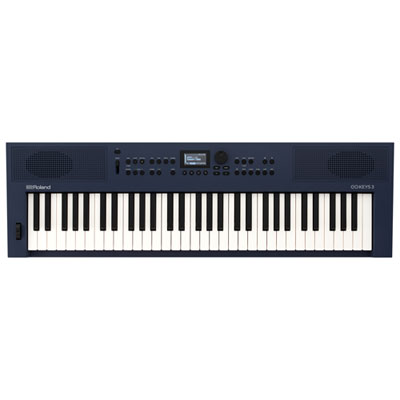
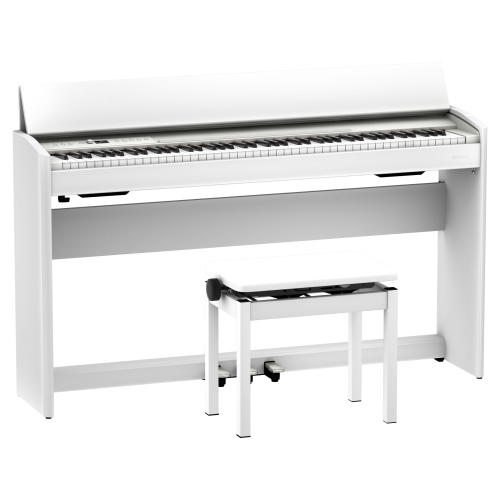
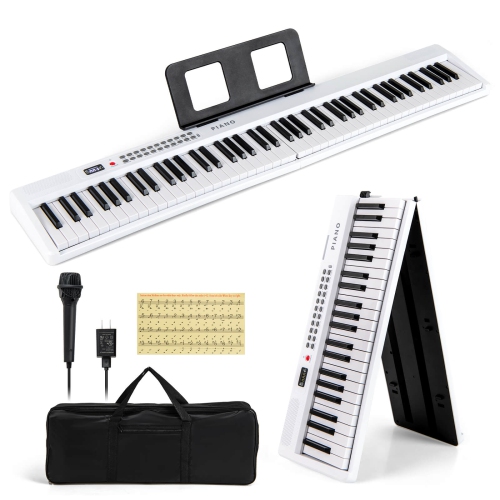
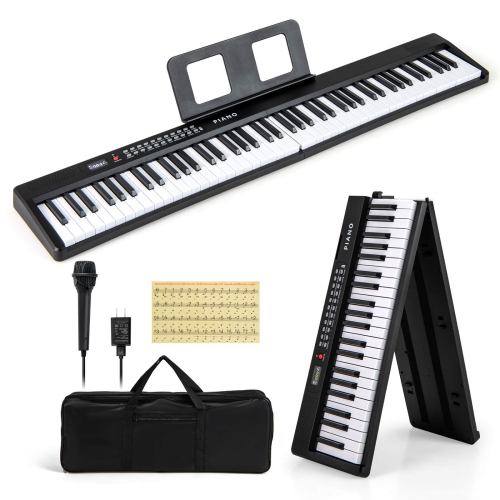
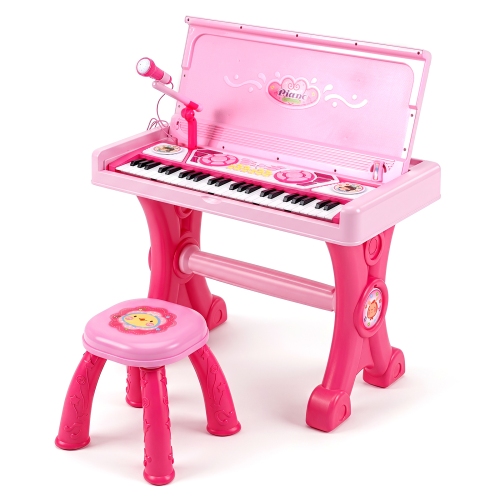
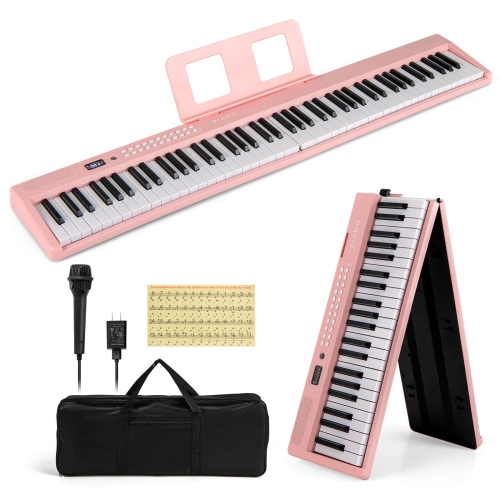
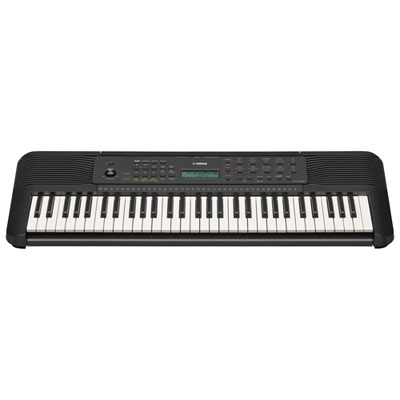
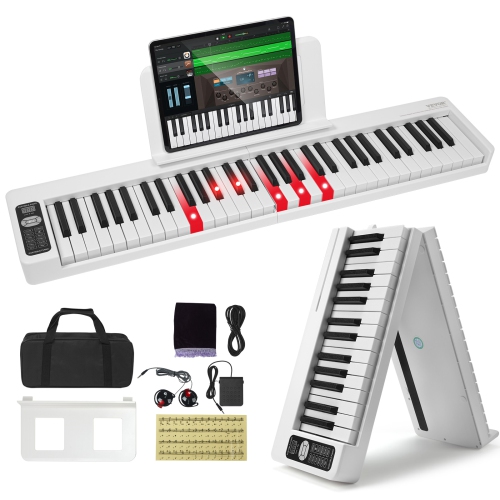
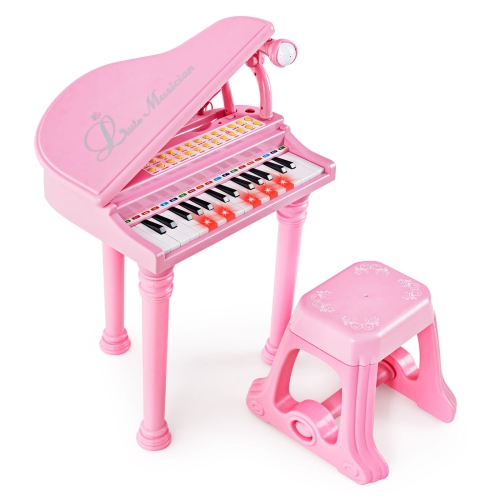
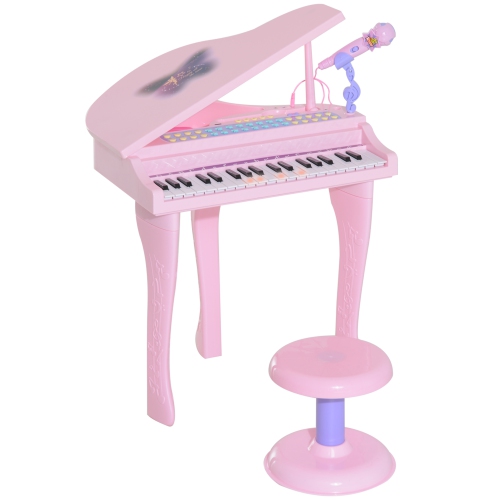
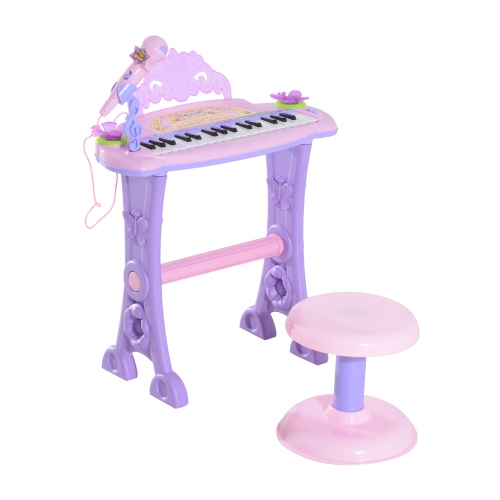
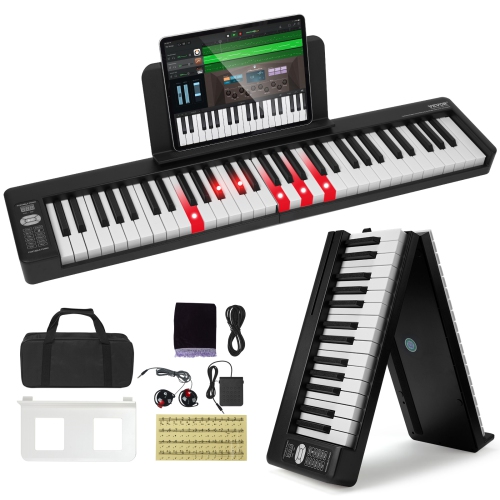
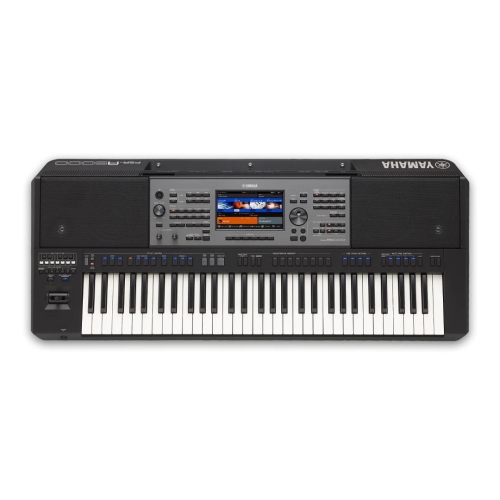
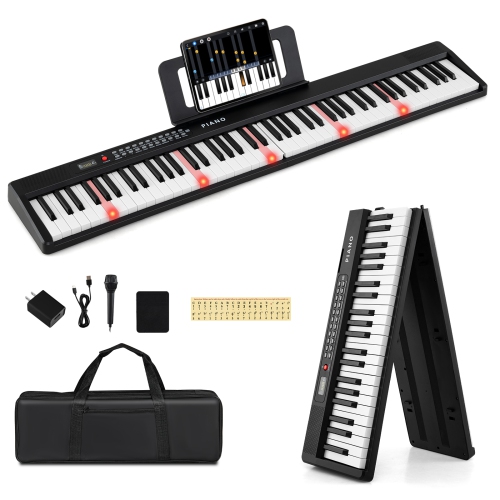
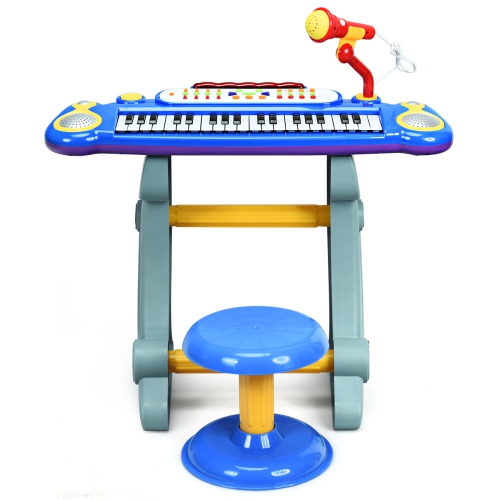
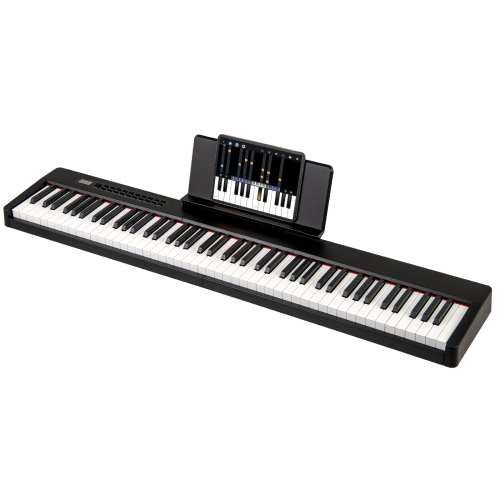
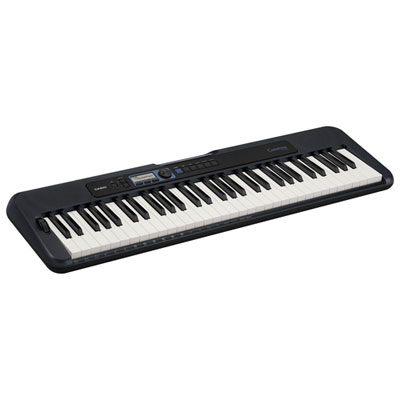
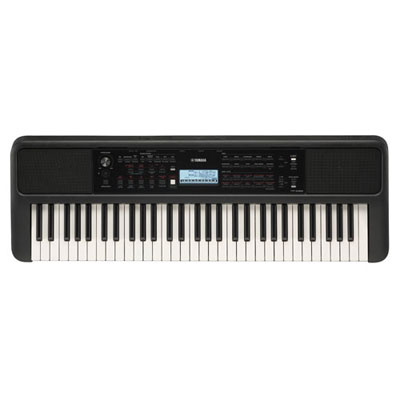
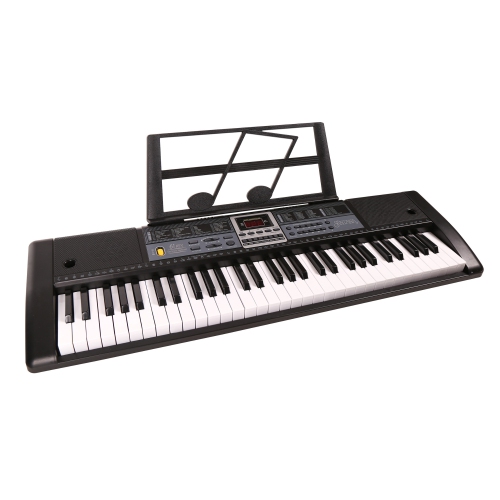
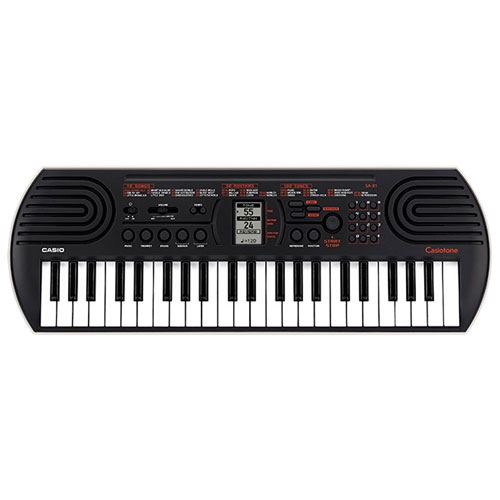
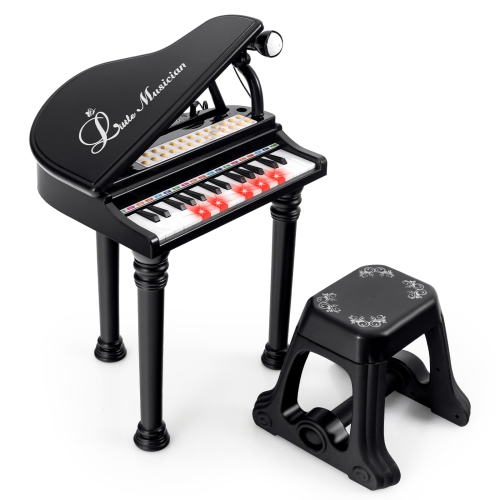
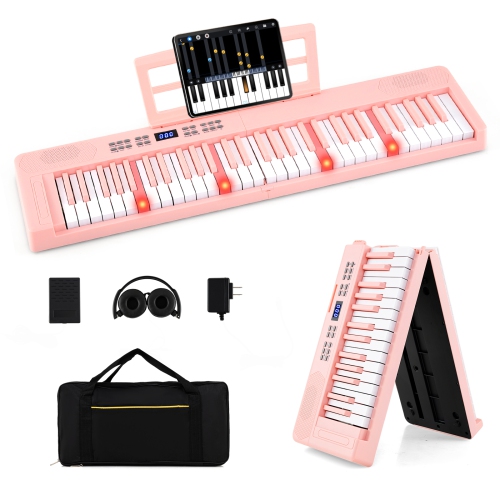
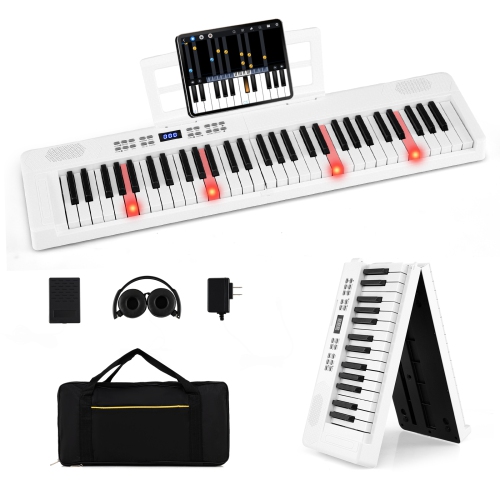
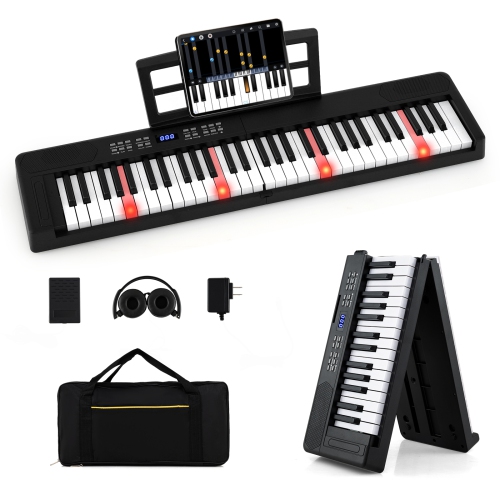
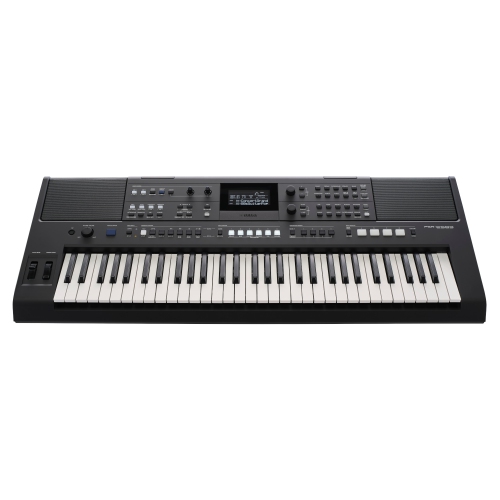
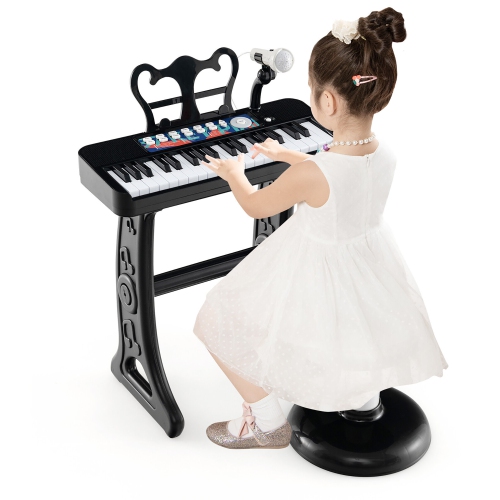
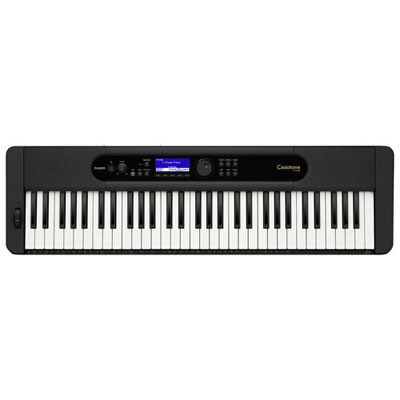
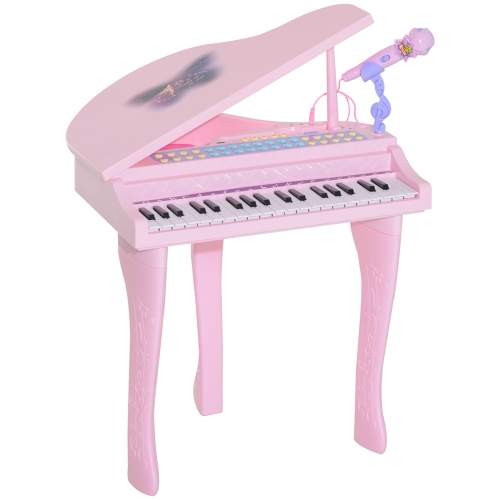
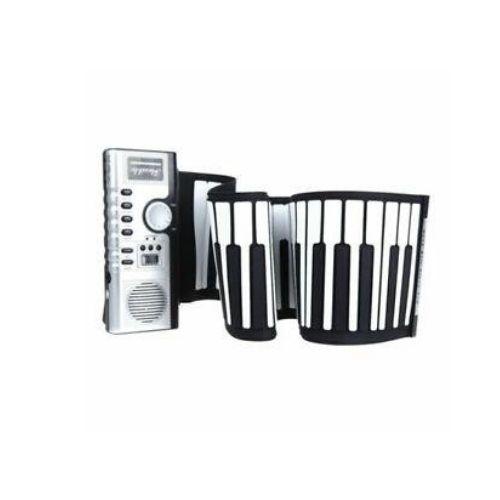
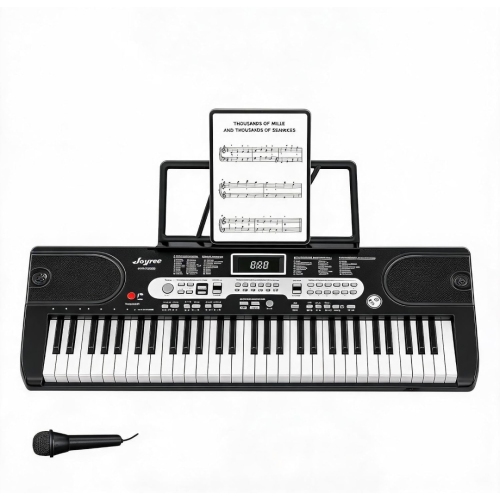
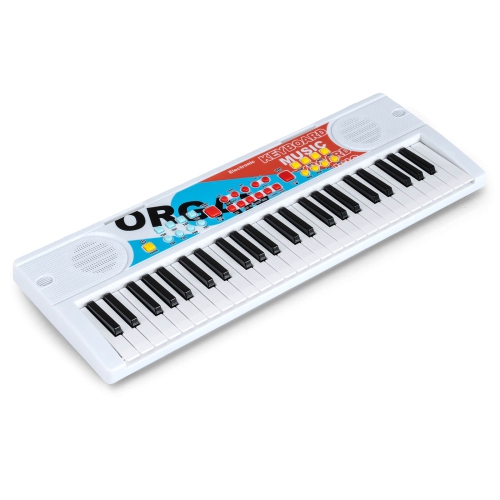
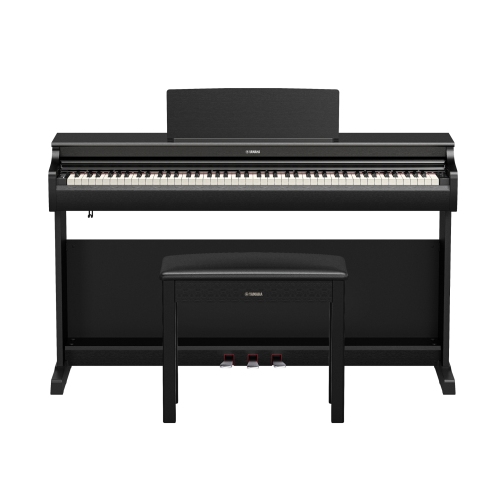
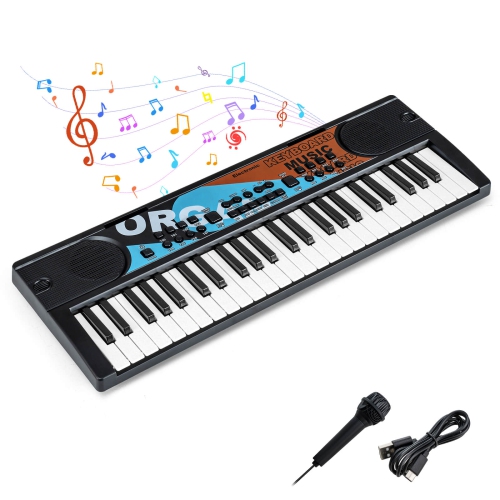
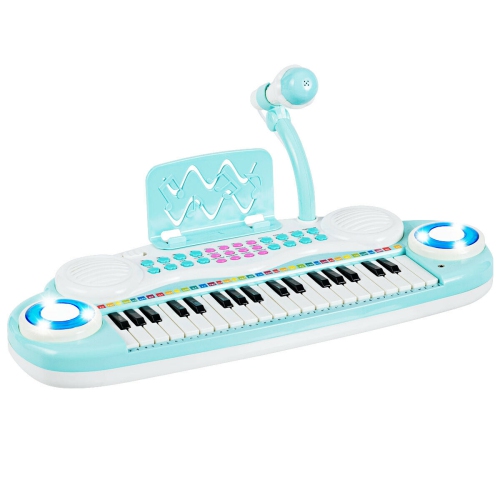
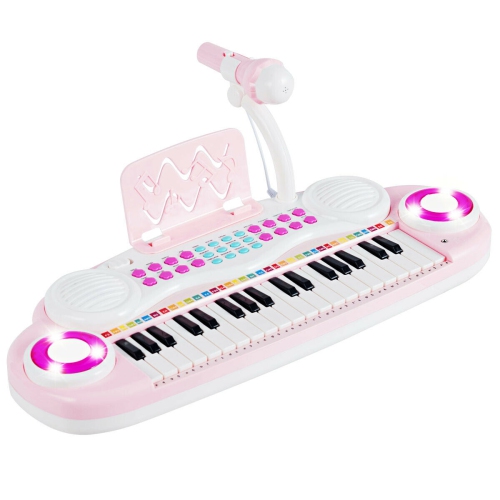
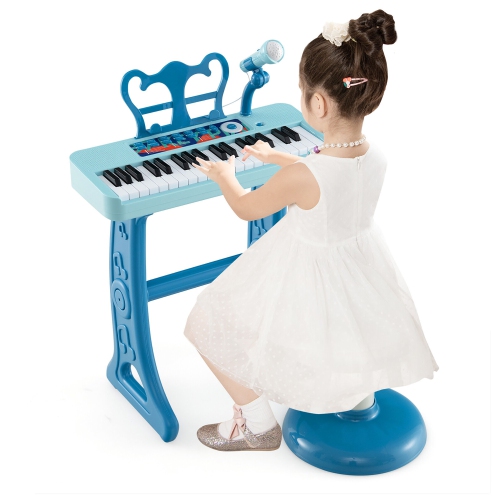
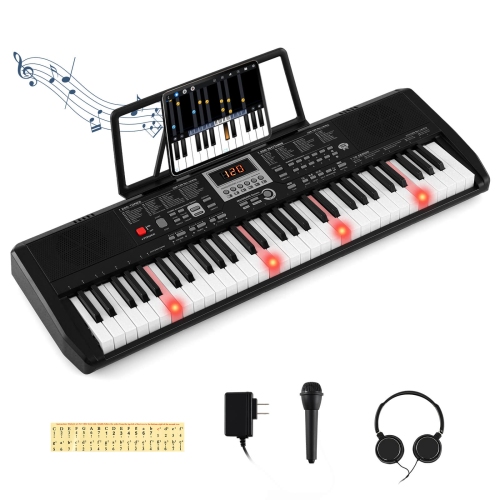
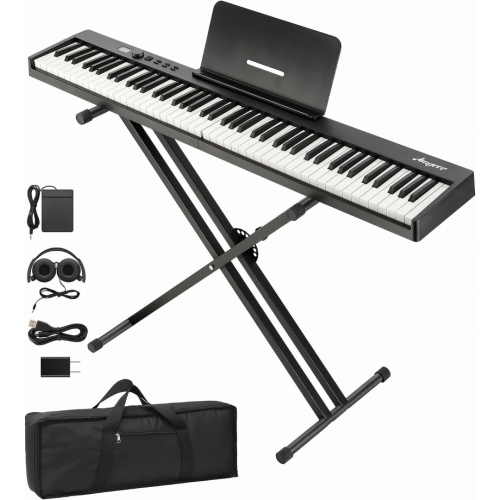
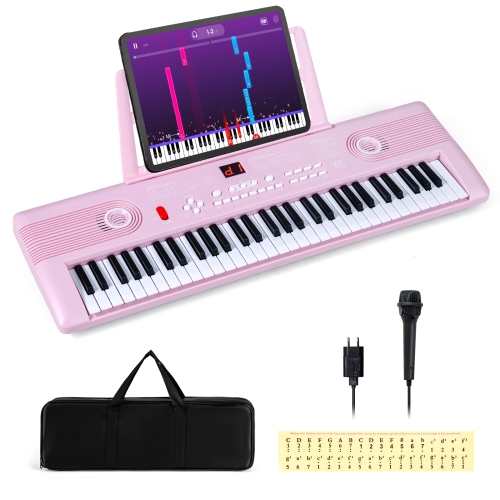
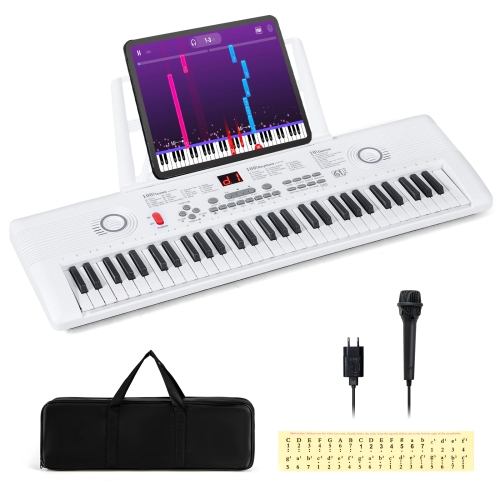
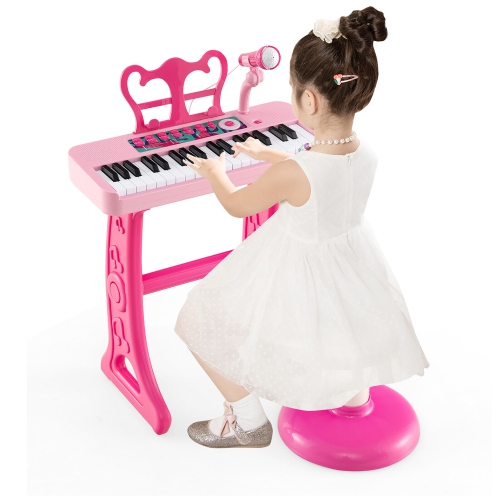
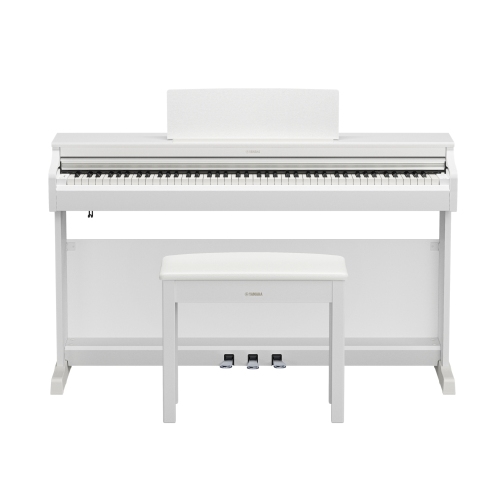
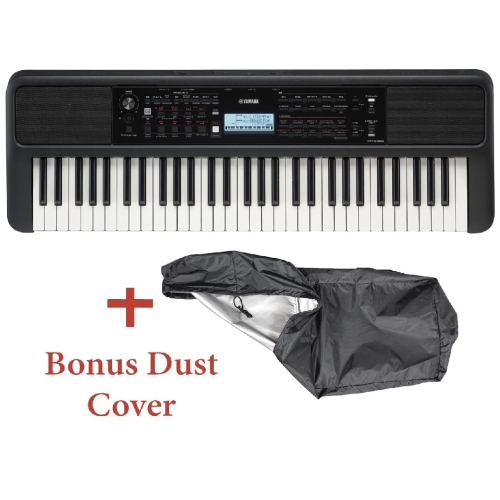
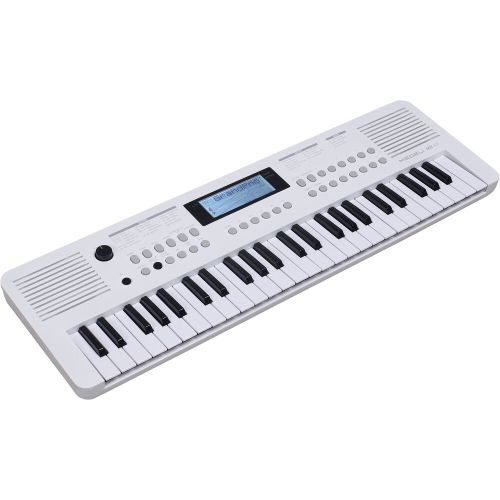
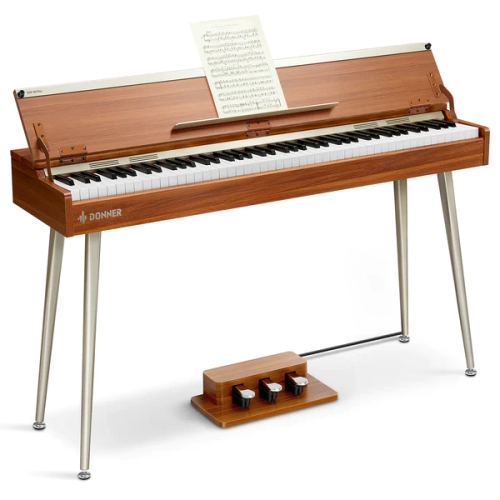
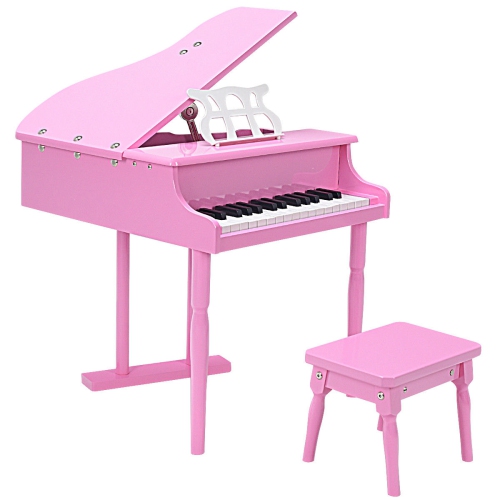
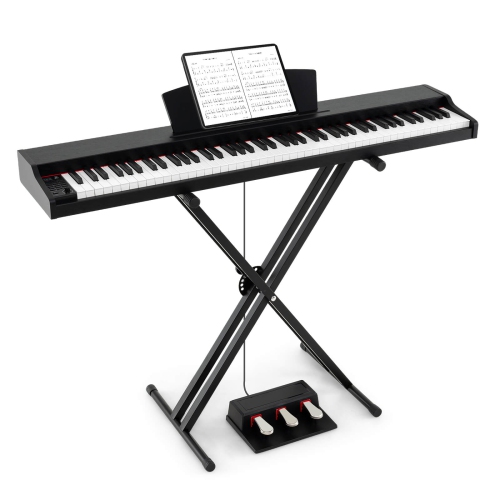
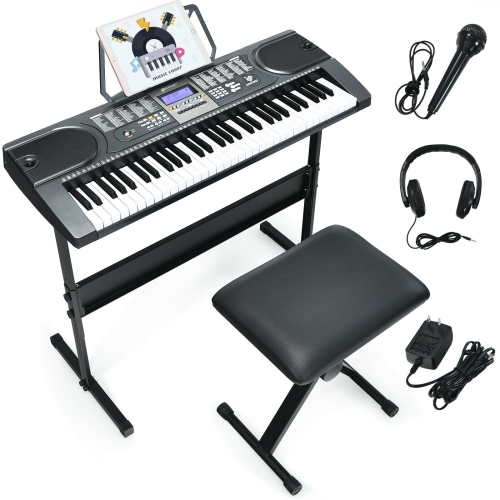
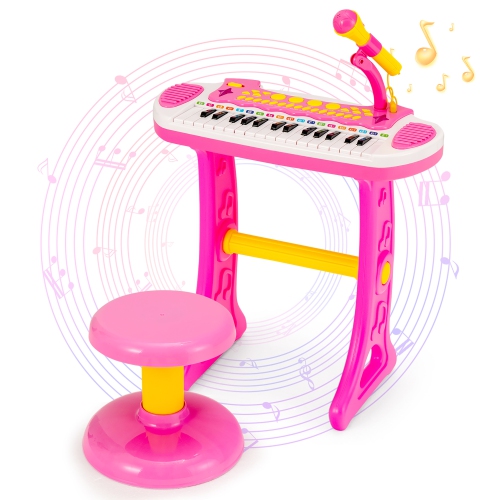
Musical keyboards with stands offer a practical way to create a dedicated playing area without assembling every part separately. Many keyboard bundles are designed for beginners and casual players, combining a portable electronic keyboard with an adjustable stand and, in some cases, a bench, sustain pedal, headphones, or microphone. This format can be especially useful for someone learning at home, since the height can be adjusted for a comfortable playing position and the stand can often be folded away after a lesson or practice session. A keyboard with 61 keys is a popular choice for new players because it provides enough range for melodies, chords, lessons, and a wide variety of built-in sounds while keeping the instrument relatively compact. Full-size 88-key keyboards are better suited to players who want the range of an acoustic piano, particularly when the keys are weighted or designed to replicate the feel of hammer action. The right arrangement depends on the player’s experience, available space, and musical goals. A child beginning their first lessons may appreciate a straightforward keyboard with illuminated controls and simple song functions, while a teenager exploring pop, film music, or songwriting may prefer recording features, accompaniment rhythms, and connections for a computer or mobile device. Adults returning to music can benefit from a setup that is easy to operate and comfortable enough to encourage regular practice. As a gift, a keyboard and stand combination can be a thoughtful choice for a family member who has expressed an interest in piano, composing, or music production, especially when the included accessories make it possible to start playing without purchasing several separate items.
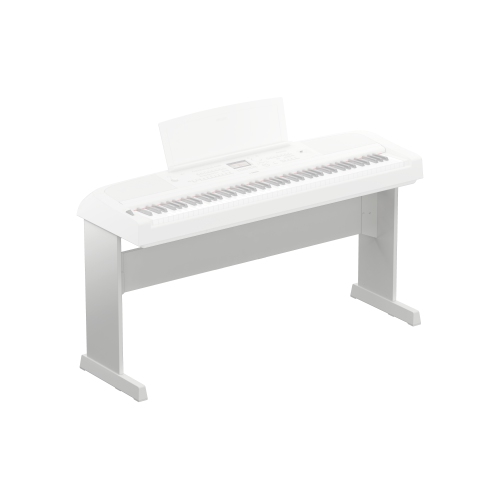
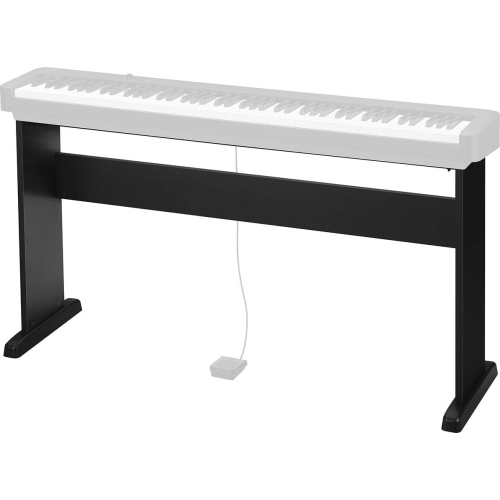
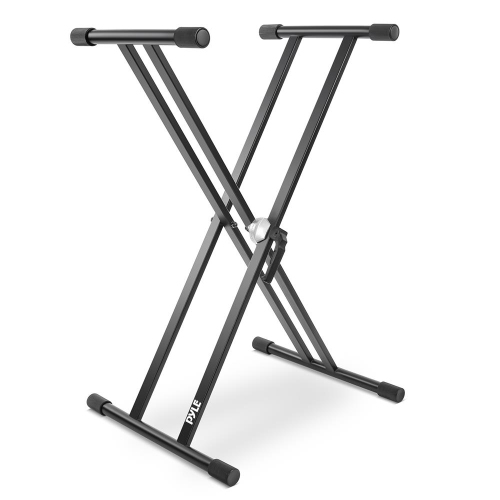
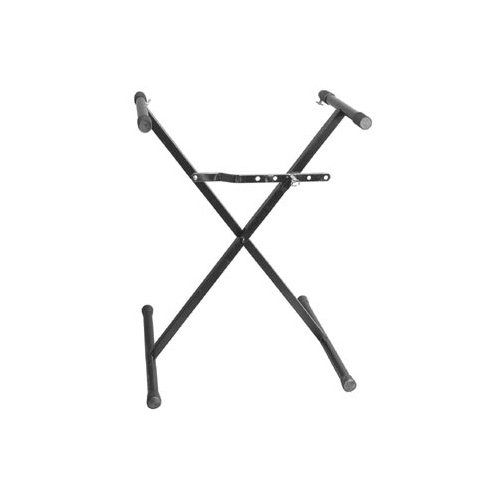
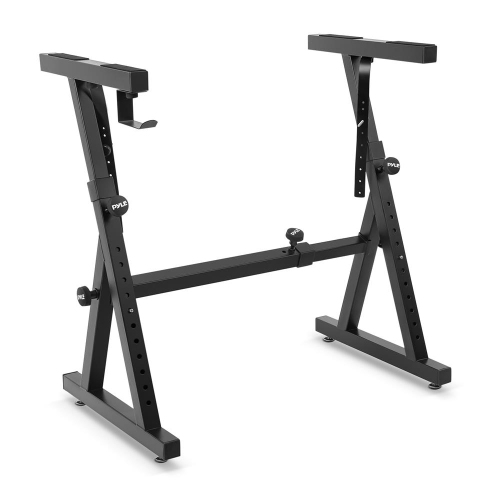
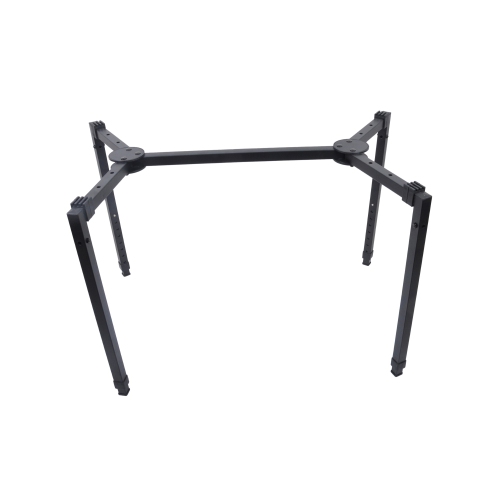
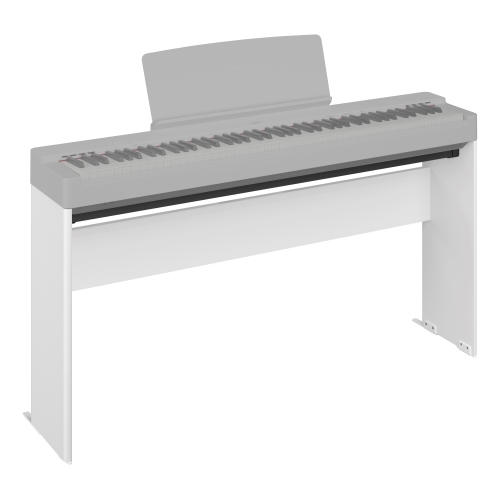
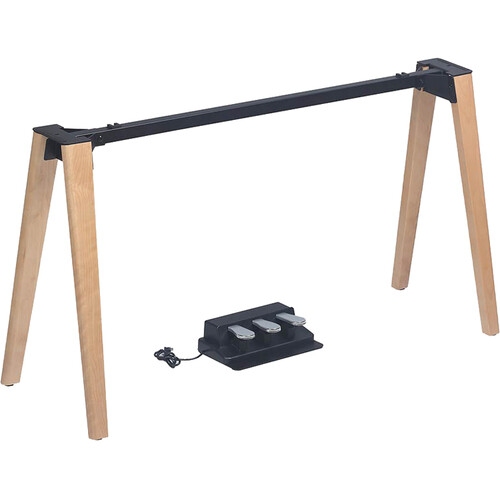
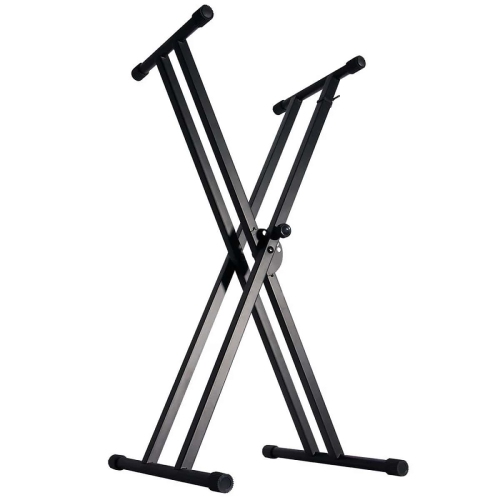
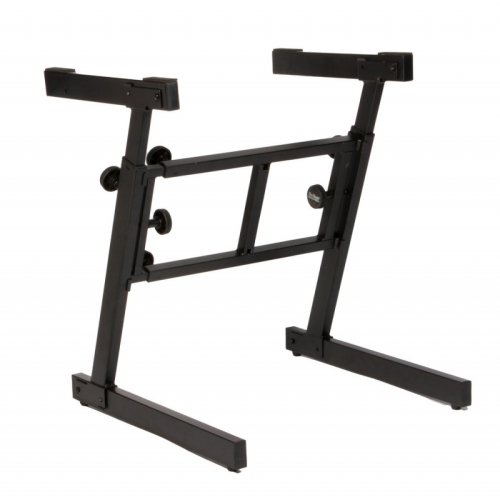
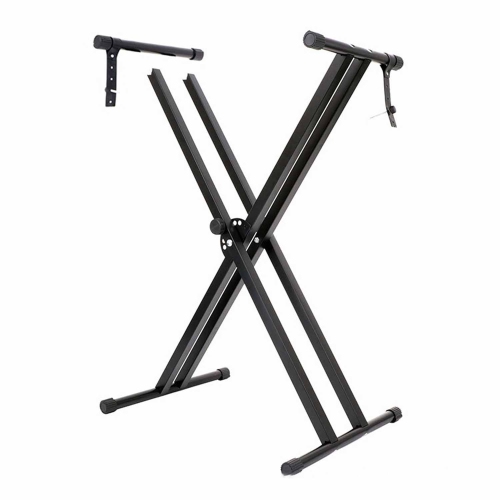
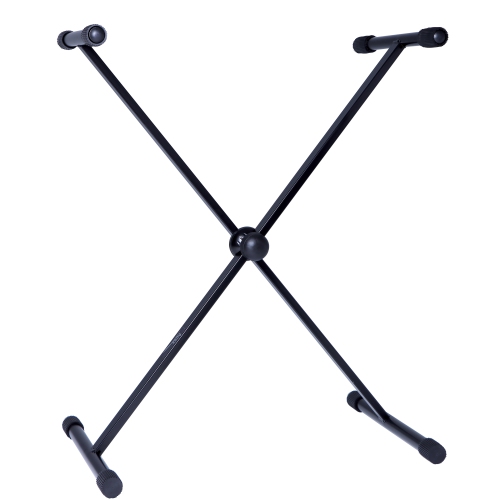
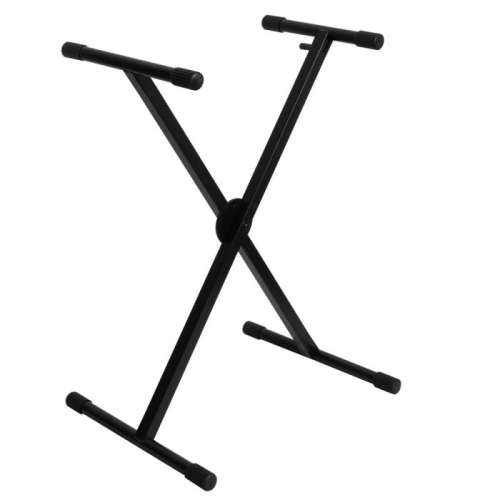
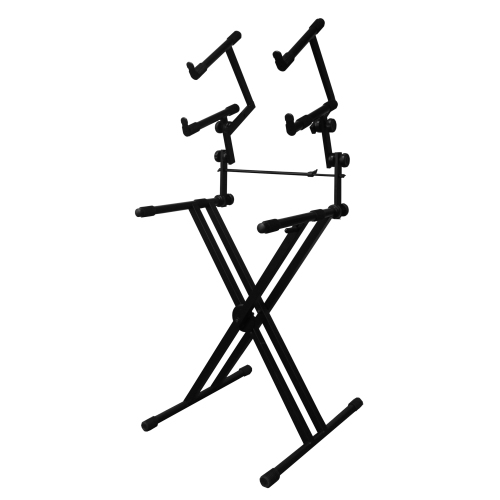
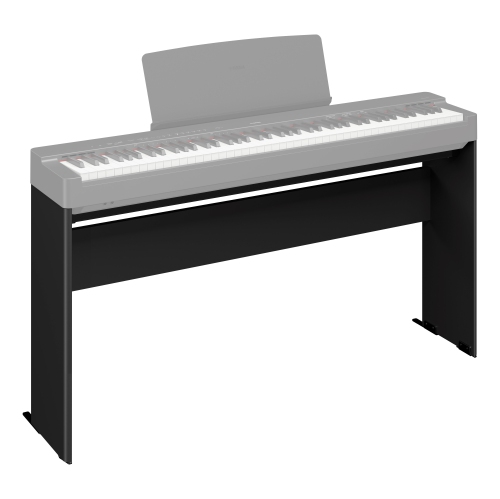
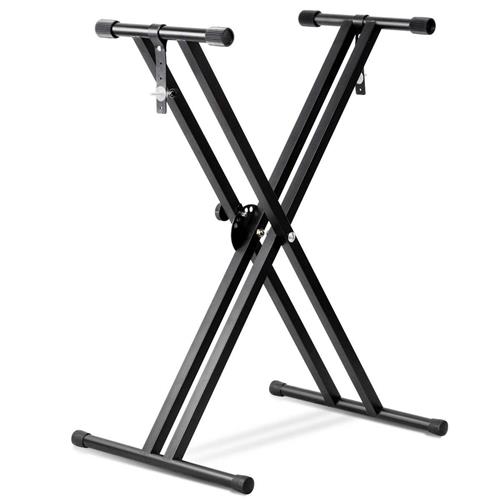
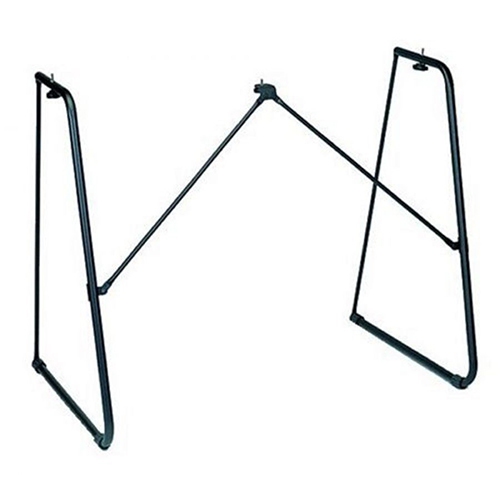
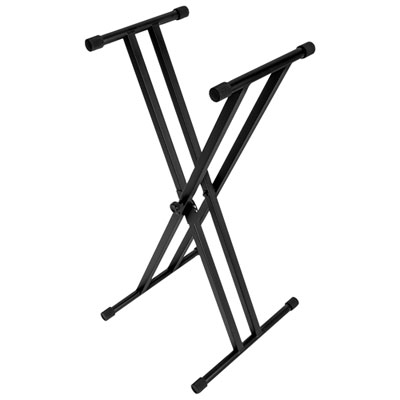
The stand is an important part of the setup rather than a minor accessory. An X-style stand is lightweight, folds conveniently, and works well for portable keyboards used in bedrooms, living rooms, classrooms, rehearsals, or occasional performances. A Z-style stand generally provides more stability and legroom, making it a good match for larger or heavier instruments and for players who prefer a solid, less portable arrangement. Table-style and column-style stands can offer a clean appearance and useful space for multiple keyboards, a laptop, sheet music, or other equipment, which may appeal to a home studio musician or performing player. Check the stand’s width adjustment, weight capacity, locking mechanism, and height range before buying, and make sure its support arms are suitable for the keyboard’s dimensions. A stand should remain steady when a player uses the controls, plays chords across the instrument, or presses a sustain pedal. It should also leave enough room for the player’s knees and feet, particularly when paired with a bench. A folding stand is convenient in a shared room, but it still needs to be placed on a level surface and secured properly before playing. When a keyboard has weighted keys, built-in speakers, or an 88-key layout, a heavier-duty stand may provide a more reassuring foundation than a lightweight portable model. Some players prefer a separate bench so they can choose the seat height and padding that best suits longer practice sessions. Others may use an existing chair, although a chair with arms or an unsuitable height can restrict posture and make playing less comfortable. For shoppers comparing complete kits with modular setups, bundled accessories can simplify the first purchase, while separate components allow more control over the stand style, bench, pedals, headphones, and future upgrades. Additional options are available through Musical Instrument Stands for those who want to build a setup around a keyboard they already own.
Features on the keyboard itself should match the way it will be used. Built-in tones may include acoustic and electric pianos, organs, strings, synthesizers, and other instruments, giving beginners room to experiment and helping songwriters sketch out arrangements. Rhythm patterns, lesson modes, split-key functions, and recording tools can make practice more engaging, while USB or MIDI connectivity can help experienced players work with music software, virtual instruments, and digital recording equipment. Headphone compatibility is useful in shared homes or during the cooler months when indoor practice becomes part of a regular routine, and built-in speakers are convenient for informal playing without extra equipment. Look for a clearly labelled control panel if the player is new to keyboards, along with a display that makes settings easy to identify. Consider the power requirements and whether the instrument can run from batteries when portability matters. Before setting up, allow enough space for the stand, bench, pedal, power cable, and any music holder, keeping walkways clear and placing the keyboard away from areas where it could be knocked or exposed to spills. During the warmer months, a portable keyboard can move between rooms or travel to lessons and family gatherings; during the cooler months, a stable home setup can make it easier to maintain a consistent practice habit. Whether it is used for learning scales, accompanying a singer, composing at a desk, entertaining guests, or simply enjoying a few quiet minutes with headphones, a musical keyboard with a suitable stand brings the instrument to a comfortable playing height and helps turn an open space into a personal music corner.
The stand is an important part of the setup rather than a minor accessory. An X-style stand is lightweight, folds conveniently, and works well for portable keyboards used in bedrooms, living rooms, classrooms, rehearsals, or occasional performances. A Z-style stand generally provides more stability and legroom, making it a good match for larger or heavier instruments and for players who prefer a solid, less portable arrangement. Table-style and column-style stands can offer a clean appearance and useful space for multiple keyboards, a laptop, sheet music, or other equipment, which may appeal to a home studio musician or performing player. Check the stand’s width adjustment, weight capacity, locking mechanism, and height range before buying, and make sure its support arms are suitable for the keyboard’s dimensions. A stand should remain steady when a player uses the controls, plays chords across the instrument, or presses a sustain pedal. It should also leave enough room for the player’s knees and feet, particularly when paired with a bench. A folding stand is convenient in a shared room, but it still needs to be placed on a level surface and secured properly before playing. When a keyboard has weighted keys, built-in speakers, or an 88-key layout, a heavier-duty stand may provide a more reassuring foundation than a lightweight portable model. Some players prefer a separate bench so they can choose the seat height and padding that best suits longer practice sessions. Others may use an existing chair, although a chair with arms or an unsuitable height can restrict posture and make playing less comfortable. For shoppers comparing complete kits with modular setups, bundled accessories can simplify the first purchase, while separate components allow more control over the stand style, bench, pedals, headphones, and future upgrades. Additional options are available through Musical Instrument Stands for those who want to build a setup around a keyboard they already own.
Features on the keyboard itself should match the way it will be used. Built-in tones may include acoustic and electric pianos, organs, strings, synthesizers, and other instruments, giving beginners room to experiment and helping songwriters sketch out arrangements. Rhythm patterns, lesson modes, split-key functions, and recording tools can make practice more engaging, while USB or MIDI connectivity can help experienced players work with music software, virtual instruments, and digital recording equipment. Headphone compatibility is useful in shared homes or during the cooler months when indoor practice becomes part of a regular routine, and built-in speakers are convenient for informal playing without extra equipment. Look for a clearly labelled control panel if the player is new to keyboards, along with a display that makes settings easy to identify. Consider the power requirements and whether the instrument can run from batteries when portability matters. Before setting up, allow enough space for the stand, bench, pedal, power cable, and any music holder, keeping walkways clear and placing the keyboard away from areas where it could be knocked or exposed to spills. During the warmer months, a portable keyboard can move between rooms or travel to lessons and family gatherings; during the cooler months, a stable home setup can make it easier to maintain a consistent practice habit. Whether it is used for learning scales, accompanying a singer, composing at a desk, entertaining guests, or simply enjoying a few quiet minutes with headphones, a musical keyboard with a suitable stand brings the instrument to a comfortable playing height and helps turn an open space into a personal music corner.
Top selling and popular products
-
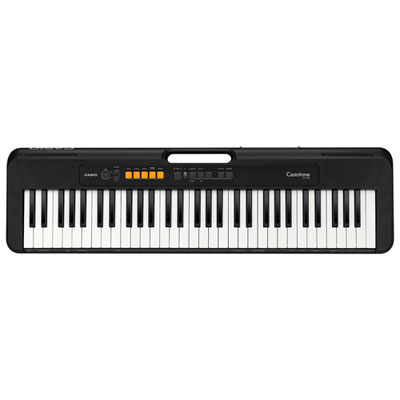 Your price for this item is $149.99
 -
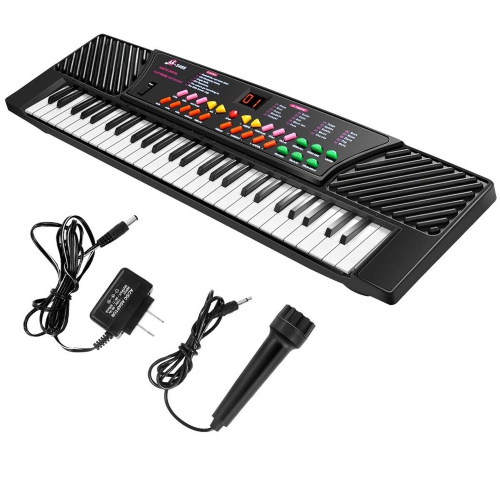 Your price for this item is $69.99
 -
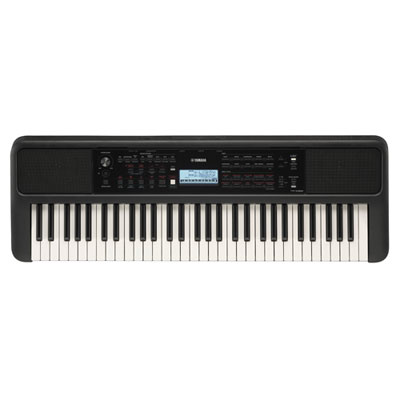 Your price for this item is $289.99
 -
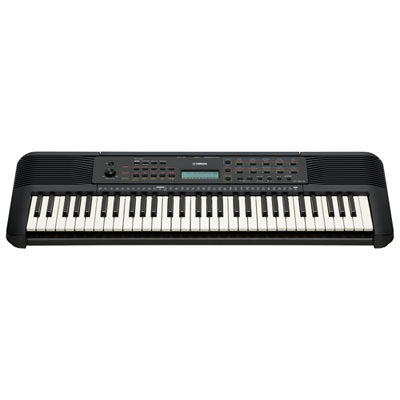 Your price for this item is $129.99
 -
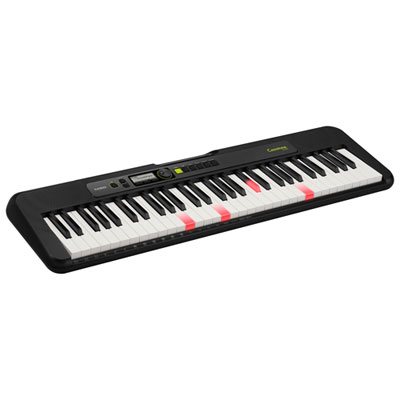 Your price for this item is $229.95
 -
 Your price for this item is $236.99
 -
 Your price for this item is $199.99
 -
 Your price for this item is $74.99
Discover more categories related to Musical Keyboards With Stands
Top Collections:
Pokemon Centers, Best Cameras for Sports Photography, Kindle Devices, Samsung Galaxy Phones, Canon G7X Cameras, Pokémon 30th Celebration Cards, Refurbished Apple Laptops, iPhone 15 Apple, Laptops for Students, Budget Smartphones
Some products may be subject to Environmental Handling Fees
(EHF) depending on your province.
Learn more about EHFs.