Casio Keyboard Music
Casio Keyboard Music opens up a world of creative possibilities, offering versatile solutions for musicians of all levels. Whether you’re just starting to explore your musical talents or looking to enhance your home studio setup, Casio Keyboard Music provides a range of options to suit your needs. Discover user-friendly designs and innovative technology that make practicing, composing, and performing more enjoyable than ever. Find the perfect keyboard to elevate your musical journey today.
Sort
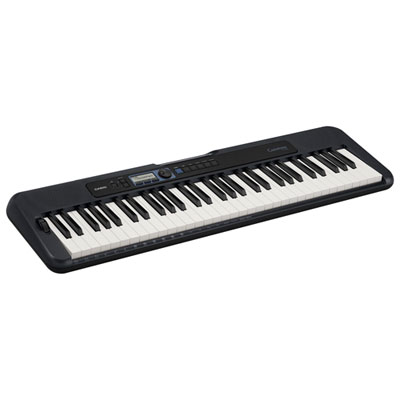
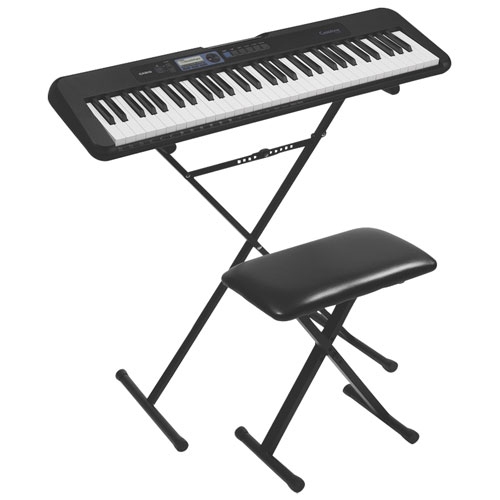
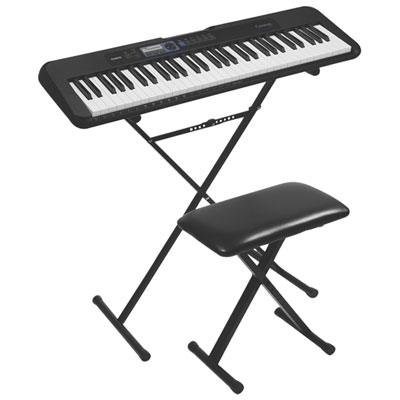
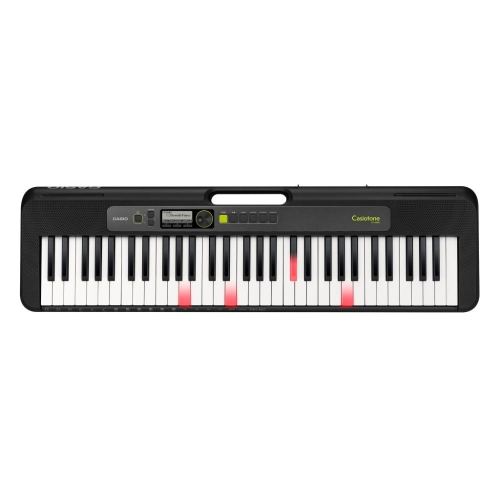
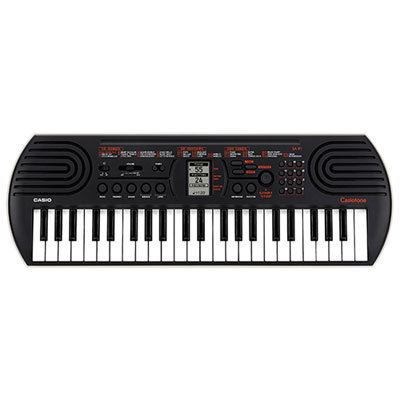
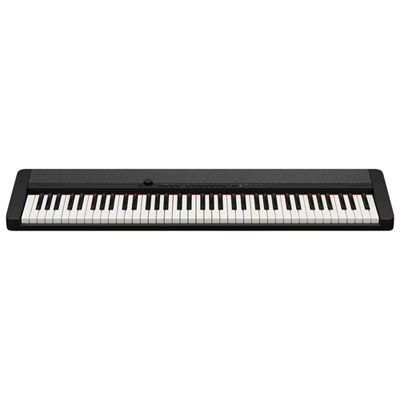
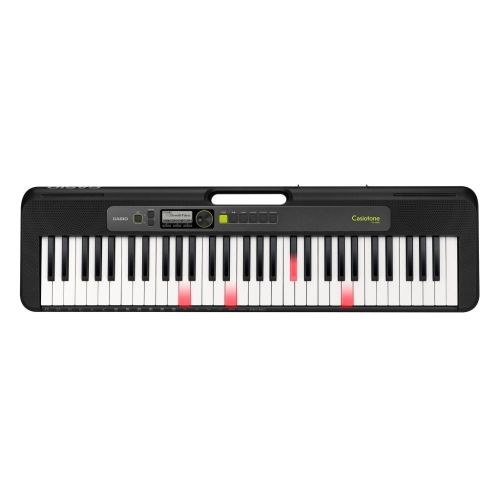
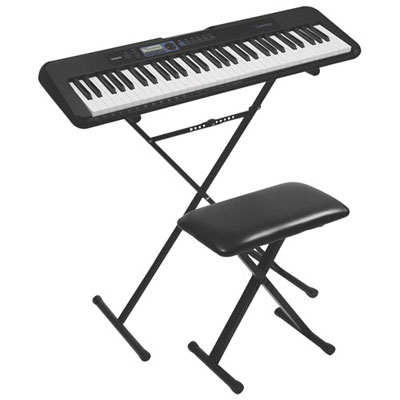
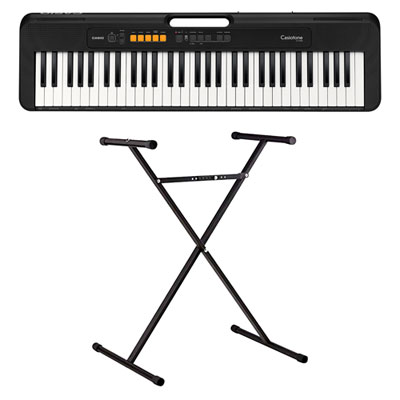
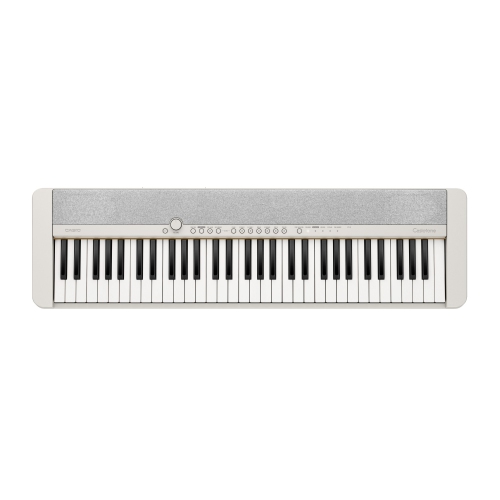
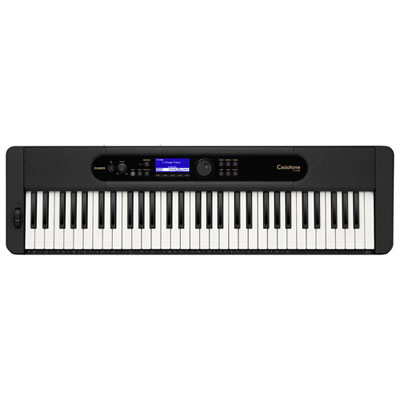
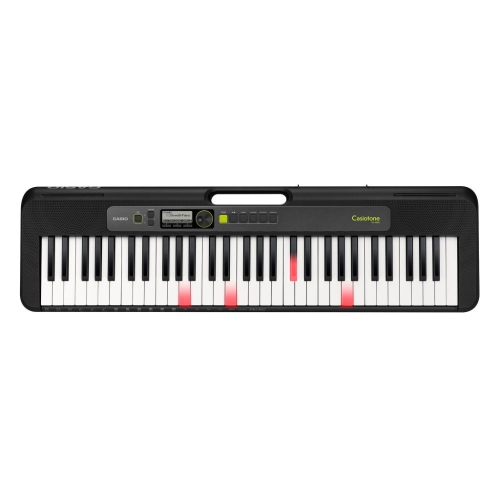
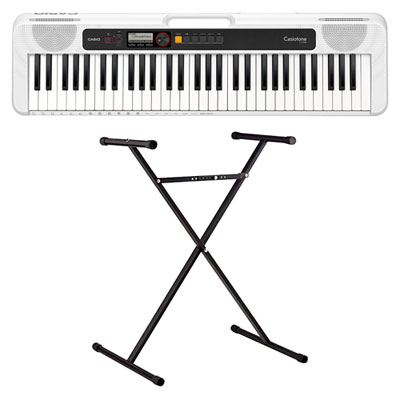
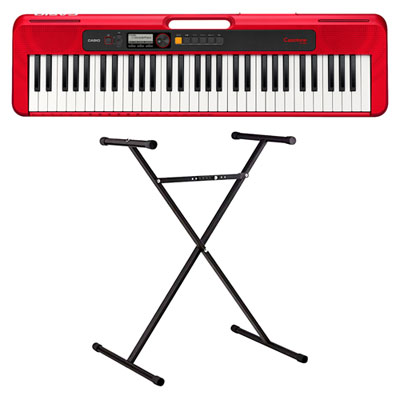
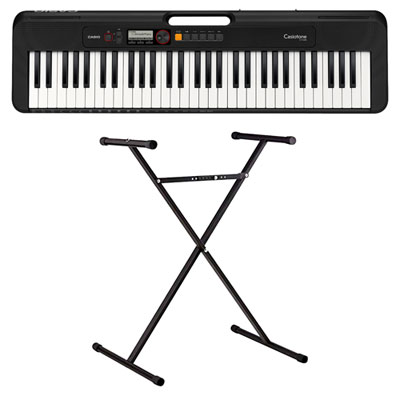
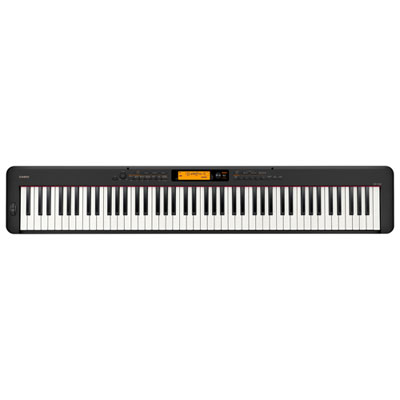
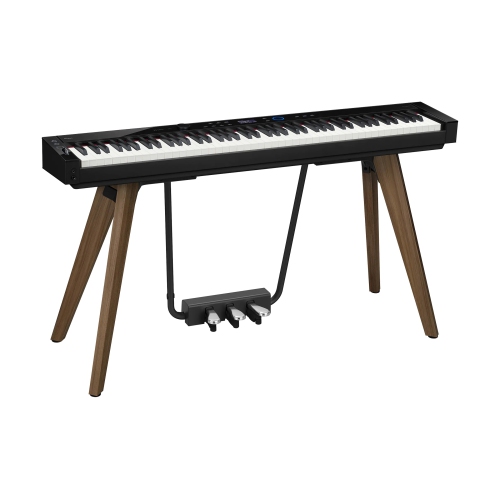
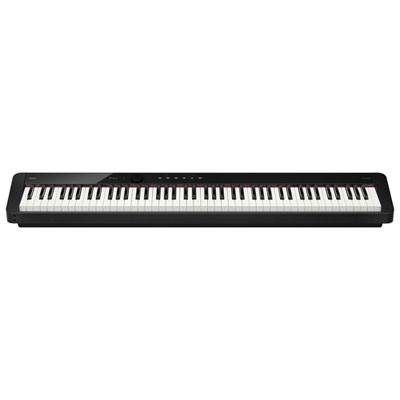
From first melodies to fuller keyboard arrangements
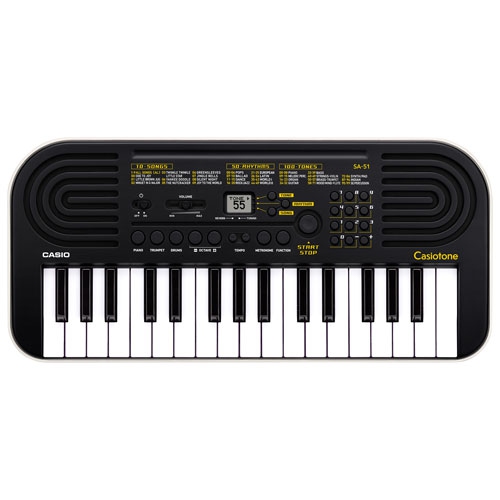
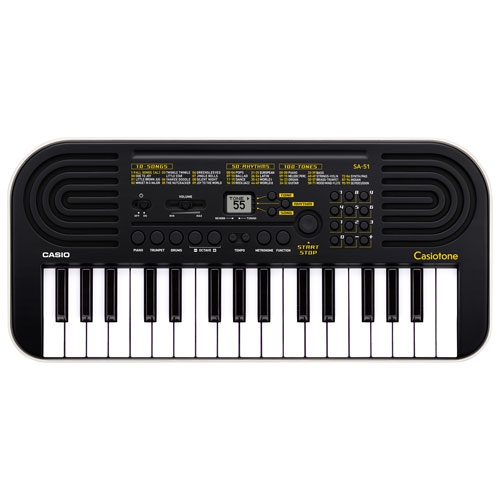
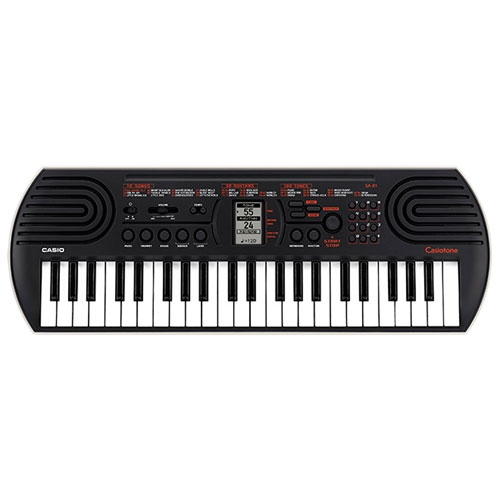
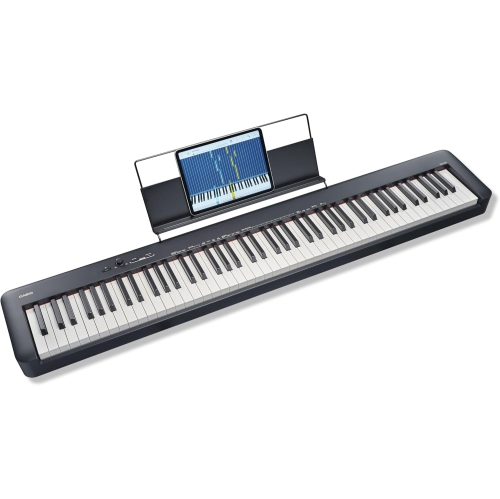
Electronic keyboards bring melody, harmony, rhythm, and a wide range of instrumental sounds into a single instrument for home practice, songwriting, and casual performance. Built-in speakers make it possible to sit down and play without a separate sound system, while a compatible headphone connection can make evening practice easier in a shared home. Depending on the model, features may include preset songs, accompaniment rhythms, lesson functions, and connections for music apps. These serve different purposes: preset songs give players something to practise, rhythms provide a steady musical backdrop, and selectable tones let the same keys sound like a piano, organ, string ensemble, or synthesizer. A beginner might start with a familiar melody played one note at a time, then add a left-hand chord as their confidence grows. An experienced musician might use a portable keyboard to sketch a chorus or try a different instrumental texture. The physical feel of the instrument matters as much as its sound library. Compact keys can suit travel and casual experimentation, while full-size keys offer spacing closer to that of an acoustic piano. Touch-sensitive keys allow changes in playing strength to affect expression, although touch sensitivity is not the same as a weighted key action. Weighted actions provide greater resistance and may feel more familiar to someone taking piano lessons. Key count also influences intended use: a shorter keyboard takes up less space, while a wider range leaves more room for two-handed arrangements and pieces that move between low bass notes and high melodies. For a closer focus on piano-style playing, Piano Casio Keyboards offers a related starting point. The best physical fit depends on both the music being played and the space around the instrument, including room for a stable stand, comfortable seating, and relaxed movement of the hands and arms.
Music-making features can keep a keyboard useful well beyond the first few lessons, particularly when they support the way a player likes to learn. A built-in song library provides material for listening and practice, but the number of songs and the ways they can be used vary by model. Some lesson systems break a passage into smaller sections or allow separate practice of the left- and right-hand parts. Adjustable playback tempo, where supported, makes it easier to work through a tricky change without rushing. A metronome has a different role: its steady pulse helps develop consistent timing without the extra sounds of a full accompaniment. Rhythm patterns can then give simple chords a fuller musical setting, whether the mood calls for a gentle ballad, a lively pop groove, or a swing feel. Automatic accompaniment may add bass and other backing parts in response to chords, helping a solo player hear how harmony fits within an arrangement. On keyboards with loop-based dance features, triggering drum patterns, basslines, and synth phrases offers another way to experiment with structure and texture. These functions differ from playing a traditional piano part, but they can appeal to someone who enjoys building music layer by layer. App connectivity adds further possibilities on compatible instruments. Depending on the keyboard and software, a connected phone or tablet may display notation, present notes in a scrolling piano-roll view, or provide access to supported settings and practice tools. Compatibility depends on the instrument, device, operating system, and connection method, so a USB port alone does not establish which app features will work. USB MIDI generally carries performance information, such as notes and timing, rather than the keyboard’s finished sound; USB audio support is a separate capability. For someone creating tracks on a computer, that distinction affects how the keyboard fits into music software. Other useful connections may include a sustain pedal input, an audio input for playing along with external music, or outputs for compatible speakers. Each expands the instrument’s role differently, from holding a chord through a quiet ending to sharing a performance with a small audience.
Everyday comfort and care help an electronic keyboard remain an inviting part of the home rather than an instrument that stays packed away. Portable designs commonly use moulded plastic housings to keep weight manageable, while larger, furniture-style instruments may incorporate wood-based panels and more substantial supports. Neither appearance nor weight alone establishes durability; secure assembly, a stable playing surface, and protection during transport all matter. A keyboard set on an uneven table can shift under the hands, and a stand that is too high can leave a player lifting their shoulders through an entire practice session. Suitable seating allows the forearms to rest at a comfortable height, with enough space beneath the keyboard for the legs and any pedals. For children, secure footing and an appropriately positioned seat can make short practice sessions more comfortable. Controls also deserve attention: clear labels, accessible volume adjustment, and a readable display can be more useful day to day than a large collection of sounds hidden behind complicated menus. Battery operation, where supported, can suit moving between rooms or playing away from a wall outlet, while longer sessions may be better served by the manufacturer-specified power adaptor. A padded carrying bag helps protect against dust and light knocks during travel, but heavier equipment should not be stacked on top of the keys or controls. Routine care is generally simple: switch the instrument off before cleaning, use a soft cloth as directed by the manufacturer, and keep moisture away from openings and connections. Drinks, direct sunlight, heating vents, and damp storage areas can put the casing and internal electronics at risk. For gifting, an electronic keyboard can suit a child beginning lessons, a teenager exploring songwriting, an adult returning to music, or a relative who enjoys playing familiar tunes. Matching the key feel, size, and functions to the recipient’s interests makes the gift more personal. A compact instrument with straightforward controls may encourage spontaneous playing, while a piano-oriented setup can support longer practice sessions and more demanding two-handed music.
Top selling and popular products
-
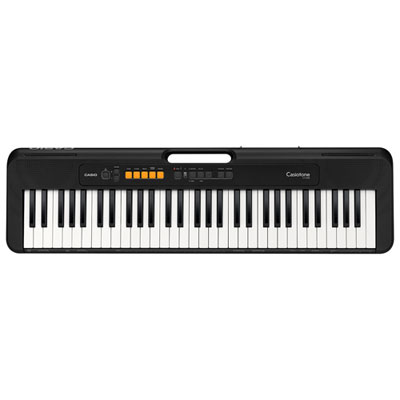 Your price for this item is $149.99
-
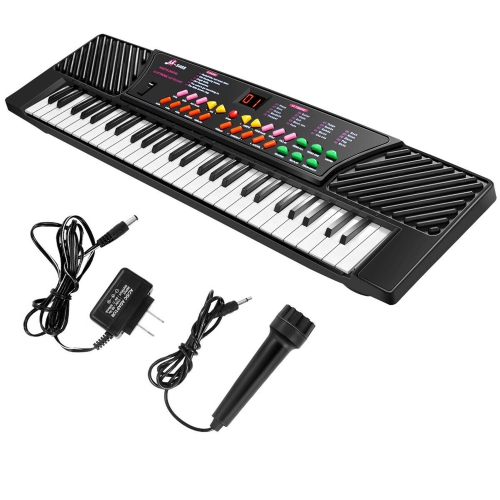 Your price for this item is $69.99
-
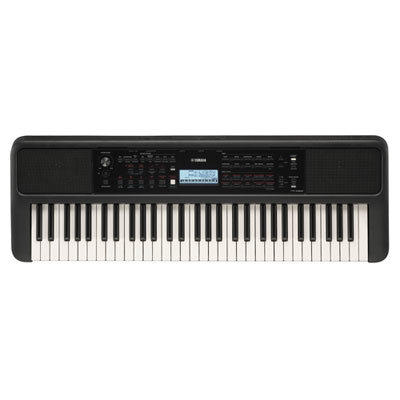 Your price for this item is $289.99
-
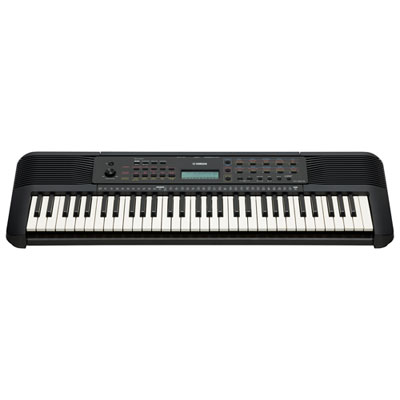 Your price for this item is $129.99
-
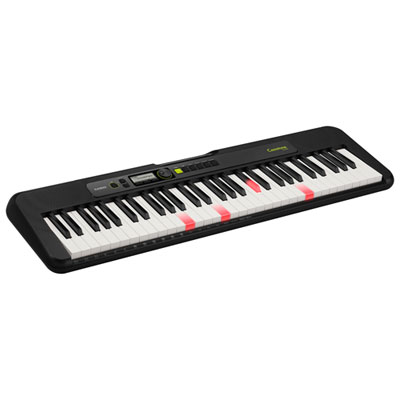 Your price for this item is $229.95
-
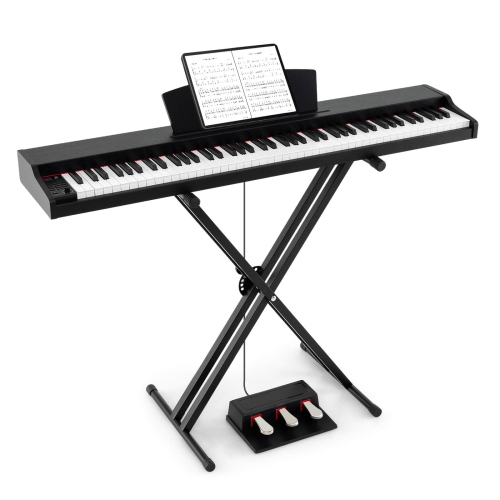 Your price for this item is $236.99
-
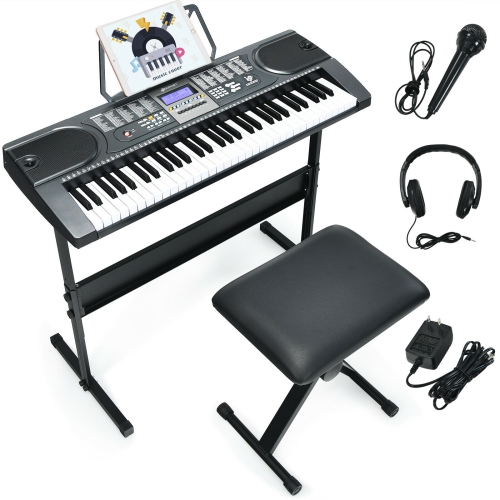 Your price for this item is $199.99
-
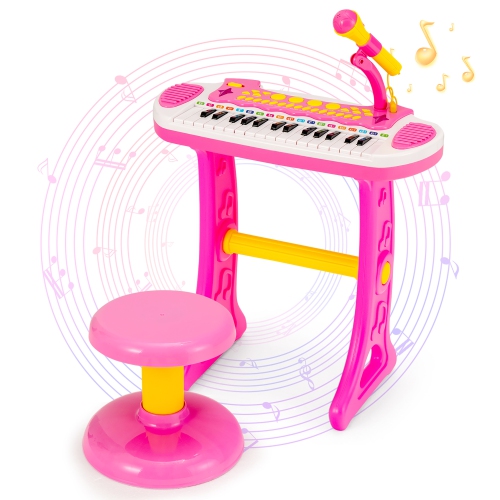 Your price for this item is $74.99
Discover more categories related to Casio Keyboard Music
Top Collections:
Pokemon Centers, Best Cameras for Sports Photography, Kindle Devices, Samsung Galaxy Phones, Canon G7X Cameras, Pokémon 30th Celebration Cards, Refurbished Apple Laptops, iPhone 15 Apple, Laptops for Students, Budget Smartphones
Some products may be subject to Environmental Handling Fees
(EHF) depending on your province.
Learn more about EHFs.