Portable Synthesizers
Looking to unleash your inner musician on the go? Look no further than our collection of portable synthesizers. These compact and versatile instruments allow you to create mesmerizing melodies, experimental sounds, and captivating beats wherever inspiration strikes. Whether you're a seasoned pro or just starting out, our range of portable synthesizers offers a world of sonic possibilities in a conveniently portable package. Explore our selection today and take your music-making journey to new heights.
Sort
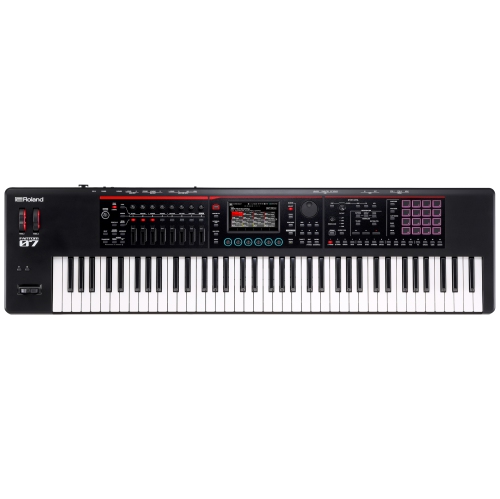
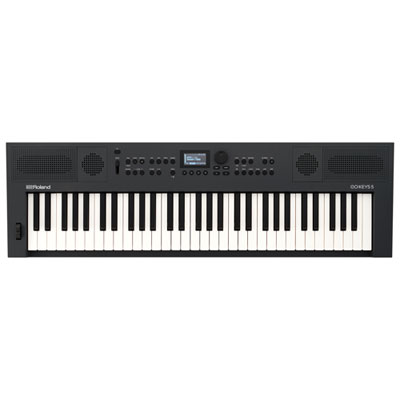
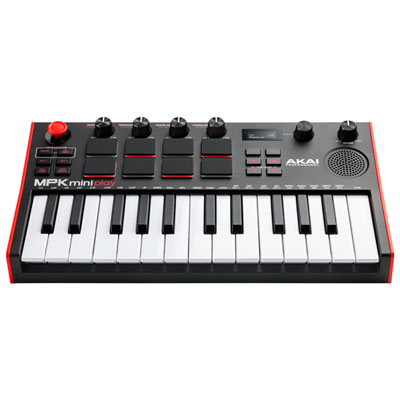
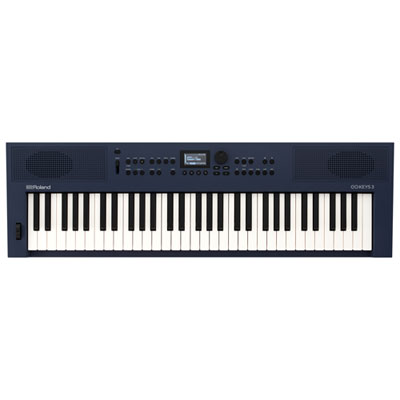
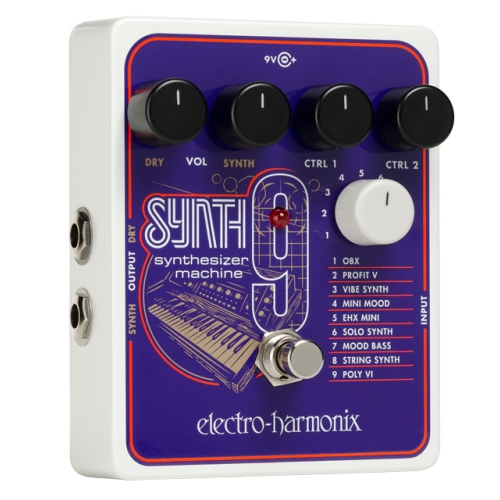
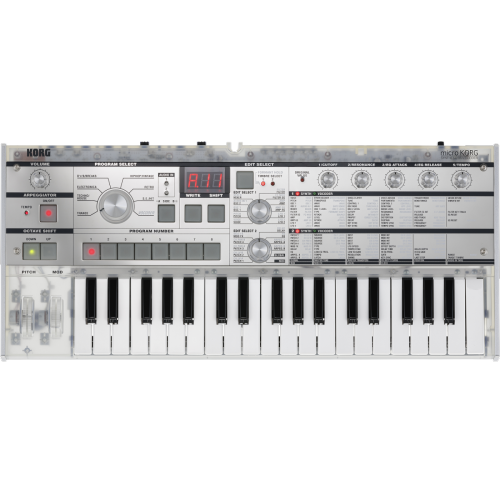
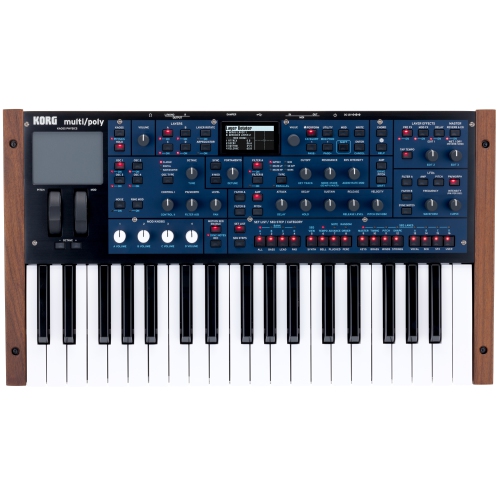
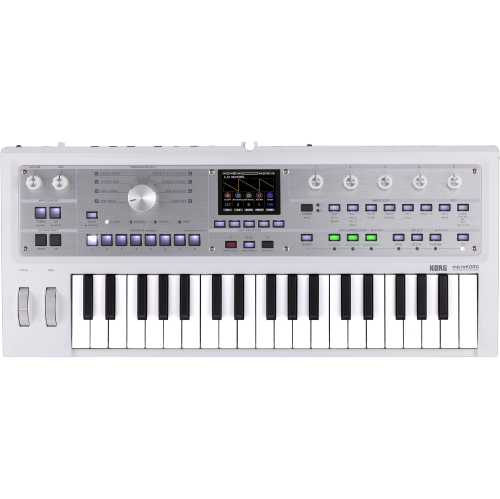
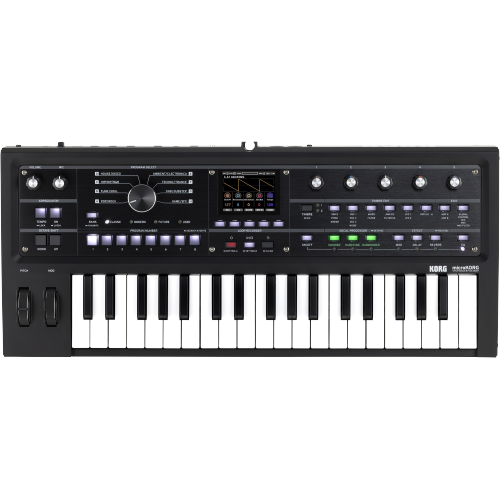
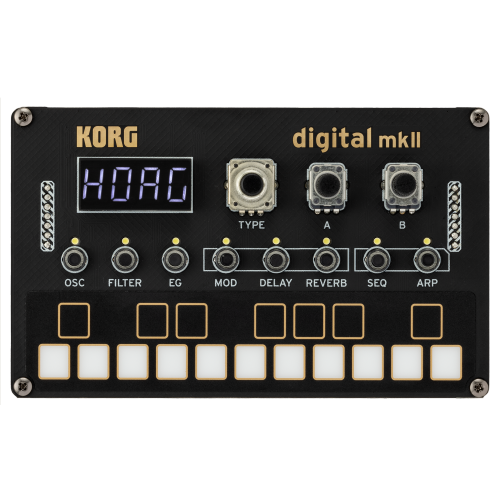
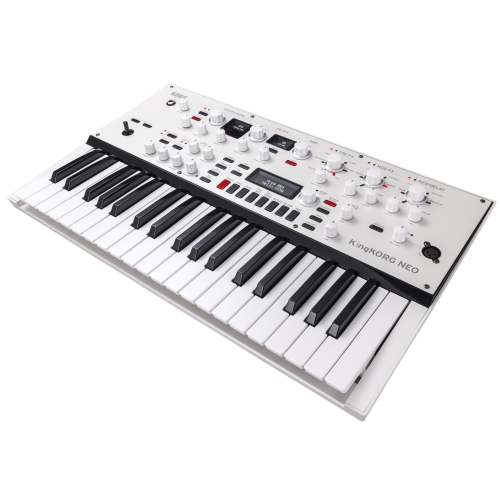
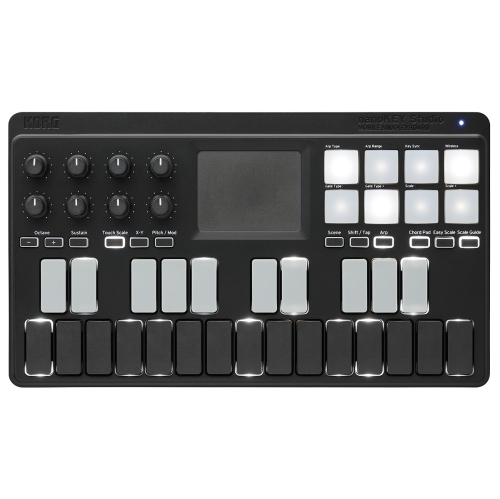
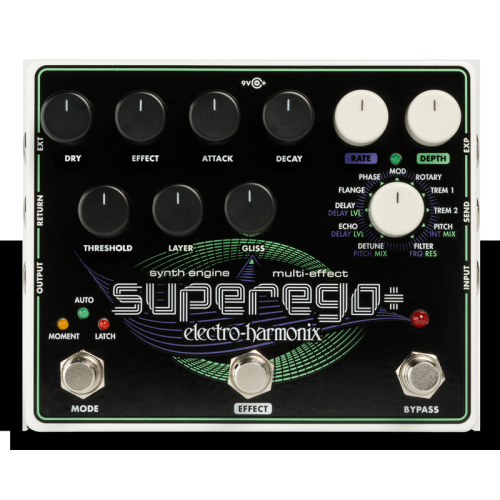
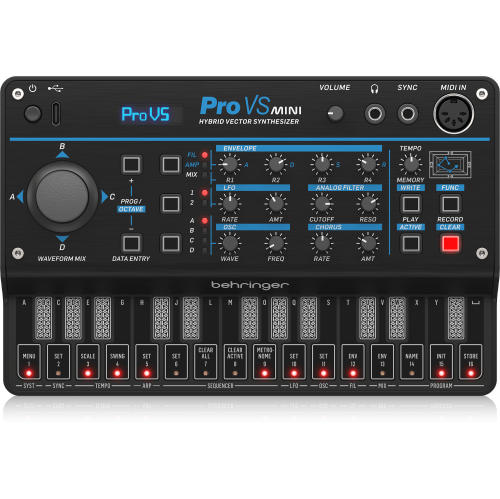
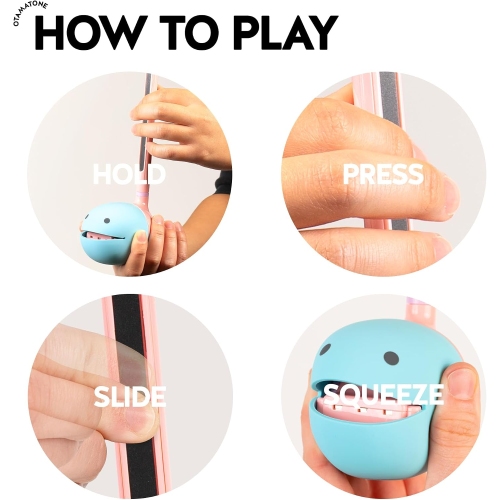
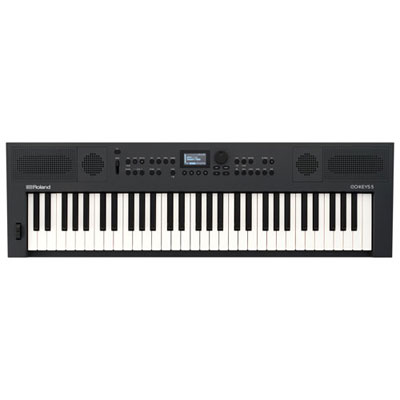
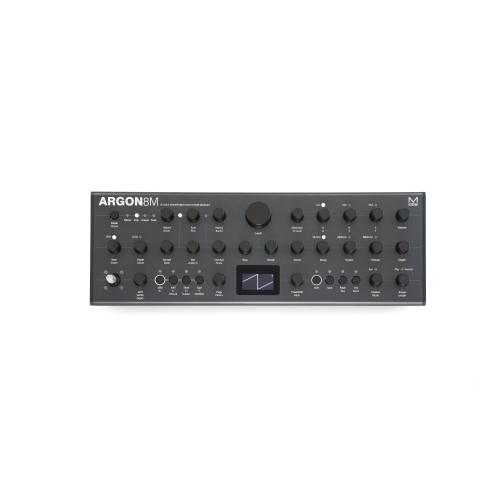
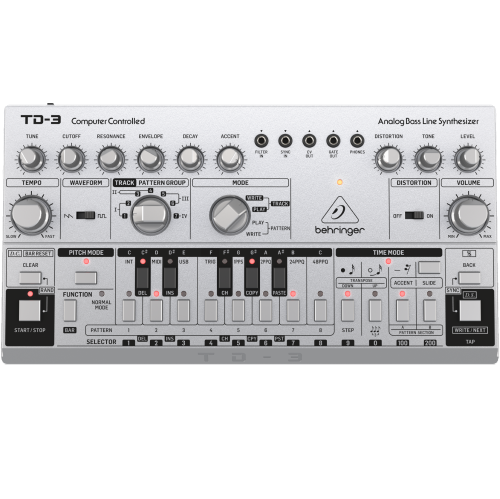
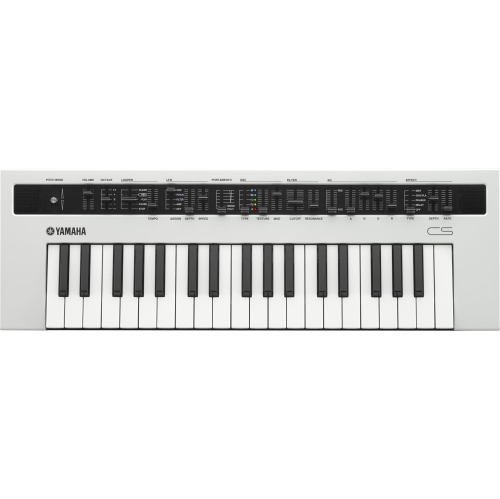
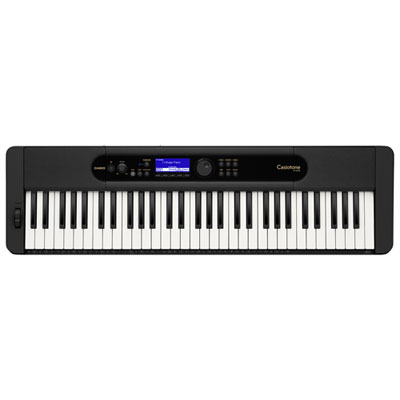
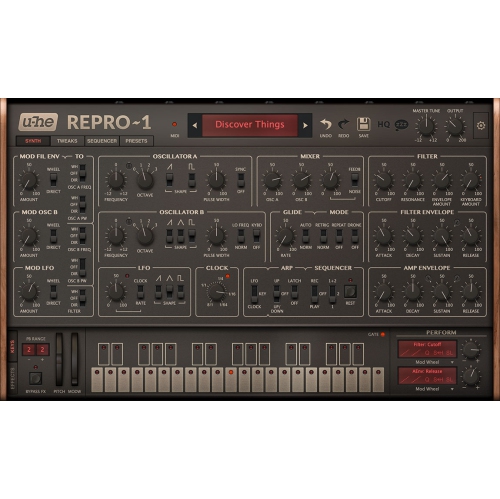
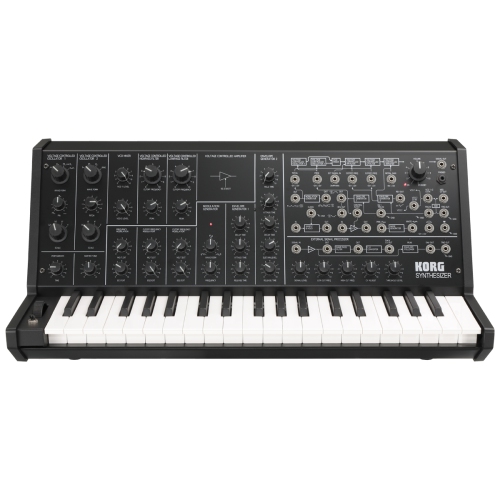
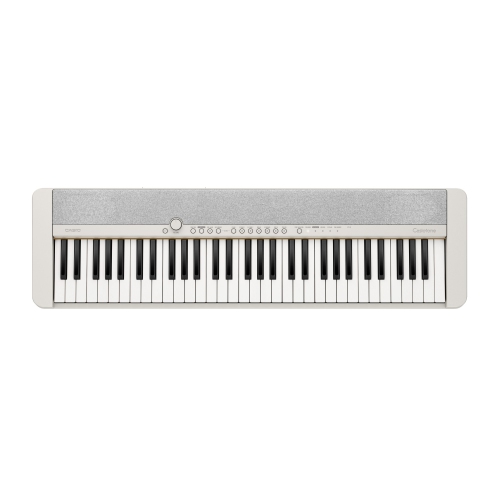
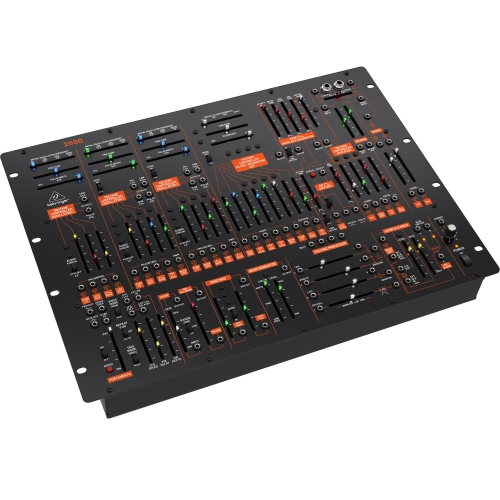
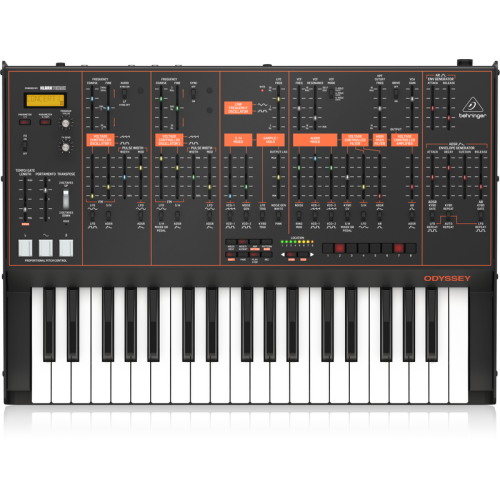
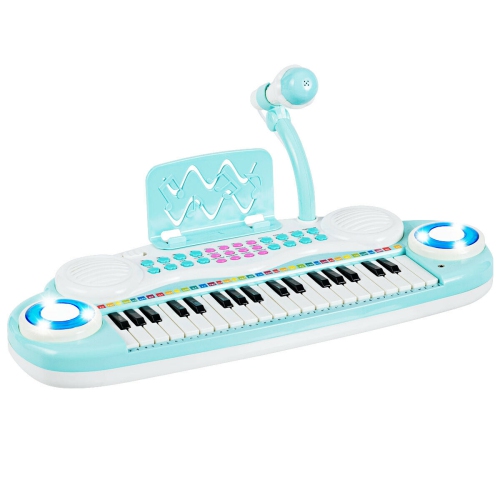
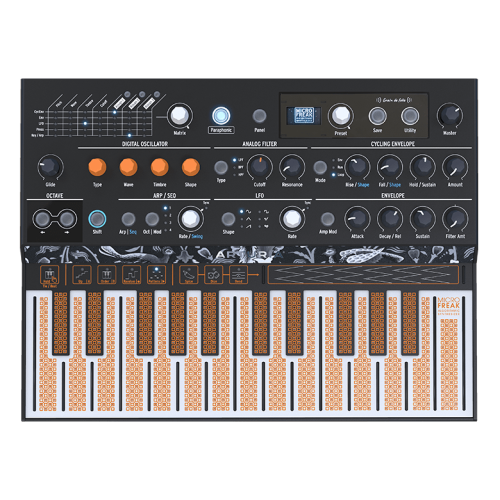
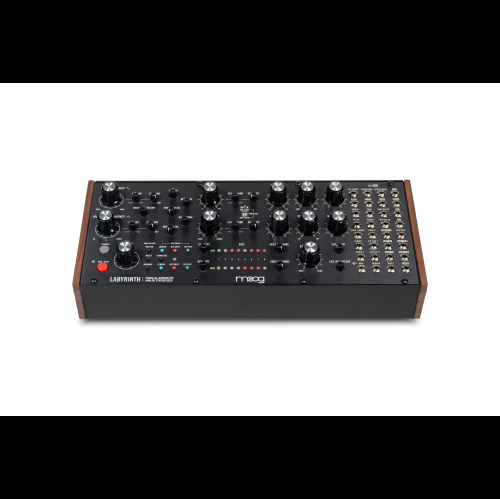
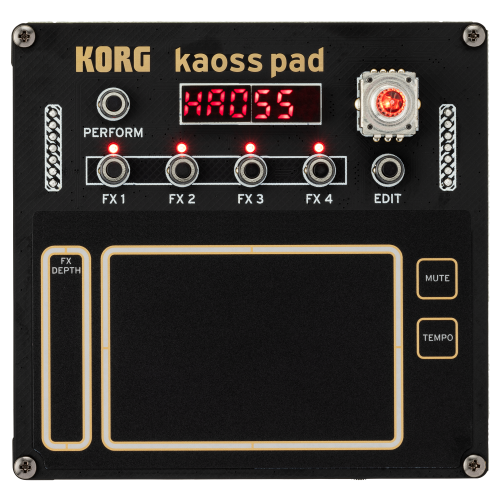

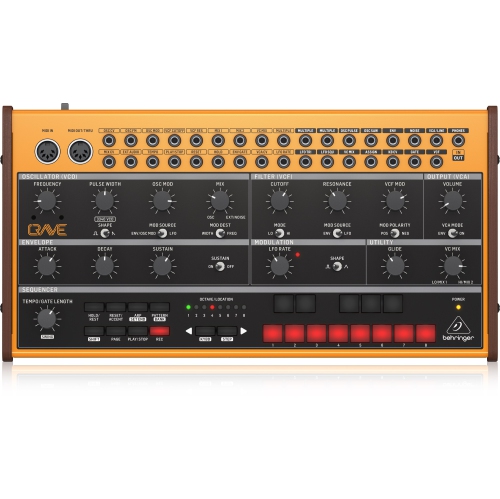
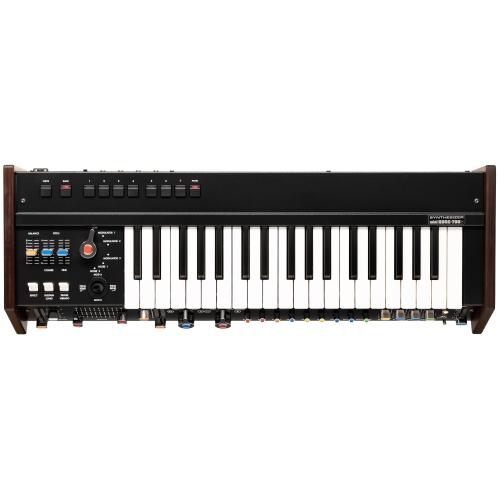
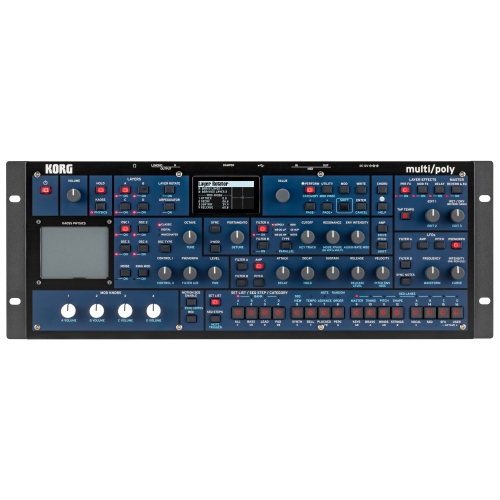
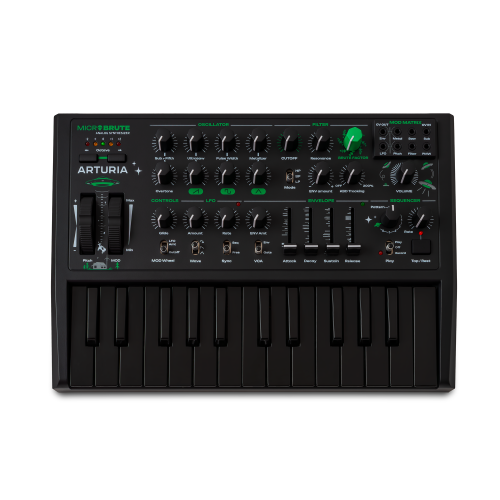
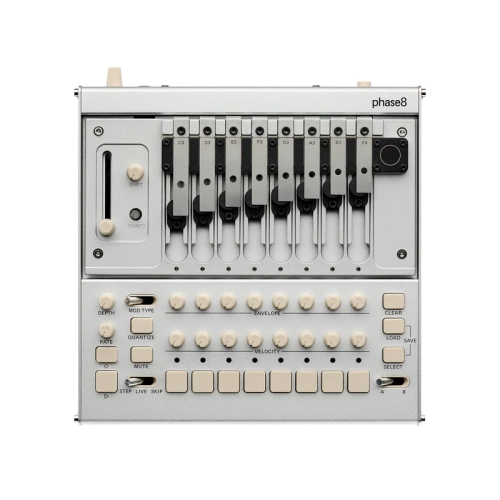
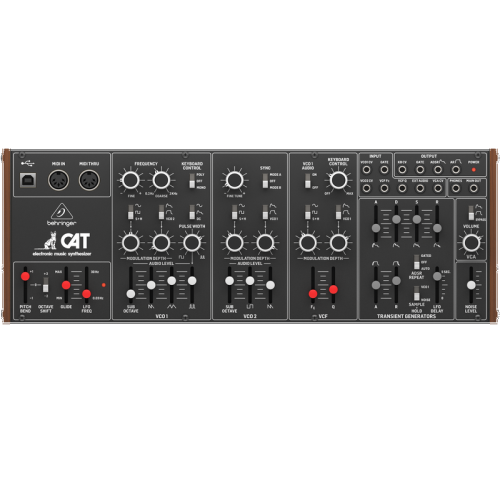
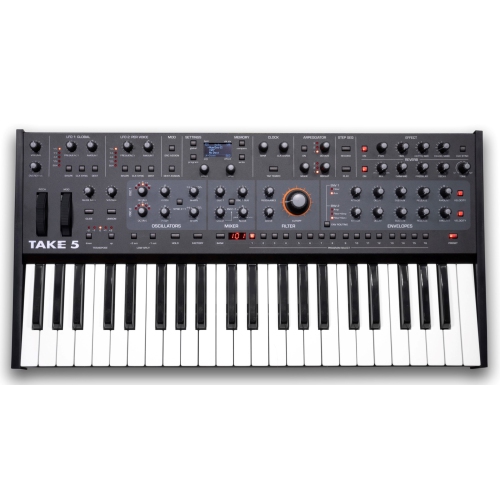
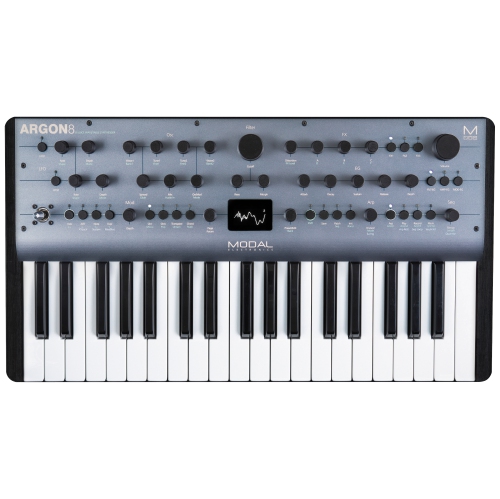
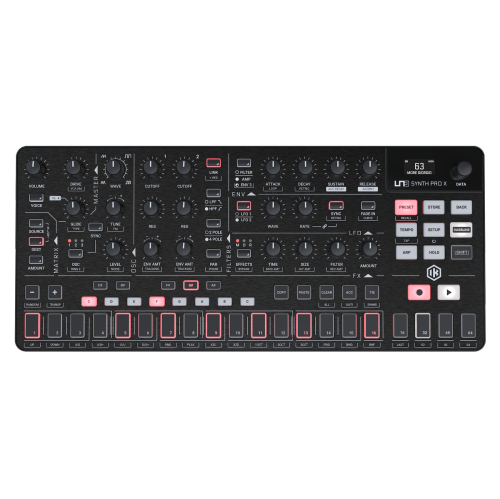
Hands-on sound shaping beyond a full studio setup
Portable synthesizers are compact electronic instruments that generate and shape sound, giving musicians a practical way to play melodies, build bass lines, and develop musical ideas away from a full studio setup. Depending on the design, they may include miniature keys, touch plates, pads, a step sequencer, or a combination of these controls. Battery operation and built-in speakers make some models especially convenient for playing on a sofa or sketching a tune while travelling, but neither feature is standard across the category. Others need an external power source and headphones or powered speakers. Their appeal goes beyond small dimensions: a focused set of knobs and buttons can make it easy to turn a plain tone into a rounded bass, a bright lead, or a slowly shifting texture. Analogue sound engines often suit players who enjoy shaping sounds directly through oscillator, filter, and envelope controls. Digital synthesis covers a wide range of approaches, including frequency modulation, which can produce bell-like notes, crisp electric-piano tones, and metallic textures. Some portable instruments combine several sound-generation methods, while groovebox-style designs may add drum tracks and pattern sequencing for building fuller arrangements. A monophonic synthesizer generally plays one note at a time, making it well suited to bass lines and solos; a polyphonic instrument can play multiple notes for chords and layered harmonies. Voice count matters when notes overlap, especially with long release settings that let a sound linger after a key is lifted. For a beginner, clear controls and useful presets can make the first sessions more rewarding. For an experienced keyboardist or producer, a small synthesizer can bring a different playing style or sound character to an existing setup. These instruments can also make thoughtful gifts for electronic music enthusiasts, songwriters, and curious keyboard players, particularly when the control layout and connections fit the way the recipient already makes music. Their strongest role is often as an approachable instrument that stays close at hand, ready when a short melody or rhythmic idea takes shape.
The right physical fit depends on where a portable synthesizer will be played and how much hands-on control the musician needs. A pocket-sized instrument slips easily into a small bag, but closely spaced knobs and touch controls can feel very different from a keyboard with moving keys. Mini keys save space on a desk or lap, while a wider playing surface may be more comfortable for two-handed parts or precise chord voicings. Velocity-sensitive keys respond to how firmly they are played, adding expression when the sound supports it; touch plates offer a different experience and may be better suited to entering short patterns than practising traditional keyboard technique. A musician developing ideas at a kitchen table may value a built-in speaker and quick access to saved sounds, whereas someone playing alongside a drummer will usually need a suitable amplified audio connection. Sequencers let repeating patterns run while the player adjusts tone, timing, or note settings, turning a few steps into a moving musical phrase. An arpeggiator serves a different purpose, breaking held notes into a repeating sequence rather than necessarily storing a complete composition. Pattern length, tempo controls, and the ability to save changes all affect how easily an idea can be revisited later. Preset memory is useful for recalling a carefully shaped sound, although some instruments rely on their current knob positions instead. Headphone monitoring is valuable in shared spaces, especially when quiet practice matters, and the socket size should match the intended headphones or adaptor. For longer sessions away from an outlet, battery type and expected operating time deserve attention. Rechargeable batteries, replaceable batteries, and USB power each involve different practical arrangements, and a USB socket does not automatically mean an instrument can charge an internal battery or run from every power bank. A travel-friendly setup is simplest when the instrument, headphones, cables, and approved power source fit together without requiring a collection of extra accessories.
Connections and construction help determine how well a portable synthesizer will work beyond a quick practice session. MIDI allows compatible instruments, controllers, and computers to exchange note and timing information, but it does not carry the synthesizer’s sound. Capturing that sound may require an audio interface connected to the instrument’s audio output, unless the synthesizer specifically supports audio over USB. Traditional MIDI sockets, smaller MIDI connections, USB ports, and analogue sync connections are not interchangeable, so compatibility matters when pairing a portable instrument with other equipment. A songwriter might use the built-in sequencer to develop a bass pattern, then capture the audio in music software at home. A performer might synchronize a compact synth with a drum machine and adjust the filter by hand as the pattern plays. For a setup centred on an external keyboard or a permanent workspace, Desktop Synthesizers offer another format worth considering; portability and desktop use can overlap, but keyboard layout and power requirements still shape everyday use. Lightweight plastic housings are practical for carrying, while metal panels can add rigidity around frequently used controls. Neither material alone guarantees durability: secure sockets, stable knobs, and a well-supported playing surface also matter. A padded case helps protect keys and controls from pressure inside a bag, and unplugging cables before packing reduces strain on the connections. Keeping drinks away from the instrument and removing dust with a soft, dry cloth supports routine care; any deeper cleaning should follow the manufacturer’s directions rather than involve sprays applied directly to the controls. During colder weather, an instrument brought indoors should have time to reach room temperature before use, particularly if moisture has formed on its surface. Replaceable batteries should be handled and stored according to the manufacturer’s guidance, including removal for extended storage where advised. With a comfortable layout, suitable power options, and the connections needed for its intended role, a portable synthesizer can move naturally between quiet practice, collaborative sessions, and a larger music-making setup.
The right physical fit depends on where a portable synthesizer will be played and how much hands-on control the musician needs. A pocket-sized instrument slips easily into a small bag, but closely spaced knobs and touch controls can feel very different from a keyboard with moving keys. Mini keys save space on a desk or lap, while a wider playing surface may be more comfortable for two-handed parts or precise chord voicings. Velocity-sensitive keys respond to how firmly they are played, adding expression when the sound supports it; touch plates offer a different experience and may be better suited to entering short patterns than practising traditional keyboard technique. A musician developing ideas at a kitchen table may value a built-in speaker and quick access to saved sounds, whereas someone playing alongside a drummer will usually need a suitable amplified audio connection. Sequencers let repeating patterns run while the player adjusts tone, timing, or note settings, turning a few steps into a moving musical phrase. An arpeggiator serves a different purpose, breaking held notes into a repeating sequence rather than necessarily storing a complete composition. Pattern length, tempo controls, and the ability to save changes all affect how easily an idea can be revisited later. Preset memory is useful for recalling a carefully shaped sound, although some instruments rely on their current knob positions instead. Headphone monitoring is valuable in shared spaces, especially when quiet practice matters, and the socket size should match the intended headphones or adaptor. For longer sessions away from an outlet, battery type and expected operating time deserve attention. Rechargeable batteries, replaceable batteries, and USB power each involve different practical arrangements, and a USB socket does not automatically mean an instrument can charge an internal battery or run from every power bank. A travel-friendly setup is simplest when the instrument, headphones, cables, and approved power source fit together without requiring a collection of extra accessories.
Connections and construction help determine how well a portable synthesizer will work beyond a quick practice session. MIDI allows compatible instruments, controllers, and computers to exchange note and timing information, but it does not carry the synthesizer’s sound. Capturing that sound may require an audio interface connected to the instrument’s audio output, unless the synthesizer specifically supports audio over USB. Traditional MIDI sockets, smaller MIDI connections, USB ports, and analogue sync connections are not interchangeable, so compatibility matters when pairing a portable instrument with other equipment. A songwriter might use the built-in sequencer to develop a bass pattern, then capture the audio in music software at home. A performer might synchronize a compact synth with a drum machine and adjust the filter by hand as the pattern plays. For a setup centred on an external keyboard or a permanent workspace, Desktop Synthesizers offer another format worth considering; portability and desktop use can overlap, but keyboard layout and power requirements still shape everyday use. Lightweight plastic housings are practical for carrying, while metal panels can add rigidity around frequently used controls. Neither material alone guarantees durability: secure sockets, stable knobs, and a well-supported playing surface also matter. A padded case helps protect keys and controls from pressure inside a bag, and unplugging cables before packing reduces strain on the connections. Keeping drinks away from the instrument and removing dust with a soft, dry cloth supports routine care; any deeper cleaning should follow the manufacturer’s directions rather than involve sprays applied directly to the controls. During colder weather, an instrument brought indoors should have time to reach room temperature before use, particularly if moisture has formed on its surface. Replaceable batteries should be handled and stored according to the manufacturer’s guidance, including removal for extended storage where advised. With a comfortable layout, suitable power options, and the connections needed for its intended role, a portable synthesizer can move naturally between quiet practice, collaborative sessions, and a larger music-making setup.
Top selling and popular products
-
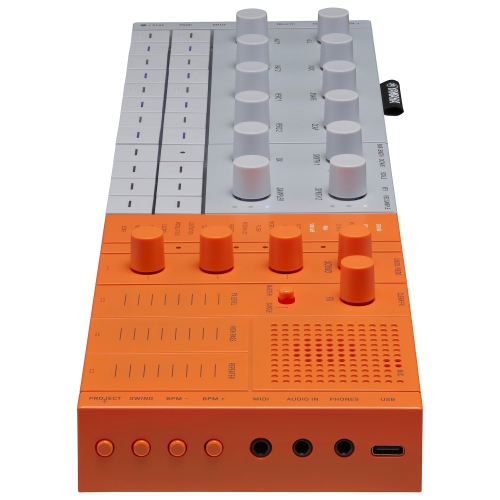 Your price for this item is $599.99
 -
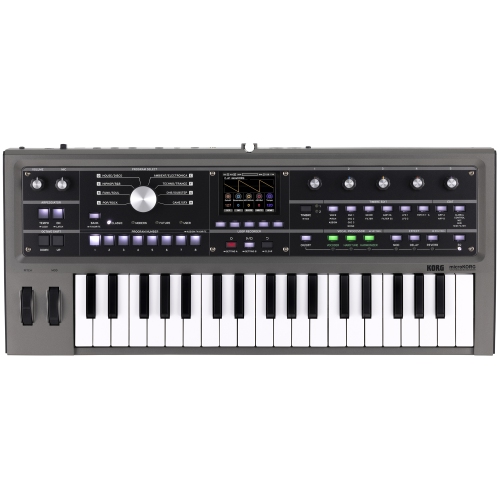 Your price for this item is $849.99
 -
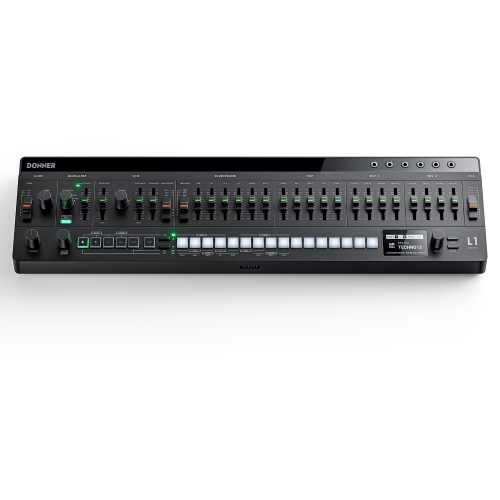 Your price for this item is $259.99
 -
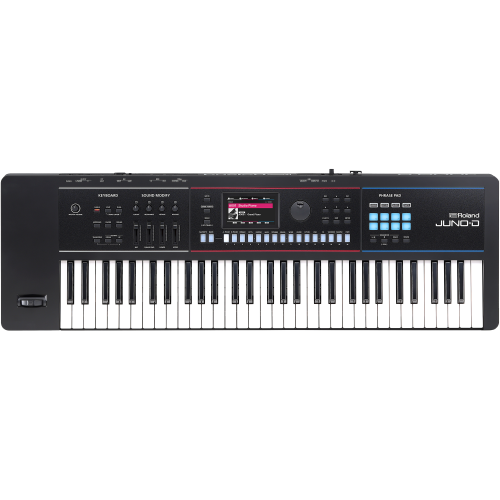 Your price for this item is $1299.99
 -
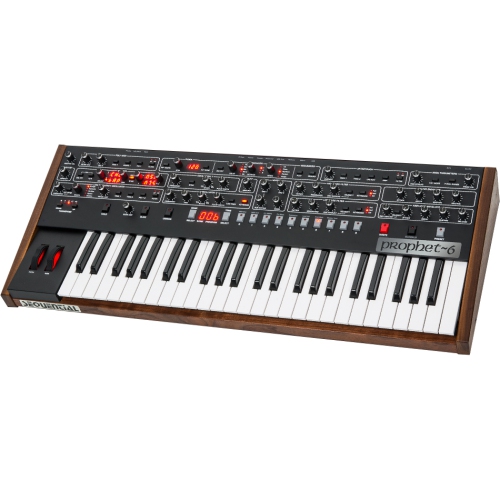 Your price for this item is $5069.99
 -
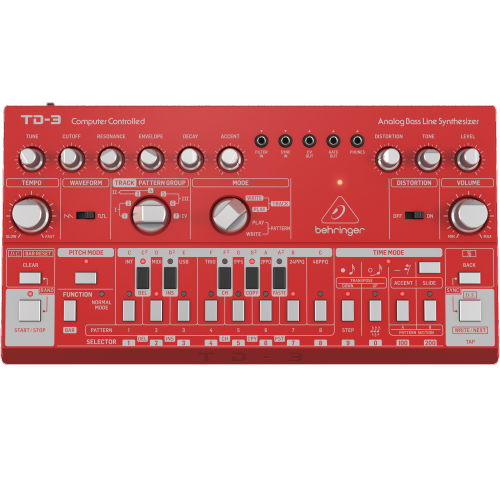 Your price for this item is $169
 -
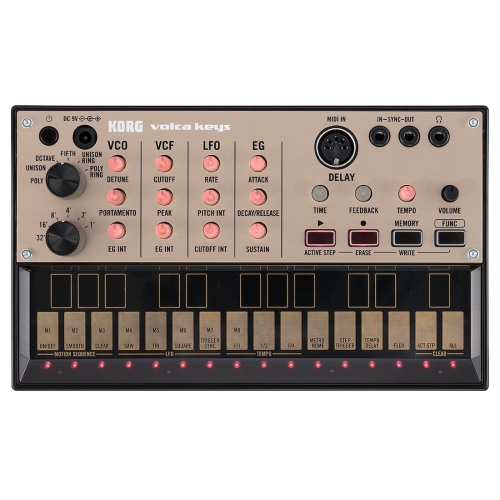 Your price for this item is $225
 -
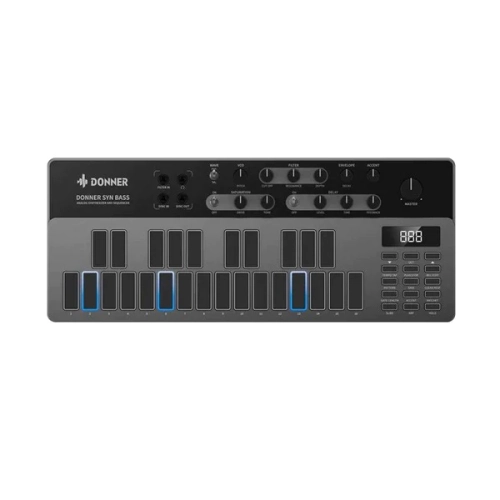 Your price for this item is $149.99
Discover more categories related to Portable Synthesizers
Top Collections:
Pokemon Centers, Kindle Devices, Best Budget Office Chairs, Apple iPhones 16, Best Laptops for Writers, iPhone 15 Apple, Canon G7X Cameras, Refurbished Apple Laptops, Alarm Clock, Motorola Razr Phones
Some products may be subject to Environmental Handling Fees
(EHF) depending on your province.
Learn more about EHFs.