Drum Kits for Beginners
Looking to unleash your inner rockstar? Look no further than our collection of drum kits for beginners. Whether you're a complete novice or have dabbled in percussion before, these drum kits are designed to kickstart your musical journey with rhythm and style. From compact sets perfect for small spaces to full-sized kits that deliver powerful beats, we have the perfect option to suit your needs. Get ready to tap into your potential and create mesmerizing beats that will have everyone grooving to your tunes.
Sort
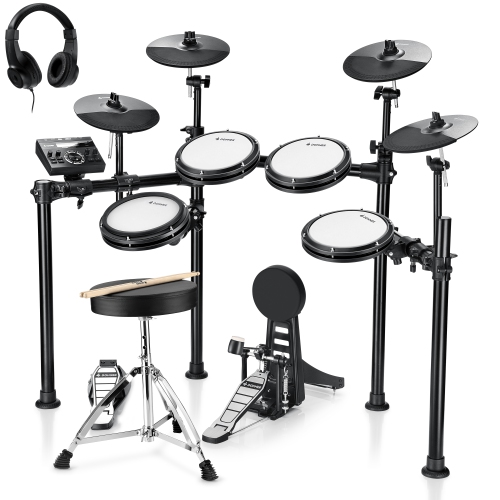
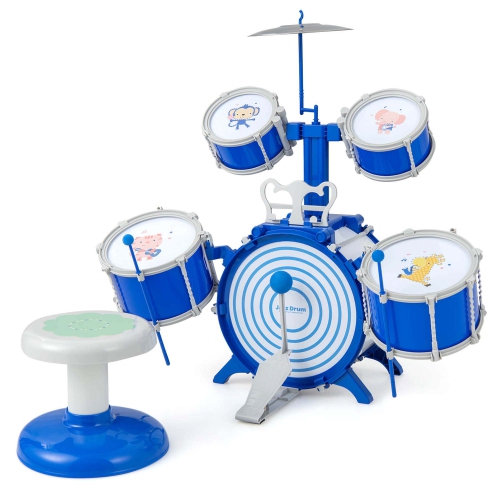
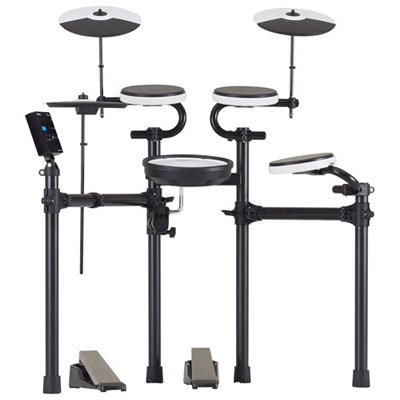
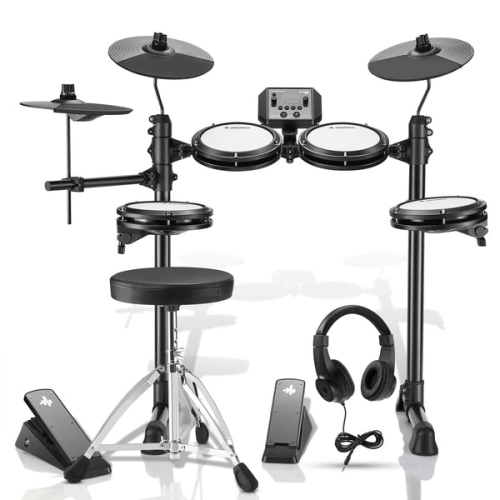
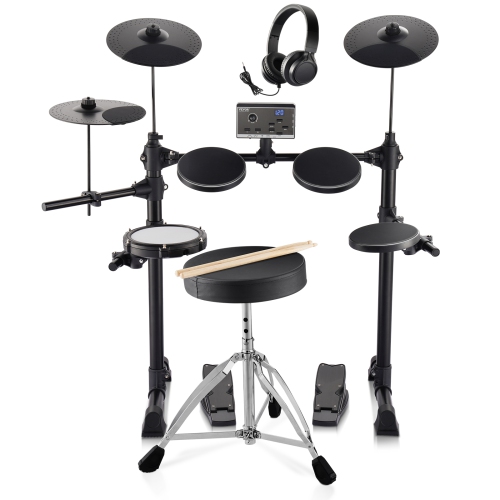
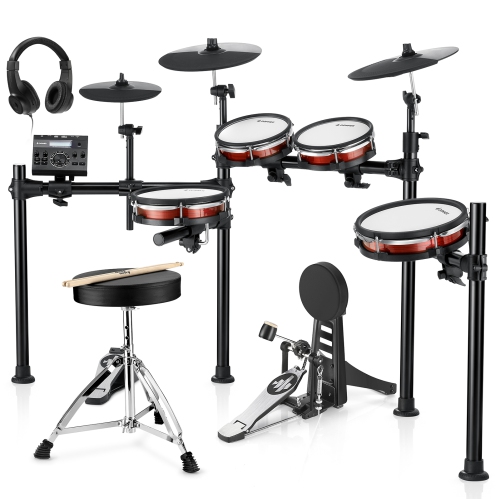
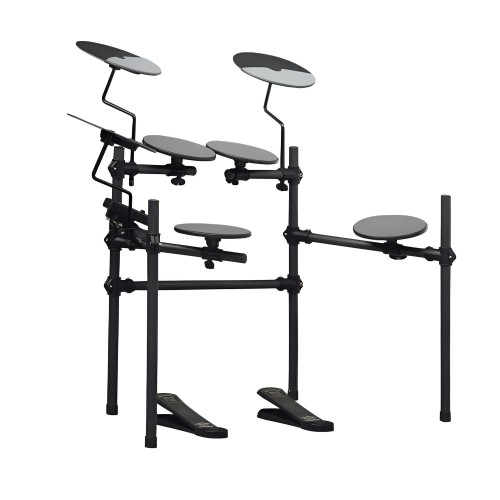

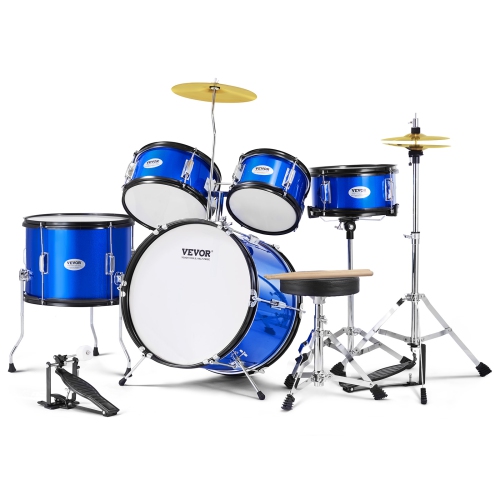

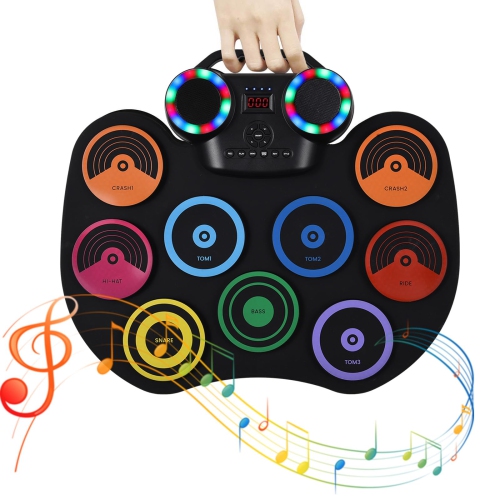
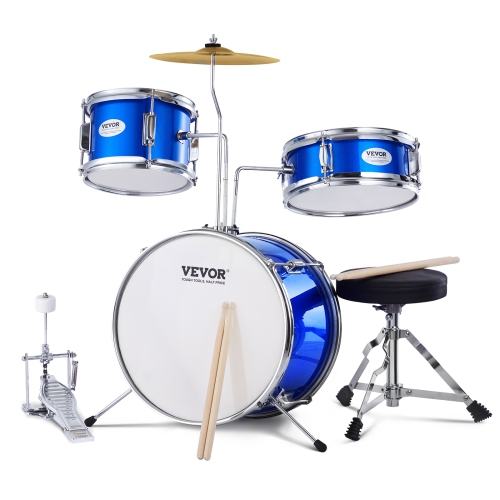
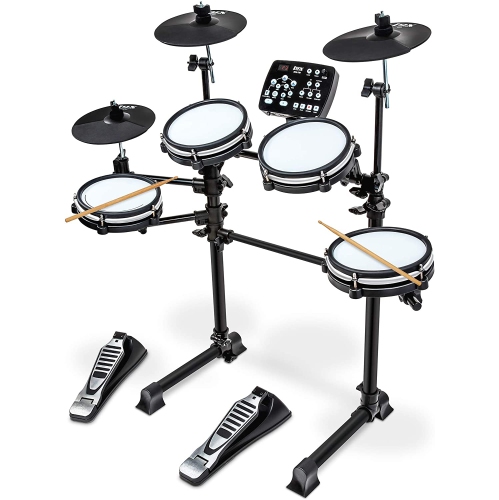
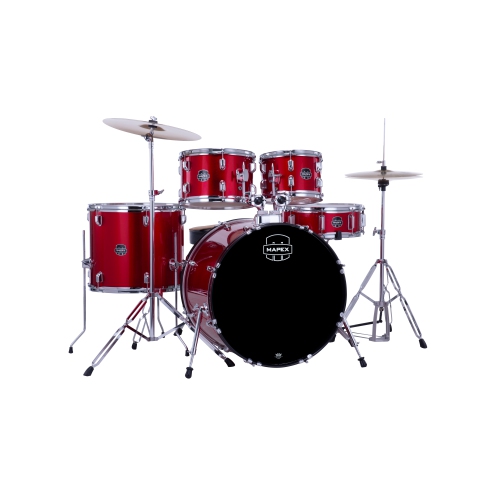
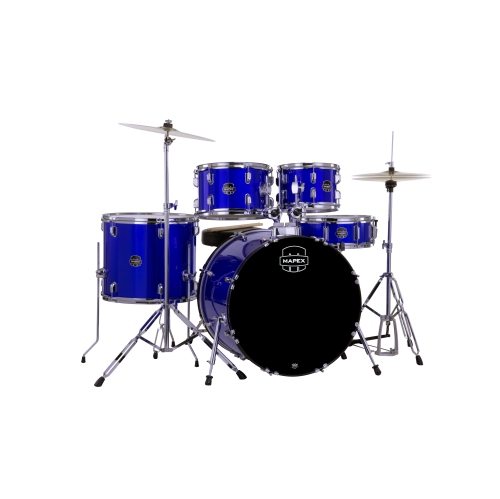
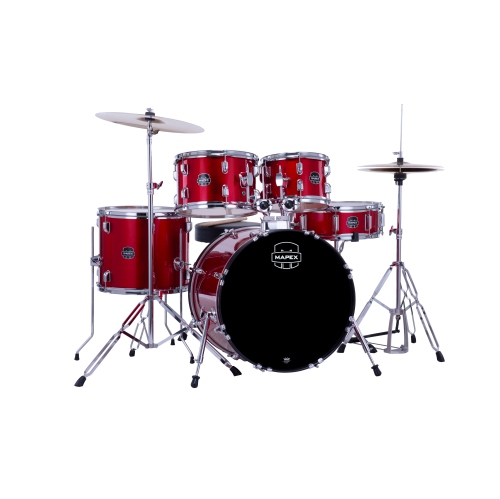
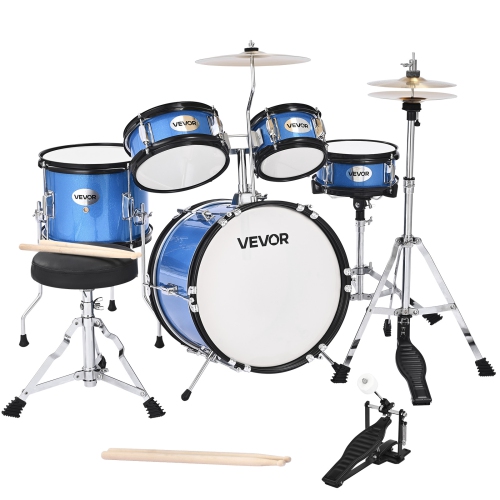
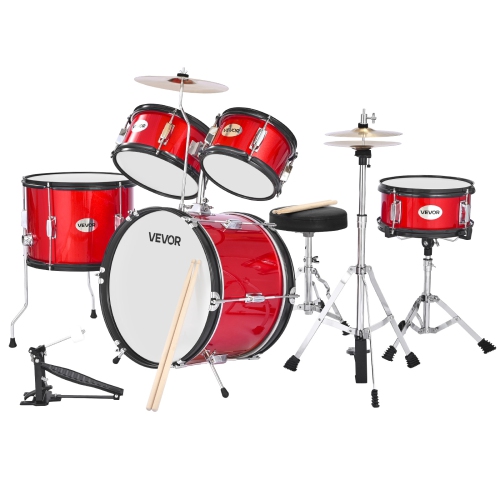
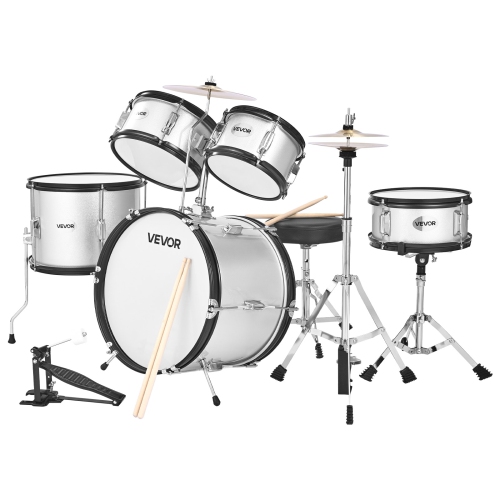
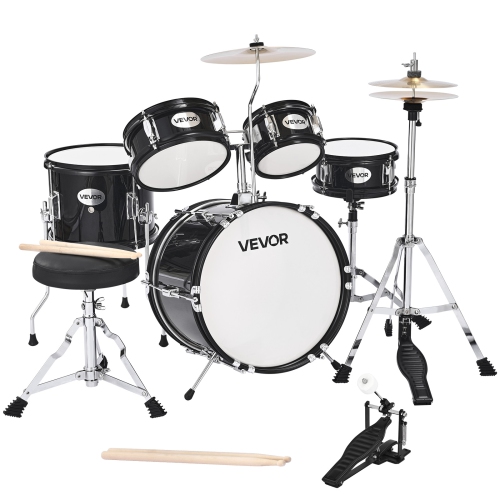
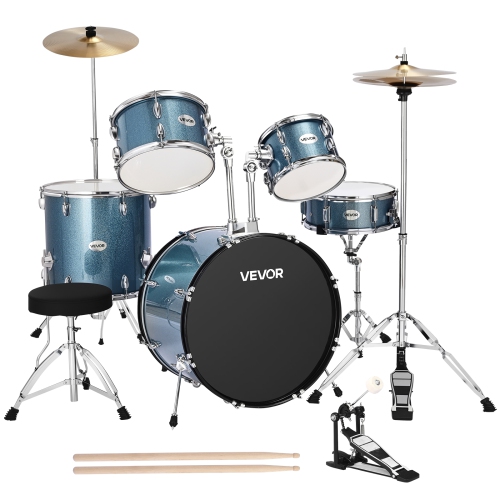
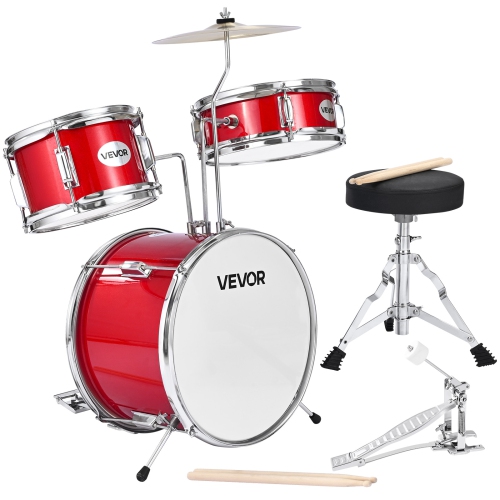
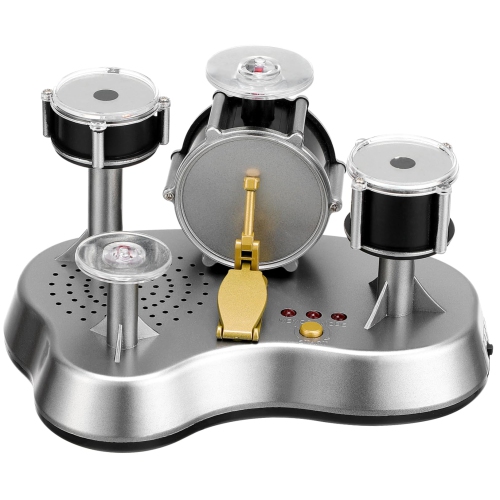
The right setup makes early practice more rewarding
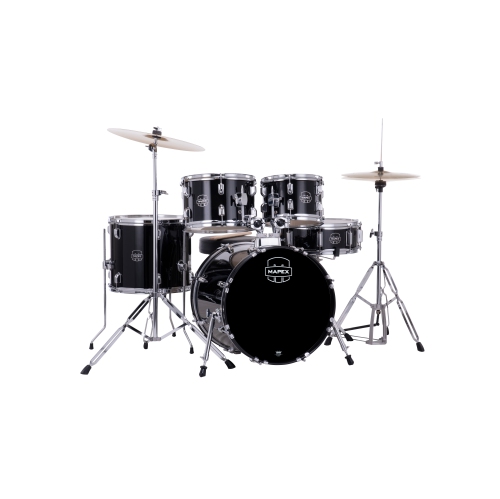
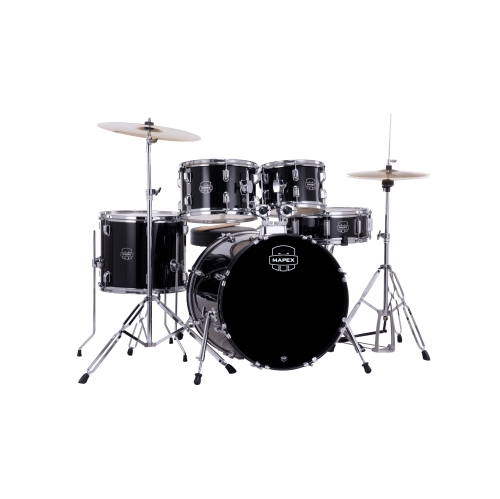
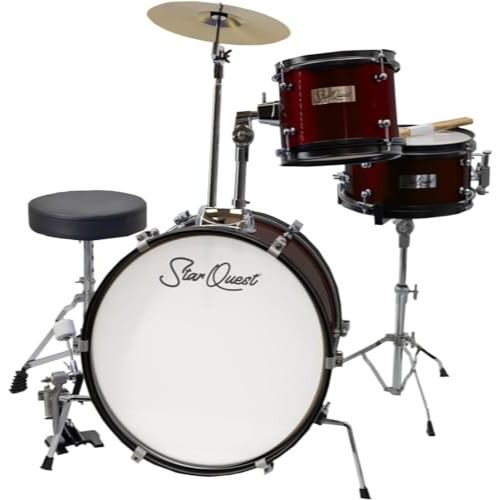
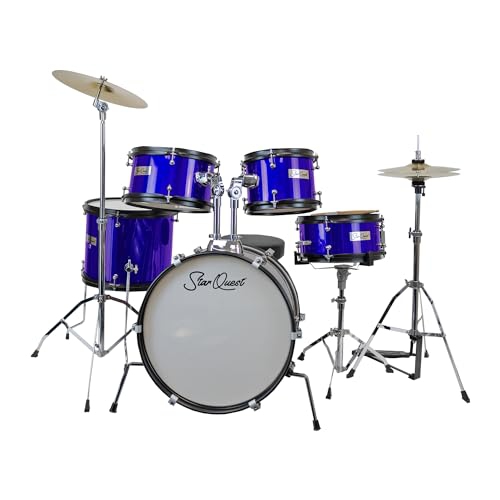
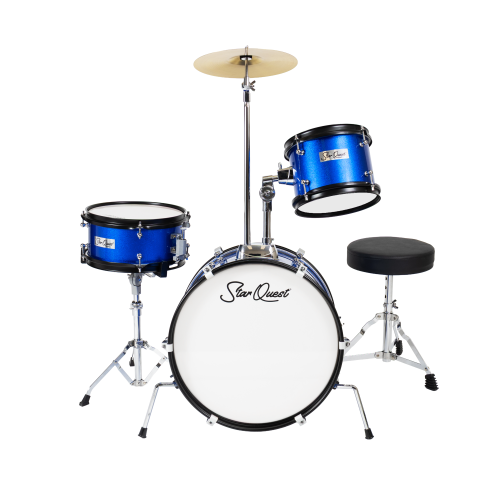
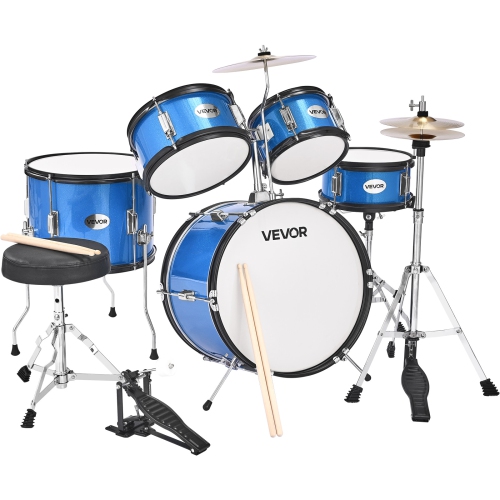
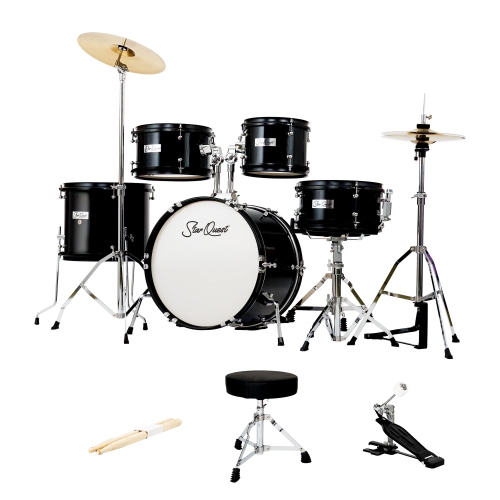
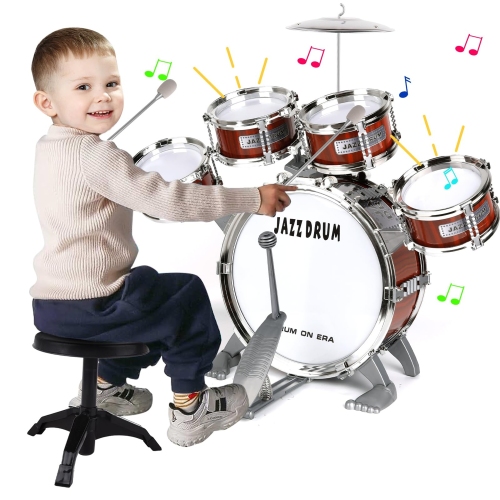
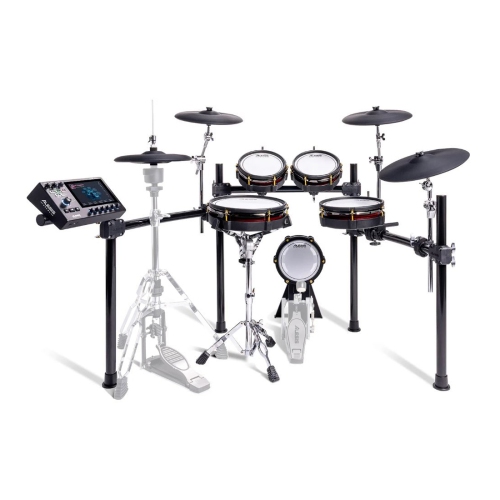
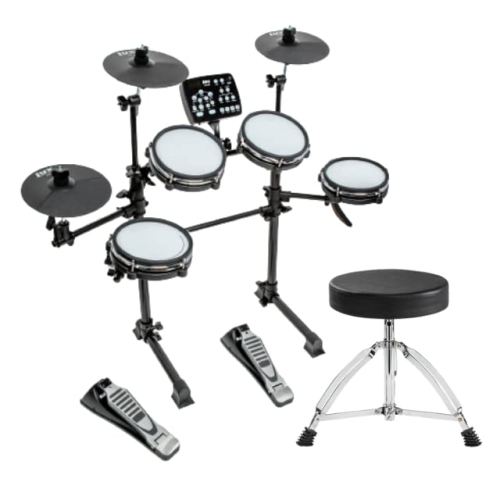
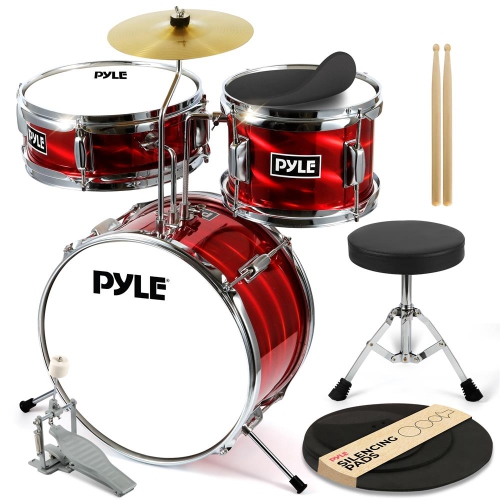
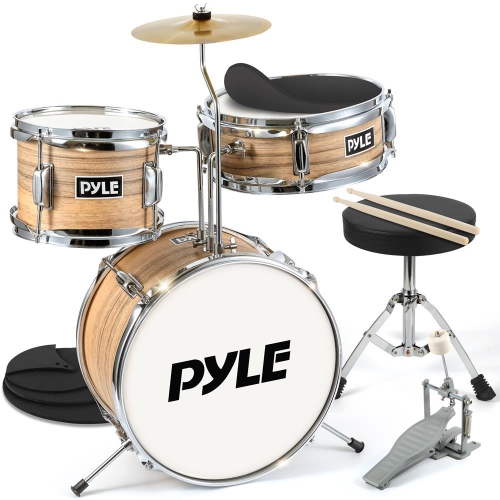
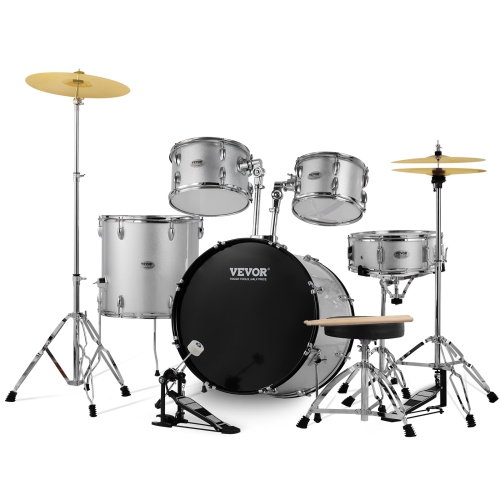
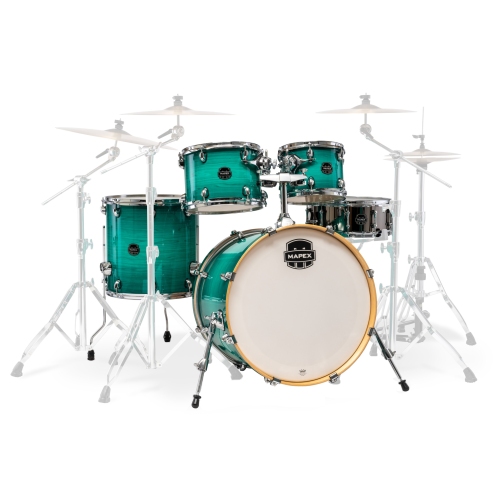
Drum kits for beginners offer a hands-on way to explore rhythm, coordination, and musical expression, whether the player is a child discovering an exciting new hobby, a teen joining a school band, or an adult returning to an instrument they have always wanted to try. A complete starter kit generally brings together the core pieces needed to begin playing: a bass drum for the deep pulse, a snare drum for crisp accents, mounted toms and a floor tom for fills, hi-hats for keeping time, and crash or ride cymbals for colour and emphasis. The hardware is just as important as the drums themselves and may include cymbal stands, a hi-hat stand, a bass drum pedal, drumsticks, and a drum throne. Having these essentials together makes it easier for a new player to sit down and practise without having to identify every component separately. The right setup can turn a spare room, basement corner, or dedicated music area into a welcoming practice space, with the steady tap of sticks gradually becoming simple beats and, over time, more confident patterns. Beginners should look for a kit that feels appropriately sized, sturdy, and comfortable to adjust. A throne should provide a stable seat at a height that allows the knees to remain comfortably bent, while the pedals should respond smoothly without requiring excessive force. Adjustable stands are useful as a player grows or when more than one person shares the kit. Drumsticks are available in different lengths, weights, and tip shapes, but a lightweight, general-purpose pair is often a practical starting point for learning basic technique. For additional instruments, accessories, and practice essentials, browse Music Equipment for Beginners.
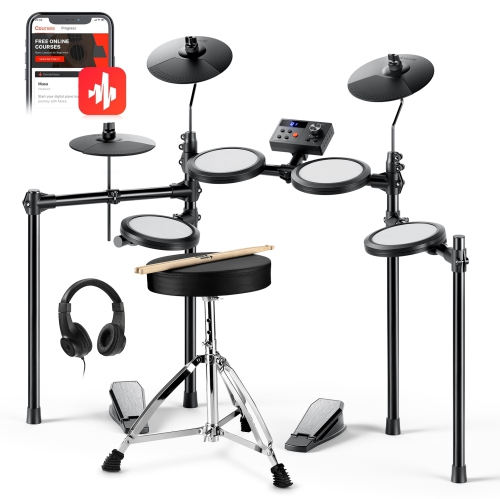
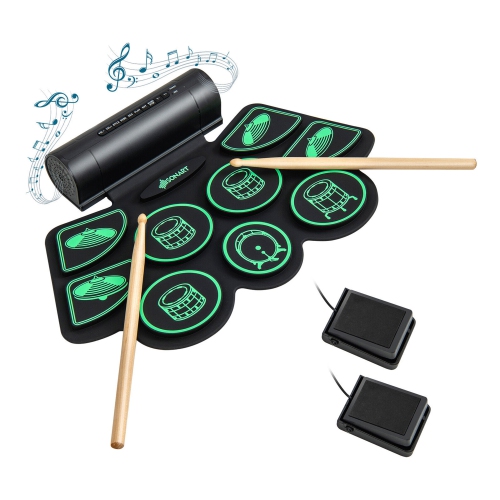
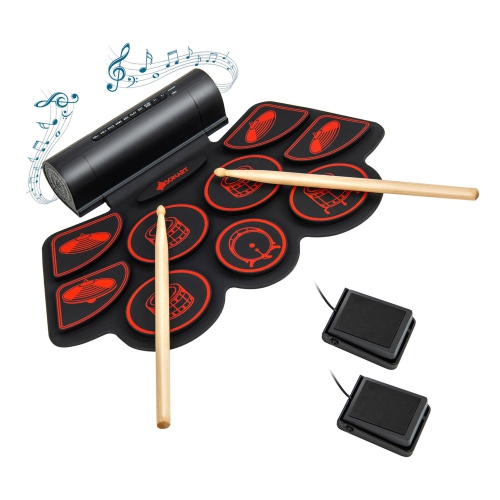
Choosing between an acoustic and electronic drum kit is one of the most important decisions for a new player. Acoustic drums provide the familiar full-bodied sound, physical response, and visual presence associated with a traditional drum set. The vibration of the bass drum, the sharp sound of the snare, and the shimmer of the cymbals can make practice feel especially engaging, although acoustic kits are loud and benefit from a room where sound can be managed comfortably. They also require enough floor space for the shells, stands, pedals, and the player’s movement. Electronic drum kits use responsive pads and digital sounds, often in a more compact arrangement that can be useful in apartments, bedrooms, multipurpose rooms, or shared homes. Many allow practice through headphones, helping players work on timing and coordination without filling the entire home with amplified drum sounds. Headphones do not eliminate the physical noise of stick contact or pedal movement, so a mat and considerate practice schedule can still make a difference, but electronic kits offer more control over volume and sound selection. They may also include metronomes, built-in practice exercises, recording features, and different drum voices that keep lessons engaging. When comparing options, consider the player’s available space, household sound limits, preferred playing feel, and whether the kit will stay assembled or need to be folded or moved between sessions. An acoustic kit may suit someone with a dedicated music room and a strong interest in the traditional performance experience, while an electronic kit may be a better match for someone who wants headphone practice and flexible placement. Either style can support solid fundamentals when the player focuses on relaxed grip, even strokes, steady counting, and gradual control rather than simply playing as loudly or quickly as possible.
Drum kits can be thoughtful gifts for birthdays, winter celebrations, or a young musician’s first serious instrument, particularly when the recipient has already shown interest in rhythm, concerts, rhythm games, or making music with household objects. A beginner set can give a child a creative outlet after school, help a teenager build confidence before joining a group, or provide an adult with a rewarding activity during the cooler months. Before giving one as a gift, it is useful to think about the recipient’s age, height, available space, and tolerance for sound. A compact electronic kit can be easier to accommodate in a shared home, while a full acoustic arrangement may be ideal for a family with a rehearsal area or a player who is ready to commit to traditional drumming. Lessons, instructional books, a practice pad, a metronome, and hearing protection can complement the kit and make the first sessions more comfortable and productive. Beginners should set up the drums so that the snare sits between the knees, the bass pedal is aligned naturally with the dominant foot, and cymbals are close enough to reach without stretching. The playing surface should be clear of loose furniture, cables, and objects that could interfere with foot pedals. It is also wise to begin with short, consistent practice sessions: a few minutes of warming up, followed by basic single strokes, simple bass-and-snare patterns, and slow work with a metronome. Imagine the first clean four-beat pattern landing evenly, each hit finding its place, followed by the small thrill of adding a hi-hat or a gentle bass drum accent. Those modest milestones are what make learning feel rewarding. With suitable equipment, sensible volume habits, and regular practice, drum kits for beginners can provide a strong foundation for playing along with favourite songs, developing musical timing, and eventually creating rhythms of their own.
Choosing between an acoustic and electronic drum kit is one of the most important decisions for a new player. Acoustic drums provide the familiar full-bodied sound, physical response, and visual presence associated with a traditional drum set. The vibration of the bass drum, the sharp sound of the snare, and the shimmer of the cymbals can make practice feel especially engaging, although acoustic kits are loud and benefit from a room where sound can be managed comfortably. They also require enough floor space for the shells, stands, pedals, and the player’s movement. Electronic drum kits use responsive pads and digital sounds, often in a more compact arrangement that can be useful in apartments, bedrooms, multipurpose rooms, or shared homes. Many allow practice through headphones, helping players work on timing and coordination without filling the entire home with amplified drum sounds. Headphones do not eliminate the physical noise of stick contact or pedal movement, so a mat and considerate practice schedule can still make a difference, but electronic kits offer more control over volume and sound selection. They may also include metronomes, built-in practice exercises, recording features, and different drum voices that keep lessons engaging. When comparing options, consider the player’s available space, household sound limits, preferred playing feel, and whether the kit will stay assembled or need to be folded or moved between sessions. An acoustic kit may suit someone with a dedicated music room and a strong interest in the traditional performance experience, while an electronic kit may be a better match for someone who wants headphone practice and flexible placement. Either style can support solid fundamentals when the player focuses on relaxed grip, even strokes, steady counting, and gradual control rather than simply playing as loudly or quickly as possible.
Drum kits can be thoughtful gifts for birthdays, winter celebrations, or a young musician’s first serious instrument, particularly when the recipient has already shown interest in rhythm, concerts, rhythm games, or making music with household objects. A beginner set can give a child a creative outlet after school, help a teenager build confidence before joining a group, or provide an adult with a rewarding activity during the cooler months. Before giving one as a gift, it is useful to think about the recipient’s age, height, available space, and tolerance for sound. A compact electronic kit can be easier to accommodate in a shared home, while a full acoustic arrangement may be ideal for a family with a rehearsal area or a player who is ready to commit to traditional drumming. Lessons, instructional books, a practice pad, a metronome, and hearing protection can complement the kit and make the first sessions more comfortable and productive. Beginners should set up the drums so that the snare sits between the knees, the bass pedal is aligned naturally with the dominant foot, and cymbals are close enough to reach without stretching. The playing surface should be clear of loose furniture, cables, and objects that could interfere with foot pedals. It is also wise to begin with short, consistent practice sessions: a few minutes of warming up, followed by basic single strokes, simple bass-and-snare patterns, and slow work with a metronome. Imagine the first clean four-beat pattern landing evenly, each hit finding its place, followed by the small thrill of adding a hi-hat or a gentle bass drum accent. Those modest milestones are what make learning feel rewarding. With suitable equipment, sensible volume habits, and regular practice, drum kits for beginners can provide a strong foundation for playing along with favourite songs, developing musical timing, and eventually creating rhythms of their own.
Top selling and popular products
-
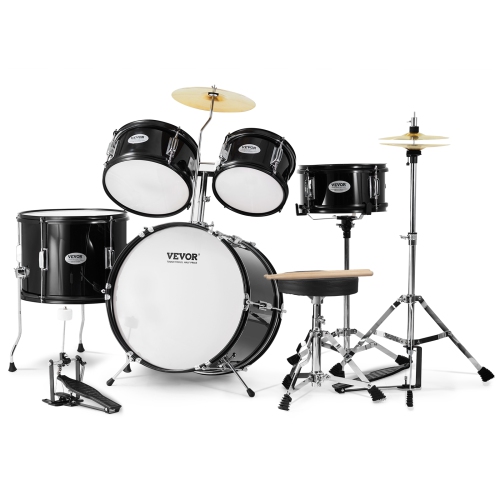 Your price for this item is $214.9
 -
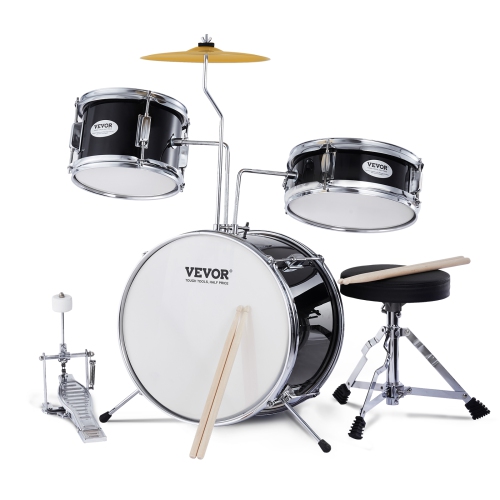 Your price for this item is $104.31
 -
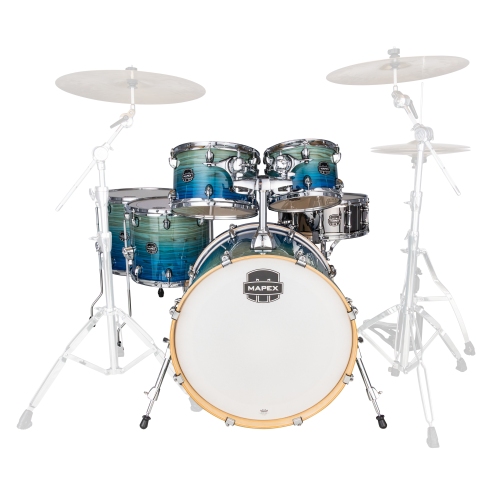 Your price for this item is $1699
 -
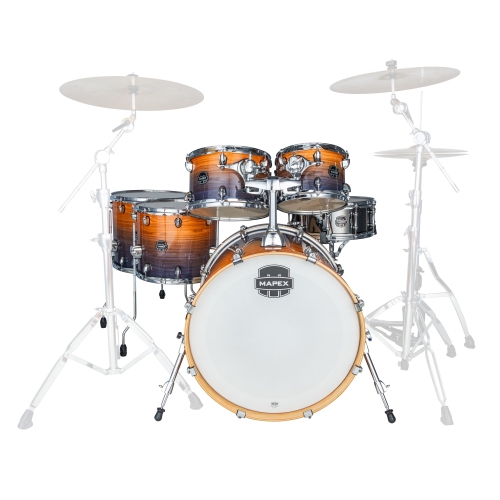 Your price for this item is $1699
 -
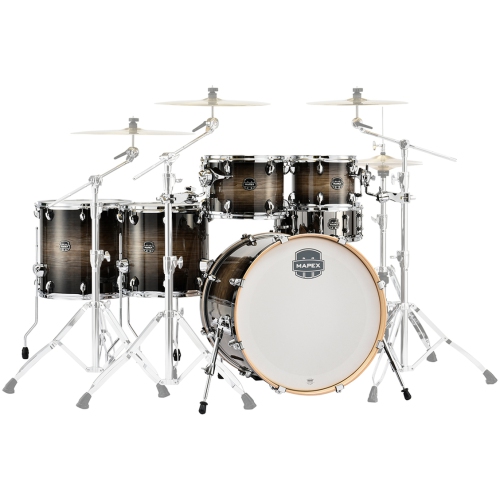 Your price for this item is $1874.49
 -
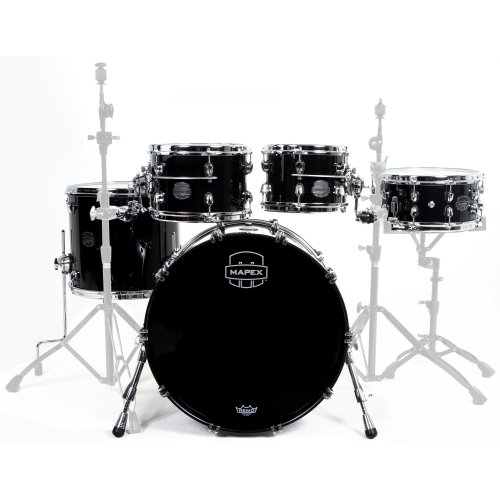 Your price for this item is $3899
 -
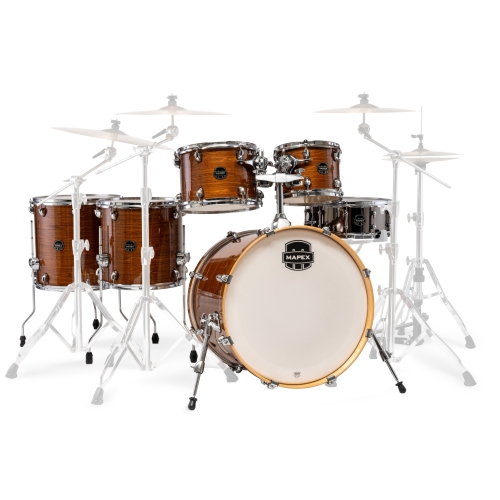 Your price for this item is $1749
 -
 Your price for this item is $1529
Discover more categories related to Drum Kits for Beginners
Top Collections:
Pokemon Centers, Kindle Devices, Best Budget Office Chairs, Apple iPhones 16, Best Laptops for Writers, iPhone 15 Apple, Canon G7X Cameras, Refurbished Apple Laptops, Alarm Clock, Motorola Razr Phones
Some products may be subject to Environmental Handling Fees
(EHF) depending on your province.
Learn more about EHFs.