Purple Guitars
Purple guitars stand out with their vibrant colour and unique style, making them a popular choice for musicians who want to express their individuality. Whether you’re looking to add a bold statement piece to your collection or searching for the perfect gift for a music lover, purple guitars offer both visual appeal and musical inspiration. Explore a wide range of options to find the purple guitar that matches your taste and creativity.
Sort
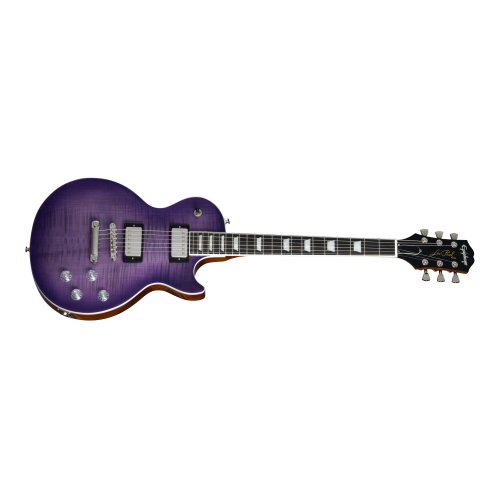
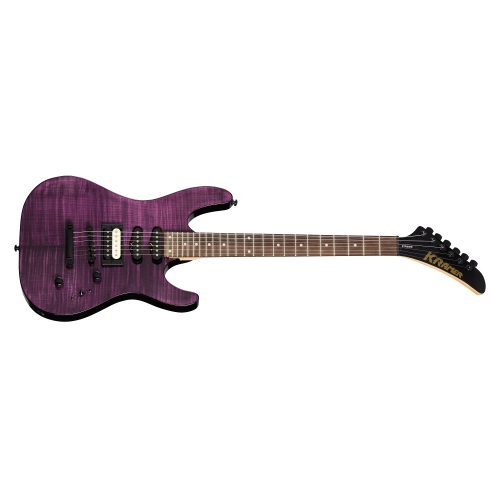


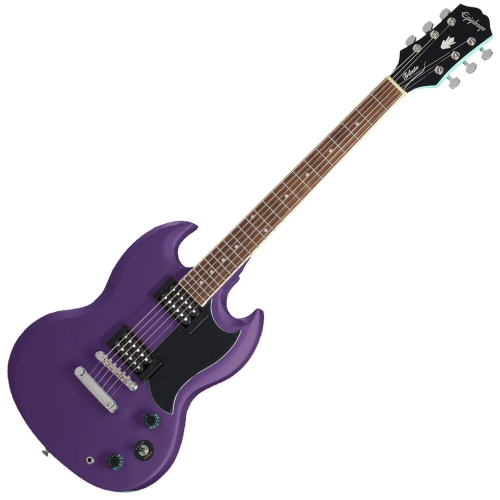
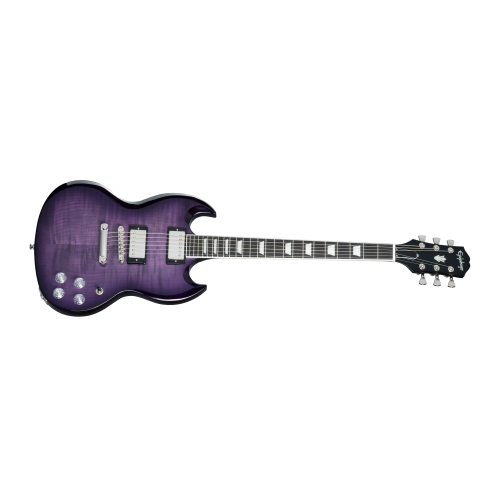
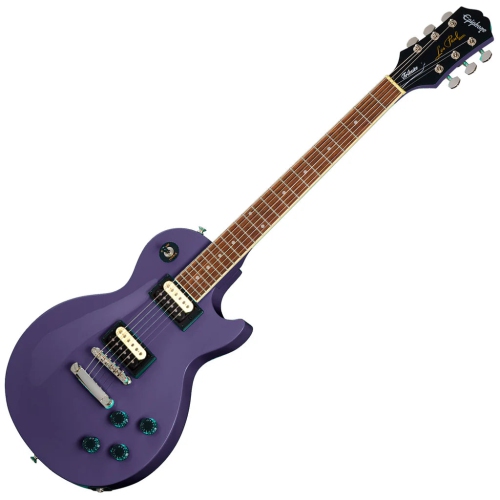
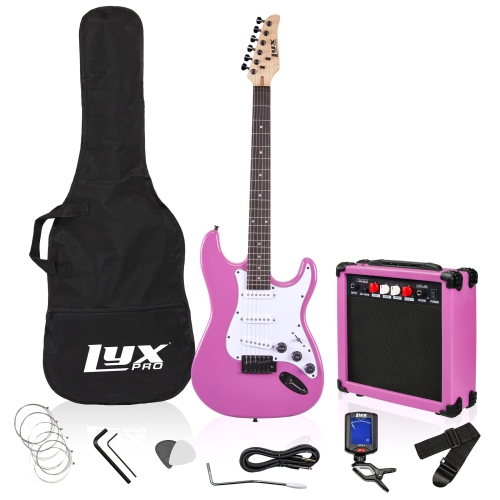


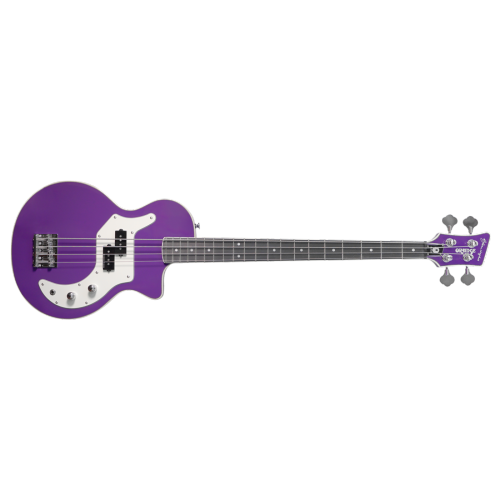
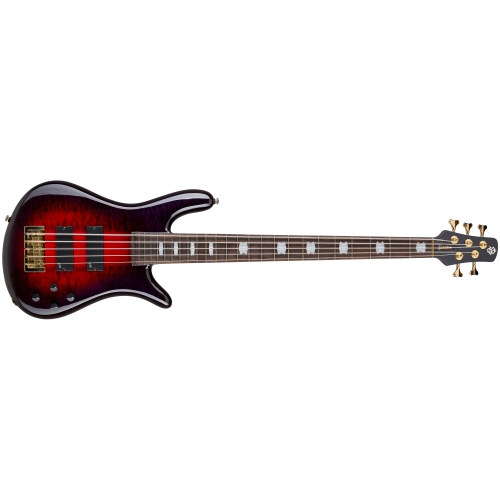
Distinctive finishes meet the details that shape your sound
Purple guitars pair a distinctive finish with the same practical choices that shape any guitar’s sound, feel, and purpose. The colour can range from soft lavender and bright violet to deep plum, with solid, transparent, metallic, and burst finishes creating very different impressions. A transparent purple finish lets the wood grain show through, while an opaque finish gives the body a more uniform appearance. Metallic finishes catch light as the instrument moves, and a purple burst can frame the centre of the body with darker edges. These visual details can make an instrument feel personal without tying it to a particular musical style: a purple guitar can look equally at home beside a songwriting notebook, in a rehearsal room, or under stage lights. Colour alone does not determine tone or playability. Those qualities depend on the instrument’s construction, dimensions, hardware, strings, and, for electric guitars, pickups and amplification. Purple electric guitars suit players who want amplified sound and access to effects, whether the aim is clear chord work, expressive blues leads, layered pop parts, or heavier riffs. Purple acoustic guitars appeal to players who want an instrument that produces its sound through a resonant body, making them useful for practising, accompanying vocals, and playing without an amplifier. An acoustic-electric guitar adds a pickup system for connection to suitable amplification or recording equipment, though its unplugged sound still comes from the acoustic construction. For someone drawn to colourful instruments, the finish may be the starting point, but the right type of guitar makes that visual appeal useful in everyday playing. A beginner learning open chords has different needs from a performer moving between clean and distorted sounds during a set. Players comparing warm and cool colour palettes can also explore red guitars, while keeping body shape, playing comfort, and musical purpose at the centre of the decision.
Materials and construction help explain why two purple guitars can feel and sound quite different, even when their finishes look similar. Electric guitar bodies may use woods such as alder, basswood, mahogany, or maple, sometimes combining a body wood with a separate decorative top. Weight varies between instruments, and neither a wood name nor a striking grain pattern tells the whole story about comfort or sound. Neck construction, bridge design, pickups, and the amplifier all contribute to the playing experience. On acoustic guitars, the top, internal bracing, body dimensions, and back and side construction influence resonance and response. Solid-wood and layered-wood construction each have practical trade-offs, so those details are worth considering alongside the finish. Fit is especially important for an instrument held through repeated practice sessions. A deep acoustic body may feel substantial against the torso, while a smaller body can be easier to reach around when seated. On an electric guitar, body contours can reduce pressure against the forearm and ribs, and overall weight matters during longer sessions with a strap. Neck profile, fingerboard width, and scale length affect how the fretting hand moves. A shorter scale can reduce string tension when tuning and string gauge are otherwise comparable, but it does not automatically make every guitar easier to play. String height, fret condition, and setup also matter. For children and smaller players, suitable body dimensions and comfortable reach are more useful considerations than colour alone; a compact instrument should still allow relaxed posture and accurate tuning. Pickup configuration deserves similar attention. Single-coil pickups are often associated with clear, bright sounds, while humbuckers typically reduce mains hum and can produce a fuller response, although individual designs vary. A fixed bridge offers a straightforward arrangement for tuning and string changes. A vibrato bridge allows pitch effects through an arm, but some systems require more involved setup and maintenance. For heavier styles or altered tunings, string gauge, scale length, and bridge design deserve as much attention as pickup output.
A purple guitar can be a practical everyday instrument, a performance piece with visual character, or a thoughtful gift for someone whose favourite colour is part of their personal style. The strongest match connects that appearance to how the recipient actually plays. A student taking lessons may benefit from comfortable dimensions and simple controls, while an experienced player may have firm preferences about neck shape, pickup layout, or bridge type. Left-handed orientation is another detail to confirm rather than assuming that any guitar can be restrung in reverse without changes. For someone writing songs at home, an acoustic guitar can keep the process simple; for a player building layered tracks or exploring effects, an electric guitar may fit better. Electric guitars generally need an amplifier or a suitable audio interface and monitoring setup for their intended amplified sound. Compatible headphone equipment can support quieter practice, but headphones cannot usually connect directly to a conventional guitar output. Accessories also affect day-to-day use: a supportive strap, suitable case or padded gig bag, tuner, and the correct replacement strings help make the instrument easier to play and protect. Care should suit both the finish and the hardware. A soft, clean cloth can remove fingerprints and perspiration after playing, especially around frequently touched areas of the body and neck. Gloss finishes tend to show smudges, while satin finishes can develop shiny patches where hands repeatedly rub, so polishing products should only be used when approved for that finish. Fretboard care also varies by material and coating; a treatment suitable for unfinished wood may be inappropriate for a sealed surface. A stable stand or secure wall hanger helps prevent knocks, provided its contact materials are compatible with the guitar’s finish. A well-fitting case offers better protection during transport than carrying the instrument uncovered. Over time, fresh strings and an appropriate setup can restore clarity, tuning consistency, and comfortable action. With the right fit and routine care, the appeal of a purple guitar extends well beyond its colour into the daily satisfaction of making music.
Top selling and popular products
-
 Your price for this item is $494.49
-
 Your price for this item is $379.99
-
 Your price for this item is $494.49
-
 Your price for this item is $349.99
-
 Your price for this item is $395.99
-
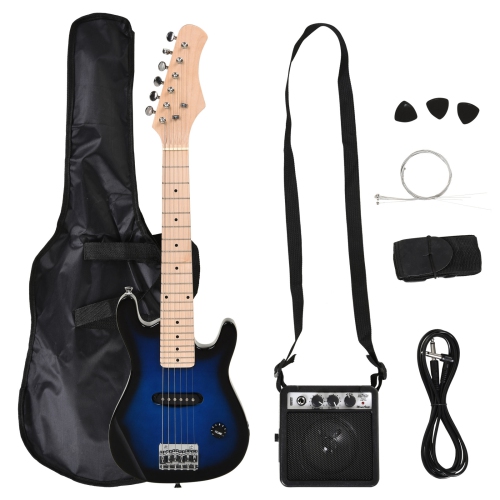 Your price for this item is $124.99
-
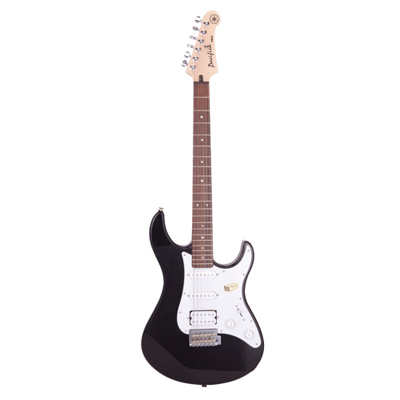 Your price for this item is $299.99
-
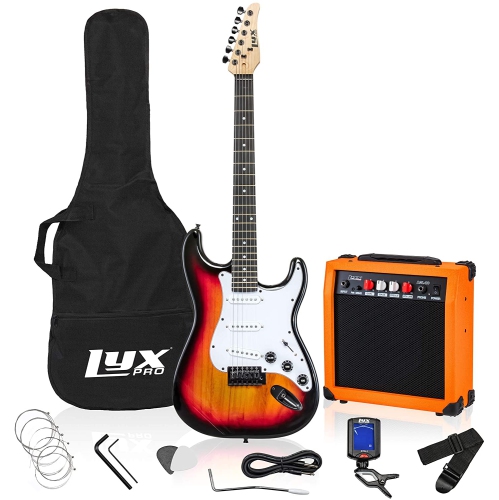 Your price for this item is $239.99
Discover more categories related to Purple Guitars
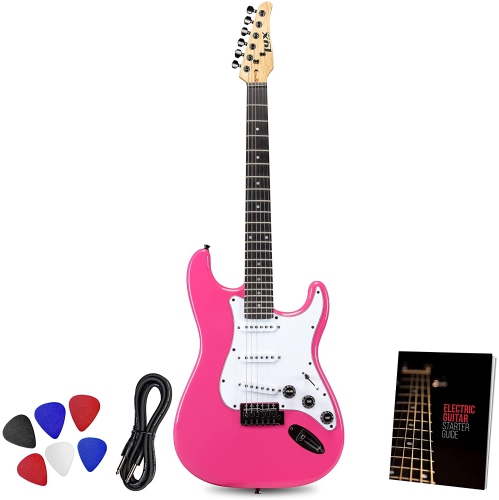
Top Collections:
Pokemon Centers, Best Cameras for Sports Photography, Kindle Devices, Samsung Galaxy Phones, Canon G7X Cameras, Pokémon 30th Celebration Cards, Refurbished Apple Laptops, iPhone 15 Apple, Laptops for Students, Budget Smartphones
Some products may be subject to Environmental Handling Fees
(EHF) depending on your province.
Learn more about EHFs.