Blue Guitars
If you're looking to add a touch of musical flair to your collection, dive into a world of sonic possibilities with this selection of blue guitars. Whether you're a seasoned musician or just starting out, these striking instruments offer both style and substance. From electric guitars that can rock the stage to acoustic guitars perfect for intimate jam sessions, there's a blue guitar here to suit every player's taste. Explore this range and find the perfect blue-hued companion to unleash your creativity and make a statement on stage or at home.
Sort
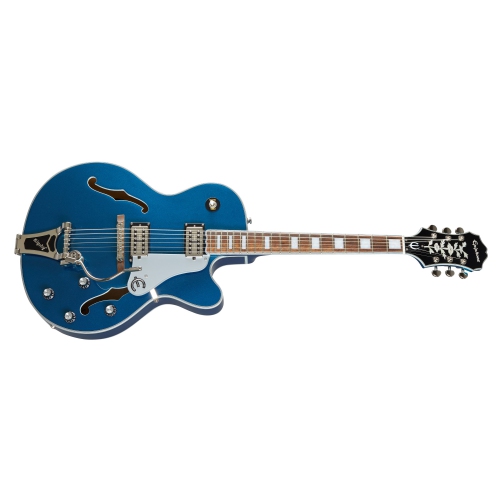
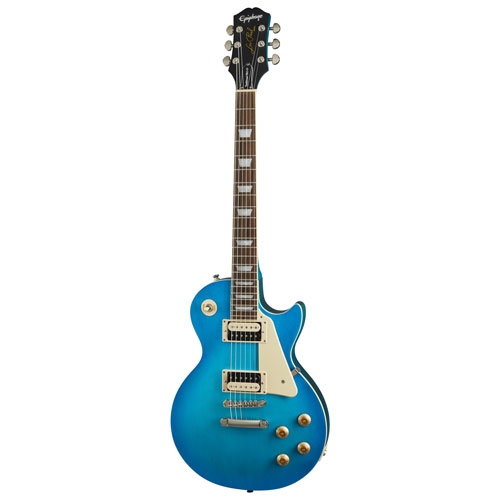
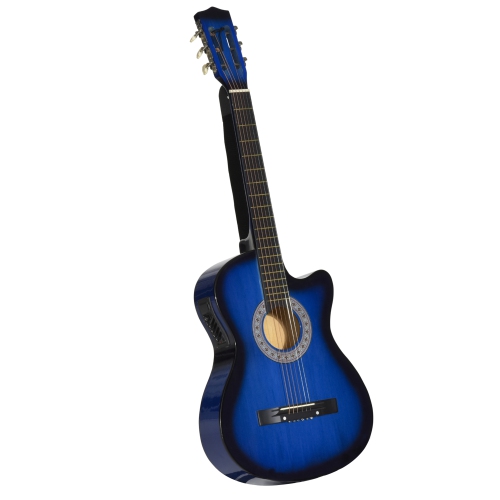
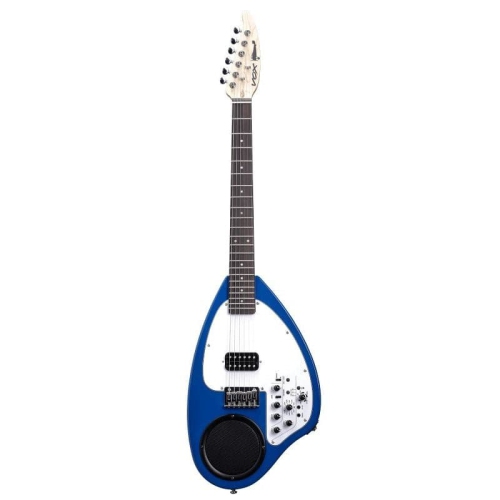



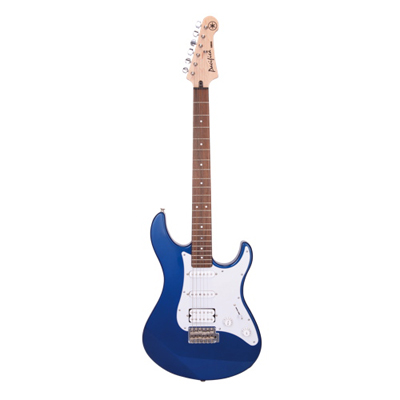
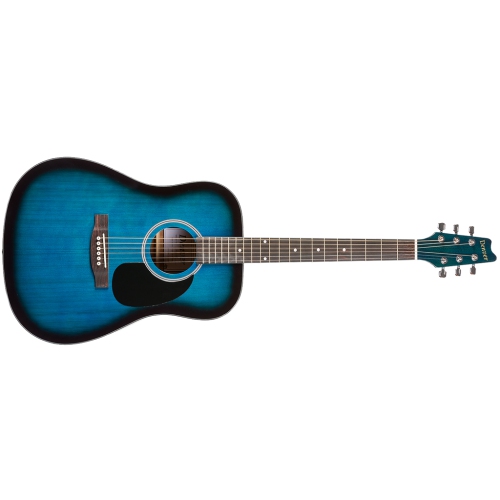
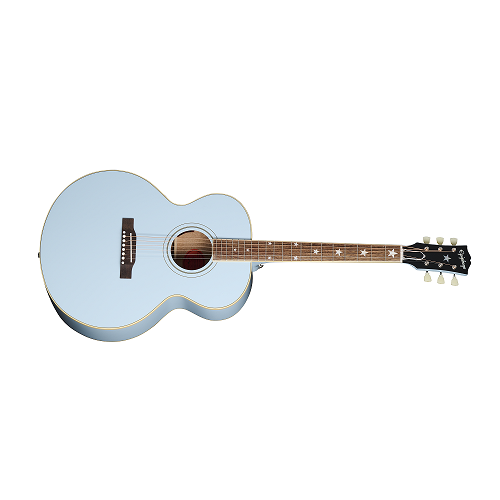
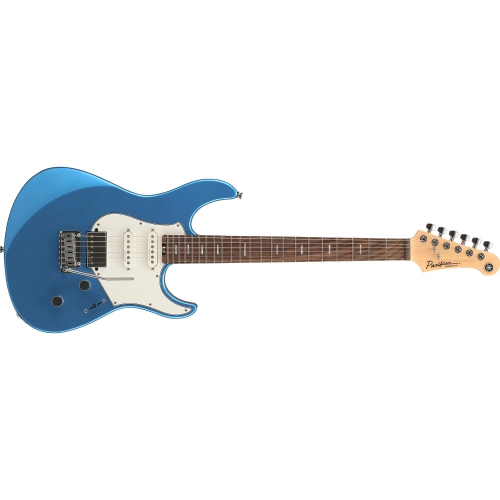
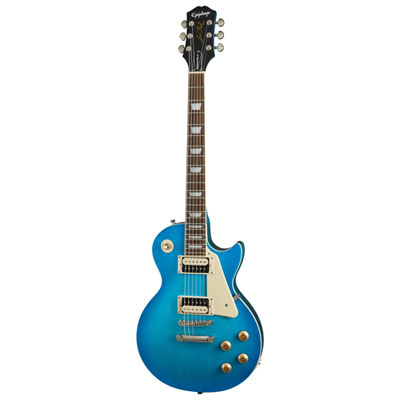
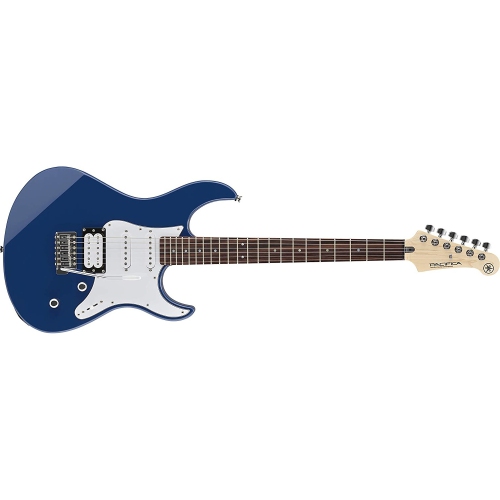
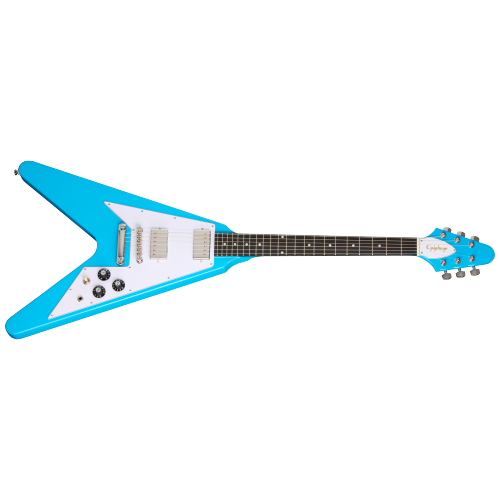
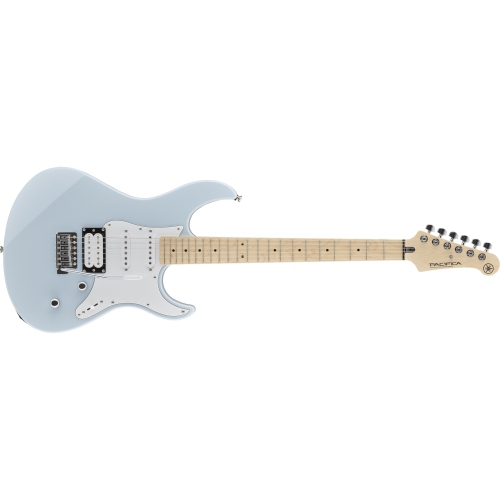
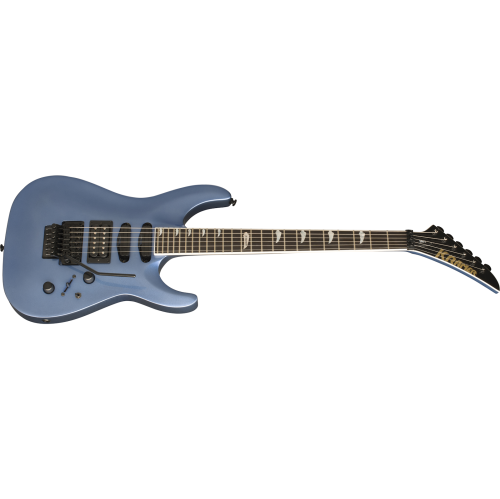
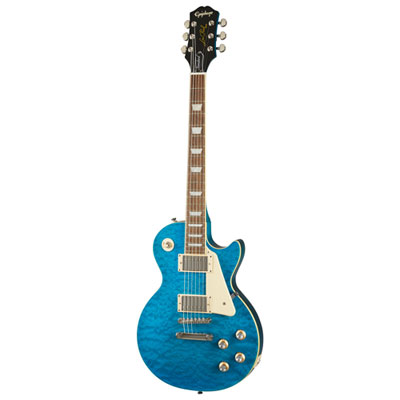
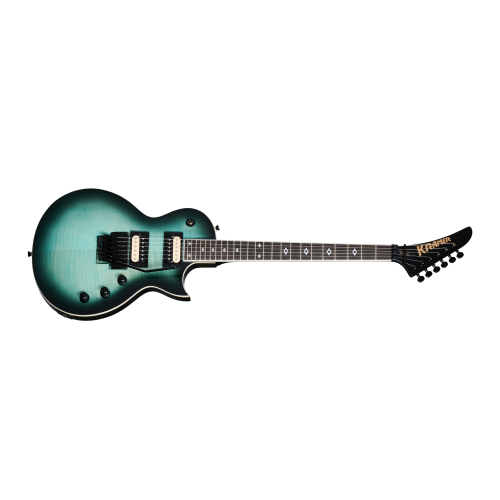
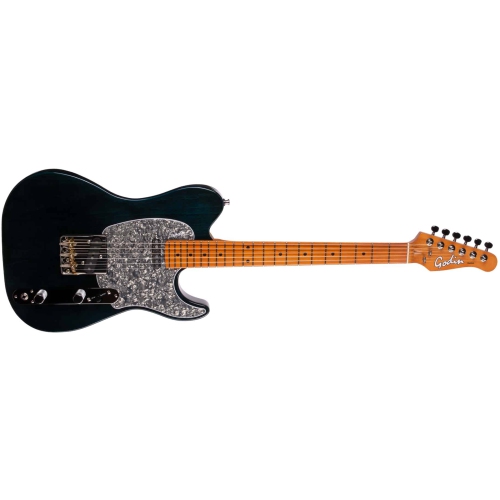
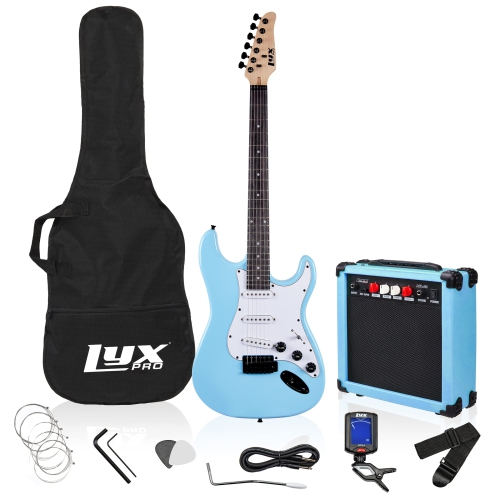


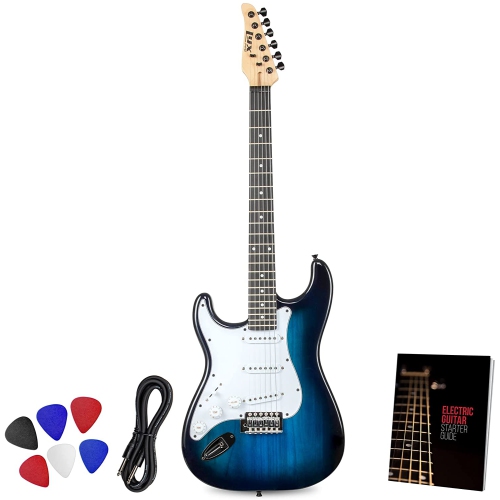
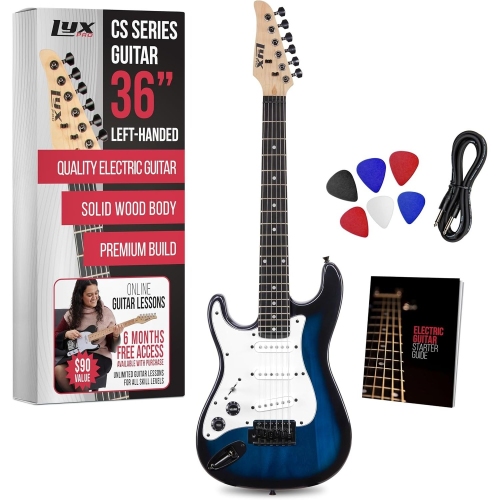
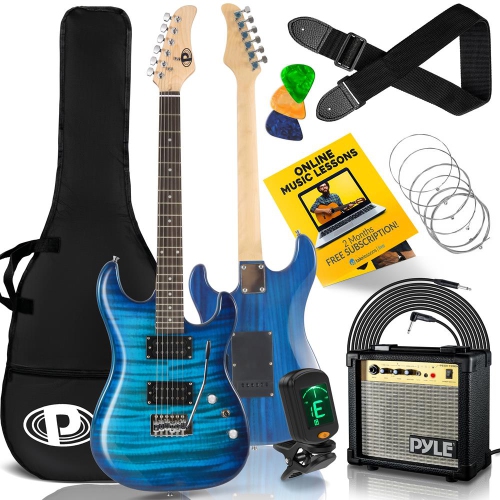
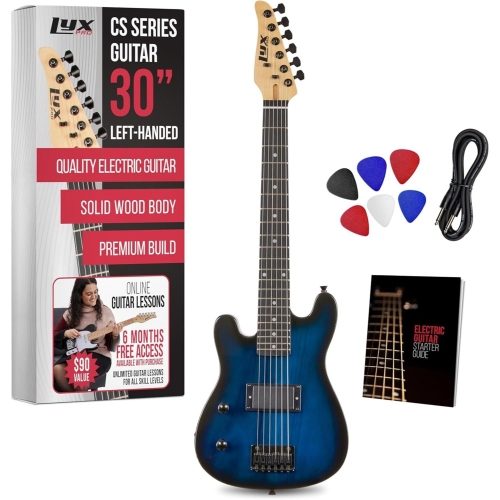
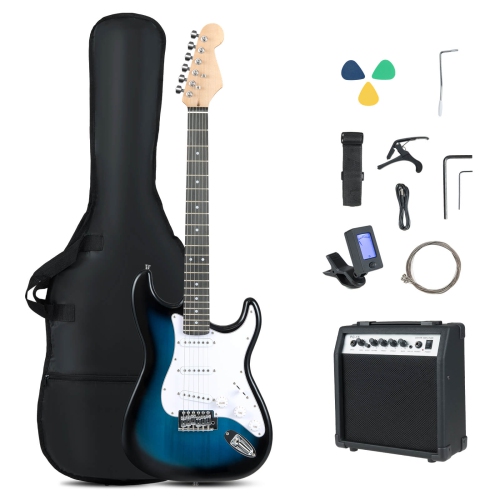
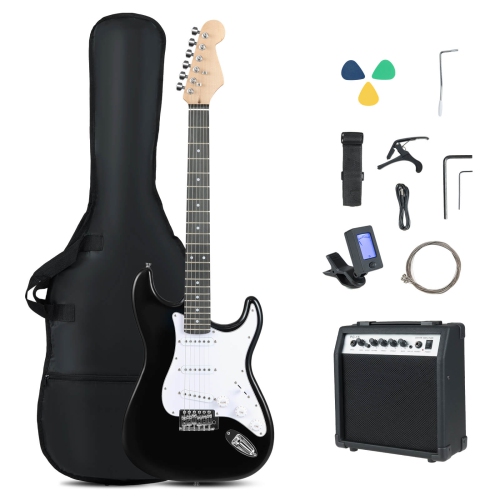
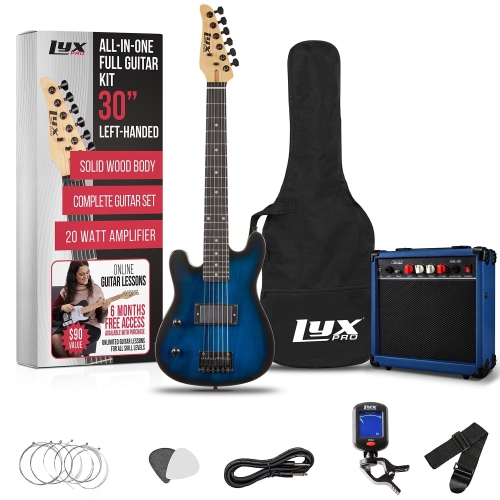
A personal instrument for learning, playing, and gifting
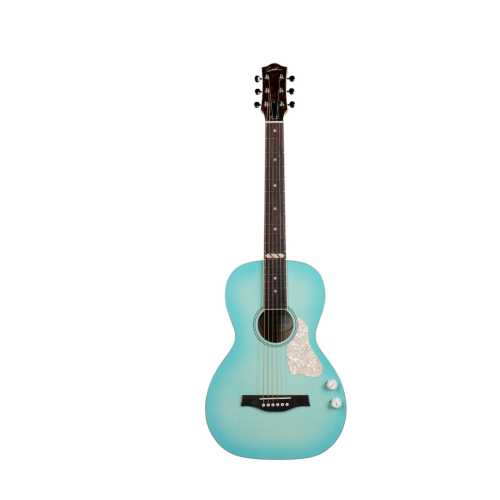
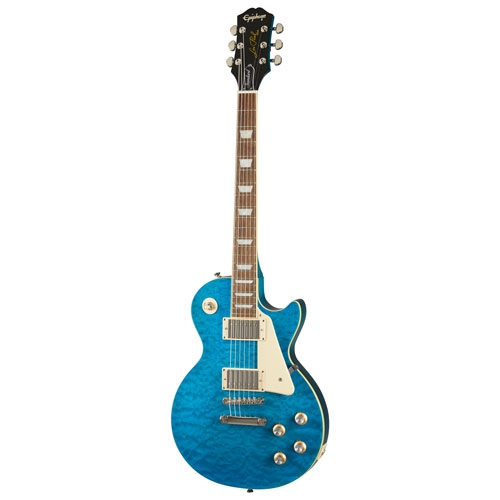
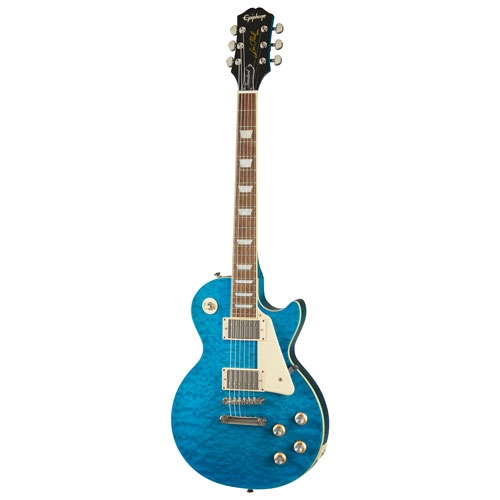
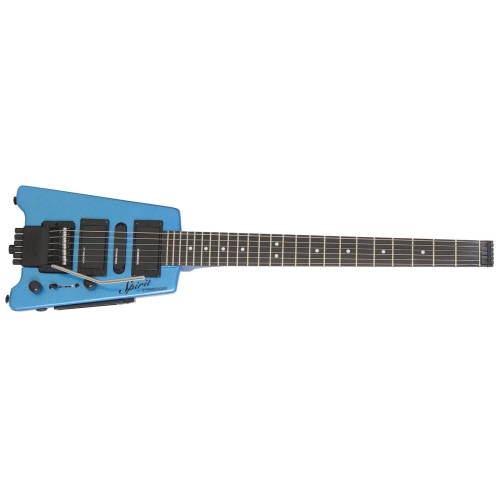
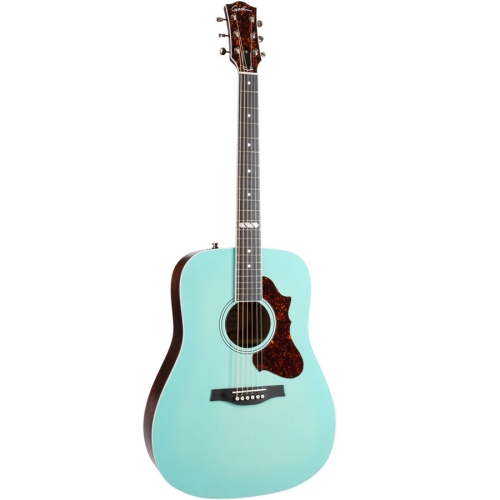
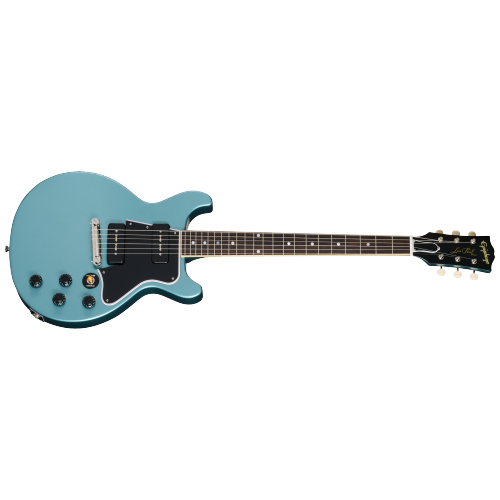
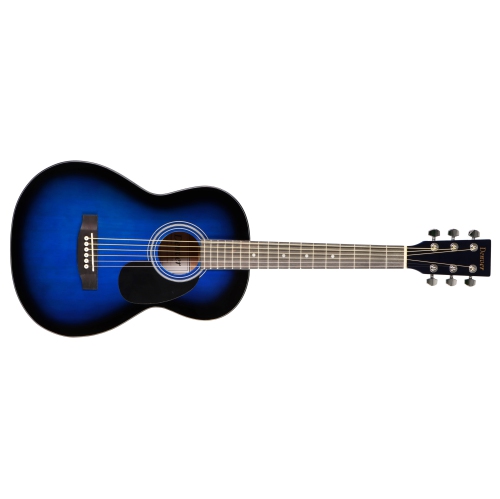
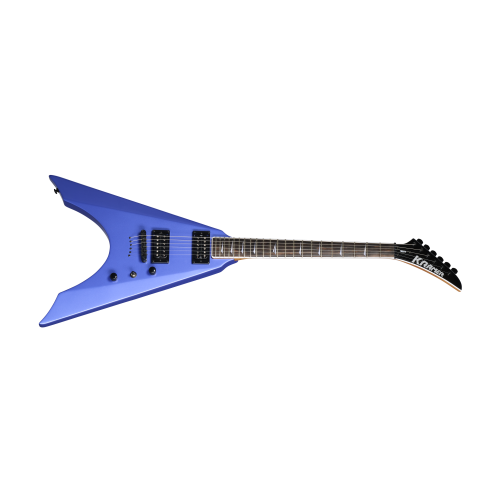
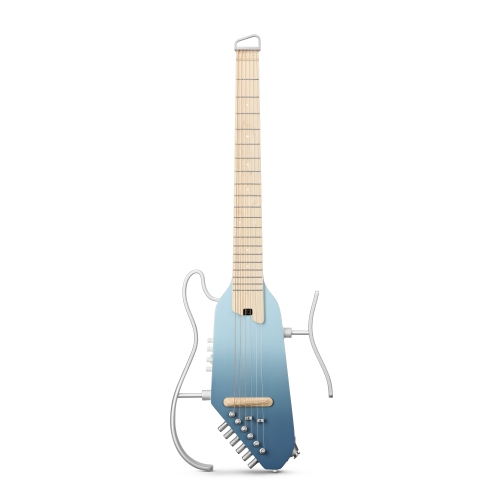
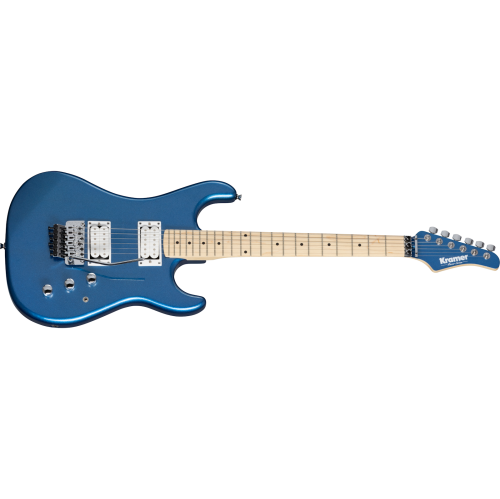
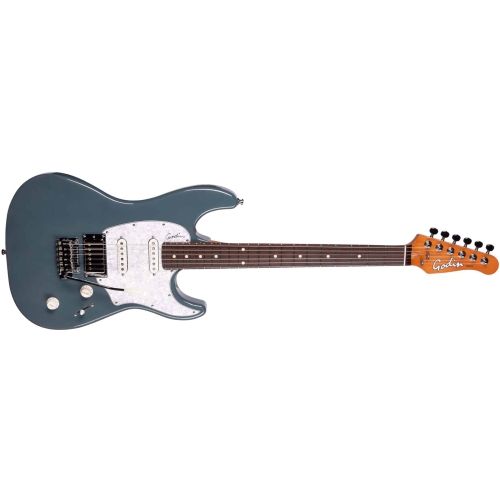
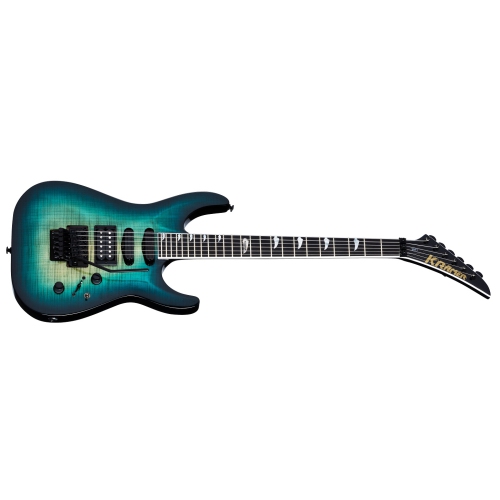
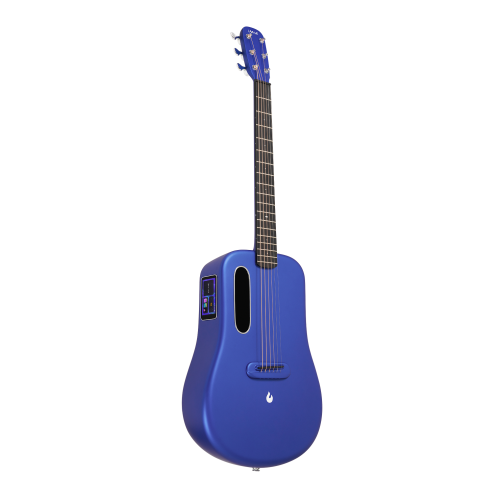
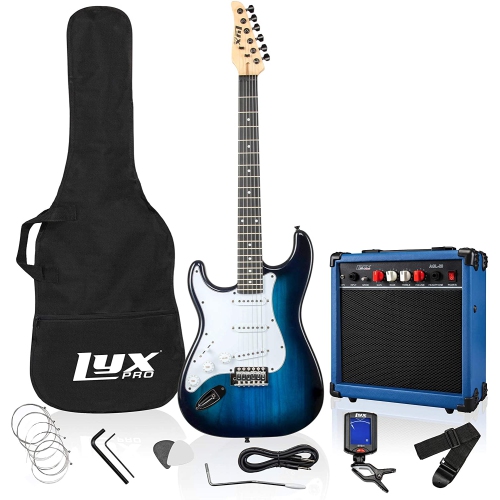
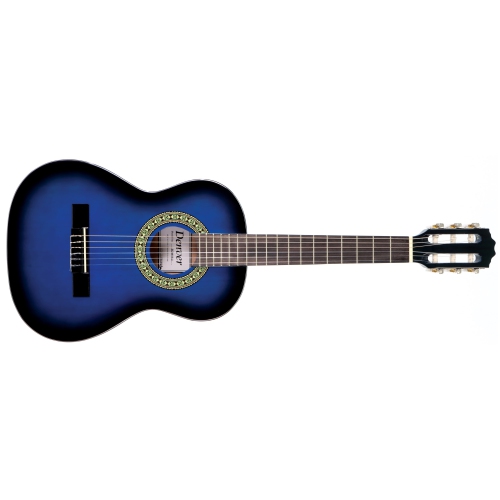
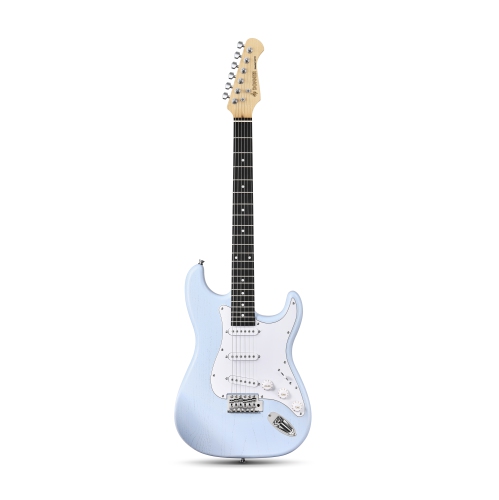
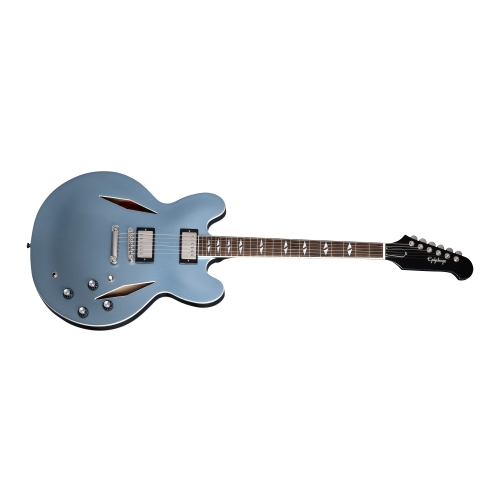
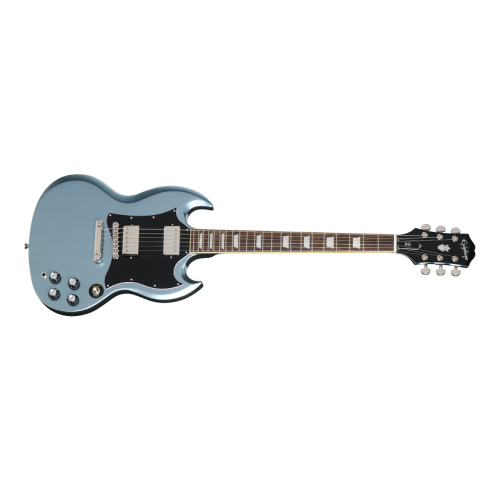
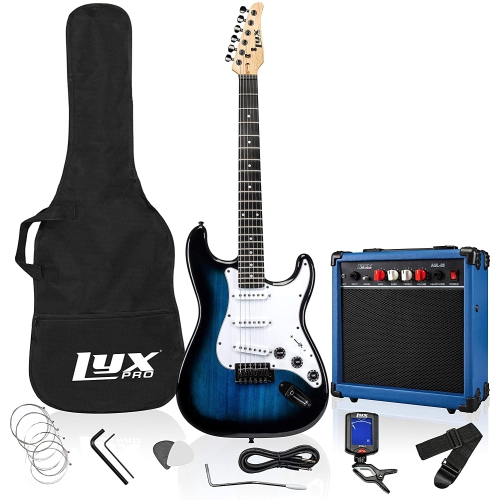
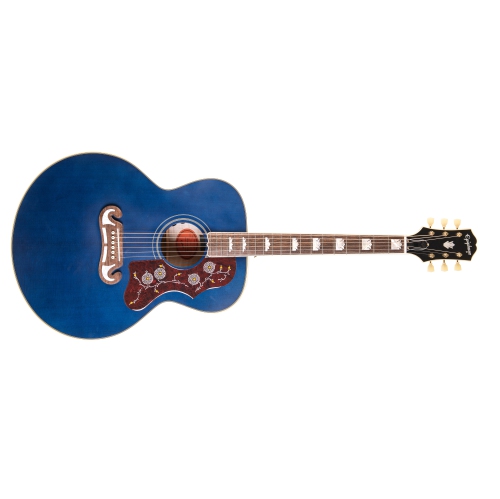
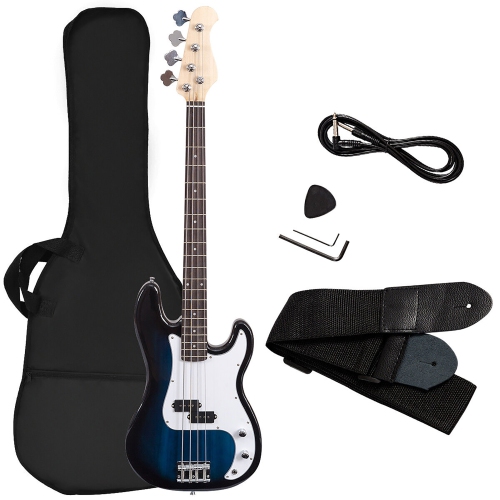
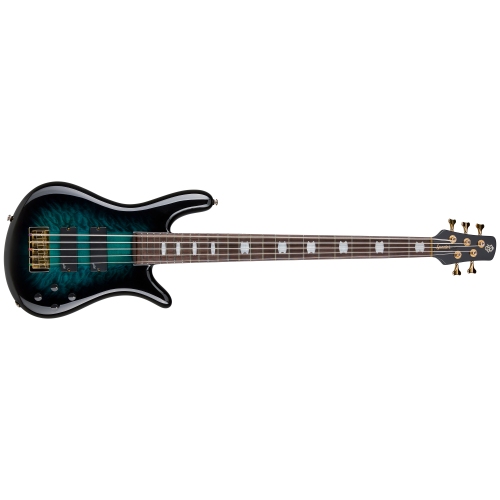
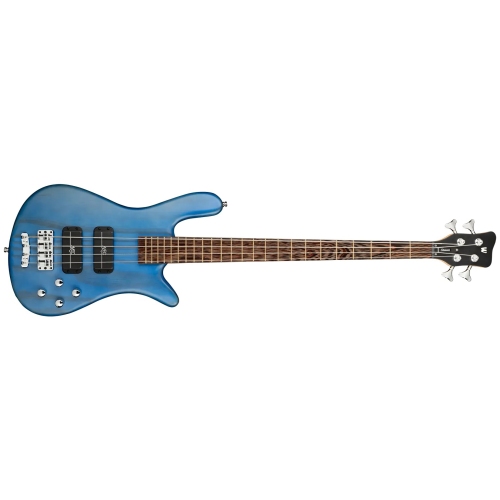
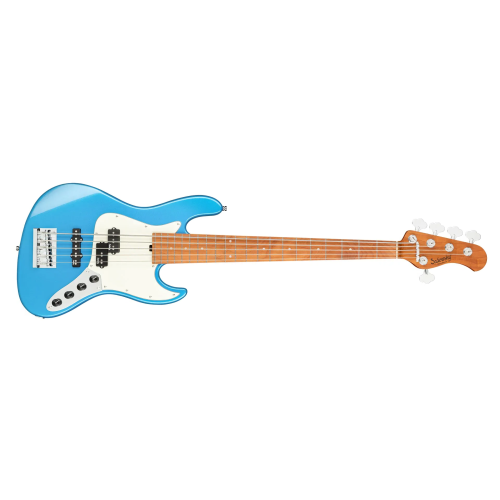
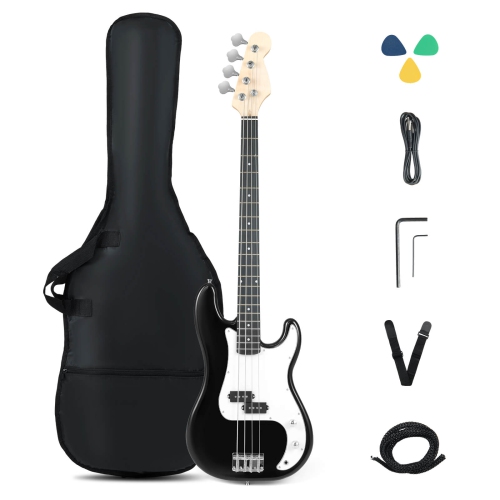
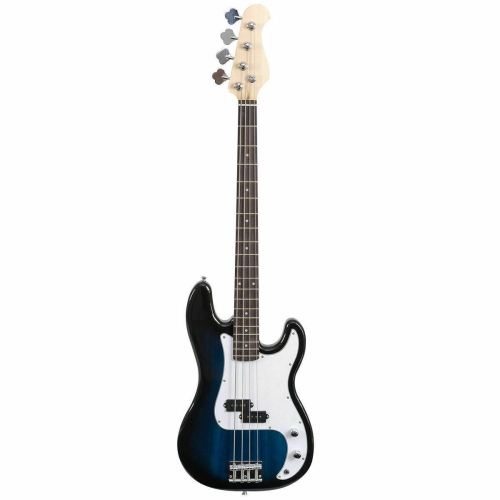
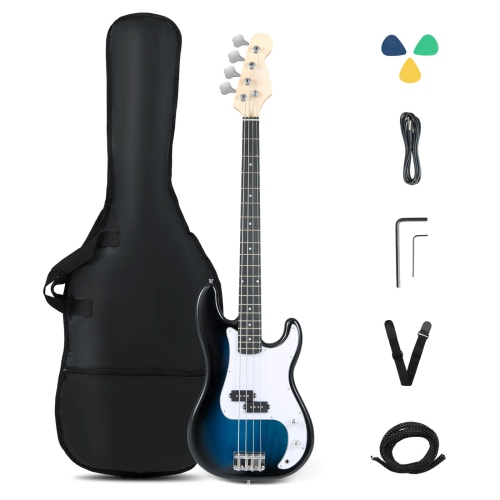
Blue guitars bring a distinct visual character to an instrument collection, balancing the familiar shape and feel of a guitar with a colour that can be bold, calm, playful, or refined. Depending on the finish, blue can resemble the depth of a midnight sky, the soft tones of weathered denim, or the bright clarity of open water. That versatility makes blue guitars appealing to a wide range of players, from someone choosing a first instrument to an experienced musician looking for a memorable addition to a studio, rehearsal space, or stage setup. The colour is more than a decorative detail: it can help an instrument feel personal from the first time it is lifted from its case. For beginners, that sense of connection can make regular practice feel more inviting, whether they are learning simple chords in a bedroom, working through lessons at home, or playing along with favourite songs during the cooler months. For seasoned players, a blue finish can provide a fresh change of pace while still offering the familiar comfort of a well-designed instrument. When browsing this assortment, consider how the guitar will be used, where it will be played, and what kind of sound and playing experience feels most natural. Acoustic guitars create their tone through the body itself and are convenient for unplugged practice, songwriting, casual gatherings, and lessons. Electric guitars are designed to work with amplification and effects, giving players more room to explore sustained notes, distortion, reverb, and other elements of modern music. Some players enjoy the straightforward warmth of an acoustic instrument, while others prefer the ability to shape their sound through an amplifier. There is no single right choice; the best fit depends on playing style, musical goals, available space, and personal comfort.
A guitar should feel manageable in the hands, so pay attention to details such as body size, neck shape, scale length, fret access, and overall weight. A smaller-bodied instrument may feel comfortable for younger players or anyone who prefers a more compact design, while a fuller body can provide a resonant presence and a traditional feel. The neck should sit naturally in the hand without making basic chords feel strained, and the strings should be positioned at a comfortable height for the player’s experience level. Beginners may appreciate an instrument that feels approachable during the first weeks of practice, when fingertips are still becoming accustomed to the strings and chord changes are taking time to develop. Players with more experience may be looking for a particular response, fretboard feel, pickup configuration, or tonal range that supports their own technique. For electric guitars, think about how the instrument will fit into the rest of the setup, including an amplifier, cable, tuner, strap, picks, and any effects used for practice or performance. Acoustic players may want to consider a tuner, capo, picks, extra strings, and a protective case or gig bag. These practical additions can make it easier to keep the guitar ready to play instead of tucked away between sessions. Storage also matters: keeping the instrument away from direct heat, sudden temperature changes, and overly dry conditions can help support its condition over time. A stable stand or properly fitted case offers a convenient place to keep it between practice sessions, especially in a busy household. During early fall and the transition into winter, guitars may move between heated rooms, lessons, rehearsals, and outdoor travel, so allowing the instrument to adjust gradually to a new environment is a sensible habit.
Blue guitars can also make thoughtful gifts for aspiring musicians, creative family members, students, and friends who have mentioned wanting to learn. A gift does not need to be reserved for a major milestone; an instrument can mark a birthday, a graduation, a new creative project, or simply the beginning of a hobby that offers a rewarding break from screens and busy routines. When choosing for someone else, consider their age, experience, preferred music, and available space. Someone interested in folk, pop, country, or singer-songwriter music may enjoy the direct, expressive quality of an acoustic guitar, while a player drawn to rock, blues, metal, indie, or contemporary styles may be excited by an electric model and the broader range of sounds it can produce with amplification. If the recipient is a complete beginner, a comfortable design and straightforward setup may be more valuable than advanced features they are unlikely to use at first. If they already play, matching the colour and style of their existing collection can be just as important as adding a different tonal option. The blue finish can make the gift feel especially considered, turning an everyday practice instrument into something with a strong visual identity. It might become the guitar that stays beside the sofa for spontaneous chord progressions, accompanies quiet songwriting near a window, or joins friends around a living-room gathering when the evenings grow longer. Players who are exploring more performance-focused options can also browse Blue Electric Guitars for instruments suited to amplified playing. Whether selected for learning, composing, collecting, or sharing music with others, a blue guitar can be both a practical instrument and an expressive reflection of the person holding it.
A guitar should feel manageable in the hands, so pay attention to details such as body size, neck shape, scale length, fret access, and overall weight. A smaller-bodied instrument may feel comfortable for younger players or anyone who prefers a more compact design, while a fuller body can provide a resonant presence and a traditional feel. The neck should sit naturally in the hand without making basic chords feel strained, and the strings should be positioned at a comfortable height for the player’s experience level. Beginners may appreciate an instrument that feels approachable during the first weeks of practice, when fingertips are still becoming accustomed to the strings and chord changes are taking time to develop. Players with more experience may be looking for a particular response, fretboard feel, pickup configuration, or tonal range that supports their own technique. For electric guitars, think about how the instrument will fit into the rest of the setup, including an amplifier, cable, tuner, strap, picks, and any effects used for practice or performance. Acoustic players may want to consider a tuner, capo, picks, extra strings, and a protective case or gig bag. These practical additions can make it easier to keep the guitar ready to play instead of tucked away between sessions. Storage also matters: keeping the instrument away from direct heat, sudden temperature changes, and overly dry conditions can help support its condition over time. A stable stand or properly fitted case offers a convenient place to keep it between practice sessions, especially in a busy household. During early fall and the transition into winter, guitars may move between heated rooms, lessons, rehearsals, and outdoor travel, so allowing the instrument to adjust gradually to a new environment is a sensible habit.
Blue guitars can also make thoughtful gifts for aspiring musicians, creative family members, students, and friends who have mentioned wanting to learn. A gift does not need to be reserved for a major milestone; an instrument can mark a birthday, a graduation, a new creative project, or simply the beginning of a hobby that offers a rewarding break from screens and busy routines. When choosing for someone else, consider their age, experience, preferred music, and available space. Someone interested in folk, pop, country, or singer-songwriter music may enjoy the direct, expressive quality of an acoustic guitar, while a player drawn to rock, blues, metal, indie, or contemporary styles may be excited by an electric model and the broader range of sounds it can produce with amplification. If the recipient is a complete beginner, a comfortable design and straightforward setup may be more valuable than advanced features they are unlikely to use at first. If they already play, matching the colour and style of their existing collection can be just as important as adding a different tonal option. The blue finish can make the gift feel especially considered, turning an everyday practice instrument into something with a strong visual identity. It might become the guitar that stays beside the sofa for spontaneous chord progressions, accompanies quiet songwriting near a window, or joins friends around a living-room gathering when the evenings grow longer. Players who are exploring more performance-focused options can also browse Blue Electric Guitars for instruments suited to amplified playing. Whether selected for learning, composing, collecting, or sharing music with others, a blue guitar can be both a practical instrument and an expressive reflection of the person holding it.
Top selling and popular products
-
 Your price for this item is $494.49
 -
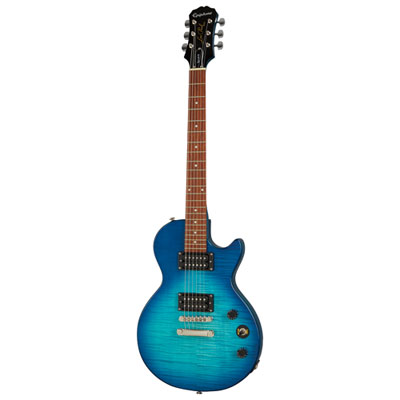 Your price for this item is $379.99
 -
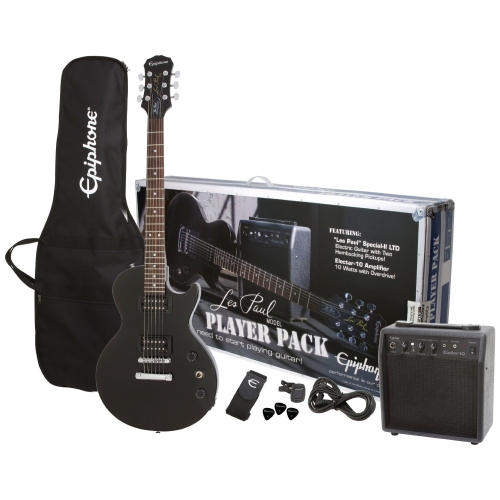 Your price for this item is $494.49
 -
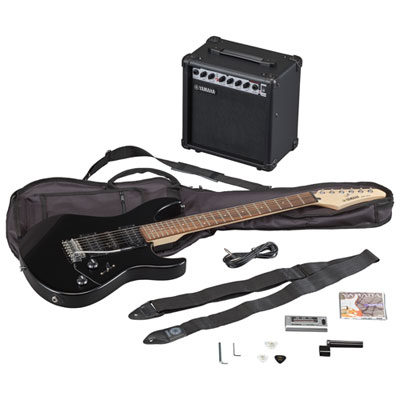 Your price for this item is $349.99
 -
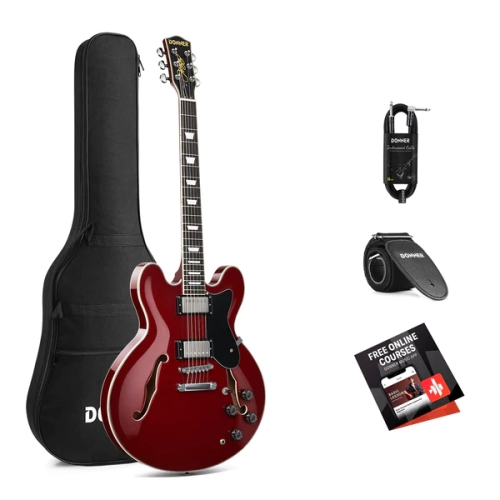 Your price for this item is $395.99
 -
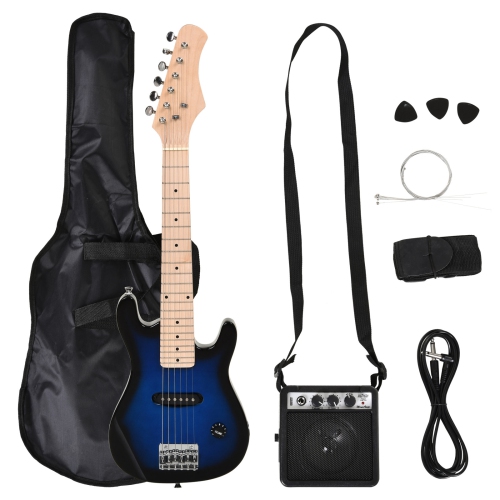 Your price for this item is $124.99
 -
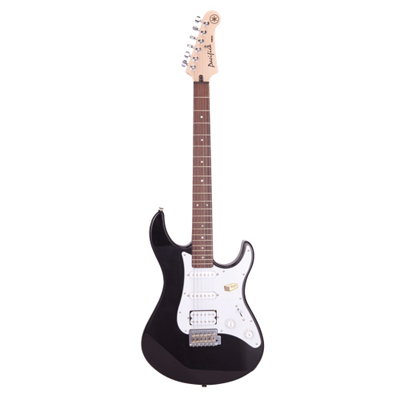 Your price for this item is $299.99
 -
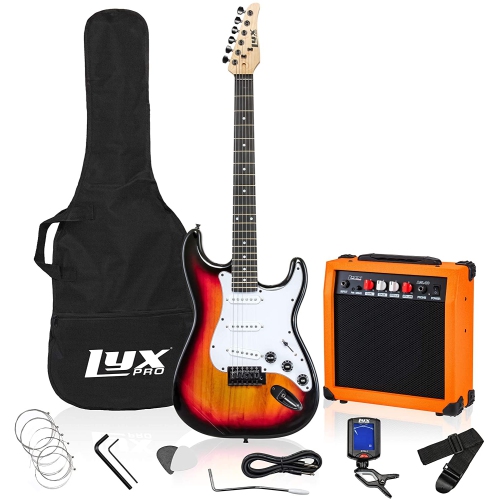 Your price for this item is $239.99
Discover more categories related to Blue Guitars
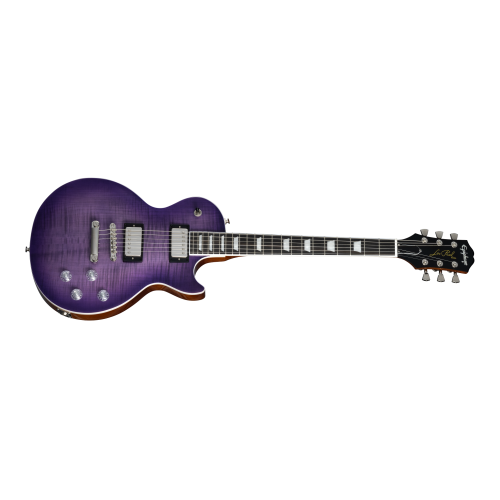
Top Collections:
Pokemon Centers, Best Cameras for Sports Photography, Kindle Devices, Samsung Galaxy Phones, Canon G7X Cameras, Pokémon 30th Celebration Cards, Refurbished Apple Laptops, iPhone 15 Apple, Laptops for Students, Budget Smartphones
Some products may be subject to Environmental Handling Fees
(EHF) depending on your province.
Learn more about EHFs.