Slinky Guitar Strings
Get ready to take your guitar playing to the next level with these incredible Slinky Guitar Strings. Whether you're a seasoned musician or just starting out, these high-quality strings are designed to deliver exceptional tone and durability. With a wide range of gauges and materials available, you can find the perfect set to suit your playing style and preferences. From rock and blues to jazz and country, these Slinky Guitar Strings will help you achieve the sound you've always dreamed of.
Sort

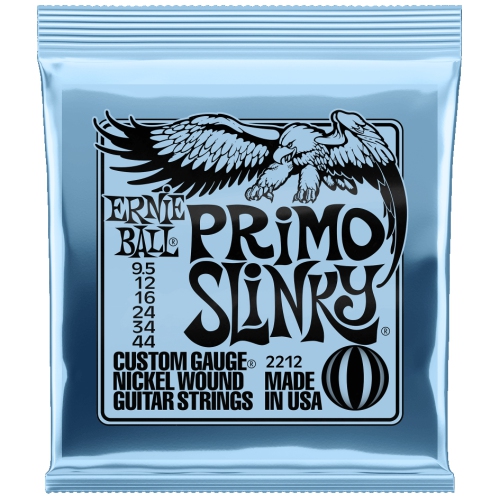
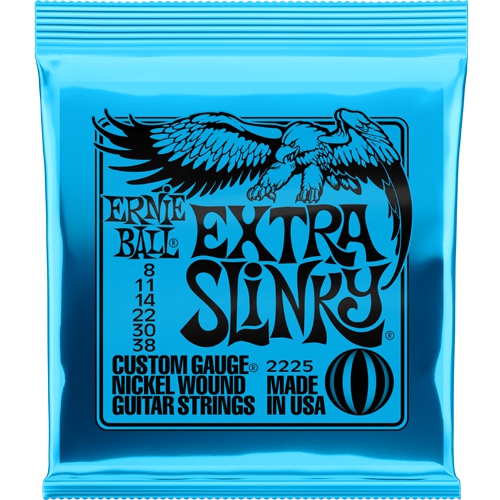
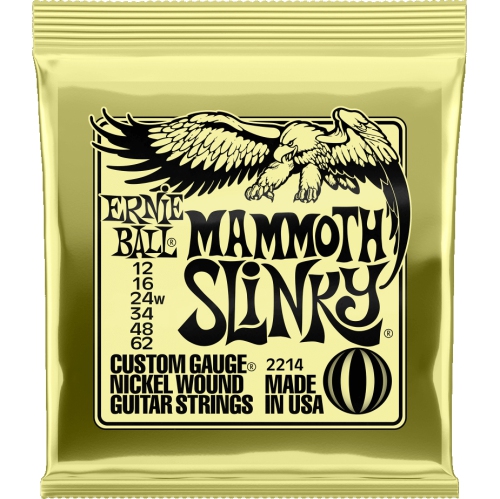
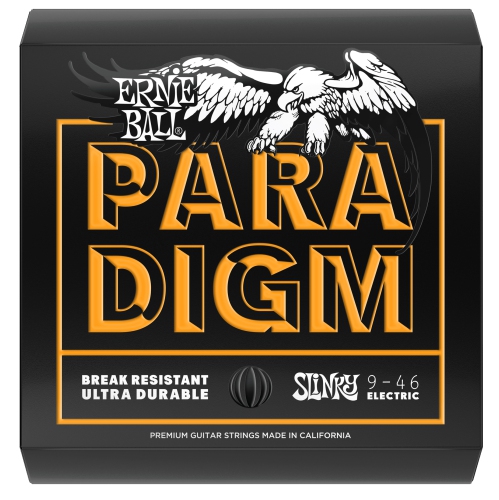
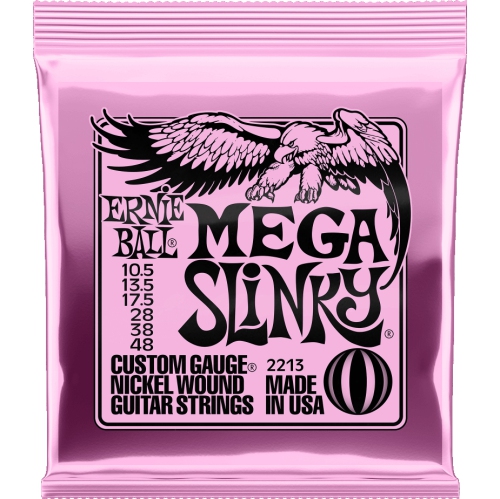

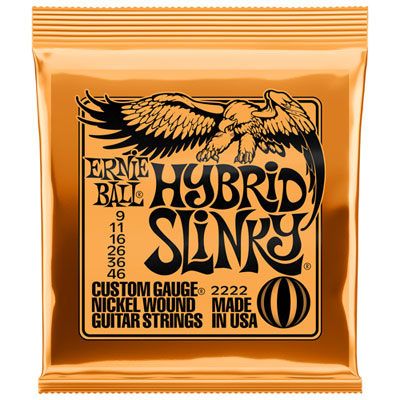
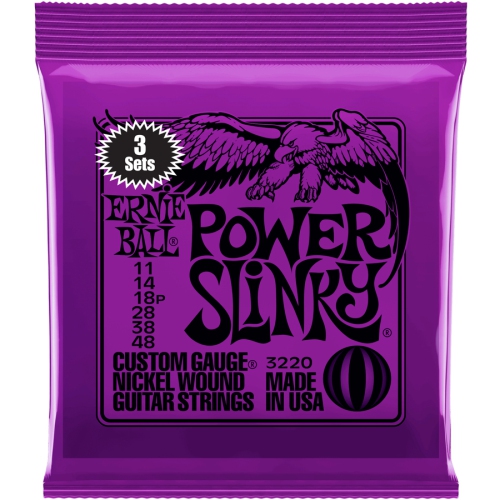
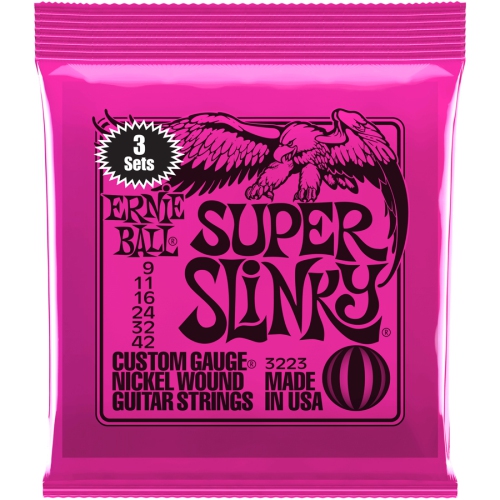
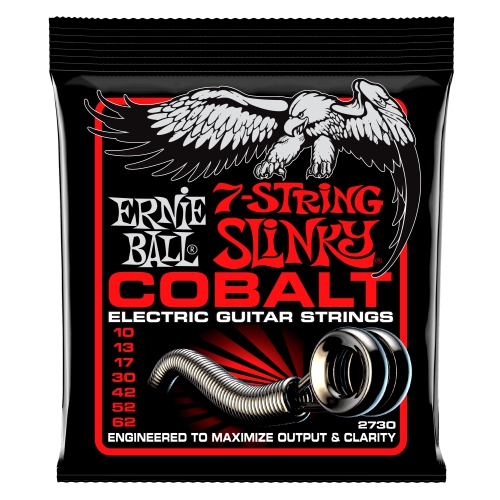
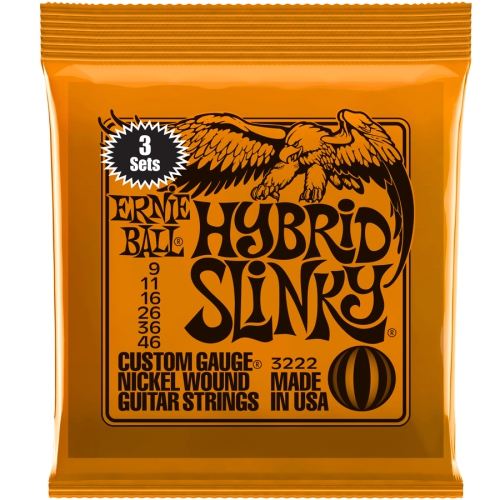
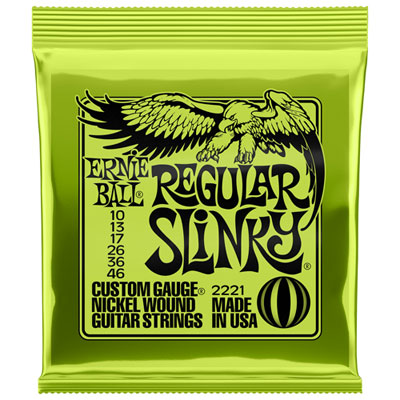

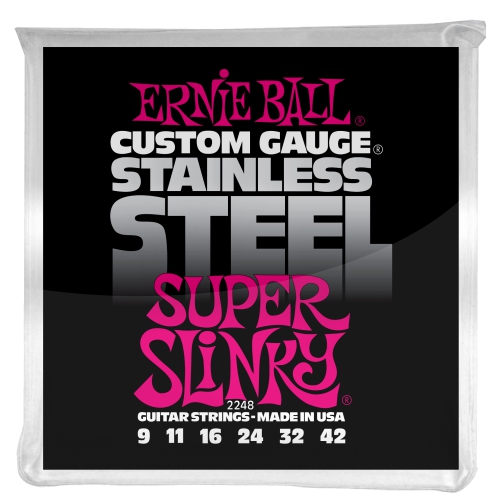
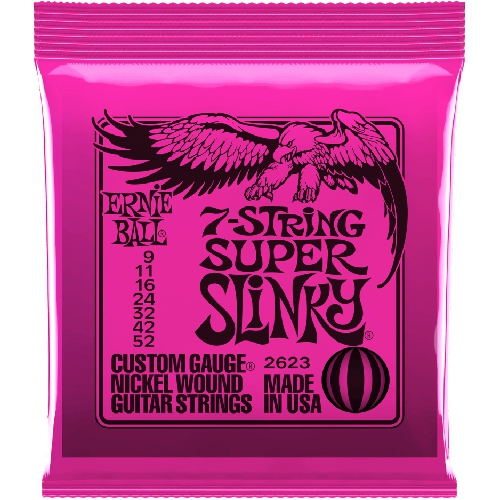
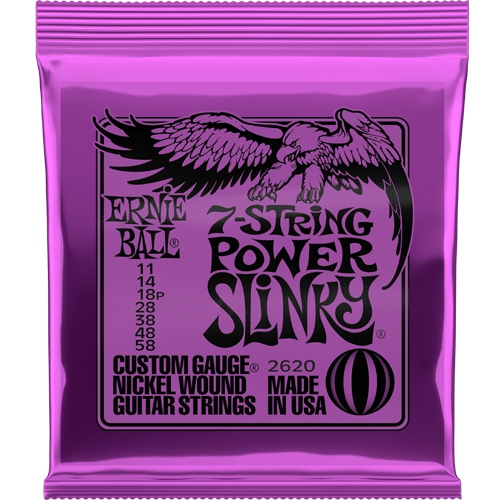
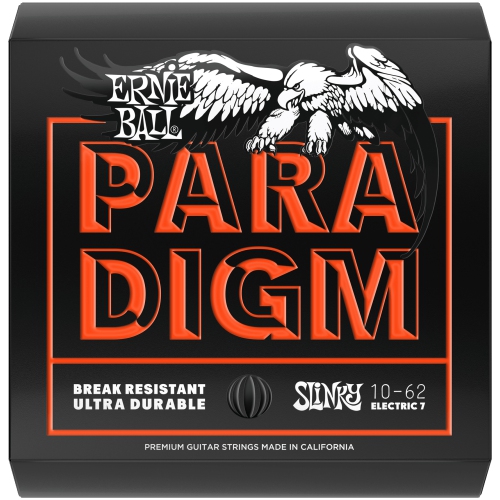
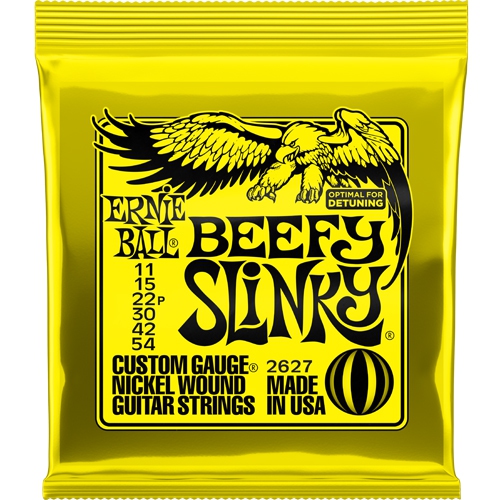


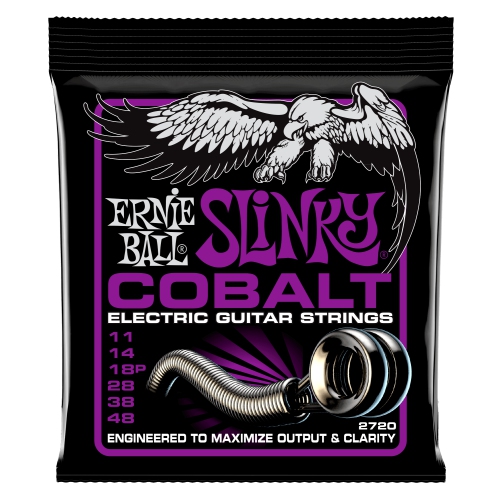
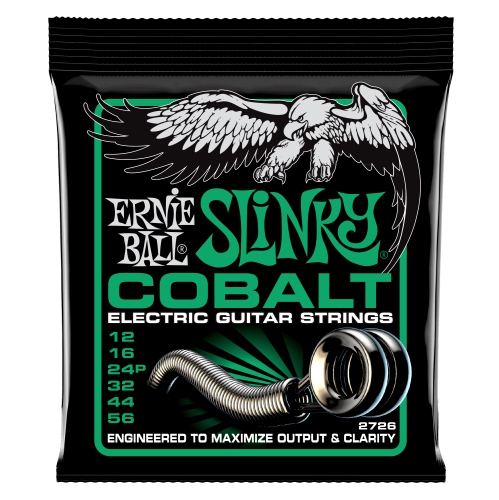


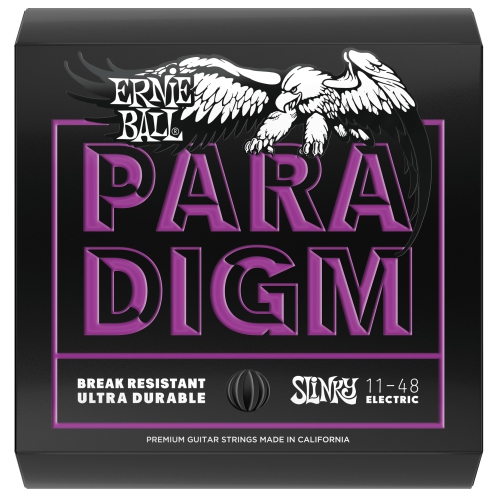
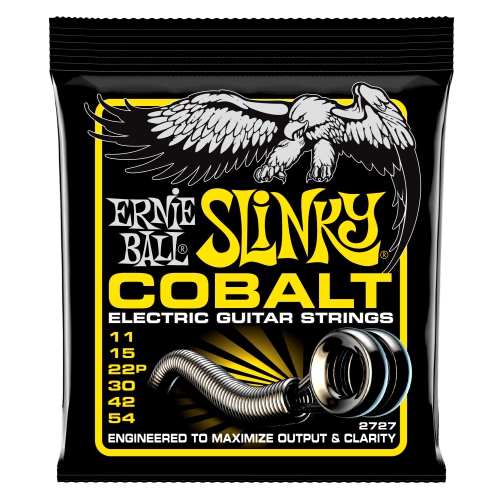
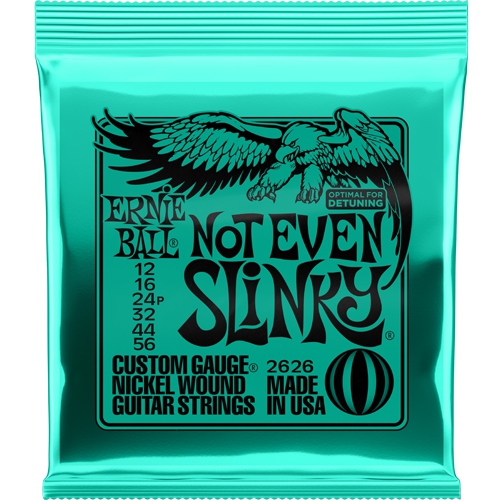
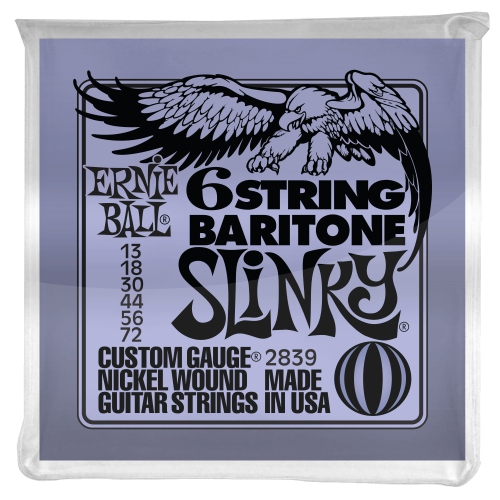
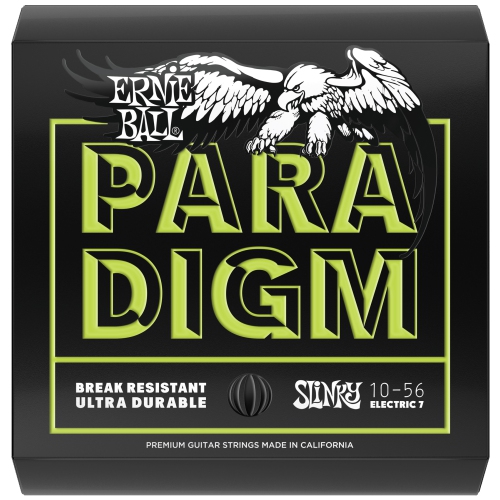
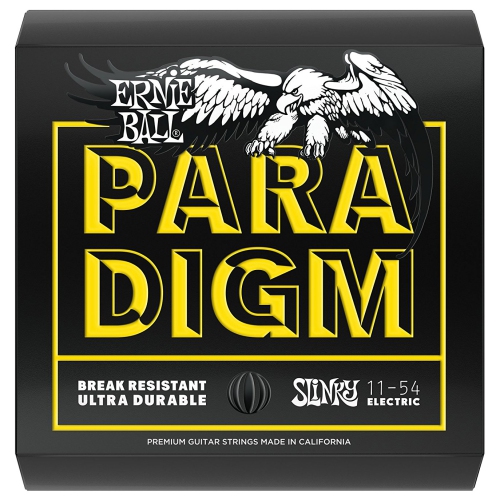
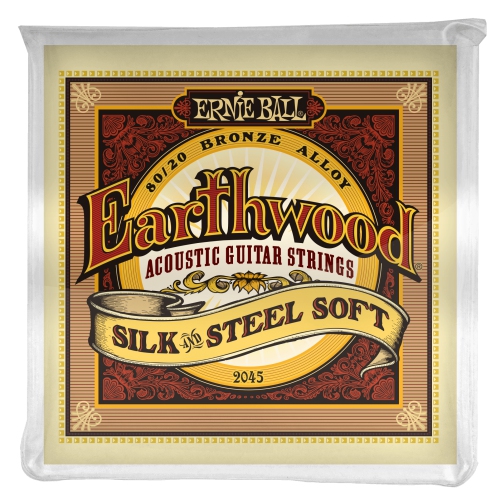
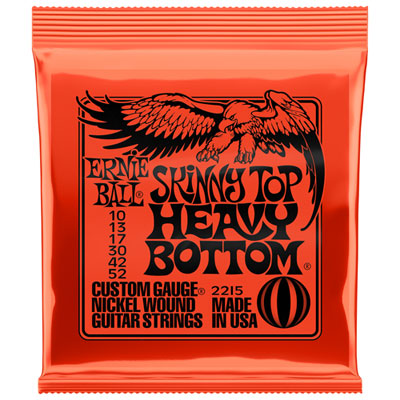
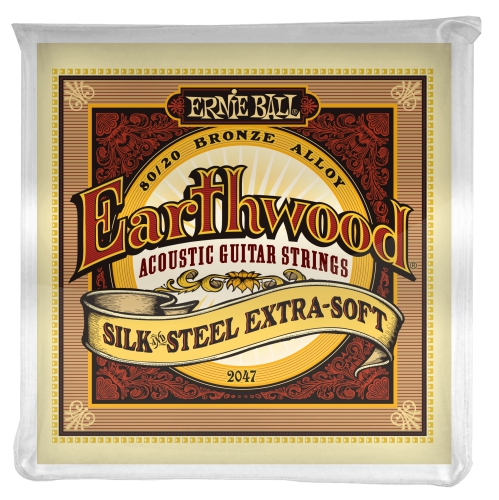
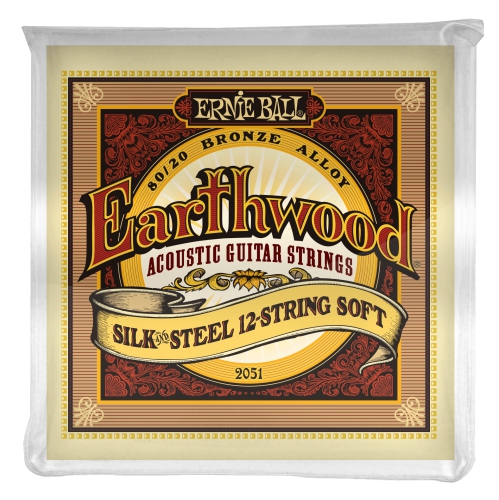
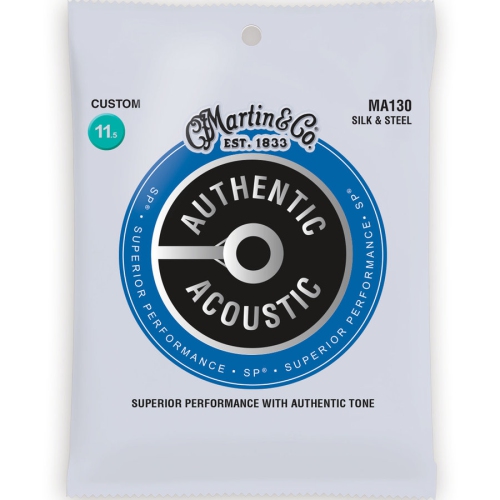
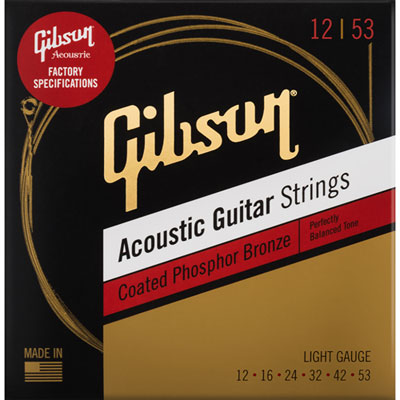
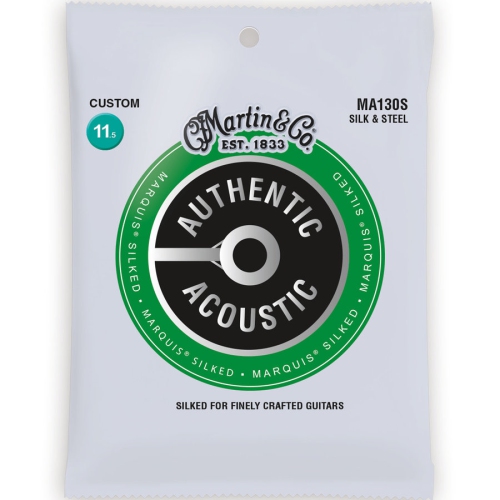
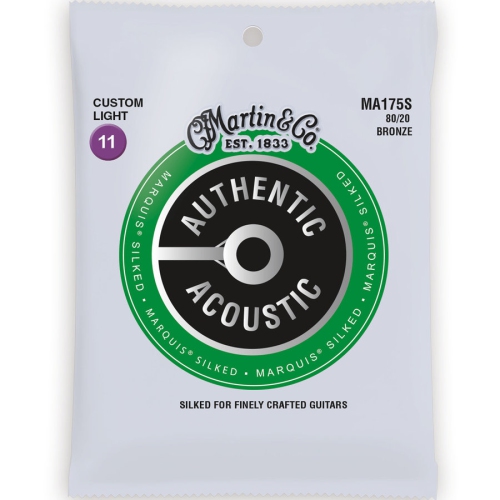
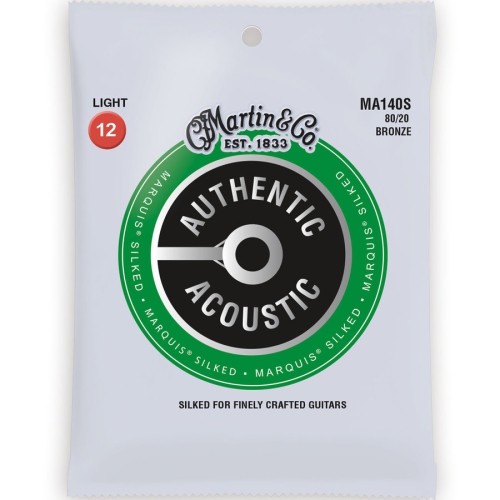
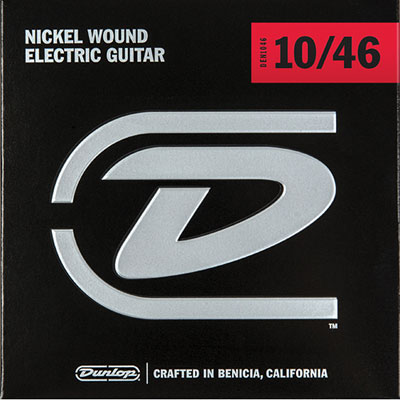
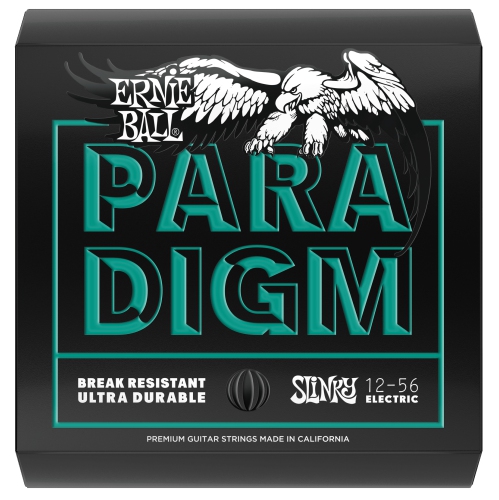
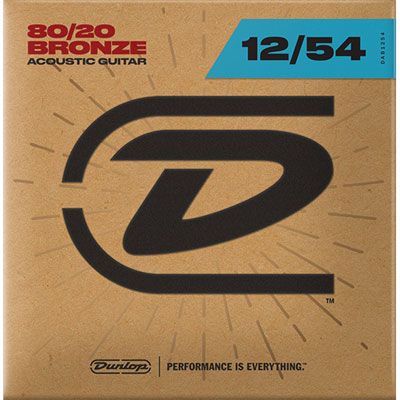
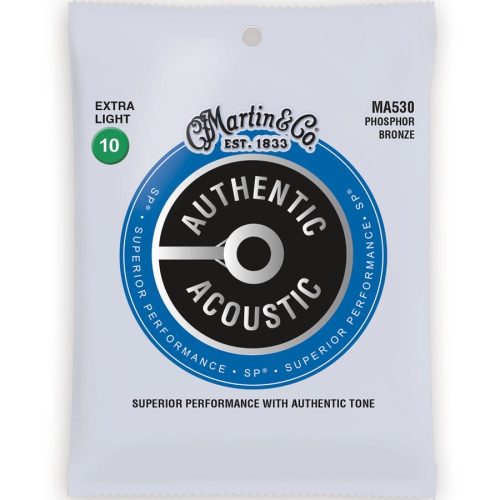
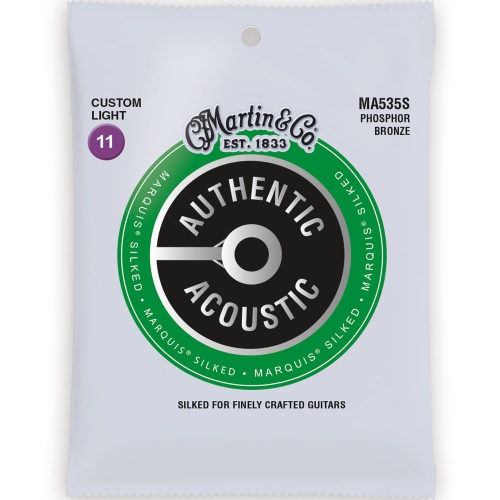
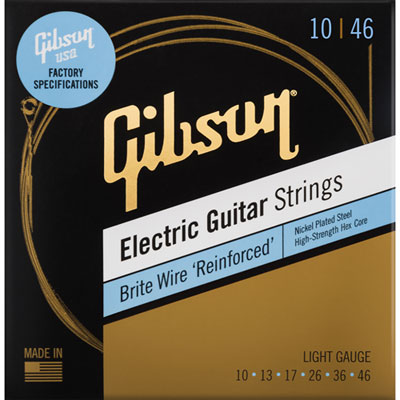
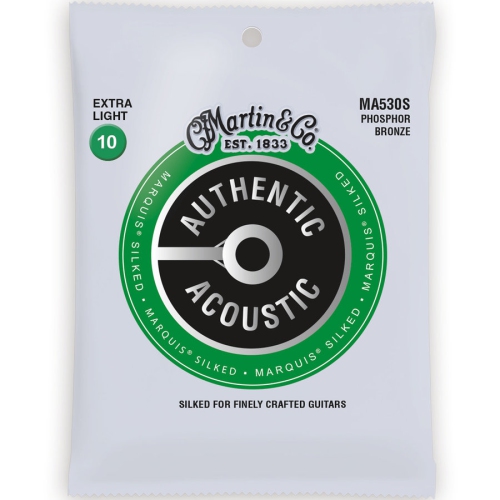
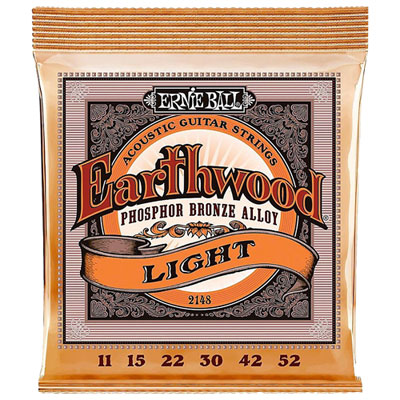
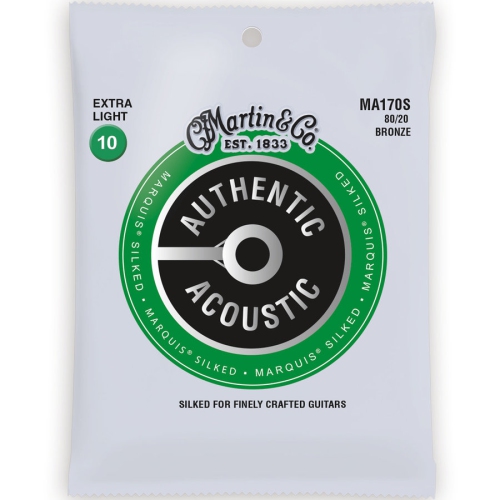
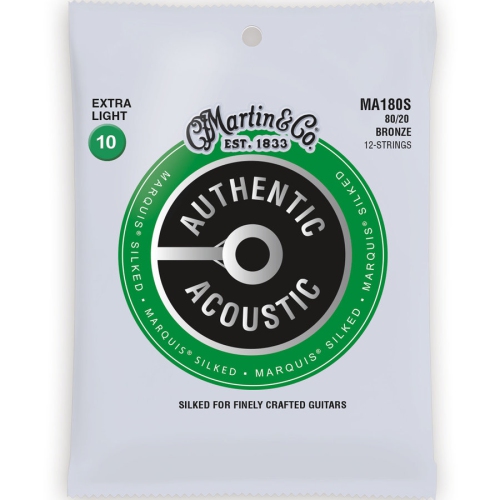
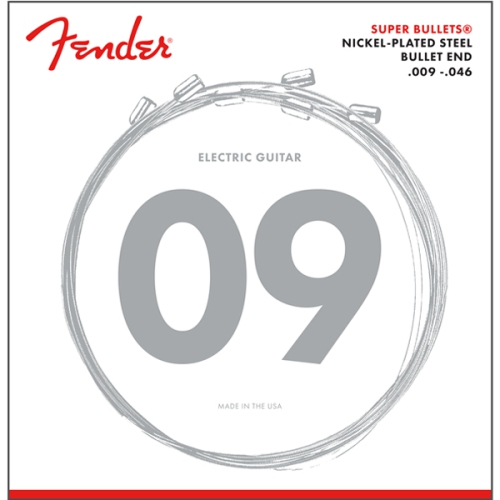
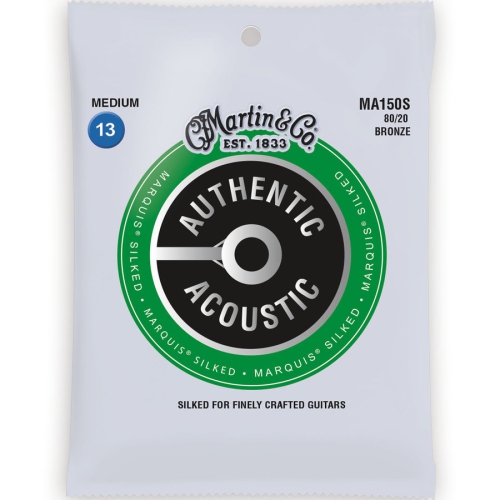
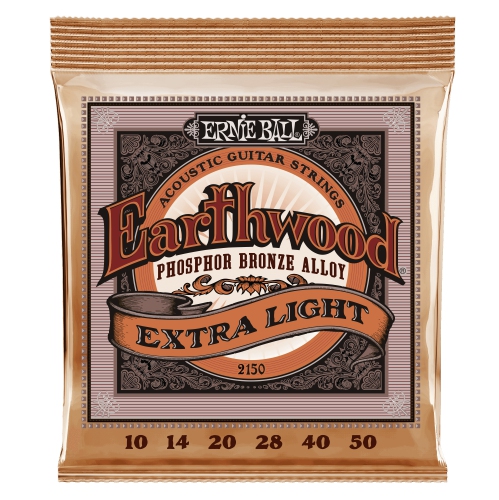
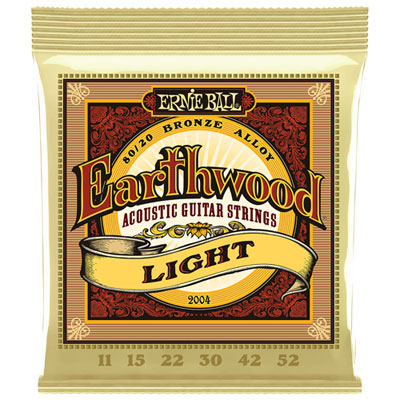
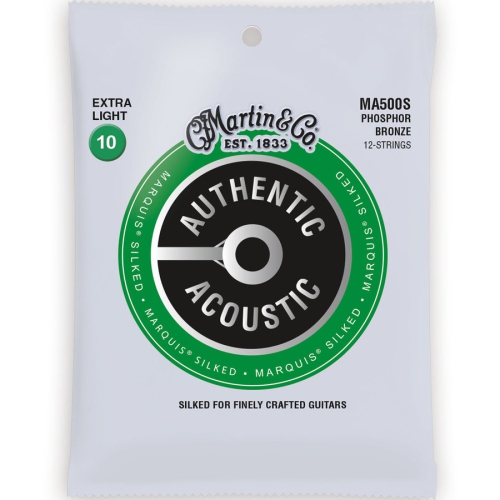


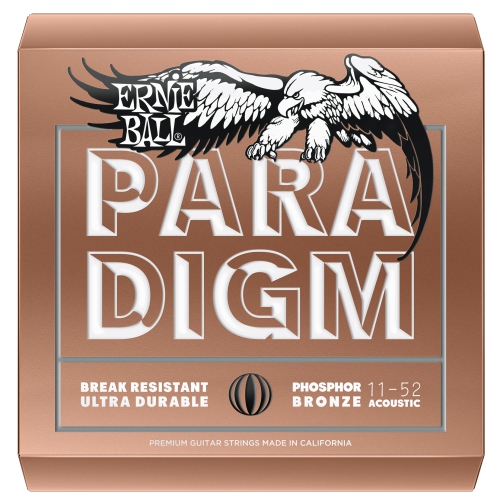

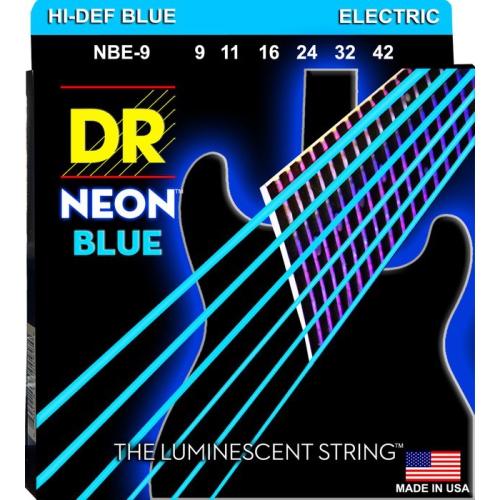
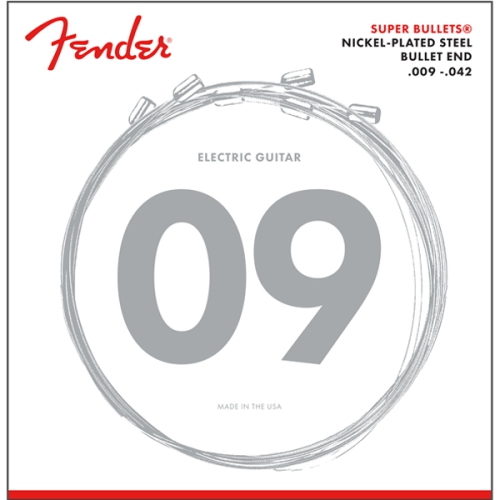
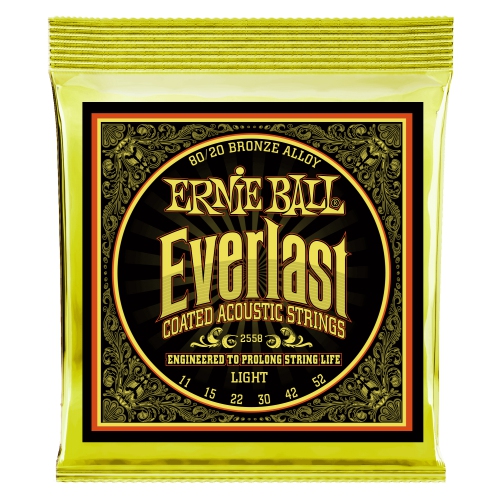
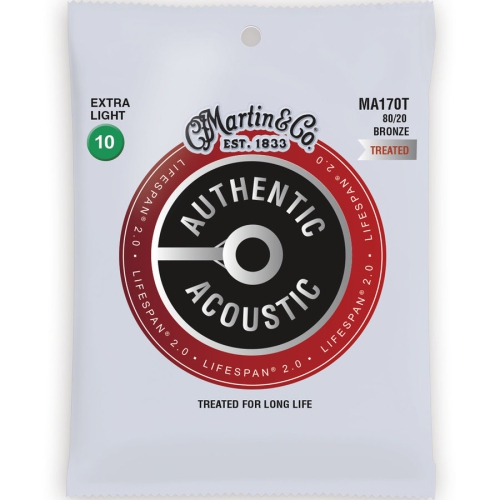


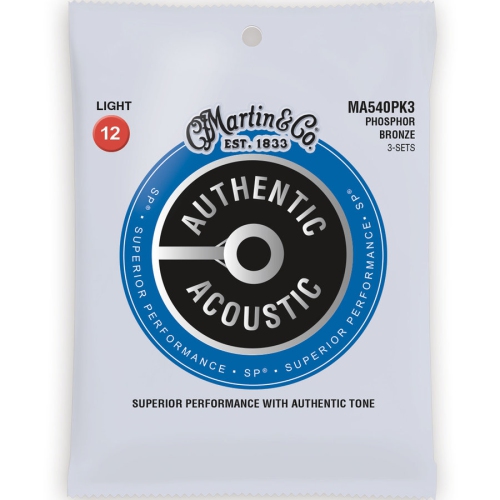


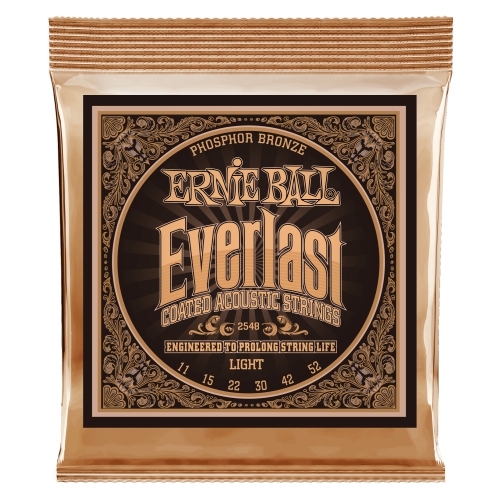
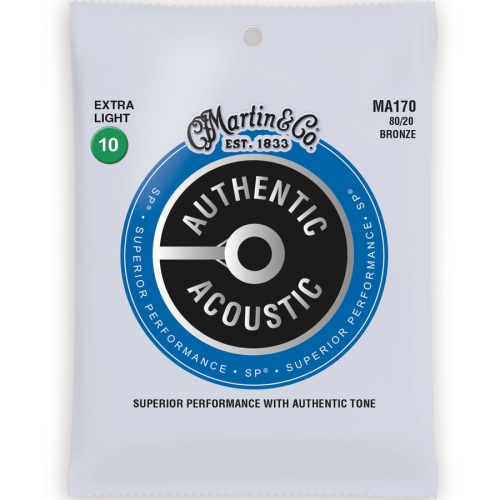
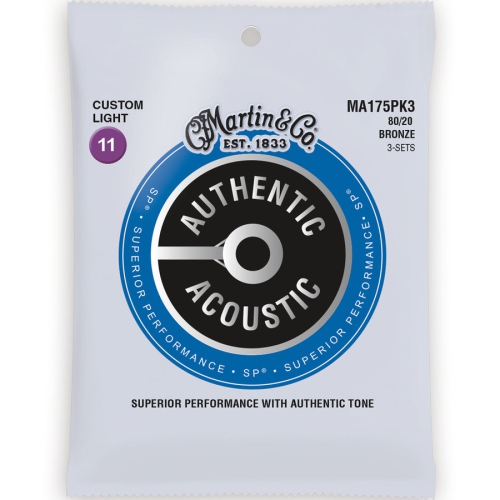

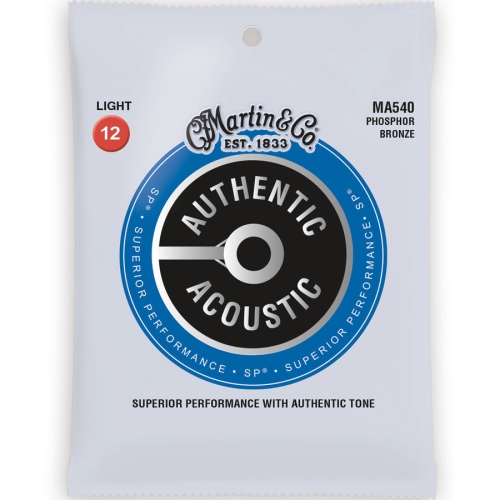
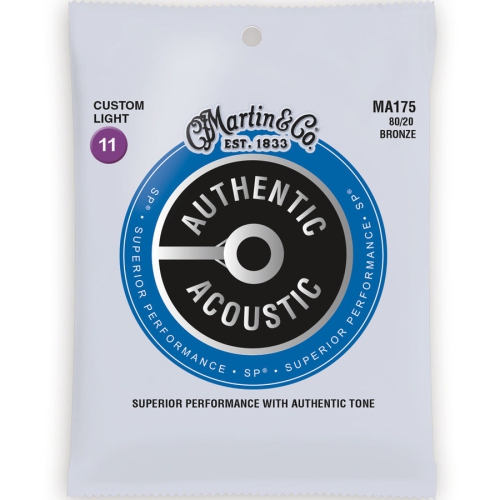
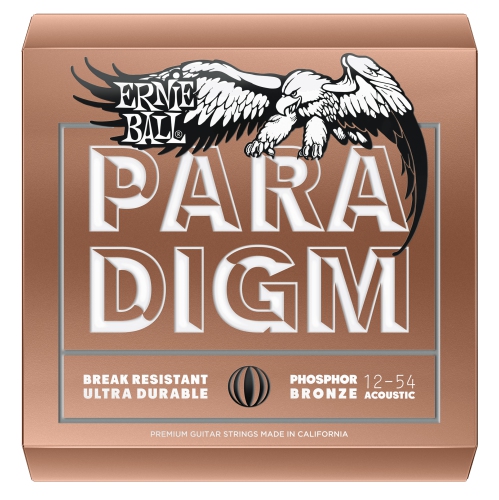


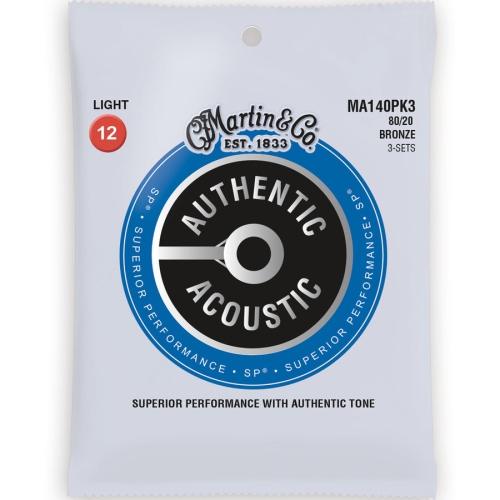

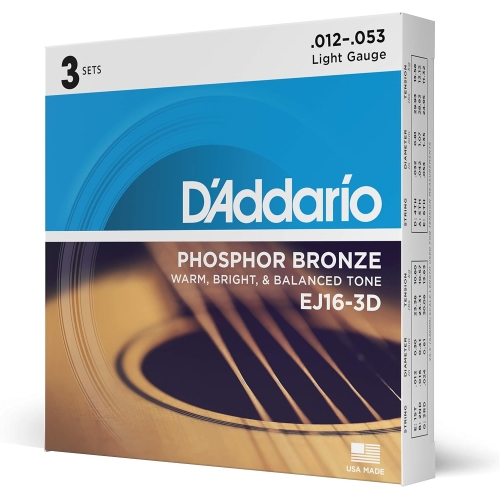


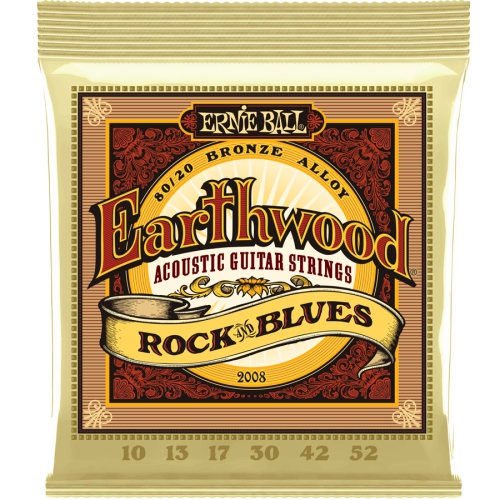

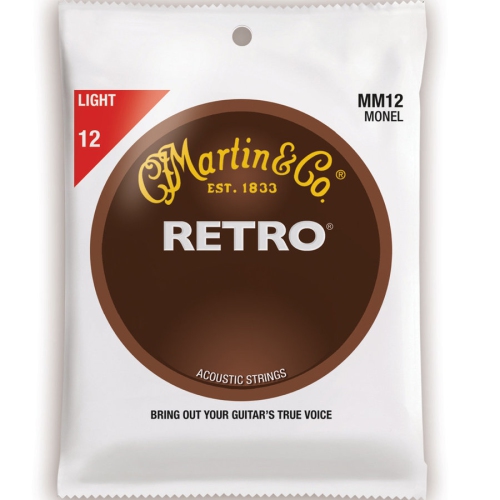










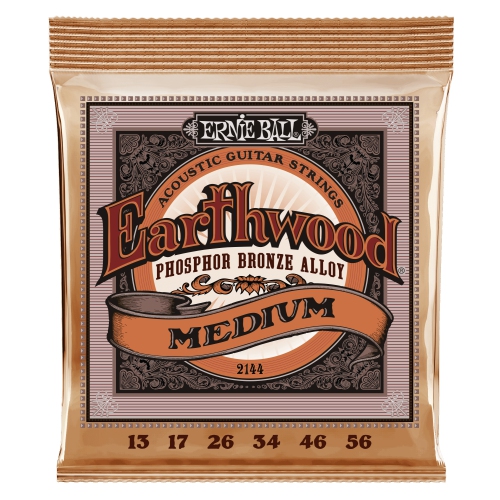
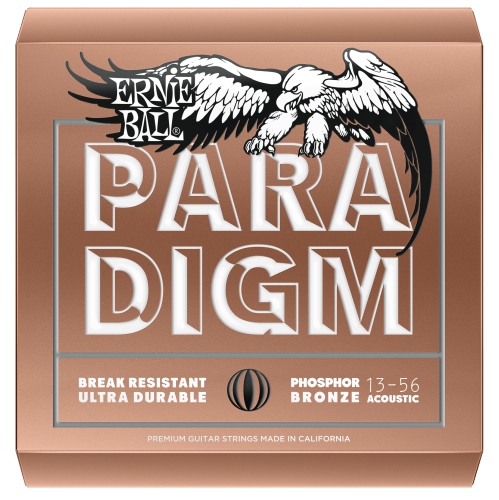
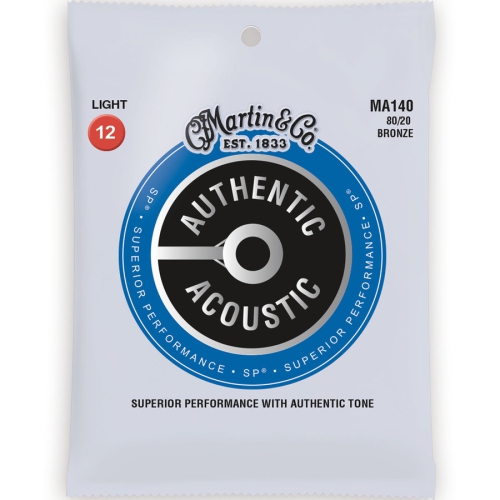
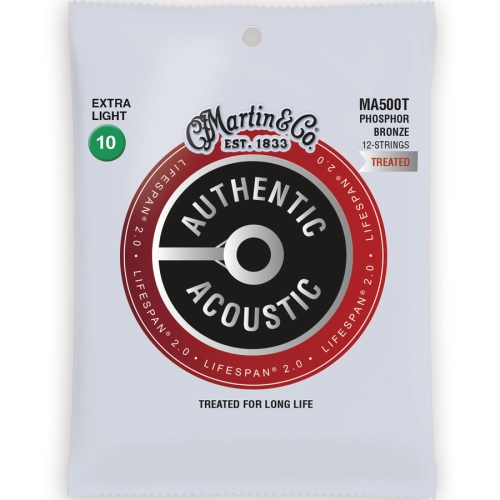
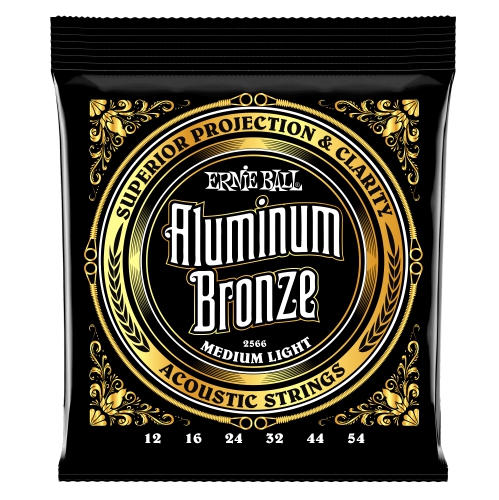
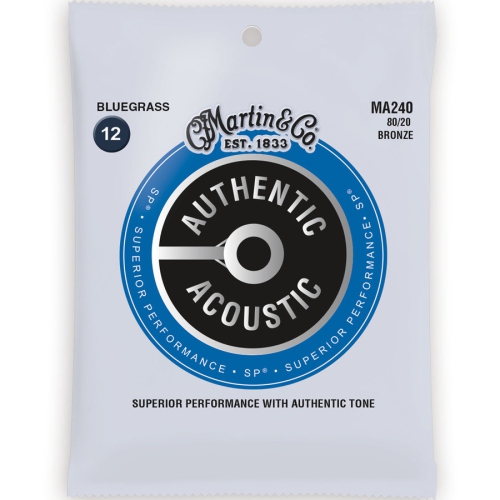
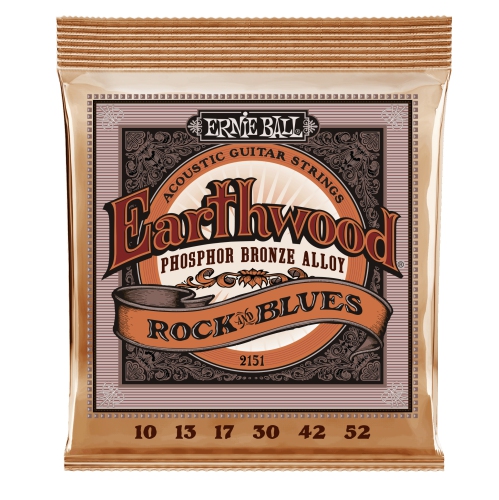
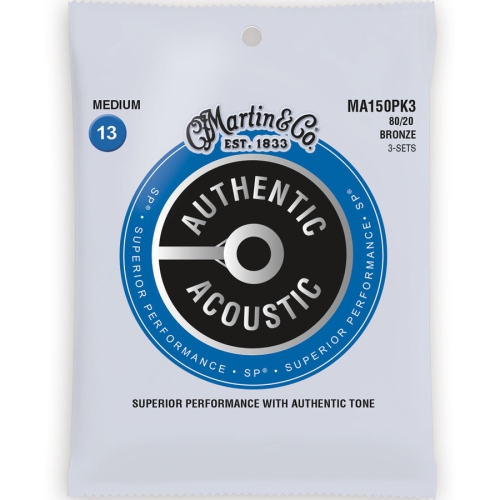
How gauge, construction, and playing style shape your sound
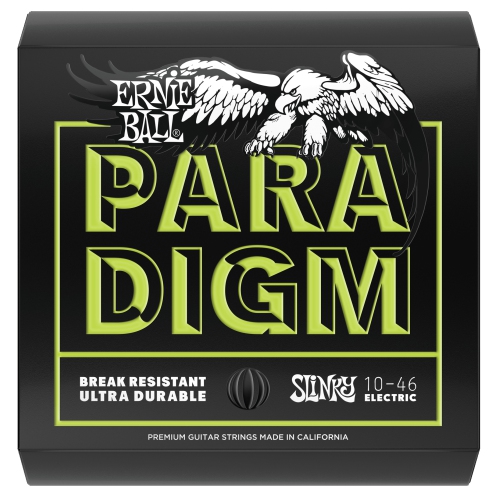
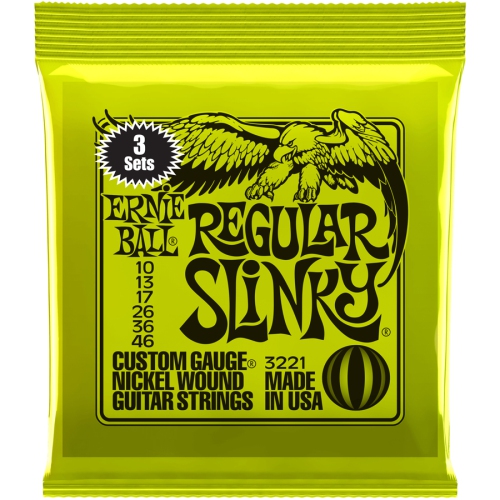
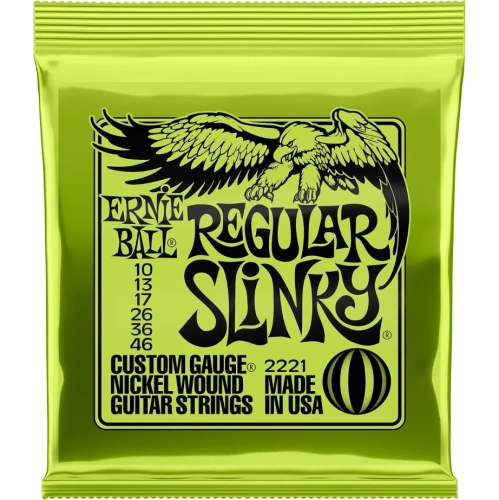
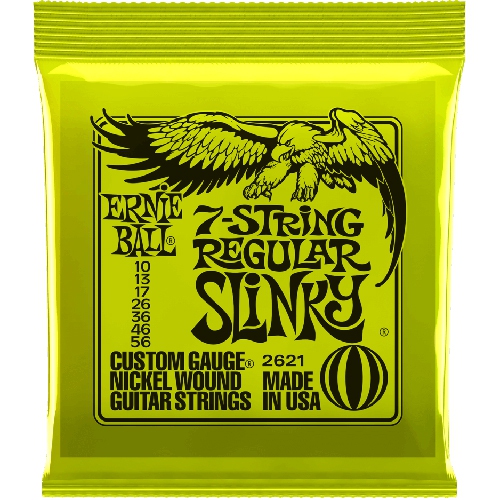
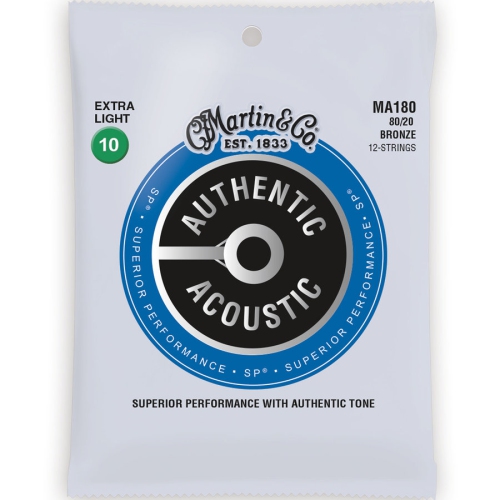
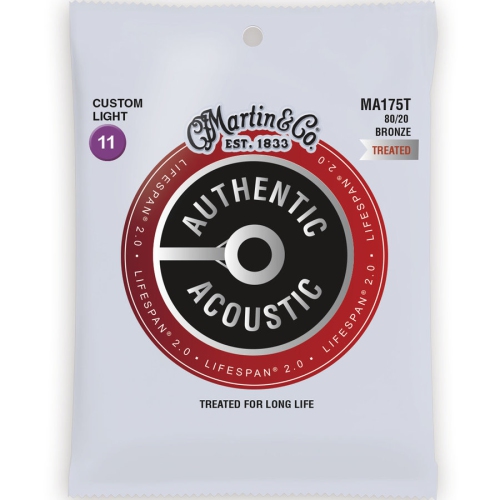
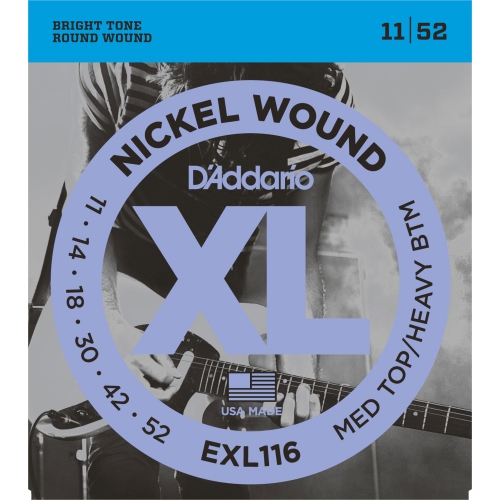
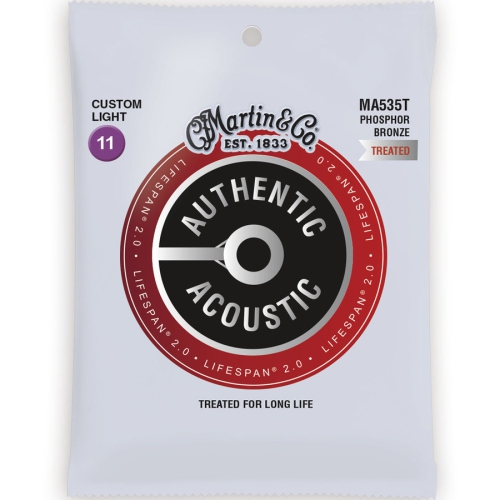
Slinky guitar strings are a popular choice for electric guitarists who want a clear, lively sound with a comfortable playing feel. These strings are commonly made with a steel core and a nickel-plated wrap, a combination that can deliver bright attack, balanced mids, and enough warmth for rhythm playing. They can suit a wide range of styles, from rock, blues, and country to pop, worship, jazz, and home recording. When freshly installed, a new set can make a familiar guitar feel noticeably more responsive: chords ring with greater definition, individual notes speak quickly, and bends may feel smoother beneath the fingers. Many players keep an extra set in their case because strings are a regular part of guitar maintenance, especially when an instrument is played often, transported to rehearsals, or exposed to sweat and changing indoor temperatures. When choosing Slinky guitar strings, start with gauge, which refers to the thickness of each string. Lighter gauges generally require less finger pressure and can make vibrato, bends, and fast lead passages easier, making them a comfortable option for newer players or guitarists who favour an expressive, flexible feel. Medium or regular gauges provide a balanced combination of playability, volume, and tension, and are often a dependable everyday choice for mixed rhythm and lead work. Heavier gauges add resistance under the picking hand and fretting fingers, which can help create a firmer low end and a more substantial feel for powerful chords, hard strumming, or alternate tunings. The best gauge depends on playing technique, personal comfort, guitar setup, scale length, and tuning. A change in string thickness can affect neck relief, intonation, and action, so a significant change may call for a quick adjustment by an experienced player or a qualified technician.
The right Slinky guitar strings can also help match an instrument to the way it is played. A guitarist who spends evenings working through blues bends may appreciate a lighter, more supple set that responds easily to a wide vibrato, while someone recording layered rhythm parts may prefer a little more tension for consistent chord shapes and precise picking. Players who tune down may choose a heavier low-string feel to keep notes from becoming loose or indistinct, whereas standard tuning often works well with a balanced, familiar gauge. Coated options can be useful for people whose strings lose their brightness quickly from frequent playing, perspiration, or long practice sessions. Uncoated strings offer a direct, traditional feel and are easy to replace when their tone begins to sound dull. Other construction choices may emphasize output, clarity, durability, or a particular response beneath the pick. There is no single string set that suits every guitarist, and small differences can be surprisingly noticeable. The finish of the guitar neck, the shape of the frets, the strength of the player’s picking hand, and even whether the guitar is used mainly at home or on stage can influence the most comfortable choice. Before purchasing, check the instrument’s recommended string type, confirm the number of strings in the set, and consider whether the guitar uses a tremolo bridge, fixed bridge, or another design that may affect restringing. Players who use alternate tunings may want to keep separate sets for standard and lowered tunings, while beginners may benefit from selecting a comfortable, commonly available gauge and developing a feel for it over time. For instruments that use a different construction or playing style, browse Steel Guitar Strings to compare related options.
A fresh pack of Slinky guitar strings can be a practical gift for a guitarist at almost any stage, from someone learning their first open chords to an experienced musician preparing for rehearsals, performances, or recording sessions. Strings are compact, easy to store, and useful even when a player already has a preferred guitar, amplifier, or pedalboard. They can be tucked into a gig bag before a weekend performance, kept in a drawer for an unexpected break, or given alongside picks, a tuner, a string winder, or a guitar maintenance kit. If the strings are intended as a gift, checking the recipient’s usual gauge is helpful, since a guitarist may have a strong preference based on their setup and technique. The instrument’s tuning and playing style matter as well: lead-focused players may look for a more flexible feel, while rhythm players may value controlled tension and a fuller low end. Regular replacement also supports a consistent playing experience. Over time, strings collect oils and lose some of their original brightness, and notes may feel less lively even when the guitar itself is properly set up. Replacing the full set rather than mixing old and new strings helps keep the tone and tension more even across the fretboard. Store unopened sets in a dry place and wipe the strings after playing with a clean, soft cloth. During the warmer months and through the cooler months, keeping spare strings nearby can be especially convenient as indoor temperature and humidity change. Whether used for quiet practice, lively jam sessions, stage work, lessons, or home recording, Slinky guitar strings offer a straightforward way to refresh an electric guitar’s sound and playing feel while letting each guitarist choose the gauge and construction that best matches their music.
The right Slinky guitar strings can also help match an instrument to the way it is played. A guitarist who spends evenings working through blues bends may appreciate a lighter, more supple set that responds easily to a wide vibrato, while someone recording layered rhythm parts may prefer a little more tension for consistent chord shapes and precise picking. Players who tune down may choose a heavier low-string feel to keep notes from becoming loose or indistinct, whereas standard tuning often works well with a balanced, familiar gauge. Coated options can be useful for people whose strings lose their brightness quickly from frequent playing, perspiration, or long practice sessions. Uncoated strings offer a direct, traditional feel and are easy to replace when their tone begins to sound dull. Other construction choices may emphasize output, clarity, durability, or a particular response beneath the pick. There is no single string set that suits every guitarist, and small differences can be surprisingly noticeable. The finish of the guitar neck, the shape of the frets, the strength of the player’s picking hand, and even whether the guitar is used mainly at home or on stage can influence the most comfortable choice. Before purchasing, check the instrument’s recommended string type, confirm the number of strings in the set, and consider whether the guitar uses a tremolo bridge, fixed bridge, or another design that may affect restringing. Players who use alternate tunings may want to keep separate sets for standard and lowered tunings, while beginners may benefit from selecting a comfortable, commonly available gauge and developing a feel for it over time. For instruments that use a different construction or playing style, browse Steel Guitar Strings to compare related options.
A fresh pack of Slinky guitar strings can be a practical gift for a guitarist at almost any stage, from someone learning their first open chords to an experienced musician preparing for rehearsals, performances, or recording sessions. Strings are compact, easy to store, and useful even when a player already has a preferred guitar, amplifier, or pedalboard. They can be tucked into a gig bag before a weekend performance, kept in a drawer for an unexpected break, or given alongside picks, a tuner, a string winder, or a guitar maintenance kit. If the strings are intended as a gift, checking the recipient’s usual gauge is helpful, since a guitarist may have a strong preference based on their setup and technique. The instrument’s tuning and playing style matter as well: lead-focused players may look for a more flexible feel, while rhythm players may value controlled tension and a fuller low end. Regular replacement also supports a consistent playing experience. Over time, strings collect oils and lose some of their original brightness, and notes may feel less lively even when the guitar itself is properly set up. Replacing the full set rather than mixing old and new strings helps keep the tone and tension more even across the fretboard. Store unopened sets in a dry place and wipe the strings after playing with a clean, soft cloth. During the warmer months and through the cooler months, keeping spare strings nearby can be especially convenient as indoor temperature and humidity change. Whether used for quiet practice, lively jam sessions, stage work, lessons, or home recording, Slinky guitar strings offer a straightforward way to refresh an electric guitar’s sound and playing feel while letting each guitarist choose the gauge and construction that best matches their music.
Top selling and popular products
-
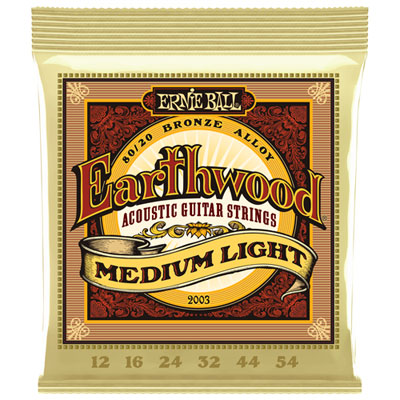 Your price for this item is $14.99
 -
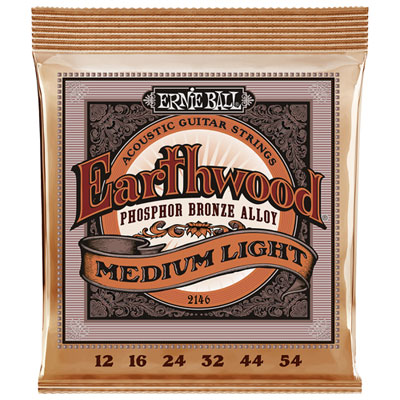 Your price for this item is $11.49
 -
 Your price for this item is $31.49
 -
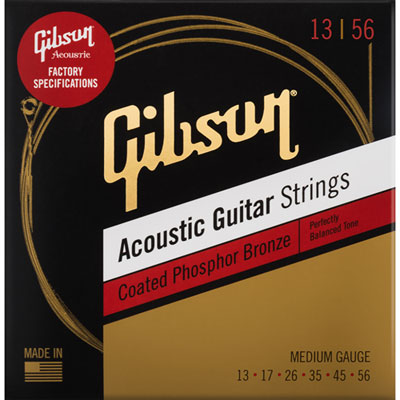 Your price for this item is $18.19
 -
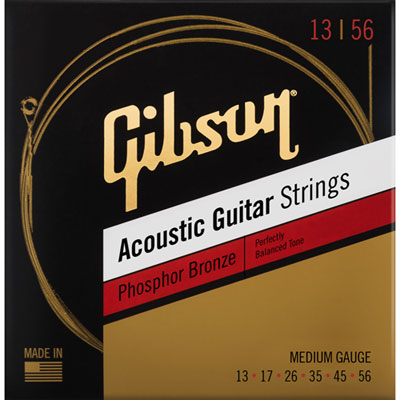 Your price for this item is $13.95
 -
 Your price for this item is $15.49
 -
 Your price for this item is $15.49
 -
 Your price for this item is $6.49
Discover more categories related to Slinky Guitar Strings
Top Collections:
Pokemon Centers, Best Cameras for Sports Photography, Kindle Devices, Samsung Galaxy Phones, Canon G7X Cameras, Pokémon 30th Celebration Cards, Refurbished Apple Laptops, iPhone 15 Apple, Laptops for Students, Budget Smartphones
Some products may be subject to Environmental Handling Fees
(EHF) depending on your province.
Learn more about EHFs.