Locking Connectors
Locking connectors are essential components for ensuring secure and reliable connections across a variety of applications, from home entertainment systems to professional audio setups. Designed to prevent accidental disconnections, these connectors provide peace of mind whether you're setting up a permanent installation or frequently swapping out equipment. With their robust construction and intuitive designs, locking connectors offer both convenience and durability, making them an ideal choice for anyone seeking to enhance the stability and performance of their electronic devices. Explore our selection to find the perfect solution tailored to your needs.
Sort
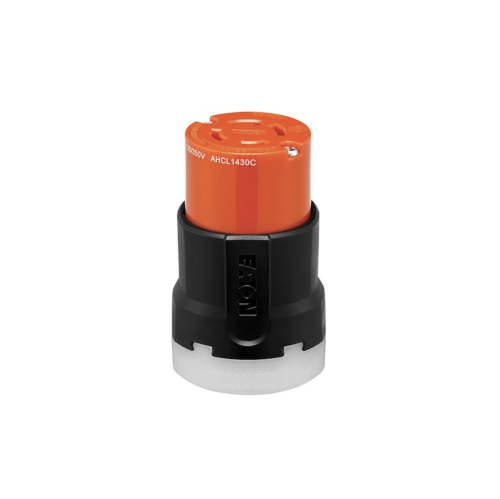
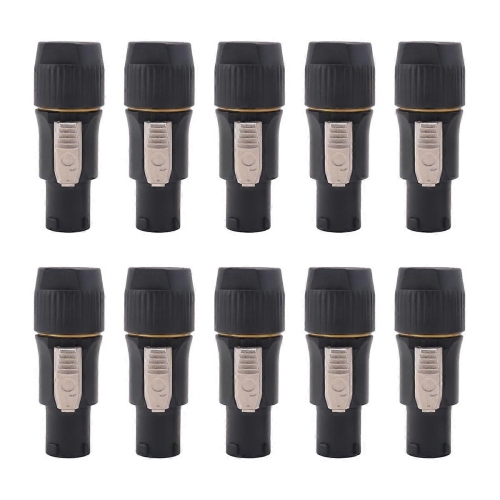
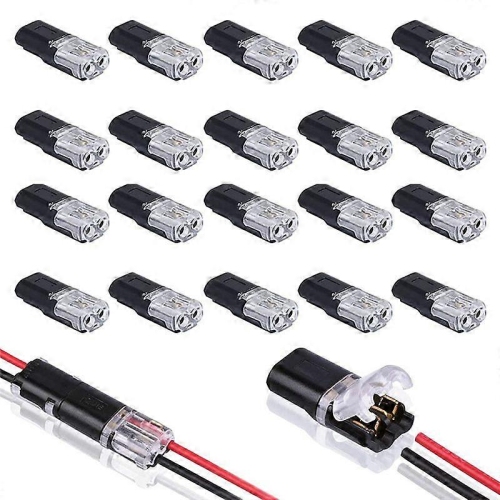
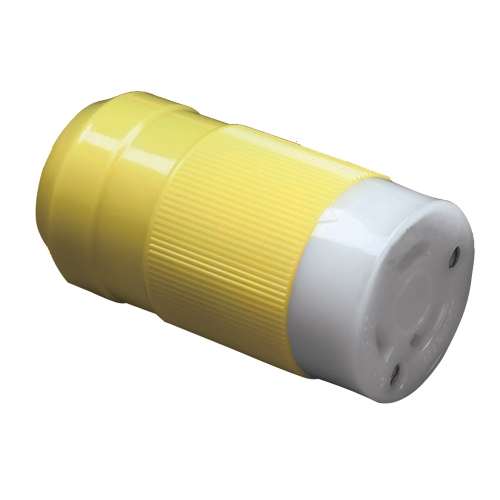
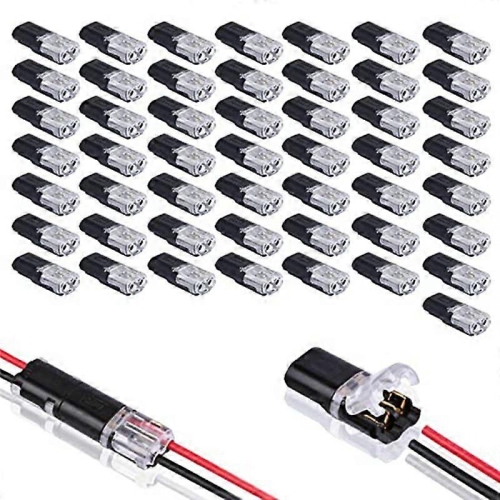
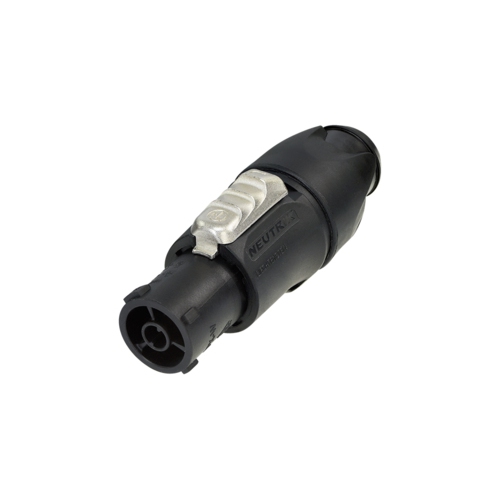
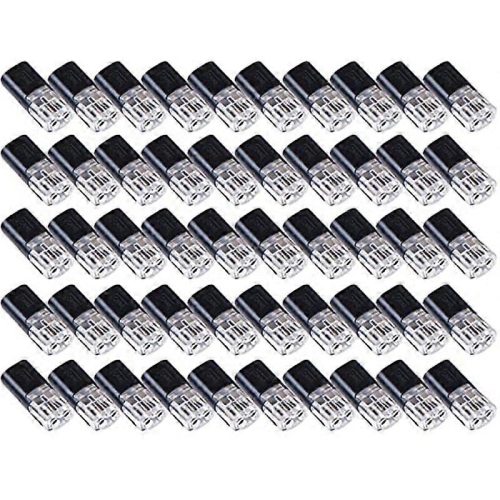
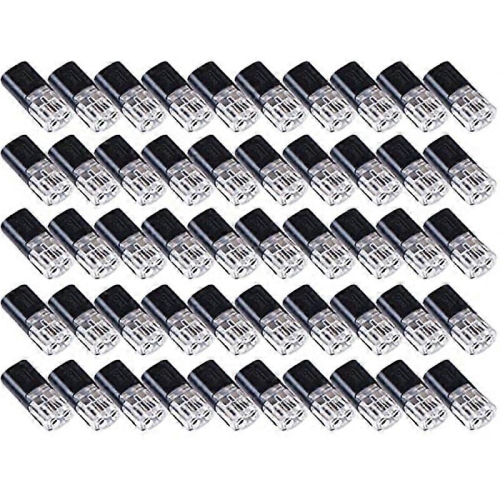
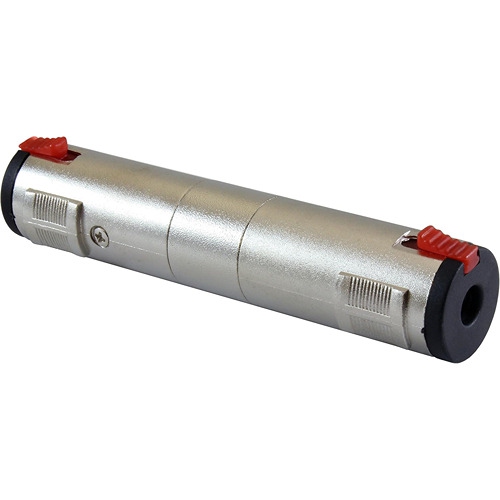
Secure connections for home theatres, events, and projects
Locking connectors are electrical, audio, power, and data interfaces designed to stay securely mated during movement, vibration, pulling, or everyday handling. Unlike a standard plug that relies mainly on friction, a locking connector adds a mechanical retention system that helps prevent accidental disconnection. This can be especially useful when equipment is positioned where a cable may be stepped on, shifted, pulled, or exposed to repeated motion. Depending on the design, the connector may secure with a short twist, an automatic push-pull sleeve, a spring latch, or a threaded outer ring. Twist-lock connectors are commonly used for power connections and are turned after insertion so the plug’s curved contacts engage with the matching receptacle. Push-pull connectors lock when the plug is inserted and typically release when the outer housing is pulled back. Latch or snap-in connectors use a spring clip or tab that clicks into place, while screw-lock or threaded connectors tighten around the mating socket for a particularly firm connection. When browsing locking connectors, start by identifying the equipment, cable type, and connection standard you need rather than choosing by appearance alone. Check the number of contacts, gender, pin arrangement, voltage and current ratings, signal type, and the connector’s intended cable size. Power connectors should be matched carefully to the electrical requirements of the equipment, while audio, video, control, and data connectors need to support the appropriate signal format. A connector that looks similar may not be compatible if its keying, contact layout, or locking mechanism differs, so reviewing the specifications for both sides of the connection is an important step.
The right locking connector can make a noticeable difference in places where a loose cable would interrupt work or create a frustrating troubleshooting session. In a workshop, a secure power connection can help keep portable equipment running while tools are moved across a bench or job site. For event production, locking connectors are often used with speakers, mixers, amplifiers, lighting fixtures, and other stage equipment where a cable being pulled free could interrupt sound or lighting in the middle of a performance. A twist-lock power connection can be helpful around portable generators and distribution equipment, while a latch-style connector can keep control or signal cables seated as equipment is repositioned. Home recording spaces, rehearsal rooms, schools, community halls, and places of worship may also benefit from connectors that remain secure when cables are routed across floors, behind racks, or around frequently moved equipment. In industrial, medical, laboratory, transportation, and aerospace environments, connectors may need to tolerate vibration, repeated mating cycles, dust, moisture, or demanding operating conditions. Look for an appropriate ingress-protection rating when a connection may encounter splashes or airborne particles, and consider strain relief when the cable will be bent or moved often. A well-designed strain relief helps keep stress away from the contacts and solder or crimp points. For installations that will be connected and disconnected regularly, pay attention to the durability of the housing, the smoothness of the locking action, and whether the release mechanism is easy to operate without tools. For a semi-permanent setup, threaded connectors may provide the extra hold needed for high-vibration locations, though they can take longer to disconnect during equipment changes.
Before purchasing, consider the full connection rather than a single plug in isolation. A locking plug requires a compatible locking receptacle, coupler, panel mount, or extension connection, and the locking method must match on both sides. Measure the available space around the socket, especially in a rack, control panel, instrument case, or tightly packed equipment cabinet. A right-angle connector may help with cable routing in a confined area, while a straight connector may be more suitable when the cable needs to extend directly away from the equipment. Cable length, flexibility, jacket construction, and bend radius also matter: a connector may be correctly rated but still awkward if the cable is too stiff or short for the installation. If the connection will be exposed to foot traffic or frequent movement, choose a design with a clearly defined release action so it is less likely to be disconnected accidentally while still being easy to remove deliberately. Inspect the connector and receptacle for damaged latches, bent contacts, loose housings, or dirt before use, and avoid forcing a plug that does not align smoothly. For related equipment used in music and performance setups, shoppers may also wish to browse Spring Locks as they compare ways to keep components securely positioned. Locking connectors are a practical choice for technicians, musicians, installers, production crews, hobbyists, and anyone building a dependable equipment setup. They can also be a thoughtful gift for someone assembling a home studio, upgrading a rehearsal space, or organizing a mobile audio and lighting kit, provided the connector type and specifications match the recipient’s existing equipment. A secure connection is easy to take for granted until a cable slips loose during a recording, presentation, repair, or live event; selecting the proper locking style from the start helps keep power, audio, data, and control signals where they belong.
The right locking connector can make a noticeable difference in places where a loose cable would interrupt work or create a frustrating troubleshooting session. In a workshop, a secure power connection can help keep portable equipment running while tools are moved across a bench or job site. For event production, locking connectors are often used with speakers, mixers, amplifiers, lighting fixtures, and other stage equipment where a cable being pulled free could interrupt sound or lighting in the middle of a performance. A twist-lock power connection can be helpful around portable generators and distribution equipment, while a latch-style connector can keep control or signal cables seated as equipment is repositioned. Home recording spaces, rehearsal rooms, schools, community halls, and places of worship may also benefit from connectors that remain secure when cables are routed across floors, behind racks, or around frequently moved equipment. In industrial, medical, laboratory, transportation, and aerospace environments, connectors may need to tolerate vibration, repeated mating cycles, dust, moisture, or demanding operating conditions. Look for an appropriate ingress-protection rating when a connection may encounter splashes or airborne particles, and consider strain relief when the cable will be bent or moved often. A well-designed strain relief helps keep stress away from the contacts and solder or crimp points. For installations that will be connected and disconnected regularly, pay attention to the durability of the housing, the smoothness of the locking action, and whether the release mechanism is easy to operate without tools. For a semi-permanent setup, threaded connectors may provide the extra hold needed for high-vibration locations, though they can take longer to disconnect during equipment changes.
Before purchasing, consider the full connection rather than a single plug in isolation. A locking plug requires a compatible locking receptacle, coupler, panel mount, or extension connection, and the locking method must match on both sides. Measure the available space around the socket, especially in a rack, control panel, instrument case, or tightly packed equipment cabinet. A right-angle connector may help with cable routing in a confined area, while a straight connector may be more suitable when the cable needs to extend directly away from the equipment. Cable length, flexibility, jacket construction, and bend radius also matter: a connector may be correctly rated but still awkward if the cable is too stiff or short for the installation. If the connection will be exposed to foot traffic or frequent movement, choose a design with a clearly defined release action so it is less likely to be disconnected accidentally while still being easy to remove deliberately. Inspect the connector and receptacle for damaged latches, bent contacts, loose housings, or dirt before use, and avoid forcing a plug that does not align smoothly. For related equipment used in music and performance setups, shoppers may also wish to browse Spring Locks as they compare ways to keep components securely positioned. Locking connectors are a practical choice for technicians, musicians, installers, production crews, hobbyists, and anyone building a dependable equipment setup. They can also be a thoughtful gift for someone assembling a home studio, upgrading a rehearsal space, or organizing a mobile audio and lighting kit, provided the connector type and specifications match the recipient’s existing equipment. A secure connection is easy to take for granted until a cable slips loose during a recording, presentation, repair, or live event; selecting the proper locking style from the start helps keep power, audio, data, and control signals where they belong.
Top selling and popular products
-
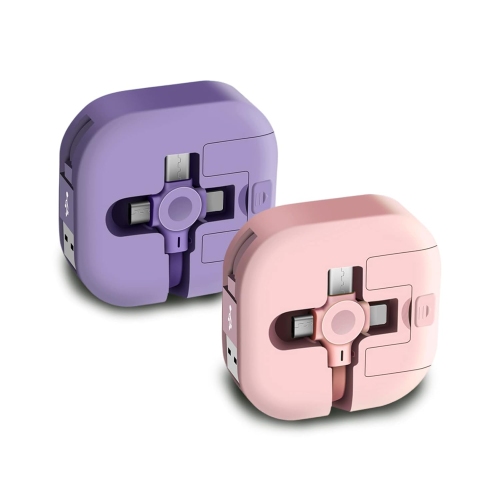 Your price for this item is $35
 -
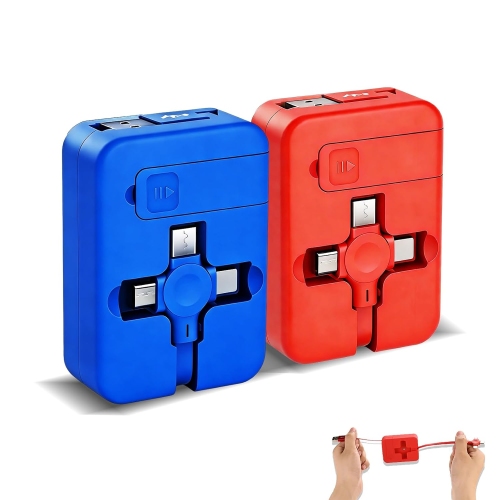 Your price for this item is $35
 -
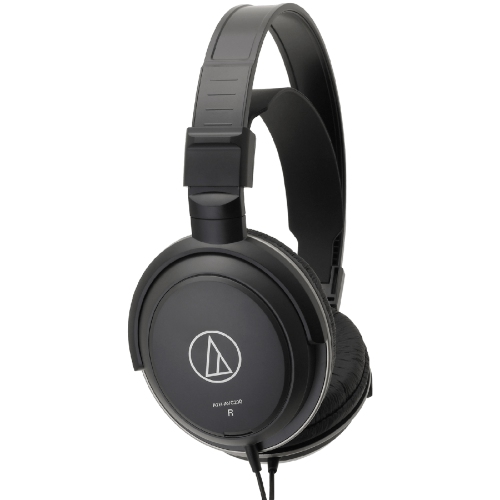 Your price for this item is $62.68
 -
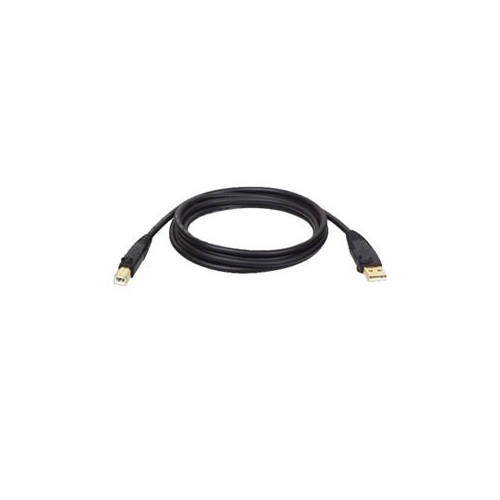 Your price for this item is $18.99
 -
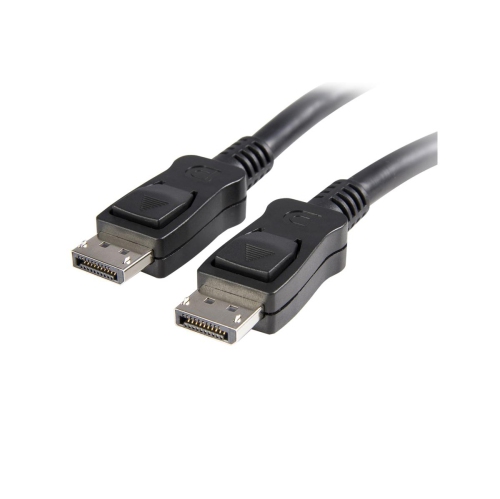 Your price for this item is $38.37
 -
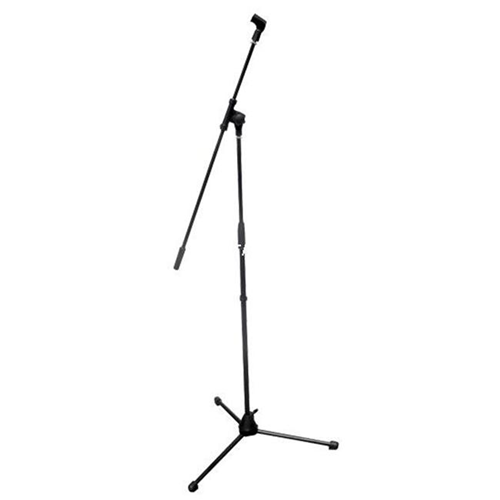 Your price for this item is $39.99
 -
![VIR Siamese Dream (Remastered & Reissued) - Smashing Pumpkins, The [2Lp (180 Gram)]](https://multimedia.bbycastatic.ca/multimedia/products/500x500/105/10540/10540226.jpg) Your price for this item is $89.99
Your price for this item is $89.99 -
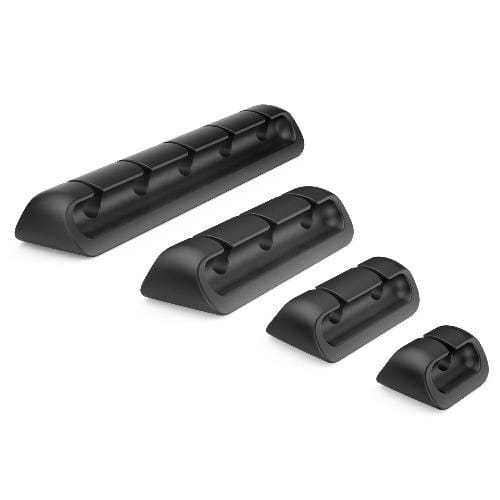 Your price for this item is $38
Discover more categories related to Locking Connectors
Top Collections:
Pokemon Centers, Best Cameras for Sports Photography, Kindle Devices, Samsung Galaxy Phones, Canon G7X Cameras, Pokémon 30th Celebration Cards, Refurbished Apple Laptops, iPhone 15 Apple, Laptops for Students, Budget Smartphones
Some products may be subject to Environmental Handling Fees
(EHF) depending on your province.
Learn more about EHFs.