Starting a Home Music Studio
Starting a Home Music Studio opens up endless creative possibilities, whether you're an aspiring musician, producer, or content creator. Setting up your own space allows you to record, mix, and produce music with ease and flexibility. Explore a wide range of essential equipment and accessories designed to help you build a functional and inspiring studio right at home. From audio interfaces to studio monitors and everything in between, find everything you need to turn your musical vision into reality.
Sort




How your music and room shape your recording setup
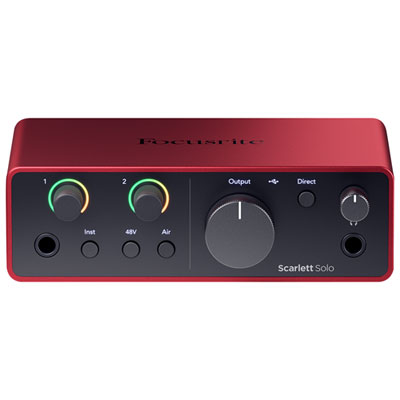
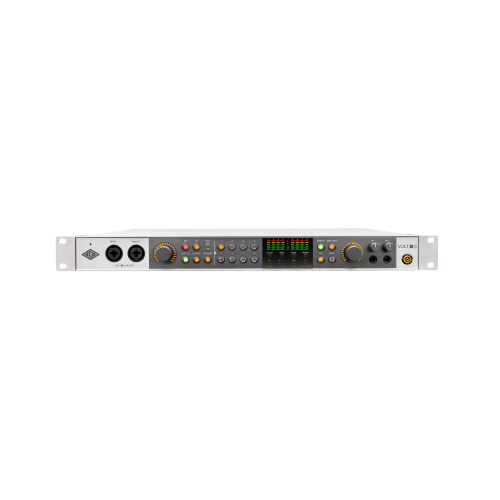
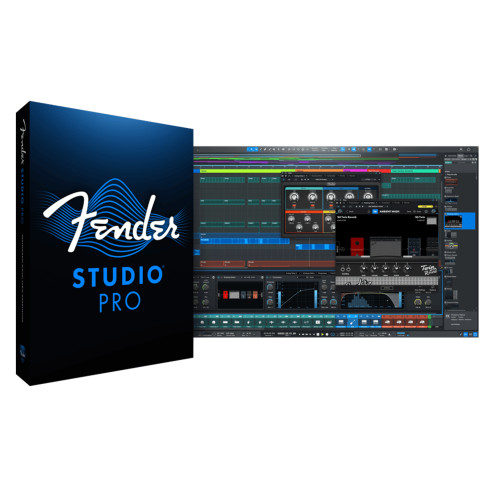
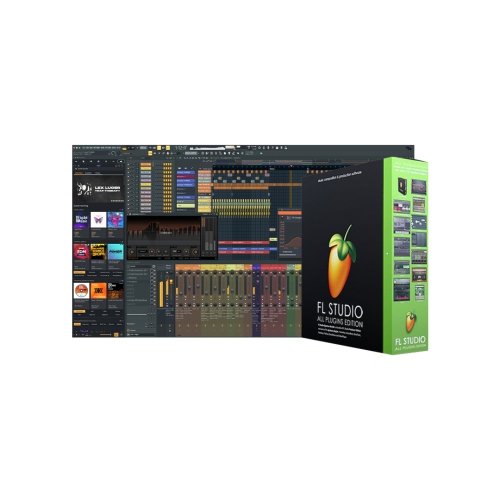
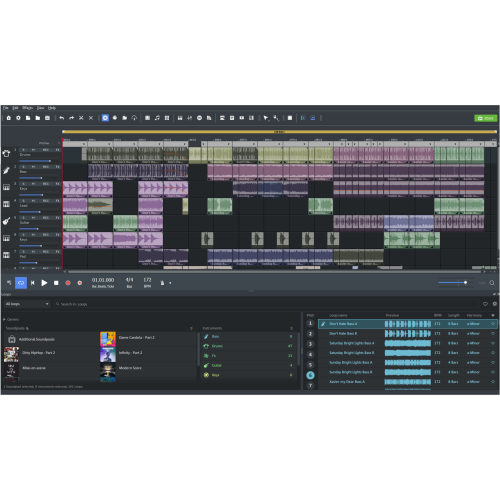
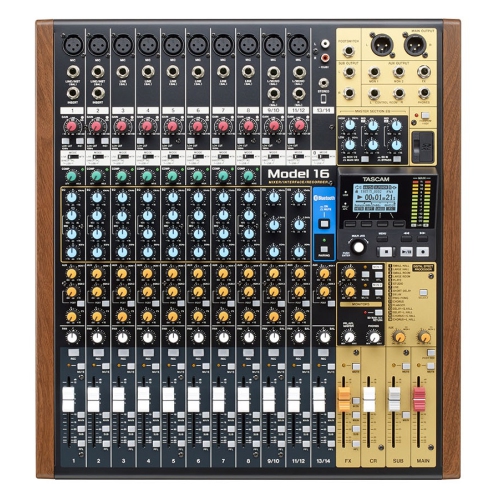
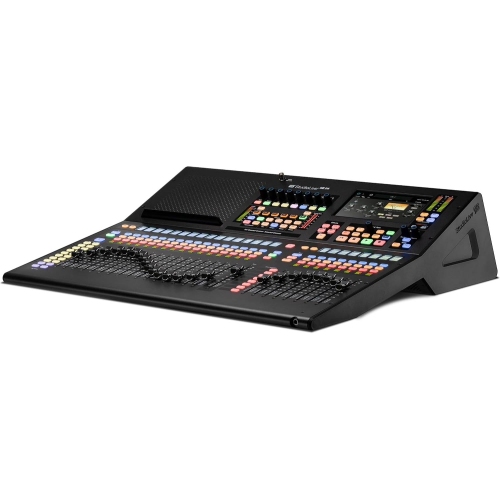
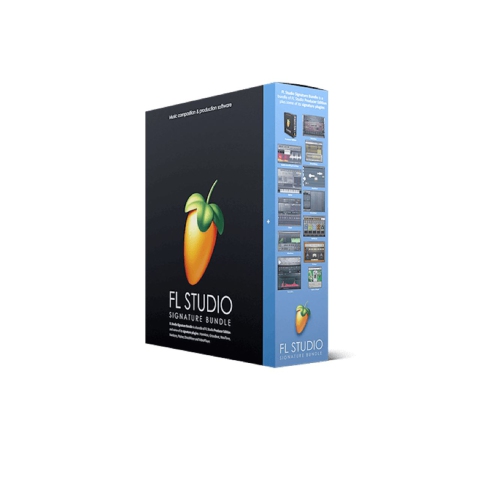
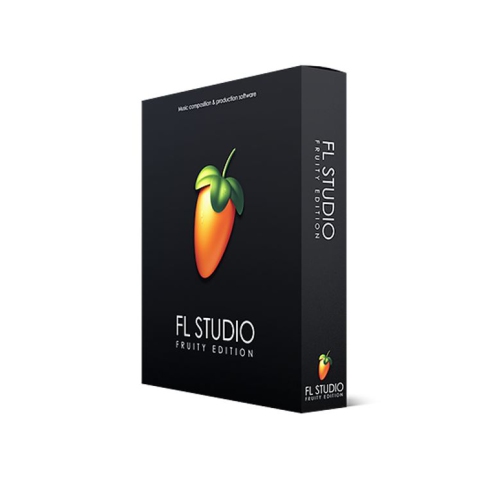
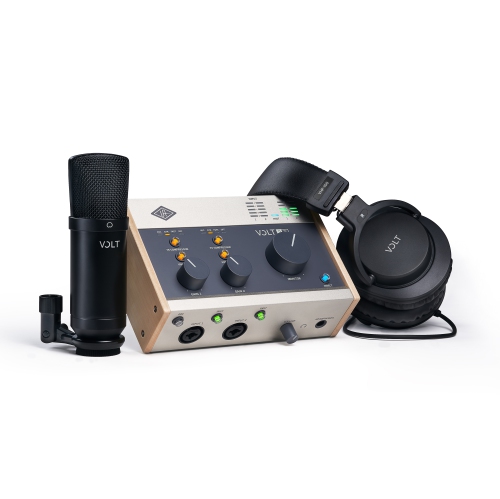
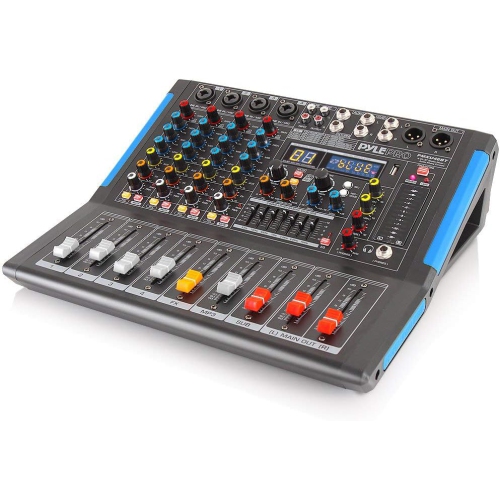
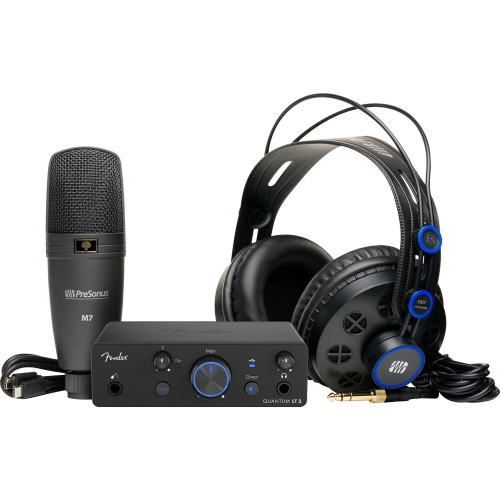
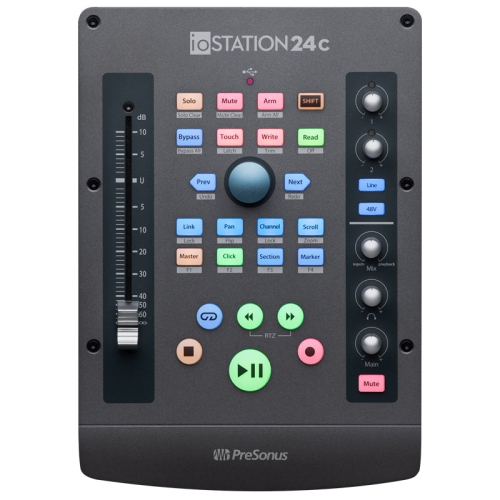
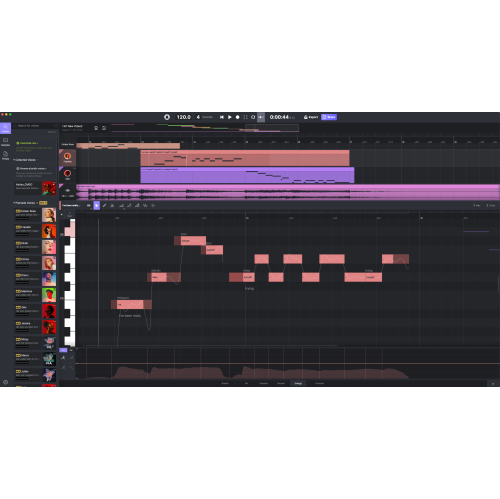
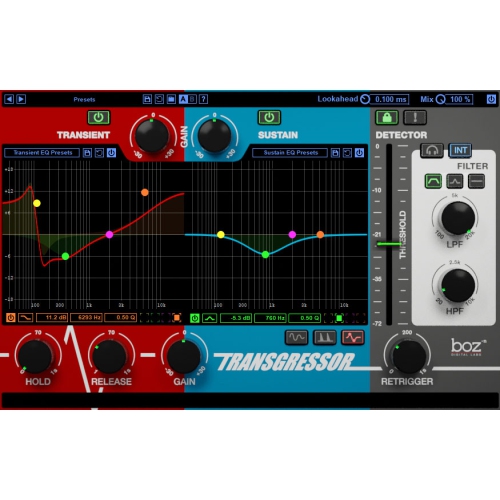
Starting a home music studio usually involves a computer, digital audio workstation (DAW) software, an audio interface, a microphone, headphones or studio monitors, and basic acoustic treatment. These categories of Home Studio Equipment support different parts of the recording process, from capturing a vocal to arranging instruments and listening closely to a finished mix. The combination depends on what happens in the room: a songwriter recording voice and acoustic guitar has different needs from a beatmaker working with virtual instruments or a band tracking several performers together. A computer provides the working space for recording and editing, while DAW software brings audio tracks, MIDI performances, effects, and arrangements into one project. Processor capability, memory, storage, and software compatibility all influence how comfortably that system handles layered sessions. Larger sample libraries and projects with many effects can place greater demands on a computer than a simple voice-and-guitar recording. Quiet operation also matters when a microphone sits near the desk, since fan noise can become part of a quiet performance. Connections deserve equal attention: an interface, keyboard controller, external drive, and other accessories may all need ports, and compatibility involves more than whether a plug physically fits. An audio interface converts microphone or instrument signals into digital audio and sends playback to headphones or speakers. Some USB microphones include this conversion internally, making a separate interface unnecessary for a straightforward recording setup. For musicians who want to record multiple sources or change microphones later, a separate interface offers more flexibility. A compact keyboard controller can make it easier to play software instruments, sketch bass lines, or tap out drum parts without requiring a full-size keyboard. Full-size keys, miniature keys, velocity response, and control layouts suit different playing styles and desk spaces. Together, these choices shape a studio that feels comfortable for its intended use, whether that means recording song ideas after work, producing electronic tracks, or developing arrangements for a live performance.
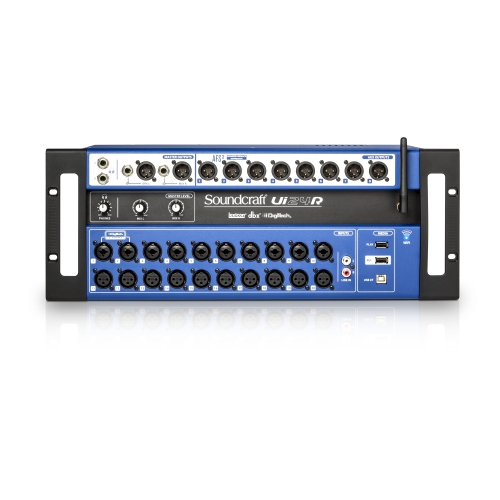
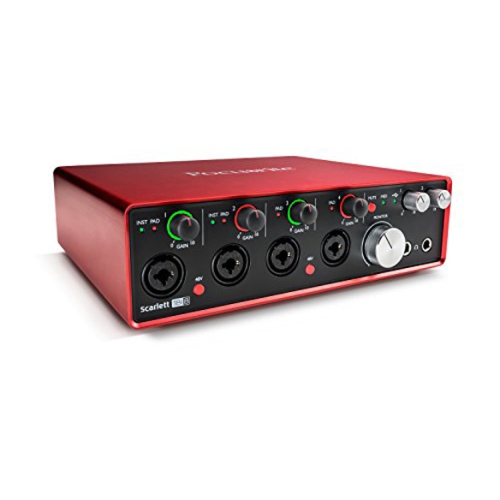
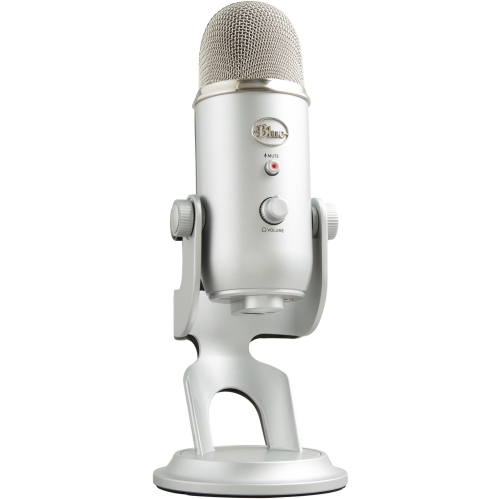
Microphones, interfaces, and recording accessories determine how a performance reaches the session, so their practical differences matter as much as their specifications. Condenser microphones are often chosen for detailed vocals and acoustic instruments, while dynamic microphones are common choices for close vocals, guitar amplifiers, and louder sources. Neither type automatically makes a room sound better; microphone position, pickup pattern, performance level, and the sound of the room all affect the result. A directional pickup pattern can help focus capture towards the performer, but it does not remove every sound from behind or beside the microphone. Many condenser microphones require phantom power from an interface, while other microphone designs have different power requirements. Matching those requirements helps avoid an incompatible pairing. Input type matters, too: a guitar plugged directly into an interface generally needs an instrument input, while a synthesizer typically connects through a suitable line input. The number of simultaneous inputs determines whether a session can capture a singer and guitar separately or accommodate several microphones at once. Clear level meters and accessible controls make it easier to manage changing performance levels without clipping. For a vocalist moving between soft verses and a powerful chorus, a stable stand and a pop filter help maintain a consistent working position and reduce bursts of air reaching the microphone. Stand height, boom reach, base stability, and the weight supported by a mount all deserve consideration in a small room. Metal connectors, secure cable strain relief, and replaceable cables can be useful durability features when equipment is connected and packed away frequently. Cable length should allow comfortable placement without leaving loops across a walking route. Closed-back headphones are useful during recording because they help limit playback leaking into a nearby microphone. A comfortable headband, suitable ear-cup size, and replaceable ear pads can make long sessions easier. Wired connections are generally preferable for recording and instrument monitoring, since wireless listening can introduce delay between a performance and what the musician hears.
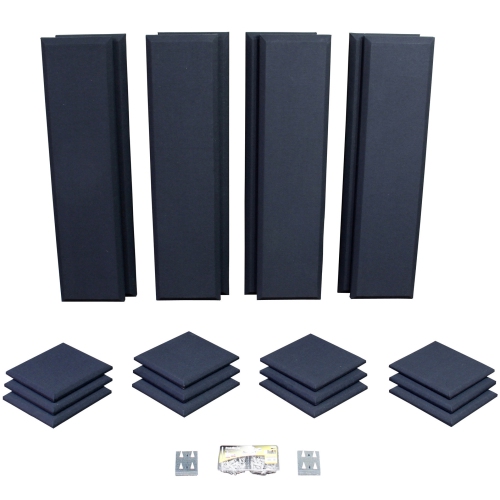
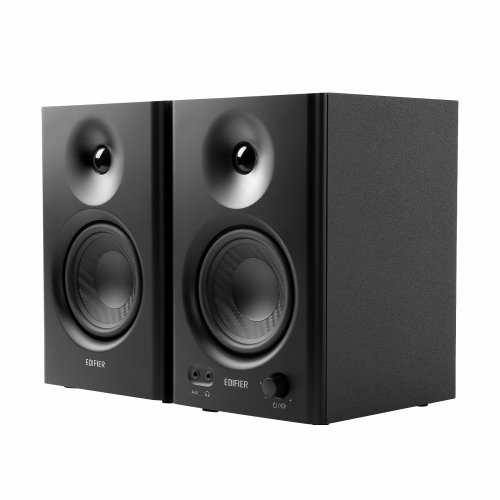
Playback equipment and the room itself complete the studio experience. Studio monitors are designed to support careful listening, but their performance depends on placement, listening distance, and the surrounding surfaces. Larger speakers are not automatically a better fit for a compact bedroom or shared office. A suitably sized pair, positioned symmetrically at a comfortable listening height, can be more useful than speakers crowded against walls or squeezed behind a screen. Isolation pads or stands can reduce vibration reaching a desk, although they do not replace thoughtful speaker placement or room treatment. Acoustic panels help control reflections within a room; they are not the same as soundproofing and will not, by themselves, stop music travelling through walls. Absorptive materials vary in thickness and construction, and thin foam should not be expected to control deep bass. Soft furnishings can reduce some reflections, but a heavily furnished room can still have uneven bass response. For an apartment musician or anyone sharing a workspace, headphones offer a practical way to edit and check details without relying entirely on speaker playback. Open-back headphones can be useful for mixing in a quiet space, although their sound leakage makes them less suitable beside an active microphone. Comfort and sensible listening levels remain important with either design. The physical workspace matters as well: a sturdy desk, supportive seating, accessible controls, and space for instruments can make the difference between an inviting recording corner and a setup that feels awkward to use. Equipment that is regularly moved benefits from padded storage, protected connectors, and stands that fold securely. Dust covers, dry storage, gentle exterior cleaning according to manufacturer directions, and neatly coiled cables help keep a studio ready for the next session. For a musician receiving recording equipment as a gift, compatibility with an existing computer, instrument, and workspace is often more valuable than extra features. A student building a first recording space, a singer documenting new material, and an experienced player refining demos may use many of the same equipment categories, but the most useful combination supports how each person actually creates music.
Top selling and popular products
-
 Your price for this item is $198
-
 Your price for this item is $214
-
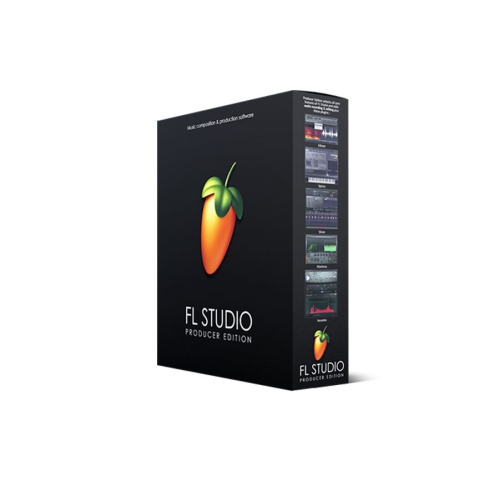 Your price for this item is $189
-
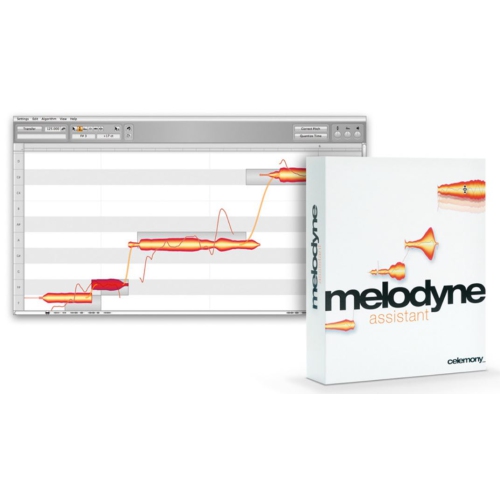 Your price for this item is $249
-
 Your price for this item is $99
-
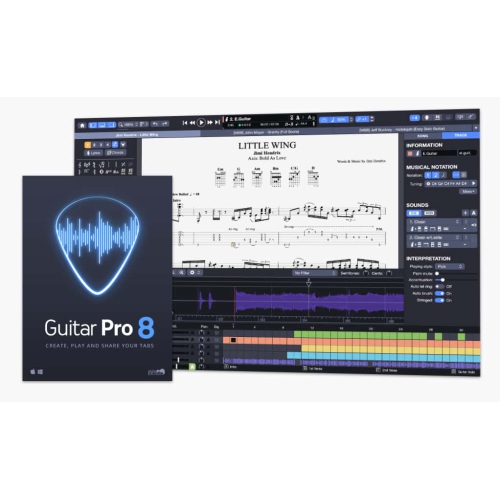 Your price for this item is $68
-
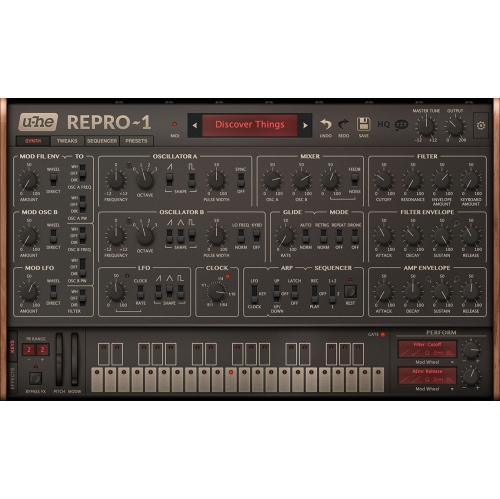 Your price for this item is $149
-
 Your price for this item is $95
Discover more categories related to Starting a Home Music Studio
Top Collections:
Best Black Friday Deals This Year, Best Black Friday Deals On Electronics, Kindle Devices, Pokemon Centers, Best Black Friday Deals On Apple Products, Best Cameras for Sports Photography, Dyson Airwrap, Pokémon 30th Celebration Cards, Apple iPhone 17 Pro, Canon G7X Cameras
Some products may be subject to Environmental Handling Fees
(EHF) depending on your province.
Learn more about EHFs.