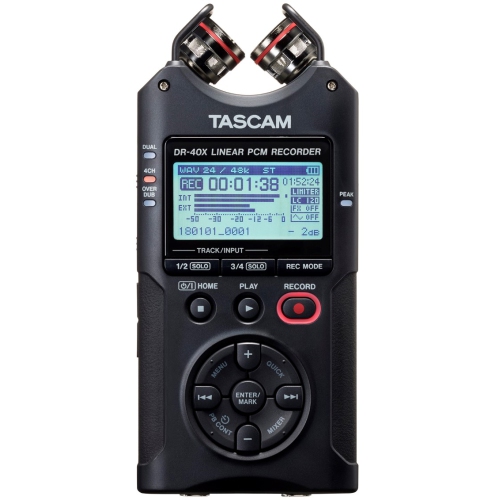
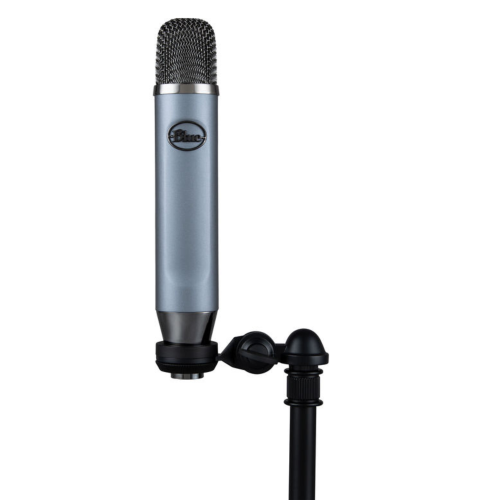
Home Recording Studio Tools For Beginners
Home Recording Studio Tools for Beginners make it easy to start creating music, podcasts, or voice-overs from the comfort of your own space. With the right combination of microphones, audio interfaces, headphones, and essential accessories, beginners can set up a functional studio at home. Explore a selection of beginner-friendly tools designed to help you capture clear sound and achieve professional results as you build your recording skills.
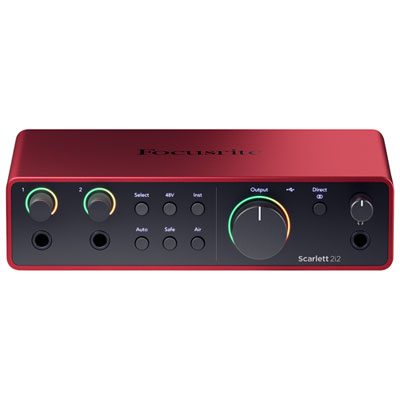

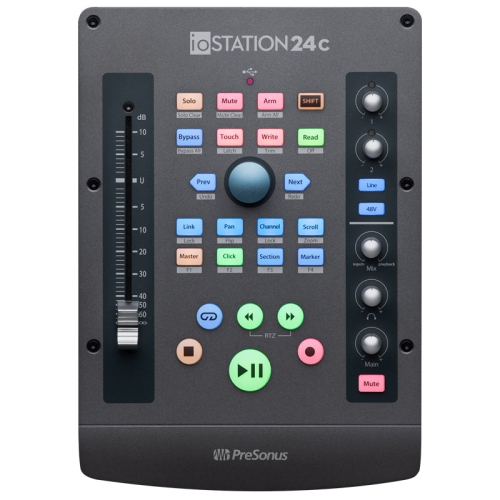
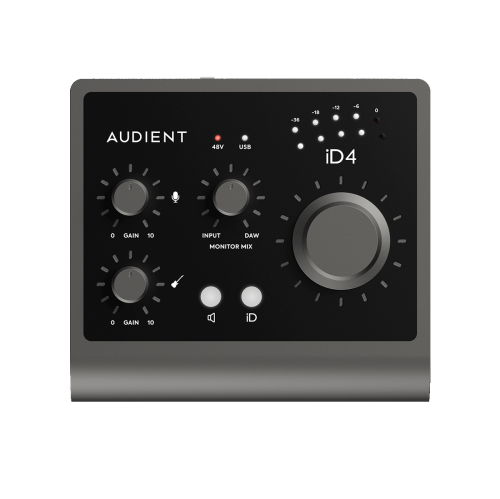
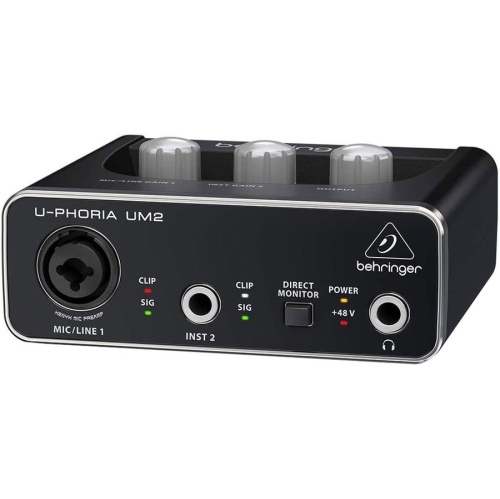
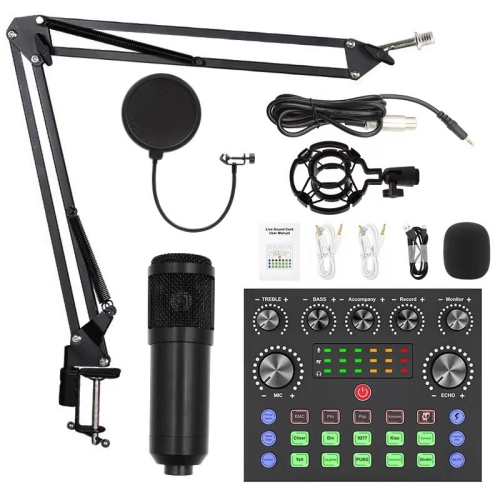
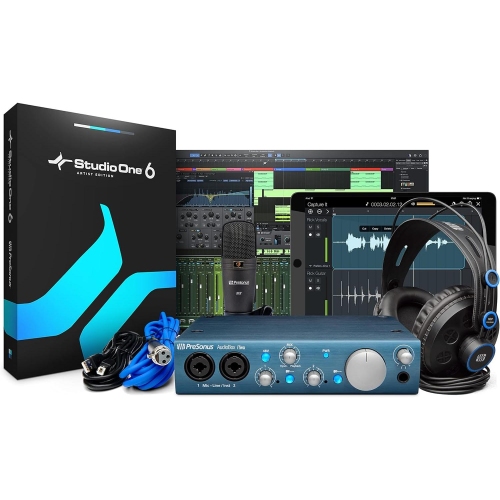
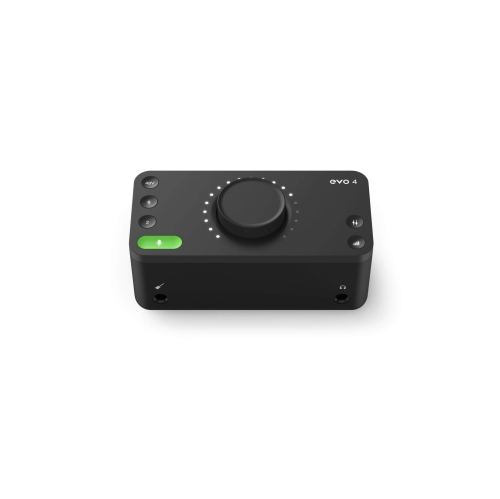
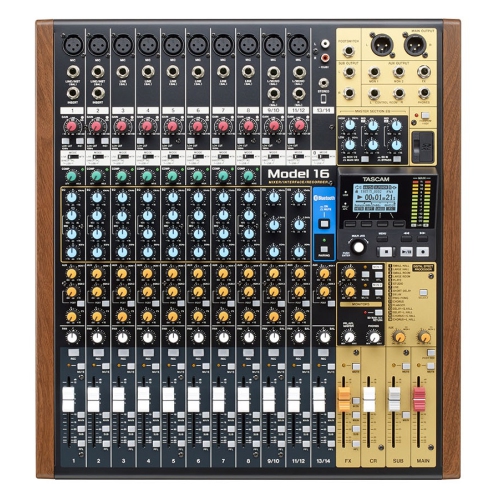
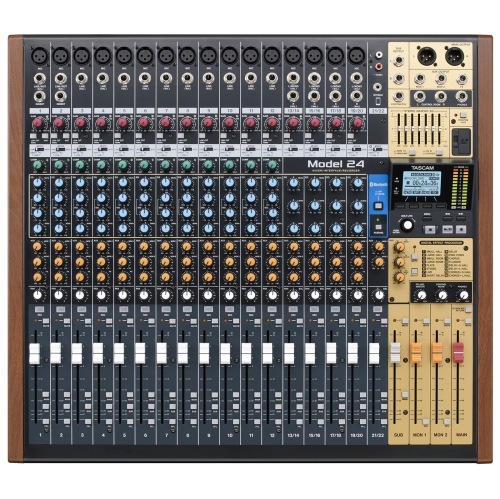
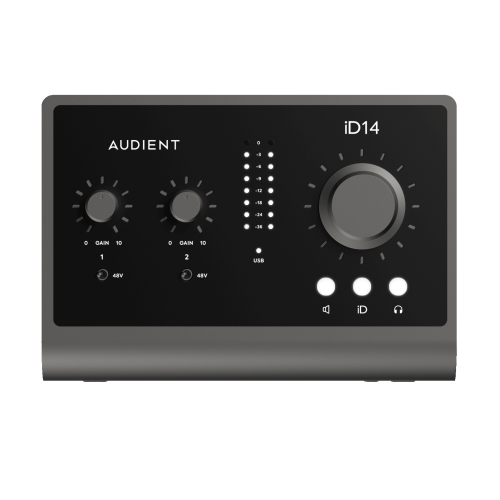
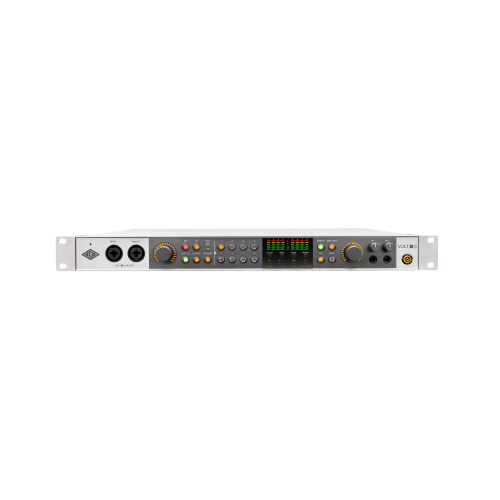
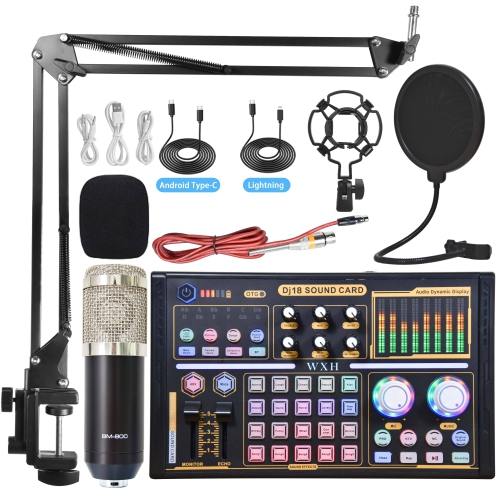
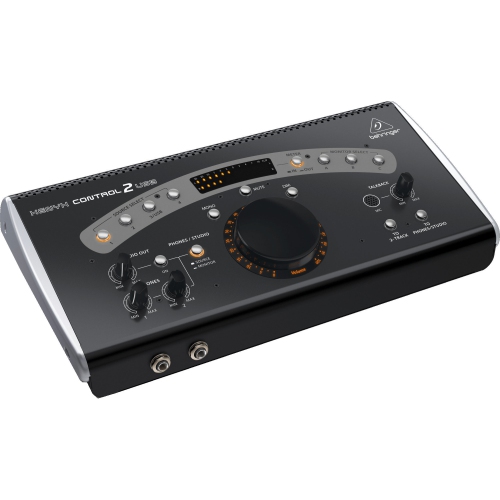
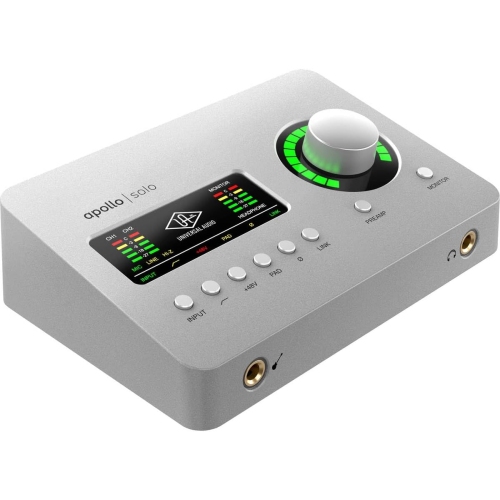
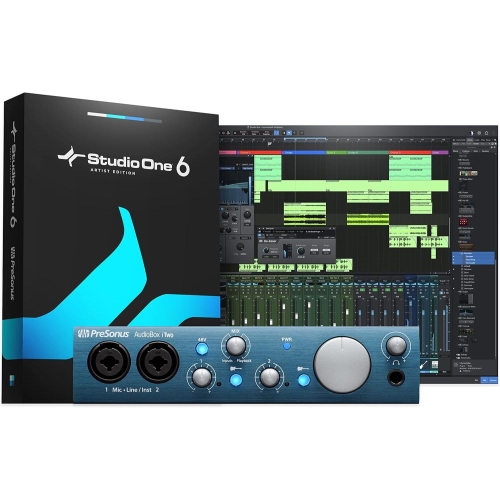
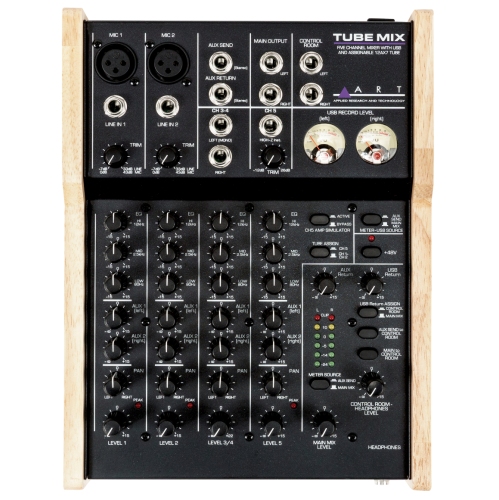
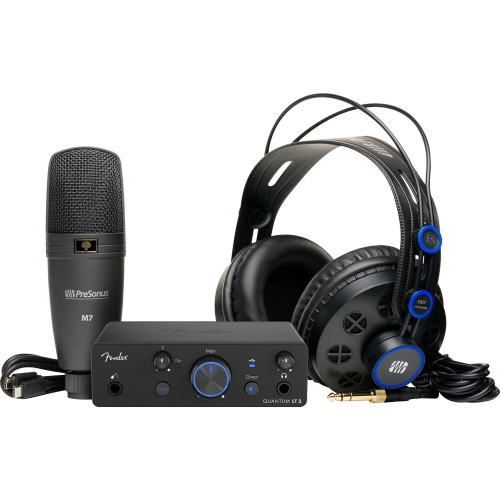
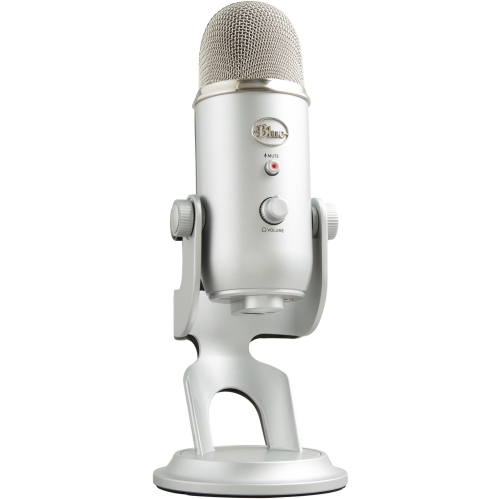
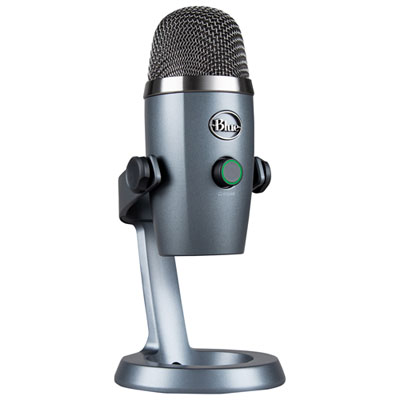
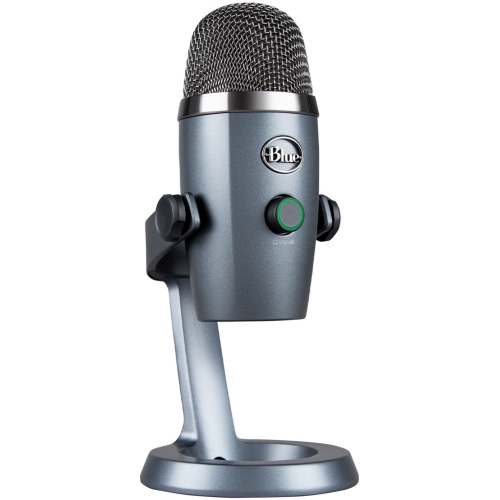
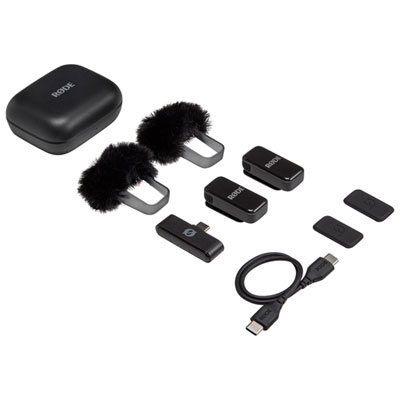
The essentials for recording music and podcasts at home
Home recording studio tools are a thoughtful gift idea for aspiring musicians, content creators, students, or anyone who’s ever dreamed of producing their own music or podcasts. Gifting a starter kit can spark creativity and provide a lasting foundation for personal projects, whether it’s for a birthday, graduation, or simply to encourage a loved one’s passion. During the warmer months, many people take advantage of extra daylight to dive into creative projects, while the cooler evenings of early fall are perfect for hunkering down with a new audio setup. For families, these tools can turn everyday moments into memorable collaborations—think of siblings recording a song together, or parents and kids experimenting with sound effects for a school project. Even solo creators benefit from having the right gear at their fingertips, allowing them to focus on their craft and develop their skills at their own pace. For those whose interests lean toward spoken word or podcasting, there’s a dedicated selection of Home Recording Studio Tools For Podcasters available to help fine-tune the vocal experience.
When choosing home recording studio tools for beginners, it’s wise to consider not just the technical specifications but also how the gear will fit into your space and workflow. Look for equipment that offers straightforward setup and compatibility with common recording software, so you can spend less time troubleshooting and more time creating. Adjustable stands, portable sound shields, and compact monitors are great for those working with limited space or shared environments. Beginners often appreciate intuitive controls and clear instructions, making it easier to experiment and build confidence with each session. As you settle into a routine—perhaps recording music on lazy summer afternoons or editing audio tracks as the evenings grow cooler—having dependable tools encourages you to keep exploring and improving. Whether you’re capturing your first demo, collaborating with friends, or starting your own podcast, the right home recording studio tools lay the groundwork for countless hours of discovery and expression right at home.
FAQ
What essential equipment do I need to set up a home recording studio as a beginner?
For beginners, a basic home recording studio typically includes a computer, audio interface, studio monitors or headphones, a microphone, and recording software (DAW). Optional accessories like mic stands and pop filters can also enhance your setup.
What is an audio interface and why is it important for home recording?
An audio interface connects your microphones and instruments to your computer, converting analog signals into digital audio. It provides better sound quality and lower latency compared to built-in computer sound cards, making it essential for clear recordings.
Do I need special software to record music at home?
Yes, you'll need Digital Audio Workstation (DAW) software to record, edit, and mix your music. Many DAWs offer beginner-friendly features and tutorials to help you get started with home recording.
Are USB microphones suitable for beginners in home studios?
USB microphones are a convenient option for beginners because they connect directly to your computer without the need for an audio interface. They are ideal for simple vocal or podcast recordings and are easy to set up.
How can I improve the sound quality in my home recording space?
Improving sound quality involves minimizing background noise and echo. You can use acoustic foam panels, rugs, curtains, or even furniture to absorb sound reflections. Proper microphone placement also helps achieve cleaner recordings.
Top selling and popular products
-
 Your price for this item is $989
-
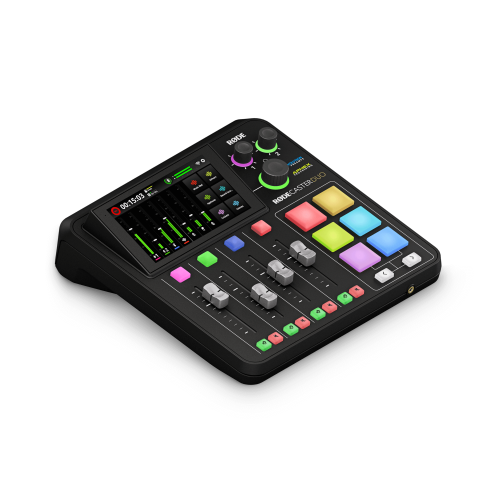 Your price for this item is $699
-
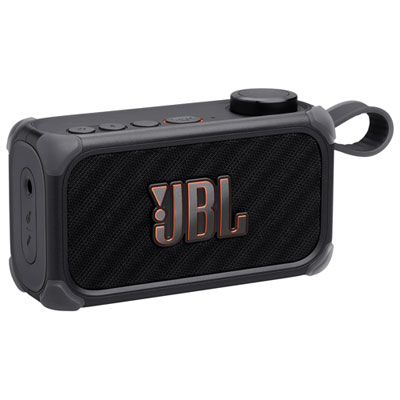 Your price for this item is $329.99
-
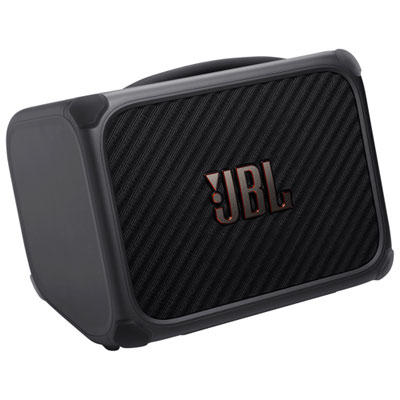 Your price for this item is $799.99
-
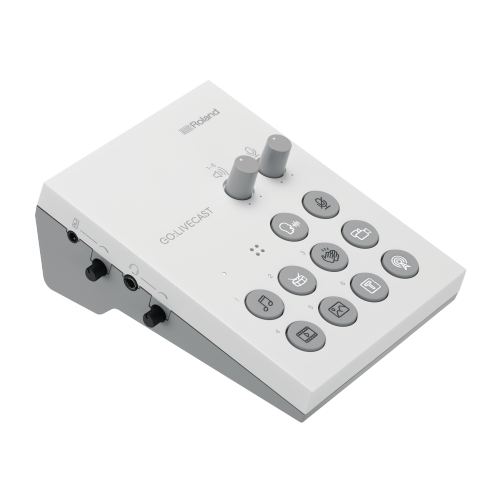 Your price for this item is $69
-
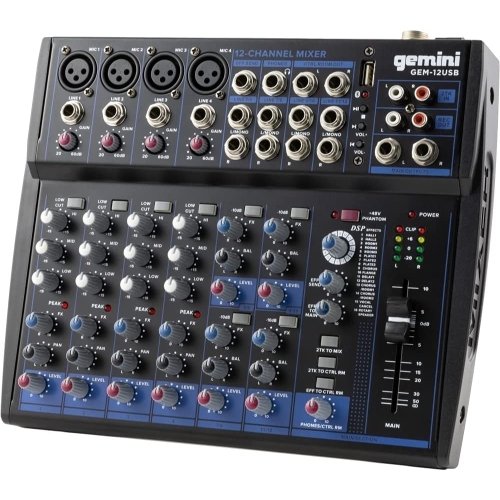 Your price for this item is $205.95
-
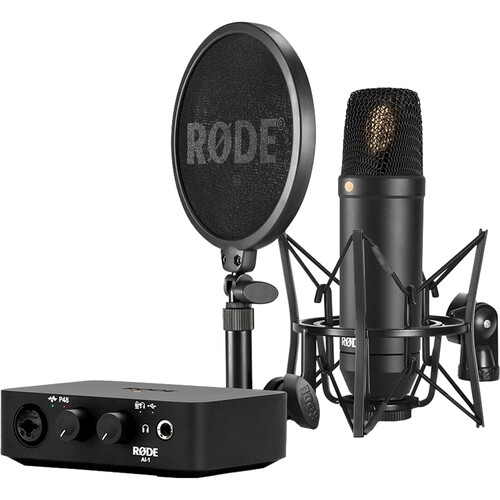 Your price for this item is $199
-
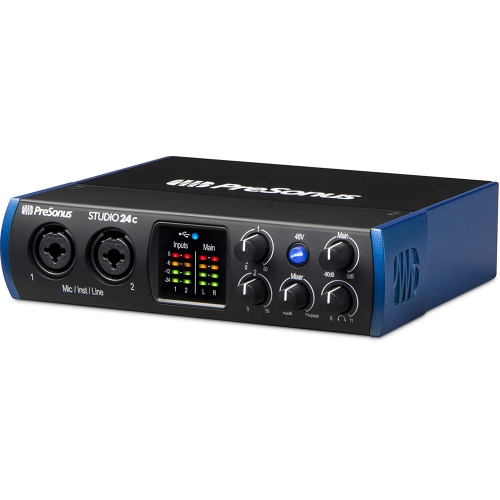 Your price for this item is $241.49