Synthesizer Machines
Looking to create your own unique sound? Look no further than our collection of synthesizer machines. These innovative instruments allow you to explore the world of electronic music and unleash your creativity like never before. Whether you're a seasoned musician or just starting out, our range of synthesizer machines offers something for everyone. From vintage analog models to cutting-edge digital options, you'll find the perfect synth to suit your style and take your music production to new heights. Get ready to dive into a world of endless sonic possibilities with our selection of synthesizer machines.
Sort
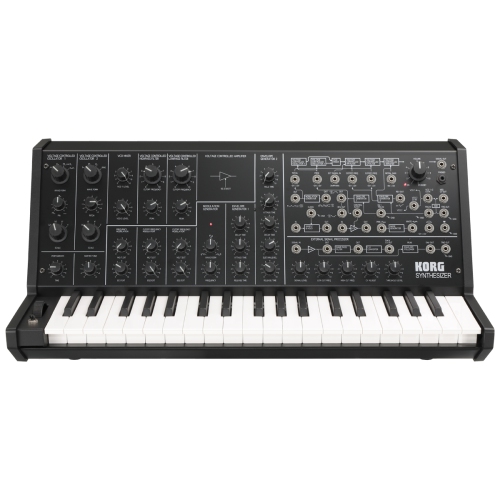
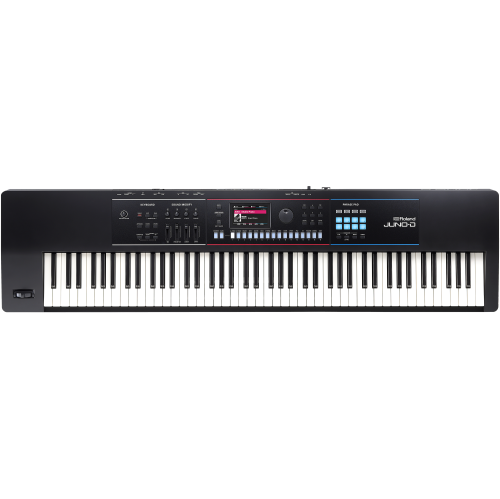
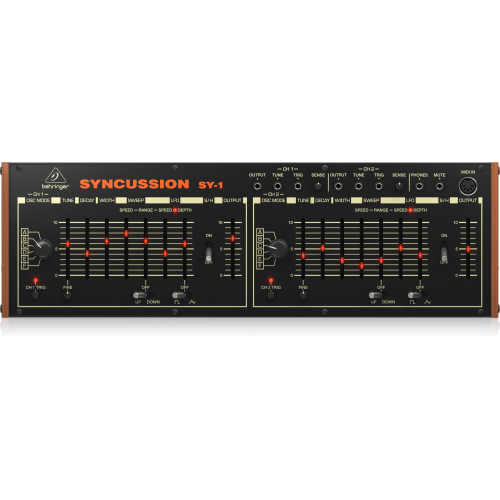
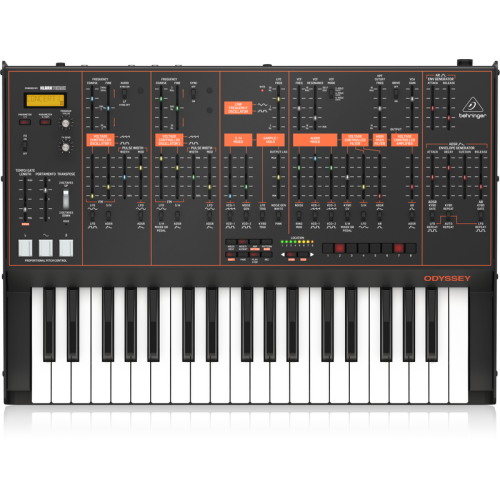
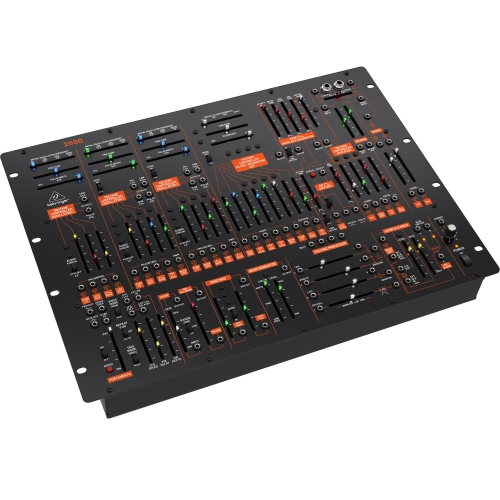
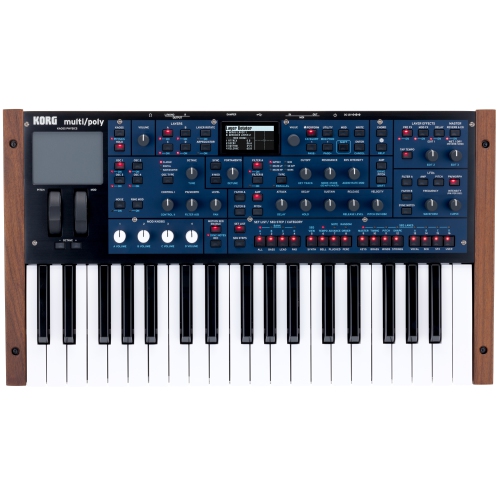
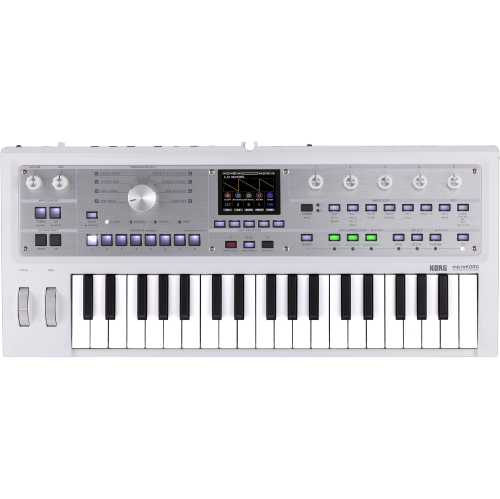
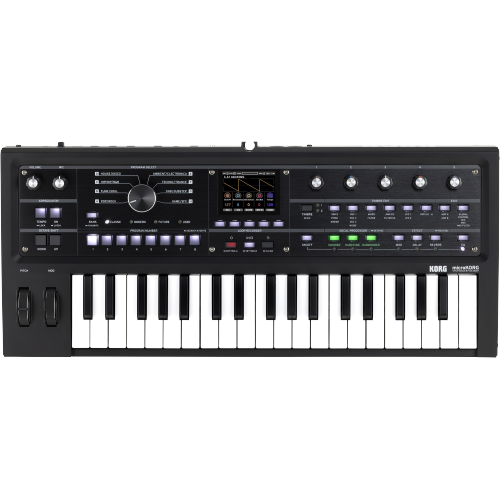
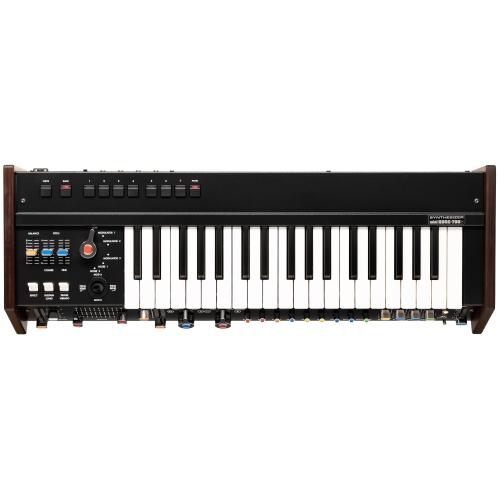
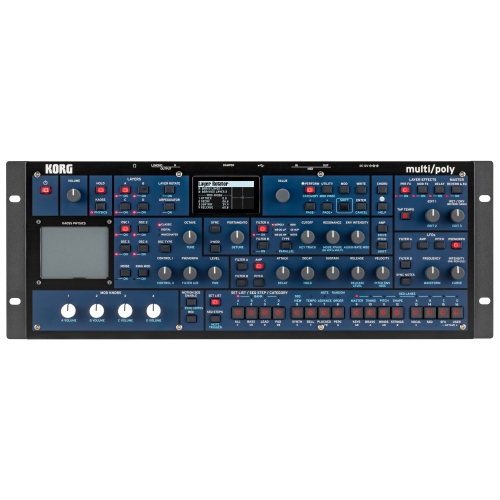
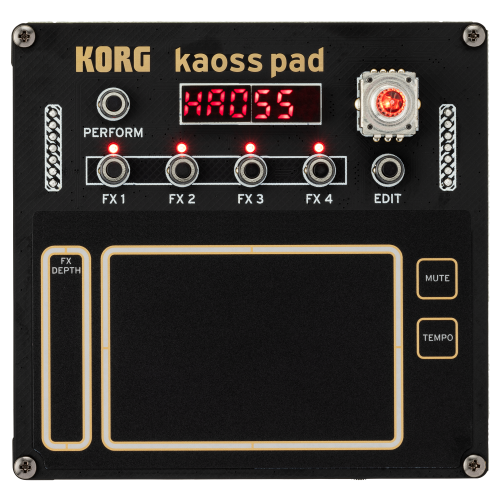
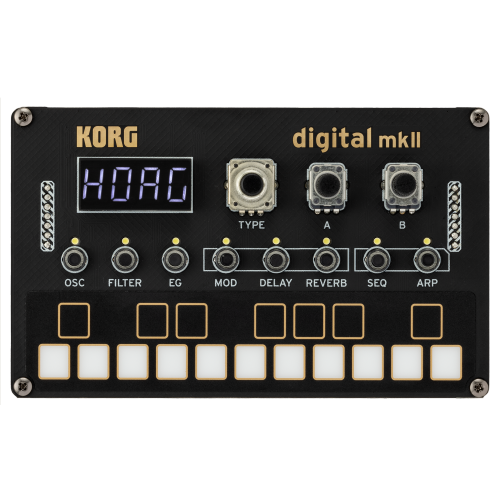
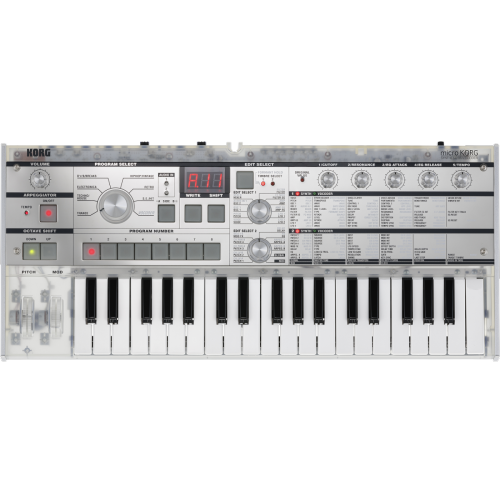
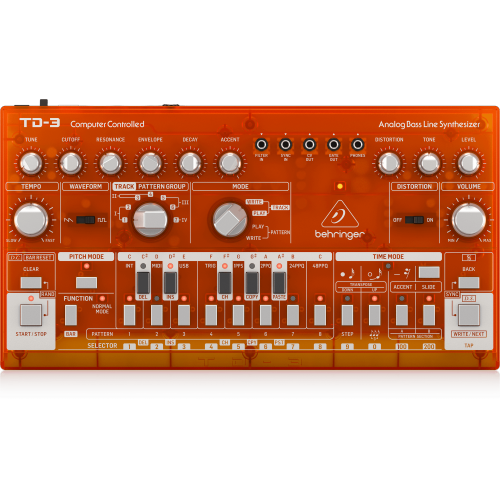
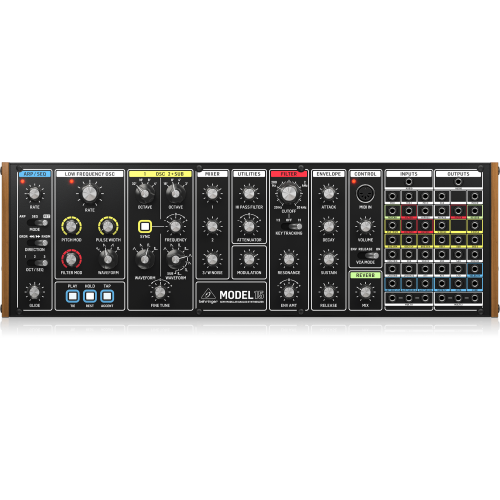
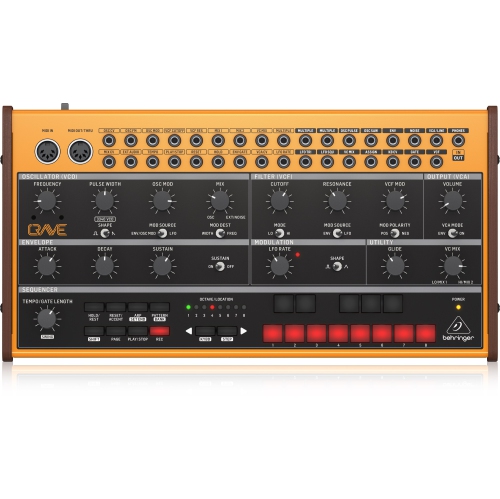
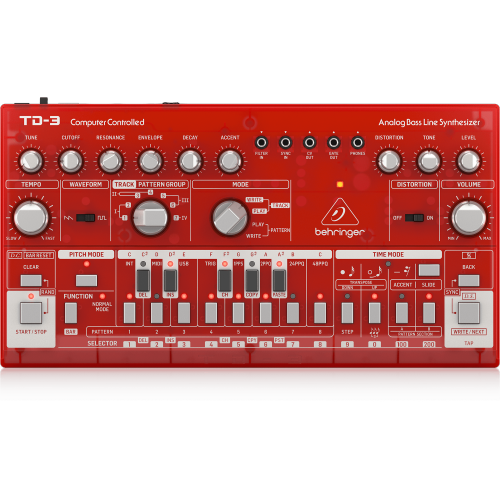
Shape tones from warm basses to cinematic soundscapes
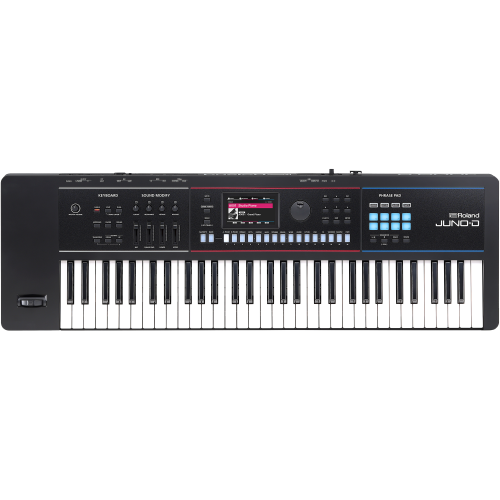
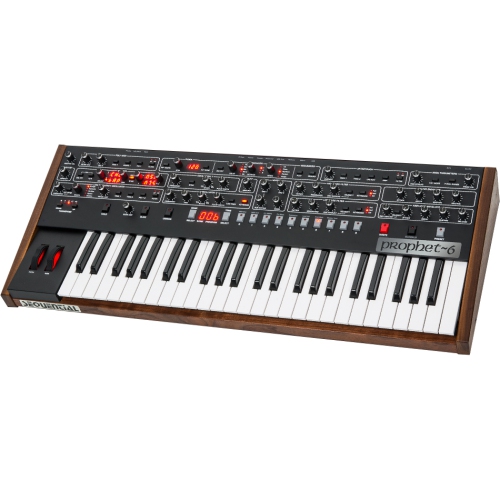
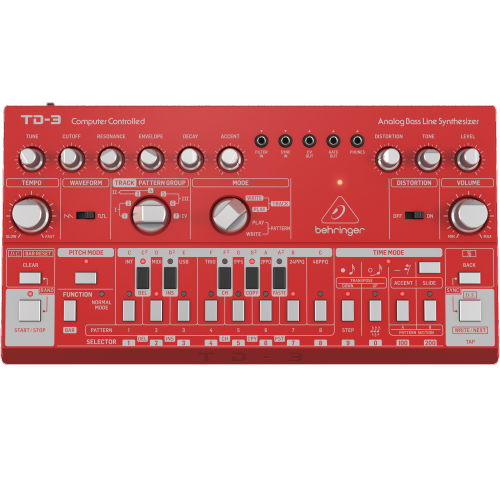
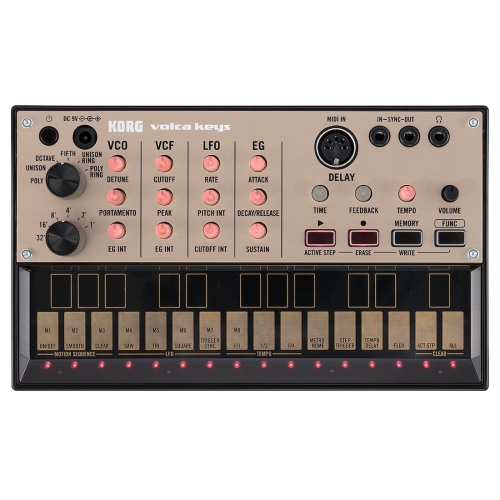
Synthesizer machines are electronic instruments designed to generate, shape, and transform sound. Unlike a traditional acoustic instrument, which produces a relatively fixed range of tones, a synthesizer gives you control over the building blocks of sound itself. Oscillators create the initial waveform, filters remove or emphasize certain frequencies, and envelopes shape how a note begins, changes, and fades away. Add modulation, effects, sequencing, and performance controls, and a single instrument can produce everything from rounded bass tones and bright leads to shimmering pads, metallic percussion, cinematic drones, and unusual sound effects. That flexibility makes synthesizer machines useful for electronic music, pop, hip-hop, rock, ambient compositions, film scoring, game audio, live performance, and home recording. Some models are built around a keyboard, while others are compact desktop units that connect to a separate controller, mixer, computer, or other instruments. A keyboard format can feel familiar to someone who already plays piano or keys, while a desktop synthesizer may appeal to a producer who prefers hands-on knobs, compact equipment, or a modular studio setup. For shoppers building a first setup, it can help to consider how much space is available, whether the instrument will be used at home or taken to rehearsals, and whether immediate playability or deeper sound design is the priority. A synthesizer with preset sounds can provide an enjoyable starting point, while extensive controls and patch storage give experienced players room to develop a personal sonic vocabulary over time.
The main synthesis method has a noticeable effect on both the sound and the way an instrument is used. Analog synthesizer machines create tones through electronic circuits and are often valued for their warm, responsive character, especially for basses, leads, and slowly shifting textures. Digital synthesizers use digital signal processing to create precise, complex, or highly detailed sounds through methods such as wavetable synthesis, frequency modulation, sampling, and virtual modelling. They can offer a broad sound palette, detailed editing, and features that would be difficult to achieve with traditional circuitry. Hybrid synthesizers combine digital sound generation with analogue components such as filters, giving musicians access to crisp digital textures alongside hands-on tonal shaping. Modular and semi-modular designs take a more experimental approach, using patch cables or flexible signal routing to connect oscillators, filters, envelopes, sequencers, and effects in different ways. This can be especially rewarding for people who enjoy learning through exploration, though it may require more patience than a straightforward keyboard instrument. Monophonic synthesizers play one note at a time and are often well suited to expressive bass lines, solos, and sequences. Polyphonic models can play chords and layered parts, making them useful for pads, harmonic arrangements, and fuller live performances. It is also worth checking the keyboard size, key action, velocity sensitivity, aftertouch, pitch and modulation controls, onboard sequencing, arpeggiation, memory for saved sounds, and the available connections. USB, MIDI, audio outputs, headphones, and pedal inputs can all affect how easily a synthesizer fits into an existing setup. If your equipment list extends beyond synthesizers, related Music Production Machines can help bring together controllers, recording tools, and other equipment used to shape a complete workflow.
Synthesizer machines can suit a wide range of musicians and creative learners. A beginner may enjoy turning a single note into a slowly evolving pad, tapping out a repeating sequence, or comparing different waveforms while learning how each control changes the sound. Someone writing songs can use a synthesizer to add a bass foundation, a memorable hook, an atmospheric layer behind vocals, or a pulse that gives a track forward motion. Producers often reach for synthesizers when a preset feels close but not quite right; adjusting the filter, envelope, or modulation can turn a familiar starting point into something distinctive. Live performers may appreciate dedicated controls that allow them to sweep a filter, introduce an effect, or reshape a sound without stopping the music. These instruments can also be thoughtful gifts for a keyboard player, aspiring producer, recording enthusiast, sound designer, or curious creative person who enjoys technology and music. For a gift, consider the recipient’s experience level and existing equipment. A compact, approachable model may be more inviting for someone beginning to explore electronic music, while an experienced player may value extensive patch storage, broader connectivity, advanced sequencing, or a particular synthesis style. During the warmer and cooler parts of the year alike, a synthesizer can become a rewarding home studio companion: headphones on, a small collection of sounds saved, and an evening spent shaping tones that fit a new song. The best choice is one that matches the player’s preferred workflow, available space, musical interests, and willingness to explore. Whether the goal is to create deep bass, expressive melodies, spacious soundscapes, rhythmic patterns, or entirely new sonic textures, synthesizer machines offer a hands-on way to turn musical ideas into sound.
The main synthesis method has a noticeable effect on both the sound and the way an instrument is used. Analog synthesizer machines create tones through electronic circuits and are often valued for their warm, responsive character, especially for basses, leads, and slowly shifting textures. Digital synthesizers use digital signal processing to create precise, complex, or highly detailed sounds through methods such as wavetable synthesis, frequency modulation, sampling, and virtual modelling. They can offer a broad sound palette, detailed editing, and features that would be difficult to achieve with traditional circuitry. Hybrid synthesizers combine digital sound generation with analogue components such as filters, giving musicians access to crisp digital textures alongside hands-on tonal shaping. Modular and semi-modular designs take a more experimental approach, using patch cables or flexible signal routing to connect oscillators, filters, envelopes, sequencers, and effects in different ways. This can be especially rewarding for people who enjoy learning through exploration, though it may require more patience than a straightforward keyboard instrument. Monophonic synthesizers play one note at a time and are often well suited to expressive bass lines, solos, and sequences. Polyphonic models can play chords and layered parts, making them useful for pads, harmonic arrangements, and fuller live performances. It is also worth checking the keyboard size, key action, velocity sensitivity, aftertouch, pitch and modulation controls, onboard sequencing, arpeggiation, memory for saved sounds, and the available connections. USB, MIDI, audio outputs, headphones, and pedal inputs can all affect how easily a synthesizer fits into an existing setup. If your equipment list extends beyond synthesizers, related Music Production Machines can help bring together controllers, recording tools, and other equipment used to shape a complete workflow.
Synthesizer machines can suit a wide range of musicians and creative learners. A beginner may enjoy turning a single note into a slowly evolving pad, tapping out a repeating sequence, or comparing different waveforms while learning how each control changes the sound. Someone writing songs can use a synthesizer to add a bass foundation, a memorable hook, an atmospheric layer behind vocals, or a pulse that gives a track forward motion. Producers often reach for synthesizers when a preset feels close but not quite right; adjusting the filter, envelope, or modulation can turn a familiar starting point into something distinctive. Live performers may appreciate dedicated controls that allow them to sweep a filter, introduce an effect, or reshape a sound without stopping the music. These instruments can also be thoughtful gifts for a keyboard player, aspiring producer, recording enthusiast, sound designer, or curious creative person who enjoys technology and music. For a gift, consider the recipient’s experience level and existing equipment. A compact, approachable model may be more inviting for someone beginning to explore electronic music, while an experienced player may value extensive patch storage, broader connectivity, advanced sequencing, or a particular synthesis style. During the warmer and cooler parts of the year alike, a synthesizer can become a rewarding home studio companion: headphones on, a small collection of sounds saved, and an evening spent shaping tones that fit a new song. The best choice is one that matches the player’s preferred workflow, available space, musical interests, and willingness to explore. Whether the goal is to create deep bass, expressive melodies, spacious soundscapes, rhythmic patterns, or entirely new sonic textures, synthesizer machines offer a hands-on way to turn musical ideas into sound.
Top selling and popular products
-
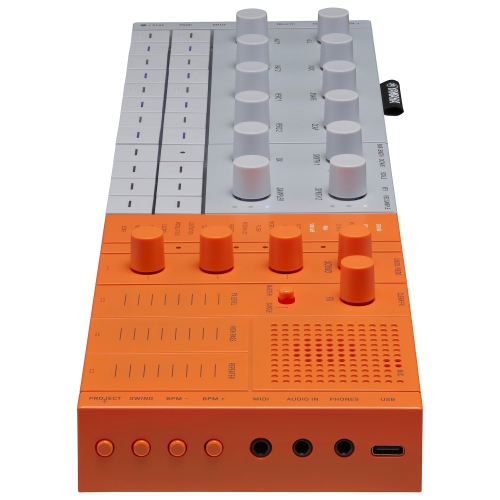 Your price for this item is $599.99
 -
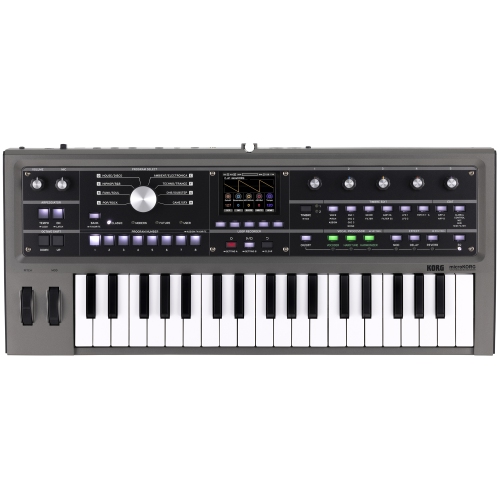 Your price for this item is $849.99
 -
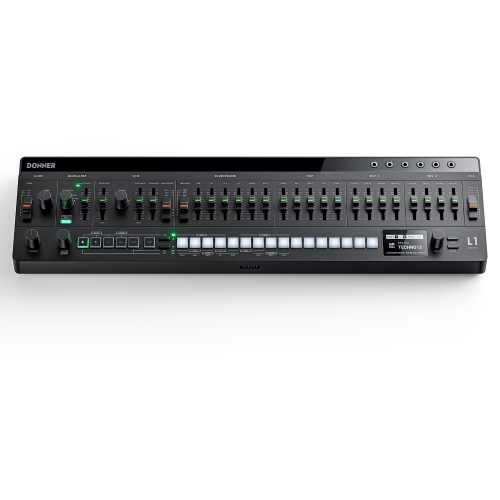 Your price for this item is $259.99
 -
 Your price for this item is $1299.99
 -
 Your price for this item is $5069.99
 -
 Your price for this item is $169
 -
 Your price for this item is $225
 -
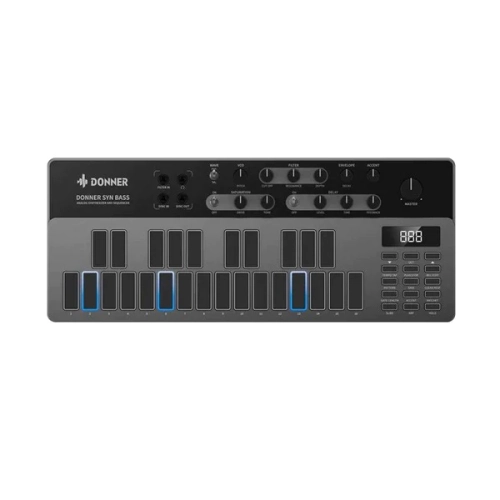 Your price for this item is $149.99
Discover more categories related to Synthesizer Machines
Top Collections:
Pokemon Centers, Kindle Devices, Best Budget Office Chairs, Apple iPhones 16, Best Laptops for Writers, iPhone 15 Apple, Canon G7X Cameras, Refurbished Apple Laptops, Alarm Clock, Motorola Razr Phones
Some products may be subject to Environmental Handling Fees
(EHF) depending on your province.
Learn more about EHFs.