Travel Guitars
For music enthusiasts on the go, our collection of travel guitars offers the perfect blend of portability and performance. Whether you're a seasoned musician looking for a compact companion for your travels or a beginner wanting to practice on the road, these travel guitars are designed to deliver great sound quality in a smaller package. Explore our range of travel guitars that are ideal for jam sessions, busking adventures, or simply strumming away in your downtime while exploring new destinations.
Sort
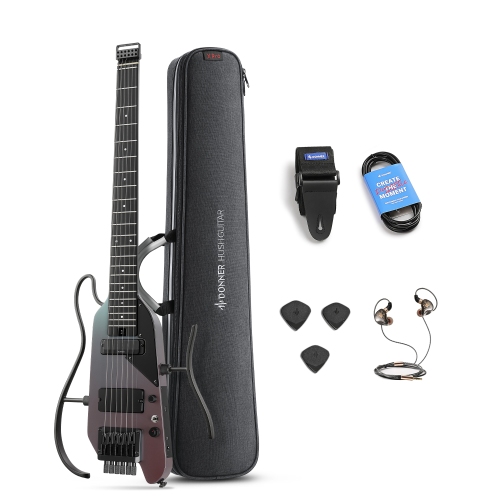
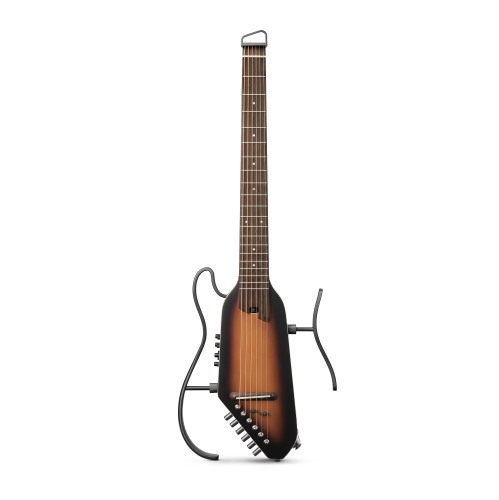
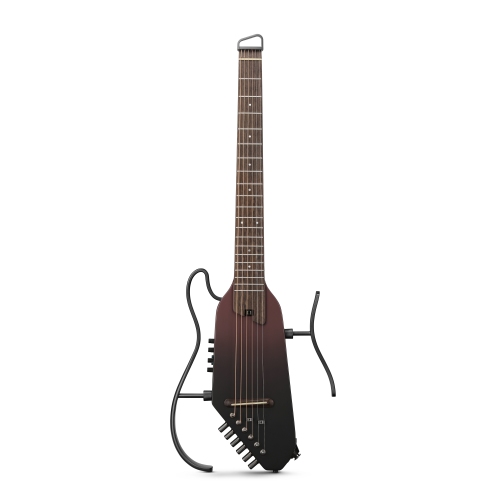
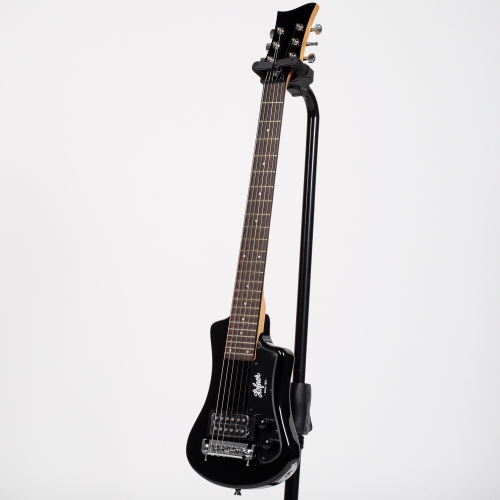
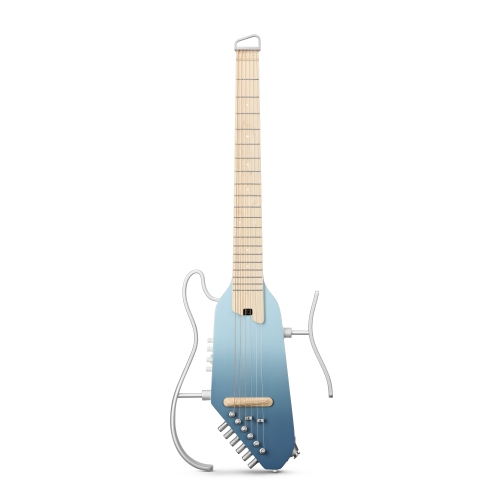
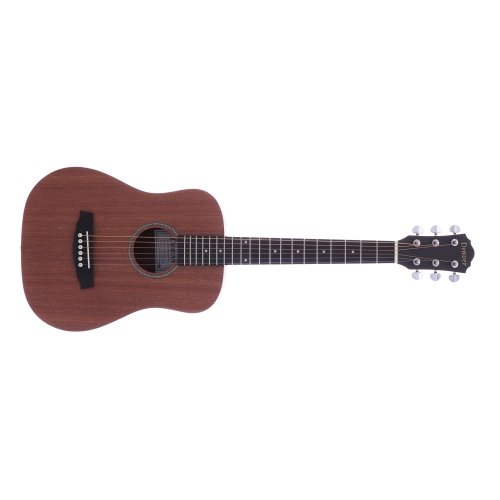
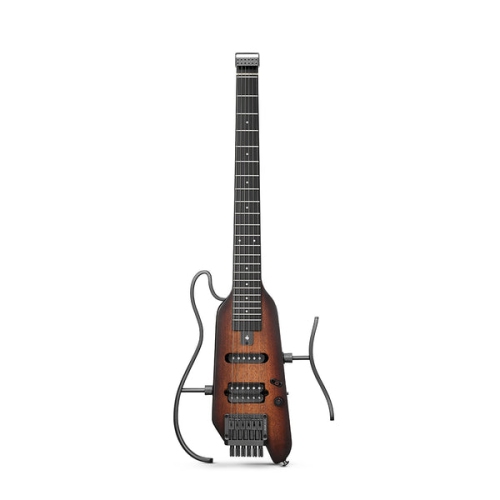
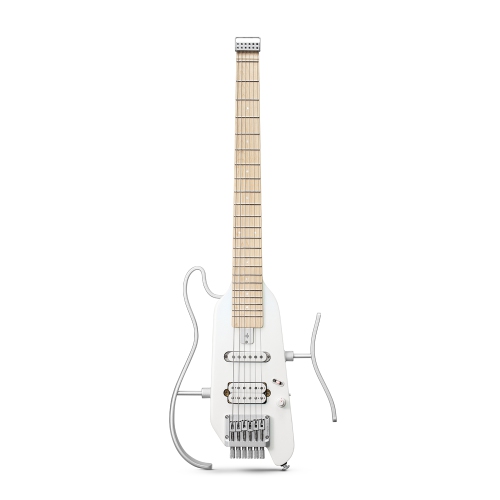
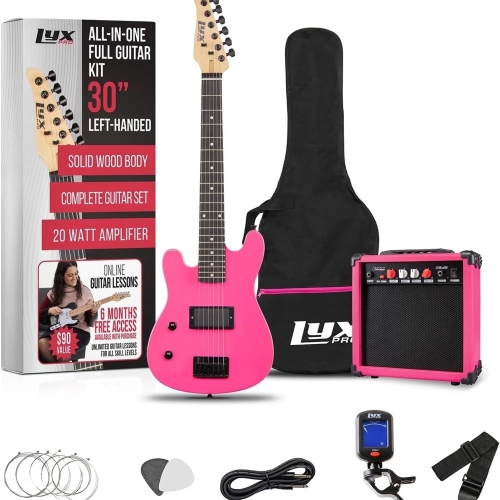
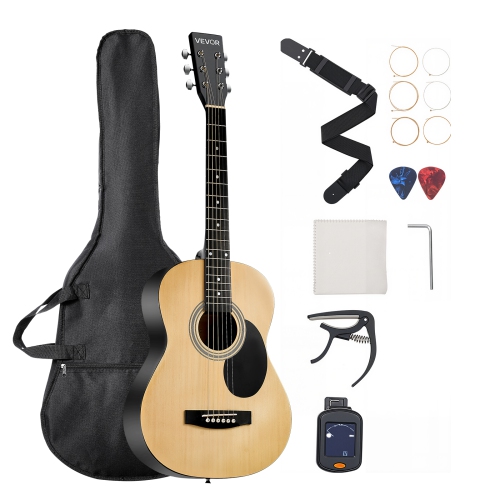
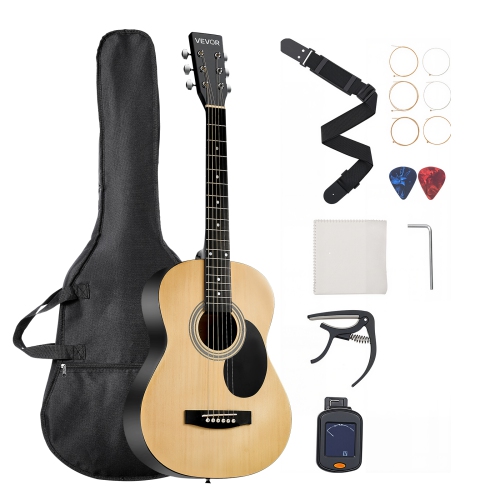
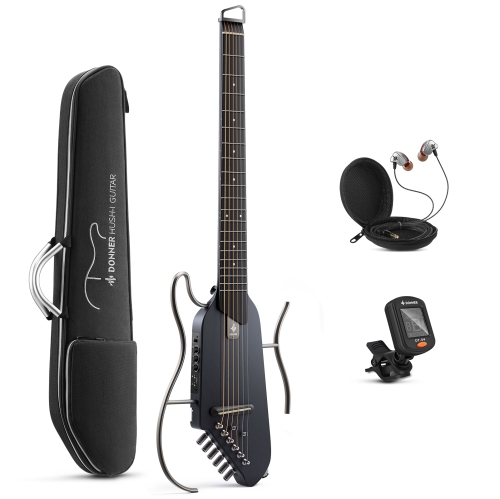
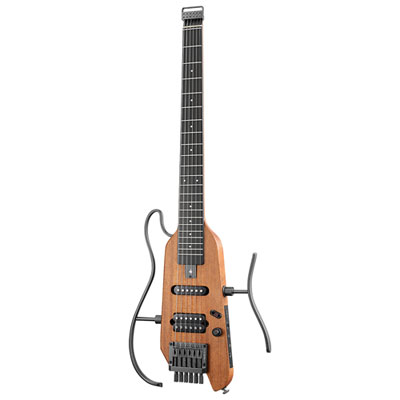
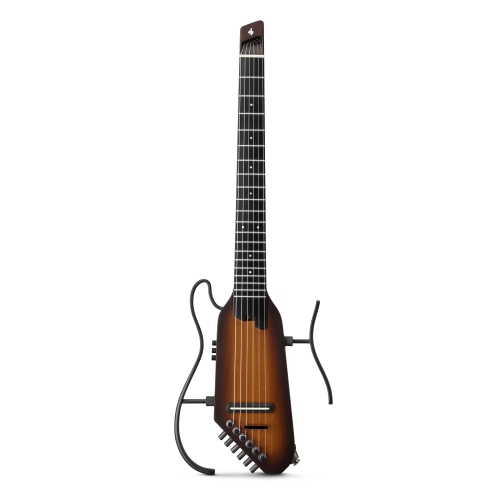
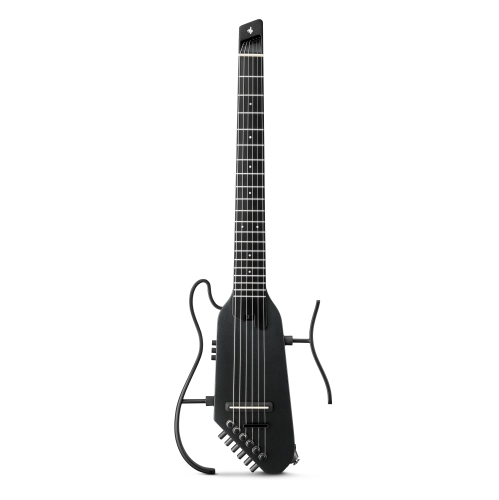
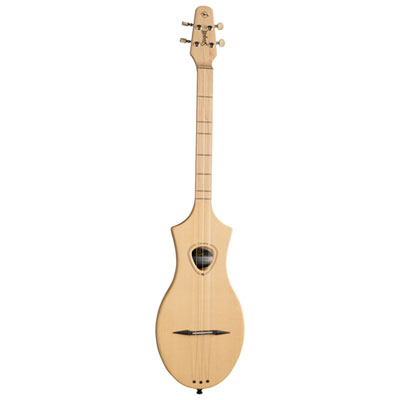
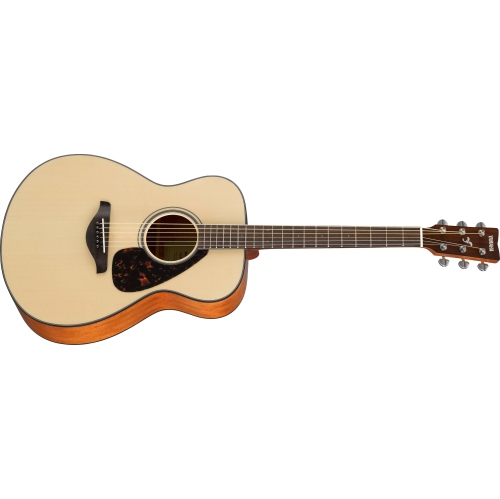
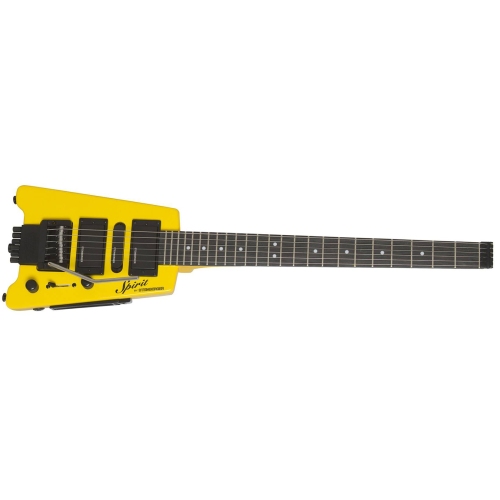
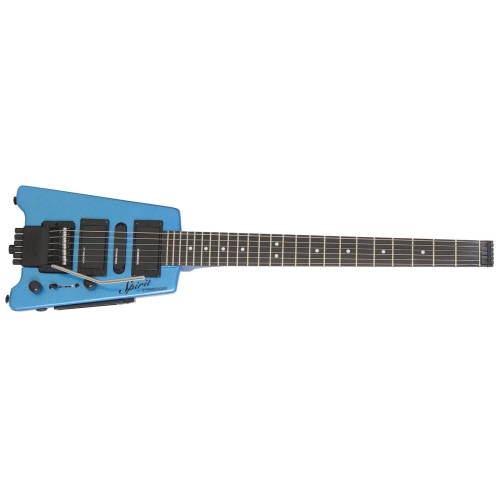
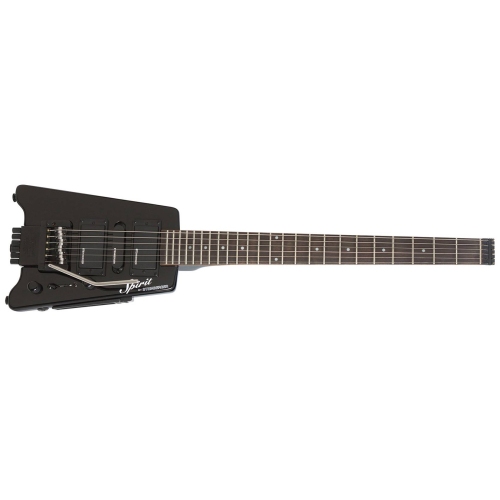
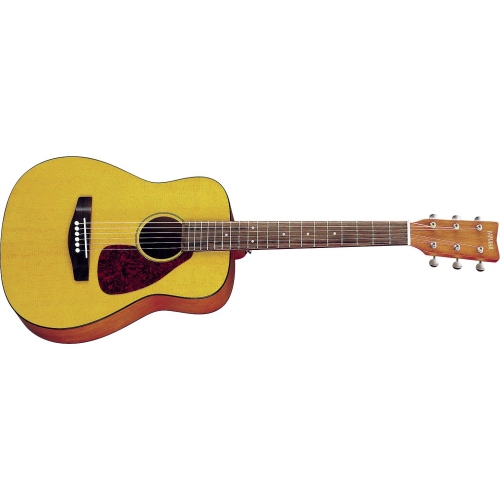
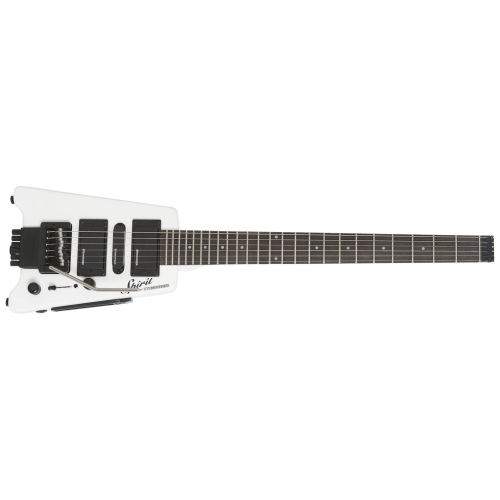
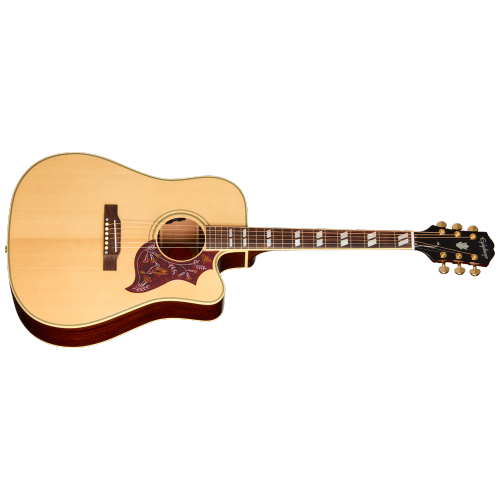
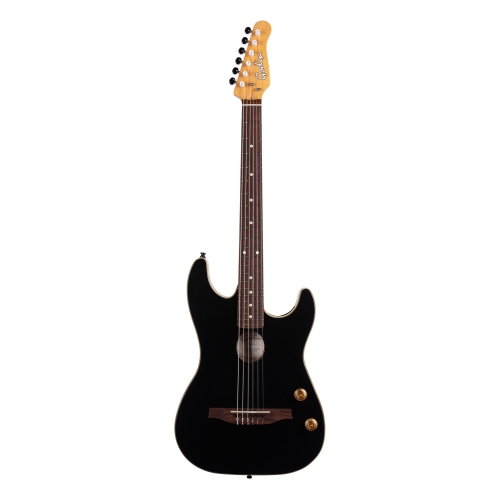
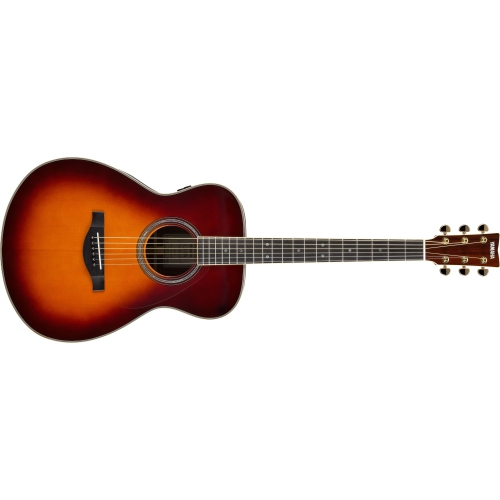
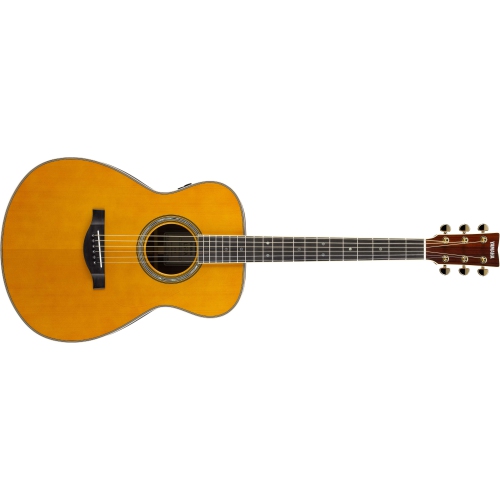
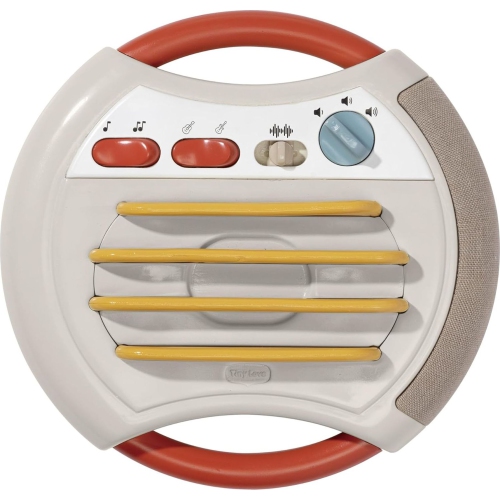
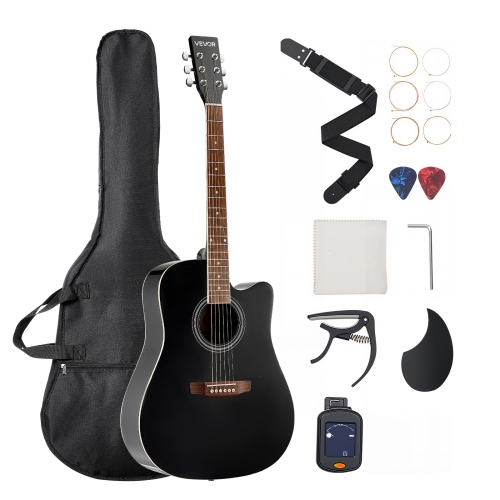
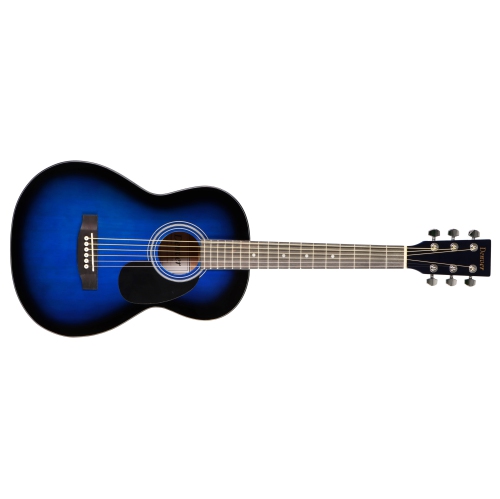

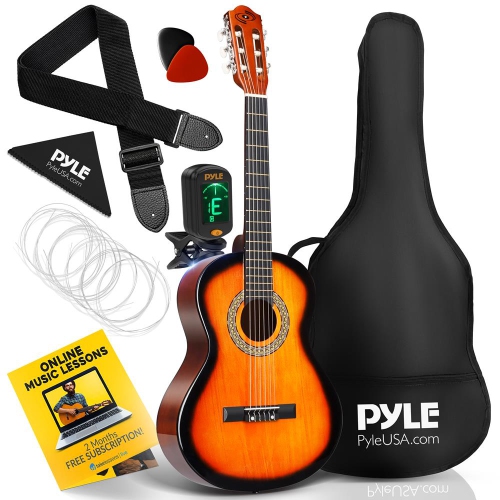
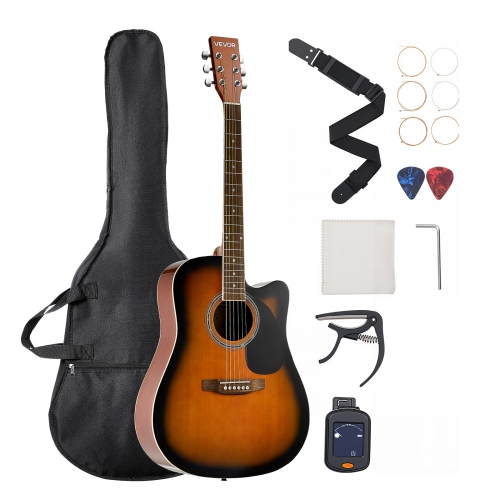
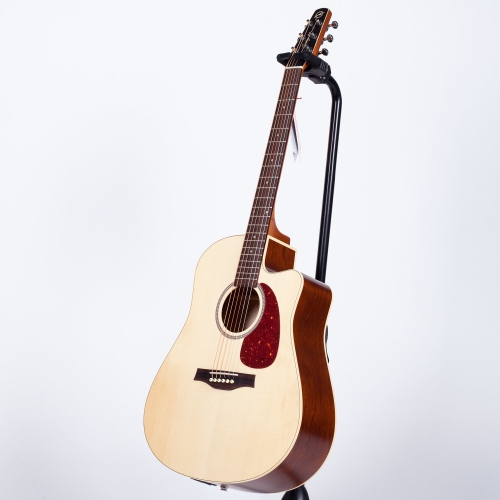
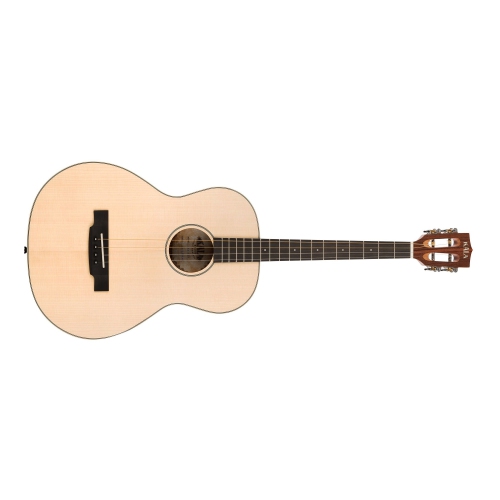
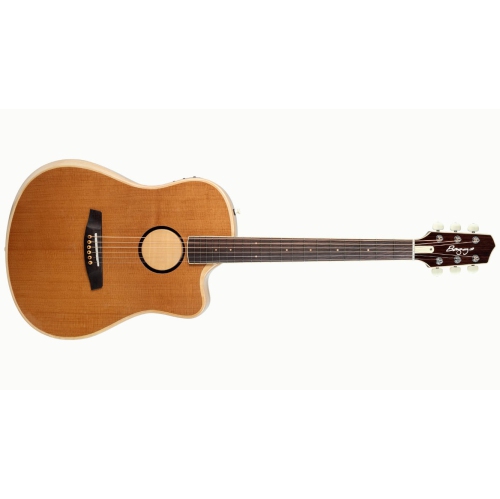
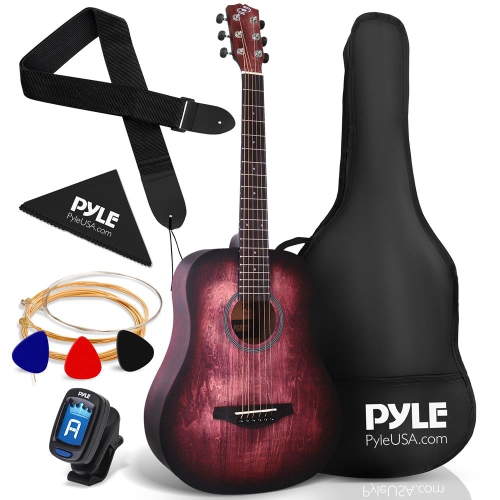
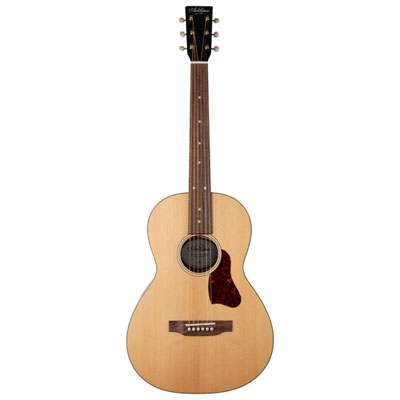
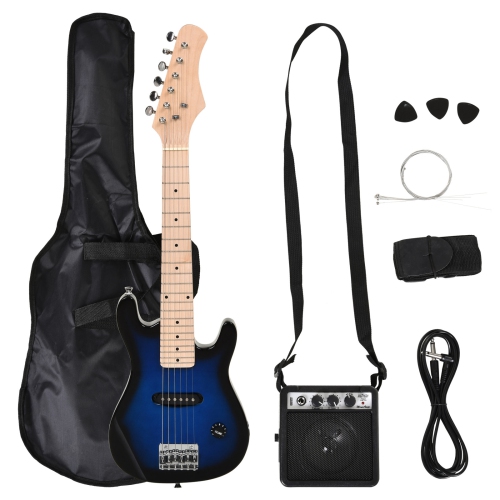
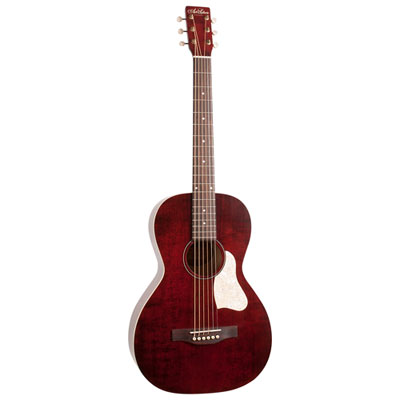
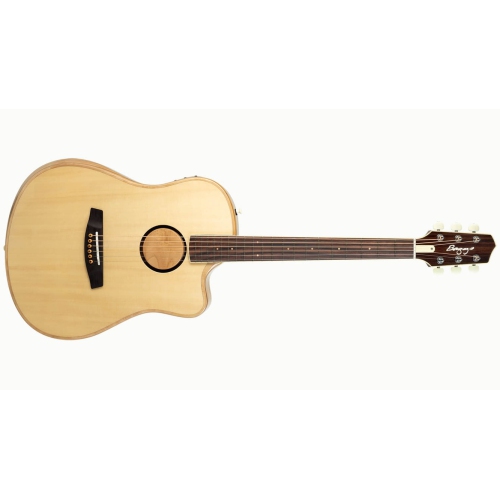

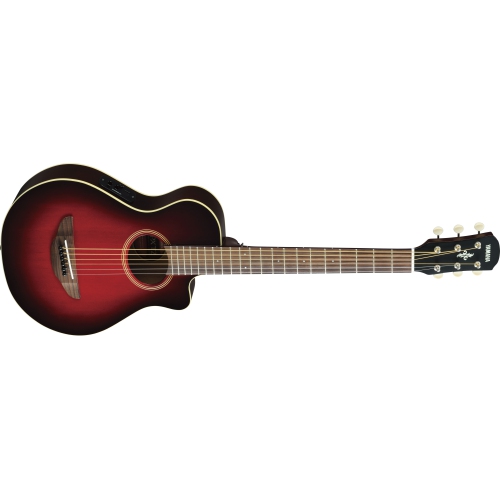
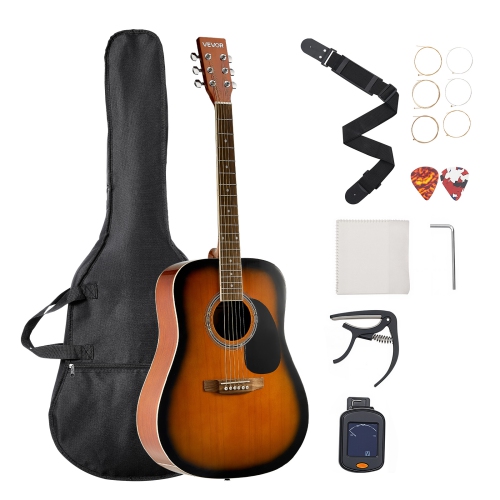
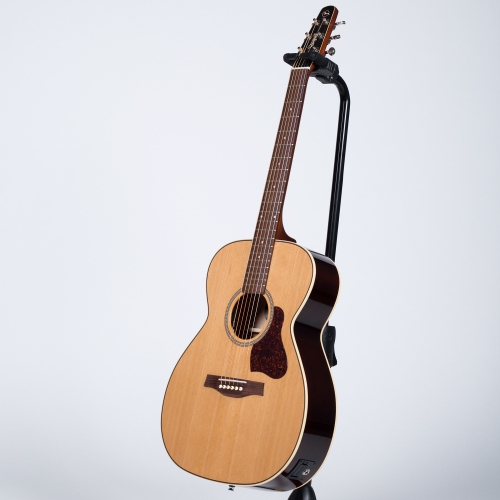
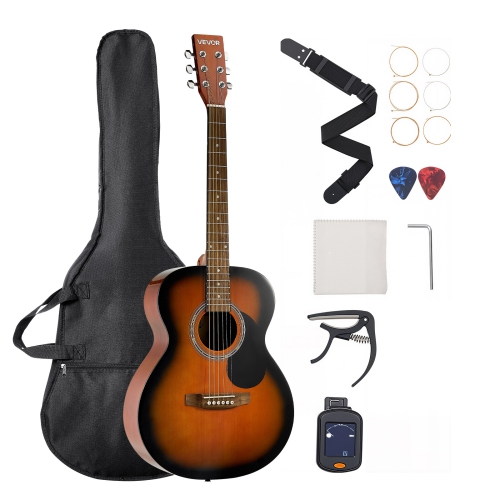
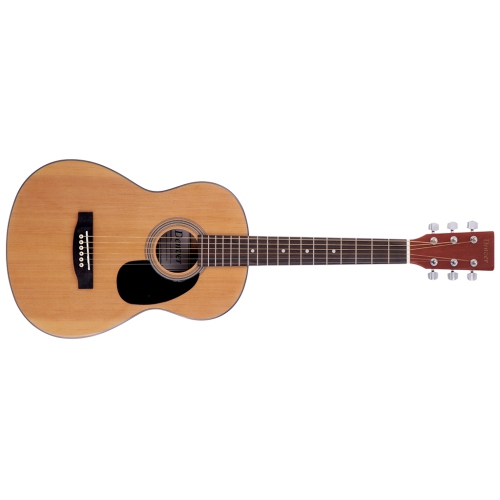
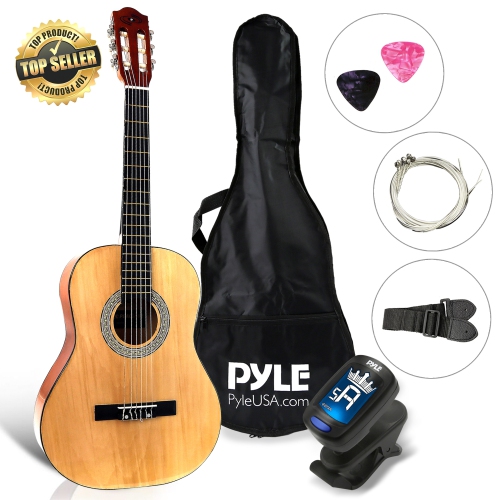
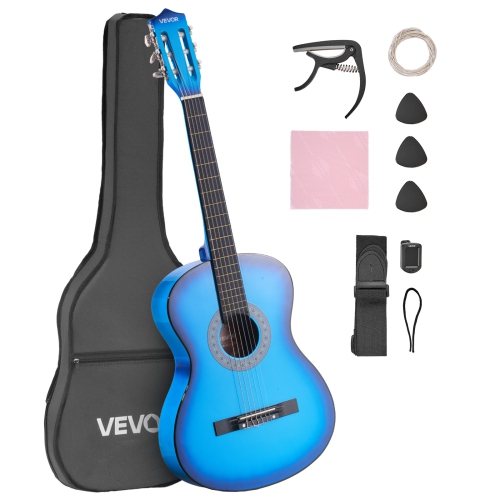
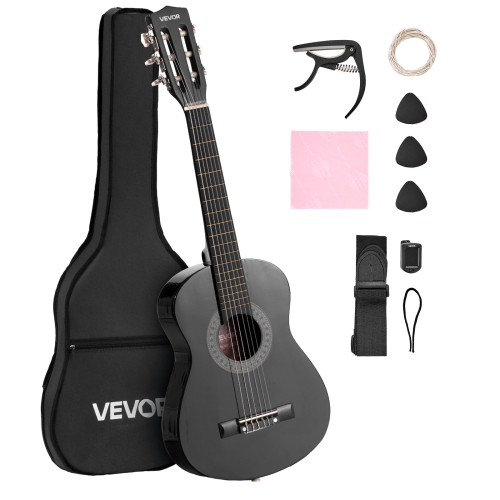
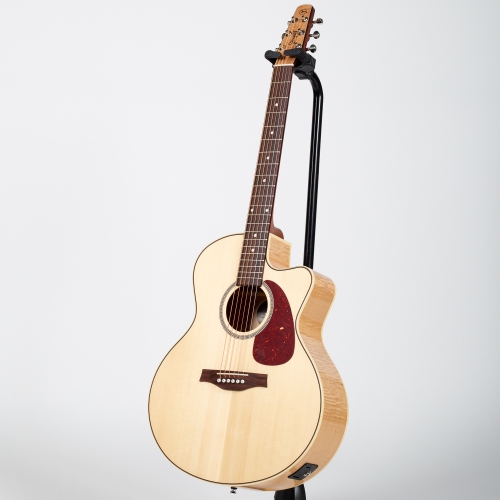
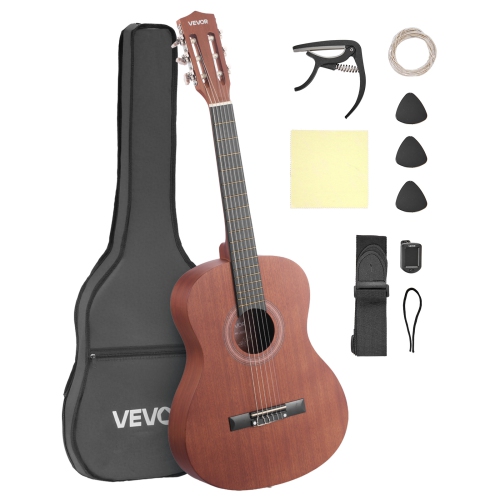
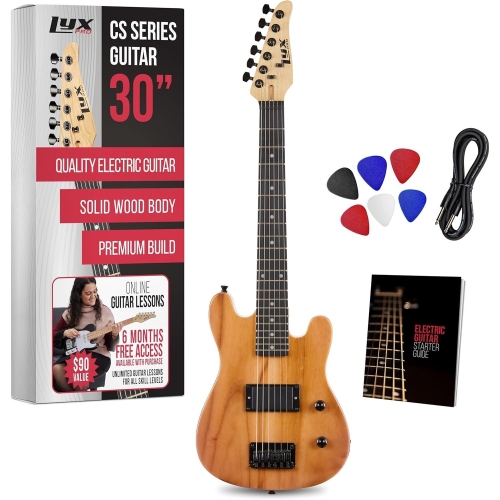
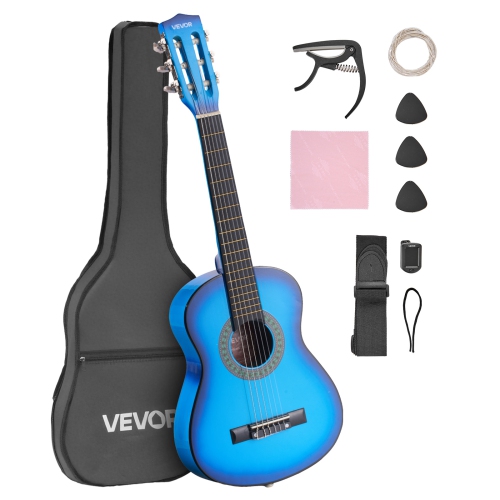
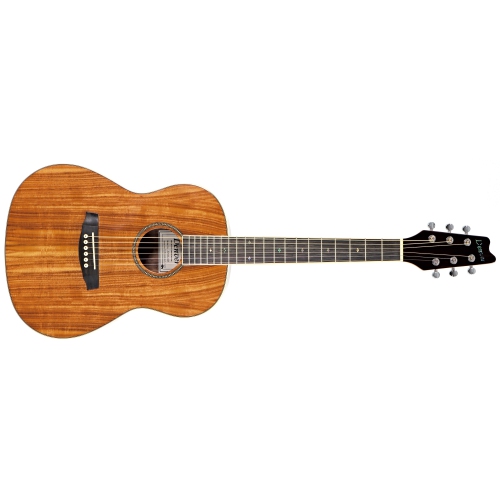
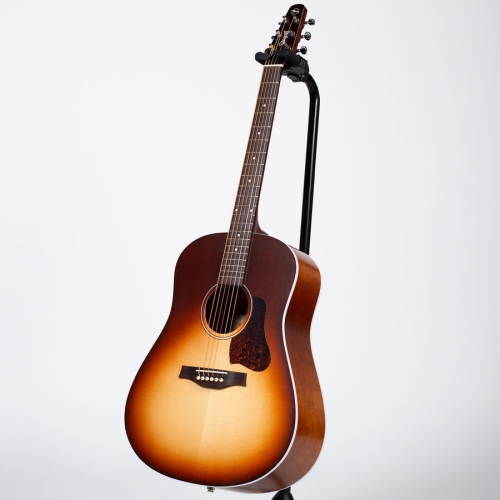
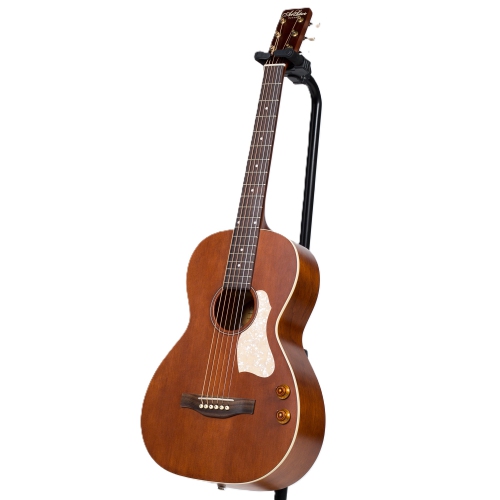
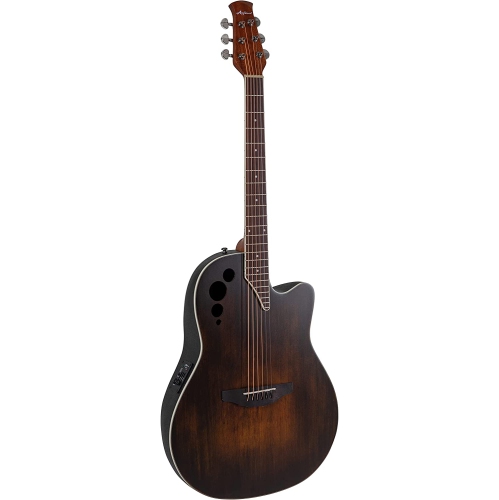
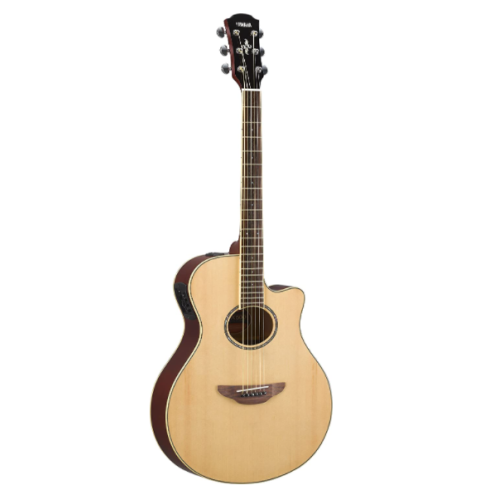
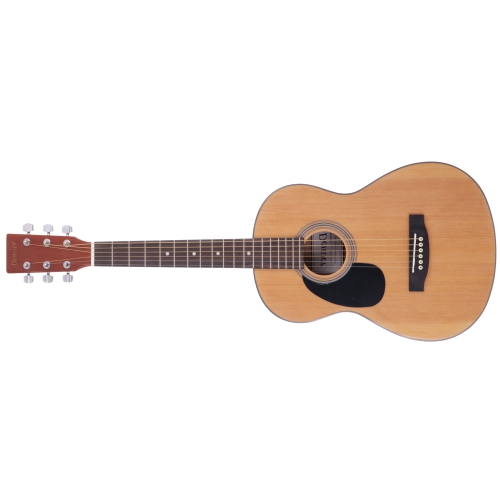
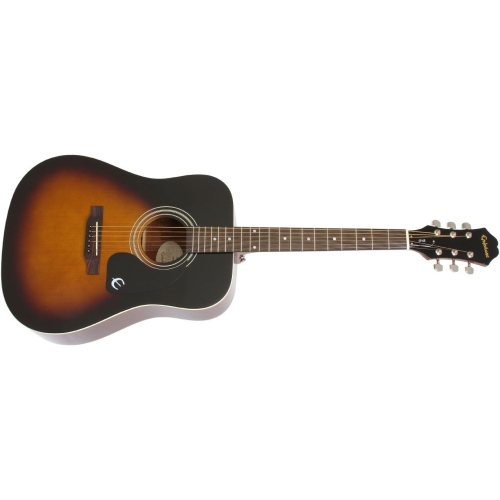
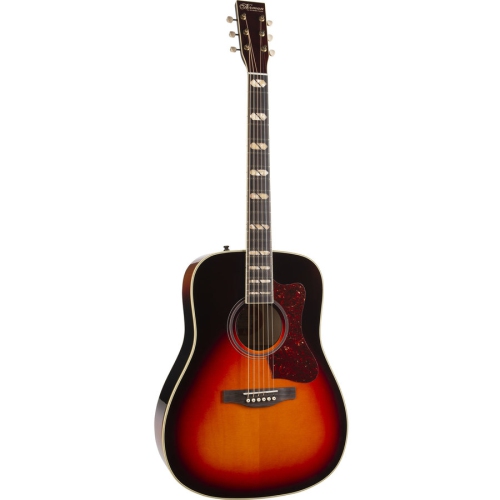
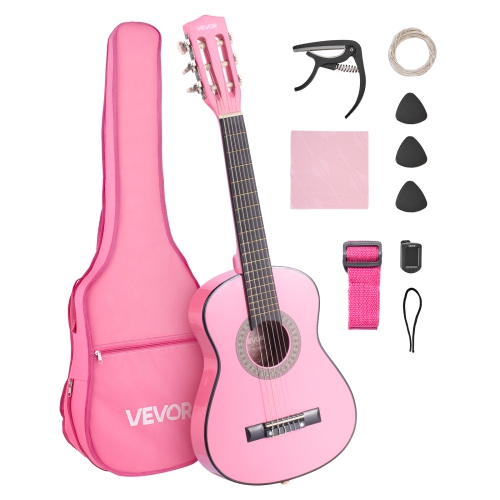
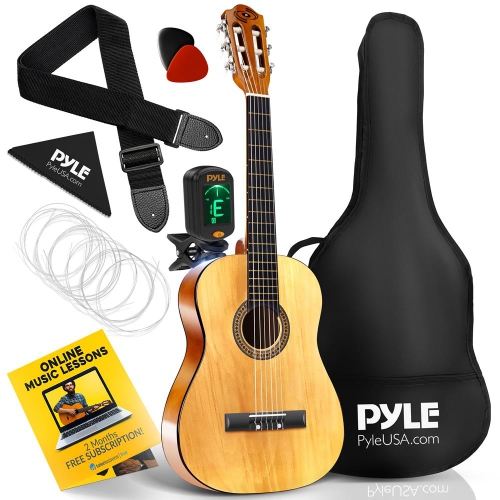
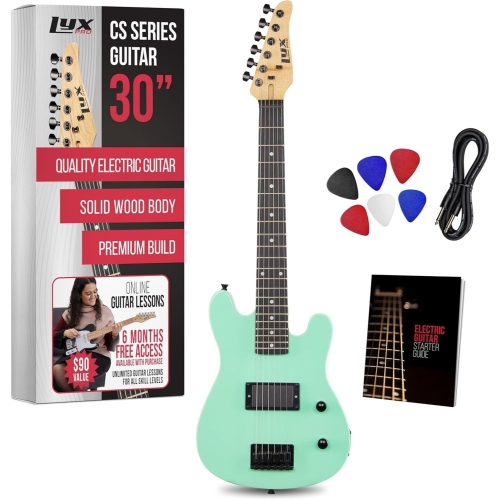
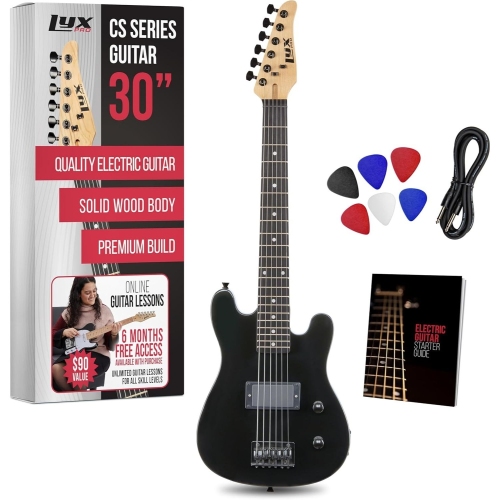

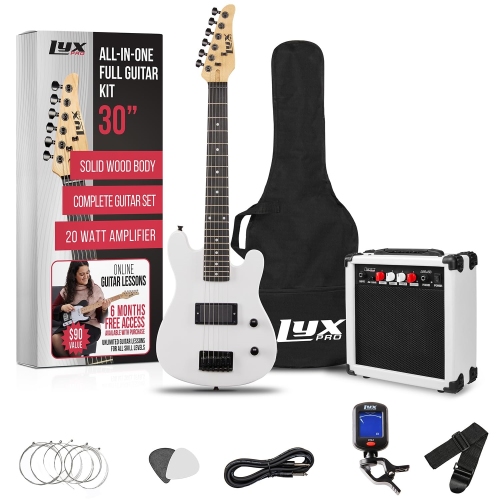
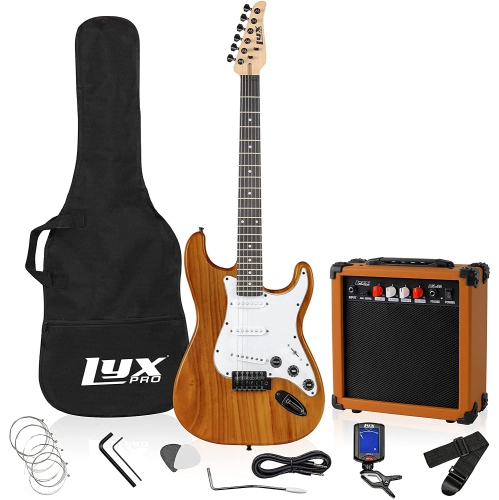
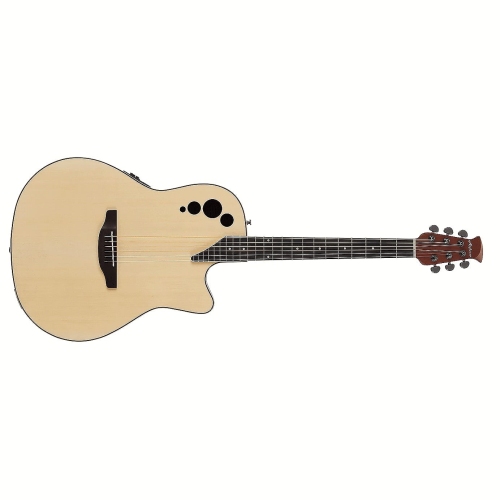
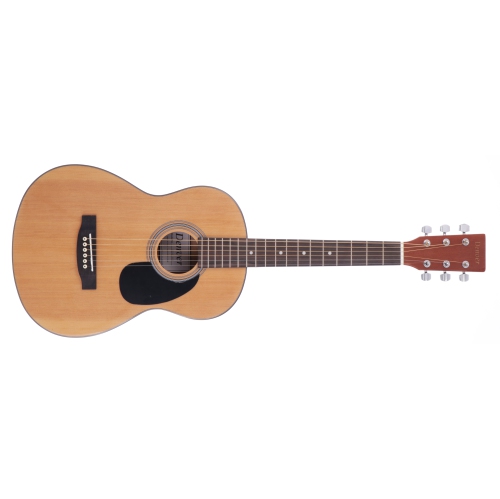

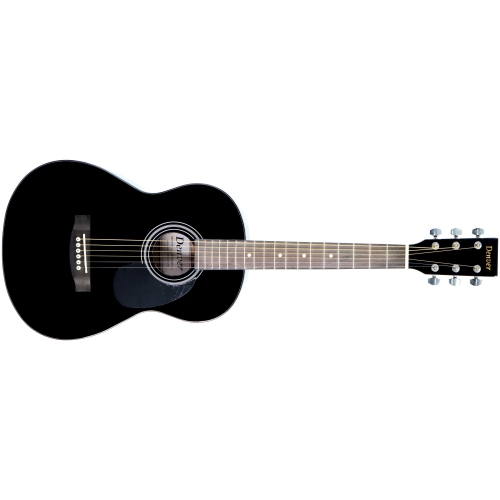
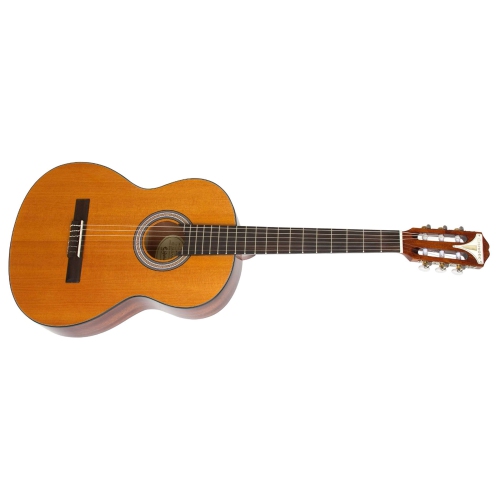

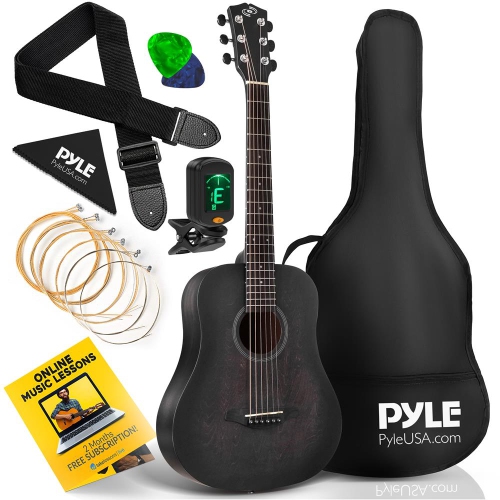
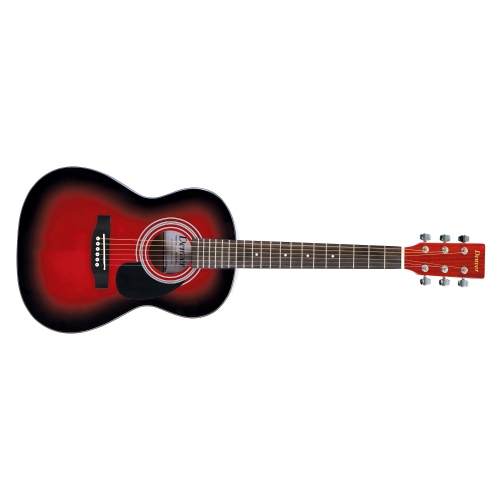
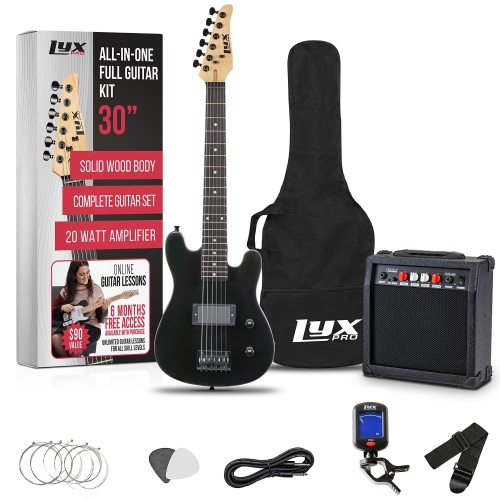
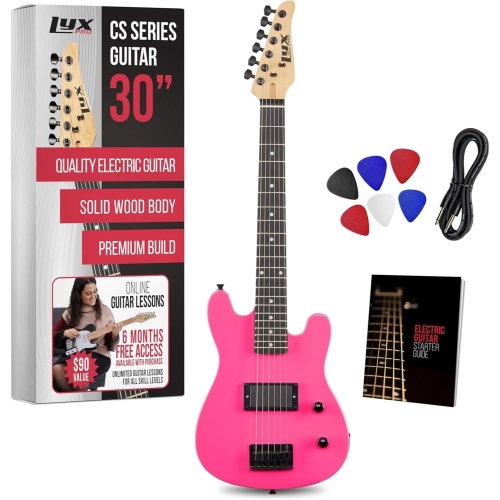
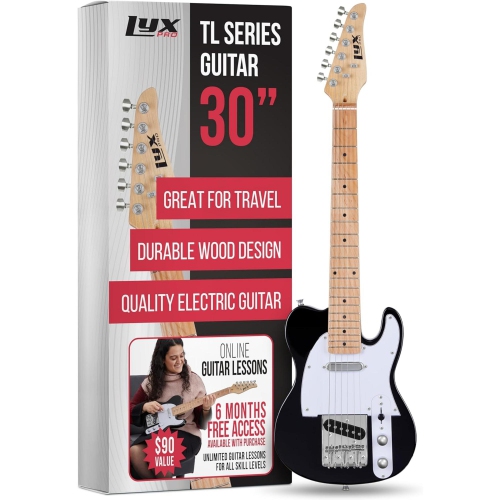
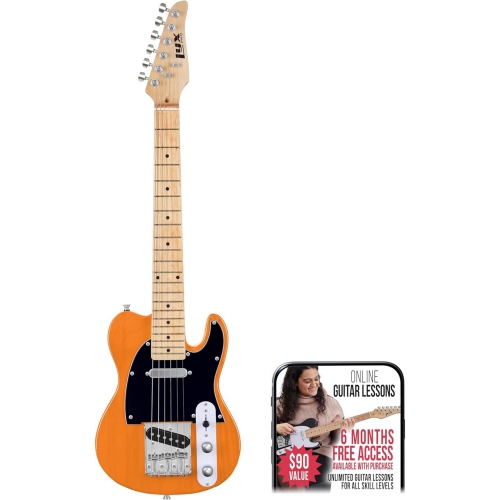
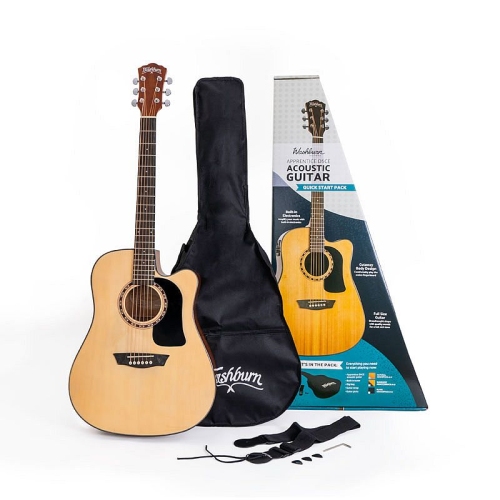
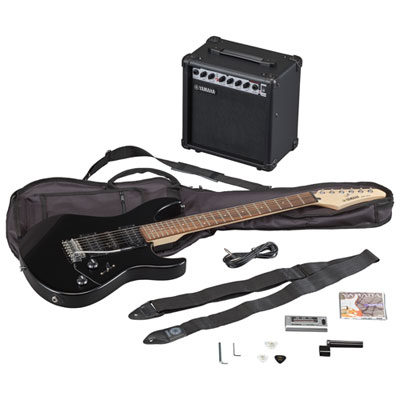
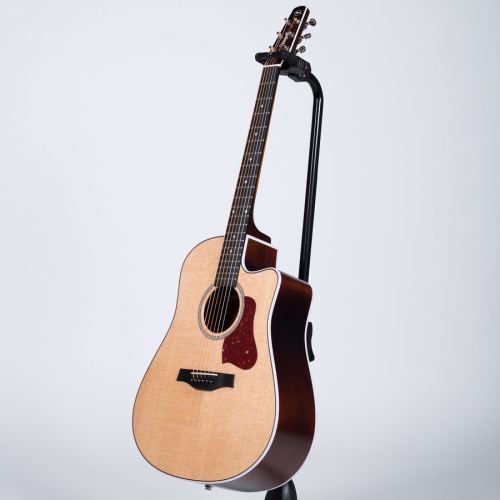
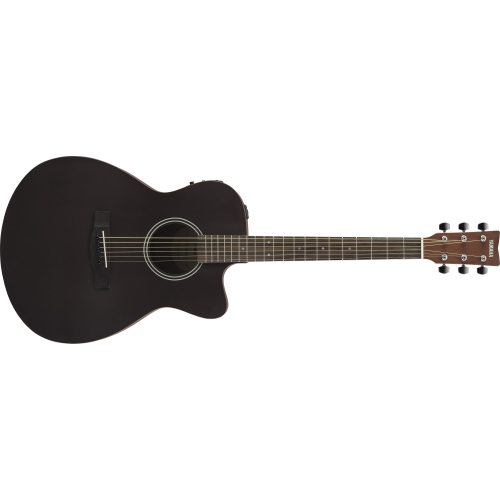
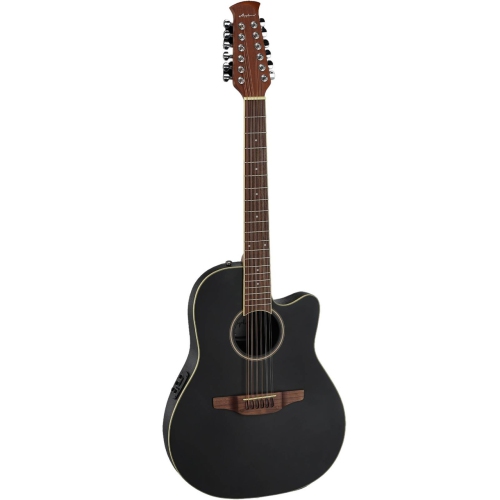

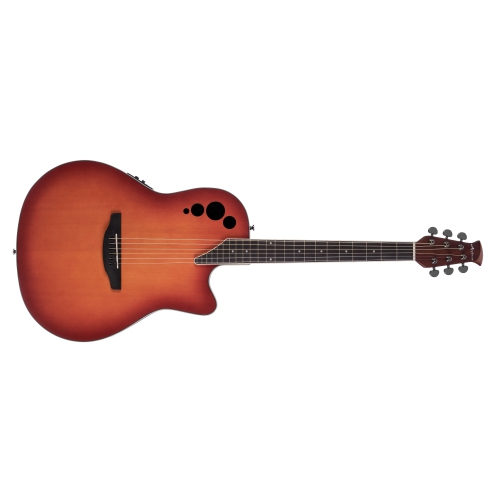
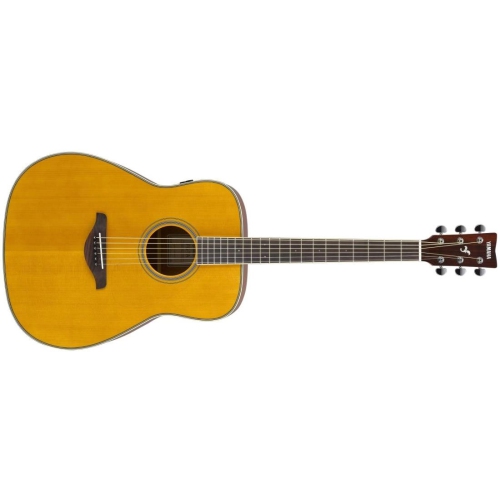
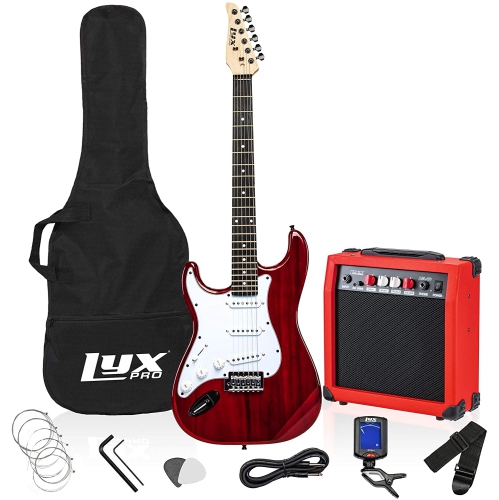
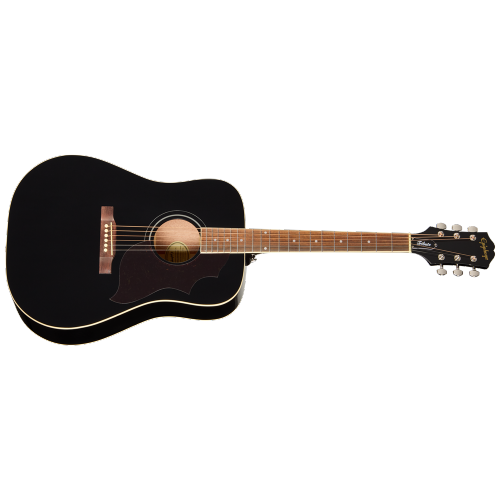
Compact instruments for playing wherever the day leads
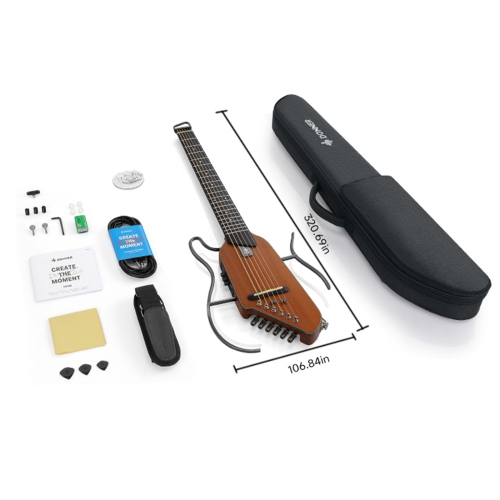
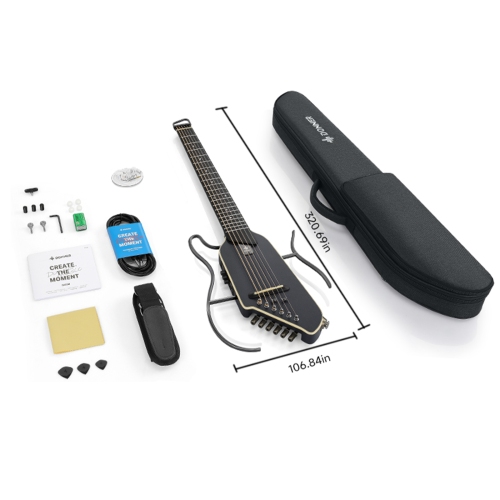
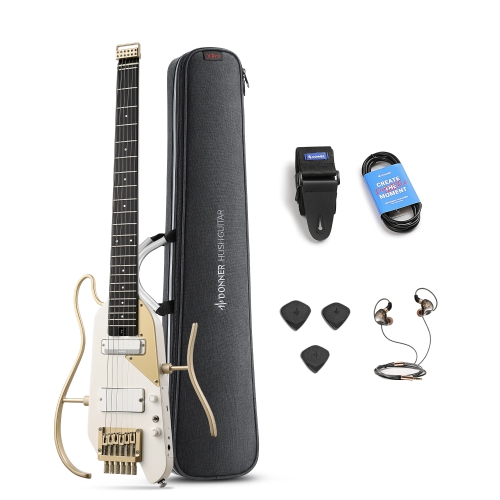
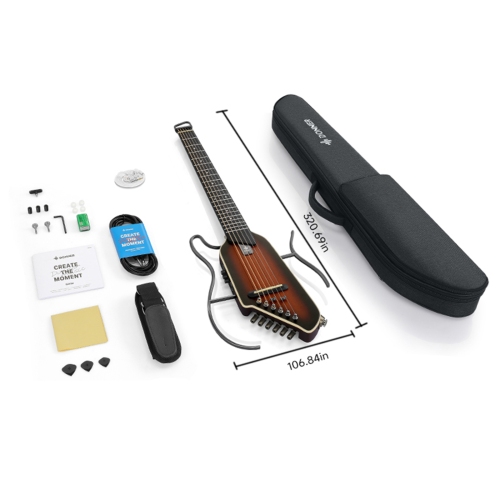
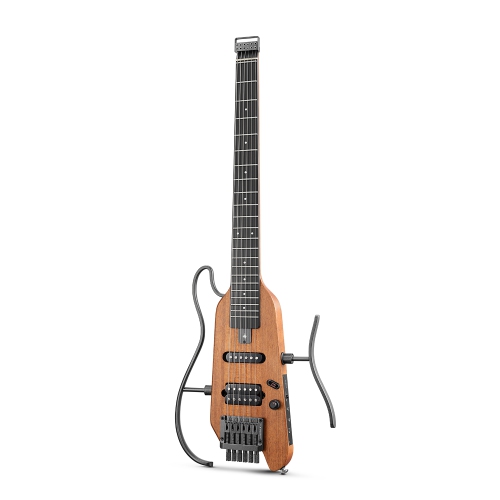
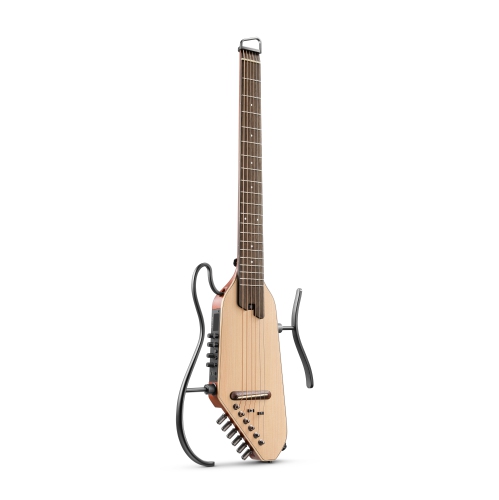
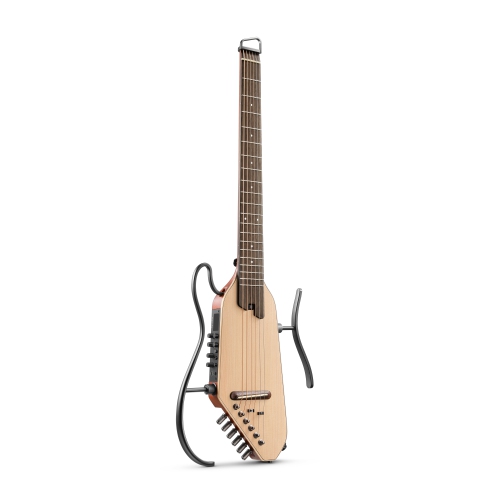
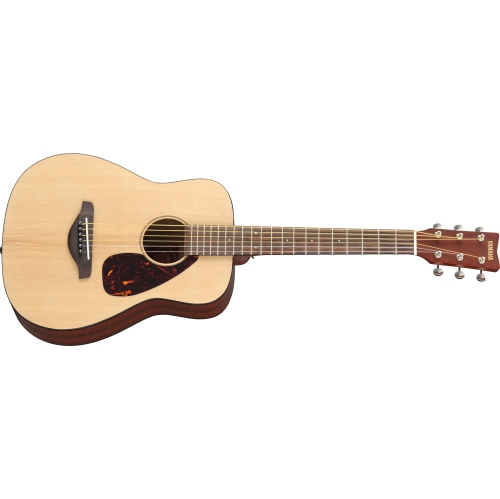
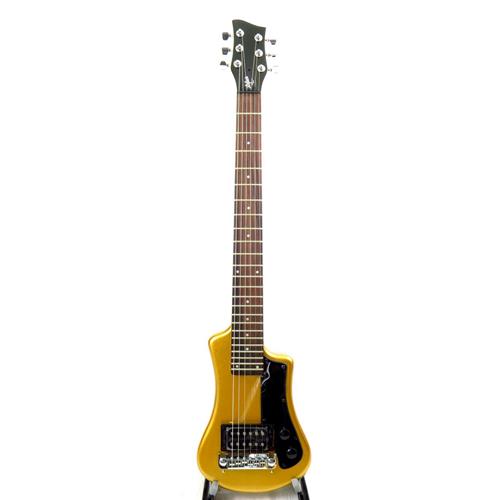
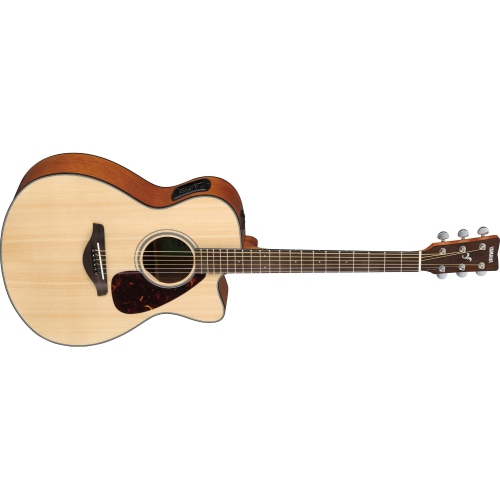
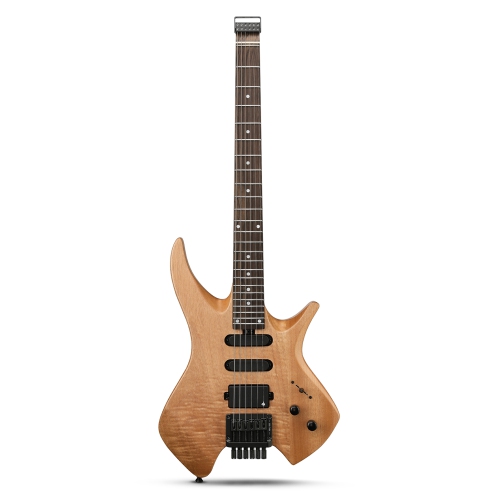
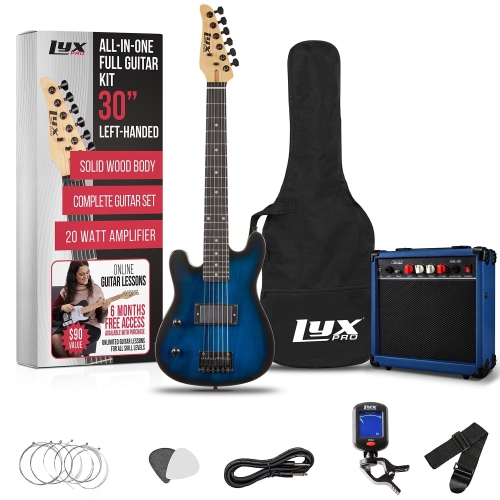
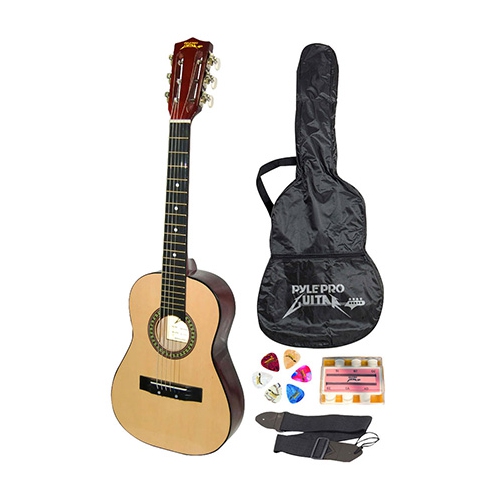
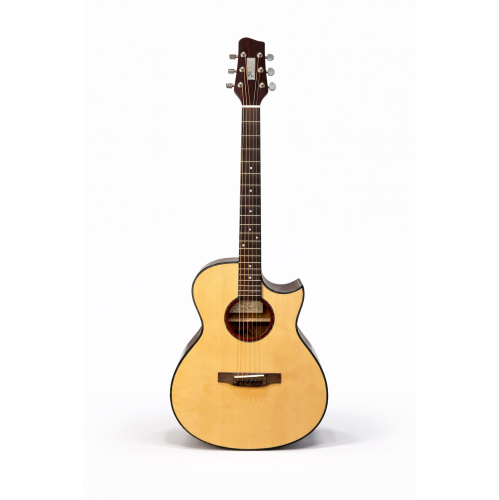
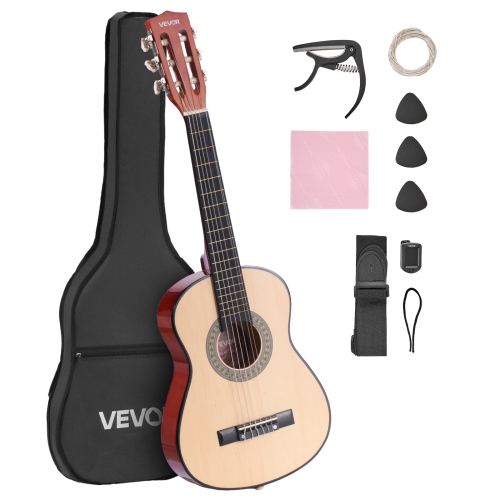
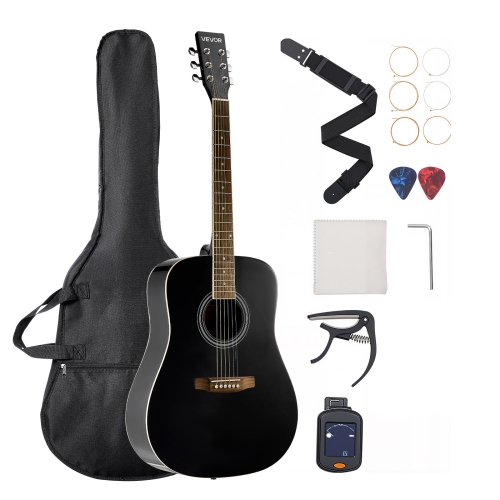
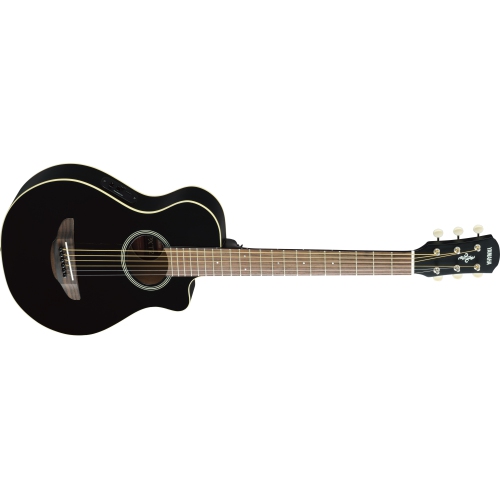
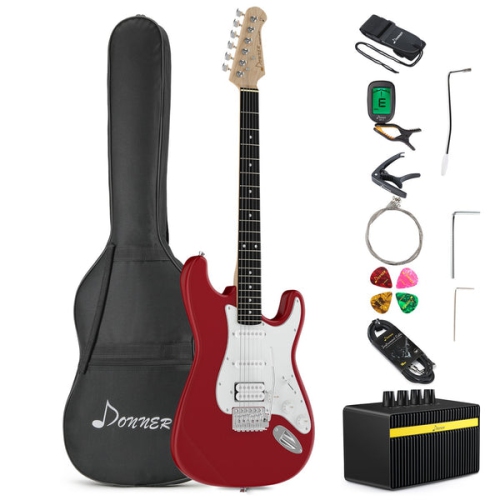
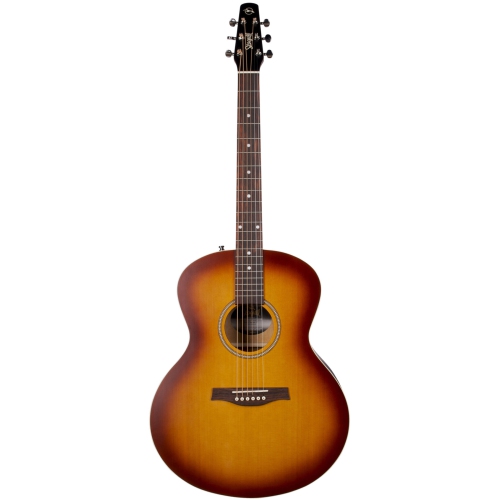
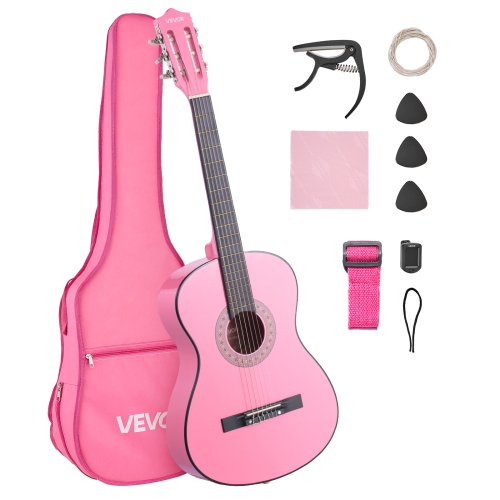
Travel guitars are compact instruments designed to make playing easier when a full-size guitar would be inconvenient to pack. They are useful for musicians who travel by car, plane, train, bicycle or on foot, as well as for anyone who wants an instrument that can be kept close at hand in a smaller living space. A travel guitar may have a reduced body, a shorter overall length, a headless design or a neck and body that can be separated for transport. Despite their smaller proportions, many are built to provide a familiar playing experience, making them suitable for practice, songwriting, lessons, campfire sessions and informal performances. Small-body acoustic models offer the natural resonance and simple setup many players enjoy, although their compact sound chambers may produce less volume and bass than a traditional dreadnought or jumbo guitar. This can be an advantage in a quiet room, hotel or shared accommodation where a more restrained sound is welcome. Electric and silent travel guitars can be especially practical for late-night practice because they can be paired with headphones, a small amplifier or a multi-effects unit. Players who prefer the feel of a standard neck may want to look for a full-scale design that keeps conventional fret spacing while reducing the instrument’s length through a headless layout. Short-scale guitars can be easier to handle for children, beginners and players with smaller hands, but the reduced distance between frets may feel different to someone accustomed to a full-size instrument. Scale length, body depth, neck profile and string tension all affect comfort, so checking the specifications before ordering is an important part of choosing well.
Portability is often the main reason to shop for a travel guitar, but the right option depends on how and where it will be used. For road trips, a compact acoustic may simply need to fit securely in a vehicle alongside luggage, while air travellers may place greater importance on overall dimensions, weight and the included gig bag. Airline carry-on policies vary, and an instrument that fits in an overhead compartment on one aircraft may require different handling on another, so it is wise to confirm current carrier requirements before travelling. A padded case helps protect the finish, tuning machines, bridge and neck from knocks, while backpack-style straps make longer walks between terminals, campsites or accommodation more comfortable. Consider whether the guitar has space for accessories such as a tuner, spare strings, picks, a strap, cables or a capo, and check if these items can fit in the case without pressing against the instrument. Acoustic players should think about projection, onboard electronics and whether the guitar includes a pickup for connecting to an amplifier or sound system. Electric players may want to compare pickup configuration, output type, scale length and access to the upper frets, particularly if the instrument will be used for serious practice rather than occasional strumming. Tuning stability is another useful consideration: compact guitars can respond noticeably to changes in temperature, humidity and string tension, so a reliable tuner and a short settling-in period are helpful after unpacking. Players who move between indoor and outdoor settings should also allow the instrument time to adjust gradually to its surroundings. A travel guitar can be used beside a lake during the warmer season, in a quiet rental during a road trip or beside a fireplace during the cooler months, but it should be stored safely when not in use and protected from direct heat, rain and extreme temperature changes.
Travel guitars can also make thoughtful gifts for a guitarist, songwriter, student or music enthusiast who enjoys taking an instrument beyond the usual practice room. They are practical for a university student moving between home and residence, a performer who needs a backup instrument, or an experienced player looking for a compact companion for writing ideas on the go. A smaller guitar may also suit a young player who is beginning lessons, provided the scale length and neck shape feel comfortable and the instrument is properly set up. When selecting a gift, consider the recipient’s playing style before focusing on appearance: a fingerstyle player may value a comfortable neck and clear response, while a singer-songwriter may prioritize acoustic projection, a built-in pickup and easy access to a strap. Someone who already owns a full-size acoustic may appreciate a compact acoustic for travel, whereas an electric player may prefer a quiet practice instrument that works with headphones. Players looking for a focused electric option can explore Travel Electric Guitars for designs suited to amplified practice and portable performance. Whichever style fits best, look for sturdy construction, dependable tuning hardware, comfortable fret access and a case that matches the intended journey. The best travel guitar is the one that encourages regular playing: one that can be reached easily from a luggage compartment, carried through a busy terminal, set up in a small room or brought outdoors without becoming a burden. With the right balance of scale, sound, durability and packability, a travel guitar keeps music within reach wherever the day leads.
Portability is often the main reason to shop for a travel guitar, but the right option depends on how and where it will be used. For road trips, a compact acoustic may simply need to fit securely in a vehicle alongside luggage, while air travellers may place greater importance on overall dimensions, weight and the included gig bag. Airline carry-on policies vary, and an instrument that fits in an overhead compartment on one aircraft may require different handling on another, so it is wise to confirm current carrier requirements before travelling. A padded case helps protect the finish, tuning machines, bridge and neck from knocks, while backpack-style straps make longer walks between terminals, campsites or accommodation more comfortable. Consider whether the guitar has space for accessories such as a tuner, spare strings, picks, a strap, cables or a capo, and check if these items can fit in the case without pressing against the instrument. Acoustic players should think about projection, onboard electronics and whether the guitar includes a pickup for connecting to an amplifier or sound system. Electric players may want to compare pickup configuration, output type, scale length and access to the upper frets, particularly if the instrument will be used for serious practice rather than occasional strumming. Tuning stability is another useful consideration: compact guitars can respond noticeably to changes in temperature, humidity and string tension, so a reliable tuner and a short settling-in period are helpful after unpacking. Players who move between indoor and outdoor settings should also allow the instrument time to adjust gradually to its surroundings. A travel guitar can be used beside a lake during the warmer season, in a quiet rental during a road trip or beside a fireplace during the cooler months, but it should be stored safely when not in use and protected from direct heat, rain and extreme temperature changes.
Travel guitars can also make thoughtful gifts for a guitarist, songwriter, student or music enthusiast who enjoys taking an instrument beyond the usual practice room. They are practical for a university student moving between home and residence, a performer who needs a backup instrument, or an experienced player looking for a compact companion for writing ideas on the go. A smaller guitar may also suit a young player who is beginning lessons, provided the scale length and neck shape feel comfortable and the instrument is properly set up. When selecting a gift, consider the recipient’s playing style before focusing on appearance: a fingerstyle player may value a comfortable neck and clear response, while a singer-songwriter may prioritize acoustic projection, a built-in pickup and easy access to a strap. Someone who already owns a full-size acoustic may appreciate a compact acoustic for travel, whereas an electric player may prefer a quiet practice instrument that works with headphones. Players looking for a focused electric option can explore Travel Electric Guitars for designs suited to amplified practice and portable performance. Whichever style fits best, look for sturdy construction, dependable tuning hardware, comfortable fret access and a case that matches the intended journey. The best travel guitar is the one that encourages regular playing: one that can be reached easily from a luggage compartment, carried through a busy terminal, set up in a small room or brought outdoors without becoming a burden. With the right balance of scale, sound, durability and packability, a travel guitar keeps music within reach wherever the day leads.
Top selling and popular products
-
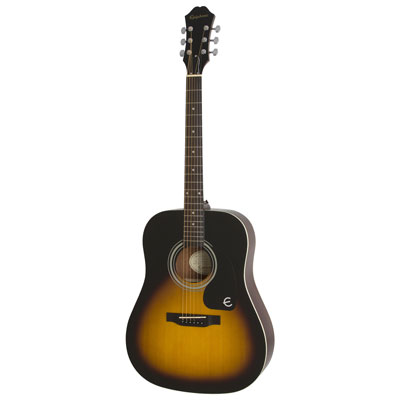 Your price for this item is $259.99
 -
 Your price for this item is $279.99
 -
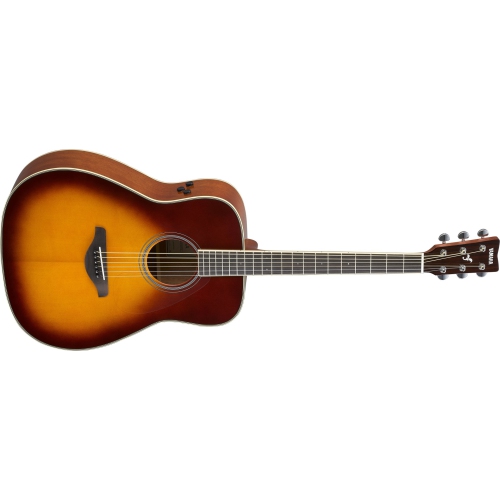 Your price for this item is $999.99
 -
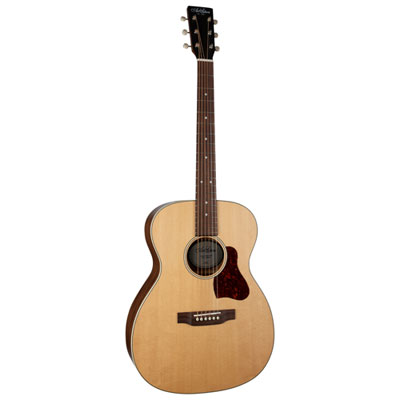 Your price for this item is $599.99
 -
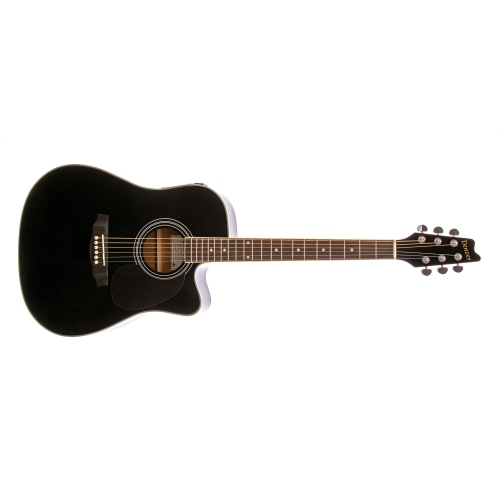 Your price for this item is $269.99
 -
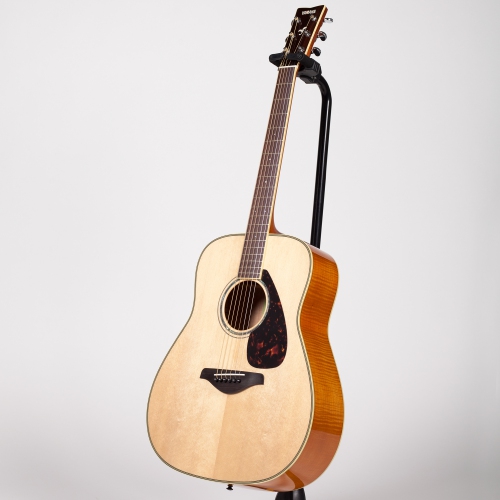 Your price for this item is $649.99
 -
 Your price for this item is $459.99
 -
 Your price for this item is $918.85
Discover more categories related to Travel Guitars
Top Collections:
Pokemon Centers, Best Cameras for Sports Photography, Kindle Devices, Samsung Galaxy Phones, Canon G7X Cameras, Pokémon 30th Celebration Cards, Refurbished Apple Laptops, iPhone 15 Apple, Laptops for Students, Budget Smartphones
Some products may be subject to Environmental Handling Fees
(EHF) depending on your province.
Learn more about EHFs.