Vintage Acoustic Guitars
Explore the timeless beauty and rich, warm tones of vintage acoustic guitars in our collection. Each instrument tells a unique story through its aged wood, exquisite craftsmanship, and soulful resonance. Whether you're a seasoned musician or a passionate collector, these vintage acoustic guitars offer a classic sound that transcends time and captivates music lovers of all generations. Discover the charm and character of these iconic instruments that have stood the test of time, ready to inspire your next melody or become a treasured addition to your musical repertoire.
Sort





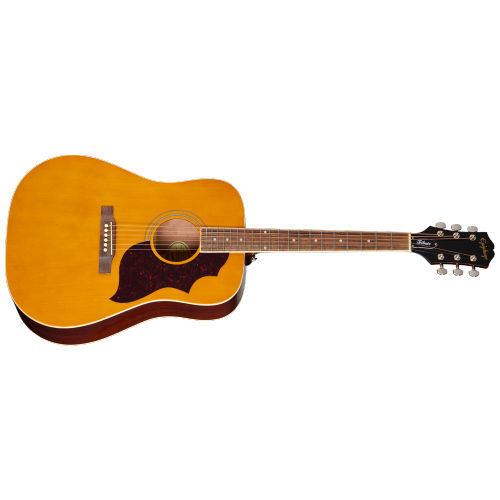

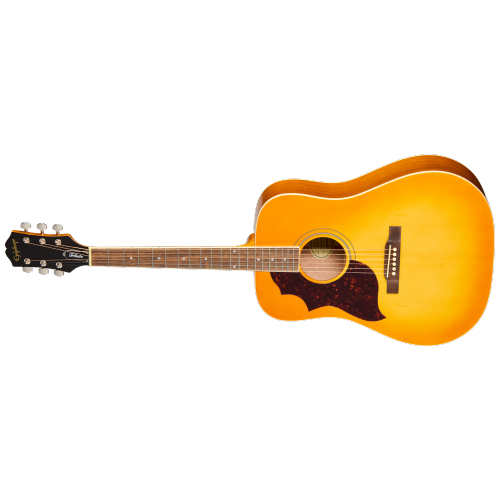

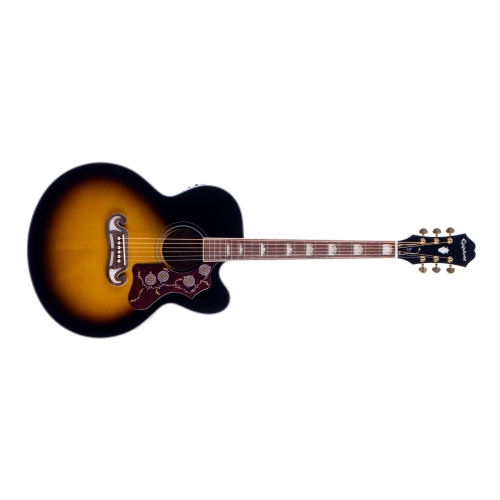
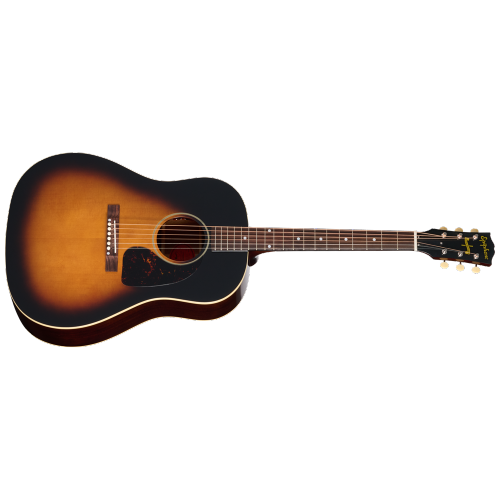
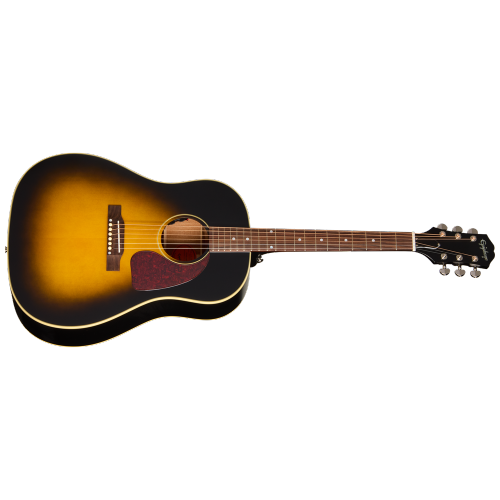
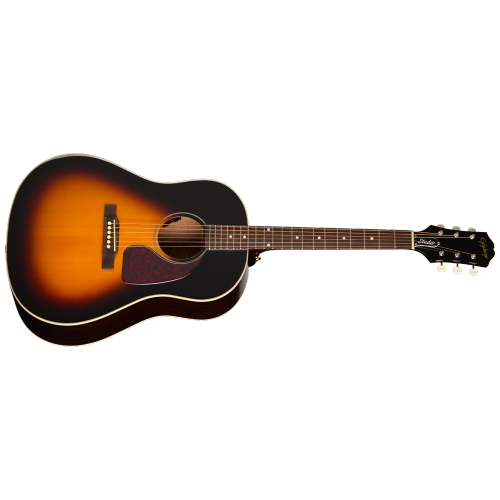

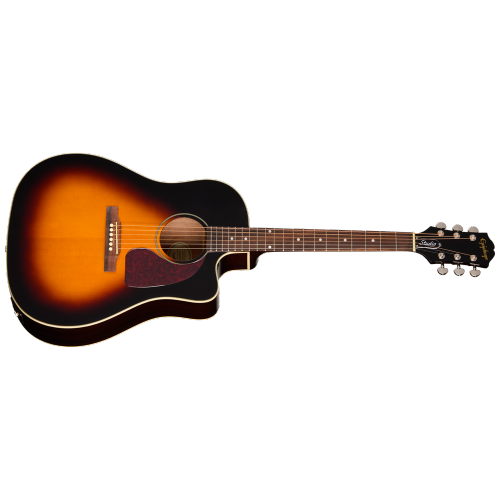
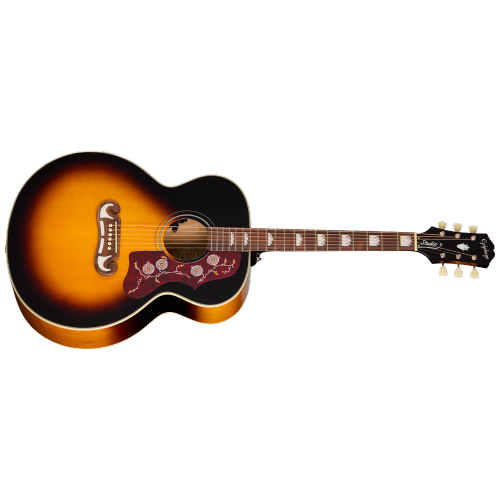
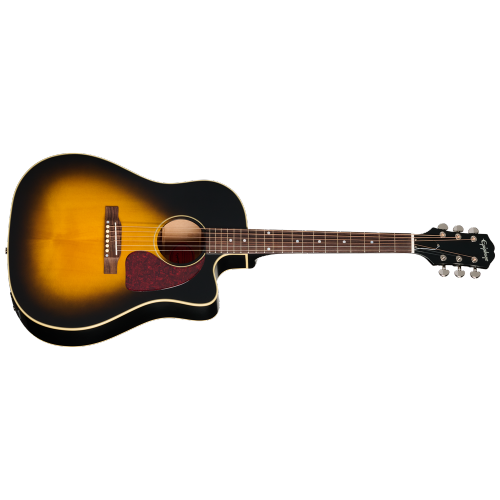
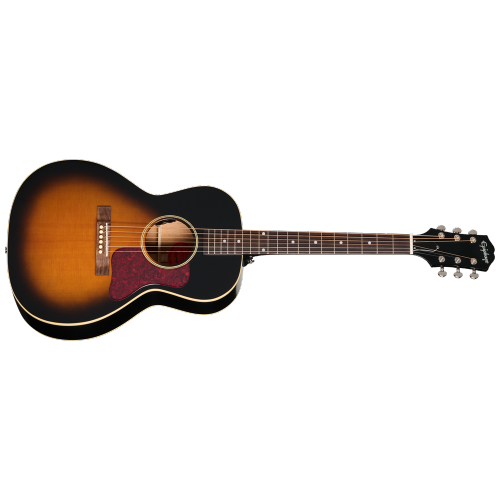
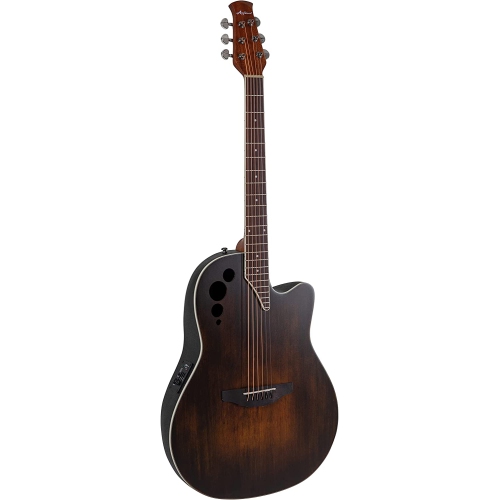
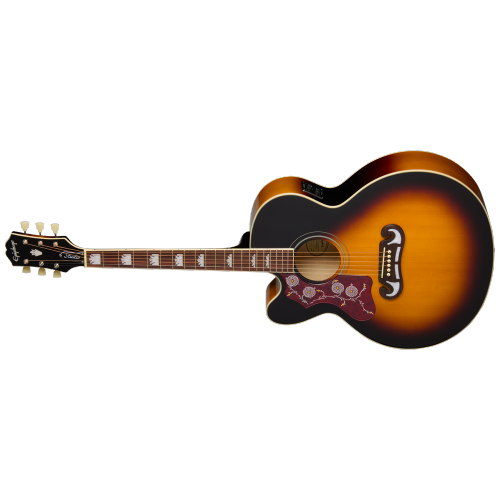


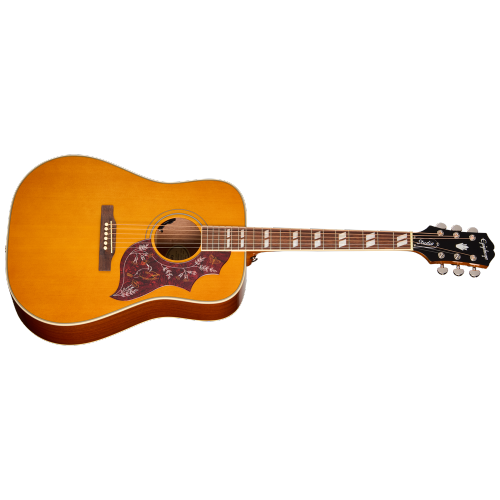

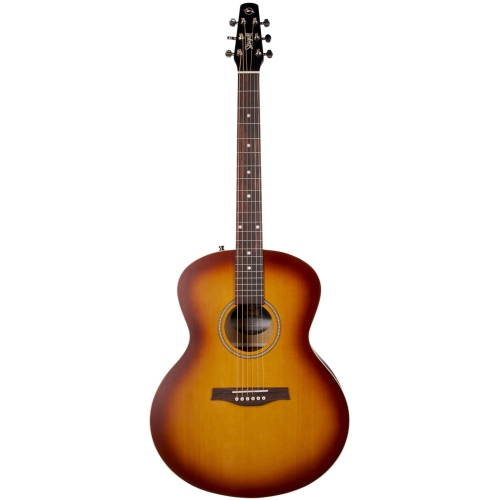
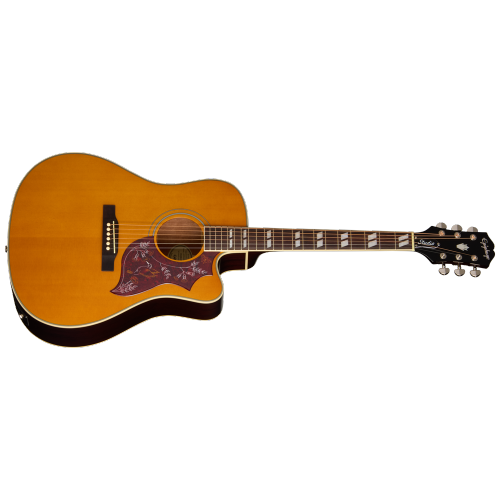
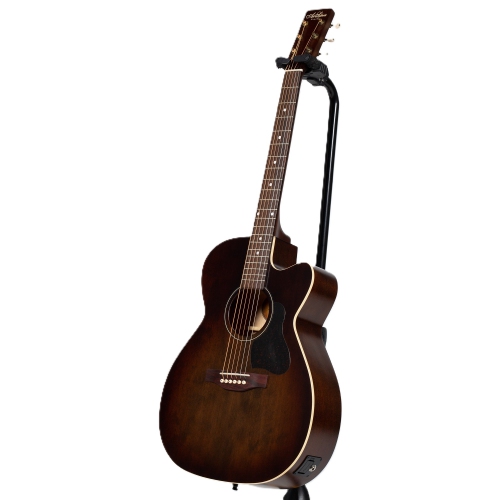
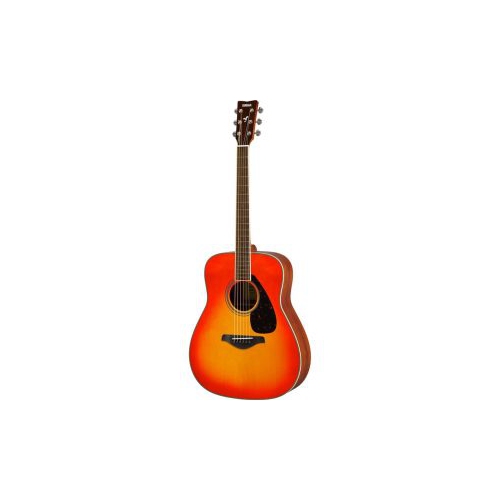
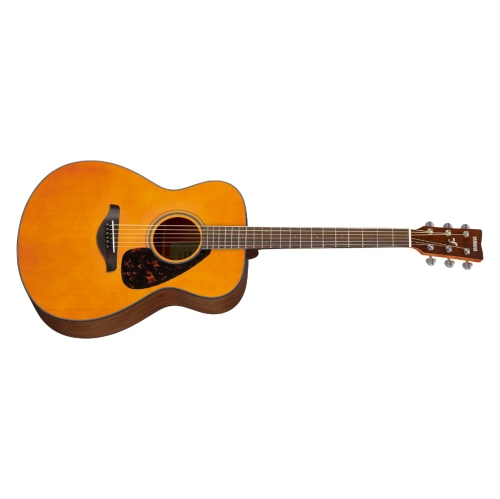

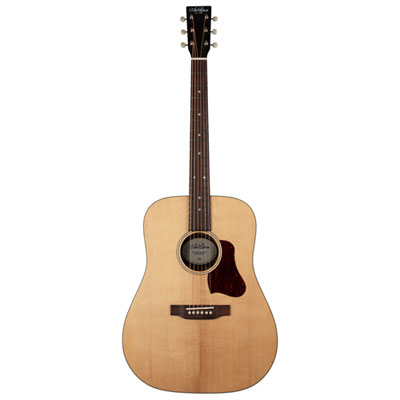

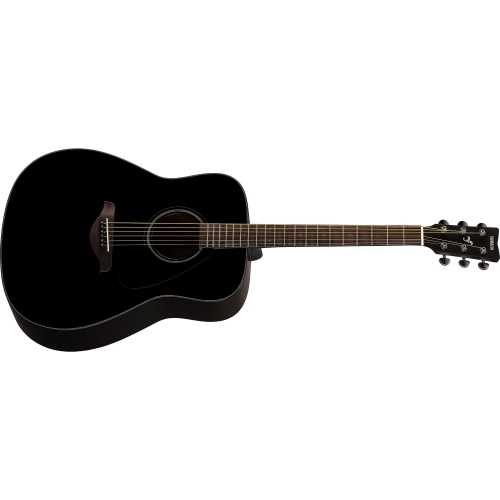
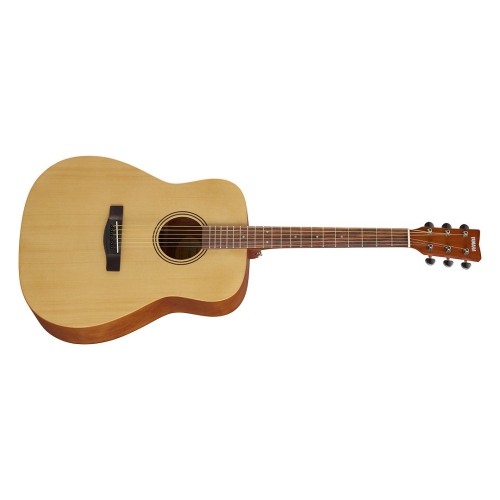
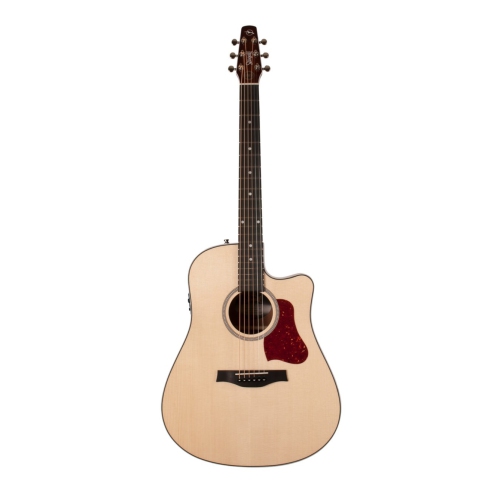
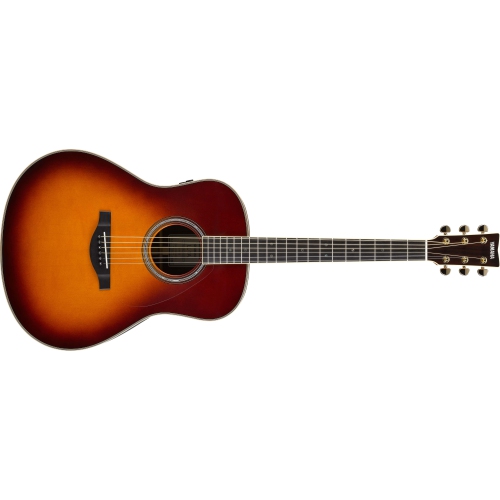
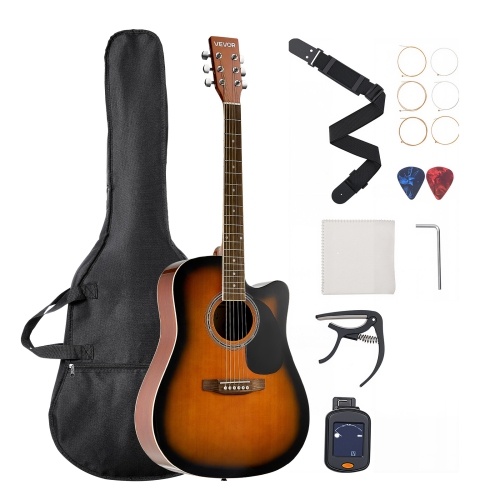
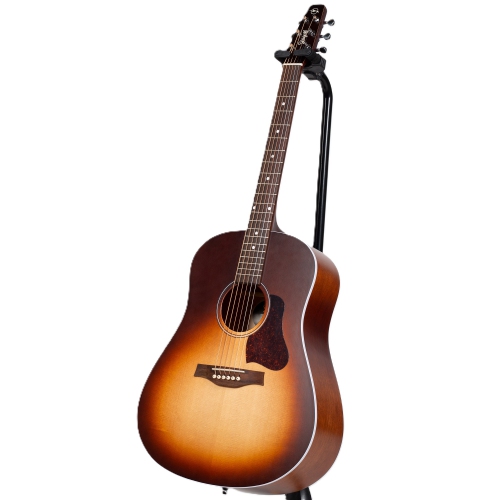
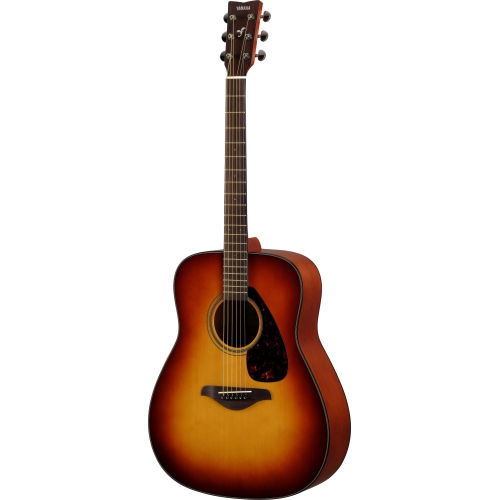

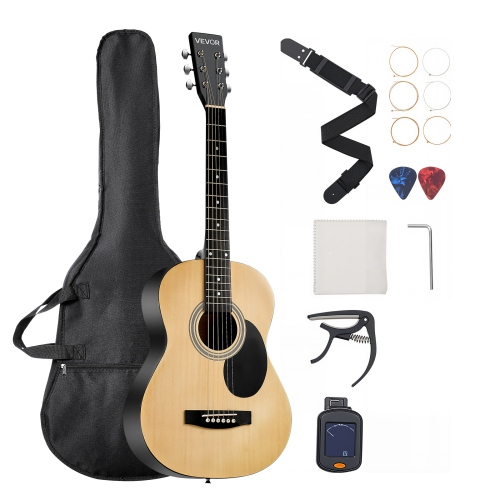
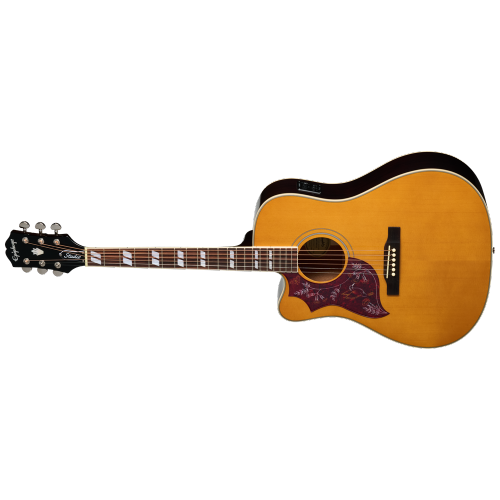


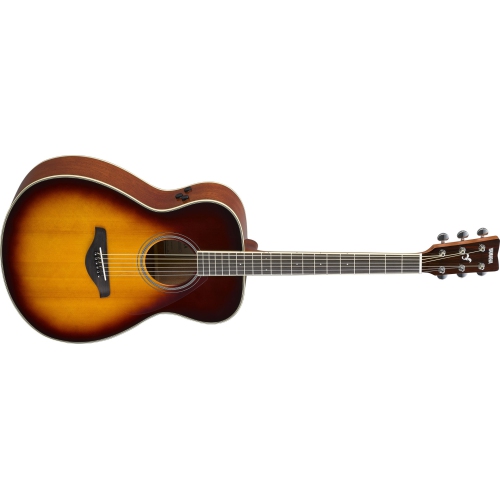
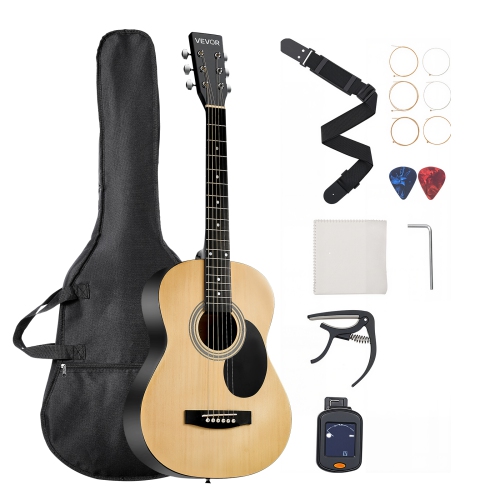
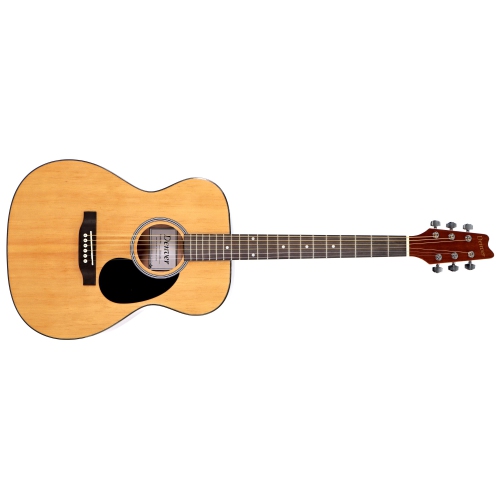

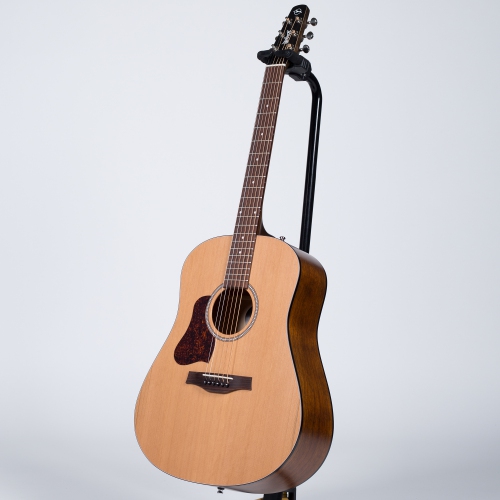
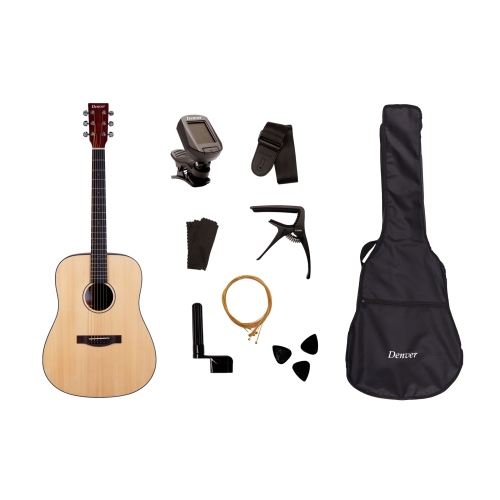
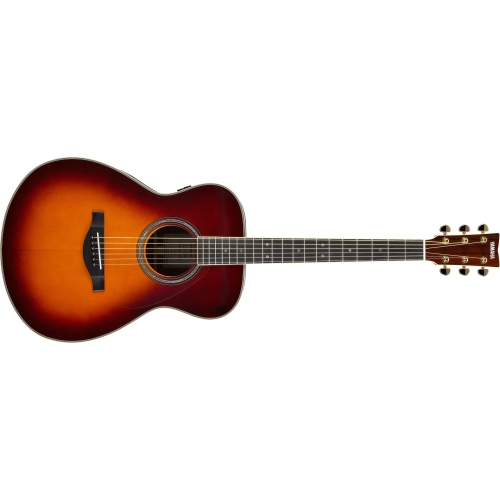
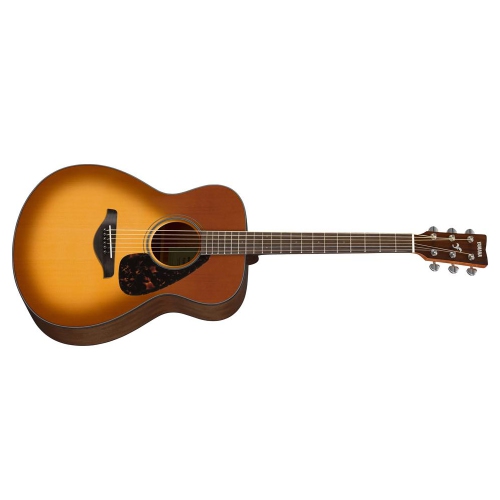
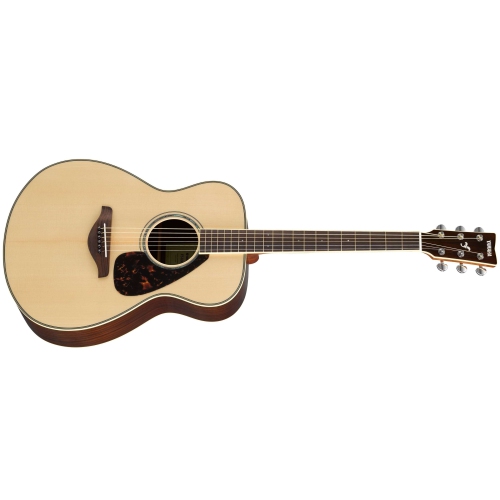
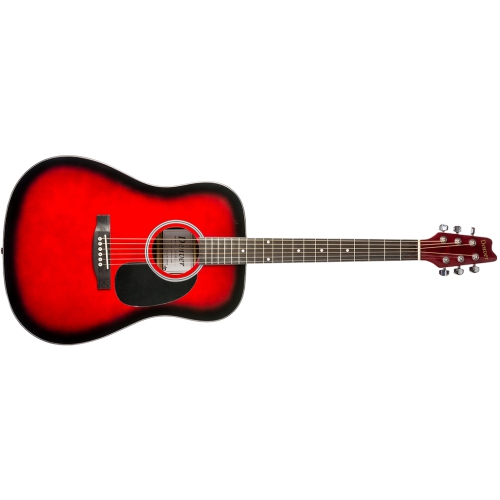
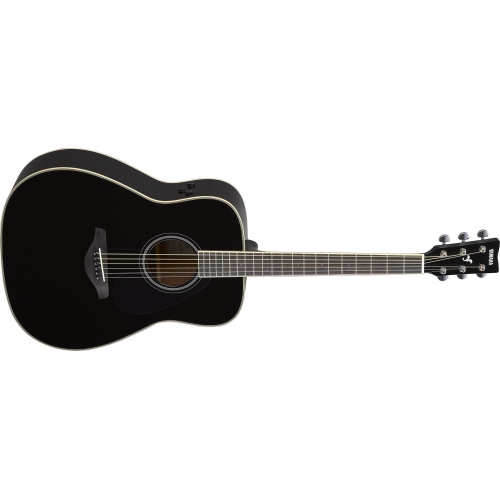
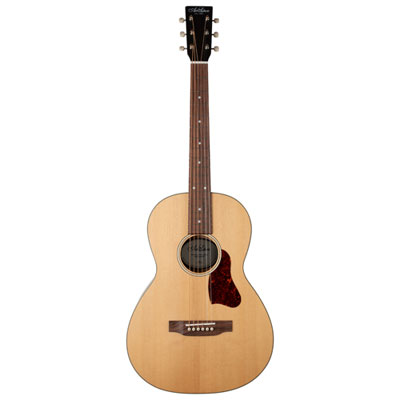
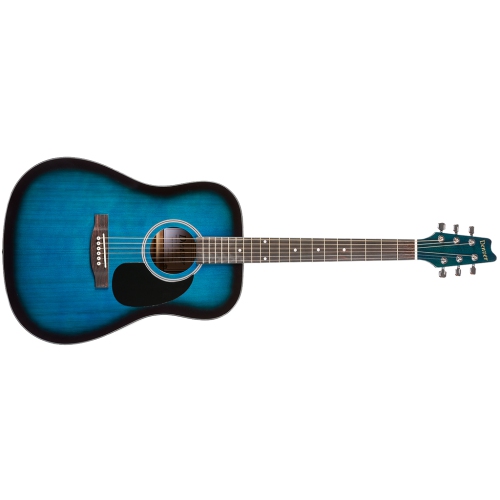
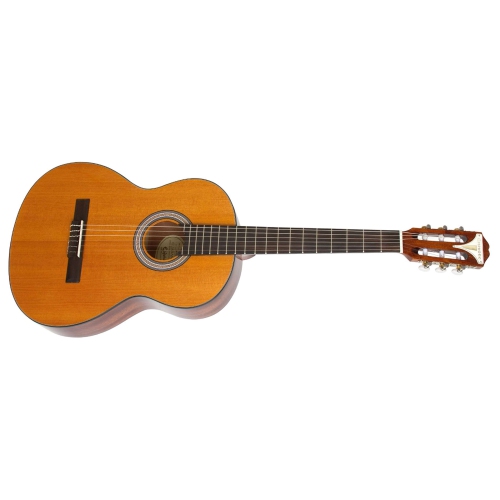
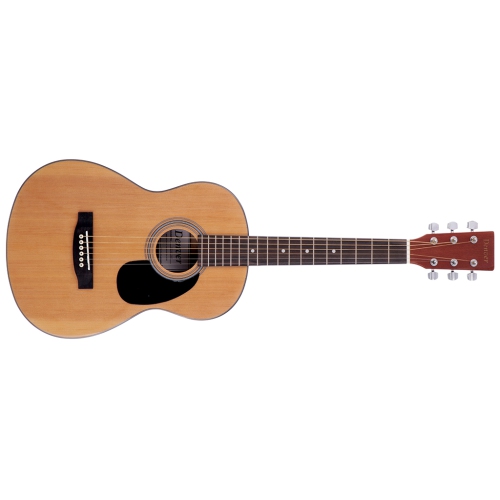
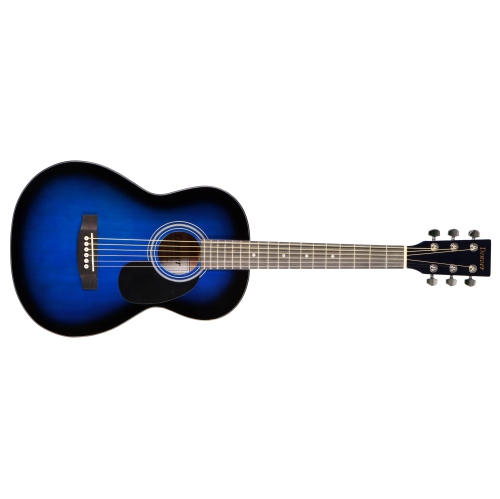
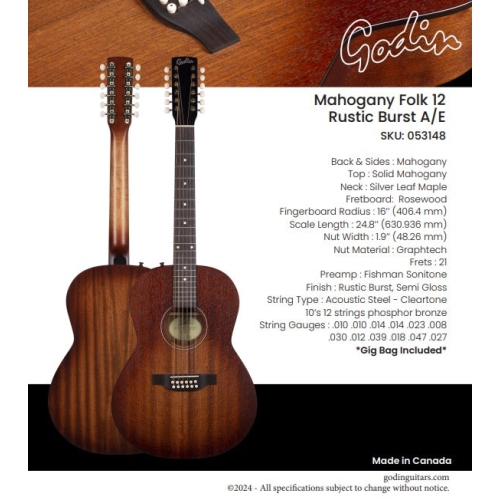
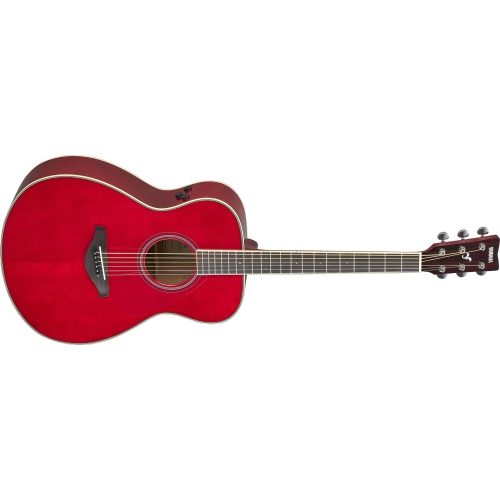
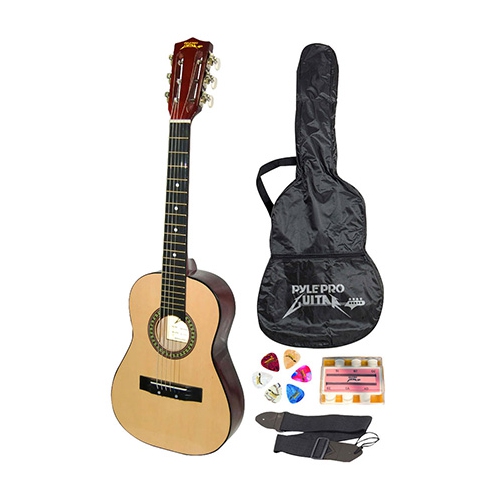
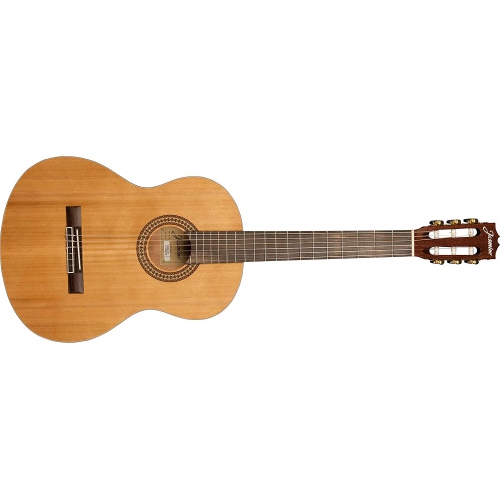
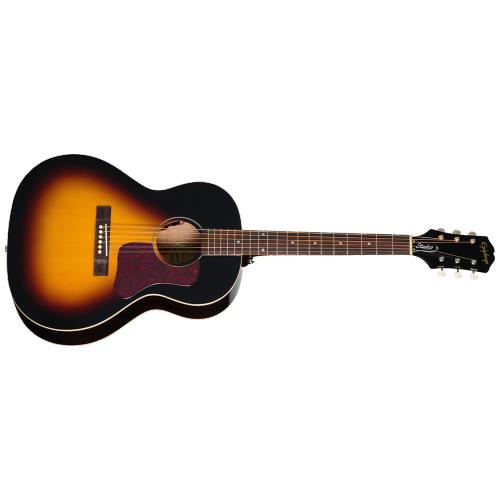
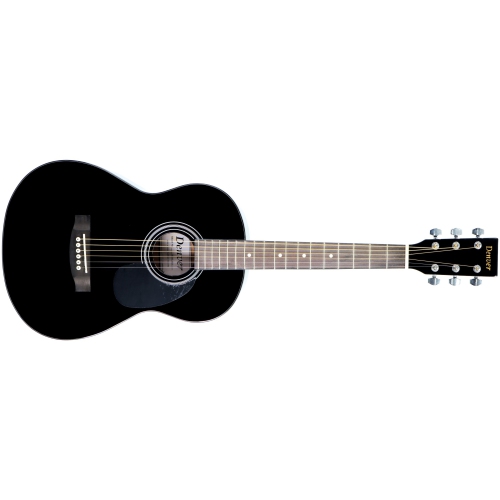
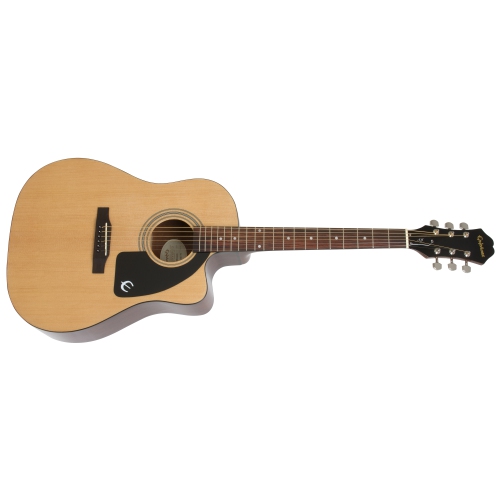
What shapes an older guitar’s sound and feel
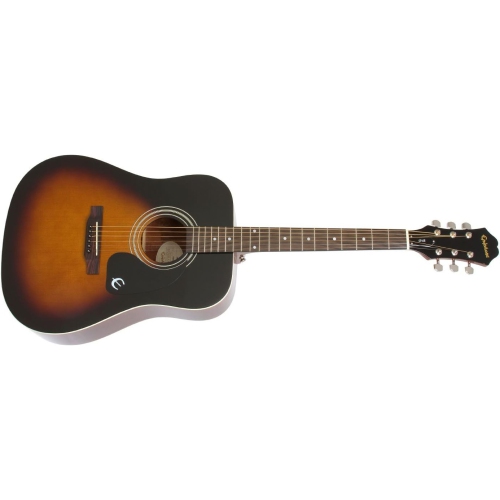
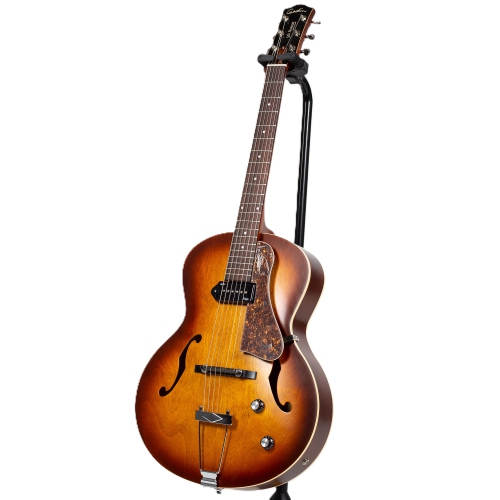
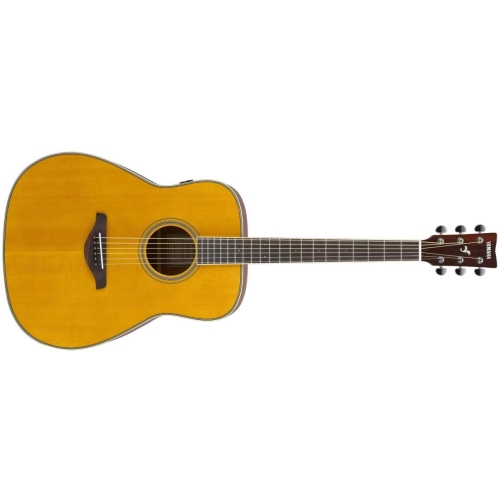
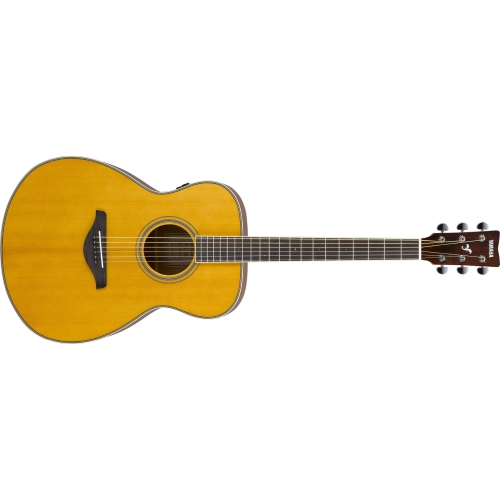
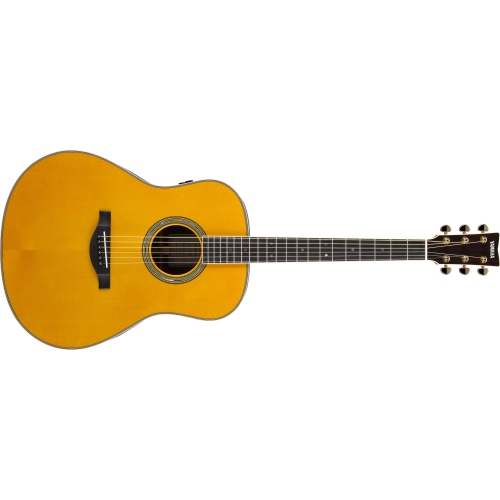
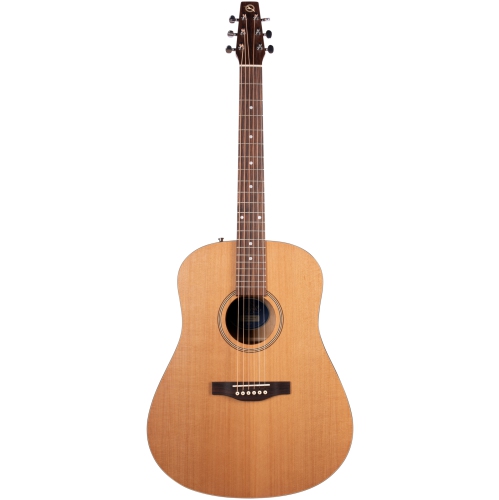
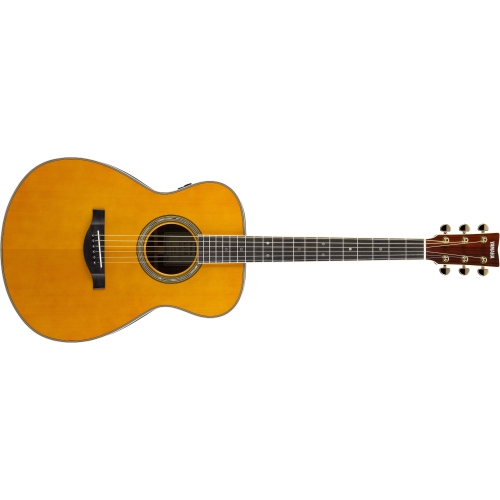
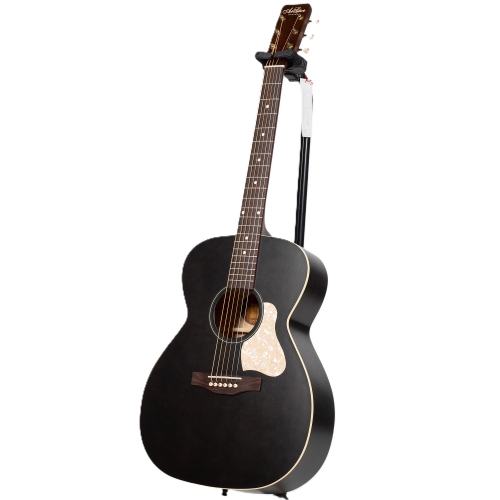
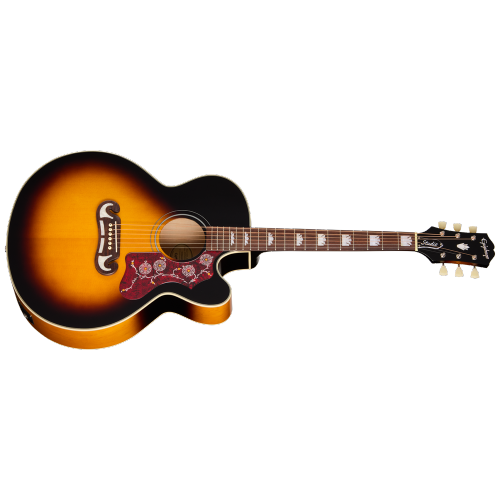
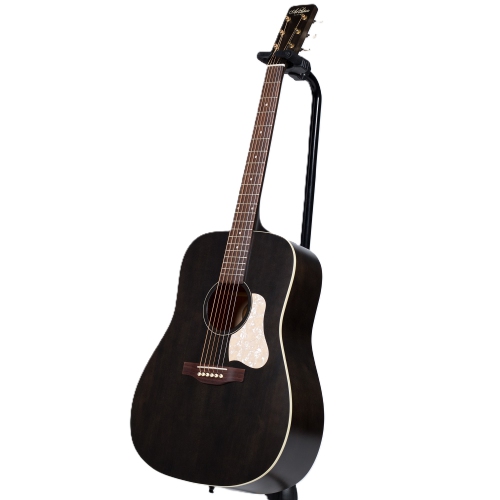
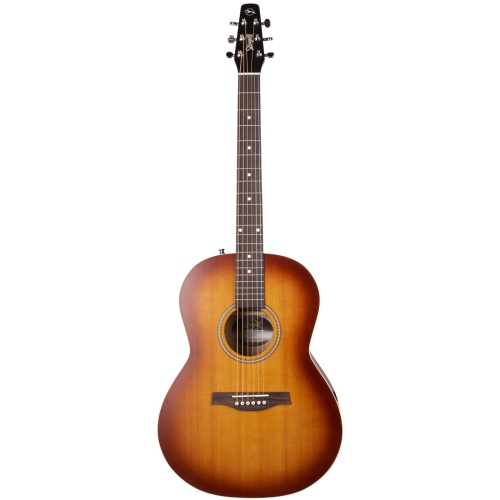
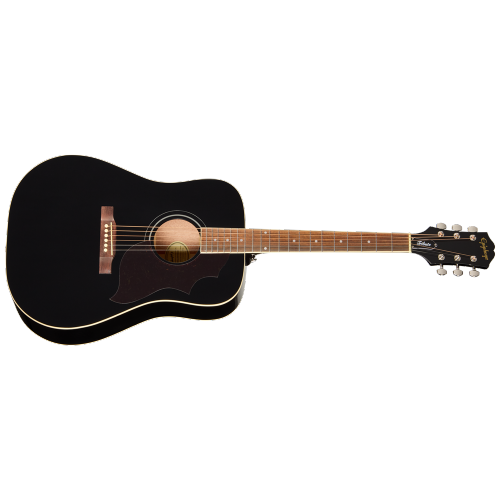
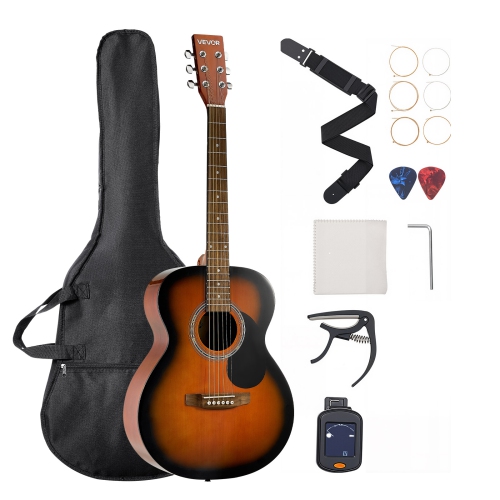
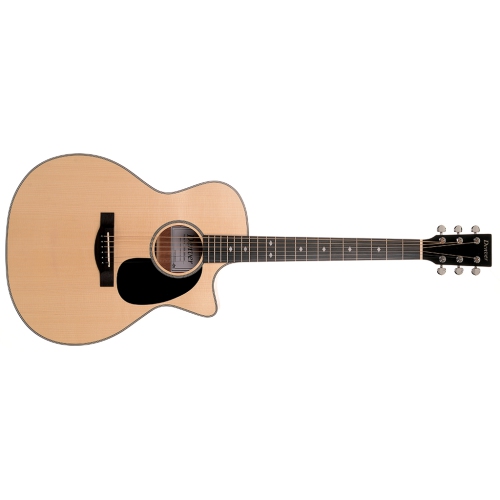
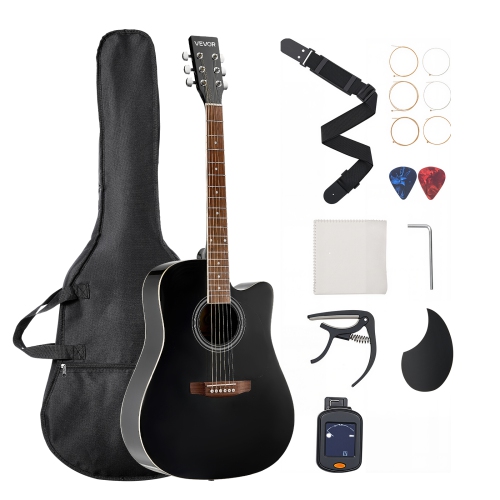
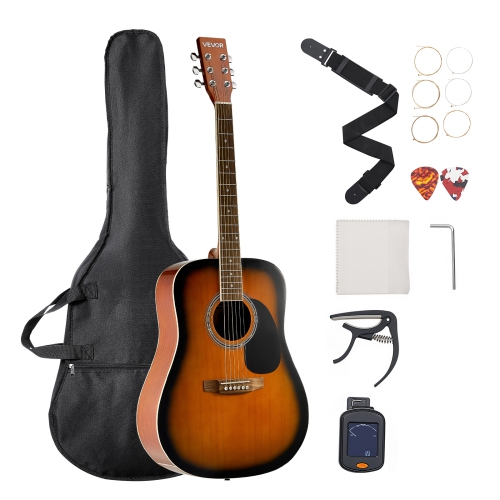
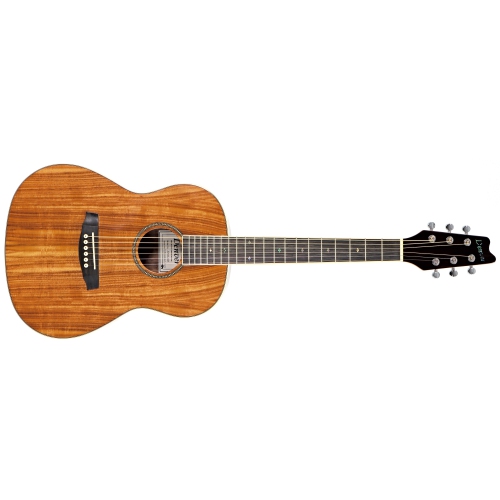
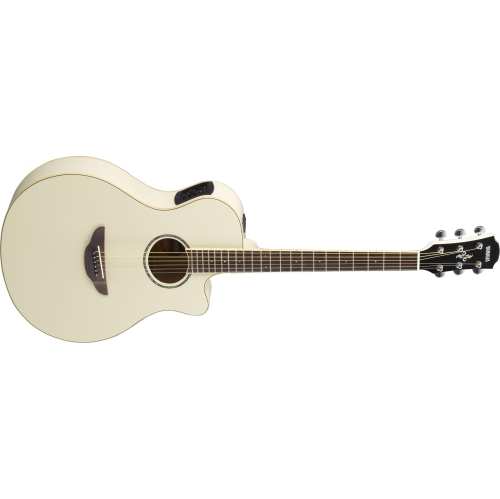
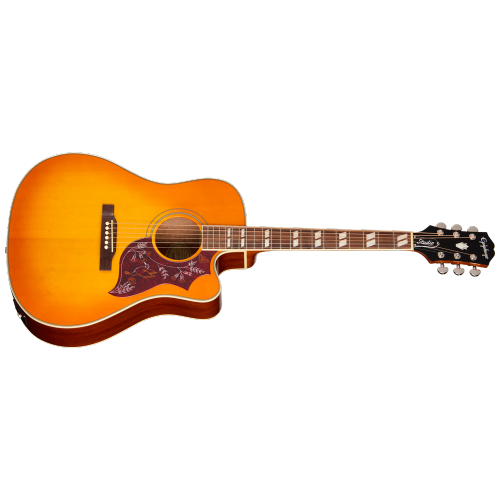
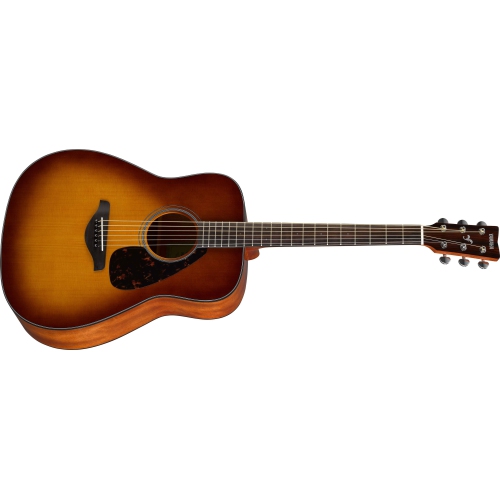
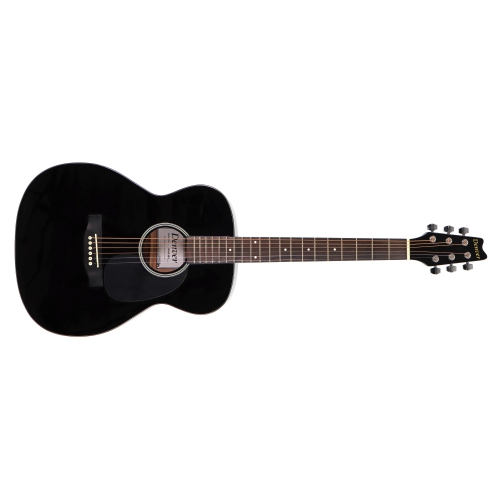
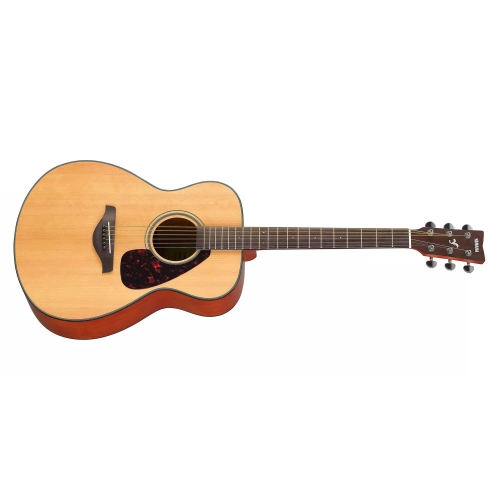
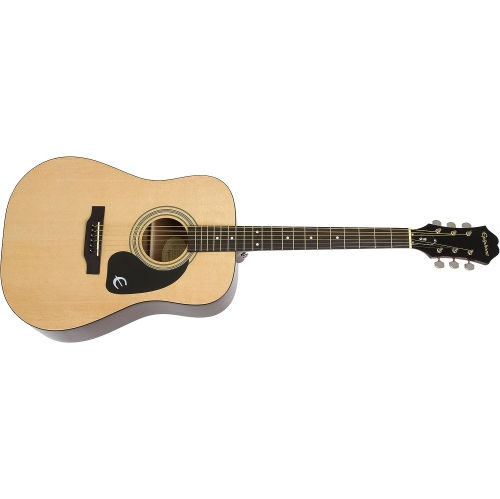
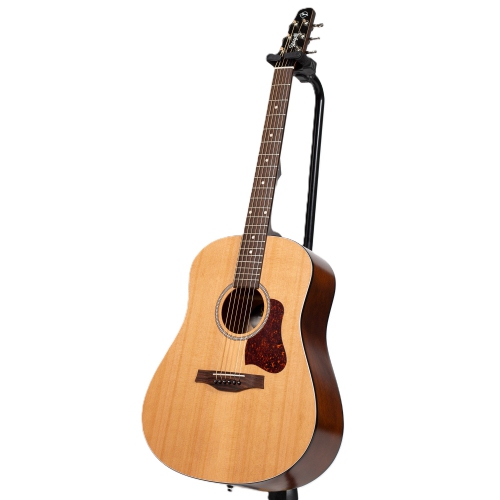
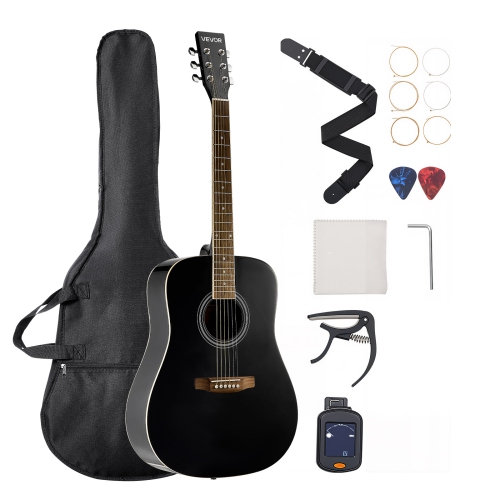
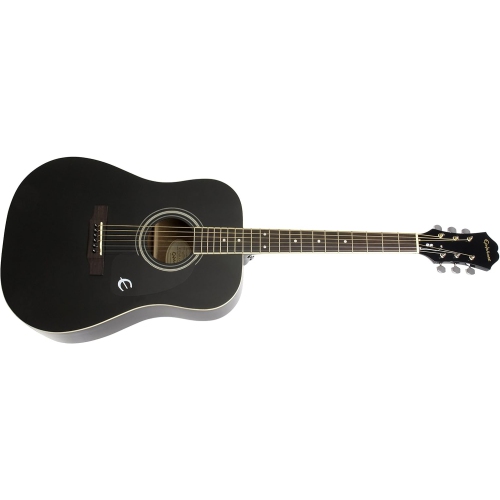
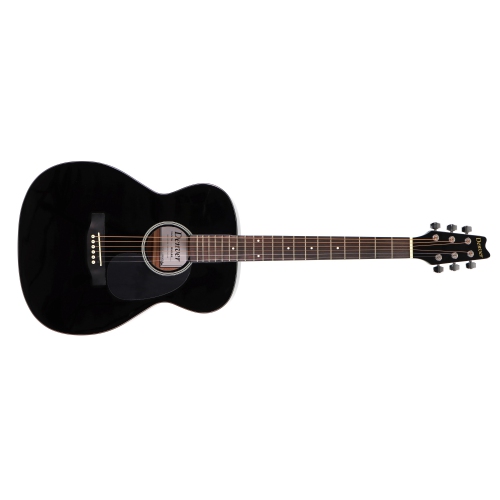
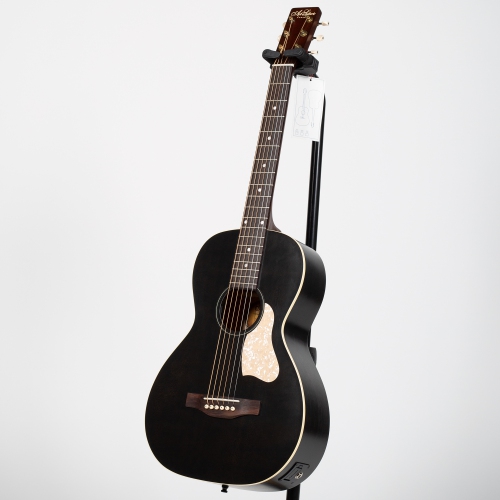
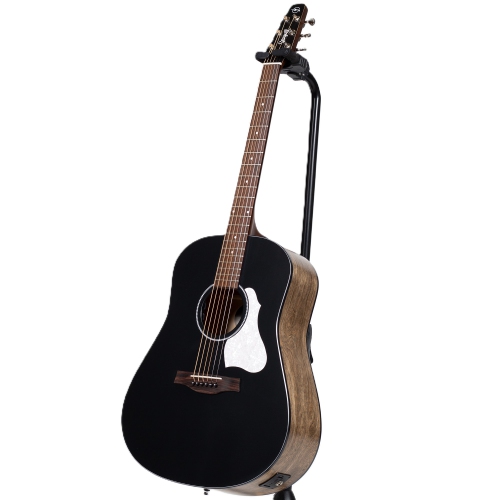
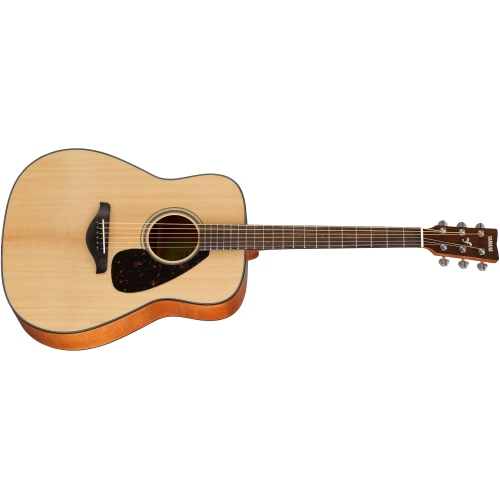
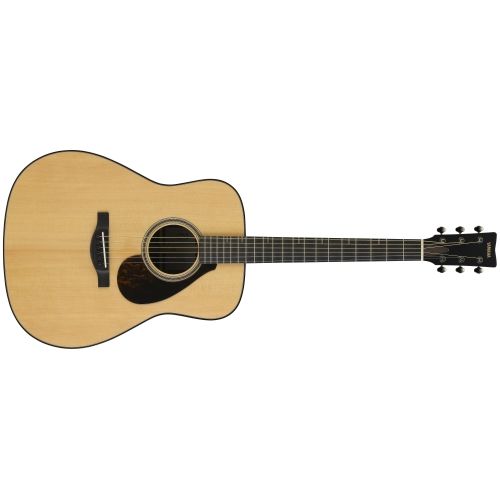
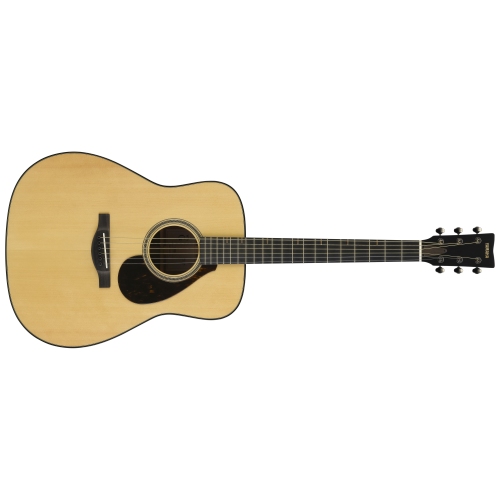
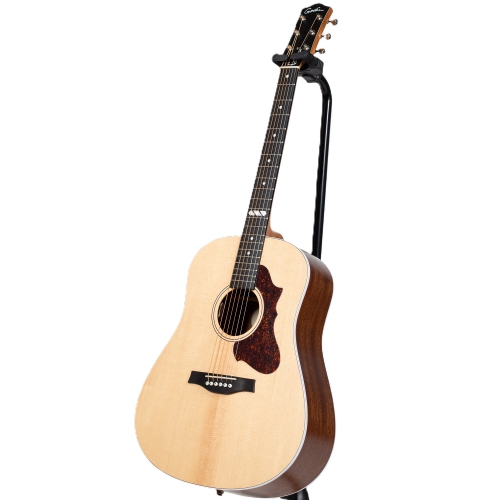
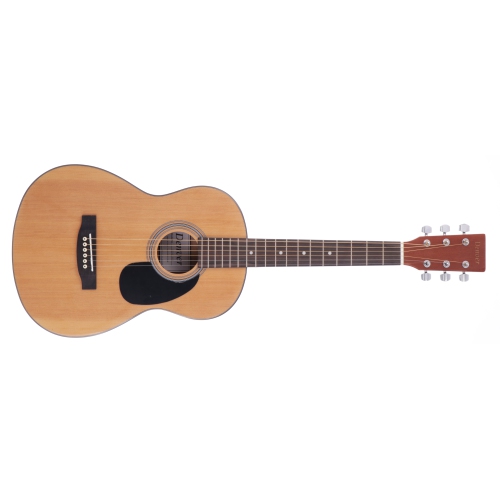
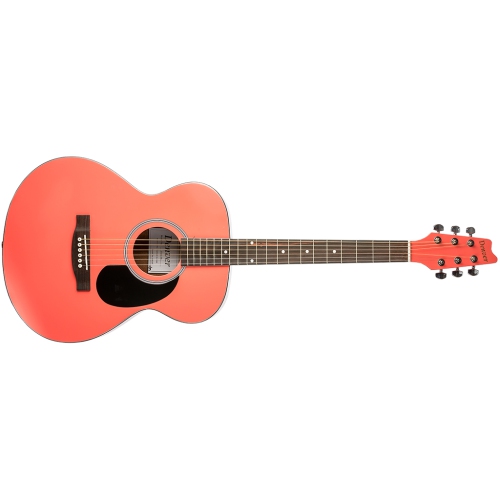
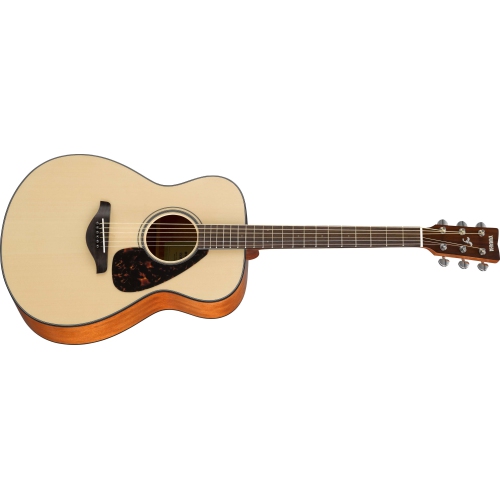
Vintage acoustic guitars are older instruments that bring together the construction methods, materials, and visual character of an earlier period. Their appeal can lie in a responsive soundboard, a comfortable neck shaped by years of playing, or details such as worn finish, aged binding, and traditional inlays. Age alone does not guarantee better sound, and two guitars of a similar age can feel and sound quite different depending on their construction, condition, and repair history. A genuinely older guitar is also distinct from a vintage-style instrument, which uses historical design cues in a more recent build. Both can suit players drawn to traditional acoustic sounds, but the distinction matters when considering craftsmanship and ownership history. Body shape is one of the clearest ways to understand their musical character. Flat-top acoustic guitars commonly serve folk, blues, country, and bluegrass players, with their response varying according to body size, bracing, and wood selection. Dreadnoughts typically offer substantial bass and strong projection, making them a familiar choice for strummed accompaniment and flatpicked passages. Compact parlour guitars often have a focused voice that works well for fingerstyle blues, while auditorium and concert shapes can provide a comfortable middle ground between a smaller body and a fuller sound. Acoustic archtops, with their curved tops and often distinctive soundholes, tend to produce a clear, percussive attack associated with jazz rhythm playing and some traditional country styles. These are useful tendencies rather than fixed rules: a lightly played dreadnought can sound delicate, and a small-bodied guitar can project surprisingly well. For someone accompanying a singer in a living room, clarity and balance may matter more than sheer volume. For a player picking individual notes alongside other acoustic instruments, a defined attack can help each phrase remain audible. The most suitable vintage acoustic guitar is therefore not necessarily the largest or most ornate, but one whose response complements the music and the way its owner plays.
Materials help explain those differences, although wood names tell only part of the story. Spruce soundboards are common on traditional acoustic guitars and are often associated with clarity, dynamic range, and a crisp response. Cedar can offer a softer attack that suits a lighter touch, while mahogany tops often produce a direct, woody character. Mahogany backs and sides are frequently associated with a clear midrange, rosewood with a fuller bass response and complex overtones, and maple with a comparatively focused sound. Bracing, top thickness, body dimensions, and the individual instrument can influence the result as much as the species of wood. Older guitars may have solid-wood construction, layered construction, or a combination of the two; vintage status does not establish which materials were used. Nor does an aged soundboard automatically make an instrument more resonant. Its history of use, storage, and maintenance remains important. Physical fit deserves equal attention, particularly for someone who plays for long stretches. A smaller body can be easier to hold close, but it does not necessarily have a narrower neck or shorter scale length. Nut width affects the spacing between strings near the first frets, while neck depth and profile influence how comfortably the fretting hand wraps around the instrument. Wider spacing can suit fingerstyle playing, whereas some players prefer a slimmer feel for chord changes. Scale length also affects string tension, so two guitars fitted with the same string gauge can feel different under the fingers. On an older instrument, playability depends on more than its original specifications. Neck alignment, fret wear, bridge stability, and string height all contribute to whether chords feel comfortable and notes ring cleanly. A high action may indicate a setup issue or a more substantial structural concern, while buzzing can have several causes. Honest finish wear is different from a lifting bridge or an open crack. Well-documented repairs can help explain an instrument’s condition, and a properly completed repair need not prevent it from becoming a dependable playing companion.
Care and intended use are especially relevant to guitars that have already spent years making music. A suitable hard case protects against knocks during transport and supports the instrument when it is not being played. Balanced indoor humidity helps wooden components retain their shape; excessive dryness can contribute to cracks and fret ends that feel sharp, while too much moisture can affect the top and action. A soft cloth removes fingerprints after playing, and any cleaning product should be appropriate for the existing finish, particularly when its composition or repair history is uncertain. Older finishes can be delicate, making gentle care preferable to aggressive polishing. String choice also matters. Most steel-string acoustic guitars require a gauge compatible with their structure and setup, while classical-style instruments are designed for nylon strings and should not be fitted with steel strings. A qualified guitar technician can assess suitable tension, worn frets, loose braces, or a bridge that needs attention. These practical details support durability without treating every mark as something to erase: small areas of finish wear can be part of an instrument’s history, while structural problems deserve professional attention. Vintage acoustic guitars can suit experienced musicians seeking a particular response, songwriters who enjoy an instrument with a distinctive voice, and newer players who appreciate traditional design, provided the guitar is comfortable and sound. As a gift, personal fit matters more than decorative detail alone. Someone who plays fingerstyle at home may appreciate string spacing and a body that rests comfortably on the lap, while a singer who strums standing up may place more importance on balance with a strap. Players interested in contrasting acoustic resonance with amplified tones may also explore Vintage Electric Guitars as a different expression of earlier instrument design. Whether used for quiet practice, songwriting, recording, or small performances, an older acoustic guitar is most rewarding when its character and physical condition support the music it is meant to make.
Top selling and popular products
-
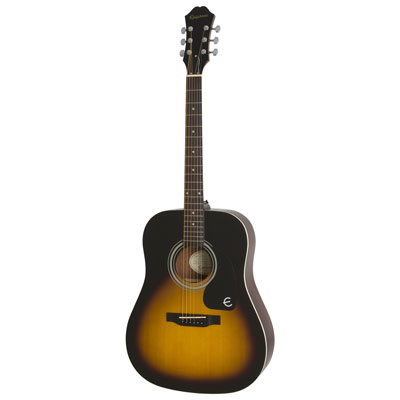 Your price for this item is $259.99
-
 Your price for this item is $279.99
-
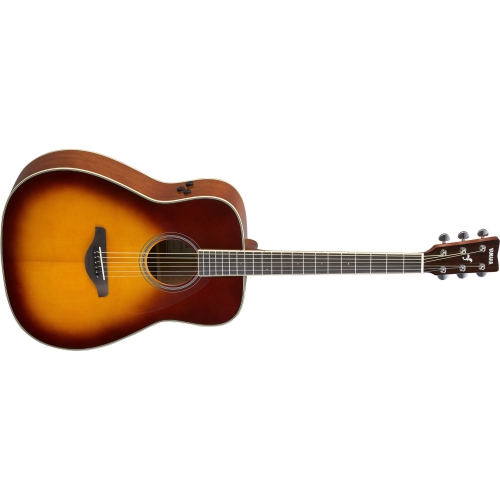 Your price for this item is $999.99
-
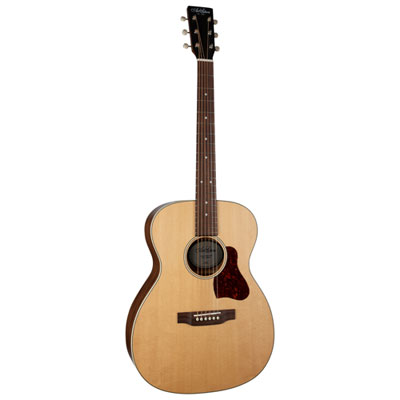 Your price for this item is $599.99
-
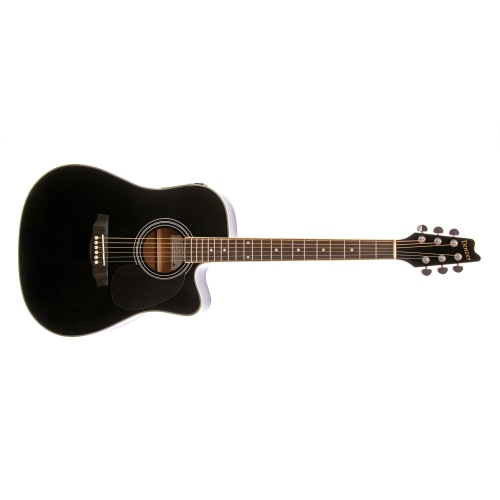 Your price for this item is $269.99
-
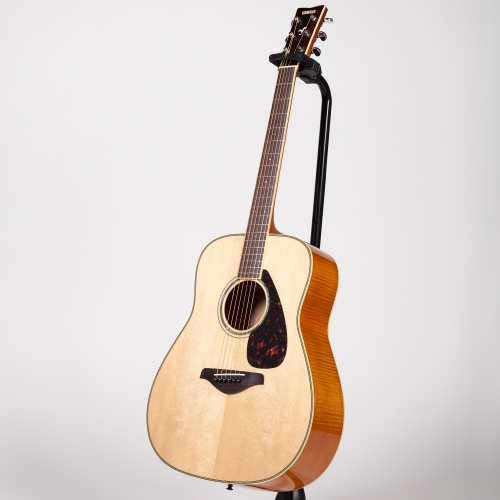 Your price for this item is $649.99
-
 Your price for this item is $459.99
-
 Your price for this item is $918.85
Discover more categories related to Vintage Acoustic Guitars
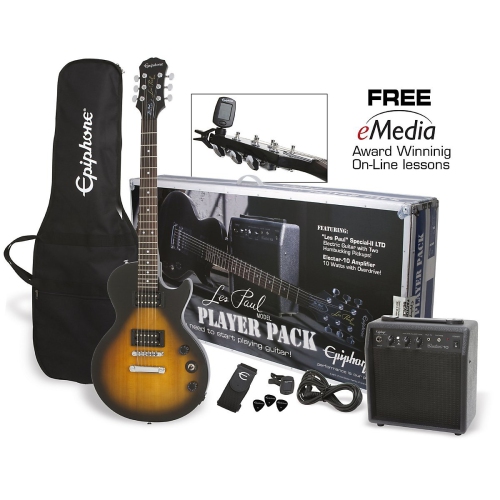
Top Collections:
Pokemon Centers, Best Cameras for Sports Photography, Kindle Devices, Samsung Galaxy Phones, Canon G7X Cameras, Pokémon 30th Celebration Cards, Refurbished Apple Laptops, iPhone 15 Apple, Laptops for Students, Budget Smartphones
Some products may be subject to Environmental Handling Fees
(EHF) depending on your province.
Learn more about EHFs.