Wireless Mic for Singing
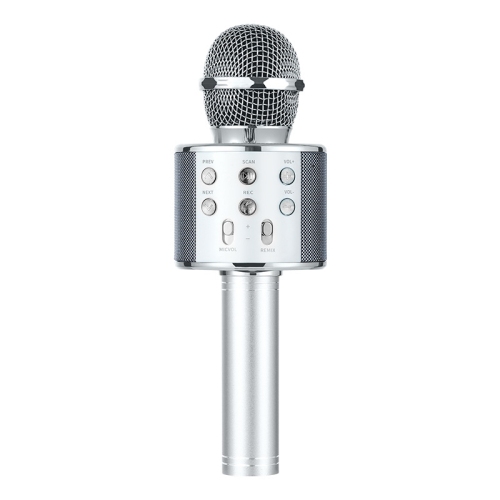
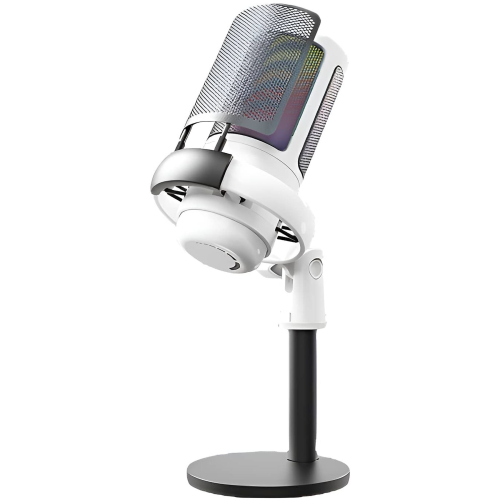
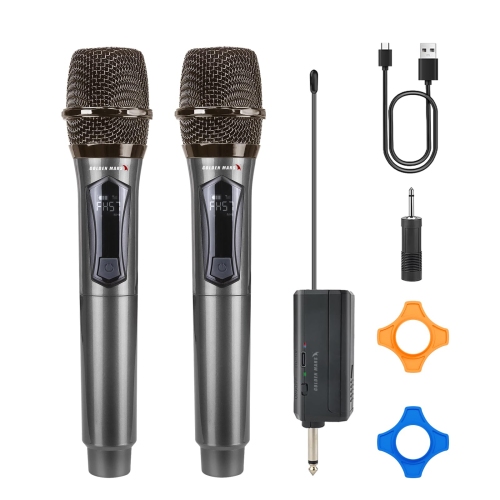
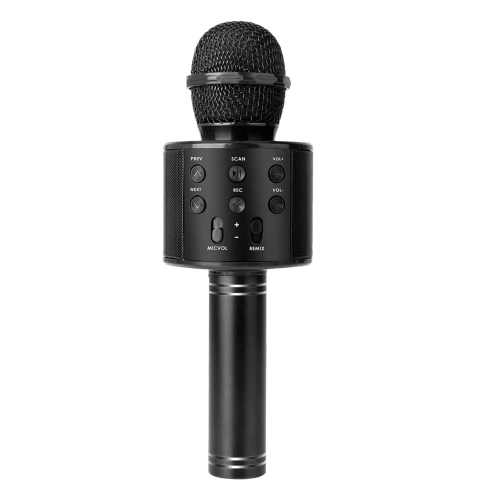
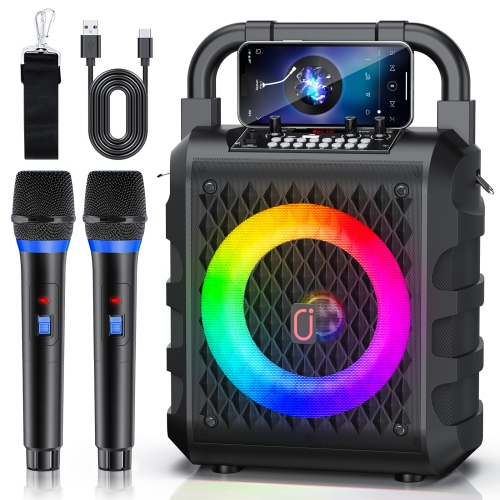
Looking to unleash your inner rockstar? Look no further than a wireless mic for singing! Whether you're a passionate performer or just love belting out tunes in the comfort of your own home, a wireless microphone offers the freedom and flexibility to move around without being tethered by cables. With advanced technology and crystal-clear sound quality, these mics are designed to enhance your vocals and make you sound like a pro. Here are some great options available.
Sort


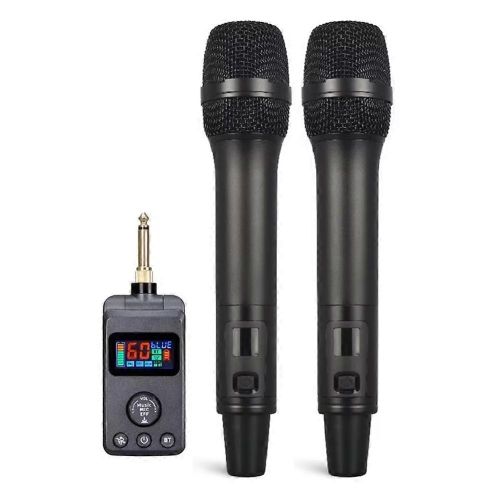
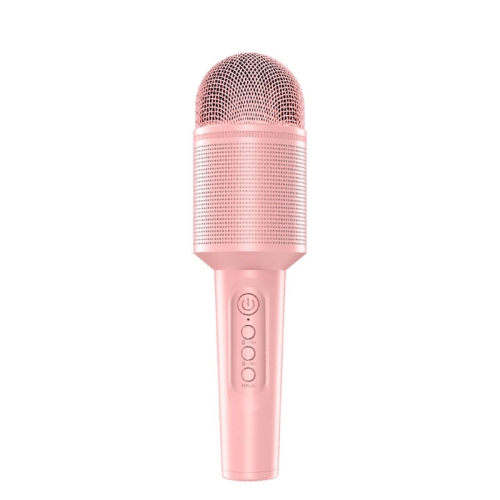
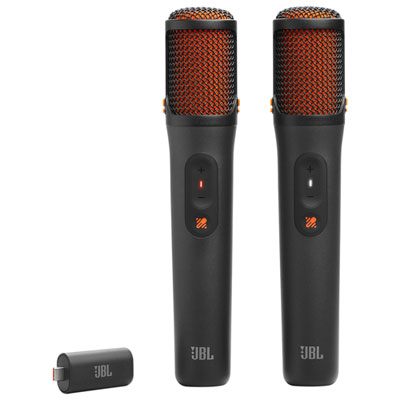
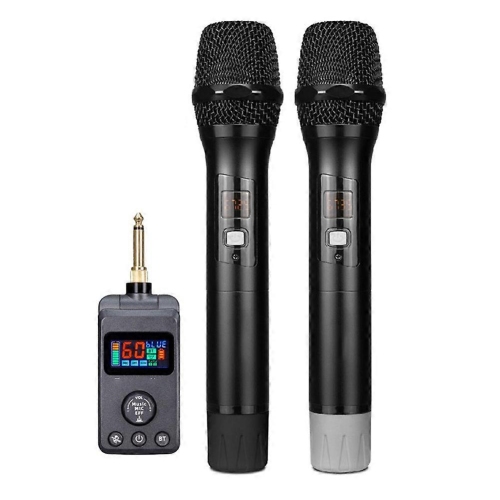

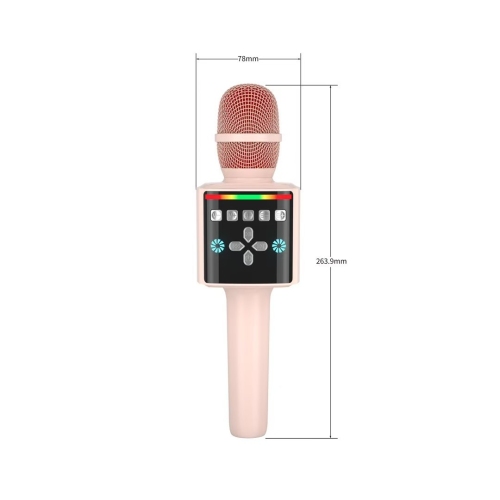
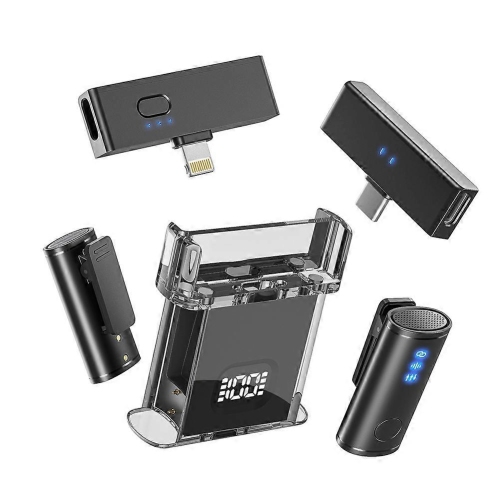

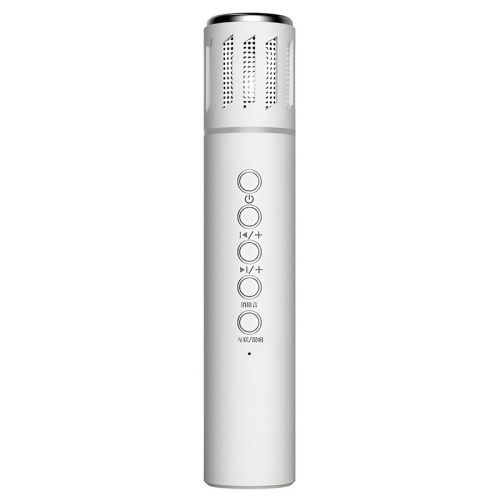
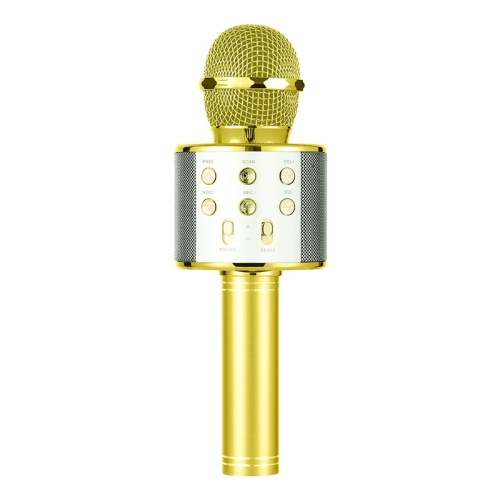







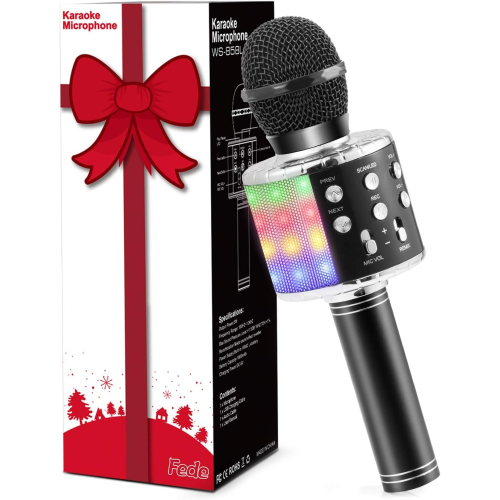

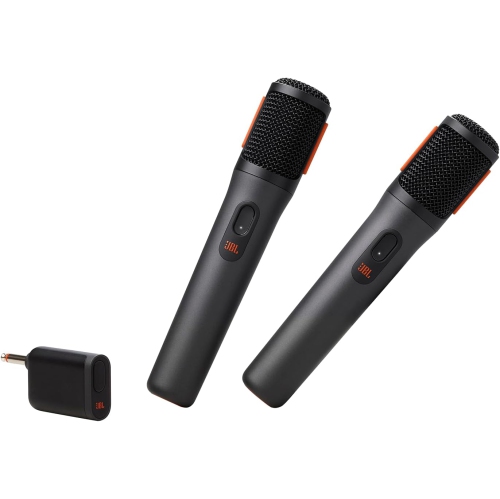
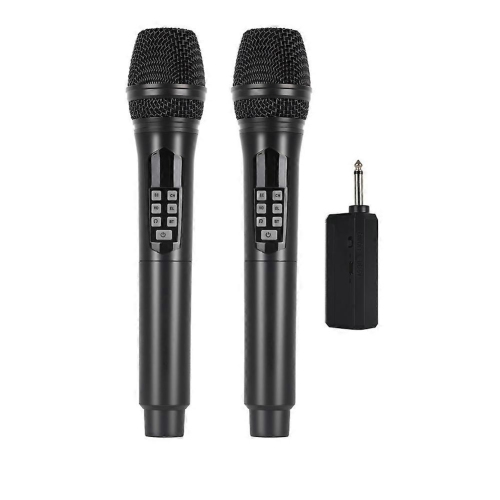
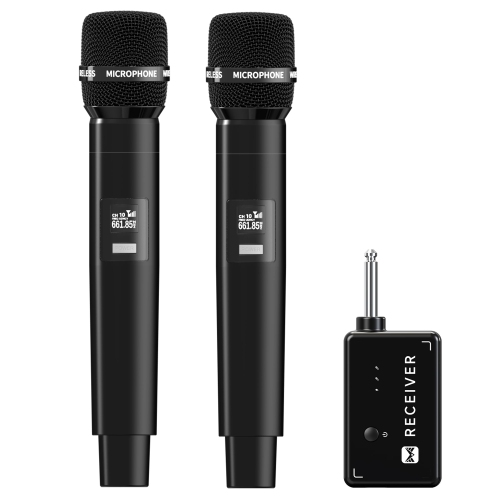


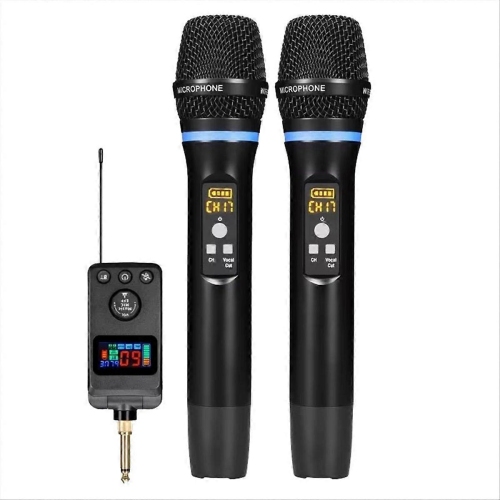
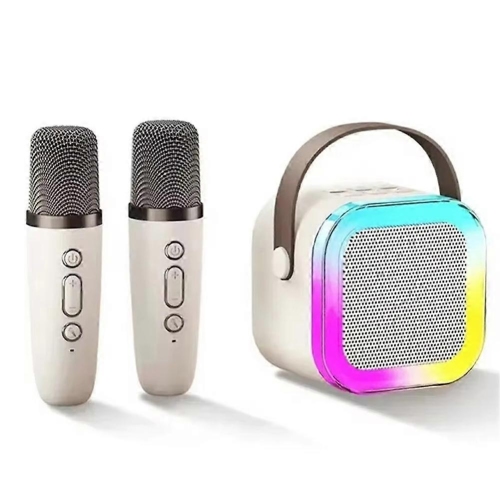

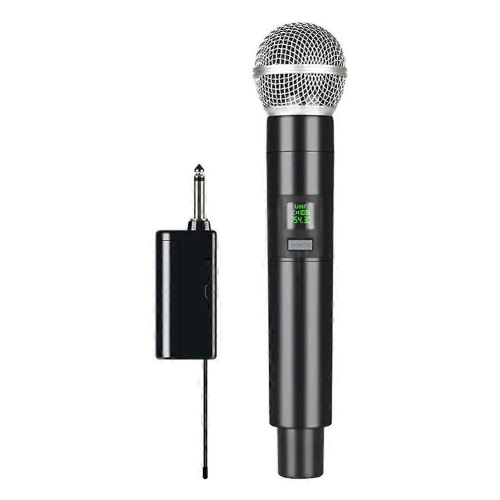

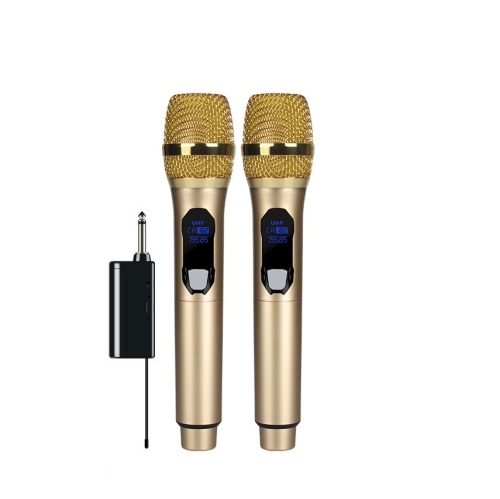

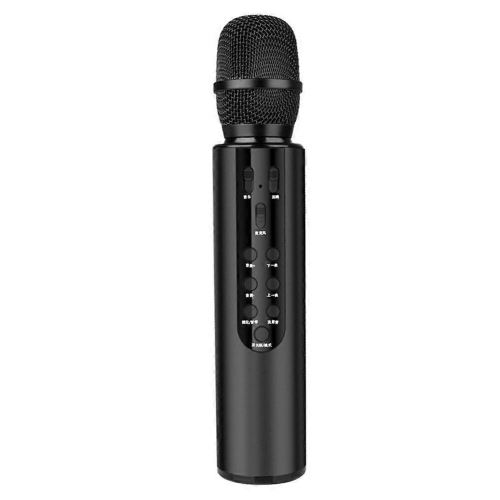
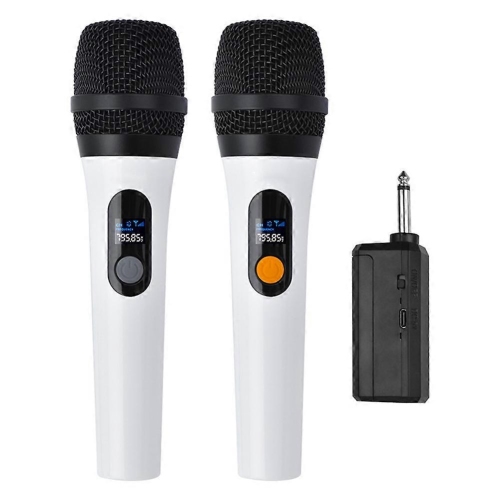
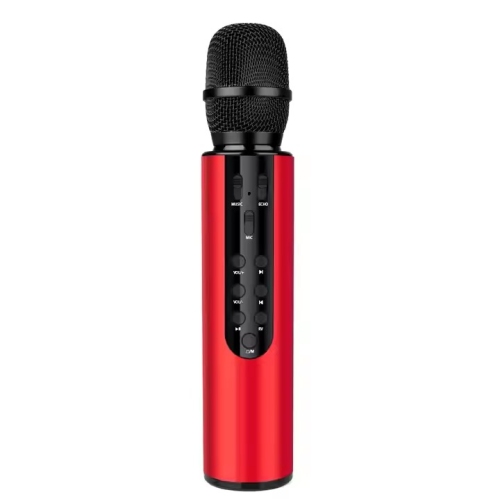
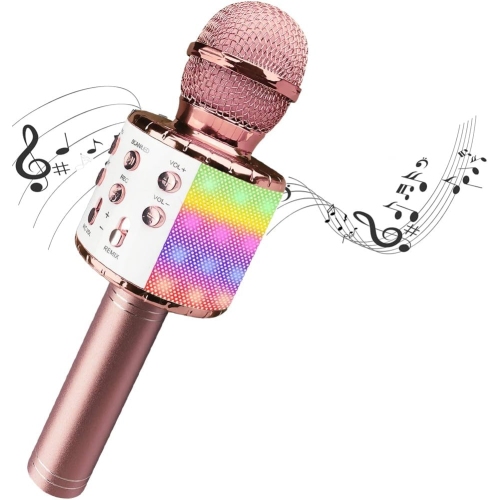
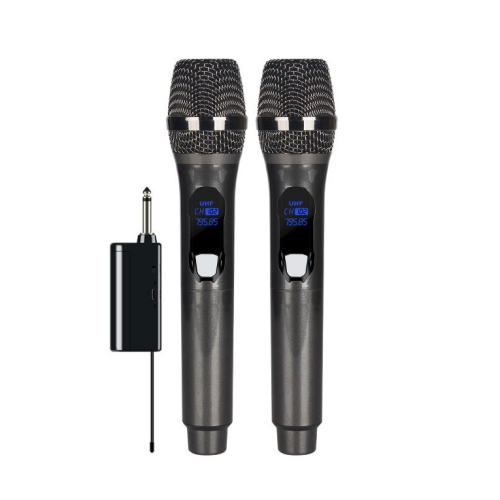
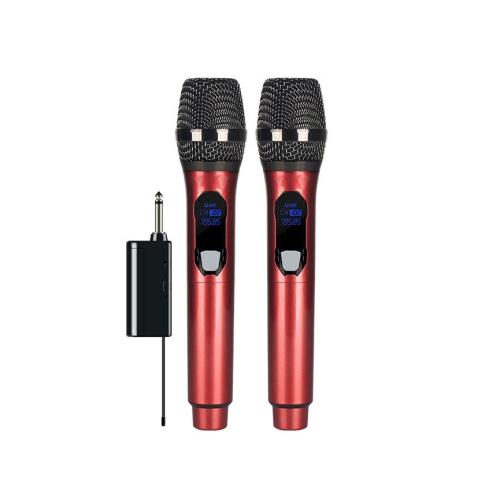

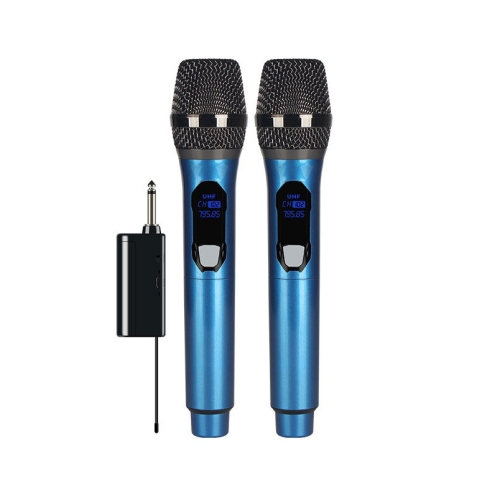

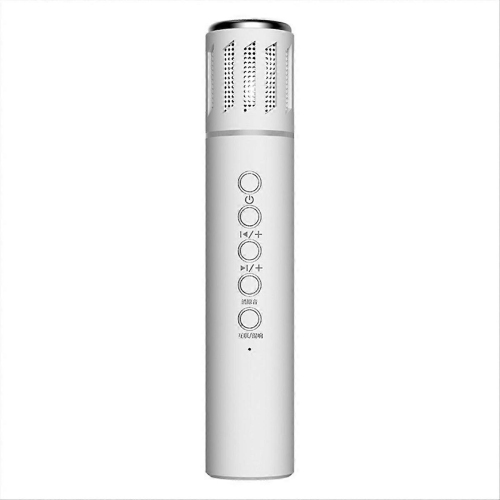
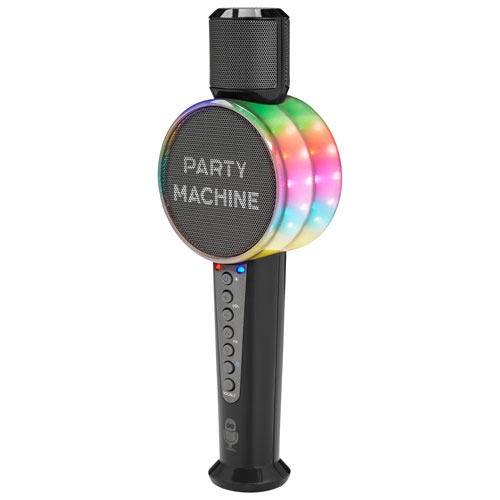
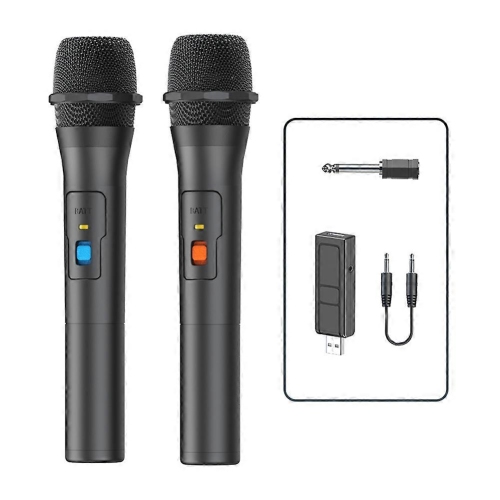
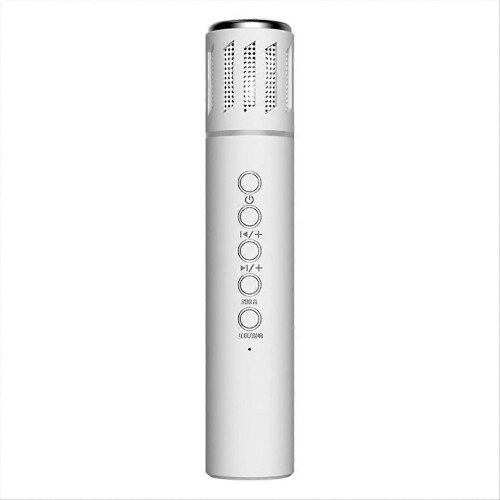
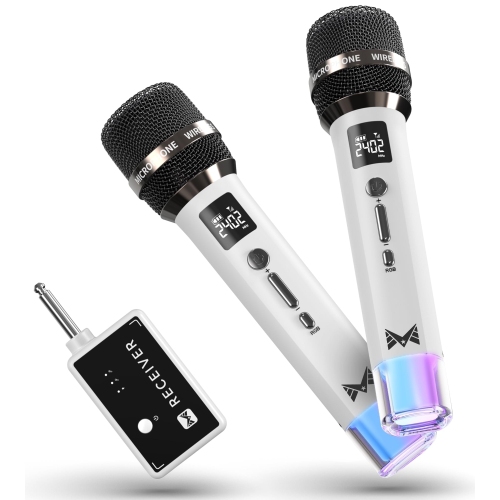

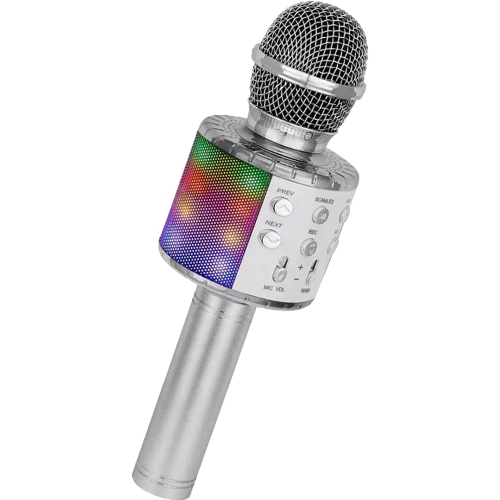

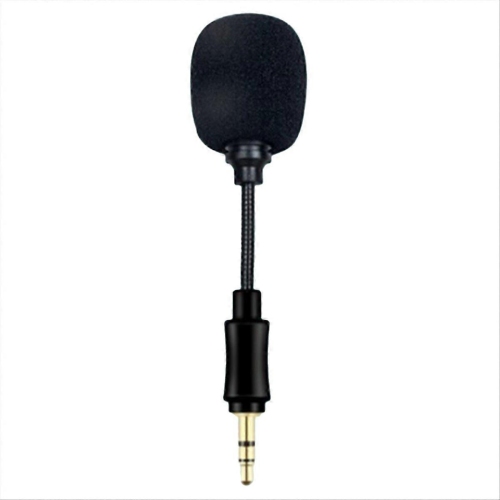
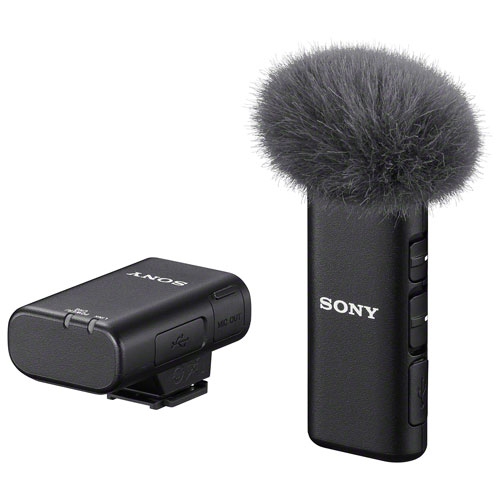

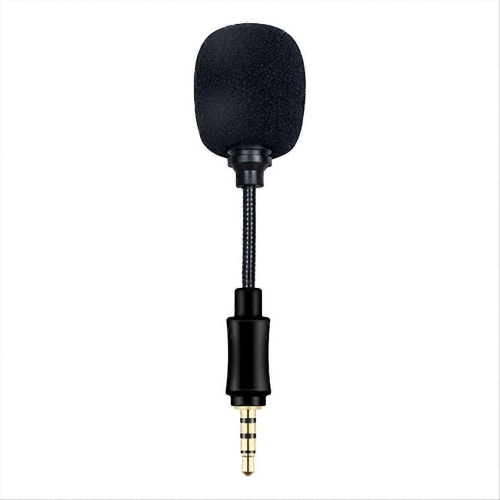
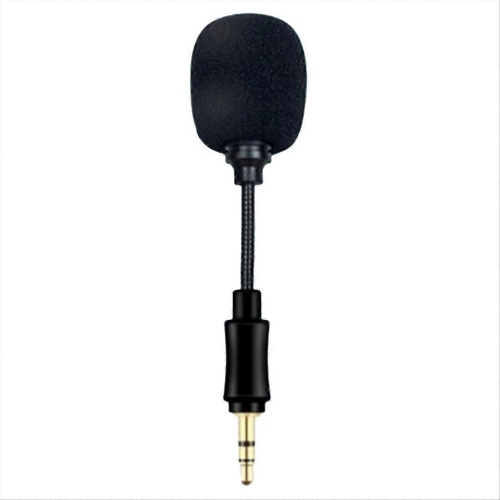
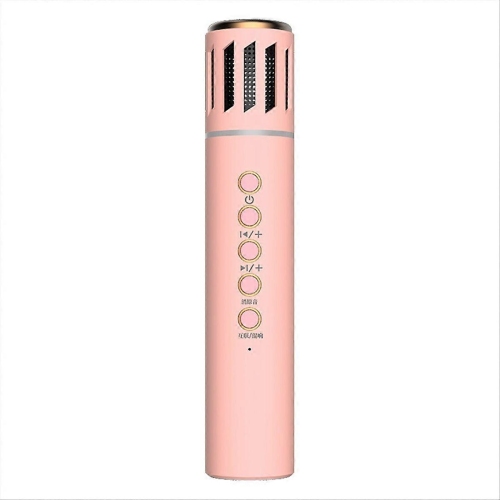

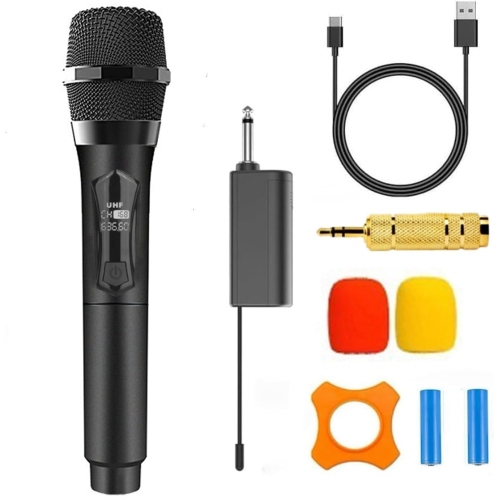
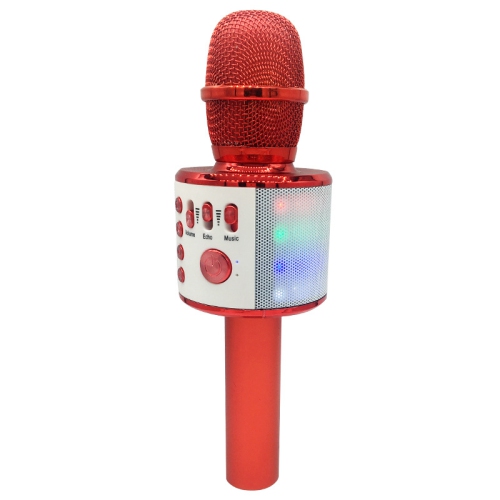


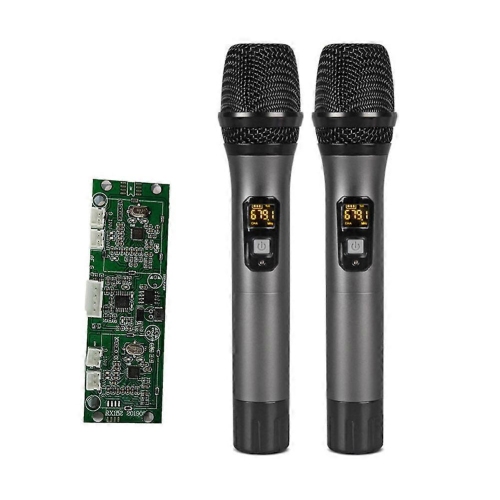
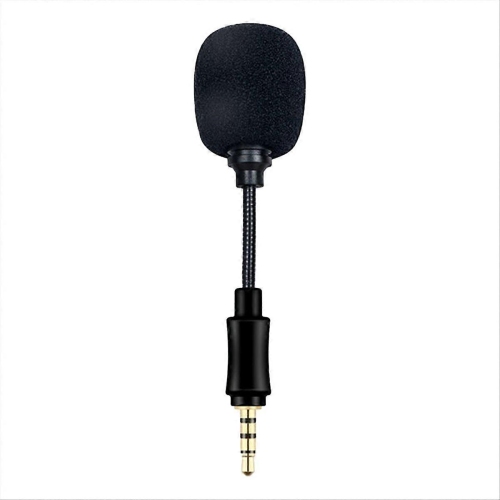
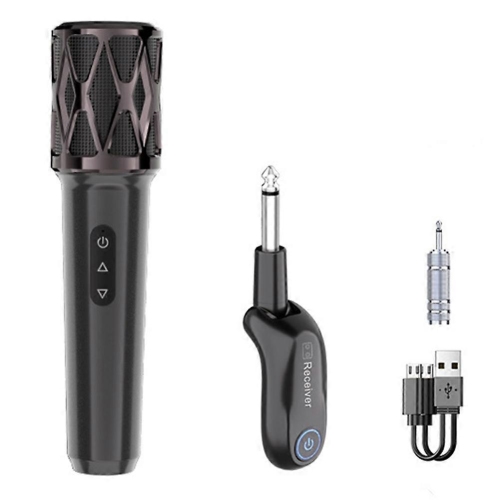


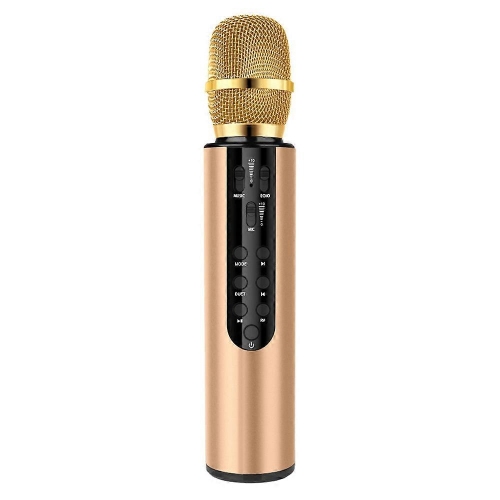


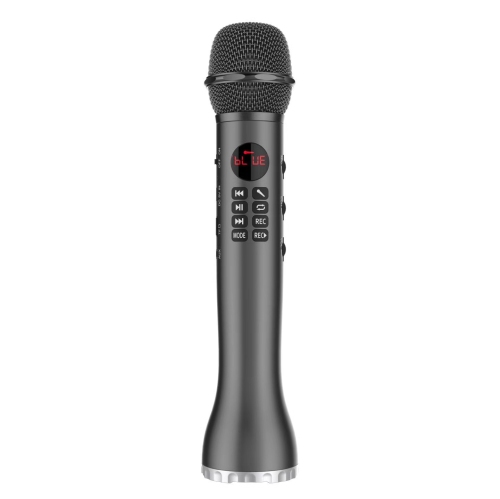

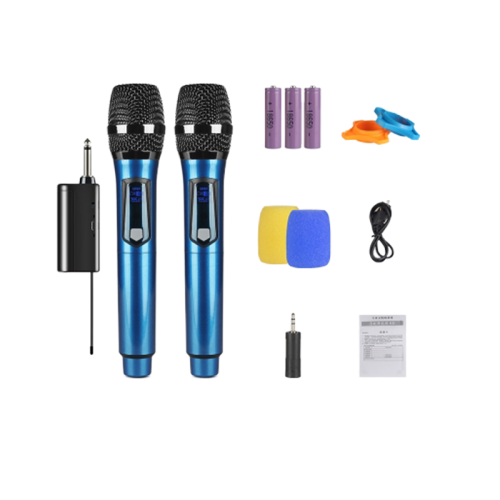
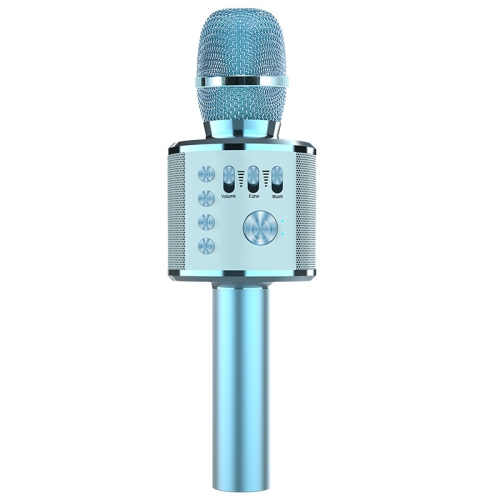

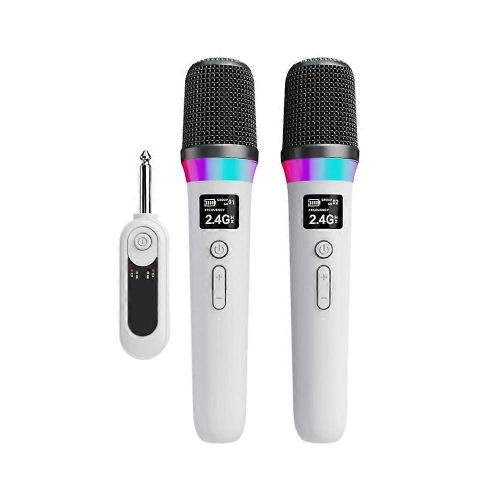
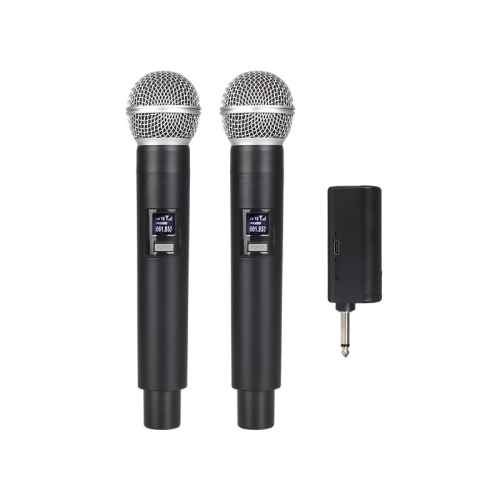

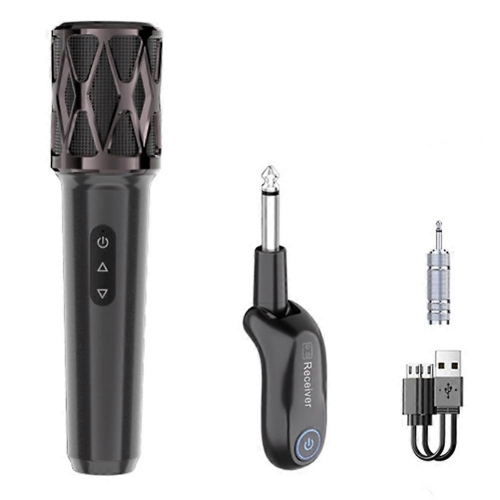
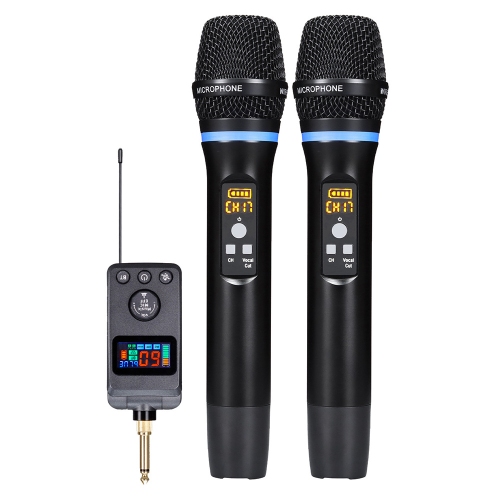
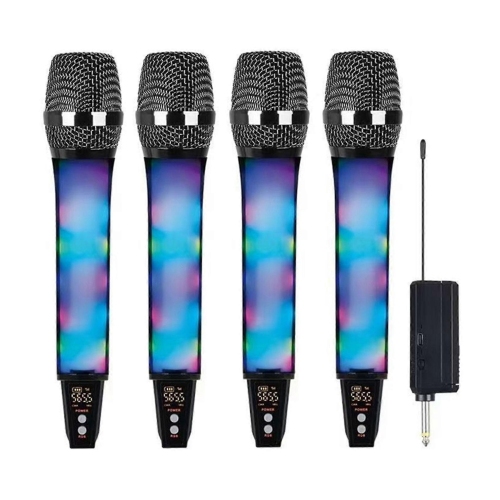



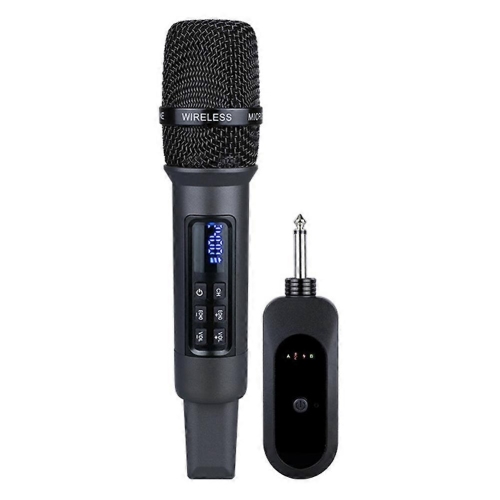
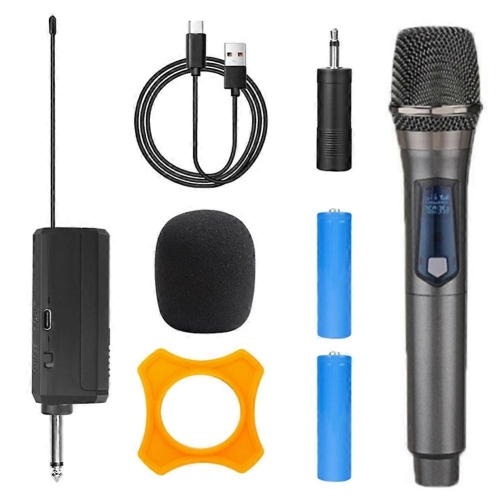

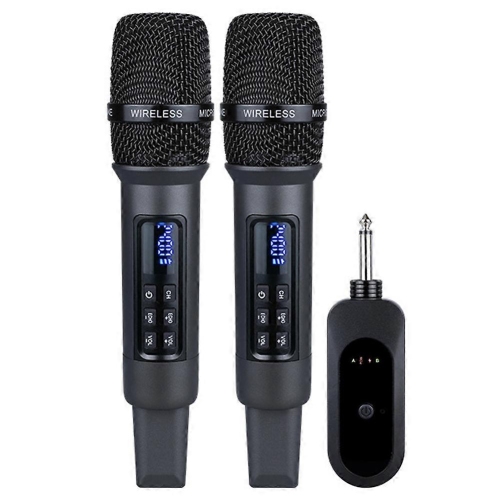
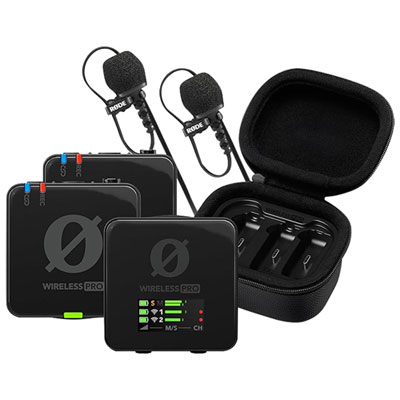

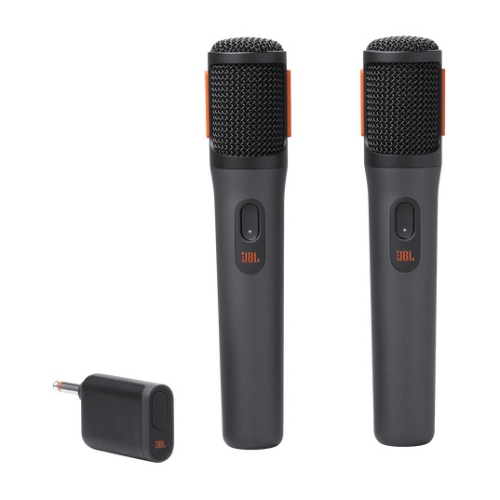
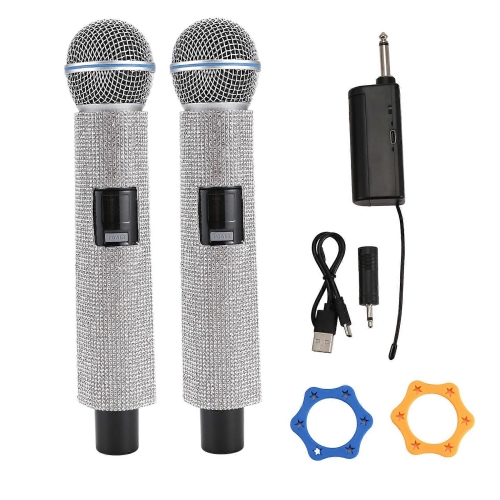
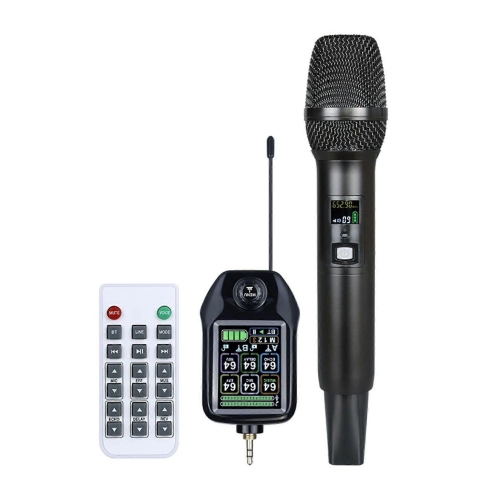


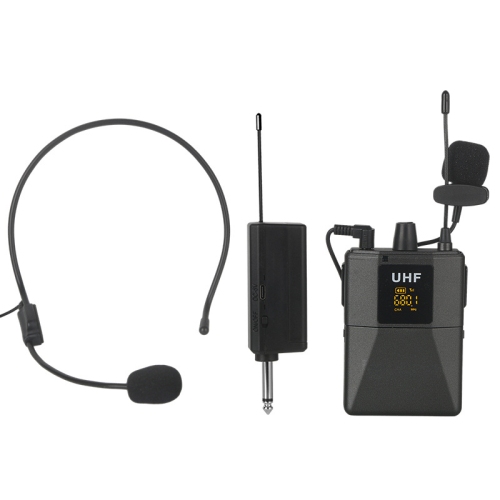
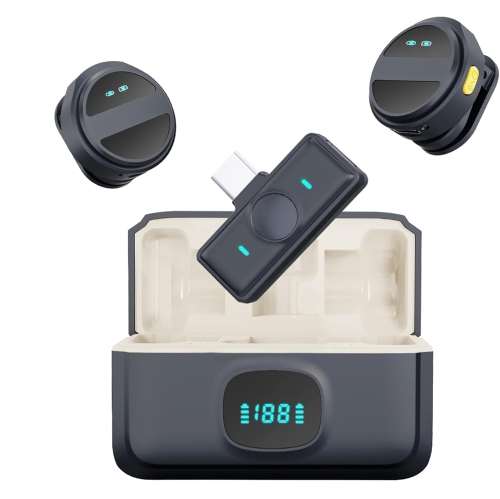
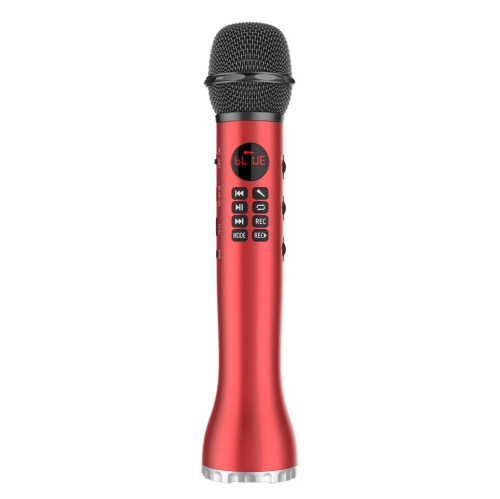

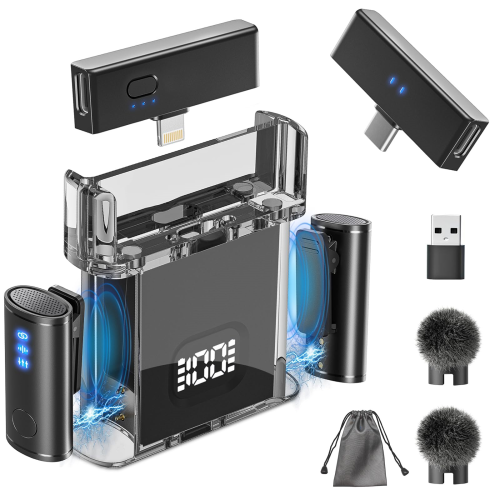
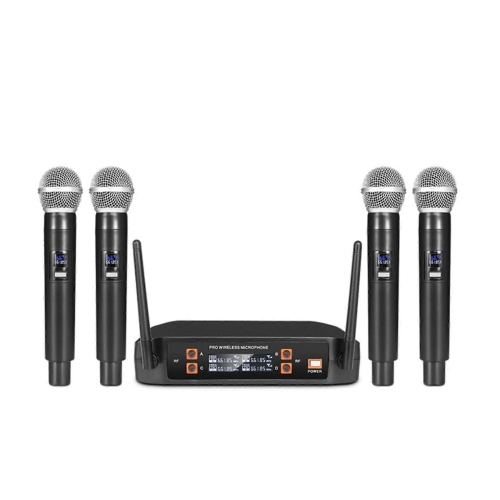



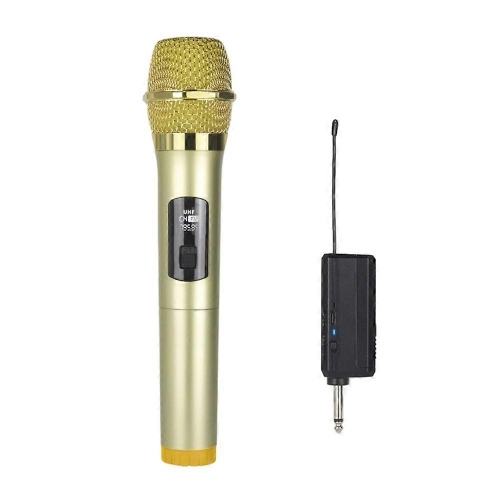
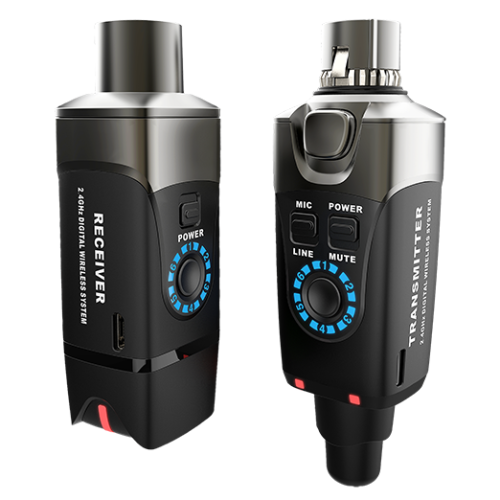
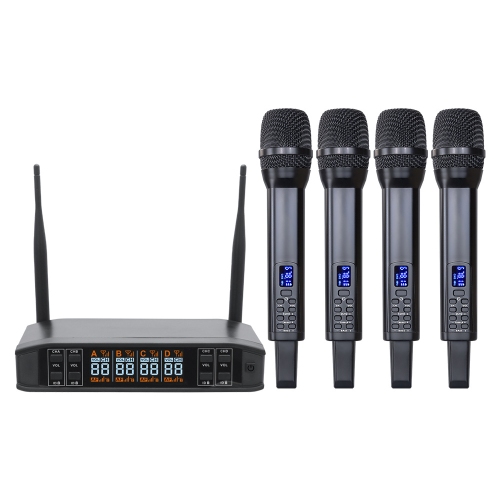
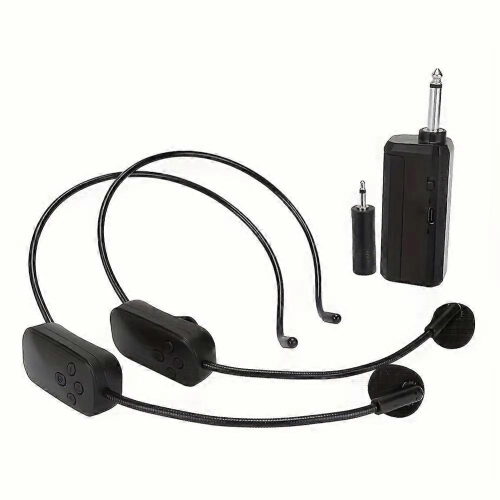


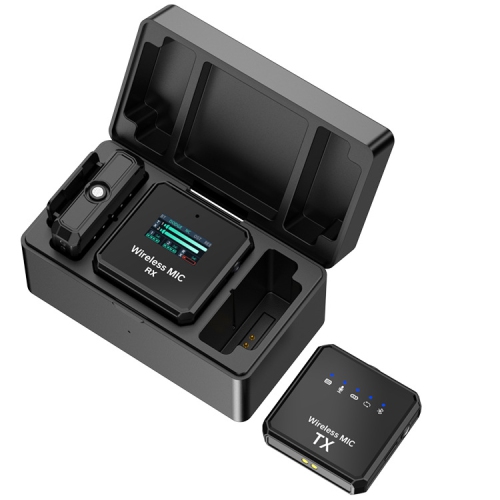
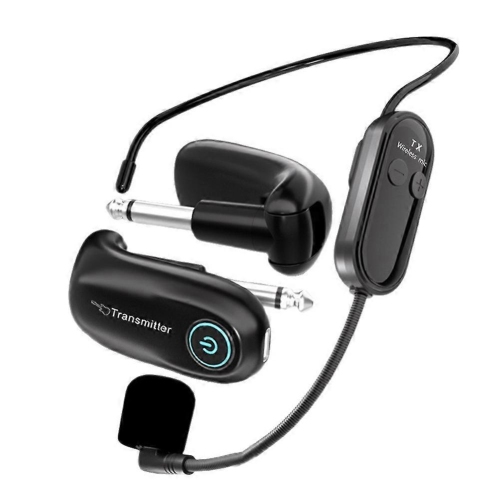

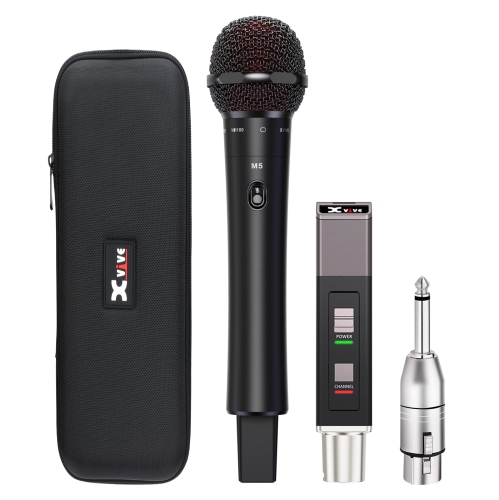
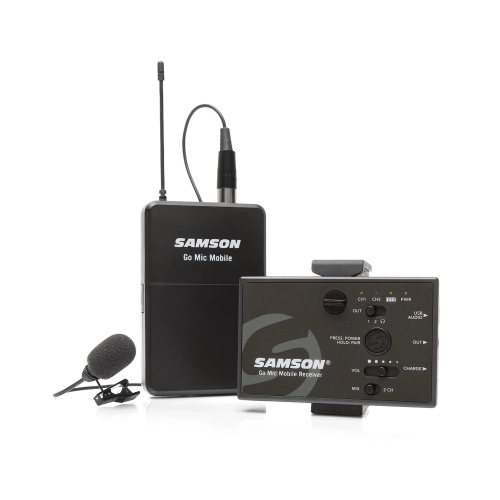

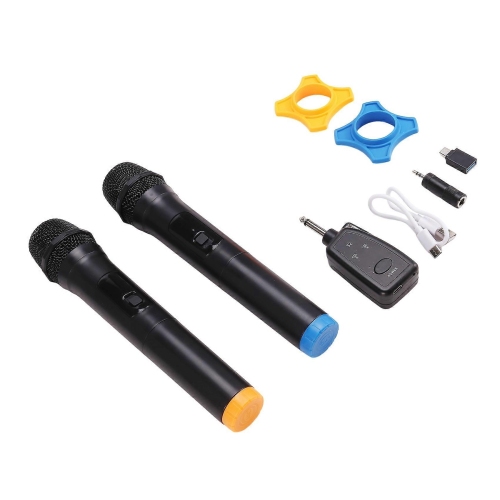

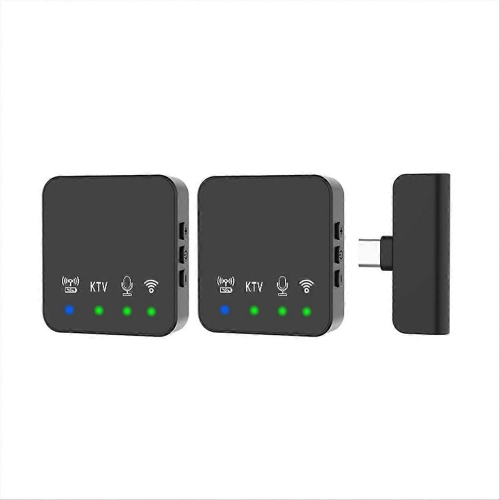
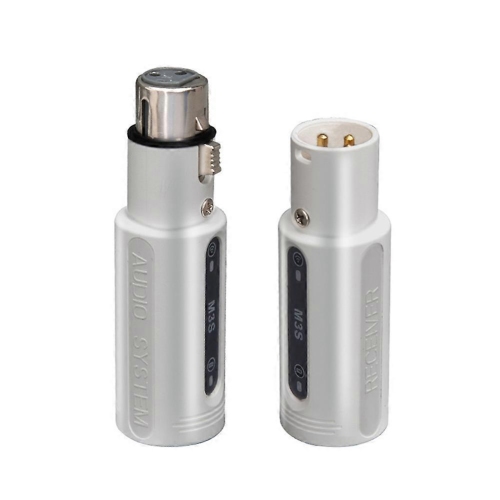




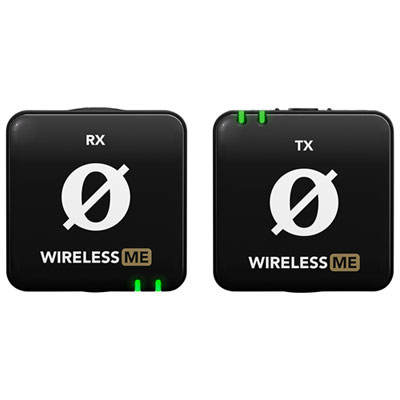
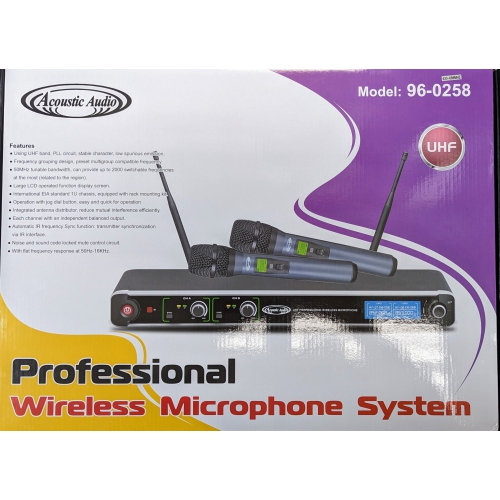
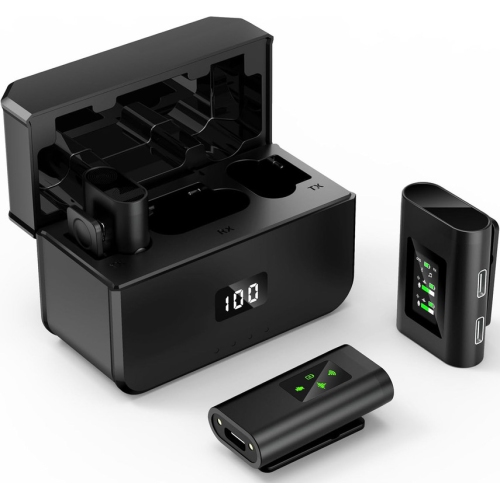
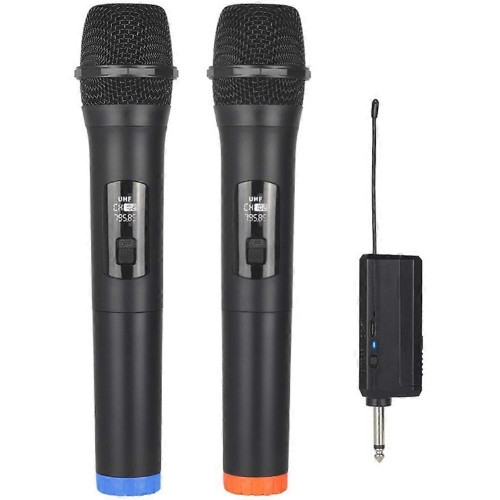

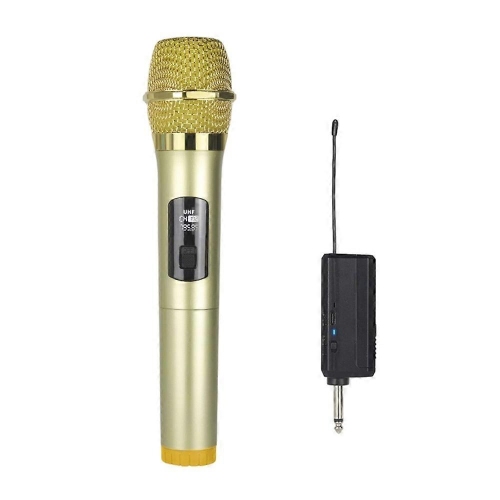
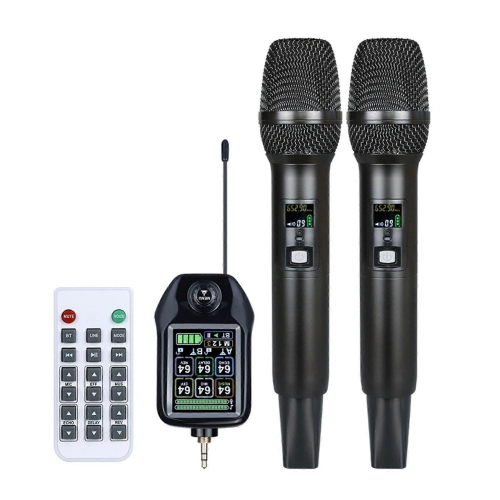

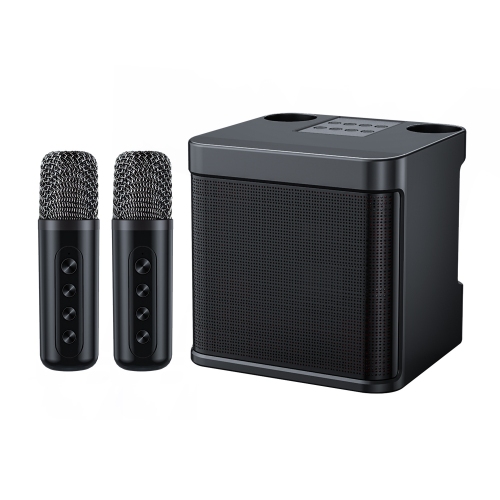
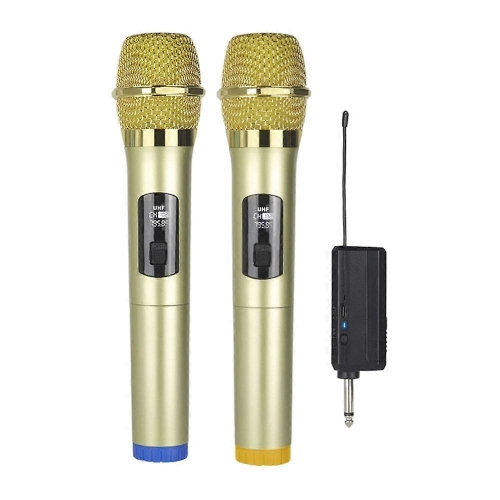
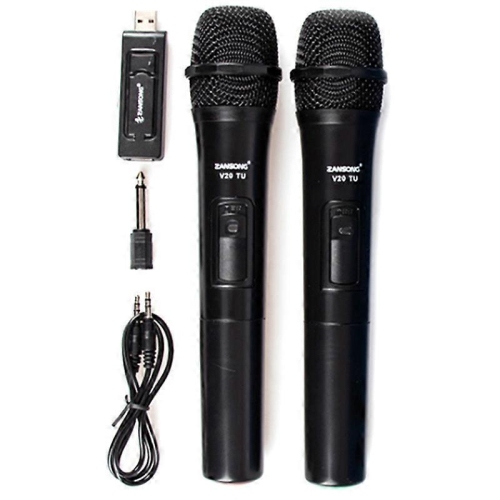
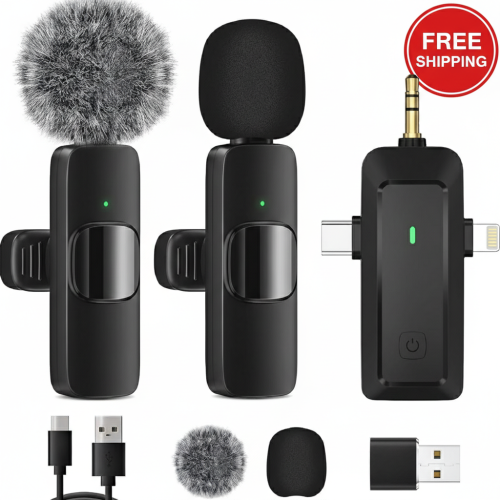
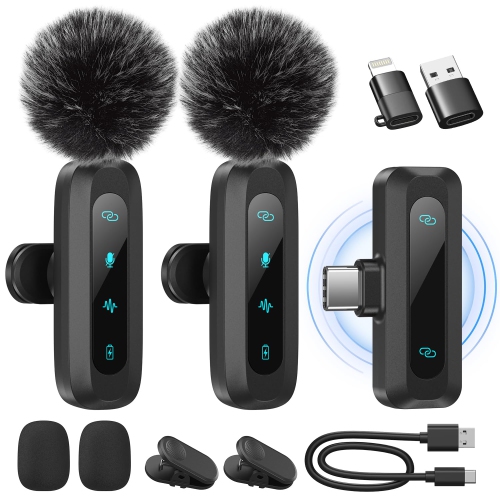
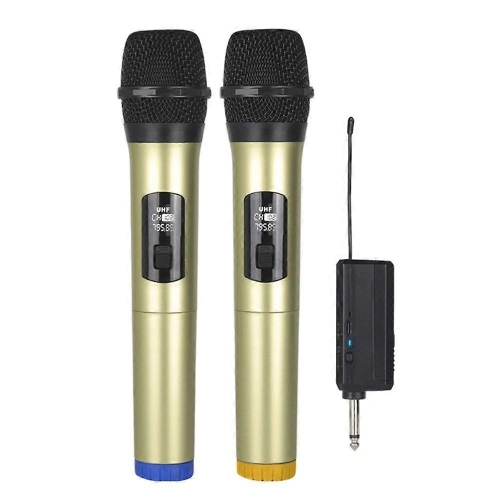


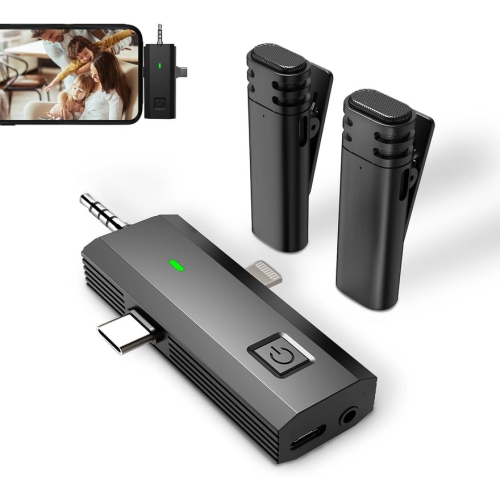
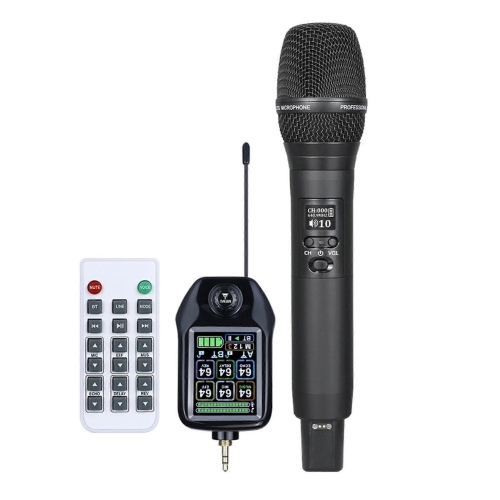
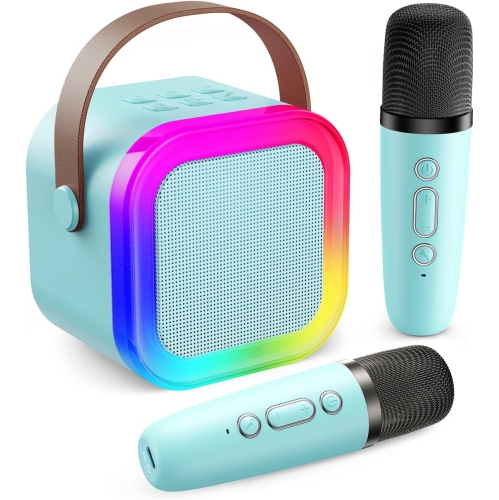
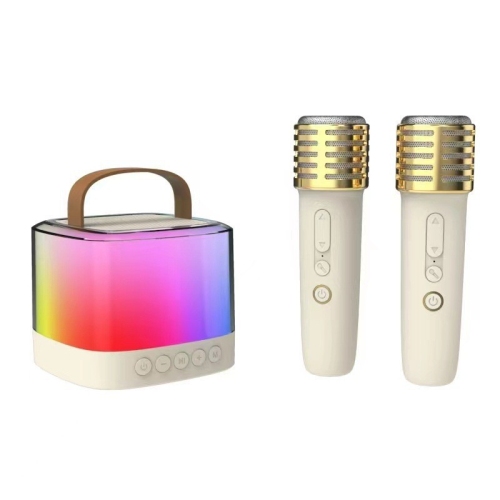
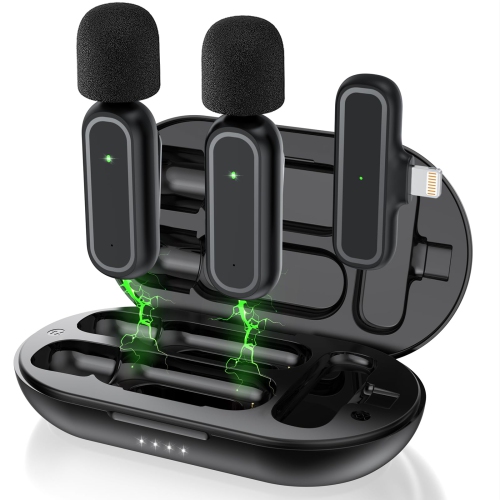
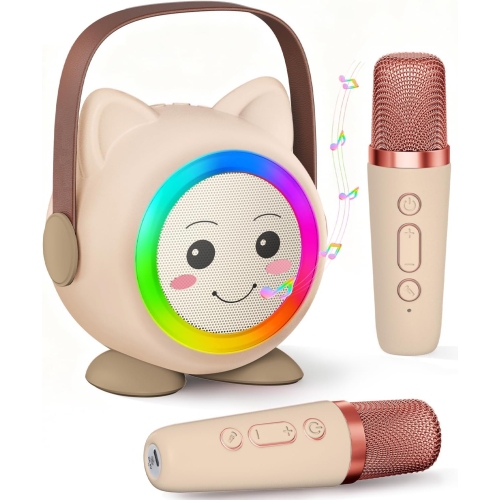
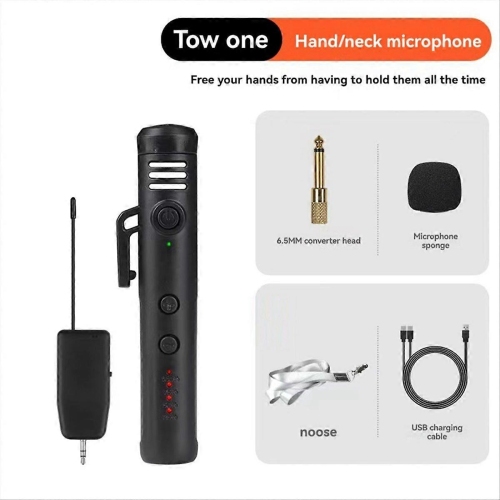
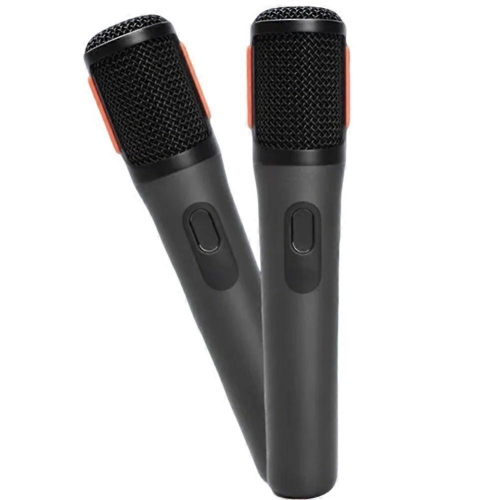


Clear vocals take more than a cable-free microphone
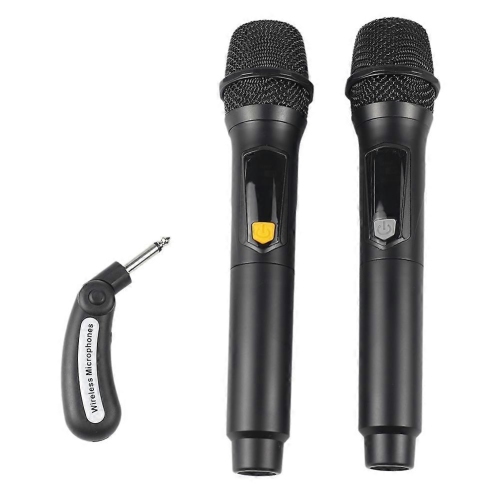
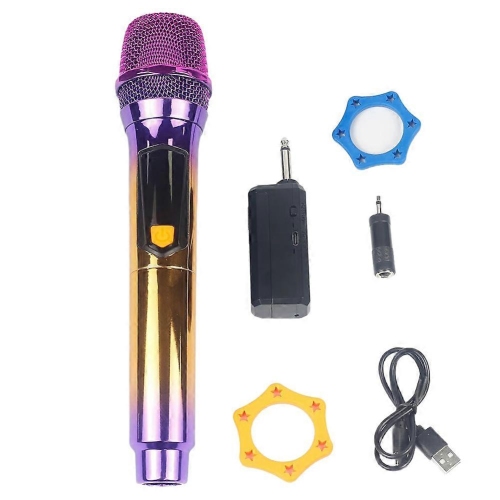
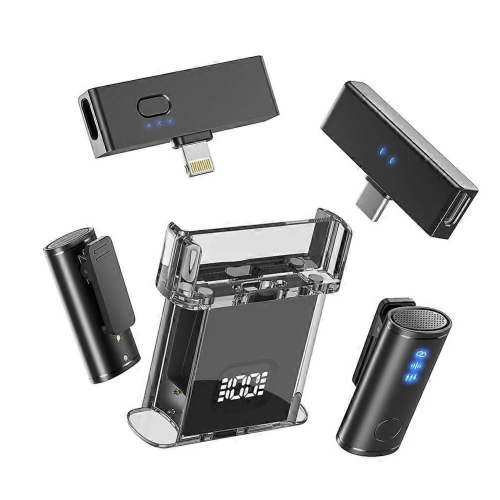
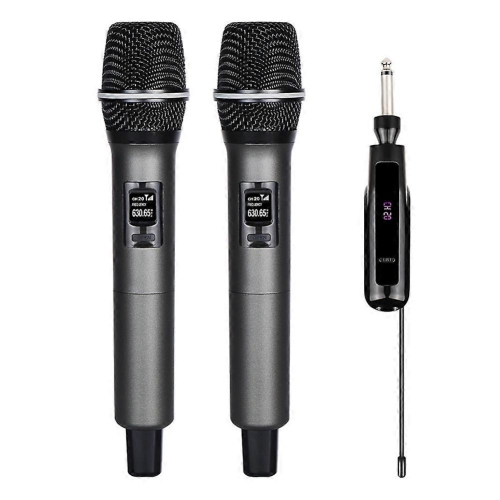
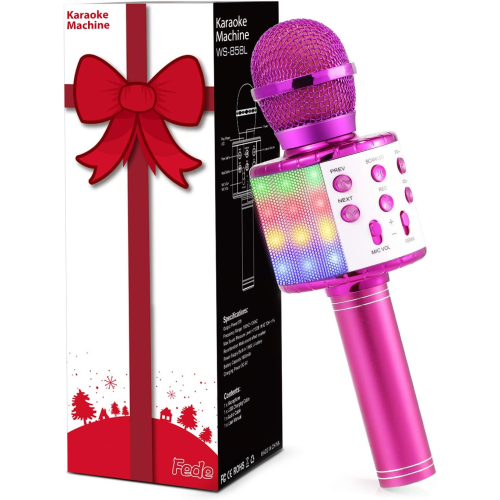
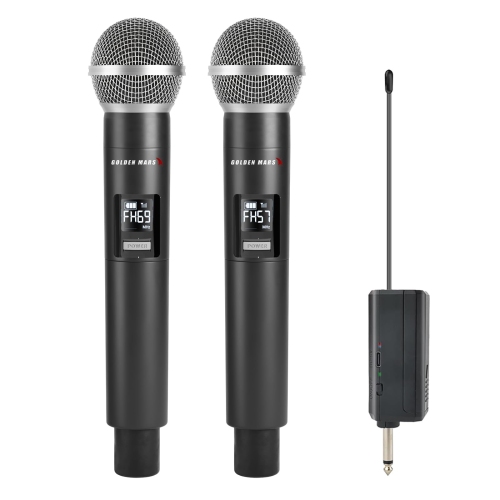
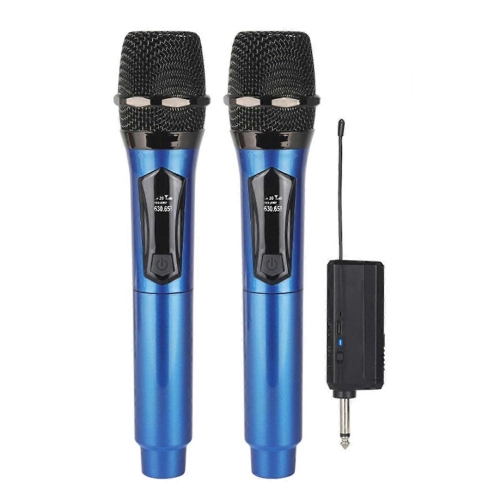
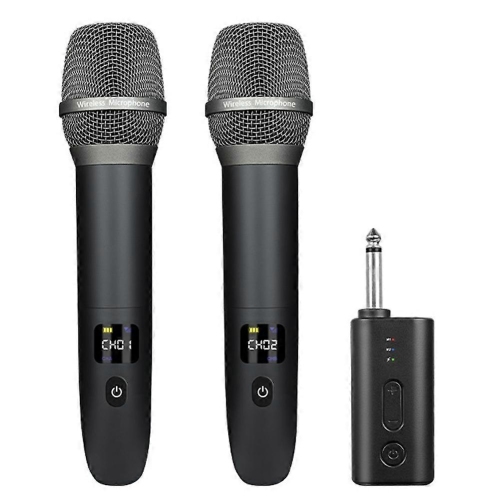
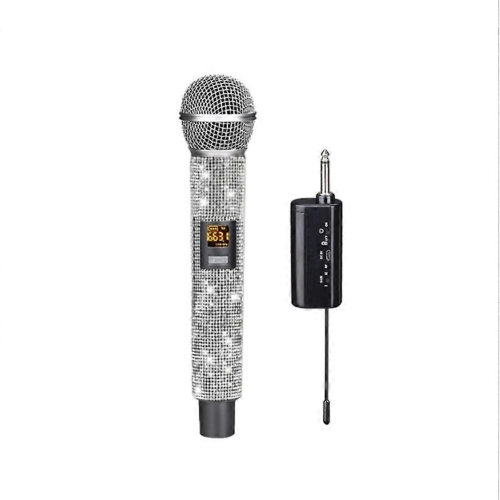
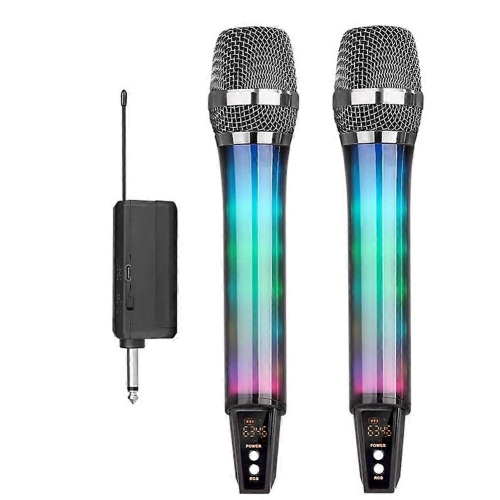
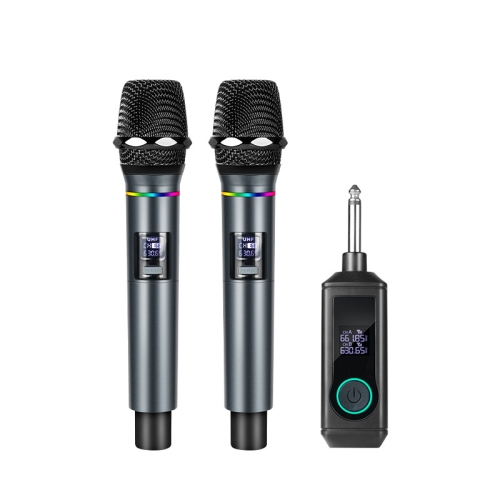
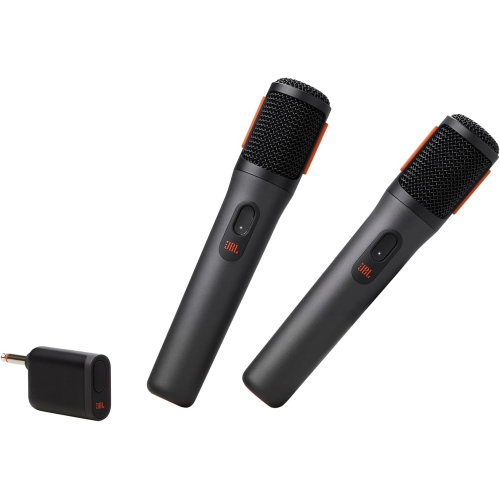
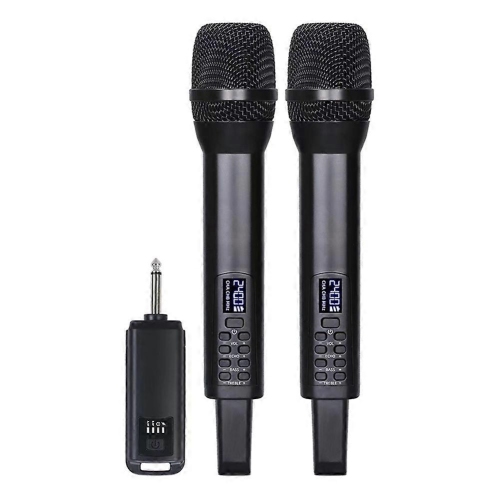
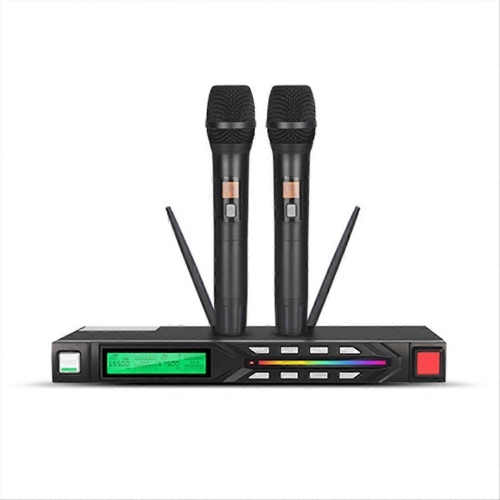
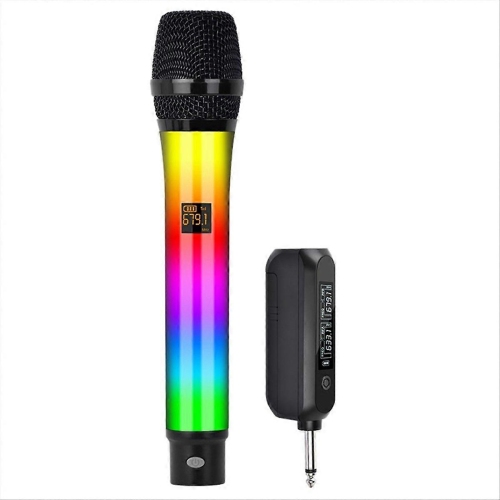
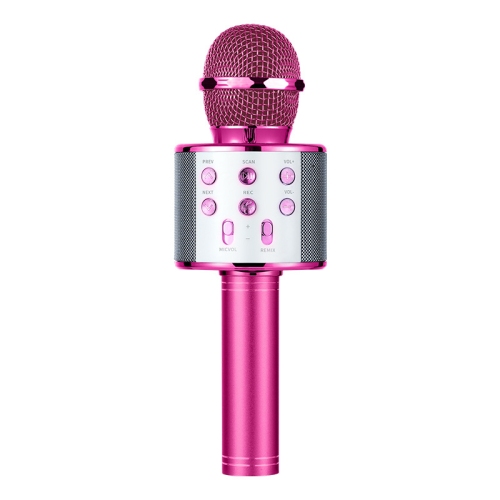
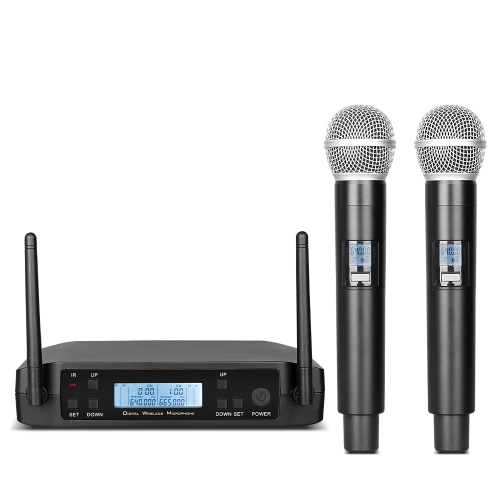
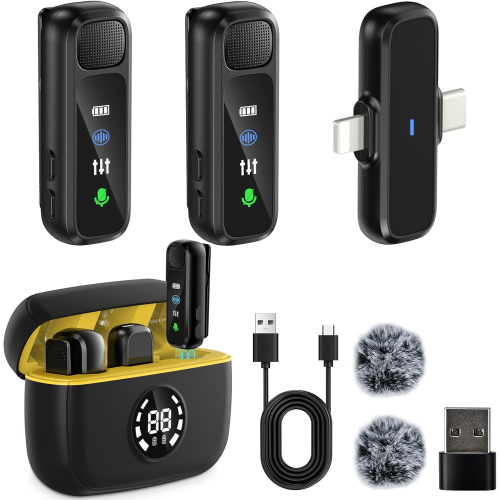
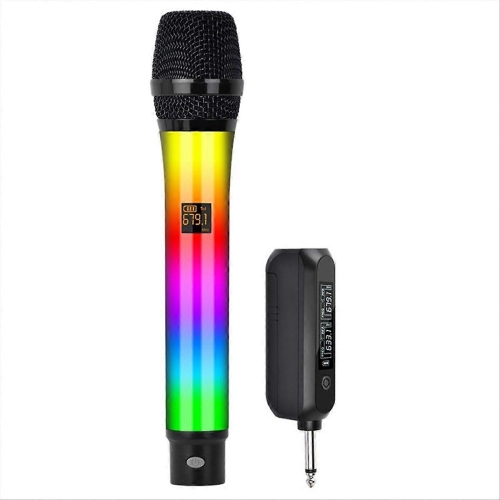
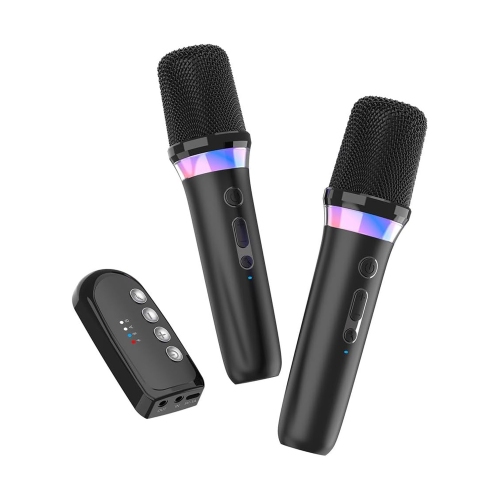
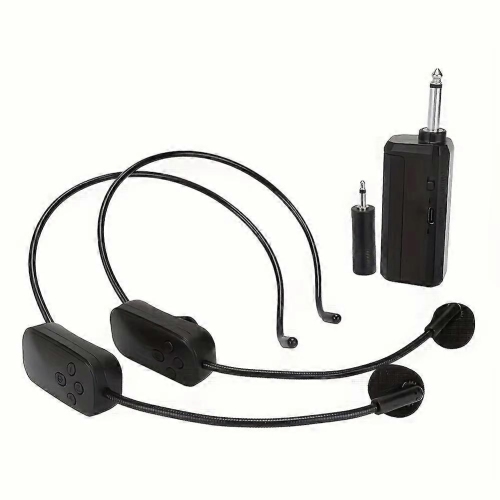
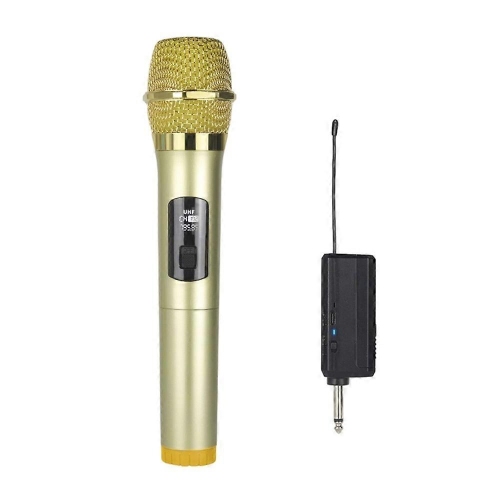
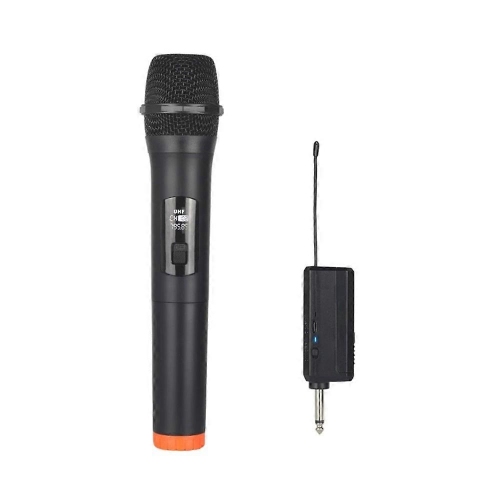
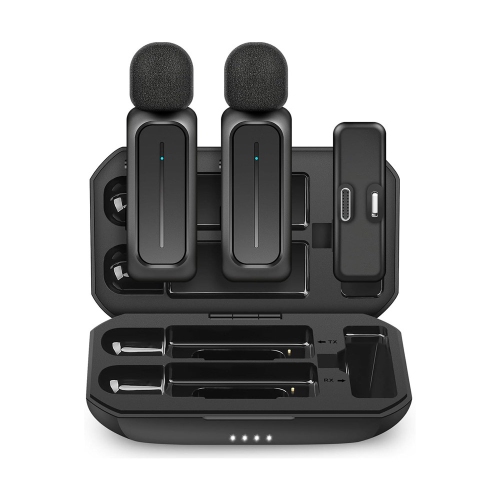
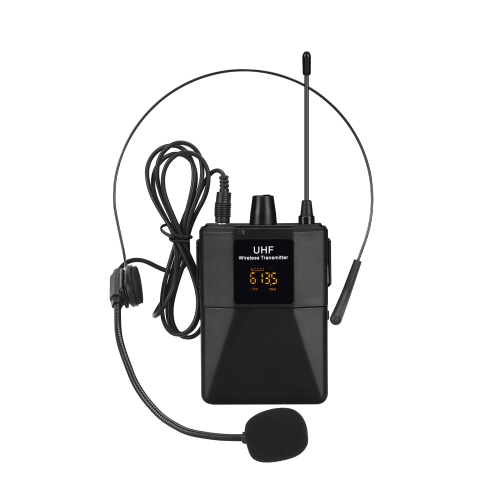
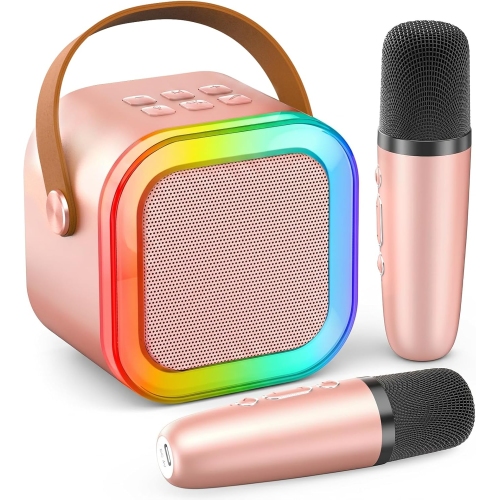
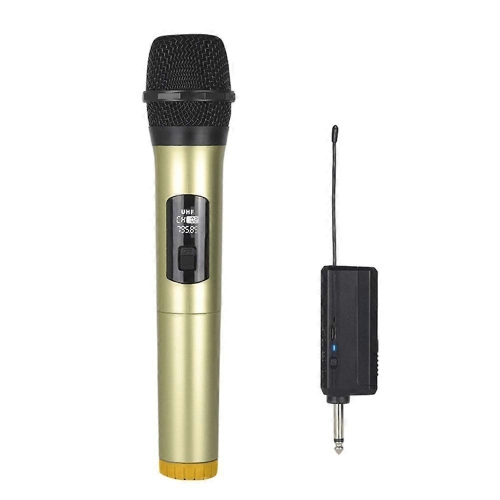
A wireless microphone for singing carries a vocalist’s sound to a receiver without a microphone cable trailing across the floor. That freedom is useful for a singer moving between bandmates, a karaoke performer sharing the spotlight, or a soloist stepping forward from a choir. A typical handheld wireless system combines a vocal microphone and transmitter in one body, with a separate receiver connected to a mixer, powered speaker, or compatible karaoke system. The microphone capsule, radio connection, and receiving equipment all contribute to the result, so clear vocals depend on more than simply removing the cable. Dynamic capsules are common for live singing because they can handle strong vocal levels and are often built for repeated use on stage. Condenser capsules can capture finer vocal detail, although their suitability depends on the singer, surrounding sound, and microphone design. A cardioid pickup pattern favours sound arriving from the front while reducing sound from other directions, helping keep the voice distinct from nearby instruments. More directional patterns can offer further isolation, but they also reward consistent microphone positioning. For a singer who moves from a soft verse to a powerful chorus, maintaining a steady distance from the grille helps keep volume and tone more even. Moving slightly farther away during louder passages can also help manage sudden changes in level. The grille should remain uncovered; cupping it can alter the pickup pattern and increase the likelihood of feedback. At home, a handheld microphone makes it easy to pass a song between friends, while a headset format can suit performers who sing while dancing or playing an instrument. A single-microphone system suits a solo vocalist, whereas a dual system gives duet partners separate microphones. Independent level controls are useful when one voice is naturally louder than the other. Wireless systems sit within the broader category of Microphones for Singing, alongside wired formats suited to different performance and recording needs.
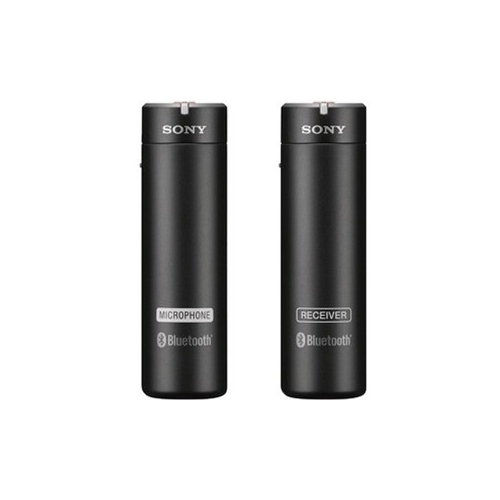
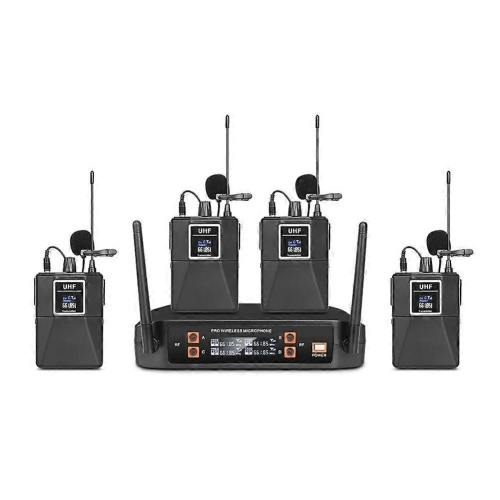
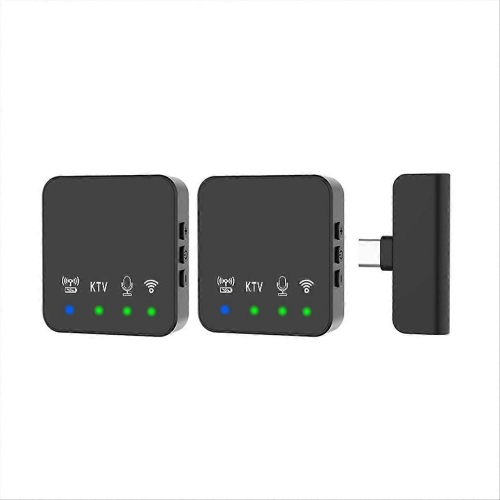
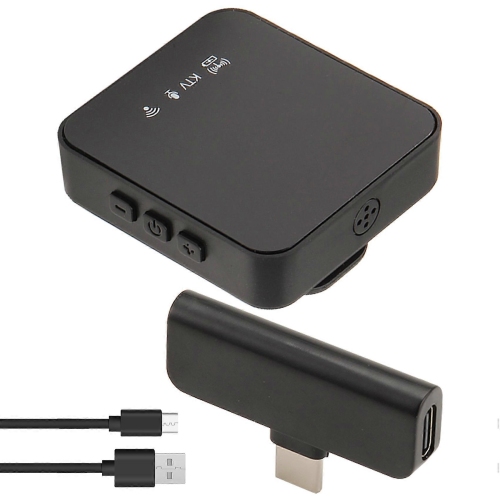
For wireless singing microphones, connection quality matters as much as vocal tone. UHF and 2.4 GHz systems use different portions of the radio spectrum, and neither label alone guarantees a trouble-free performance. UHF systems can provide useful channel choices for live sound, while 2.4 GHz systems share their band with equipment such as Wi-Fi routers and other wireless devices. The amount of nearby radio traffic, the number of microphones operating together, receiver placement, and the system’s channel-management features all affect reliability. Frequency scanning and selectable channels can help a system find a workable connection, especially at a venue where several wireless devices are in use. Systems should operate in frequency bands permitted for their intended use in Canada; licensing requirements can vary by band and application. Published operating range is generally measured under particular conditions, often with a clear path between transmitter and receiver. Walls, metal structures, crowds, and a performer’s body can reduce that distance, making the layout of a rehearsal room or stage more meaningful than a maximum range figure alone. A receiver placed where its antennas have a clear view of the performance area is better positioned to maintain the connection than one tucked behind equipment. Dedicated wireless microphone systems are not necessarily Bluetooth devices: many use their own radio link and deliver audio from the receiver through a cable. On some karaoke equipment, Bluetooth handles backing tracks rather than the live microphone signal. That distinction matters because a noticeable delay between singing and hearing the amplified voice can be distracting. Receiver outputs also need to match the rest of the setup. XLR and quarter-inch connections are common in sound equipment, but input type and signal level still need to be compatible. A television or soundbar without a suitable microphone input may not accept the receiver directly. USB-connected systems can suit some computer-based uses, though compatibility with the device and software remains important. For multiple singers, the number of supported simultaneous channels determines how many microphones can operate together; matching appearances do not establish compatibility.
The physical feel of a wireless singing microphone becomes noticeable during a full rehearsal or performance. A comfortable grip, balanced weight, and controls that are easy to reach without accidental presses can make a handheld microphone feel natural rather than distracting. Metal housings and protective mesh grilles can stand up well to regular handling, while lightweight polymer bodies may feel easier to hold through longer sessions; overall construction and care matter more than the material alone. A secure battery cover, firmly fitted grille, and protective carrying case help with repeated transport between home, rehearsals, and venues. Headset microphones bring different fit considerations, including an adjustable frame, comfortable contact points, and a capsule that stays near the mouth when the performer turns their head. Battery design affects everyday use, too. Replaceable batteries can be convenient when quick changes are needed, while rechargeable systems suit a regular charging routine. Stated battery life depends on the system and operating conditions, so a battery indicator and enough charge for both sound check and performance are practical details. Receiver power requirements deserve equal attention: a battery-powered microphone still needs its receiver and connected sound equipment to be powered. For home karaoke, straightforward pairing, accessible volume controls, and a stable connection often matter more than extensive adjustment menus. A vocalist working with a band may place greater value on channel flexibility, manageable handling noise, and a microphone that remains comfortable through a long set. Speaker placement and sensible gain settings also play a role in keeping vocals clear; wireless operation does not remove the possibility of feedback. Care is generally simple but should follow the manufacturer’s directions. A soft cloth can remove marks from the body, while removable grilles may have separate cleaning instructions. Moisture should be kept away from electronics, and microphones should be dry before being packed away. For a shared microphone, cleaning the grille appropriately is particularly useful. As a gift for a karaoke enthusiast, aspiring singer, or regular performer, a wireless microphone system is most useful when its receiver connections, microphone format, and power arrangements suit the equipment they already use.
Top selling and popular products
-
 Your price for this item is $303.46
-
 Your price for this item is $219.99
-
 Your price for this item is $114.99
-
 Your price for this item is $399.99
-
 Your price for this item is $542.64
-
 Your price for this item is $109.99
-
 Your price for this item is $249
-
 Your price for this item is $32.99
Discover more categories related to Wireless Mic for Singing

Top Collections:
Pokemon Centers, Best Cameras for Sports Photography, Kindle Devices, Samsung Galaxy Phones, Canon G7X Cameras, Pokémon 30th Celebration Cards, Refurbished Apple Laptops, iPhone 15 Apple, Laptops for Students, Budget Smartphones
Some products may be subject to Environmental Handling Fees
(EHF) depending on your province.
Learn more about EHFs.