Wireless Mics for Interviews
Looking to conduct interviews with utmost ease and flexibility? Look no further! Our collection of wireless microphones for interviews is here to take your interviewing game to the next level. Say goodbye to tangled cables and restricted movement, as these wireless mics offer seamless connectivity and crystal-clear sound quality. Whether you're a journalist, podcaster, or content creator, our range of wireless mics ensures that you capture every word and nuance with precision and clarity. With a variety of features and options available, you'll find the perfect wireless microphone that suits your interviewing style and needs.
Sort
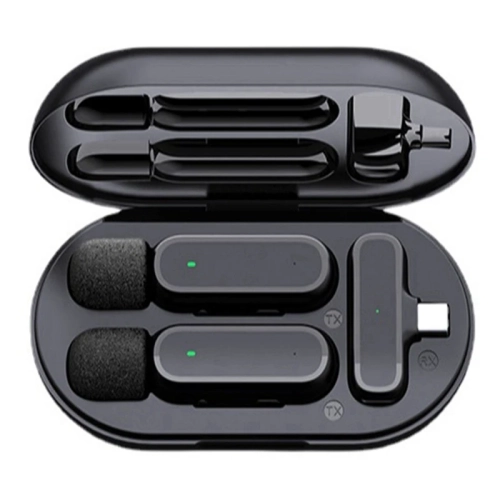
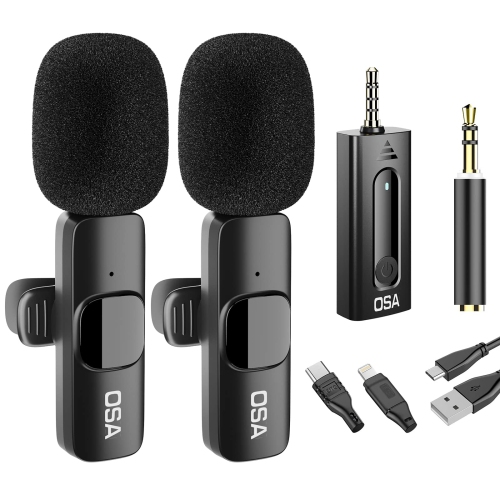

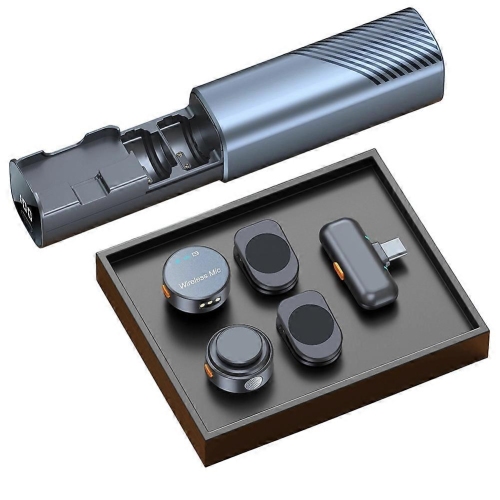
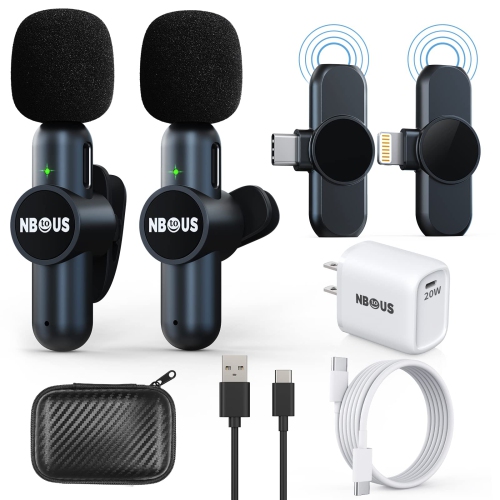
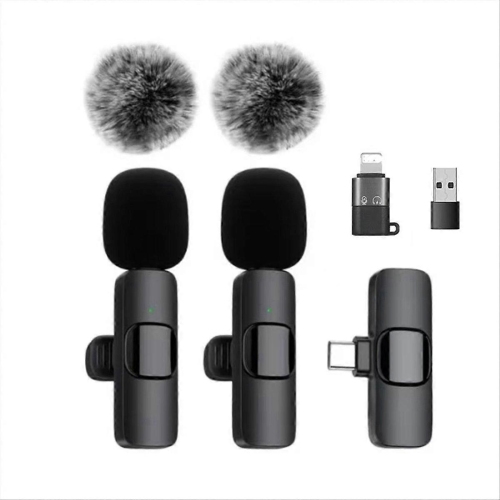
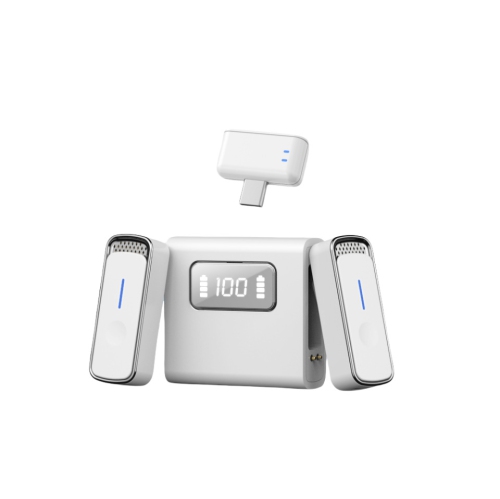

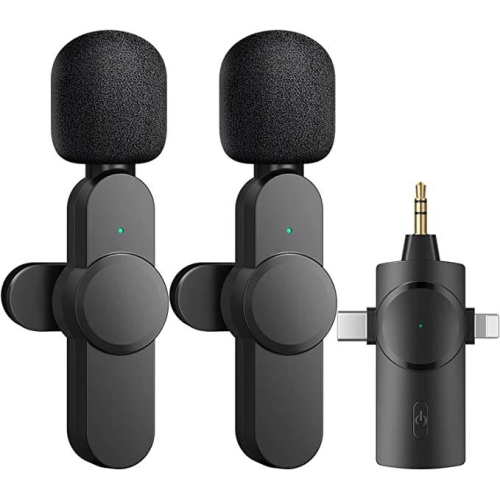


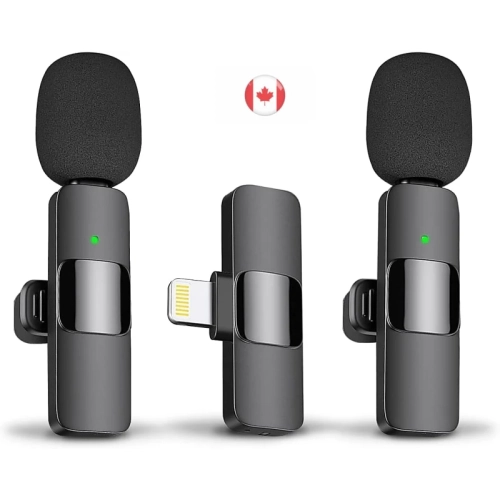
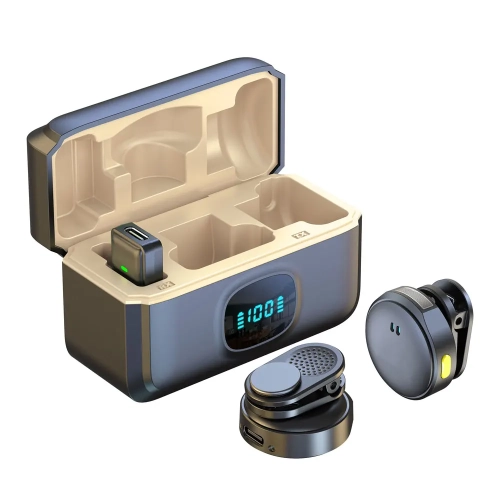
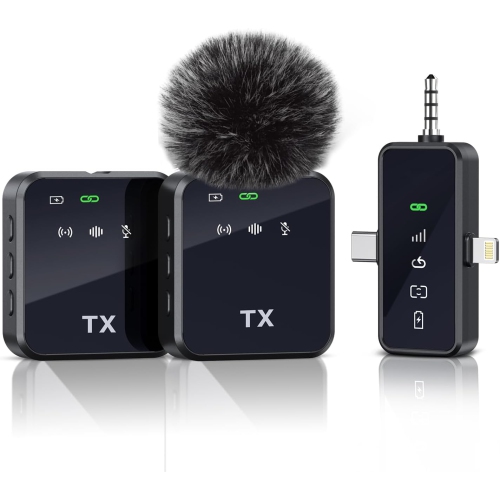
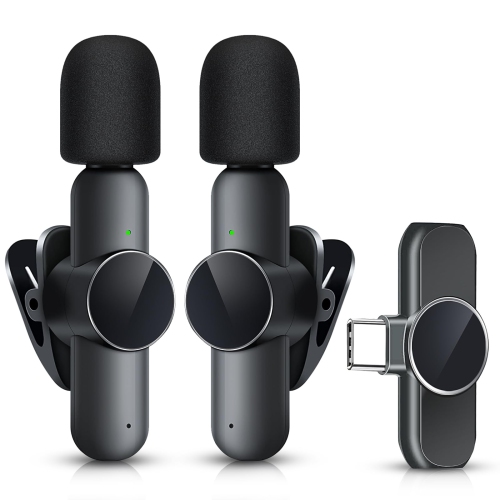


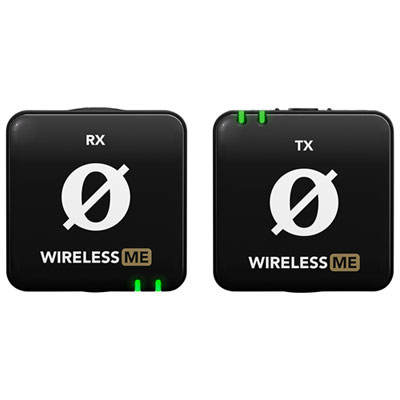
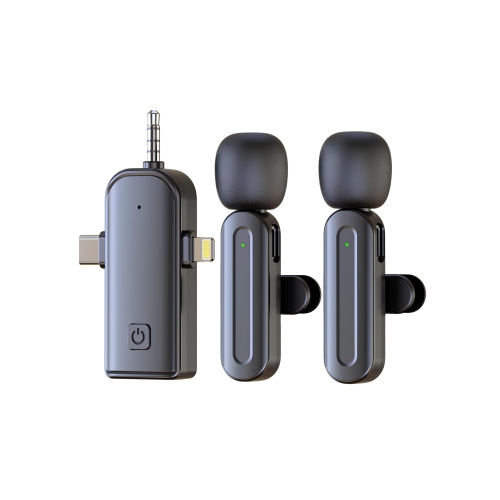
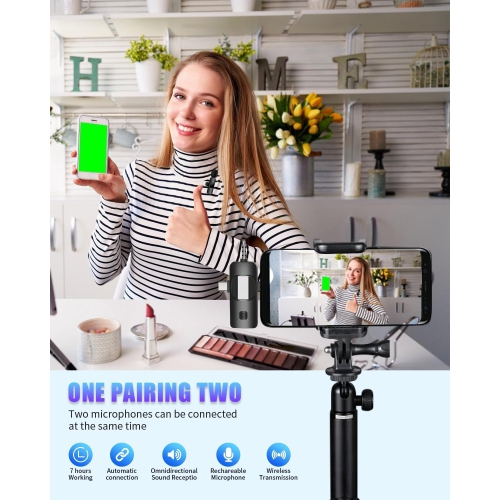
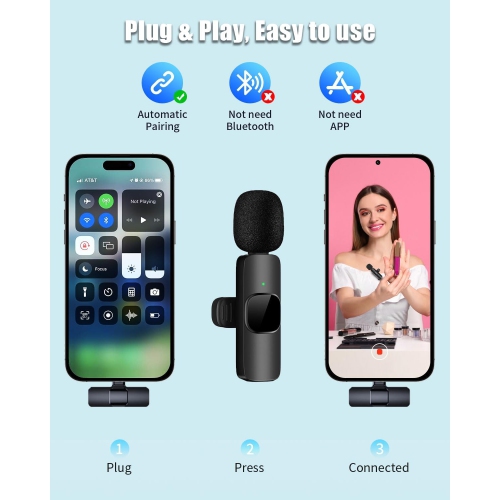
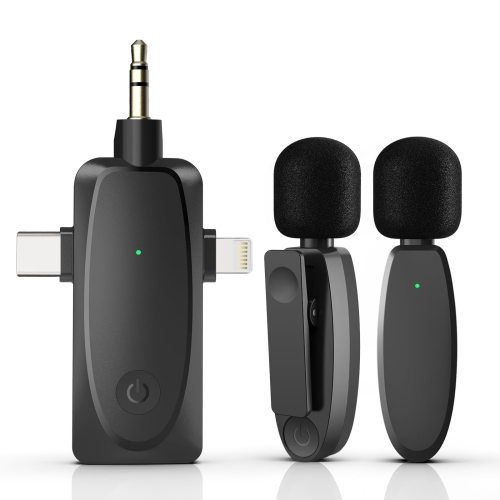
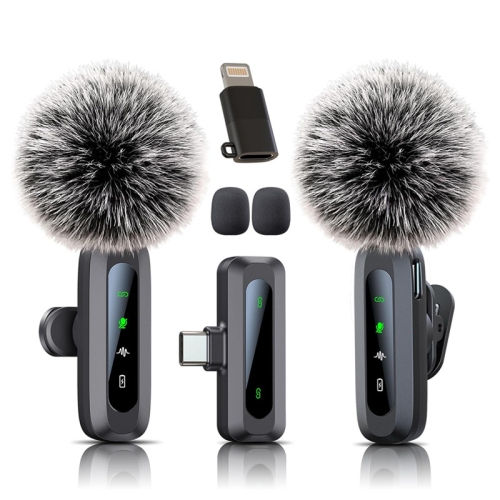
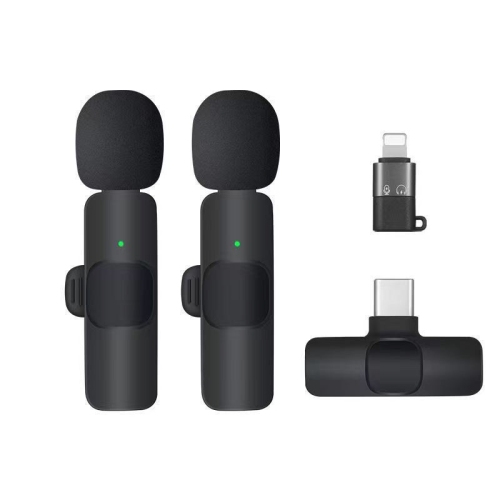
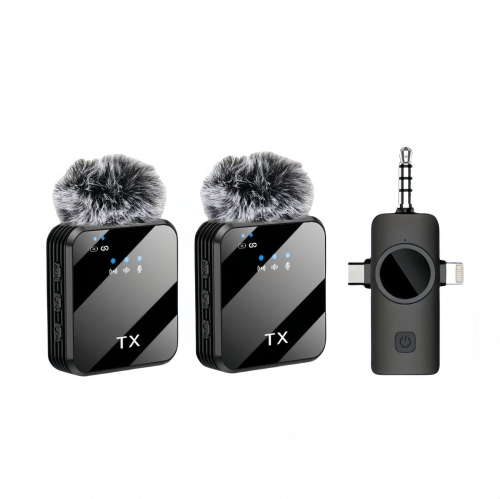
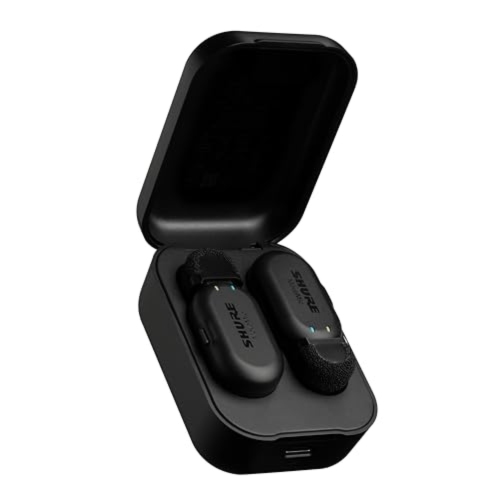
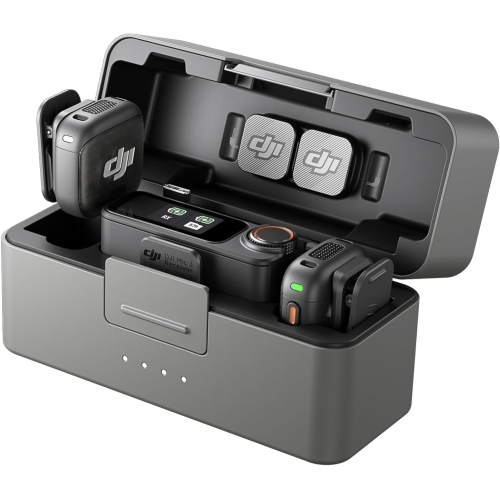
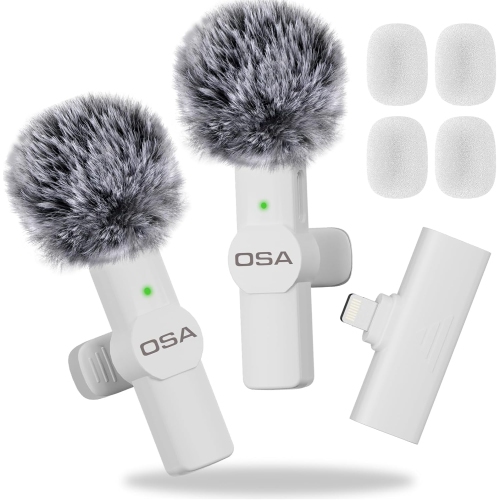

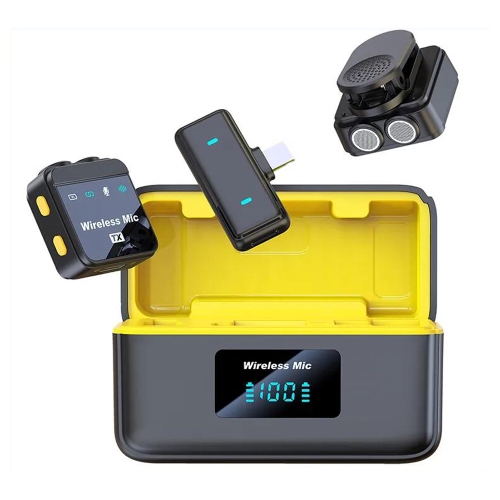
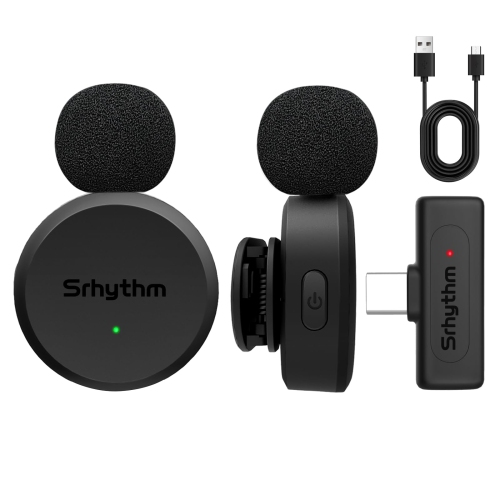
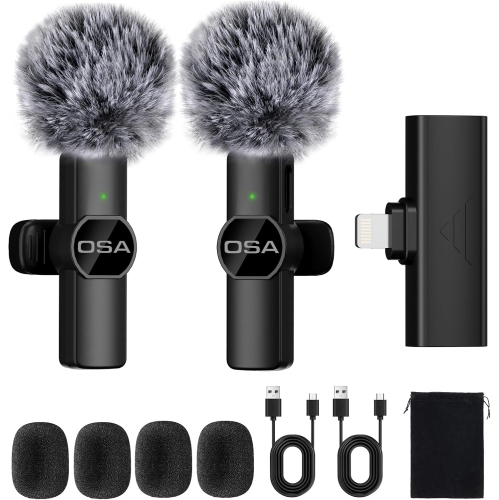
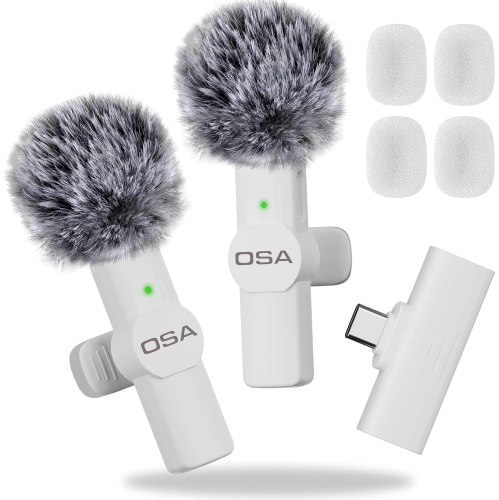
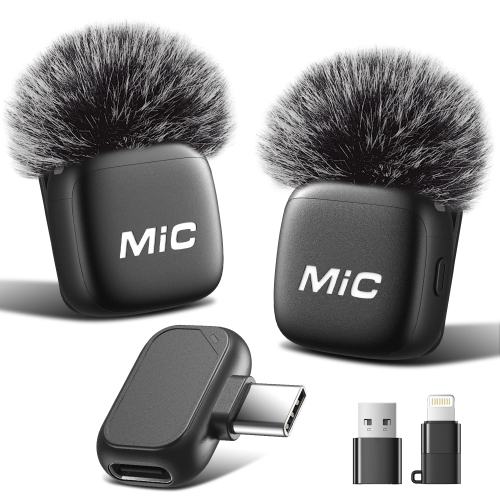
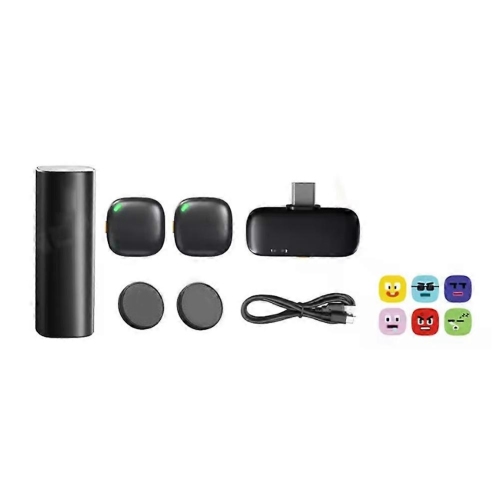
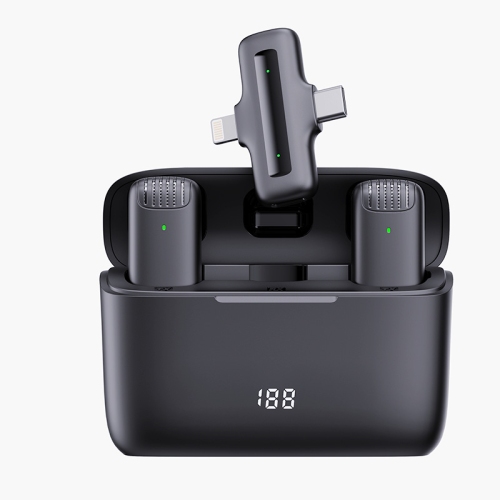
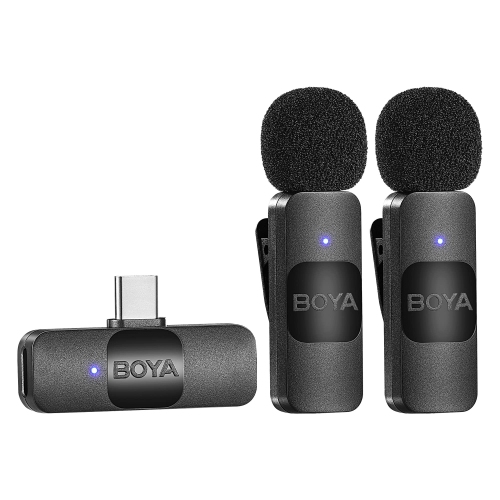
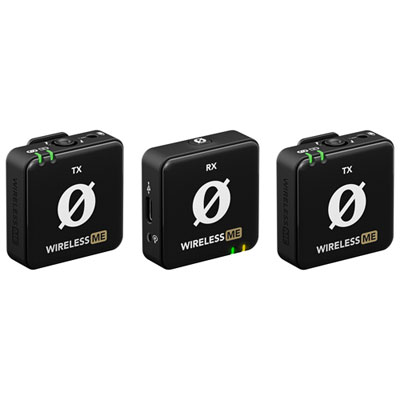

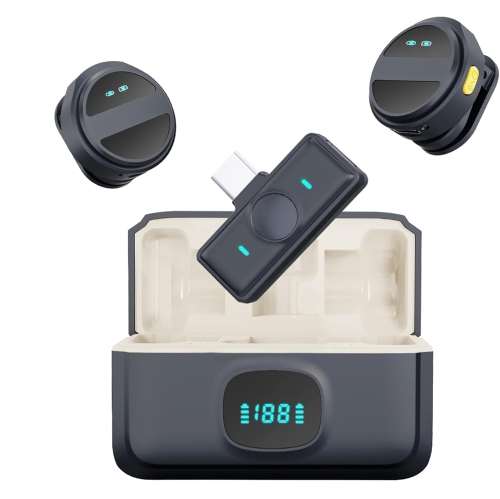
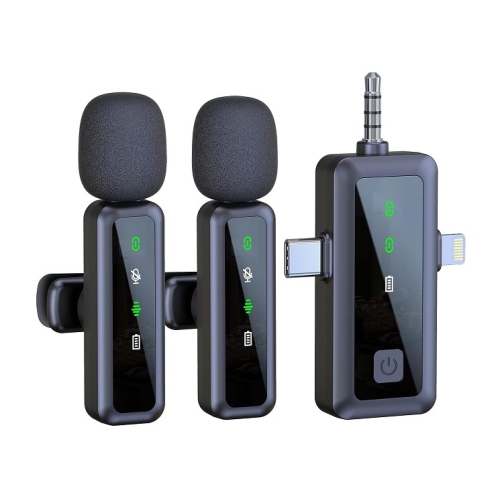
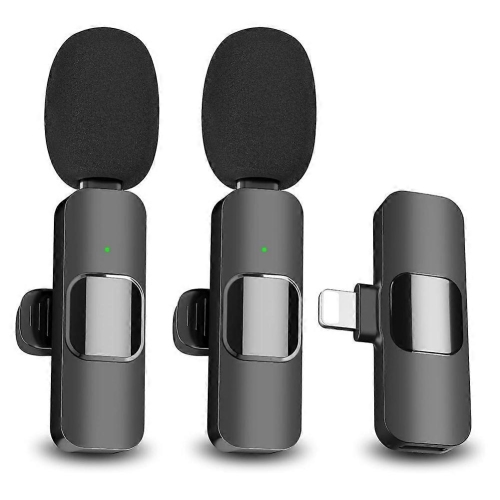
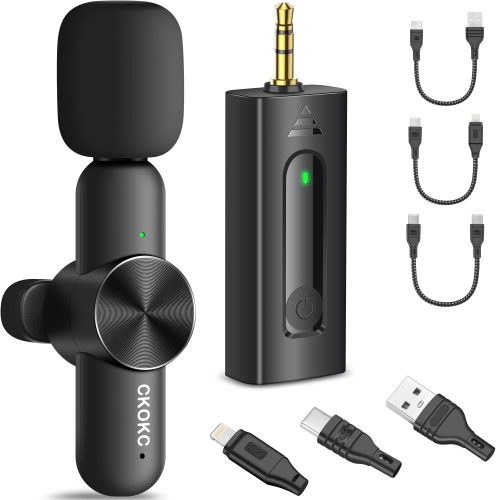
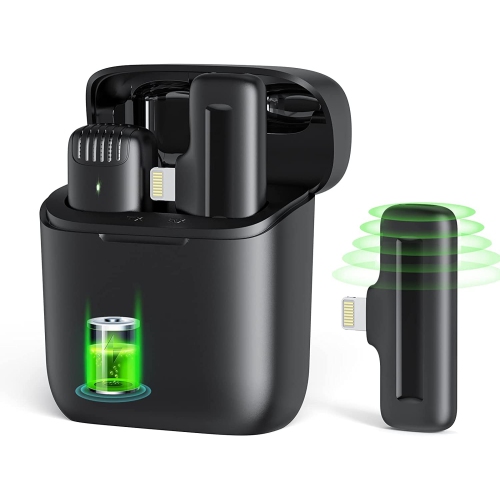
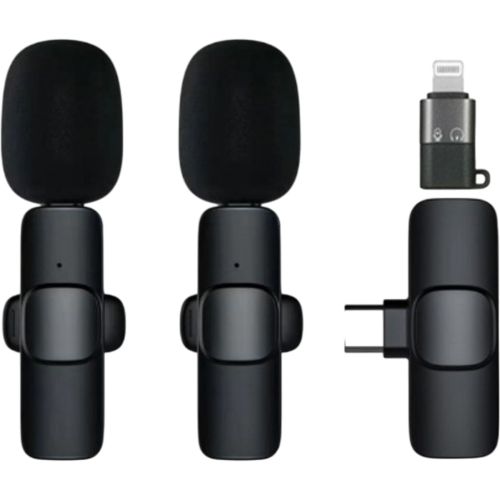
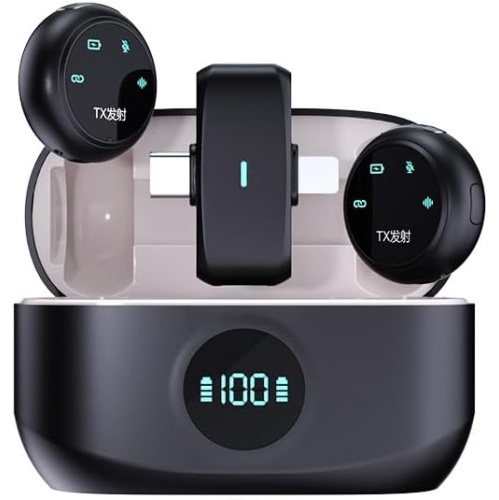
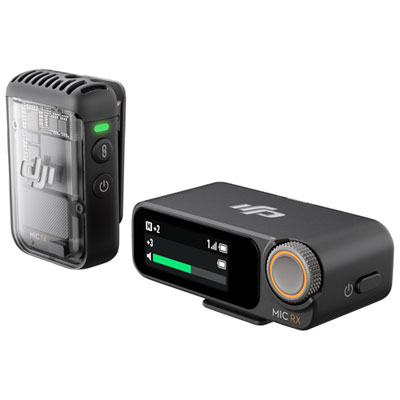

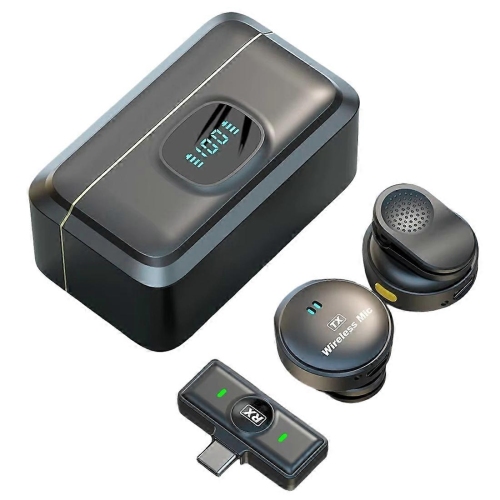
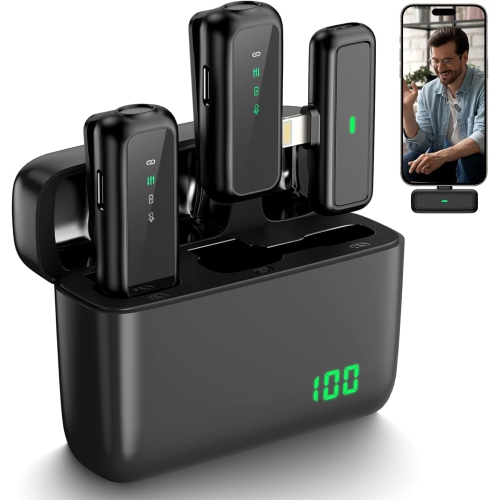
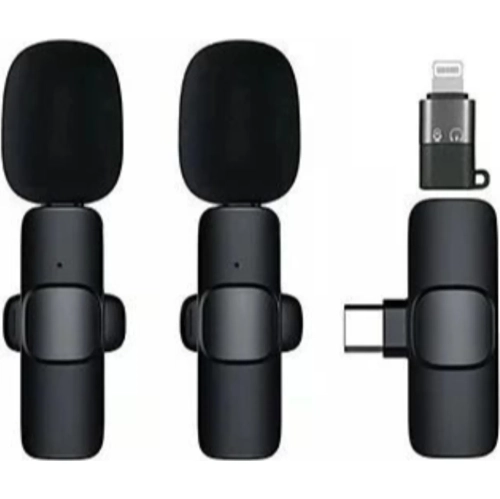
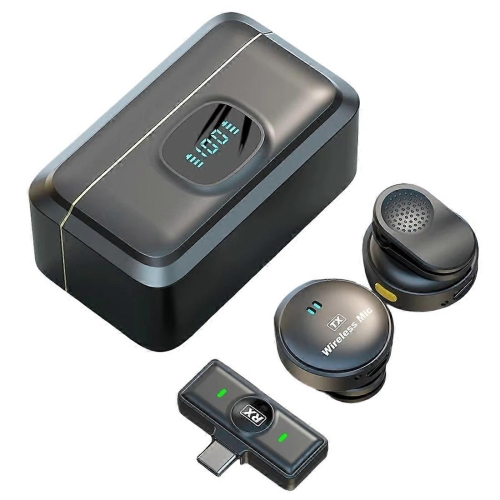

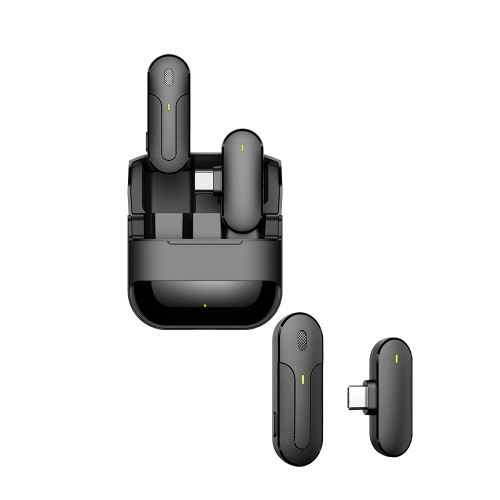
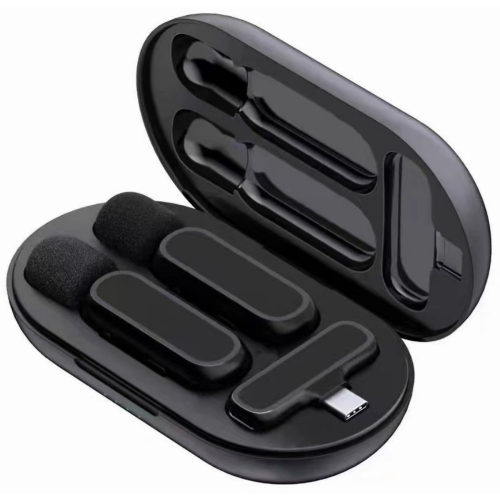
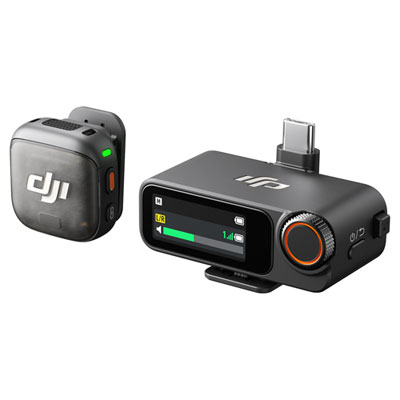
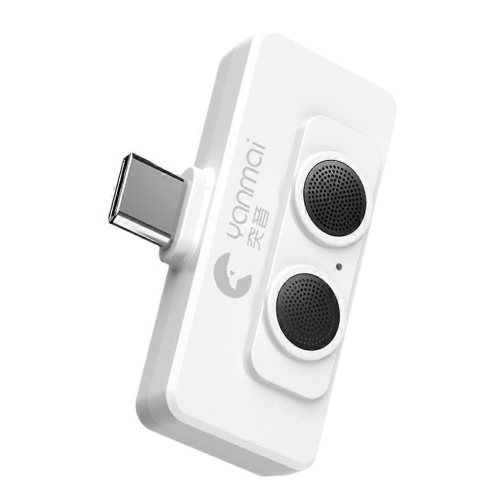
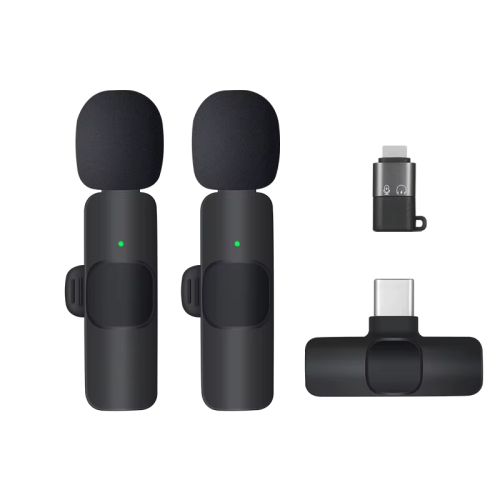

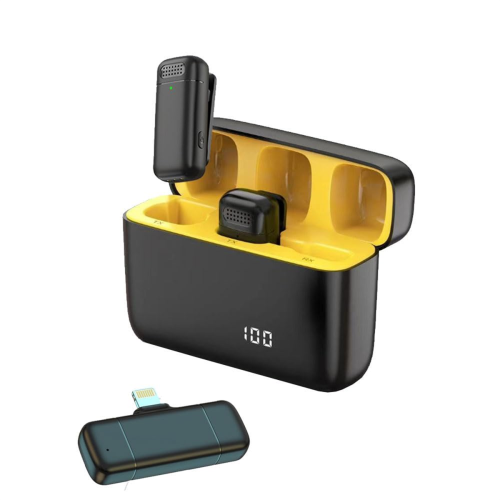
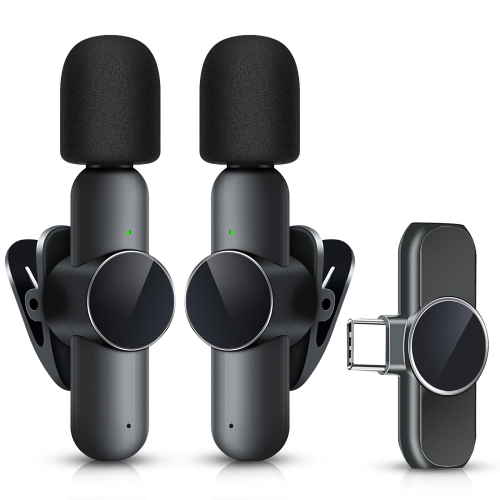
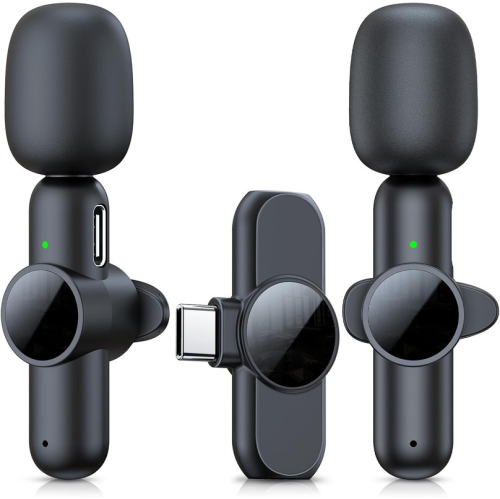
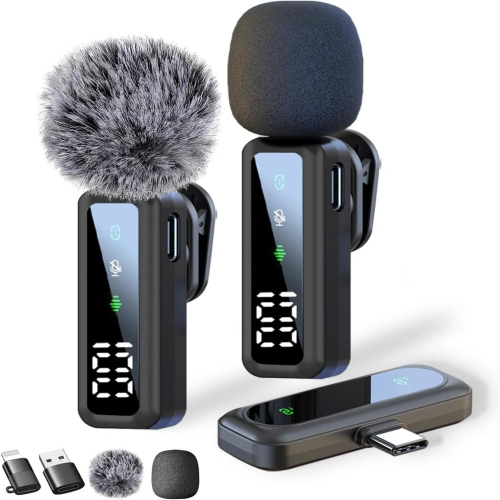
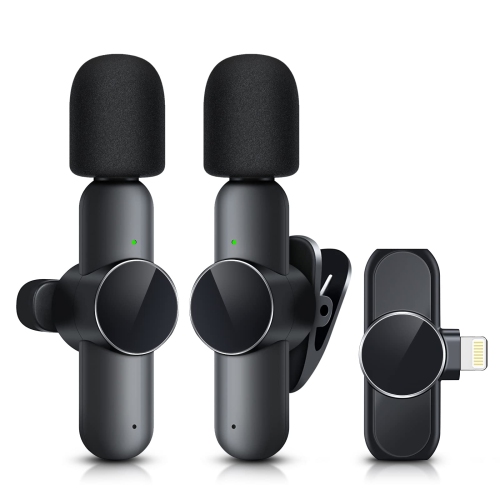
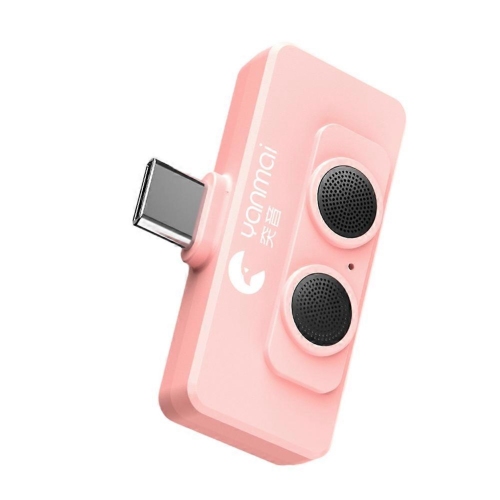
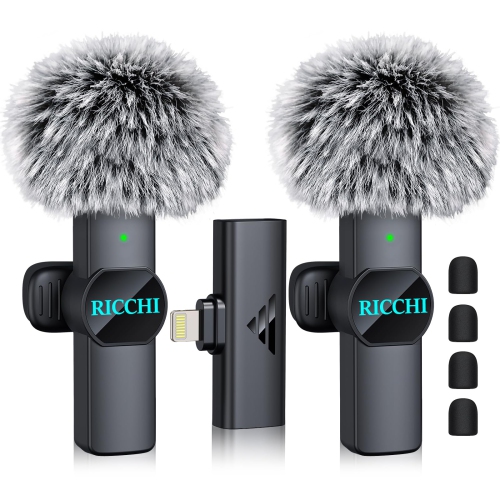
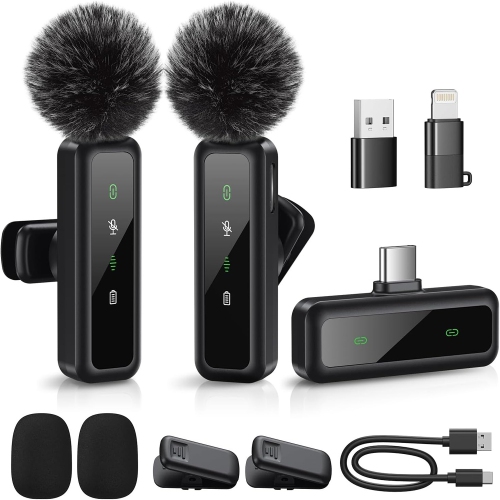
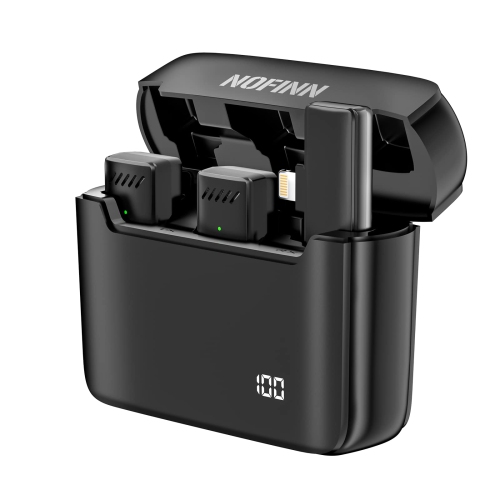
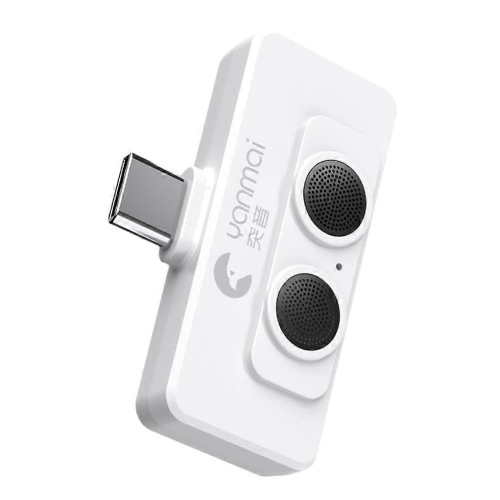
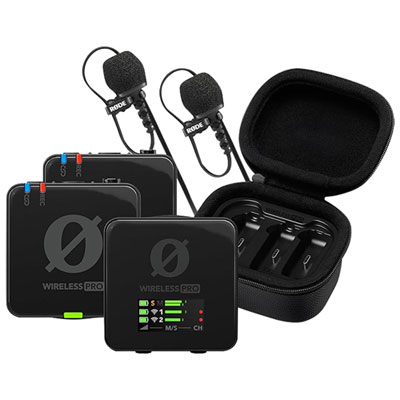


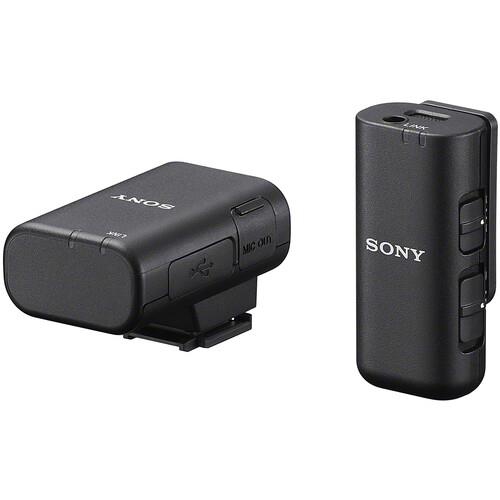
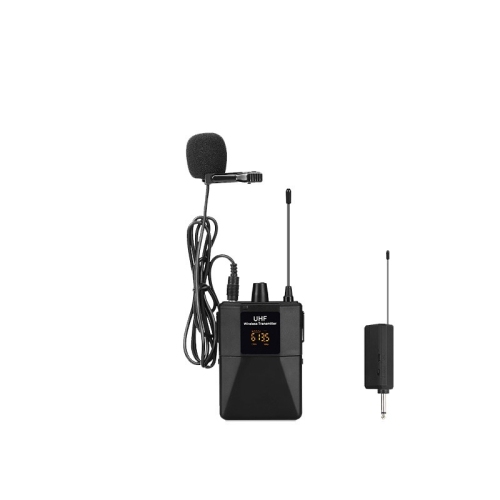
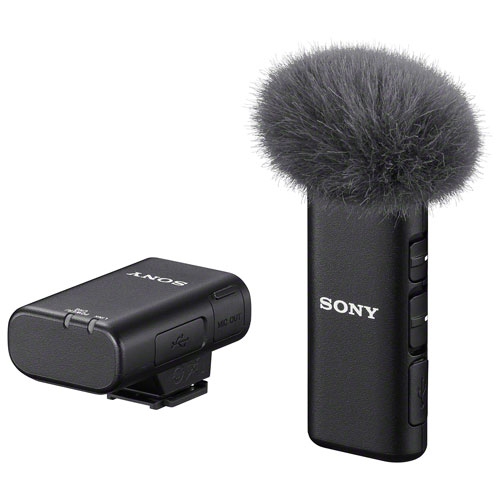
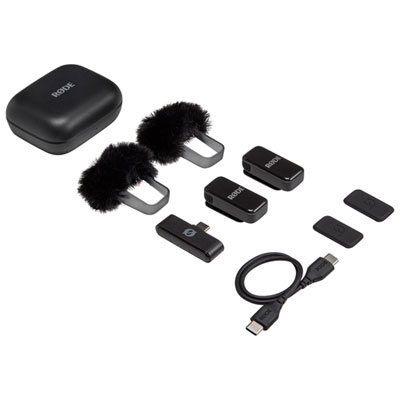


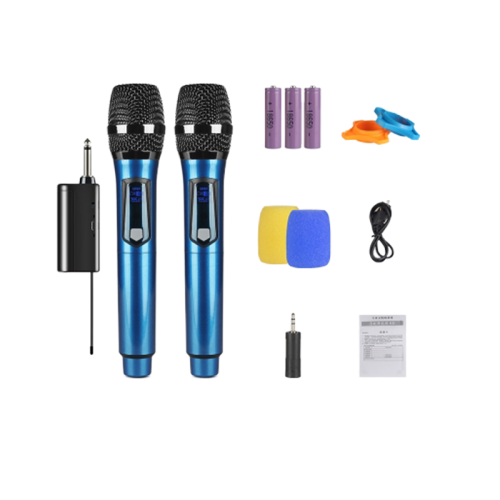
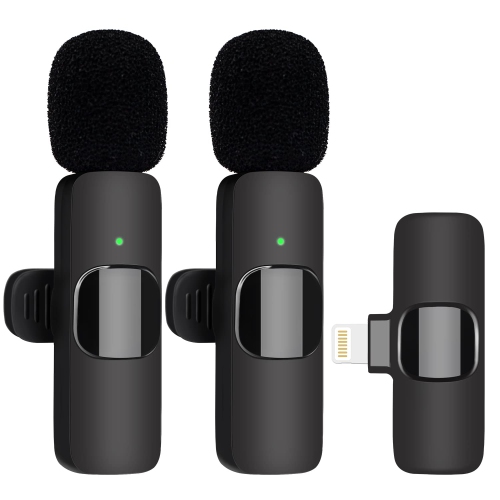
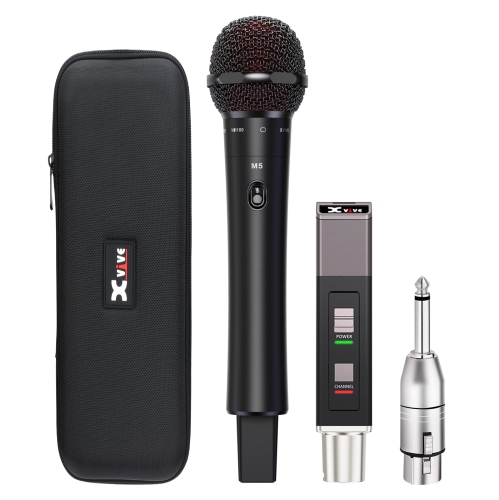




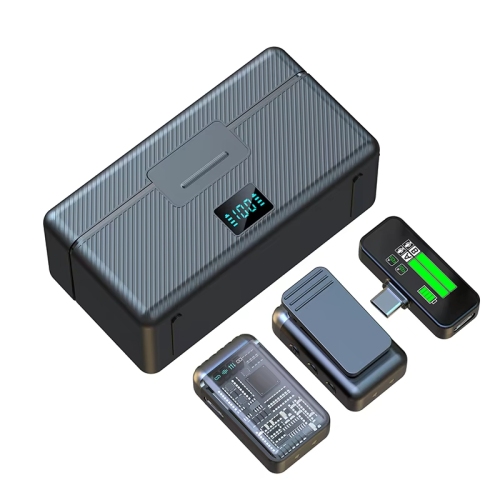

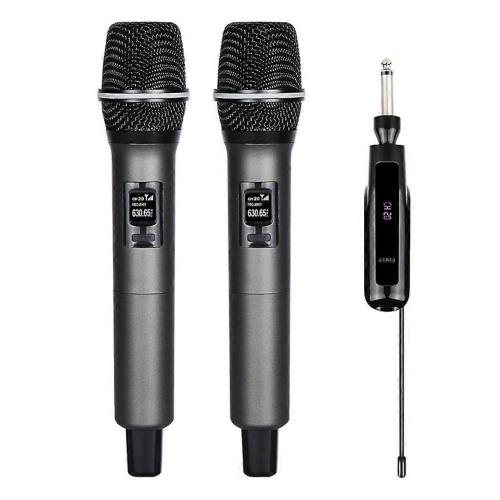

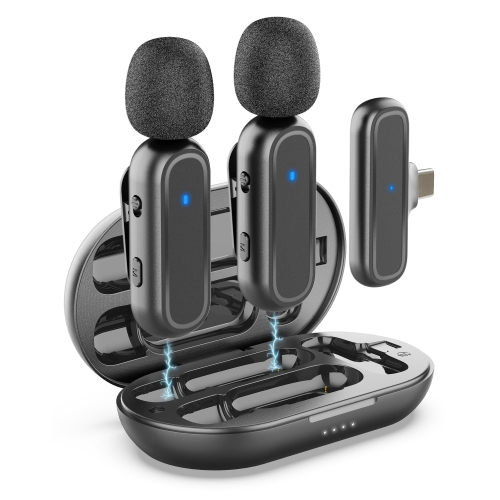
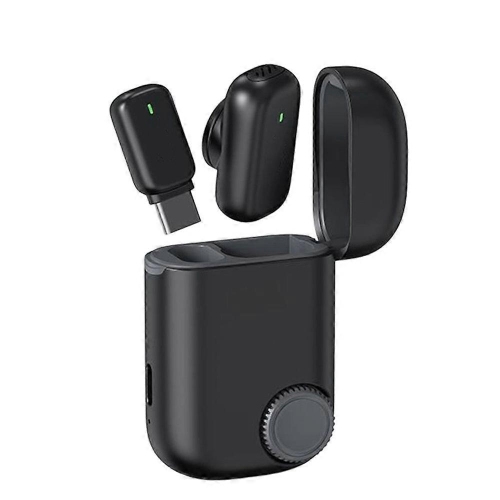
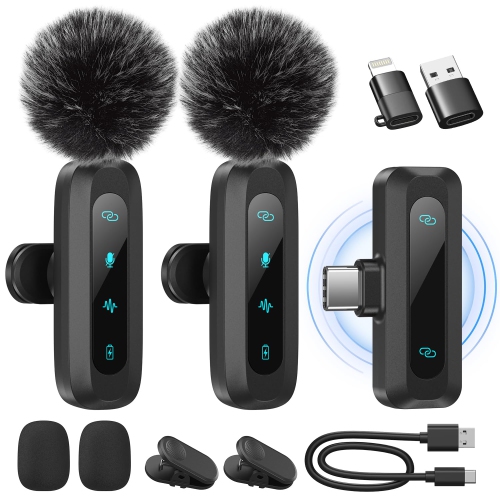
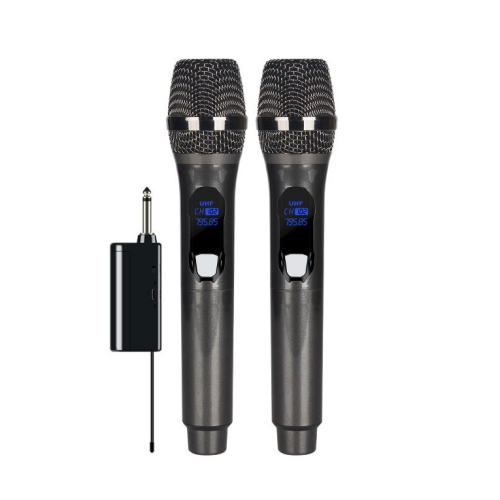
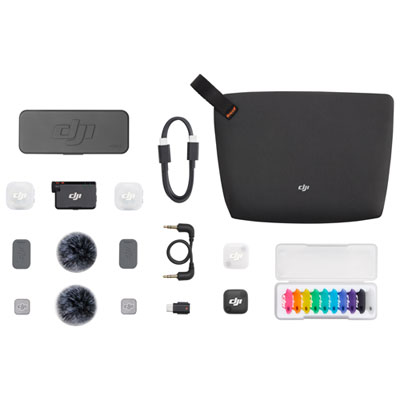
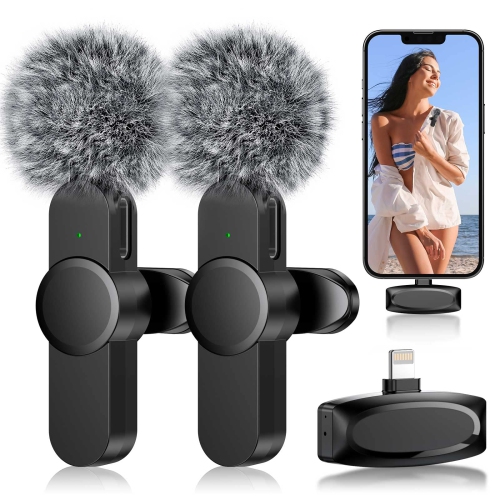
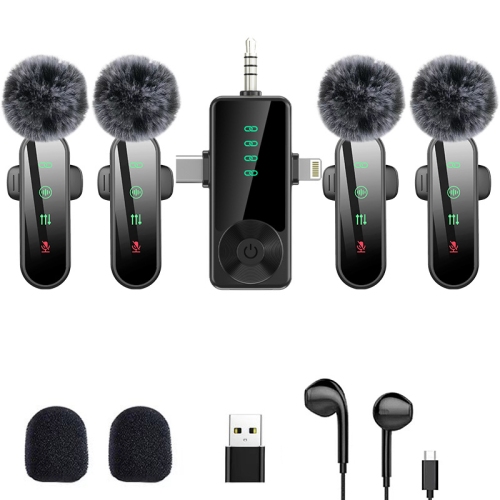
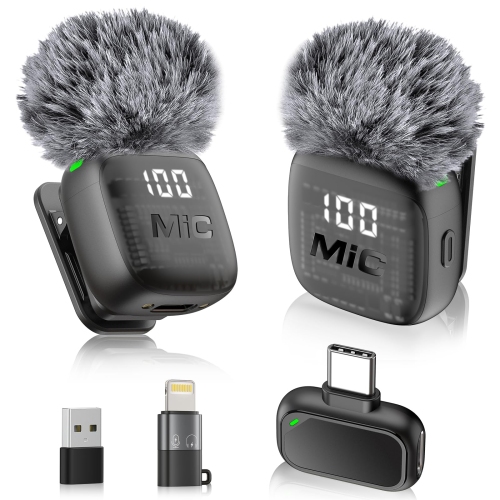

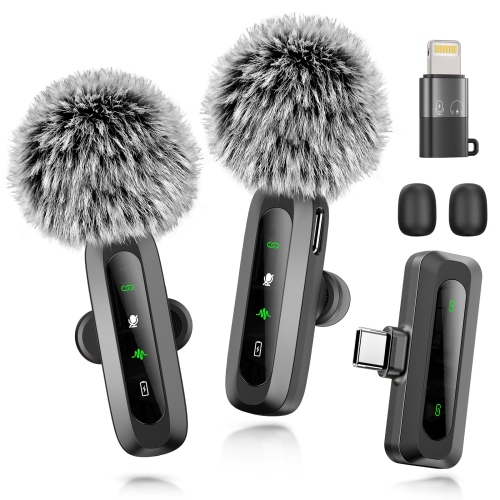
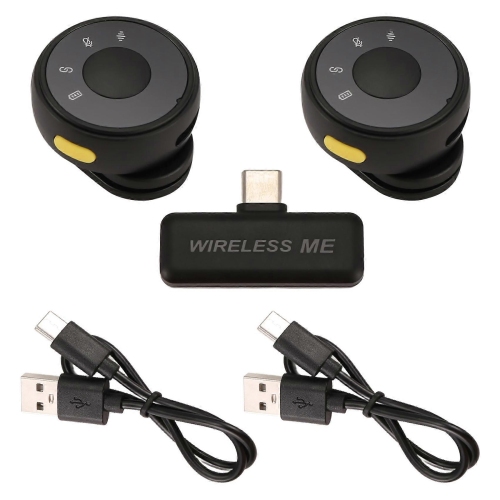


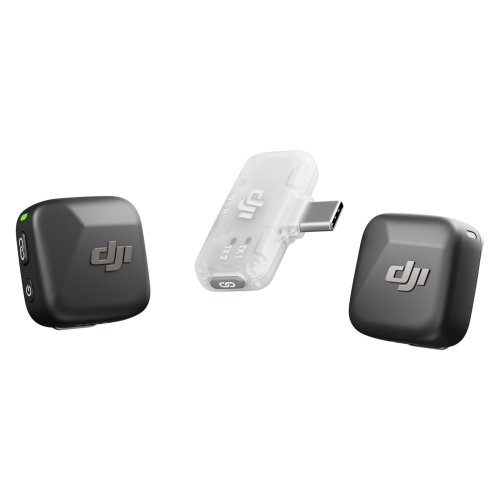

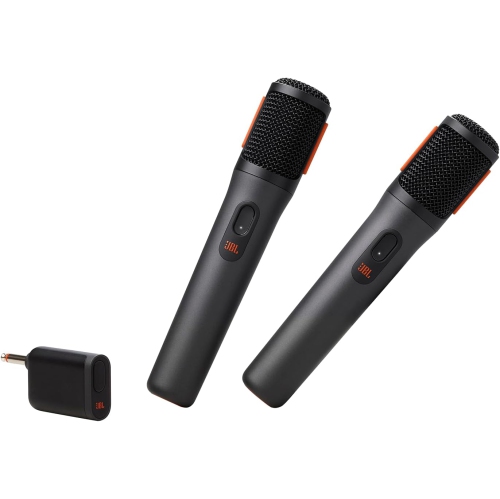
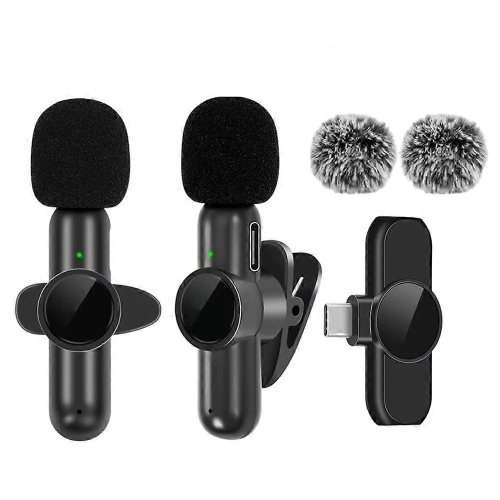


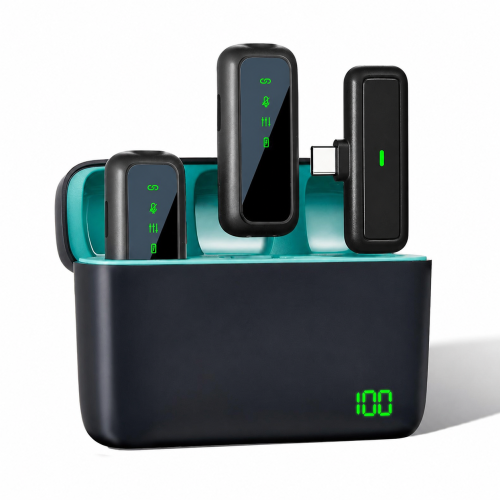
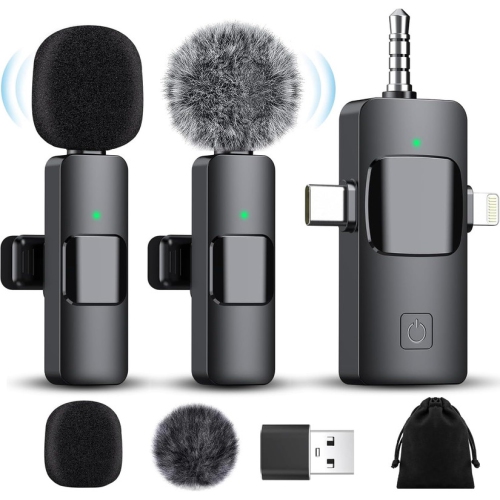
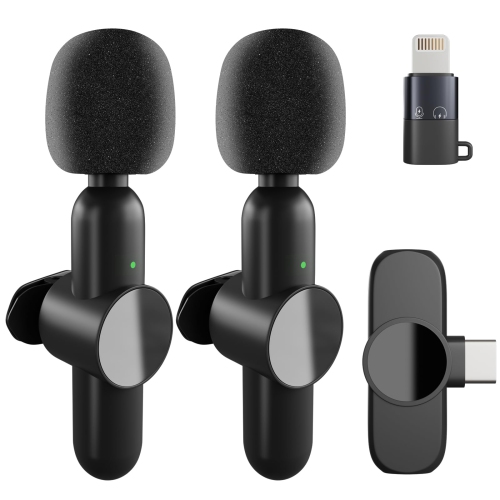
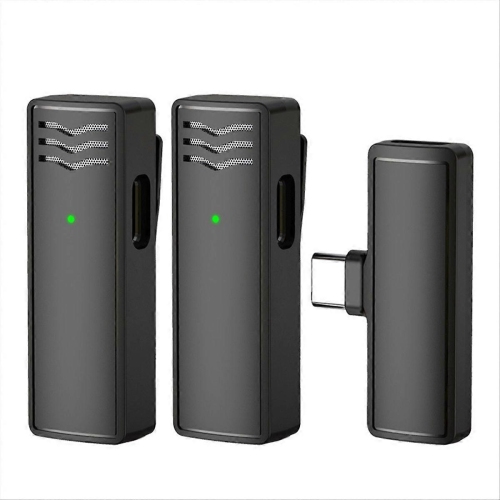
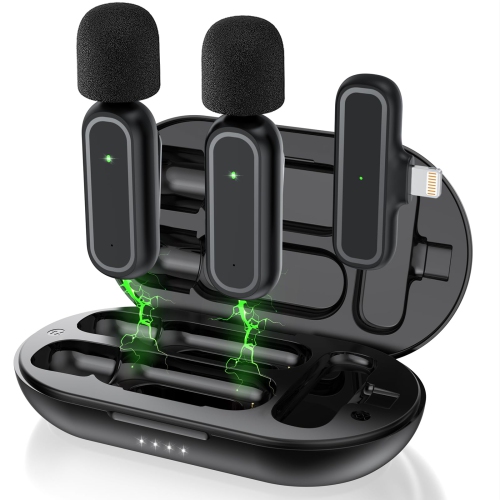



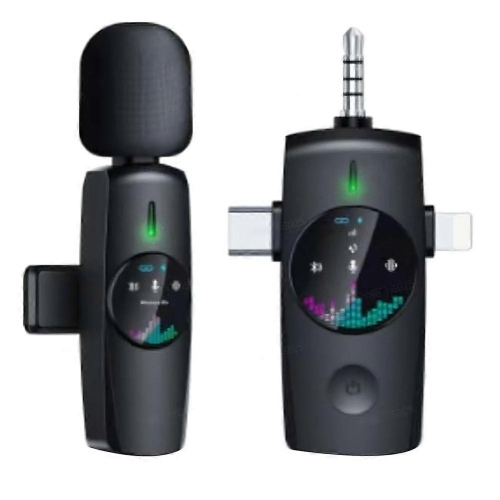

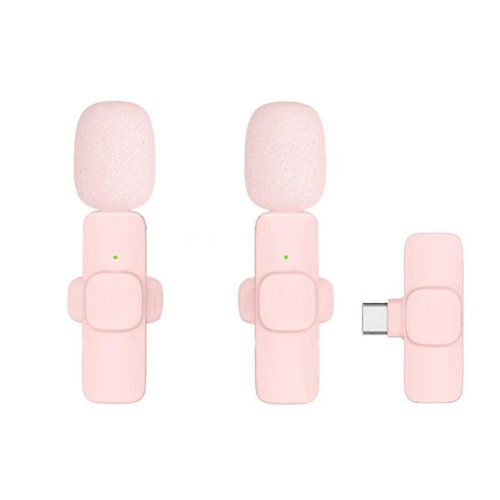
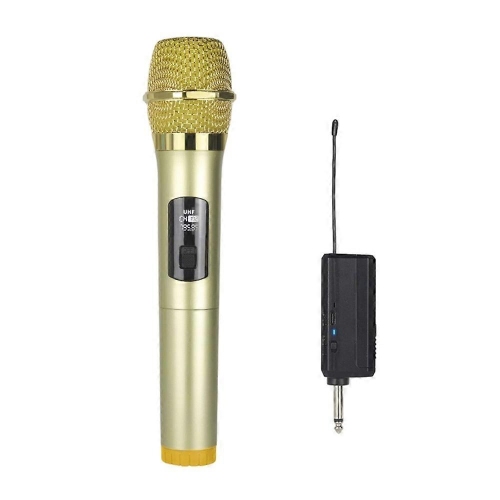
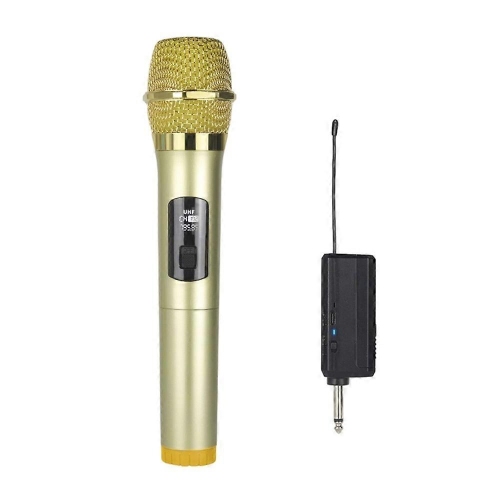
Clearer conversations start with the right wireless setup
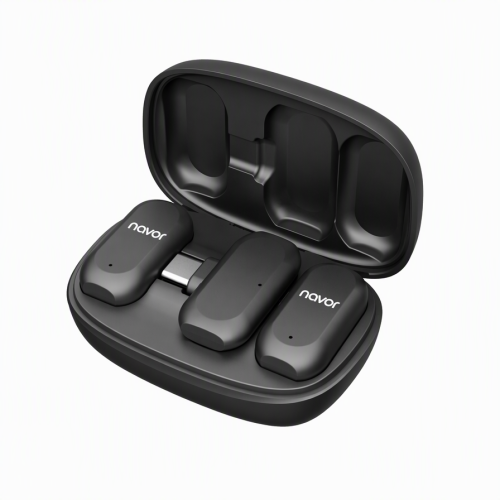
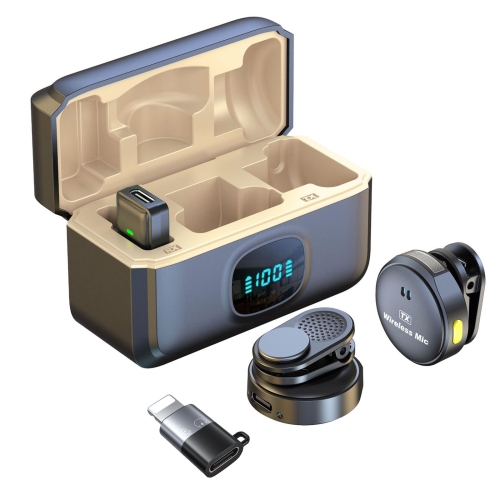
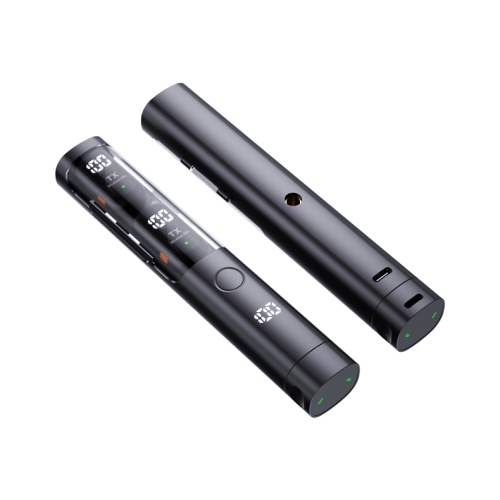
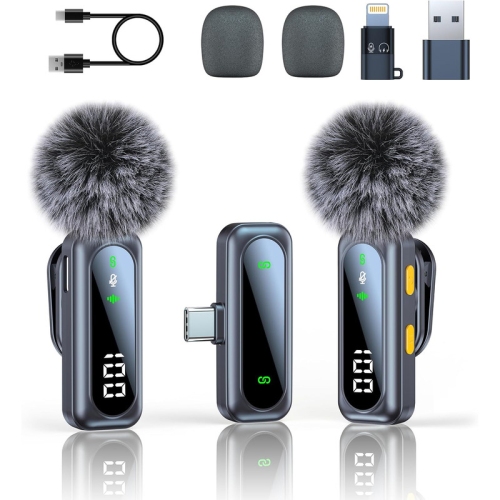
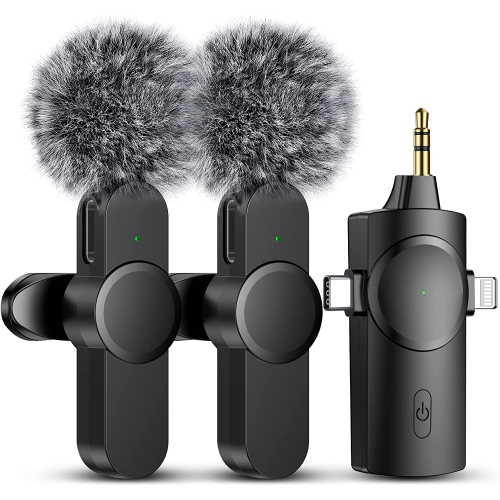
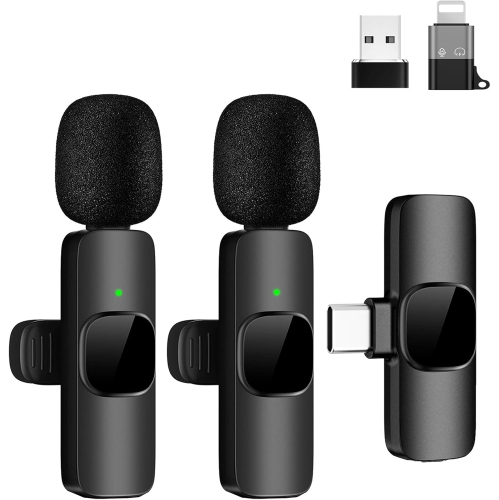
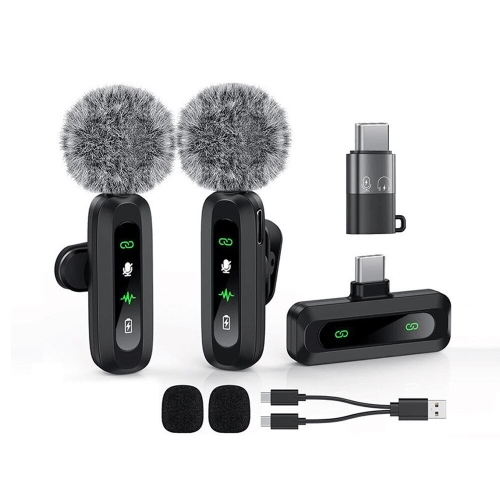
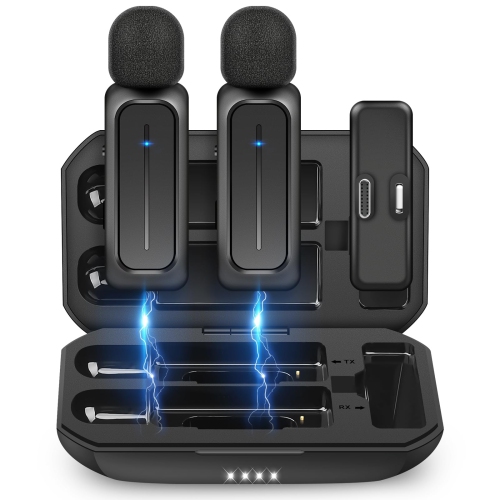
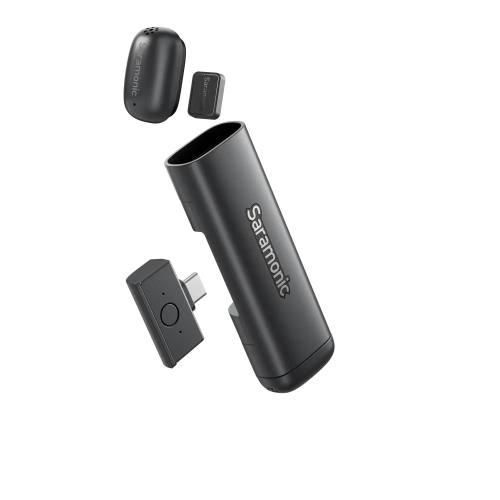
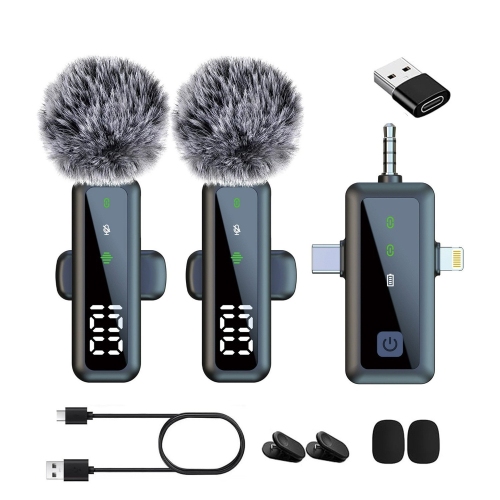
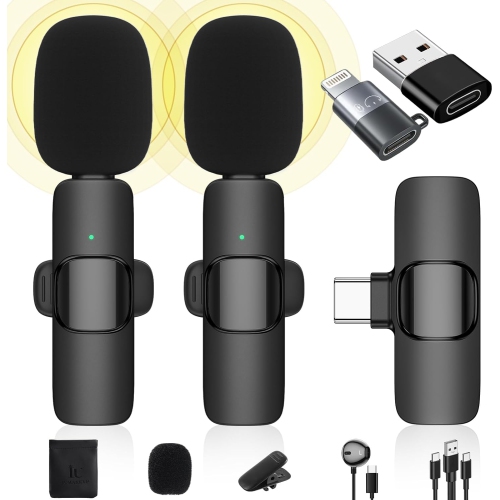
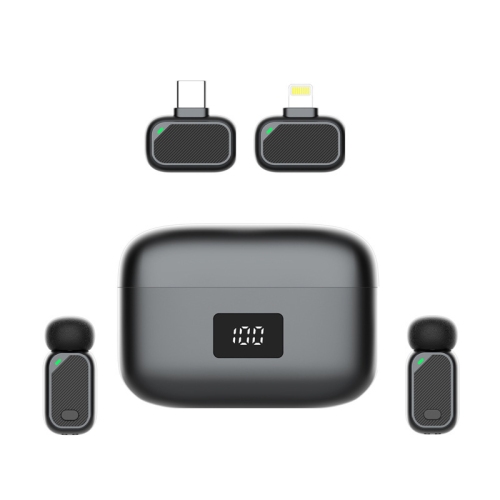
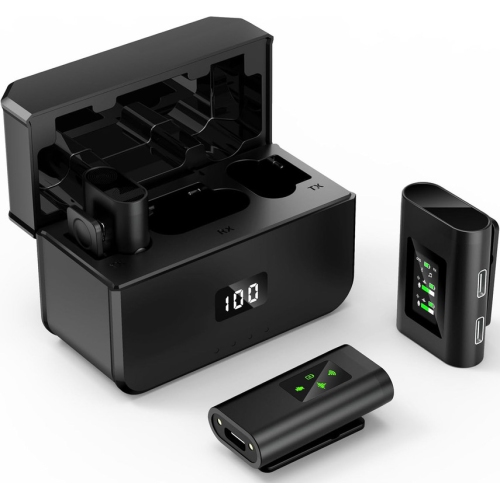
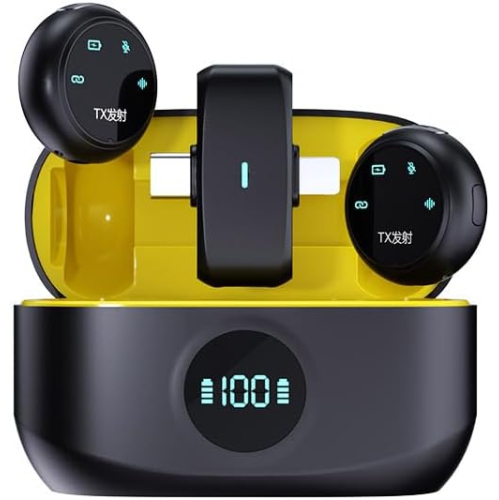
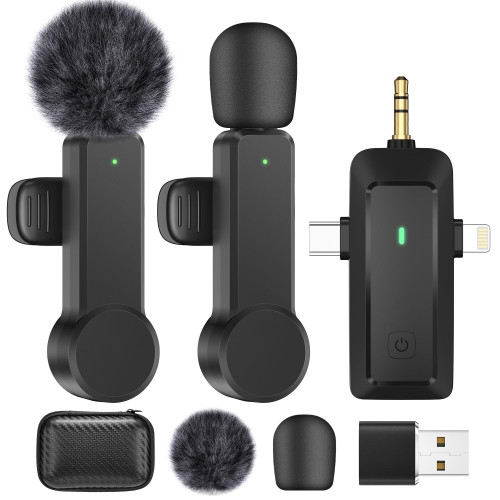
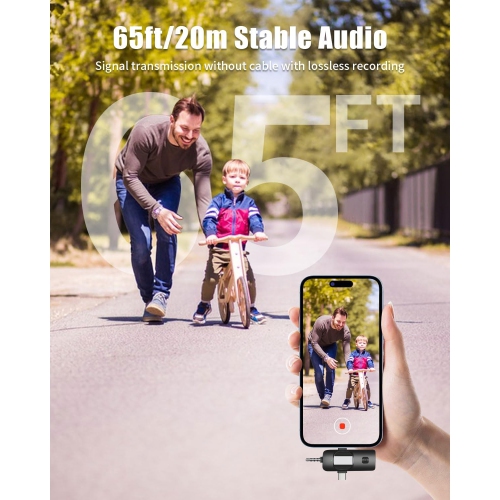
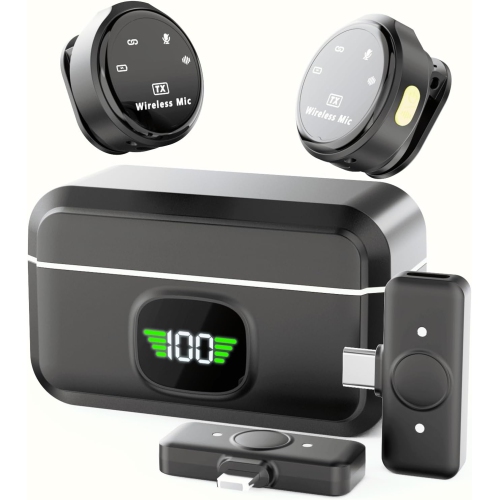
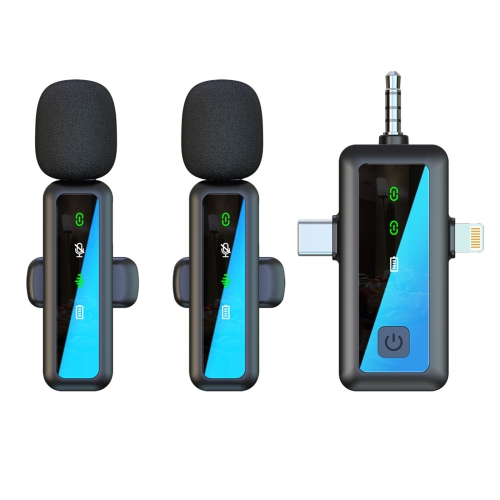
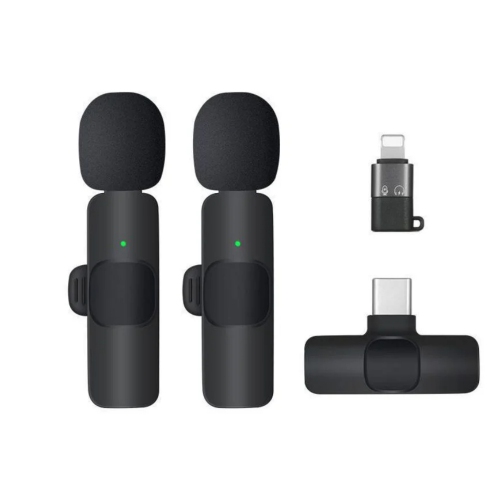
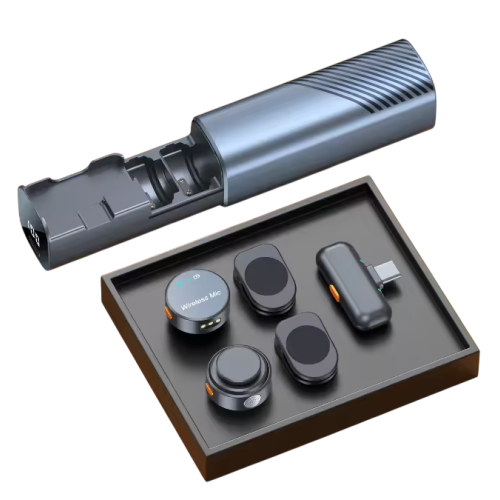
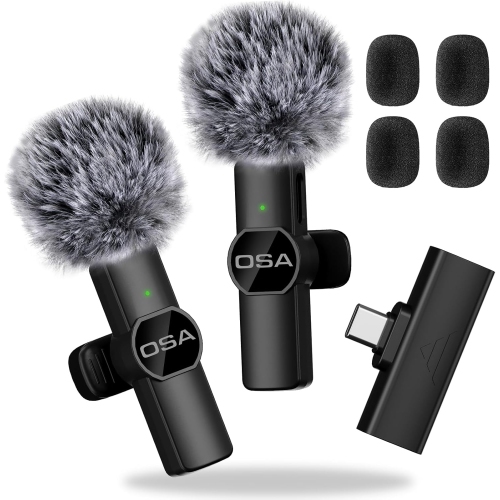
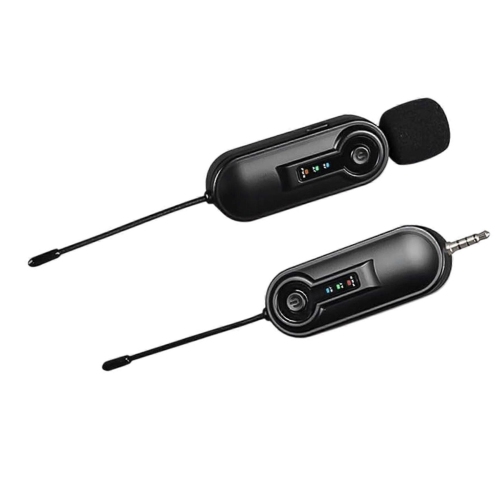
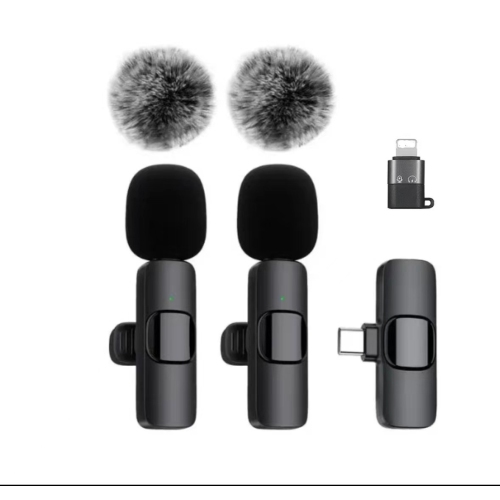
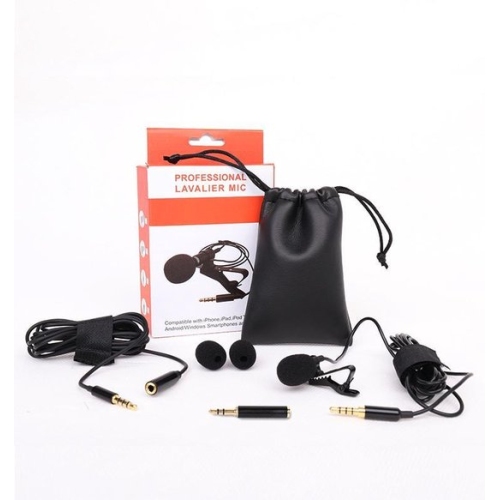
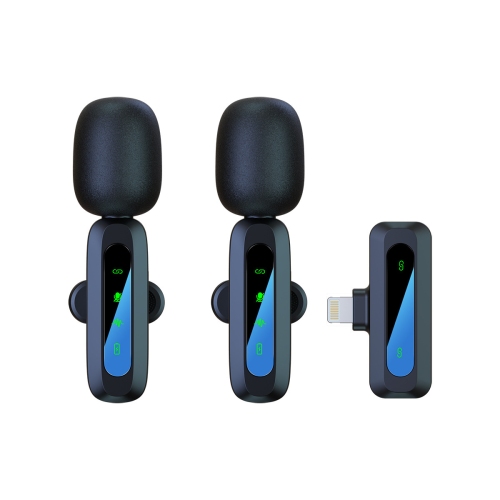
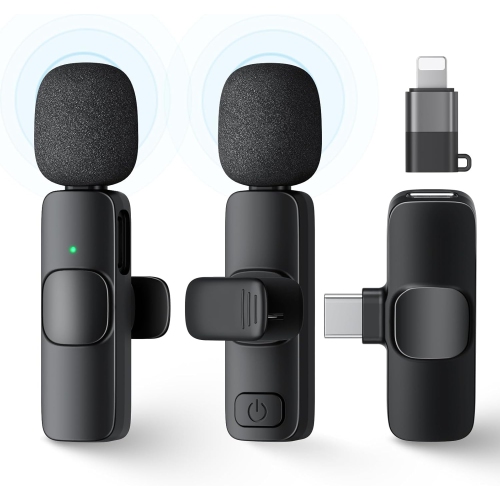
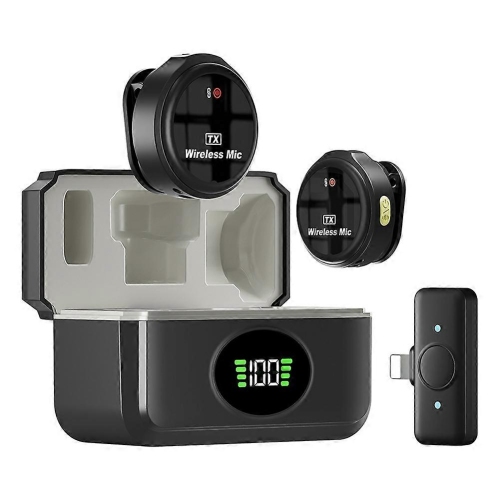
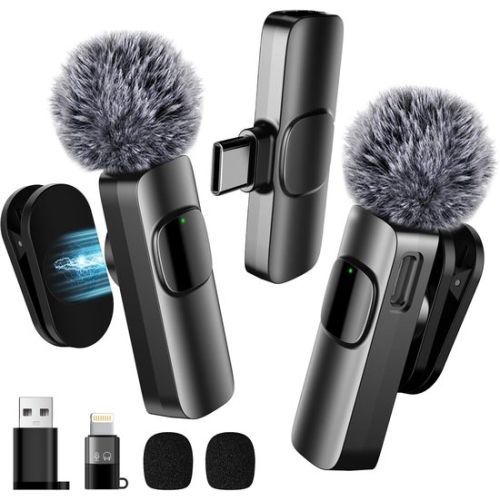
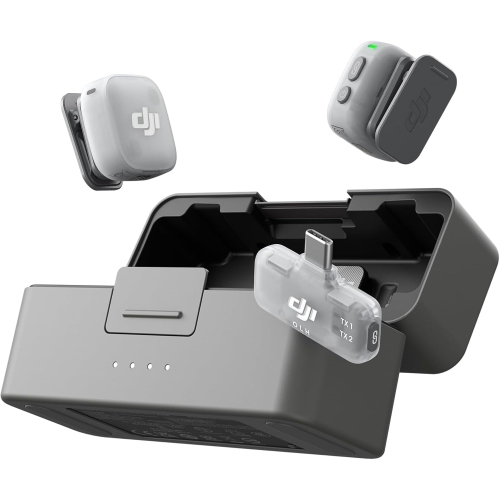
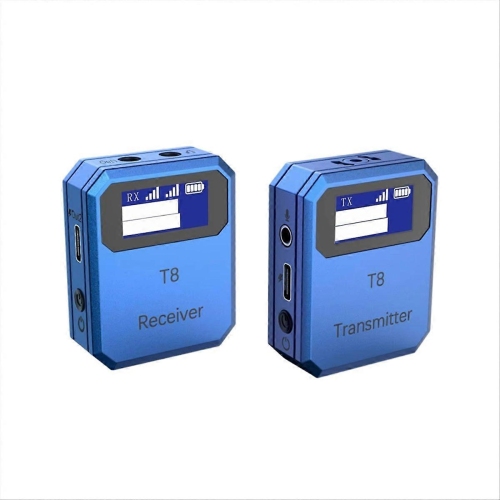
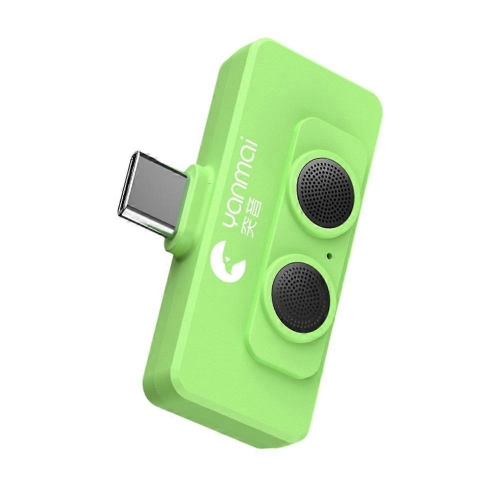
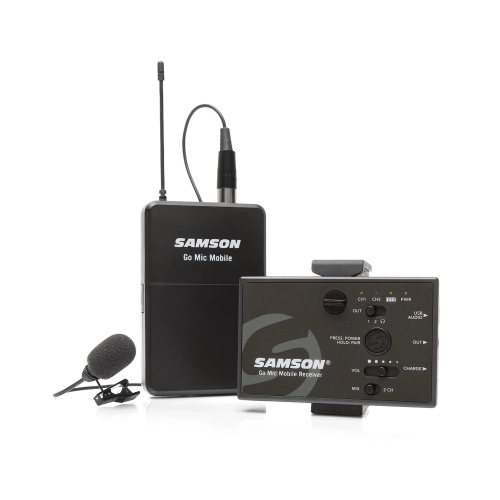
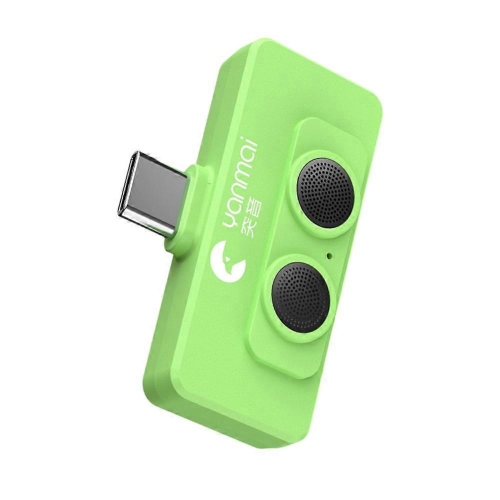
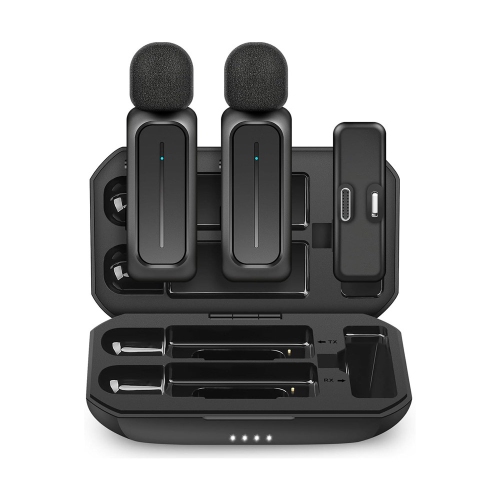
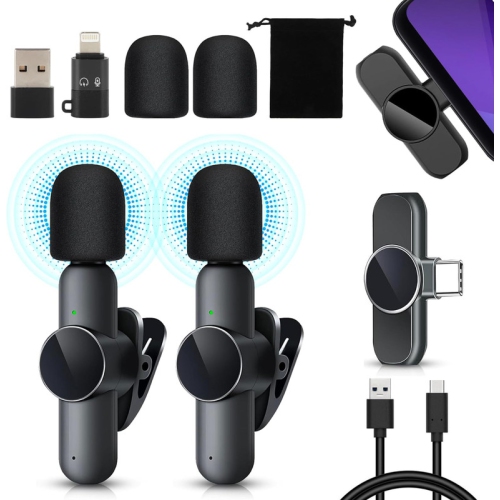
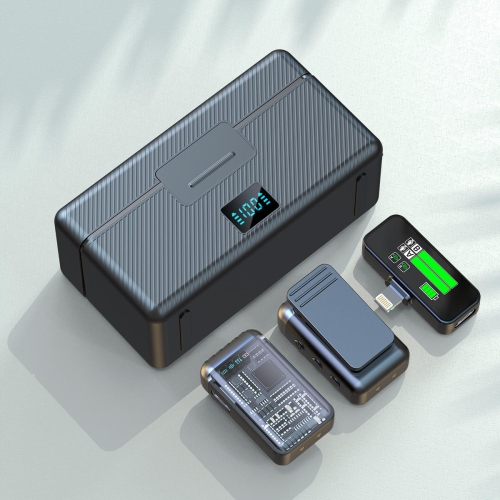
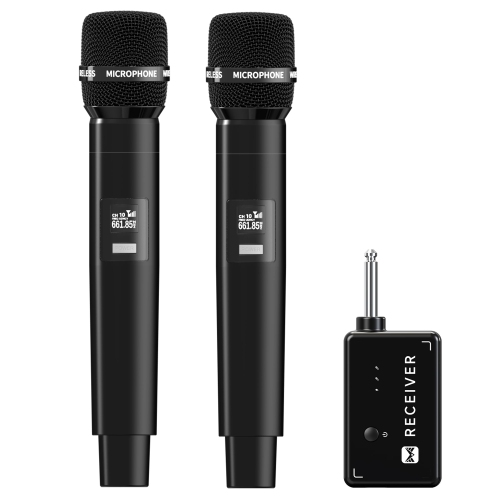
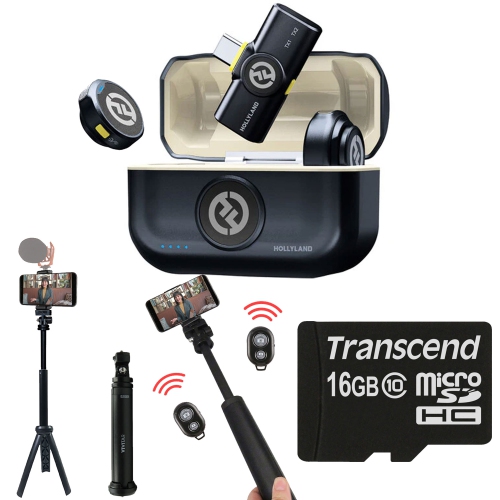
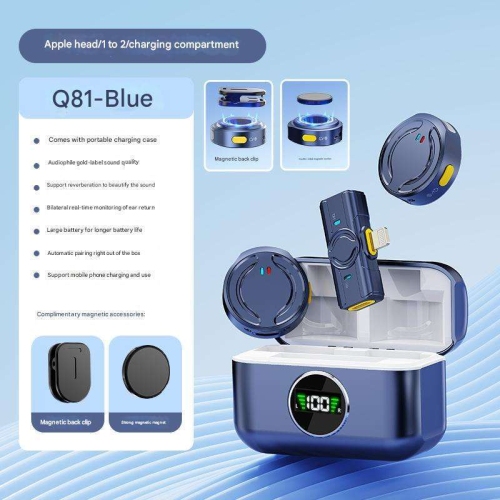
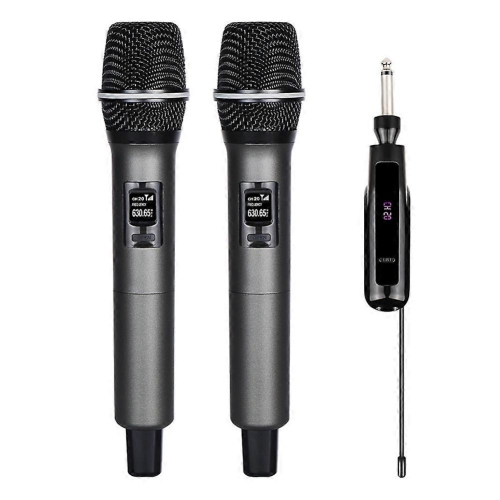
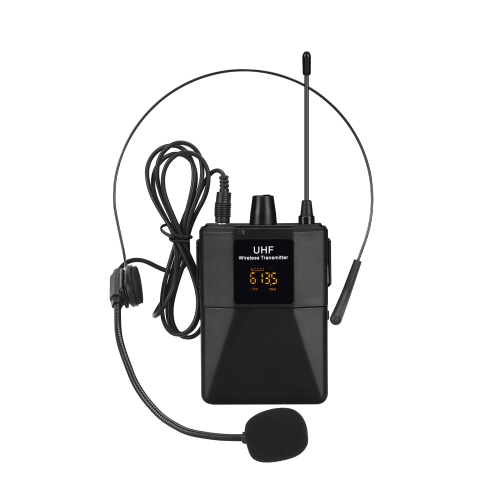
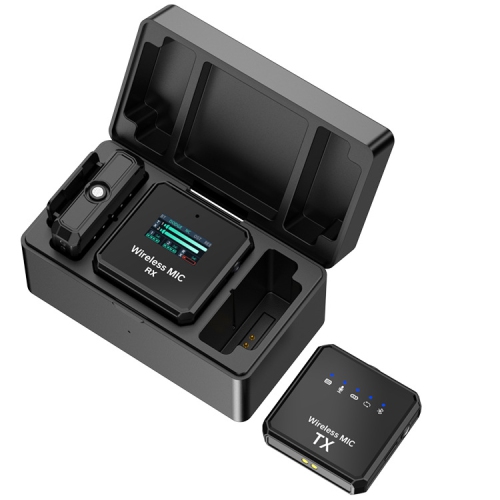
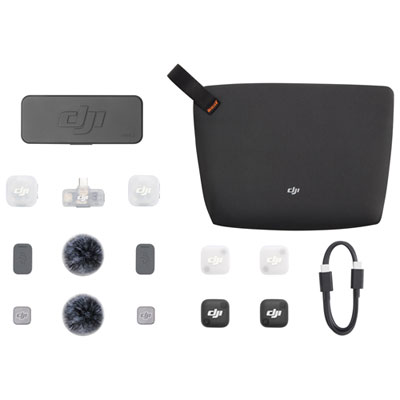
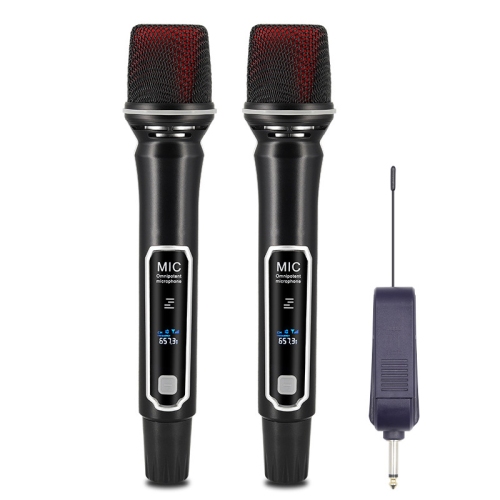
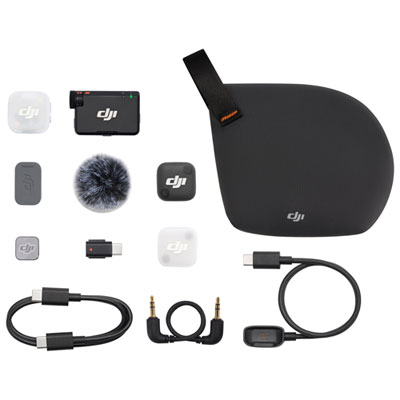
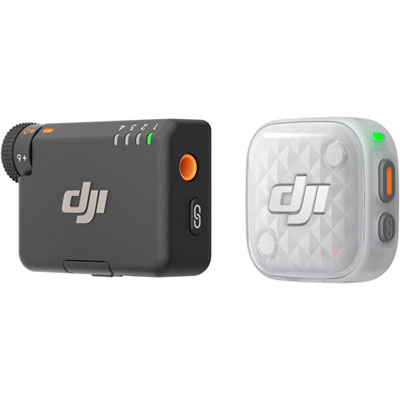
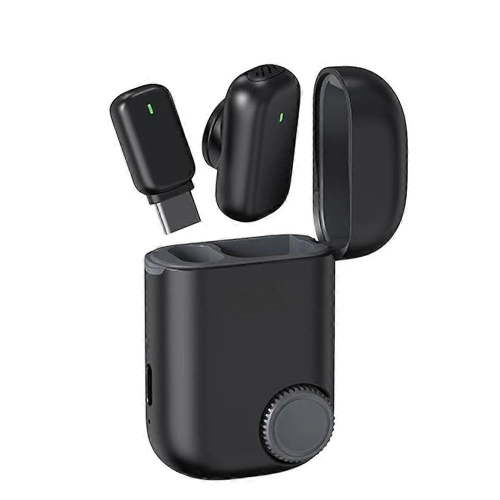
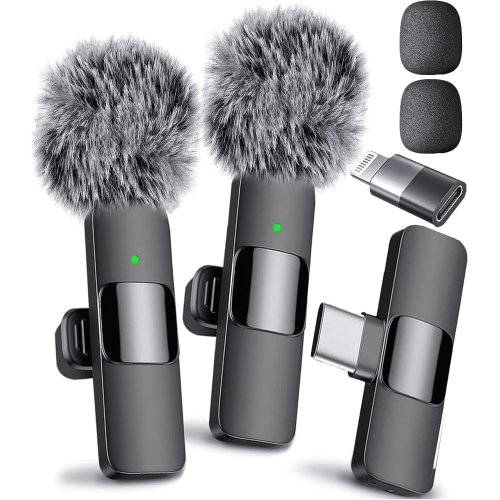
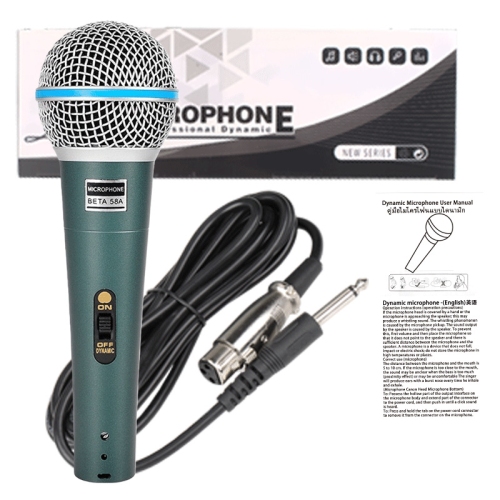
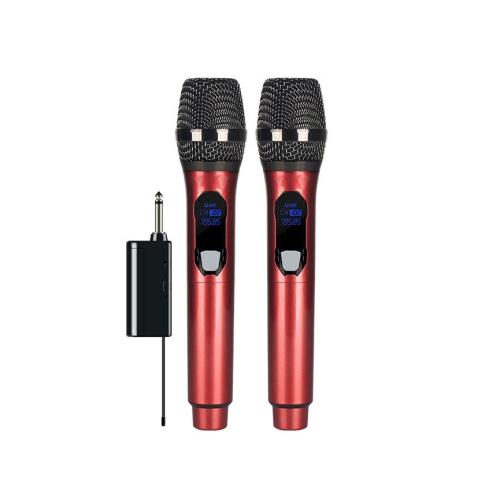
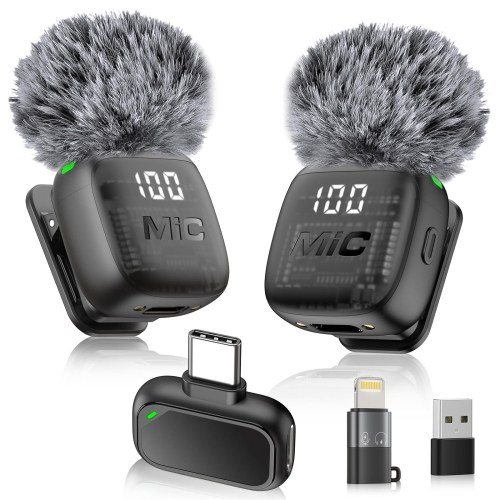
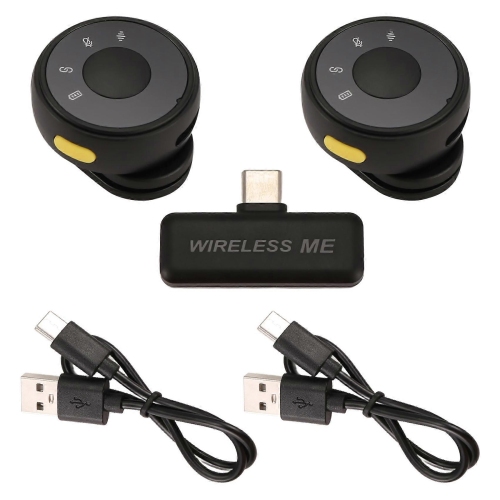
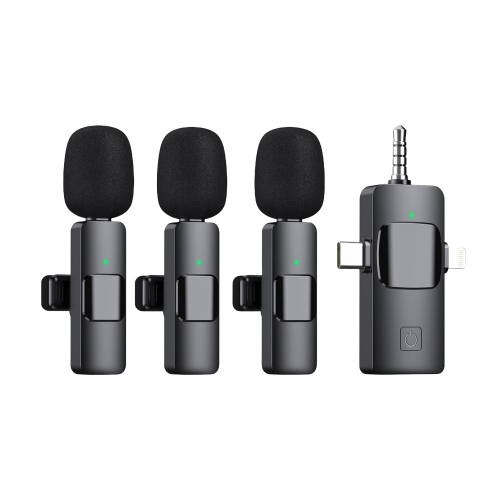
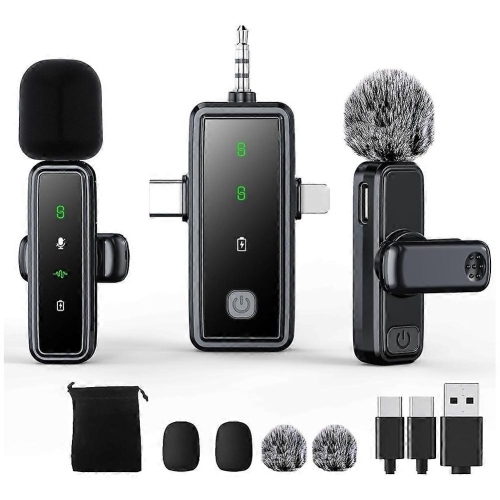
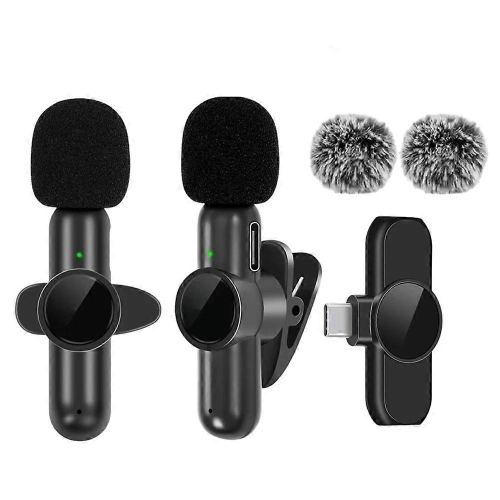
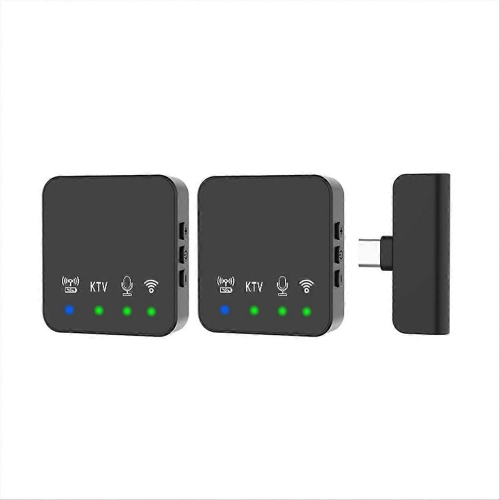
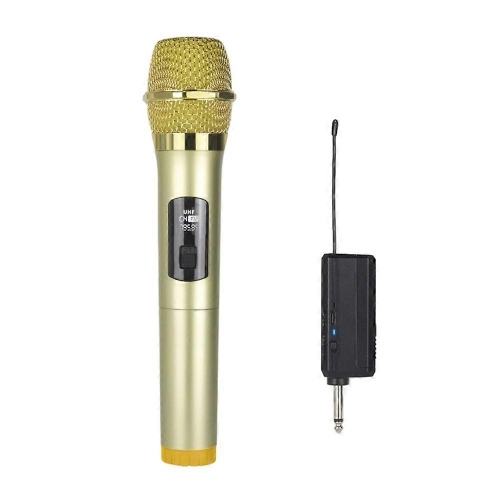
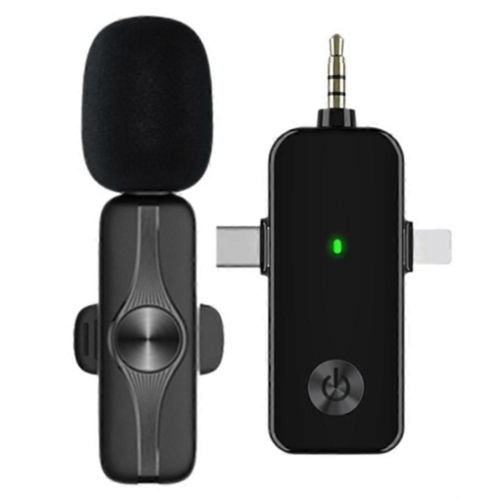
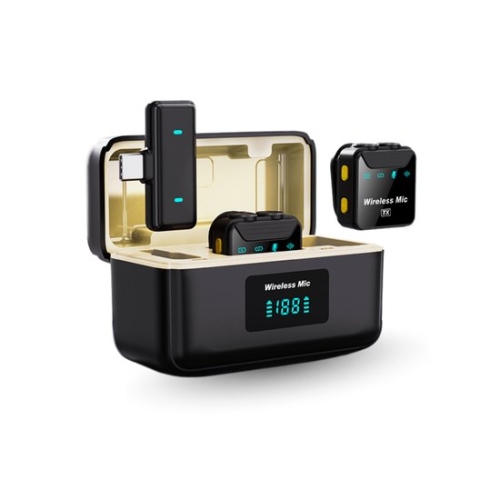
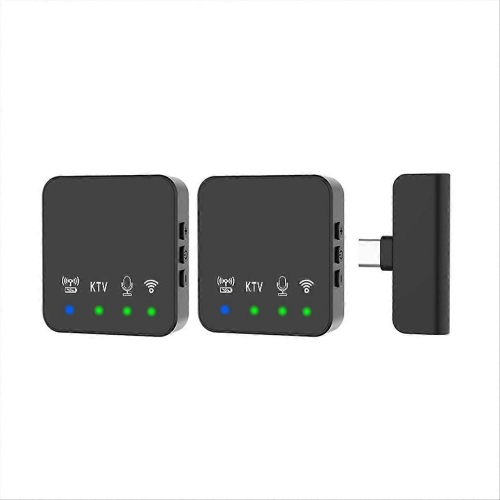
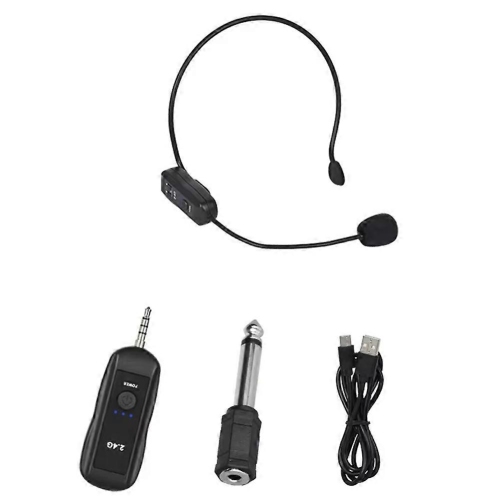
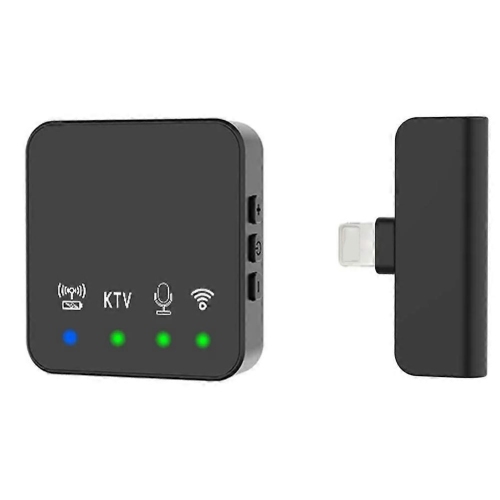
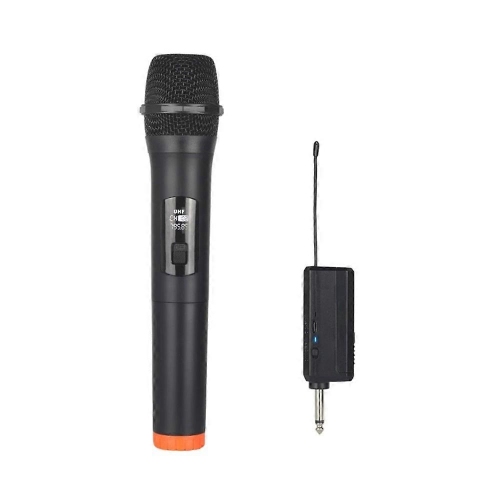
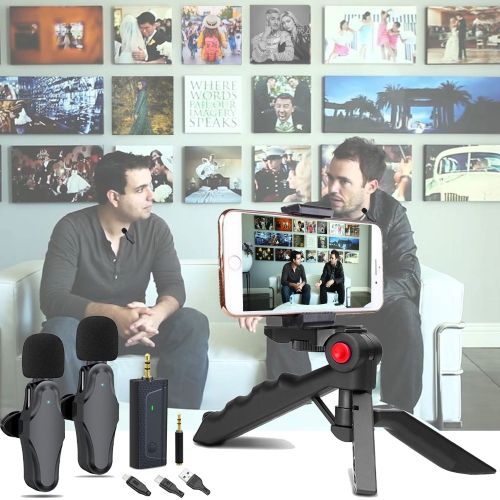
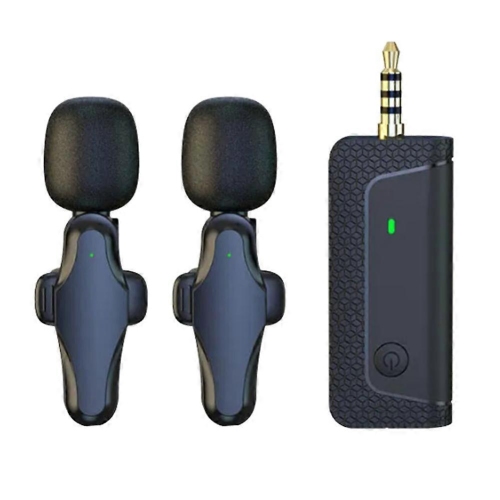
Wireless mics for interviews make it easier to capture clear, natural speech without keeping the subject tied to a camera, recorder or computer by a cable. They are especially useful for creators filming on location, journalists speaking with guests, educators recording presentations, real estate professionals touring properties, small businesses sharing customer stories and families documenting meaningful conversations. A wireless setup usually includes one or more transmitters worn or held by the people speaking and a receiver connected to a camera, smartphone, tablet or computer. The transmitter sends the voice signal to the receiver, allowing the speaker to move comfortably while the recording device stays in place. For most interview work, a clip-on lavalier microphone is a practical choice because it sits close to the speaker’s mouth and leaves both hands free. This can create a clean, consistent sound when the subject turns their head, gestures or walks slowly through a space. A handheld wireless microphone offers a more traditional broadcast feel and can be passed between interviewers and guests, making it well suited to street interviews, event coverage and fast-moving conversations. Some compact systems can be used in either style with the right accessories, giving a creator more flexibility as their recording needs change. When comparing wireless mics for interviews, start by considering the number of people who will speak at the same time. A single-transmitter kit can work well for one presenter or for an interviewer who passes the microphone between guests, while a dual-transmitter system can record two people separately or together. Separate channels may make it easier to adjust each voice during editing, particularly when one person speaks more softly than the other. A charging case can also be useful for keeping transmitters, the receiver and small accessories together between assignments.
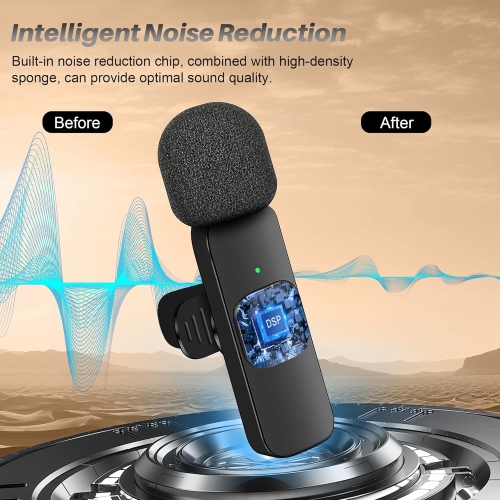
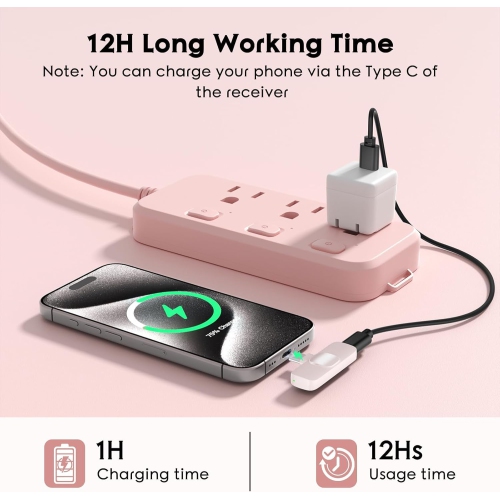
The recording environment has a significant effect on the microphone you choose. In a quiet room, a compact clip-on mic may deliver smooth, detailed speech with very little adjustment. In a busy café, public space or outdoor location, look for features that help reduce distracting background noise, manage sudden changes in volume and maintain a stable wireless connection. Wind protection is important for interviews outside, since even a light breeze can create a deep rushing sound across the microphone capsule. A small furry windscreen or foam cover can make a noticeable difference when recording near a waterfront, on a walking trail or beside a busy road. Range specifications are typically measured in open line-of-sight conditions, so walls, crowds, metal structures and other wireless equipment can reduce the practical distance. Keep the transmitter reasonably close to the receiver, and avoid placing either unit under thick clothing or behind large objects. Automatic gain assistance can be helpful when a guest moves closer to or farther from the microphone, while manual gain controls are valuable for experienced users who want precise control. It is also worth checking whether the system includes local recording on the transmitter. A backup recording can help protect an important interview if the wireless signal experiences interference. Battery life, recharge time and the ability to monitor sound through headphones should also be part of the decision. A receiver with a headphone output lets you listen for clothing rustle, wind noise, low volume or connection problems before they become difficult to fix. For longer interviews, choose a system that can last comfortably beyond the expected recording session, with enough remaining power for setup, retakes and travel. Compact wireless mics can be a thoughtful gift for a student learning video production, a family member starting a podcast, a small business owner creating social content or a traveller who enjoys documenting local stories. They are also a useful addition to a camera bag for anyone who has discovered that clear dialogue often matters more than perfect visuals.
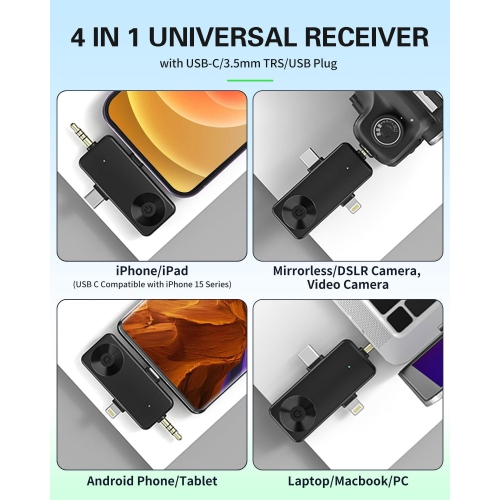
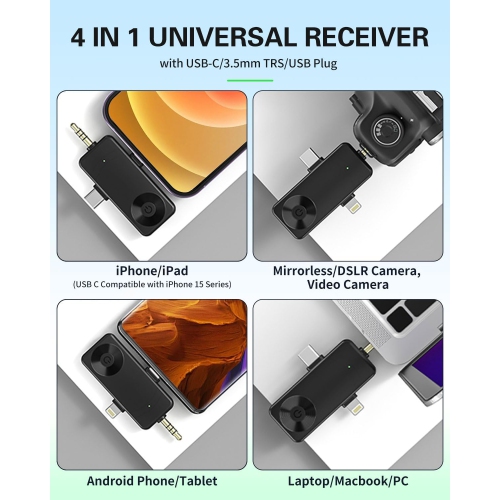
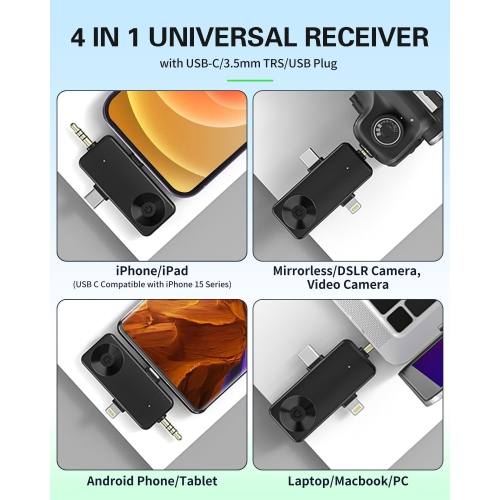
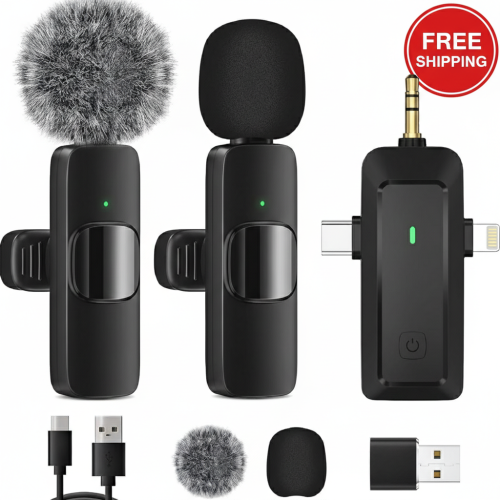
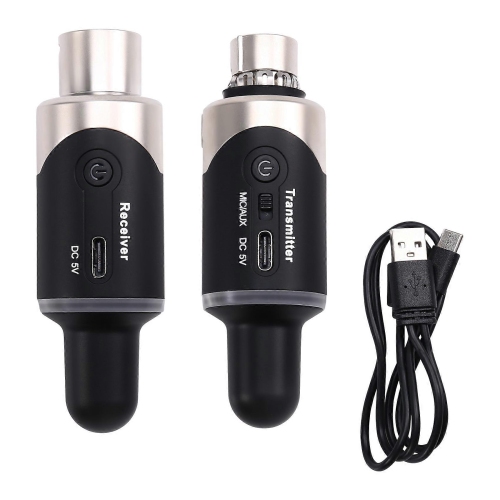
Compatibility is one of the most important details to confirm before purchasing wireless mics for interviews. Camera connections commonly use a 3.5-millimetre input, while professional video equipment may use balanced XLR connections. Smartphones and tablets may require a USB-C or Lightning-compatible receiver, depending on the device, and some phones may need an adapter or a receiver designed specifically for mobile recording. A computer-based interview can often use a USB connection, though it is still wise to check whether the microphone appears as an available input in the recording or video conferencing software. Some systems include several cables or interchangeable connectors, which can be convenient for creators who record with more than one device. Before an interview, charge every component, confirm the correct cable, secure the microphone near the upper chest and make a short test recording from the same position and distance you plan to use. Listen with headphones rather than relying only on the phone or camera speaker. A quick test can reveal fabric rubbing, jewellery tapping against the microphone, a loose connector or an input level that is too high. Keep spare clips, windscreens and cables in the same case, and label transmitters when recording with multiple people. For creators who are expanding from short social clips into longer conversations, a wireless mic can improve speech clarity while making filming feel less staged. Those producing online videos may also want to explore Wireless Mic for Youtube Videos for setups suited to presenter-led content. The best choice ultimately balances microphone style, speaker count, connection type, wireless range, battery life and the environment where interviews will take place. A simple, compatible system that is easy to position and monitor can help guests relax, keep conversations flowing and preserve the small details that make an interview sound genuine.
Top selling and popular products
-
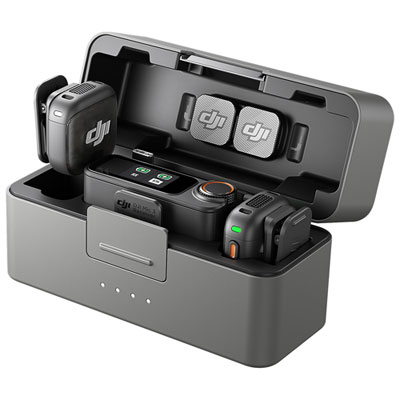 Your price for this item is $385.99
-
 Your price for this item is $149.99
-
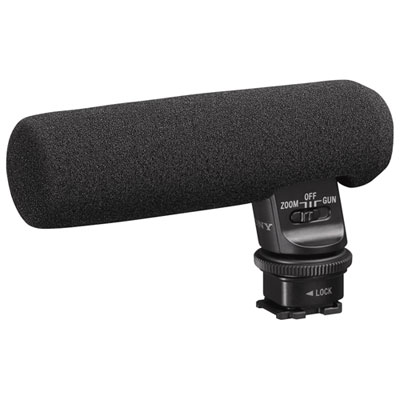 Your price for this item is $129.97
-
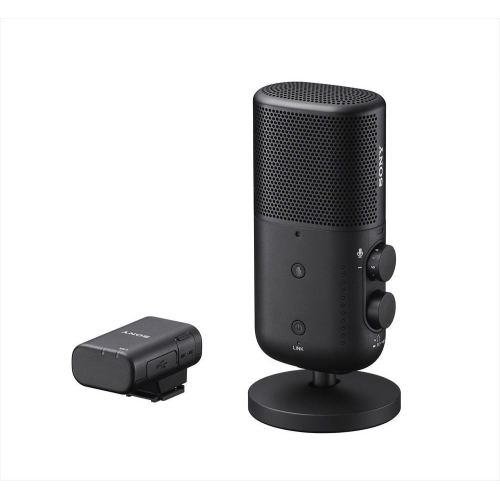 Your price for this item is $568
-
 Your price for this item is $218
-
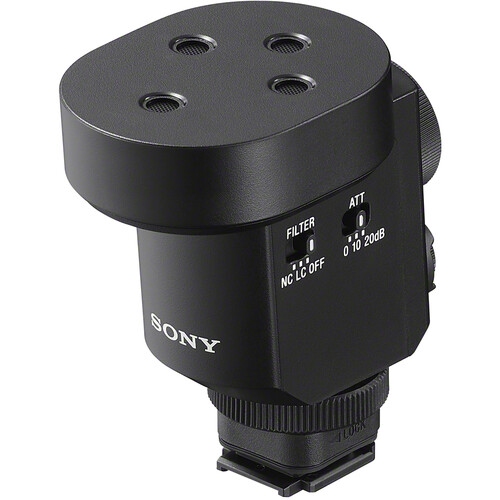 Your price for this item is $468
-
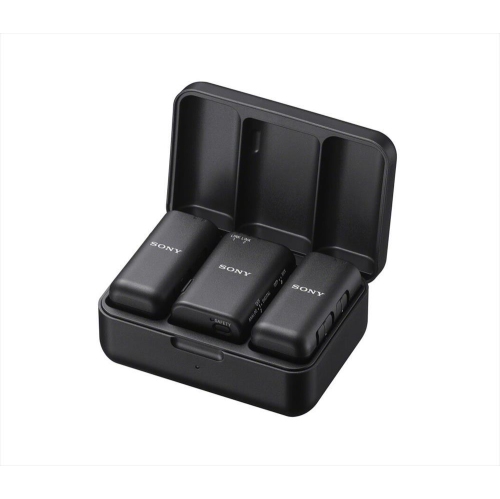 Your price for this item is $628
-
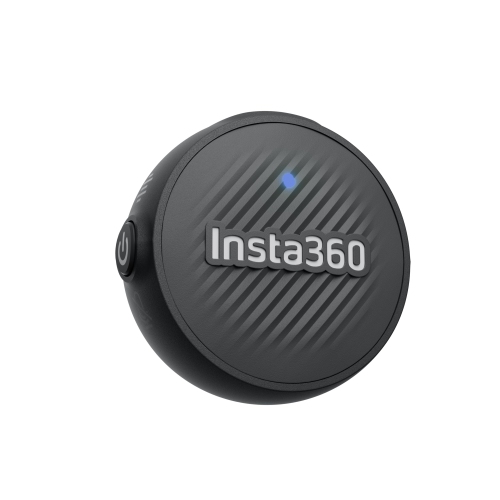 Your price for this item is $99.99
Discover more categories related to Wireless Mics for Interviews

Top Collections:
Pokemon Centers, Best Cameras for Sports Photography, Kindle Devices, Samsung Galaxy Phones, Canon G7X Cameras, Pokémon 30th Celebration Cards, Refurbished Apple Laptops, iPhone 15 Apple, Laptops for Students, Budget Smartphones
Some products may be subject to Environmental Handling Fees
(EHF) depending on your province.
Learn more about EHFs.