Wireless Microphone Systems for Schools
Wireless Microphone Systems for Schools offer a convenient solution for clear communication in classrooms, auditoriums, and event spaces. Designed to support a variety of educational activities, these systems help ensure that every voice is heard, whether during presentations, assemblies, or performances. Explore options that make it easy for teachers, students, and staff to connect and engage with their audience—no cords required. Find the right Wireless Microphone Systems for Schools to enhance sound quality and simplify setup in any learning environment.
Sort


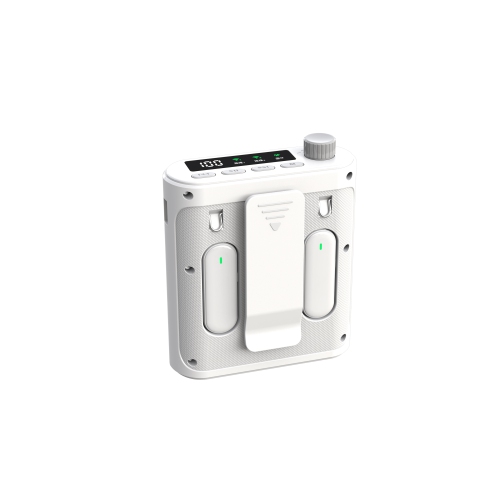
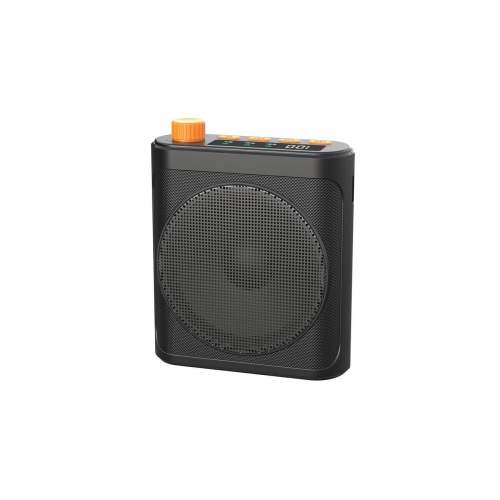
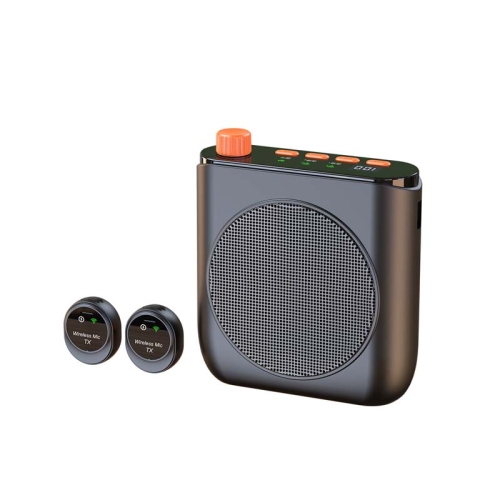
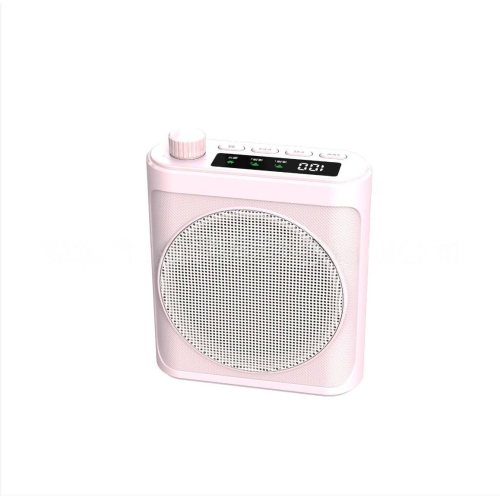

Clear classroom speech depends on more than a microphone
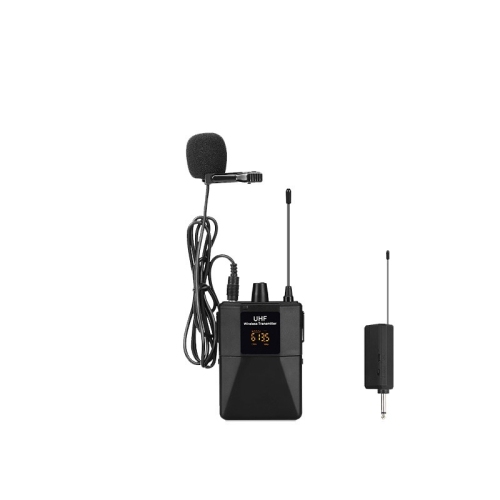
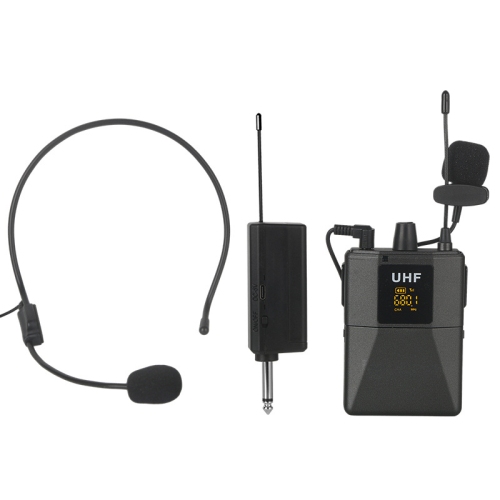
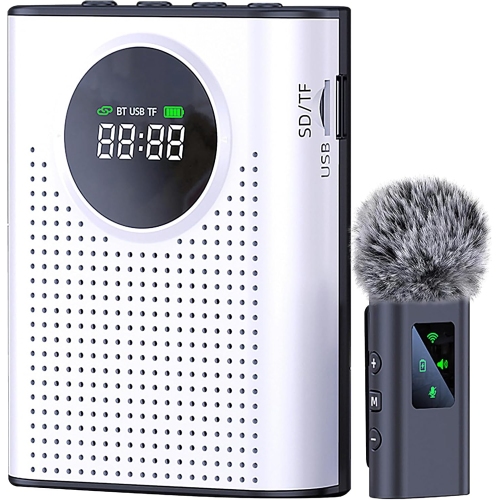
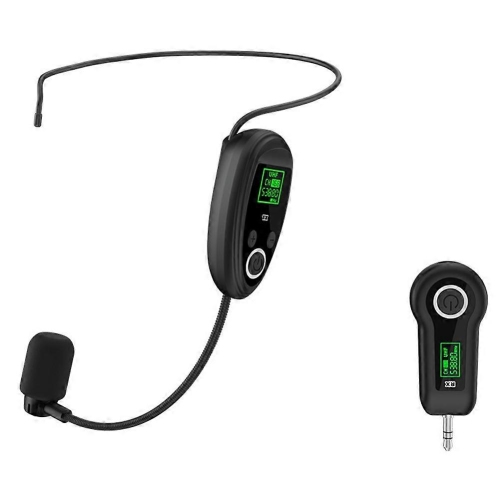
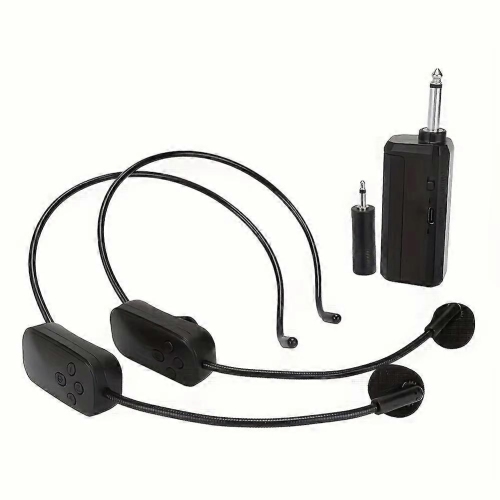
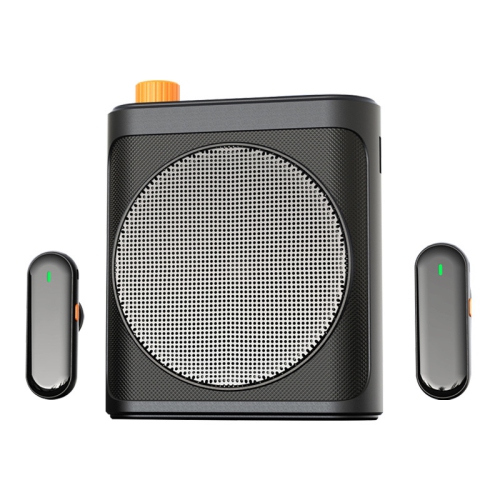
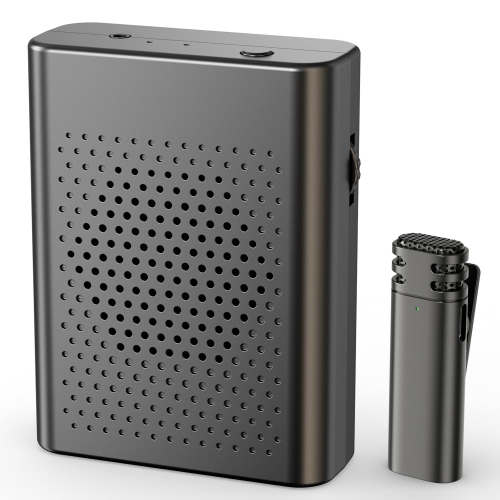
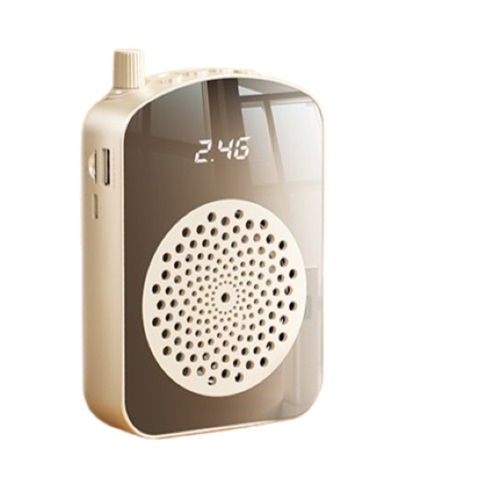
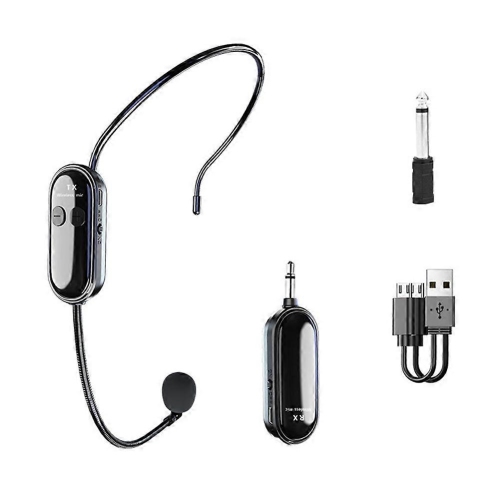
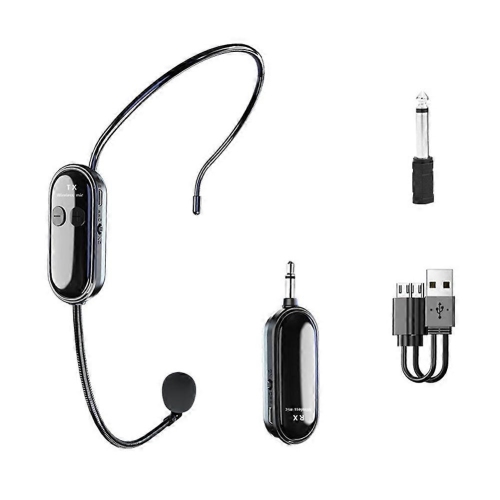
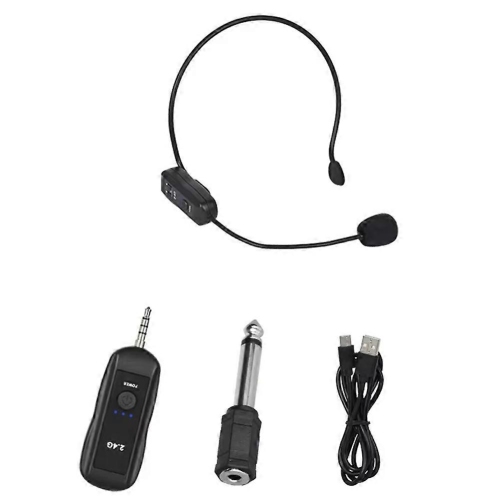
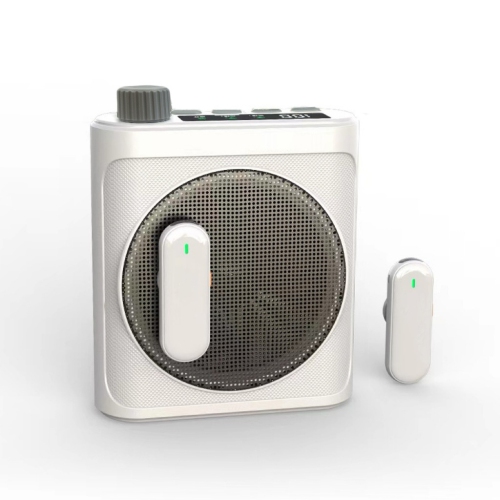
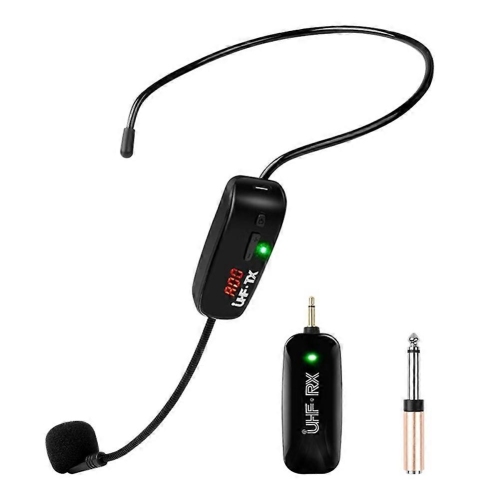
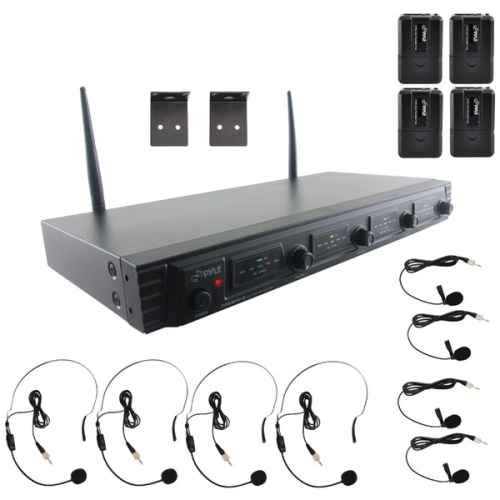
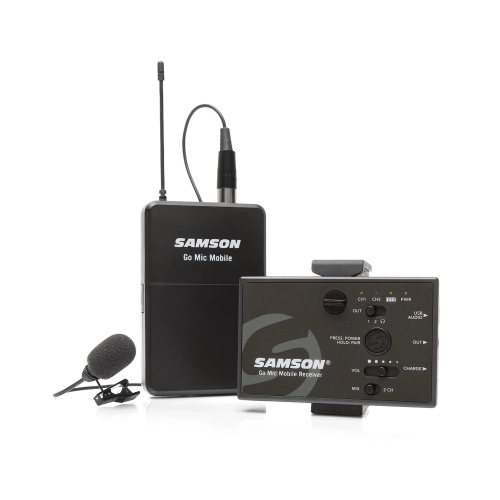
Wireless microphone systems for schools bring a teacher’s voice, a student’s presentation, or a guest speaker’s remarks into a connected sound system without a microphone cable restricting movement. Their value depends on the space and the activity: a classroom benefits from comfortable, hands-free speech reinforcement, while a gymnasium or auditorium needs coverage that reaches listeners farther from the presenter. A typical setup includes a microphone, a transmitter, and a receiver, with the receiver feeding compatible speakers, an amplifier, or a mixer. Some configurations combine several of these functions, but a wireless microphone alone does not necessarily provide amplified sound. For everyday teaching, a lightweight headset keeps the microphone close to the mouth as the teacher turns towards a whiteboard, moves between desks, or demonstrates an activity. That consistent position can help maintain an even speaking level without requiring the teacher to hold anything. A lavalier microphone clips to clothing and offers a less visible alternative, although its distance from the mouth and contact with fabric can affect clarity. Handheld microphones suit announcements, classroom presentations, assemblies, and questions from an audience, particularly when several people take turns speaking. A handheld design also makes it easy to see who has the microphone during a lively discussion. Fit matters when equipment is shared between adults and students: adjustable headset bands, secure ear supports, and manageable transmitter weight contribute to comfort during a full lesson or rehearsal. A bodypack needs a stable attachment point that does not interfere with sitting, bending, or moving around the room. Straightforward controls, an accessible mute function, and clearly visible battery indicators are useful in classrooms where teaching remains the priority. Compact receivers can fit into a small teaching station, while portable setups can move between rooms with the necessary speaker and connections. The aim is clear, comfortably audible speech rather than simply more volume; excessive amplification can make a reflective classroom harder, not easier, to listen in.
Larger school spaces place different demands on wireless audio. In a gymnasium, hard floors, high ceilings, and broad walls can produce echoes that blur words, even when the microphone signal is strong. Speaker placement and room acoustics therefore matter alongside the microphone system itself. An auditorium may need separate microphones for a presenter, student performers, and a moderator, while a school play can involve several bodypack transmitters operating together. Dual-channel and multi-channel systems support multiple microphones at once, but the number of supported channels is only part of the picture. Compatible frequencies and proper coordination help those microphones operate together without competing for the same radio channel. Two microphones sharing one receiver are not automatically suitable for use alongside every other wireless system in the building. For radio-frequency systems, automatic scanning can help identify usable frequencies, although it does not eliminate every possible source of interference. UHF configurations can serve larger installations, while systems using the 2.4 GHz band share spectrum with Wi-Fi and other devices; suitability depends on the equipment design and local wireless activity. Operating frequencies must also be permitted for use in Canada. Infrared classroom systems offer another approach, with signals that do not pass through opaque walls, helping keep transmission confined to a room. They require an appropriate signal path to their sensors and are not interchangeable with radio-frequency systems intended for movement across larger spaces. Published wireless range is best understood in context, since walls, people, metal structures, and receiver placement can affect real-world performance. A receiver tucked inside a metal cabinet may behave differently from one positioned with a clear path towards the teaching area or stage. Connections deserve equal attention: balanced XLR outputs are common in installed sound systems, while other setups may use different analogue connections or USB for compatible equipment. Connector shape alone does not establish compatibility; the receiver’s output and the destination’s input must work together. For assemblies with several speakers, independent channel controls make it easier to balance a quiet student’s voice against a louder adult presenter without changing every microphone’s level.
Durability and everyday handling are important when school audio equipment passes between classrooms, rehearsal spaces, and staff members. Handheld microphones may have metal or moulded housings, and their grille design helps protect the capsule from routine contact; overall construction matters more than any single material. Headsets and lavaliers rely on smaller components, so flexible microphone booms, secure connectors, replaceable windscreens, and strain relief around cables can be valuable features. A fine cable can be comfortable and discreet on stage, but it still needs careful handling when a student removes a costume or disconnects a bodypack. Adjustable placement helps keep a headset capsule near the corner of the mouth without pressing against the face, while a lavalier needs space away from jewellery, collars, and other sources of rubbing noise. Shared microphones also benefit from a consistent cleaning routine using methods approved by the manufacturer. Cleaning requirements vary across grilles, foam covers, cables, and electronic housings, and liquid should not enter the microphone capsule or transmitter. Protective cases or fitted storage trays help keep receivers, transmitters, power supplies, and connection cables together between uses. Clearly labelled components make it easier to return the correct transmitter to its matching setup, particularly when more than one classroom uses similar equipment. Battery arrangements affect daily routines as well: replaceable batteries allow quick changes, while rechargeable transmitters need compatible charging equipment and enough time between uses. A stated runtime should comfortably cover the intended lesson, rehearsal, or event, with allowance for setup and sound checks. The wider category of Microphone Systems includes configurations suited to different speaking and performance needs, making microphone style, connection type, and simultaneous channel capacity useful points of comparison. For schools, the strongest fit is a setup that staff can operate confidently and students can wear or hold comfortably. Clear speech reinforcement can support participation, but it does not automatically replace assistive listening equipment or other accommodations. Reliable school audio brings together suitable microphones, compatible sound equipment, thoughtful placement, and manageable care routines, whether the occasion is a daily lesson, a debate, a graduation ceremony, or a student production.
Top selling and popular products
-
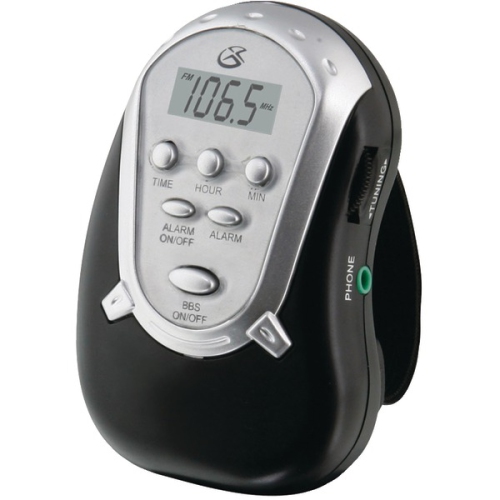 Your price for this item is $116.68
-
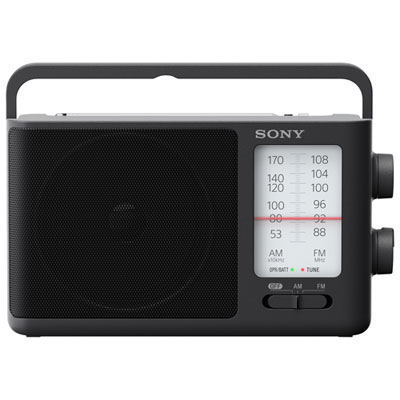 Your price for this item is $69.99
-
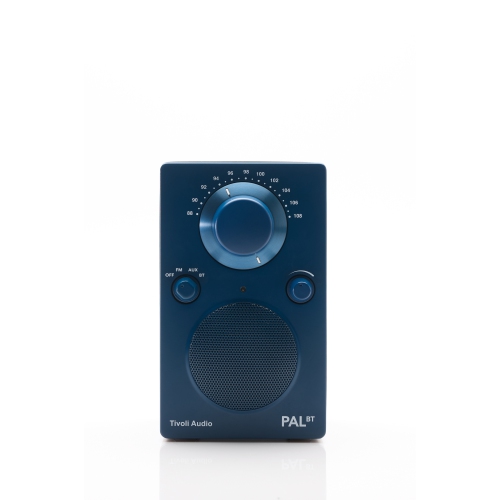 Your price for this item is $279
-
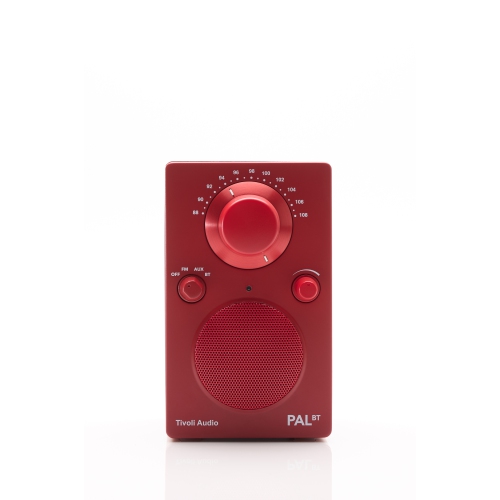 Your price for this item is $279
-
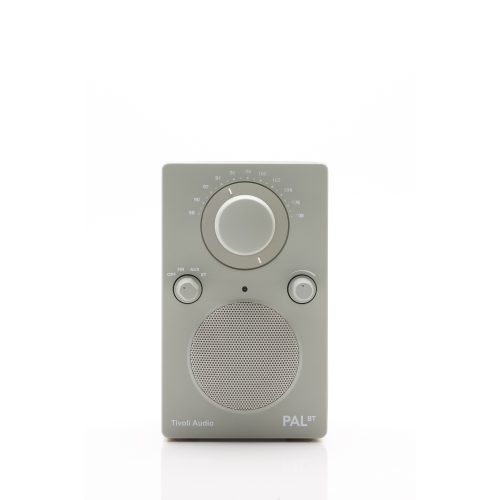 Your price for this item is $279
-
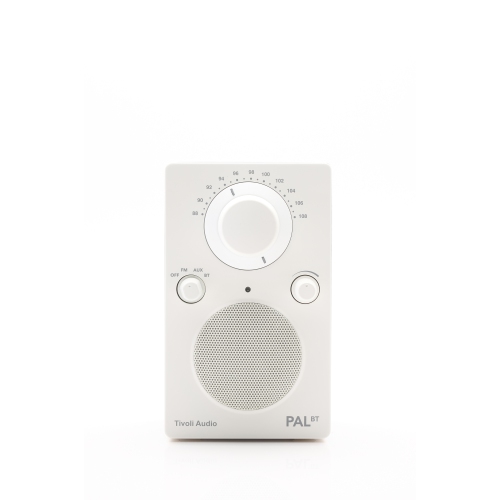 Your price for this item is $279
-
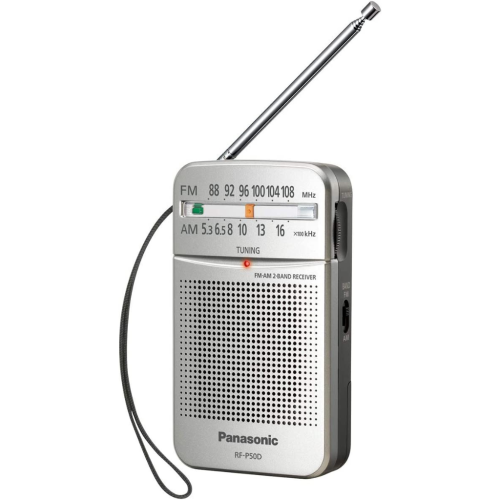 Your price for this item is $39.95
-
 Your price for this item is $45.99
Discover more categories related to Wireless Microphone Systems for Schools


Top Collections:
Pokemon Centers, Best Cameras for Sports Photography, Kindle Devices, Samsung Galaxy Phones, Canon G7X Cameras, Pokémon 30th Celebration Cards, Refurbished Apple Laptops, iPhone 15 Apple, Laptops for Students, Budget Smartphones
Some products may be subject to Environmental Handling Fees
(EHF) depending on your province.
Learn more about EHFs.