Yamaha Arius
Discover the perfect blend of style and performance with Yamaha Arius digital pianos. Whether you're a beginner or an experienced player, Yamaha Arius brings exceptional sound and elegant design to any home or studio. Explore a range of options designed to fit your musical journey, making it easy to find the right instrument for your needs. Elevate your playing experience with Yamaha Arius and enjoy music every day.
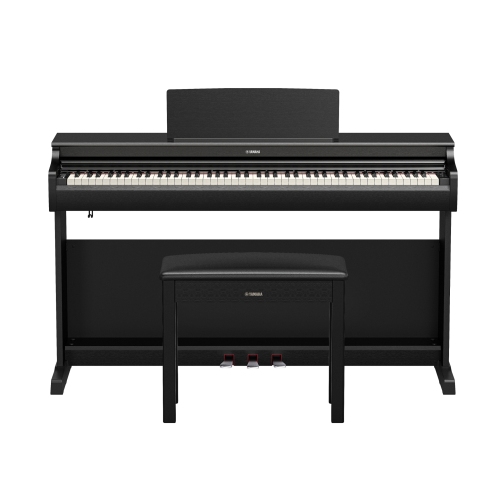
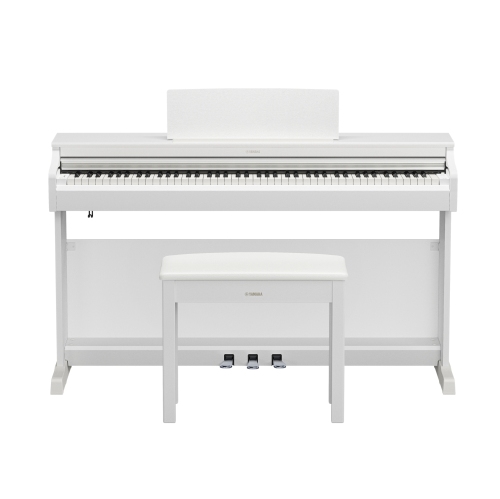
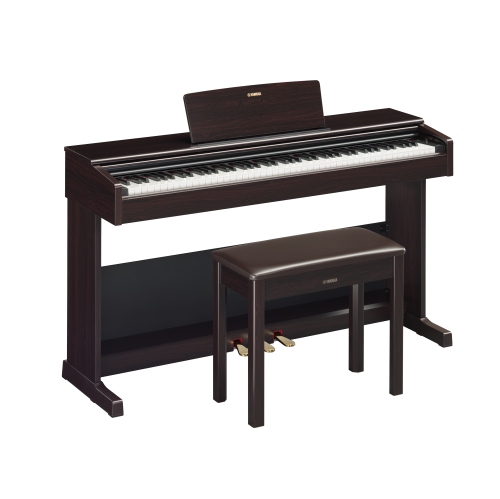
Upright piano feel meets quieter practice at home
Furniture-style digital pianos combine the familiar layout of an upright piano with electronic sound generation, built-in speakers, and convenient volume control. Their fixed cabinets and integrated pedal assemblies make them well suited to a dedicated practice space in a living room, bedroom, or music room. A full-size, 88-key keyboard gives players the range needed for most piano repertoire, from early lesson pieces to complex arrangements that move between deep bass notes and the upper register. Weighted keys provide resistance under the fingers, while graded hammer actions are designed to feel heavier in the bass and lighter in the treble, reflecting an important characteristic of an acoustic piano. The precise action varies by instrument, and its feel matters: a beginner benefits from learning controlled finger movements, while a returning pianist may notice how readily the keys respond to repeated notes and soft passages. Touch sensitivity is a separate feature that lets playing force affect the sound, allowing a melody to rise above its accompaniment rather than having every note speak at the same level. Piano tones based on recordings of an acoustic grand provide a foundation for expressive playing, though the sound heard in the room also depends on speaker design, cabinet placement, and volume. Through headphones, the listening experience can be quite different, making both listening methods relevant to everyday use. A built-in three-pedal assembly typically provides sustain, soft, and sostenuto functions. Sustain allows notes to continue after the keys are released, while sostenuto holds selected notes and the soft pedal changes the character or level of the sound. Support for half-pedalling, where provided, adds finer control over sustain. Together, these elements make a console digital piano a practical instrument for structured lessons, independent practice, accompanying a singer, or playing familiar songs at home. It can serve a child beginning lessons, an adult revisiting a long-held interest, or an experienced player who needs a quieter alternative to an acoustic instrument.
The fit of a digital piano involves both the space it occupies and the way a person sits at it. Cabinet width and depth are only part of the picture; a comfortable setup also leaves room for the bench, the player’s elbows, and enough clearance to sit down without squeezing past nearby furniture. A location near a suitable power outlet keeps the power lead away from walking routes, while a stable, level floor helps prevent movement during energetic playing. An adjustable bench can be particularly useful in a household where several people share the instrument. With an appropriate seat height, the forearms can sit approximately level with the keyboard and the shoulders can remain relaxed. Younger children may need foot support so their legs do not dangle throughout a lesson, and pedal access should suit their reach rather than encourage them to slide forward on the seat. The music rest deserves attention as well: a large score, a slim lesson book, and a tablet each place different demands on its width and support. Cabinet construction commonly includes engineered wood panels with a decorative surface, although materials and finishes differ. A dark finish can create a traditional focal point beside bookshelves or other living-room furniture; the Yamaha Black Piano page offers a related focus for shoppers drawn to that look. Surface sheen affects how readily fingerprints and dust show, especially around the key cover and frequently touched edges. For routine care, a soft, dry cloth is a sensible starting point, with any additional cleaning carried out according to the instrument’s manual. Sprays, abrasive cloths, and excess moisture can damage key surfaces or cabinet finishes. Keeping drinks off the instrument, closing the key cover when appropriate, and supporting sheet music securely help protect parts used every day. Unlike an acoustic piano, a digital piano does not need string tuning, but its keys, pedals, connections, and cabinet still benefit from careful handling. A console design is intended primarily to stay in one place, so moving it between homes or rooms calls for more planning than carrying a portable keyboard.
Everyday practice features can be just as important as the cabinet and keyboard. Headphone listening allows someone to work through a difficult passage while another household member reads or watches television nearby, although the physical movement of the keys and pedals is not completely silent. Comfortable headphones and a moderate listening level support longer practice sessions without making high volume a substitute for clarity. If two people need to listen together, such as a student and teacher, the number and type of headphone connections are worth considering. A built-in metronome provides a steady reference for rhythm, and a recording function, where included, can reveal uneven timing or an accompaniment that overwhelms the melody. These tools have straightforward uses: a learner can slow a short section, practise each hand separately, then record both hands together to hear whether the musical phrasing comes through. Some instruments also offer a divided keyboard mode that places matching note ranges side by side for demonstration and imitation during lessons. Layered sounds or additional instrument voices can add variety, but the responsiveness of the main piano tone remains central for anyone focused on piano technique. Connections for a phone, tablet, or computer may support compatible apps, MIDI recording, or other musical activities; the exact connection method, required cables, and supported devices differ by model. A USB connection does not automatically mean that an instrument can record audio directly to a memory drive, so the distinction between audio and MIDI functions matters for anyone hoping to save performances. For a gift recipient, the most useful setup reflects how and where they will play rather than simply how many features appear on a specification list. A student may value a dependable key action and comfortable seating above a wide selection of sounds, while an adult playing after work may place greater importance on headphone sound and simple controls. A piano that is comfortable to sit at, easy to hear clearly, and ready for a few minutes of focused playing can become a lasting part of daily life.
Top selling and popular products
-
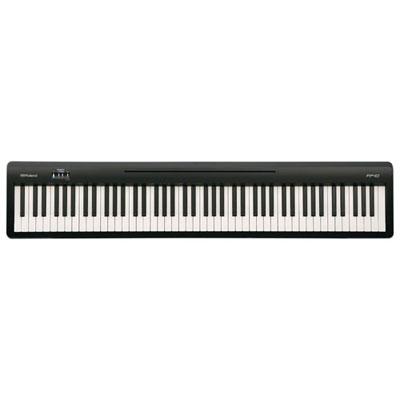 Your price for this item is $799.99
-
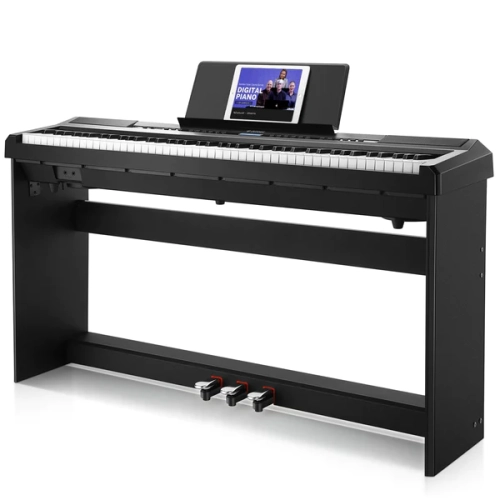 Your price for this item is $479.99
-
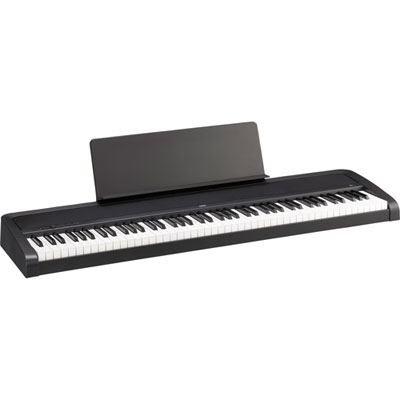 Your price for this item is $699.98
-
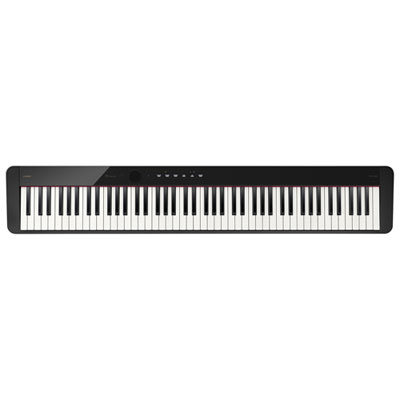 Your price for this item is $849.99
-
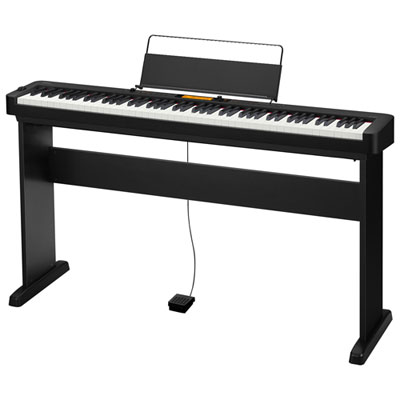 Your price for this item is $869.95
-
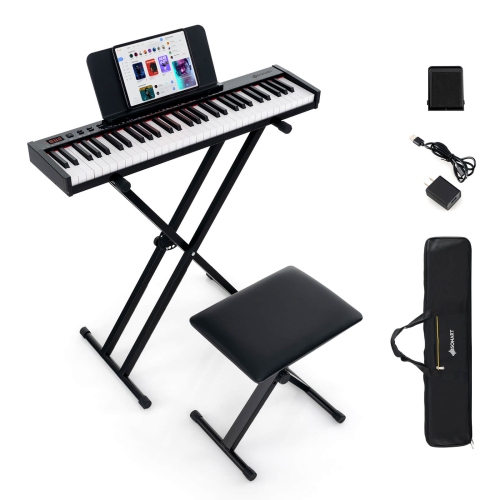 Your price for this item is $189.99
-
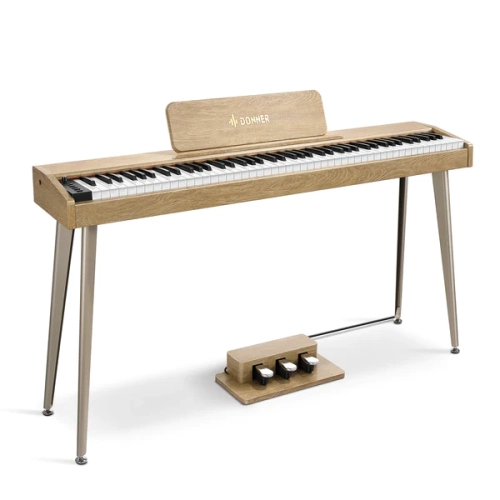 Your price for this item is $415.99
-
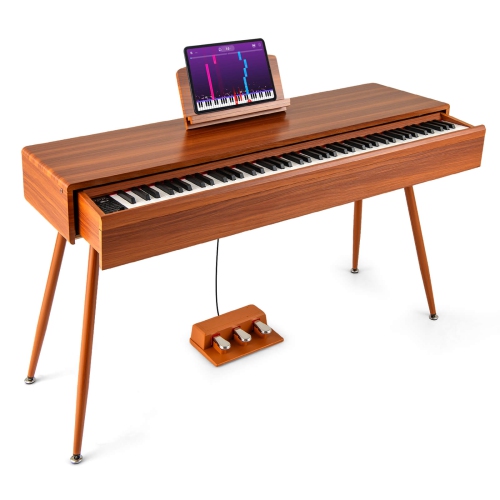 Your price for this item is $571.99
Discover more categories related to Yamaha Arius
Top Collections:
Pokemon Centers, Best Cameras for Sports Photography, Kindle Devices, Samsung Galaxy Phones, Canon G7X Cameras, Pokémon 30th Celebration Cards, Refurbished Apple Laptops, iPhone 15 Apple, Laptops for Students, Budget Smartphones
Some products may be subject to Environmental Handling Fees
(EHF) depending on your province.
Learn more about EHFs.