Yamaha Keyboards
Elevate your music experience with a Yamaha keyboard, designed to inspire creativity and enhance every practice session or performance. Whether you're a beginner learning your first notes or an experienced musician seeking versatility, you'll find a wide selection of Yamaha keyboards to suit your style and needs. Discover options that fit seamlessly into home studios, classrooms, or stage setups, making it easy to find the perfect match for your musical journey. Explore the range and take the next step toward achieving your musical goals with a Yamaha keyboard.
Sort
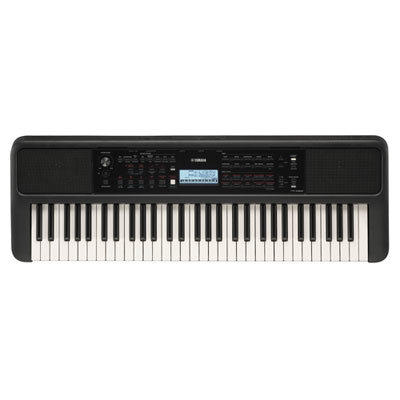
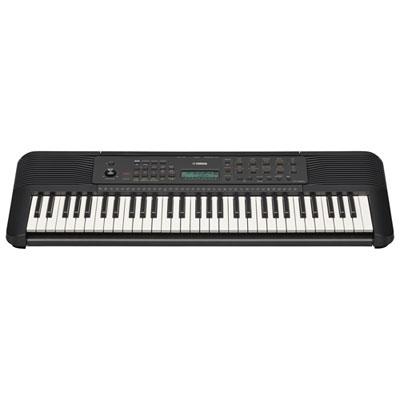
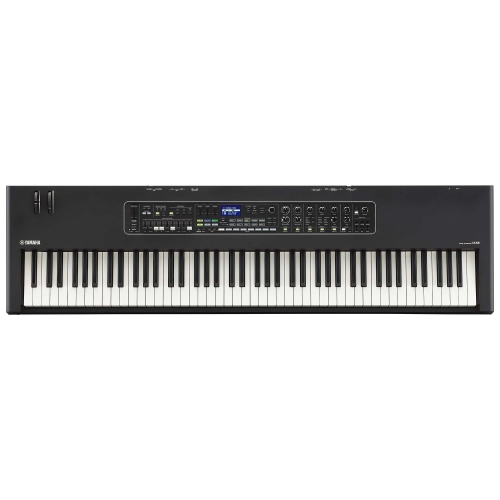
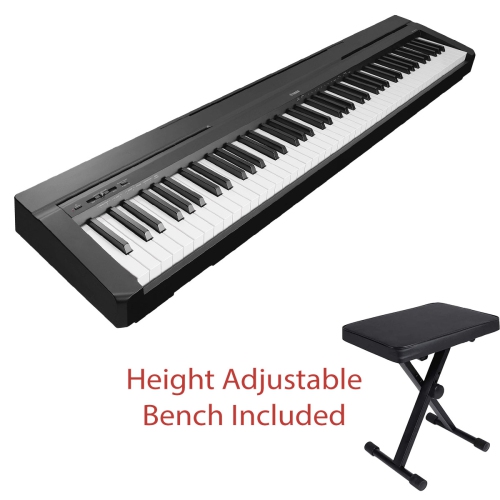
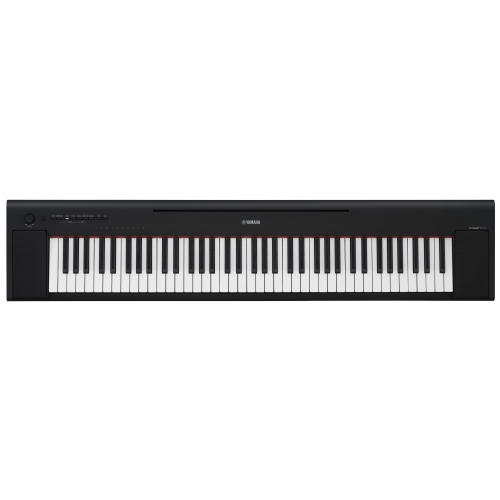
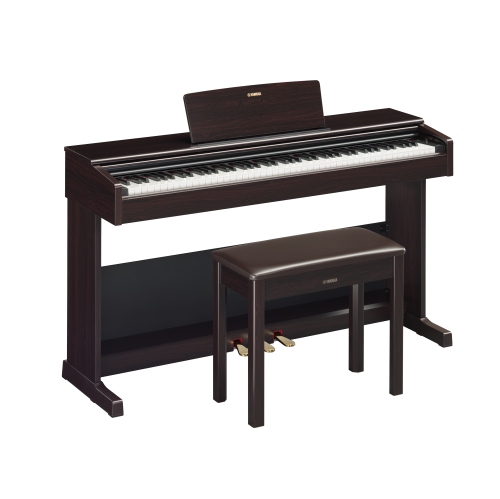
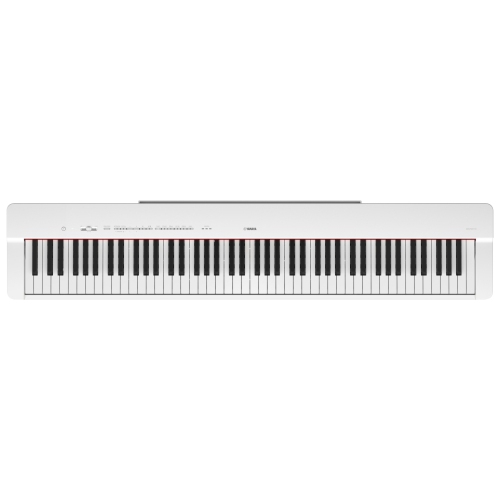
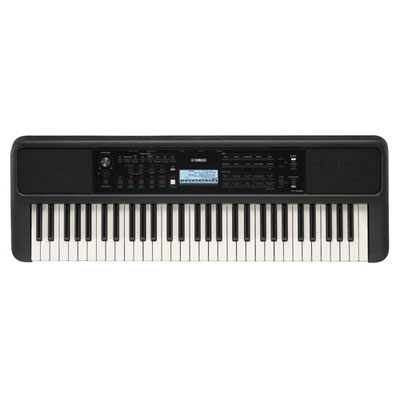


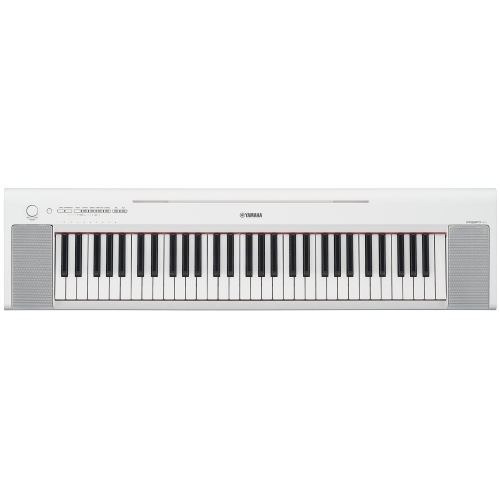
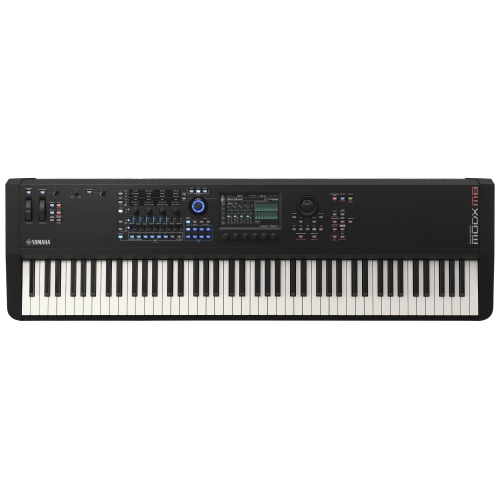
How key feel and features shape your playing
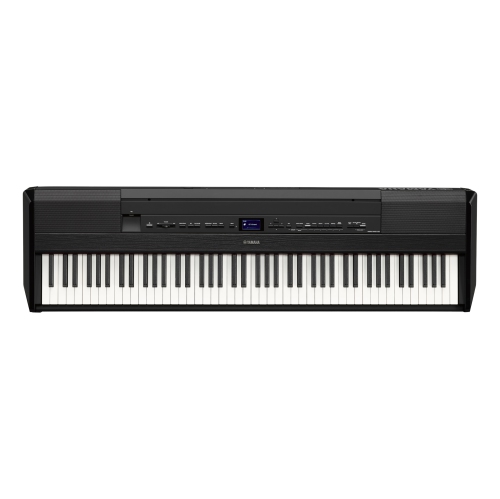
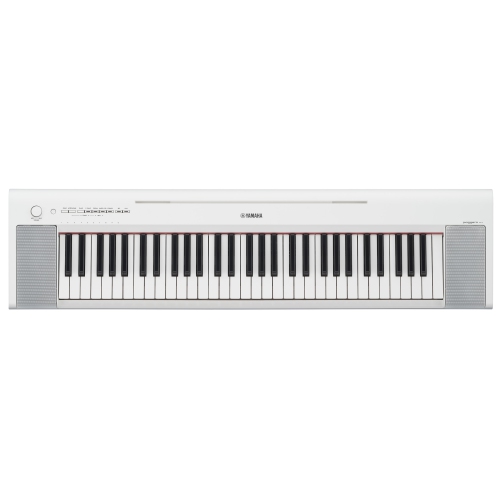
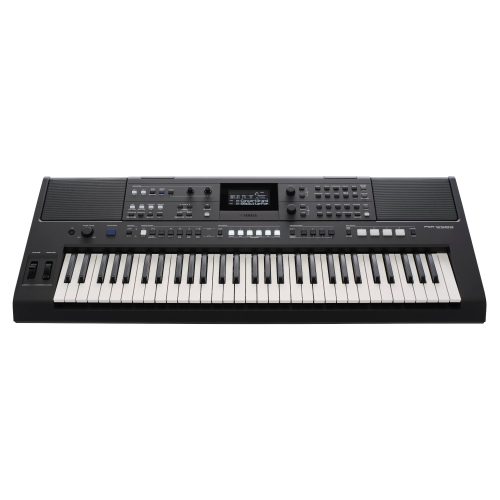
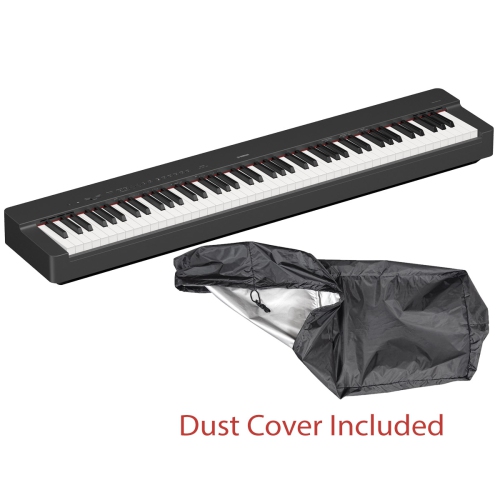
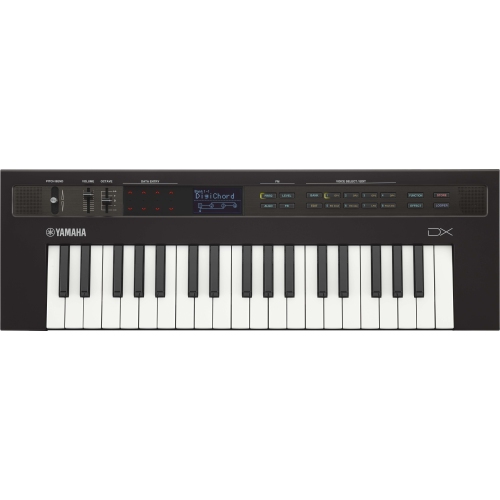
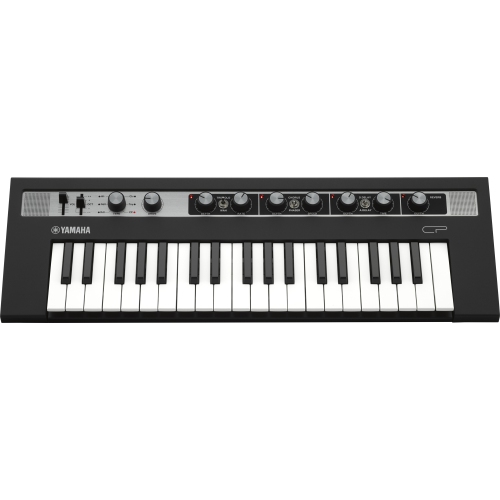
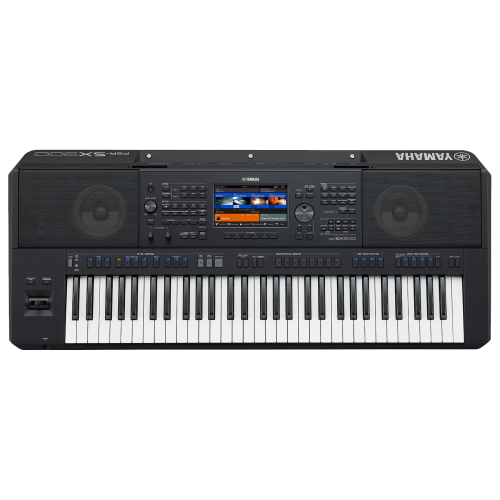
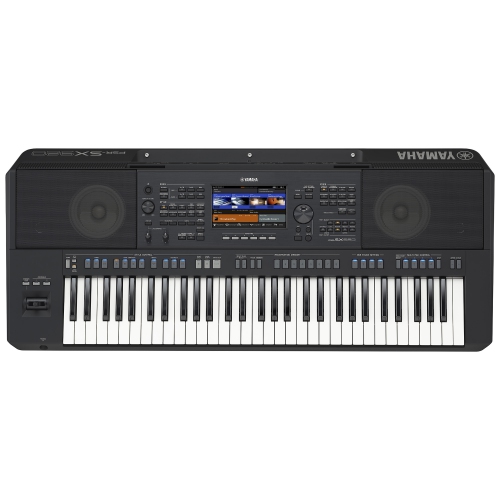
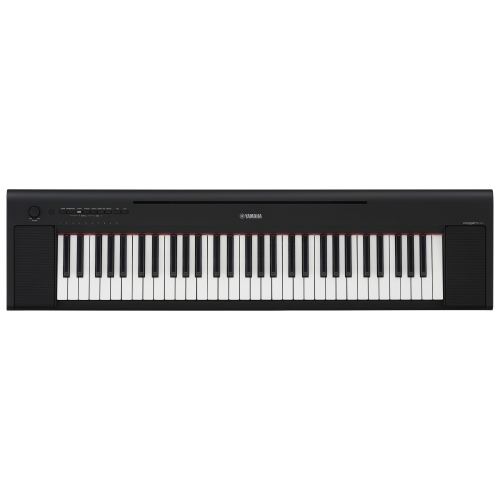
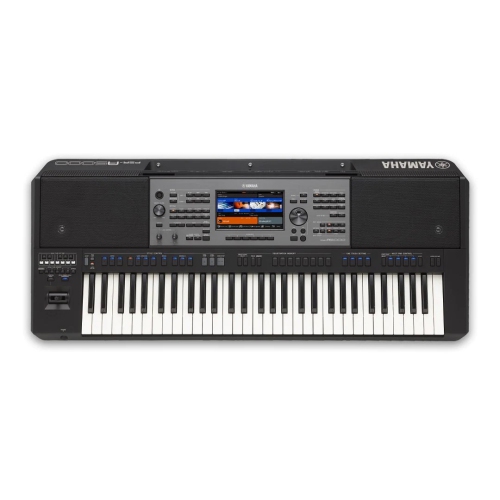
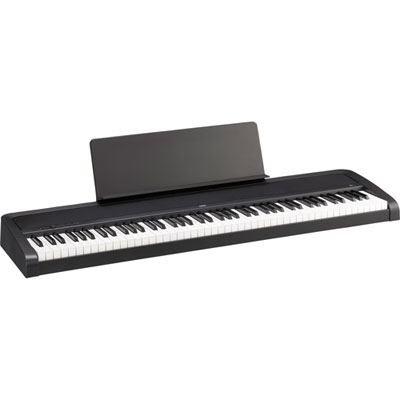
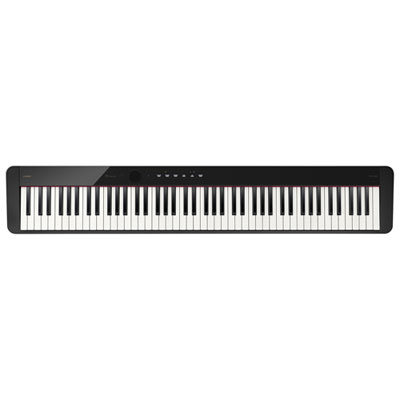
Electronic keyboards span several types of instruments, including portable keyboards, digital pianos, synthesizers, and music workstations. Each serves a different musical purpose: portable keyboards often combine instrument sounds and accompaniment features, digital pianos place greater emphasis on piano tone and playing feel, and synthesizers offer tools for shaping sounds. Workstations typically bring sound selection, performance controls, and music creation functions together in one instrument. These distinctions matter more than appearance alone. A compact keyboard can suit someone learning melodies at a desk, while a full-size digital piano may better support lessons that involve two-handed repertoire and expressive playing. Key count affects both musical range and the space required at home. A 61-key layout accommodates many melodies, chords, and arrangements, while 76 keys provide additional room without extending to a full piano keyboard. An 88-key instrument offers the standard acoustic piano range, which becomes useful as pieces reach farther into the bass and treble. Key size and action deserve equal attention. Full-size keys help develop familiar spacing between notes, while weighted actions provide resistance that more closely resembles an acoustic piano. Some hammer-action designs also vary that resistance across the keyboard. Touch sensitivity is a separate feature: it allows playing strength to affect volume or tone, but does not necessarily mean the keys are weighted. For a beginner, those details influence how naturally finger control develops; for an experienced player, they affect articulation, repeated notes, and dynamic expression. A keyboard intended for casual family music-making may prioritize approachable controls and varied sounds, whereas an instrument for regular piano study benefits from a layout and response that support consistent technique. As a gift, the most suitable keyboard usually reflects the recipient’s musical interests, available space, and experience rather than simply offering the largest number of functions. A learner following piano lessons and a songwriter building electronic arrangements may both need a keyboard, but their preferred features can be quite different.
Sound and connection options shape what happens after the first notes are played. Piano voices provide a familiar foundation, while electric piano, organ, string, and synthesizer sounds can open up different styles of music. On instruments with layering, two sounds can play together, such as piano and strings; split functions assign different sounds to separate sections of the keyboard. Accompaniment features, where included, add rhythmic and harmonic backing that responds to the player’s chords, making a solo practice session feel more like playing with a small ensemble. Built-in metronomes and recording functions can also make practice more purposeful. Listening back to a passage often reveals uneven timing or a melody that disappears beneath the left hand, details that can be difficult to notice while concentrating on the keys. Polyphony describes how many notes an instrument can sound at once, including notes sustained by a pedal and voices used in layered settings. Greater polyphony can help preserve fuller textures during sustained passages, although the practical benefit depends on the music and settings. Built-in speakers are convenient for home use, while headphone connections allow focused practice without filling the room with sound. Headphone plug size, the number of headphone outputs, and whether speakers mute automatically are useful details for shared spaces or paired lessons. For connecting to other equipment, dedicated audio outputs and USB connections perform different jobs. USB MIDI transmits performance information, such as which notes were played, but does not necessarily carry the keyboard’s own audio. USB audio support must be confirmed separately. Pedal connections also vary, from a basic sustain input to support for multiple pedals and more nuanced pedal response. Players comparing Casio Keyboards can use these same distinctions to assess instruments with similar key counts but different playing features. Clear controls and an easy-to-read display matter throughout, particularly when changing sounds during a rehearsal or adjusting settings without interrupting practice.
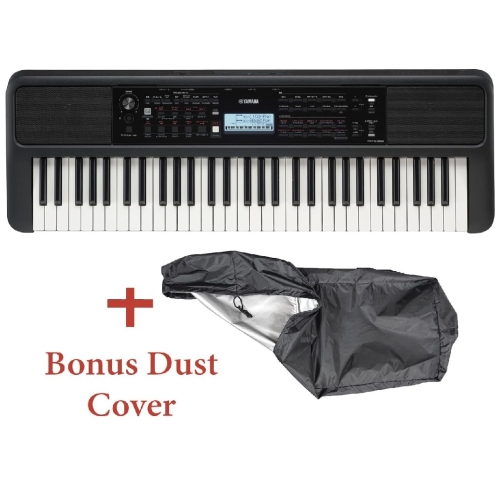
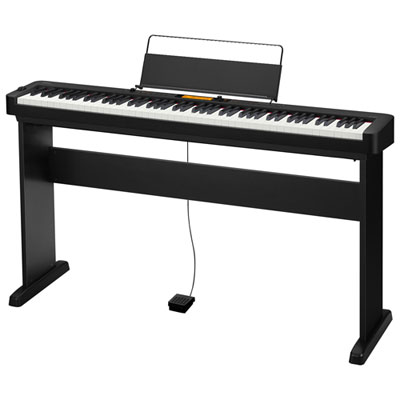
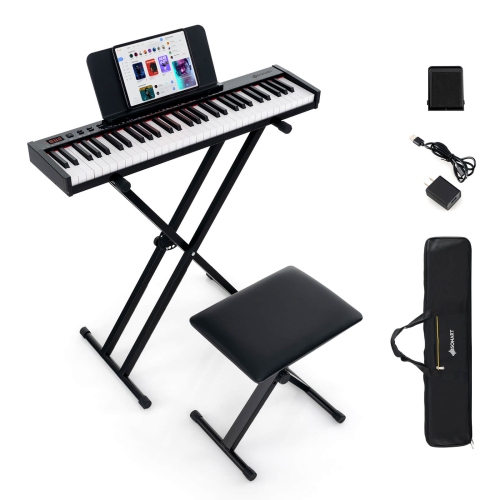
Construction, placement, and everyday care have a lasting effect on how comfortably a keyboard fits into daily life. Portable instruments commonly use moulded plastic housings to keep weight manageable, while furniture-style digital pianos may include wood-based cabinet panels and a more substantial fixed stand. Neither format alone determines musical quality; the important differences involve stability, portability, and how the instrument will be used. A keyboard carried between lessons and rehearsals benefits from manageable dimensions and a padded case with secure handles. An instrument that stays in one room may be better served by a stable stand, an adjustable bench, and enough clearance for comfortable leg and pedal movement. Playing height should allow relaxed shoulders and forearms near level with the keys, without forcing the wrists upward. A secure music rest is useful for printed scores, and sheet music or a tablet should not obstruct controls or ventilation openings. Weight ratings and attachment methods matter when matching an instrument to a separate stand, especially for heavier weighted keyboards. Power arrangements also deserve attention: some portable designs accept batteries, while others require an appropriate power adapter, and these options are not interchangeable across every instrument. Cables should sit clear of walking routes and connect without strain on the sockets. For care, a soft, dry cloth is generally appropriate for removing surface dust, with the manufacturer’s instructions taking precedence for any deeper cleaning. Liquids, household sprays, and abrasive cleaners can damage finishes or enter gaps around keys and controls. A cover helps keep dust away between sessions, and a case offers additional protection during transport without making the instrument resistant to drops or rough handling. These practical details support different routines, from a child practising short passages after lessons to an adult returning to music or a performer preparing a set. When the playing feel, sound features, and physical setup suit that routine, the instrument becomes easier to use regularly and more rewarding to spend time with.
Top selling and popular products
-
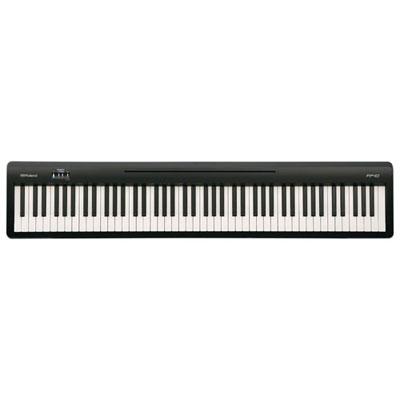 Your price for this item is $799.99
-
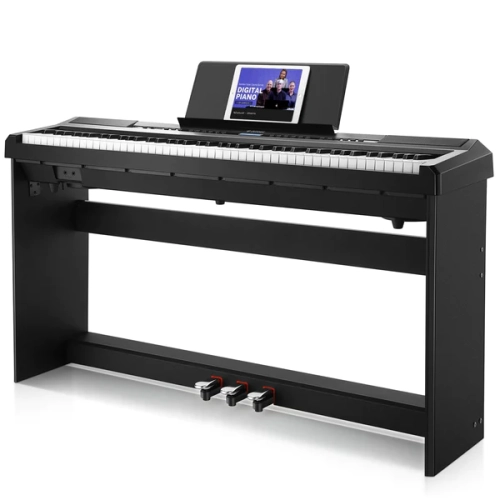 Your price for this item is $479.99
-
 Your price for this item is $699.98
-
 Your price for this item is $849.99
-
 Your price for this item is $869.95
-
 Your price for this item is $189.99
-
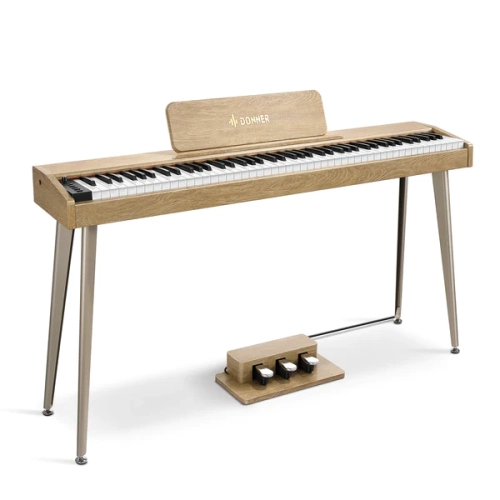 Your price for this item is $415.99
-
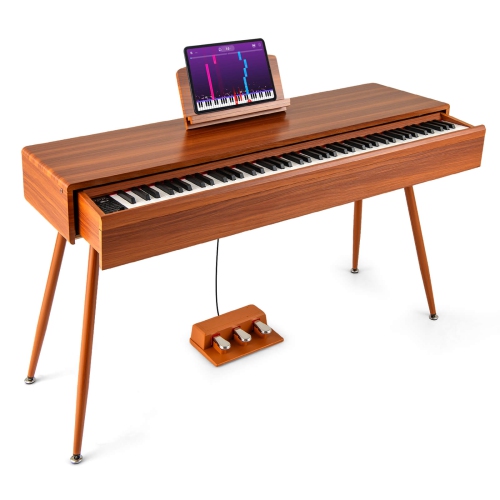 Your price for this item is $571.99
Discover more categories related to Yamaha Keyboards
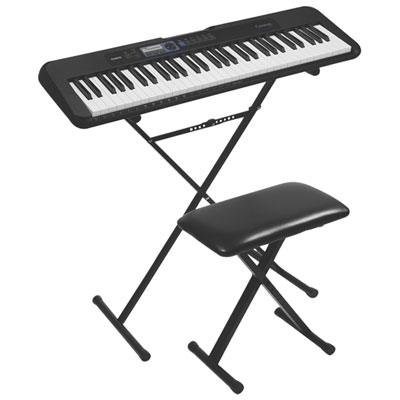
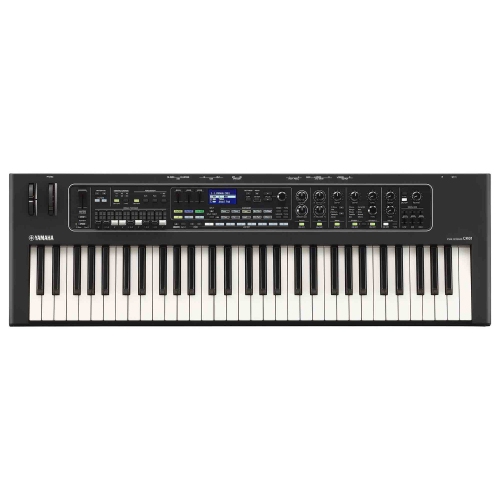
Top Collections:
Pokemon Centers, Best Cameras for Sports Photography, Kindle Devices, Samsung Galaxy Phones, Canon G7X Cameras, Pokémon 30th Celebration Cards, Refurbished Apple Laptops, iPhone 15 Apple, Laptops for Students, Budget Smartphones
Some products may be subject to Environmental Handling Fees
(EHF) depending on your province.
Learn more about EHFs.