Yamaha Mixers
A Yamaha mixer is an essential tool for anyone looking to elevate their audio experience, whether in a professional studio, live performance setting, or home recording environment. Known for its reliability and high-quality sound output, a Yamaha mixer offers users the ability to fine-tune and control their audio with precision. Explore our selection of Yamaha mixers to find the perfect match for your needs, and take your sound to the next level with ease.
Sort

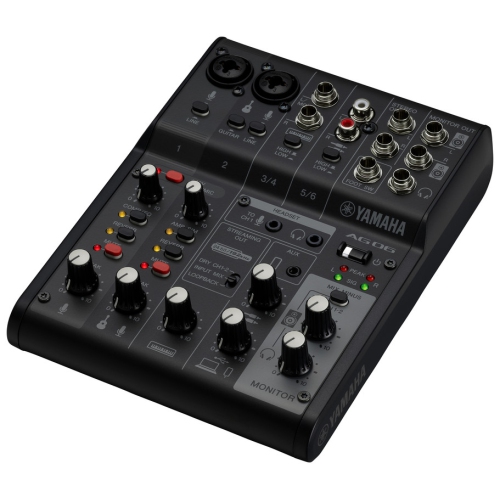
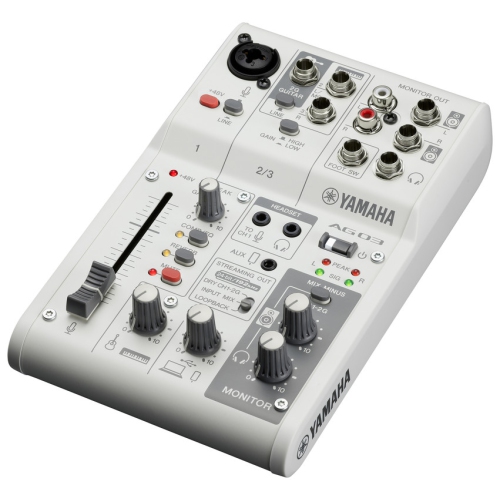
How inputs, controls and USB shape a mixer setup
Mixers bring together microphones, instruments, playback devices and computers, giving you a central place to balance sound before it reaches speakers, headphones, a recorder or a livestream. A Yamaha mixer can be a practical choice for a wide range of setups, from a singer-songwriter arranging a compact home recording corner to a community group managing sound for presentations, rehearsals or small events. The right mixer depends on the way you plan to use it, the number of sources you need to connect and the amount of hands-on control you prefer. A compact mixer can fit neatly beside a laptop or on a small desk, while a larger console offers more inputs and room to manage several performers at once. Analog mixers are often appreciated for their direct, tactile controls: each channel typically has dedicated knobs or faders for volume, equalization and other adjustments, making it easy to shape a mix at a glance. Digital mixers can provide deeper routing, scene storage, signal processing and remote control in a more streamlined format. Both styles can deliver useful results when matched to the setup, and many users appreciate having physical controls available when a performance is unfolding in real time. For anyone upgrading from a single microphone connection or a basic computer setup, a mixer can make audio feel more organized and deliberate, helping separate voices, instruments and background playback instead of treating everything as one undifferentiated signal.
Channel count is one of the most important purchasing considerations. Count every source you expect to use, including vocal microphones, instrument pickups, keyboards, drum machines, media players and a talkback microphone, then leave some room for future additions. A two-person podcast may only need a few microphone inputs, while a small band, rehearsal space or event setup may need considerably more. Keep in mind that a stereo keyboard or playback device can use two channels, and some microphones or instruments may require particular connection types. A mixer with microphone preamps can raise low-level microphone signals to a usable level, while phantom power is important for condenser microphones that rely on an external electrical supply. Built-in equalization helps reduce muddiness, add presence to speech or give instruments more definition, and onboard effects such as reverb, delay or chorus can add depth without requiring separate hardware. Some users prefer a straightforward mixer with only the controls they need; others may value compression, scene recall, flexible routing and detailed digital processing. A USB audio interface is another useful feature to consider because it can connect the mixer to a computer for recording, playback, online meetings, livestreaming, podcast production or music software. Check how the USB connection handles input and output channels, since a simple stereo connection and multichannel recording offer different possibilities. For streaming, convenient monitor controls, loopback audio and easy connection to a computer can help combine a microphone, game or music audio and conversation without complicated cabling. For recording, pay attention to the quality of the preamps, the available outputs and whether the mixer fits comfortably into your preferred workflow.
The physical design matters just as much as the feature list. A portable mixer may be easier to carry between a home studio, rehearsal room and event venue, while a larger console can be more comfortable for frequent live operation when several channels must be adjusted quickly. Look for clearly labelled controls, sturdy connectors and a layout that makes sense from the position where you will work. Think about where the mixer will sit, how much cable length you need and whether you will monitor through headphones, powered speakers or a separate sound system. Beginners often benefit from a model that makes essential functions easy to find, while experienced users may want advanced routing, assignable controls or app-based operation. These mixers can also make thoughtful gifts for musicians, podcasters, streamers, teachers, content creators or anyone building a personal audio setup, particularly when the recipient already has microphones or instruments that need a more capable hub. During the warmer months, a portable setup can support backyard performances, community gatherings and mobile recording, while during the cooler months it can become the centre of an indoor rehearsal or creative workspace. If your plans involve a more advanced live sound system, explore Digital Mixing Consoles for additional control and routing options. Before choosing, consider the number of inputs, the type of connections, built-in effects, USB capabilities, phantom power, monitoring options and available space. Matching those details to your actual routine will help create a mixer setup that feels intuitive, sounds balanced and remains useful as your audio projects grow.
Channel count is one of the most important purchasing considerations. Count every source you expect to use, including vocal microphones, instrument pickups, keyboards, drum machines, media players and a talkback microphone, then leave some room for future additions. A two-person podcast may only need a few microphone inputs, while a small band, rehearsal space or event setup may need considerably more. Keep in mind that a stereo keyboard or playback device can use two channels, and some microphones or instruments may require particular connection types. A mixer with microphone preamps can raise low-level microphone signals to a usable level, while phantom power is important for condenser microphones that rely on an external electrical supply. Built-in equalization helps reduce muddiness, add presence to speech or give instruments more definition, and onboard effects such as reverb, delay or chorus can add depth without requiring separate hardware. Some users prefer a straightforward mixer with only the controls they need; others may value compression, scene recall, flexible routing and detailed digital processing. A USB audio interface is another useful feature to consider because it can connect the mixer to a computer for recording, playback, online meetings, livestreaming, podcast production or music software. Check how the USB connection handles input and output channels, since a simple stereo connection and multichannel recording offer different possibilities. For streaming, convenient monitor controls, loopback audio and easy connection to a computer can help combine a microphone, game or music audio and conversation without complicated cabling. For recording, pay attention to the quality of the preamps, the available outputs and whether the mixer fits comfortably into your preferred workflow.
The physical design matters just as much as the feature list. A portable mixer may be easier to carry between a home studio, rehearsal room and event venue, while a larger console can be more comfortable for frequent live operation when several channels must be adjusted quickly. Look for clearly labelled controls, sturdy connectors and a layout that makes sense from the position where you will work. Think about where the mixer will sit, how much cable length you need and whether you will monitor through headphones, powered speakers or a separate sound system. Beginners often benefit from a model that makes essential functions easy to find, while experienced users may want advanced routing, assignable controls or app-based operation. These mixers can also make thoughtful gifts for musicians, podcasters, streamers, teachers, content creators or anyone building a personal audio setup, particularly when the recipient already has microphones or instruments that need a more capable hub. During the warmer months, a portable setup can support backyard performances, community gatherings and mobile recording, while during the cooler months it can become the centre of an indoor rehearsal or creative workspace. If your plans involve a more advanced live sound system, explore Digital Mixing Consoles for additional control and routing options. Before choosing, consider the number of inputs, the type of connections, built-in effects, USB capabilities, phantom power, monitoring options and available space. Matching those details to your actual routine will help create a mixer setup that feels intuitive, sounds balanced and remains useful as your audio projects grow.
Top selling and popular products
-
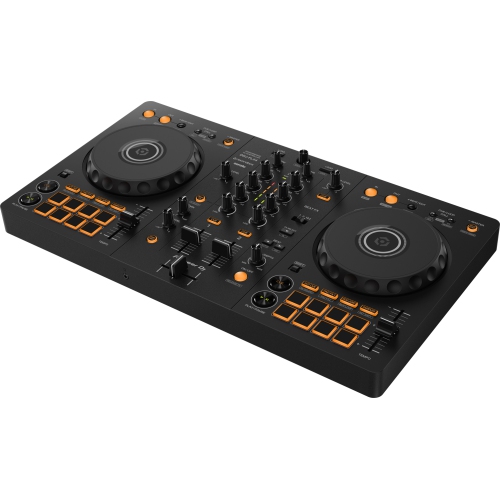 Your price for this item is $449
 -
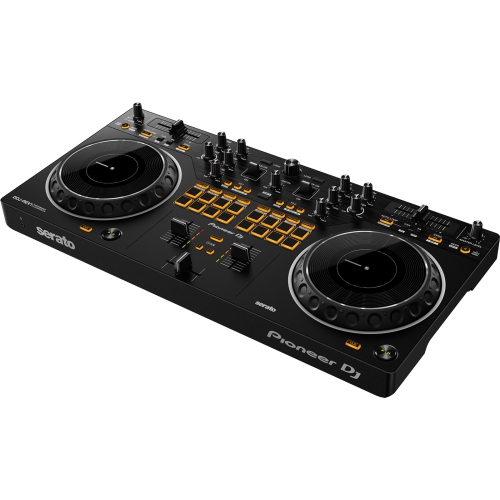 Your price for this item is $469.99
 -
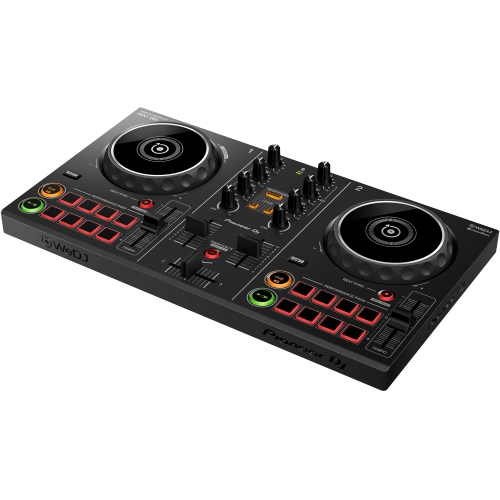 Your price for this item is $239
 -
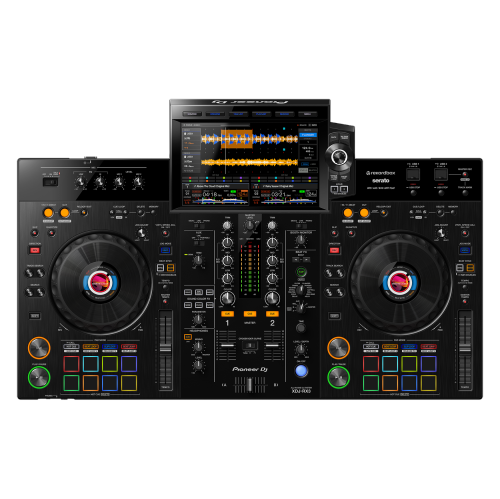 Your price for this item is $3099
 -
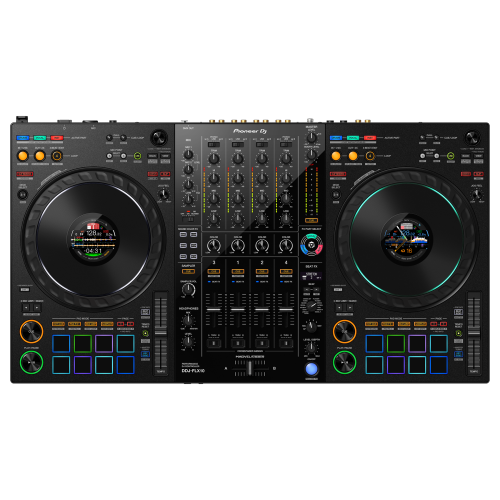 Your price for this item is $2399
 -
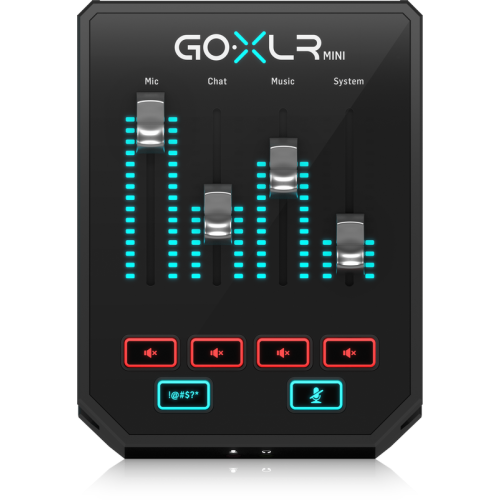 Your price for this item is $259
 -
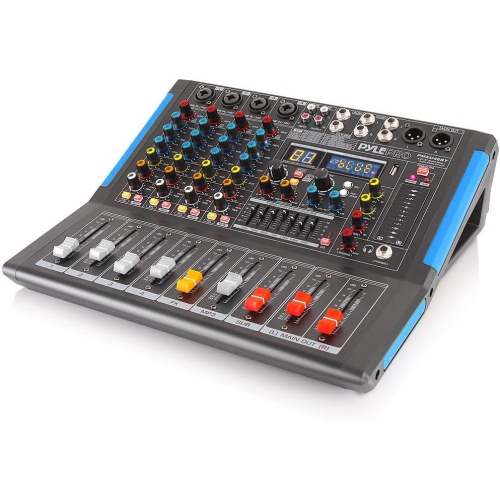 Your price for this item is $175.99
 -
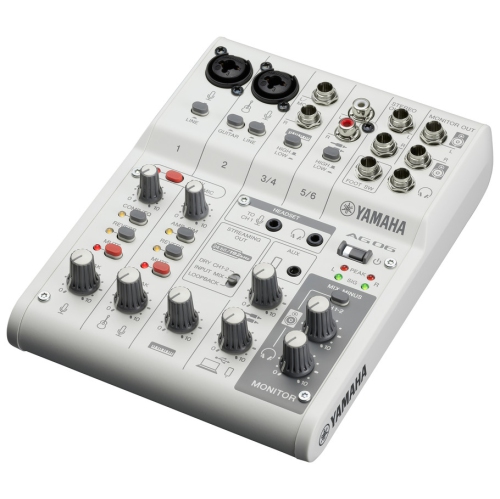 Your price for this item is $279.95
Discover more categories related to Yamaha Mixers
Top Collections:
Pokemon Centers, Kindle Devices, Best Budget Office Chairs, Canon G7X Cameras, Apple iPhones 16, Samsung Galaxy Phones, Refurbished Apple Laptops, Laptops for Students, iPhone 15 Apple, Budget Smartphones
Some products may be subject to Environmental Handling Fees
(EHF) depending on your province.
Learn more about EHFs.