Acoustic Guitar Tuners
Looking to keep your acoustic guitar in perfect pitch? Look no further than our selection of acoustic guitar tuners. Whether you're a beginner learning the ropes or a seasoned pro gearing up for a performance, having a reliable tuner is essential for achieving the best sound quality. With a variety of options to choose from, you can easily find the perfect tuner to suit your needs and help you hit all the right notes. Browse through our collection now and make sure your guitar always sounds its best.
Sort














Why consistent pitch matters from practice to performance
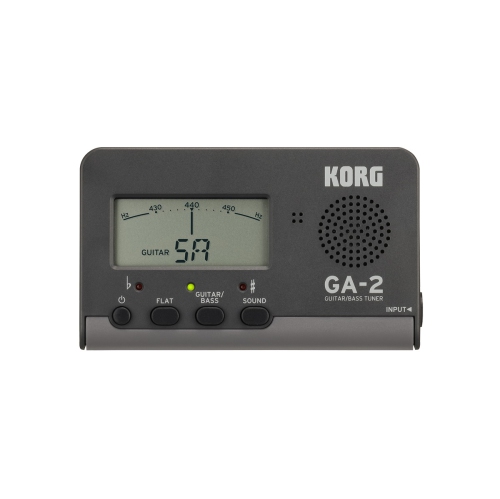
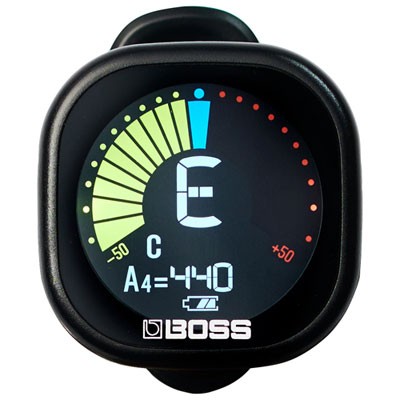
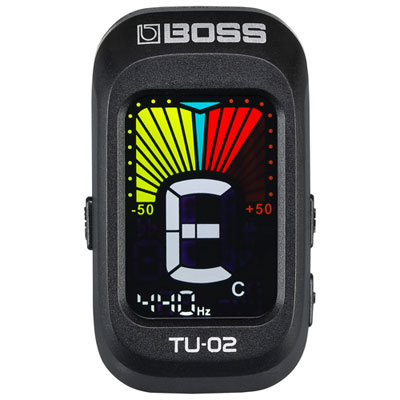
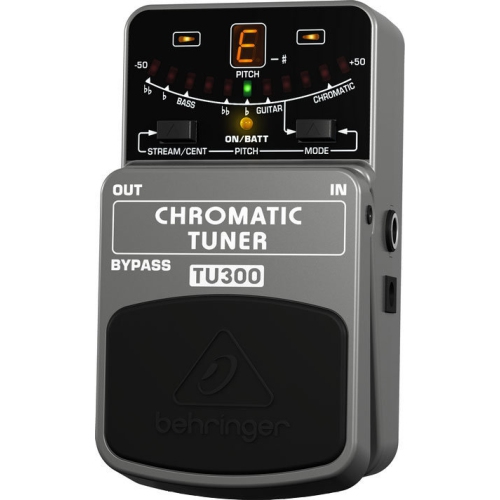
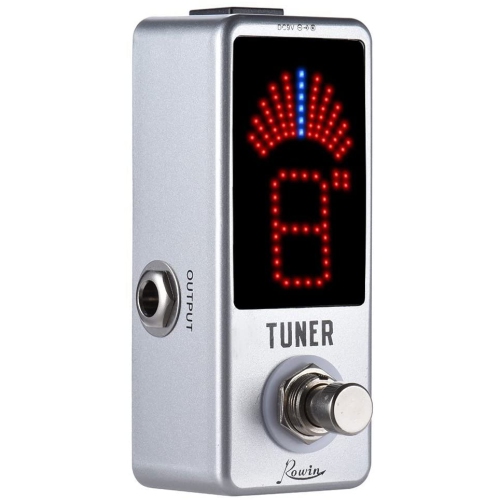
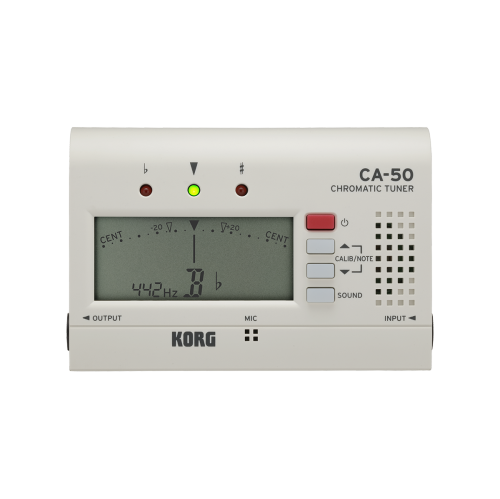
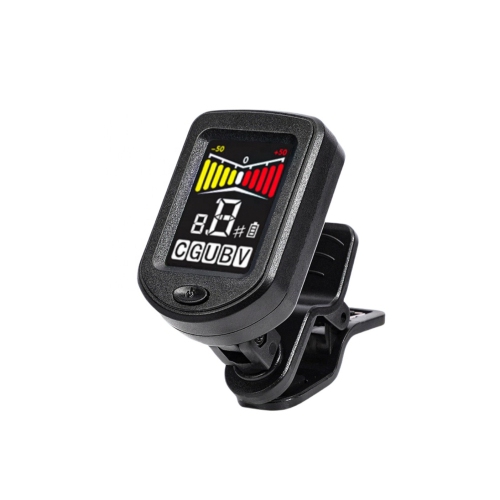
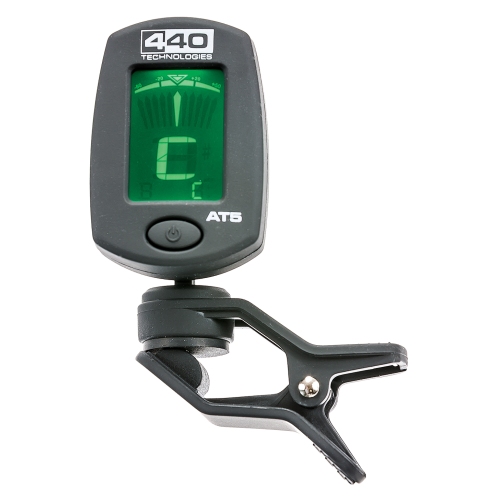
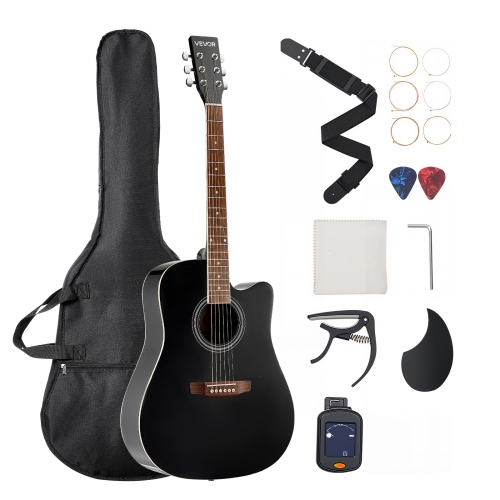
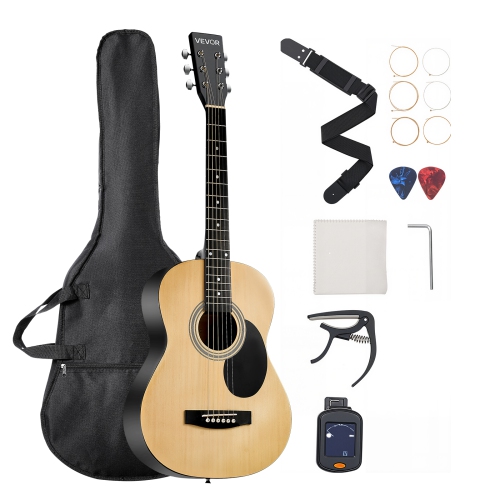
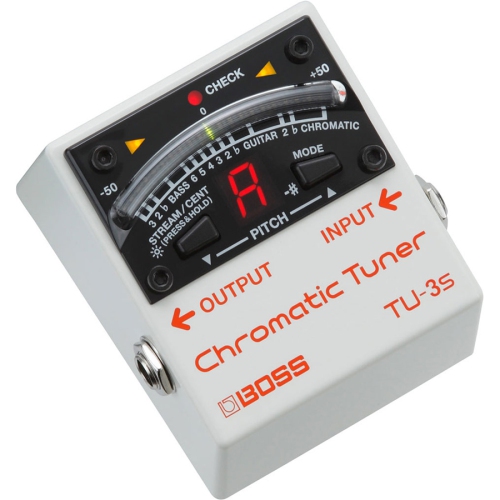
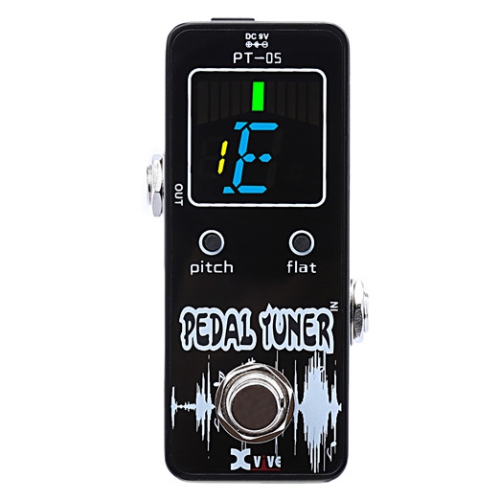
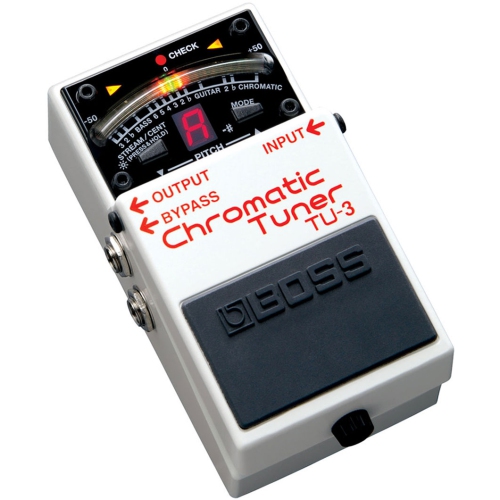
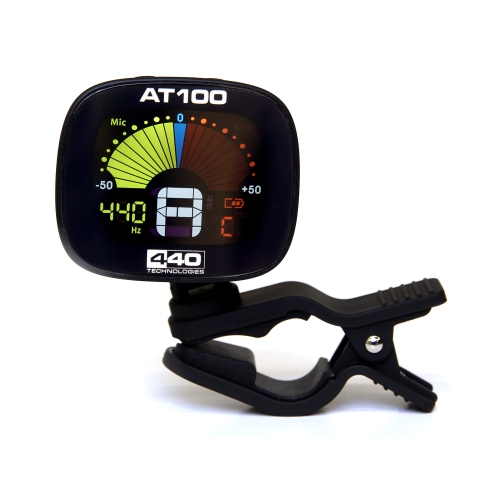
Acoustic guitar tuners help players keep every string at the correct pitch, whether they are preparing for a lesson, rehearsing with friends, recording at home, or settling into a quiet practice session. Even a well-made guitar can drift out of tune as strings stretch, temperatures change, or the instrument travels between rooms, cars, studios, and performance spaces. A reliable tuner provides a quick reference so chords sound clear and melodies stay in step with other instruments. For many players, an electronic tuner is the most convenient choice. Chromatic tuners detect the note being played and show whether it is sharp, flat, or in tune, making them suitable for standard tuning as well as alternate tunings. Clip-on models attach to the headstock and read the guitar’s vibrations directly, so they can remain accurate in a busy room where background sound might affect a microphone-based device. Their compact size, bright display, and simple controls make them useful for beginners who are still learning string names and pitch, as well as experienced musicians who want a fast check before playing. Soundhole tuners offer another discreet option for acoustic guitars, sitting near the edge of the soundhole while keeping the display easy for the player to see. They can be a practical choice for rehearsals, open-mic performances, and other settings where a low-profile accessory is preferred. Players may also use a phone app as a convenient reference, but a dedicated tuner can be easier to see, quicker to access, and less distracting when a phone is needed for sheet music, recording, or communication. Browse the wider selection of Musical Instrument Tuners to compare tuning accessories for different instruments and playing environments.
When choosing an acoustic guitar tuner, start with the way it will be used most often. A clip-on tuner is easy to carry in a gig bag and works well for musicians who move between lessons, rehearsals, and performances. Look for a display that is readable from the player’s position, with clear note identification and an indicator that responds smoothly as the string settles. A swivel or adjustable viewing angle can be helpful when the tuner is attached to different headstock shapes. Soundhole tuners are designed to stay close to the guitar and may appeal to performers who want an accessory that is less noticeable from the audience. Check that the tuner’s mounting style is compatible with the instrument, particularly if the guitar has a narrow or unusually shaped soundhole. Some acoustic guitars also use pickup systems, and a tuner that can respond through an instrument connection may suit players who regularly perform through an amplifier or mixing system. Battery life, automatic shutoff, button placement, and the speed of note detection are small details that become important over time. A tuner that turns on quickly and does not require complicated menus is more likely to be used before every playing session. For players exploring alternate tunings, a chromatic mode is especially useful because it can identify notes beyond the standard E-A-D-G-B-E arrangement. Tuning references may also support half-step adjustments, lowered tunings, or other setups used in folk, blues, country, rock, and fingerstyle music. The tuning accessory should complement the guitar rather than interrupt the playing routine: attach it to a stable part of the headstock, pluck one string at a time, and make small adjustments until the display indicates the note is centred. It is wise to tune quietly and carefully before making larger changes, since turning a tuning key too far can place unnecessary tension on an older or weakened string.
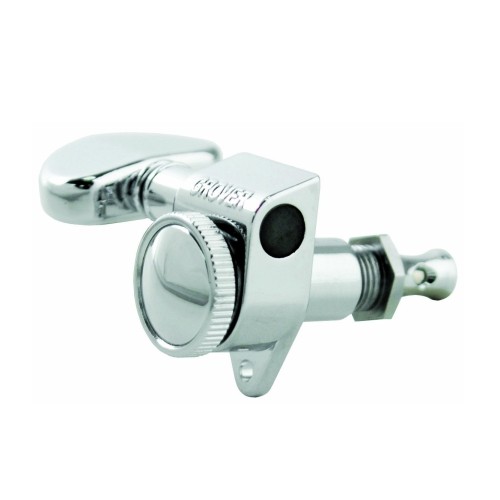
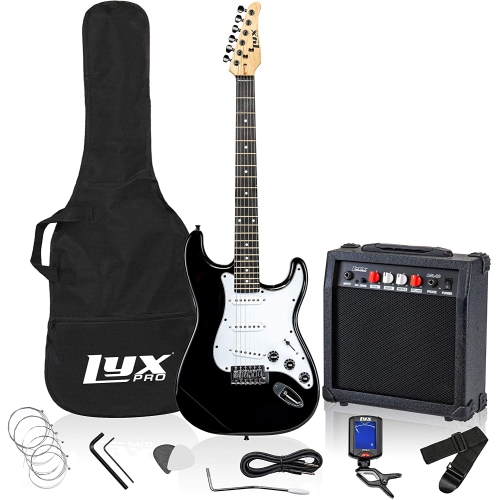
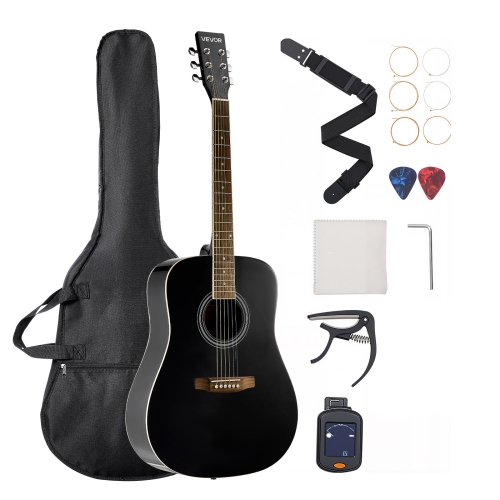
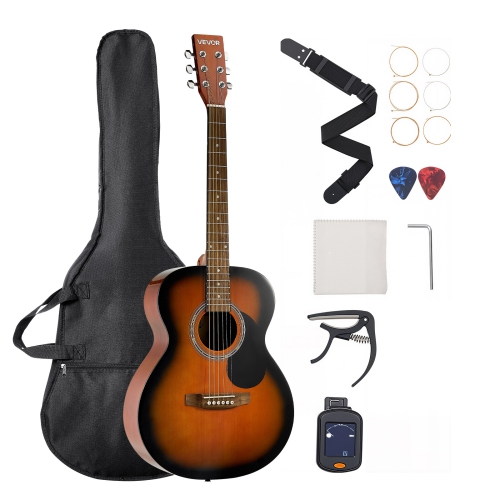
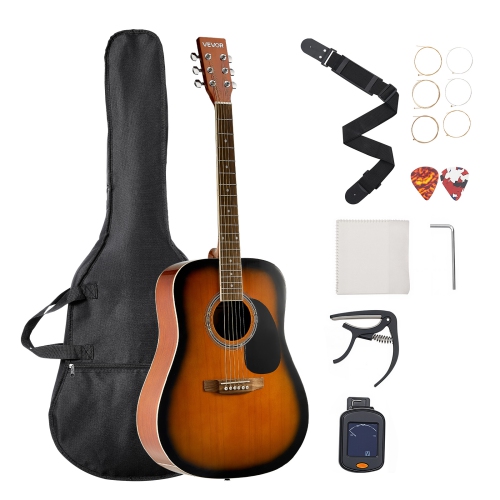
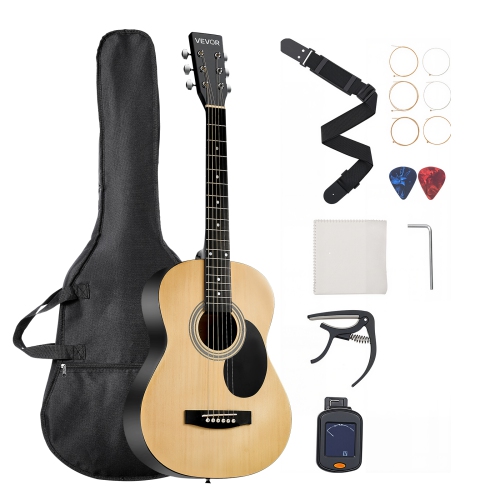
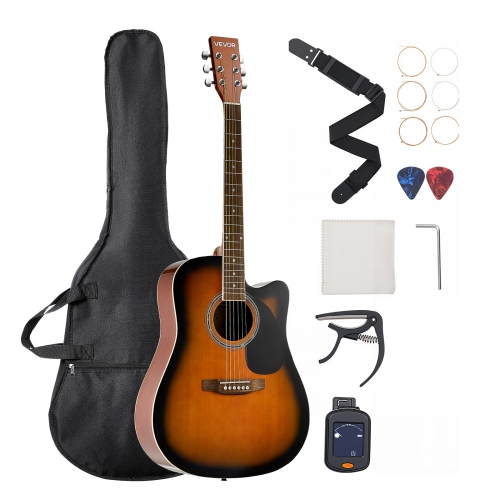
Some acoustic guitar tuners are electronic accessories, while others refer to the physical tuning machines installed on the guitar headstock. If the goal is to replace tuning pegs or upgrade worn hardware, fit is the most important consideration. Acoustic guitars commonly use a three-per-side headstock arrangement, although individual instruments may have different layouts, hole spacing, post heights, screw positions, and mounting angles. Replacement machines must match details such as the bushing diameter, the distance between mounting holes, the orientation of the gears, and the shape of the existing holes. Common post and bushing measurements can vary, so comparing the specifications with the original hardware before ordering can help avoid extra drilling or modifications. Open-gear tuning machines may suit traditional or vintage-inspired instruments, while enclosed gears provide a more covered construction and a contemporary appearance. The right replacement can make tuning feel smoother and help a guitar hold its pitch more consistently, but hardware changes should be approached carefully, especially on instruments with delicate finishes or unusual headstocks. Electronic tuners are often a thoughtful gift for a new guitarist, a student preparing for lessons, or an experienced player who has misplaced a favourite tuner in the bottom of a case. They are small enough to add to a birthday, graduation, or holiday gift and useful in every season, from outdoor practice as the weather warms to indoor playing during the cooler months. A tuner can also be a practical addition to a starter guitar setup, alongside spare strings, picks, and a protective case. Whether the need is a compact accessory for everyday tuning or a compatible set of replacement tuning machines, the best choice will suit the guitar’s construction, the player’s routine, and the surroundings where music is made.
When choosing an acoustic guitar tuner, start with the way it will be used most often. A clip-on tuner is easy to carry in a gig bag and works well for musicians who move between lessons, rehearsals, and performances. Look for a display that is readable from the player’s position, with clear note identification and an indicator that responds smoothly as the string settles. A swivel or adjustable viewing angle can be helpful when the tuner is attached to different headstock shapes. Soundhole tuners are designed to stay close to the guitar and may appeal to performers who want an accessory that is less noticeable from the audience. Check that the tuner’s mounting style is compatible with the instrument, particularly if the guitar has a narrow or unusually shaped soundhole. Some acoustic guitars also use pickup systems, and a tuner that can respond through an instrument connection may suit players who regularly perform through an amplifier or mixing system. Battery life, automatic shutoff, button placement, and the speed of note detection are small details that become important over time. A tuner that turns on quickly and does not require complicated menus is more likely to be used before every playing session. For players exploring alternate tunings, a chromatic mode is especially useful because it can identify notes beyond the standard E-A-D-G-B-E arrangement. Tuning references may also support half-step adjustments, lowered tunings, or other setups used in folk, blues, country, rock, and fingerstyle music. The tuning accessory should complement the guitar rather than interrupt the playing routine: attach it to a stable part of the headstock, pluck one string at a time, and make small adjustments until the display indicates the note is centred. It is wise to tune quietly and carefully before making larger changes, since turning a tuning key too far can place unnecessary tension on an older or weakened string.
Some acoustic guitar tuners are electronic accessories, while others refer to the physical tuning machines installed on the guitar headstock. If the goal is to replace tuning pegs or upgrade worn hardware, fit is the most important consideration. Acoustic guitars commonly use a three-per-side headstock arrangement, although individual instruments may have different layouts, hole spacing, post heights, screw positions, and mounting angles. Replacement machines must match details such as the bushing diameter, the distance between mounting holes, the orientation of the gears, and the shape of the existing holes. Common post and bushing measurements can vary, so comparing the specifications with the original hardware before ordering can help avoid extra drilling or modifications. Open-gear tuning machines may suit traditional or vintage-inspired instruments, while enclosed gears provide a more covered construction and a contemporary appearance. The right replacement can make tuning feel smoother and help a guitar hold its pitch more consistently, but hardware changes should be approached carefully, especially on instruments with delicate finishes or unusual headstocks. Electronic tuners are often a thoughtful gift for a new guitarist, a student preparing for lessons, or an experienced player who has misplaced a favourite tuner in the bottom of a case. They are small enough to add to a birthday, graduation, or holiday gift and useful in every season, from outdoor practice as the weather warms to indoor playing during the cooler months. A tuner can also be a practical addition to a starter guitar setup, alongside spare strings, picks, and a protective case. Whether the need is a compact accessory for everyday tuning or a compatible set of replacement tuning machines, the best choice will suit the guitar’s construction, the player’s routine, and the surroundings where music is made.
Top selling and popular products
-
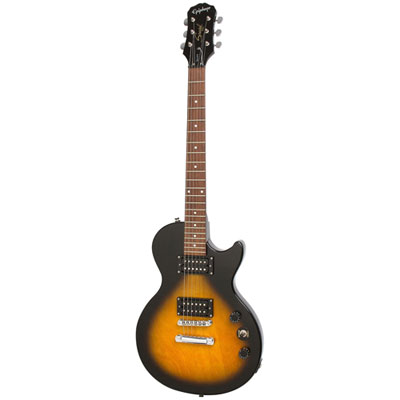 Your price for this item is $299.99
 -
 Your price for this item is $429
 -
 Your price for this item is $494.49
 -
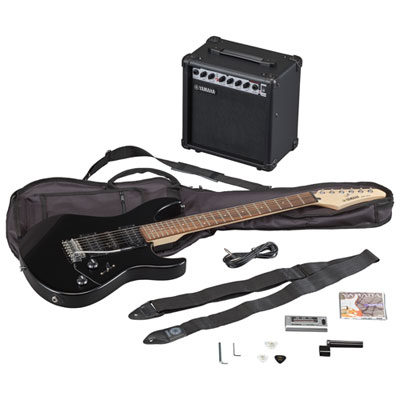 Your price for this item is $349.99
 -
 Your price for this item is $395.99
 -
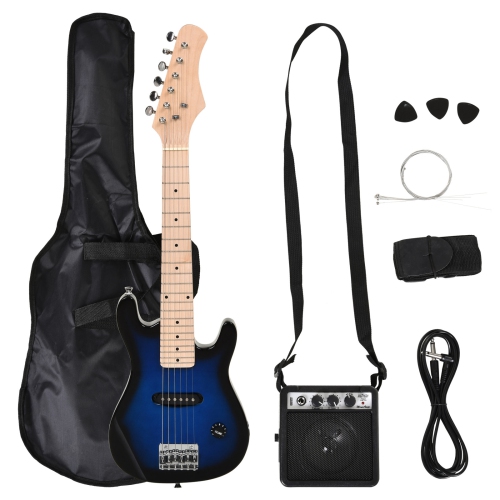 Your price for this item is $116.99
 -
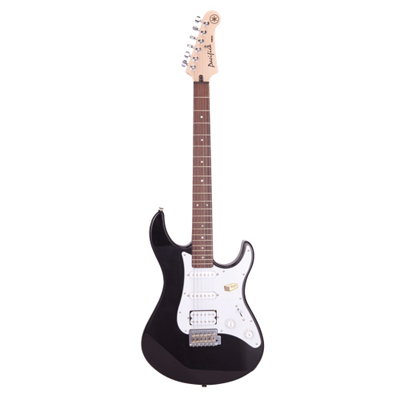 Your price for this item is $279.99
 -
 Your price for this item is $239.99
Discover more categories related to Acoustic Guitar Tuners

Top Collections:
Pokemon Centers, Kindle Devices, Best Budget Office Chairs, Apple iPhones 16, Best Laptops for Writers, iPhone 15 Apple, Canon G7X Cameras, Refurbished Apple Laptops, Alarm Clock, Motorola Razr Phones
Some products may be subject to Environmental Handling Fees
(EHF) depending on your province.
Learn more about EHFs.