Ninja Kitchen Systems

Find a Ninja kitchen system for blending, food processing, and everyday meal prep. Compare models by pitcher capacity, included attachments, and available functions to choose a setup that suits your recipes, household size, and counter space.
Sort

From breakfast smoothies to dinner prep on one base

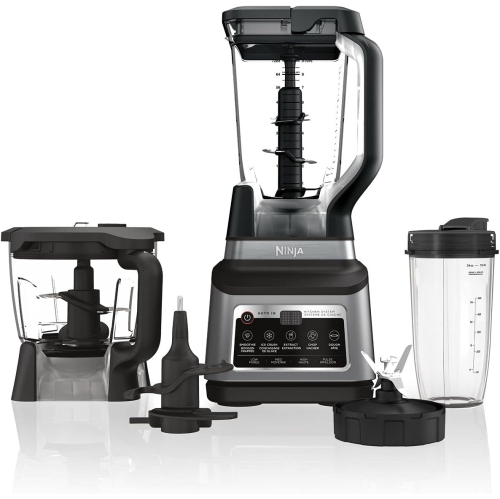
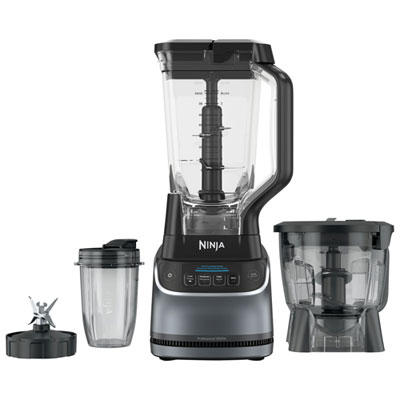
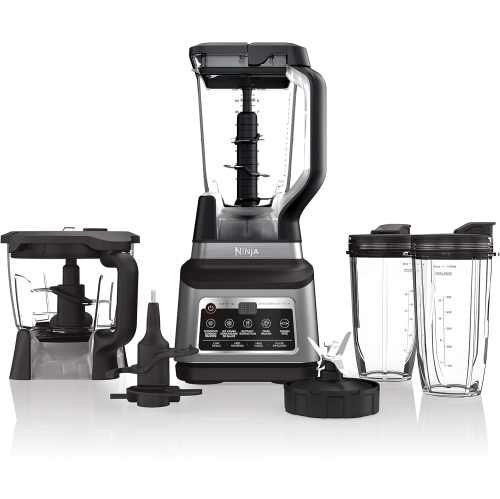
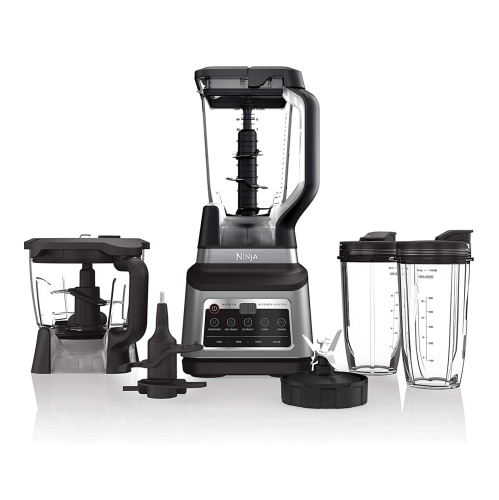
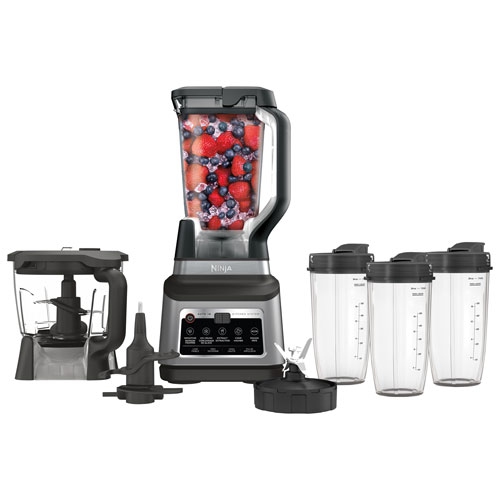
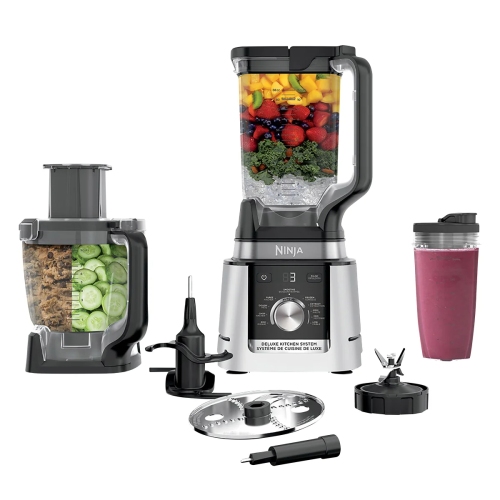
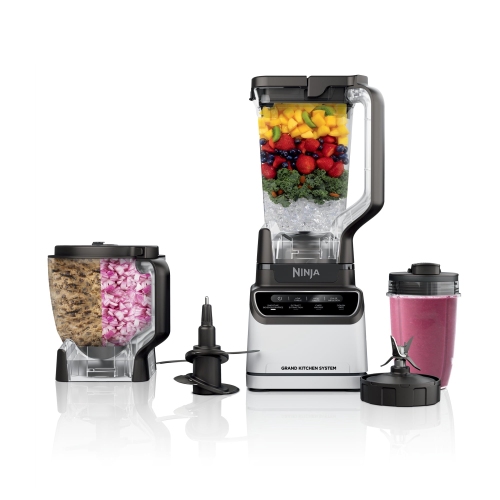
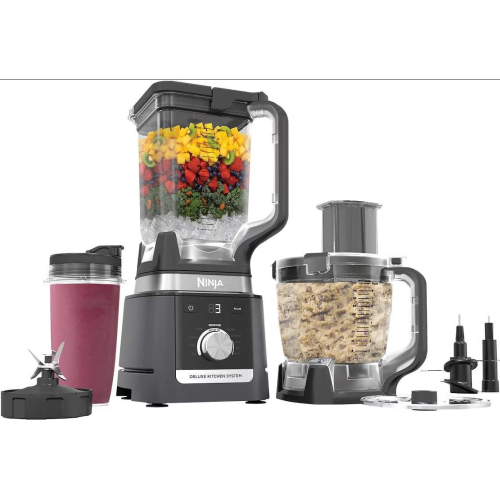
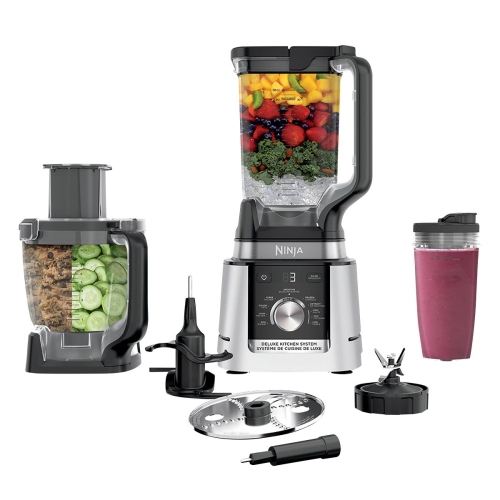
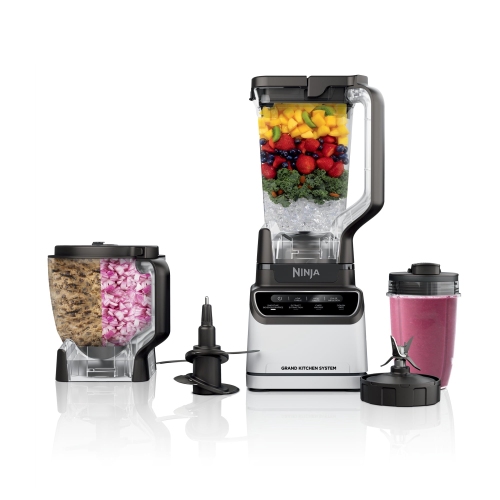
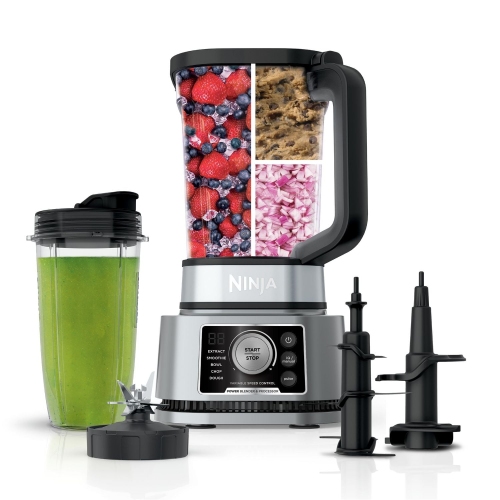
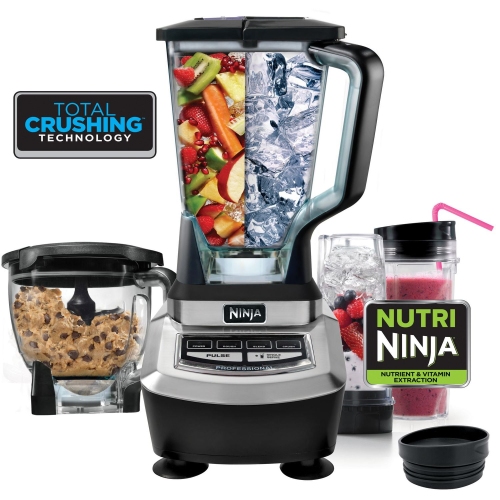
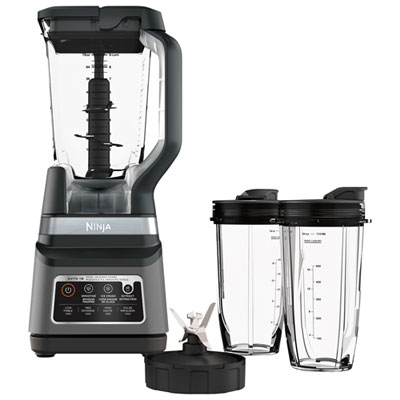
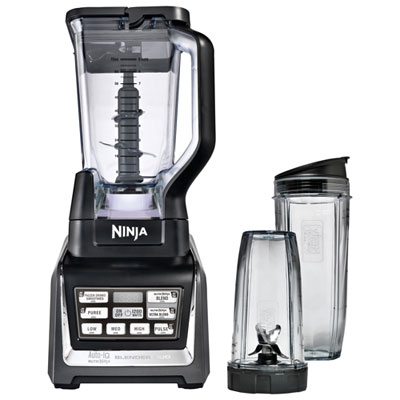
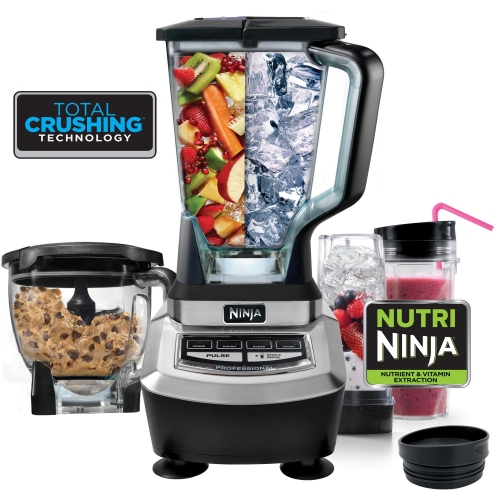
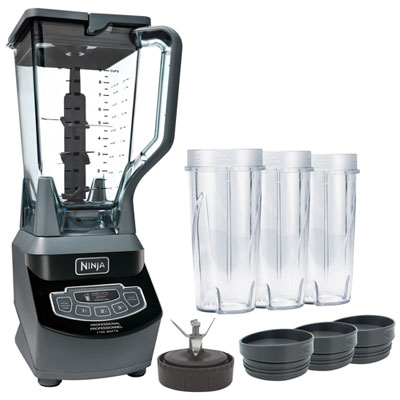
Kitchen systems combine blending and food preparation around a shared motor base, using compatible containers and attachments for different tasks. Depending on the configuration, a system may include a full-size blending pitcher, a food processor bowl, and personal blending cups with drinking lids. This multi-use design brings several familiar kitchen jobs together: blending a berry smoothie, chopping vegetables for a pasta sauce, preparing a creamy dip, or mixing dough with an attachment designed for that purpose. The containers are not interchangeable in function, even when they connect to the same base. A pitcher provides room for larger batches and circulating ingredients, while a processor bowl gives chopped foods space to move around a dedicated blade. A personal cup suits individual portions and can reduce the number of containers involved in preparing a breakfast shake. Capacity matters in practical ways, particularly when preparing food for more than one person. The stated container size is not always the usable blending capacity; maximum fill lines account for the space ingredients need as they move. A large pitcher can accommodate several servings, but smaller portions may blend more effectively in a cup intended for that volume. Performance also depends on the blade arrangement, container shape, ingredients, and selected setting rather than motor power alone. Frozen fruit, ice, leafy greens, and thick mixtures place different demands on an appliance. Automated programs, where included, combine timed pulses, pauses, and blending cycles for particular preparations, while manual speed controls and pulse settings allow more control over texture. A brief pulse can leave vegetables roughly chopped for salsa, whereas a longer blending cycle can produce a smoother consistency for a drink. Dough preparation requires a suitable attachment and attention to the stated batch limit; it is not a function of every processor configuration. These distinctions make a kitchen system useful for varied everyday preparation without assuming that every included container performs every task.

Materials, construction, and ease of cleaning shape how comfortably a kitchen system fits into a daily routine. Containers are often made from clear, rigid plastic, making it easier to see whether a mixture is circulating or whether ingredients remain above the blades. Some configurations specify BPA-free food-contact components, while blade assemblies commonly use stainless steel. Neither description replaces the care directions for the individual components. Dishwasher suitability can differ between pitchers, cups, lids, and blade assemblies, and some parts require a particular rack position or handwashing. The motor base should not be immersed in water; its exterior can generally be wiped clean according to the manufacturer’s instructions. A smoothie made with oats, nut butter, and fruit can leave residue around a lid seal or beneath a removable blade assembly, so access to those areas matters as much as the size of the container opening. Prompt rinsing helps prevent food from drying onto surfaces, while thorough drying before storage keeps moisture from collecting inside closed cups and lids. Sharp blades need careful handling during removal and cleaning, and abrasive scrubbers can mark plastic surfaces. Everyday durability also depends on using the correct attachment, avoiding overfilling, and keeping seals and locking surfaces free of food buildup. A lid that closes securely and a container that seats correctly on the base are important parts of normal operation. Physical fit deserves attention, too: a tall pitcher mounted on its base may need more clearance than the space beneath an upper cabinet provides. Although a shared base reduces the need for multiple motor units, bowls, cups, lids, and attachments still require cupboard space. A stable, level worktop supports secure operation, and powerful blending can be noticeably loud, especially when crushing ice or processing dense ingredients. Thick mixtures may require pauses or adjustments specified in the operating directions, rather than continuous running or extra pressure on the container.

The appeal of a kitchen system lies in how its functions match the foods a household actually prepares. For someone who regularly makes smoothies and also cooks from scratch, separate blending and processing containers can support both routines without requiring a different appliance base for each. Breakfast might involve frozen berries, yogurt, and oats in a personal cup; dinner preparation might call for chopped vegetables or a blended dressing. A household preparing several servings may value a larger pitcher, while someone living alone may reach for a smaller cup more often. People who enjoy making hummus, sauces, or pizza dough can benefit from suitable processing attachments, provided those tasks fall within the system’s stated capabilities. Texture expectations remain important: a food processor can produce a coarse chop, but it does not necessarily deliver uniform slices unless an appropriate slicing attachment is included. Similarly, a dough attachment does not make every system a replacement for equipment intended for frequent, demanding bread preparation. A blending-focused setup may be a better match when drinks are the main priority; the related Ninja Blenders page offers another way to explore that type of kitchen appliance. For gift giving, a kitchen system can suit someone establishing a first kitchen, sharing a new home, or expanding a cooking hobby, particularly when the recipient has room for the attachments and an interest in using them. Convenience is also tied to safe, appropriate use. Sealed personal blending cups are not suitable for hot or carbonated liquids, and hot ingredients belong only in containers expressly rated for that purpose. For soups, the permitted temperature and venting directions determine whether blending is appropriate. A well-matched system earns its place through repeatable tasks, accessible controls, manageable cleanup, and containers that suit everyday portions—not simply through the number of attachments included.

FAQ

Some products may be subject to Environmental Handling Fees (EHF) depending on your province. Learn more about EHFs.