Tall Office Chairs for Standing Desks
If you work at a desk, you know how important it is to have the right chair. A good chair can make all the difference between a productive day and an uncomfortable one. But when it comes to finding the best tall office chair forstanding desk, there are many options to choose from. We've rounded up some of our favorites here.
Sort
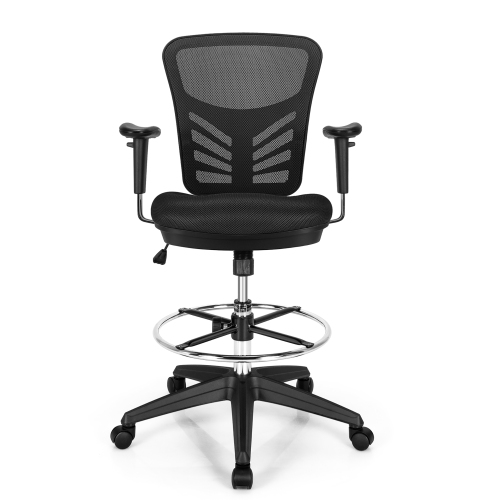
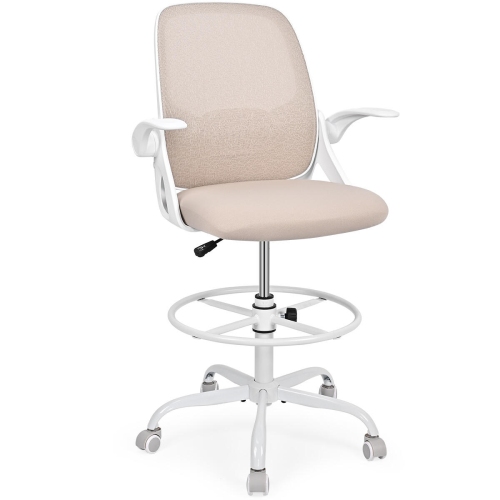

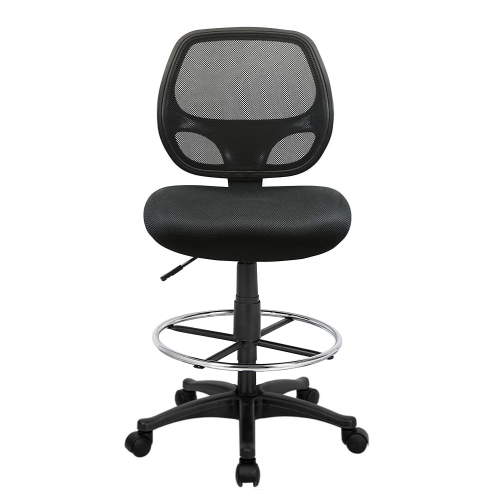

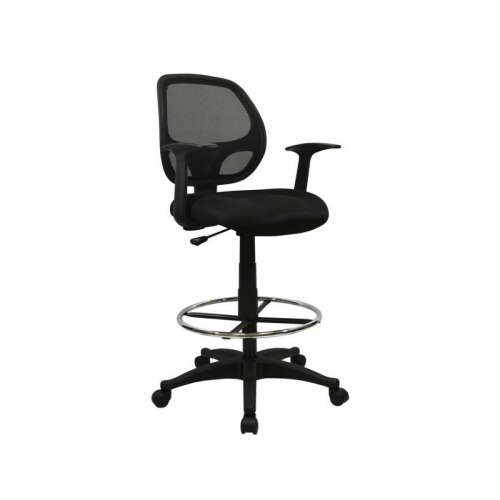
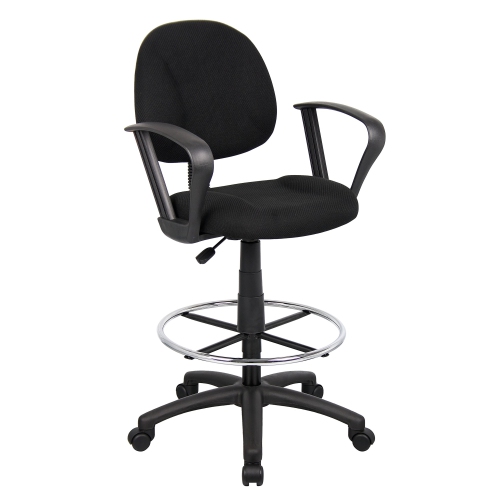
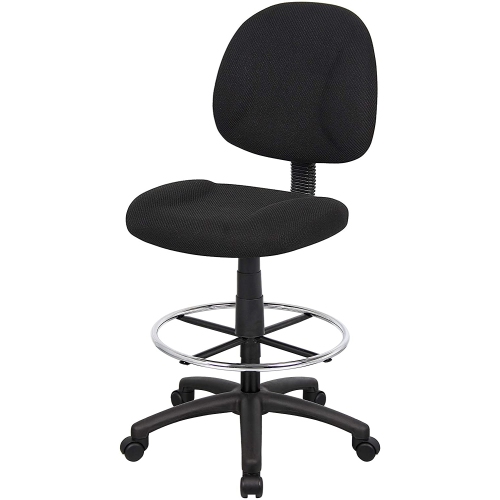
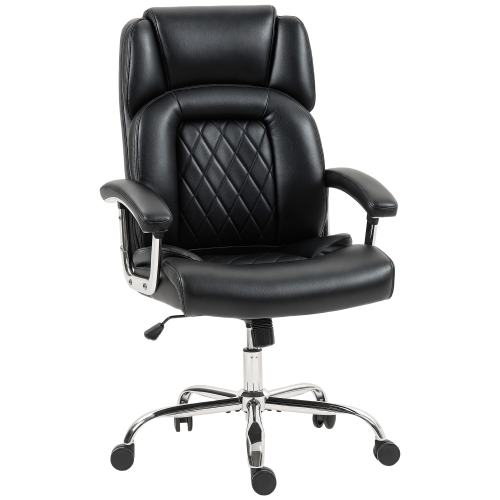
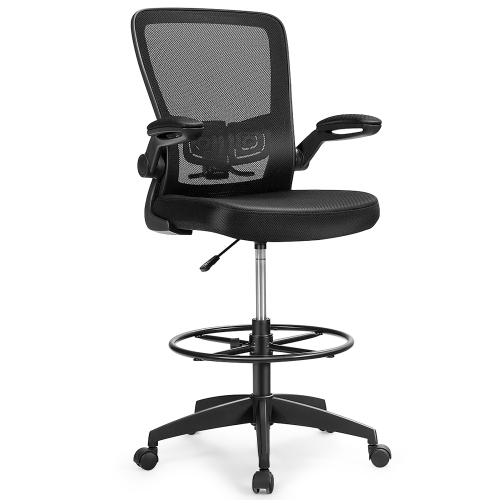
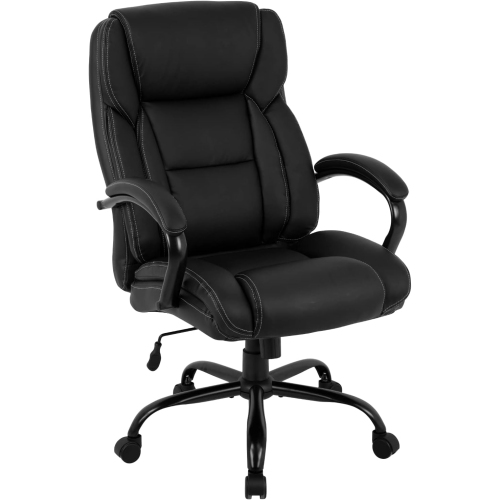
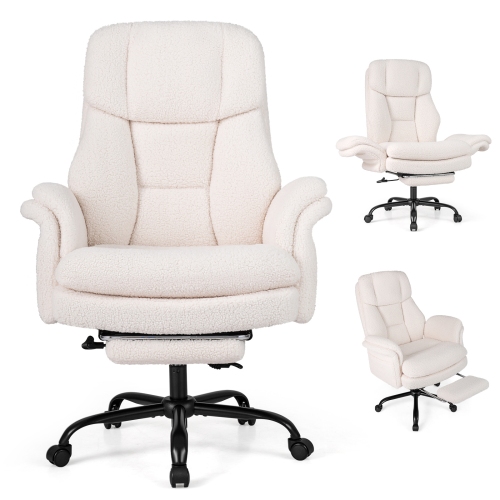
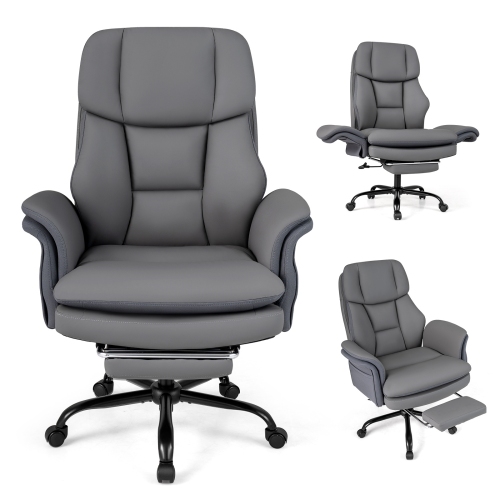

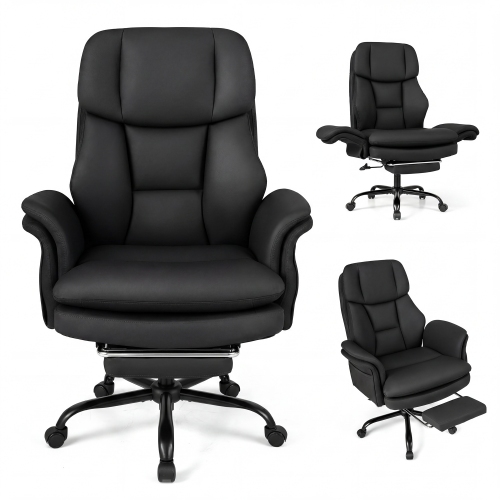
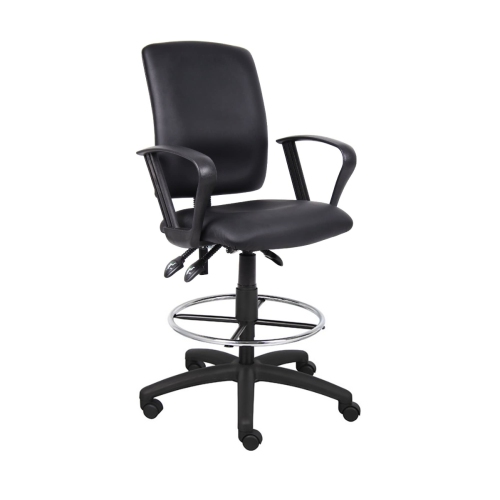
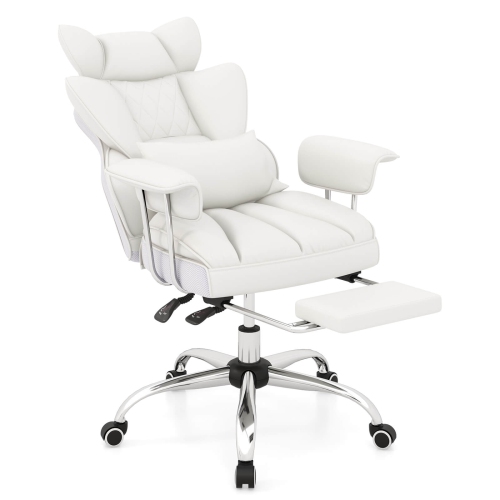
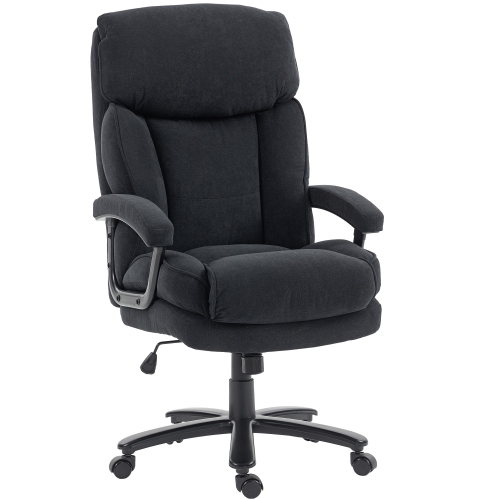
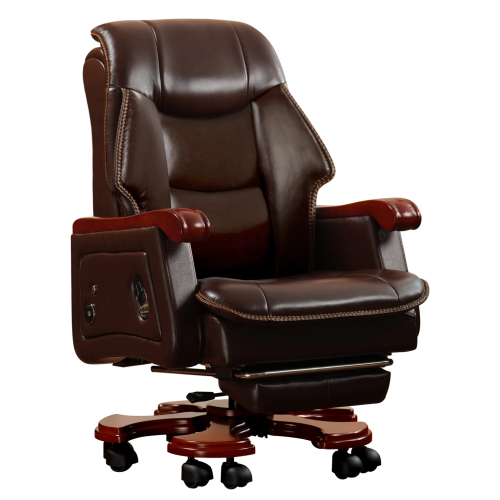
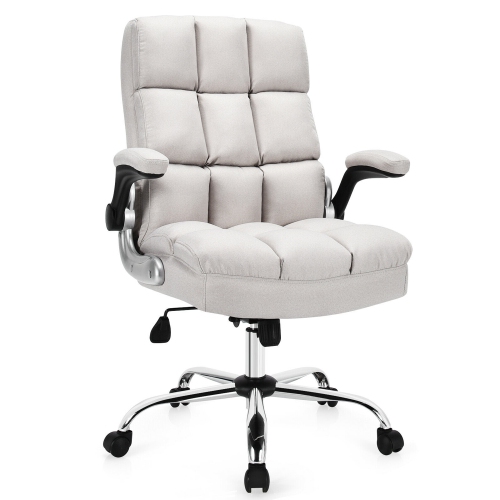
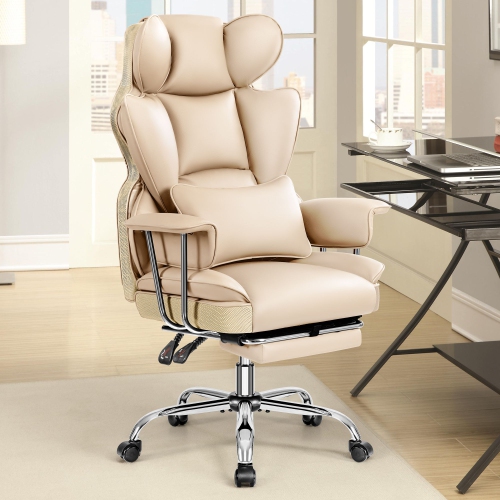
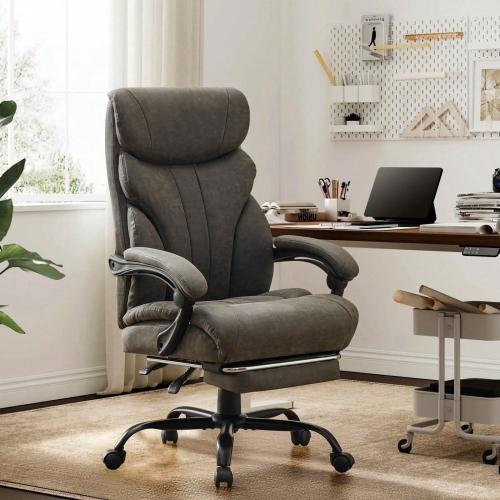

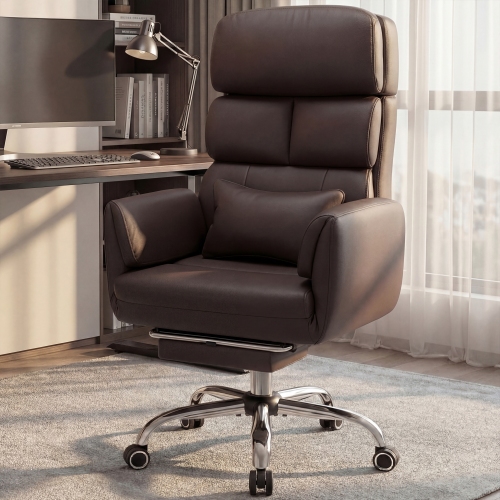
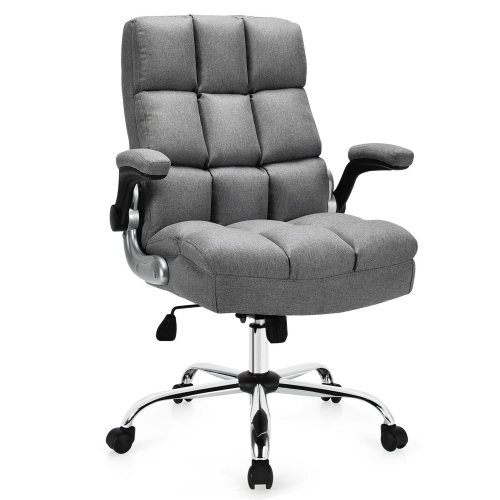
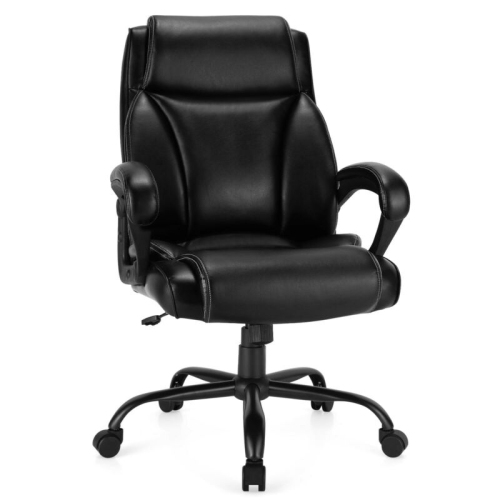
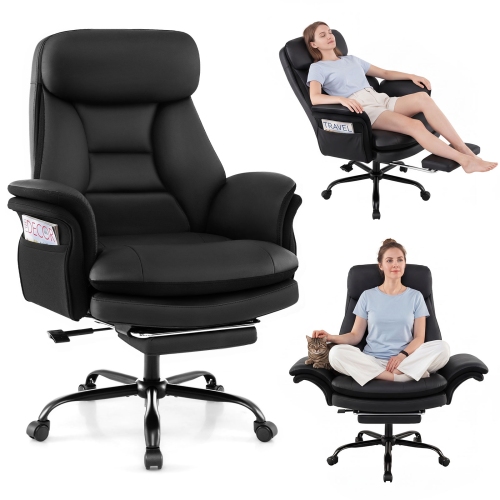
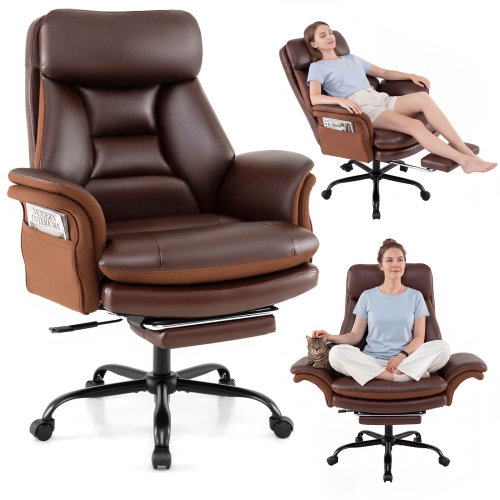
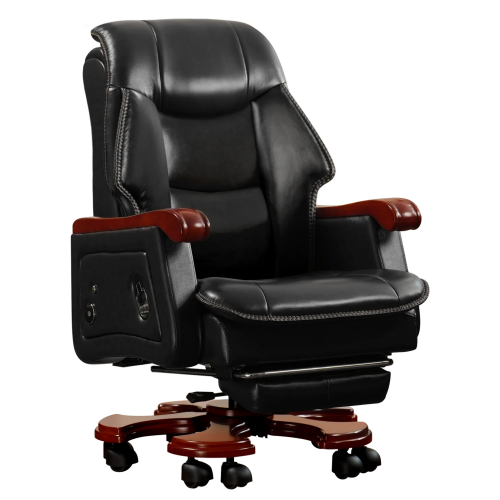
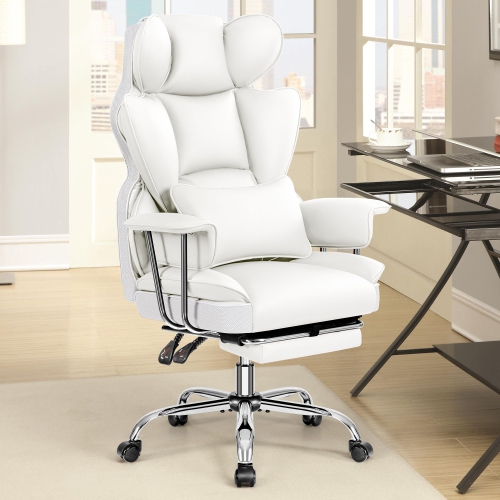
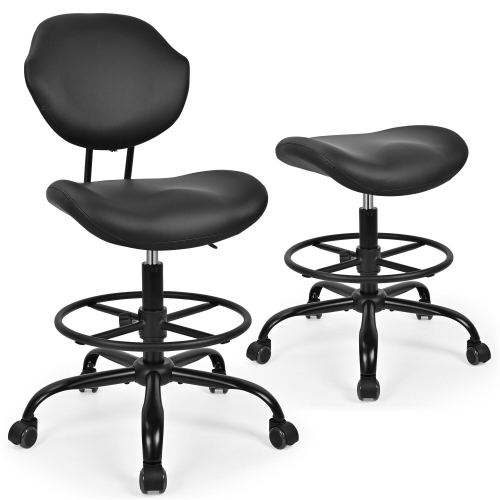

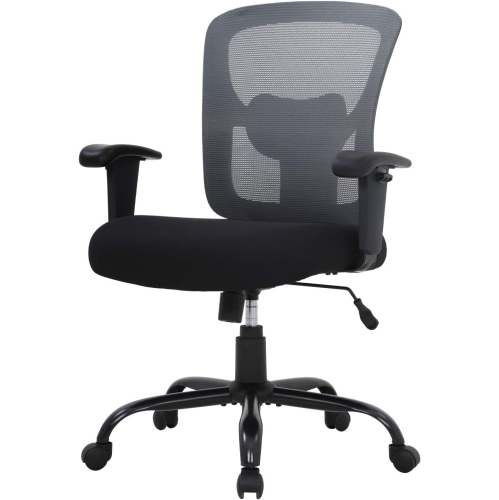

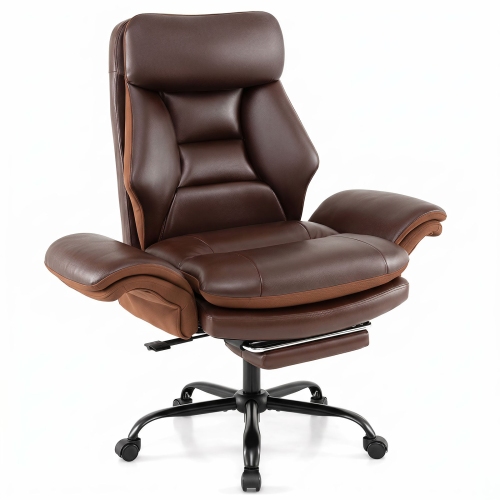
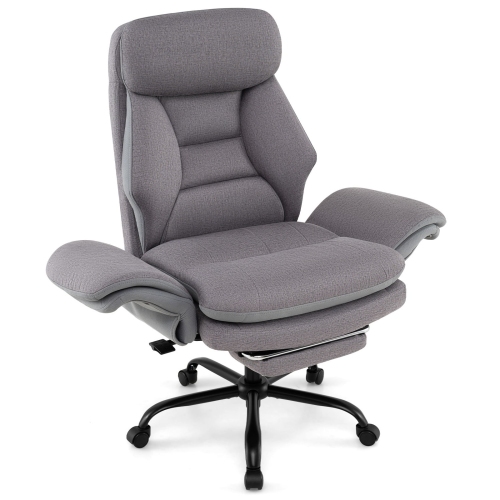
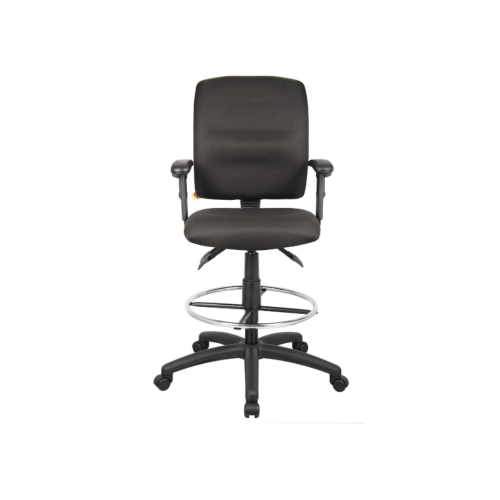
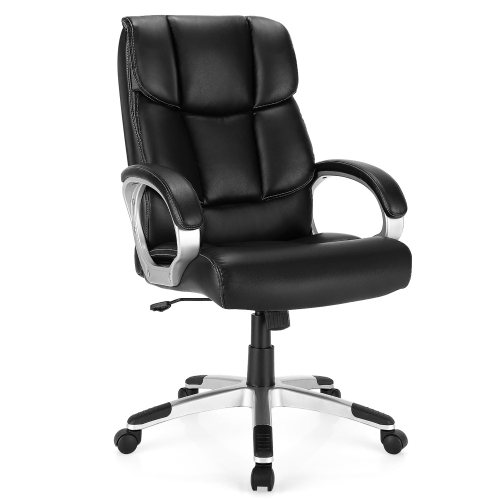
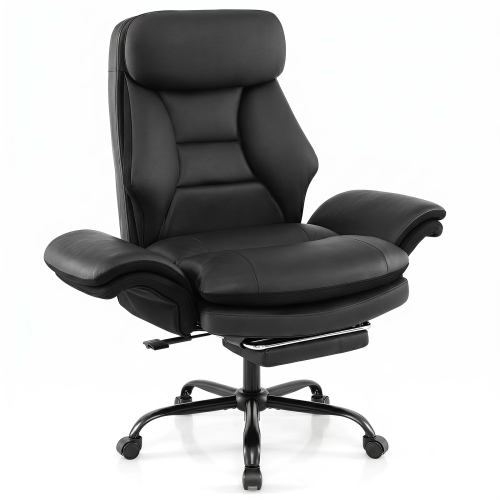
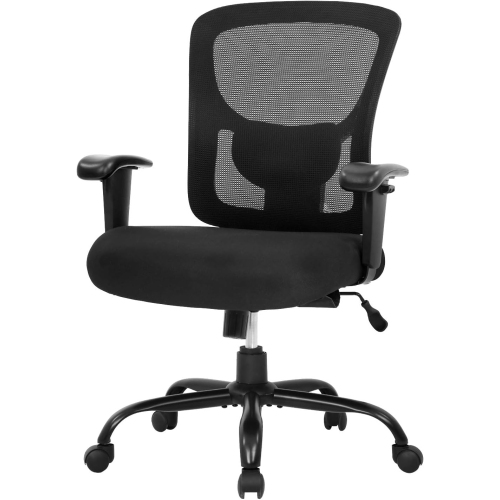
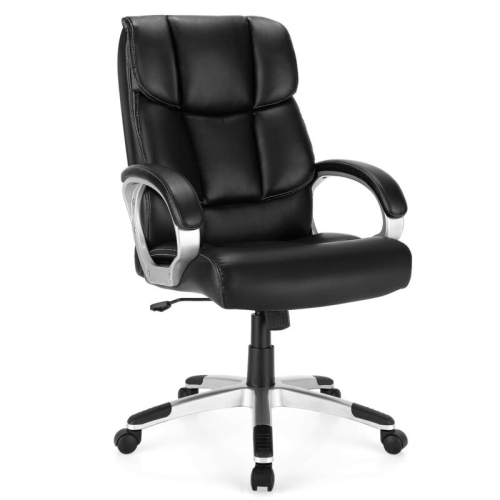
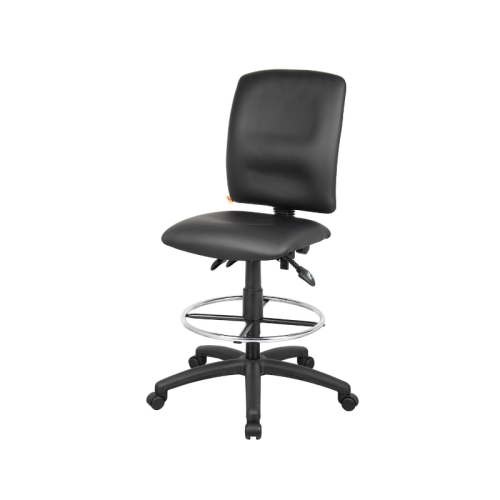
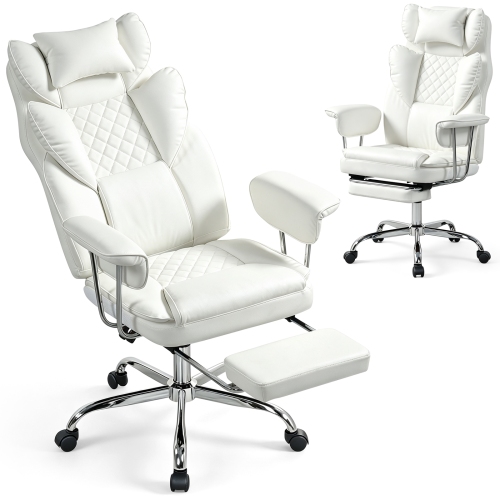
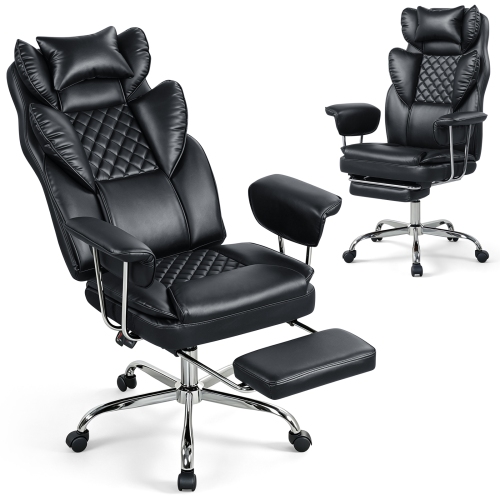
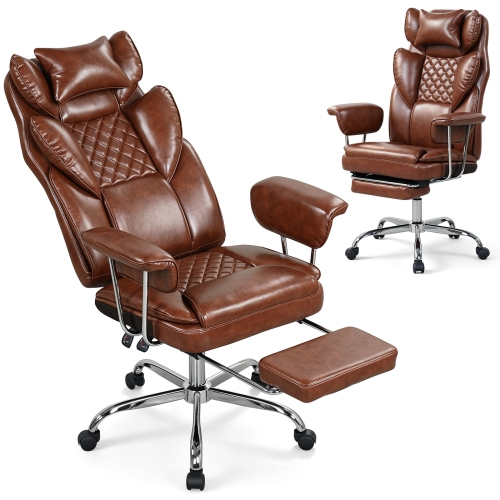
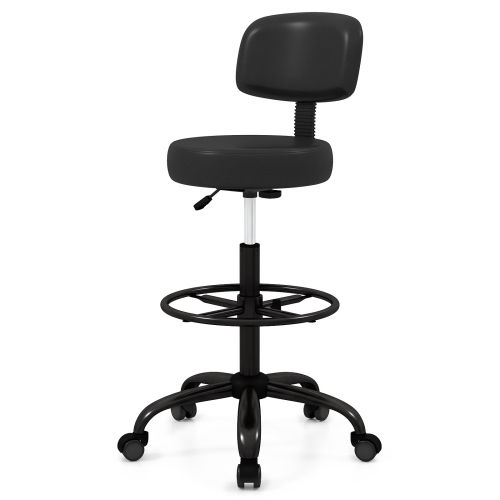
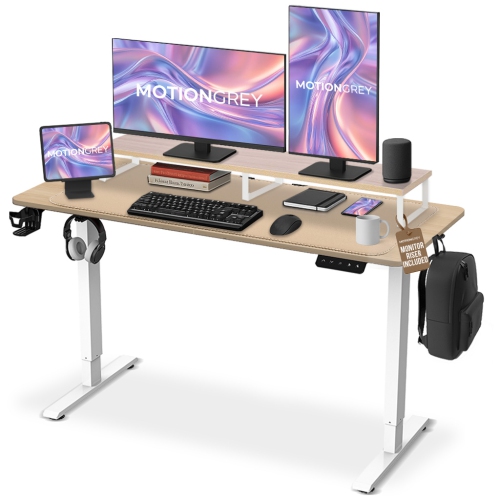
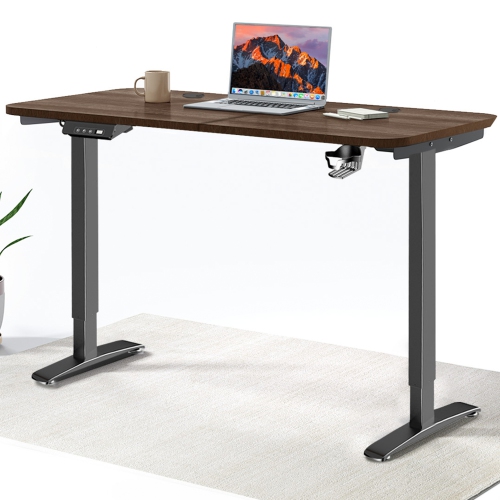
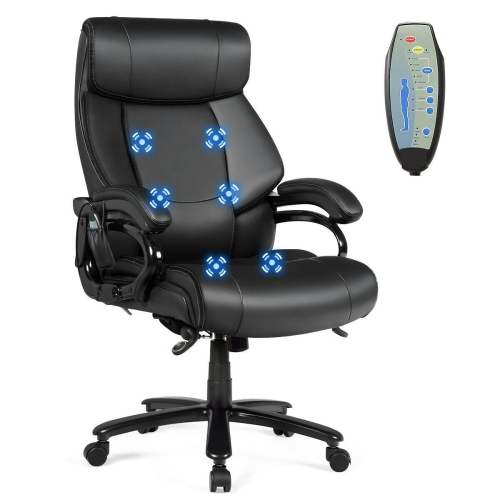
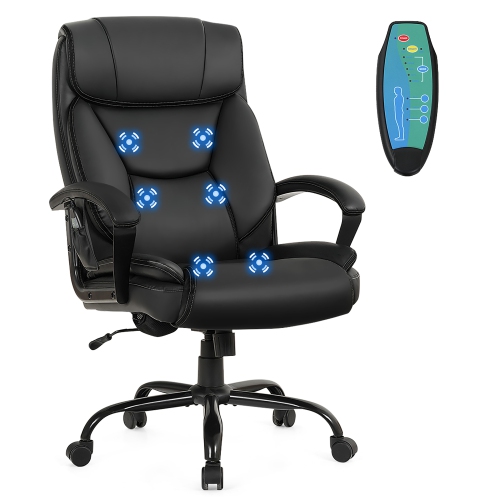
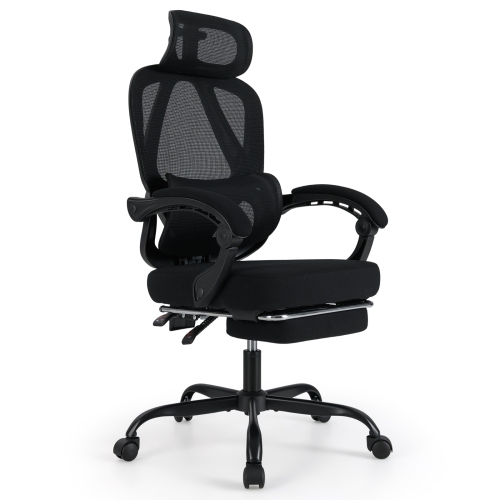
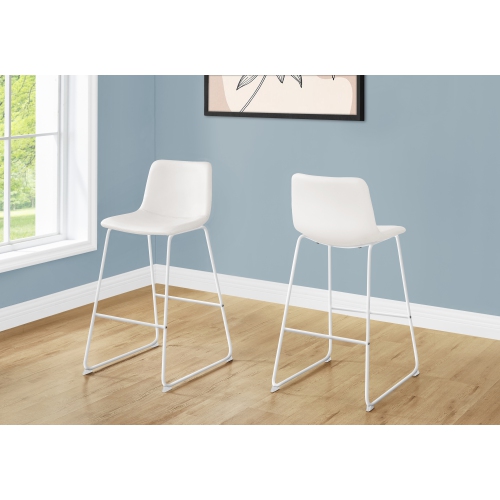
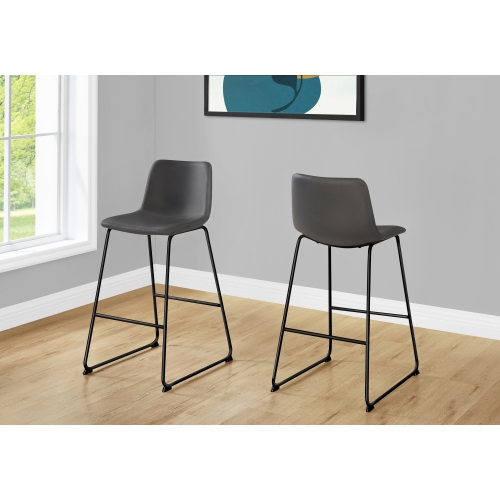
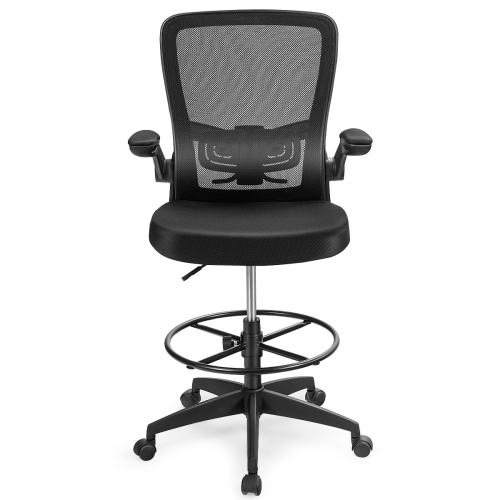
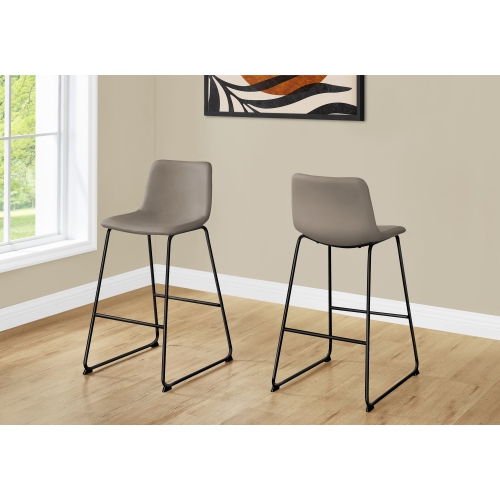
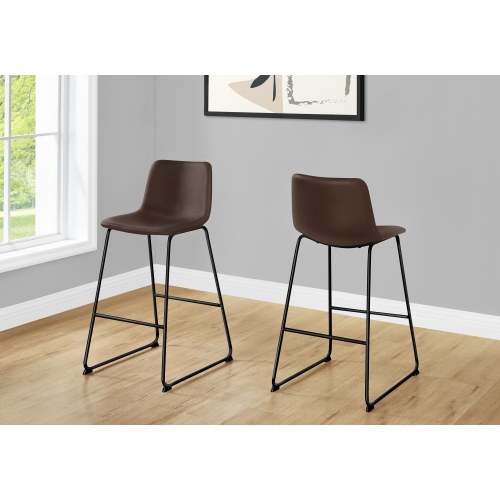

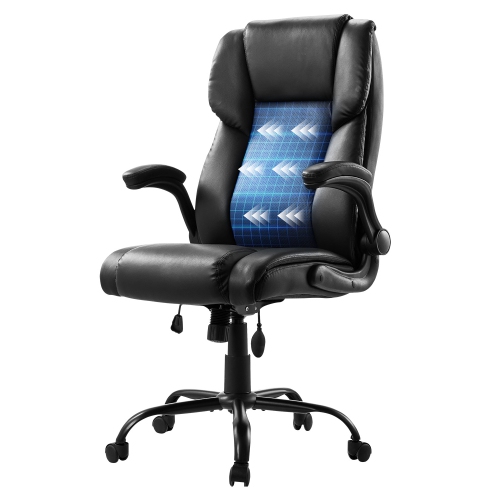
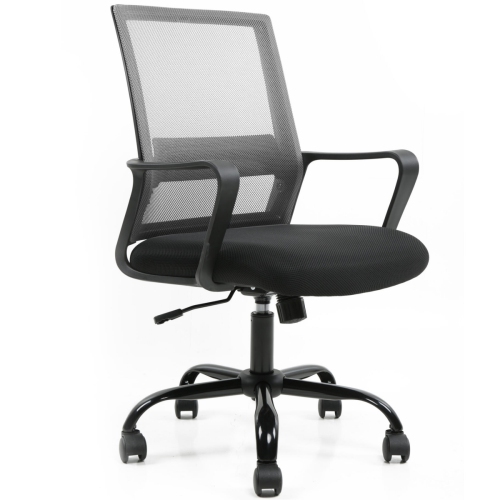
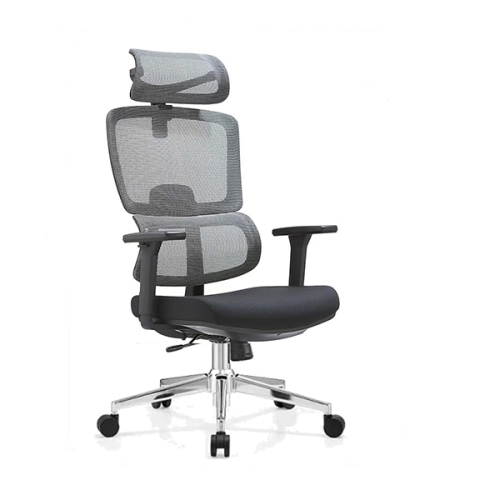
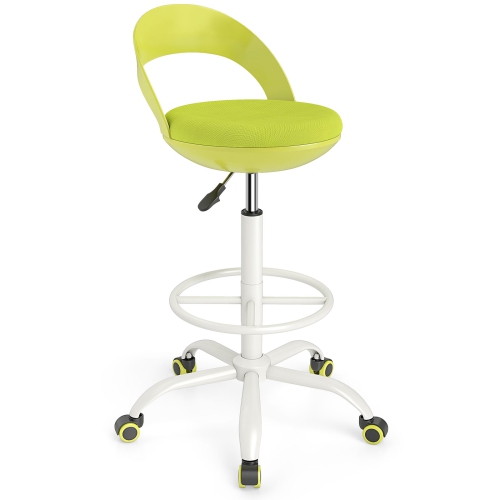
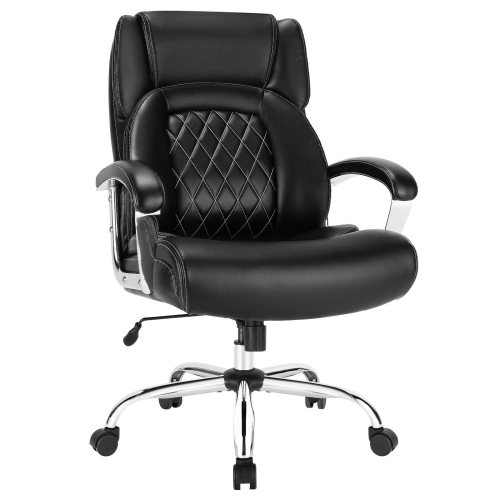
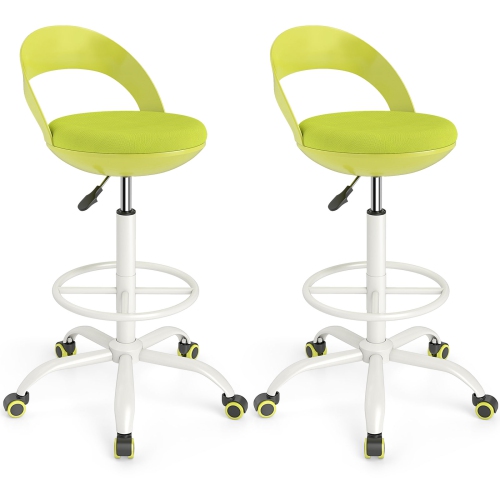
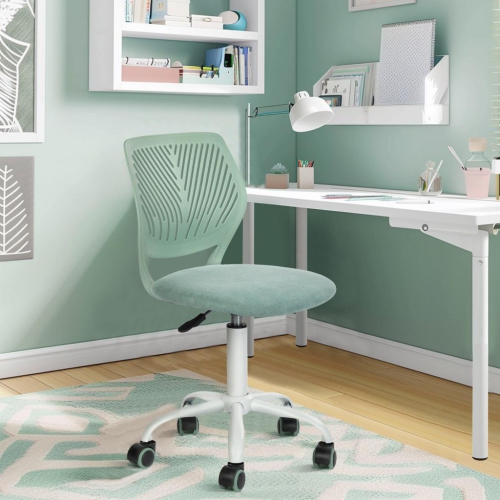
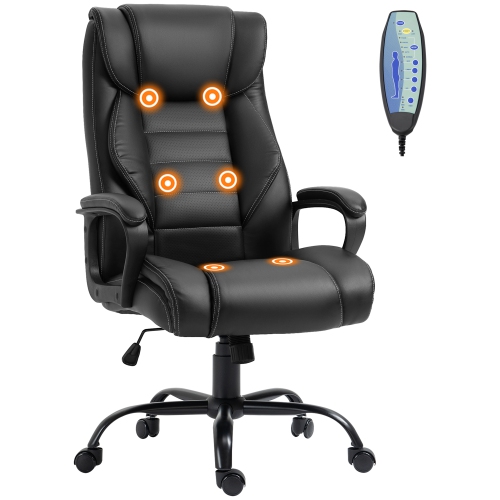
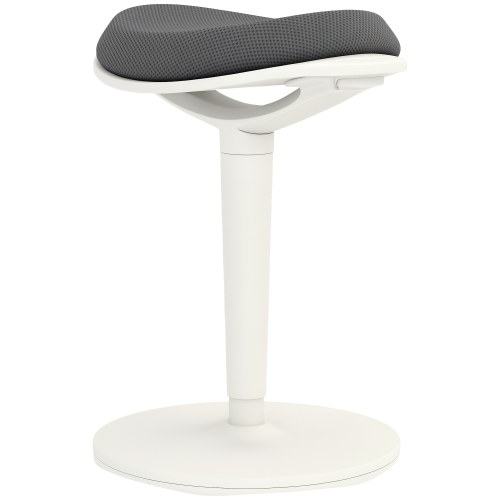
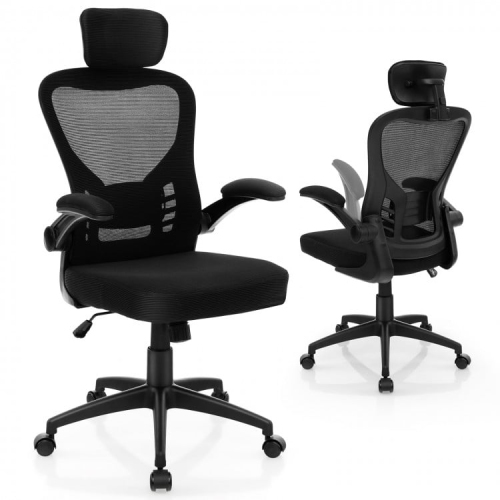
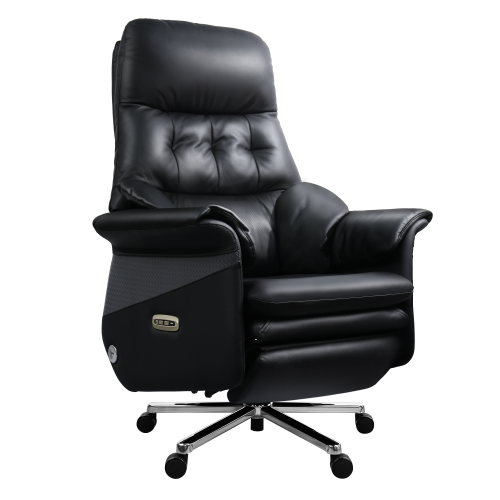
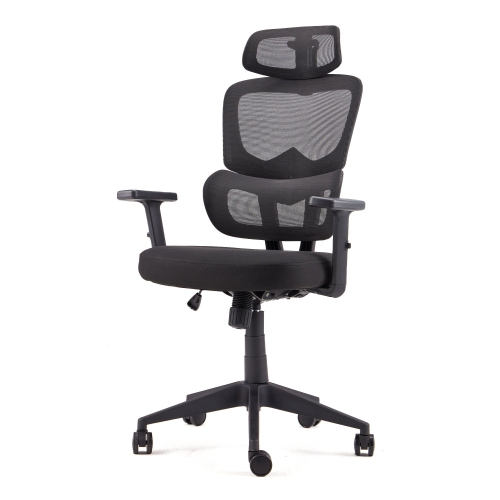
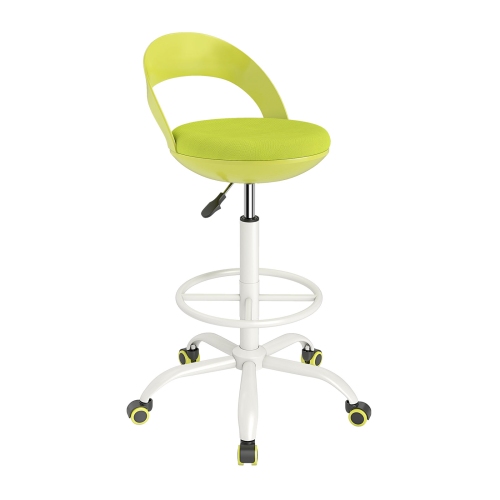
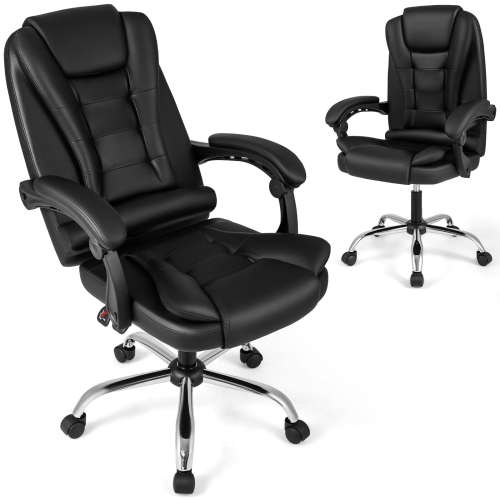
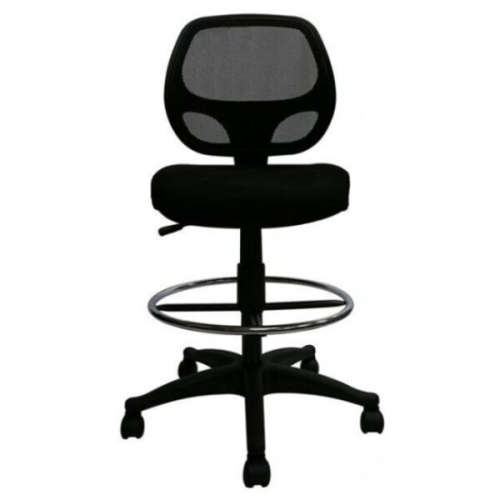
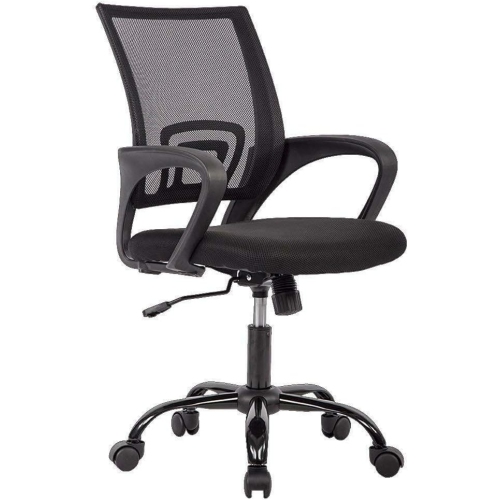
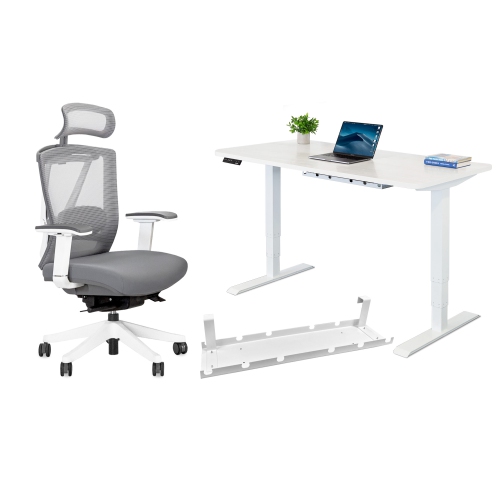
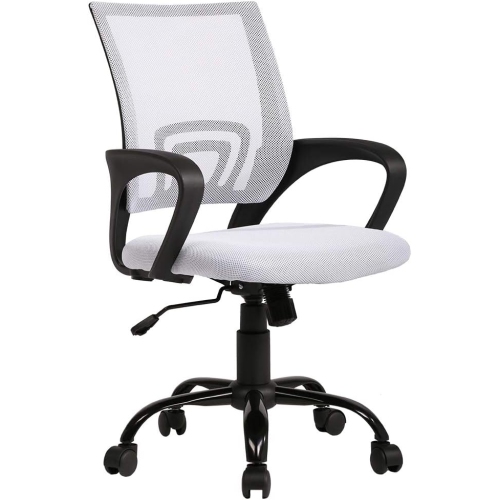
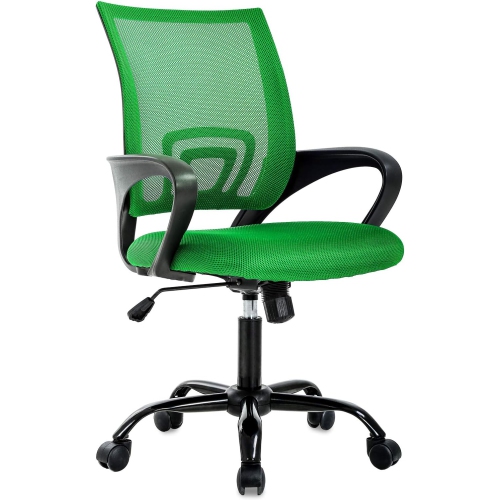
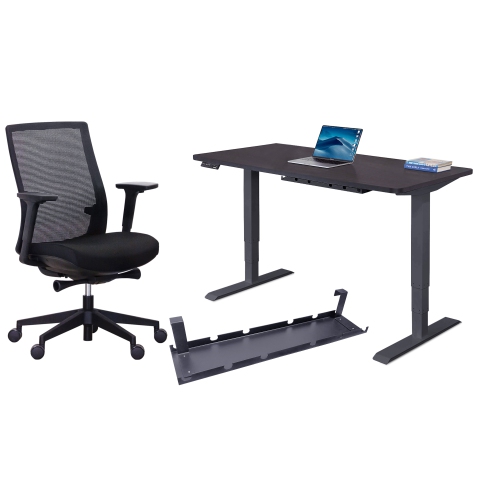
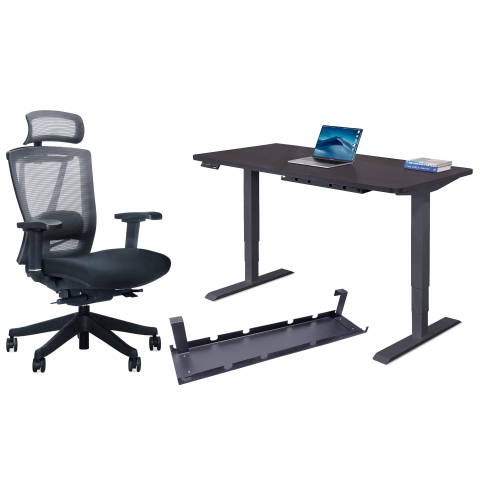
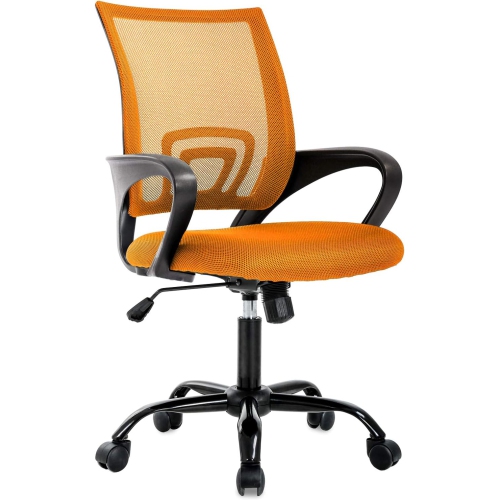
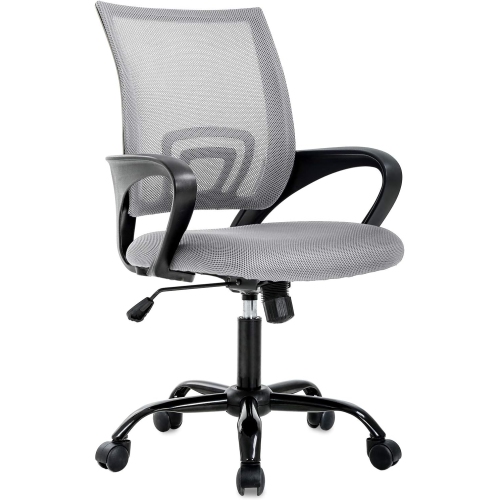
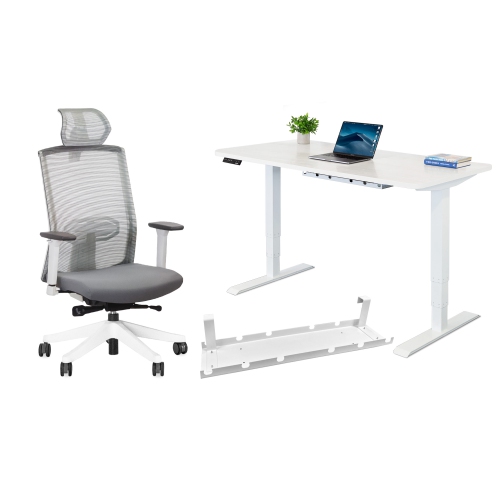
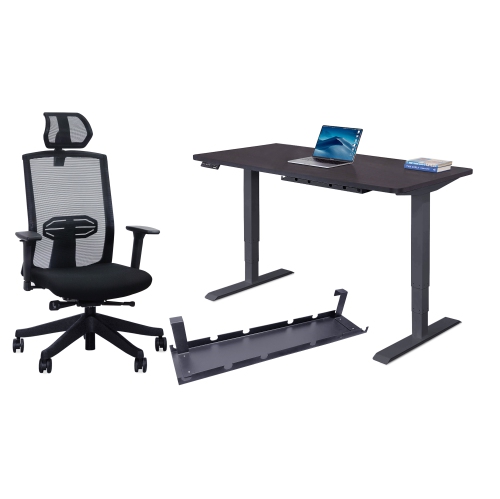
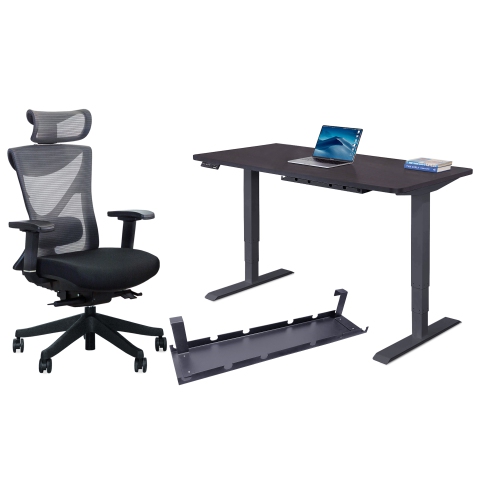
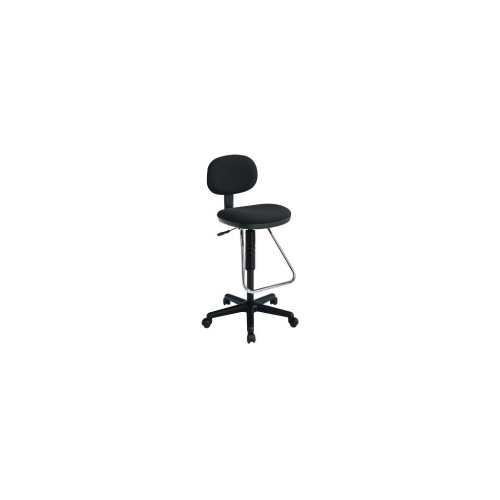
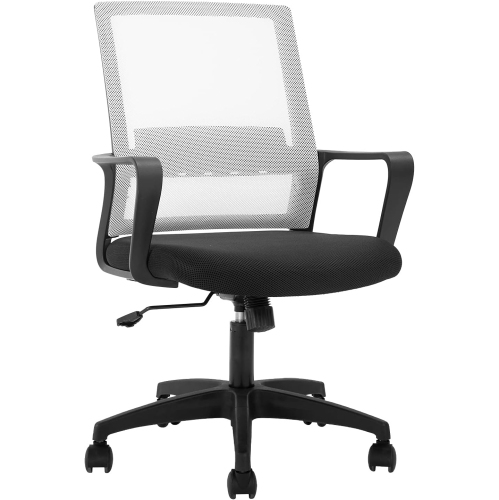
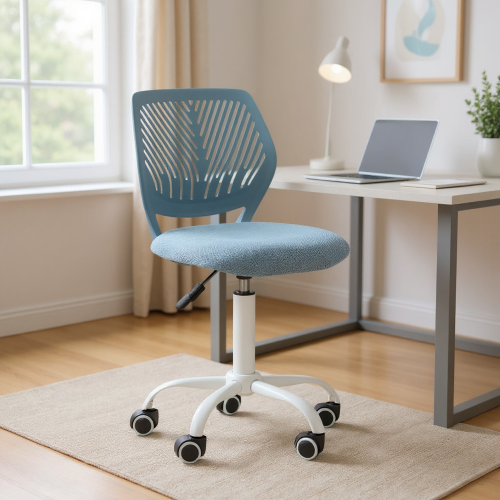
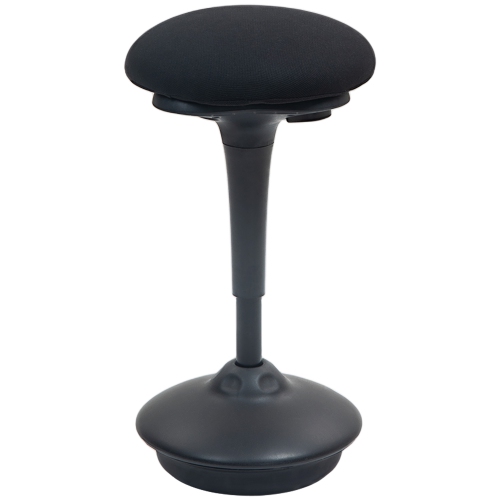
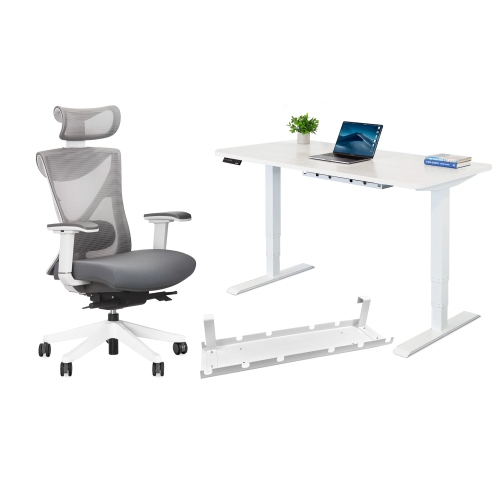
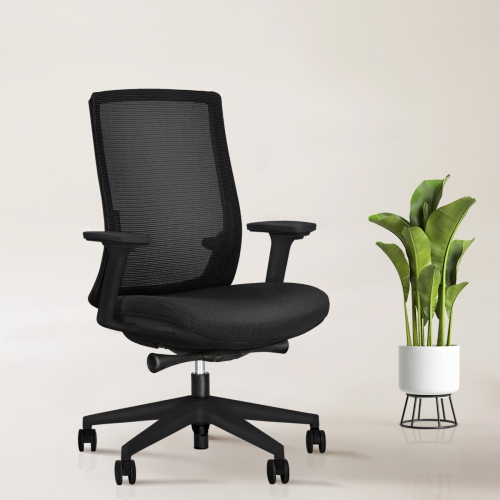
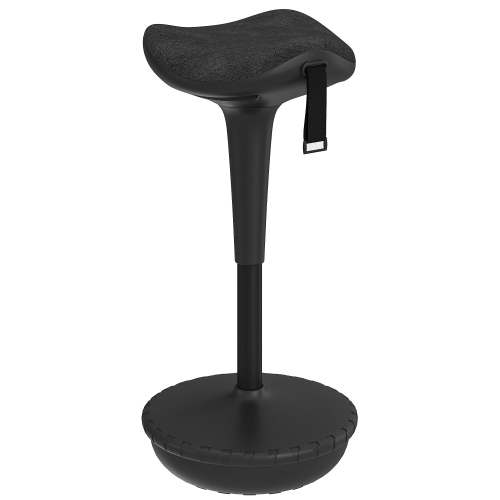
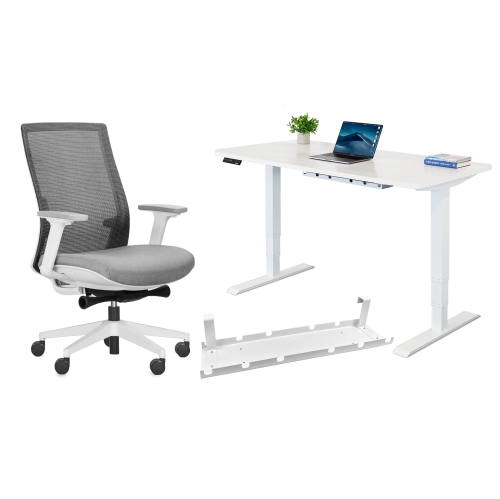
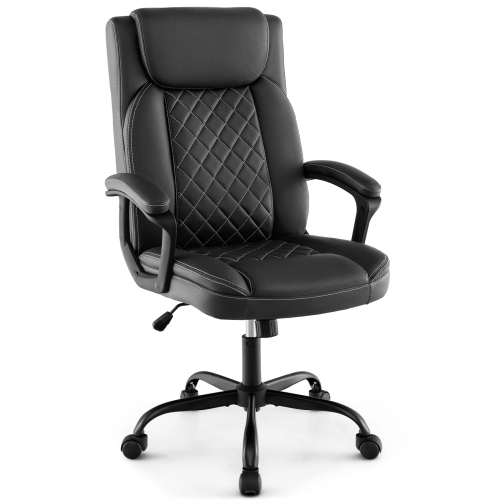

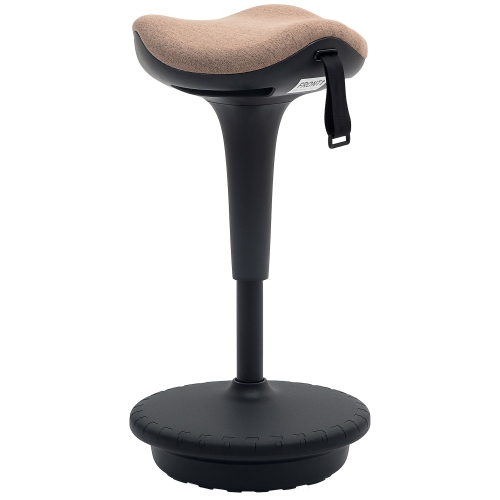
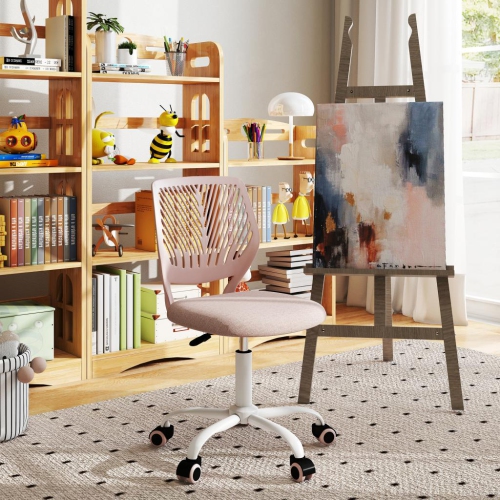
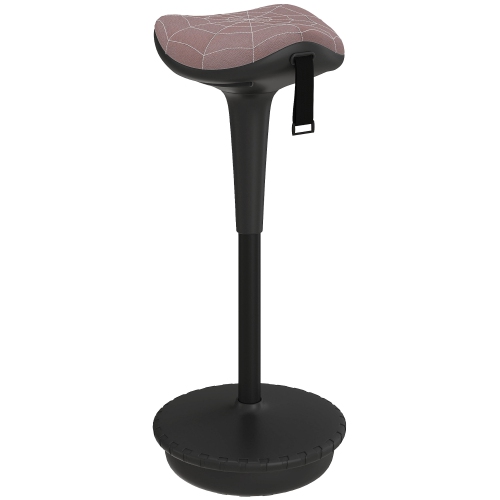
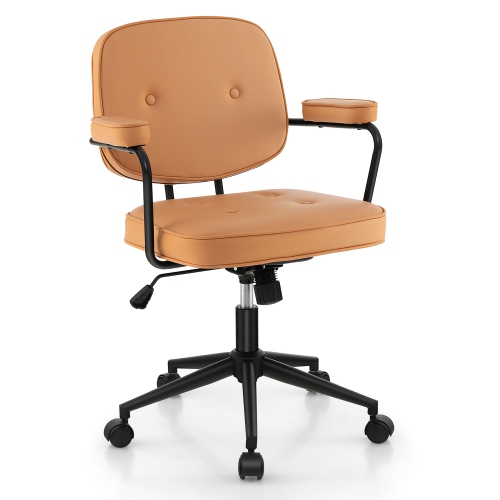
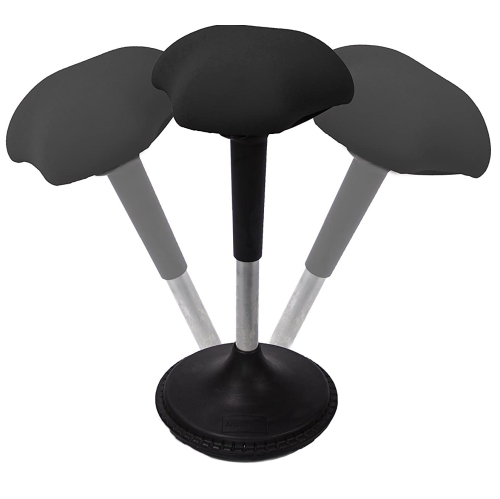
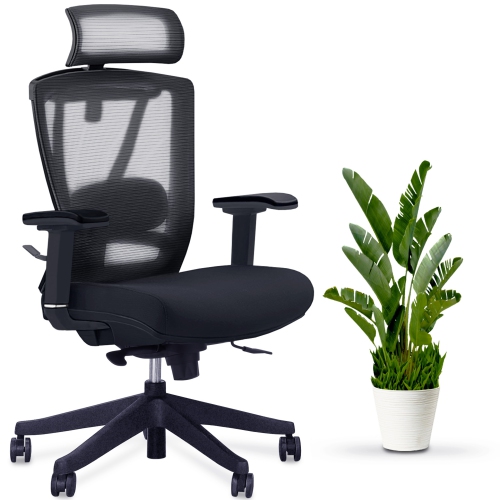
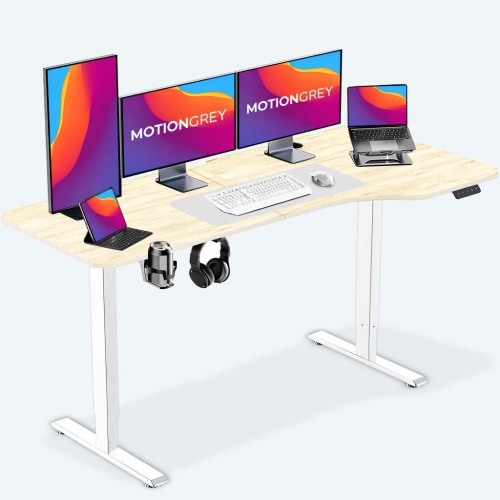
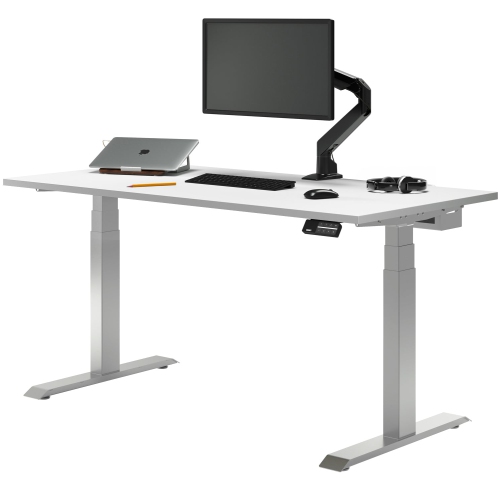
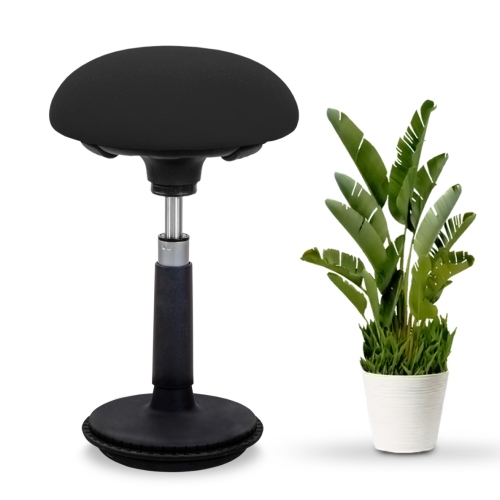
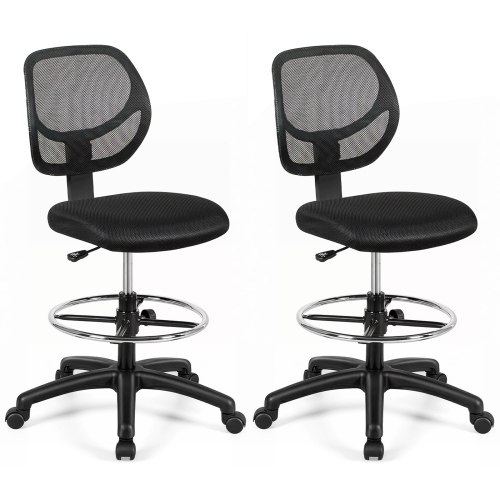
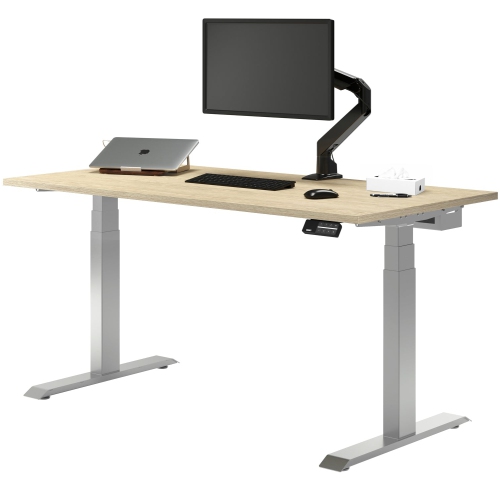
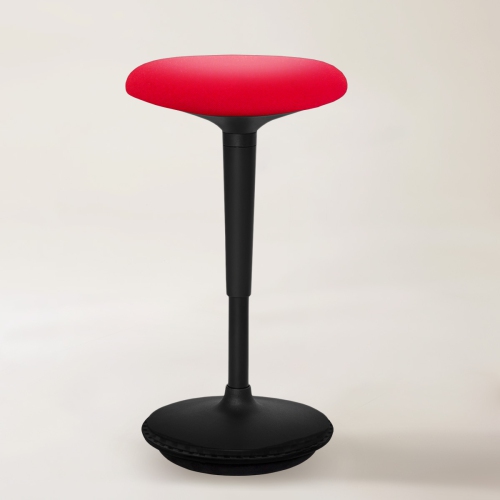
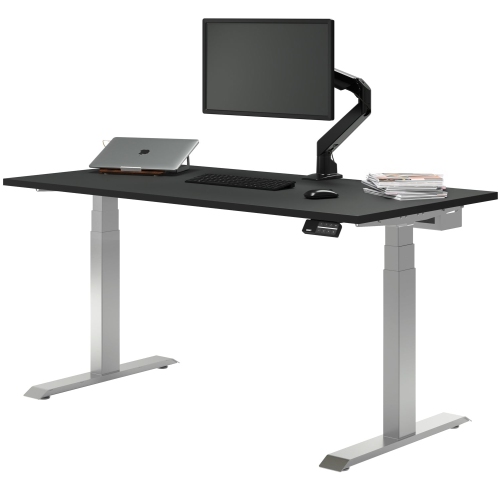
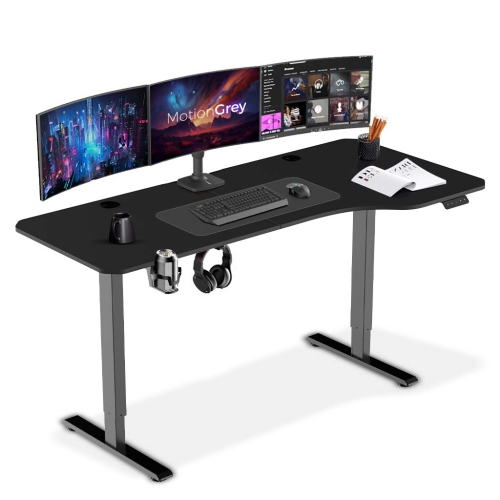
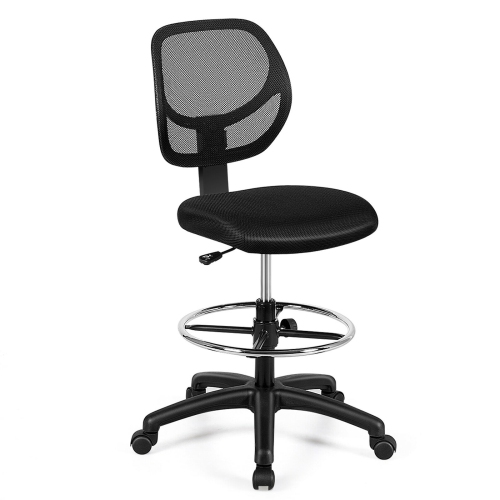
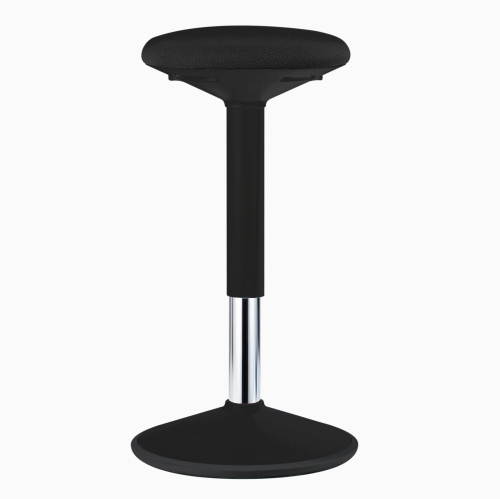
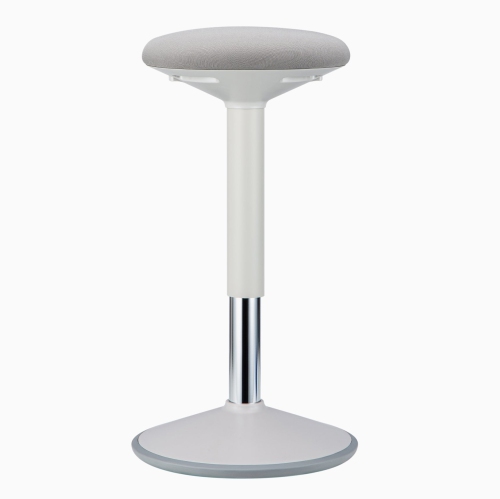

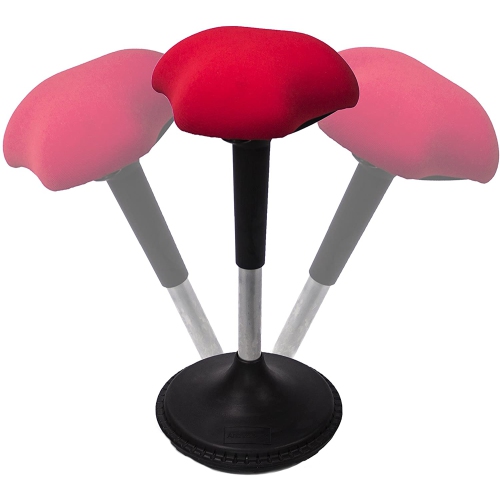
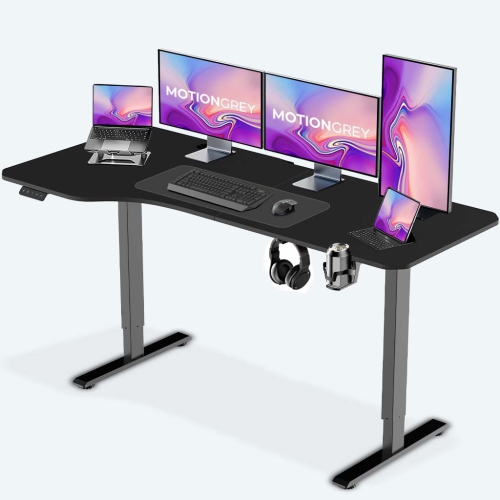
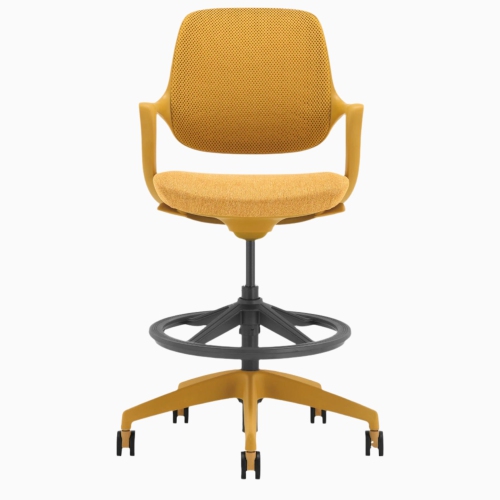
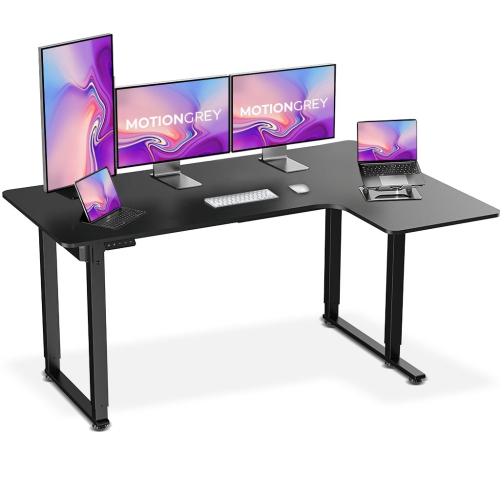

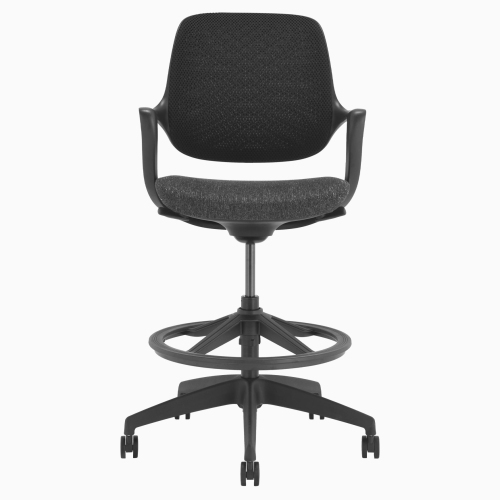
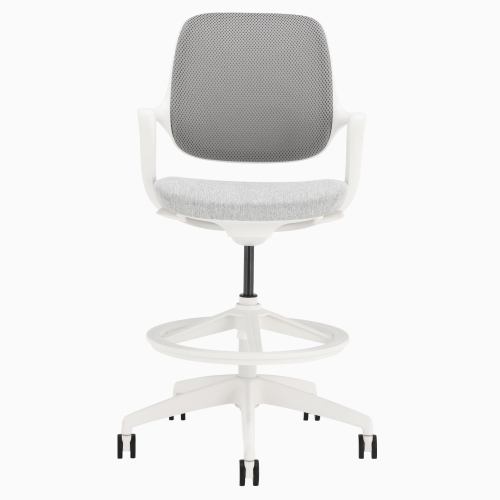
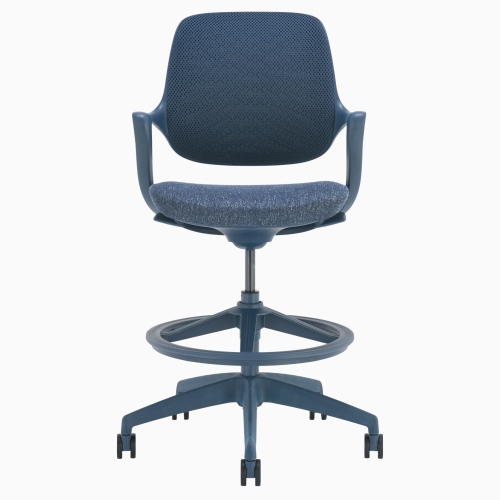
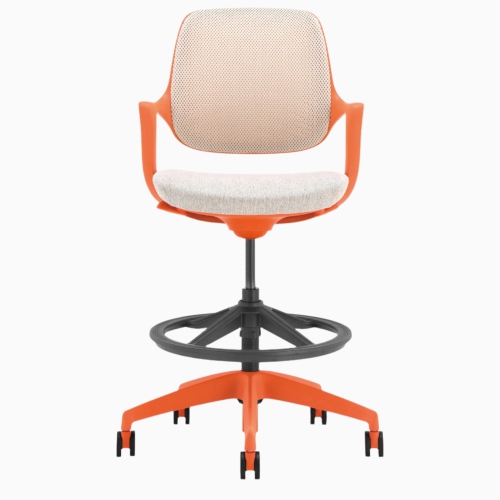
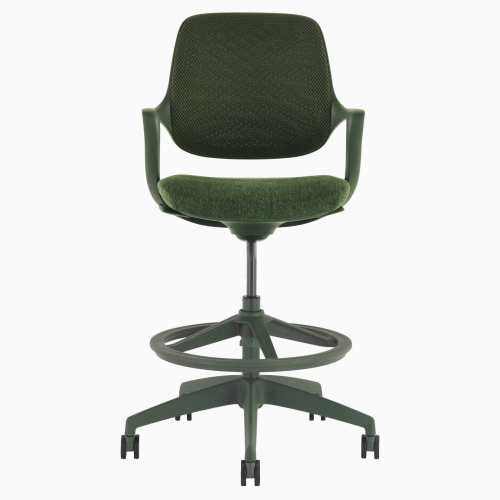

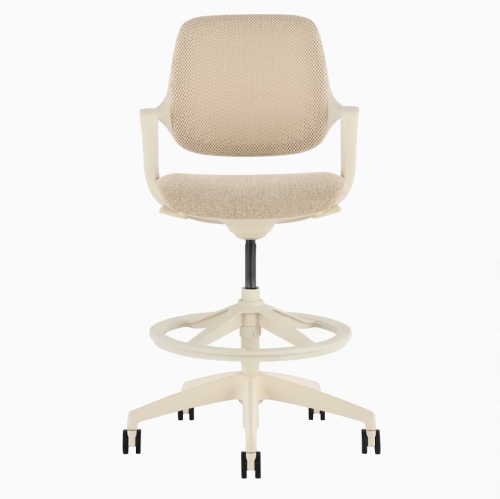
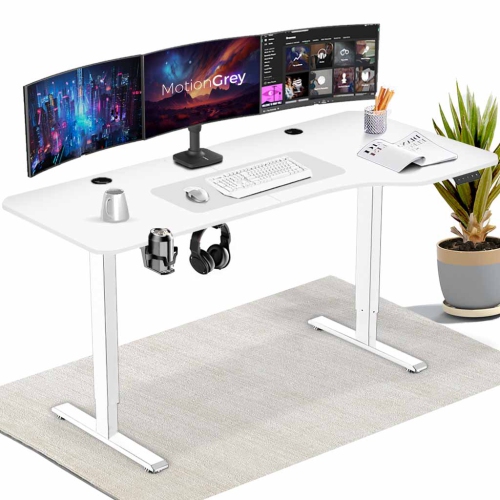
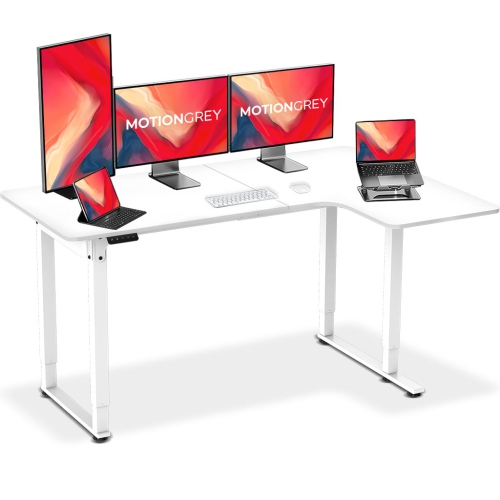
Comfort at a raised desk goes beyond seat height
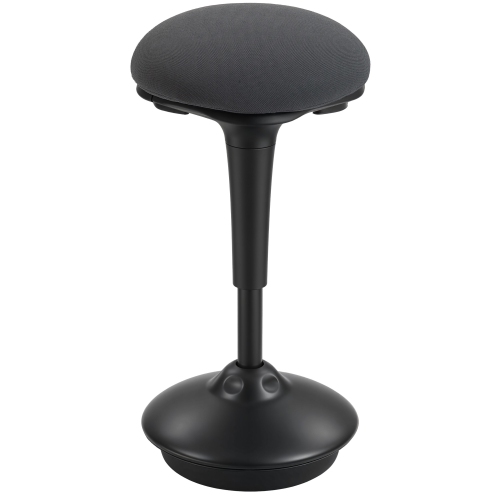
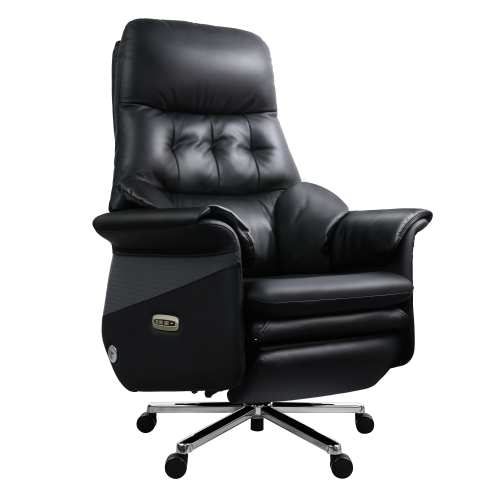
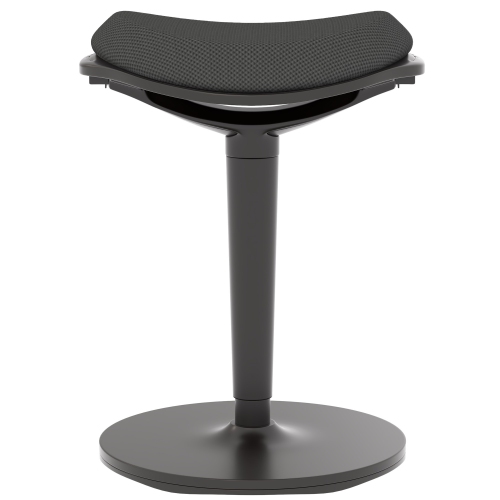
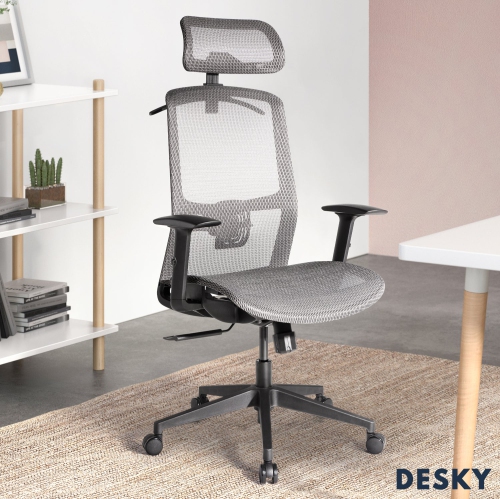
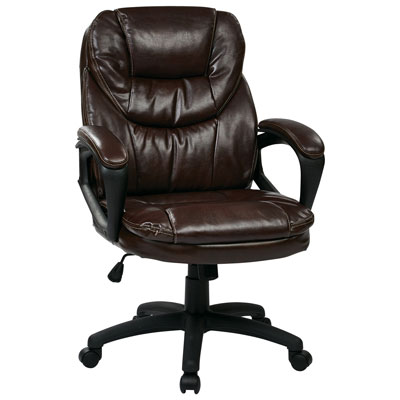
Tall office chairs for standing desks provide a higher seated position than standard office chairs, making them useful when a work surface is set above conventional desk height. Often described as drafting chairs, these seats can support tasks at a raised or intermediate-height desk without requiring the surface to be lowered for every seated break. They are not simply office chairs for taller people: the important relationship is between the seat, the work surface, and the person using them. A suitable fit allows the shoulders to stay relaxed, the elbows to rest near the body, and the keyboard or writing area to remain within comfortable reach. Seat-height ranges vary, so a chair labelled “tall” may suit one raised desk but not another, particularly when the desk is positioned at its full standing height. When pairing seating with Tall Standing Desks, both the lowest and highest usable seat positions matter, along with clearance beneath the desktop. Drawers, support bars, and thick worktops can reduce the space available for knees and thighs. Foot support is especially important at these heights because the floor may be out of reach. An adjustable foot ring or a suitable foot platform gives the feet somewhere to rest rather than leaving the legs dangling. The position of that support should work with the seat height and the user’s leg length; a ring that sits too close to the seat can feel cramped, while one that sits too low may provide little useful support. Seat depth also affects fit. There should be room to sit against the backrest without the front edge pressing into the backs of the knees. For shared workstations, a broad adjustment range can make the same chair more practical for people with different proportions, although no single chair shape will suit everyone equally.
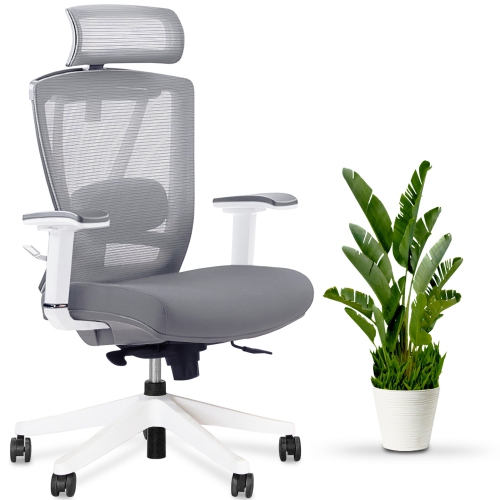
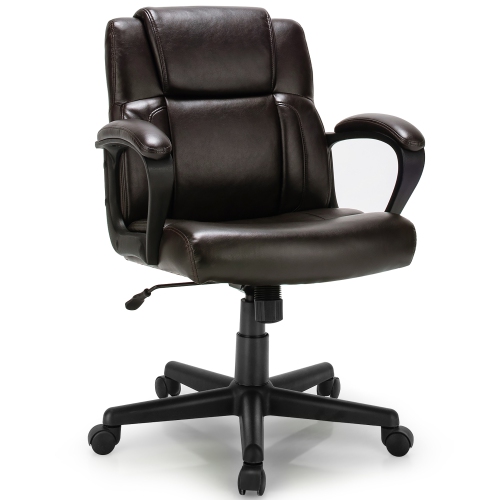
Comfort in a tall office chair depends on more than extra lift. A contoured seat, supportive backrest, and well-positioned controls can make a noticeable difference during detailed work, whether that involves reviewing a spreadsheet, sketching a layout, or sorting paperwork across a broad desktop. Backrest height and lumbar support should suit the way the chair will be used. Someone who spends longer periods typing may appreciate more back support, while a person moving frequently between a workbench and a screen may prefer a smaller profile with fewer obstacles around the seat. Adjustable armrests can support the forearms during some tasks, but their height and width also affect whether the chair can move close enough to the desk. Armless designs leave more room for lateral movement and may tuck beneath a surface more easily. Upholstery choices bring different practical advantages. Mesh backs allow airflow and often create a lighter visual profile, while upholstered backs provide a padded surface. Fabric offers a textured feel and a wide range of colours, though spills may require prompt attention. Coated upholstery can be easier to wipe down when its care instructions permit, but resistance to cracking, scuffing, and wear varies by material and construction. Seat cushioning should feel supportive rather than simply soft, especially when the chair is used for extended stretches. A shaped front edge can also make contact with the legs less abrupt. Drafting chairs, tall task chairs, and leaning or perching seats are related options, but they do not provide the same sitting experience. A perching seat generally supports a more open hip angle and partial standing posture, whereas a tall task chair is intended to provide a more conventional seated position at a higher level. The distinction matters for anyone expecting a full backrest, arm support, or a seat suitable for sustained computer work.
The base and adjustment mechanism deserve as much attention as the upholstery because a raised seat changes how the chair feels during everyday movement. A broad, stable base and a clearly stated weight capacity help establish whether a chair suits its intended user and setting. The lift mechanism must cover the required working height, while the foot ring, backrest, and arm adjustments should hold their positions securely. Casters need to suit the floor surface: a chair that moves easily on one type of flooring may behave differently on another, and replacement wheels should be compatible with the chair rather than chosen by appearance alone. A suitable chair mat can help protect flooring and provide a more consistent rolling surface where needed. Foot rings are supports for seated use, not steps for climbing into the chair, and an elevated seat is best approached without pulling on the desk or leaning heavily to one side. In a compact home office, the full base diameter and the space needed to turn can matter more than the width of the seat itself. A chair that looks narrow may still need substantial floor clearance around desk legs, cabinets, and nearby furniture. In a creative studio or shared workspace, easy-to-reach controls and straightforward adjustments can be particularly useful when tasks and users change throughout the day. For longer-term care, dust and debris should be kept out of casters and adjustment points, upholstery should be cleaned according to the manufacturer’s directions, and accessible fasteners should be checked as specified in the care information. Worn wheels, loose fittings, or a seat that no longer holds its height can affect everyday usability and warrant attention. The most useful tall office chair is one that fits the desk’s actual working positions, supports the user’s feet and back, and leaves enough room to move naturally between seated and standing tasks. That balance makes elevated seating a practical part of a flexible workstation rather than merely a taller version of a standard chair.
Top selling and popular products
-
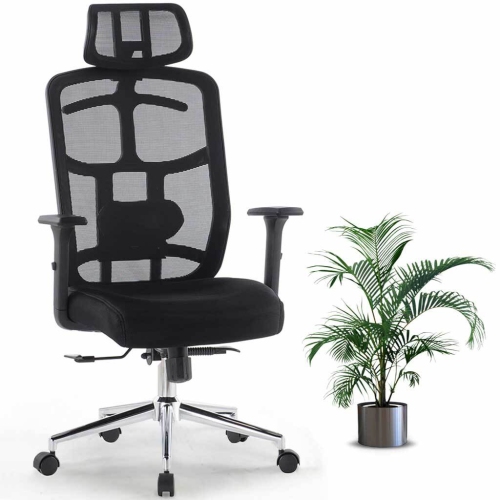 Your price for this item is $126.99
-
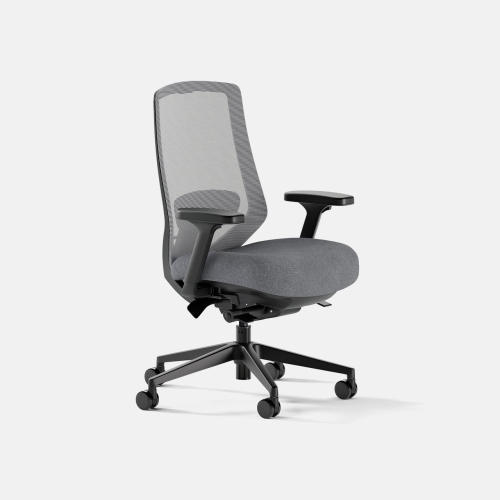 Your price for this item is $599
-
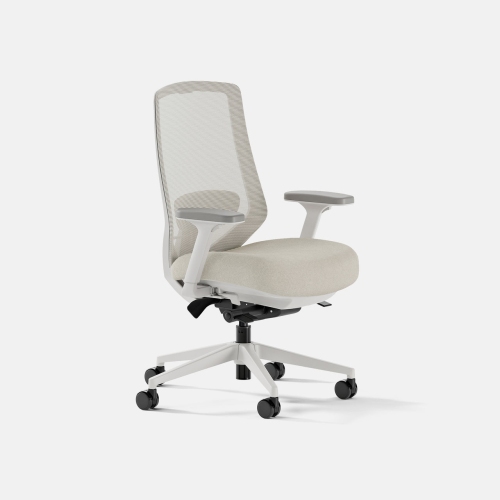 Your price for this item is $599
-
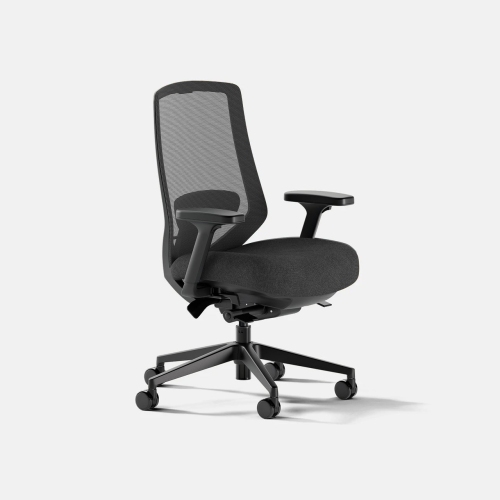 Your price for this item is $599
-
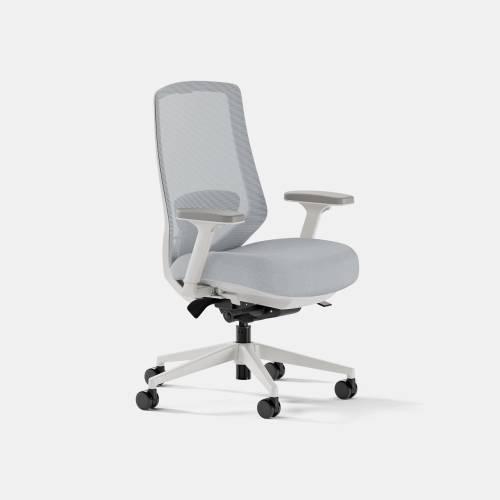 Your price for this item is $599
-
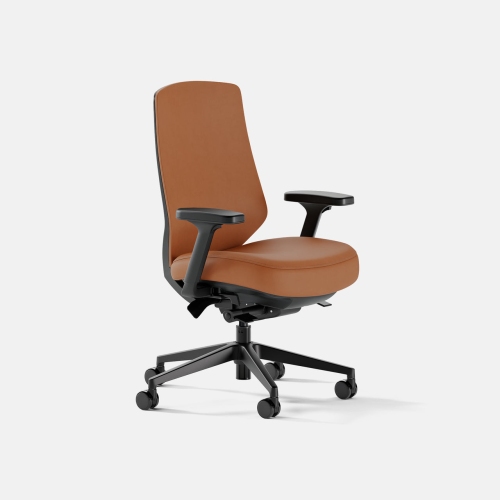 Your price for this item is $649
-
 Your price for this item is $459.99
-
 Your price for this item is $429
Discover more categories related to Tall Office Chairs for Standing Desks

Top Collections:
Best Black Friday Deals This Year, Best Black Friday Deals On Electronics, Kindle Devices, Pokemon Centers, Best Black Friday Deals On Apple Products, Best Cameras for Sports Photography, Dyson Airwrap, Pokémon 30th Celebration Cards, Apple iPhone 17 Pro, Canon G7X Cameras
Some products may be subject to Environmental Handling Fees
(EHF) depending on your province.
Learn more about EHFs.