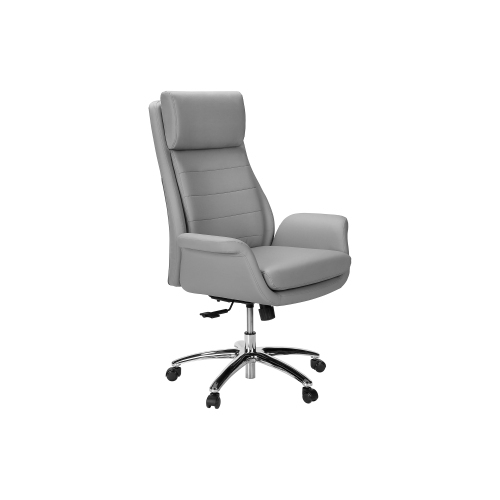
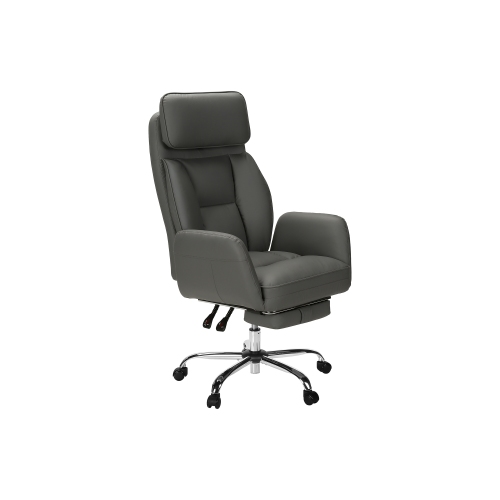
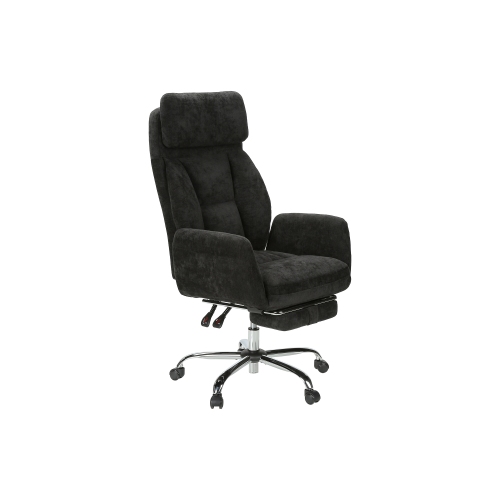
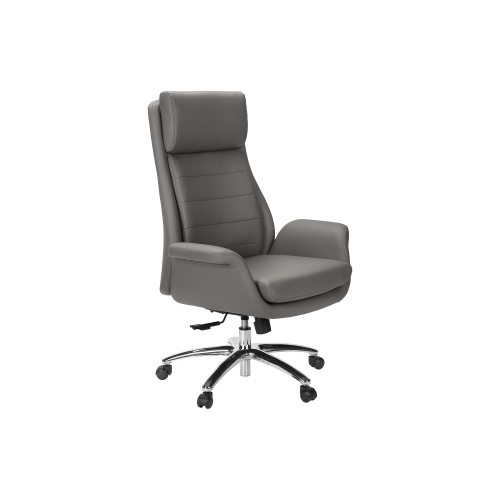
Tall Ergonomic Chairs

Browse tall ergonomic chairs for a seating setup that suits your height and desk. Compare seat height ranges, seat depth, and back support to narrow your options, and check that your chosen chair lets you keep your feet supported on the floor or a footrest.
Sort

Comfort for taller frames goes beyond backrest height

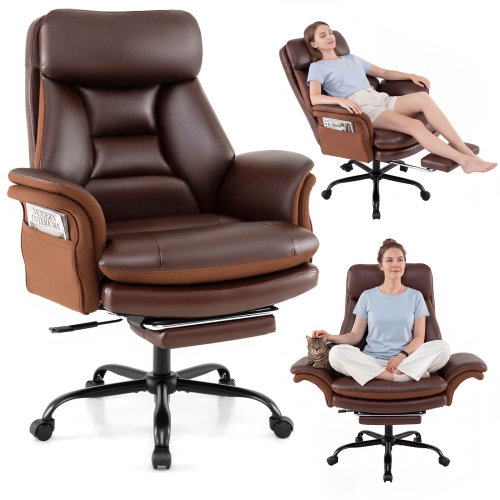
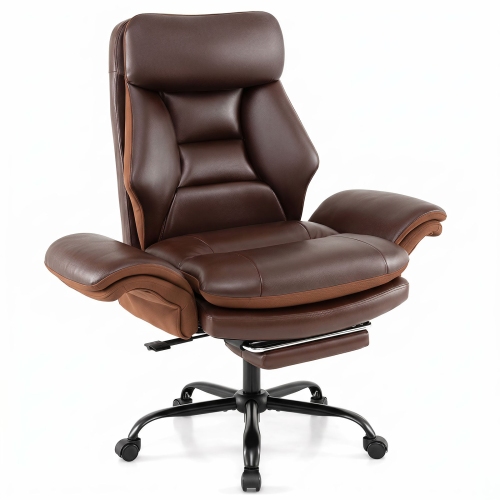
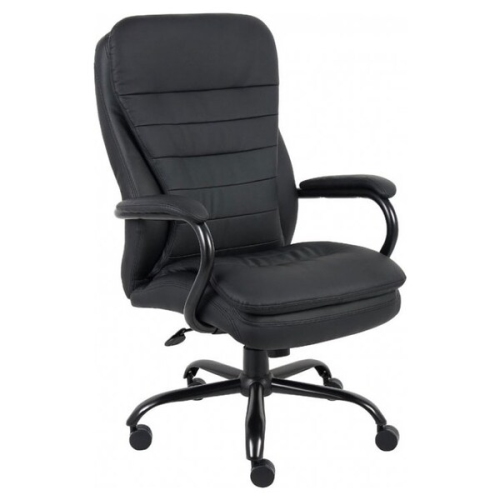
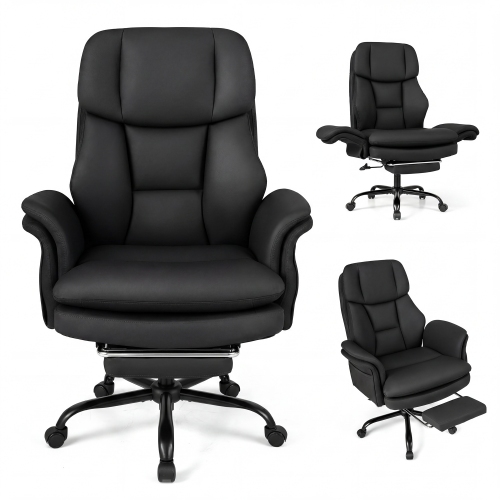
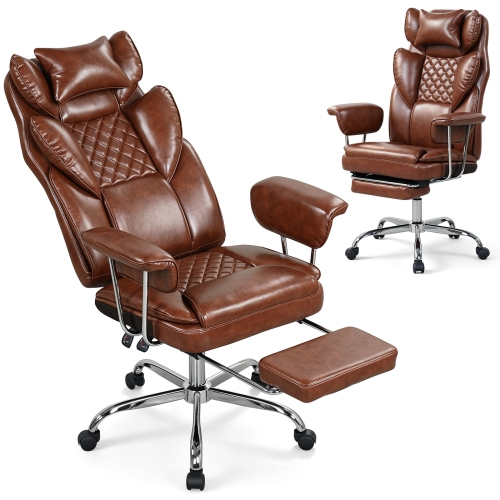
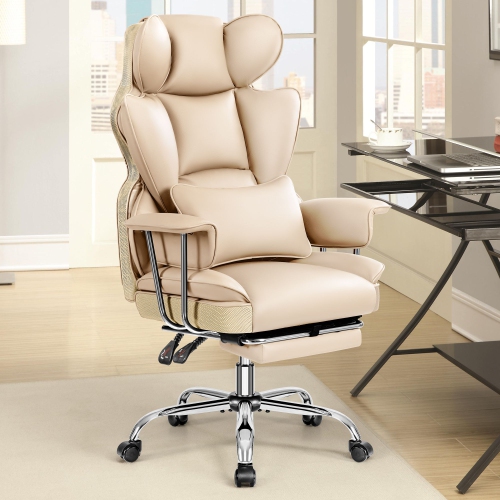
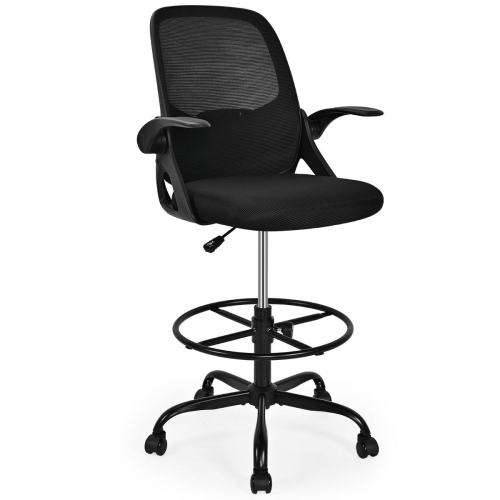
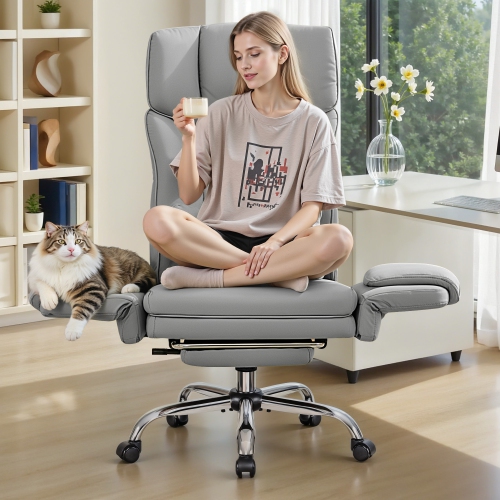
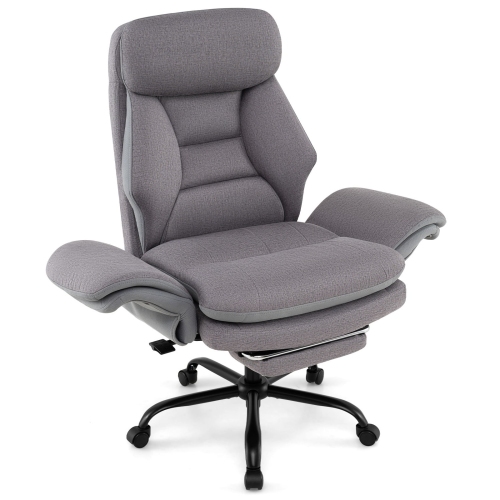
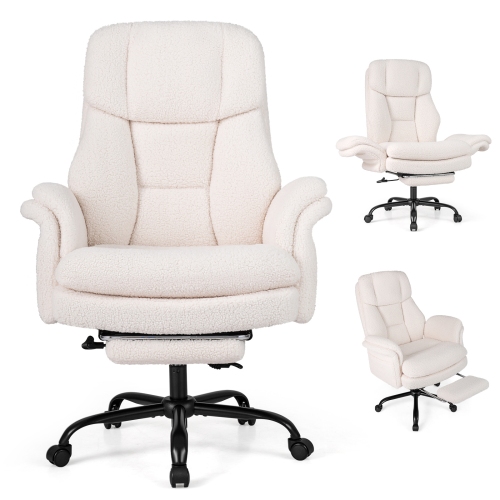
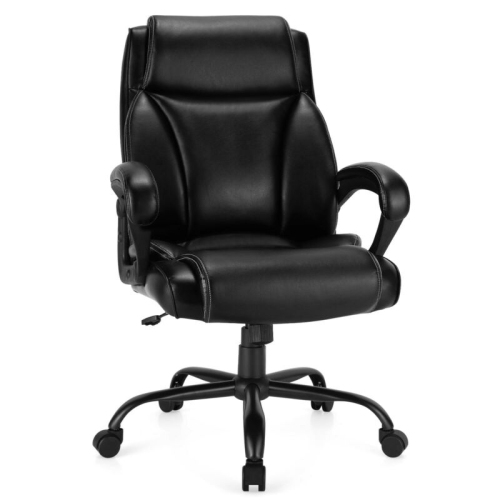
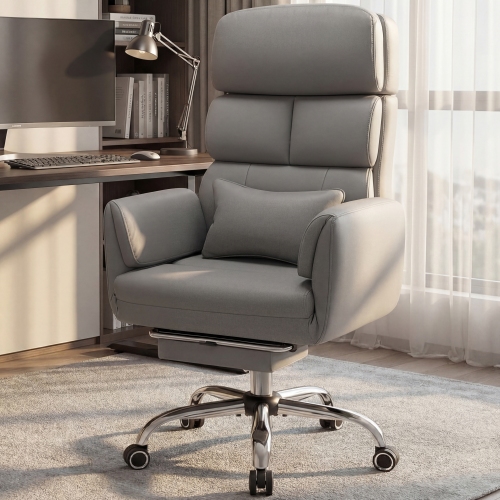
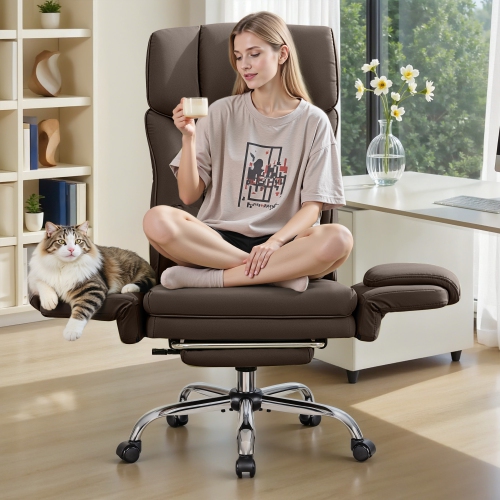
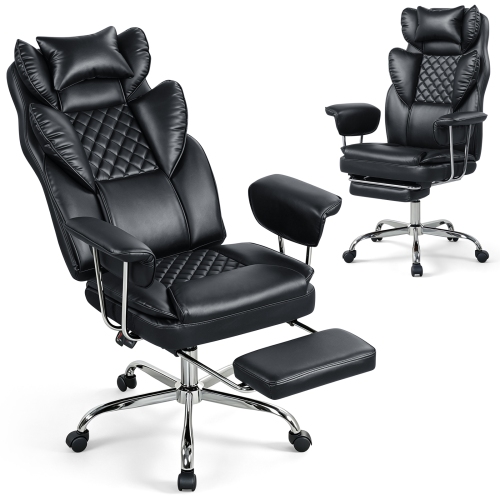
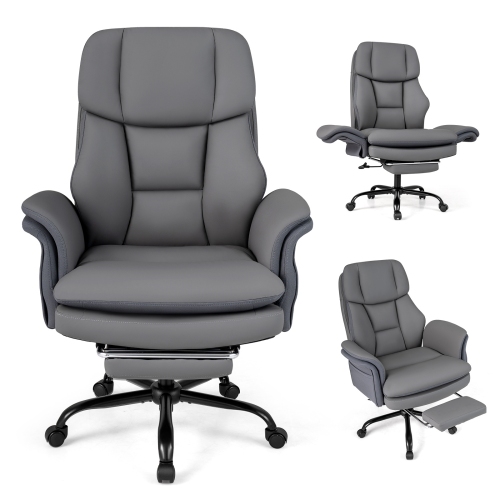
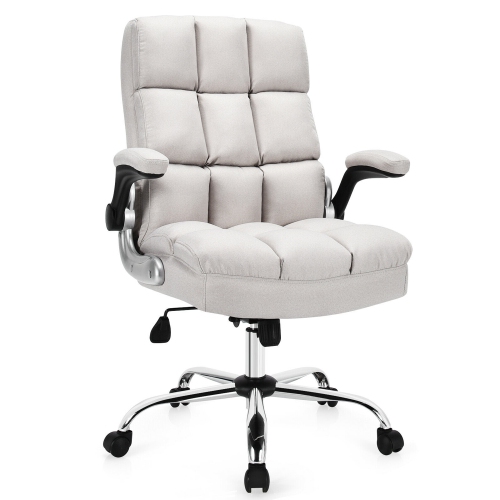
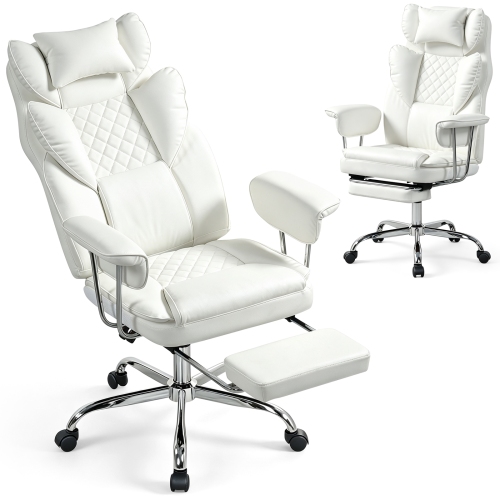
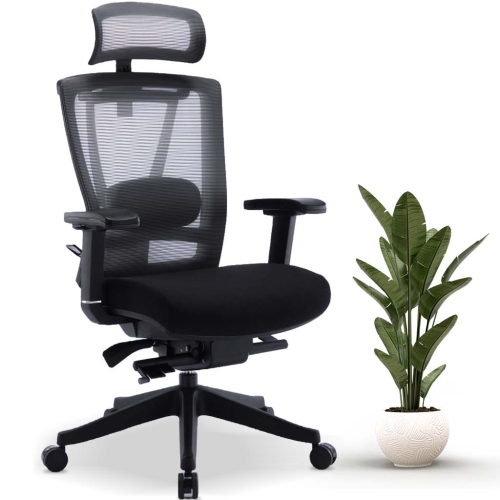
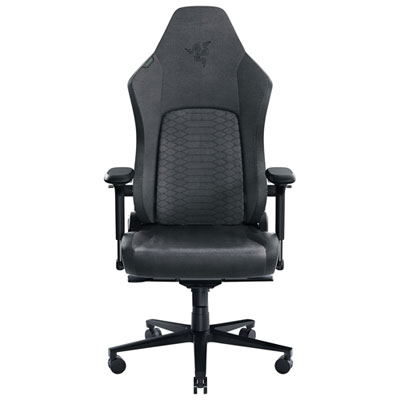
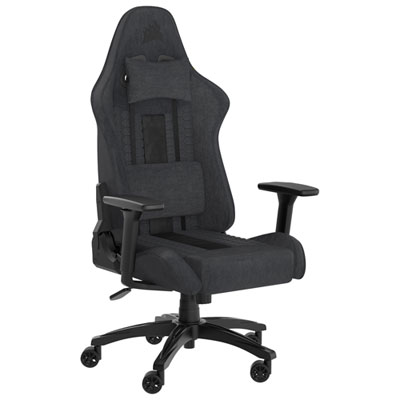
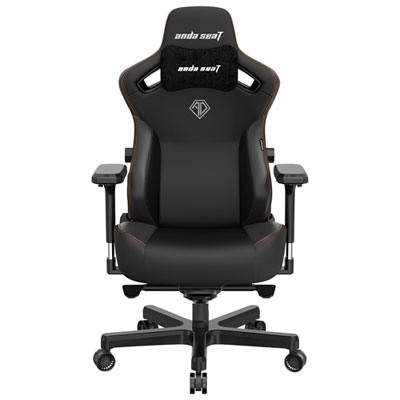
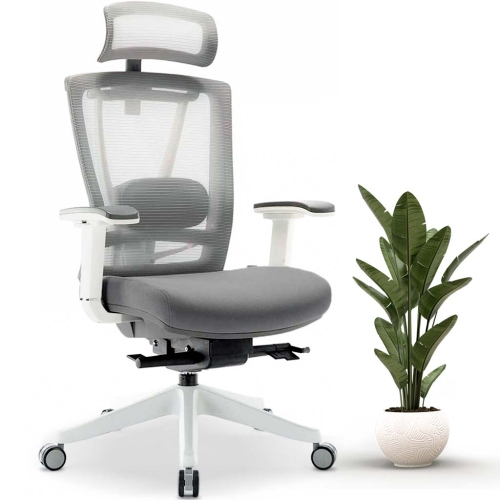
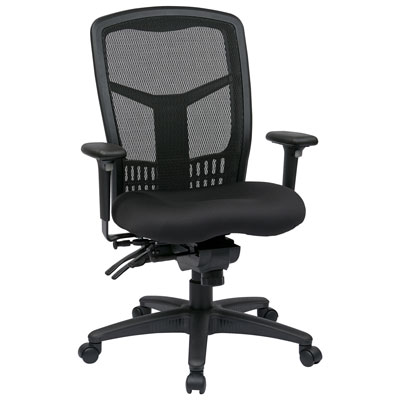
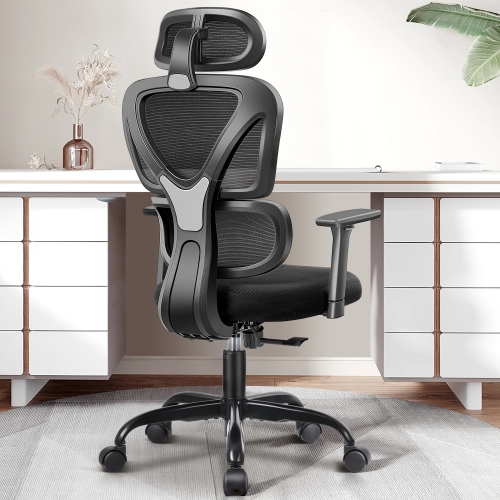
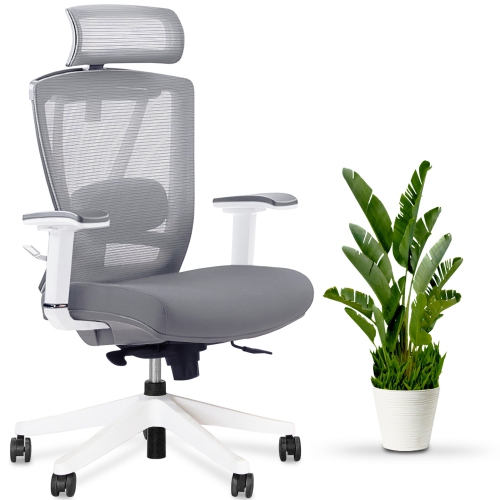
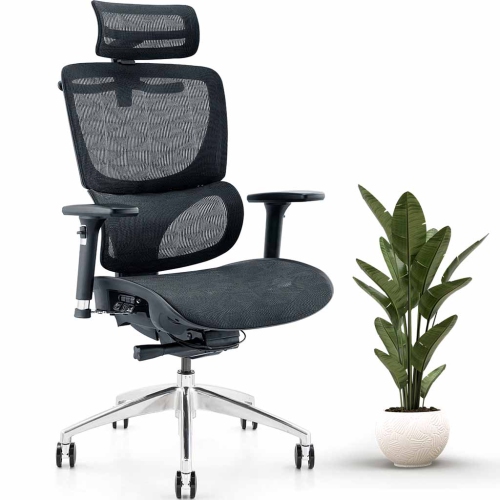
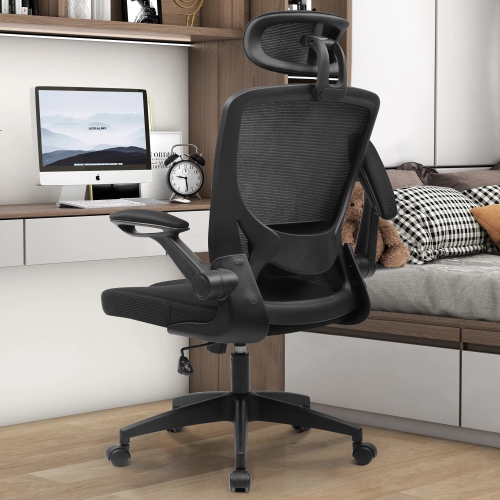
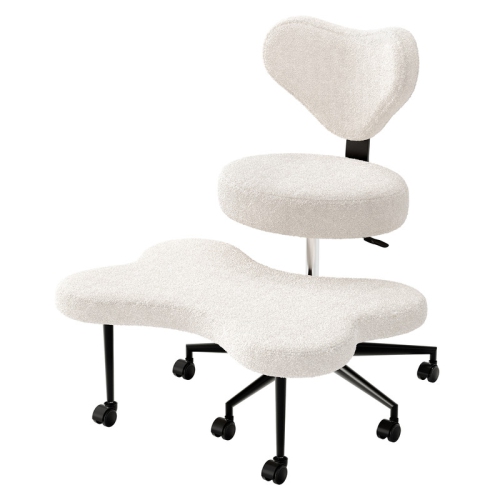
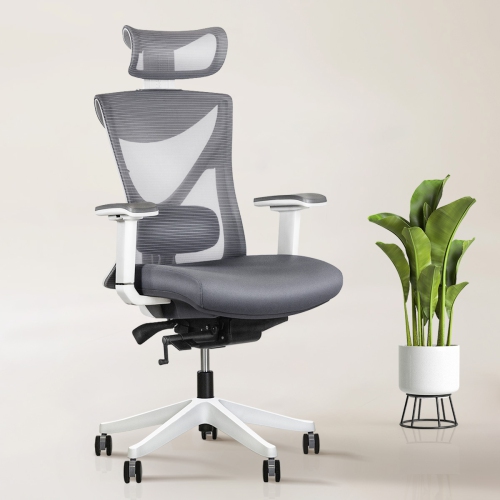
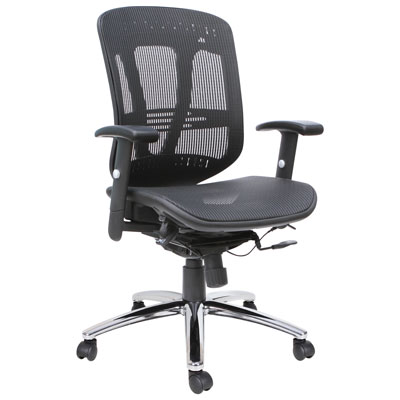
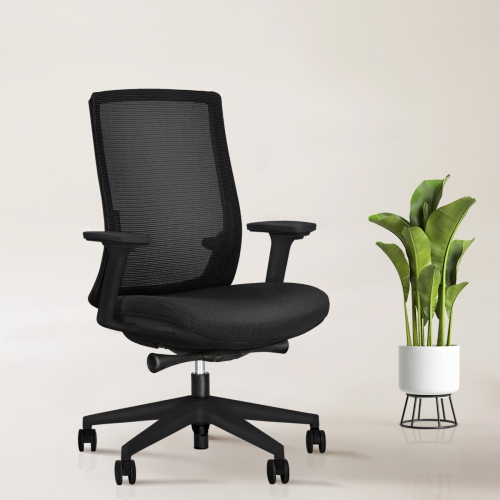
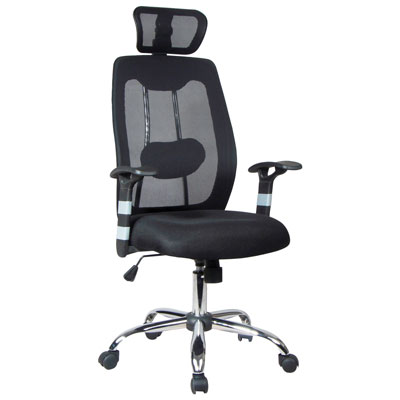
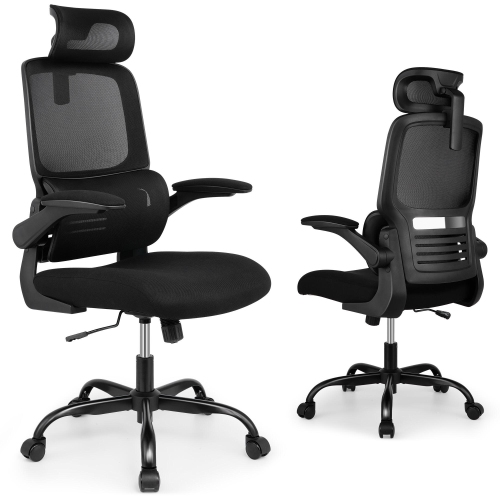
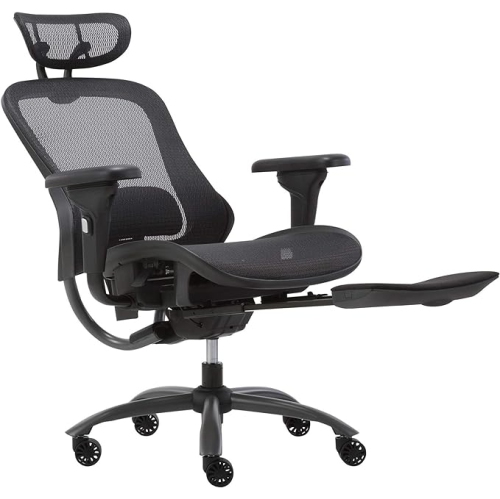
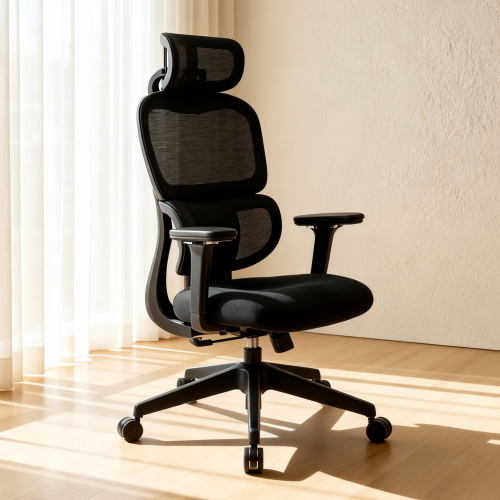
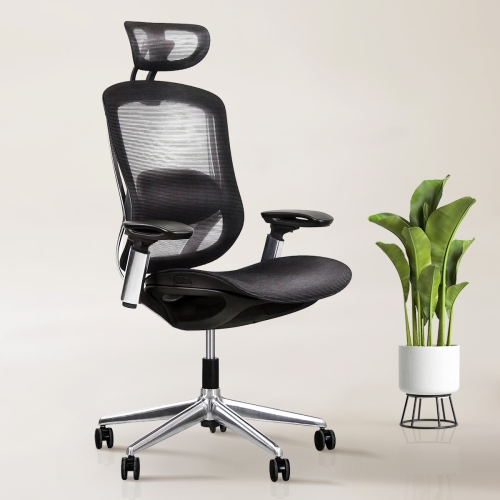
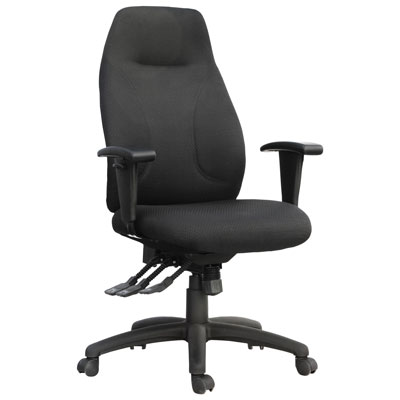
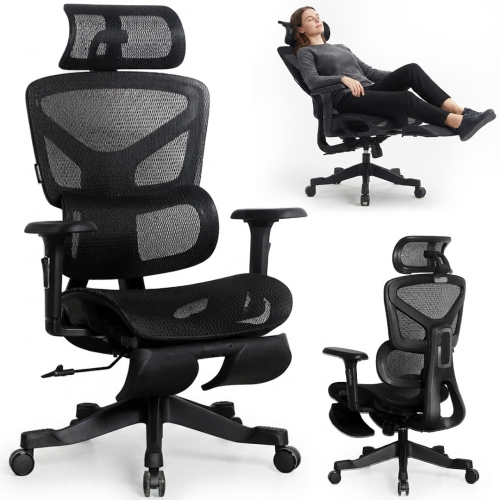
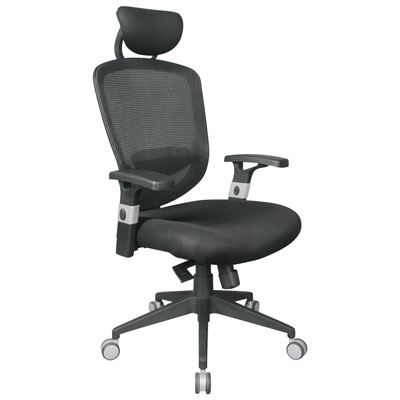
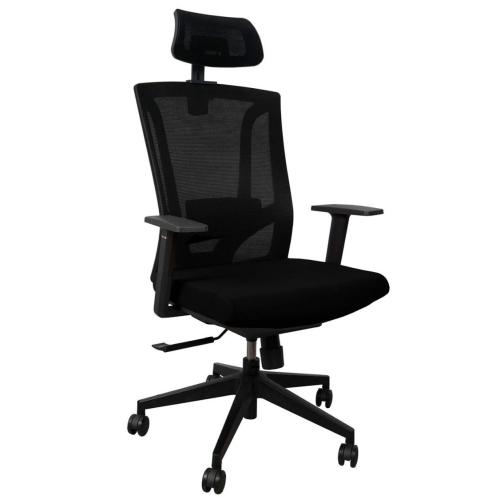
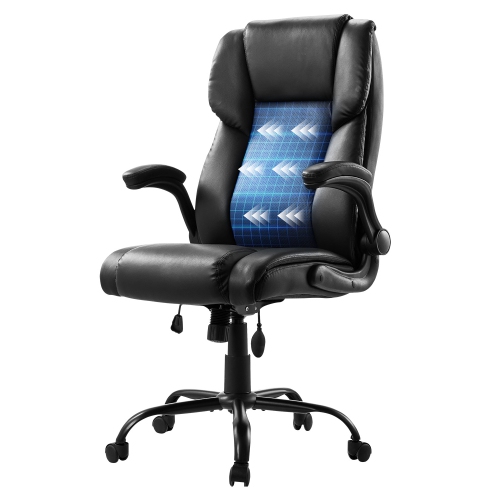
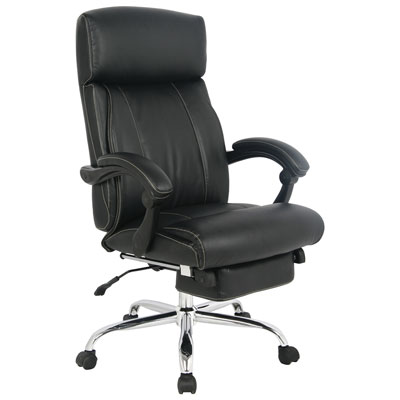
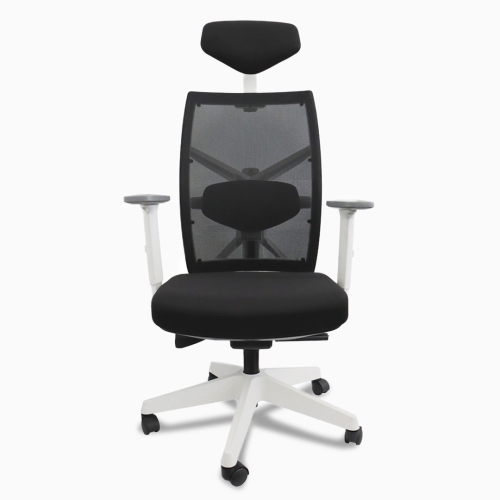
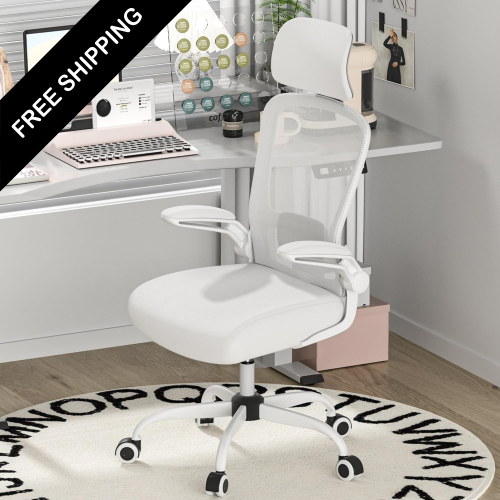
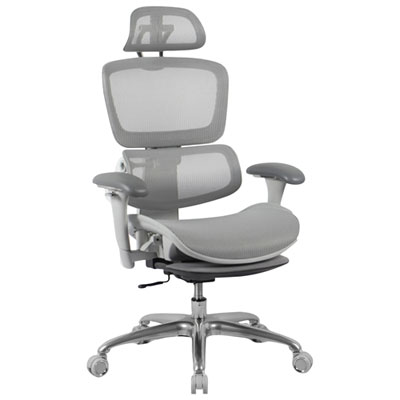
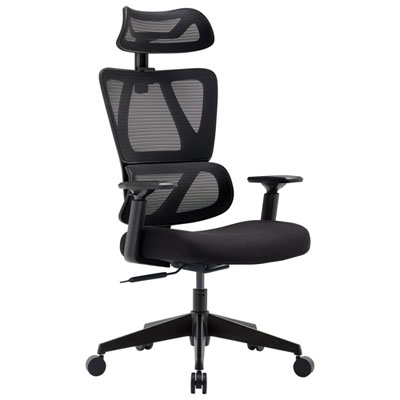
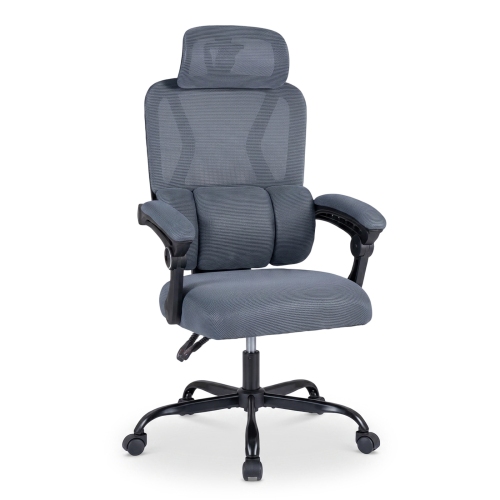
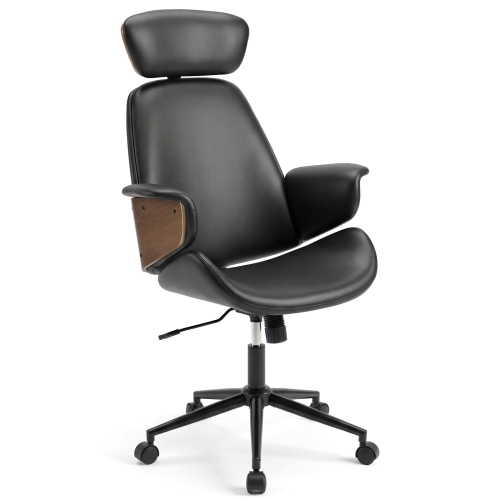
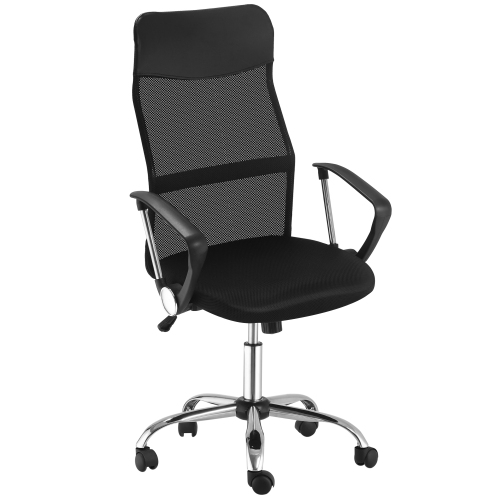
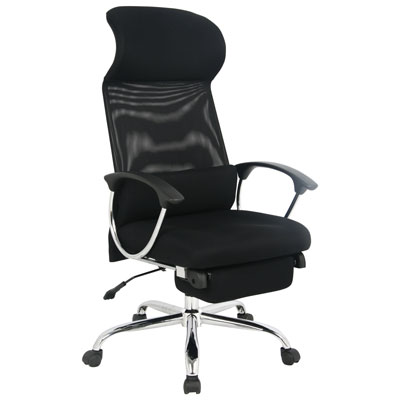
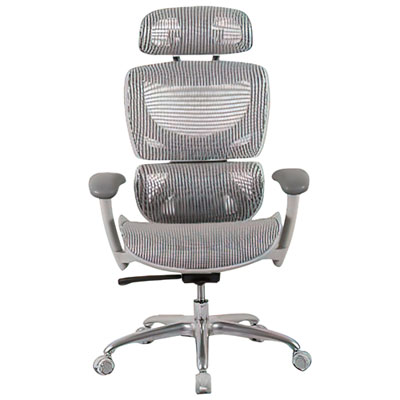
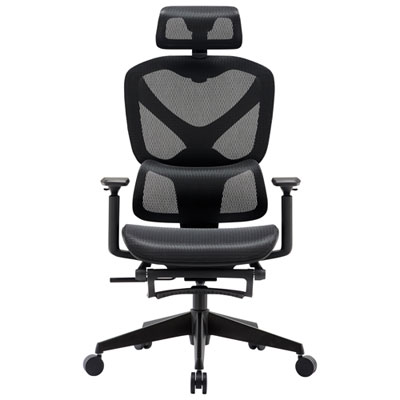
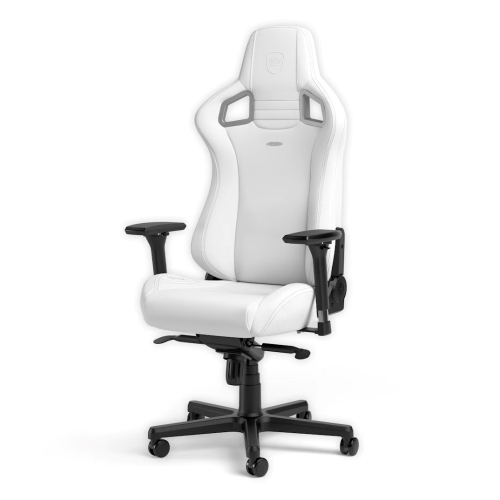
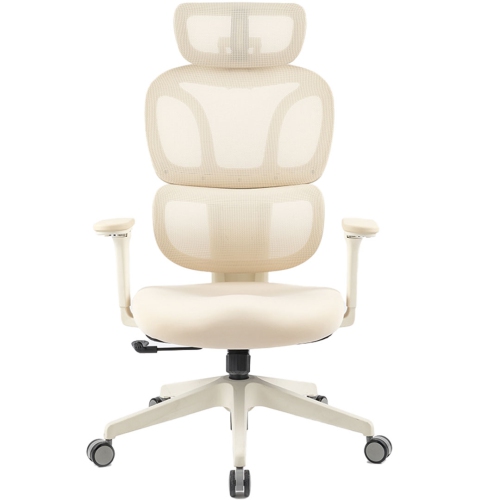
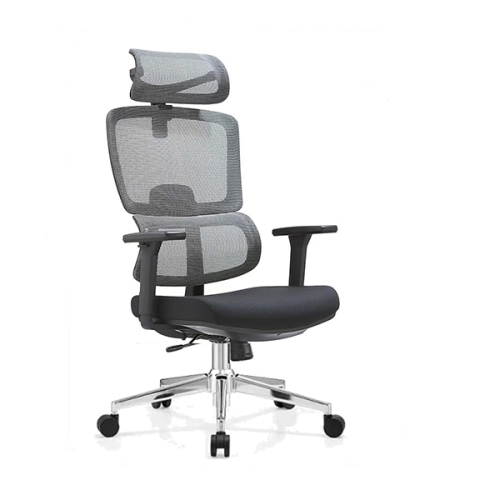
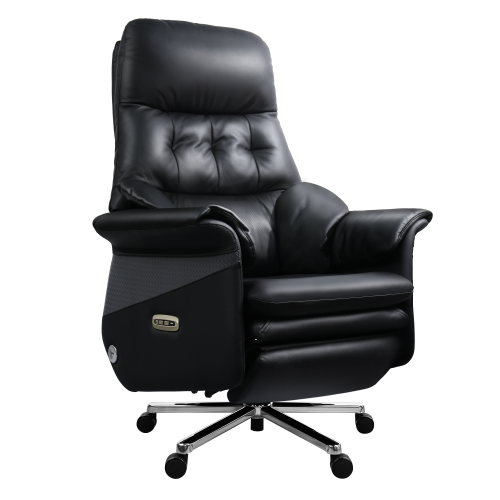
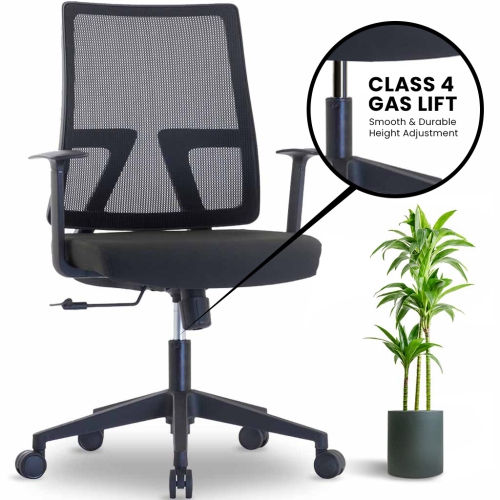
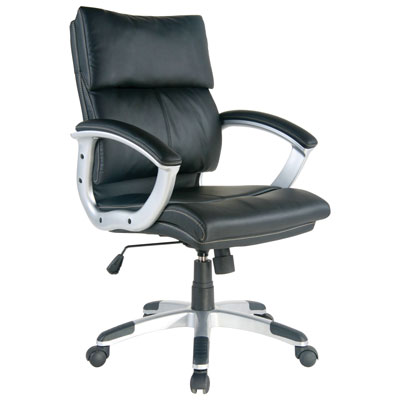
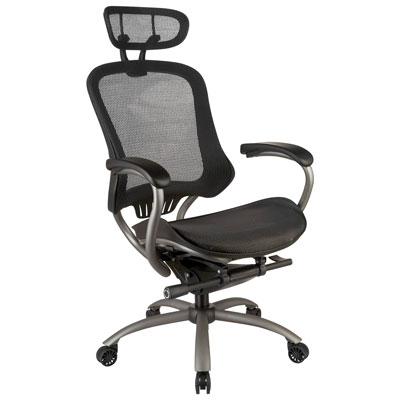
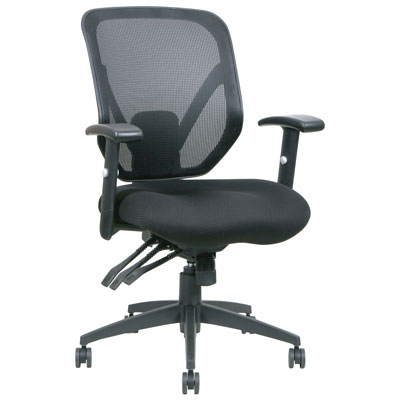
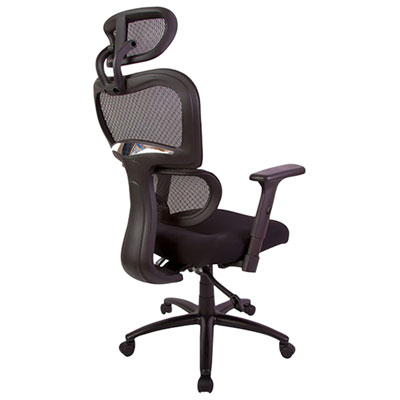
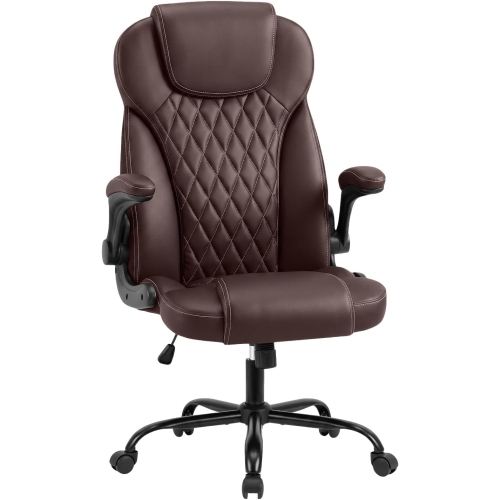
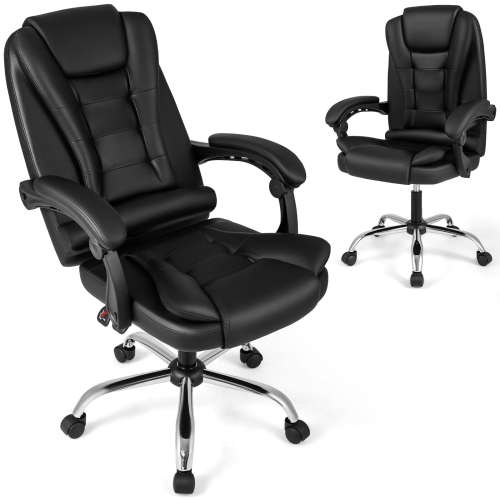
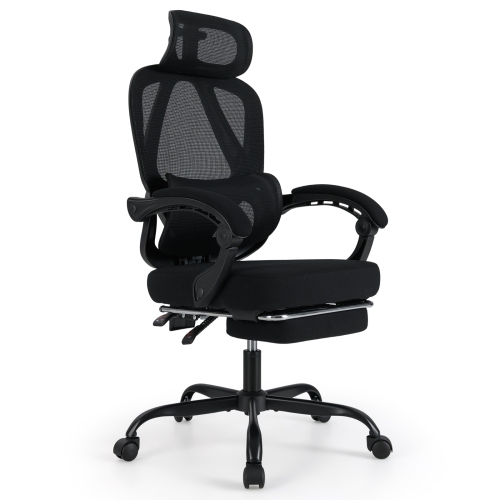
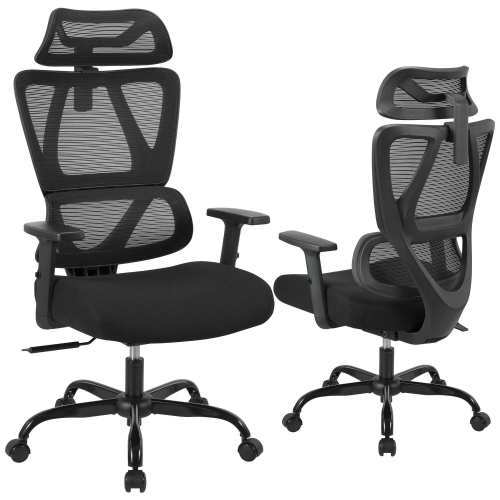
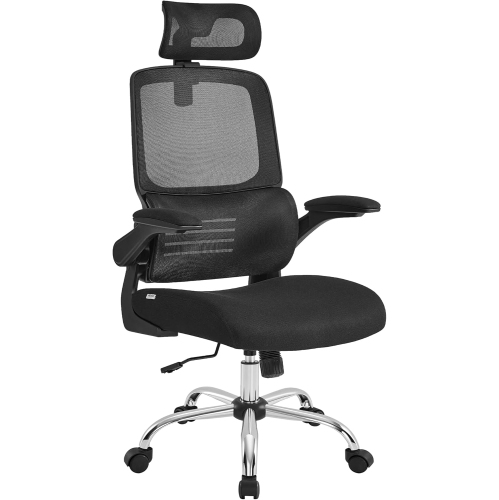
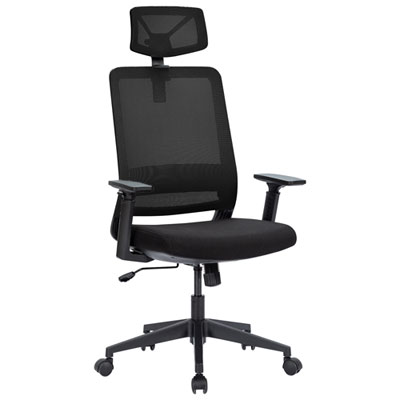
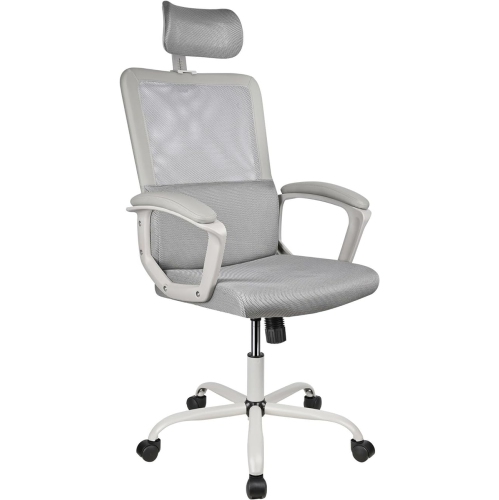
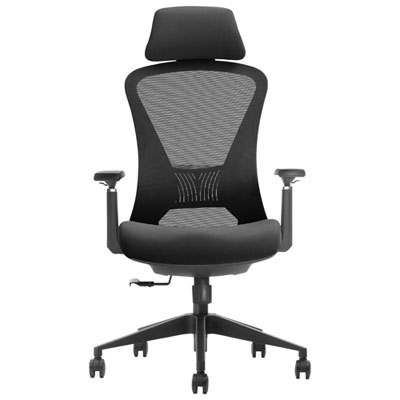
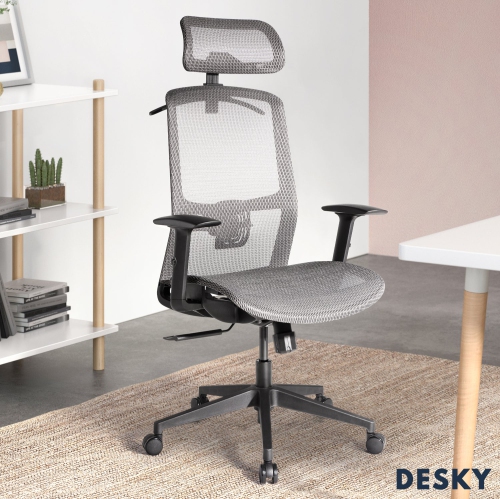
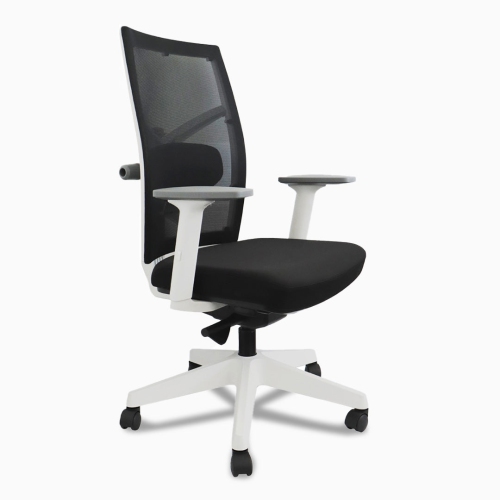
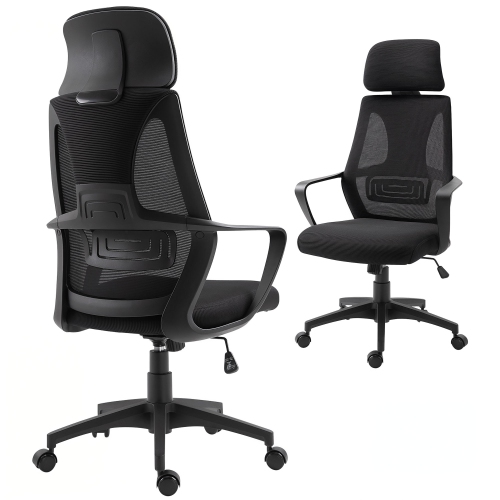
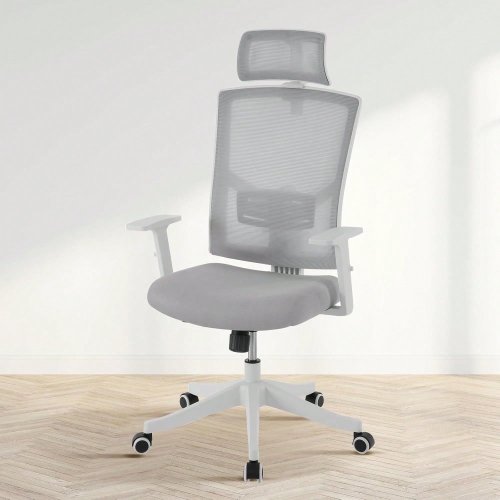
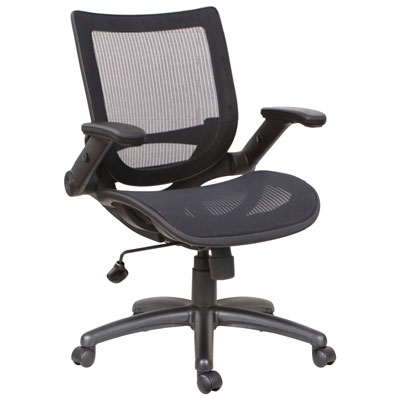
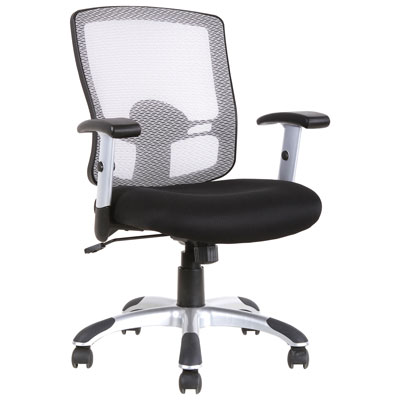
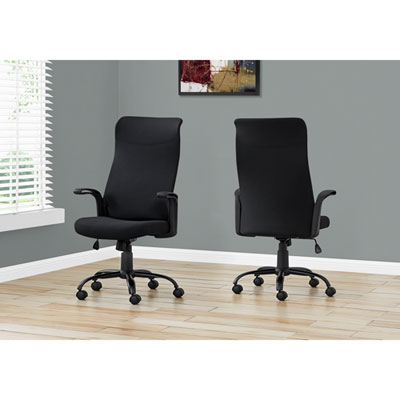
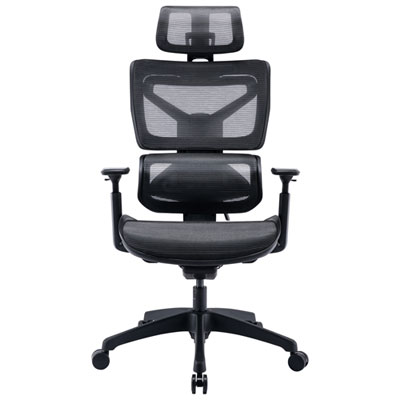
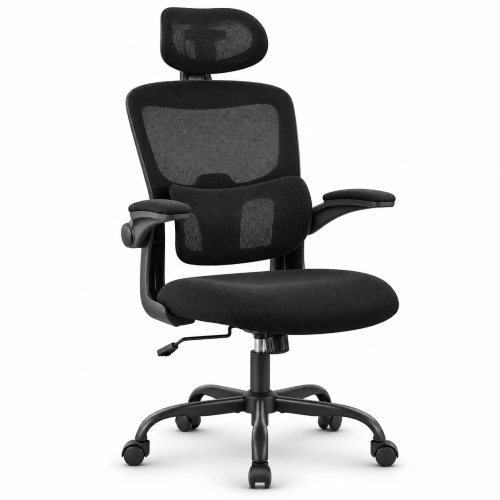
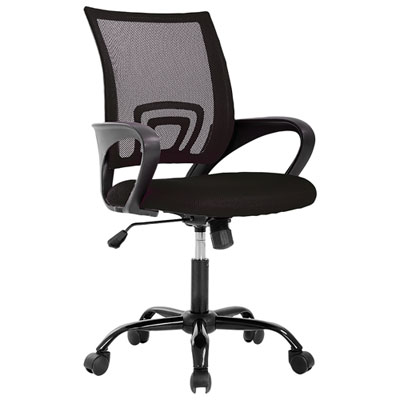
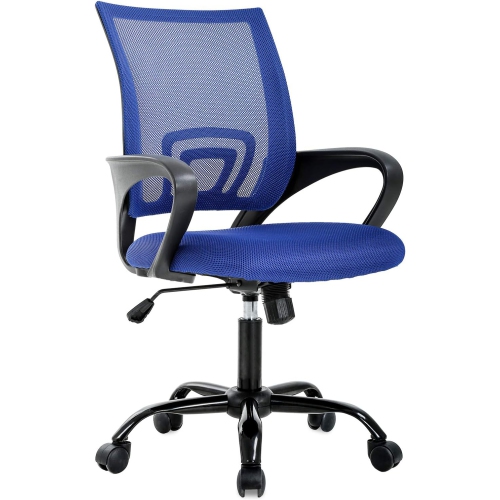
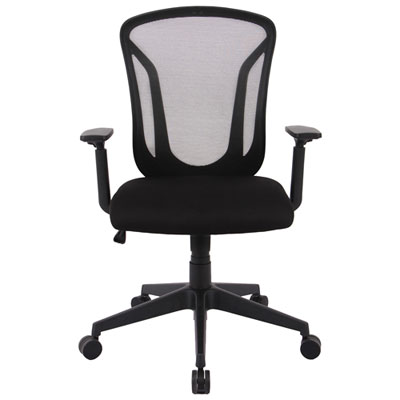
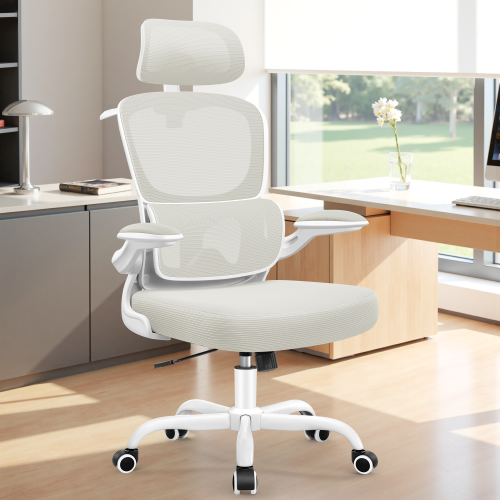
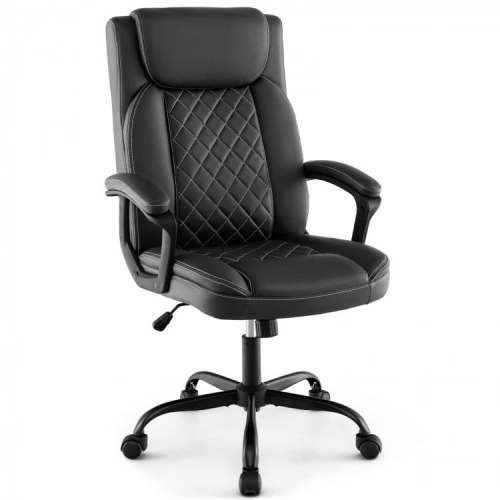
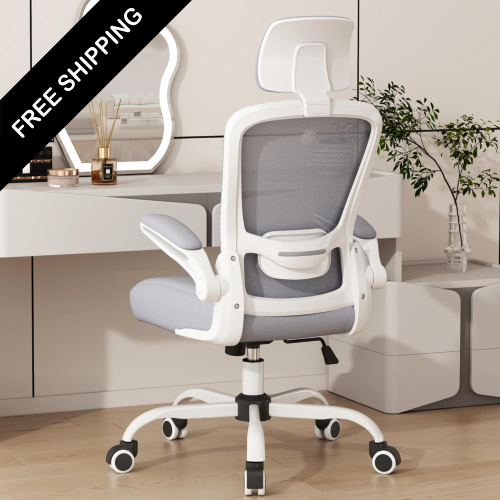
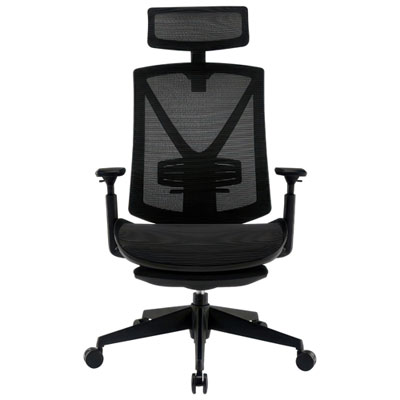
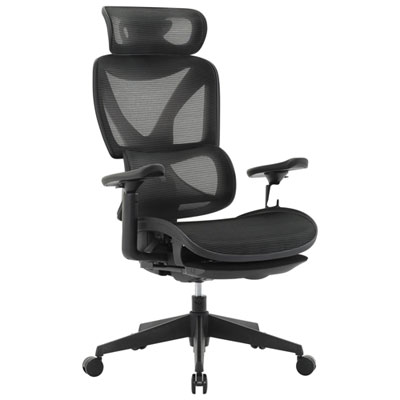
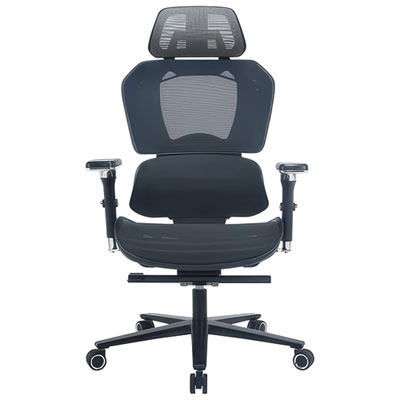
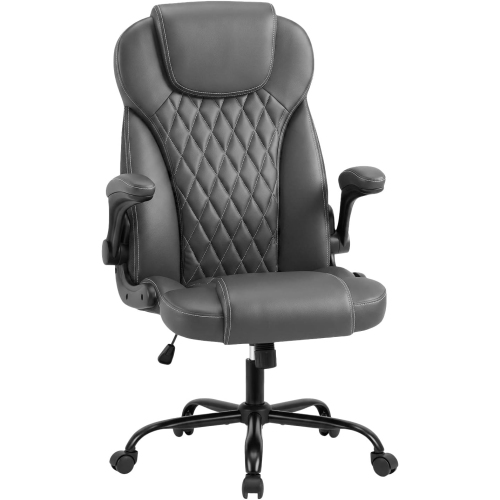
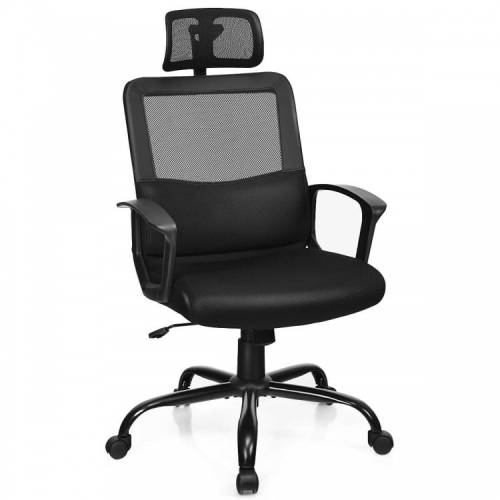
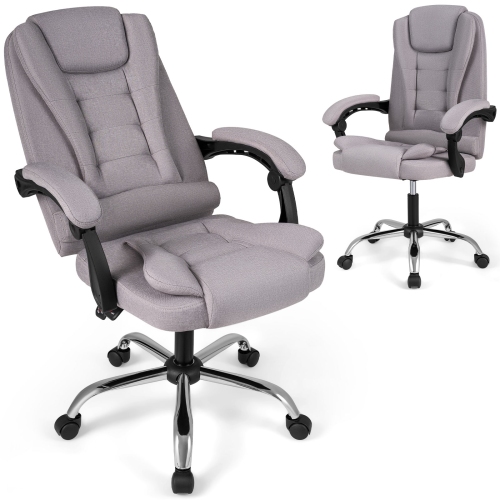
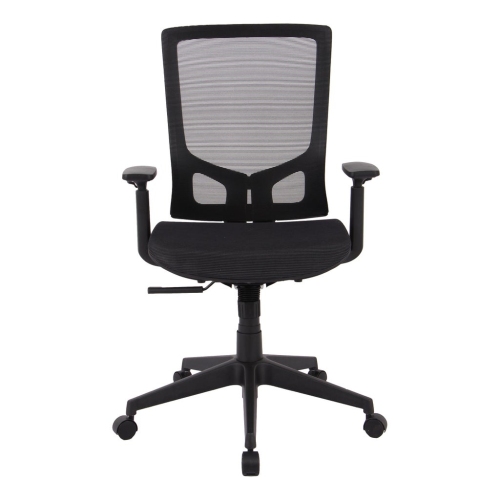
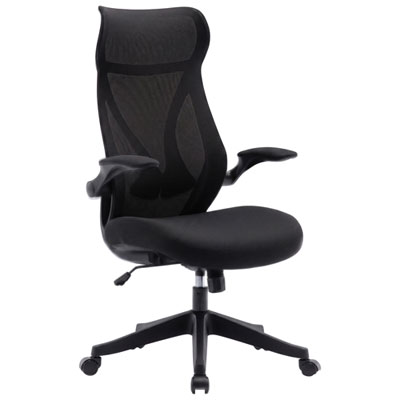
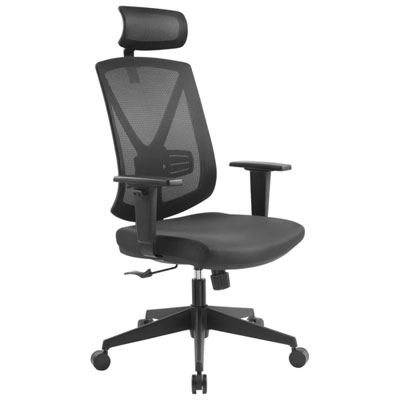
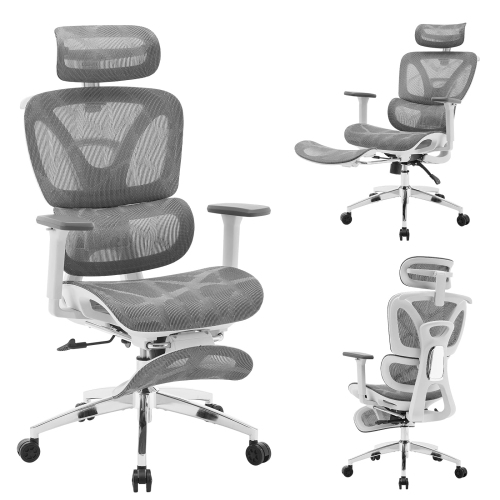
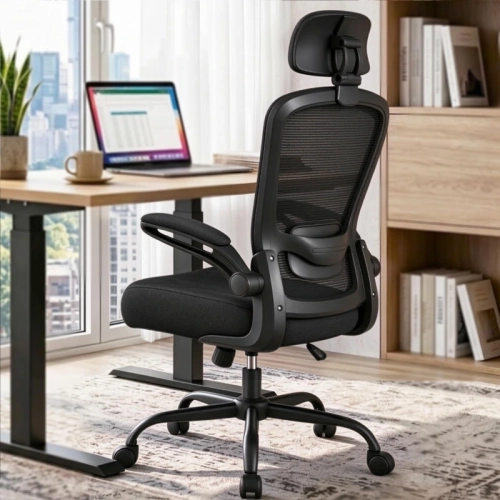
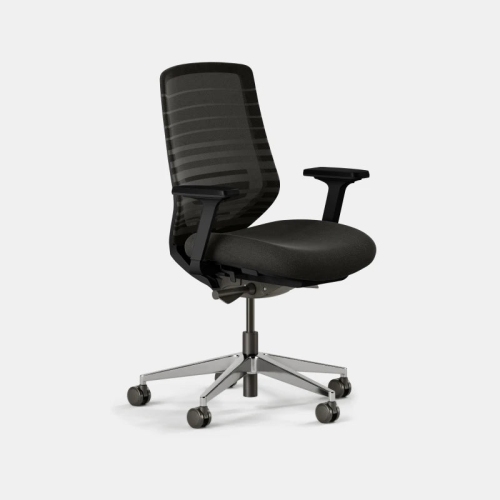
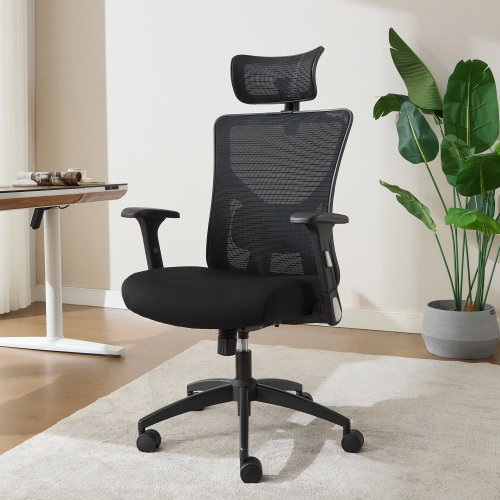
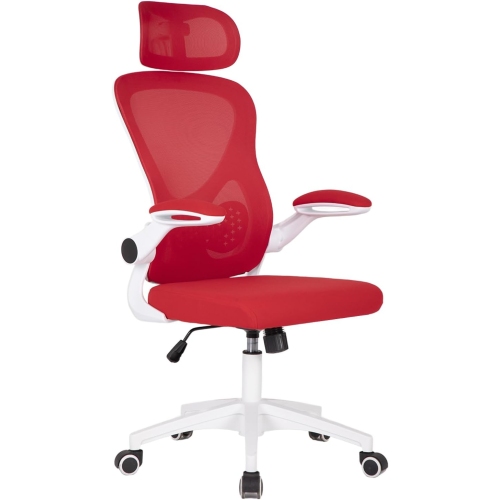
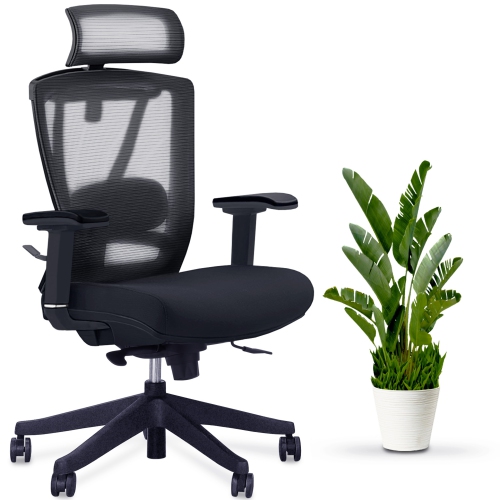
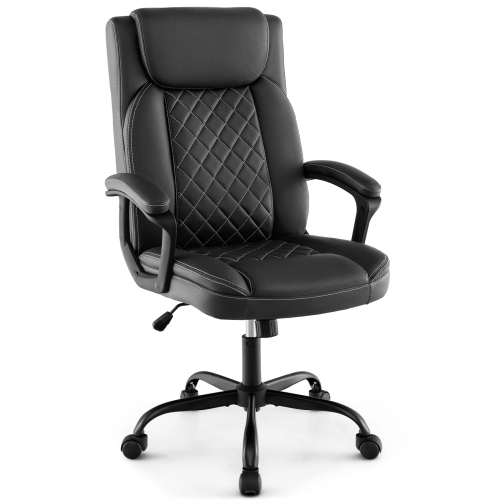
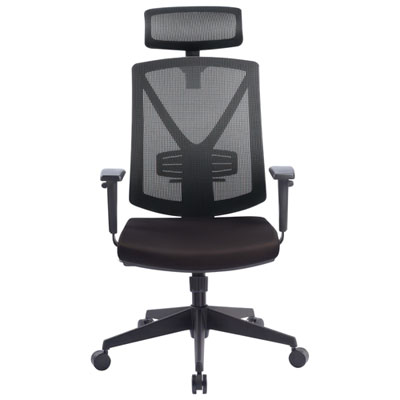
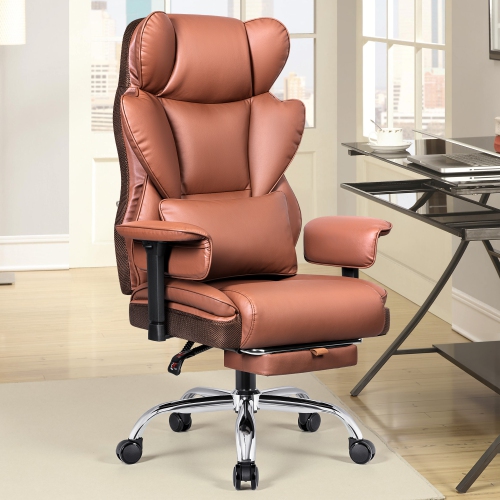
Tall ergonomic chairs bring together seating dimensions and adjustable support suited to people who find standard office chairs too short, shallow, or low. A suitable fit depends on more than an extended backrest: seat height, usable seat depth, lumbar support position, and armrest range all affect how comfortably a taller person can sit at a desk. Long legs may need a deeper seat, while a longer torso may benefit from a taller backrest with support that adjusts vertically. These proportions vary from person to person, so overall chair height is only one part of the picture. Seat height should allow the feet to rest securely on the floor or a suitable footrest, with the knees at a comfortable angle rather than pushed upward or left hanging. Seat depth matters just as much. A seat that ends too early can leave much of the thigh unsupported, while one that extends too far can press against the backs of the knees. An adjustable seat pan offers flexibility, leaving a small clearance behind the knees while allowing the user to sit against the backrest. A gently rounded front edge can also make contact with the seat less noticeable during longer tasks. Backrest shape should follow the user rather than require an awkward sitting position to reach the lumbar cushion. Height-adjustable lumbar support can be particularly useful when a fixed curve lands below the natural inward curve of a taller person’s lower back. A headrest, when included, needs enough adjustment to support the intended area without pushing the head forward. Tall sizing and weight capacity are separate considerations: a chair can suit a taller frame without having an unusually high load rating, and a high-capacity chair does not necessarily provide the right seat depth or backrest height. Listed dimensions, adjustment ranges, and the manufacturer’s weight limit offer a more useful picture than size labels alone.
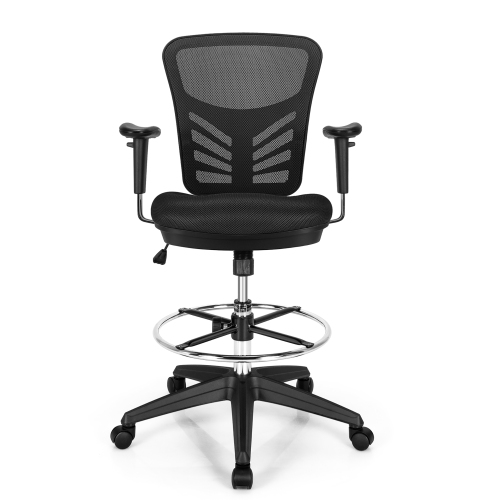
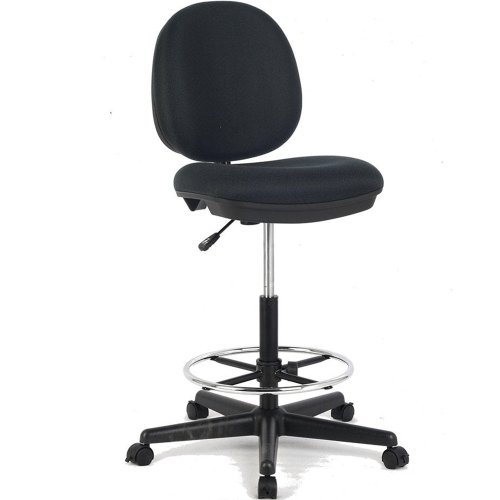
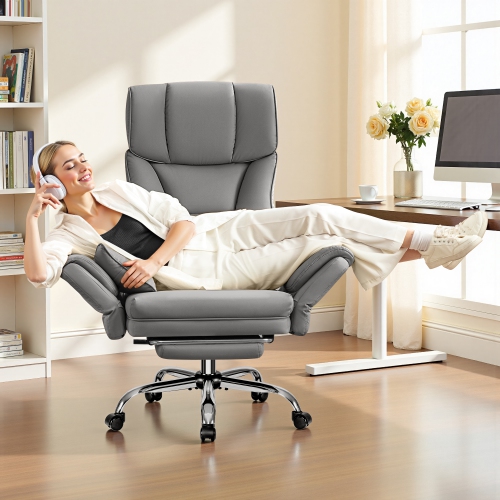
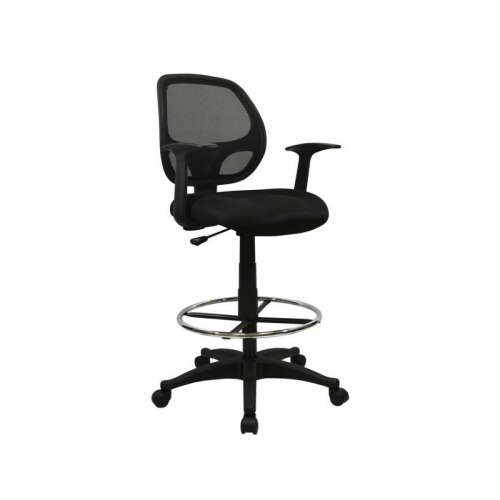
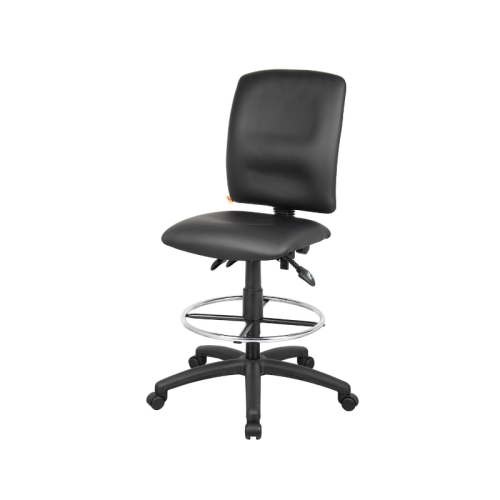
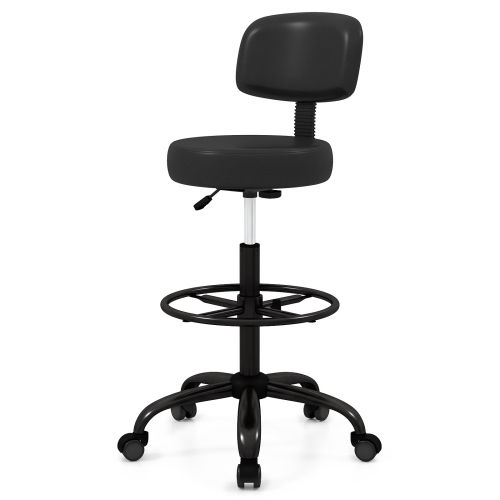
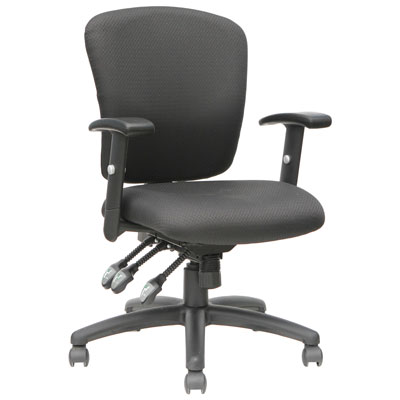
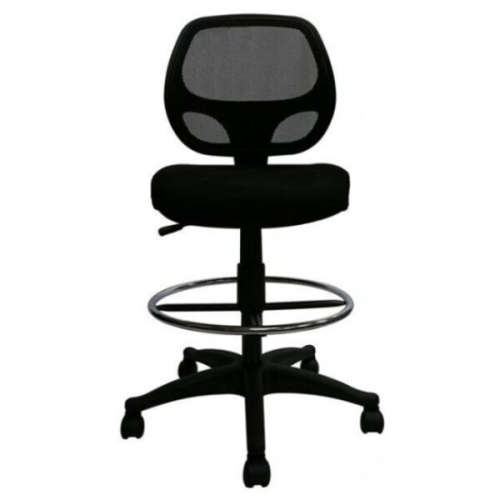
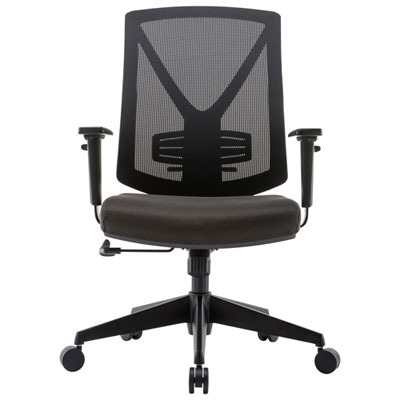
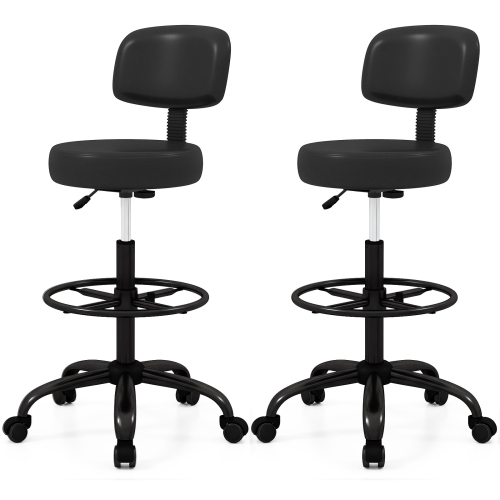
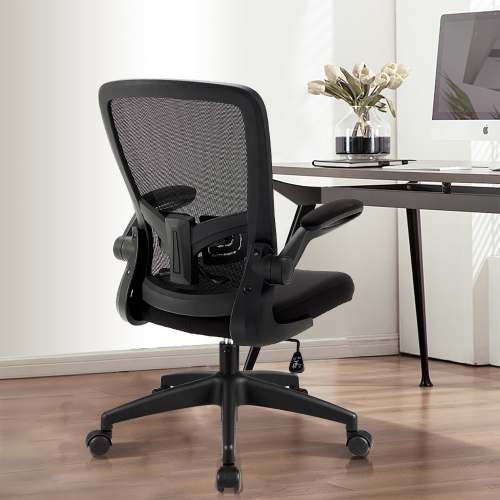
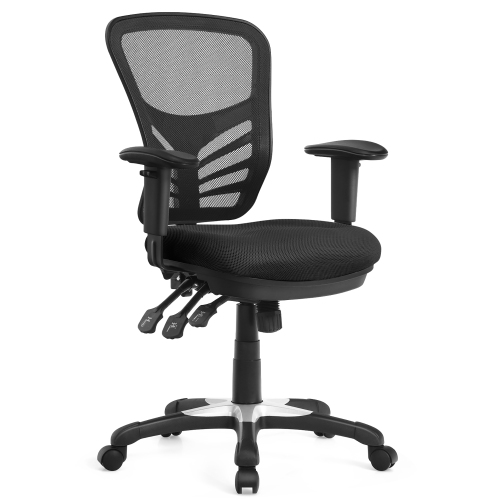
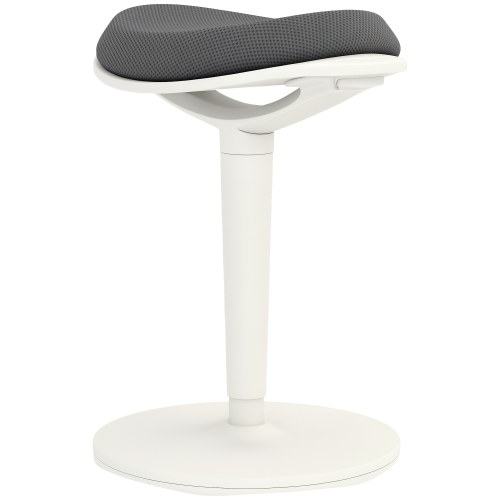
Day-to-day comfort also depends on how the chair works with the desk and the tasks taking place around it. For typing, editing documents, studying, or attending video meetings, adjustable armrests can support the forearms while allowing the shoulders to remain relaxed. Height adjustment is helpful, but width and front-to-back movement can matter when a broad frame, a narrow keyboard position, or a thick desktop changes where the arms naturally rest. Armrests that are too high may encourage raised shoulders; those that sit too wide may offer little support during keyboard work. Clearance beneath the desk is another practical detail, especially when the chair needs to tuck away between uses. A taller seat can bring the user into a comfortable position at a higher work surface, but raising a chair to compensate for a poorly matched desk may leave the feet unsupported. Tall ergonomic chairs designed for taller people are also different from elevated seating intended for counter-height or standing-height work surfaces. For raised workstations, Ergonomic Standing Desk Chairs are a related seating category where seat-height range, foot support, and workstation compatibility deserve particular attention. Within conventional desk seating, tilt tension and recline controls allow different sitting positions for focused work, reading, and brief pauses. Adjustable tension helps the backrest respond to the user’s weight without feeling either rigid or unexpectedly loose, while a tilt lock can hold supported positions where that feature is provided. A chair with linked seat and backrest movement may feel different from one with a simpler rocking mechanism, even when their dimensions look similar. Controls that are easy to reach from a seated position make those adjustments more practical. In a shared home office or workspace, clearly accessible levers and a broad adjustment range help different users reset the chair to their own proportions. Even a well-fitted chair works best as part of a setup that leaves room to change position and take regular movement breaks.

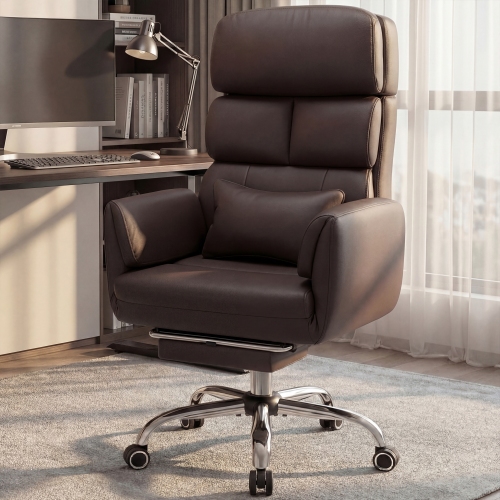
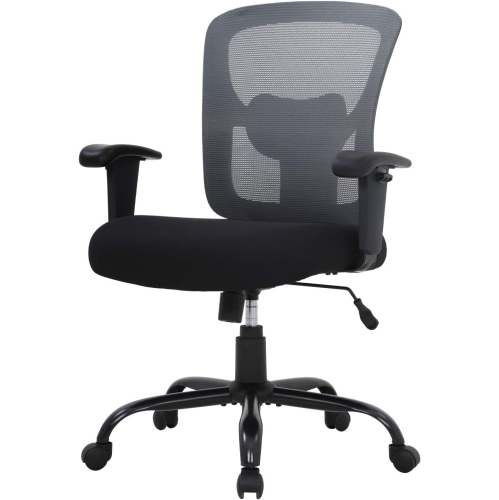
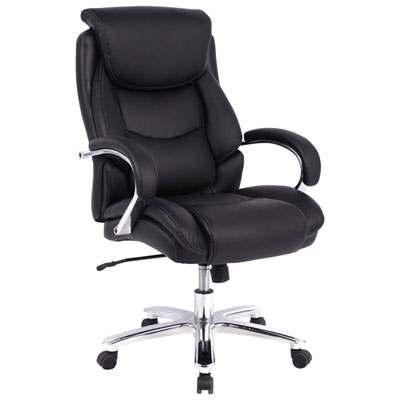
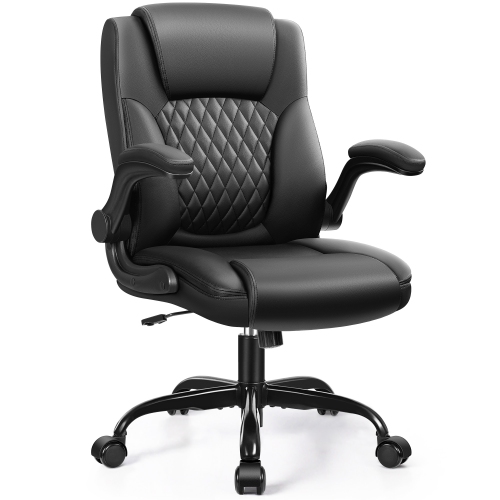
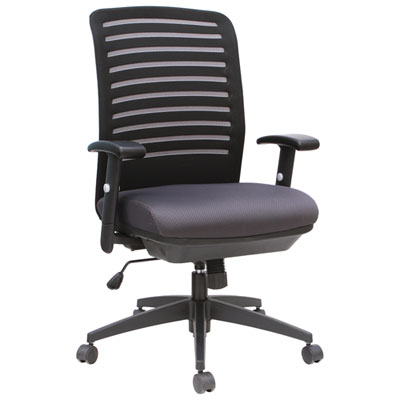
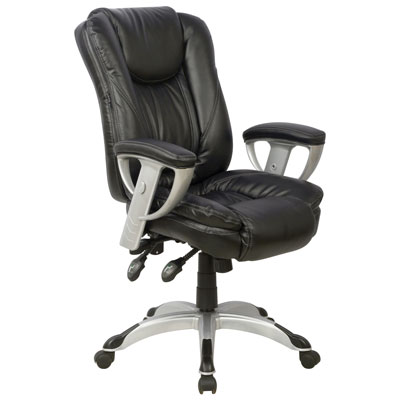
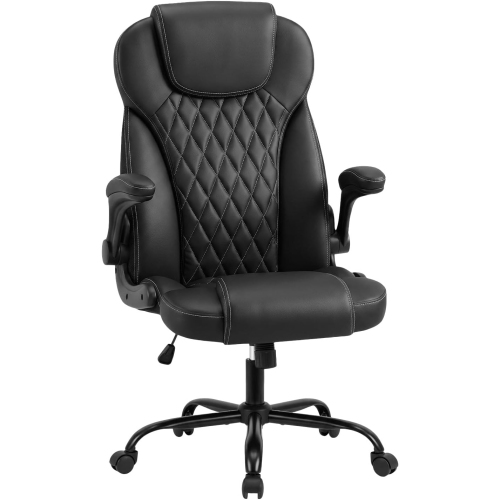
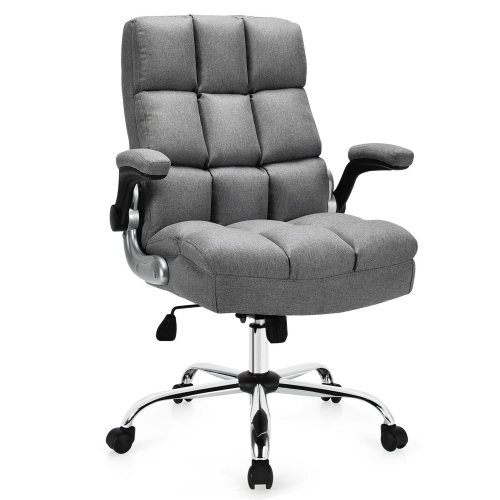
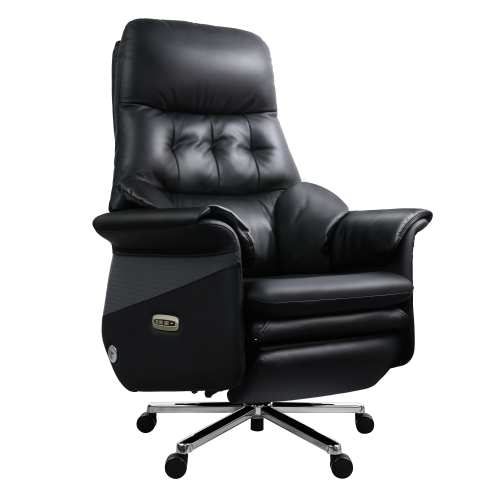
Materials influence the feel, appearance, and upkeep of tall ergonomic chairs as much as their adjustment features do. Mesh backrests have an open construction and a lightly flexible feel, while upholstered backs offer a more cushioned surface. A mesh seat may feel quite different from a padded seat, particularly along its front edge and frame, so both the usable seating area and the surrounding structure matter. Foam cushioning varies in firmness and thickness; deeper padding is not automatically more supportive if it compresses enough to change the seated position. Fabric upholstery offers texture and a wide choice of colours, although its weave can affect how easily crumbs, lint, or pet hair collect. Faux leather generally provides a smoother surface for routine wiping, but it needs care appropriate to its finish to reduce the risk of cracking or peeling. Leather requires its own manufacturer-approved cleaning and conditioning routine. For any material, prompt attention to spills and avoidance of harsh cleaners help preserve the surface. Durability also depends on the frame, base, lift mechanism, armrest attachments, and the chair’s stated use limits. A weight rating should cover the user’s needs, but it does not describe upholstery quality or guarantee comfort through a full workday. Casters should suit the flooring, with a compatible chair mat where needed, and the base needs enough clear space to turn without catching nearby furniture. Product measurements are worth checking against desk clearance, room layout, and the space needed to recline. Manufacturer guidance on assembly, fastener checks, cleaning, and replacement parts can help keep the chair functioning as intended. For taller students, remote workers, and people who spend substantial time on computer-based tasks, the most useful features are those that support their actual working position. A chair that fits under the desk, supports the thighs, and places the backrest and armrests where they are needed can make everyday seating feel less like a compromise.
FAQ

Some products may be subject to Environmental Handling Fees (EHF) depending on your province. Learn more about EHFs.