Alkaline Batteries
Power up your devices with this selection of high-quality alkaline batteries. Whether you need them for your remote controls, toys, or other gadgets, these batteries provide long-lasting energy to keep your electronics running smoothly. With various sizes available, you can easily find the right alkaline batteries to suit your needs. Say goodbye to frequent battery changes and enjoy reliable power with our range of alkaline batteries.
Sort

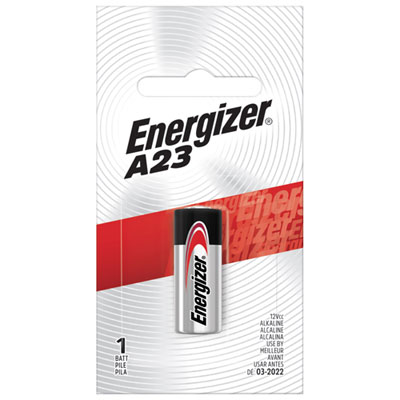
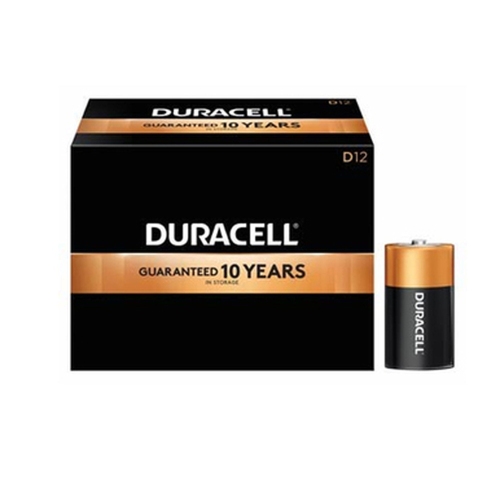


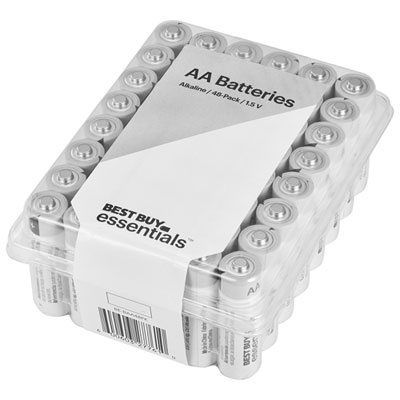


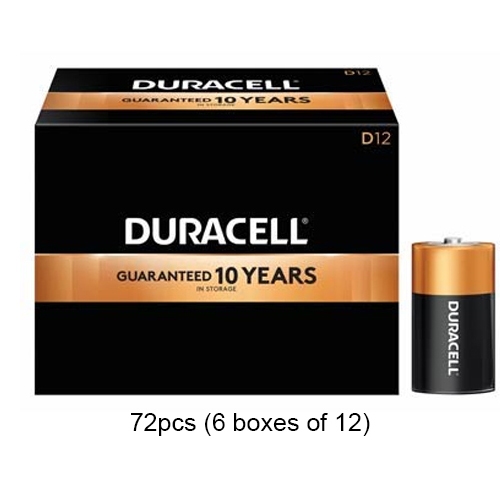












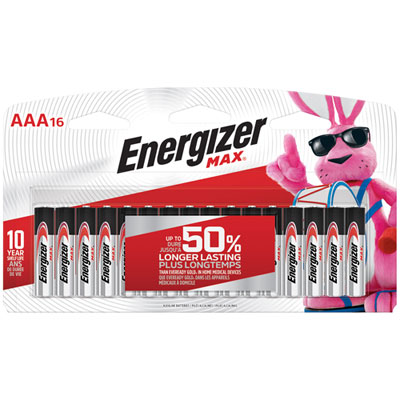
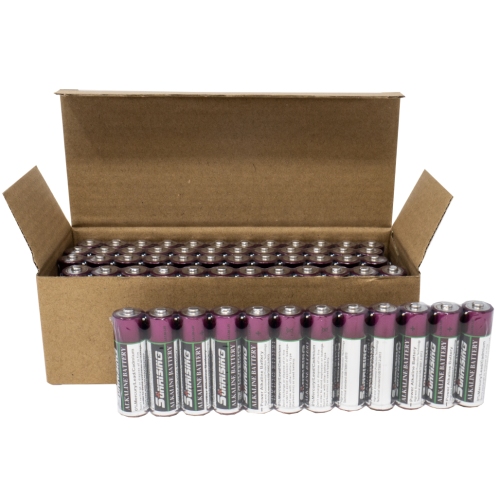
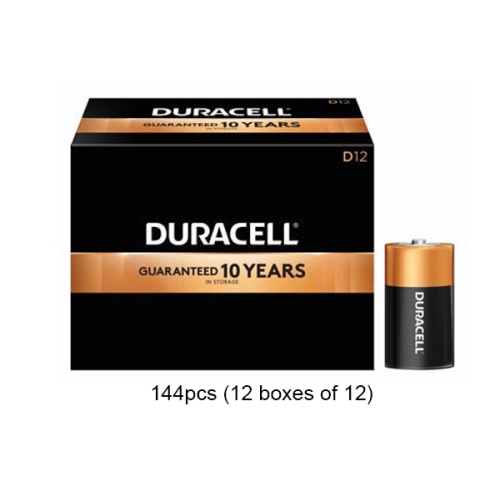
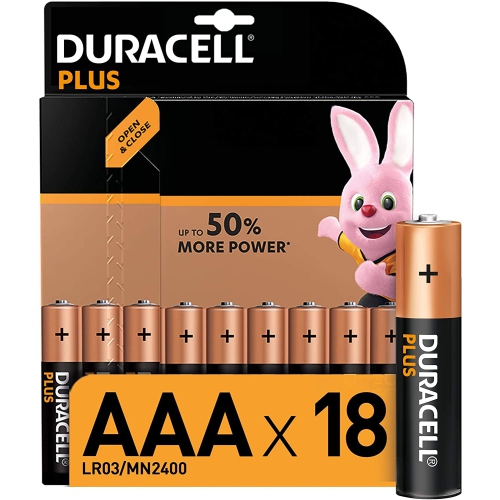










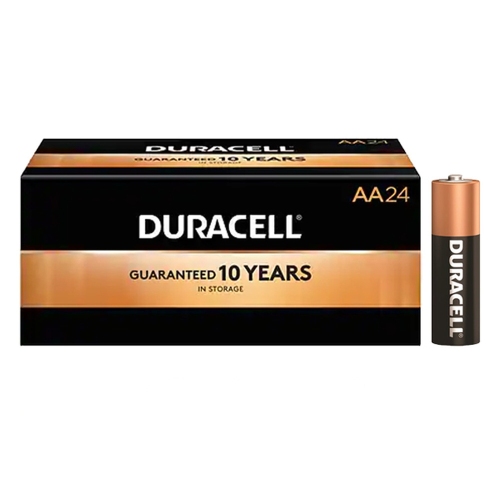


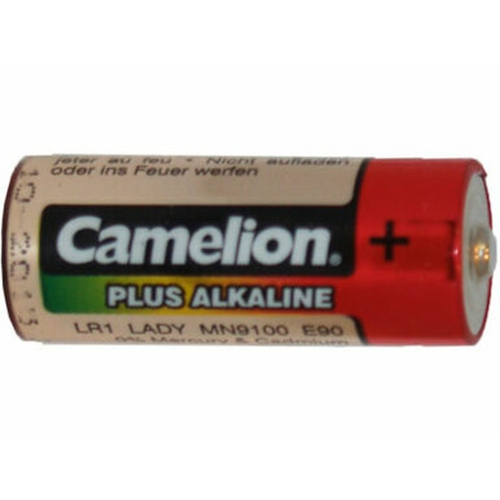
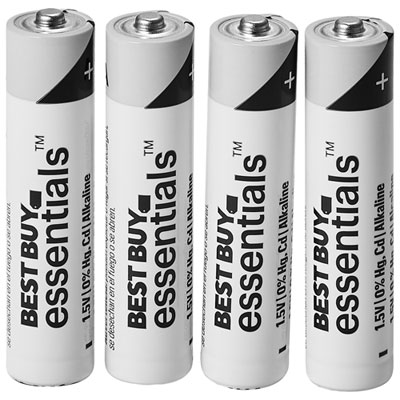
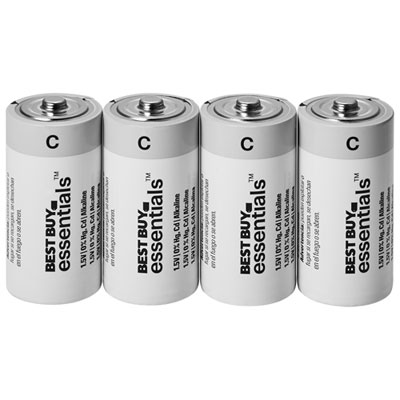





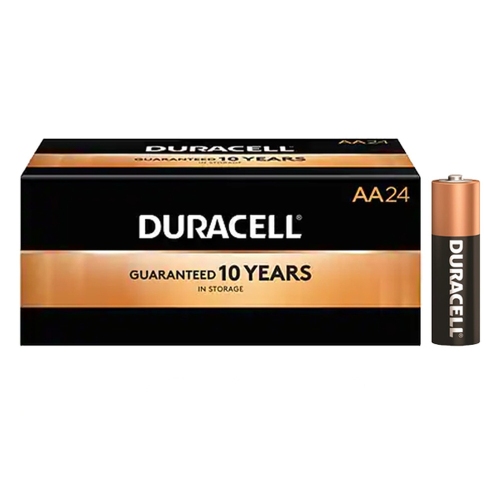
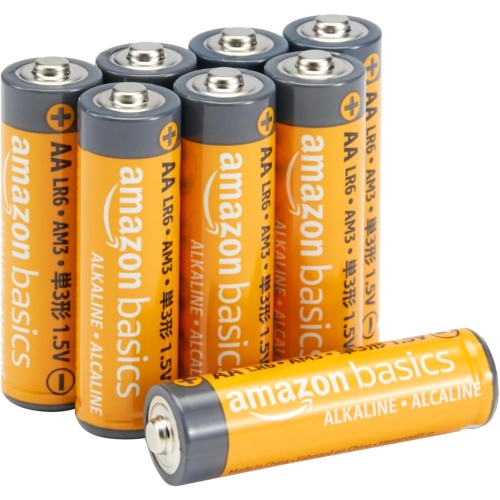
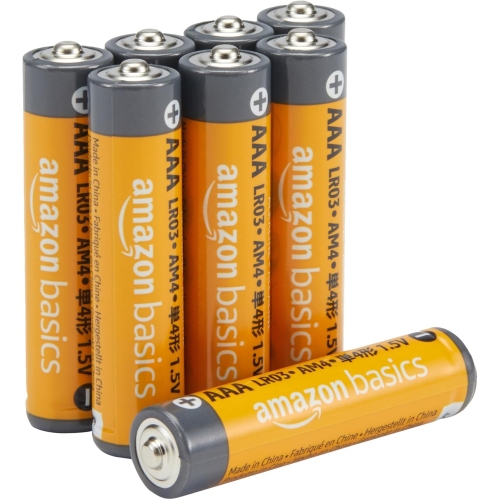
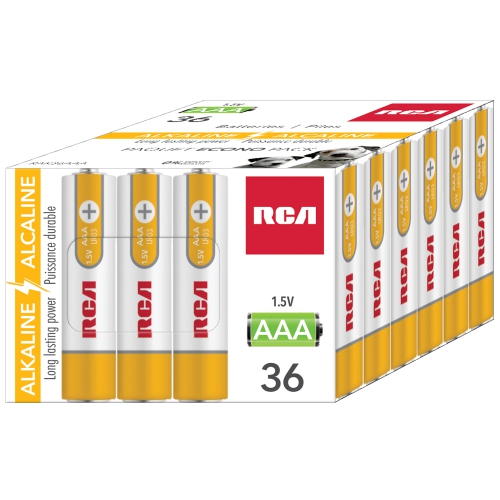
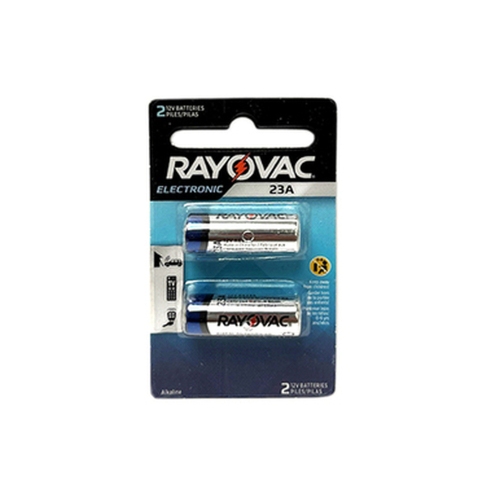
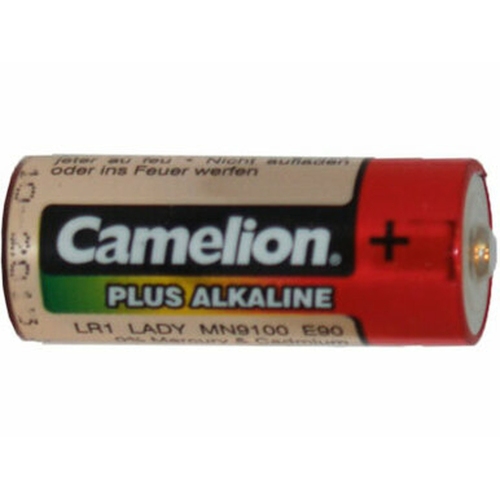

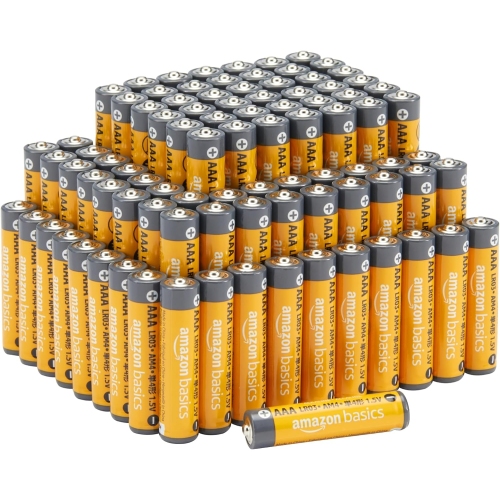
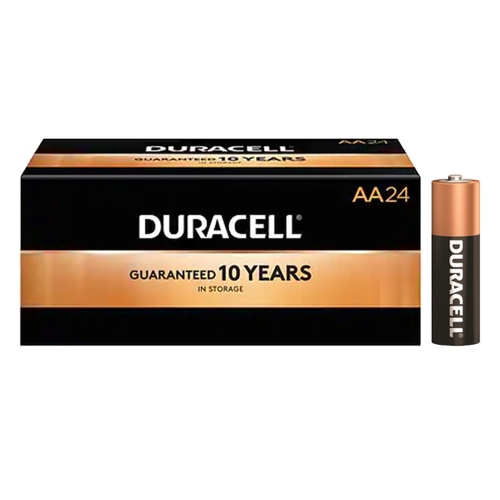

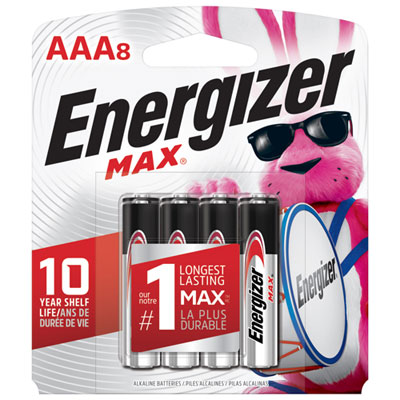


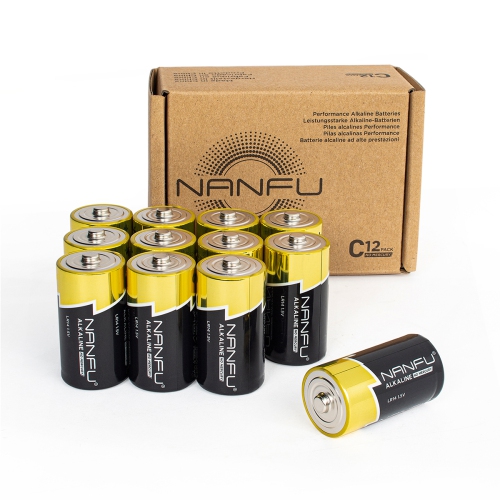
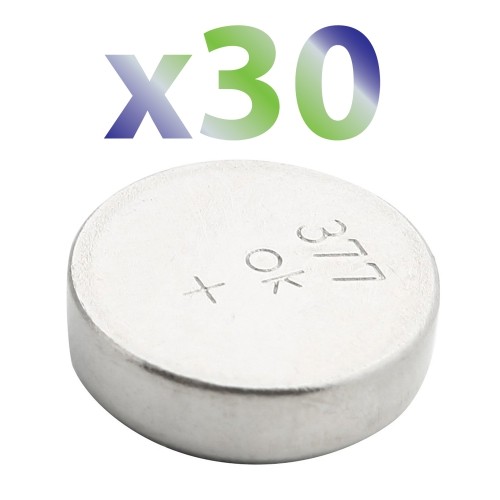
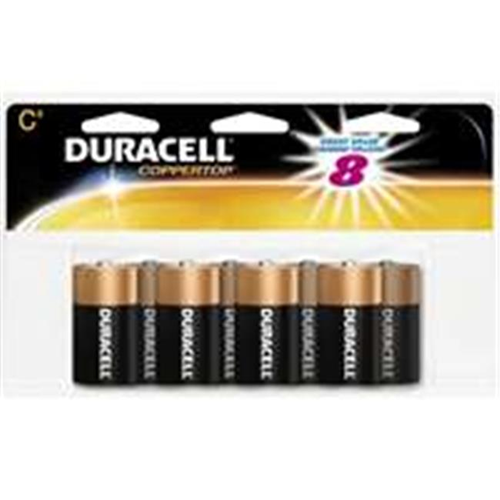























The right battery fit goes beyond size
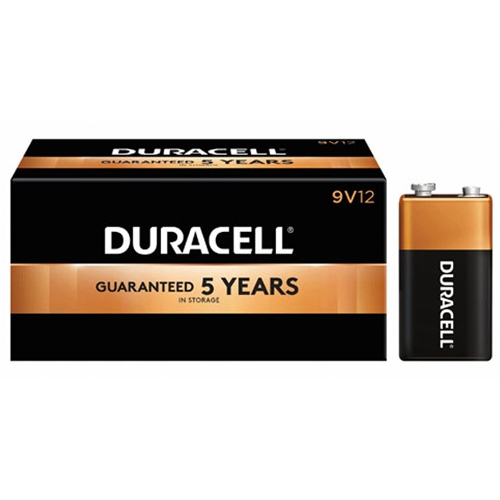
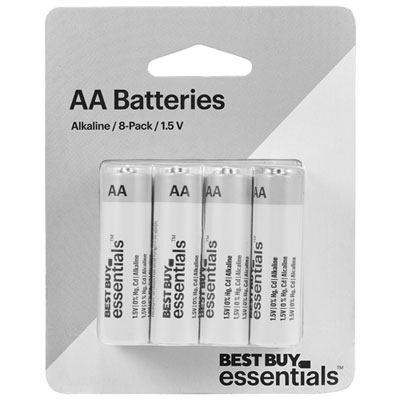
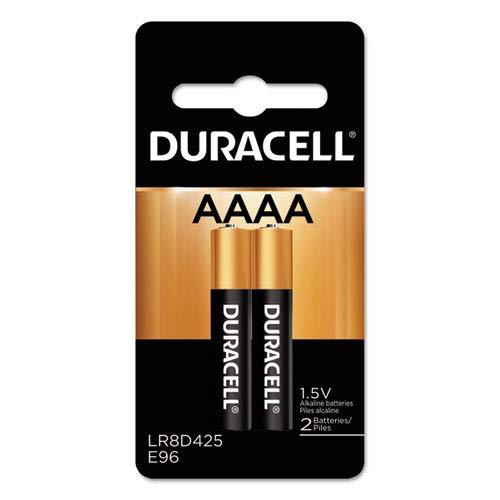
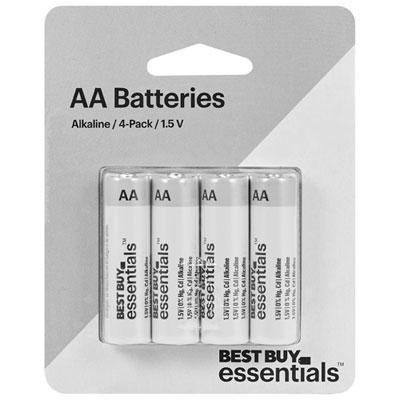
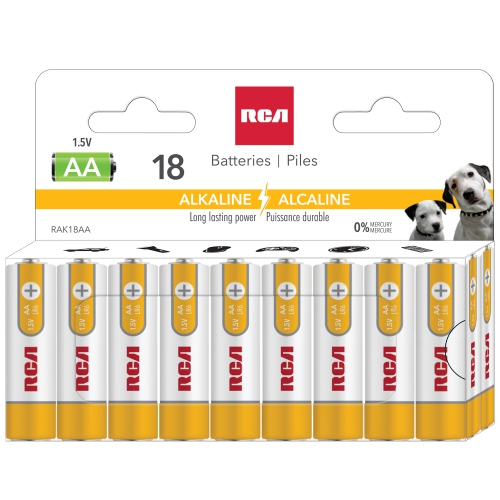
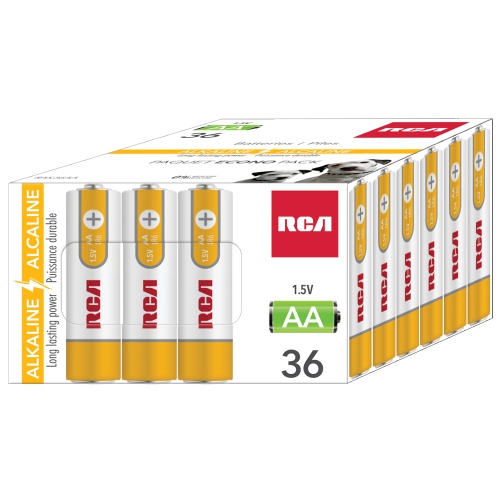
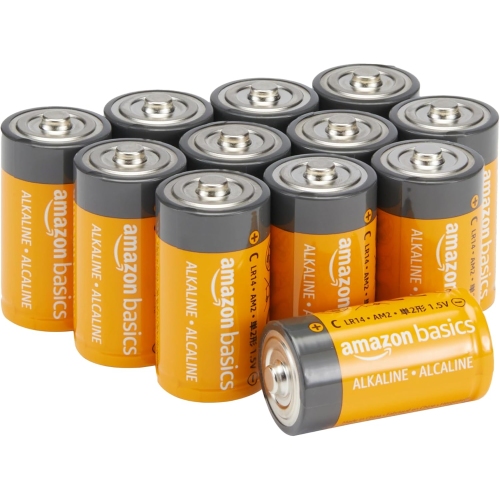
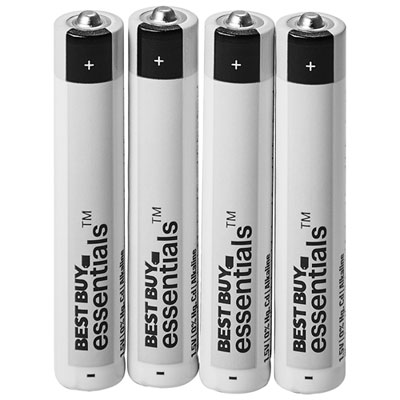
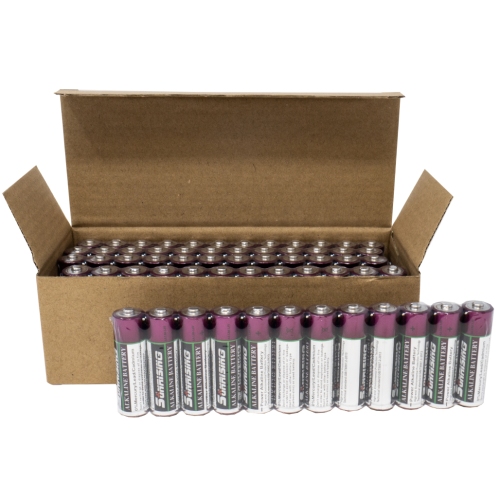
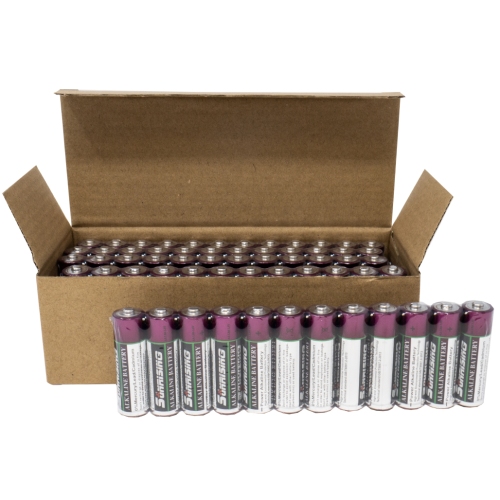
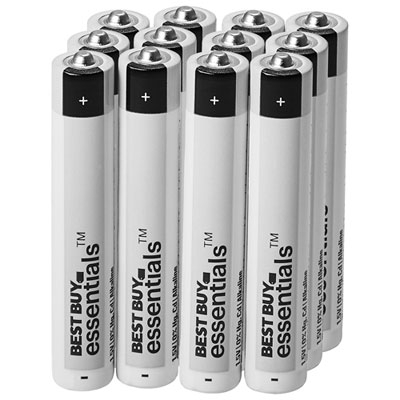
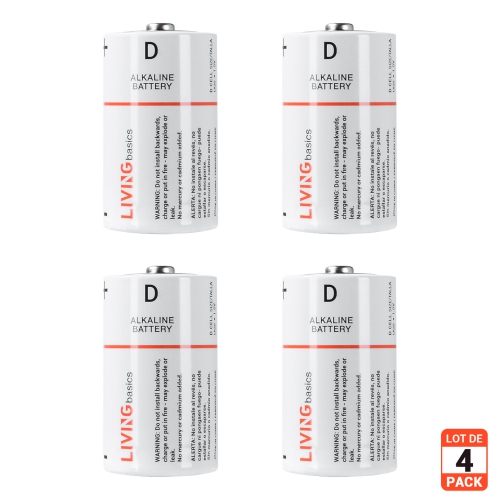
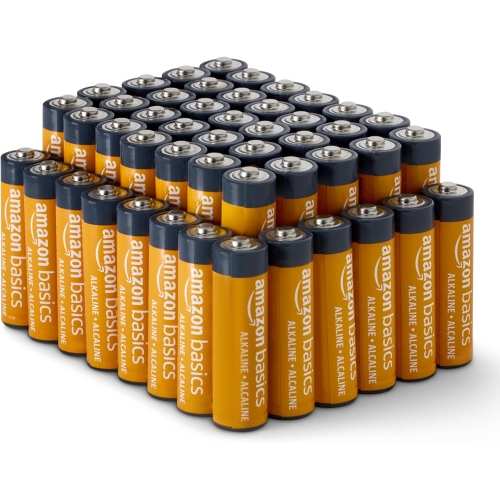
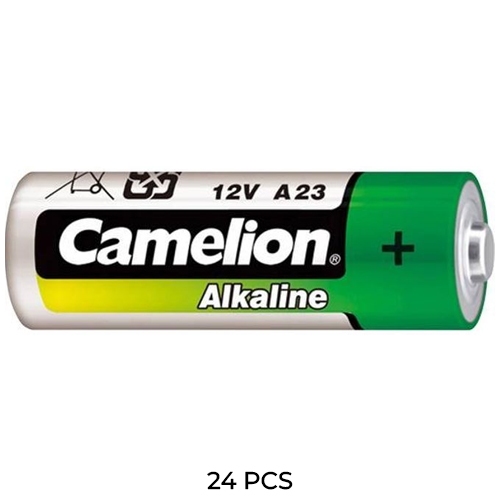
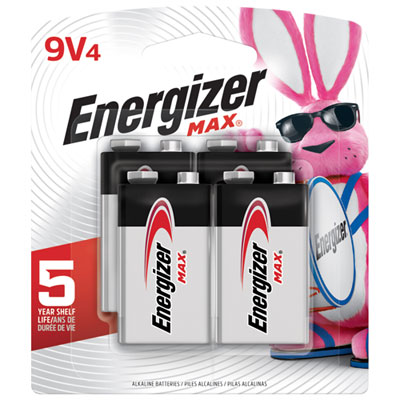
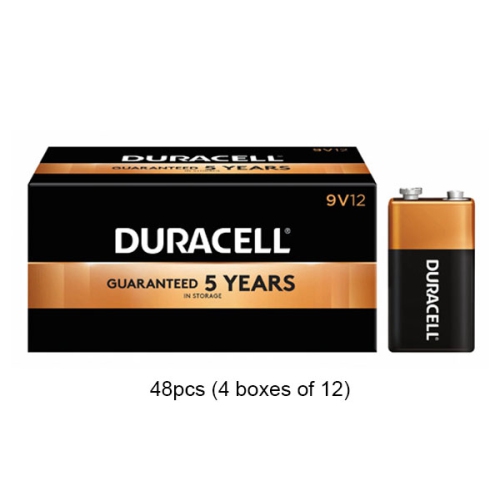
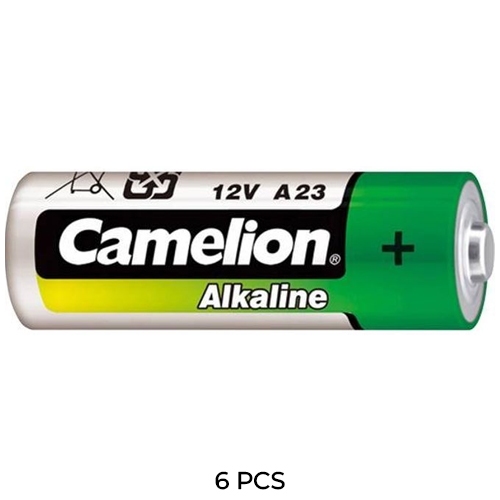
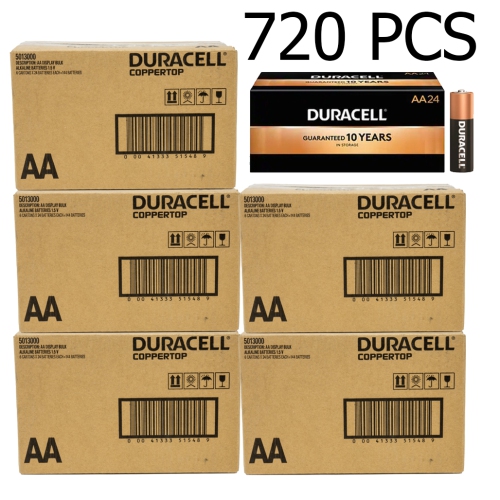
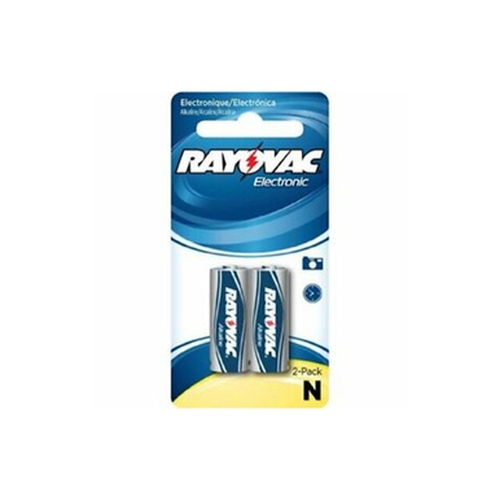
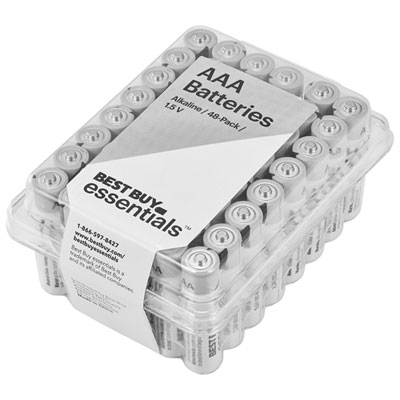
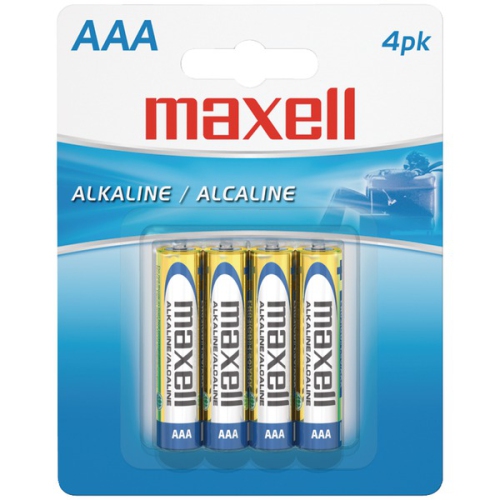
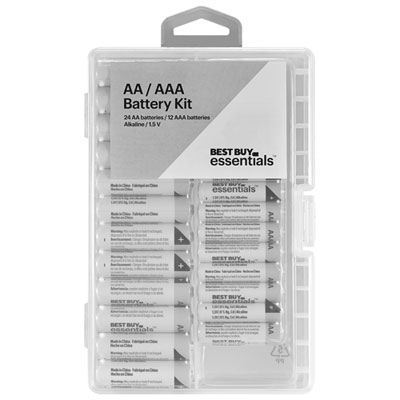
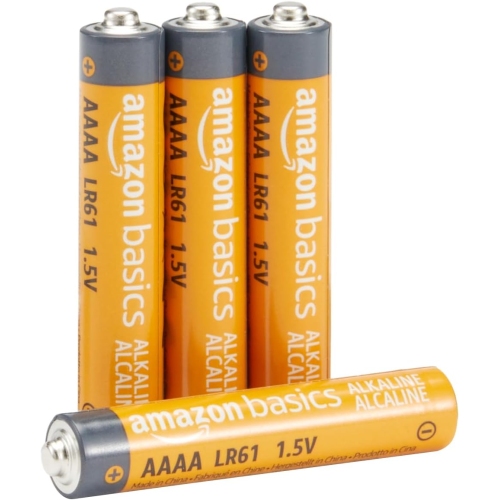
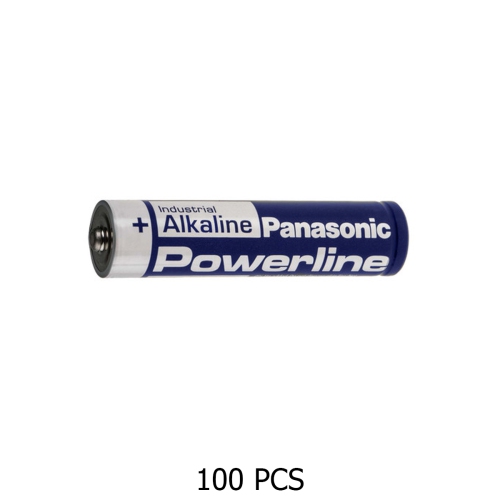
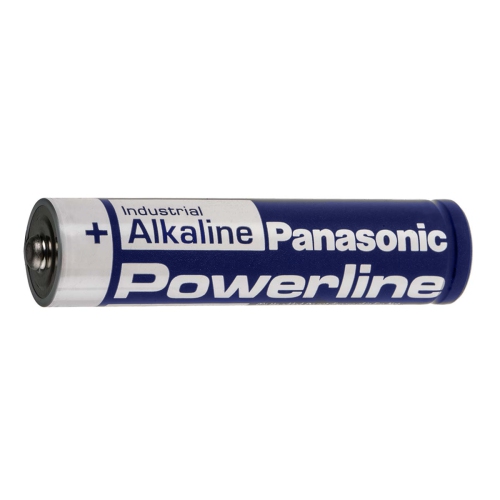
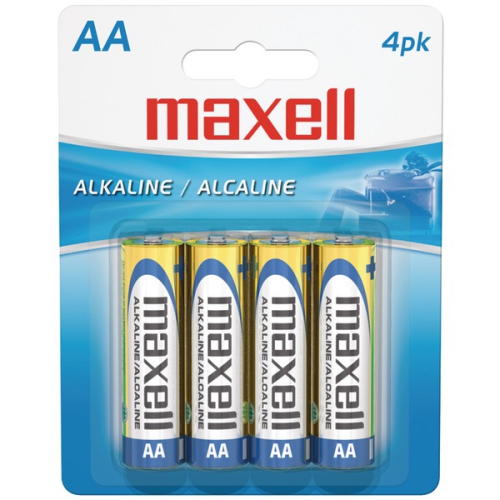
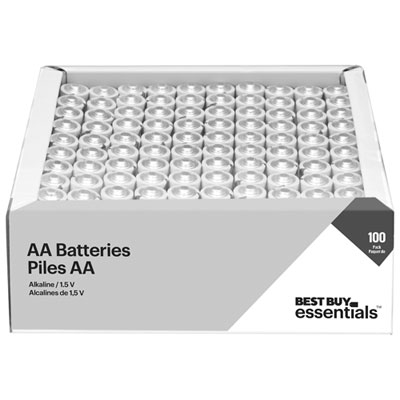
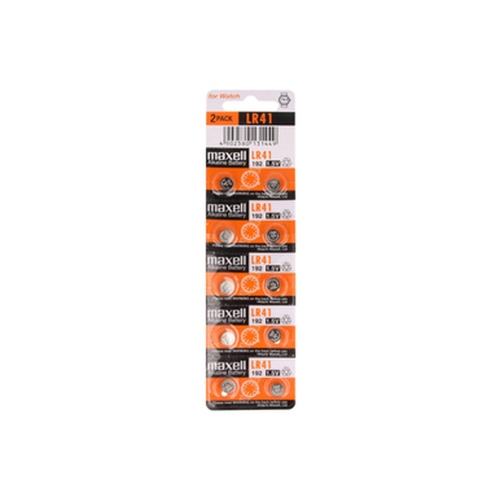
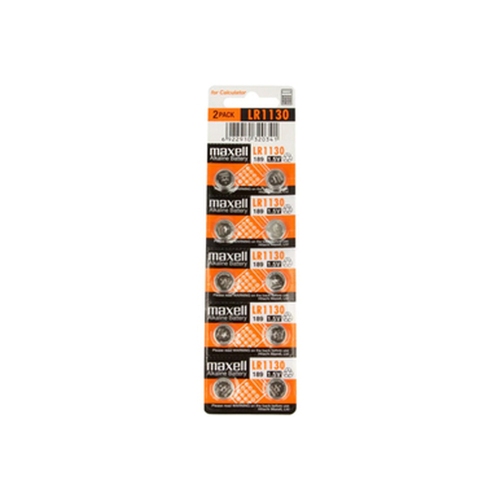
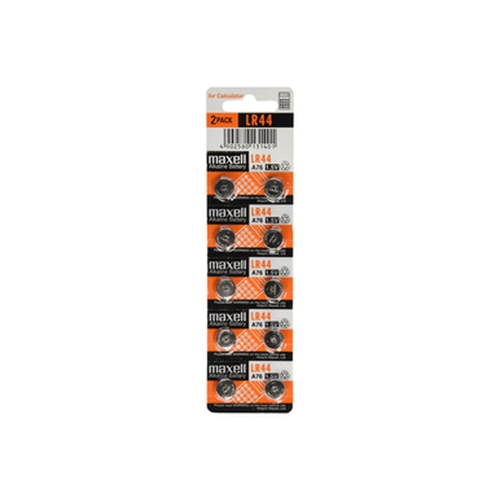
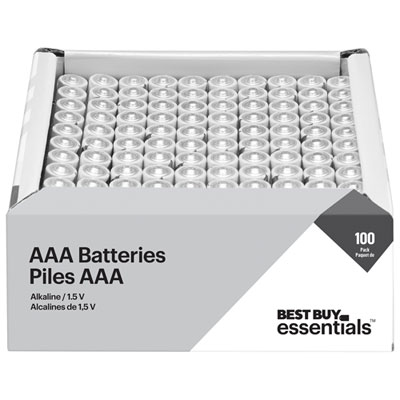
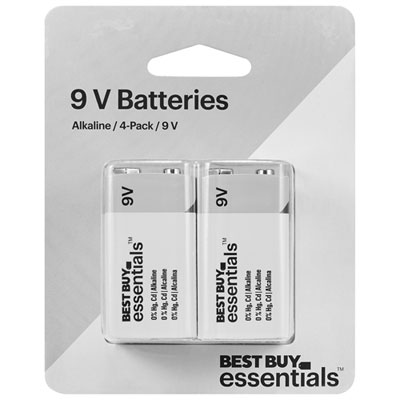
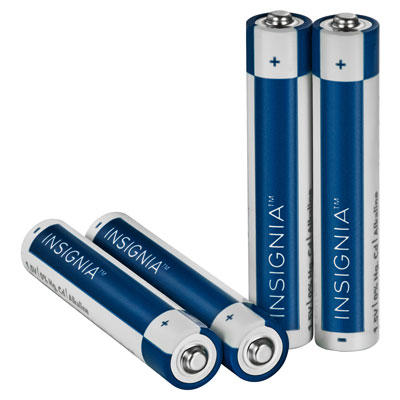
Alkaline batteries are single-use power cells that generate electricity through a chemical reaction between zinc and manganese dioxide, using an alkaline electrolyte, typically potassium hydroxide. They provide portable power for everyday electronics without a charging cable or a nearby outlet, making them a familiar choice for remote controls, wall clocks, wireless mice, flashlights, and battery-operated toys. Within the broader range of Disposable Batteries, alkaline cells suit many devices designed for replaceable household batteries. Common cylindrical sizes include AAA, AA, C, and D, which generally have a nominal voltage of 1.5 volts per cell. Rectangular 9-volt alkaline batteries serve a different set of devices and are not interchangeable with those cylindrical formats. Size matters for more than the space a battery occupies: the dimensions, terminal arrangement, voltage, and chemistry all need to match the device’s requirements. A compact remote with a narrow battery compartment may call for AAA cells, while a larger portable light may use C or D cells to support its power needs. Even when two sizes share the same nominal voltage, they can differ substantially in capacity and suitability for a particular device. The metal casing protects the internal materials during normal handling, while the outer label carries useful details such as polarity, battery size, and safety information. These markings help distinguish similar-looking cells when several types share a household storage drawer. Standard alkaline batteries are intended to be replaced once depleted, not placed in a charger. Their appeal is straightforward: they supply power in familiar formats for compatible equipment used around the home, at a desk, or in a travel bag. From keeping a kitchen clock running to powering a handheld controller, they offer a practical way to support the small devices that remain part of daily routines.
Battery performance depends on the equipment being powered and how that equipment is used. A clock drawing a small, steady amount of power places different demands on a battery than a motorized toy that starts and stops repeatedly. A flashlight used for a few minutes at a time also has a different usage pattern from a light left on for an extended period. For that reason, a single runtime claim cannot describe how alkaline batteries will perform in every device. Capacity figures, where provided, are most useful when compared under similar test conditions, including the discharge rate and the point at which the equipment stops operating. Higher-drain electronics may use up alkaline cells more quickly, and the device manufacturer’s battery specifications remain the best reference for compatibility. Shelf life is another useful consideration, particularly for batteries kept as spares. Some alkaline batteries have stated shelf-life ratings of 10 years or longer, although the rating varies by battery design and applies under the manufacturer’s specified storage conditions. Shelf life describes how long an unused battery can retain useful power in storage; it is not a promise that an installed battery will run a device for that length of time. Likewise, a leakage-resistance claim does not mean that a battery can never leak. Package dates and storage guidance provide more meaningful context than a broad longevity statement on its own. Pack size can reflect household routines: a smaller pack may cover a single remote, while a larger pack can suit several compatible devices that receive regular use. Matching the quantity to a realistic pattern of use helps keep the battery drawer manageable. A household with wireless accessories, toys, and portable lights may use several sizes, making clearly marked packaging especially helpful when the next replacement is needed. Keeping those sizes separated also makes it easier to identify a complete set for equipment that takes more than one cell.
Correct fit and careful handling help alkaline batteries perform as intended. The size printed inside a battery compartment or listed in the device instructions is a more reliable reference than appearance alone, especially when older batteries have lost their labels or markings. The positive and negative terminals must align with the compartment’s polarity symbols, and the battery cover should close normally without pressure or improvised adjustments. In devices that use multiple cells, a fresh, matched set of the same size and chemistry supports more consistent performance than a mixture of old and new batteries. Mixing different battery chemistries can also create uneven discharge, so alkaline cells should not be combined with rechargeable or other battery types in the same set. Battery contacts should be clean and dry, and an intact battery’s exterior can be wiped with a dry cloth if needed before installation. For storage, the original packaging helps protect terminals from accidental contact with loose metal objects such as keys, coins, or paper clips. A dedicated compartment or battery organizer can serve a similar purpose, provided the cells remain separated and their markings are visible. Spare batteries belong somewhere dry, away from direct sunlight and out of reach of children and pets. Depleted batteries should not remain forgotten in equipment, and removing them before a device goes unused for an extended period can help reduce the risk of leakage damaging its contacts. Leaking or visibly damaged cells are not suitable for continued use and require handling according to the manufacturer’s safety directions. Batteries must never be opened, punctured, crushed, or placed in a charger unless explicitly labelled as rechargeable. For safety-related equipment, including compatible alarms, the equipment manufacturer’s specified battery type and replacement schedule take priority over general battery claims. These details matter whether alkaline batteries are powering a child’s favourite toy, a presentation remote used at work, or a portable radio kept with household essentials. Matching the battery to the task, and keeping a clearly identified set of spares, supports dependable use without unnecessary guesswork.
Top selling and popular products
-
 Your price for this item is $24.99
-
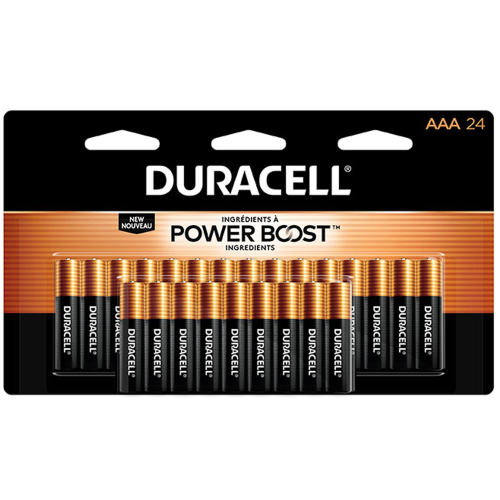 Your price for this item is $26.74
-
 Your price for this item is $22.97
-
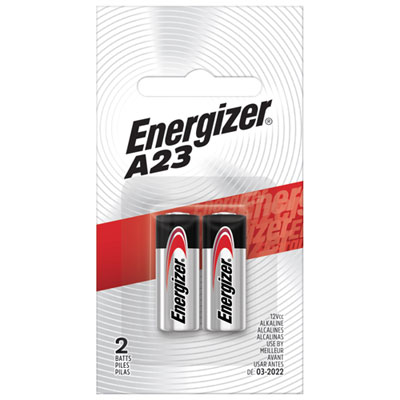 Your price for this item is $11.99
-
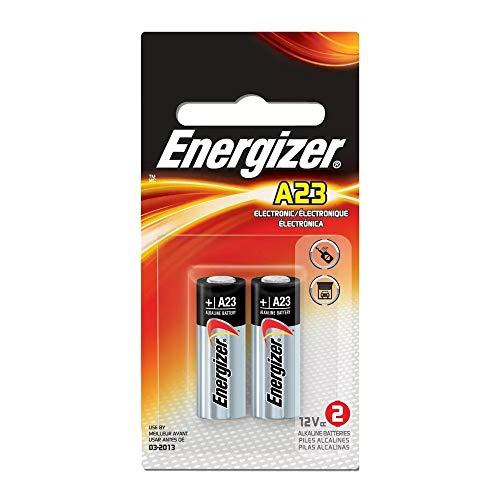 Your price for this item is $6.99
-
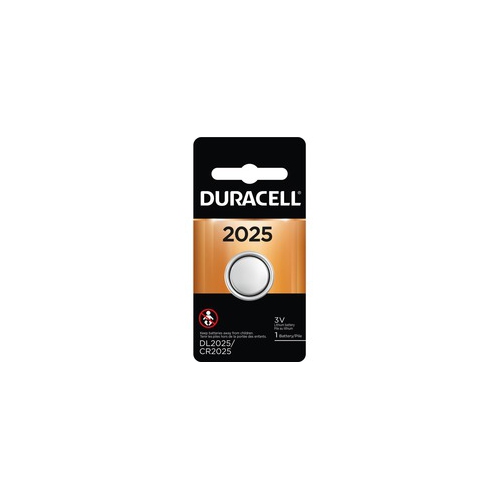 Your price for this item is $4.89
-
 Your price for this item is $13.99
-
 Your price for this item is $4.97
Discover more categories related to Alkaline Batteries
Top Collections:
Best Black Friday Deals This Year, Best Black Friday Deals On Electronics, Kindle Devices, Pokemon Centers, Best Black Friday Deals On Apple Products, Best Cameras for Sports Photography, Dyson Airwrap, Pokémon 30th Celebration Cards, Apple iPhone 17 Pro, Canon G7X Cameras
Some products may be subject to Environmental Handling Fees
(EHF) depending on your province.
Learn more about EHFs.