Disposable Batteries
Power up your everyday devices with our extensive selection of disposable batteries. Whether you're looking to keep your remote controls, flashlights, or toys running smoothly, these reliable power sources are a household essential. From AA and AAA to more specialized sizes, you'll find the perfect match for all your electronic needs. Explore our range of disposable batteries to ensure you're always ready for life's little surprises, keeping your gadgets charged and your day uninterrupted.
Sort
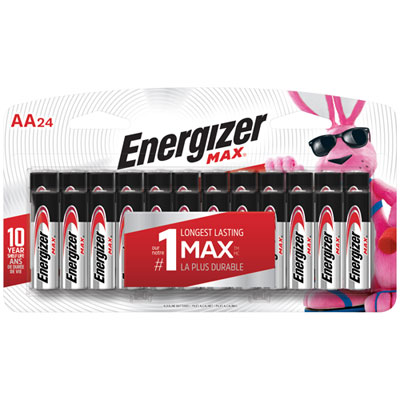
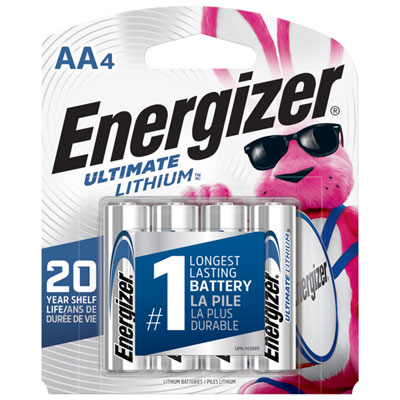
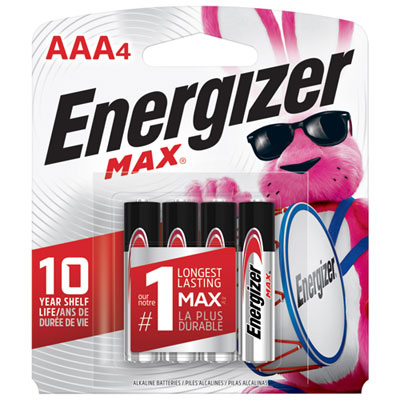
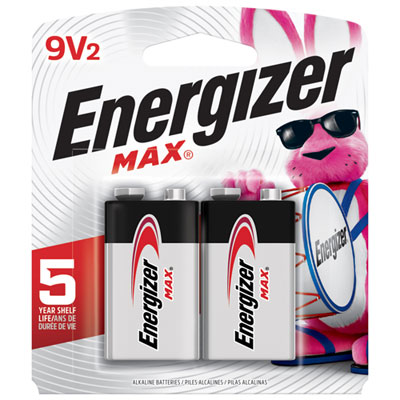
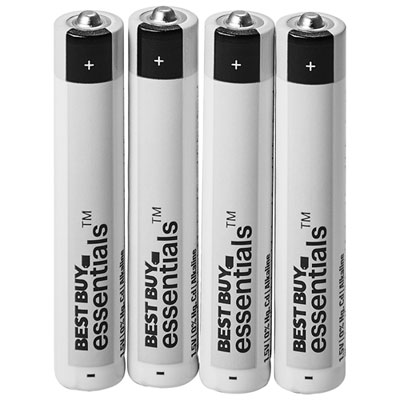
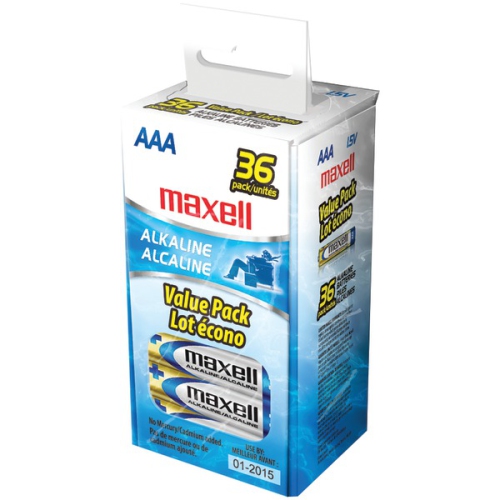
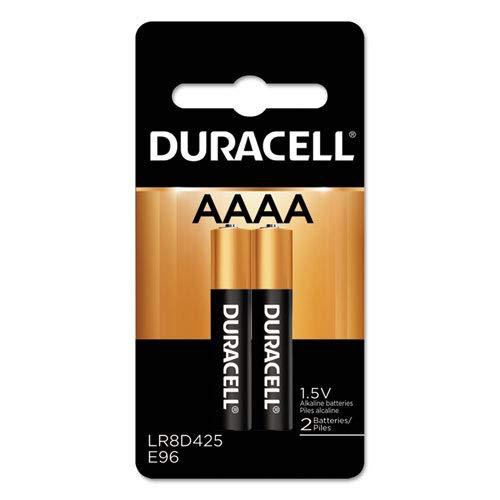

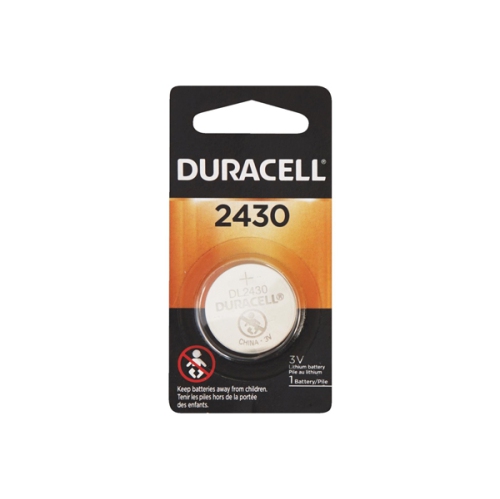
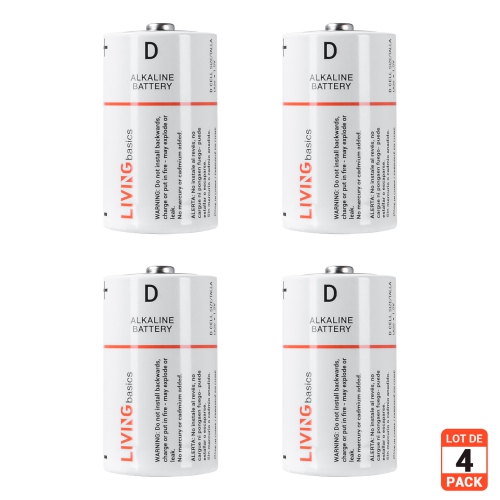
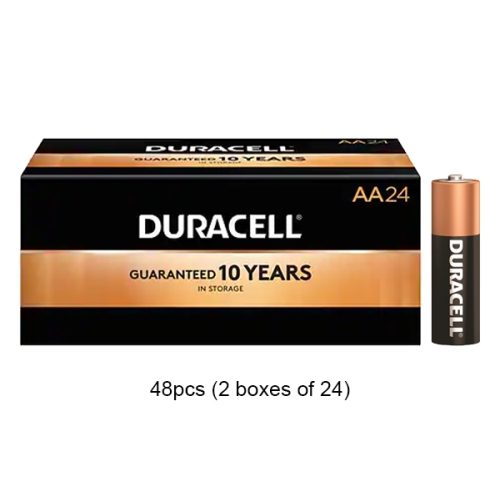
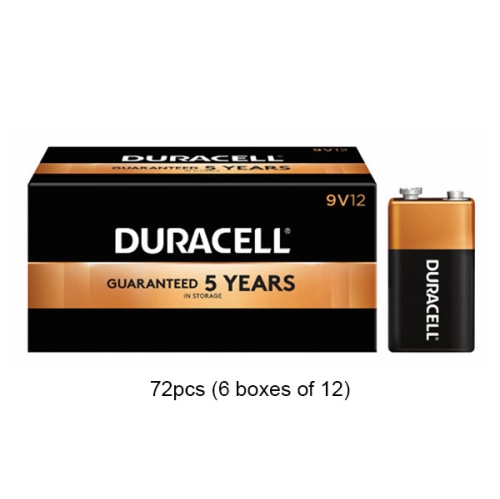


Practical guidance for powering everyday household devices
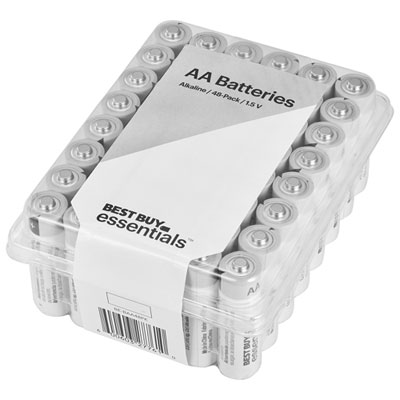
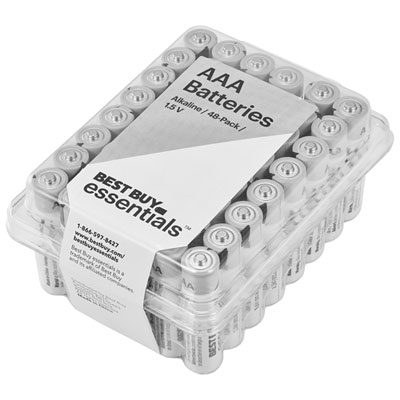
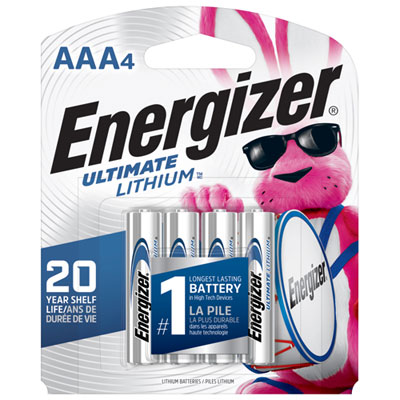
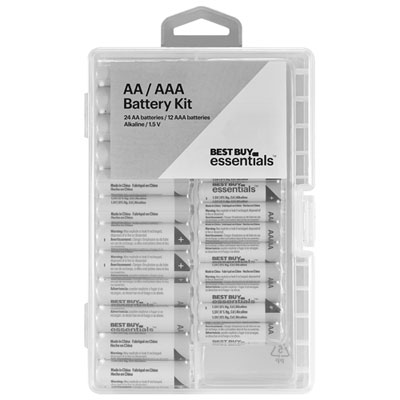
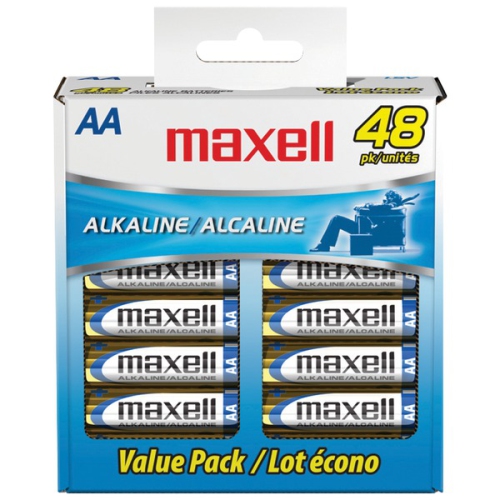
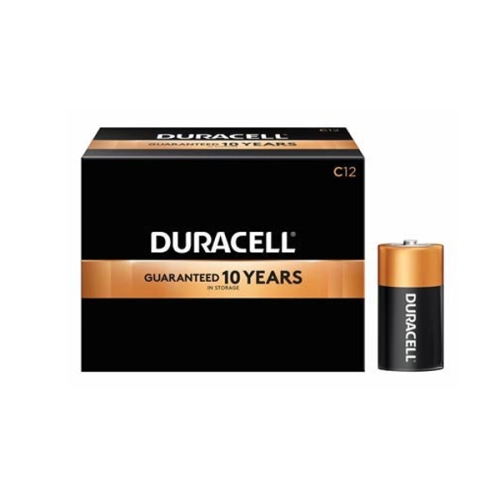
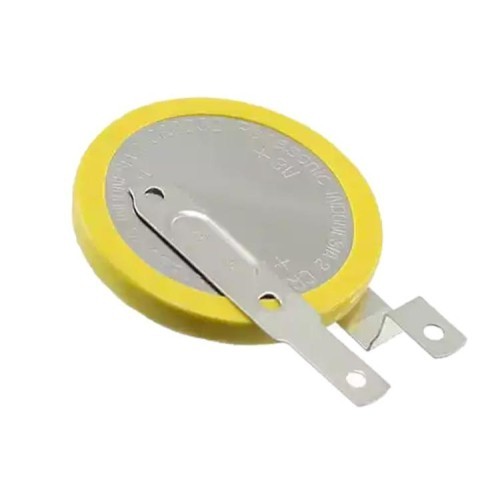
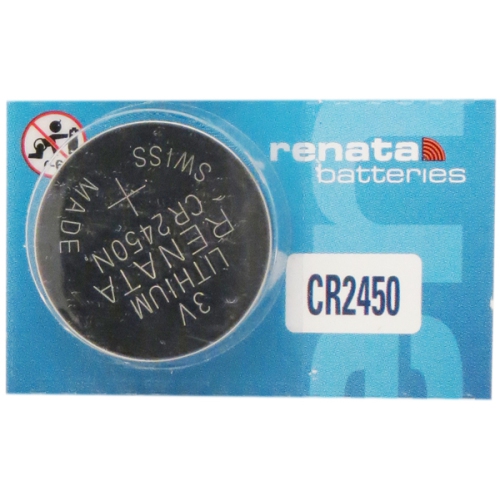
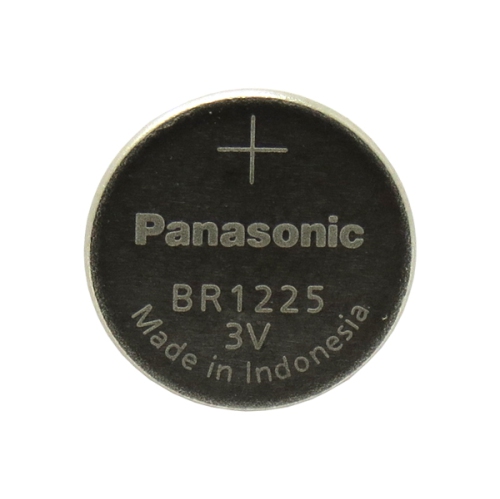
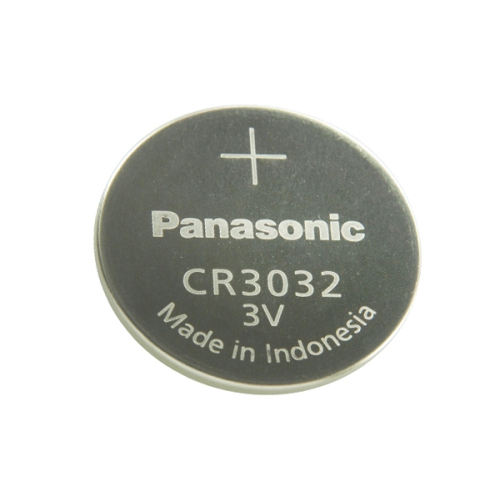
Disposable batteries are single-use primary cells designed to provide electrical power until their stored charge is depleted. They are a practical choice for many everyday devices, particularly products that use a small, steady amount of energy over an extended period. Common examples include television remotes, wall clocks, wireless keyboards and mice, flashlights, toys, calculators, radios, computer accessories, digital thermometers and some household safety devices. Alkaline and carbon-zinc batteries are among the most familiar types, with alkaline batteries generally offering dependable performance across a broad range of household applications. To explore this category in greater detail, browse our selection of Alkaline Batteries. Choosing the right disposable battery starts with checking the device’s compartment or owner’s manual for the required size and voltage. AA and AAA batteries are common in compact electronics, while C and D batteries are often used in larger flashlights, portable radios and devices that need longer-lasting power. Coin and button cell batteries serve different purposes, such as powering watches, small calculators, compact lights and select electronic accessories, so matching the exact designation is important. A battery that fits physically may not be the correct type for the device, and using the recommended size helps support reliable operation.
The best disposable battery depends on how the device draws power. Low-drain products such as clocks, remotes and basic wireless accessories can often run for a long time on standard household batteries, while toys with lights and sound, camera accessories, game controllers and powerful flashlights may place greater demands on a battery. For these uses, look for batteries suited to higher-drain electronics and consider the number of cells required, especially when a device uses two, four or more batteries at once. Matching all batteries in a device is an important part of good battery care: use the same size and type, install them together and avoid combining new batteries with partially used ones. Follow the positive and negative markings inside the compartment, and remove depleted batteries promptly if a device will be stored. This is particularly helpful with seasonal decorations, rarely used tools and children’s toys that may sit in a cupboard for several weeks. Disposable batteries can also be useful in an emergency drawer or travel bag, where dependable power for a flashlight, radio or other small device can make a dark hallway or unexpected power interruption easier to manage. Keep unused batteries in their original packaging or another dry storage location at ordinary room temperature, away from excessive heat, moisture and loose metal objects such as keys or coins. Many primary batteries can retain usable power for years when stored properly, though the printed expiry date and the manufacturer’s instructions should always take priority.
Disposable batteries are convenient for households, students, travellers, caregivers and anyone who wants ready-to-use power without waiting for a battery to recharge. They make a thoughtful, practical addition to a new-home package, a student supply kit, a travel case or a gift for someone setting up a home office, workshop or entertainment area. During the cooler months, a fresh supply can be useful for flashlights by the door, remote controls near the television and battery-powered decorations or toys brought out for family gatherings. They are also handy for guests, grandparents and children, since many familiar devices are designed around common battery sizes and can be powered immediately after installation. Before adding batteries to your cart, count the devices in your home and check how many cells each one uses; buying an appropriately sized pack can help keep a spare set available without filling a drawer with types you do not need. Examine the package for the battery size, chemistry, quantity and expiry information, and select a pack that suits both the device and the expected frequency of use. For equipment that consumes power quickly or is used for long periods, compare the manufacturer’s recommendations with the battery specifications. For occasional-use devices, prioritise a dependable fit, clear labelling and convenient availability. Store spare batteries where children and pets cannot access them, and never place loose batteries in a pocket, purse or drawer with metal objects. When a battery becomes warm, damaged or visibly corroded, stop using it and follow the manufacturer’s handling instructions. With the correct size, suitable chemistry and sensible storage, disposable batteries provide straightforward power for the small essentials that keep a household running smoothly.
The best disposable battery depends on how the device draws power. Low-drain products such as clocks, remotes and basic wireless accessories can often run for a long time on standard household batteries, while toys with lights and sound, camera accessories, game controllers and powerful flashlights may place greater demands on a battery. For these uses, look for batteries suited to higher-drain electronics and consider the number of cells required, especially when a device uses two, four or more batteries at once. Matching all batteries in a device is an important part of good battery care: use the same size and type, install them together and avoid combining new batteries with partially used ones. Follow the positive and negative markings inside the compartment, and remove depleted batteries promptly if a device will be stored. This is particularly helpful with seasonal decorations, rarely used tools and children’s toys that may sit in a cupboard for several weeks. Disposable batteries can also be useful in an emergency drawer or travel bag, where dependable power for a flashlight, radio or other small device can make a dark hallway or unexpected power interruption easier to manage. Keep unused batteries in their original packaging or another dry storage location at ordinary room temperature, away from excessive heat, moisture and loose metal objects such as keys or coins. Many primary batteries can retain usable power for years when stored properly, though the printed expiry date and the manufacturer’s instructions should always take priority.
Disposable batteries are convenient for households, students, travellers, caregivers and anyone who wants ready-to-use power without waiting for a battery to recharge. They make a thoughtful, practical addition to a new-home package, a student supply kit, a travel case or a gift for someone setting up a home office, workshop or entertainment area. During the cooler months, a fresh supply can be useful for flashlights by the door, remote controls near the television and battery-powered decorations or toys brought out for family gatherings. They are also handy for guests, grandparents and children, since many familiar devices are designed around common battery sizes and can be powered immediately after installation. Before adding batteries to your cart, count the devices in your home and check how many cells each one uses; buying an appropriately sized pack can help keep a spare set available without filling a drawer with types you do not need. Examine the package for the battery size, chemistry, quantity and expiry information, and select a pack that suits both the device and the expected frequency of use. For equipment that consumes power quickly or is used for long periods, compare the manufacturer’s recommendations with the battery specifications. For occasional-use devices, prioritise a dependable fit, clear labelling and convenient availability. Store spare batteries where children and pets cannot access them, and never place loose batteries in a pocket, purse or drawer with metal objects. When a battery becomes warm, damaged or visibly corroded, stop using it and follow the manufacturer’s handling instructions. With the correct size, suitable chemistry and sensible storage, disposable batteries provide straightforward power for the small essentials that keep a household running smoothly.
Top selling and popular products
-
 Your price for this item is $72.97
 -
 Your price for this item is $24.99
 -
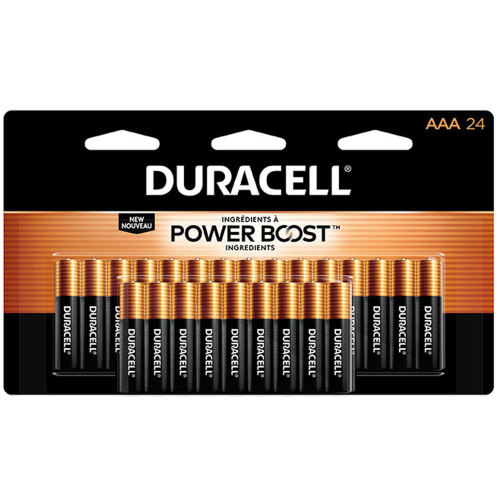 Your price for this item is $26.74
 -
 Your price for this item is $22.97
 -
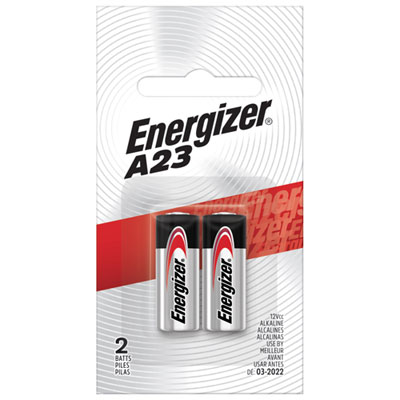 Your price for this item is $11.99
 -
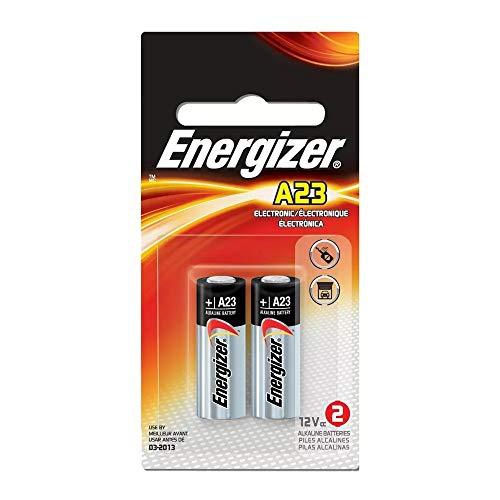 Your price for this item is $6.99
 -
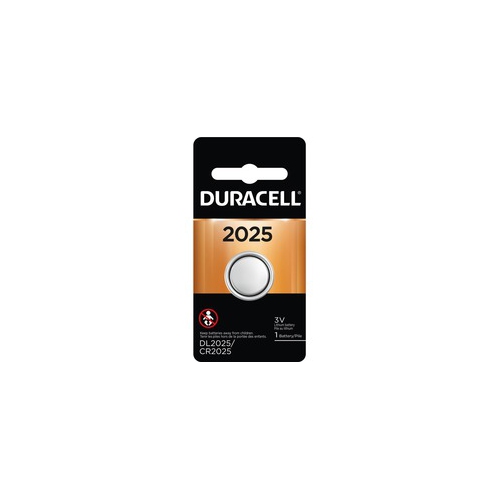 Your price for this item is $4.89
 -
 Your price for this item is $13.99
Discover more categories related to Disposable Batteries
Top Collections:
Pokemon Centers, Kindle Devices, Best Budget Office Chairs, Apple iPhones 16, Best Laptops for Writers, iPhone 15 Apple, Canon G7X Cameras, Refurbished Apple Laptops, Alarm Clock, Motorola Razr Phones
Some products may be subject to Environmental Handling Fees
(EHF) depending on your province.
Learn more about EHFs.