Book Binding Supplies
If you're looking to elevate your bookbinding projects, you've come to the right place. Our selection of book binding supplies offers everything you need to create professional-looking bound books, journals, and more. From high-quality binding coils and covers to essential tools like bone folders and awls, we have a wide range of supplies to suit your needs. Whether you're a seasoned bookbinder or just starting out, these supplies are designed to help you bring your creative visions to life with ease and precision.
Sort







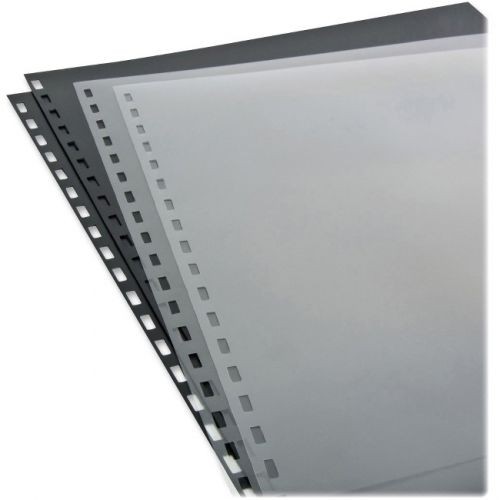
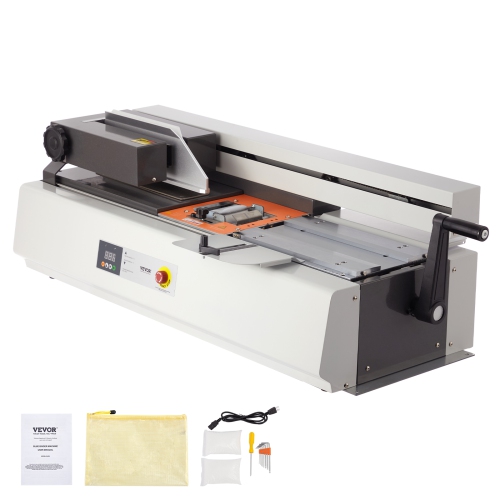

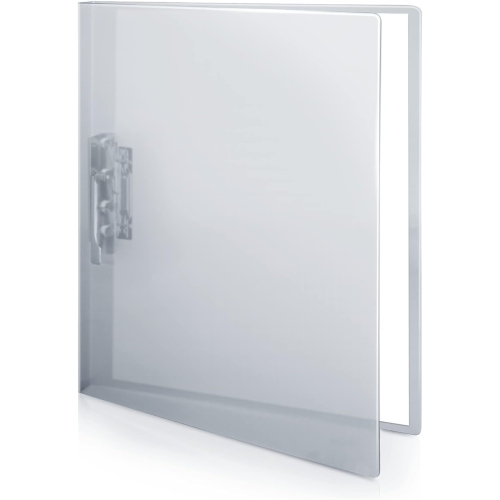
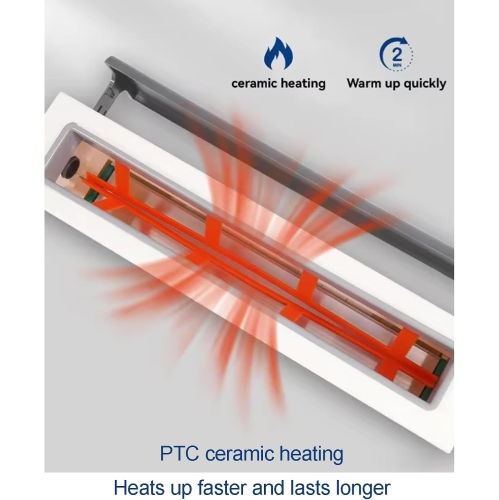








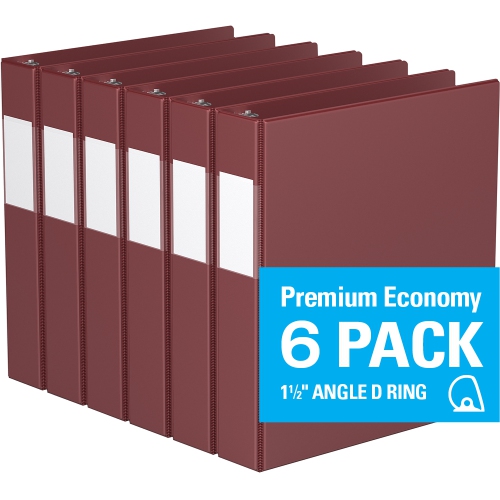
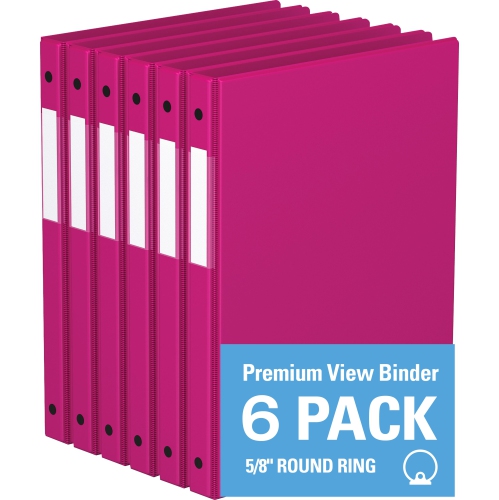

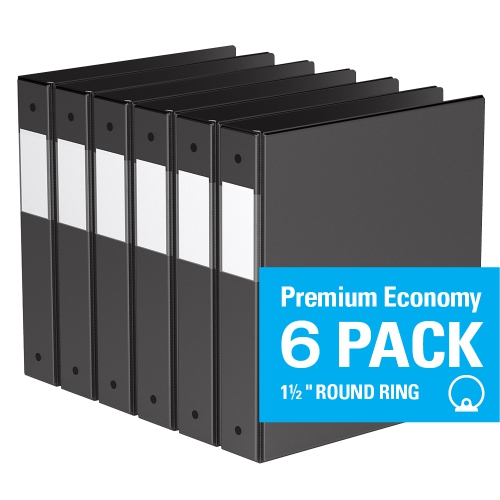


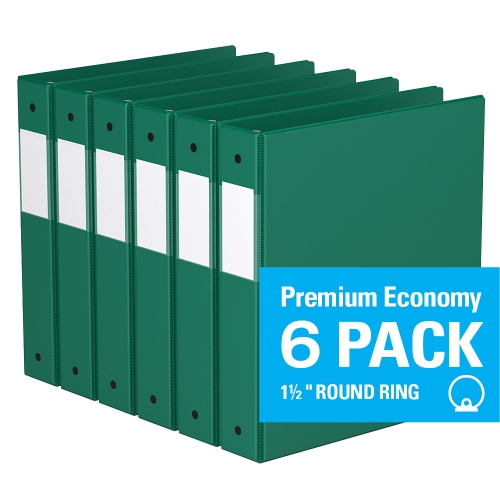









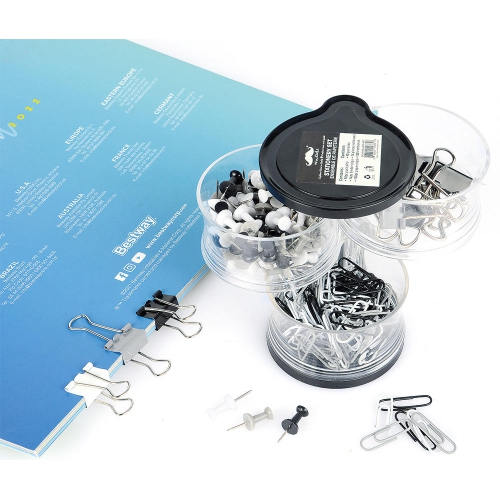
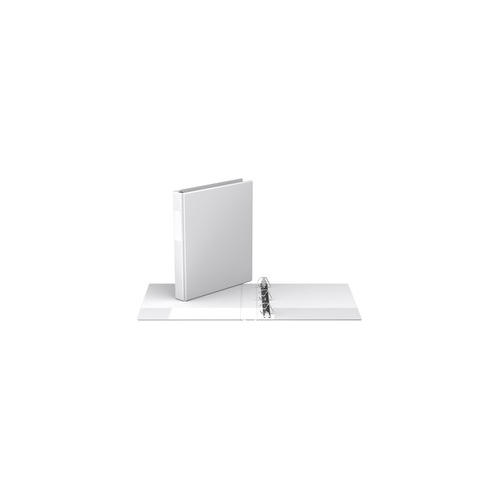
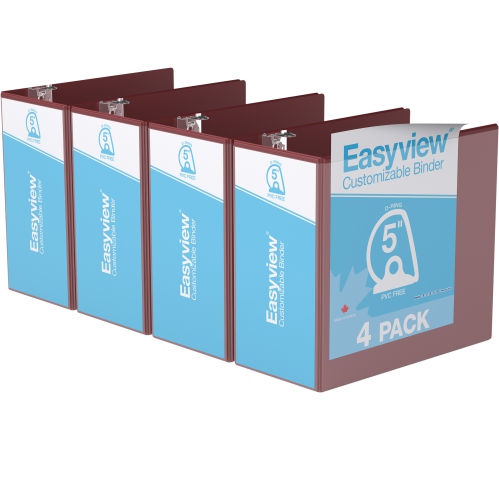

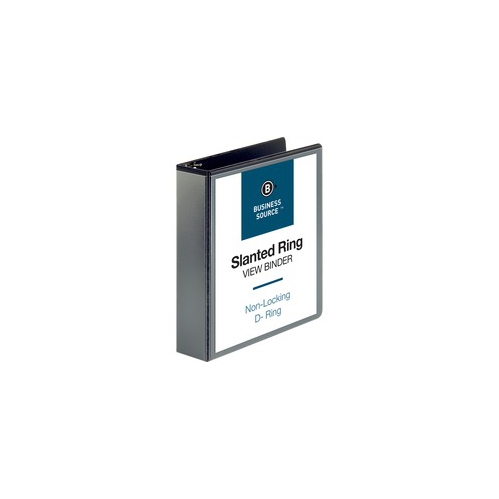





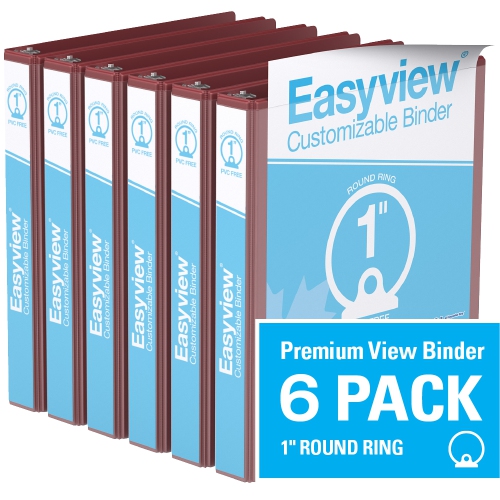
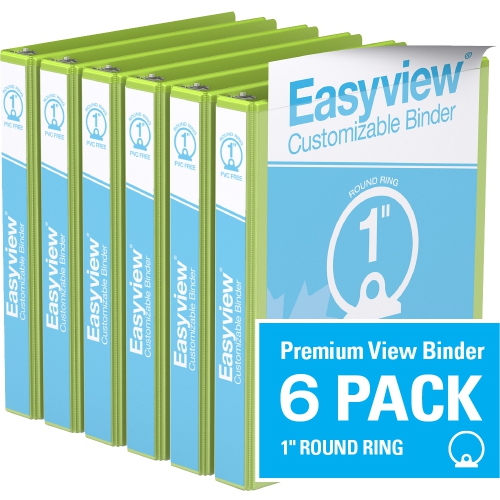
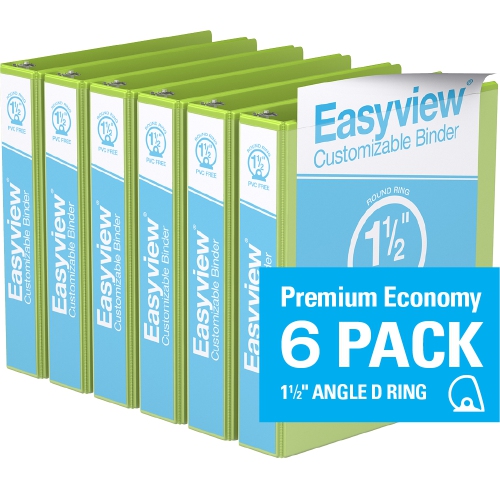
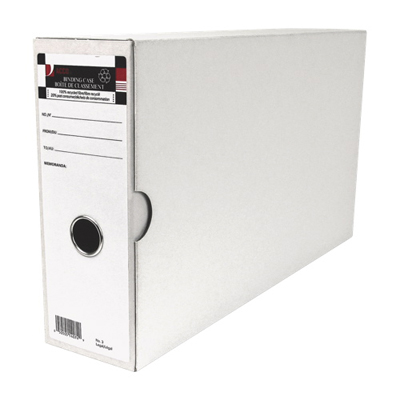









How tools and materials shape a handmade book
Book binding supplies bring loose pages, covers, and a spine together into a finished book, whether the project is a handwritten journal, a sketchbook, a family recipe collection, or a small run of handmade notebooks. Common supplies include bone folders, awls, binding needles, waxed linen thread, book cloth, binder’s board, and flexible bookbinding adhesive. Each serves a different purpose: folders sharpen creases and smooth covered surfaces, awls make sewing holes, thread secures folded sections, and board gives covers their structure. The most useful assortment depends on the construction method rather than the number of tools included. A simple pamphlet has different requirements from a hardcover journal assembled from several folded sections, known as signatures. Stitched bindings rely on well-placed holes and appropriately sized thread, while adhesive bindings depend heavily on paper compatibility, spine preparation, and an adhesive that remains flexible after drying. For beginners, a coordinated set can make it easier to understand how the components work together, although its contents still need to match the intended project. More experienced bookbinders may prefer separate tools and materials suited to a particular format or finish. Tool comfort matters when folding dozens of sheets or piercing repeated sewing stations. A smooth folder should glide without catching fibres, and an awl handle should feel secure without requiring an overly tight grip. Traditional bone folders and synthetic folders differ in feel, flexibility, and their tendency to leave a polished mark on paper. Binding needles need an eye that accommodates the chosen thread without creating unnecessarily large holes. For pre-punched sewing patterns, a blunt tip can help avoid splitting thread already passing through a hole. Thread thickness also affects the finished spine: an overly heavy thread can add substantial bulk between sections, while a finer thread may suit a smaller, lighter book. These practical differences matter to art students, paper crafters, writers, and anyone who enjoys making an object that feels considered every time it is opened.
Cover and page materials shape both the appearance of a handmade book and how comfortably it works in daily use. Binder’s board provides a firm foundation for hard covers, with thickness best matched to the size and weight of the text block. A large album needs different support from a pocket notebook, and very thick board can make a small book feel cumbersome rather than sturdy. Book cloth offers a fabric surface designed for covering, often with a backing that helps control adhesive penetration. Cover papers offer another range of textures, colours, and patterns, while leather and synthetic covering materials vary in thickness, flexibility, and handling requirements. Materials that are too bulky around corners or too stiff at the hinge can interfere with a neat finish and easy opening. Paper grain is another important consideration: in many conventional bindings, the grain of the pages and cover board runs parallel to the spine to support smoother opening and reduce unwanted resistance. Page choice should also reflect the book’s purpose. A writing journal benefits from paper suited to the intended pen, while a sketchbook may need a surface compatible with pencil, ink, or other drawing media. Albums require allowance for the extra thickness of photographs and attached keepsakes so that the finished book can close comfortably. Adhesive selection deserves similar attention. PVA adhesive formulated for bookbinding is commonly used for its bond and flexibility, but drying time, application thickness, and compatibility with the materials still matter. Acid-free paper and suitable pH-neutral adhesives can be useful considerations for keepsake projects, though those descriptions alone do not guarantee that a completed book will last indefinitely. Ordinary clear tape and rigid general-purpose glues can create problems in repairs, particularly when they stain paper or restrict movement at the spine. Fragile, valuable, or historically significant books are better assessed by a professional book or paper specialist before any repair materials are applied.
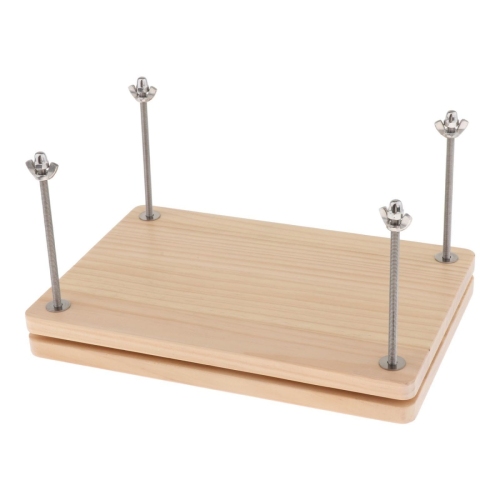
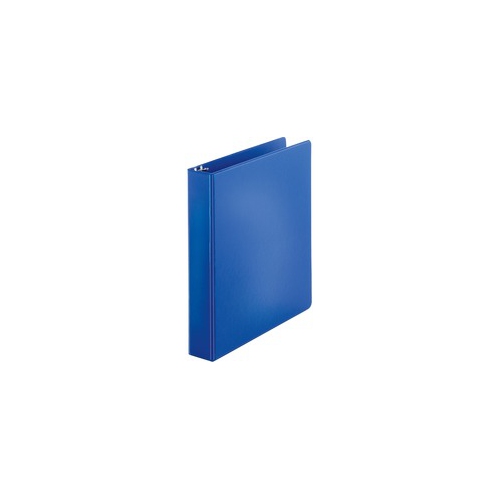
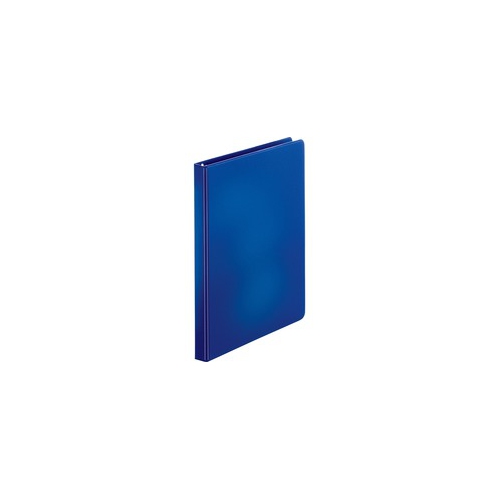
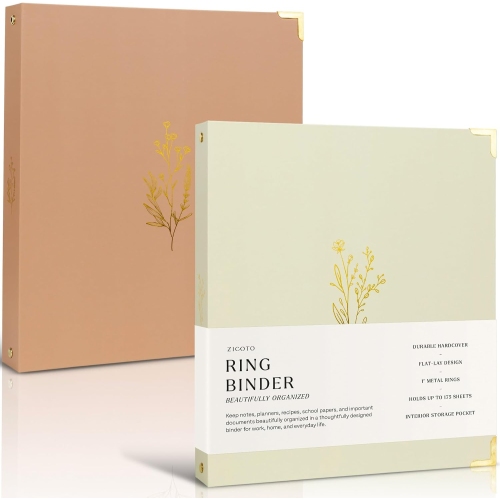
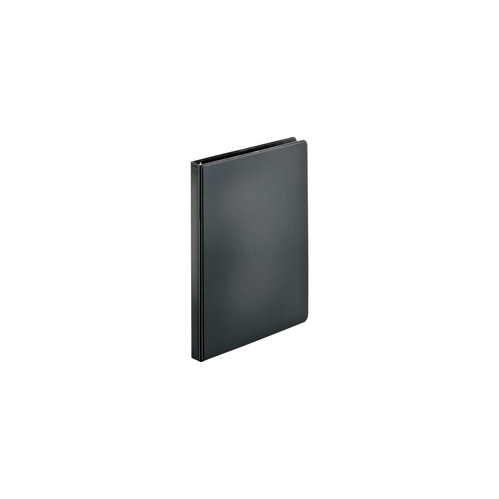
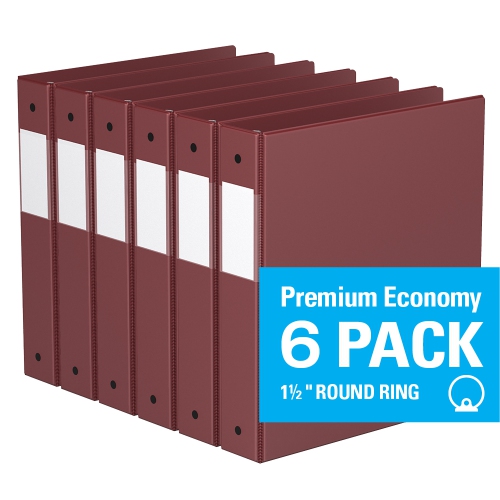
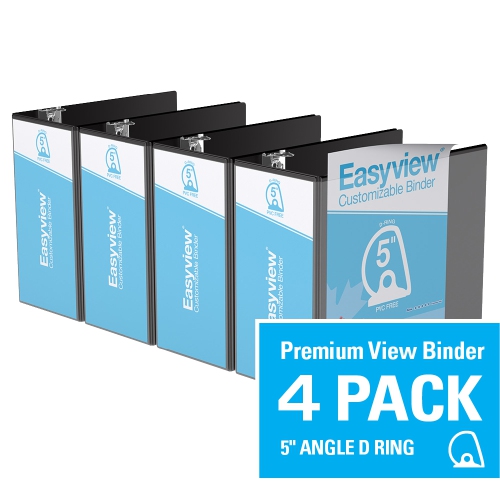
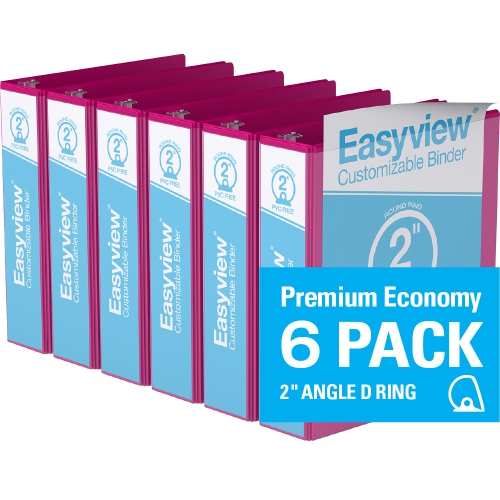
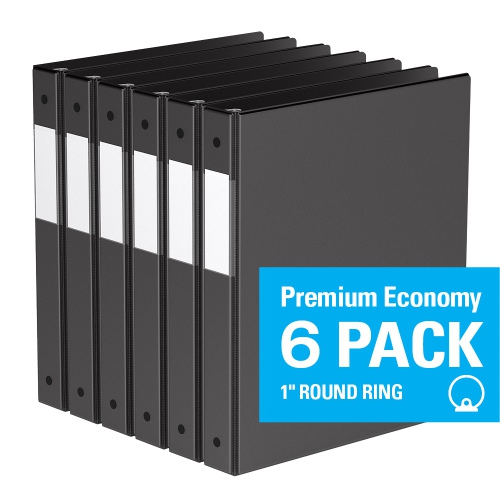
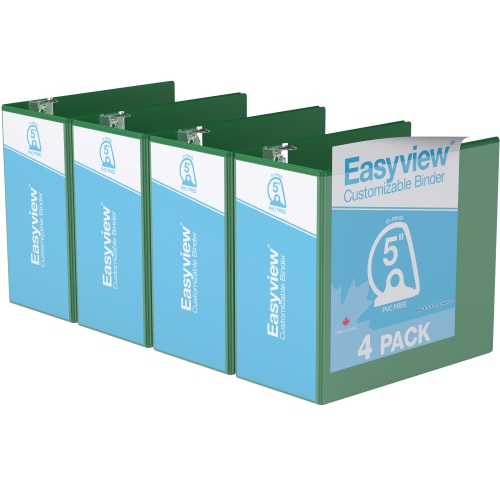
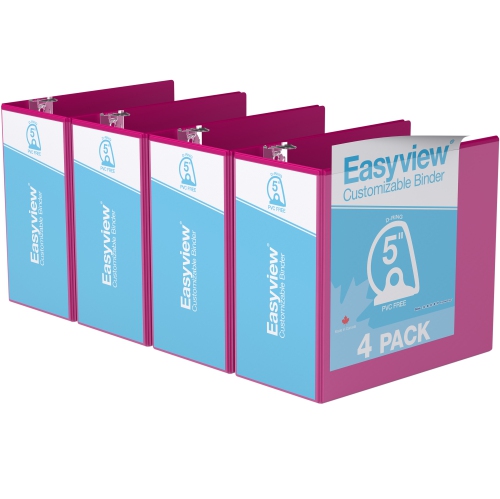
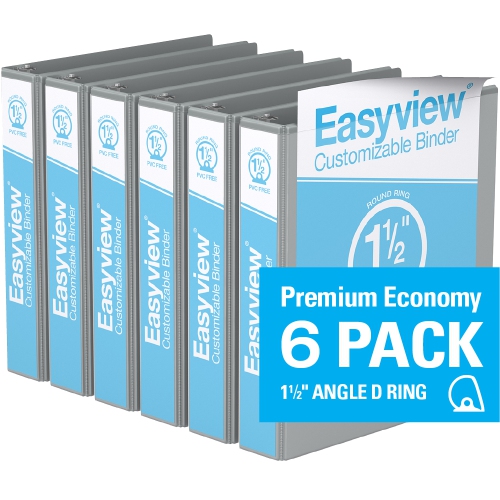
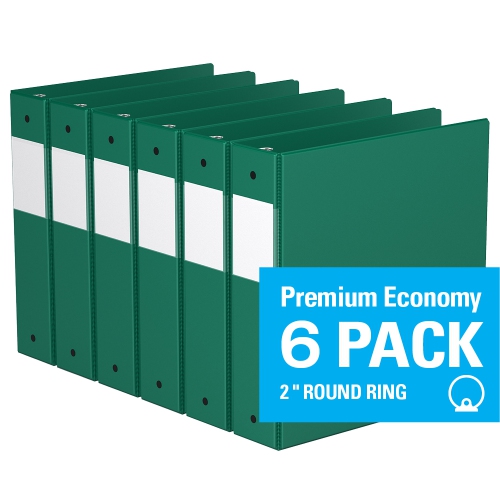
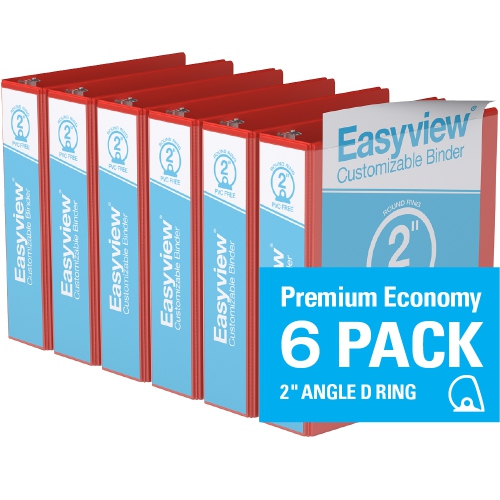
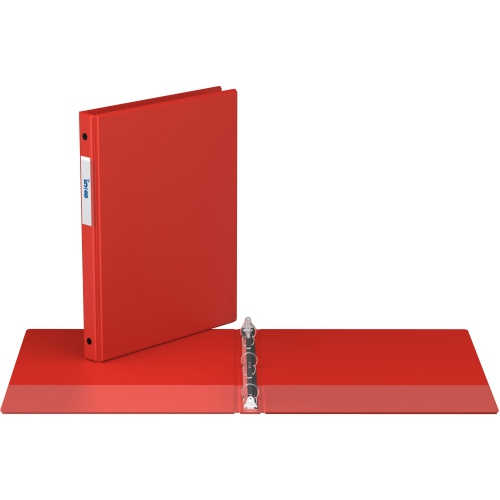
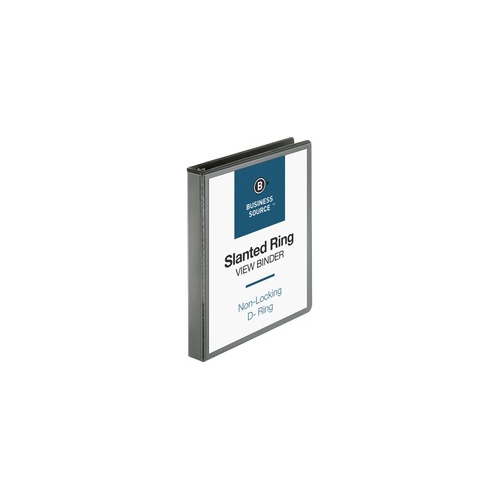
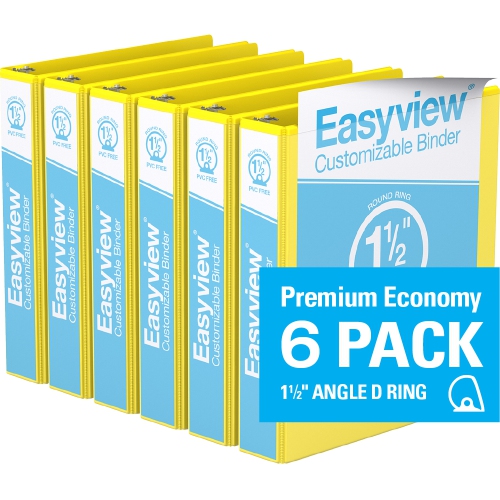
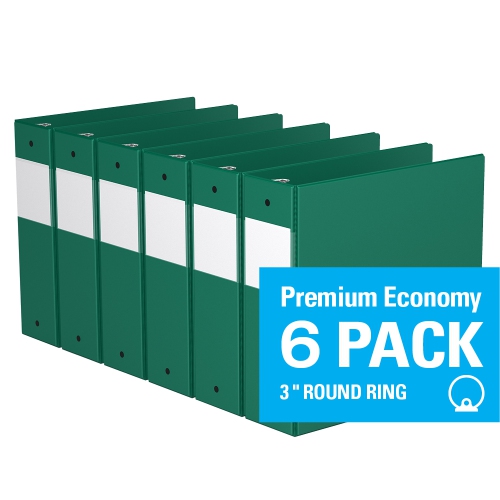
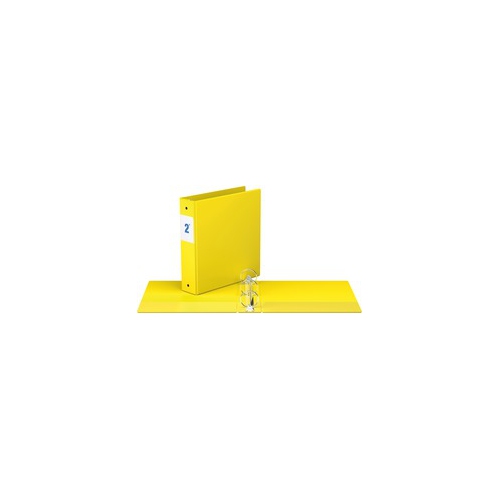
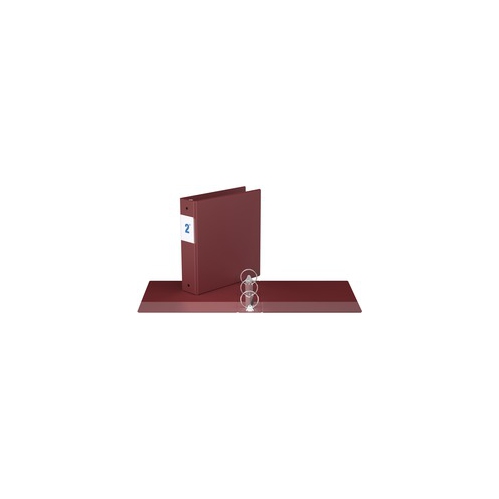
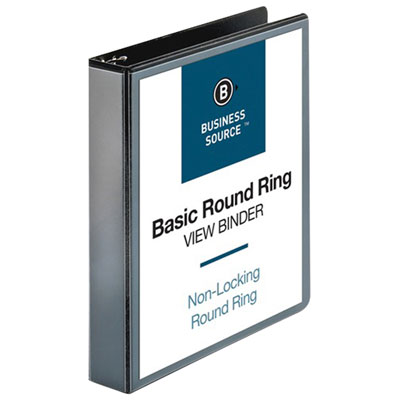
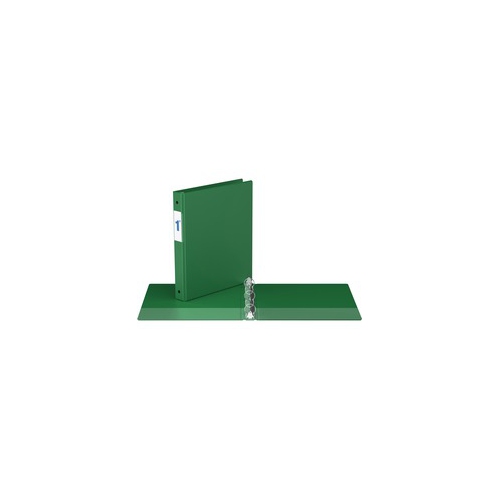
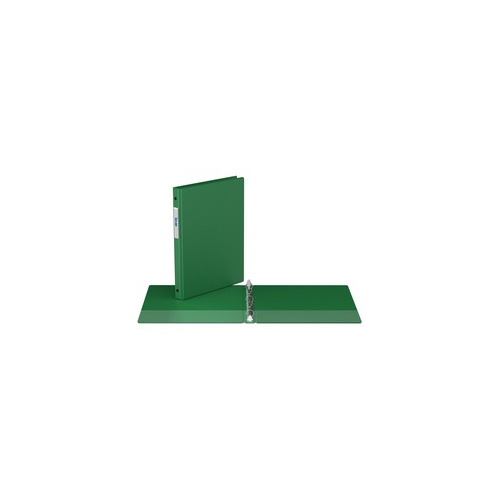
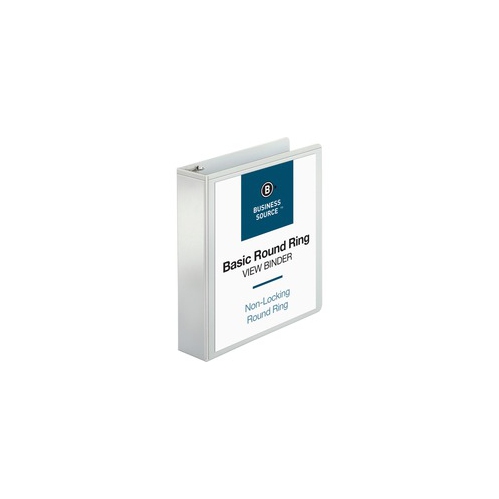
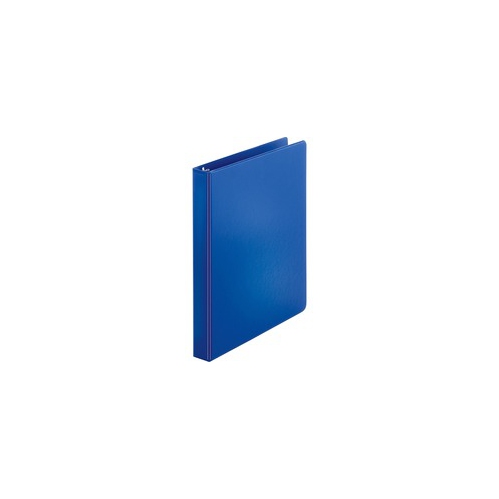
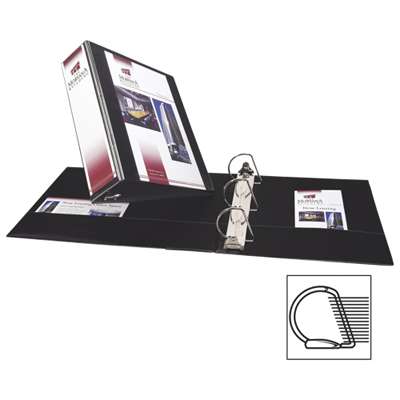
A well-matched selection of book binding supplies supports the entire project, from accurate measuring to a clean, comfortable finish. Cutting mats, rulers, brushes, pressing boards, and clamps serve supporting roles alongside the core binding materials, particularly where square edges and even pressure affect the result. A clear work surface gives wet adhesive, clean paper, and cutting tools separate spaces, helping prevent an otherwise finished cover from picking up a stray smear. Brushes should suit the area being covered: broad surfaces call for an even adhesive layer, while narrow hinges and small details need more control. A press or suitable pressing arrangement helps hold assembled parts flat, although pressure and drying requirements vary with the construction and materials. Cover dimensions, spine width, and hinge spacing need to accommodate the actual text block rather than its page count alone, since paper thickness and sewing can change the fit considerably. For someone making a gift, these choices make the difference between an attractive object and one that is pleasant to use. A recipe book might need sturdy covers and pages that turn easily on a counter; a drawing book might benefit from a binding that opens comfortably across a spread; a memory album needs room for additions without straining its structure. Projects built around replaceable documents have a different purpose from permanently sewn books, and Hardcover Binders suit organizing pages that need to be removed or rearranged. For handmade books, long-term care starts with clean tools and sensible storage. Adhesive containers need secure lids, brushes need cleaning according to the adhesive instructions, and sharp tools need protective storage away from children. Paper, board, and covering materials are easier to work with when kept flat, dry, and protected from direct light. Finished books benefit from support that prevents covers from bending and from handling that does not force the spine beyond its natural opening range. Thoughtful material choices and careful upkeep help preserve the crisp folds, secure stitching, and satisfying feel that make a handmade book distinctive.
Top selling and popular products
-
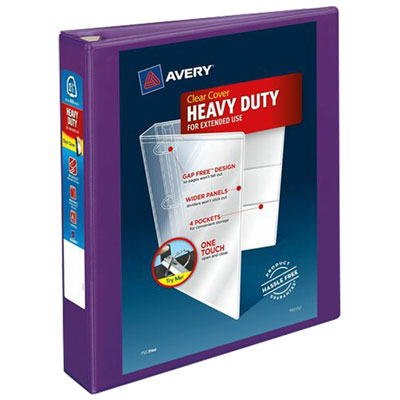 Your price for this item is $11.99
-
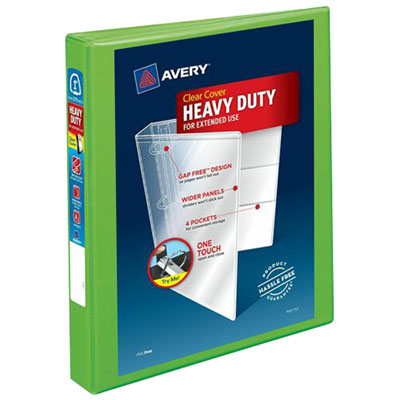 Your price for this item is $9.99
-
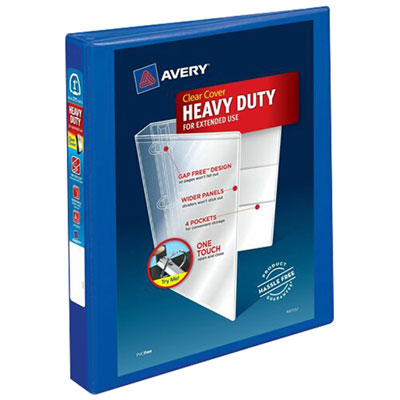 Your price for this item is $17.99
-
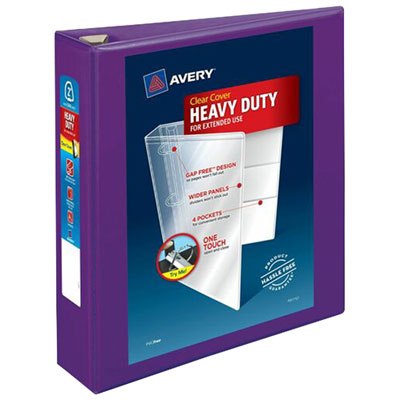 Your price for this item is $14.99
-
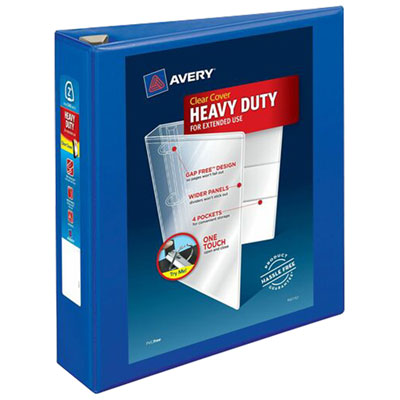 Your price for this item is $13.99
-
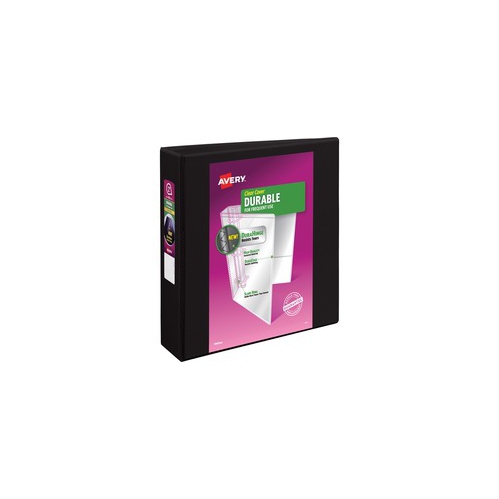 Your price for this item is $10.99
-
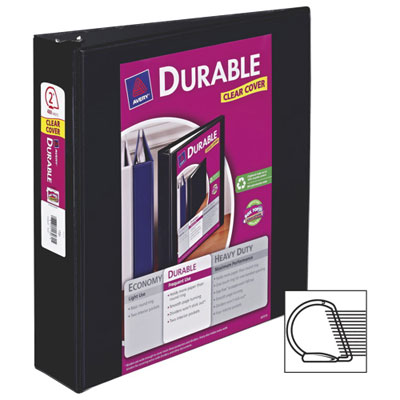 Your price for this item is $10.99
-
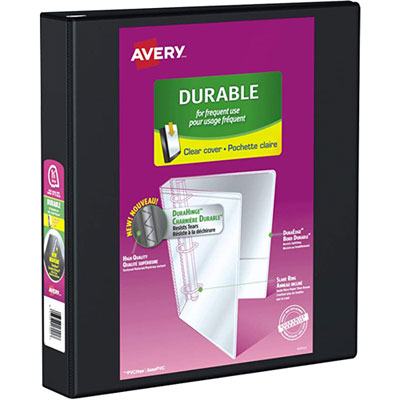 Your price for this item is $11.99
Discover more categories related to Book Binding Supplies
Top Collections:
Pokemon Centers, Pokémon 30th Celebration Cards, Best Budget Office Chairs, Kindle Devices, Best Cameras for Sports Photography, Canon G7X Cameras, Best Black Friday Deals On Electronics, Best Laptops for Writers, iPhone 15 Apple, Jackery Power Stations
Some products may be subject to Environmental Handling Fees
(EHF) depending on your province.
Learn more about EHFs.