Bulk Envelopes
Looking for a convenient and cost-effective way to send out your important documents? Look no further than our selection of bulk envelopes. Whether you're mailing out invoices, letters, or promotional materials, our wide range of envelopes is designed to meet all your mailing needs. With various sizes and styles available, you can find the perfect envelope to fit your documents securely, ensuring they arrive at their destination in pristine condition. Say goodbye to the hassle of individually packing each item and streamline your mailing process with our durable and reliable bulk envelopes.
Sort
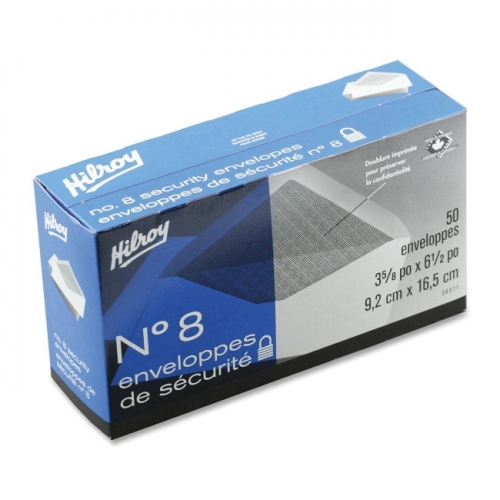

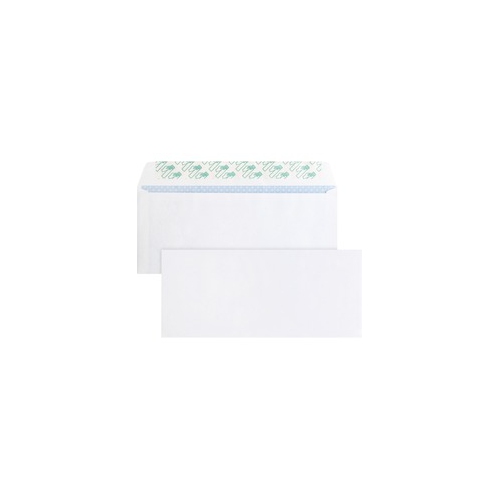
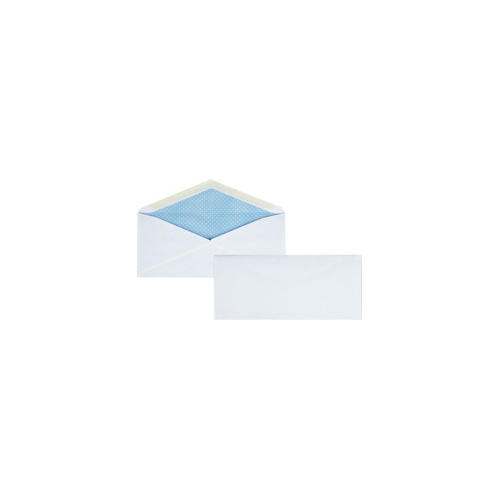
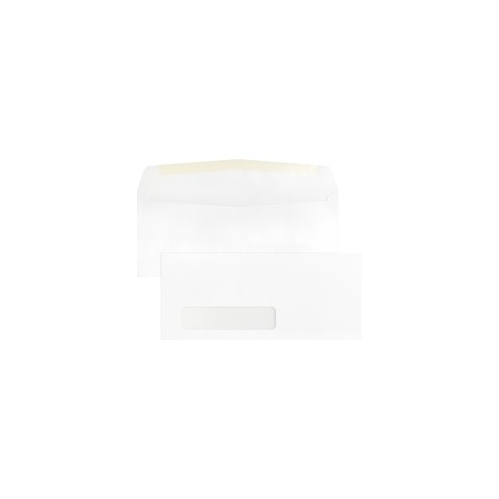














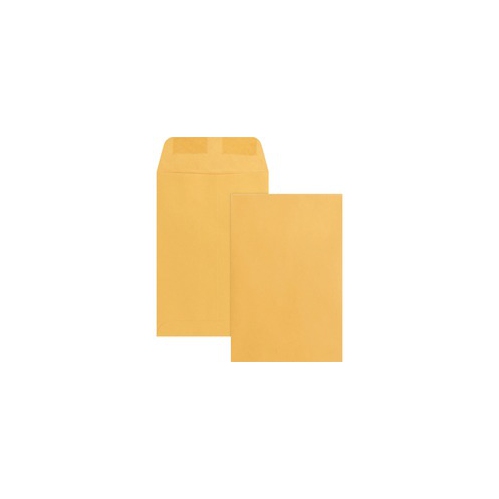

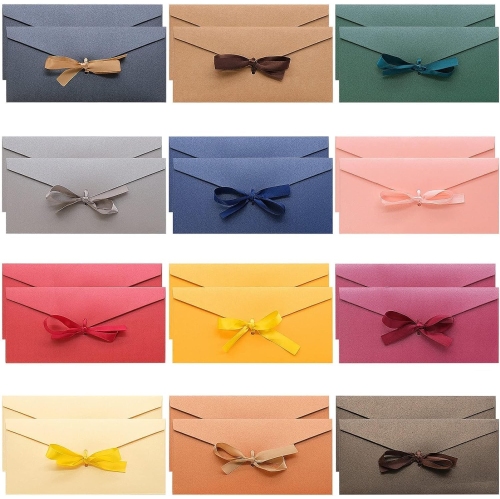


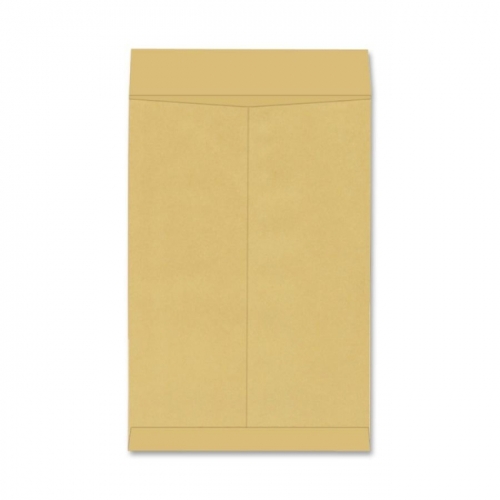

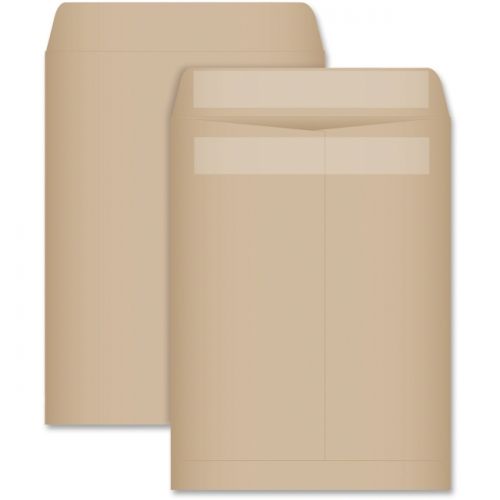










Why envelope fit matters for recurring mailings
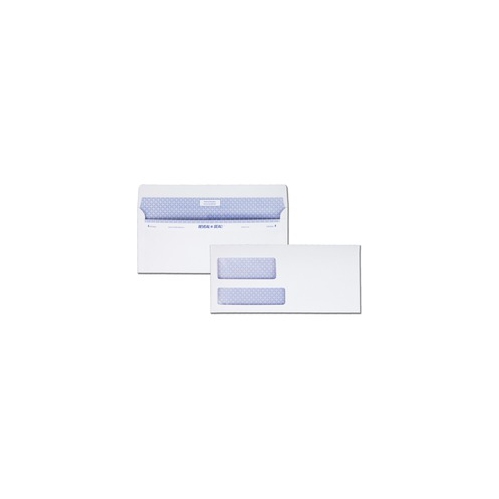
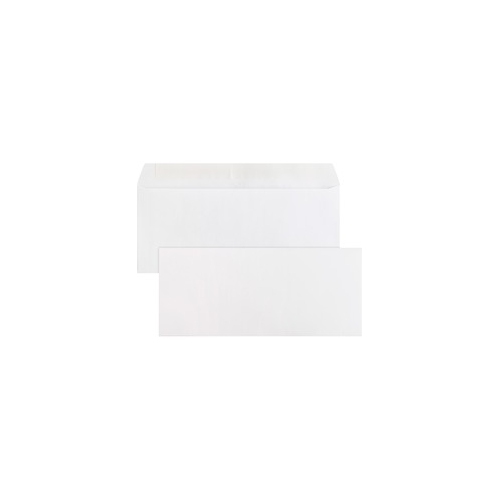
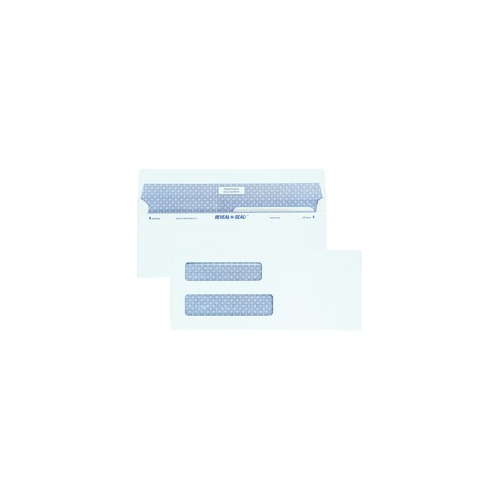
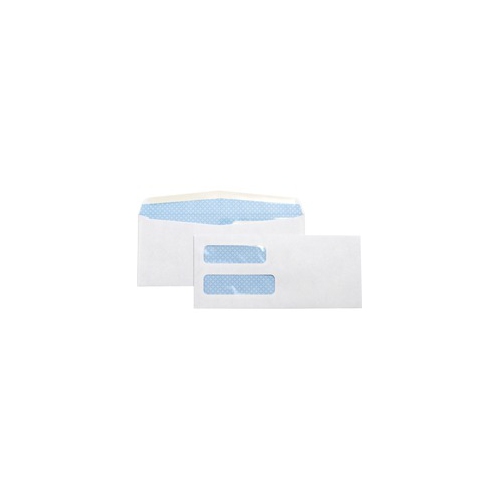
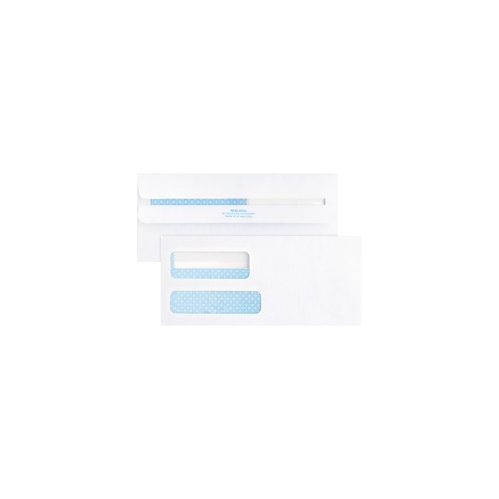
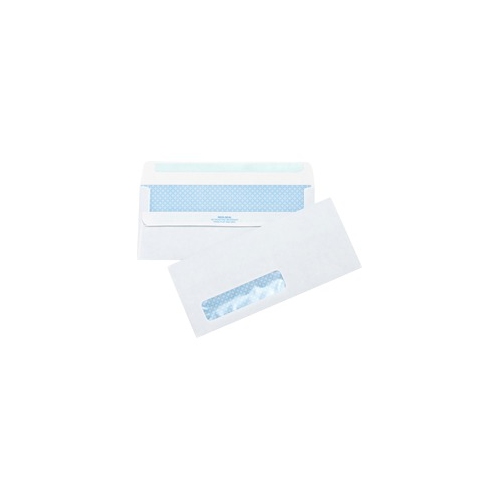
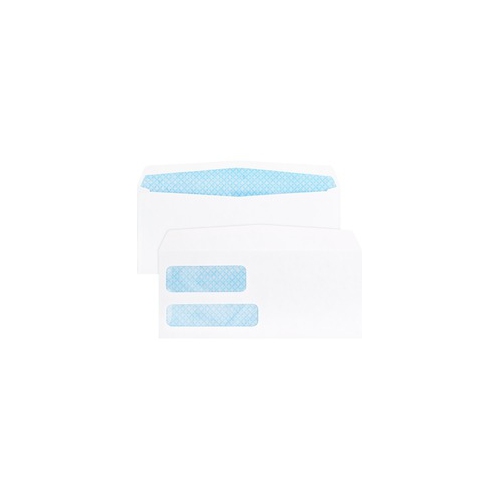
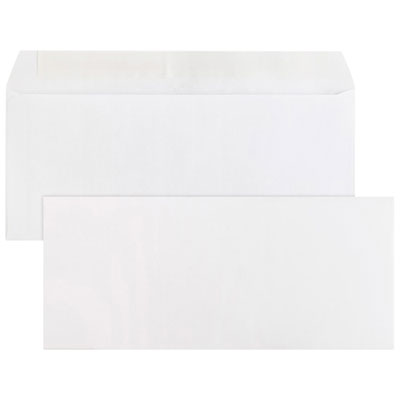
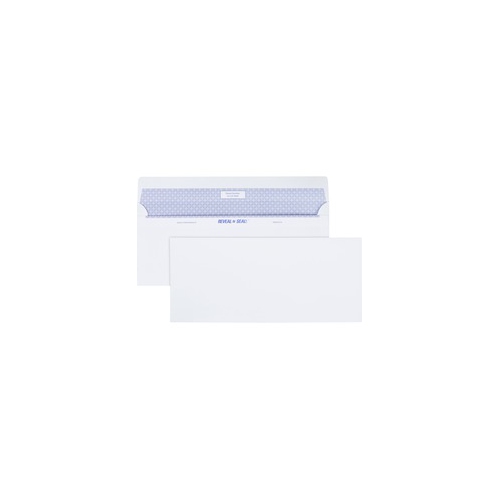
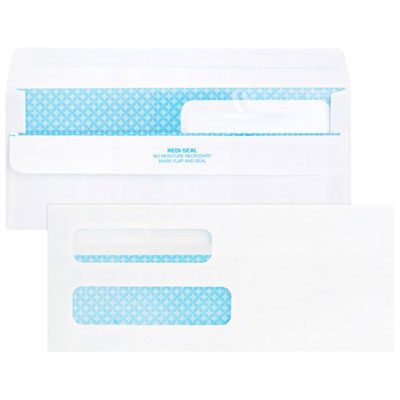
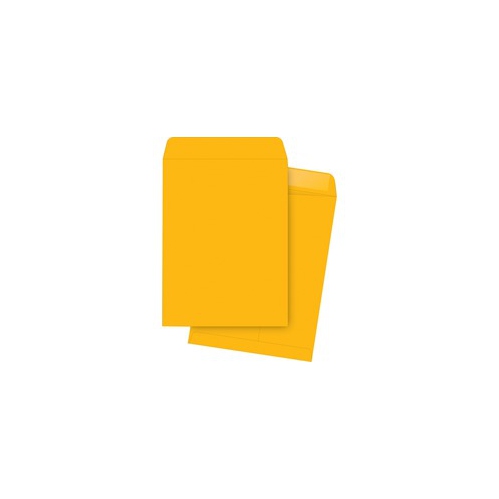
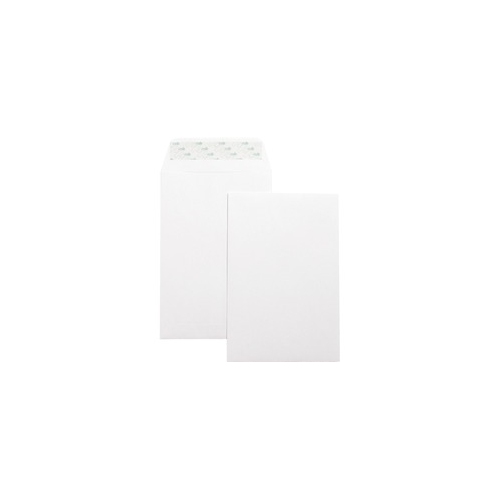
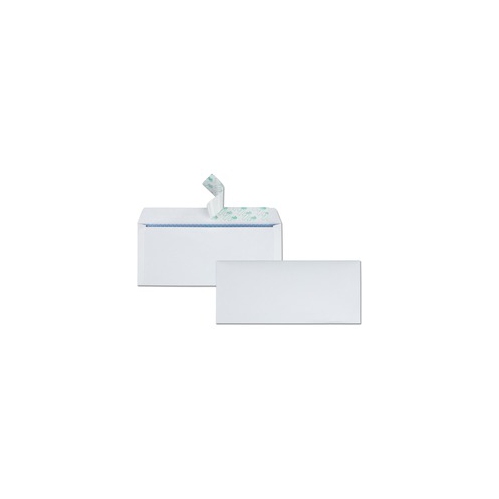
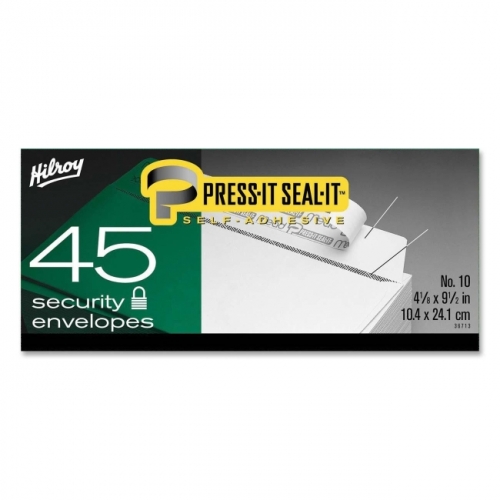
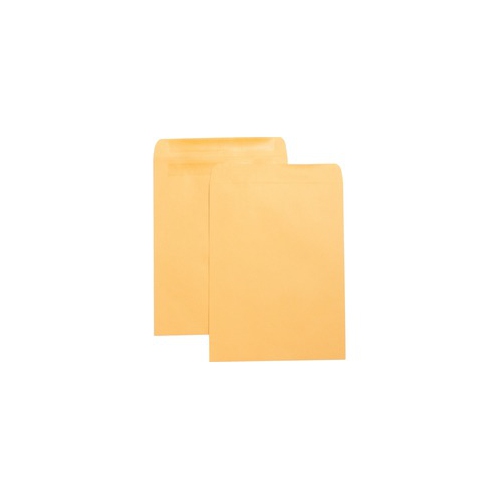
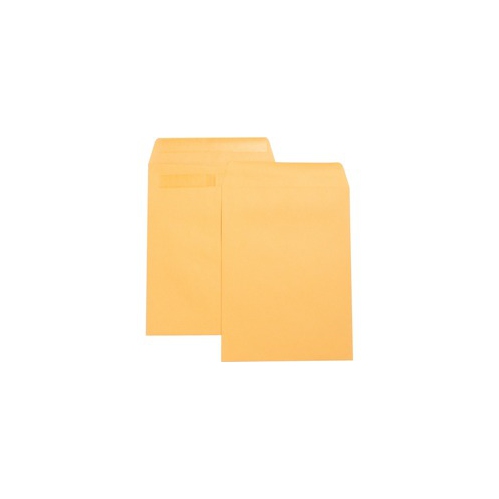
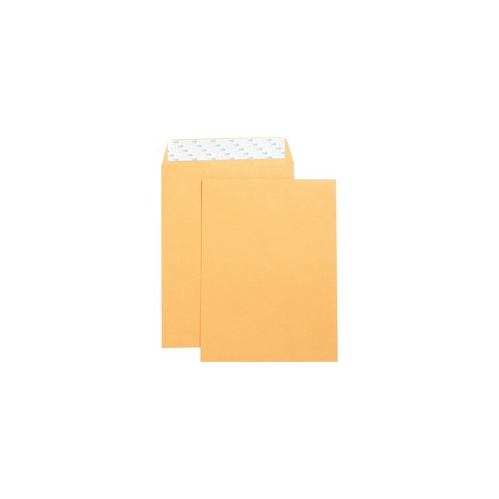
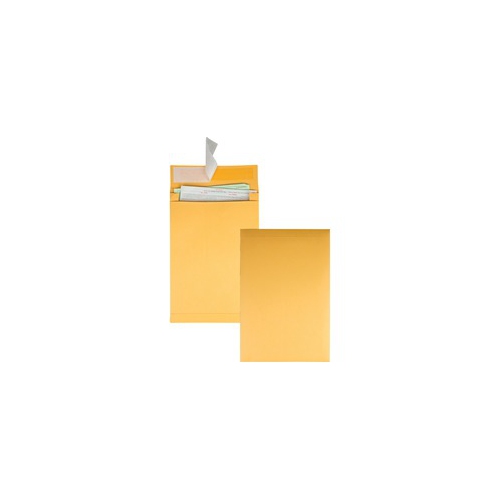
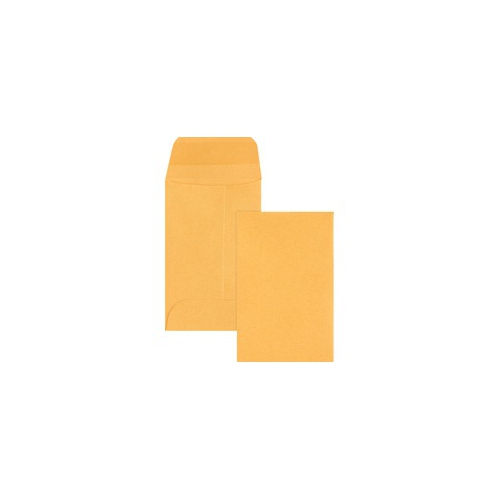
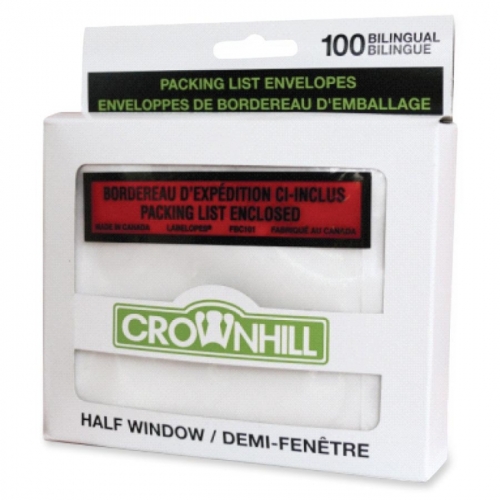
Bulk envelopes are envelopes packaged in larger quantities for businesses, organizations, and households that regularly send letters, documents, invoices, or invitations. Keeping a consistent envelope format makes recurring correspondence easier to prepare, whether a small office sends monthly statements, a community group distributes membership notices, or a household organizes announcements for a family celebration. The most useful format depends on what goes inside and how it needs to arrive. Standard business envelopes typically accommodate letter-size paper folded into thirds, while larger document envelopes can hold sheets without folding. Smaller stationery envelopes suit cards, thank-you notes, and invitations, where the relationship between the enclosure and its outer cover contributes to a neat presentation. Size descriptions deserve close attention because the stated envelope dimensions do not necessarily represent the amount of usable space inside. Seams, flap construction, and the thickness of the contents can all affect fit. A single sheet needs little clearance, but several pages, a folded brochure, or a card with an insert requires more room. An envelope that fits too tightly can make filling awkward and put strain on its edges; one that is much too large lets contents move around and can leave the finished mailing looking uneven. Opening position also matters during repetitive tasks. An opening along the longer edge can make it easier to slide in a stack of papers, while an opening on the shorter edge may suit other document-handling routines. For everyday letters and flat correspondence, Mailing Envelopes provide a related category centred on preparing documents for delivery. Window and non-window designs serve different needs: a window can display an address printed on the enclosed document, while a plain front allows the address to be handwritten, printed directly, or applied on a label. Window placement needs to match the document layout so the intended address remains visible after the paper is folded and inserted.
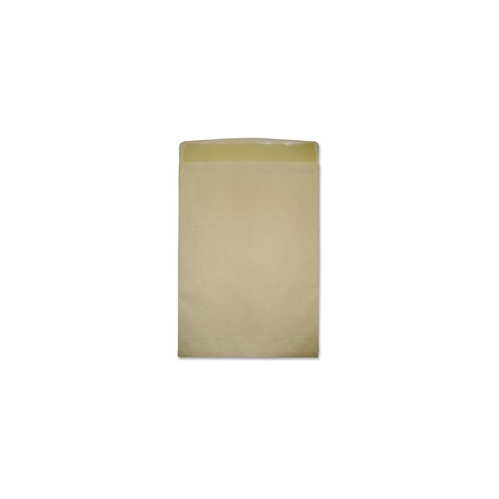
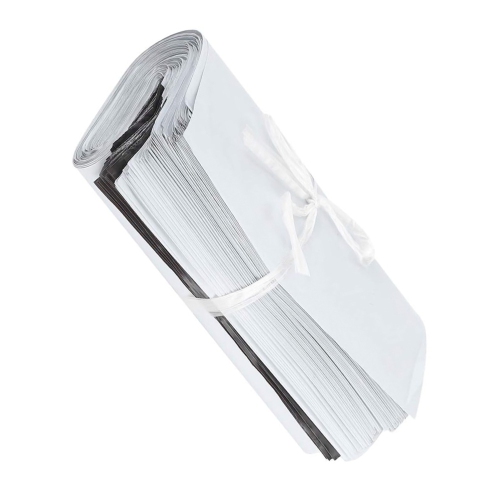
Paper construction influences how an envelope feels, how easily it handles, and how well it protects its contents during ordinary handling. Lightweight paper can be suitable for simple correspondence, while heavier paper generally provides more body for multi-page letters, formal stationery, or documents that benefit from a firmer outer cover. Paper weight is only part of the picture, however. Strong seams, an evenly formed flap, and a closure suited to the contents are just as important when envelopes pass through sorting, transport, and opening. Smooth white paper creates a clear background for printed addresses and business correspondence. Brown kraft paper offers a more utilitarian appearance for administrative documents, while coloured paper can coordinate with event stationery or help distinguish internal paperwork. Dark or heavily patterned surfaces may need a light address label to keep delivery information easy to read. For personal information such as account details, pay statements, or cheques, an interior security pattern can help reduce how easily text shows through the paper, although it does not replace other precautions for confidential documents. Closure styles also affect preparation. Gummed flaps require moisture to activate the adhesive and need even contact along the sealing area. Peel-and-seal closures expose an adhesive strip when the protective liner is removed, making them practical for repeated filling without a separate moistening step. Other self-sealing designs may close by pressing prepared surfaces together, so the stated sealing method matters more than the name alone. Overfilling can prevent any flap from sitting flat, especially when the enclosure includes several folds or a thicker insert. For paperwork that must arrive flat, an appropriately sized envelope with suitable reinforcement can help limit bending, but ordinary paper envelopes are not a substitute for protective packaging around fragile objects. A clean, undamaged envelope with a secure seal and legible address gives documents a tidy presentation without relying on decorative extras.
Bulk quantities are especially useful when the same mailing task repeats, but consistency matters as much as quantity. An office sending recurring correspondence benefits from envelopes that work with its document templates, labels, and preparation equipment. Direct printing requires compatibility with both the printer and the envelope construction; not every paper finish, window material, or adhesive is suitable for every inkjet or laser printer. The printer’s supported envelope sizes, feed direction, and media settings help determine whether addresses sit straight and whether the paper travels through without wrinkling. A test print on a small number of envelopes can reveal a misplaced return address or an unwanted fold before a larger mailing is prepared. Window envelopes need a similar check with the actual enclosure, since a correctly positioned address can shift out of view if the folded sheet has too much room to move. For handwritten correspondence, a surface that accepts pen cleanly helps keep names and postal codes readable. Return addresses, recipient details, and postage all need enough clear space, with decorations kept away from essential delivery information. Event organizers may prefer matching envelope dimensions across invitations and reply cards, while schools, clubs, and administrative teams may use different colours or sizes to separate forms and notices. Consistent sizing can also make filing and internal distribution simpler when correspondence moves between several people before mailing. Between uses, envelopes keep their shape best when stored flat in a clean, dry place, away from direct sunlight and sources of moisture. Leaving them in their packaging until needed helps protect corners, keeps dust off sealing surfaces, and reduces curling. Adhesive performance can change with age and storage conditions, so older packs are worth checking before an important mailing. A brief look at the seal, seams, paper surface, and finished fit helps confirm that the envelope is ready to carry its contents neatly, whether the task involves a handful of personal letters or a recurring batch of business documents.
Top selling and popular products
-
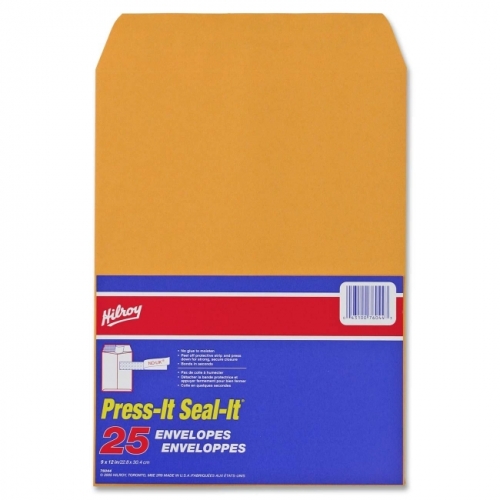 Your price for this item is $6.99
-
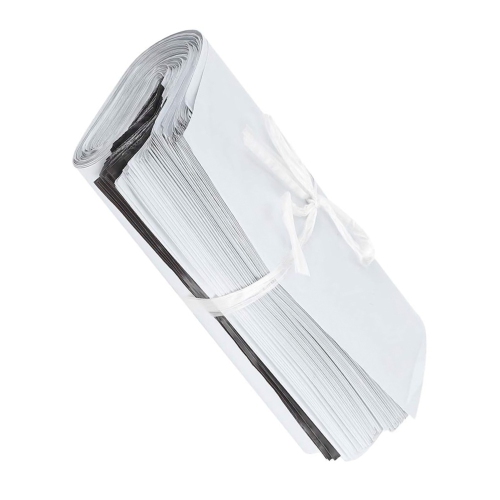 Your price for this item is $26.99
-
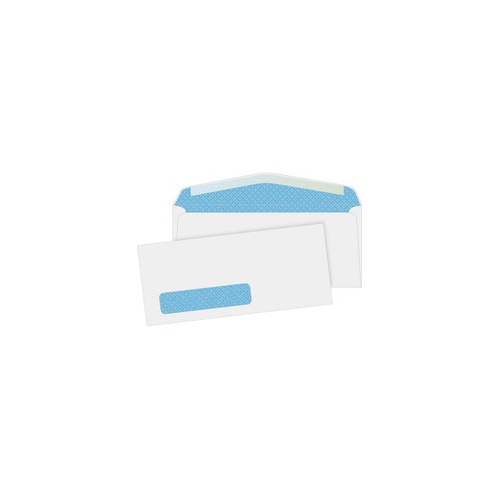 Your price for this item is $28.99
-
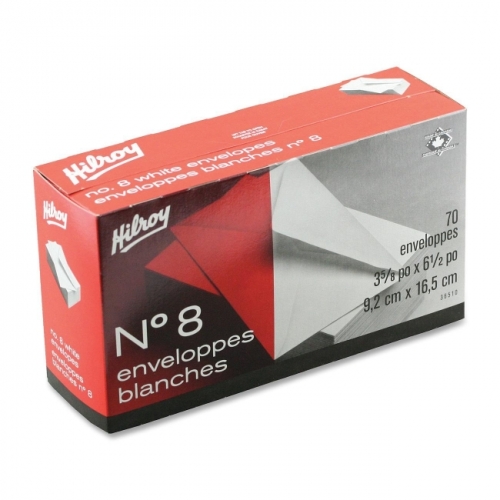 Your price for this item is $3.99
-
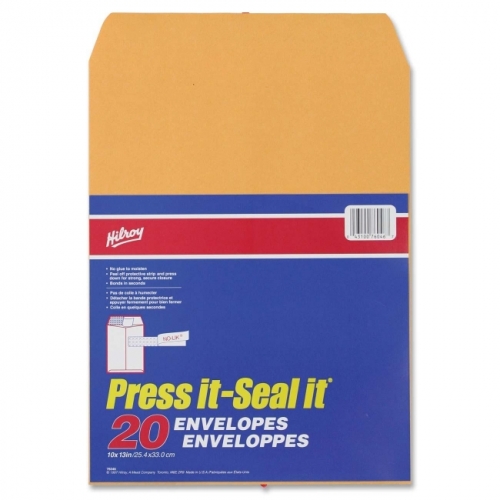 Your price for this item is $6.99
-
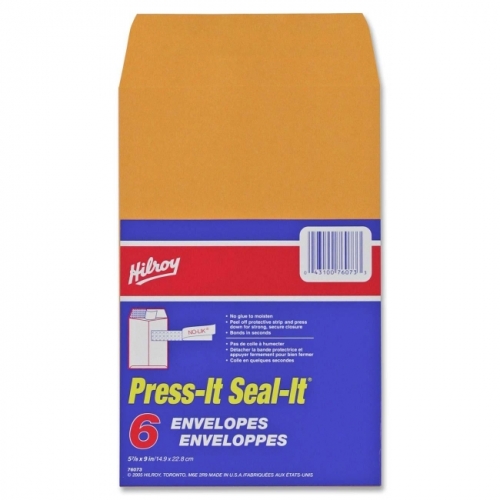 Your price for this item is $2.99
-
 Your price for this item is $134.99
-
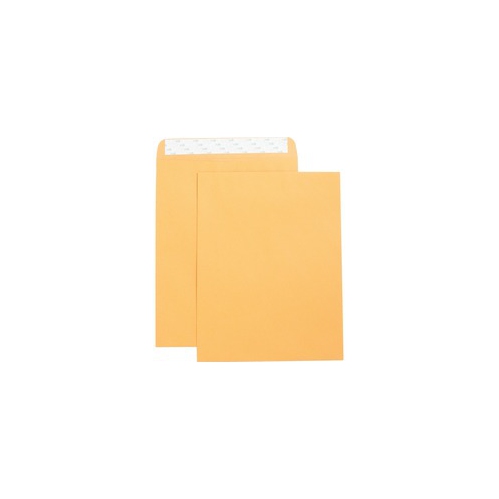 Your price for this item is $57.99
Discover more categories related to Bulk Envelopes
Top Collections:
Pokemon Centers, Kindle Devices, Best Cameras for Sports Photography, Pokémon 30th Celebration Cards, Canon G7X Cameras, Samsung Galaxy Phones, iPhone 15 Apple, Best Black Friday Deals On Electronics, Jackery Power Stations, Solar Generators for Home
Some products may be subject to Environmental Handling Fees
(EHF) depending on your province.
Learn more about EHFs.