Business Labels
Looking to enhance your professional image and streamline your business operations? Look no further than our wide selection of business labels. These versatile tools are designed to help you organize, label, and personalize a variety of items in your workplace, from files and folders to packages and envelopes. With their durable materials and adhesive backing, business labels ensure that your important information stays securely in place.
Sort


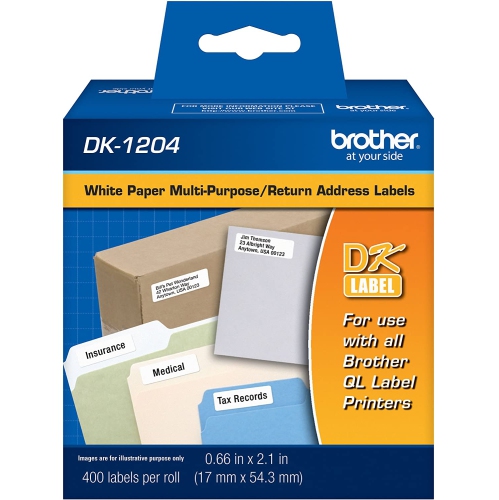

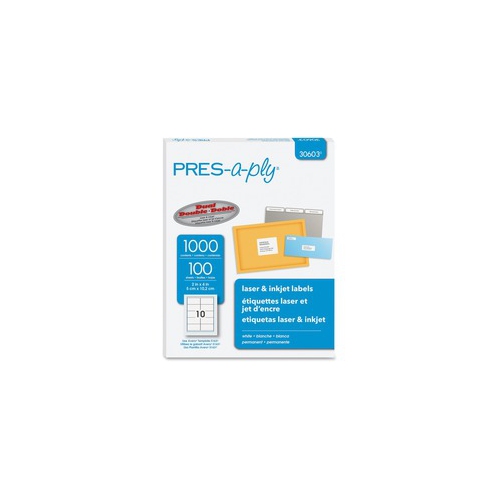


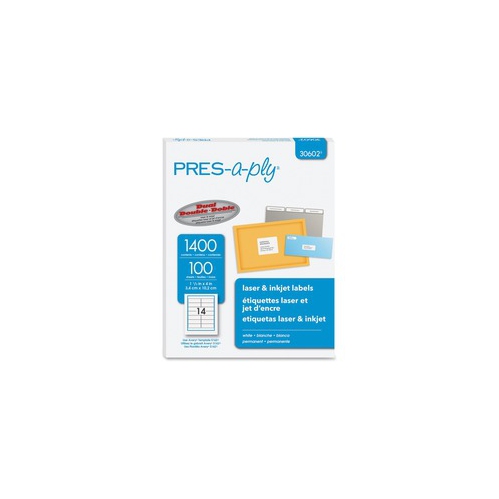


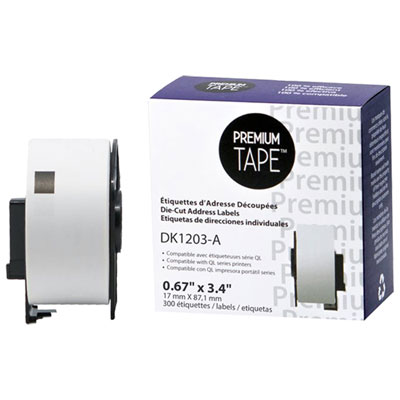
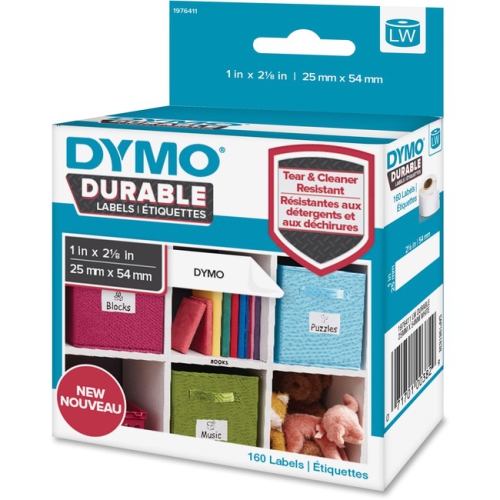

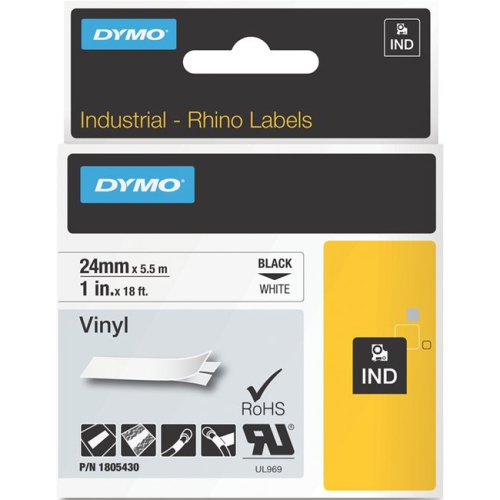




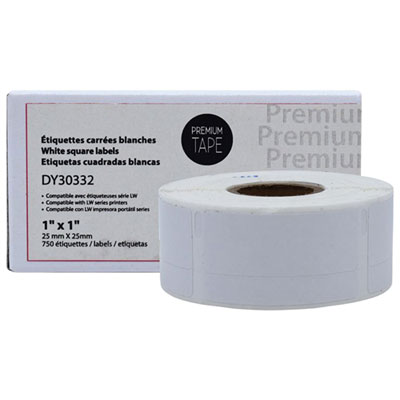


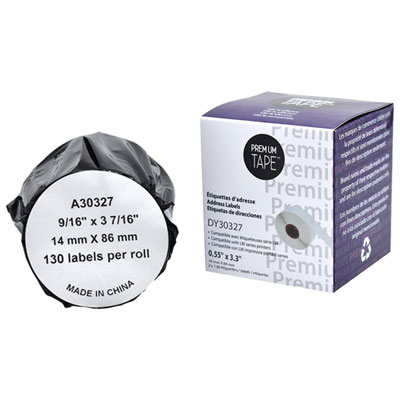


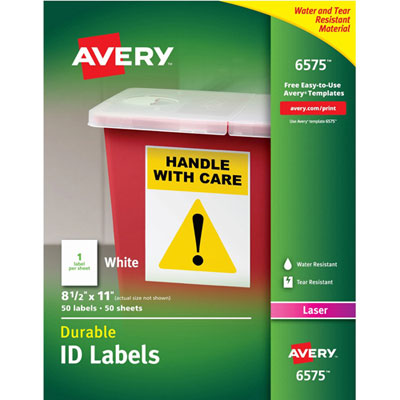


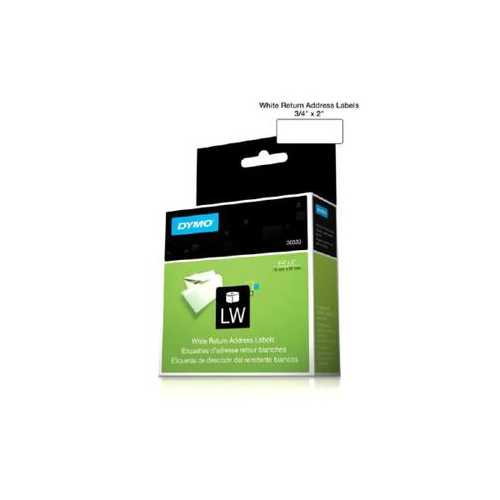


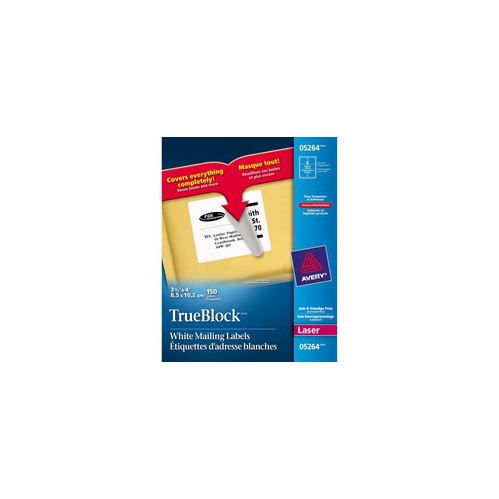


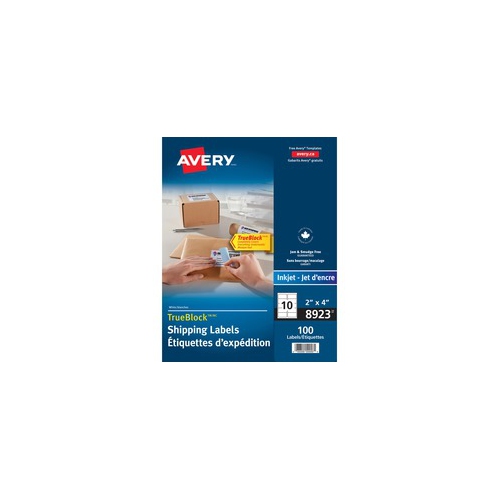
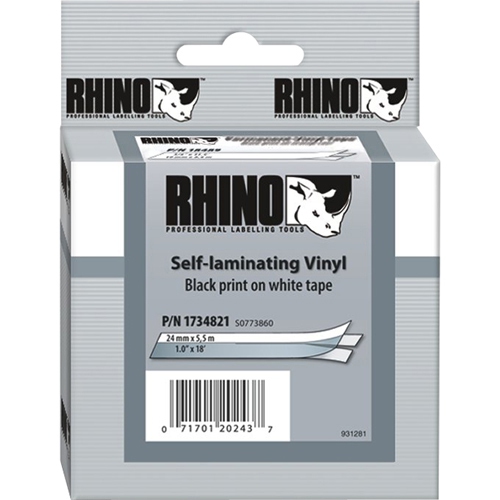


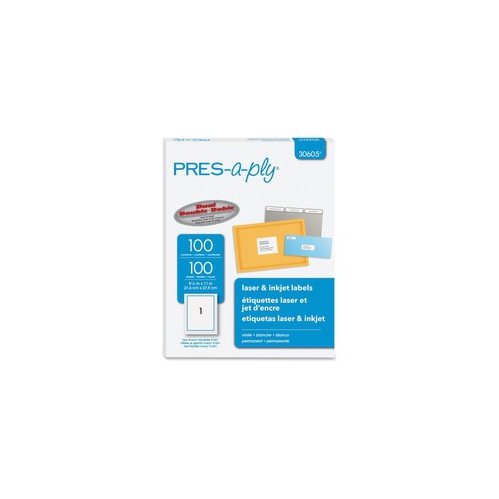

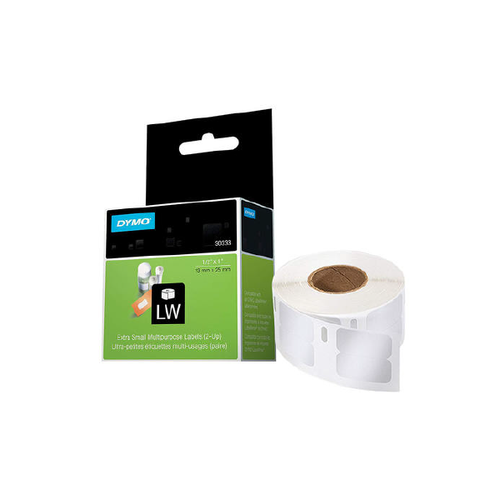
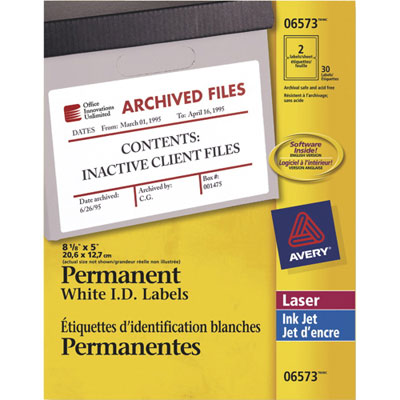


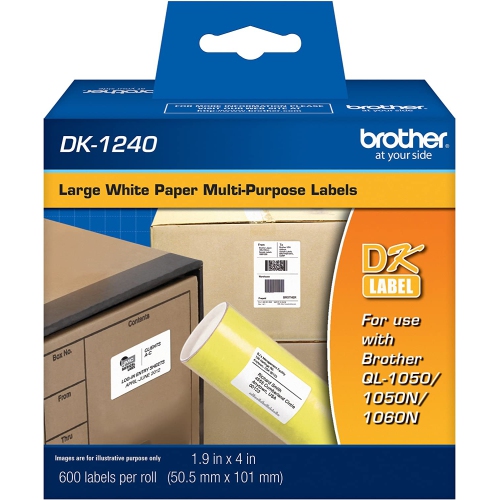


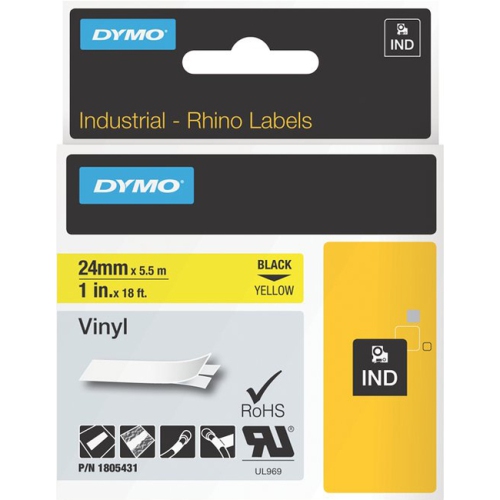

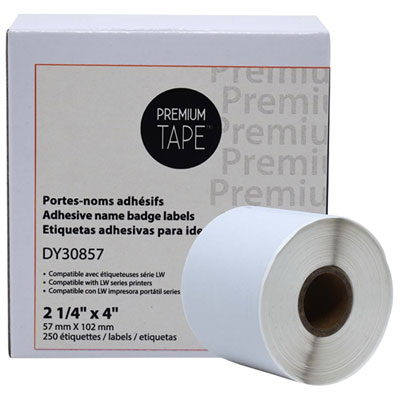
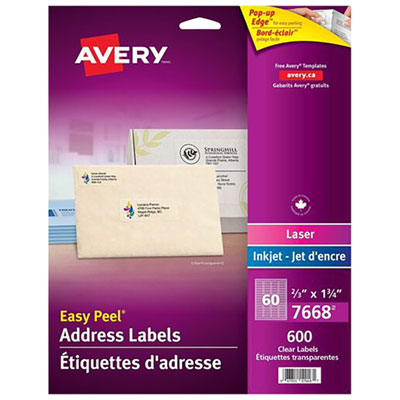
























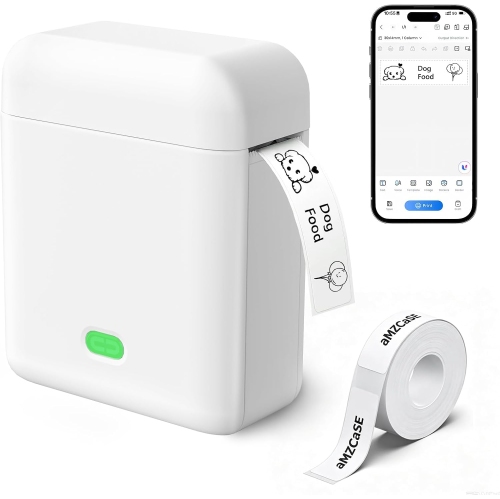


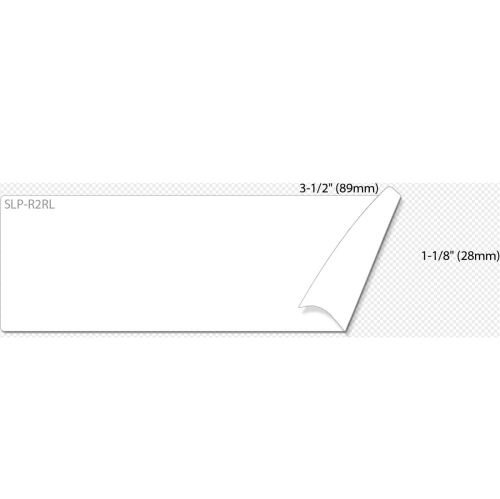


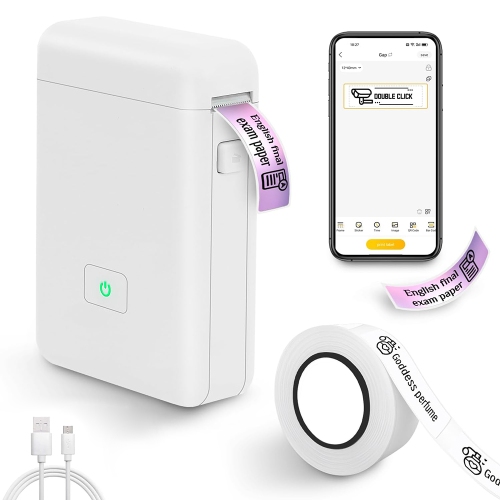
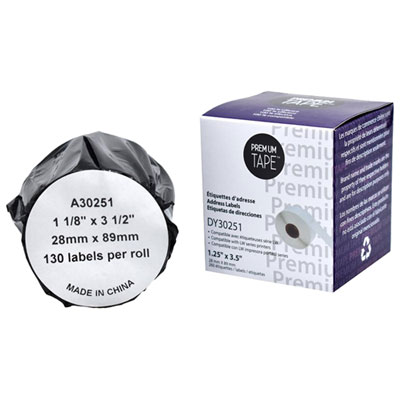





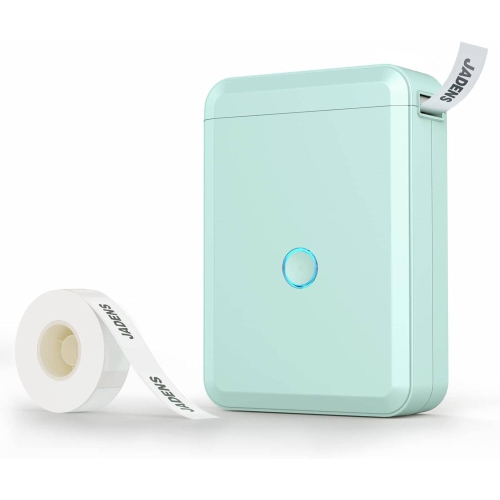
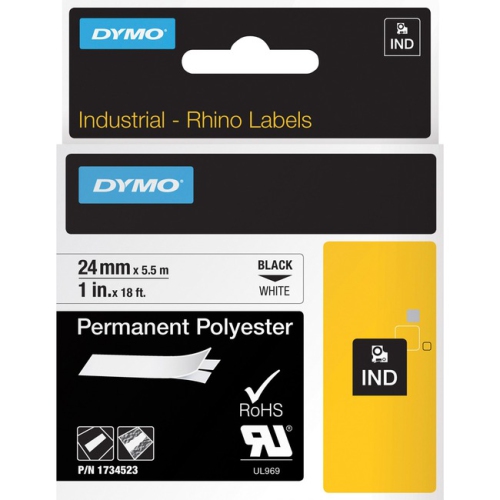
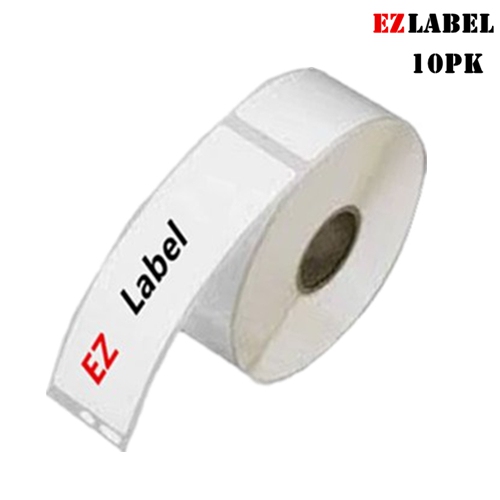


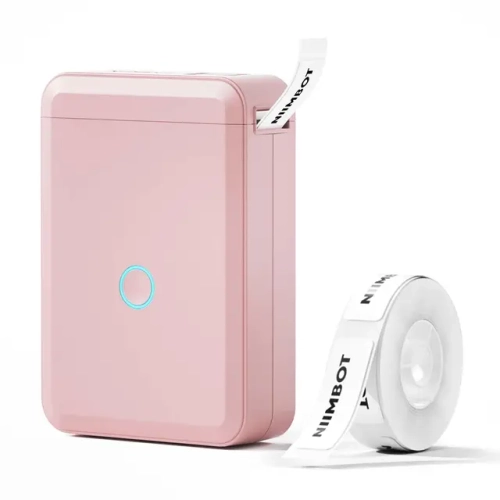





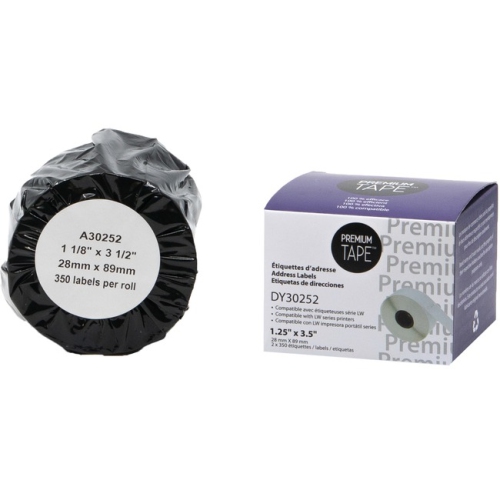


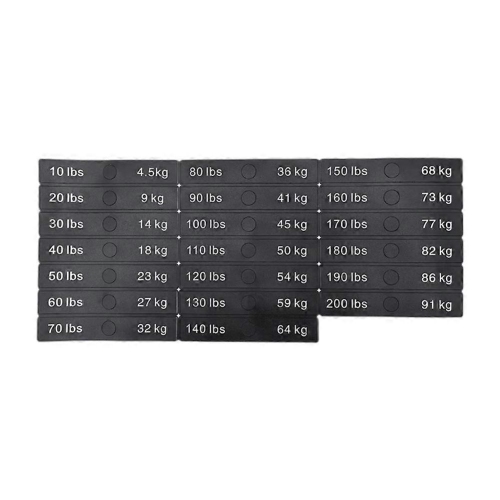
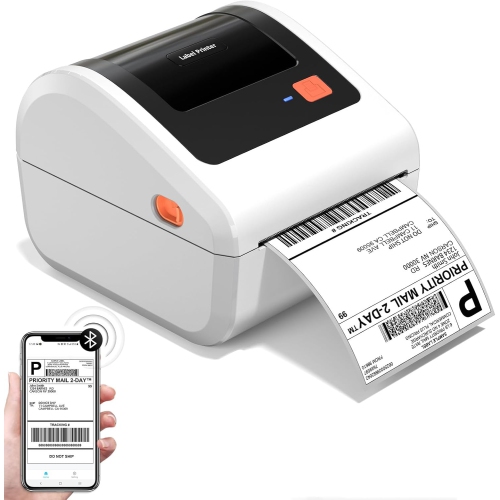
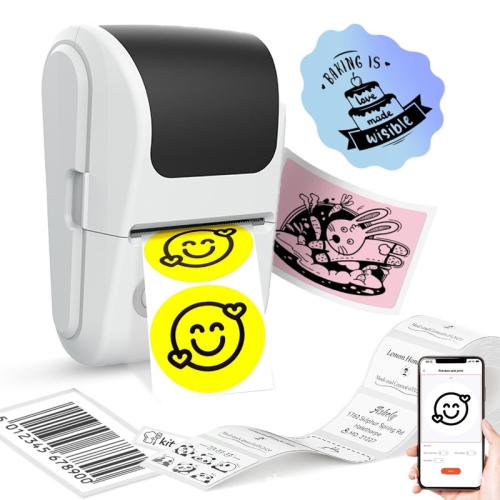


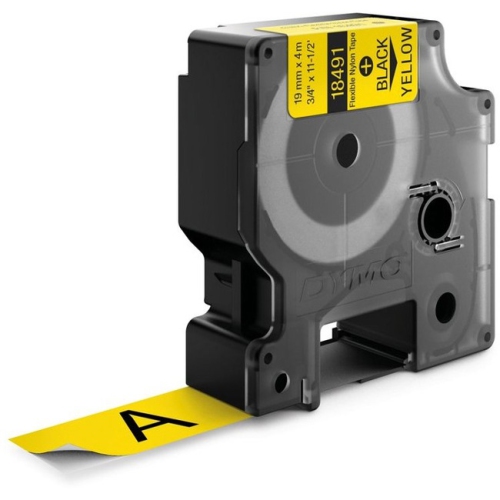

The details behind labels that look professional and last
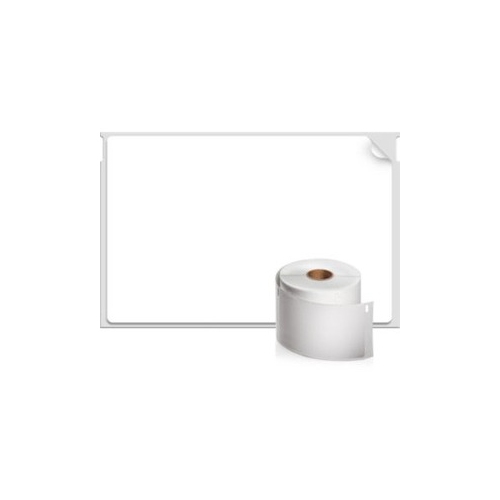
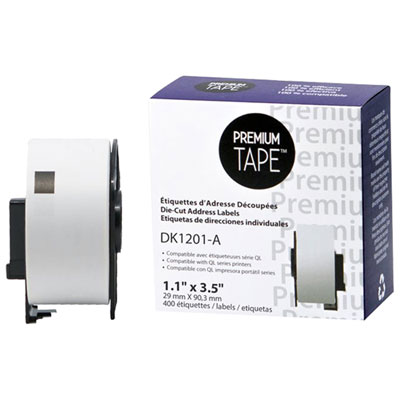
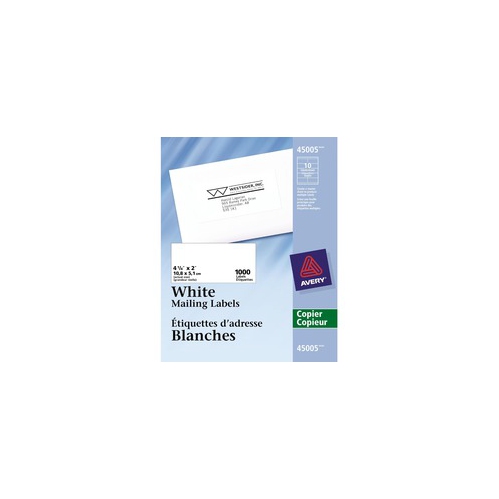
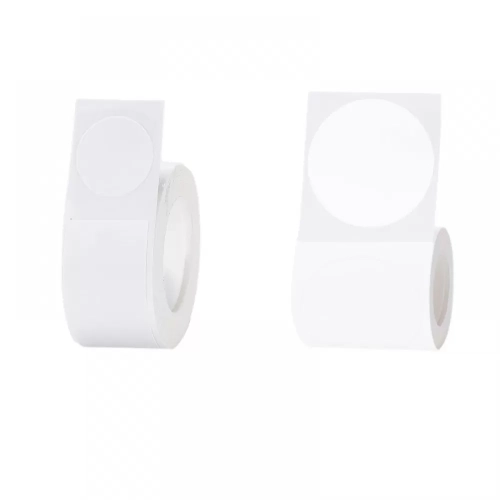
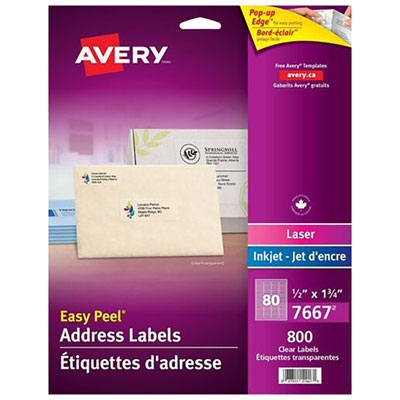
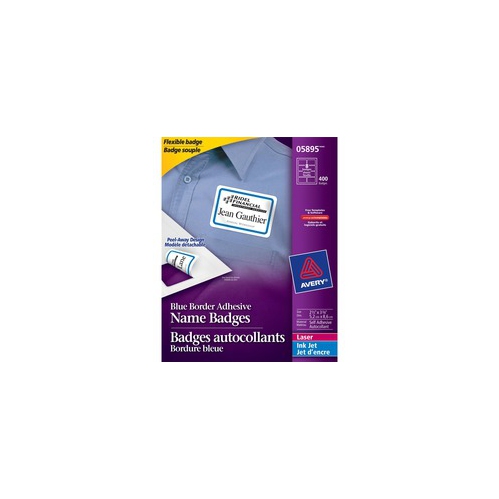
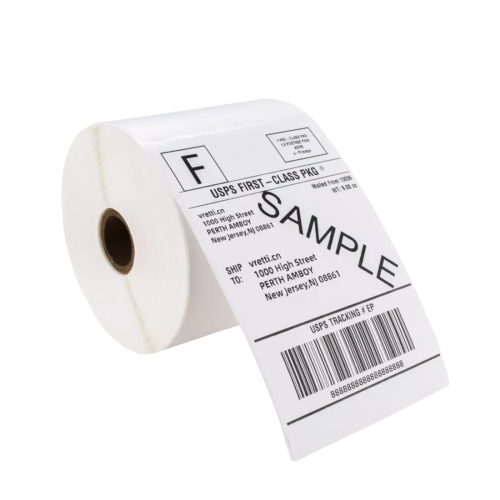
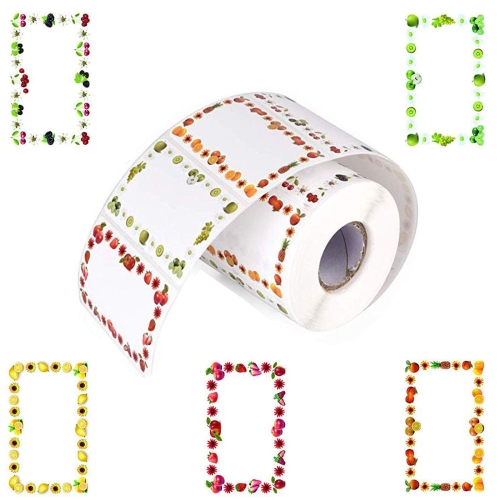
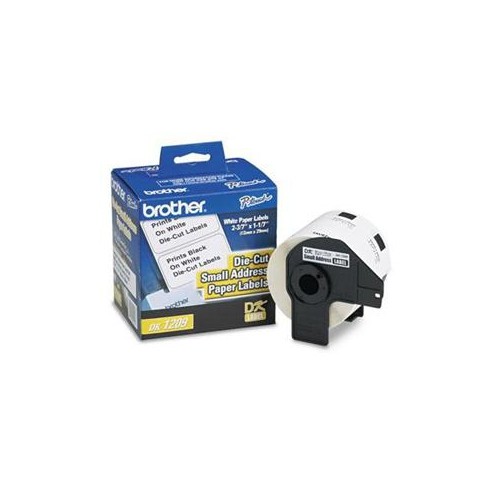
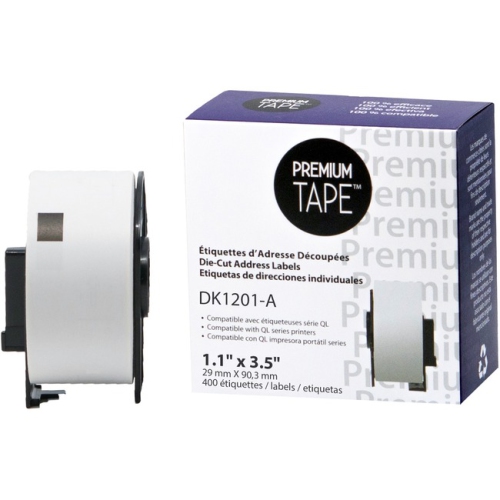
Business labels are adhesive labels used to identify packages, display product information, organize workplace supplies, and carry a company’s name or logo. Custom business labels can be professionally printed or created in-house using compatible blank sheets, rolls, and printing equipment. Their purpose shapes their design: a shipping label needs a readable address and scannable barcode, while a label on a retail package may bring together branding, contents, care information, and a batch number. In an office, simple text labels help distinguish client files, storage drawers, shared equipment, and archived records. For small businesses, independent makers, retailers, and busy dispatch teams, these details make everyday work more consistent and help customers recognize who sent a parcel or made a purchase possible. A neatly positioned label on a box creates a different impression from handwritten information squeezed into a corner, especially when the package also includes a packing slip or return instructions. Size and shape matter as much as appearance. Rectangular formats leave room for addresses and longer descriptions, while smaller round or square formats suit logos, short messages, and compact packaging. A label needs enough space to communicate clearly without covering opening tabs, important package information, or the part of a container that customers need to see. On curved surfaces, its proportions affect whether it sits smoothly or develops creases at the edges. Colour can distinguish departments or product groups, but clear wording remains important when packages are handled under different lighting or documents are copied in black and white. Consistent placement, readable lettering, and a restrained layout help labels look intentional across envelopes, cartons, folders, and containers. Where packaging needs bilingual information or other required details, the layout also needs sufficient space to keep that text legible. Business labels work best when their format reflects the task, whether that means making a parcel easy to route, keeping a stockroom orderly, or giving customer-facing packaging a cohesive finish.
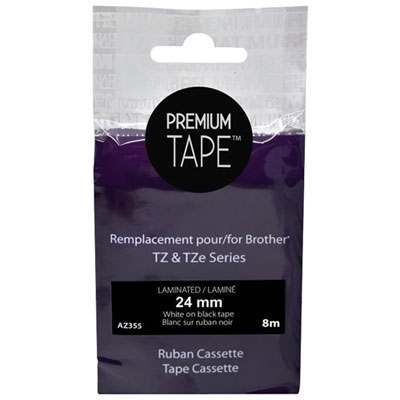
Materials and adhesive strength determine how a business label performs after it leaves the printer. Paper labels are commonly suited to dry indoor applications such as correspondence, filing, and packaging with limited handling. Their surfaces may be matte or glossy, with the finish influencing both appearance and how well handwritten notes show up. Matte finishes can reduce glare around small text, while glossy finishes can give graphics a more polished appearance when used with compatible printing methods. Synthetic materials, including polyester and polypropylene, may offer greater resistance to moisture, tearing, or abrasion, depending on their construction and coating. That distinction matters on containers handled repeatedly or packaging that may encounter splashes during ordinary use. A label described as water-resistant should not automatically be treated as waterproof, and resistance to oils or cleaning products depends on its stated specifications. The adhesive deserves the same attention as the face material. Permanent adhesives suit information intended to stay attached, while removable adhesives may be more appropriate for temporary shelf markings, reusable containers, or equipment identification that changes over time. Removability still depends on the surface and how long the label remains attached; a finish that releases cleanly from glass may behave differently on painted wood or textured plastic. Smooth, clean, dry surfaces generally provide better contact than dusty, oily, or uneven ones. For a small business labelling jars, bottles, or mailing cartons, the available flat area and the surface texture are practical considerations alongside the artwork. Labels applied across seams, tight curves, or frequently flexed areas may lift sooner than those positioned on stable panels. Handling and care also affect the result. Unused sheets and rolls benefit from protective storage that keeps them dry, flat, and free from dust, while labelled surfaces should be cleaned in ways compatible with both the label and the underlying material. Matching these details to the intended use helps preserve readable information and reduces the need to replace labels that peel, wrinkle, or become difficult to scan.
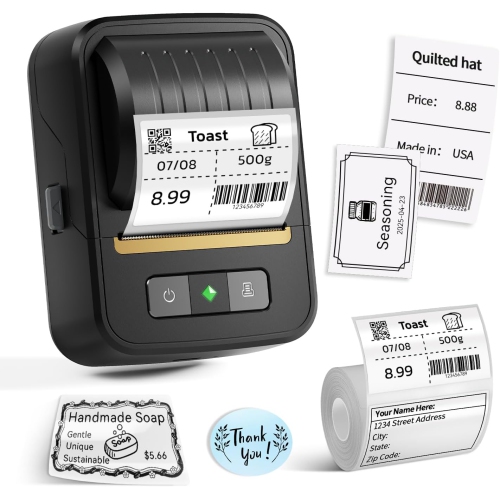
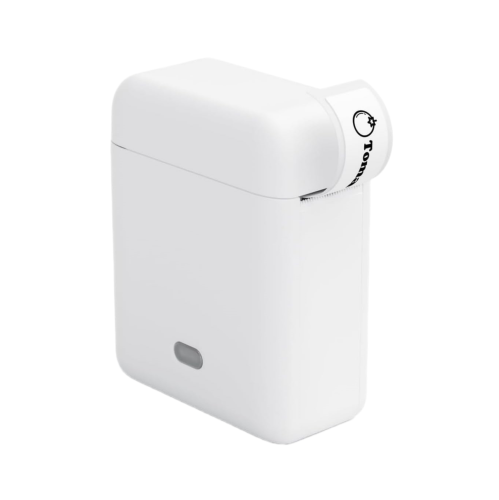
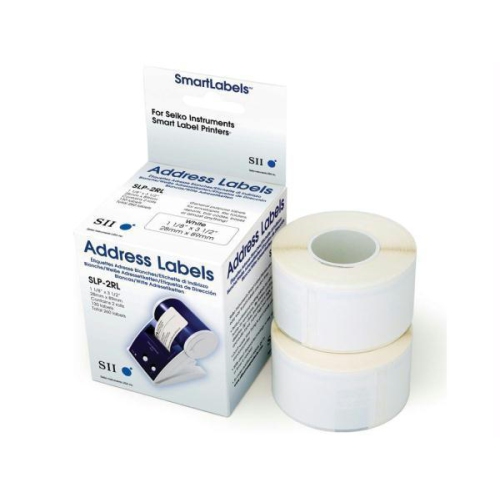
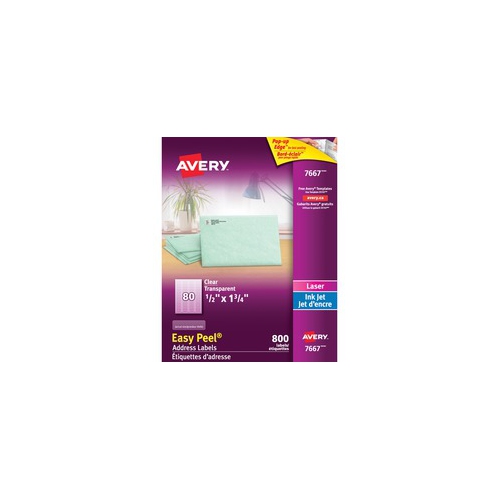
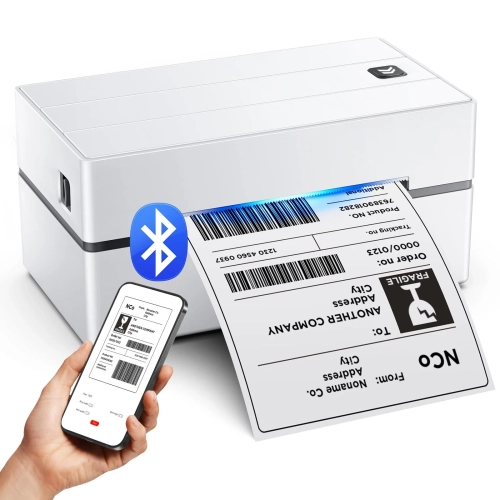
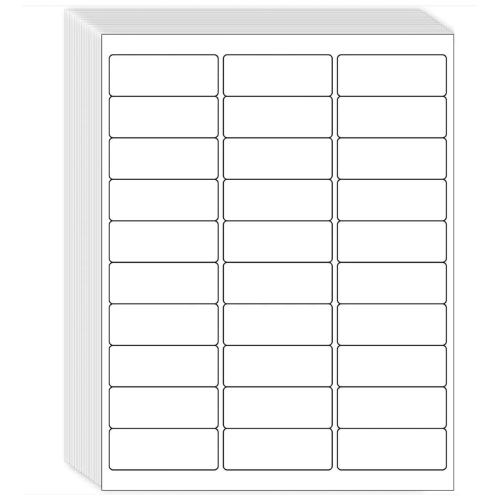
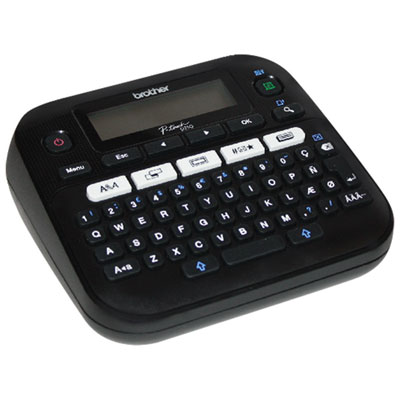
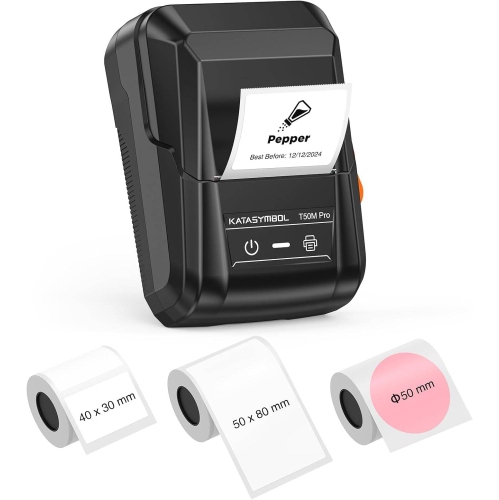
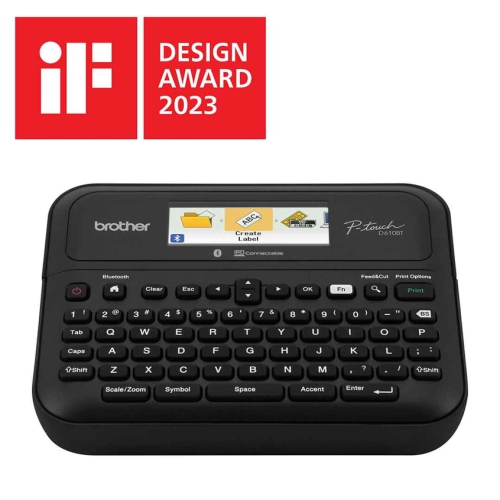
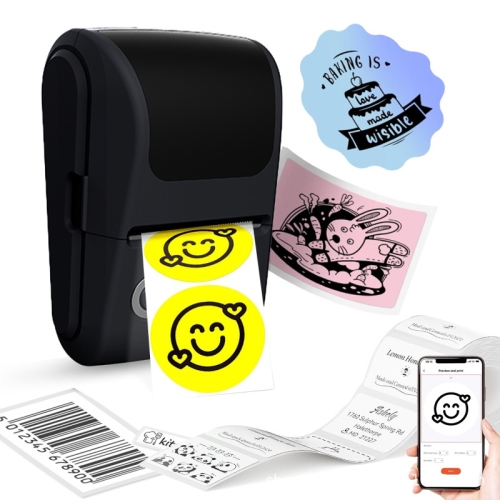
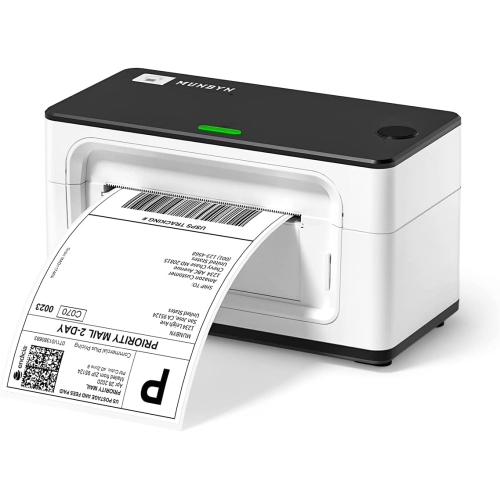
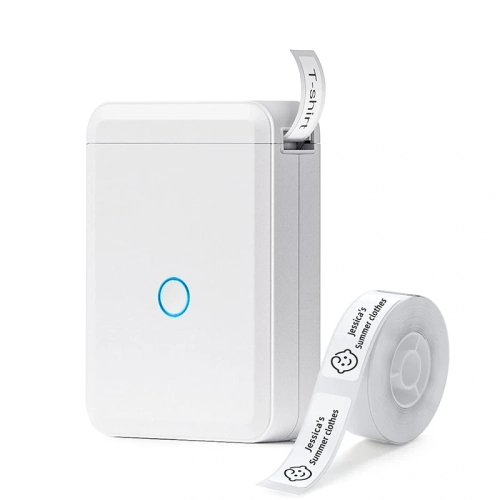
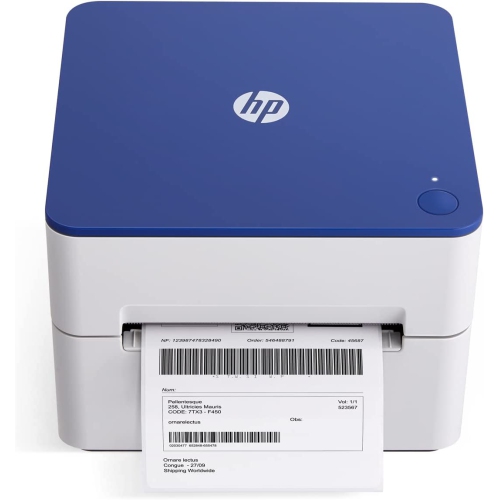
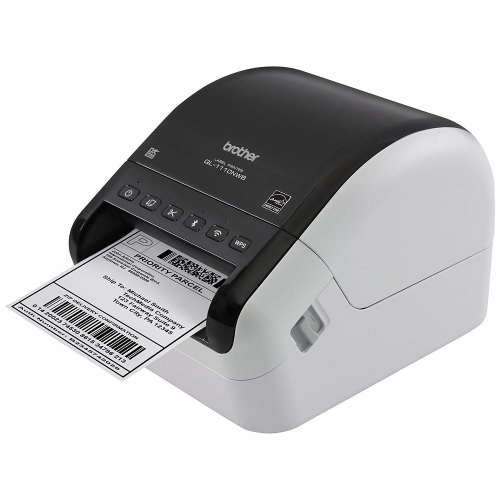
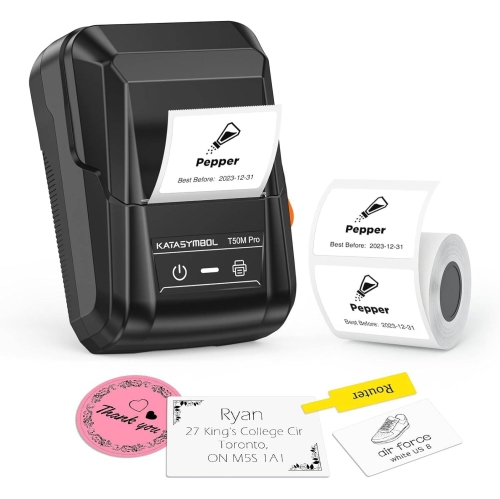
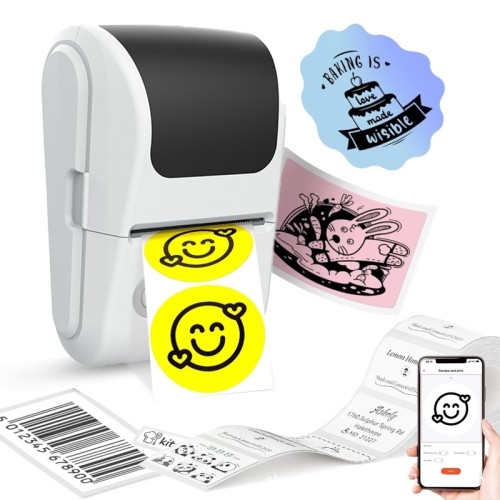
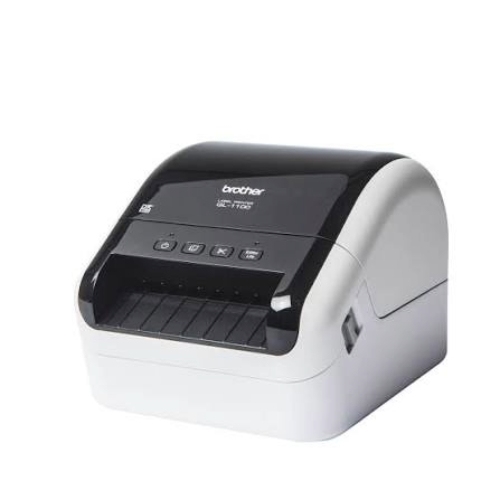
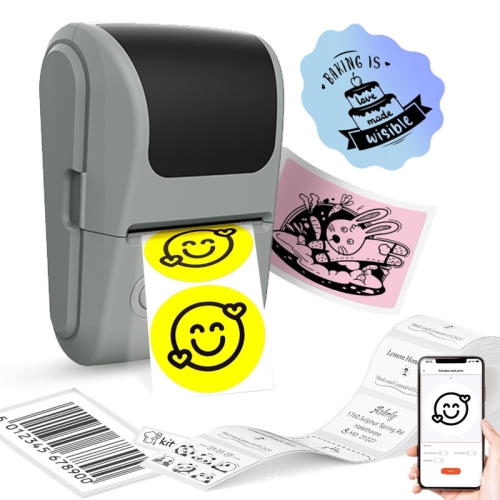
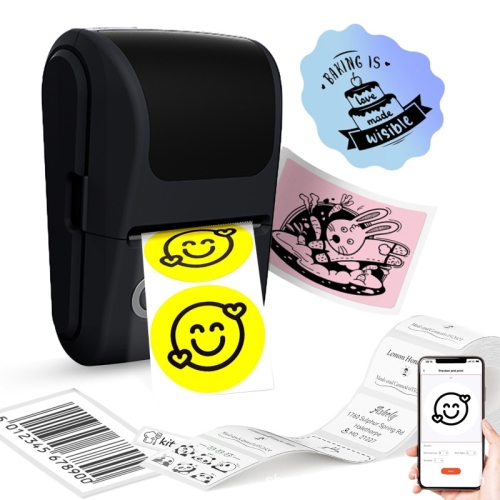
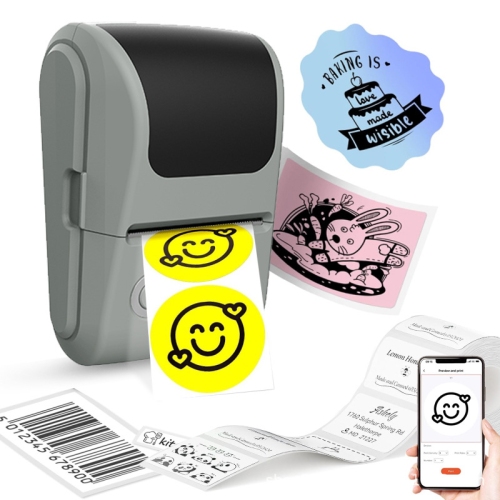
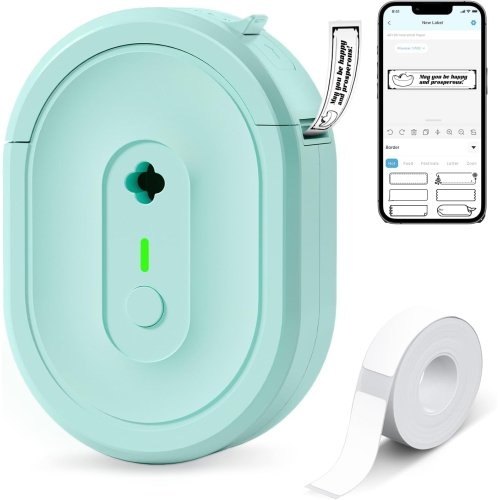
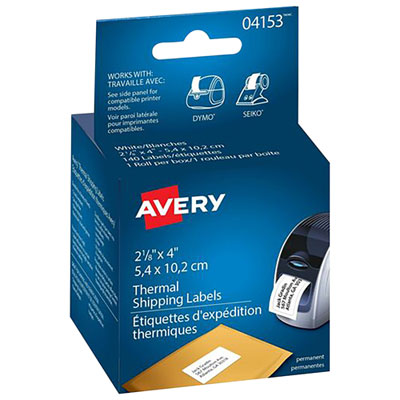
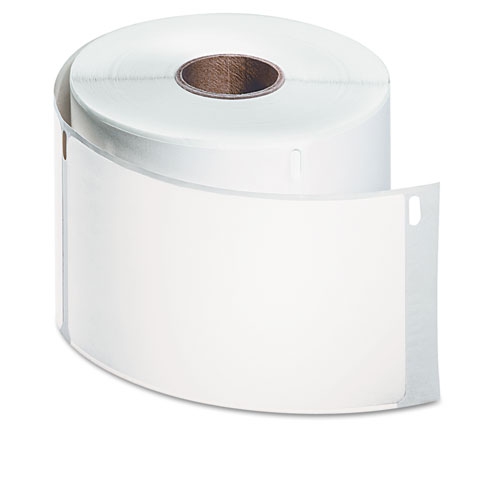
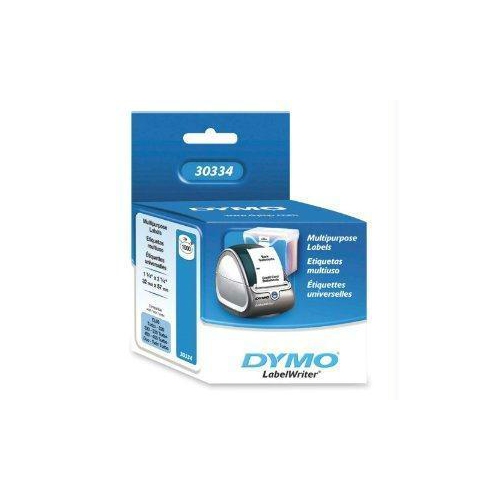
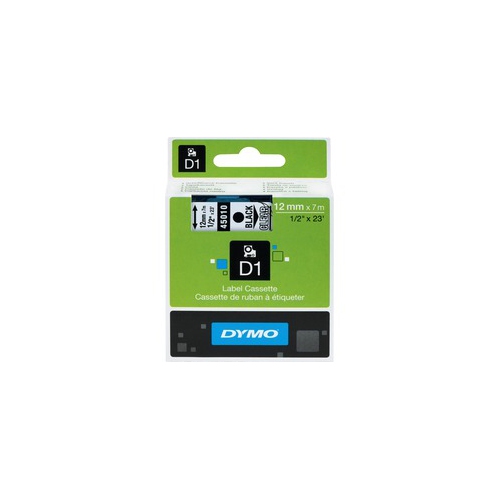
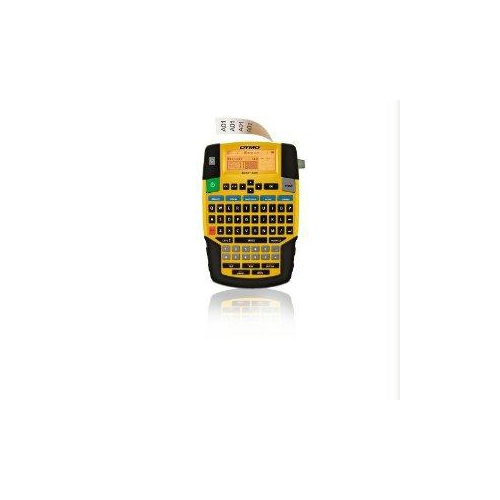
Printing compatibility connects the label’s physical format with the way a business works. Sheet labels intended for laser printing are not necessarily interchangeable with inkjet sheets, and the coating must suit the printing method to produce clear text without smearing or poor adhesion. Roll labels likewise need the correct dimensions and specifications for the equipment being used, including supported roll size, media type, and sensing method. Direct thermal printing and thermal transfer printing use different processes: direct thermal media develops an image without an ink ribbon, while thermal transfer equipment uses a ribbon matched to the label material. The choice can affect how well printed information holds up during storage and handling. For workplaces that need repeatable text on files, storage bins, cables, or equipment, Professional Label Makers can be part of an in-house labelling setup, with compatible media selected for the particular task. A desk-based workflow for occasional address labels has different requirements from a packing station producing repeated batches throughout the day. Sheet layouts can be convenient for multiple labels printed together, while rolls can suit workflows that produce labels one at a time or in a continuous sequence. Templates, margins, and print alignment influence whether the finished information lands within the usable area, particularly on small labels where a slight shift can cut off a character. Barcodes and QR codes need adequate contrast, clear surrounding space, and a size appropriate to the scanning task; decorative backgrounds should not compete with them. Human-readable details remain useful when a code cannot be scanned, so a reference number or short description often earns its place beside the graphic. Consistent naming conventions also help staff distinguish similar records or containers without relying on memory. In a shared workspace, a clearly labelled supply drawer saves searching; at a dispatch bench, an accurate parcel label helps prevent mix-ups; on customer packaging, an orderly design keeps essential information easy to find. The most useful business labels combine suitable materials, dependable attachment, compatible printing, and a layout that stays clear through everyday handling.
Top selling and popular products
-
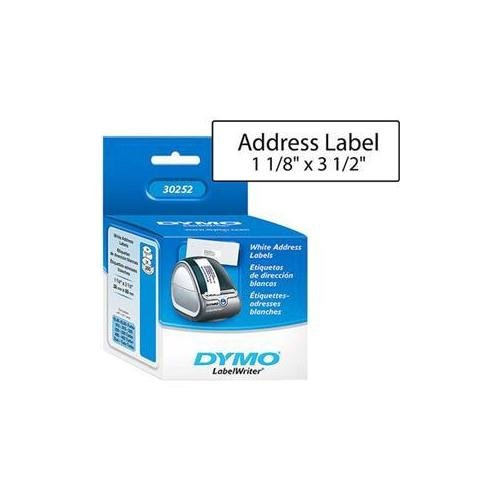 Your price for this item is $47.37
-
 Your price for this item is $70.99
-
 Your price for this item is $64.99
-
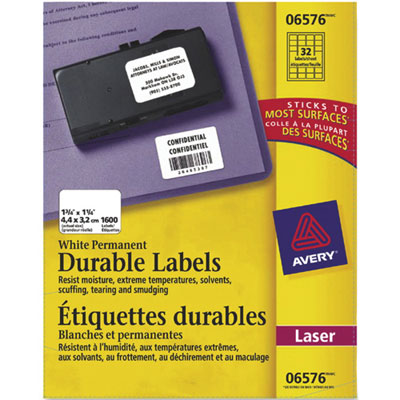 Your price for this item is $70.99
-
 Your price for this item is $30.99
-
 Your price for this item is $26.99
-
 Your price for this item is $86.68
-
 Your price for this item is $22.99
Discover more categories related to Business Labels
Top Collections:
Pokemon Centers, Best Cameras for Sports Photography, Kindle Devices, Samsung Galaxy Phones, Canon G7X Cameras, Pokémon 30th Celebration Cards, Refurbished Apple Laptops, iPhone 15 Apple, Laptops for Students, Budget Smartphones
Some products may be subject to Environmental Handling Fees
(EHF) depending on your province.
Learn more about EHFs.