Business Phones
Business phones are an essential tool for staying connected with customers, colleagues, and vendors. These phones provide a reliable way to communicate, allowing professionals to stay in touch even when they are away from their desks. These phones also offer features such as voicemail, call forwarding, and conference calling, which can help streamline business operations. Here are some great options available.
Sort
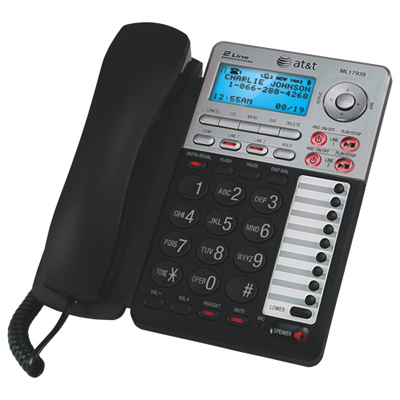
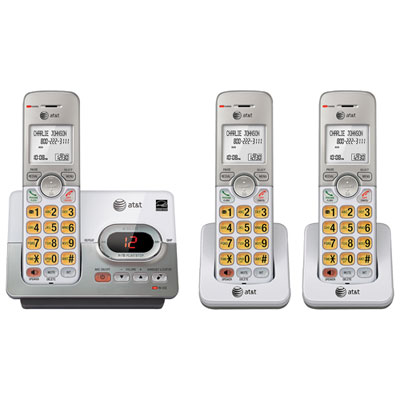
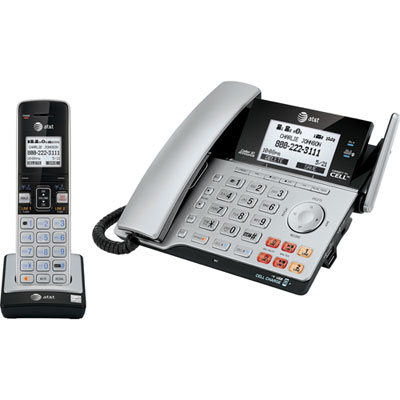
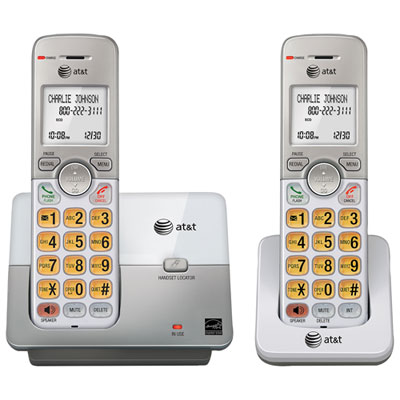
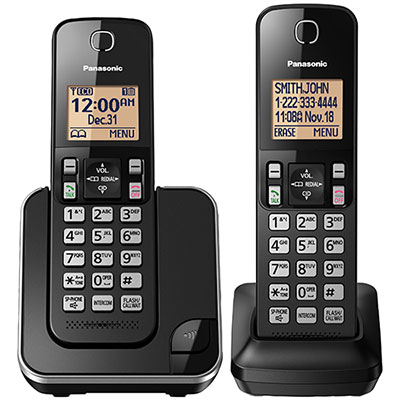
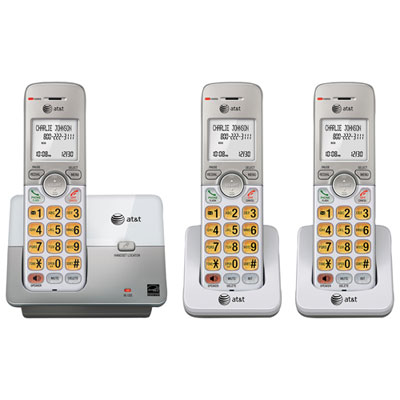
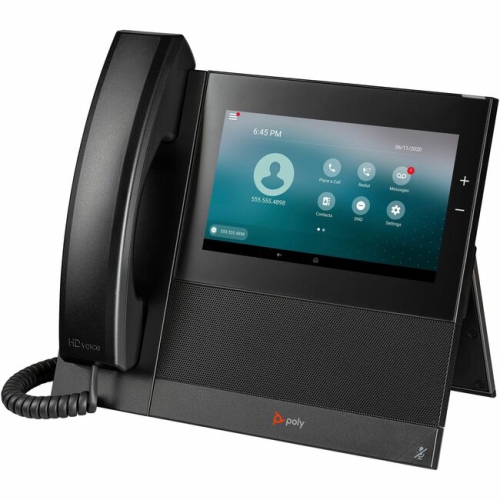
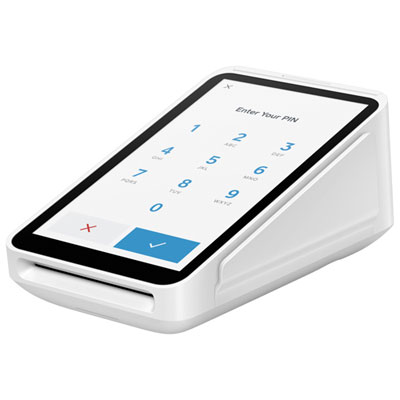
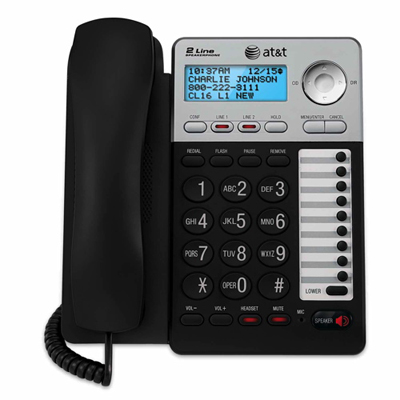
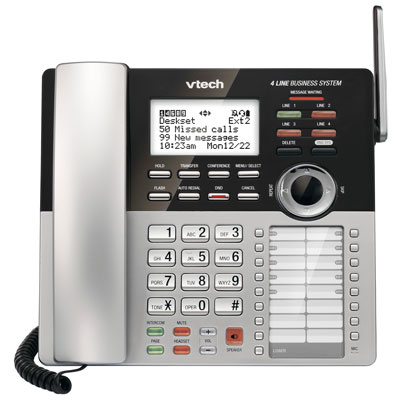
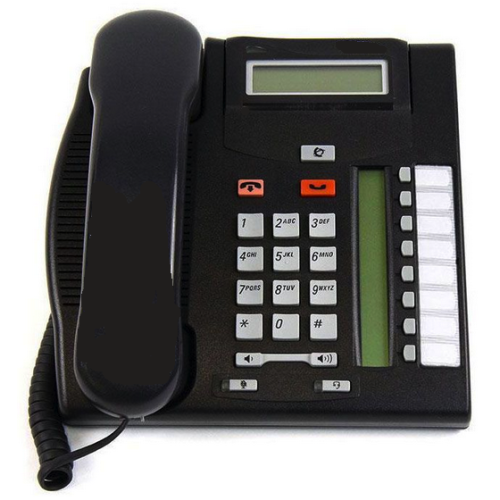
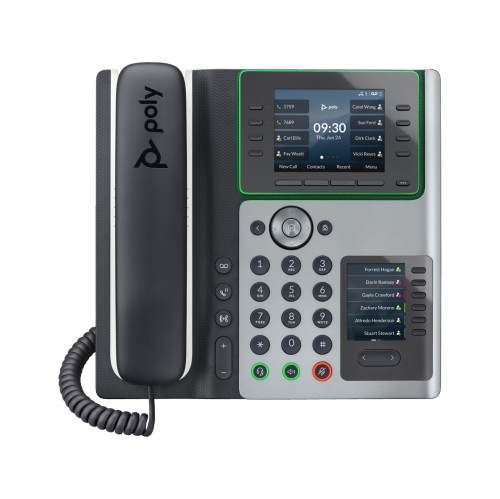
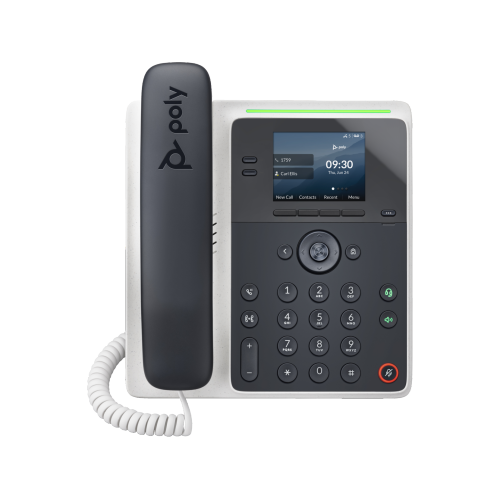
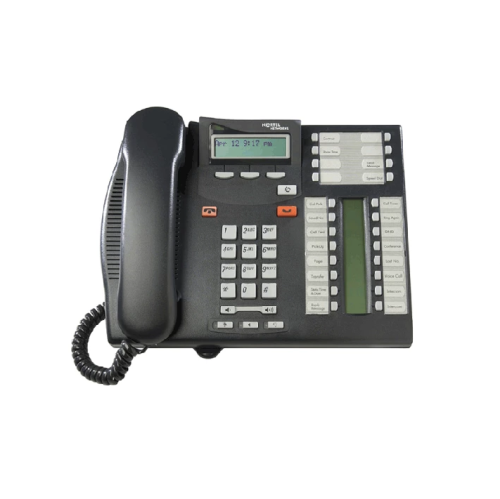
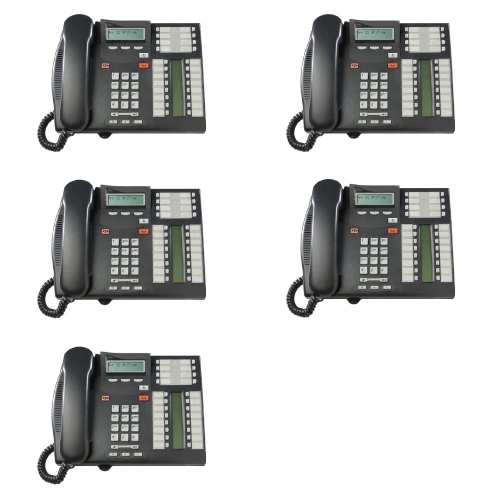
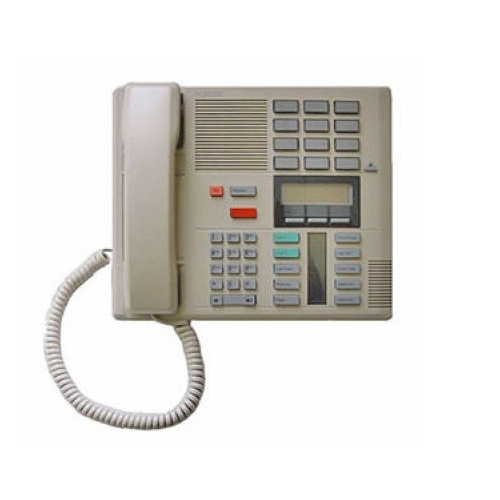
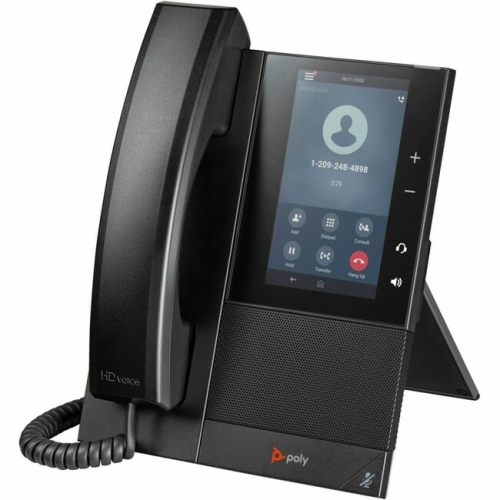
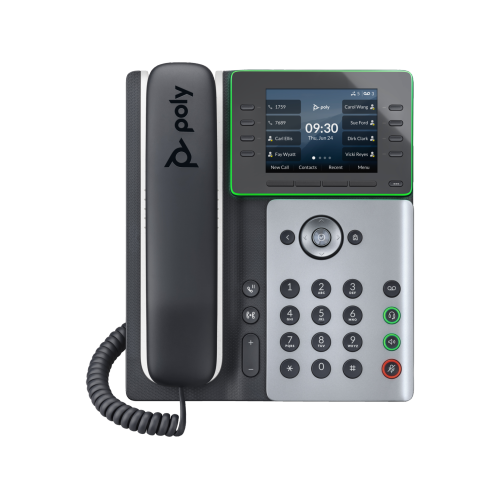

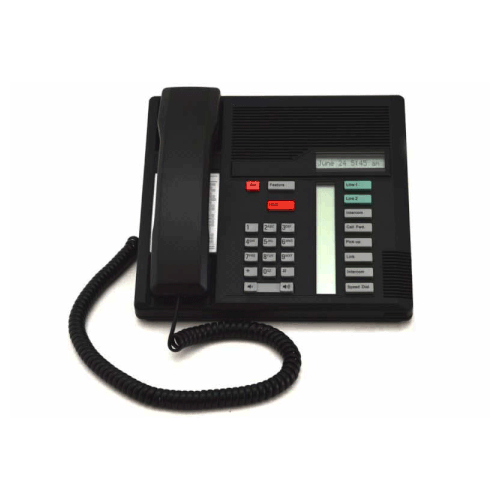
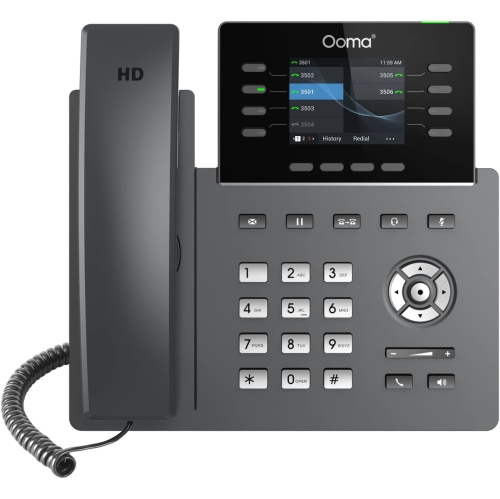

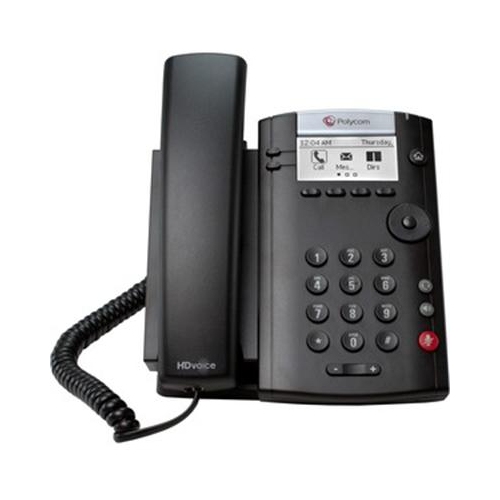

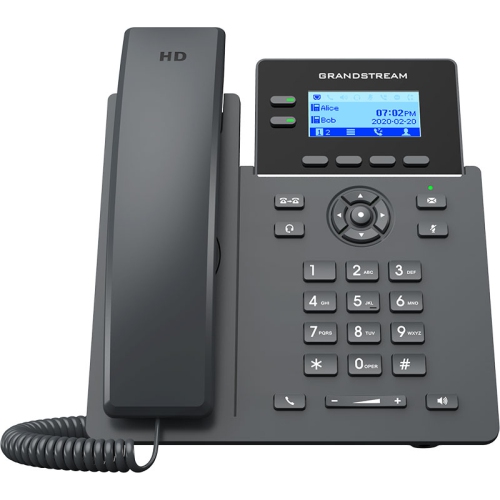
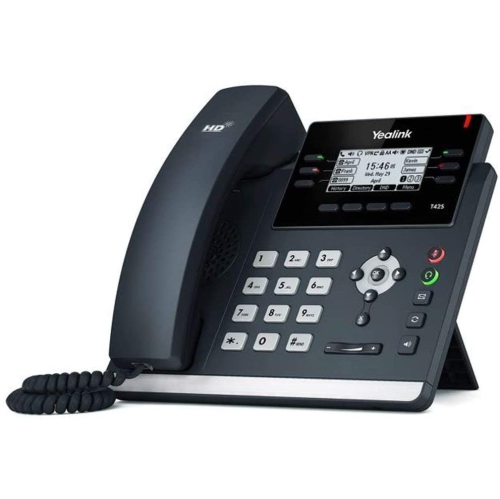
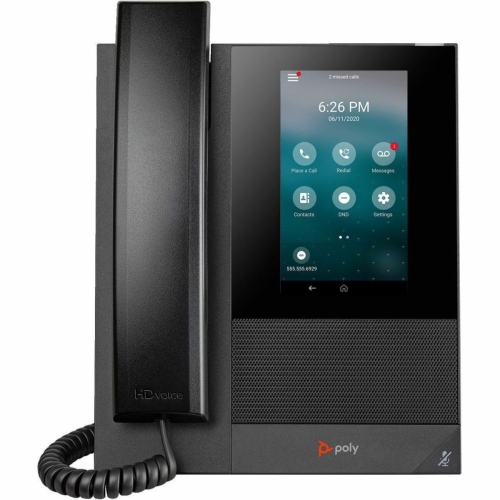
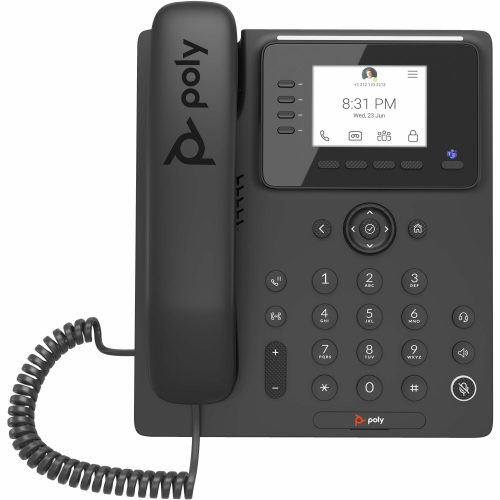

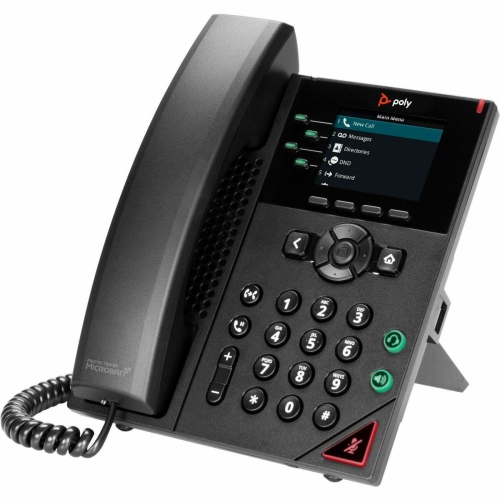
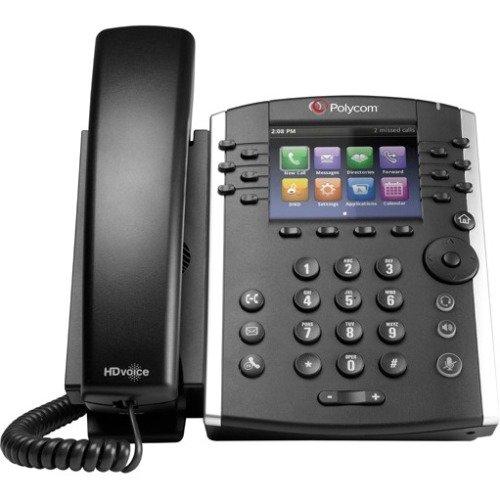
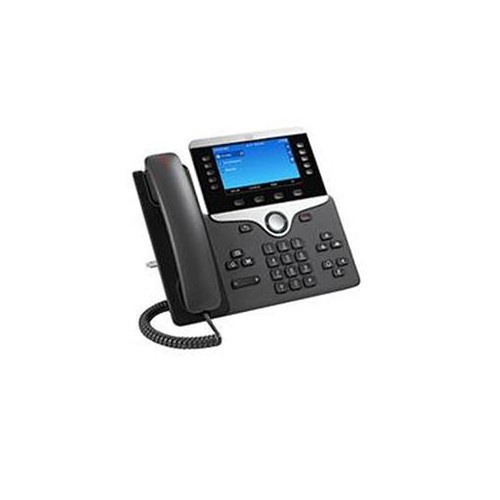
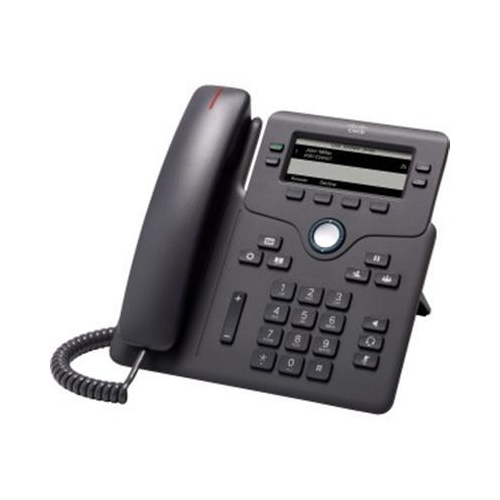
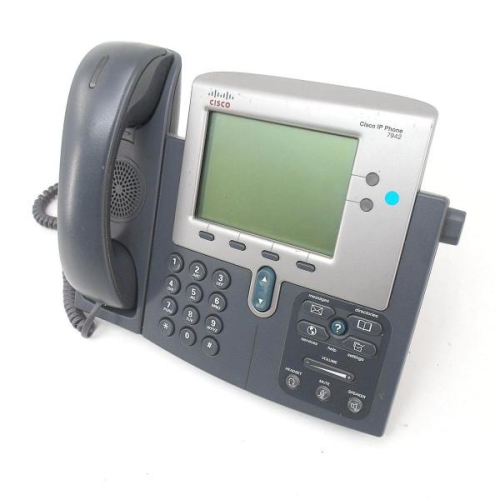
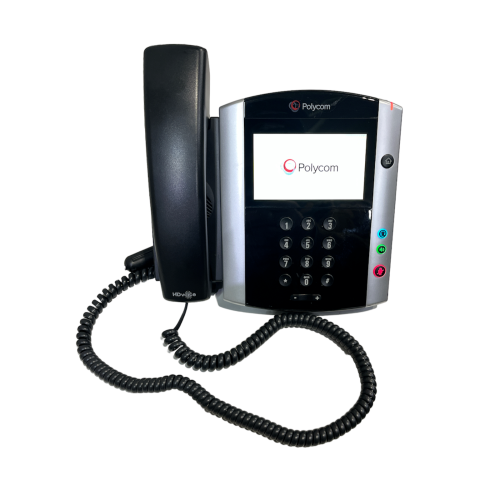
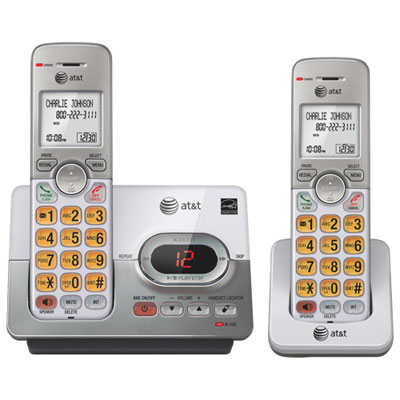
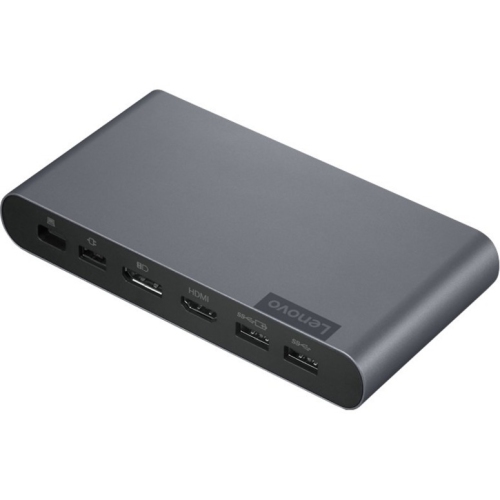
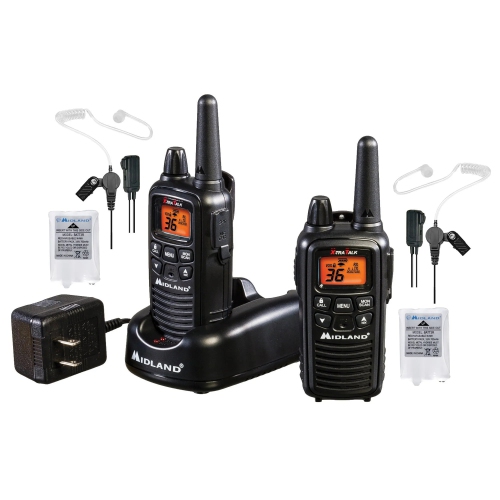
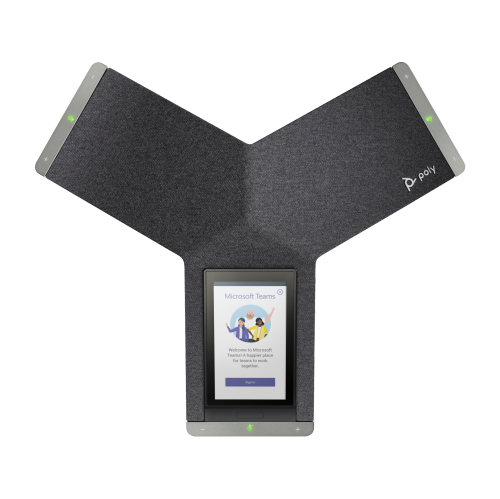
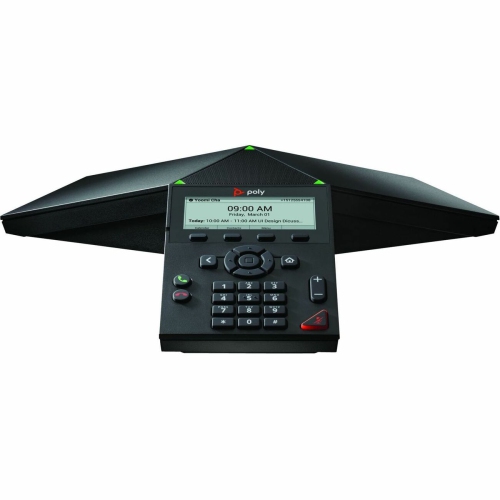
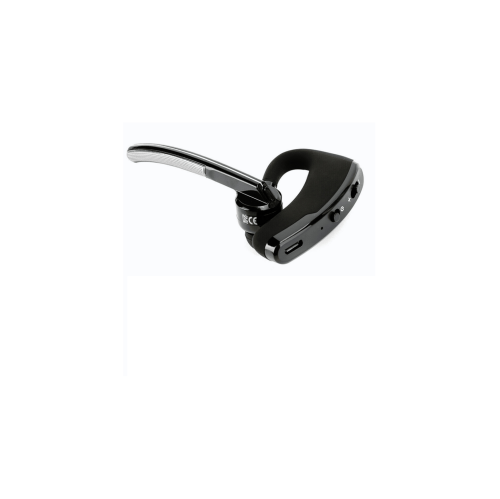
Reliable calling for reception desks, offices, and growing teams
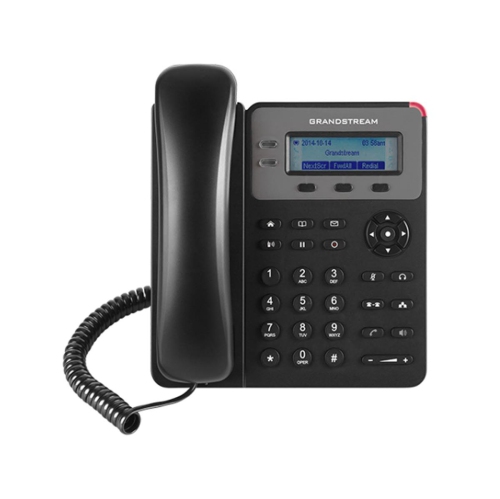
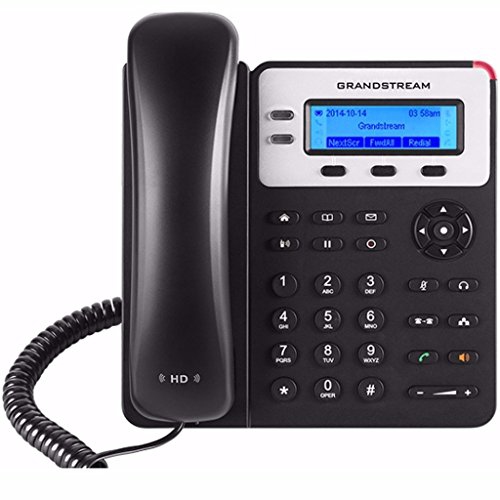
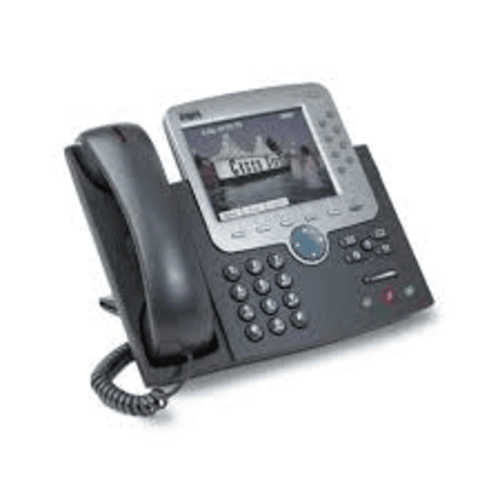
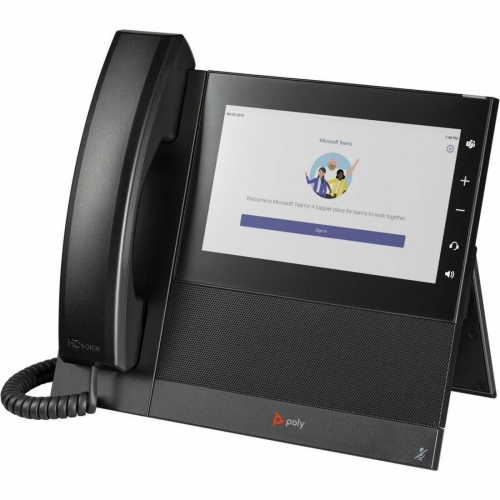
Business phones help businesses manage conversations with greater clarity, consistency, and control, whether calls take place from a reception desk, a private office, a workshop, a home office, or a shared workspace. The right choice depends on the way your team works, the number of people who need access to a line, and the communication features that matter most during a busy day. Traditional multi-line phones are a practical fit for reception areas, service counters, clinics, property offices, and small companies where several calls may arrive at once. They can provide dedicated line buttons, call transfer, hold, conferencing, caller identification, speakerphone access, and voicemail, giving staff a familiar way to organize conversations without relying on a personal mobile device. A business phone with a comfortable handset and clear audio can make a noticeable difference when employees spend hours speaking with customers, suppliers, clients, or colleagues. For a front-desk employee, the ability to see which lines are in use and transfer a call with a single button can keep the entire office moving smoothly. In a smaller office, an expandable system can offer room to add handsets or extensions as the team grows, while a compact single-line phone may be all that is needed for a private office or home-based operation. When comparing options, consider the number of lines and extensions supported, the style and layout of the controls, display visibility, handset comfort, speakerphone quality, voicemail functions, and whether the phone is designed for analogue, digital, or internet-based service. Businesses setting up voice calling through an internet connection can explore Business Internet Phones for equipment suited to modern network-based communication. Compatibility is especially important: confirm that the phone works with your provider or phone system, and check whether it requires Power over Ethernet, a separate power adapter, a particular network connection, or additional licensing. A model with an easy-to-read display and straightforward menus can reduce training time, while programmable keys may be useful for frequently called departments, shared extensions, conference rooms, or external contacts. In environments where calls include private customer details or payment information, look for the security and administration features supported by the phone system, and make sure user access can be managed appropriately.
Business phones are also useful for organizations that need communication to feel dependable even when staff are moving between locations. A cloud-connected phone service can allow employees to use business calling features from a desk phone, computer, or compatible mobile device, helping teams stay connected during travel, hybrid work, building maintenance, or weather-related disruptions. This type of setup may include automatic call routing, hunt groups, call queues, voicemail-to-email, call recording, conferencing, shared directories, presence indicators, and analytics, although the available features depend on the service provider and plan. A small professional practice might use an auto attendant to direct callers to billing, appointments, or support, while a growing sales team may benefit from call monitoring, shared contact lists, and reporting tools. Before choosing a cloud-based solution, review the monthly service requirements, user limits, emergency calling support, number porting process, internet connection requirements, and compatibility with collaboration platforms already used by the organization. Desk hardware can be a thoughtful and practical addition when outfitting a new office, replacing aging equipment, preparing a reception area, or creating a dedicated workspace at home; it is less about presentation than about giving people a reliable tool that is ready whenever a customer calls. Picture a service coordinator handling one conversation while another caller waits on hold, checking a shared directory, and transferring the first call without leaving the desk—that simple sequence is where the value of a well-matched business phone becomes clear. During the cooler months, when staff may spend more time working indoors or managing higher volumes of service requests, dependable calling equipment can help prevent missed messages and unnecessary back-and-forth. Buyers should also think about installation and support: a plug-and-play phone may suit a small operation with limited technical resources, while a larger organization may prefer equipment that can be configured and administered centrally. For a polished setup, consider how the phone will sit alongside computers, headsets, printers, routers, and other office equipment, and leave enough desk space for notes, documents, or a keyboard. Whether the goal is to equip one employee or create a complete calling system for a growing team, choosing business phones around line capacity, connectivity, comfort, and required features can lead to smoother conversations and a more organized workplace.
Business phones are also useful for organizations that need communication to feel dependable even when staff are moving between locations. A cloud-connected phone service can allow employees to use business calling features from a desk phone, computer, or compatible mobile device, helping teams stay connected during travel, hybrid work, building maintenance, or weather-related disruptions. This type of setup may include automatic call routing, hunt groups, call queues, voicemail-to-email, call recording, conferencing, shared directories, presence indicators, and analytics, although the available features depend on the service provider and plan. A small professional practice might use an auto attendant to direct callers to billing, appointments, or support, while a growing sales team may benefit from call monitoring, shared contact lists, and reporting tools. Before choosing a cloud-based solution, review the monthly service requirements, user limits, emergency calling support, number porting process, internet connection requirements, and compatibility with collaboration platforms already used by the organization. Desk hardware can be a thoughtful and practical addition when outfitting a new office, replacing aging equipment, preparing a reception area, or creating a dedicated workspace at home; it is less about presentation than about giving people a reliable tool that is ready whenever a customer calls. Picture a service coordinator handling one conversation while another caller waits on hold, checking a shared directory, and transferring the first call without leaving the desk—that simple sequence is where the value of a well-matched business phone becomes clear. During the cooler months, when staff may spend more time working indoors or managing higher volumes of service requests, dependable calling equipment can help prevent missed messages and unnecessary back-and-forth. Buyers should also think about installation and support: a plug-and-play phone may suit a small operation with limited technical resources, while a larger organization may prefer equipment that can be configured and administered centrally. For a polished setup, consider how the phone will sit alongside computers, headsets, printers, routers, and other office equipment, and leave enough desk space for notes, documents, or a keyboard. Whether the goal is to equip one employee or create a complete calling system for a growing team, choosing business phones around line capacity, connectivity, comfort, and required features can lead to smoother conversations and a more organized workplace.
Top selling and popular products
-
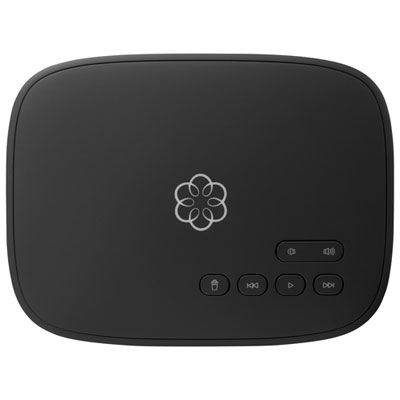 Your price for this item is $129.99
 -
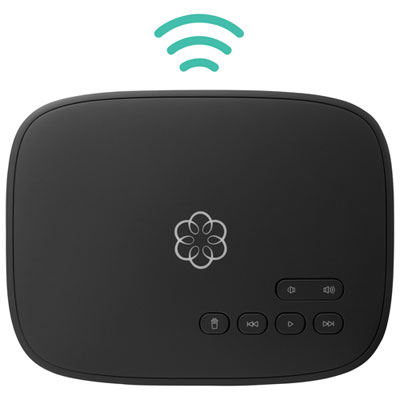 Your price for this item is $109.99
 -
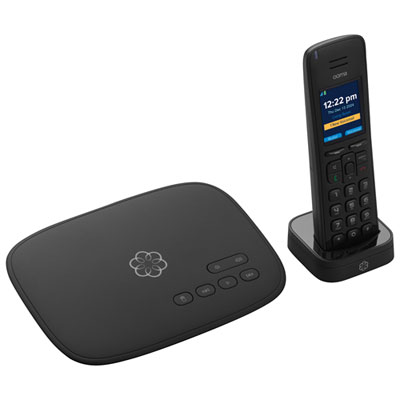 Your price for this item is $139.99
 -
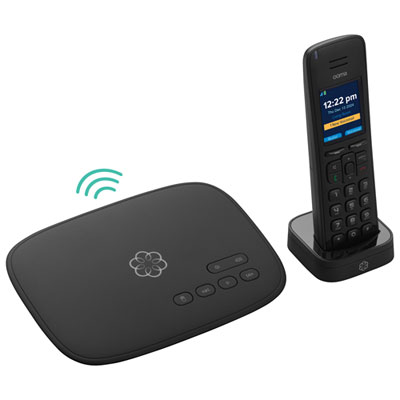 Your price for this item is $159.99
 -
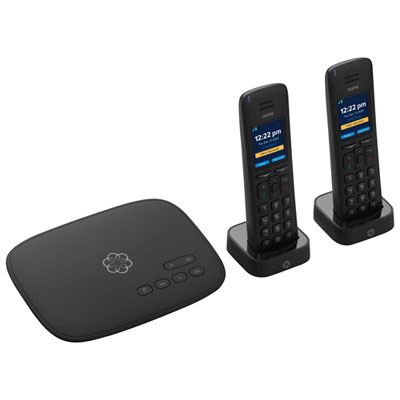 Your price for this item is $159.99
 -
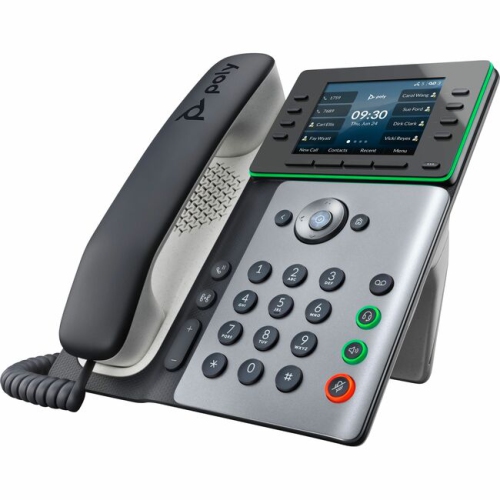 Your price for this item is $276.37
 -
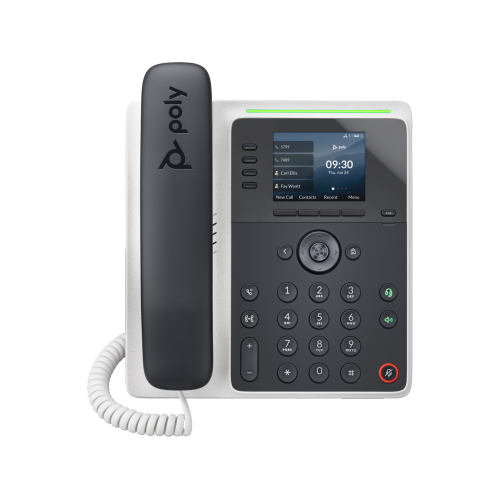 Your price for this item is $162.99
 -
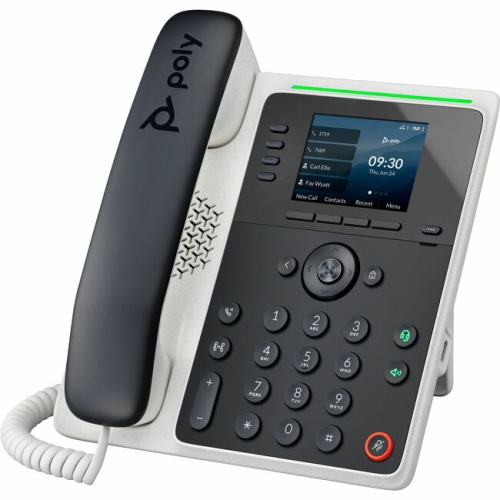 Your price for this item is $211.74
Discover more categories related to Business Phones
Top Collections:
Pokemon Centers, Kindle Devices, Best Budget Office Chairs, Apple iPhones 16, Best Laptops for Writers, iPhone 15 Apple, Canon G7X Cameras, Refurbished Apple Laptops, Alarm Clock, Motorola Razr Phones
Some products may be subject to Environmental Handling Fees
(EHF) depending on your province.
Learn more about EHFs.