Construction Walkie Talkies
Stay connected on the job site with our selection of construction walkie talkies. Designed to withstand tough conditions, these rugged communication devices are essential for efficient and seamless communication between team members. Whether you're coordinating tasks, relaying important information, or ensuring safety, our range of construction walkie talkies offers reliable and long-range communication solutions. With features such as weather resistance, clear audio quality, and durable construction, these walkie talkies are built to keep you connected in any construction environment. Explore our collection and find the perfect walkie talkies to enhance productivity and streamline communication on your next project.
Sort
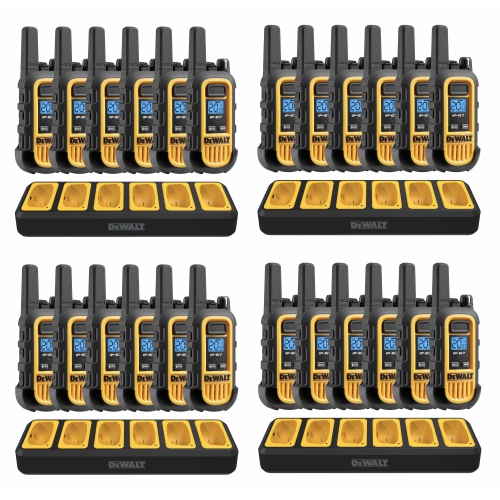
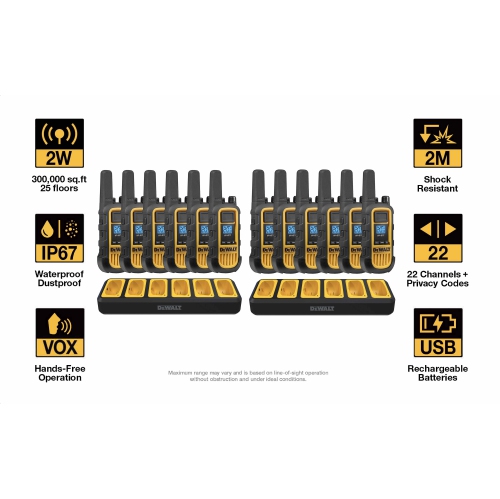
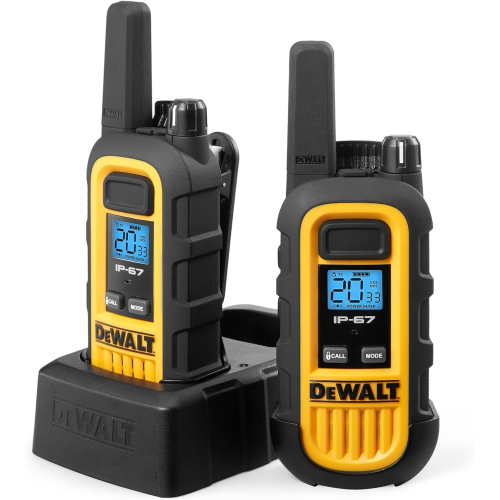
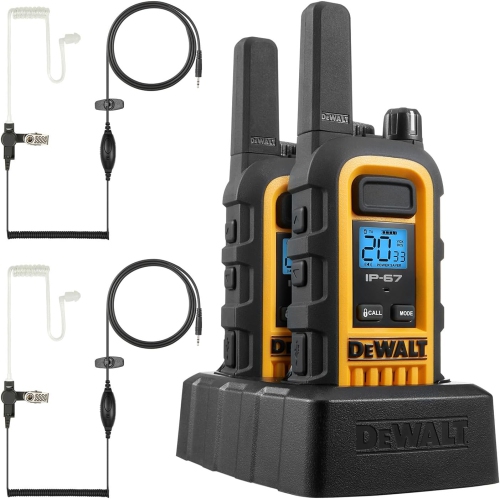
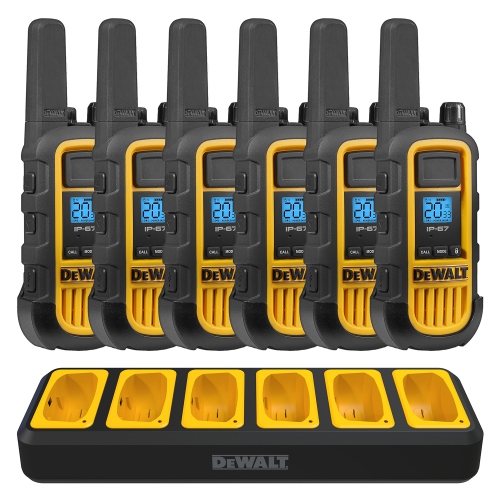
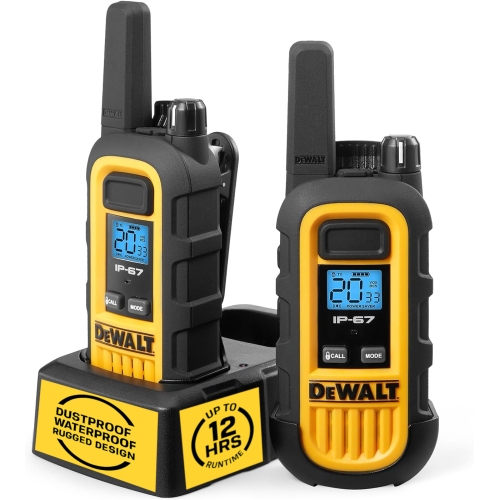
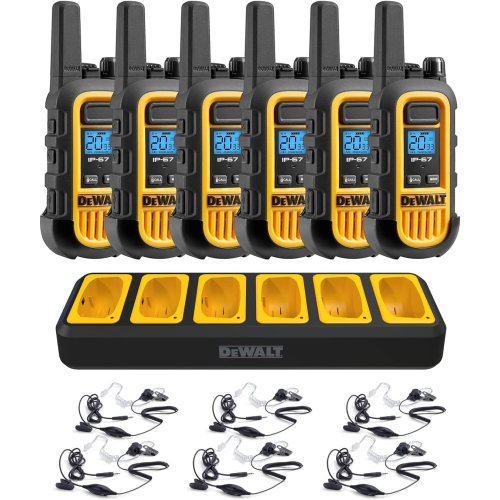
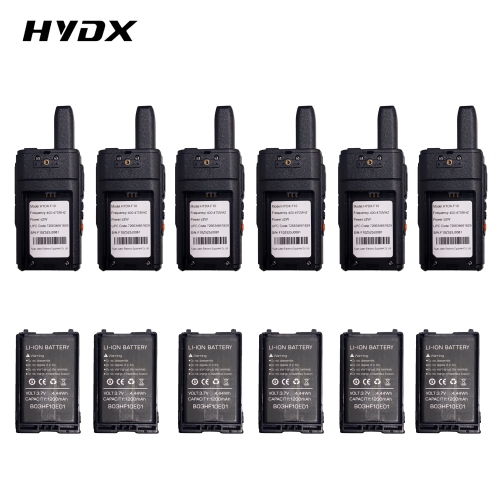
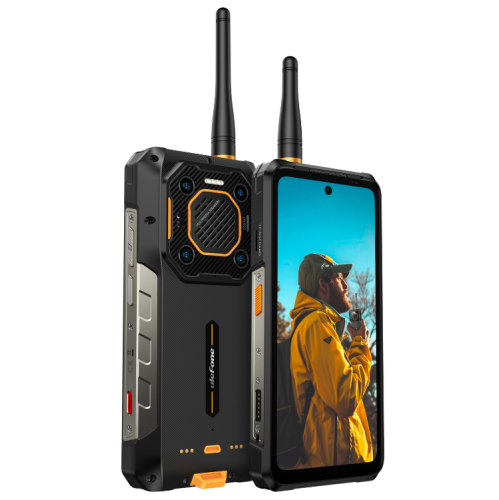
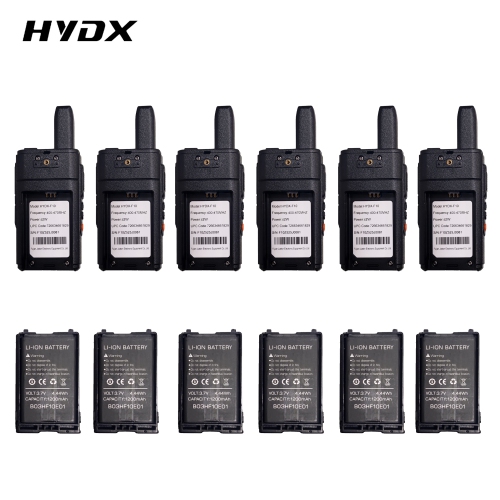
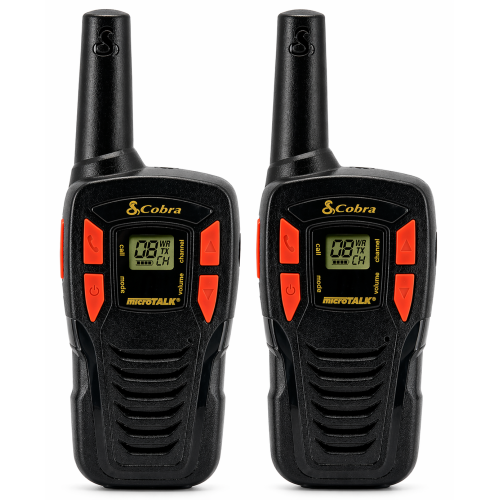
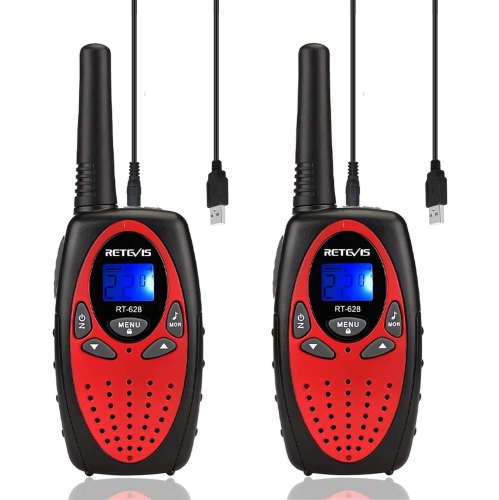
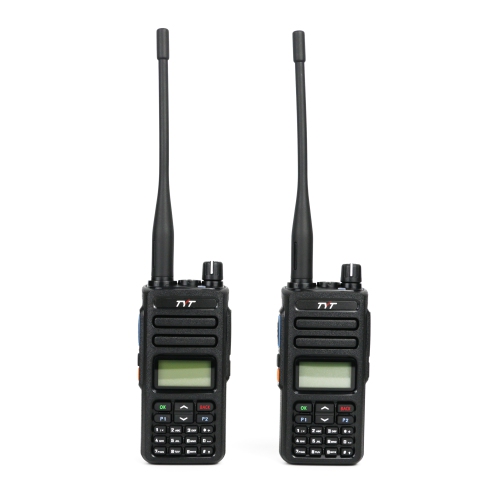
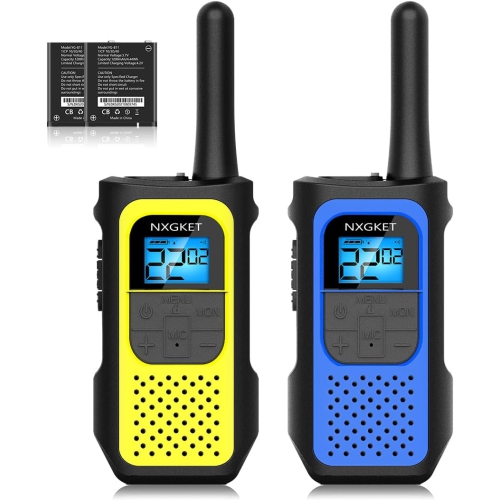
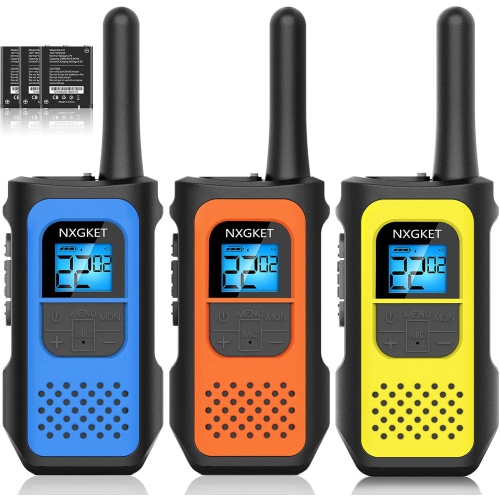
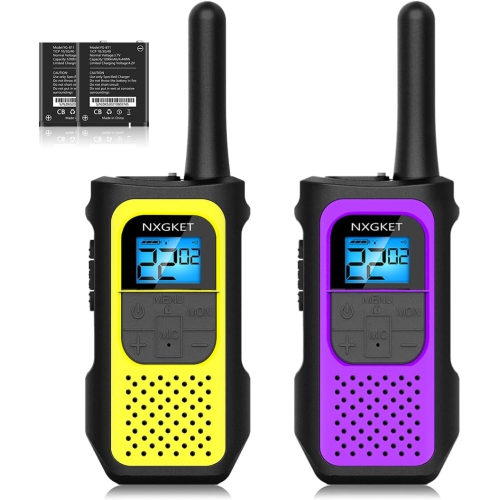
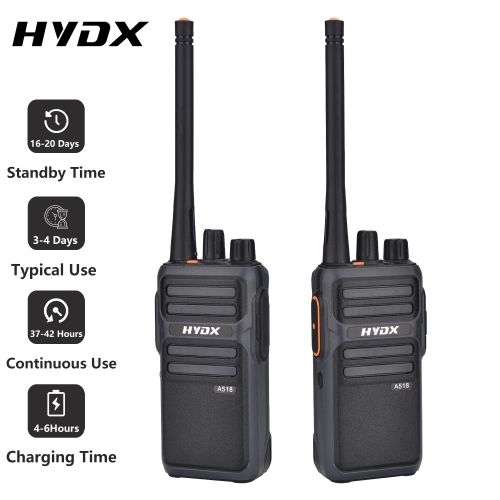
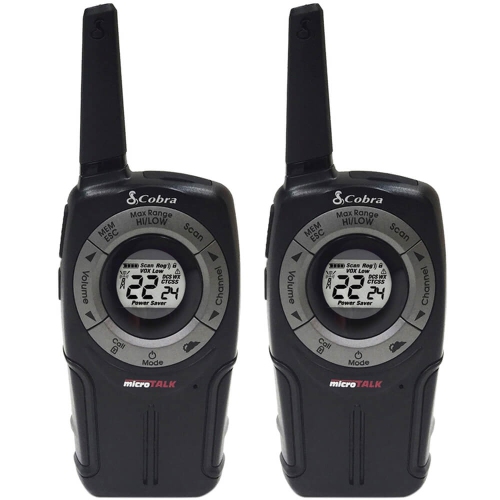
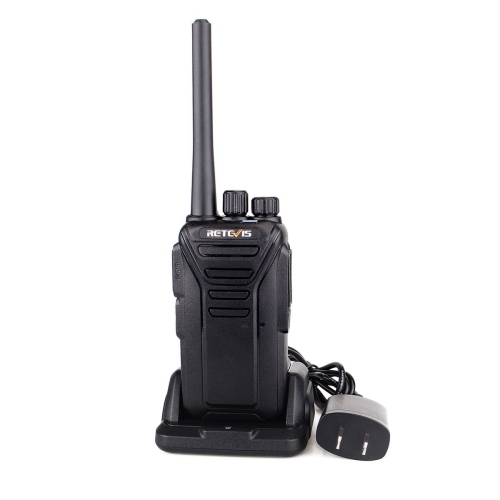
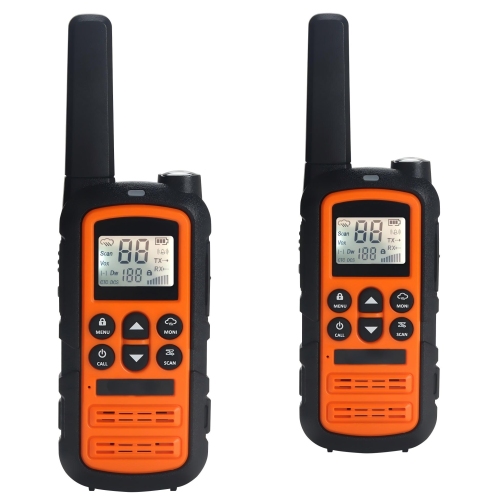
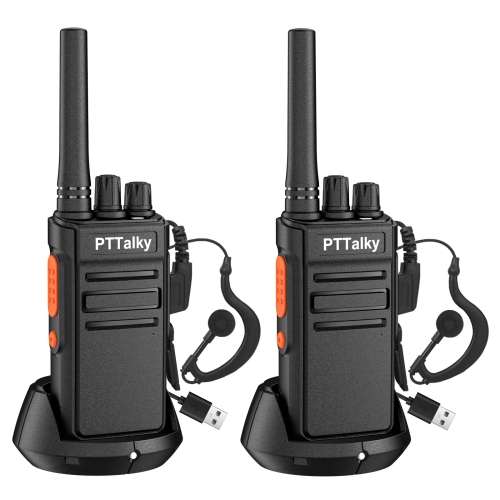
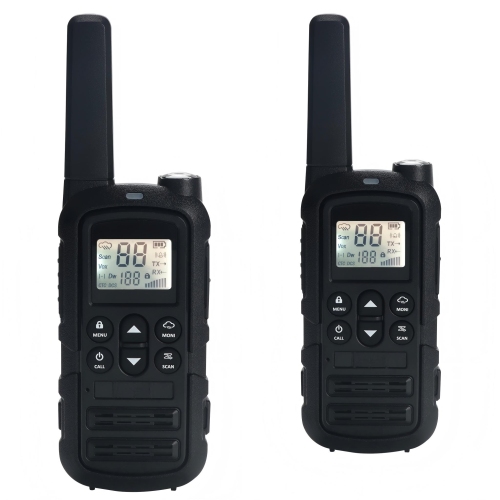
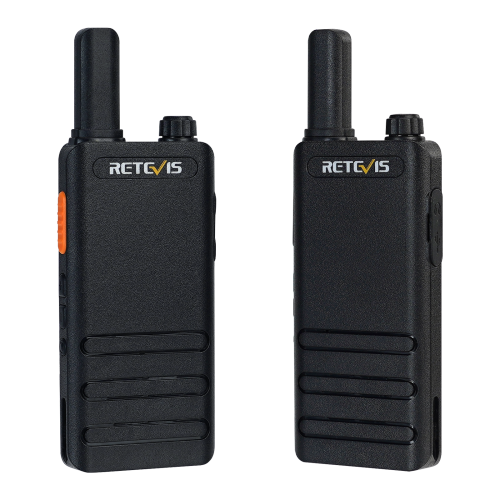

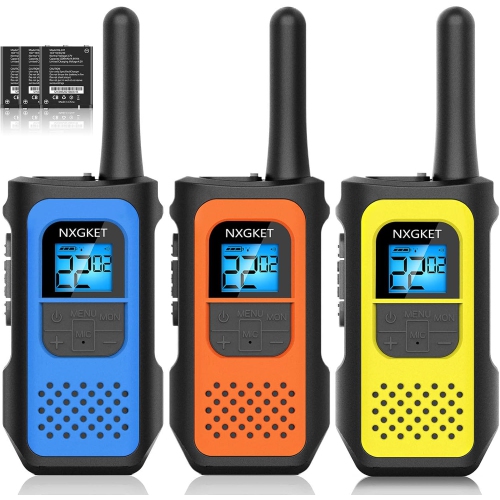
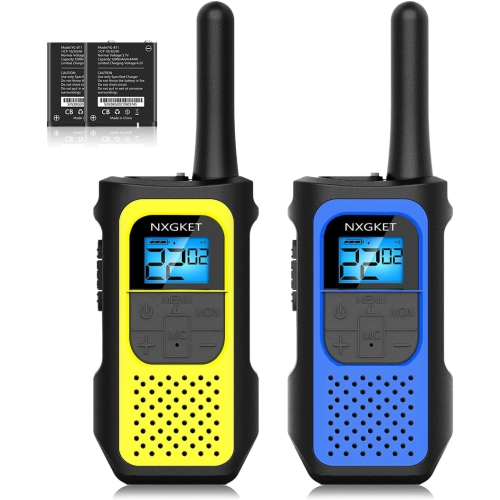
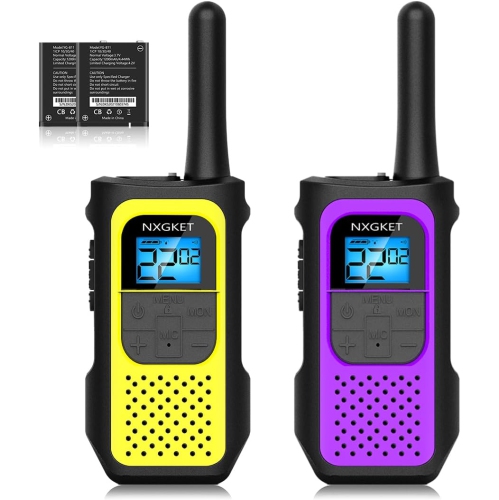
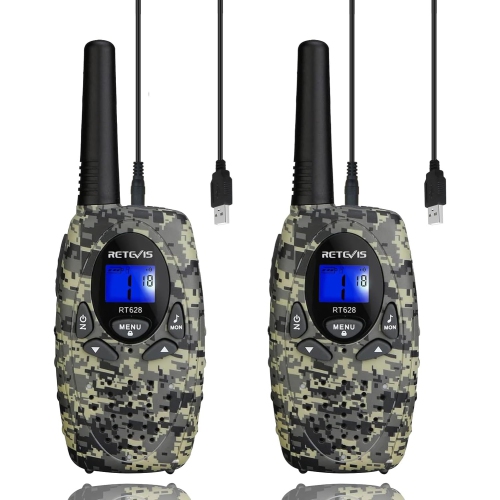
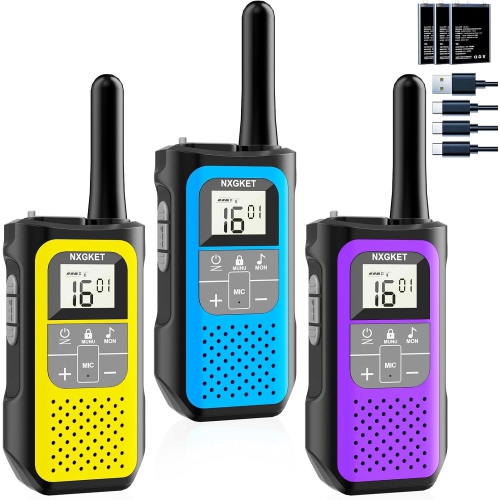
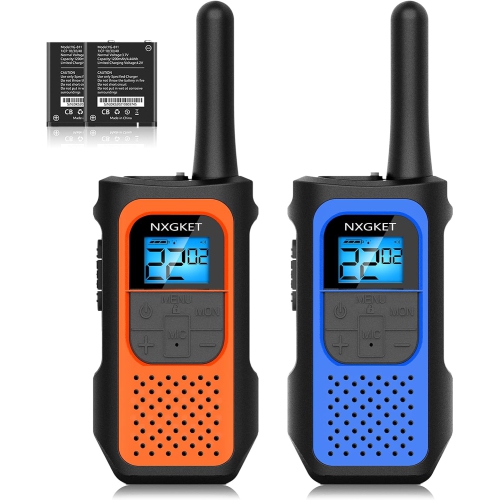
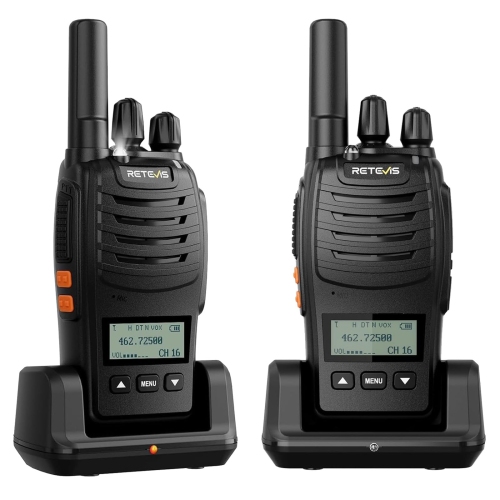
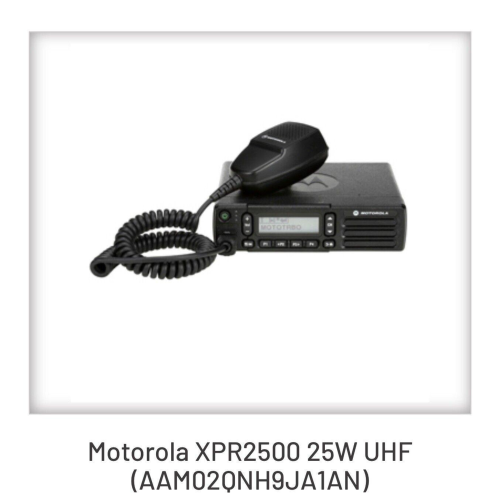
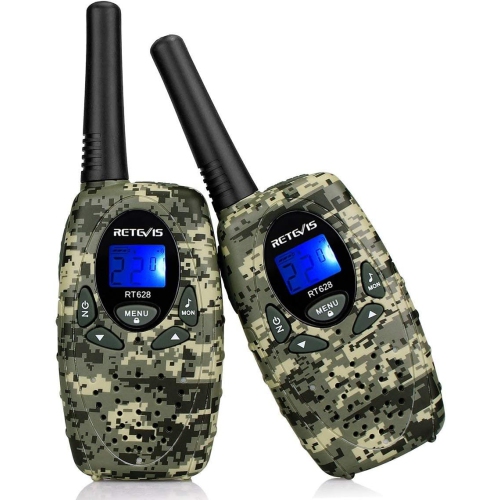
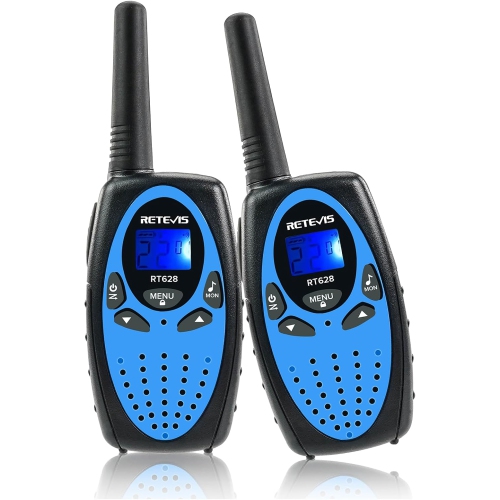
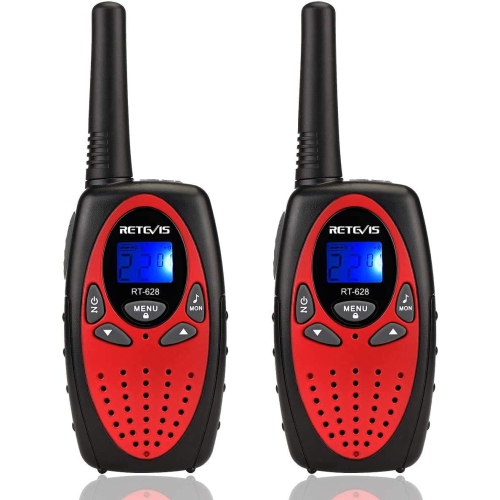
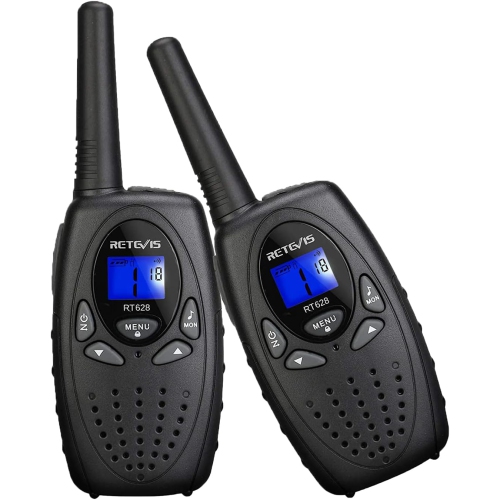
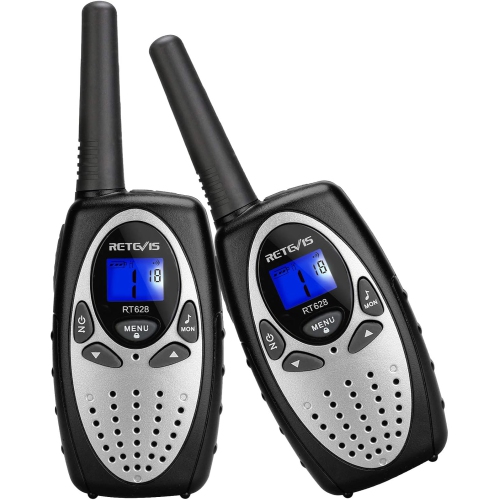
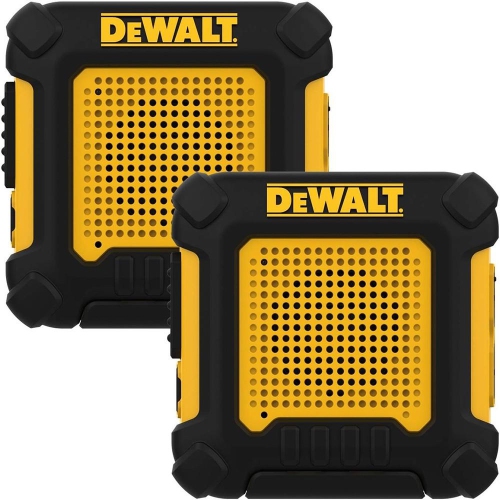
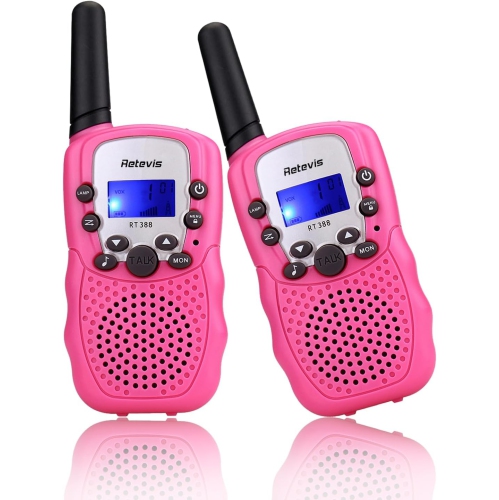
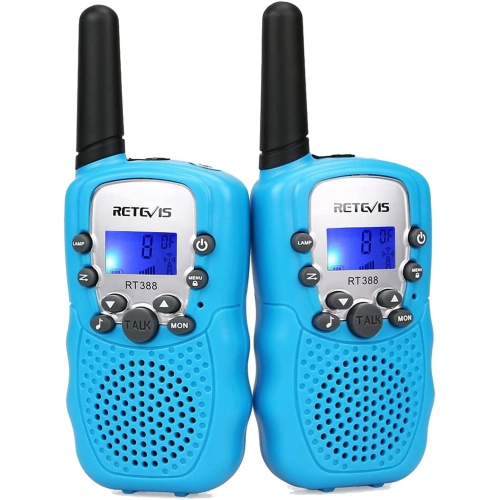
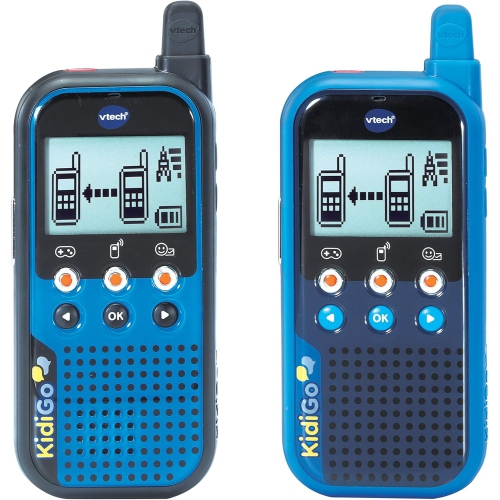
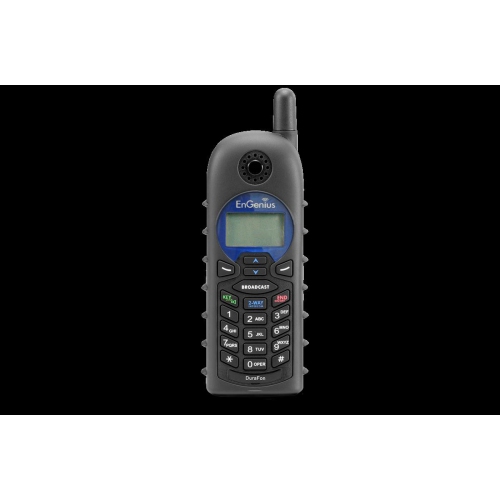
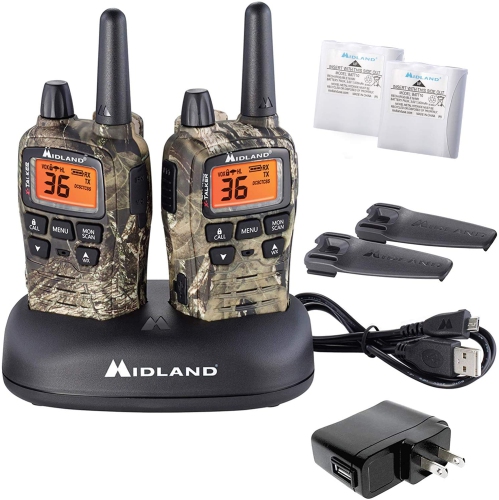
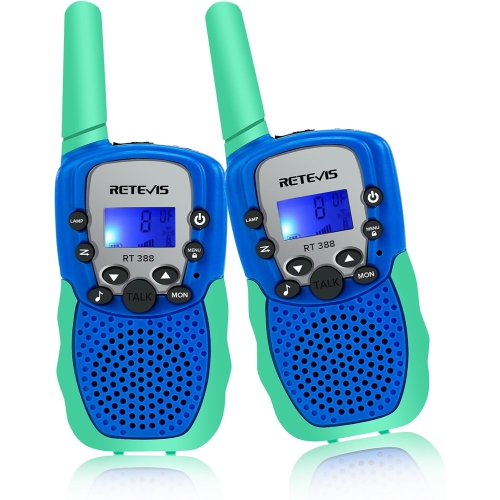
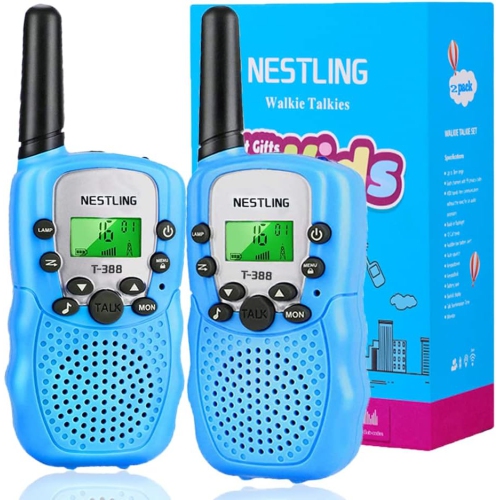
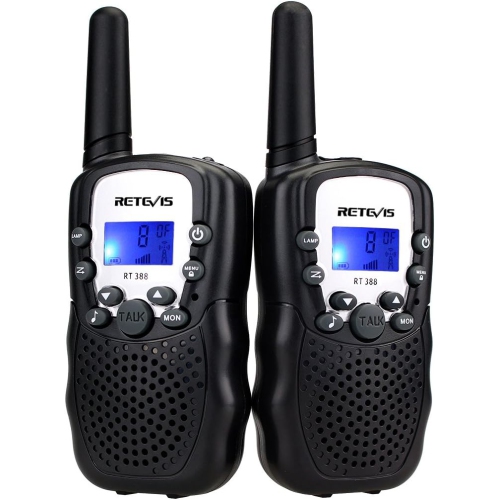
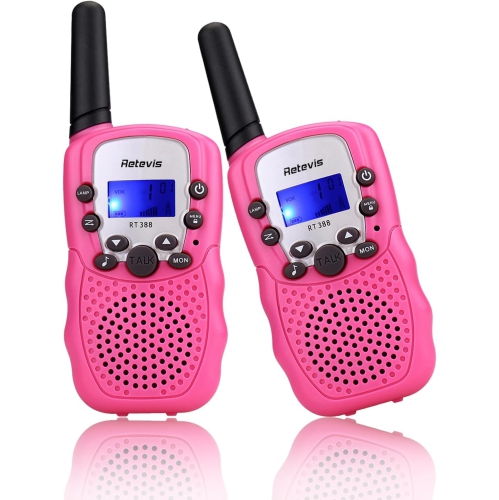
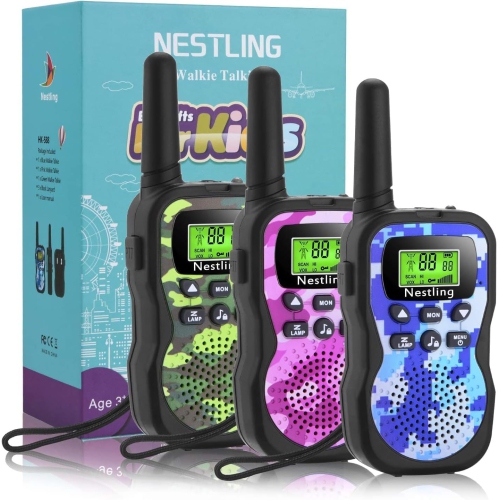
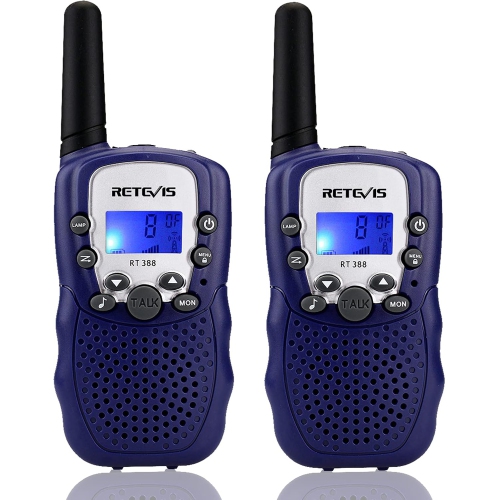
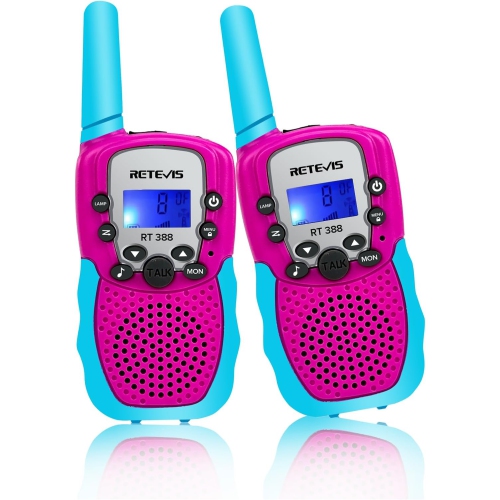
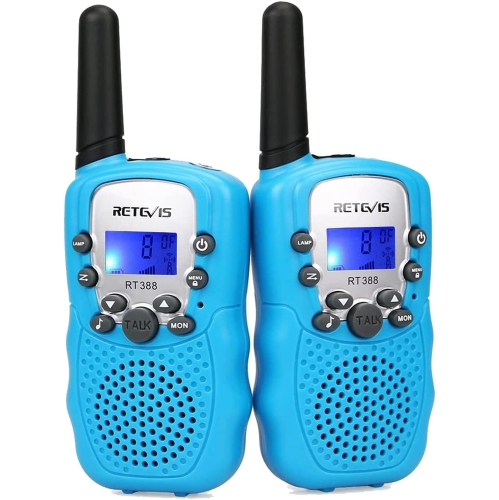
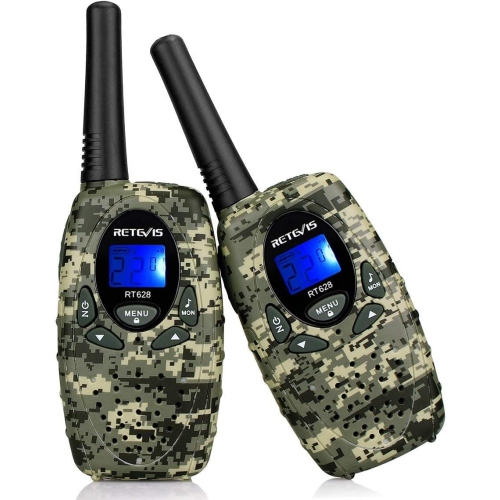
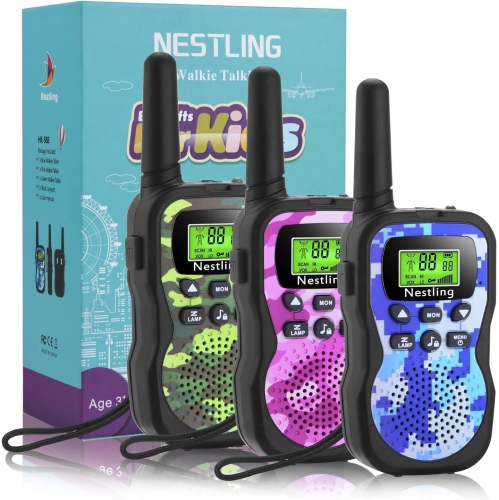
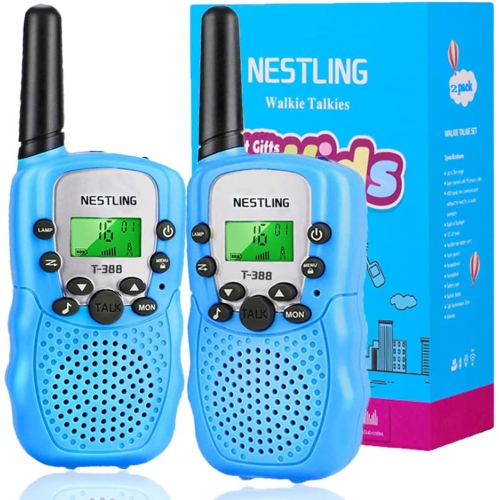
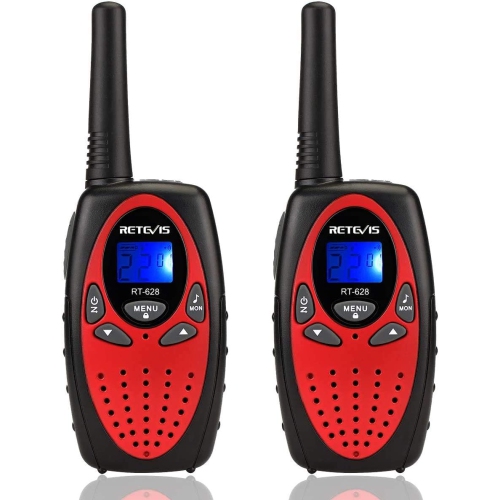
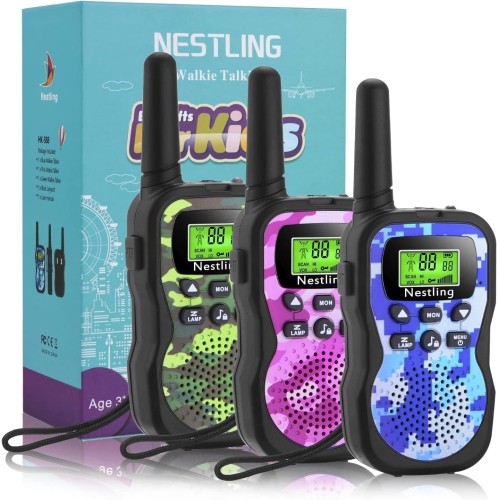
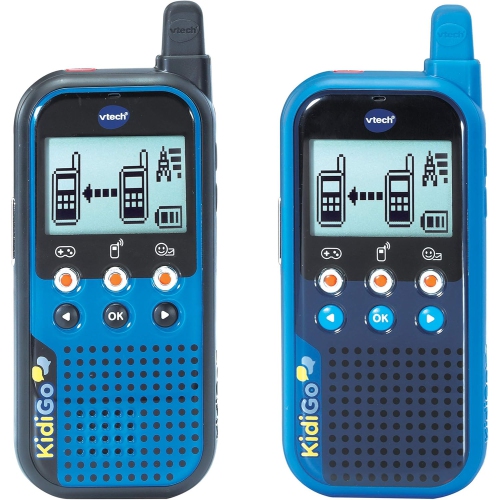
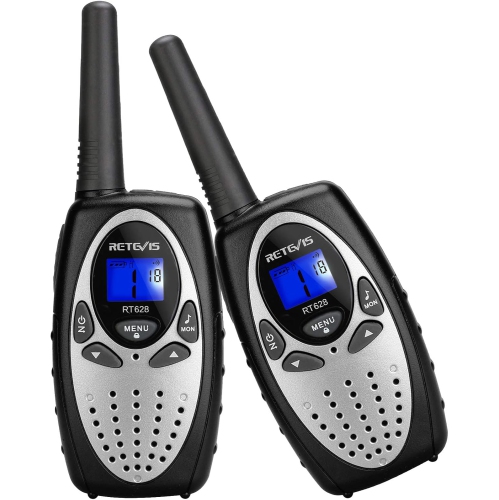
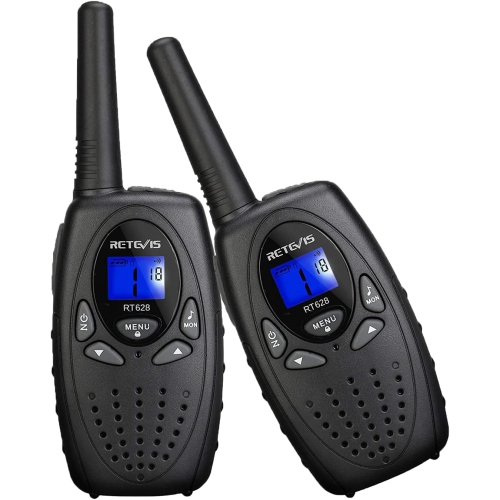
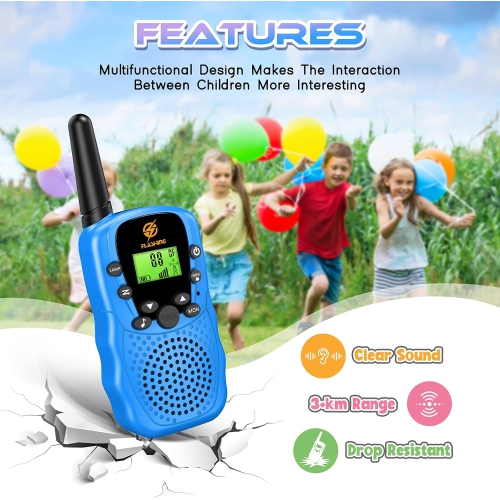
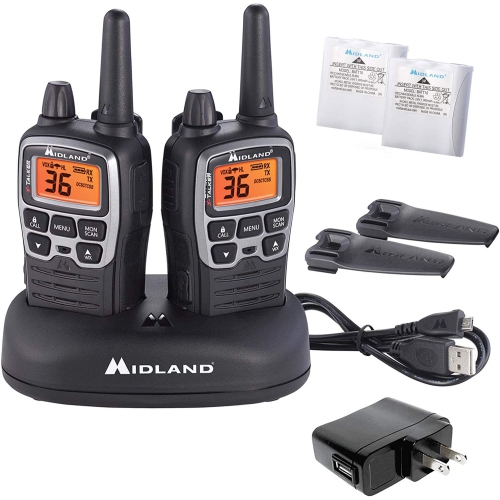
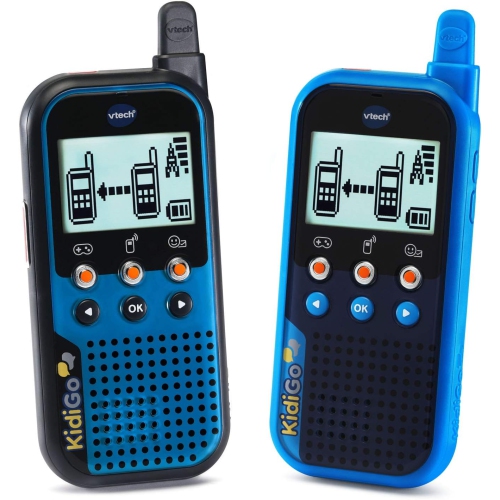
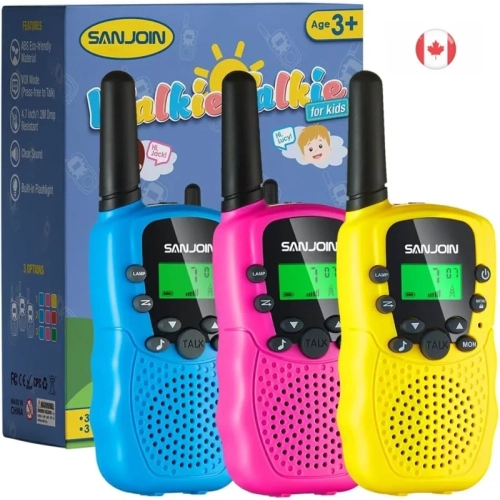
Reliable communication for demanding jobsites and busy crews
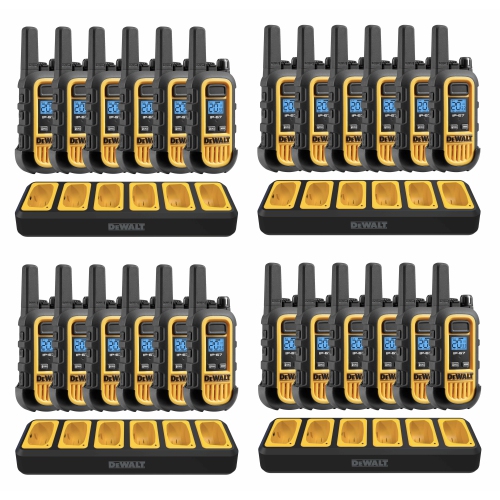
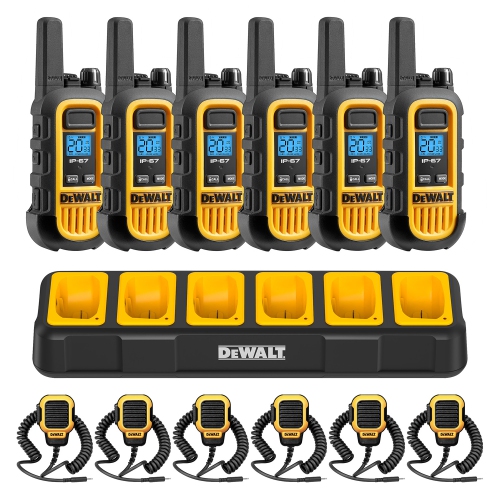
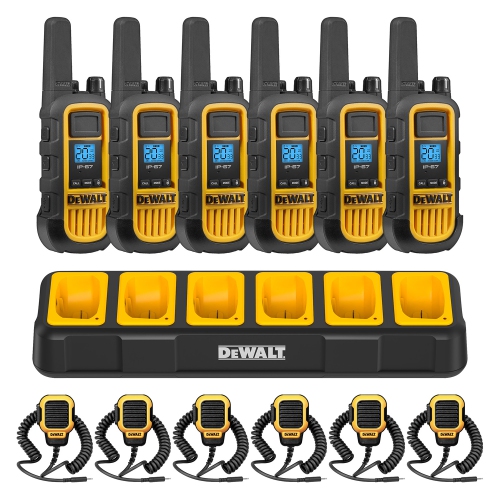
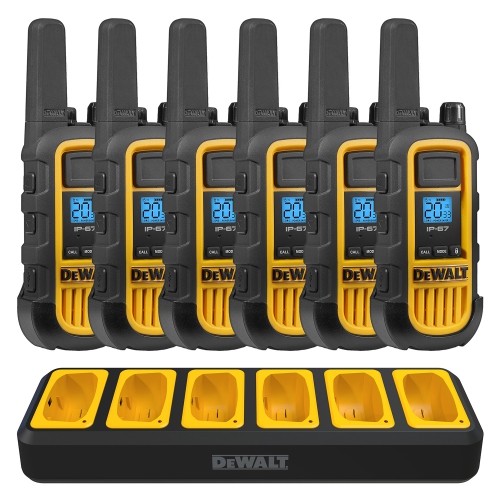
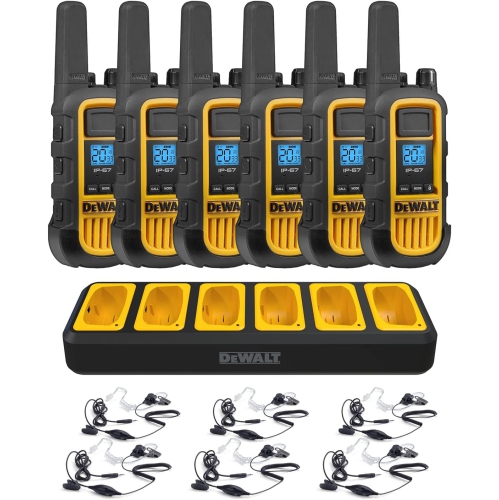
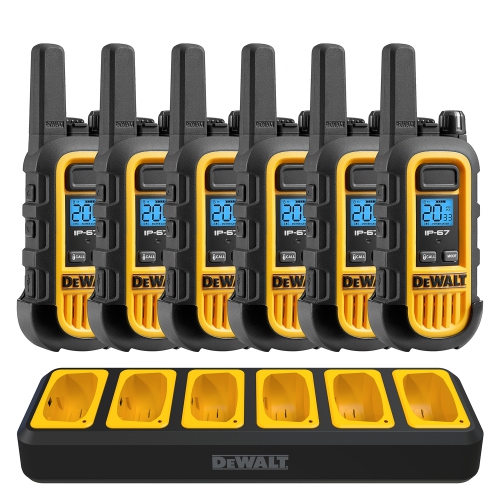
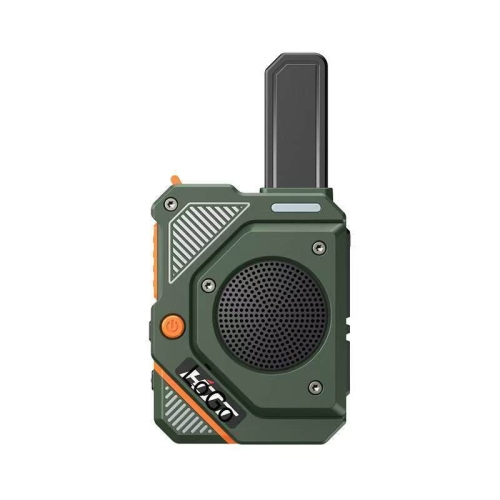
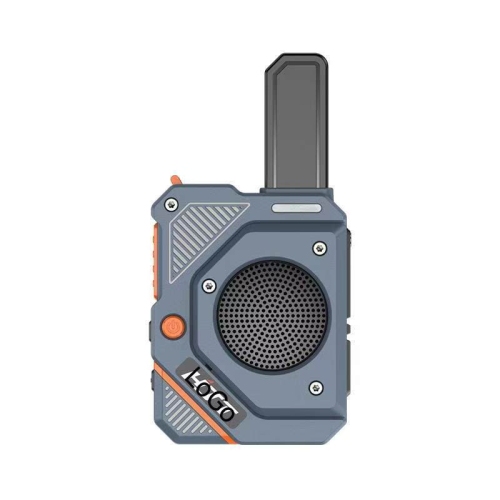
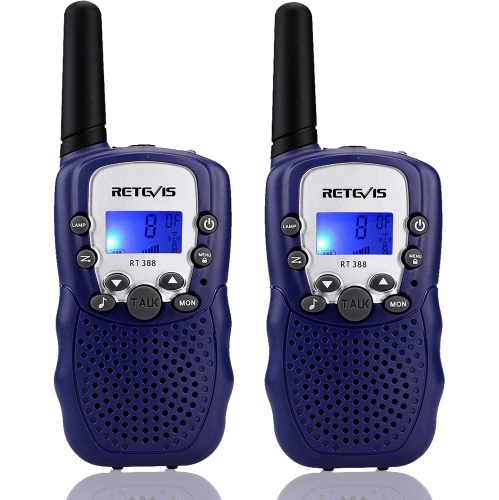
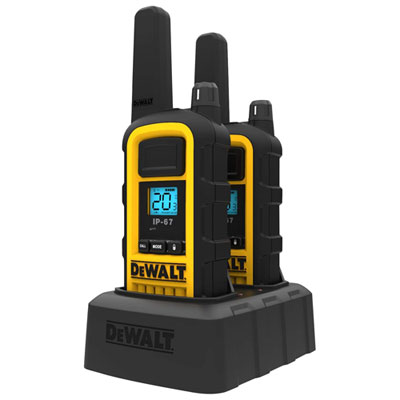
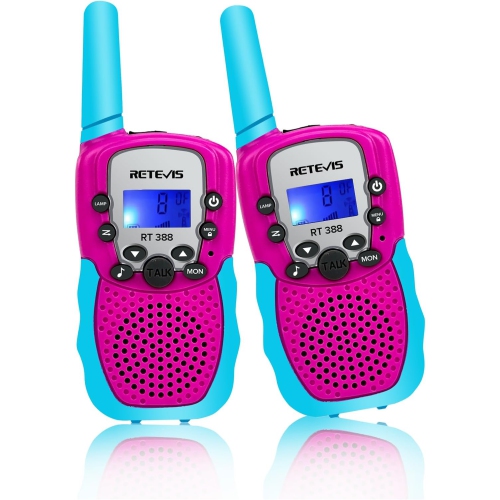
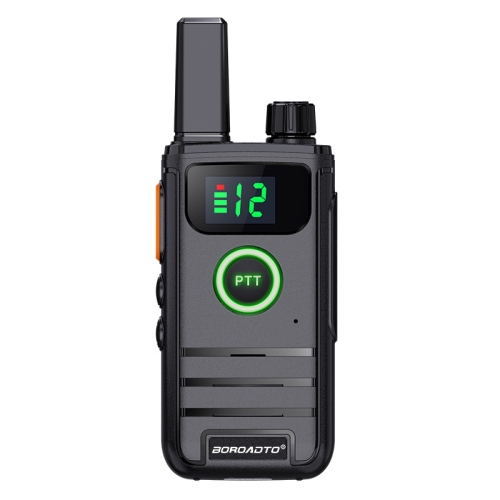
Construction walkie talkies are designed to keep crews connected where mobile phones may be inconvenient, unreliable, or difficult to use with gloves and tools. On a busy jobsite, communication often needs to happen in seconds: a site supervisor may need to coordinate a delivery at the gate, a framing crew may need an update from another floor, or a worker operating equipment may need to confirm that an area is clear. Two-way radios provide direct push-to-talk communication without requiring each person to dial a number or wait for a message to send. They can be useful on residential builds, renovation projects, commercial construction sites, warehouses, roadwork areas, event setups, property maintenance teams, and other work environments where people move between indoor and outdoor spaces. They may also be a practical addition to a contractor’s tool kit or a thoughtful gift for a tradesperson, site lead, facilities worker, or family member who spends time coordinating projects. For teams that need more advanced communication features, a wider selection of Professional Walkie Talkies can offer additional options for workplace use. When choosing construction walkie talkies, consider how many people will use them, how far apart they typically work, and whether communication will take place through walls, concrete, steel framing, vehicles, or several floors of a building. A compact radio may be convenient for a small renovation crew, while a larger operation may benefit from a multi-pack that allows supervisors, equipment operators, and individual work groups to stay on the same communication plan.
Jobsite conditions make durability especially important. Construction walkie talkies may be exposed to fine dust, sawdust, mud, rain, dropped tools, vibration, and the occasional bump against a ladder or scaffold. Look for shock-resistant housing and a high level of dust and water protection. An IP rating can help explain how well a radio is sealed; an IP67 rating, for example, indicates complete protection against dust and the ability to withstand temporary immersion in water under specified testing conditions. While no radio should be treated carelessly, a durable design can provide more confidence when a unit is carried through a dusty renovation, set down on a damp work surface, or used outdoors during changing weather. Clear audio is equally important. Background noise from compressors, saws, generators, trucks, and nearby crews can make ordinary conversations hard to follow, so features such as noise reduction, a strong speaker, adjustable volume, and audio accessories can make a noticeable difference. UHF radios are often a practical choice for construction environments because their signals can travel effectively through many indoor obstacles, including concrete, steel, and multi-floor commercial buildings. Open outdoor areas may place different demands on range, and the advertised distance is usually measured under ideal conditions rather than among buildings, vehicles, and equipment. A radio with higher output power may help maintain a clearer connection across a larger or more complex site, but range also depends on terrain, building materials, obstructions, antenna design, local regulations, and the number of users sharing the system. License-free models can be convenient for straightforward team communication, while commercial-grade radios may provide more channels, greater control, or features suited to larger organizations. Buyers should confirm that the radio’s operating bands and power levels are appropriate for use in Canada and follow any applicable requirements.
Hands-free operation can be valuable when a worker is carrying lumber, guiding a lift, climbing stairs, or using both hands to handle equipment. VOX, or voice-activated transmission, can allow a radio to transmit when it detects speech, although it works best in environments where background noise will not trigger the microphone repeatedly. Push-to-talk accessories, speaker microphones, earpieces, and compatible headsets can offer more deliberate control and may be preferable around loud machinery. Channel selection is another practical consideration. A small crew may only need a few channels for separate tasks, such as deliveries, equipment coordination, and general site communication, while a larger construction operation may benefit from additional channel capacity to reduce interruptions. Some radios include privacy codes or tone settings that help limit unwanted conversations, but these features do not make communication fully private and should not be treated as secure encryption. Battery performance also matters during long shifts. Look for rechargeable batteries, charging docks, battery indicators, and charging options that fit the crew’s routine. Having spare batteries or a multi-unit charging station can help keep radios ready when work continues through the cooler months, when outdoor tasks may take longer and gloves can make small controls more difficult to operate. Before putting a new set into regular use, assign channels, label each radio, test communication from the locations where people will work, and confirm that everyone knows the push-to-talk, volume, emergency, and charging procedures. Construction walkie talkies are most useful when they are easy to hear, comfortable to carry, and rugged enough for the everyday pace of a working site.
Jobsite conditions make durability especially important. Construction walkie talkies may be exposed to fine dust, sawdust, mud, rain, dropped tools, vibration, and the occasional bump against a ladder or scaffold. Look for shock-resistant housing and a high level of dust and water protection. An IP rating can help explain how well a radio is sealed; an IP67 rating, for example, indicates complete protection against dust and the ability to withstand temporary immersion in water under specified testing conditions. While no radio should be treated carelessly, a durable design can provide more confidence when a unit is carried through a dusty renovation, set down on a damp work surface, or used outdoors during changing weather. Clear audio is equally important. Background noise from compressors, saws, generators, trucks, and nearby crews can make ordinary conversations hard to follow, so features such as noise reduction, a strong speaker, adjustable volume, and audio accessories can make a noticeable difference. UHF radios are often a practical choice for construction environments because their signals can travel effectively through many indoor obstacles, including concrete, steel, and multi-floor commercial buildings. Open outdoor areas may place different demands on range, and the advertised distance is usually measured under ideal conditions rather than among buildings, vehicles, and equipment. A radio with higher output power may help maintain a clearer connection across a larger or more complex site, but range also depends on terrain, building materials, obstructions, antenna design, local regulations, and the number of users sharing the system. License-free models can be convenient for straightforward team communication, while commercial-grade radios may provide more channels, greater control, or features suited to larger organizations. Buyers should confirm that the radio’s operating bands and power levels are appropriate for use in Canada and follow any applicable requirements.
Hands-free operation can be valuable when a worker is carrying lumber, guiding a lift, climbing stairs, or using both hands to handle equipment. VOX, or voice-activated transmission, can allow a radio to transmit when it detects speech, although it works best in environments where background noise will not trigger the microphone repeatedly. Push-to-talk accessories, speaker microphones, earpieces, and compatible headsets can offer more deliberate control and may be preferable around loud machinery. Channel selection is another practical consideration. A small crew may only need a few channels for separate tasks, such as deliveries, equipment coordination, and general site communication, while a larger construction operation may benefit from additional channel capacity to reduce interruptions. Some radios include privacy codes or tone settings that help limit unwanted conversations, but these features do not make communication fully private and should not be treated as secure encryption. Battery performance also matters during long shifts. Look for rechargeable batteries, charging docks, battery indicators, and charging options that fit the crew’s routine. Having spare batteries or a multi-unit charging station can help keep radios ready when work continues through the cooler months, when outdoor tasks may take longer and gloves can make small controls more difficult to operate. Before putting a new set into regular use, assign channels, label each radio, test communication from the locations where people will work, and confirm that everyone knows the push-to-talk, volume, emergency, and charging procedures. Construction walkie talkies are most useful when they are easy to hear, comfortable to carry, and rugged enough for the everyday pace of a working site.
Top selling and popular products
-
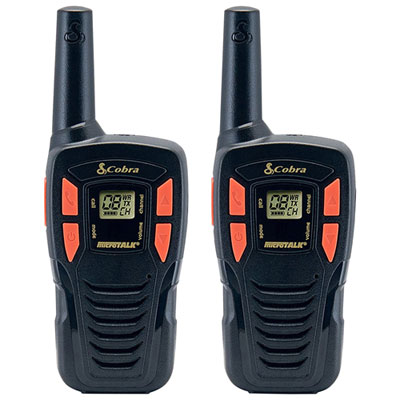 Your price for this item is $69.99
 -
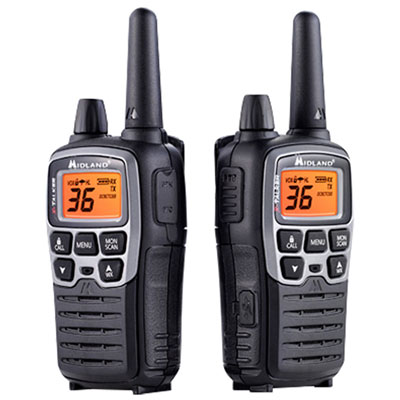 Your price for this item is $139.99
 -
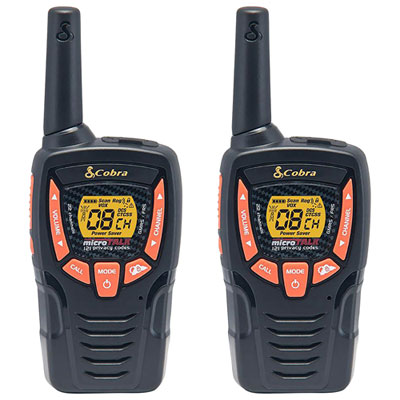 Your price for this item is $89.99
 -
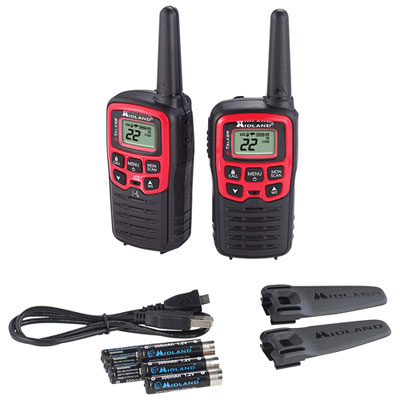 Your price for this item is $89.99
 -
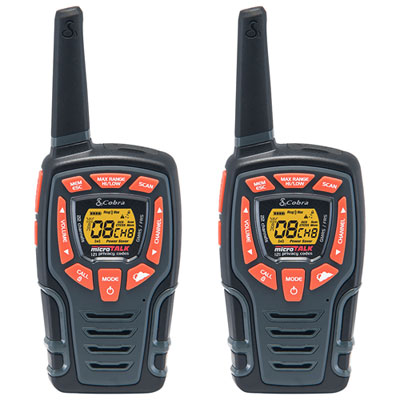 Your price for this item is $129.99
 -
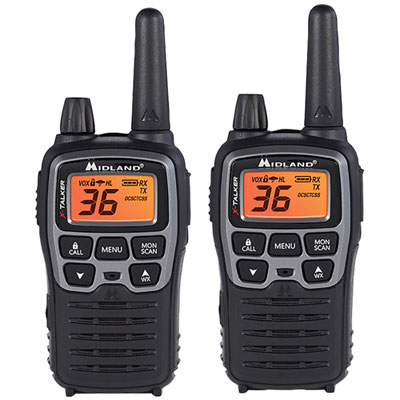 Your price for this item is $179.99
 -
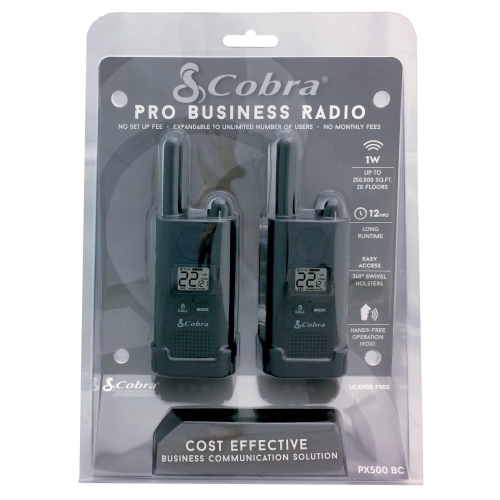 Your price for this item is $57.25
 -
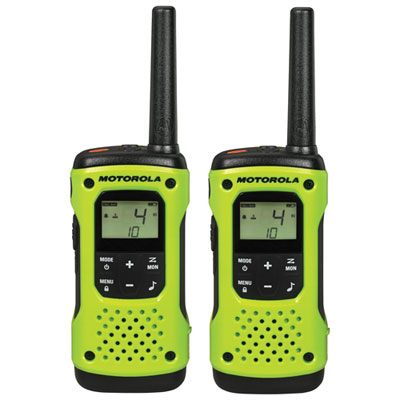 Your price for this item is $178.99
Discover more categories related to Construction Walkie Talkies
Top Collections:
Pokemon Centers, Best Cameras for Sports Photography, Kindle Devices, Samsung Galaxy Phones, Canon G7X Cameras, Pokémon 30th Celebration Cards, Refurbished Apple Laptops, iPhone 15 Apple, Laptops for Students, Budget Smartphones
Some products may be subject to Environmental Handling Fees
(EHF) depending on your province.
Learn more about EHFs.