Decorative File Folders
Organizing your paperwork has never been more stylish with our collection of decorative file folders. Whether you're looking to add a pop of color to your home office or want to bring some personality to your filing system at work, our selection of decorative file folders offers a range of designs and patterns to suit any taste. From vibrant florals to modern geometric prints, these folders not only keep your documents in order but also make a statement on your desk. Browse through our assortment and find the perfect set of decorative file folders to elevate your organization game.
Sort
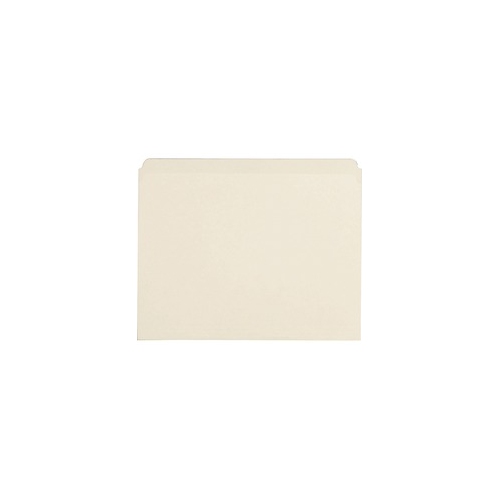
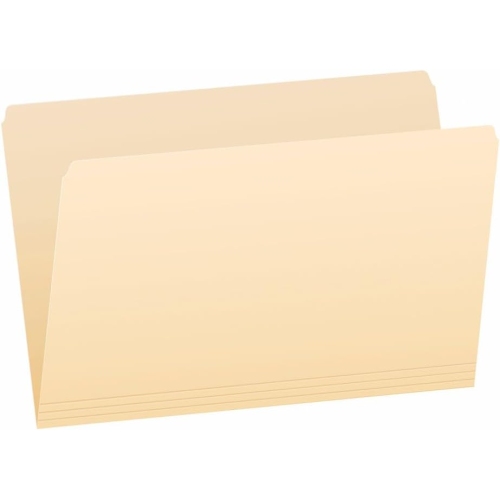
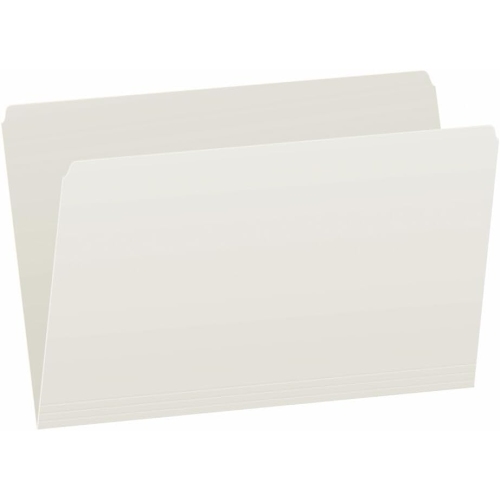
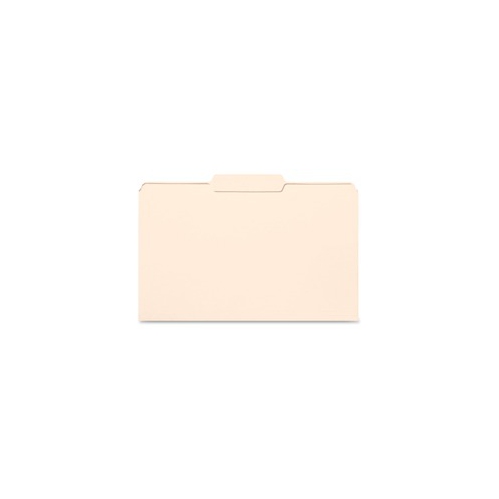
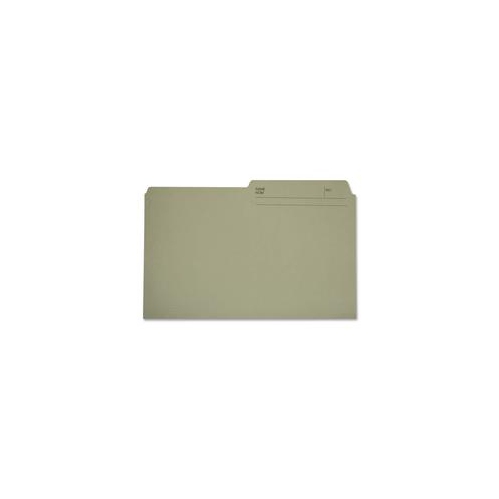
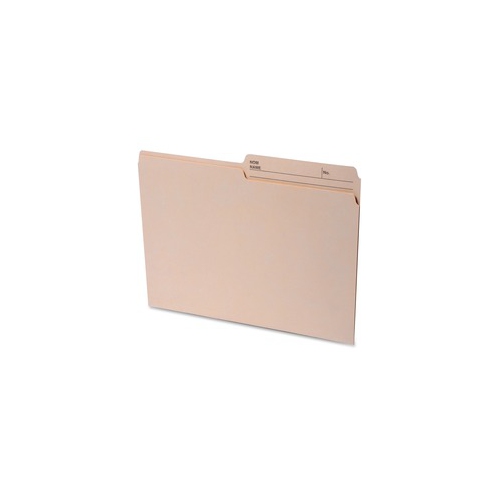
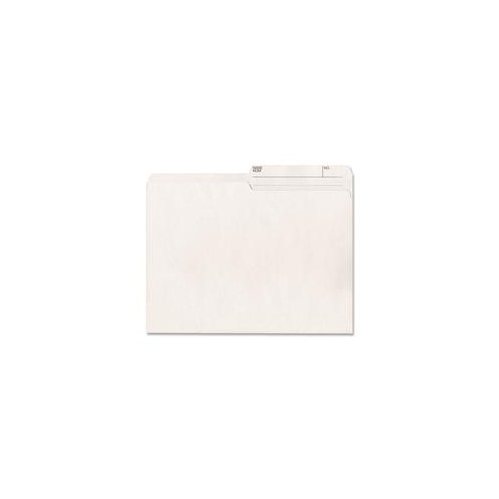
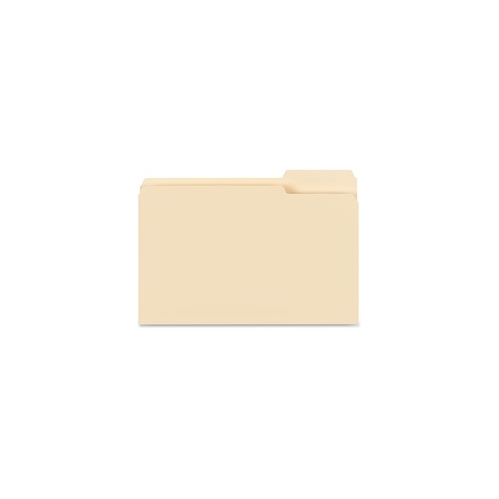



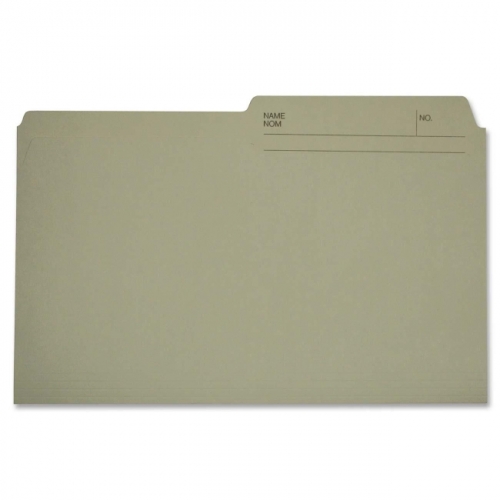
How colour and pattern make paperwork easier to find
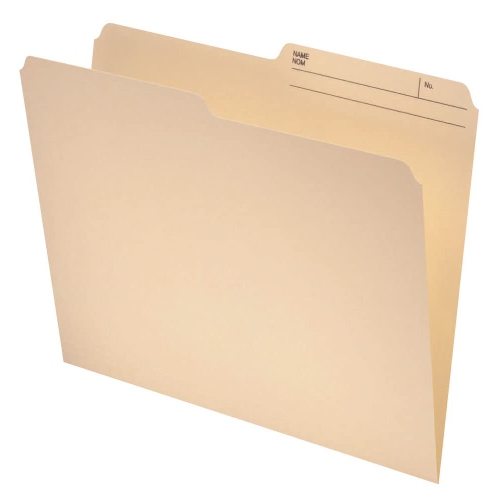
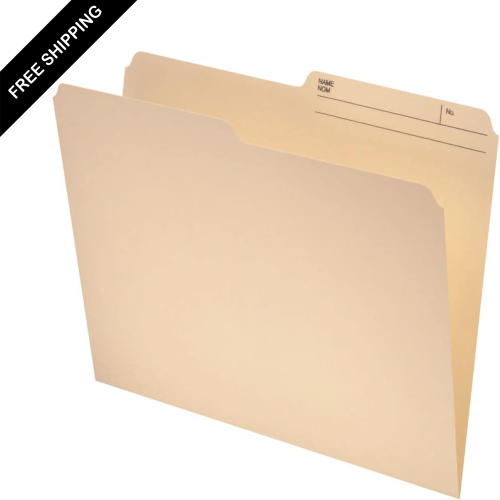
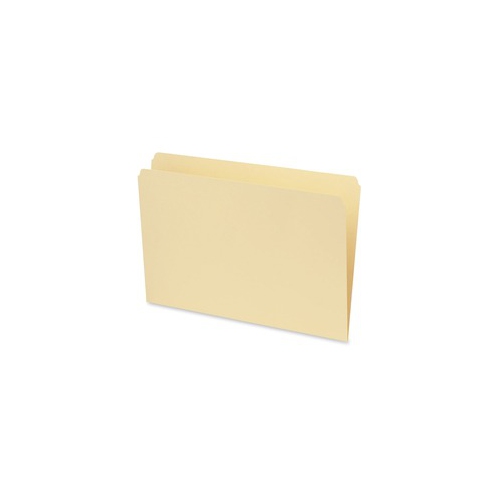
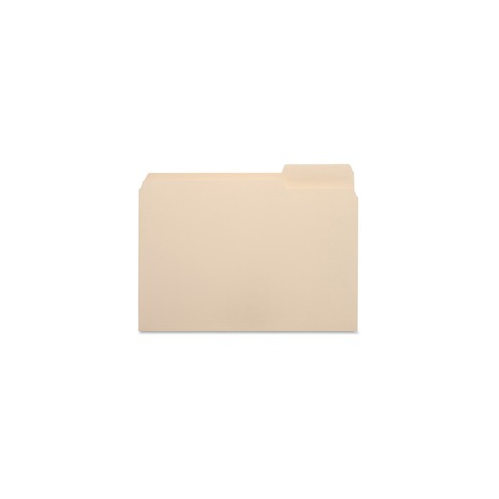
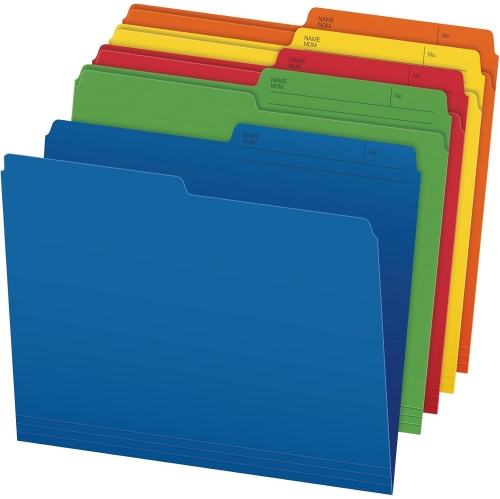
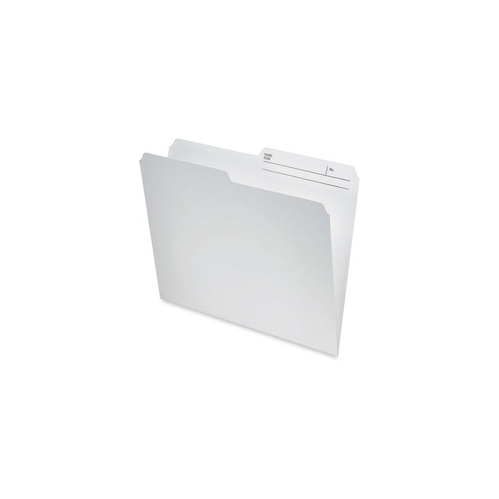
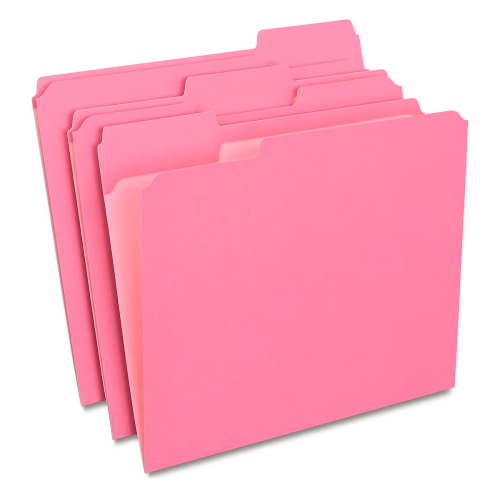
Decorative file folders bring colour and pattern to everyday paperwork while doing the same job as a plain file folder: keeping related sheets together and making them easy to find. They’re especially useful for papers that move between a desktop, a meeting room and a drawer, or for documents that need to stay close at hand without lying loose on a work surface. Patterns can be more than a finishing touch. A bold stripe is easy to spot among solid colours, while a set of coordinated florals or geometric prints can make several files look like they belong together without making them all look alike. At home, one pattern might mark household receipts and another could identify appliance manuals, warranties and service records. In a shared office, a folder with a distinct colour and a clearly written tab makes it easier for someone else to find the meeting notes and put them back in the right place. Colour can also indicate what needs attention: a bright folder near the desk can hold forms that need signatures, while a quieter print can identify paperwork that’s ready to put away. A pattern is usually easiest to recognize when part of the folder face is visible, as it would be in an upright desktop sorter. In a full drawer, where only the tops of the folders show, the tab does most of the work. Designs with a solid or lightly patterned tab leave room for a legible label without giving up the print on the rest of the folder. The inside finish can matter, too. A contrasting lining makes the edge of a white sheet easier to see, which is handy when a single receipt or slip of paper would otherwise blend into the folder. For files that live in the open, an opaque cover also keeps the contents from being visible at a glance.
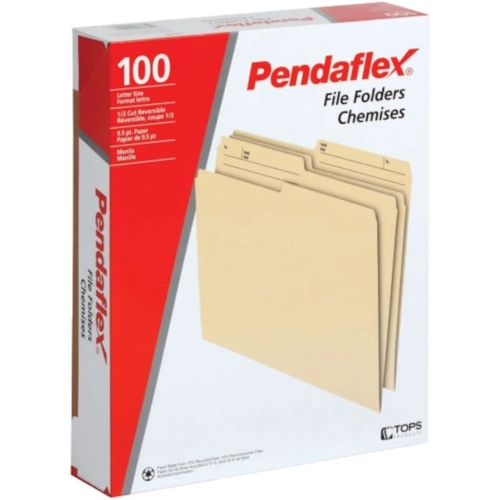
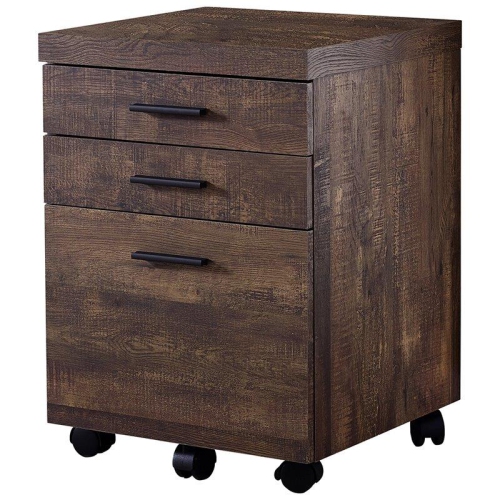
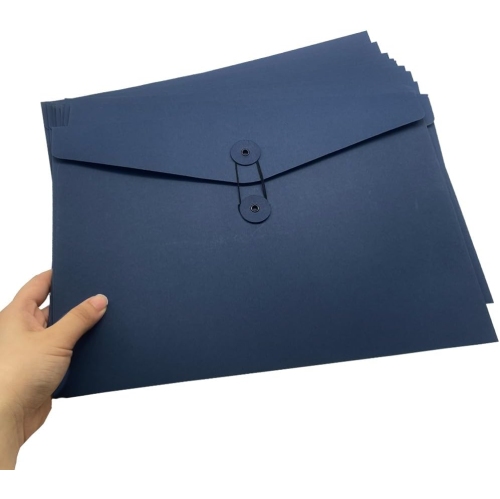
Fit starts with the paper size and where the folder will be stored. Letter-size file folders are made for sheets that measure 8.5 by 11 inches, the size of most everyday printouts. Legal-size folders suit documents measuring 8.5 by 14 inches and need more room along their longest edge. The paper size describes what goes inside, not the folder’s outer dimensions, so the tab and any closure are worth accounting for when the folder has to fit an existing drawer, desktop sorter or bag. A standard tabbed file folder can sit inside a compatible hanging folder, while a folder designed to hang needs to match the drawer’s rails. For paperwork stored out of sight, Decorative Filing Cabinets can carry the finished look through to the drawer itself. Tab placement affects how easily a row of files can be scanned. A one-third-cut tab takes up roughly a third of the folder’s width and typically comes in left, centre or right positions. Staggered tabs keep neighbouring labels from hiding one another, which helps when several folders hold similar records, such as estimates, invoices and receipts for the same home project. A longer tab gives more writing space when a name, date or reference number needs to fit on the same label. Capacity makes a difference as well. A flat folder is a good fit for a few forms or a thin packet, whereas an expandable fold can accommodate paperwork that builds up, such as a collection of lesson plans. Open sides make it quick to add a sheet in a drawer, but they offer less protection against small slips falling out in a bag. An interior pocket or a closure can make more sense when documents travel regularly, provided the folder still fits the space where it will be stored.
Cardstock and plastic give decorative file folders different qualities in daily use. Heavier cardstock generally feels firmer than thin paper and gives a stack of documents more support when it’s lifted out of a drawer. Paper weight, expressed in grams per square metre, is one clue to how substantial the folder may feel, but the folds, coating and tab construction also affect how well it holds up. An uncoated paper tab is often easy to write on with a pencil or pen, while a glossy surface may be better suited to an adhesive label. A smooth plastic folder can be a practical choice for paperwork that’s handled repeatedly or carried alongside other supplies. Plastic is generally less prone to tearing at the edges than paper and easier to wipe clean, although an open folder won’t protect its contents from a spill. With any material, corners and tabs tend to show wear first when a folder is pulled from a crowded drawer or squeezed into a bag. Leaving a little room between files and lifting a loaded folder by its body rather than its tab helps reduce that strain. A dry, soft cloth is usually enough to dust a paper cover; a lightly damp cloth can work on a wipeable plastic surface after the documents have been removed. The most useful designs reflect how the recipient handles paper. A student who carries handouts between classes may appreciate a firmer folder that helps keep corners from curling, while a teacher might use distinct tab colours to separate materials for different groups. A coordinated set can also be a practical gift for someone setting up a home office or starting a new job. A favourite pattern adds a personal touch, and blank tabs leave the recipient free to organize files around the paperwork they actually use.
Top selling and popular products
-
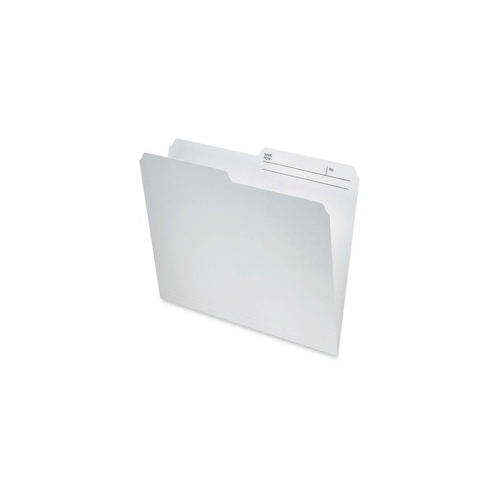 Your price for this item is $28.99
-
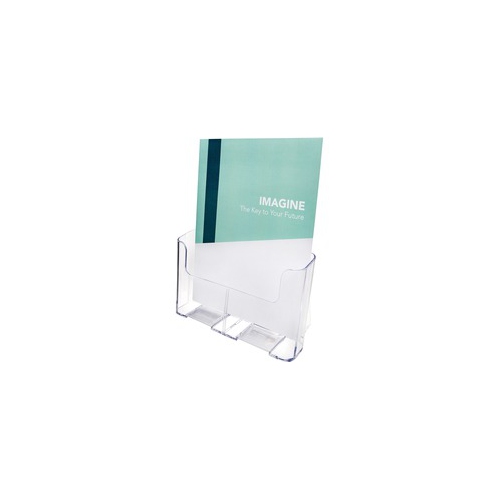 Your price for this item is $18.99
-
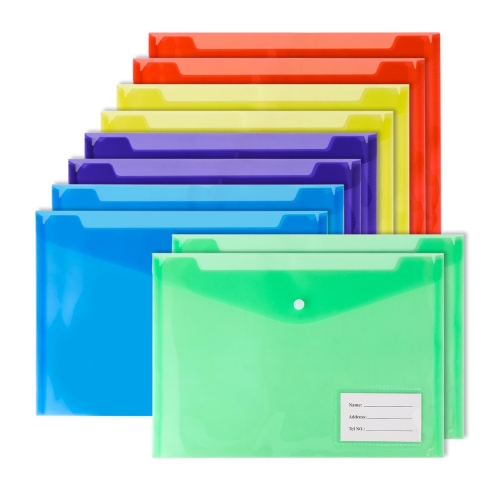 Your price for this item is $28.88
-
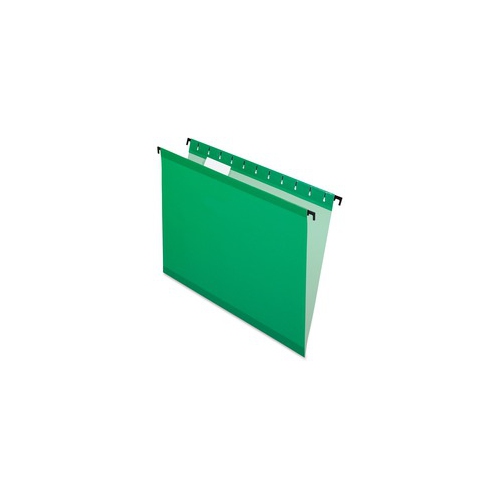 Your price for this item is $50.99
-
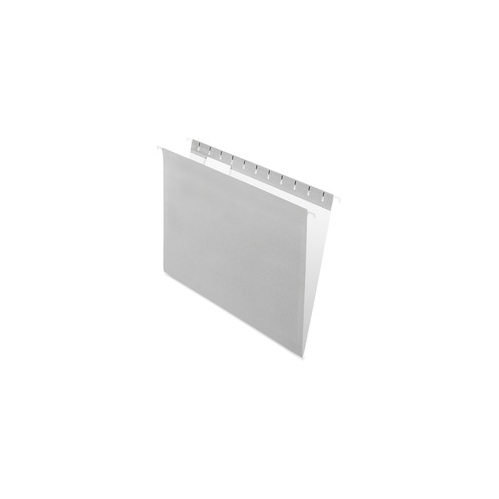 Your price for this item is $40.99
-
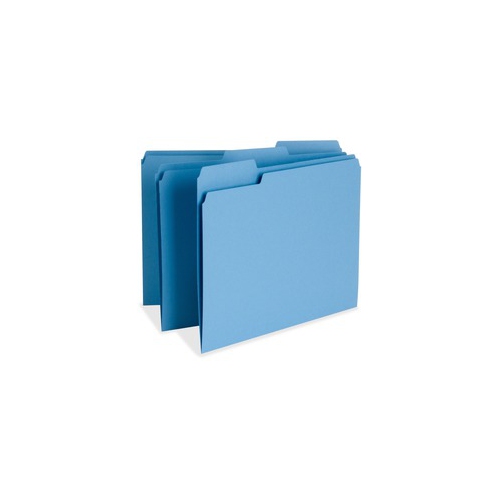 Your price for this item is $29.99
-
 Your price for this item is $31.99
-
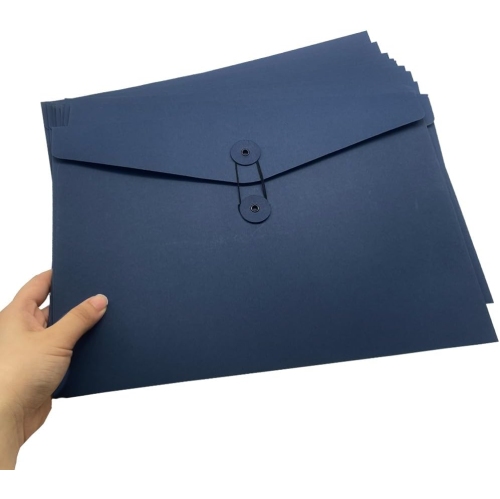 Your price for this item is $26.88
Discover more categories related to Decorative File Folders
Top Collections:
Best Black Friday Deals This Year, Best Black Friday Deals On Electronics, Kindle Devices, Pokemon Centers, Best Black Friday Deals On Apple Products, Best Cameras for Sports Photography, Dyson Airwrap, Pokémon 30th Celebration Cards, Apple iPhone 17 Pro, Canon G7X Cameras
Some products may be subject to Environmental Handling Fees
(EHF) depending on your province.
Learn more about EHFs.