Office Supply File Folders
Office Supply File Folders are essential for keeping important paperwork organized and accessible in any workspace. Whether you’re managing documents at home or in the office, these folders help streamline your filing system and reduce clutter on your desk. With a variety of styles and sizes available, Office Supply File Folders make it easy to categorize, store, and retrieve information efficiently, supporting productivity and a tidy work environment. Find the right file folders to suit your organizational needs and keep your workspace running smoothly.
Sort


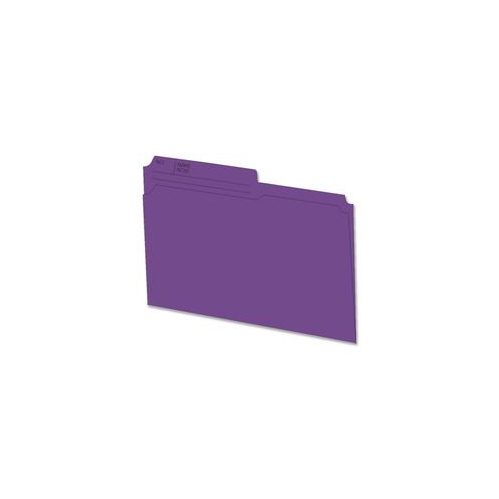
Everyday paperwork with a place of its own
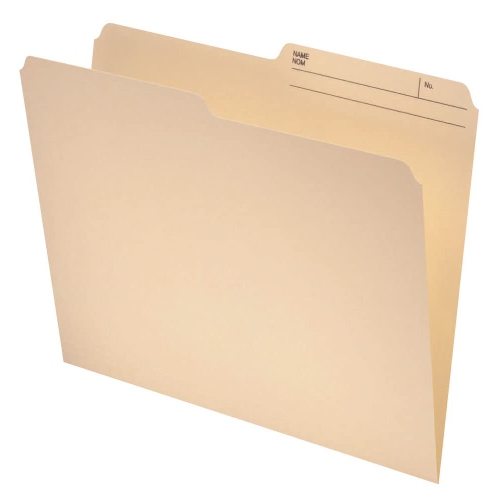
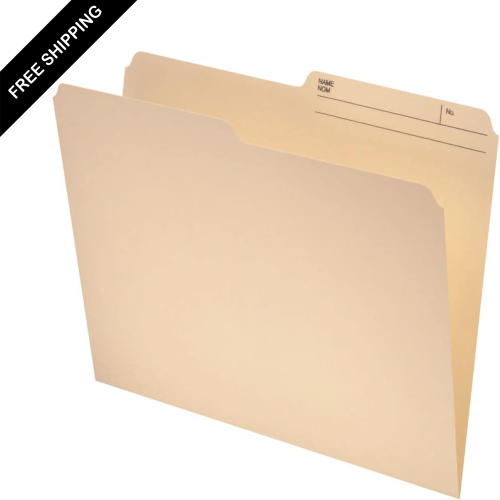
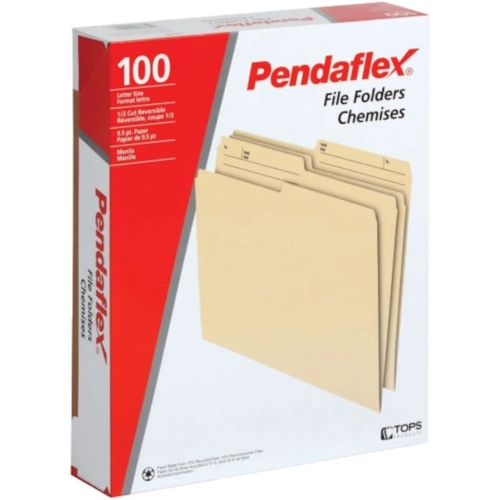
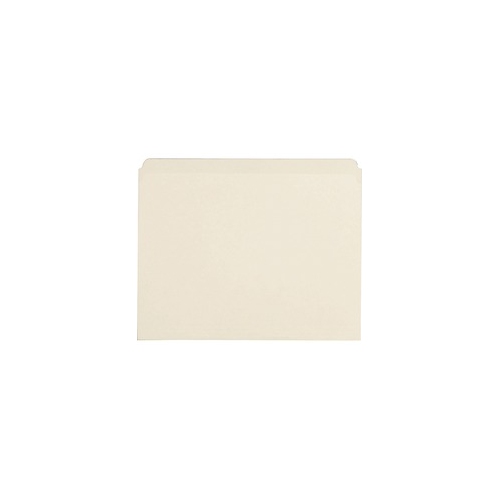
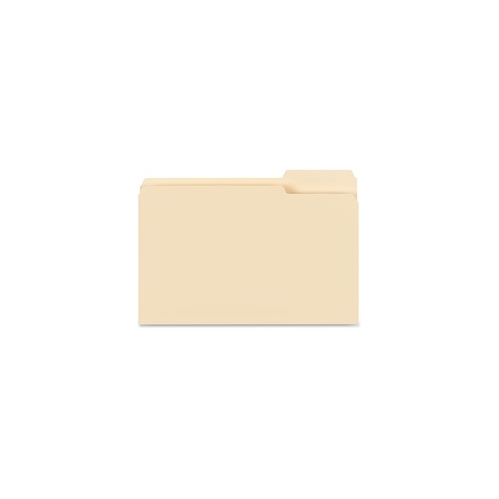
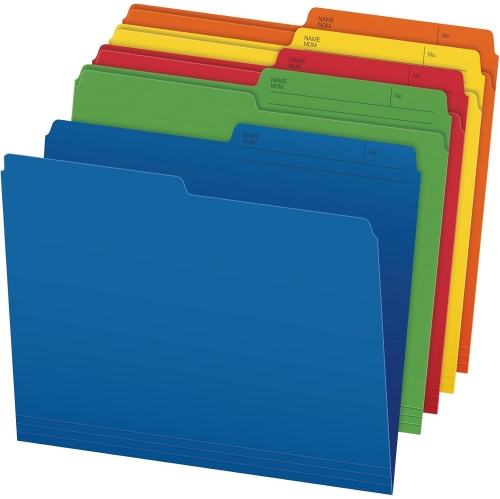
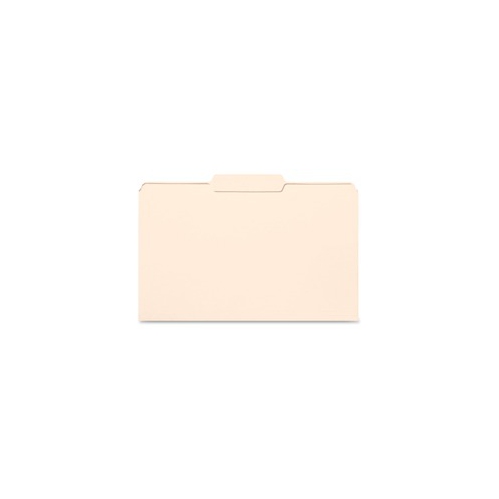
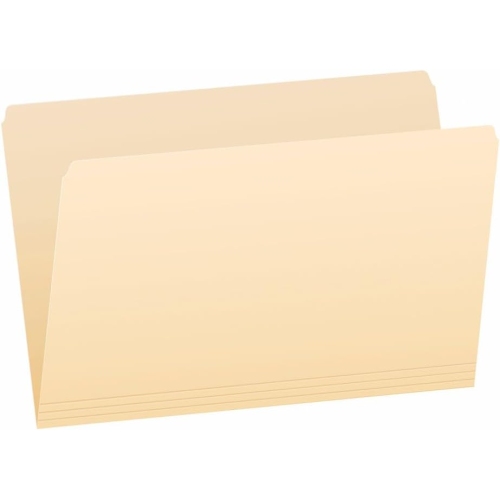
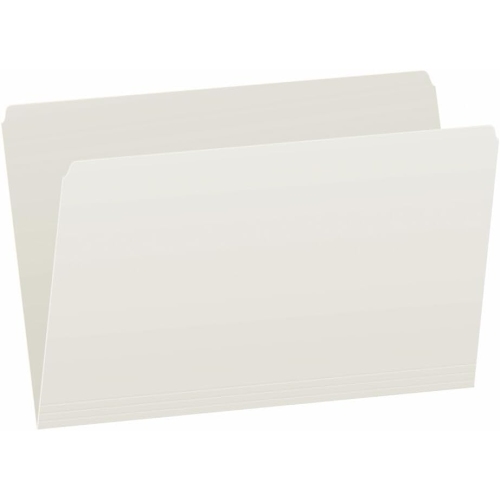
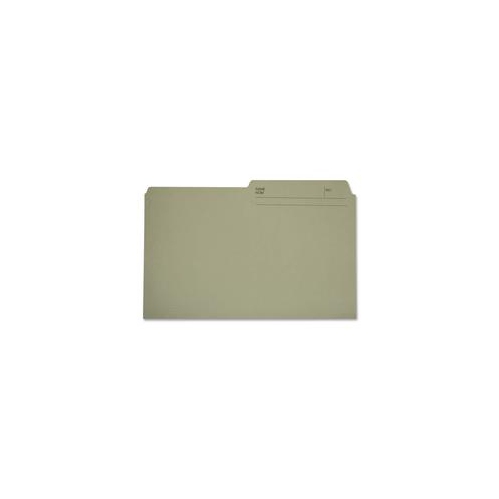
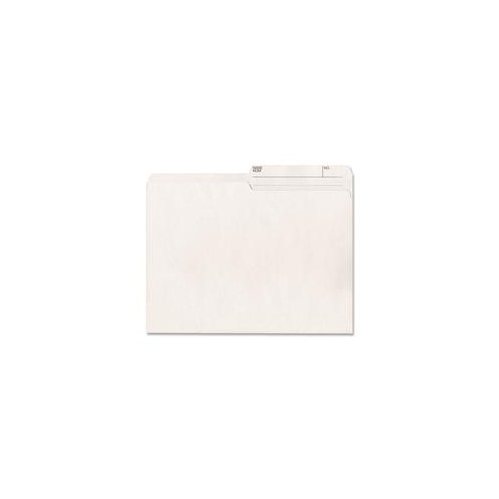
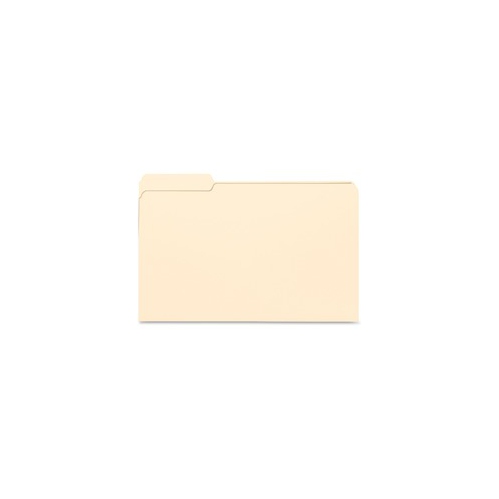
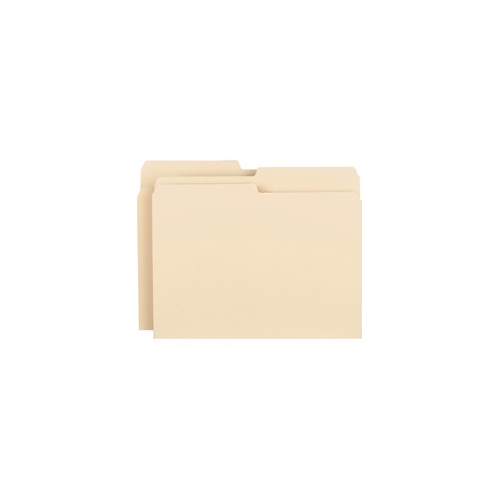
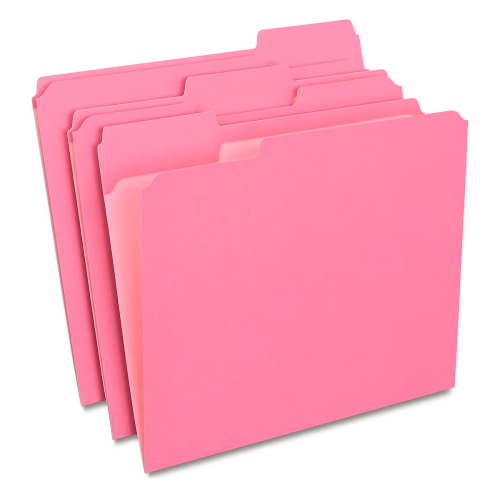
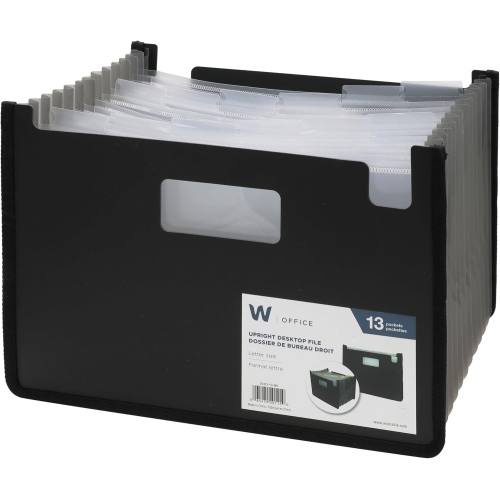
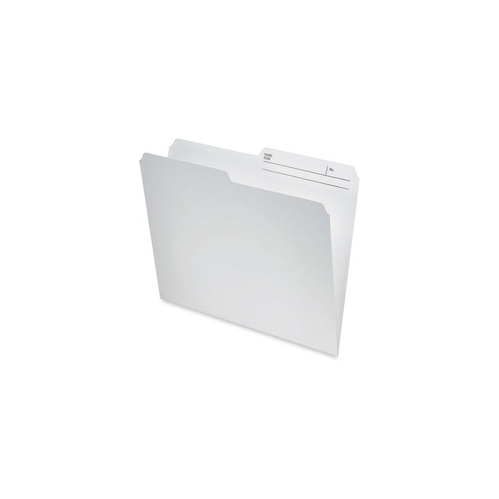
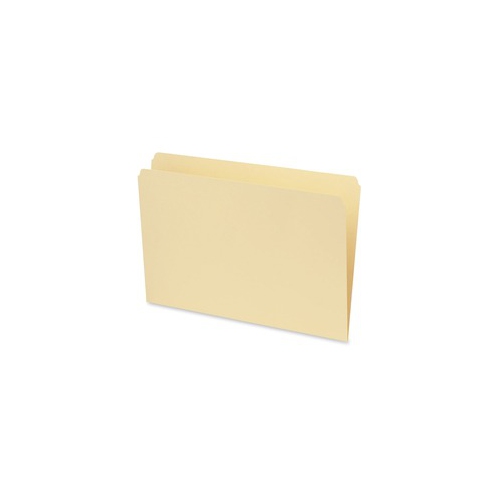
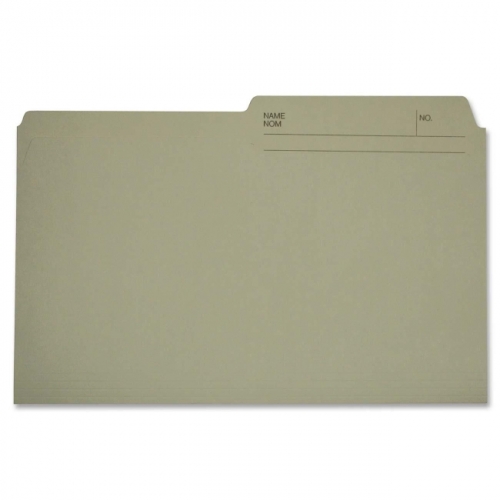
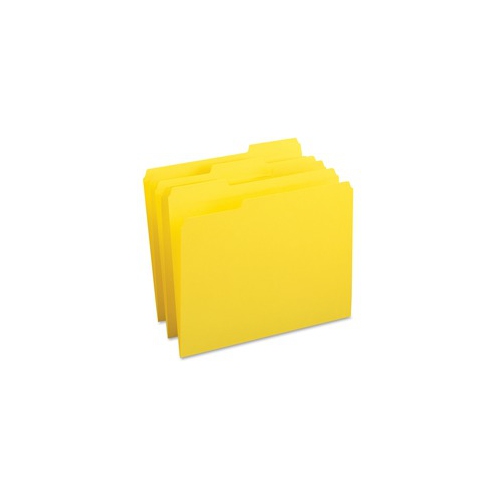
Office supply file folders keep loose paperwork together, making everyday documents easier to identify, retrieve, and return to the right place. They give invoices, signed forms, school notices, and project notes a defined home instead of leaving them scattered across a desk or buried in a single stack. In a home office, a folder might hold the receipts and correspondence for one account; in a shared workplace, it might bring together the documents needed for a client meeting or an ongoing assignment. The most useful format depends on how those papers move through the day. Standard file folders fold around a group of sheets and sit inside a drawer, cabinet, or desktop holder, while hanging file folders use supporting rails to suspend documents within a compatible filing system. Expanding folders provide extra space for thicker collections, and divided styles separate related subjects without requiring a different folder for every small task. Letter-size folders generally accommodate 8.5-by-11-inch paper, while legal-size folders are intended for 8.5-by-14-inch documents. The paper size, folder dimensions, and available drawer space all matter, especially when documents need to lie flat without bent corners or exposed edges. Tabs add another layer of organization by keeping names and categories visible above the paper. Tabs positioned at different points along the top edge can make several labels easier to see at once, while a full-width tab provides more room for a longer description. Colour can distinguish departments, family members, courses, or stages of a project, but a clear written label remains important when similar shades sit beside each other. For students, administrative staff, small-business owners, and anyone managing household paperwork, file folders provide a straightforward way to separate documents that need attention from those being kept for reference. A folder labelled for a single repair, for example, can hold the estimate, service notes, and final invoice together, so the full history is easy to find when a follow-up call becomes necessary.
Materials and construction influence how a file folder feels, how much handling it can tolerate, and where it works best. Paper and cardstock folders have a familiar, lightweight feel and often allow labels or notes to be written directly on the surface. Heavier stock generally offers more stiffness than thinner paper, although thickness alone does not determine how well a folder will stand up to repeated use. Reinforced tabs and edges can help reduce wear at the points that are pulled, lifted, and handled most often. Plastic folders can be useful for paperwork that travels frequently between a desk, meeting room, and bag, particularly when a wipeable surface is helpful. Their resistance to splashes varies by construction, and an open-sided folder should not be treated as a waterproof enclosure. Clear or translucent materials can make contents easier to identify, while opaque folders keep document text out of immediate view. Neither option replaces secure storage for confidential information. Gussets, scored folds, and expandable sides provide room for growing files, but the stated capacity and closure style still affect how comfortably the contents fit. A tightly packed folder may be difficult to close, and loose sheets can shift if the folder is carried without adequate support. Pockets are useful for keeping smaller pieces of paper together or separating documents awaiting a signature from completed forms. Fasteners can hold punched sheets in sequence, which suits files that are reviewed page by page, though they are less convenient when papers must be removed frequently. Hanging folders have their own fit requirements: the rail span needs to match the drawer or frame, and the folder depth should leave enough clearance for smooth movement. Where hanging folders hold individual interior folders, the inner folders should sit comfortably below the suspension points. These practical details make a difference in busy settings, where a folder may be opened several times a day rather than left untouched in a cabinet. The right construction supports that routine without making a small set of papers unnecessarily bulky.
File folders work best as part of a filing arrangement that reflects how documents are actually used. A household may need separate spaces for property paperwork, appliance warranties, medical correspondence, and school forms, while a workplace may organize files by client, department, project, or account number. Clear category names reduce the need to search through unrelated papers, and consistent label placement makes a drawer easier to scan. A short, specific label such as a project name and year is often more useful than a broad heading that gradually collects everything. Documents used every day tend to belong within easy reach, while completed files can sit farther back or in a separate storage area. Related Office Supplies Organizers can help connect folders with the rest of a workspace, including desktop sorting areas and storage for frequently used stationery. A small tray for incoming paperwork, for instance, gives unsorted mail a temporary place without mixing it into finished files. Folders also help when work moves between locations: keeping the papers for one appointment or meeting together reduces the chance of leaving a supporting document behind. A suitable bag compartment or document case can provide additional support during transport, since a basic folder does not fully enclose its contents. Routine care is usually simple but should suit the material. Dry hands and a clean work surface help prevent marks on paper folders, while plastic surfaces may allow gentle wiping according to the care directions. Keeping folders away from spills, damp storage areas, and prolonged direct sunlight helps protect both the covers and the documents inside. Overfilled files are often easier to manage when divided into clearly labelled sections, especially if pages are catching on drawer edges or tabs are disappearing below the stack. Labels that remain readable and folders that slide out without snagging make filing less disruptive. Whether the task involves a few household documents or a larger collection of business records, well-fitted file folders give paperwork a consistent place to return to and make the next search more manageable.
Top selling and popular products
-
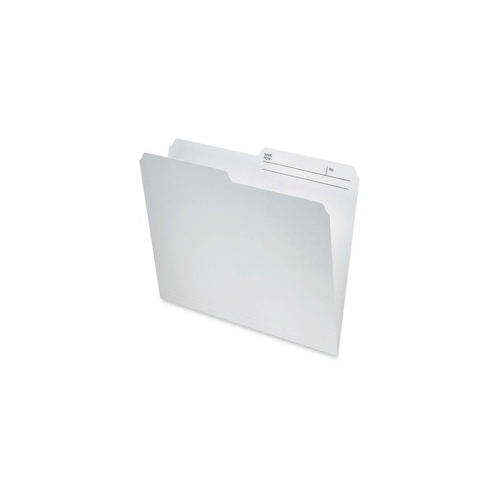 Your price for this item is $28.99
-
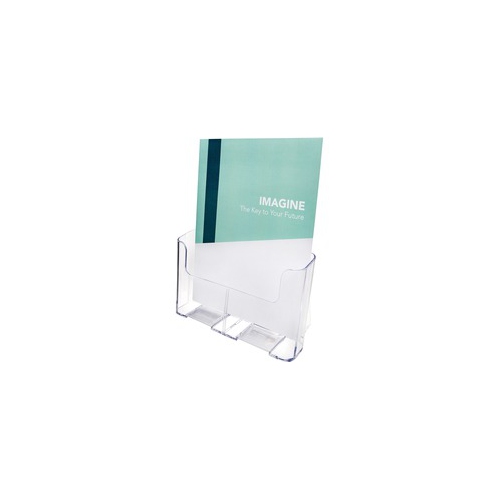 Your price for this item is $18.99
-
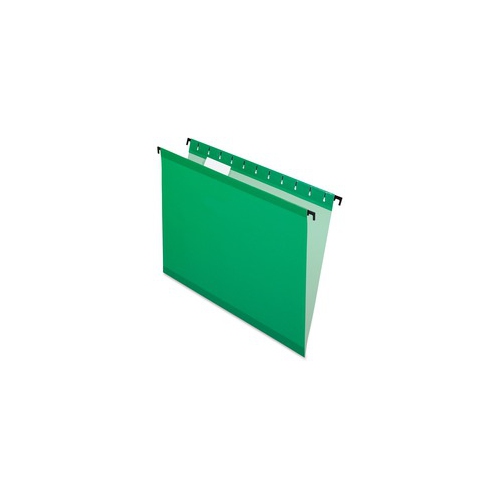 Your price for this item is $50.99
-
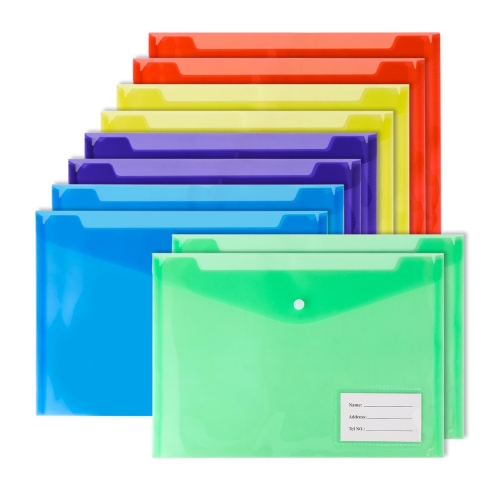 Your price for this item is $28.88
-
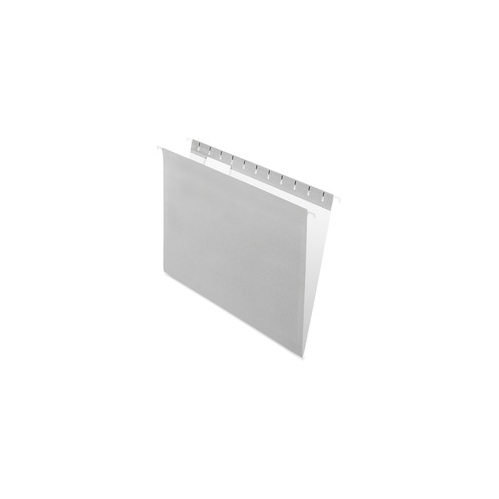 Your price for this item is $40.99
-
 Your price for this item is $31.99
-
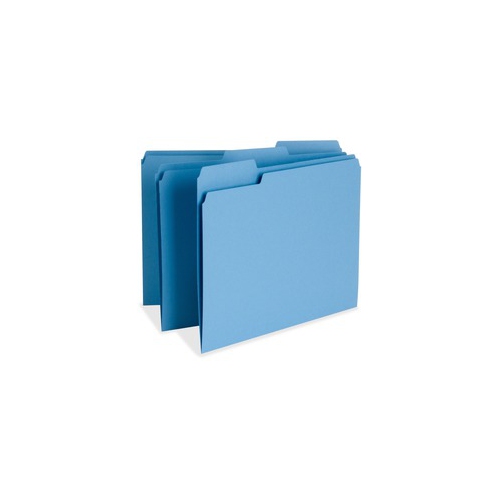 Your price for this item is $29.99
-
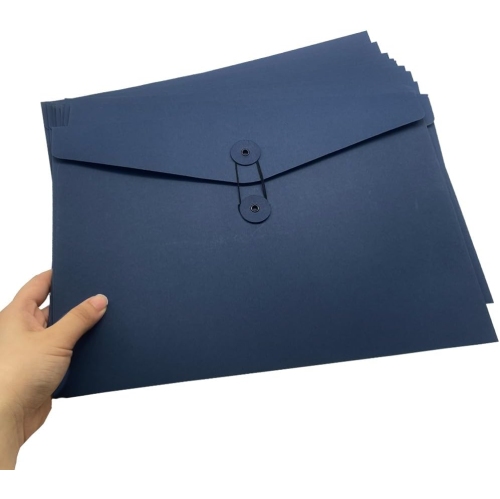 Your price for this item is $26.88
Discover more categories related to Office Supply File Folders
Top Collections:
Best Black Friday Deals This Year, Best Black Friday Deals On Electronics, Kindle Devices, Pokemon Centers, Best Black Friday Deals On Apple Products, Best Cameras for Sports Photography, Dyson Airwrap, Pokémon 30th Celebration Cards, Apple iPhone 17 Pro, Canon G7X Cameras
Some products may be subject to Environmental Handling Fees
(EHF) depending on your province.
Learn more about EHFs.