Dymo Label Makers
Looking to streamline your organization and label tasks? Our selection of label makers offers a convenient solution for creating clear and professional labels for various purposes. Whether you need to label files, folders, shelves, or other items, these label makers are designed to make the process quick and efficient. With a range of features, such as different font styles, sizes, and colors, you can customize your labels to suit your needs. Stay organized in style with our diverse collection of label makers.
Sort
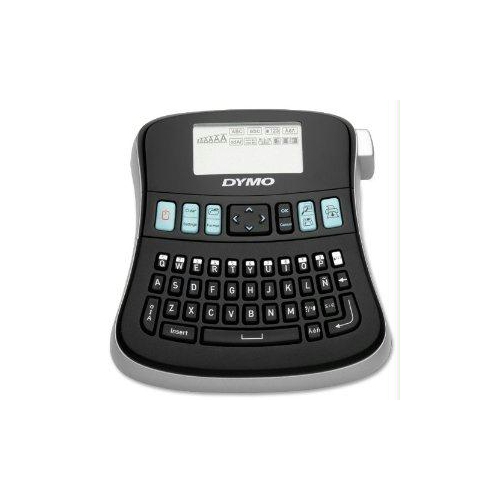
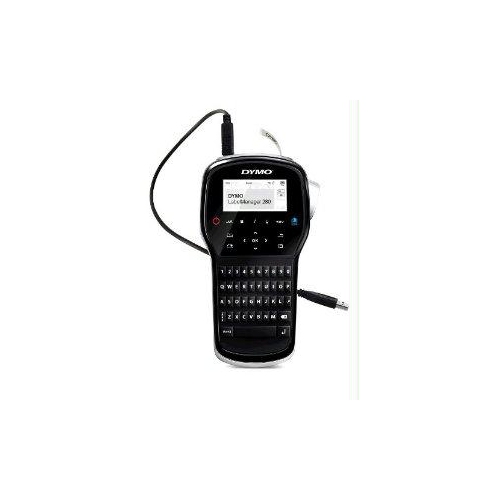
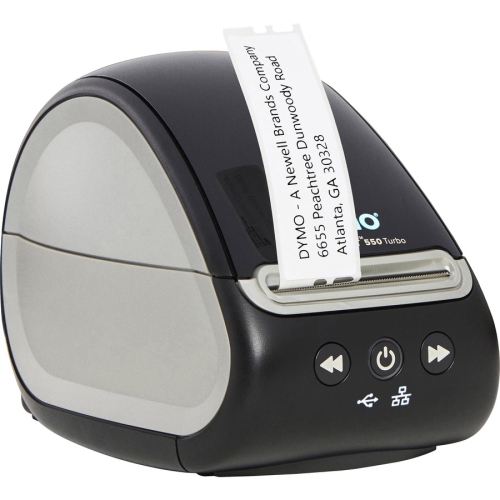
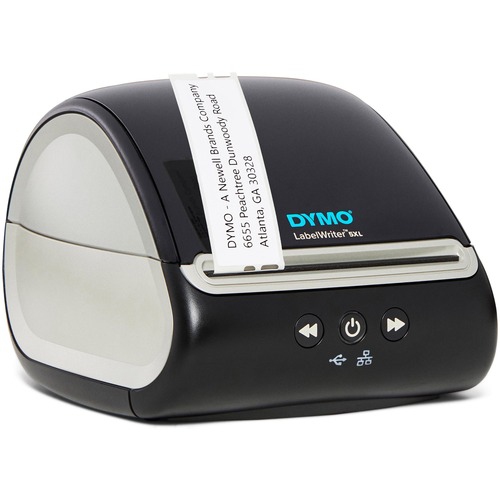
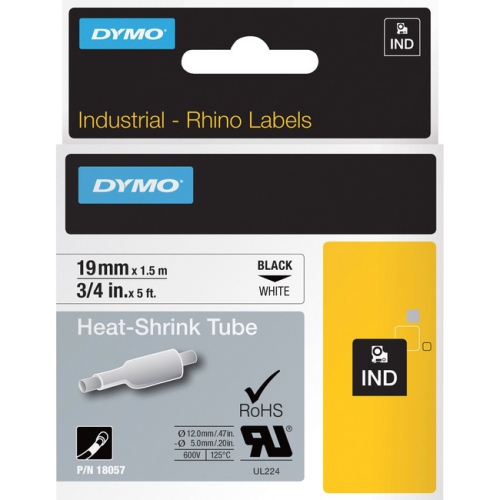
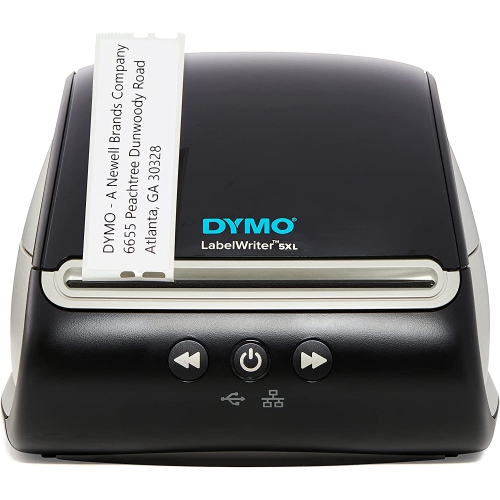

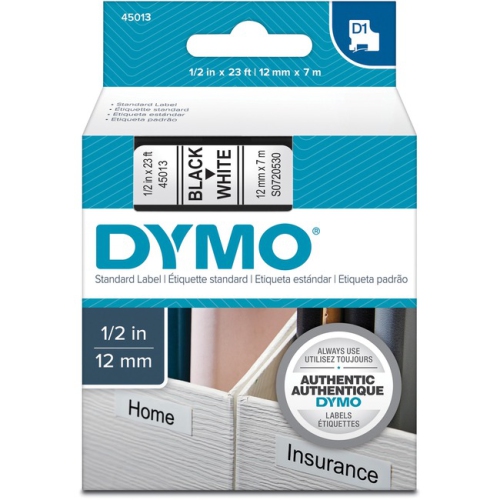
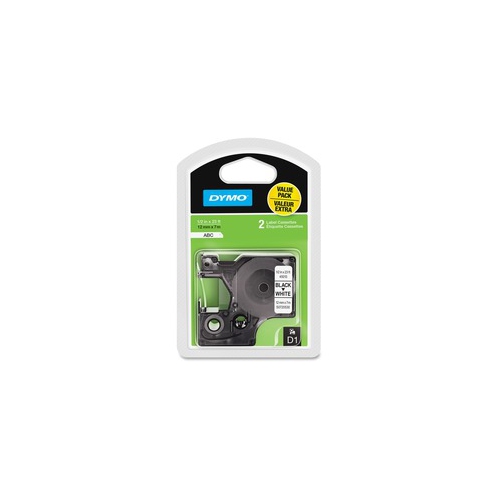
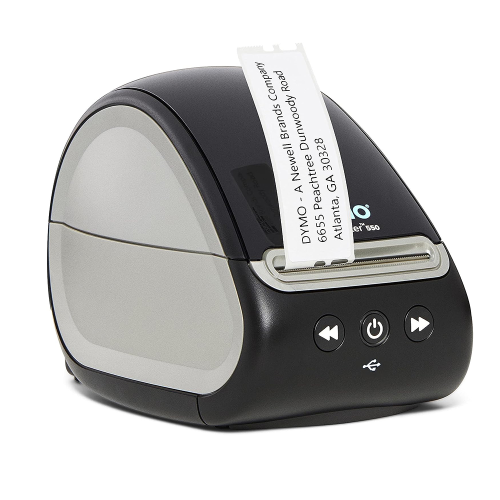
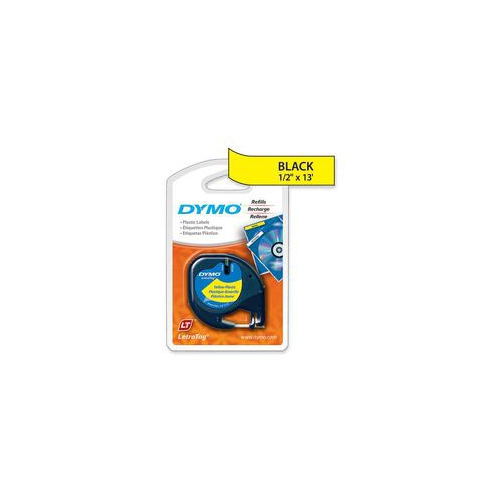
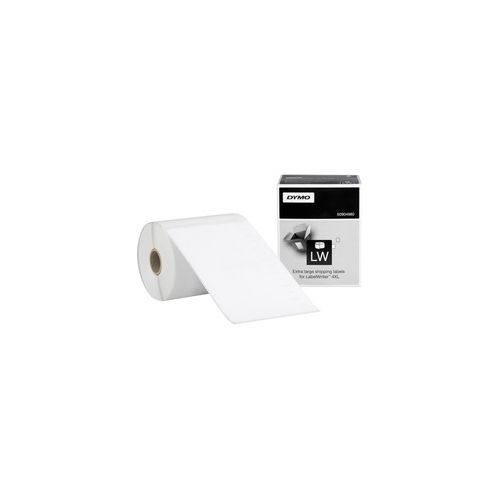

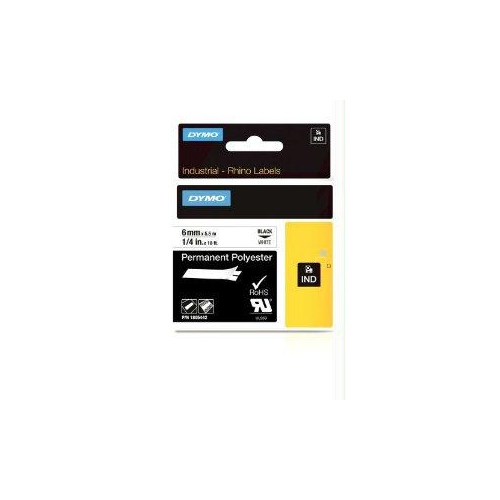

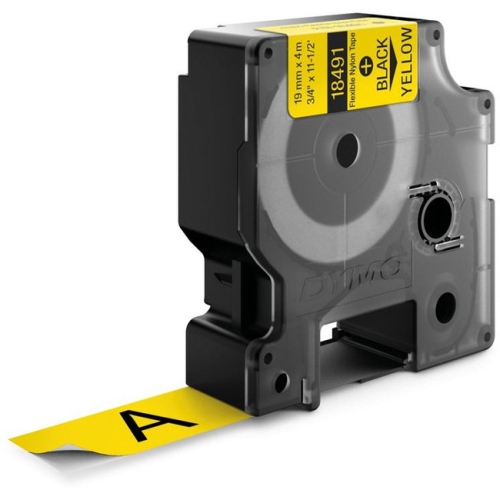
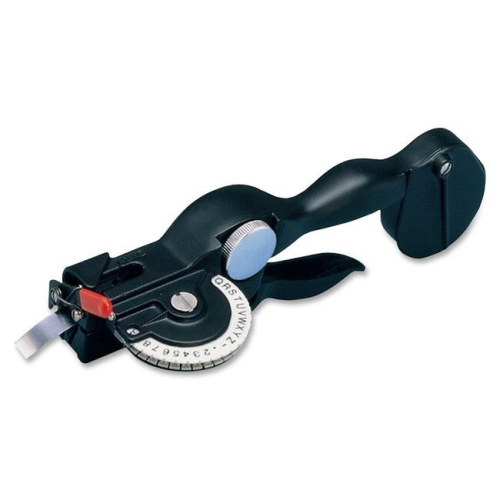
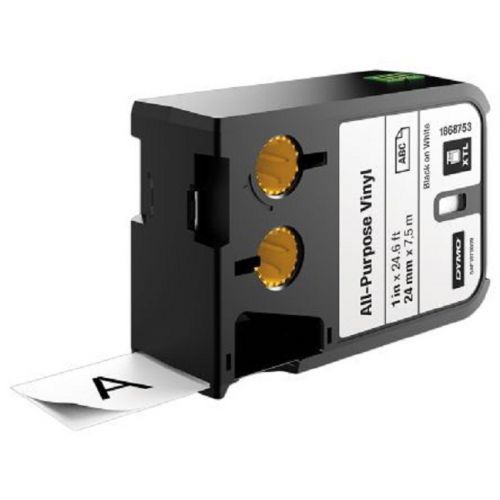
Clear labels take the guesswork out of everyday storage
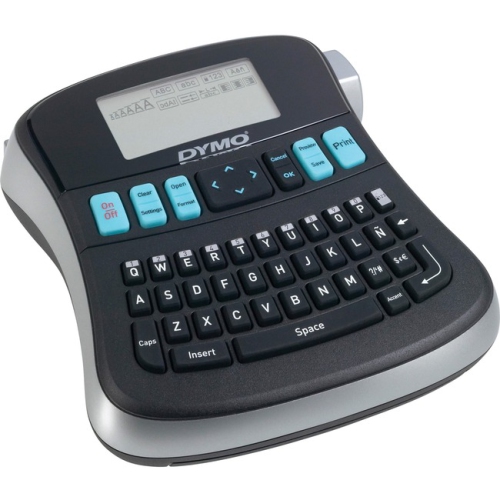
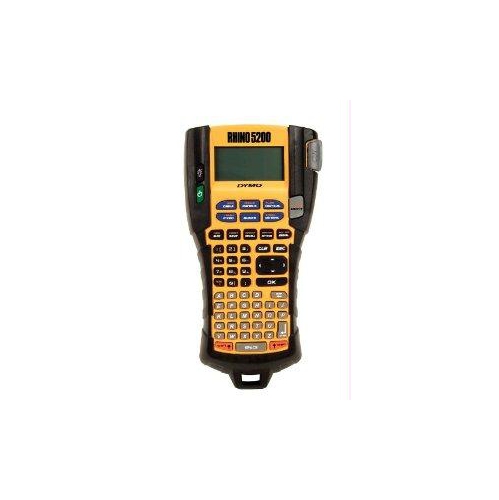
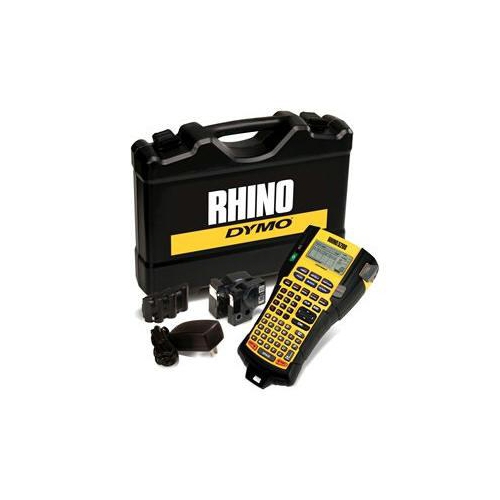
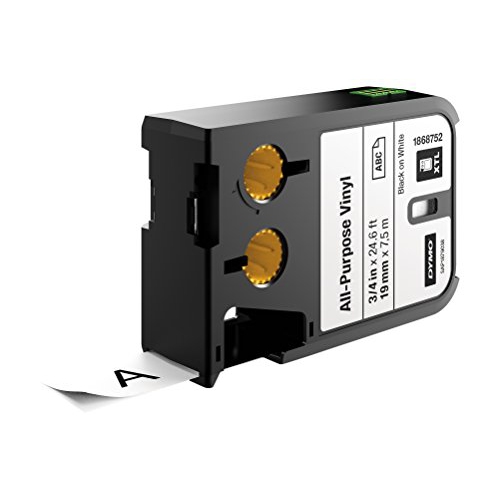
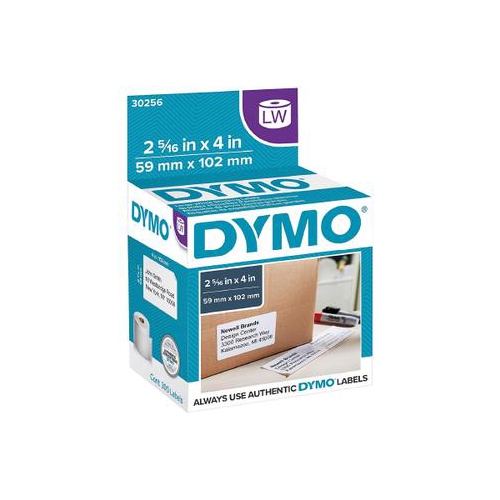
Label makers turn everyday storage into a system that is easier to follow, whether the task is sorting kitchen containers, identifying charging cables, or keeping shared office supplies in their proper places. A clear label gives a drawer, folder, or storage bin a purpose at a glance, making it simpler for everyone in a household or workplace to find things and put them back. The main differences among label makers are how text is entered, which label materials they accept, and the kinds of tasks they are built to handle. Handheld designs with built-in keyboards suit quick, on-the-spot labelling without a separate device. Connected designs use a compatible phone or computer for composing text and, where supported, adding graphics or working with saved layouts. Compact units are convenient for moving between rooms, while larger desktop formats make sense for repeated printing at a workstation. Thermal printing technologies use heat to create text, but the process varies: direct thermal printing marks specially treated labels, while thermal transfer printing uses a ribbon to transfer the print onto a compatible surface. Neither process relies on conventional liquid ink cartridges, though each requires the correct supplies. For home organization, a lightweight label maker can handle names on school supplies, shelf descriptions in a linen cupboard, and dates on stored belongings. In an office, consistent lettering helps distinguish client files, supply drawers, and equipment assigned to different teams. Teachers, hobbyists, small-business owners, and people setting up a first apartment may also appreciate a label maker as a practical gift, especially when it suits the way they already organize their space. During the cooler months, readable labels on bins of gloves, spare bedding, and seasonal accessories can make crowded cupboards easier to navigate. The benefit is not simply a tidier appearance; it is being able to open a closet or cabinet and understand its contents without lifting every lid.
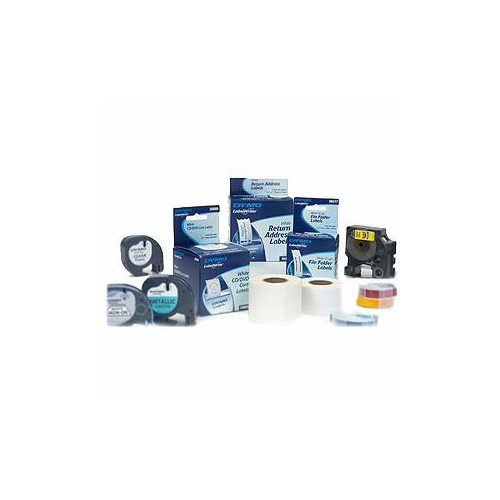
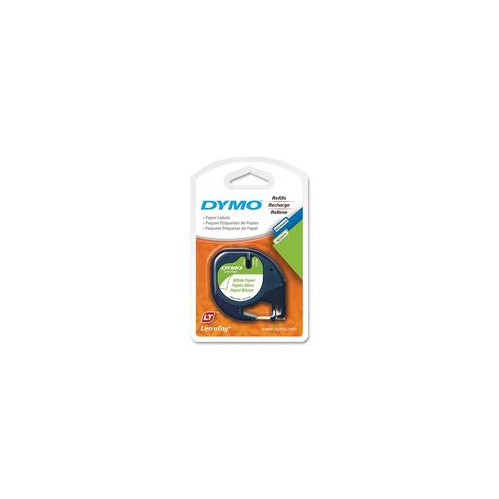
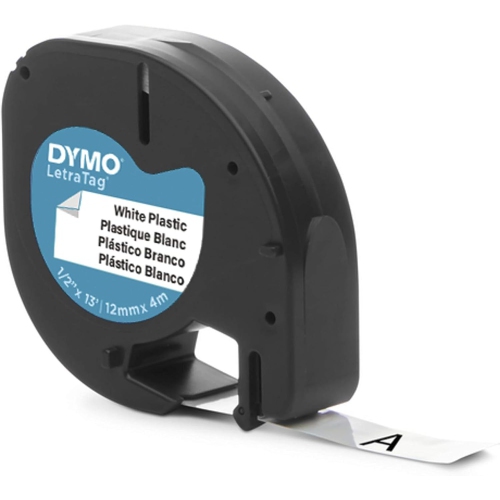
Label material and adhesive matter as much as the machine, because a label on a paper folder faces different conditions from one attached to a tool case or a frequently handled bottle. Paper labels generally suit dry indoor tasks such as filing, addressing, and identifying supplies. Compatible plastic tapes can be a better fit where handling or occasional splashes are expected, although resistance to water, abrasion, heat, and sunlight depends on the particular tape. Fabric labelling materials serve a different purpose again: iron-on options, where supported, require suitable textiles and careful attention to application and washing instructions. Flexible materials intended for cable identification need to bend around the cable without lifting, while larger flat surfaces can accommodate wider labels with more descriptive text. Tape width affects both the amount of information that fits and how easily it can be read. A narrow label can sit neatly along a small drawer edge, while a wider one may provide space for multiple lines on a storage tote. Compatibility is essential, since cartridges and rolls are not interchangeable across all label makers, even when their dimensions look similar. Adhesive choice also affects fit. Removable labels may suit containers whose contents change often, whereas permanent adhesives are intended for longer-term identification and may leave residue or damage delicate finishes when removed. A clean, dry application surface usually gives the adhesive a better chance to hold; grease, dust, moisture, and heavy texture can interfere with contact. Curved containers need enough space for the label to lie smoothly without creasing. For lunch containers or items stored in a freezer, use materials specifically rated for the intended conditions rather than assuming any plastic label will withstand washing or low temperatures. Keep labels away from direct food contact unless they are explicitly intended for it. Small details such as rounded container corners, narrow folder tabs, and textured bin lids can influence which label size and material will work best.
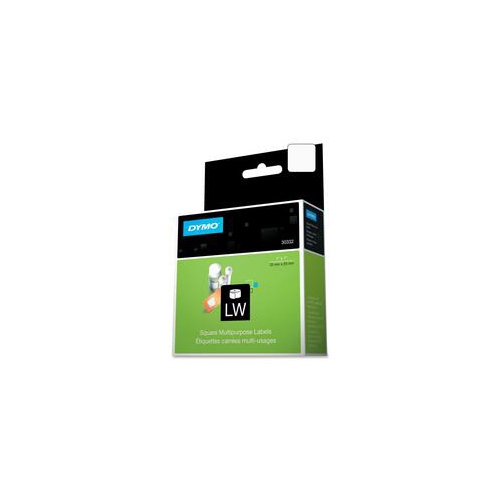
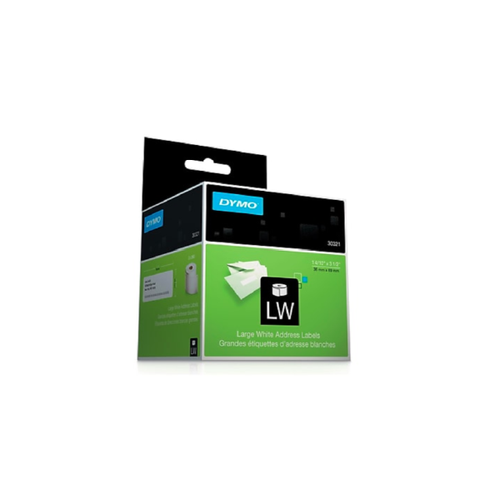
Everyday usability becomes especially noticeable when a labelling task grows from a few names to a whole cupboard or filing cabinet. A comfortable keyboard, readable display, and straightforward editing controls help reduce mistakes before printing. Print preview, adjustable text sizes, accented characters, and multiple-line layouts are useful features to look for when supported, particularly in bilingual households or workplaces where names and descriptions may require both English and French characters. Clear contrast and a simple typeface often matter more than decorative borders when labels need to be read from a shelf or across a workbench. Saved formats can help keep repeated labels consistent, while supported repeat-print functions can simplify preparing identical names for supplies used in several rooms. Power options also shape how a label maker fits into a routine: replaceable batteries offer portability, rechargeable designs require charging time, and an approved power adapter can suit a fixed workspace. Connected models need compatible software and operating systems, so device support matters alongside the connection method. For larger batches of address, shipping, or barcode labels, Dymo Label Printers offer a related format worth considering alongside handheld label makers, with capabilities varying by model. Workshop use brings different priorities, including a secure grip, protective housing, and compatibility with labels intended for the surface and conditions involved. General-purpose labels should not replace required safety markings or certified identification where workplace standards apply. Care is usually straightforward: store the machine and unused supplies away from excessive heat and moisture, keep the tape path clear, and follow the manufacturer's directions for cleaning the print head and cutter. Pulling on a label while it is feeding can cause jams or poor alignment, so allowing the print and cut cycle to finish helps protect the mechanism. Thoughtful wording makes the finished labels more useful, too. “Spare charging cables” is easier to interpret than “Miscellaneous,” and a consistent place for names or dates makes a row of containers easier to scan. The right combination of readable text, suitable materials, and comfortable controls supports an organization system that remains useful long after the initial sorting is done.
Label material and adhesive matter as much as the machine, because a label on a paper folder faces different conditions from one attached to a tool case or a frequently handled bottle. Paper labels generally suit dry indoor tasks such as filing, addressing, and identifying supplies. Compatible plastic tapes can be a better fit where handling or occasional splashes are expected, although resistance to water, abrasion, heat, and sunlight depends on the particular tape. Fabric labelling materials serve a different purpose again: iron-on options, where supported, require suitable textiles and careful attention to application and washing instructions. Flexible materials intended for cable identification need to bend around the cable without lifting, while larger flat surfaces can accommodate wider labels with more descriptive text. Tape width affects both the amount of information that fits and how easily it can be read. A narrow label can sit neatly along a small drawer edge, while a wider one may provide space for multiple lines on a storage tote. Compatibility is essential, since cartridges and rolls are not interchangeable across all label makers, even when their dimensions look similar. Adhesive choice also affects fit. Removable labels may suit containers whose contents change often, whereas permanent adhesives are intended for longer-term identification and may leave residue or damage delicate finishes when removed. A clean, dry application surface usually gives the adhesive a better chance to hold; grease, dust, moisture, and heavy texture can interfere with contact. Curved containers need enough space for the label to lie smoothly without creasing. For lunch containers or items stored in a freezer, use materials specifically rated for the intended conditions rather than assuming any plastic label will withstand washing or low temperatures. Keep labels away from direct food contact unless they are explicitly intended for it. Small details such as rounded container corners, narrow folder tabs, and textured bin lids can influence which label size and material will work best.
Everyday usability becomes especially noticeable when a labelling task grows from a few names to a whole cupboard or filing cabinet. A comfortable keyboard, readable display, and straightforward editing controls help reduce mistakes before printing. Print preview, adjustable text sizes, accented characters, and multiple-line layouts are useful features to look for when supported, particularly in bilingual households or workplaces where names and descriptions may require both English and French characters. Clear contrast and a simple typeface often matter more than decorative borders when labels need to be read from a shelf or across a workbench. Saved formats can help keep repeated labels consistent, while supported repeat-print functions can simplify preparing identical names for supplies used in several rooms. Power options also shape how a label maker fits into a routine: replaceable batteries offer portability, rechargeable designs require charging time, and an approved power adapter can suit a fixed workspace. Connected models need compatible software and operating systems, so device support matters alongside the connection method. For larger batches of address, shipping, or barcode labels, Dymo Label Printers offer a related format worth considering alongside handheld label makers, with capabilities varying by model. Workshop use brings different priorities, including a secure grip, protective housing, and compatibility with labels intended for the surface and conditions involved. General-purpose labels should not replace required safety markings or certified identification where workplace standards apply. Care is usually straightforward: store the machine and unused supplies away from excessive heat and moisture, keep the tape path clear, and follow the manufacturer's directions for cleaning the print head and cutter. Pulling on a label while it is feeding can cause jams or poor alignment, so allowing the print and cut cycle to finish helps protect the mechanism. Thoughtful wording makes the finished labels more useful, too. “Spare charging cables” is easier to interpret than “Miscellaneous,” and a consistent place for names or dates makes a row of containers easier to scan. The right combination of readable text, suitable materials, and comfortable controls supports an organization system that remains useful long after the initial sorting is done.
Top selling and popular products
-
 Your price for this item is $26.68
 -
 Your price for this item is $70.99
 -
 Your price for this item is $70.99
 -
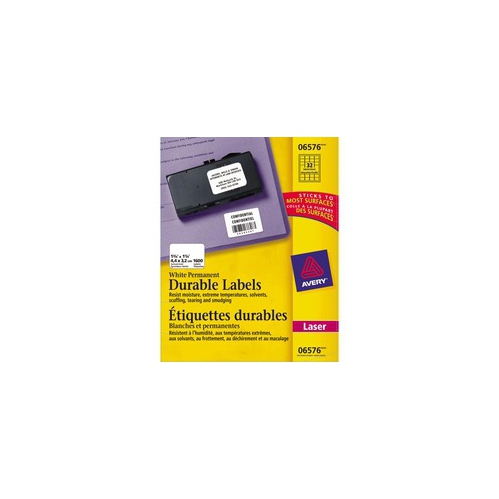 Your price for this item is $64.99
 -
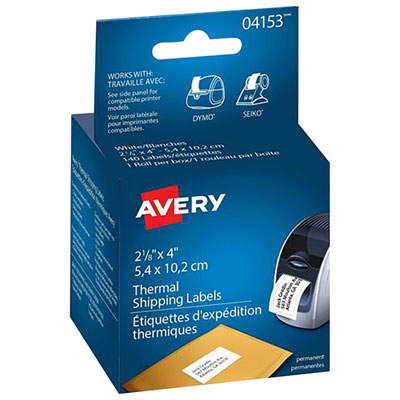 Your price for this item is $30.99
 -
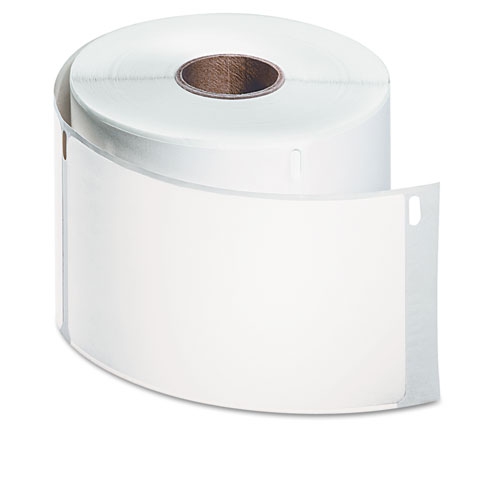 Your price for this item is $26.99
 -
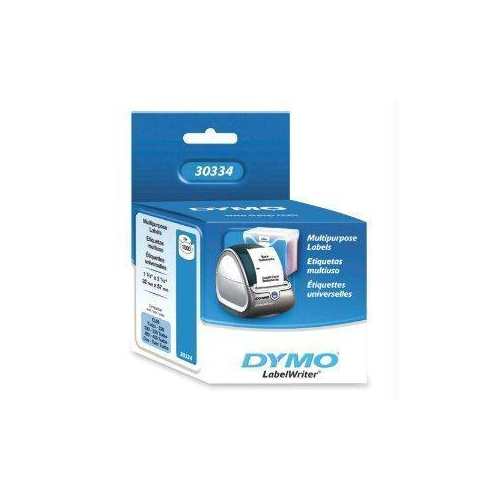 Your price for this item is $76.68
 -
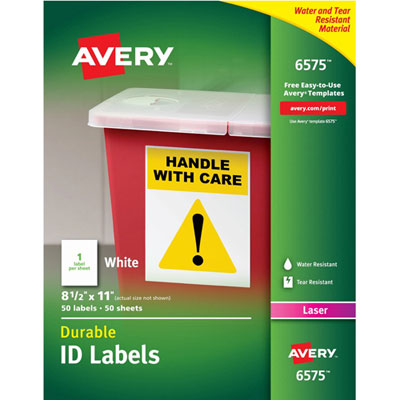 Your price for this item is $70.99
Discover more categories related to Dymo Label Makers
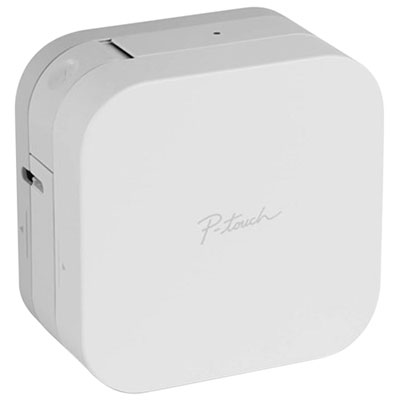
Top Collections:
Pokemon Centers, Kindle Devices, Best Budget Office Chairs, Apple iPhones 16, Best Laptops for Writers, iPhone 15 Apple, Canon G7X Cameras, Refurbished Apple Laptops, Alarm Clock, Motorola Razr Phones
Some products may be subject to Environmental Handling Fees
(EHF) depending on your province.
Learn more about EHFs.