Dymo Label Printers
Discover the convenience and efficiency of organizing your home, office, or workspace with a Dymo Label Printer. Whether managing files, labeling storage containers, or streamlining mailing tasks, these printers offer a practical solution for all your labeling needs. Explore a wide range of options designed to help you stay organized and keep everything clearly identified. Find the perfect Dymo Label Printer to enhance productivity and simplify daily routines.
Sort
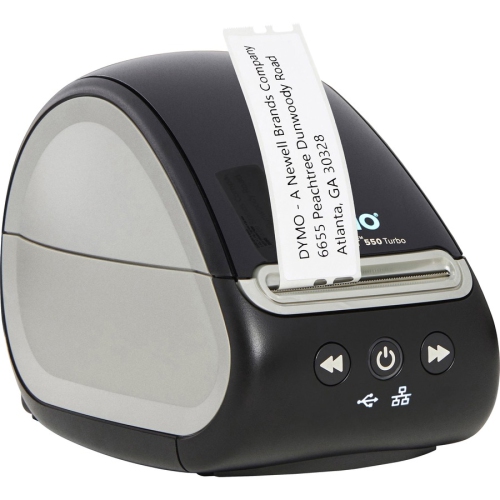

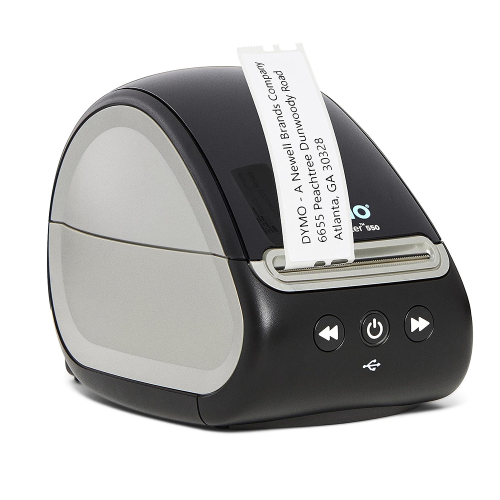
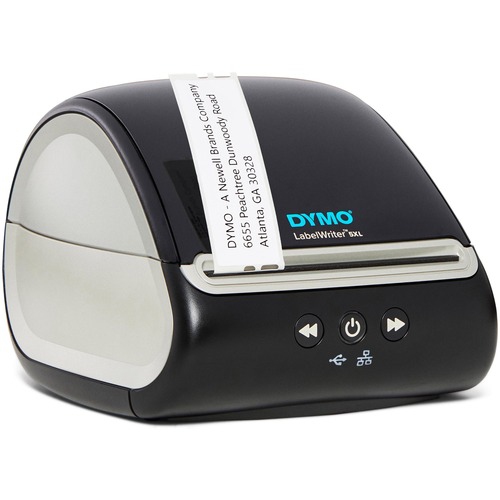

Label formats that fit the way you work
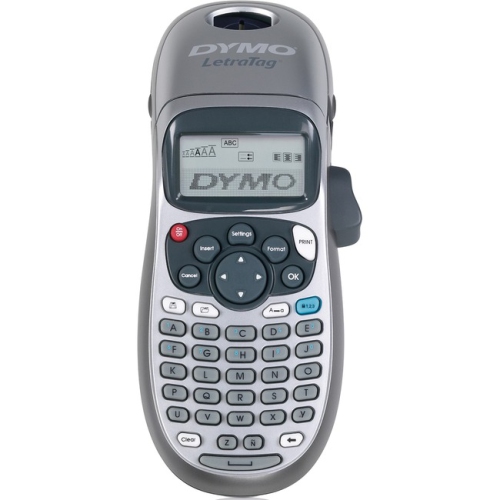
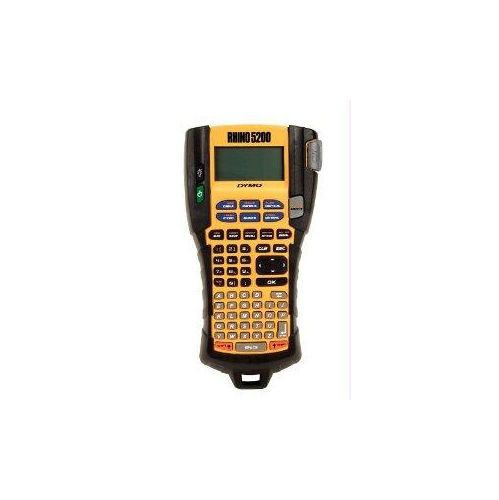
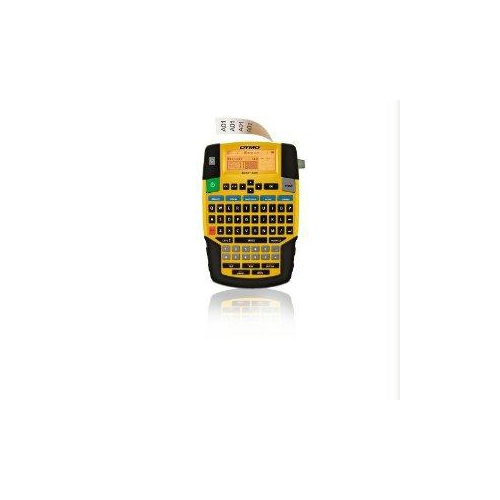
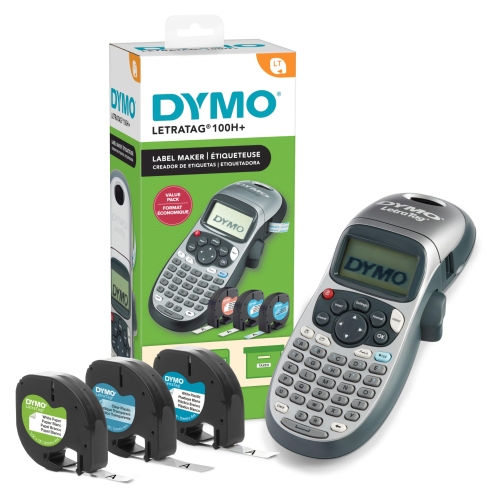
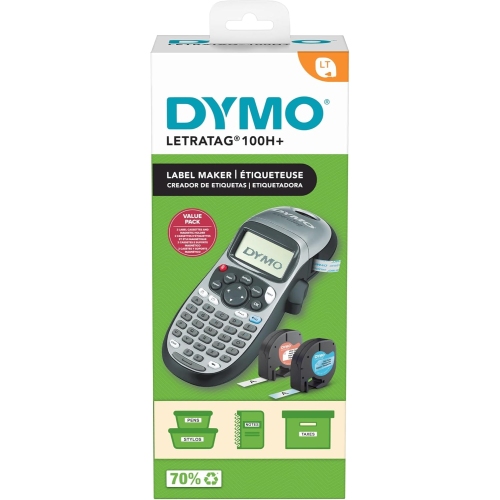
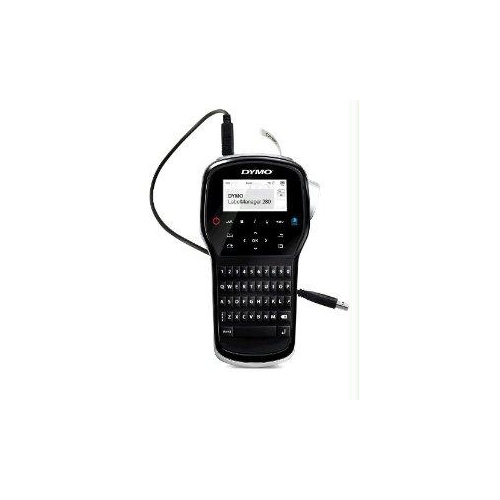
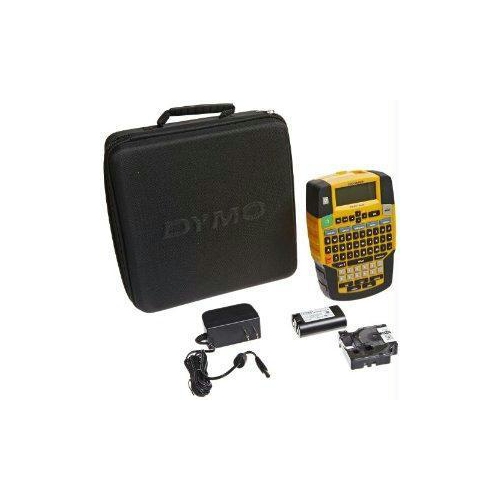
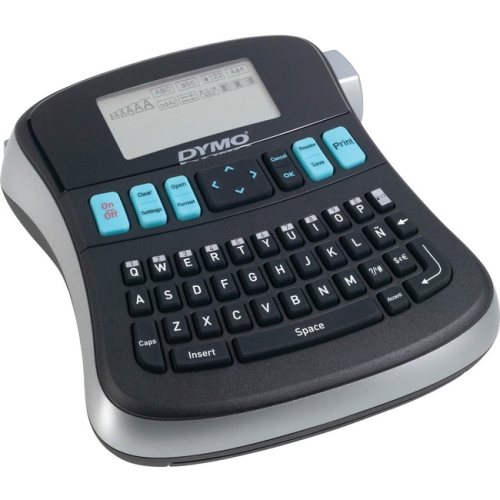
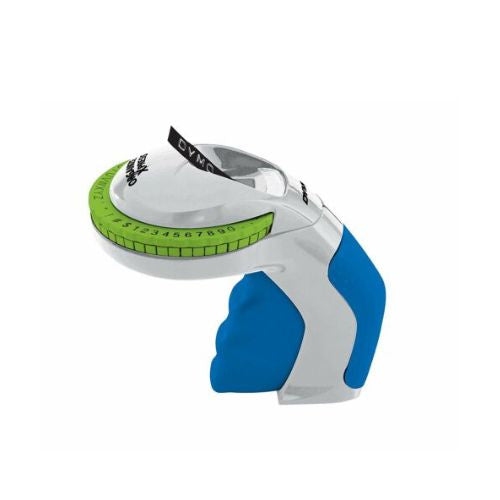
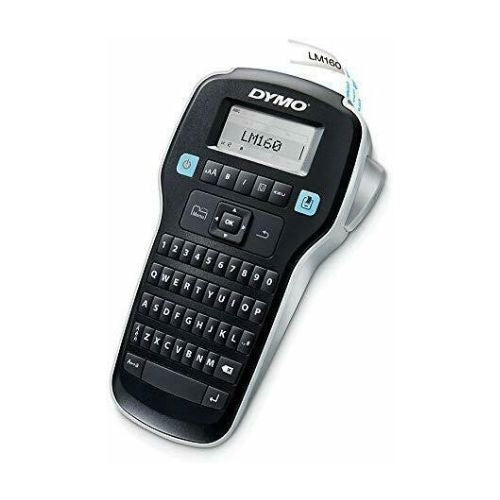
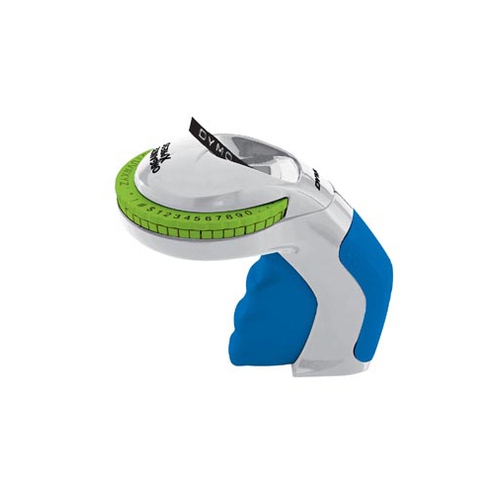
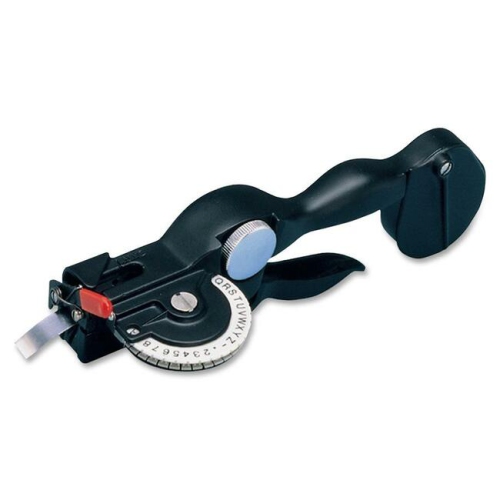
Label printers bring clarity to the small details that keep a home, office, or workspace running smoothly. A readable name on a storage bin, a neatly aligned address on an envelope, or a barcode on a shelf can make everyday tasks easier to repeat accurately. These compact devices produce labels for a wide range of uses, but their formats serve different purposes. Desktop label printers are well suited to mailing, filing, and other tasks that involve printing information from a computer. Models designed for shipping can accommodate larger label formats, while narrower formats suit envelopes, folders, and smaller identification tasks. Handheld label makers offer a different kind of convenience: a built-in keyboard lets someone type and print beside the cupboard, cabinet, or workbench being organized. App-connected options allow text entry and layout creation on a compatible phone or tablet, depending on the device. Thermal printing is central to these formats. Direct thermal printers create text and graphics by applying heat to specially coated labels, while thermal transfer devices use heat to move printing material from a ribbon onto the label surface. Neither process requires conventional ink cartridges or toner, although the correct labels, tapes, and any required ribbon remain essential. For a home office, the appeal may be a consistent filing system that makes receipts and records easier to retrieve. For a small business, it may be readable parcel labels, repeatable barcode layouts, or clearer shelf identification. Teachers, craft enthusiasts, and people organizing shared spaces may value short, legible labels that establish where supplies belong. The most useful format follows the work: occasional names and short descriptions call for different features than a daily queue of mailing labels. A printer that fits the task can turn an improvised collection of handwritten notes into a consistent system without taking over the desk. It also makes replacement labels easier to reproduce when a folder changes hands, a drawer gets reassigned, or a growing collection needs another clearly marked space.
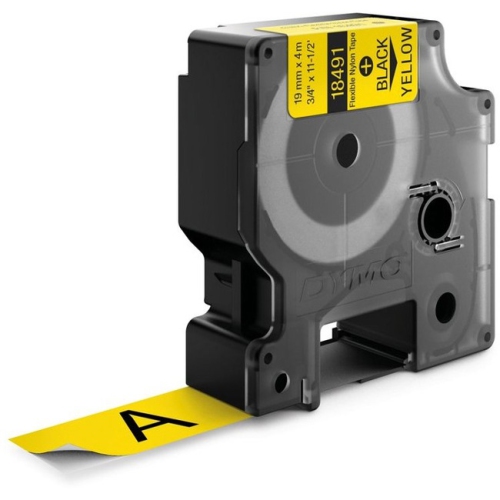
Label material matters as much as the printer itself because the surface, handling, and intended lifespan all affect how well a label performs. Paper labels often suit envelopes, document folders, and other relatively smooth surfaces where flexibility and straightforward identification are the priority. Plastic tapes can offer greater resistance to handling and moisture, depending on their construction, making them useful for frequently touched storage containers or equipment. Specialized materials may include flexible tapes for curved surfaces, cable-identification formats, or fabric labels intended for compatible applications. These materials are not interchangeable across every printer, and a label described as durable still needs to match its intended use. Adhesive strength is another practical distinction. A removable label can suit a temporary sorting project, while a permanent adhesive may be more appropriate for records or storage that should retain the same identification over time. Textured baskets, unfinished wood, dusty shelves, and tightly curved cables present different challenges from a clean, flat folder tab. Applying a suitable label to a clean, dry surface helps the adhesive make proper contact; labels intended for a particular surface or exposure should be used according to their stated limits. Direct thermal paper can darken or fade with prolonged exposure to heat, strong light, or certain chemicals, so it is not automatically the best choice for information that must remain readable for years. For frequently handled labels, resistance to abrasion and smudging can be more important than decorative options. Layout also contributes to durability in a practical sense: clear type, adequate spacing, and strong contrast help a label remain useful as the surrounding space becomes busier. A short shelf name can be read at a glance, while an asset label may need room for both a description and a code. Longer text squeezed onto narrow tape can undermine the purpose of printing it. Choosing a label width and material that suit the message gives the finished result a more deliberate, readable appearance, whether it is attached to a pantry container, an archive box, or a drawer of small parts.
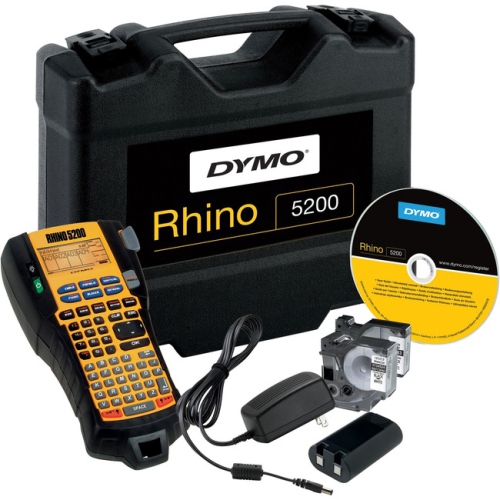
Day-to-day convenience depends on how comfortably a printer fits into the space and the devices already being used. A desktop unit needs room for its housing, cable connections, and label output, particularly when longer labels feed out onto a work surface. A handheld device is easier to carry between rooms, though keyboard size, screen readability, and access to frequently used symbols can influence how pleasant it is to use. USB and Bluetooth connections serve different workflows, and compatibility with a particular operating system or mobile app should be confirmed for the chosen model. Software features such as saved layouts, address formatting, and barcode creation can reduce repetitive typing where supported. For shared tasks, a consistent template helps keep names, dates, and identification codes in the same position each time. Matching supplies are equally important: roll dimensions, tape width, cassette format, and any label-recognition requirements must suit the printer rather than simply look similar. The Dymo Printer Labels page provides a related place to explore label supplies, with compatibility and material type remaining key distinctions. Care is generally straightforward but should follow the device’s instructions. Keeping the feed path clear, removing adhesive residue with an approved method, and storing unused labels in their packaging away from excessive heat and direct light can help maintain consistent results. A protective case may be useful for a portable label maker that travels between work areas, while an accessible storage spot for spare tape makes frequent jobs less disruptive. For someone setting up a home office, managing craft supplies, or maintaining a carefully sorted workshop, a label printer can also be a thoughtful practical gift when its format suits their habits. The lasting value is not simply a tidier-looking shelf. It is being able to find the correct cable, return a tool to its drawer, identify a file without opening it, or prepare a clearly addressed parcel with less repeated effort.
Top selling and popular products
-
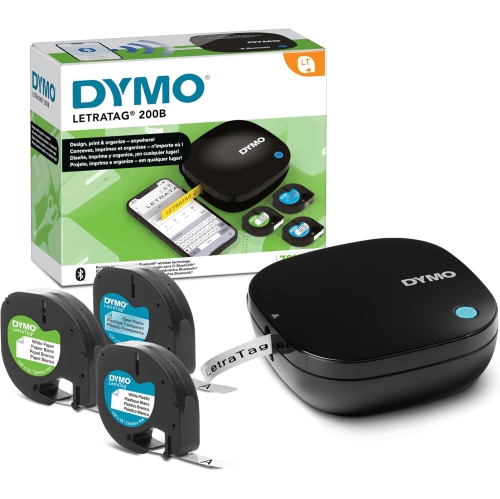 Your price for this item is $57
-
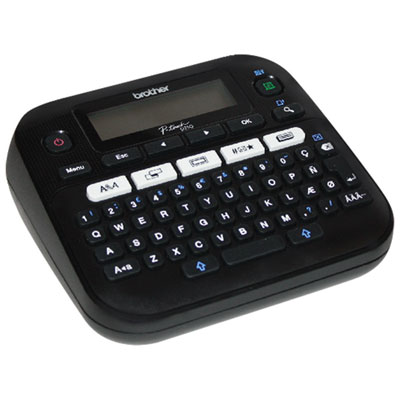 Your price for this item is $44.99
-
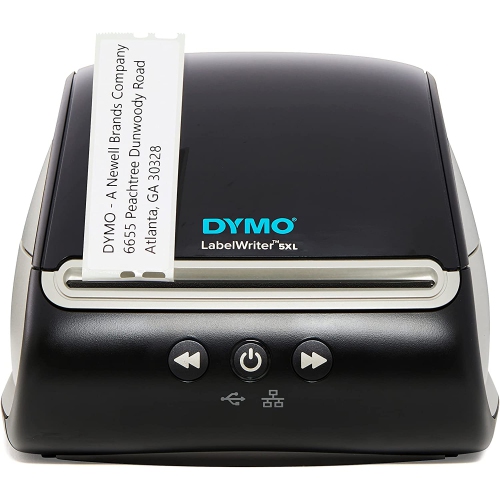 Your price for this item is $427.68
-
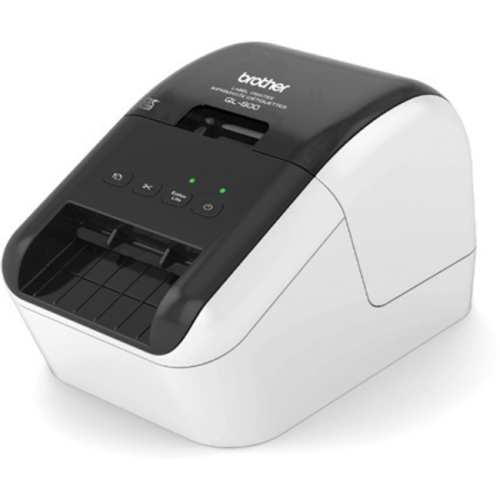 Your price for this item is $172.3
-
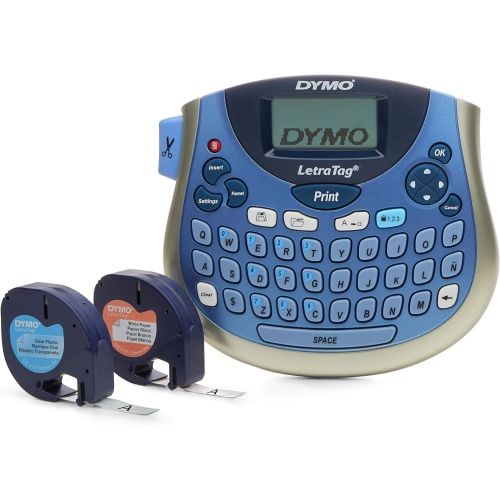 Your price for this item is $69.9
-
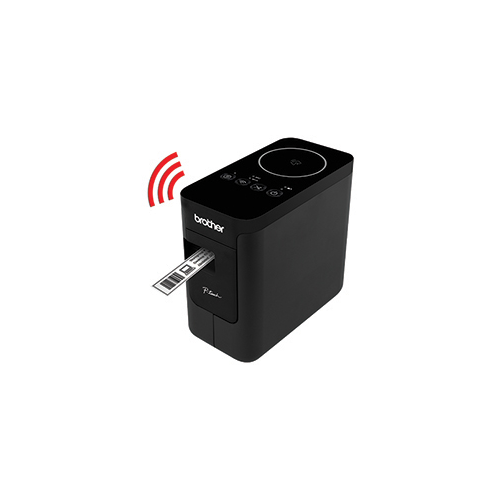 Your price for this item is $158.99
-
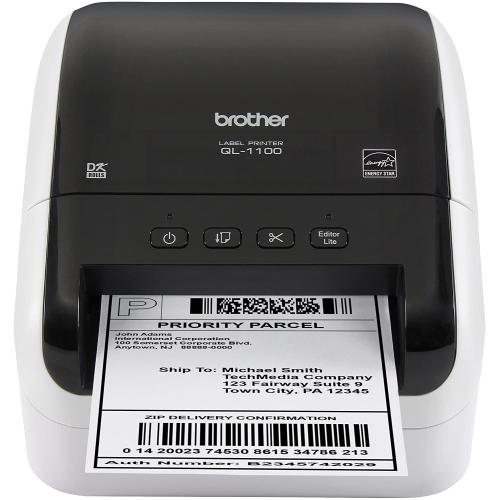 Your price for this item is $395
-
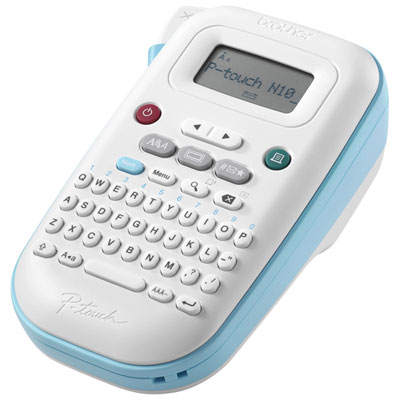 Your price for this item is $39.99
Discover more categories related to Dymo Label Printers
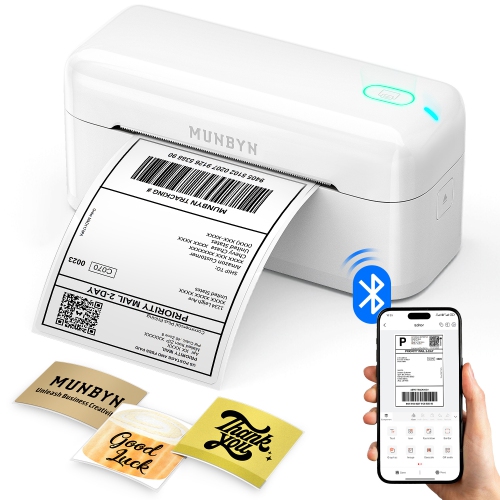
Top Collections:
Best Black Friday Deals This Year, Best Black Friday Deals On Electronics, Kindle Devices, Pokemon Centers, Best Black Friday Deals On Apple Products, Best Cameras for Sports Photography, Dyson Airwrap, Pokémon 30th Celebration Cards, Apple iPhone 17 Pro, Canon G7X Cameras
Some products may be subject to Environmental Handling Fees
(EHF) depending on your province.
Learn more about EHFs.