Fine Tip Whiteboard Markers
Upgrade your whiteboard experience with our collection of fine tip whiteboard markers. Whether you're a teacher, presenter, or simply love jotting down ideas on a whiteboard, these markers are perfect for creating clear and precise lines. With their fine tips, you can effortlessly write or draw with precision, making your presentations and brainstorming sessions more organized and visually appealing. Explore our wide range of fine tip whiteboard markers and take your creativity to new heights.
Sort
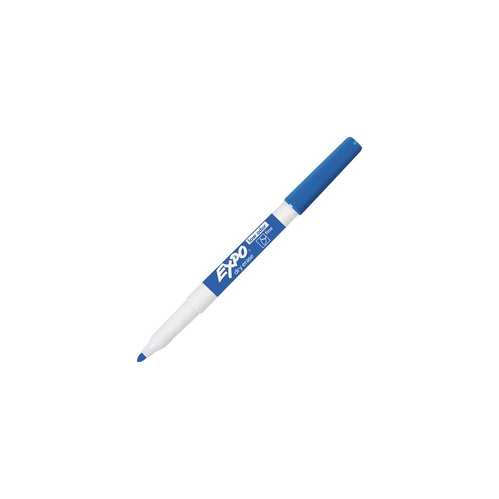
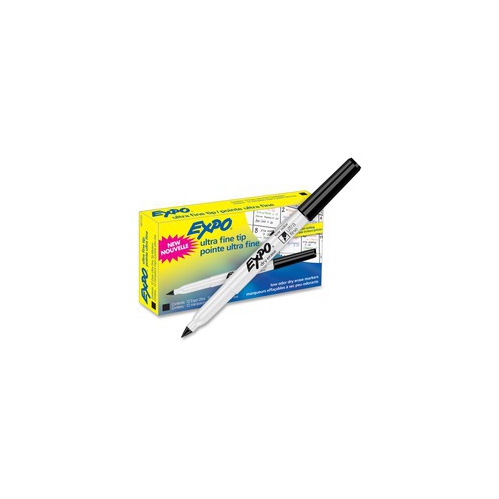
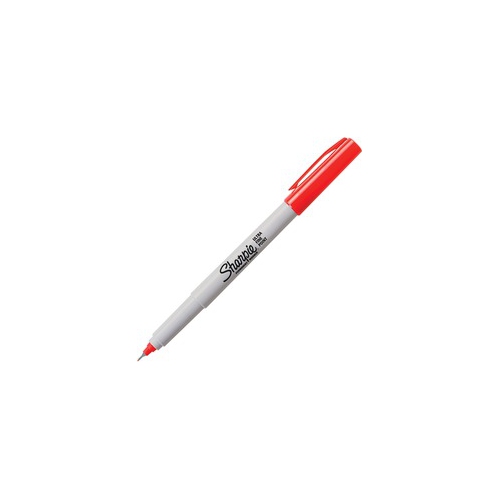


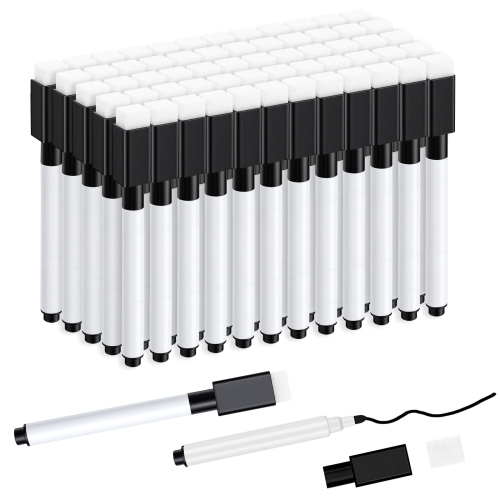
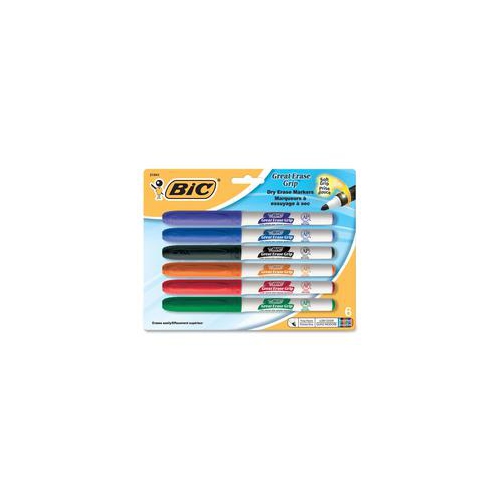
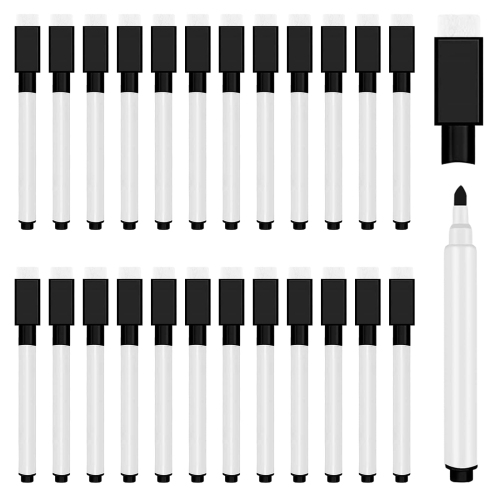


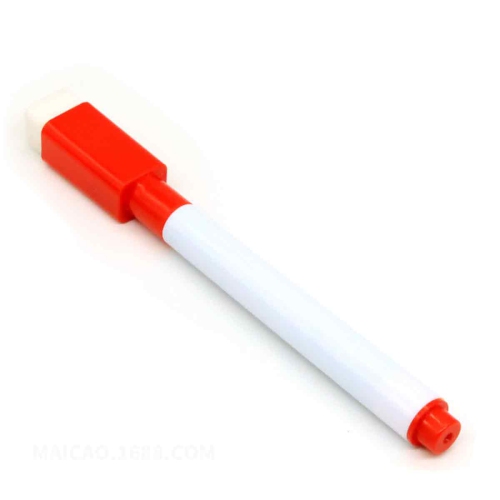


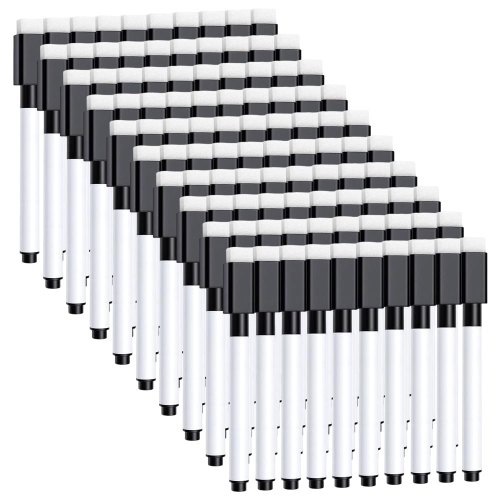



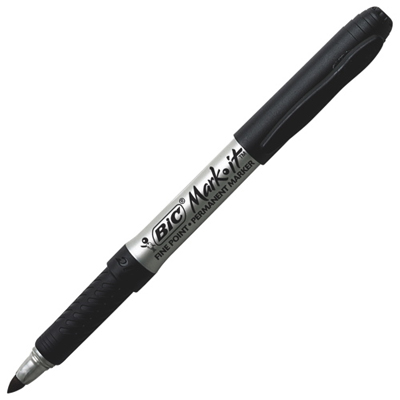

Clearer notes when whiteboard space is limited
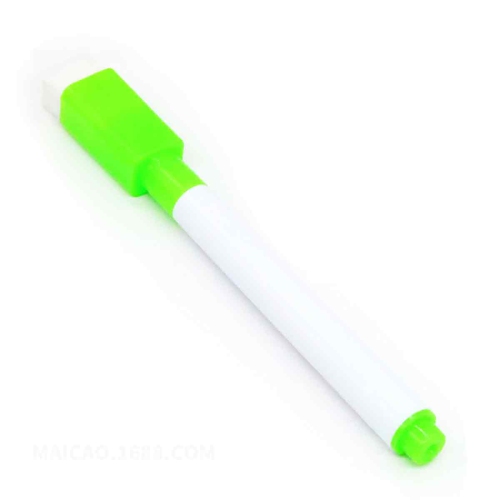
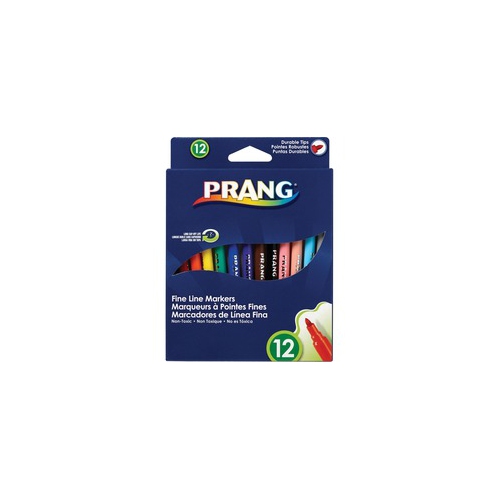
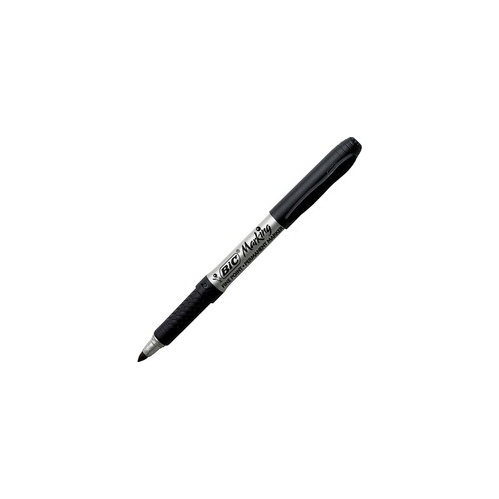
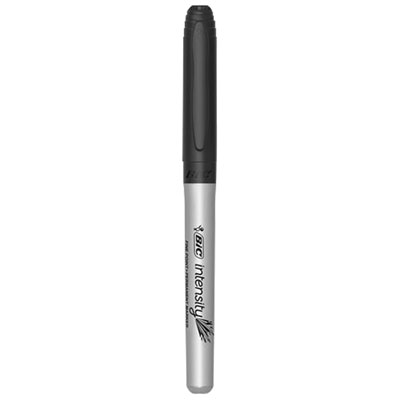
Fine tip whiteboard markers make it easier to write clearly when space is limited. Their narrow points suit the small squares on a wall calendar, the ruled lines of a reusable notebook, or the labels beside a diagram on a desktop board. Unlike a broad chisel tip, which is useful for large headings and bold strokes, a fine point is designed for more controlled lettering and detailed marks. That distinction matters when a teacher needs to fit several steps of a calculation onto a small board, a student is practising vocabulary, or a household is adding appointments to a shared planner. Fine and ultra-fine descriptions are not identical across manufacturers, so the stated line width is a more useful comparison than the tip name alone. The finished stroke also depends on writing pressure, the angle of the marker, and the condition of the point. A light touch helps preserve the tip and keeps small letters from becoming heavier than intended. Most fine tips have a rounded or conical shape that produces a fairly consistent line without requiring the barrel to be turned for each stroke. Their precision is especially helpful for compact handwriting, fractions, arrows, and annotations, although narrow lines are less visible across a large meeting room than broader writing. Board size and viewing distance therefore matter as much as the amount of detail being added. Smooth, non-porous surfaces are the usual setting for dry-erase markers, but compatibility should be confirmed for the particular board and ink. Coated whiteboards, glass boards, and reusable planning sheets can have different surface requirements. On clear or dark glass, a standard dry-erase colour may not provide enough contrast; ink specifically labelled for that surface is a better match. The right combination of tip size, ink colour, and board finish makes detailed notes easier to read without crowding the space.
Ink performance shapes the experience just as much as the point. Fine tip dry-erase markers are intended to leave marks that wipe away from compatible surfaces with a dry eraser or suitable cloth, making them useful for information that changes frequently. A weekly timetable, a project checklist, or a set of practice equations can be revised without replacing the writing surface. Smooth ink flow helps keep small characters legible, particularly where an interrupted stroke could make a number or symbol ambiguous. Drying time varies by formulation and surface, so allowing the writing to dry before touching it helps limit smearing. A left-handed writer may find this especially relevant when a hand passes close to freshly written lines. Low-odour formulations may be preferable for a desk shared with colleagues or a small study area, but low odour does not mean odour-free, and label directions for use and ventilation still apply. Colour selection also has a practical role. Black often provides strong contrast on a white board, while additional colours can separate subjects, deadlines, responsibilities, or stages in a process. A family planner might use one colour for appointments and another for reminders; a tutor might distinguish a worked example from a student's corrections. Pale colours may be harder to read at a distance, even when they look distinct close up. Pairing colour with a word, symbol, or initial keeps the meaning clear for people who do not easily distinguish certain shades. Dry-erase, wet-erase, and permanent inks serve different purposes and should not be treated as interchangeable. Wet-erase writing generally needs a damp cloth for removal and may suit compatible planning surfaces where accidental dry wiping is a concern. For lasting labels on suitable materials, Fine Tip Permanent Markers serve a different purpose; permanent ink is not a substitute for dry-erase ink on a whiteboard.
Comfort, cap design, and care become more noticeable with frequent use. A slim barrel can feel familiar to someone accustomed to a pen, while a wider barrel may offer a more comfortable hold for other writers. Secure-fitting caps help protect the tip from drying out between tasks, and a cap that posts on the end of the barrel can be convenient during a lesson or meeting. Where included, a magnetic holder or built-in eraser can keep a marker close to a compatible board, though a small eraser is better suited to quick corrections than clearing a large writing area. Durability depends partly on how the marker is handled. Pressing hard can flatten or fray a fine point, reducing the control that makes it useful for small writing. Rough surfaces can also damage the tip, while uncapped storage can interrupt ink flow or leave the marker unusable. Storage orientation varies by design, so following the manufacturer's directions is more reliable than assuming every marker should stand upright or lie flat. A clean board matters, too: residue can affect how evenly fresh ink appears and how easily it erases. A soft cloth or board-compatible eraser handles routine clearing, with an approved cleaner used when needed according to the board's care instructions. Abrasive pads and unsuitable cleaning chemicals can damage some finishes. Pack composition is another useful consideration for shared spaces. Several markers in the same frequently used colour suit repeated note-taking, while assorted colours support calendars, diagrams, and collaborative planning. Refillable designs or replaceable tips, where offered, have their own compatibility requirements. For classrooms and children's learning spaces, age suitability, cap safety information, and supervision needs deserve attention alongside line width. Whether used by a student working through algebra, an instructor labelling a sketch, or an office team tracking tasks, fine tip whiteboard markers are most useful when their precise lines remain readable, their ink suits the surface, and their shape feels comfortable in the hand.
Top selling and popular products
-
 Your price for this item is $48.99
-
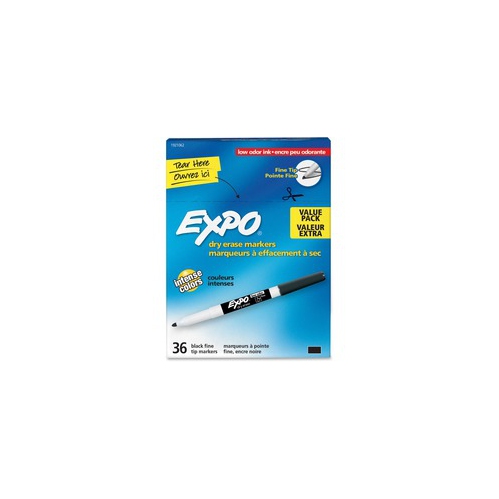 Your price for this item is $57.99
-
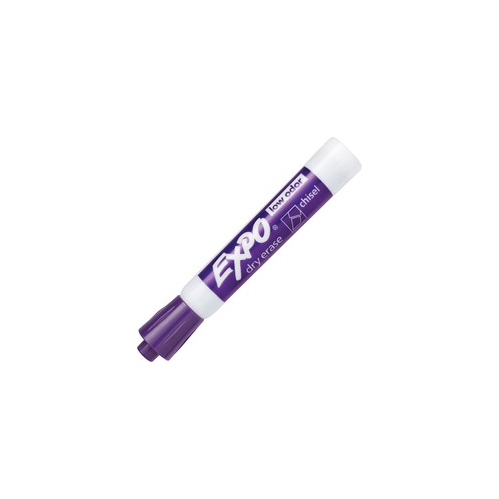 Your price for this item is $1.99
-
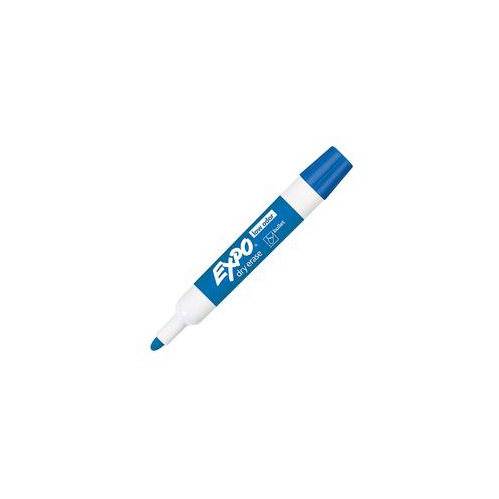 Your price for this item is $3.99
-
 Your price for this item is $10.99
-
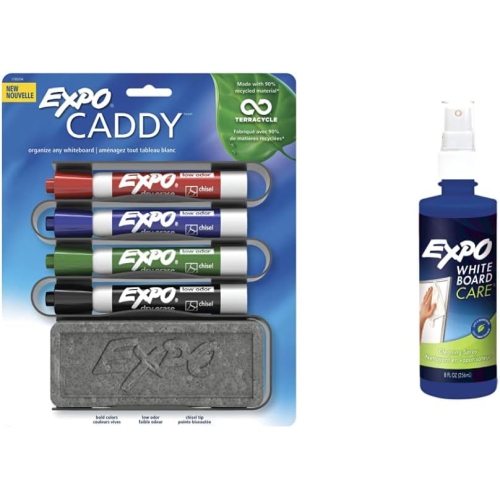 Your price for this item is $11.99
-
 Your price for this item is $7.99
-
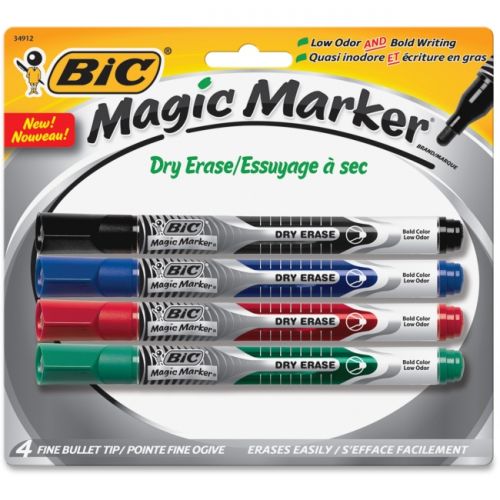 Your price for this item is $6.99
Discover more categories related to Fine Tip Whiteboard Markers
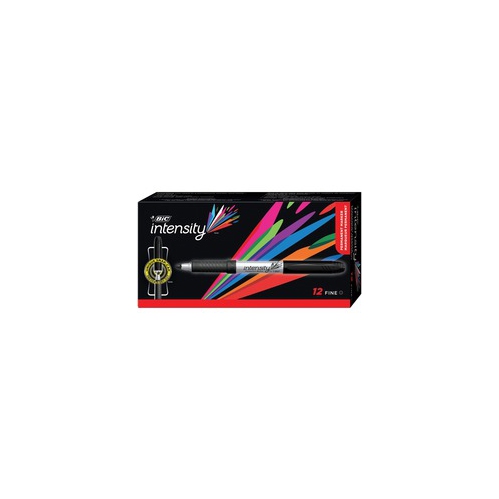
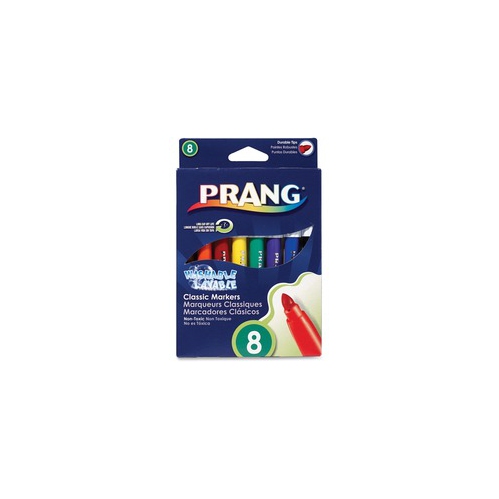
Top Collections:
Pokemon Centers, Kindle Devices, Best Cameras for Sports Photography, Pokémon 30th Celebration Cards, Apple iPhones 16, Canon G7X Cameras, iPhone 15 Apple, Flip Phones, Samsung Galaxy Phones, Alarm Clock
Some products may be subject to Environmental Handling Fees
(EHF) depending on your province.
Learn more about EHFs.