Graphite Drawing Pencils
Whether you're a seasoned artist or just starting your creative journey, graphite drawing pencils are an essential tool for bringing your imagination to life on paper. With their smooth and precise lead, these pencils allow you to achieve stunning levels of detail and shading in your artwork. From delicate lines to bold strokes, graphite drawing pencils offer versatility and control, making them a must-have for any artist's toolkit. Explore our wide selection of graphite drawing pencils and unleash your artistic potential today.
Sort
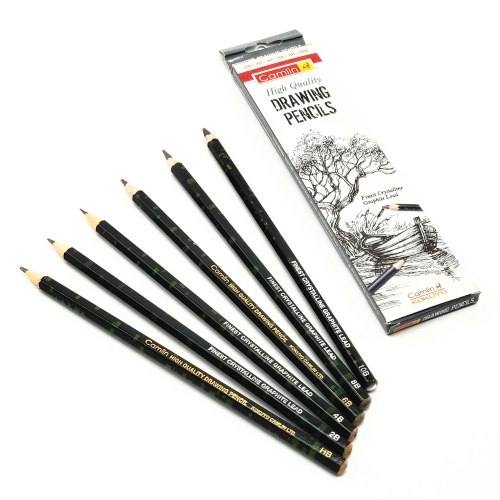
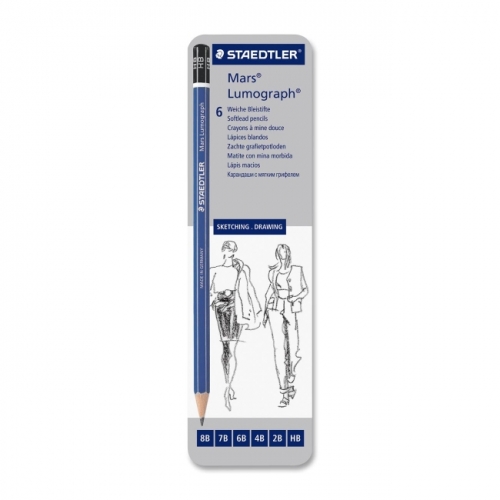
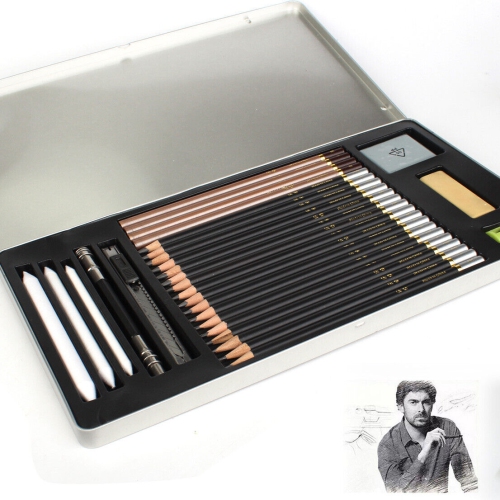


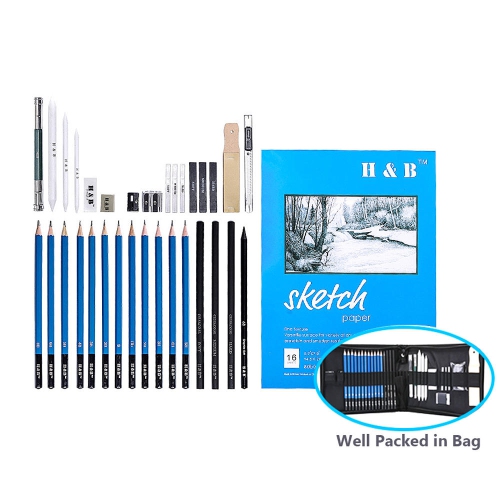


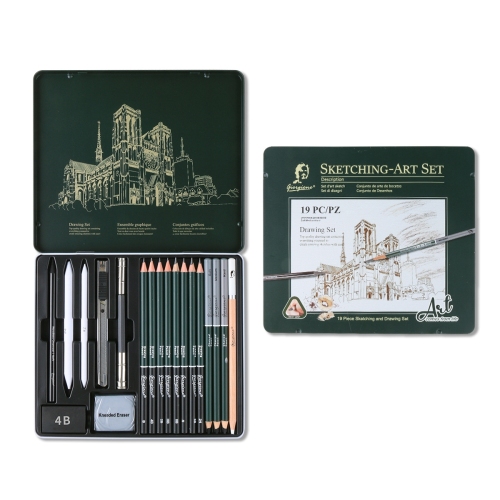
How pencil hardness shapes fine lines and deep shadows
Graphite drawing pencils create marks ranging from pale, precise outlines to deep, expressive shadows, making them useful for everything from quick sketchbook studies to carefully rendered portraits. Their cores typically combine graphite, a form of carbon, with clay and binders; despite the familiar term “pencil lead”, they do not contain lead metal. The balance of ingredients influences hardness, darkness, and how the point feels against paper. H grades are harder and generally leave lighter marks, with higher numbers indicating greater hardness. They suit delicate construction lines, architectural details, and textures that need a fine point, such as individual hairs or the veins of a leaf. B grades are softer and generally produce darker marks, with higher numbers indicating increasing softness. These pencils are well suited to broad shading, loose gesture drawings, and the darker passages beneath a chin or inside the folds of fabric. HB sits between the H and B ranges and is a familiar choice for everyday sketching, while F denotes a grade formulated to hold a fine point and typically sits between HB and H. Grade markings offer a useful comparison, although the feel and darkness of the same grade can vary between manufacturers. A small range of hardnesses can cover a surprising amount of work: a harder pencil for the first light shapes, a middle grade for developing form, and a softer pencil for selected dark accents. Graphite is particularly appealing for monochrome drawing because it allows line, tone, and texture to share the same simple tool. Students can practise proportion without introducing colour, hobbyists can fill a sketchbook with household objects or outdoor observations, and experienced artists can develop detailed studies before moving into another medium. For someone drawing a ceramic mug on a table, that range might capture the faint rim, the smooth curve of its body, and the cast shadow that gives it weight. The value lies in having marks that respond predictably to changes in pressure, angle, and point shape.
The construction and shape of graphite drawing pencils affect both their handling and their intended use. Traditional wood-cased pencils surround the core with a protective barrel that can be sharpened to a short, sturdy point or a longer taper for more varied strokes. Woodless graphite pencils have a much larger drawing core, usually protected by a thin coating, and suit broad tonal work as well as lines drawn with the tip. They need careful handling because their bodies can be more vulnerable to snapping if dropped. Mechanical formats maintain a consistent line width, while thicker lead holders offer another way to work with replaceable graphite; the lead diameter and hardness determine whether they are better suited to measured details or freer sketching. Barrel shape matters during longer sessions. A hexagonal barrel helps resist rolling on an angled desk, a round barrel turns easily in the fingers, and a triangular shape may feel more secure for some grips. Comfortable fit depends on hand size and drawing habits rather than one shape being best for everyone. A relaxed grip farther back on the barrel supports sweeping lines, while a grip near the point offers closer control for small details. Paper also changes the result. A smooth surface supports crisp edges and intricate work, while paper with more tooth catches graphite and gives shading a visibly textured character. Very hard points pressed firmly can indent the sheet, leaving grooves that remain noticeable under later layers, so light pressure is helpful for early outlines. Softer grades deposit more graphite and can smudge easily, especially where the drawing hand rests. A clean sheet beneath the hand helps protect finished areas. For shoppers who want several grades together, Drawing Pencils Sets offer a way to compare coordinated assortments, with the included hardness range helping indicate whether a selection leans towards fine line work, general sketching, or darker tonal drawing. The number of pencils alone matters less than having grades that suit the marks an artist wants to make.
Care and storage help graphite drawing pencils retain their usefulness through repeated sharpening and everyday travel. A sharp, correctly sized sharpener should remove the casing cleanly rather than tear the wood or put excessive stress on the core. For delicate details, a fine point provides control, but a slightly rounded tip often works better for even shading and is less likely to snap under normal pressure. Turning the pencil occasionally while drawing distributes wear around the tip and helps maintain a more consistent line. Dropping a pencil can fracture the core inside an otherwise intact casing, which may explain repeated breakage during later sharpening. A fitted case or compartmented pouch limits knocks in a school bag or art tote, and keeping pencils dry protects wooden barrels from moisture-related changes. Erasers and blending tools also influence the drawing experience. A kneaded eraser can lift graphite gradually to soften a passage or suggest reflected light, while a firmer eraser is useful for clearer corrections, provided the paper can tolerate the friction. Blending stumps spread deposited graphite into softer transitions, but keeping some visible pencil strokes preserves texture in subjects such as fur, woven cloth, or rough stone. Heavy layers of graphite may develop a reflective sheen, particularly in dark areas; building tone gradually and assessing the page from different angles helps keep values consistent. Finished drawings benefit from a protective cover or suitable interleaving paper to reduce rubbing during storage. These practical qualities make graphite pencils a thoughtful gift for art students, journal keepers, design enthusiasts, or anyone returning to drawing after time away. A beginner may appreciate a manageable selection of clearly marked grades, while an experienced portrait artist may value a broader tonal range. During the cooler months, a sketchbook and a few well-chosen pencils can turn a quiet indoor afternoon into a study of window light, a sleeping pet, or the overlapping shapes of a houseplant. For classroom assignments, personal projects, and portable creative practice, graphite offers direct control with very little setup.
Top selling and popular products
-
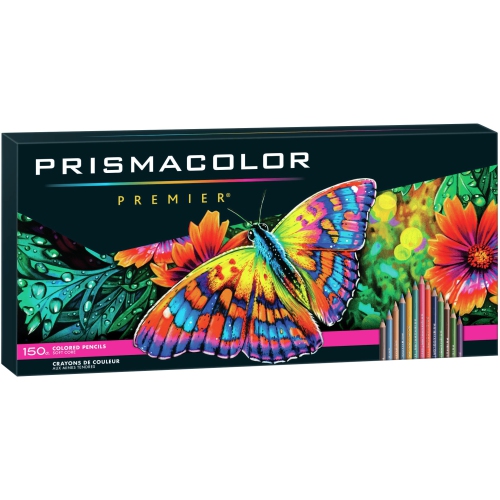 Your price for this item is $179.99
-
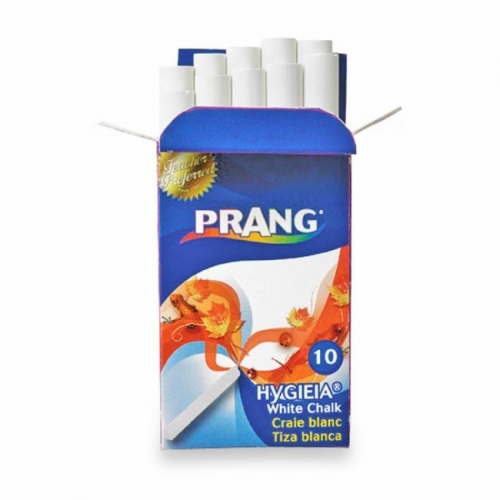 Your price for this item is $1.99
-
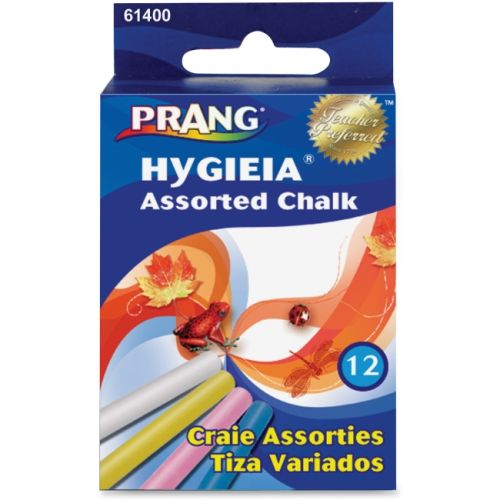 Your price for this item is $2.99
-
 Your price for this item is $10.49
-
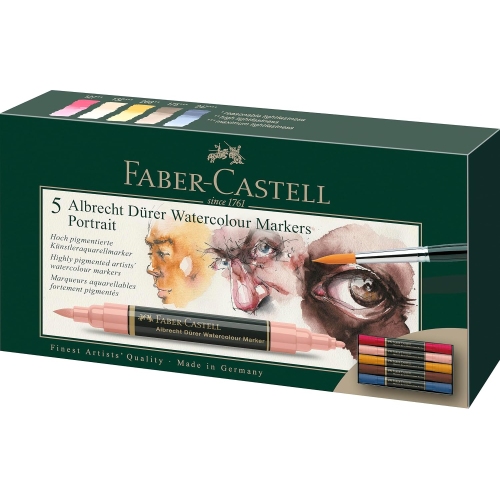 Your price for this item is $29.99
-
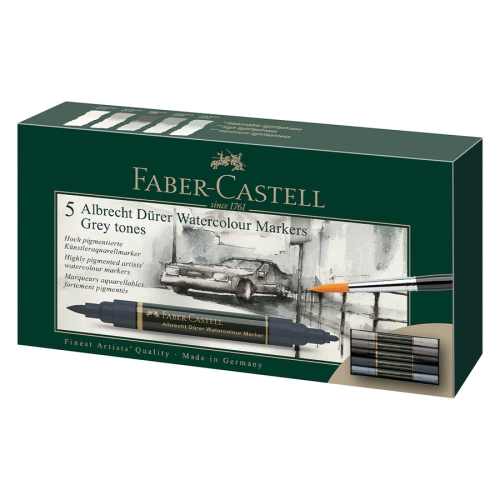 Your price for this item is $22.99
-
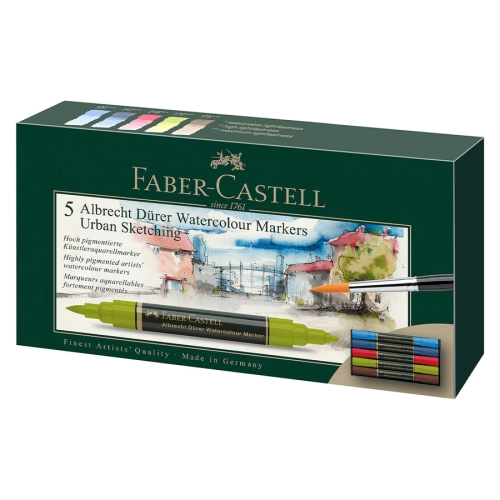 Your price for this item is $26.99
-
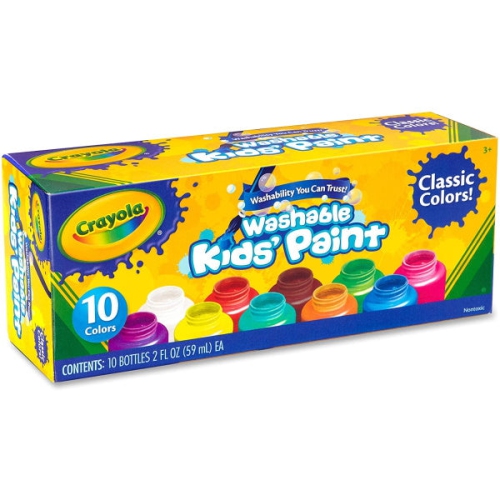 Your price for this item is $37.94
Discover more categories related to Graphite Drawing Pencils

Top Collections:
Pokemon Centers, Kindle Devices, Best Cameras for Sports Photography, Pokémon 30th Celebration Cards, Apple iPhones 16, Canon G7X Cameras, iPhone 15 Apple, Flip Phones, Samsung Galaxy Phones, Alarm Clock
Some products may be subject to Environmental Handling Fees
(EHF) depending on your province.
Learn more about EHFs.