Pencils for Drafting
Whether you're an architect, engineer, or simply someone who loves to sketch, finding the perfect pencil for drafting is essential. With their precise lead and comfortable grip, these pencils are designed to bring your creative visions to life with ease and accuracy. From mechanical pencils to traditional wooden ones, our collection offers a wide range of options to suit every drafting style and preference. Explore our selection of top-quality pencils that deliver smooth lines, consistent performance, and durability, ensuring that your ideas are beautifully translated onto paper every time.
Sort
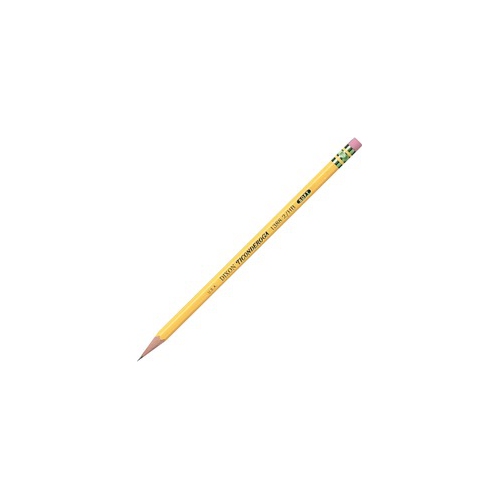
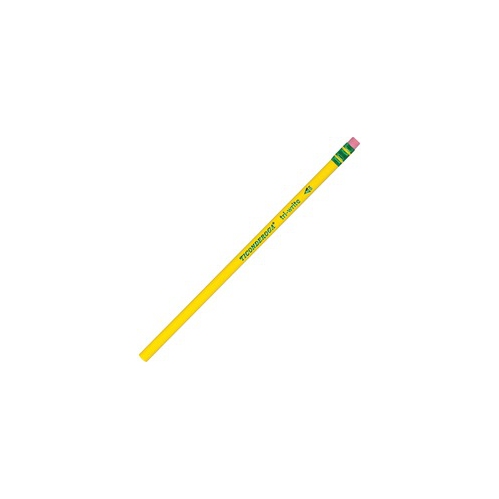
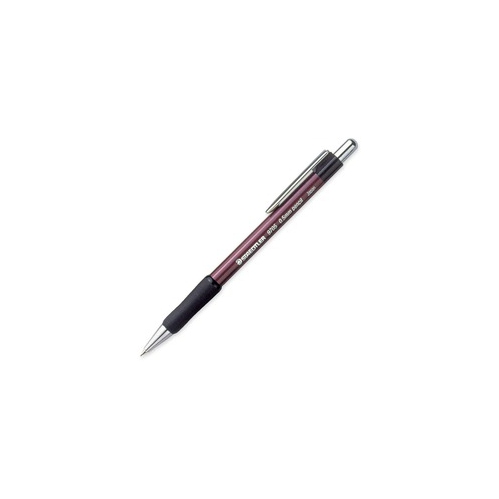
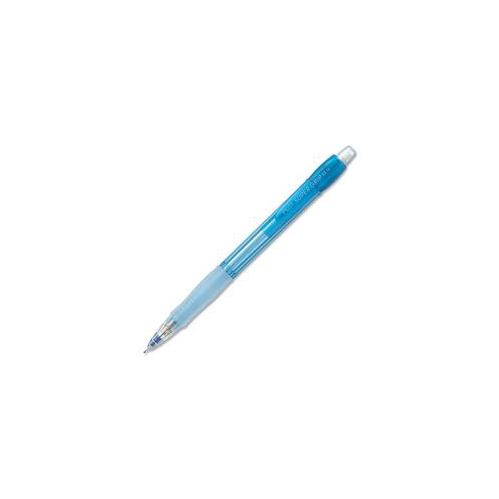
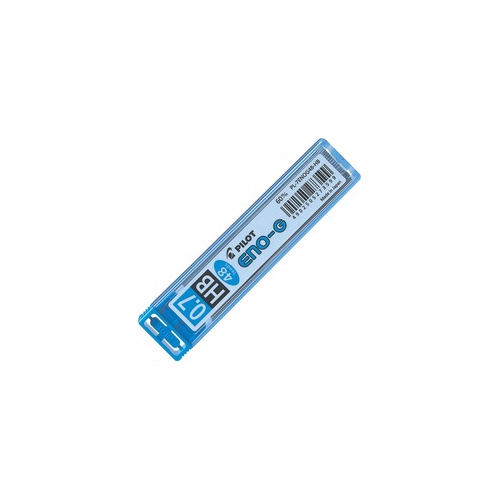
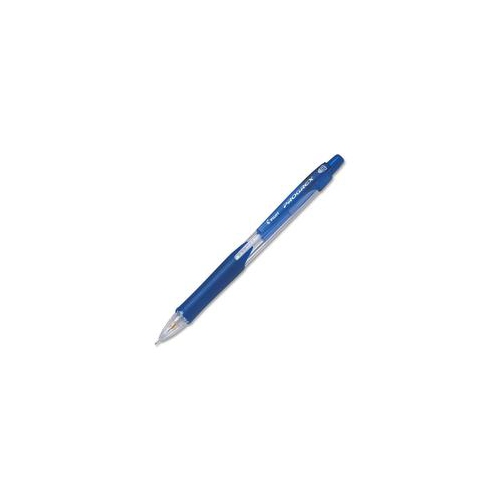
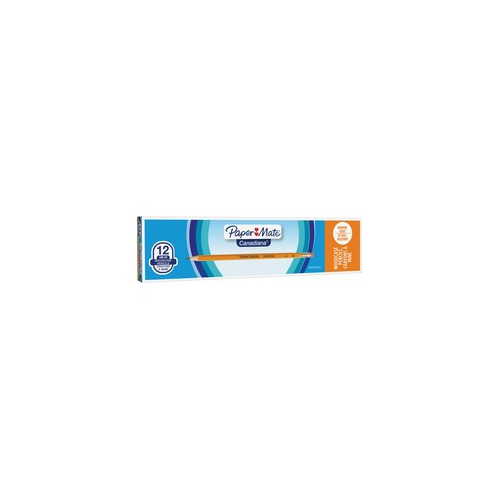
Precision features for cleaner lines and confident drafting
Drafting pencils are designed for controlled, accurate work where clean lines and dependable handling matter. Unlike ordinary writing pencils, many drafting pencils have a long, slender metal lead sleeve that keeps the tip visible when working beside a ruler, triangle, compass, or template. A fixed sleeve, often around 4 mm long, can make it easier to maintain a steady distance from a straightedge and see exactly where the line will begin and end. Some designs use a retractable sleeve instead, which can help protect the tip when the pencil is stored in a case, pouch, or desk drawer. Both styles can be useful, and the better choice depends on how often the pencil will be carried and whether the priority is maximum visibility during technical drawing or extra protection between projects. A weighted barrel can provide a reassuring sense of stability, while a lighter body may feel more comfortable during long sessions of lettering, geometry, floor-plan work, model-making, or sketch development. Grip design is another important detail. Knurled metal, textured resin, and metallic-mesh grips can help prevent fingers from slipping as you make small adjustments, although some users prefer a smoother grip for extended writing. Look for a balanced shape that rests naturally between the fingers rather than one that feels top-heavy or tiring after several pages. A built-in lead grade indicator can also be helpful when several pencils are in use, allowing you to identify whether the pencil contains HB, H, 2B, or another lead grade at a glance. This is especially convenient when moving between construction lines, darker outlines, annotations, and shading. For anyone who has ever reached for a pencil in the middle of a detailed drawing and discovered that it produces a much darker or softer mark than expected, a clear grade indicator can save time and keep the work more consistent.
Lead diameter has a direct effect on the character of the line and the way the pencil feels in use. A 0.3 mm lead is well suited to very fine technical details, small lettering, narrow dimension lines, and intricate diagrams, but it may require a lighter touch because its slender lead can break under heavy pressure. The 0.5 mm size is a versatile choice for everyday drafting, technical drawing, school assignments, diagrams, and neat written notes. It offers a precise line without feeling overly delicate, making it a popular starting point for someone building a pencil set. A 0.7 mm lead produces a slightly broader, more noticeable line and can be useful for layouts, rough sketches, lettering, and work where a little extra durability is welcome. A 0.9 mm lead is thicker still, giving it increased resistance to snapping and making it practical for bold construction marks, expressive sketching, and users who naturally press firmly. Lead hardness matters as much as diameter. H and harder grades create lighter, cleaner lines that are easy to refine, while HB offers a balanced mark for general-purpose use. Softer grades such as B or 2B create darker, smoother strokes for emphasis and shading, though they may smudge more readily and require more frequent erasing. Some drafting pencils work with replaceable leads, so checking refill compatibility before buying can help avoid frustration later. It is also worth considering the eraser system, the ease of advancing the lead in small increments, the security of the pocket clip, and whether the push button includes storage or a sharpener for thicker lead holders. A lead holder, which uses a thicker piece of graphite sharpened to a point, offers a different experience from a fine mechanical drafting pencil and can be appealing for broad marks, preliminary layouts, and freehand work. Keeping a small eraser, lead refills, and a sharpener nearby turns a drafting pencil into a dependable kit for the desk, studio, classroom, or workshop.
Pencils for drafting can be useful for students learning technical drawing, architecture, engineering, interior design, fashion design, woodworking, product design, and other subjects where accuracy and repeatable lines are important. They also suit hobbyists who enjoy model building, calligraphy practice, journalling, perspective exercises, or drawing detailed plans before beginning a hands-on project. An experienced drafter may choose several lead sizes and grades for different stages of the same drawing: a harder, fine lead for measured guidelines, a medium lead for labels and outlines, and a softer lead for emphasis or tonal work. Beginners may prefer to start with a comfortable 0.5 mm or 0.7 mm pencil, then add finer or thicker options as their technique develops. For artists who are mainly interested in loose marks, gesture drawing, or shading, Sketching Pencils may be a more suitable category to explore alongside drafting tools. These pencils can also make thoughtful gifts for a student setting up a first drawing workspace, a creative family member who enjoys detailed hobbies, or a colleague who takes pride in organised notes and precise diagrams. During the cooler months, when more time is often spent indoors at a desk, a well-chosen drafting pencil can make quiet creative projects feel more comfortable and rewarding, whether the work involves tracing a measured plan, refining a small illustration, or filling a notebook with ideas. When comparing options, consider the recipient’s preferred line width, the type of paper they use, whether they tend to carry their tools from place to place, and how much time they spend drawing in one sitting. A durable tip, comfortable grip, dependable lead advance, and easy-to-identify lead grade can make the difference between a pencil that simply works and one that becomes a trusted part of a daily creative routine.
Lead diameter has a direct effect on the character of the line and the way the pencil feels in use. A 0.3 mm lead is well suited to very fine technical details, small lettering, narrow dimension lines, and intricate diagrams, but it may require a lighter touch because its slender lead can break under heavy pressure. The 0.5 mm size is a versatile choice for everyday drafting, technical drawing, school assignments, diagrams, and neat written notes. It offers a precise line without feeling overly delicate, making it a popular starting point for someone building a pencil set. A 0.7 mm lead produces a slightly broader, more noticeable line and can be useful for layouts, rough sketches, lettering, and work where a little extra durability is welcome. A 0.9 mm lead is thicker still, giving it increased resistance to snapping and making it practical for bold construction marks, expressive sketching, and users who naturally press firmly. Lead hardness matters as much as diameter. H and harder grades create lighter, cleaner lines that are easy to refine, while HB offers a balanced mark for general-purpose use. Softer grades such as B or 2B create darker, smoother strokes for emphasis and shading, though they may smudge more readily and require more frequent erasing. Some drafting pencils work with replaceable leads, so checking refill compatibility before buying can help avoid frustration later. It is also worth considering the eraser system, the ease of advancing the lead in small increments, the security of the pocket clip, and whether the push button includes storage or a sharpener for thicker lead holders. A lead holder, which uses a thicker piece of graphite sharpened to a point, offers a different experience from a fine mechanical drafting pencil and can be appealing for broad marks, preliminary layouts, and freehand work. Keeping a small eraser, lead refills, and a sharpener nearby turns a drafting pencil into a dependable kit for the desk, studio, classroom, or workshop.
Pencils for drafting can be useful for students learning technical drawing, architecture, engineering, interior design, fashion design, woodworking, product design, and other subjects where accuracy and repeatable lines are important. They also suit hobbyists who enjoy model building, calligraphy practice, journalling, perspective exercises, or drawing detailed plans before beginning a hands-on project. An experienced drafter may choose several lead sizes and grades for different stages of the same drawing: a harder, fine lead for measured guidelines, a medium lead for labels and outlines, and a softer lead for emphasis or tonal work. Beginners may prefer to start with a comfortable 0.5 mm or 0.7 mm pencil, then add finer or thicker options as their technique develops. For artists who are mainly interested in loose marks, gesture drawing, or shading, Sketching Pencils may be a more suitable category to explore alongside drafting tools. These pencils can also make thoughtful gifts for a student setting up a first drawing workspace, a creative family member who enjoys detailed hobbies, or a colleague who takes pride in organised notes and precise diagrams. During the cooler months, when more time is often spent indoors at a desk, a well-chosen drafting pencil can make quiet creative projects feel more comfortable and rewarding, whether the work involves tracing a measured plan, refining a small illustration, or filling a notebook with ideas. When comparing options, consider the recipient’s preferred line width, the type of paper they use, whether they tend to carry their tools from place to place, and how much time they spend drawing in one sitting. A durable tip, comfortable grip, dependable lead advance, and easy-to-identify lead grade can make the difference between a pencil that simply works and one that becomes a trusted part of a daily creative routine.
Top selling and popular products
-
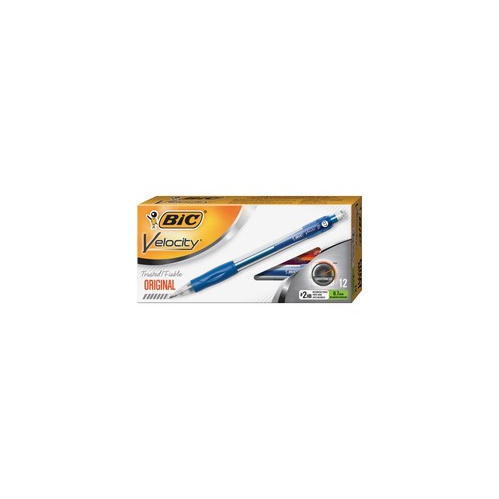 Your price for this item is $20.99
 -
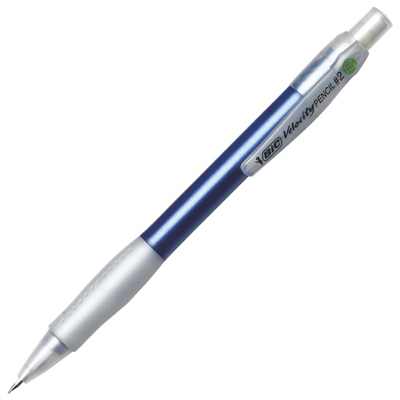 Your price for this item is $21.99
 -
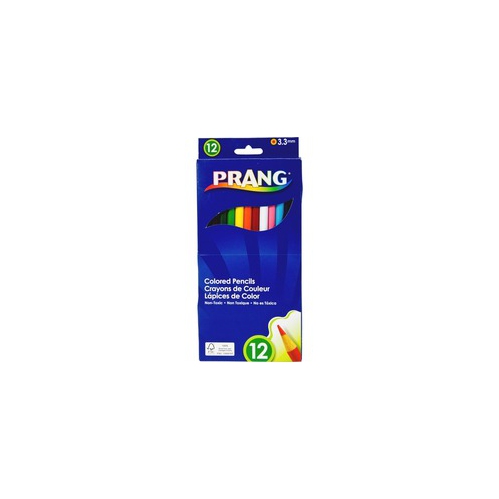 Your price for this item is $3.99
 -
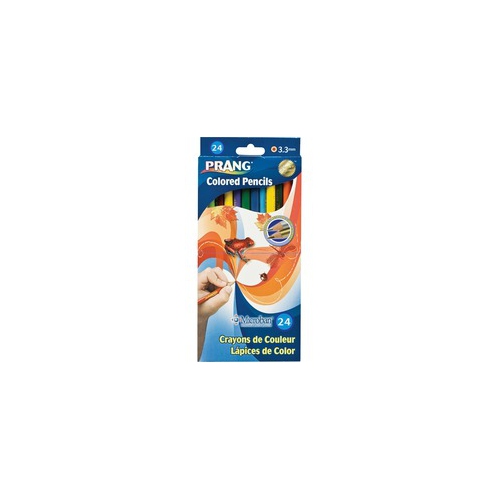 Your price for this item is $8.99
 -
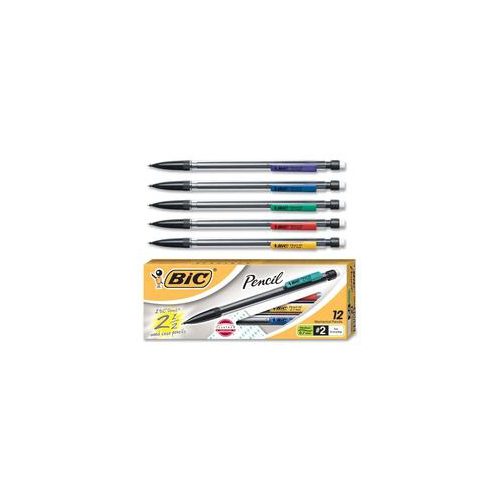 Your price for this item is $5.99
 -
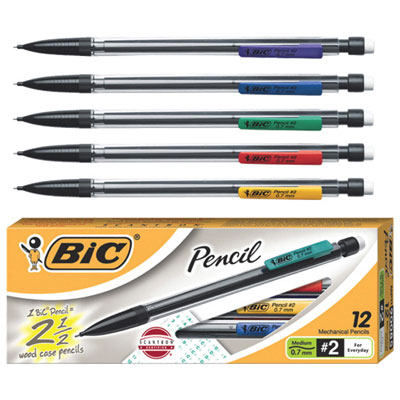 Your price for this item is $9.99
 -
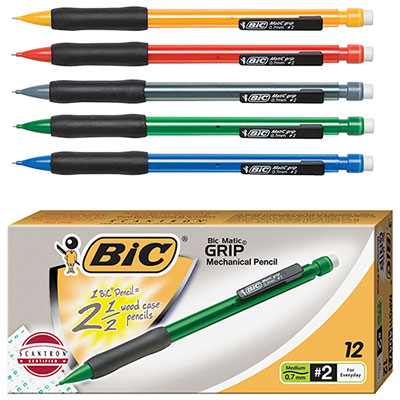 Your price for this item is $13.99
 -
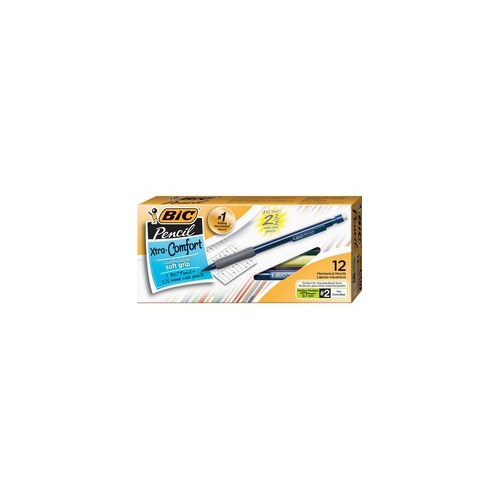 Your price for this item is $8.99
Discover more categories related to Pencils for Drafting
Top Collections:
Best Laptops for Video Editing, Pokemon Centers, Samsung Z Fold, Kindle Devices, Best Cell Phones Under $300, Best Laptop Computers for Students, iPhone 15 Apple, Best Cell Phones Under $500, Alarm Clock, Canon G7X Cameras
Some products may be subject to Environmental Handling Fees
(EHF) depending on your province.
Learn more about EHFs.