Pencils for Shading
Enhance your artistic creations with our selection of shading pencils, designed to bring depth and dimension to your drawings. Whether you're a seasoned artist or just starting out, these shading pencils are essential tools for achieving realistic shadows, highlights, and gradients in your artwork. Explore a range of pencil grades to achieve the perfect level of softness or hardness for your shading needs. Elevate your drawing skills and unleash your creativity with our collection of shading pencils.
Sort
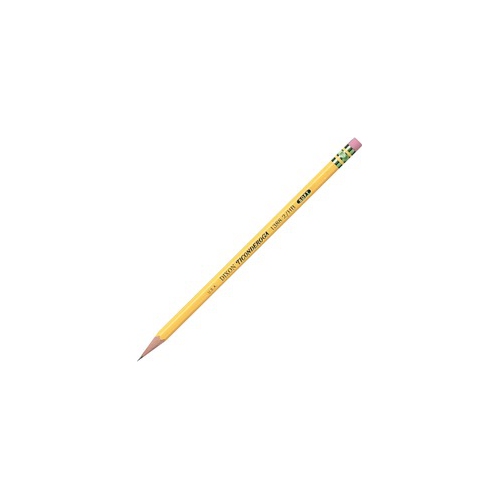
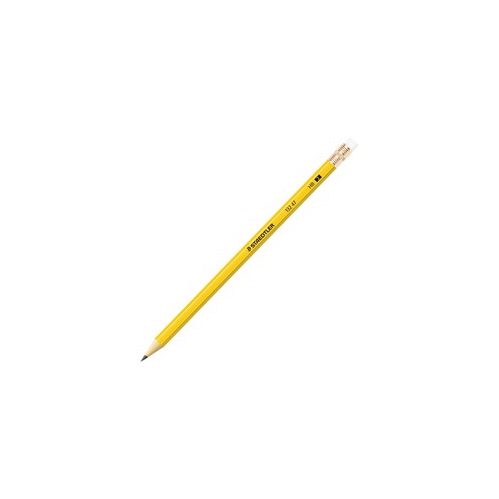
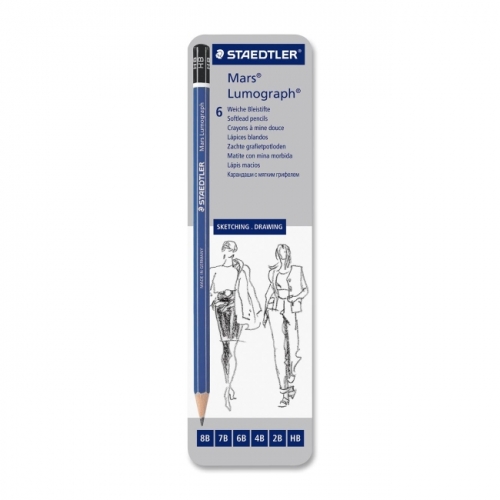
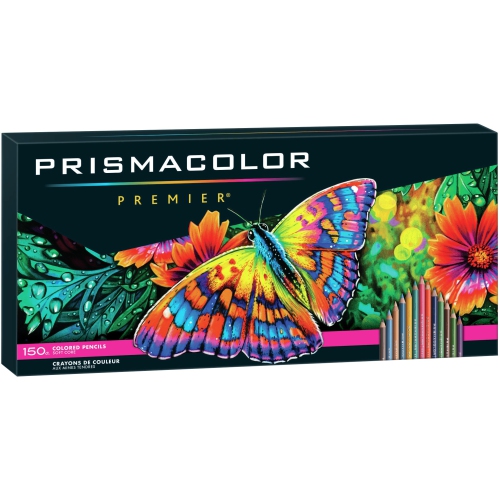
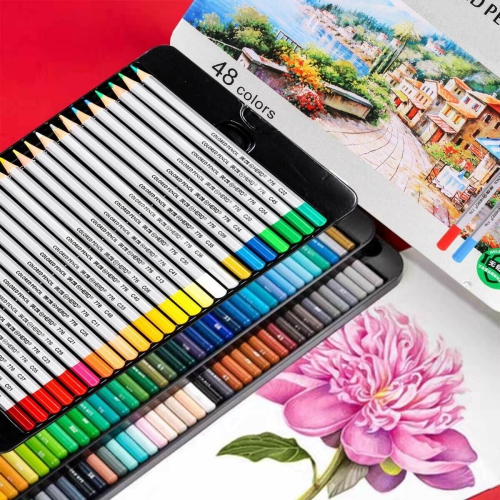
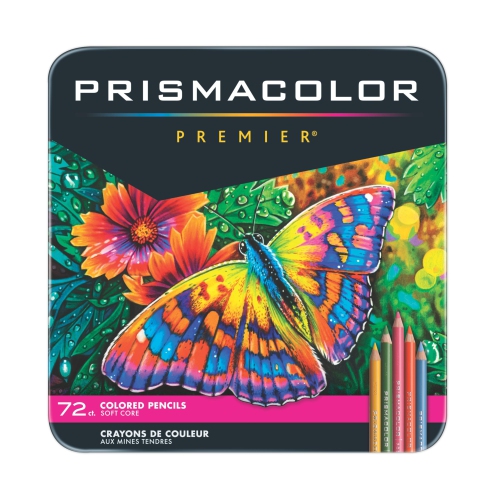

Controlled graphite tones bring depth, texture, and contrast to drawings
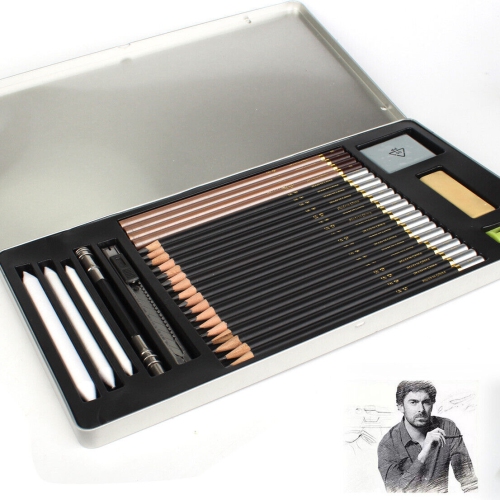
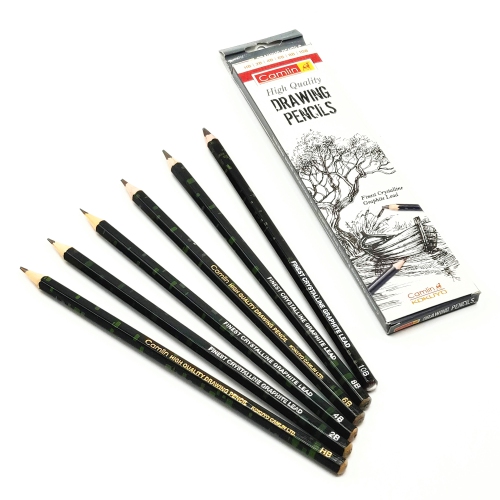
Pencils for shading give artists a dependable way to build depth, contrast, texture, and tone with a simple change in pressure. Unlike coloured pencils, graphite shading pencils work within a range of greys, from delicate silver tones to deep charcoal-like marks, making them well suited to portraits, still-life drawings, architectural sketches, landscapes, fashion illustrations, and everyday practice. The grading system is one of the most important details to consider when choosing a set. H pencils contain harder graphite and produce light, fine lines that are useful for preliminary outlines, delicate details, and areas that need to remain bright. B pencils contain softer graphite and create darker, broader marks, with higher numbers generally indicating a softer and darker result. A 2B pencil can be a versatile choice for general shading, while 4B, 6B, and softer grades can help create rich shadows and strong contrast. HB sits near the middle of the scale and is useful for basic drawing, medium values, and connecting lighter and darker grades. A selection that includes several hardness levels gives artists more control than relying on one pencil for every part of a drawing. When comparing options, consider the range of grades included, the shape and comfort of the barrel, the quality of the graphite, and whether the pencils are easy to sharpen to a precise point. Artists who work in sketchbooks may prefer a balanced set for outlines and smooth tonal work, while those drawing large subjects may appreciate softer pencils that cover broad areas efficiently. For anyone looking to expand a drawing kit, Graphite Drawing Pencils can also provide useful options for building a coordinated selection of graphite grades.
The way a pencil is held has a noticeable effect on the finished shading. Holding the pencil upright and using the tip creates narrow lines and controlled details, while holding it at a lower angle allows the side of the graphite to cover a larger area with a softer, more even tone. Light pressure and repeated layers are often more effective than pressing firmly from the beginning. Gradually building graphite lets an artist adjust the value as the drawing develops and helps preserve the subtle transitions that make rounded objects appear three-dimensional. Hatching uses a series of close, parallel lines to suggest tone; bringing the lines closer together creates a darker area, while leaving more space between them keeps the value lighter. Cross-hatching adds a second set of lines in another direction and can be useful for stronger shadows, textured surfaces, or expressive sketches. Circular shading, made with small overlapping motions, can produce a smooth appearance with fewer visible directional marks. Short strokes may suggest hair, fabric, wood grain, or rough stone, while longer strokes can follow the form of an object and reinforce its shape. Blending with a tissue, soft cloth, or blending stump can soften transitions, although leaving some pencil marks visible often adds character and helps preserve the handmade quality of the drawing. A kneaded eraser or precision eraser can lift graphite to create highlights, reflected light, and fine details, making the eraser part of the shading process rather than merely a correction tool. Sharpness matters as well: a fine point supports eyes, edges, and small textures, while a slightly worn point is useful for broad tonal passages. A sharpener that works cleanly with the pencil format can help maintain control and reduce interruptions during a drawing session.
Pencils for shading are useful for beginners learning how light behaves as well as for experienced artists refining realistic studies. A new artist can practise with simple value scales, moving from nearly white paper to the darkest tone available, then use those values to shade spheres, cubes, cylinders, leaves, cups, and other familiar objects. Paying attention to the direction of a light source helps establish a highlight, midtone, cast shadow, and reflected light, turning flat outlines into convincing forms. Students may use shading pencils for classroom projects, technical sketches, figure studies, or visual note-taking, while hobby artists can keep them close for quiet drawing sessions during the cooler months or for sketching outdoors as the weather warms. They can also make a thoughtful gift for someone beginning an art course, a teenager exploring drawing, or an experienced illustrator who enjoys experimenting with different graphite textures. Sets are convenient for shared family art spaces because multiple grades support different skill levels and techniques without requiring a large collection of separate supplies. Storage is worth considering, especially for artists who carry their materials between home, school, a studio, or a community class; a case or compartmented container can help protect points and keep grades organised. Whether the goal is a softly rendered portrait, a dramatic study of folded fabric, or a quick sketch with energetic cross-hatching, the right combination of hardness, softness, comfort, and control makes it easier to translate light and texture onto paper.
The way a pencil is held has a noticeable effect on the finished shading. Holding the pencil upright and using the tip creates narrow lines and controlled details, while holding it at a lower angle allows the side of the graphite to cover a larger area with a softer, more even tone. Light pressure and repeated layers are often more effective than pressing firmly from the beginning. Gradually building graphite lets an artist adjust the value as the drawing develops and helps preserve the subtle transitions that make rounded objects appear three-dimensional. Hatching uses a series of close, parallel lines to suggest tone; bringing the lines closer together creates a darker area, while leaving more space between them keeps the value lighter. Cross-hatching adds a second set of lines in another direction and can be useful for stronger shadows, textured surfaces, or expressive sketches. Circular shading, made with small overlapping motions, can produce a smooth appearance with fewer visible directional marks. Short strokes may suggest hair, fabric, wood grain, or rough stone, while longer strokes can follow the form of an object and reinforce its shape. Blending with a tissue, soft cloth, or blending stump can soften transitions, although leaving some pencil marks visible often adds character and helps preserve the handmade quality of the drawing. A kneaded eraser or precision eraser can lift graphite to create highlights, reflected light, and fine details, making the eraser part of the shading process rather than merely a correction tool. Sharpness matters as well: a fine point supports eyes, edges, and small textures, while a slightly worn point is useful for broad tonal passages. A sharpener that works cleanly with the pencil format can help maintain control and reduce interruptions during a drawing session.
Pencils for shading are useful for beginners learning how light behaves as well as for experienced artists refining realistic studies. A new artist can practise with simple value scales, moving from nearly white paper to the darkest tone available, then use those values to shade spheres, cubes, cylinders, leaves, cups, and other familiar objects. Paying attention to the direction of a light source helps establish a highlight, midtone, cast shadow, and reflected light, turning flat outlines into convincing forms. Students may use shading pencils for classroom projects, technical sketches, figure studies, or visual note-taking, while hobby artists can keep them close for quiet drawing sessions during the cooler months or for sketching outdoors as the weather warms. They can also make a thoughtful gift for someone beginning an art course, a teenager exploring drawing, or an experienced illustrator who enjoys experimenting with different graphite textures. Sets are convenient for shared family art spaces because multiple grades support different skill levels and techniques without requiring a large collection of separate supplies. Storage is worth considering, especially for artists who carry their materials between home, school, a studio, or a community class; a case or compartmented container can help protect points and keep grades organised. Whether the goal is a softly rendered portrait, a dramatic study of folded fabric, or a quick sketch with energetic cross-hatching, the right combination of hardness, softness, comfort, and control makes it easier to translate light and texture onto paper.
Top selling and popular products
-
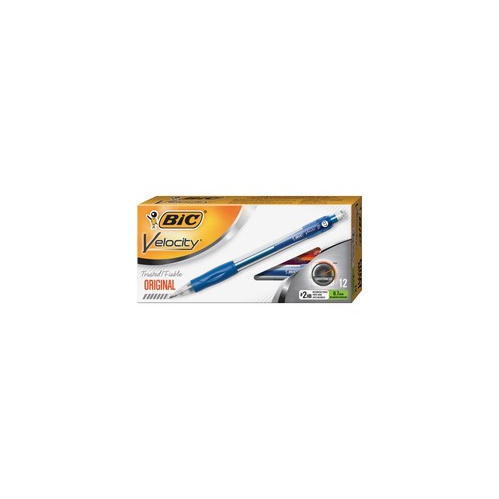 Your price for this item is $20.99
 -
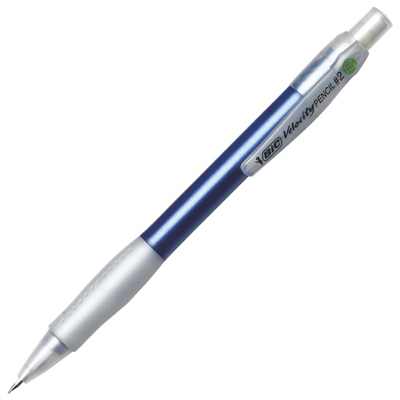 Your price for this item is $21.99
 -
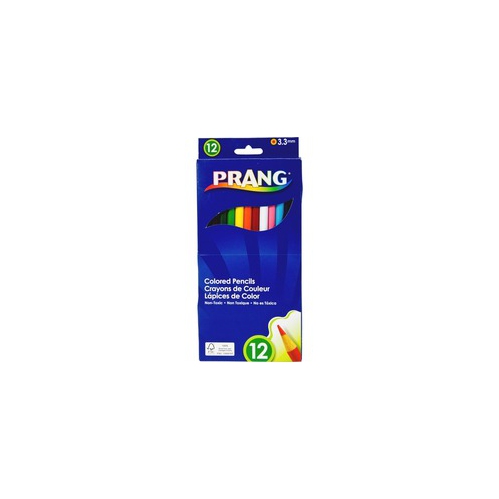 Your price for this item is $3.99
 -
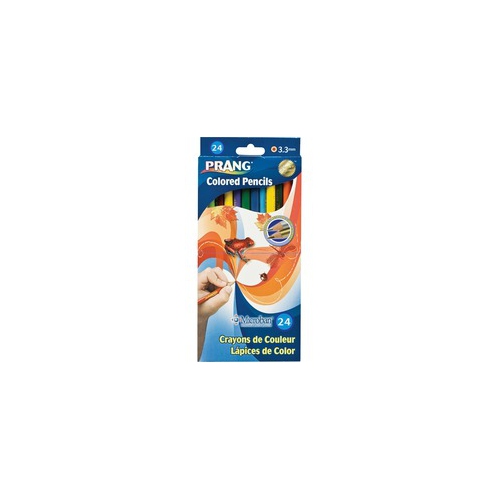 Your price for this item is $8.99
 -
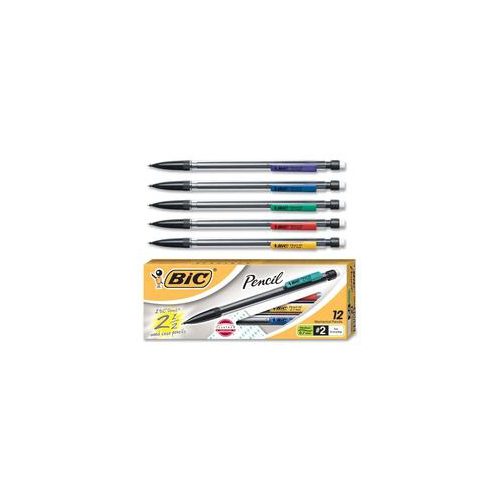 Your price for this item is $5.99
 -
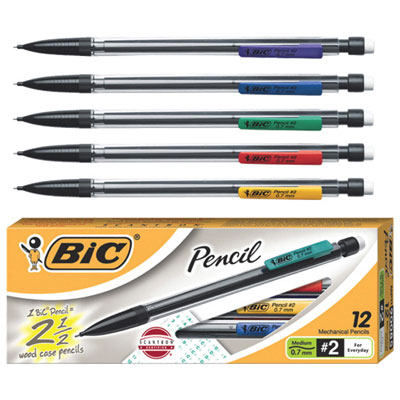 Your price for this item is $9.99
 -
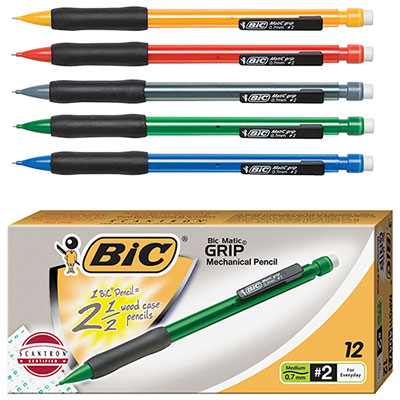 Your price for this item is $13.99
 -
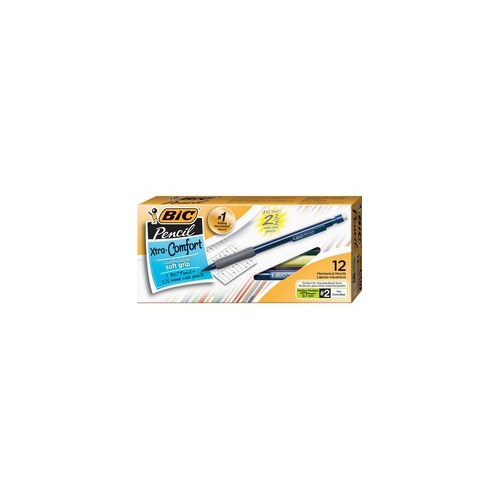 Your price for this item is $8.99
Discover more categories related to Pencils for Shading
Top Collections:
Best Laptops for Video Editing, Pokemon Centers, Samsung Z Fold, Kindle Devices, Best Cell Phones Under $300, Best Laptop Computers for Students, iPhone 15 Apple, Best Cell Phones Under $500, Alarm Clock, Canon G7X Cameras
Some products may be subject to Environmental Handling Fees
(EHF) depending on your province.
Learn more about EHFs.