Heat Shrink Tube Labels
Organize your cables and wires with ease using heat-shrink tube labels. These versatile and durable labels provide a practical solution for labeling and identifying your electrical components. Whether you’re a professional electrician or an amateur hobbyist, heat-shrink tube labels are the perfect way to keep your electrical projects looking neat and organized.
Sort


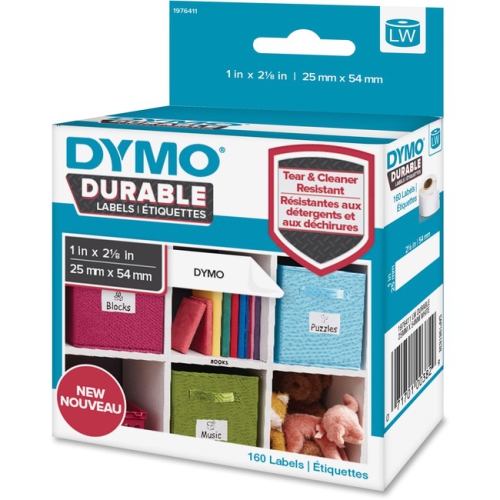
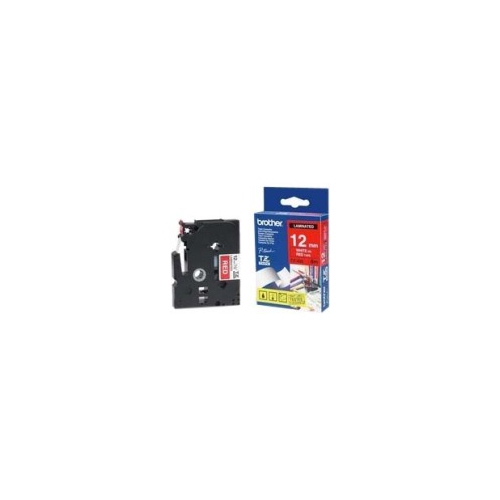
Durable cable identification that stays clear through repairs
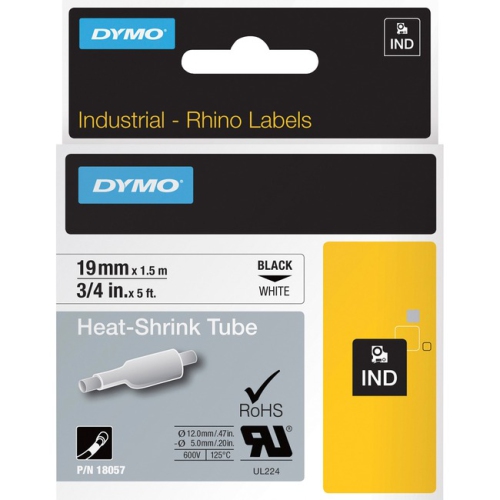
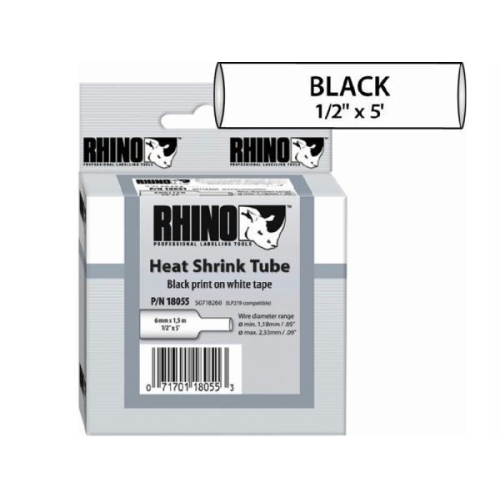
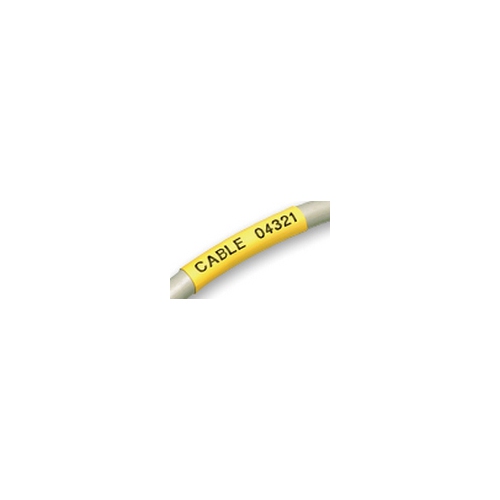
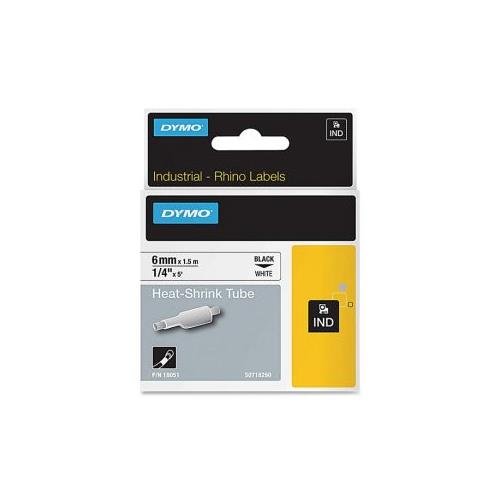
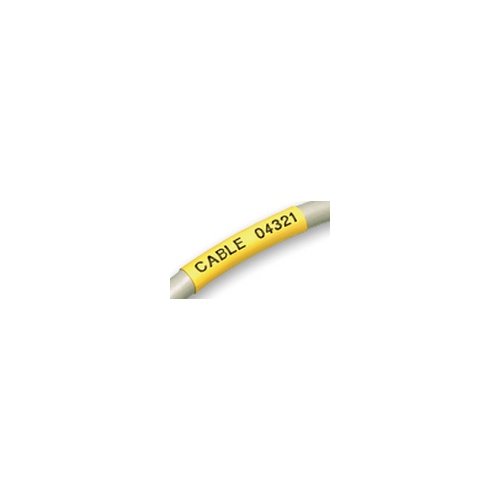
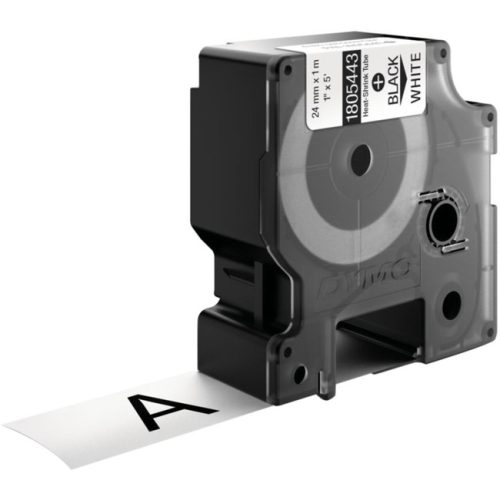
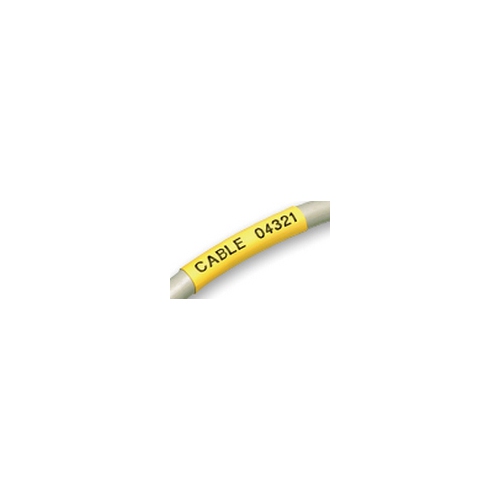
Heat shrink tube labels provide a neat, durable way to identify wires, cables, and wiring harnesses where ordinary adhesive labels may peel, lift, or become difficult to read. These labels are typically supplied as flattened polyolefin sleeves and printed with thermal transfer technology, producing clear lettering designed to resist smudging. Once printed, the sleeve slides over a wire or cable and is warmed with a heat gun so it contracts around the surface. A 3:1 shrink ratio is especially useful because it gives the tube enough room to pass over connectors and larger cable ends before tightening around the narrower cable underneath. After shrinking, the result is a close-fitting label that stays in place and is easy to scan during installation, repairs, upgrades, and troubleshooting. Heat shrink tube labels are commonly used by electricians, network installers, audiovisual technicians, automotive enthusiasts, makers, maintenance teams, and anyone who builds or services detailed wiring systems. They can be helpful in a home workshop for separating speaker wires, marking power leads, organizing control panels, or identifying cables behind a desk. In a professional setting, consistent identification can make a wiring harness easier to follow months or years after it was assembled, particularly when several cables look nearly identical. Black text on white or yellow tubing is a popular choice because the contrast is easy to read under work lights, inside equipment cabinets, or in the confined space behind a rack. When choosing a cartridge, check that its format matches the label printer being used, since heat shrink media is usually designed for specific machines and may not fit a general-purpose label maker. It is also worth comparing tube diameter, print height, label length, colour, and the available printing orientation before placing an order. For broader labelling needs, browse Professional Label Makers to find equipment suited to cable identification and other organized labelling tasks.
The main advantage of heat shrink tube labels is their ability to form a lasting identification sleeve rather than simply sticking to the outside of a cable. Polyolefin tubing is often selected for its flexibility, strength, and resistance to common workshop conditions, with many options designed to withstand oils, chemicals, ultraviolet exposure, and a broad temperature range of approximately -50°C to 135°C. Exact performance varies by the label material and application, so the specifications should be reviewed before using a label in demanding electrical, automotive, industrial, or outdoor installations. Flame-retardant and self-extinguishing options may be preferred for certain wiring projects, but the label itself should never be treated as a substitute for proper cable selection, insulation, fusing, or installation practices. Think about the cable’s finished diameter as well as the connector that the sleeve must pass over. A tube that is too narrow may not slide into position, while one that is too wide may not contract tightly enough to remain secure. A little planning also makes printing easier: short, legible identifiers such as “AMP 1,” “LEFT SPK,” or “PANEL B” are often more useful than long descriptions that become difficult to read on a small tube. Print a sample before producing a full set, especially when working with unfamiliar media or a compact printer. Flattened sleeves can sometimes be stubborn to open, so using the printer’s half-cut setting, gently separating the opening with a suitable pick, or sliding the tube over the cable before the connector is attached can save time. Keep the printed surface clean and dry during installation, and position the text where it will remain visible after the tube contracts. For repairs and retrofits, matching labels by colour or using a consistent numbering system can help distinguish power, signal, data, and control lines at a glance.
Applying heat carefully is just as important as selecting the right label. After positioning the sleeve, use a heat gun rather than an open flame and keep the heat source moving continuously around the tube. Gradual, even heating allows the material to contract without scorching the print, melting nearby insulation, or concentrating excessive heat on a connector. The finished sleeve should grip the cable evenly, without pronounced wrinkles, gaps, or signs of overheating. Allow it to cool before pulling or bending the cable, then confirm that the label remains readable from the direction where future servicing will take place. Heat shrink tube labels can be a thoughtful gift for someone who enjoys electronics, 3D printers, model building, car audio, home networking, robotics, or hands-on repair projects, particularly when paired with a compatible portable printer or a basic heat gun. They are also practical for a first workshop setup, since a well-marked collection of cables can make a project feel more orderly from the first connection to the final inspection. During the cooler months, indoor repair benches and home offices often become active project spaces, making compact cable-identification supplies useful for reorganizing equipment, finishing a wiring build, or preparing a kit for future maintenance. Whether used for a single replacement cable or a carefully documented wiring harness, heat shrink tube labels bring a clean, professional finish and help preserve essential connection information long after the installation is complete.
Top selling and popular products
-
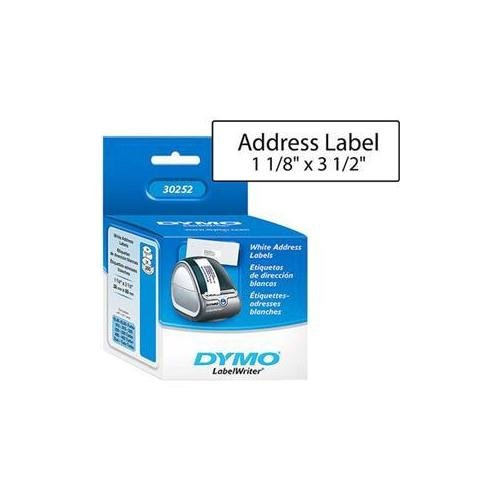 Your price for this item is $47.37
-
 Your price for this item is $70.99
-
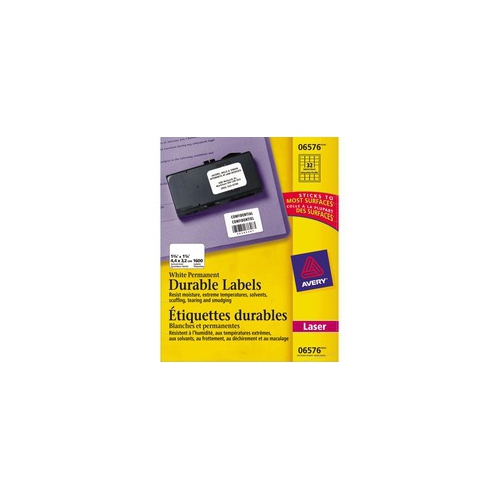 Your price for this item is $64.99
-
 Your price for this item is $70.99
-
 Your price for this item is $30.99
-
 Your price for this item is $26.99
-
 Your price for this item is $86.68
-
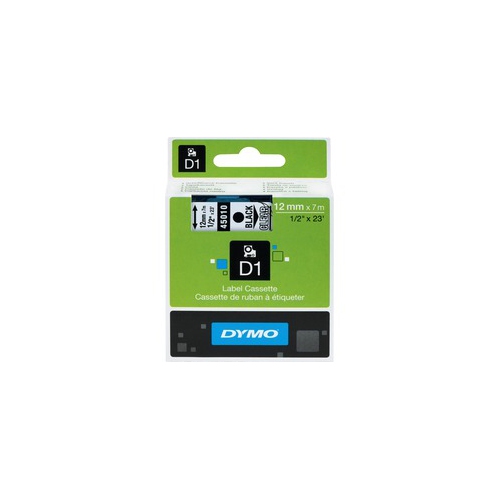 Your price for this item is $22.99
Discover more categories related to Heat Shrink Tube Labels
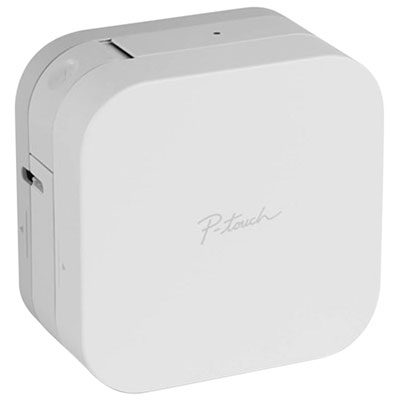
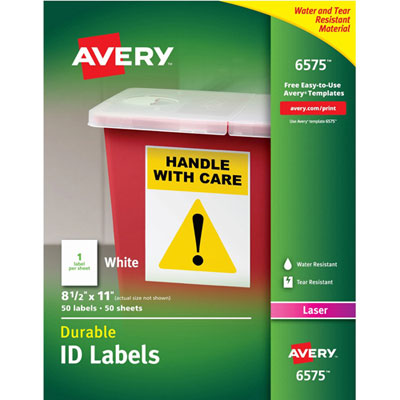

Top Collections:
Pokemon Centers, Best Cameras for Sports Photography, Kindle Devices, Samsung Galaxy Phones, Canon G7X Cameras, Pokémon 30th Celebration Cards, Refurbished Apple Laptops, iPhone 15 Apple, Laptops for Students, Budget Smartphones
Some products may be subject to Environmental Handling Fees
(EHF) depending on your province.
Learn more about EHFs.