Magenta Ink
Magenta inks are an essential tool for almost any printing need. Its vibrant and rich color adds depth and life to every printout, making it perfect for photographs, graphics, and presentations. With magenta ink, your prints will stand out from the rest, leaving a lasting impression on clients and colleagues. Don't settle for dull prints; choose magenta ink to enhance your work and make a statement.
Sort
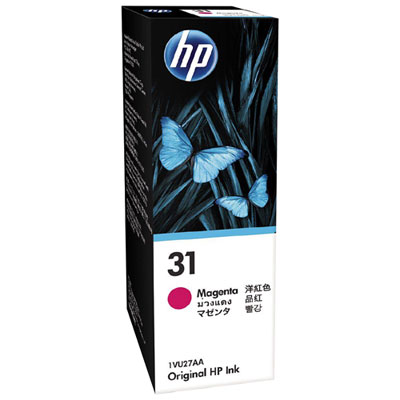
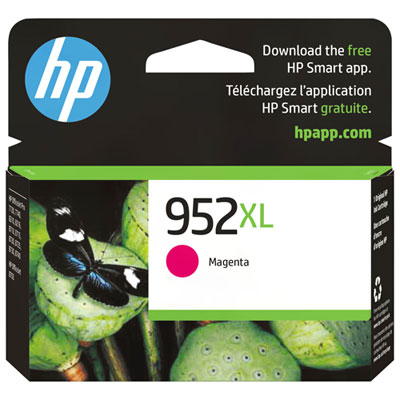
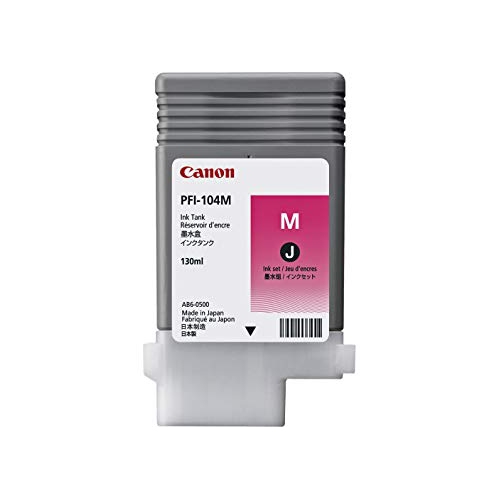
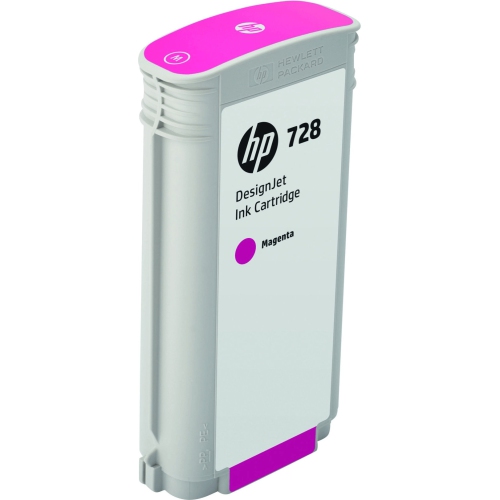
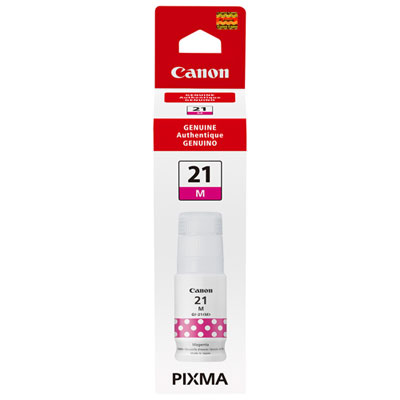
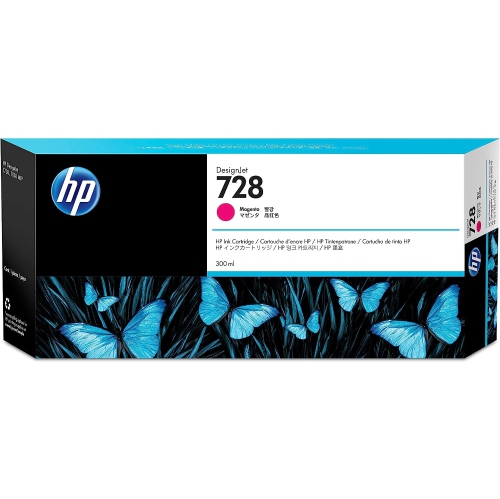
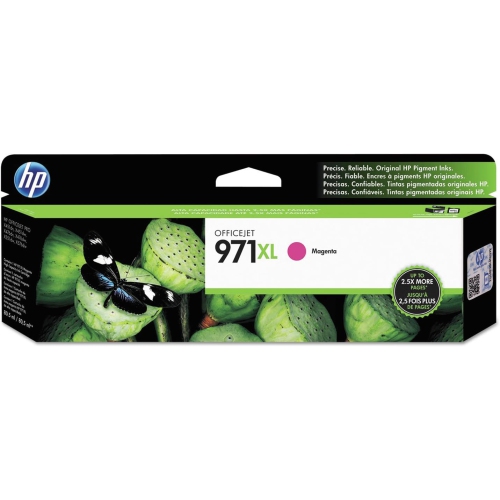
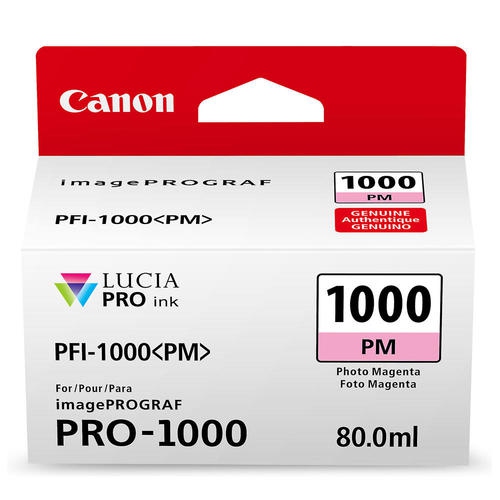
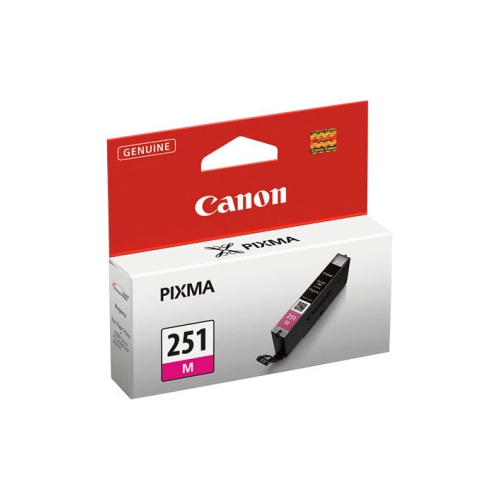
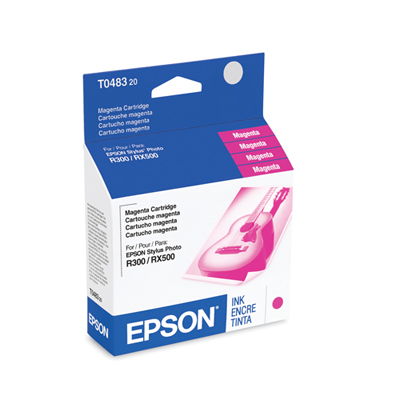
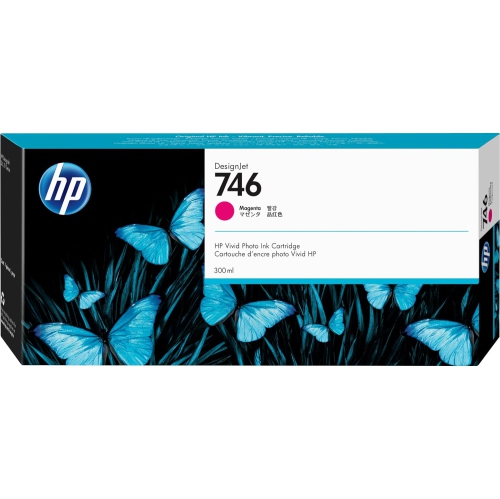

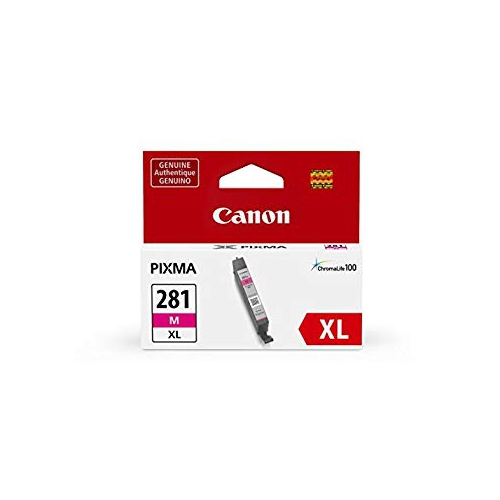
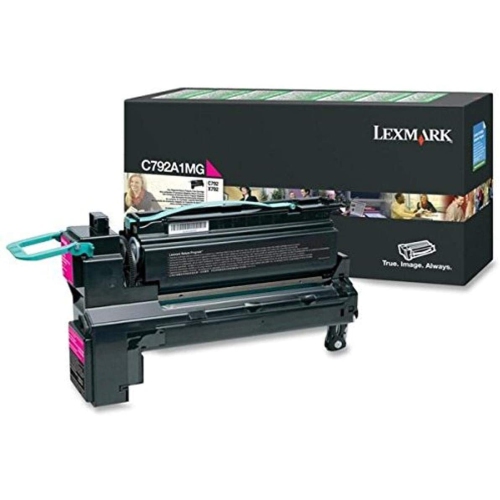
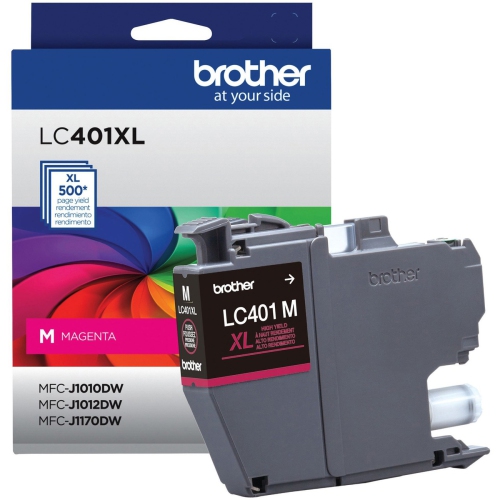
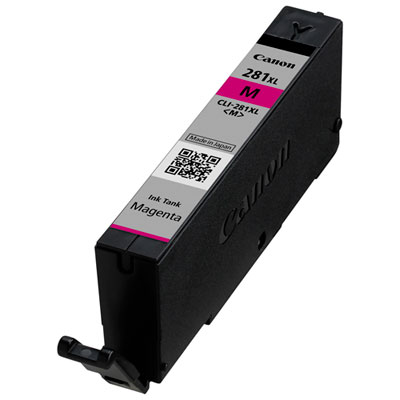
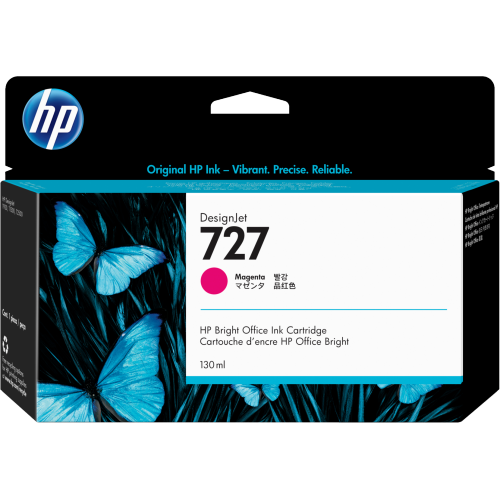

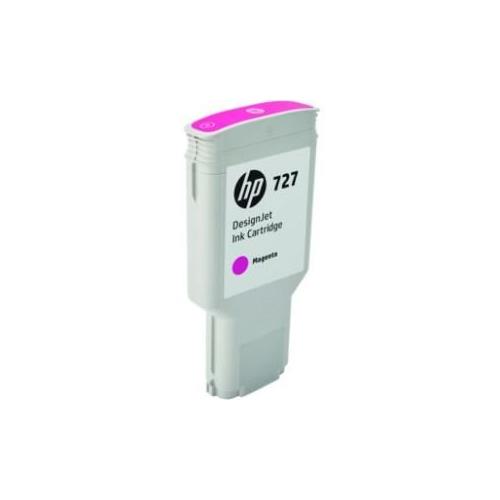
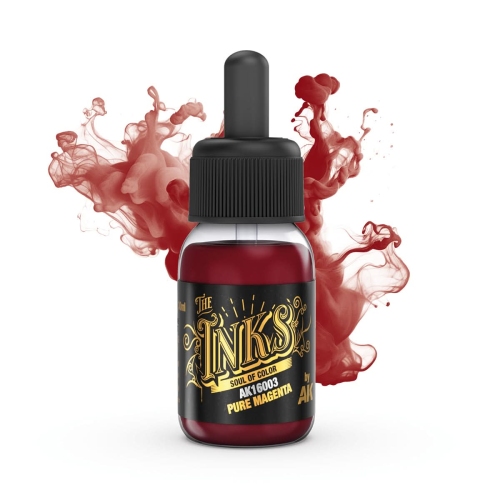
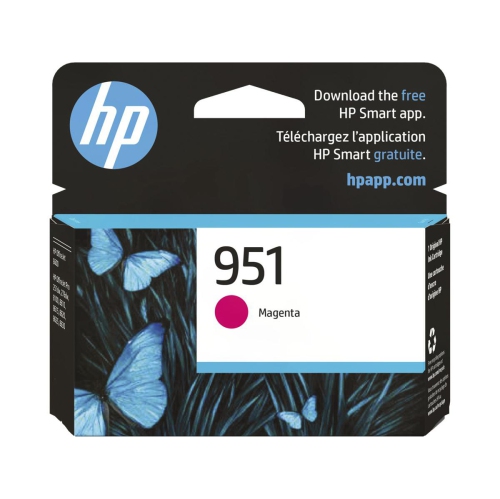
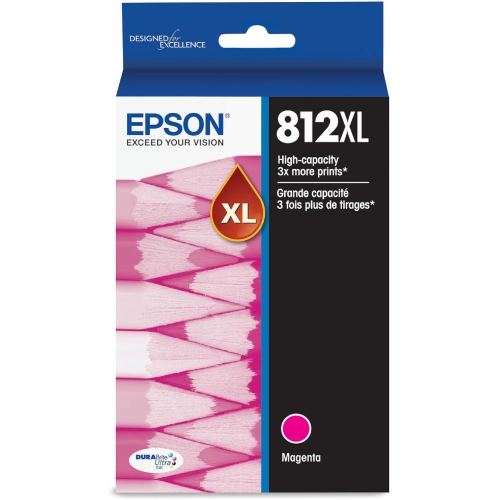
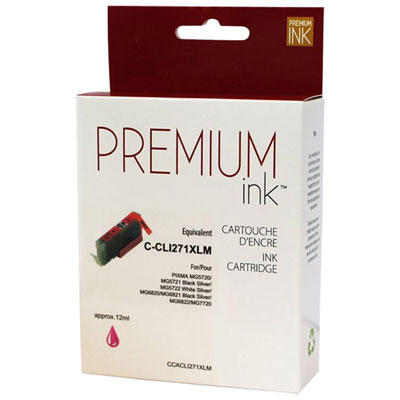
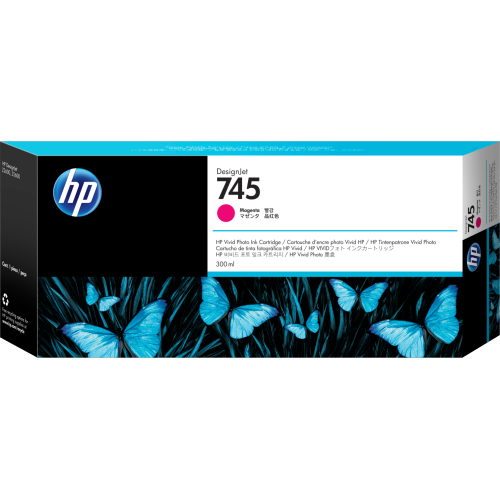
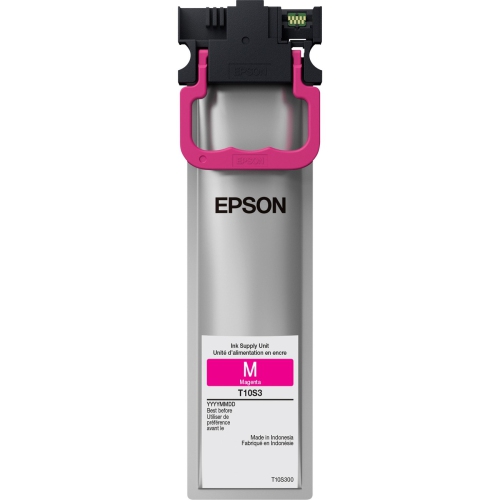
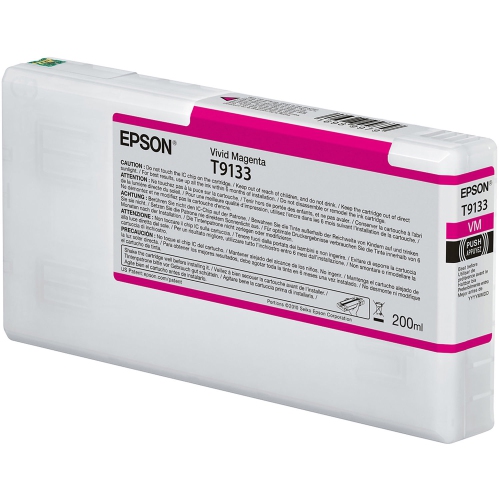










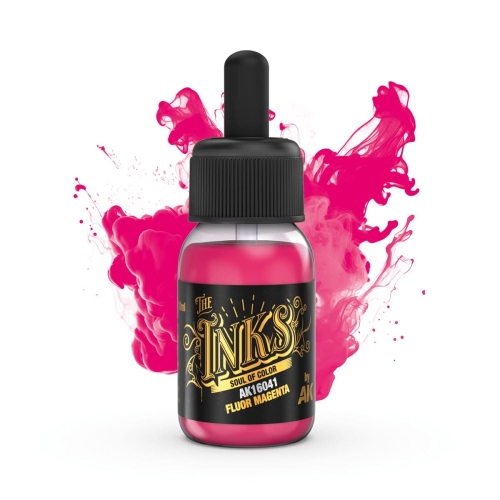
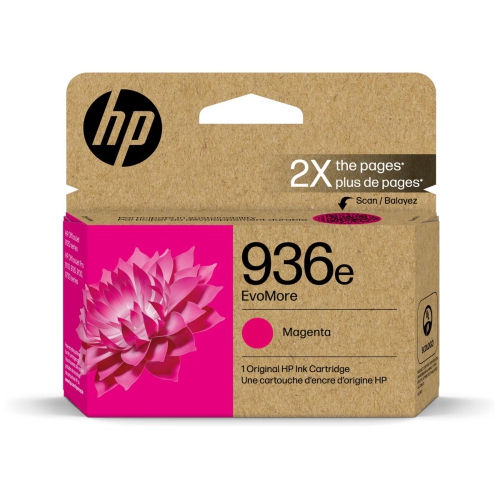


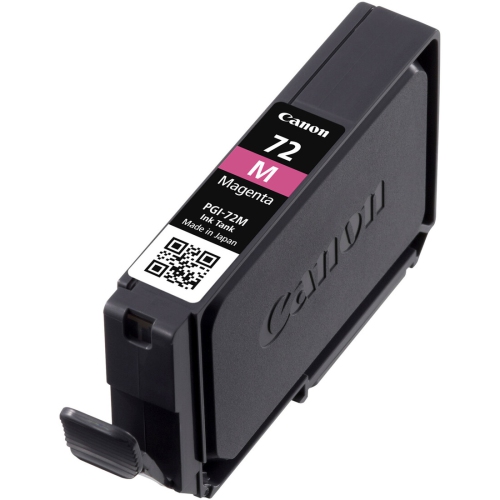





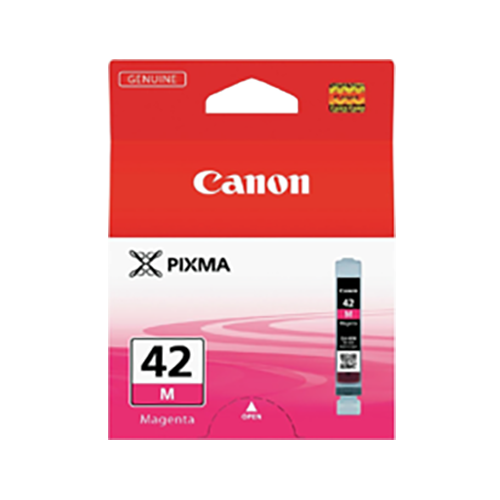


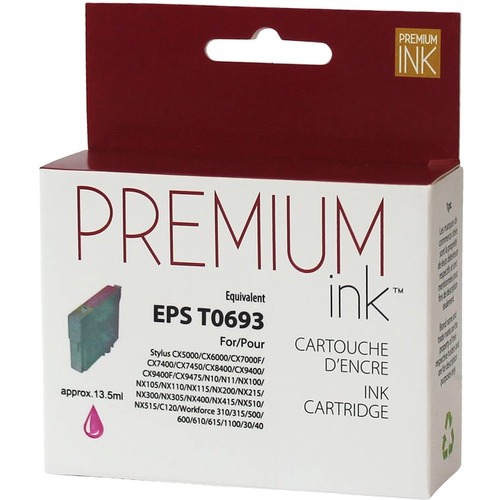

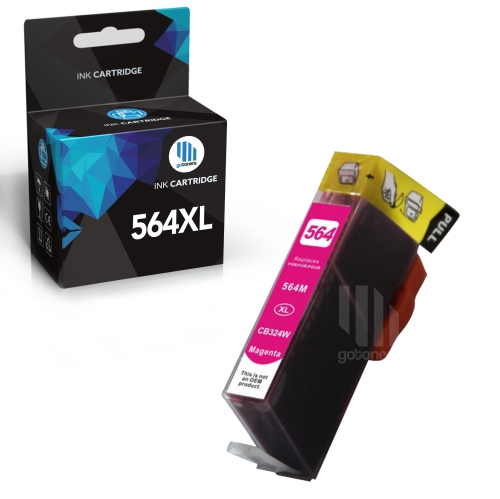
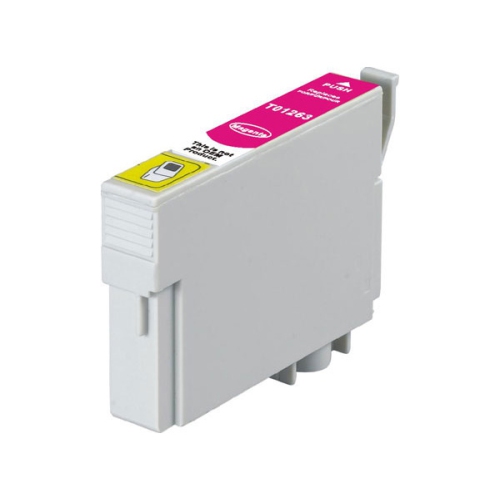
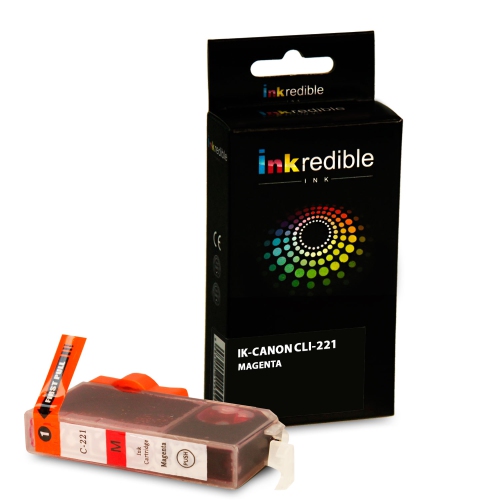

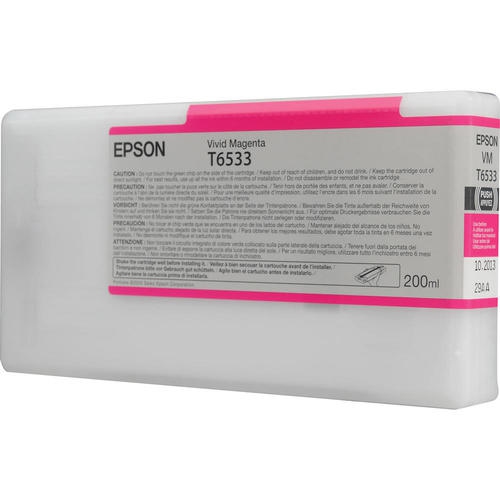

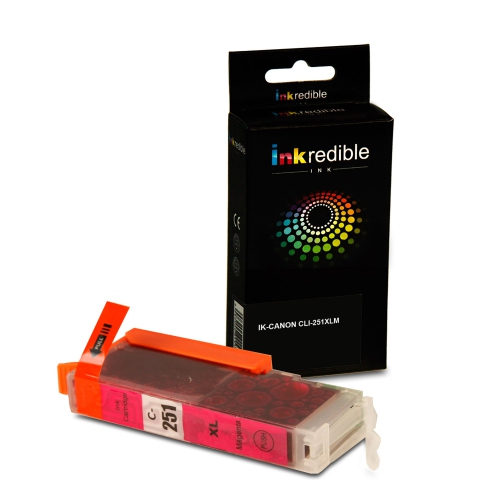
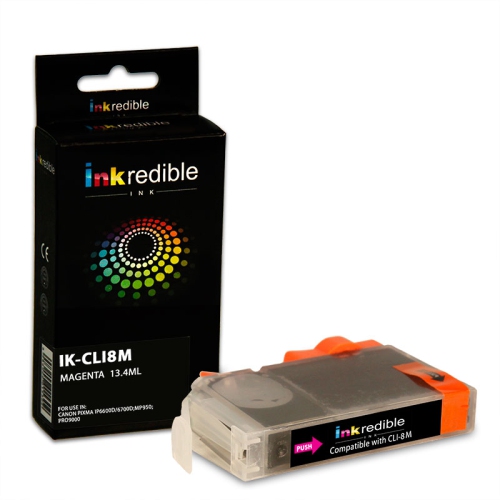
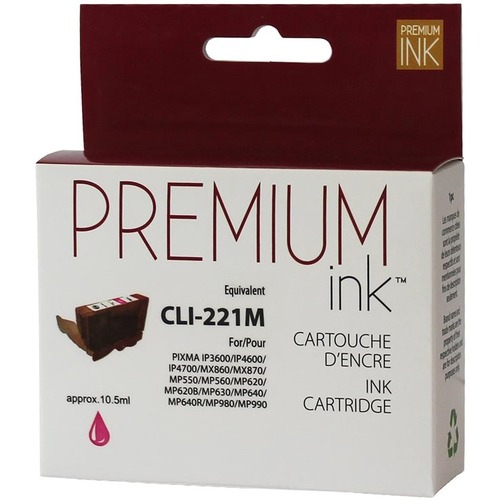
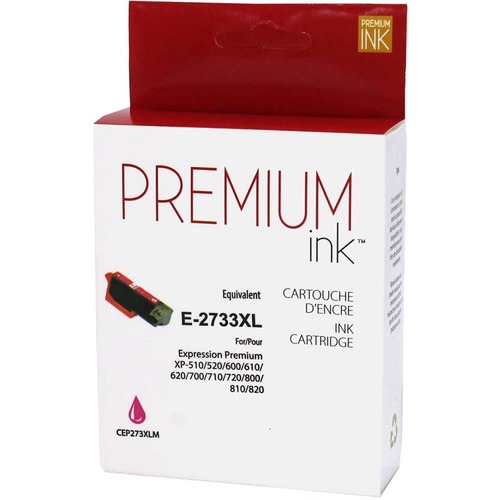

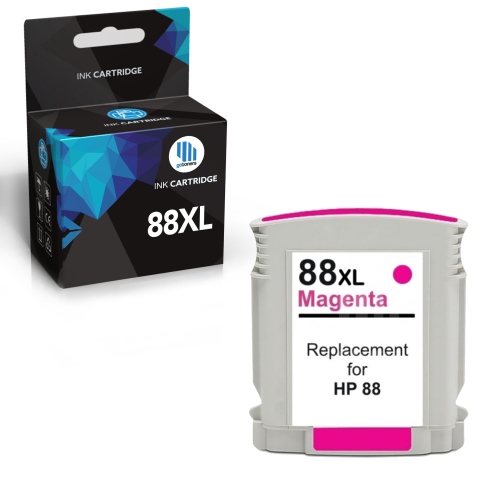
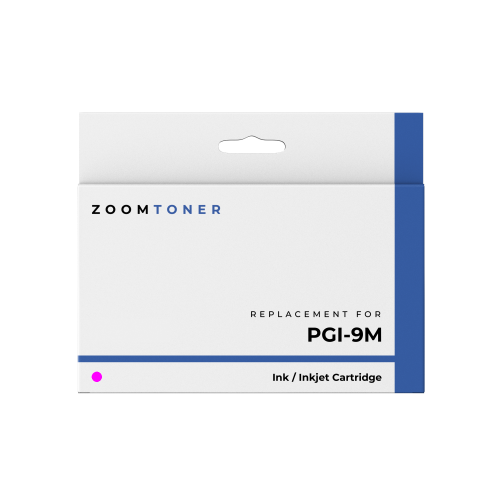
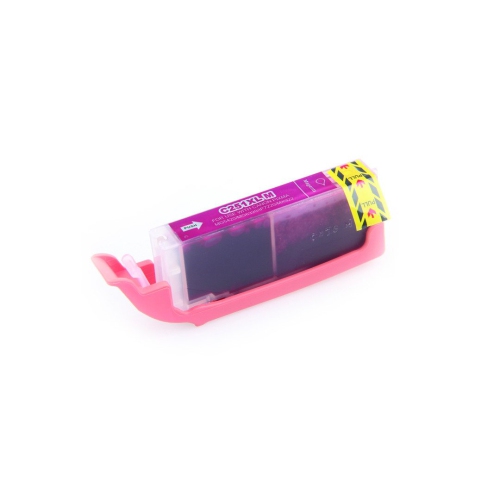

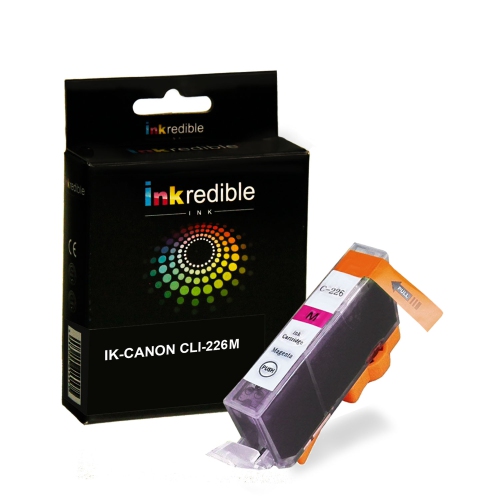
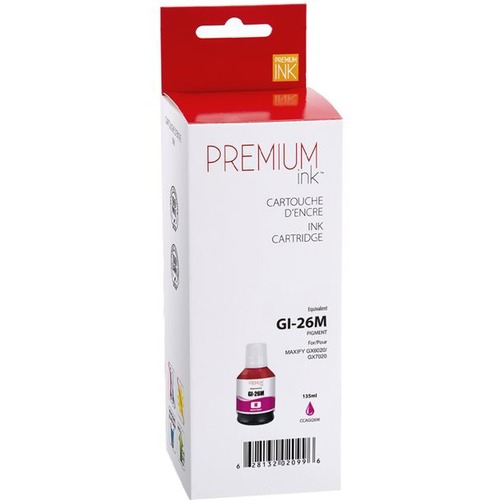
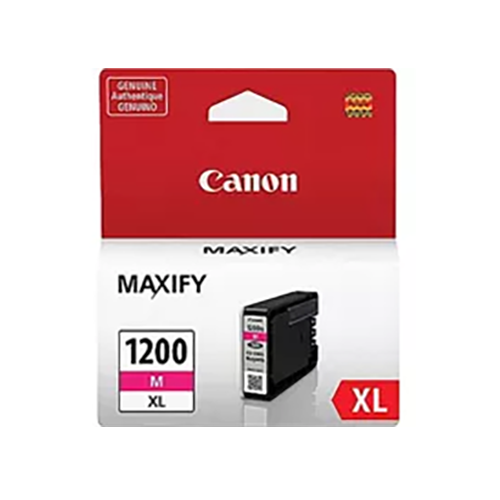


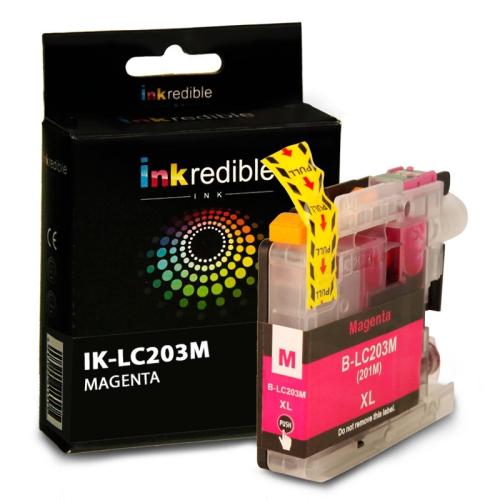
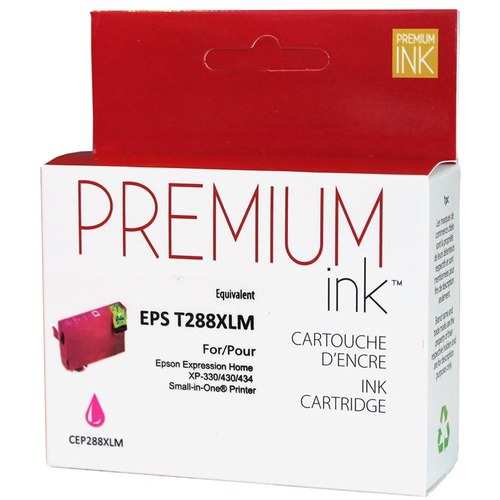

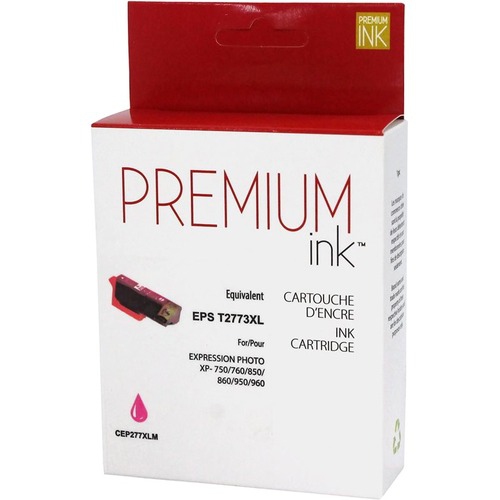
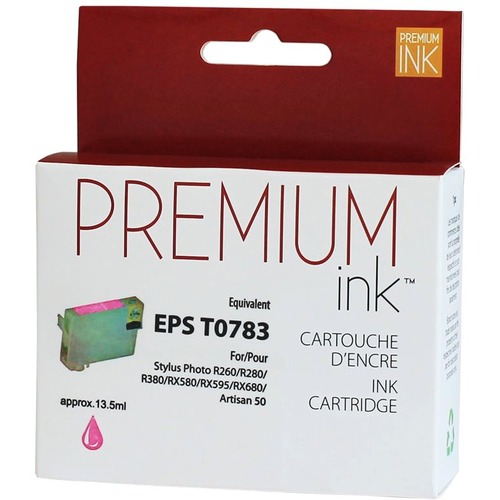
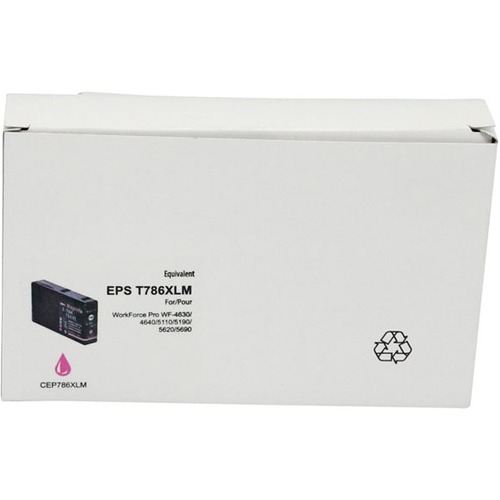
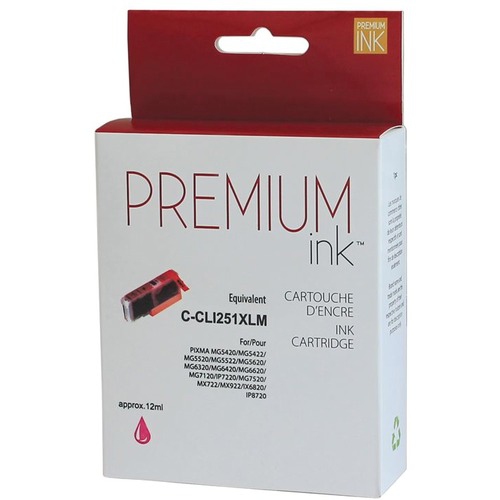
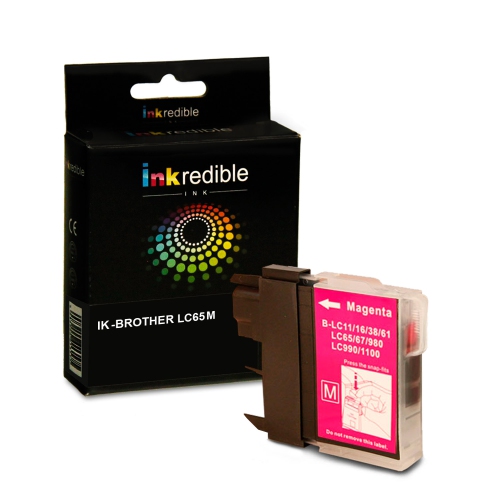
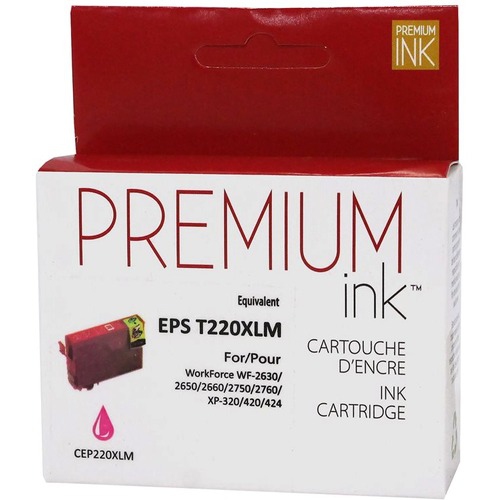
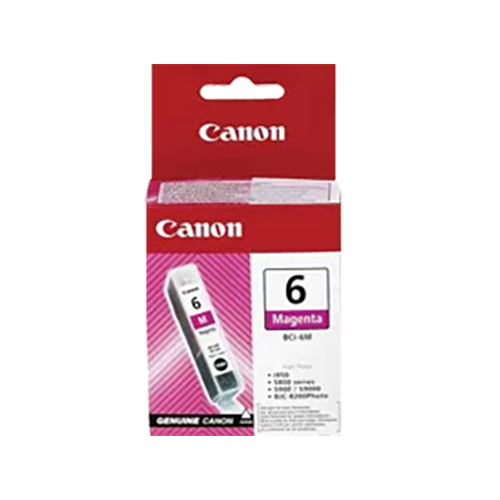
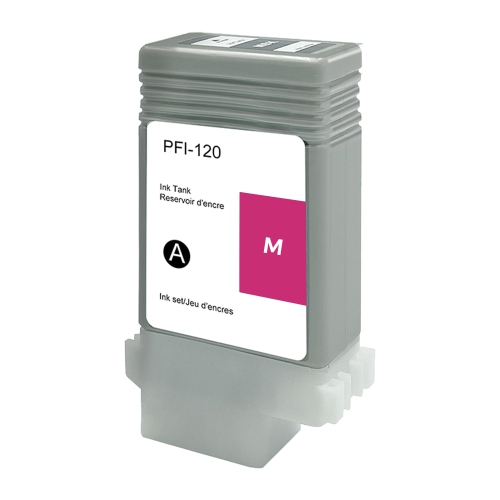

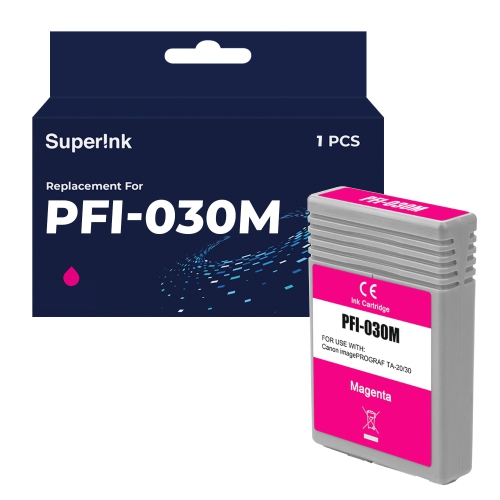
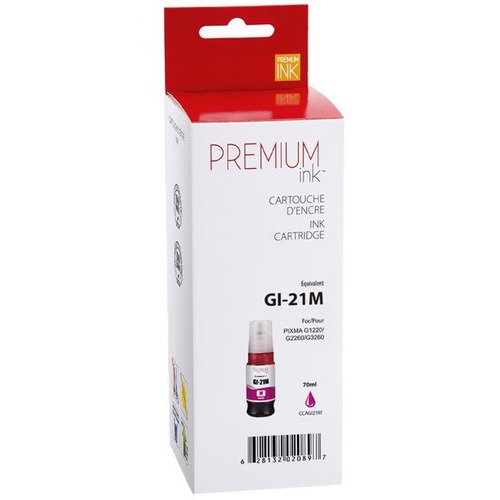

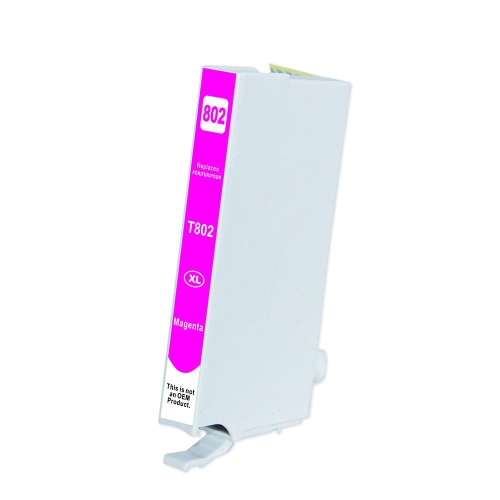
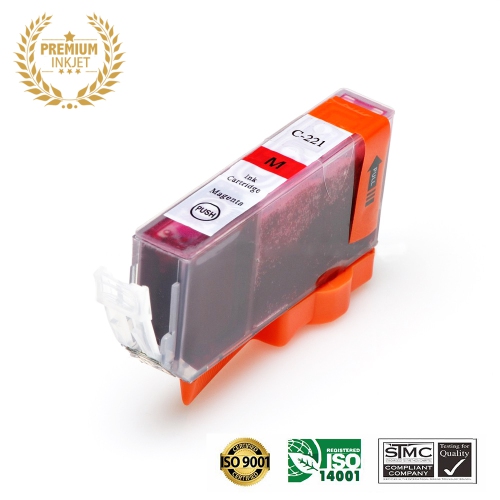
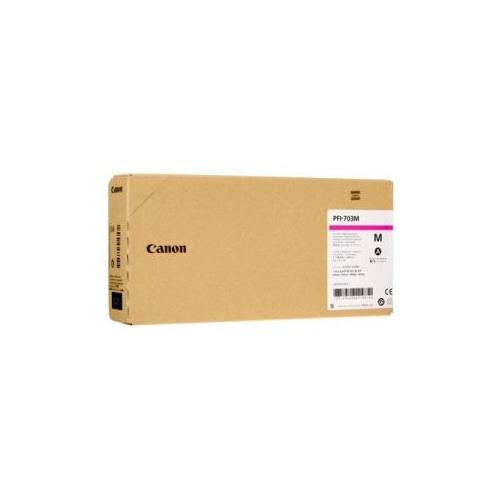

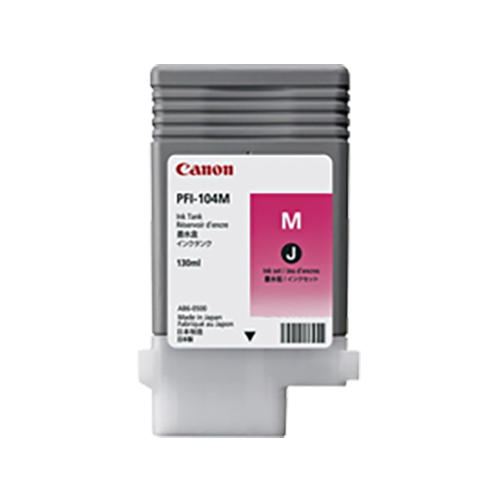




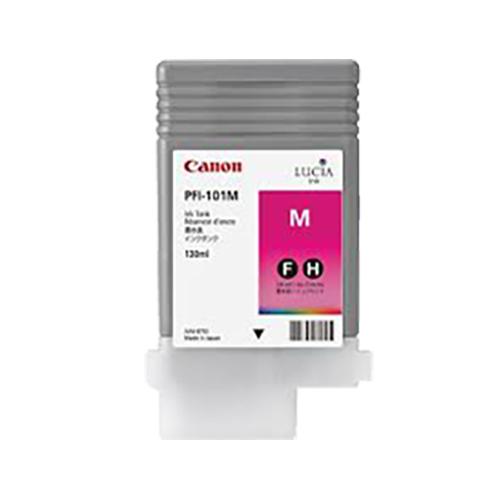
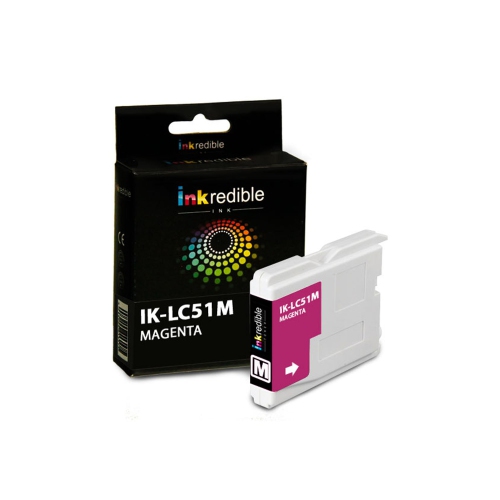


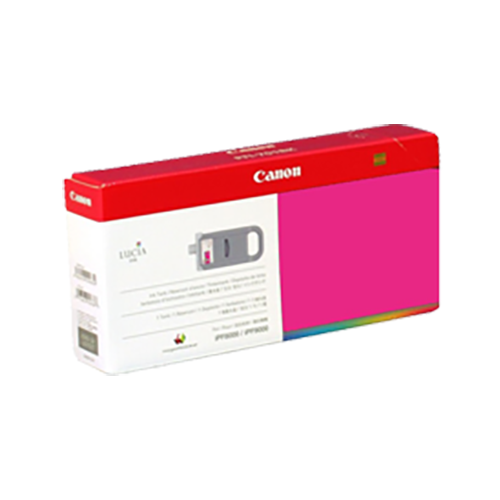
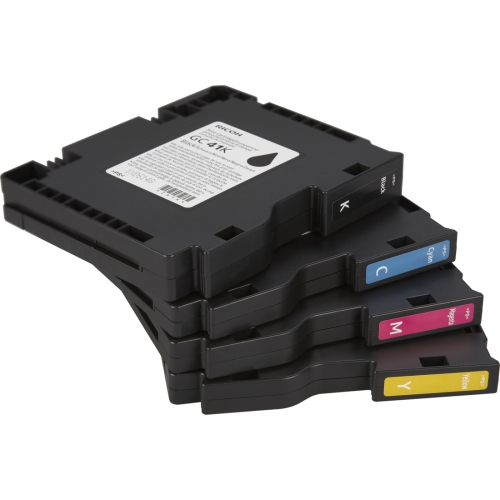
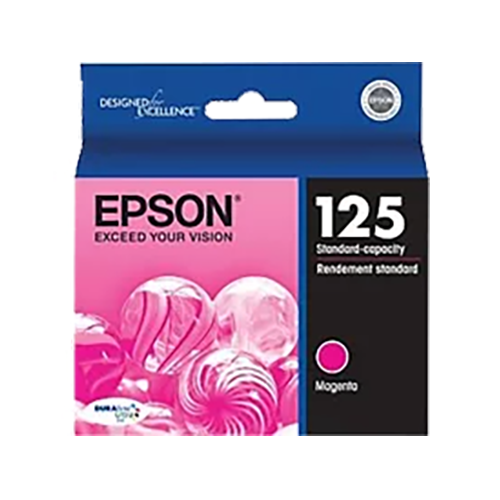

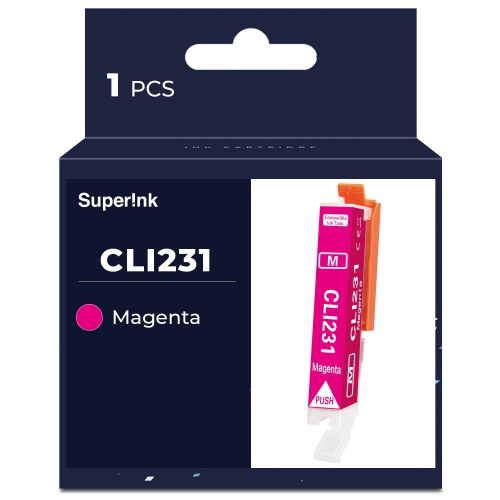
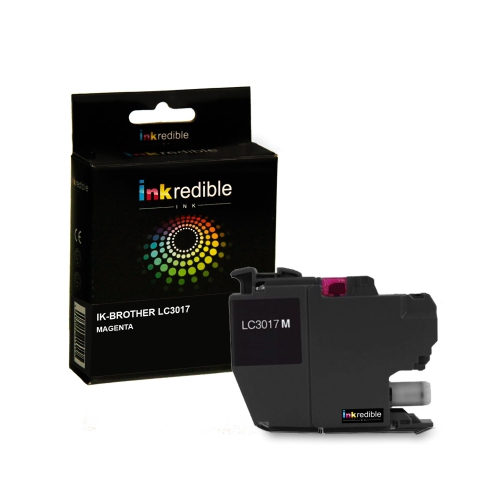


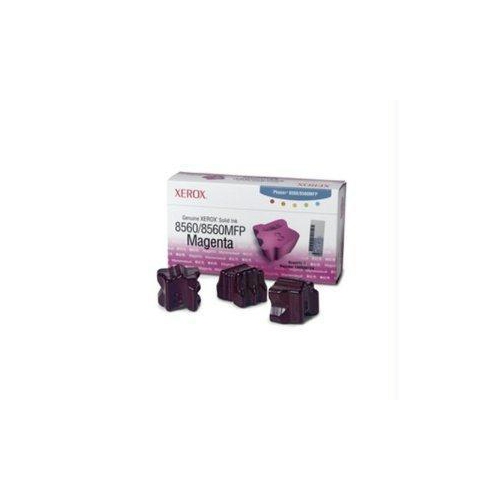
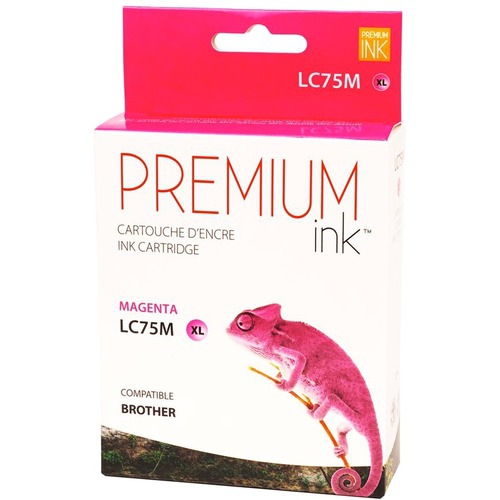
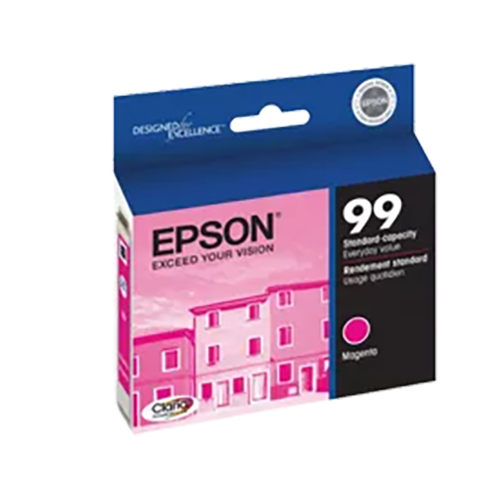

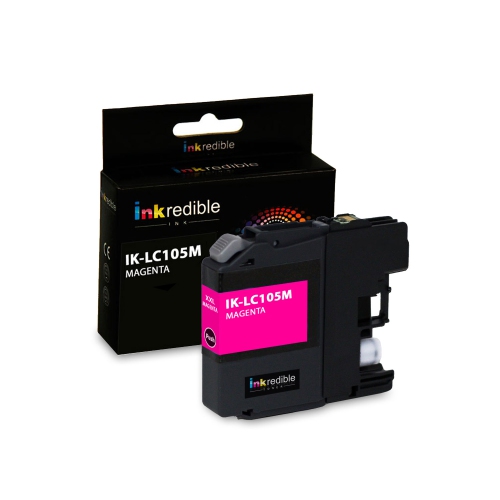







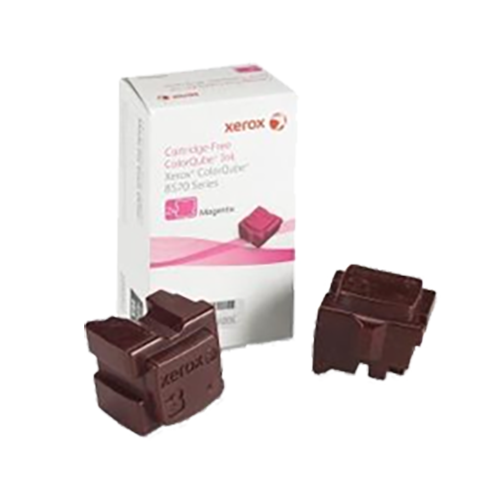
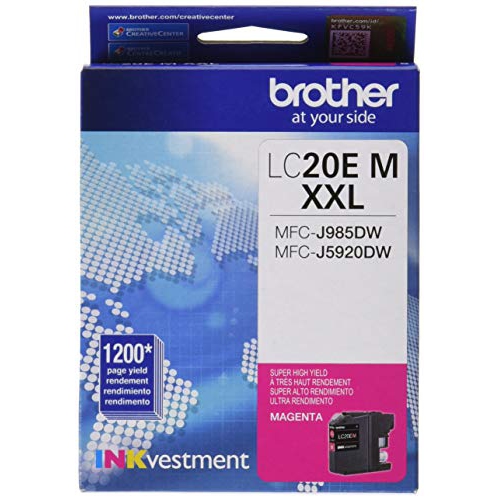

The colour behind more than pink prints
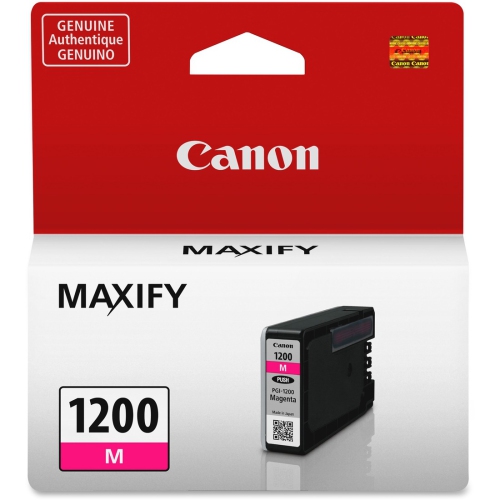
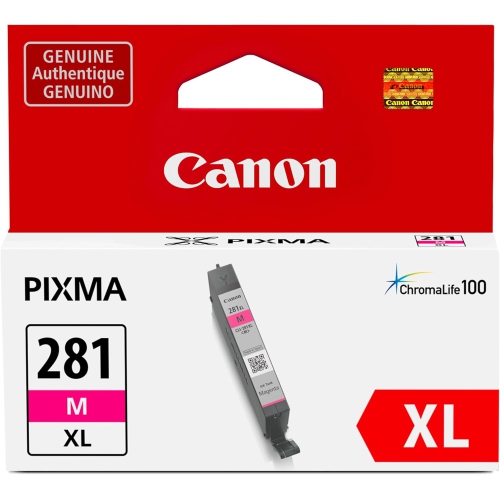
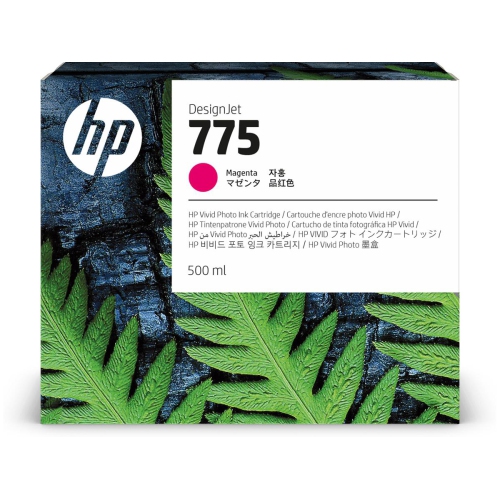
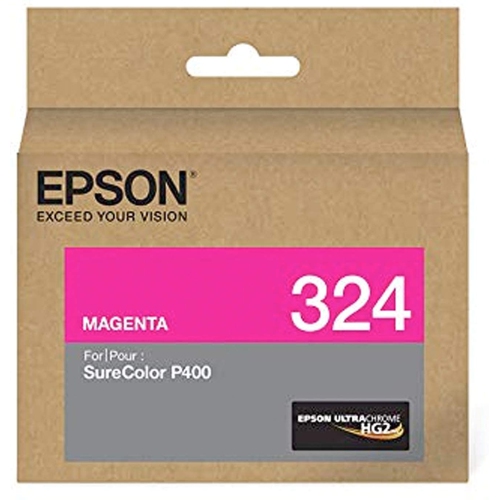
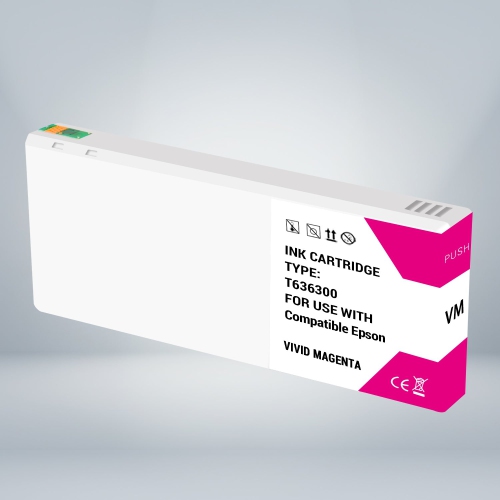
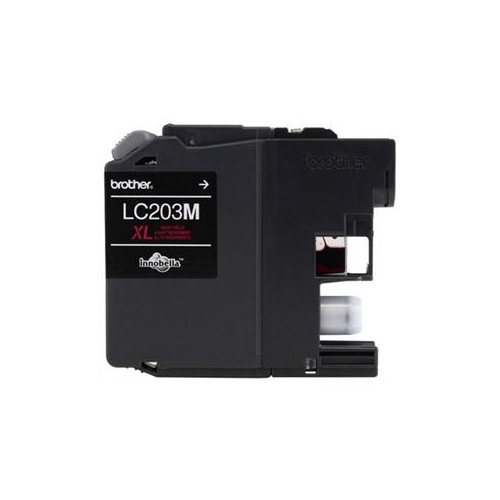
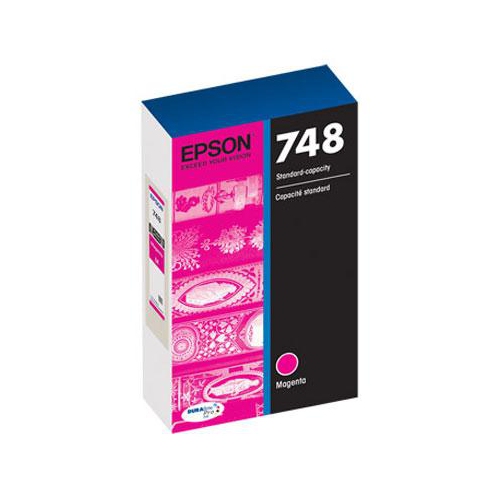
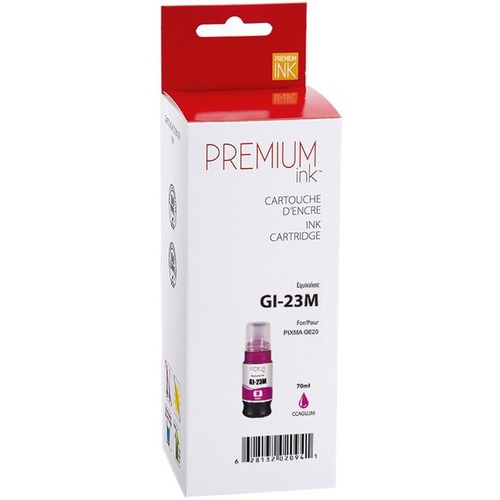
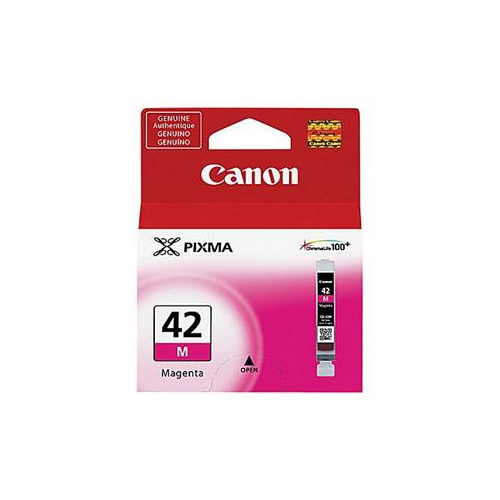
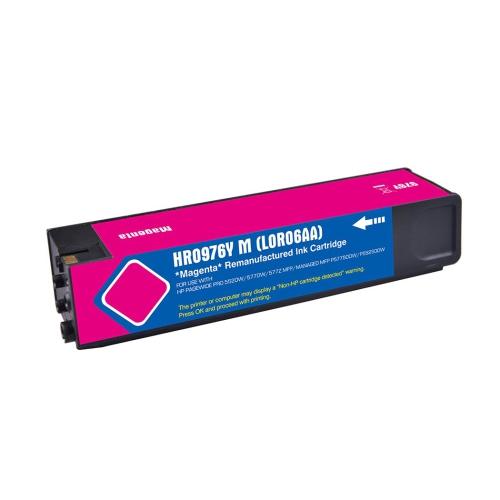
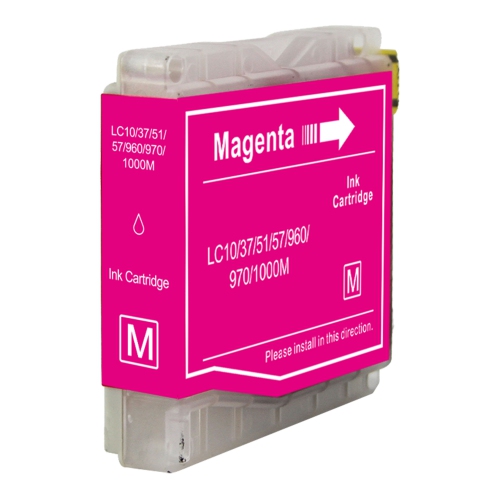
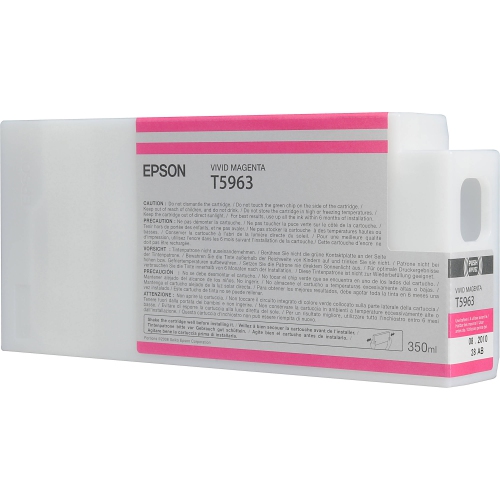
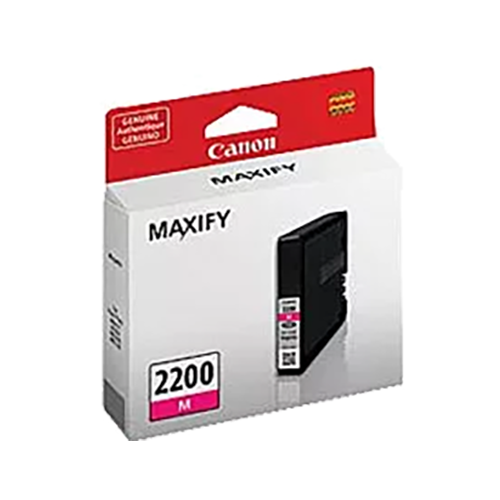
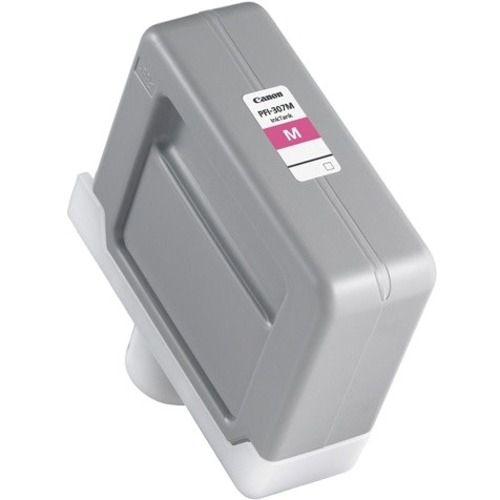
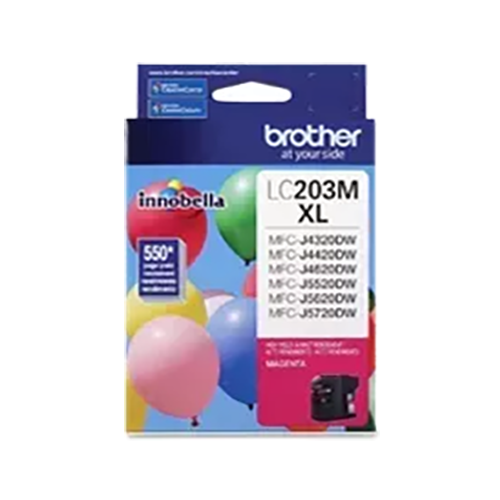
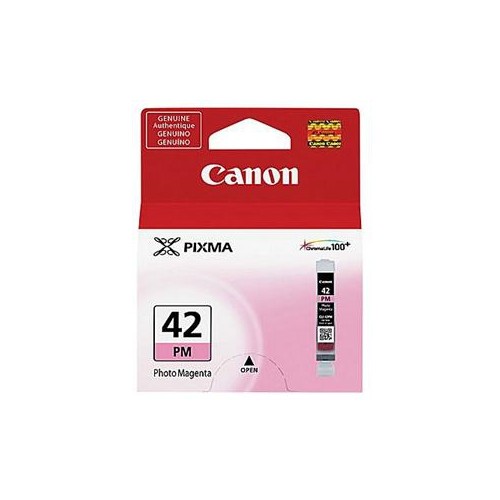
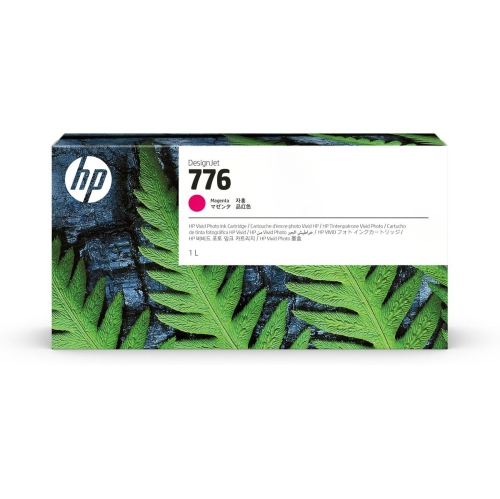
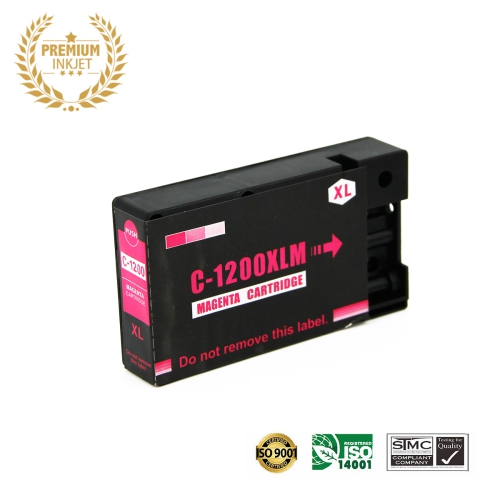
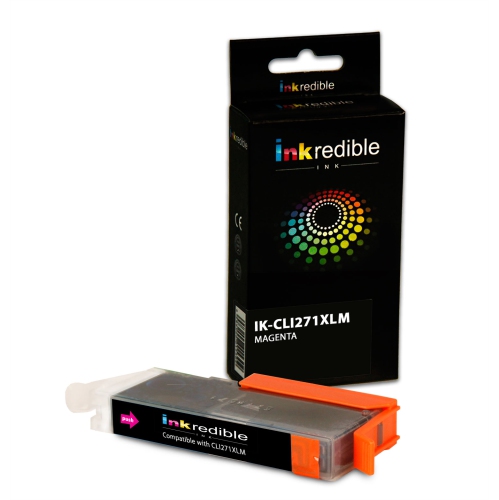
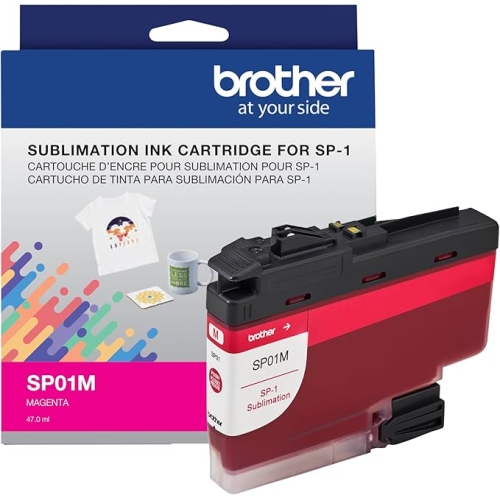
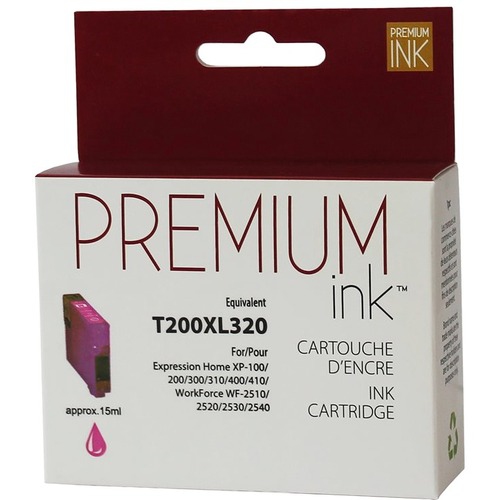
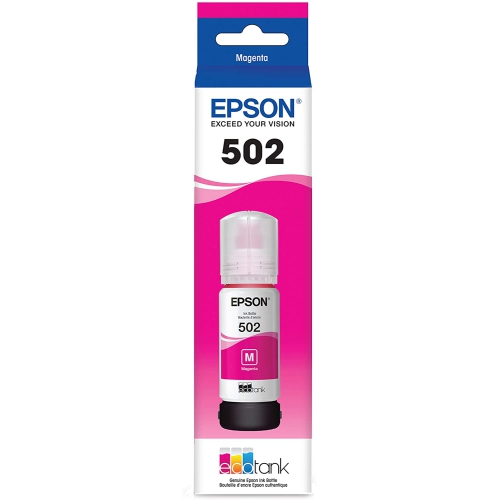
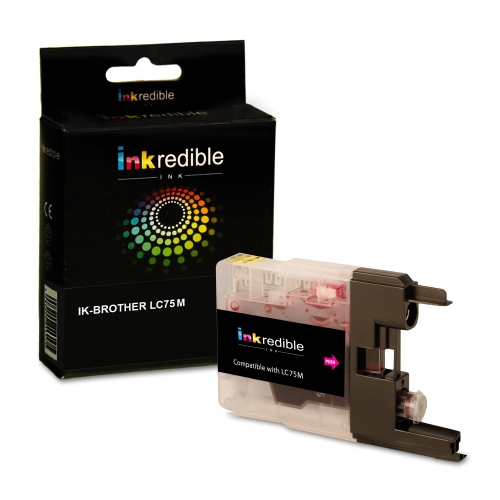
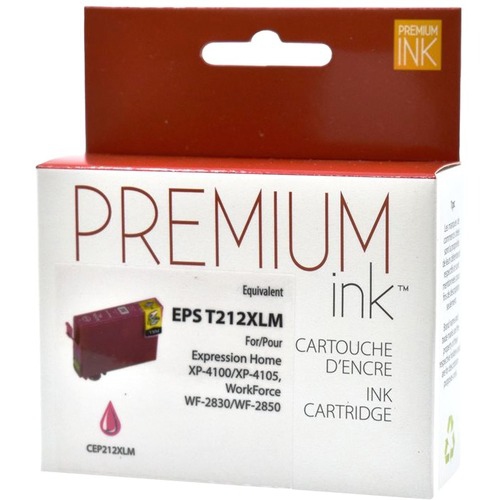
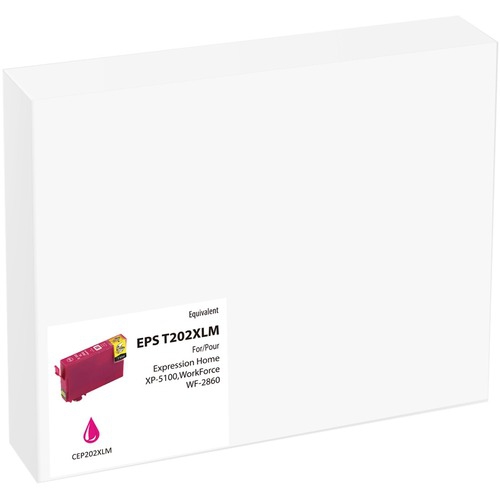
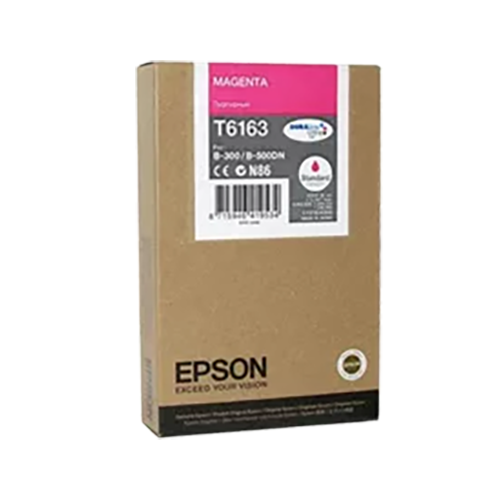
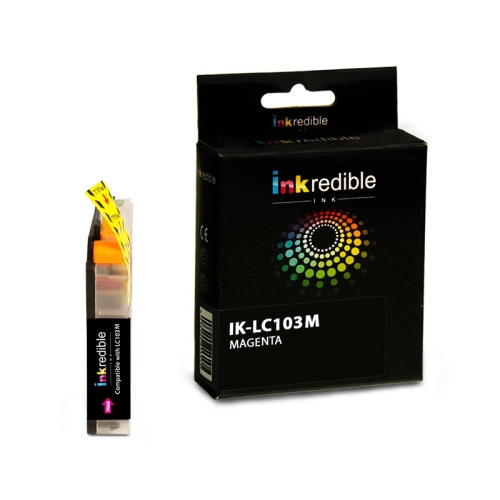
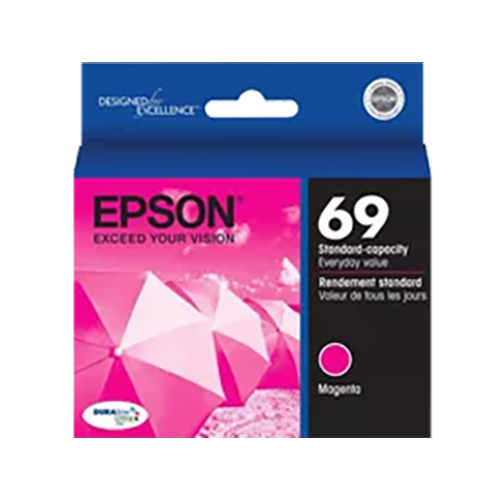
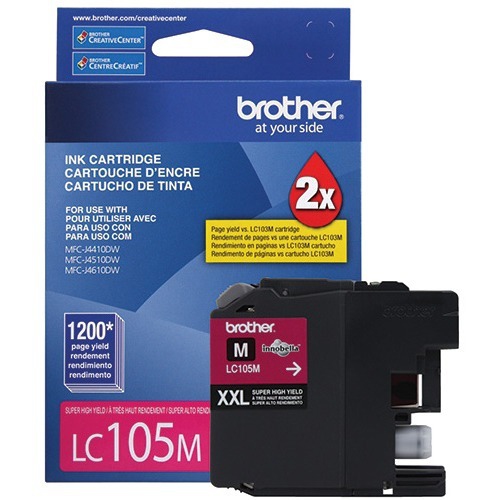
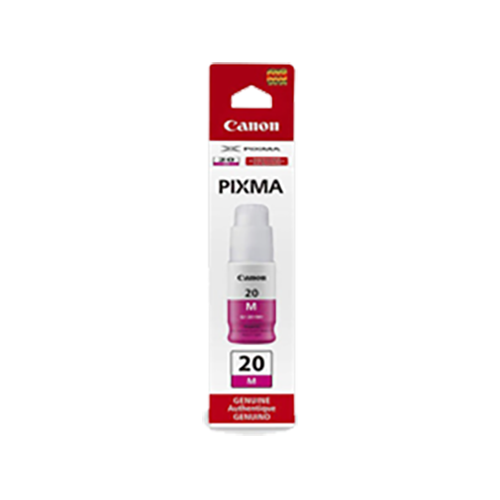
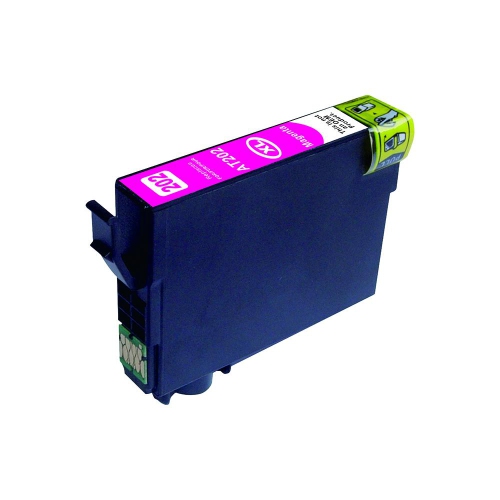
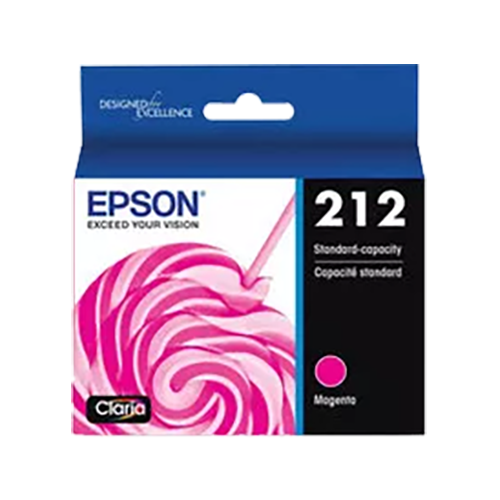
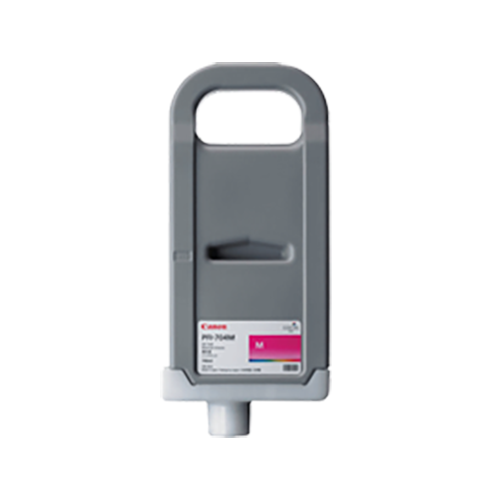
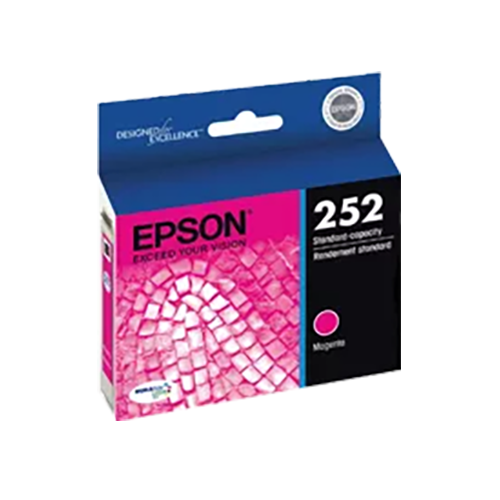
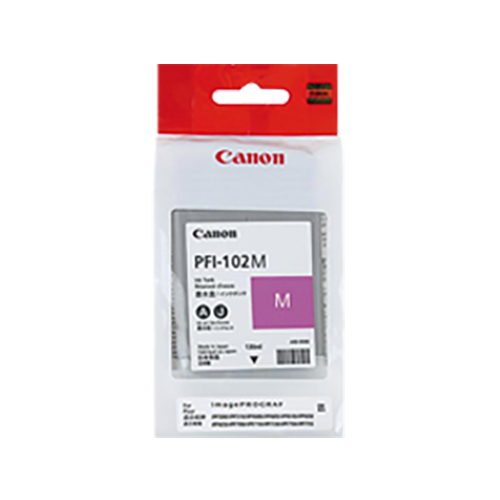
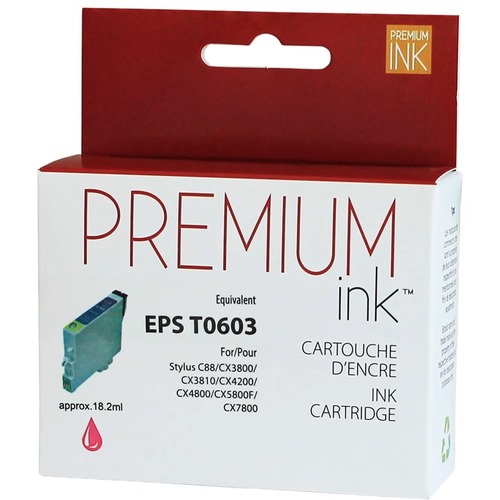
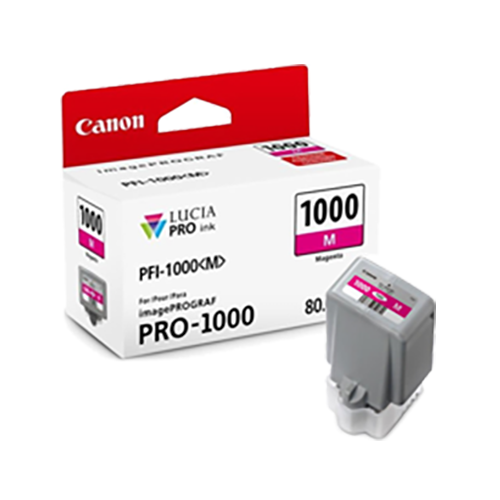
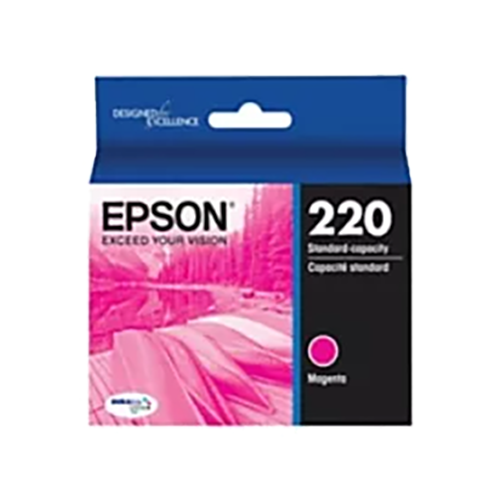
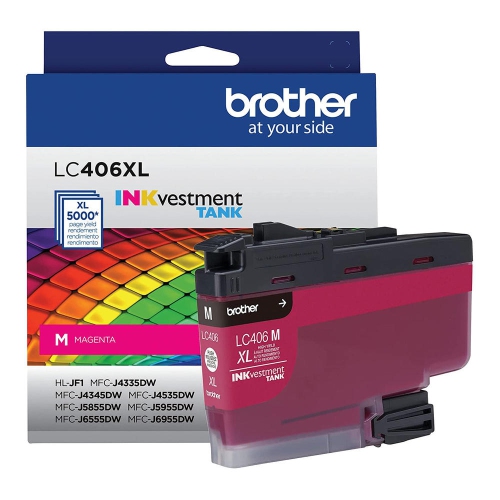
Magenta ink is a primary colour ink used in CMYK printing, where cyan, magenta, yellow, and black combine to reproduce a wide range of colours on paper. Its bright pinkish-purple appearance is only part of its role: magenta also contributes to reds, violets, skin tones, and the subtle shading that gives photographs depth. Unlike a screen, which creates colour with light, printed images depend on ink absorbing and reflecting light from the page. Magenta ink absorbs mainly green light, helping create other hues as it overlaps with cyan and yellow. That makes it important for much more than printing pink graphics. A family portrait, a presentation with coloured charts, or a sheet of handmade invitation designs can all depend on a balanced supply of magenta. When this colour runs low or stops reaching the page consistently, photographs may take on an unwanted green cast, reds can look weak, and coloured areas may show gaps or bands. Replacement magenta ink is intended for compatible inkjet printers and may come in a cartridge, an individual ink tank, or a refill bottle designed for a particular tank system. These formats serve the same basic colour function but are not interchangeable. Inkjet ink is also different from the powdered toner used in laser and LED printers; a Magenta Toner Cartridge belongs to that separate printing category. For home offices, student workspaces, creative studios, and households that print photographs, the appropriate magenta ink helps keep everyday colour output consistent. It can support everything from a clearly differentiated chart legend to the delicate pink petals in a close-up photograph, provided the printer, paper, and print settings suit the task. Although black ink handles much of the text in everyday documents, magenta remains an essential component whenever full-colour printing is part of the routine.
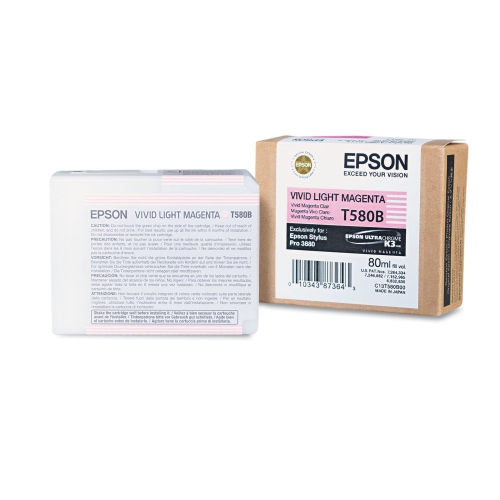
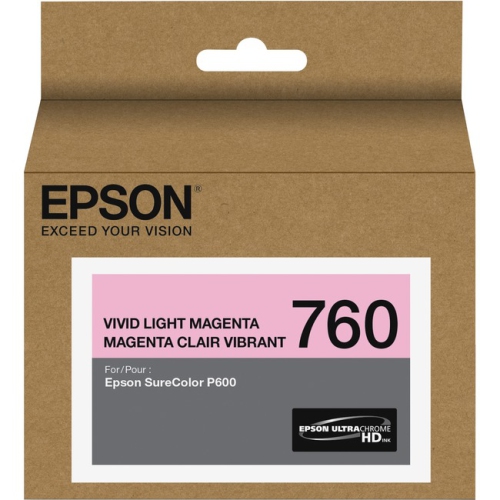
Compatibility is the most important distinction among magenta ink replacements. The printer’s full model number and its specified cartridge or bottle code matter more than the colour name or the appearance of the packaging. Two magenta cartridges can look nearly identical while using different electrical contacts, ink outlets, or recognition chips, and a bottle intended for one refill system may not fit another system’s filling port. Some printers use separate cartridges for each colour, allowing magenta to be replaced independently; others hold magenta alongside cyan and yellow in a combined colour cartridge. Dedicated photo printers may also use light magenta or additional colour inks to create smoother tonal transitions. Light magenta is a separate ink designation, not a substitute for standard magenta, so matching the exact ink position is essential. Capacity is another practical consideration. Standard-capacity ink may suit occasional colour documents, while a compatible high-capacity format can reduce replacement frequency for regular printing. Physical size alone does not establish capacity, and a larger-capacity version must still be expressly compatible with the printer. Stated page yields are based on standardized testing rather than a promise that every household or office will print the same number of pages. Dense photographs, full-page illustrations, maintenance cycles, and print settings can all affect how quickly ink is used. A student printing a few diagrams each week will have a different pattern of use from someone producing photo albums or batches of illustrated handouts. Original-manufacturer and third-party replacements may also differ in formulation, electronic compatibility, and the support offered for their use. Clear compatibility information is more useful than broad claims about universal fit. For shared printers, an accurate record of the model and ink codes helps prevent mix-ups between machines that use different supplies, especially when their cartridges have similar shapes or naming conventions.
Ink formulation and paper choice influence how magenta looks once a print leaves the tray. Dye-based inks use dissolved colourants and are often associated with vivid photographic colour and smooth transitions on suitable coated papers. Pigment-based inks contain fine colourant particles and may offer stronger resistance to water or fading in certain ink-and-paper combinations. Neither description alone guarantees a particular result: durability depends on the complete printing system, the paper surface, handling, and display conditions. The printer’s specified ink type should always take precedence over a preference for one formulation. On plain paper, a magenta highlight in a report may appear softer and less saturated than the same colour on glossy photo paper because the surfaces absorb and hold ink differently. Matte photo paper can give illustrations and portraits a gentler finish, while glossy paper can emphasize contrast and vivid colour. Selecting the matching paper setting helps the printer manage ink application appropriately. For photographs, presentation materials, or prints that will be handled often, allowing the recommended drying time before stacking or placing pages in sleeves can help prevent smudges and surface marks. Replacement supplies benefit from careful handling as well. Keeping unopened ink sealed in its original packaging until needed helps protect it from contamination, and following the manufacturer’s storage orientation and use-by guidance supports reliable performance. During installation, only the designated protective seals or tabs should be removed; touching cartridge contacts or ink outlets can interfere with proper operation. Refill bottles should be used only with their intended filling ports, with caps secured after use and supplies kept away from children and pets. Long gaps between printing can allow ink to dry around nozzles in some inkjet systems. Manufacturer-recommended maintenance, including a nozzle check when colours appear uneven, can help distinguish a flow issue from an empty supply without repeated unnecessary cleaning cycles. With the correct fit, suitable paper, and routine care, magenta ink supports clear school projects, polished office documents, colourful craft layouts, and photographs with convincing reds, purples, and natural-looking skin tones.
Top selling and popular products
-
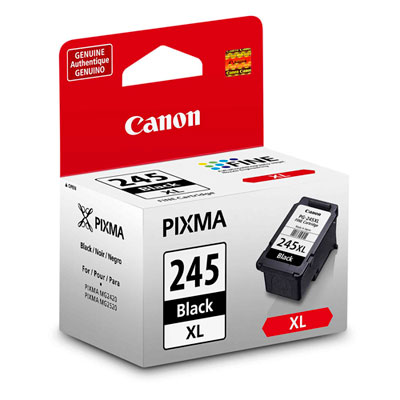 Your price for this item is $82.99
-
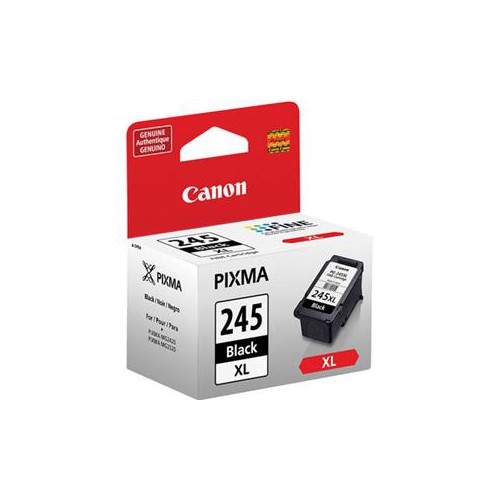 Your price for this item is $53.37
-
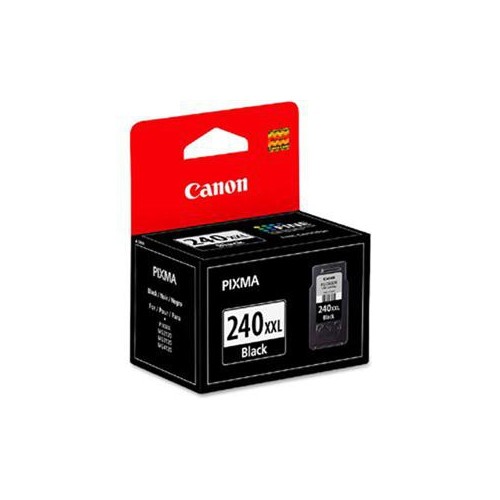 Your price for this item is $66.68
-
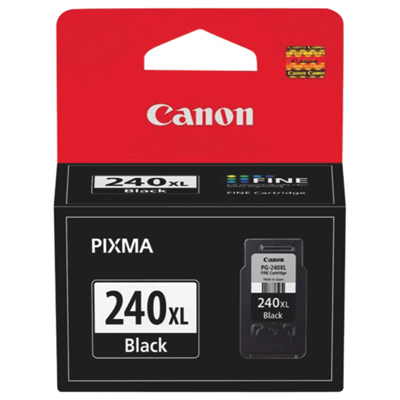 Your price for this item is $44.99
-
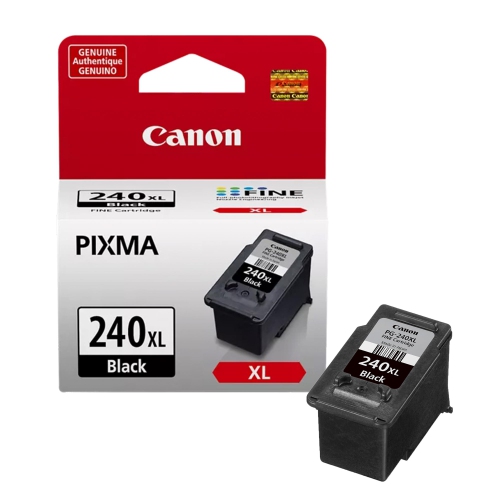 Your price for this item is $53.68
-
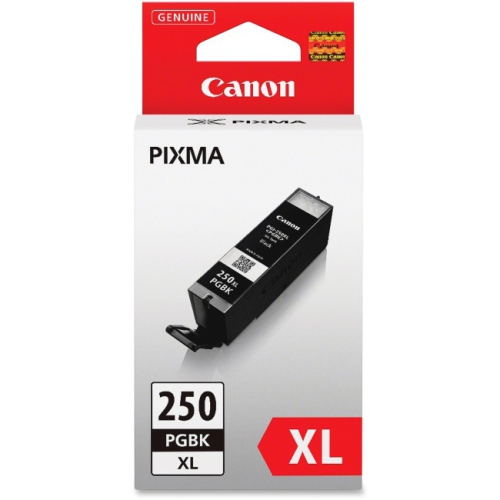 Your price for this item is $56.37
-
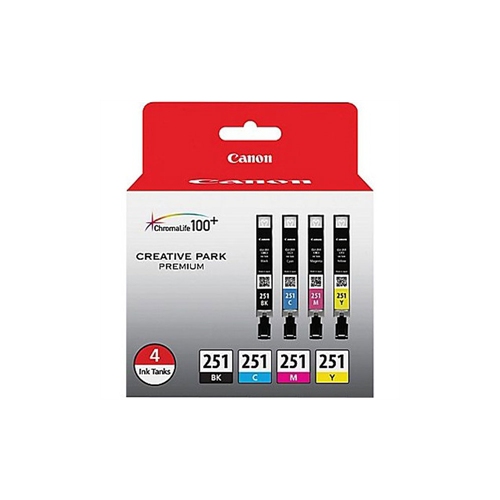 Your price for this item is $81.99
-
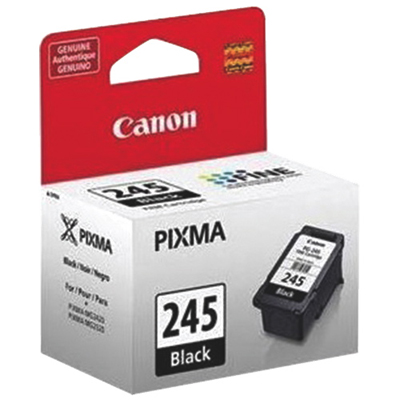 Your price for this item is $34.99
Discover more categories related to Magenta Ink
Top Collections:
Pokemon Centers, Best Cameras for Sports Photography, Kindle Devices, Samsung Galaxy Phones, Canon G7X Cameras, Pokémon 30th Celebration Cards, Refurbished Apple Laptops, iPhone 15 Apple, Laptops for Students, Budget Smartphones
Some products may be subject to Environmental Handling Fees
(EHF) depending on your province.
Learn more about EHFs.