Manila Expanding File Pockets
Manila Expanding File Pockets offer a practical solution for organizing and storing important documents at home, in the office, or on the go. Designed to help keep paperwork neat and accessible, these file pockets make it easy to manage files, reports, receipts, and more. Whether you need to sort daily paperwork or prepare for a big project, Manila Expanding File Pockets provide a convenient way to stay organized and efficient. Explore a variety of sizes and styles to find the perfect fit for your filing needs.
Sort
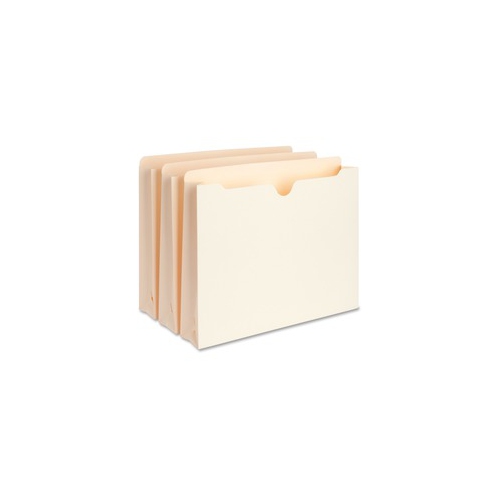
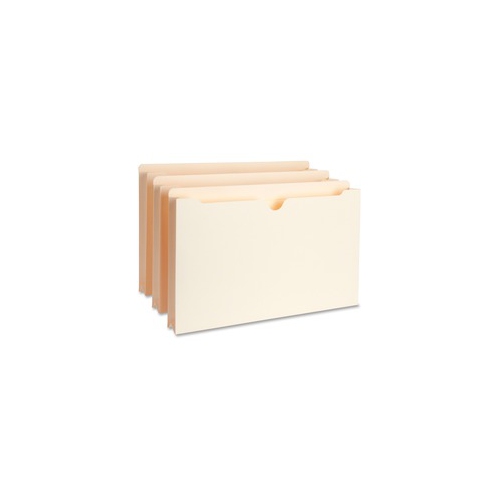

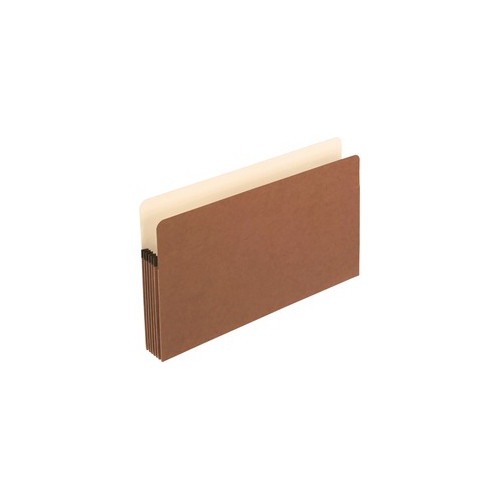


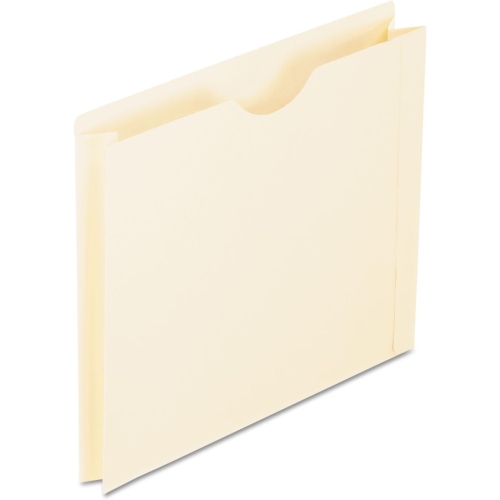
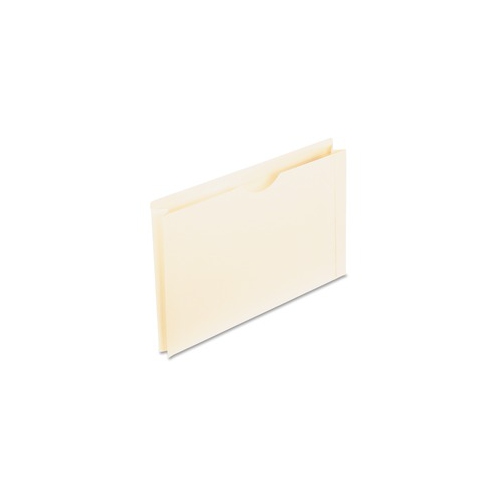


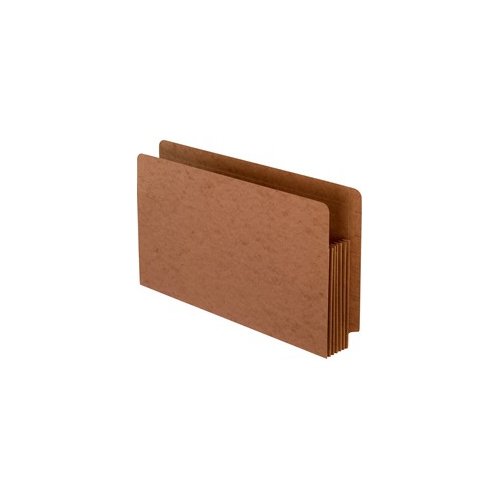
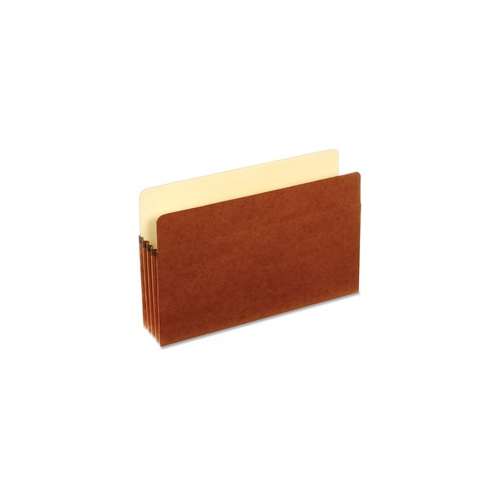


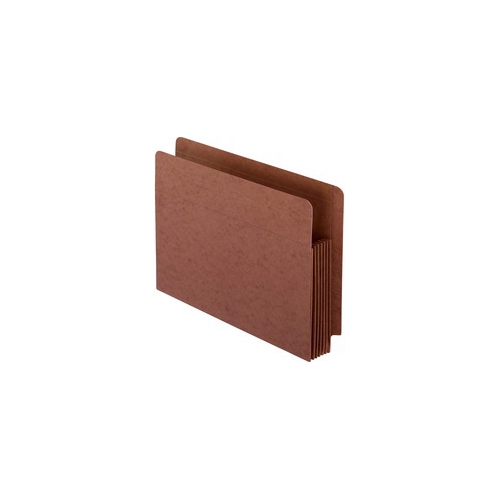

Room for related paperwork as your files grow
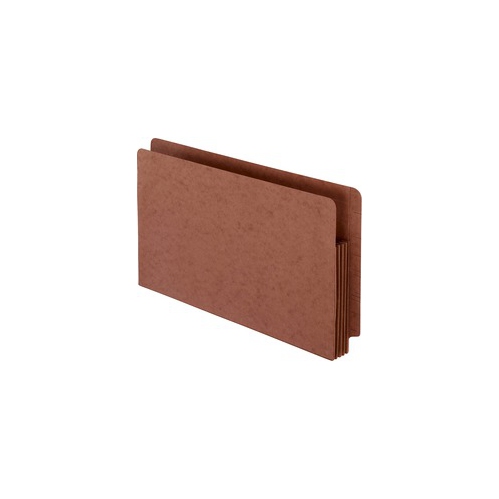
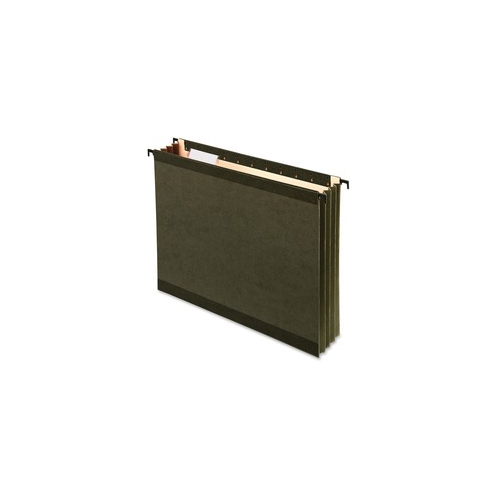
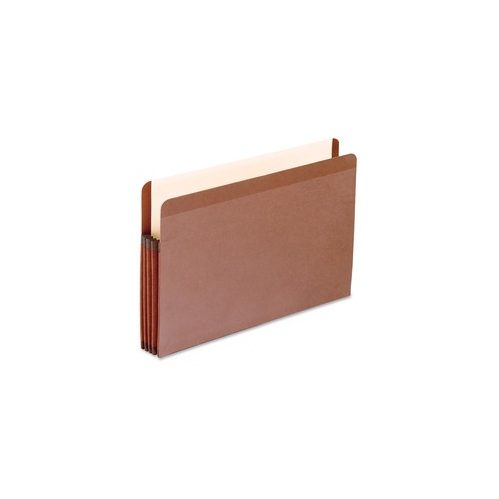
Manila expanding file pockets are document holders with expandable sides and a closed bottom, designed to keep a growing stack of paperwork together. Typically made from manila paper stock, they offer more containment than a standard folded file folder because the side gussets help prevent loose sheets from sliding out. Their familiar buff colour provides a neutral background for handwritten labels, while the broad front and back panels support documents during filing and handling. These pockets are useful for paperwork that belongs together but is too bulky for a slim folder: a renovation project with estimates, receipts and warranties; a client file with signed forms and correspondence; or a course with printed readings, assignments and notes. Unlike a multi-section expanding organizer, a single file pocket generally holds one group of documents in an undivided space. That makes it practical for keeping a complete project together without assigning every sheet its own compartment. Smaller folders or clearly labelled bundles can provide further separation inside, provided the pocket has enough room to accommodate them. Expansion comes from folded gussets that open as contents are added, allowing the pocket to take up less space when lightly filled. The stated expansion describes how far the pocket is designed to open, rather than a guaranteed number of sheets it will hold. Paper thickness, envelopes, folded documents and fasteners all affect the usable capacity. For households, students, administrators and small-business owners, the main benefit is straightforward: related paperwork stays together as the file grows. A pocket can hold the supporting documents behind a household appliance purchase, gather the paperwork for a tax appointment, or keep meeting materials ready to carry from a desk to a shared workspace. Its usefulness depends on matching the paper size, expansion and construction to the way those documents will be stored and handled.
Paper size is the first fit consideration when choosing manila expanding file pockets. Letter-size paper measures 8.5 by 11 inches, while legal-size paper measures 8.5 by 14 inches. The extra length matters when filing contracts, forms or other documents that need to remain flat and unfolded. A pocket sized for letter paper may leave legal sheets protruding or require them to be folded, making the correct format especially important for documents with signatures, stamps or information close to the edges. For longer paperwork, Legal Size Expanding File Folders offer a related format to consider alongside the dimensions and layout of the intended filing space. Document size and overall pocket dimensions are not necessarily identical: panels, tabs and gussets can extend beyond the sheets inside. Checking the outside measurements helps establish whether a filled pocket will sit comfortably in a filing cabinet, storage box, desk drawer or carrying bag. Width alone is not enough; allow room for the expanded depth and for fingers to lift the pocket without pulling on its label area. A tightly packed drawer can compress the gussets and make files difficult to remove, even when each pocket is technically the correct size. Consider how quickly the contents are likely to grow, too. A file for a completed transaction may need little spare capacity, while an active project may collect paperwork for an extended period. Choosing suitable expansion leaves room for additions without encouraging overfilling. The opening and panel shape also influence everyday access. A lower front panel can make sheets easier to see and retrieve, while a taller back panel may provide a useful labelling area. An open-top pocket makes frequent filing convenient, but it does not seal the contents in place. For travel between appointments or work locations, keeping the pocket upright inside a suitable bag or document case helps reduce the chance of loose pages slipping out.
Durability depends on the paper stock, the gusset material, the quality of the joins and how heavily the pocket is used. Some constructions include reinforced edges or gussets to help support repeated handling, but reinforcement should not be assumed from the manila colour alone. A pocket that remains in a cabinet faces different demands from one carried between a reception desk, meeting room and off-site appointment. For frequently handled files, pay particular attention to the areas that take the strain: the bottom corners, side folds and upper edges used when lifting the contents. Supporting a full pocket from underneath is gentler on those joins than lifting it by one panel or tugging at a gusset. Papers should slide in without force, and the sides should have room to expand naturally rather than bulging around an oversized stack. Splitting an overfilled file into clearly labelled sections can make it easier to handle and retrieve. Simple organization also helps protect the contents. Use a clear subject name on the visible panel, then add a date range or project reference where useful. Keep labels away from folds and openings so they remain readable without catching on neighbouring files. Arrange sheets in a consistent order, such as newest correspondence at the front, and remove unnecessary duplicates before the pocket becomes crowded. Manila paper stock is not inherently waterproof, so store pockets away from drinks, damp surfaces and places where leaks could reach them. Keep them clean with a dry, gentle wipe rather than a wet cloth or cleaning spray, and replace pockets with torn seams or badly weakened folds before moving heavy contents. For photographs, certificates or documents requiring long-term preservation, check for suitable archival specifications instead of assuming ordinary manila stock provides that protection. Sensitive paperwork also needs appropriate storage: a file pocket groups documents, but it is not a security enclosure. Used within those limits, manila expanding file pockets provide a practical way to keep substantial paper files accessible, identifiable and together without binding or punching the pages.
Top selling and popular products
-
 Your price for this item is $30.92
-
 Your price for this item is $28.85
-
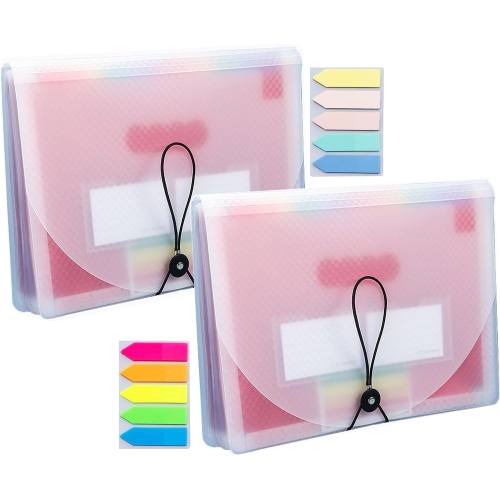 Your price for this item is $32.98
-
 Your price for this item is $32.49
-
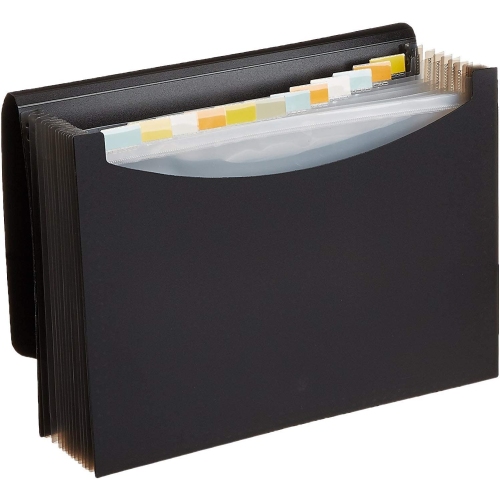 Your price for this item is $12.62
-
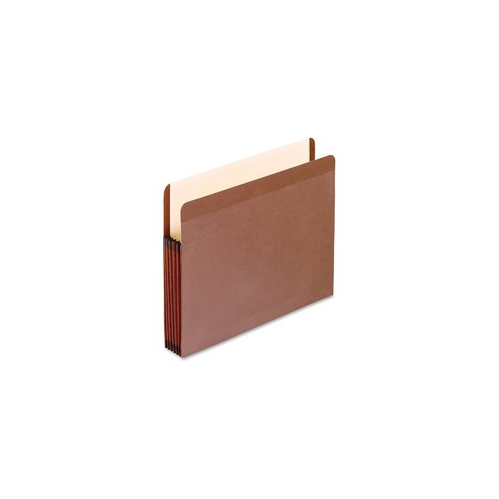 Your price for this item is $5.99
-
 Your price for this item is $4.99
-
 Your price for this item is $5.99
Discover more categories related to Manila Expanding File Pockets

Top Collections:
Best Black Friday Deals This Year, Best Black Friday Deals On Electronics, Kindle Devices, Dyson Airwrap, Best Cameras for Sports Photography, Best Budget Office Chairs, Canon G7X Cameras, PS5 Pro Consoles, Best Black Friday Deals On Apple Products, XBOX One S Consoles
Some products may be subject to Environmental Handling Fees
(EHF) depending on your province.
Learn more about EHFs.