Marking Tools
Explore a diverse range of marking tools designed to meet all your creative and practical needs. Whether you're an artist sketching your next masterpiece, a student highlighting key notes, or a professional drafting detailed plans, the right marking tool can make all the difference. Discover options that offer precision, vibrant colors, and durability to ensure your work stands out. From fine lines to bold strokes, find the perfect tool to express your ideas with clarity and style. Dive into our selection and elevate your projects with quality tools that deliver exceptional performance every time.
Sort
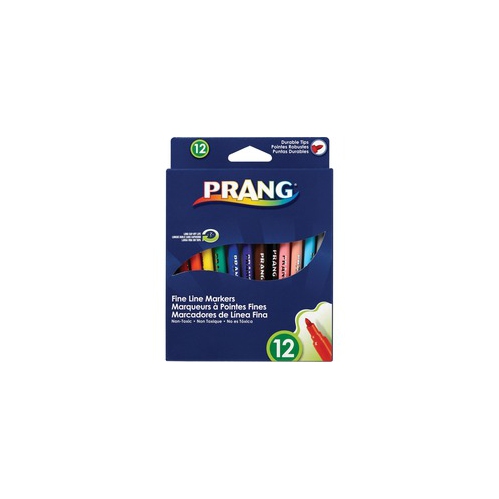

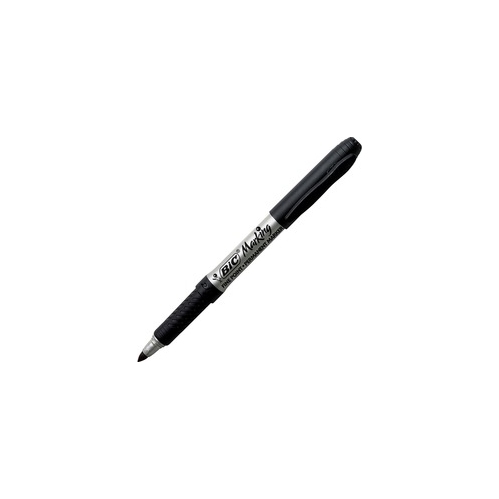
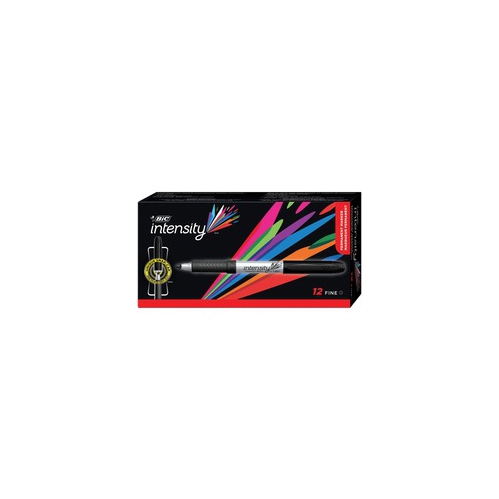
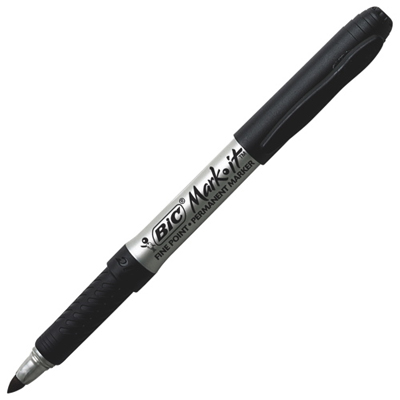
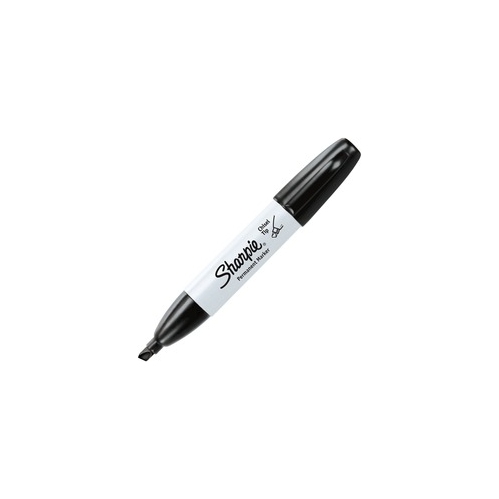
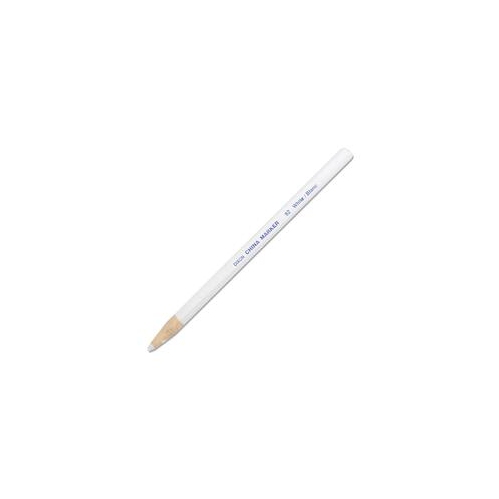
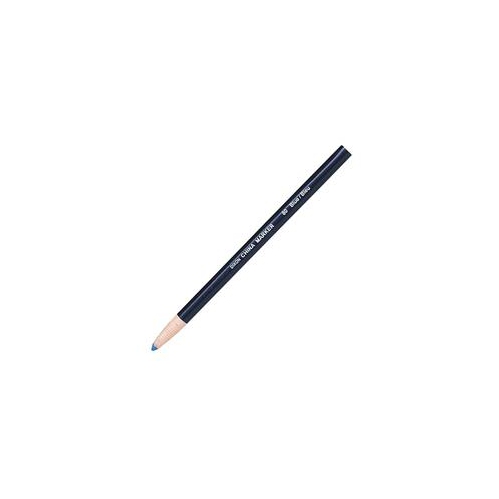
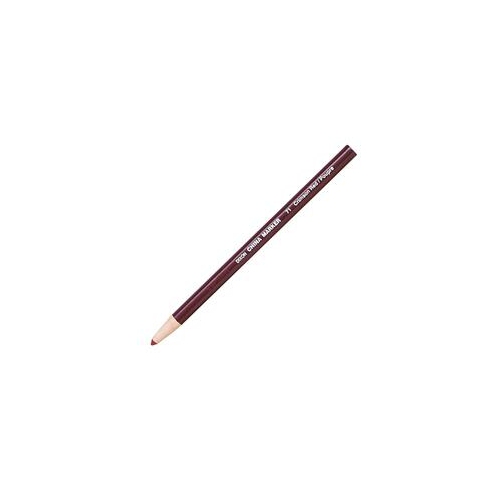
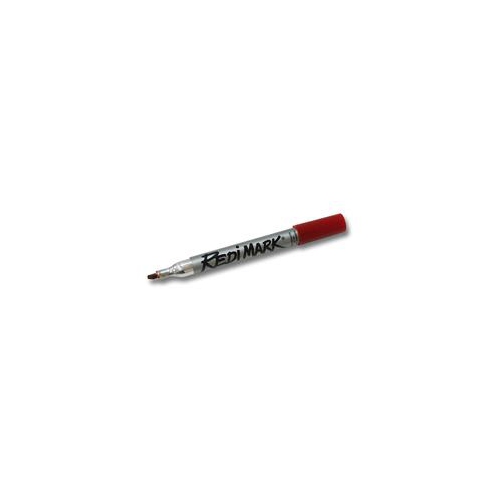
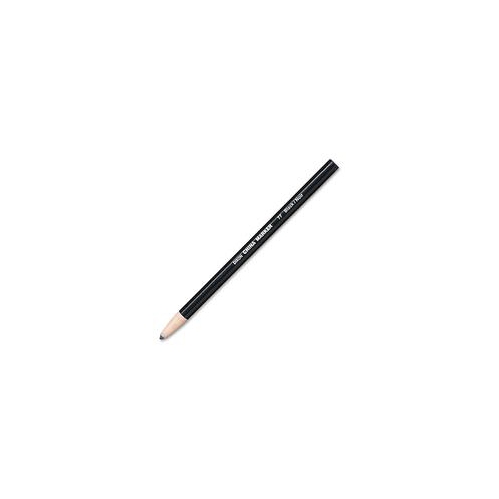
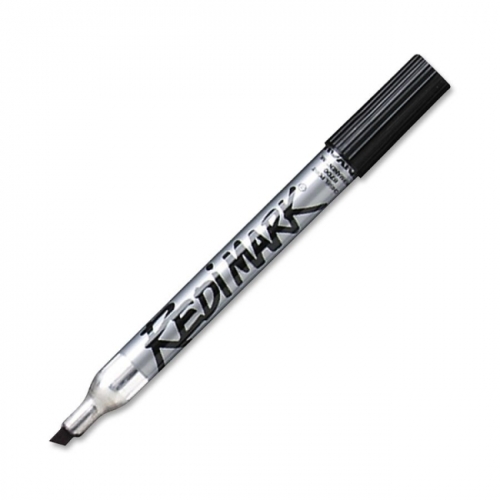
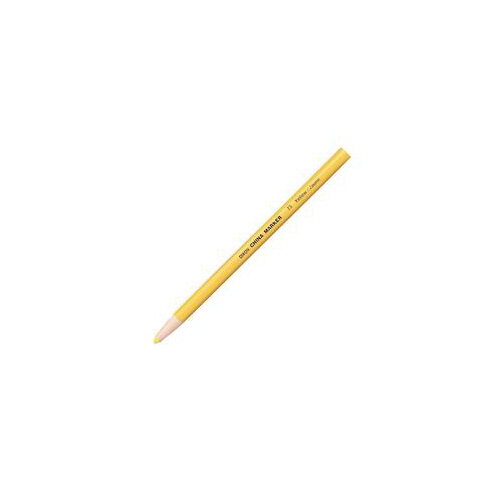
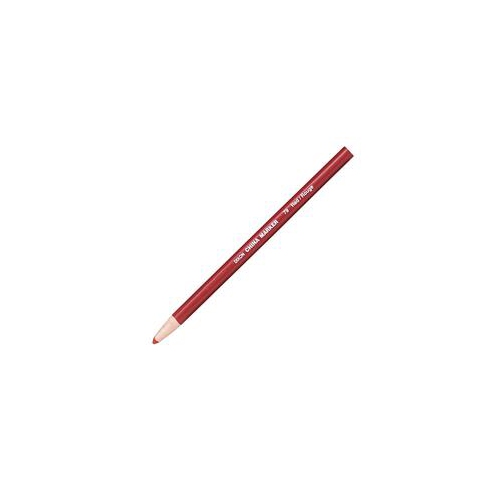
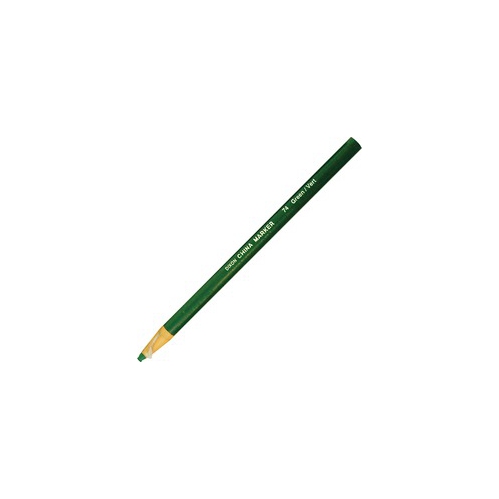
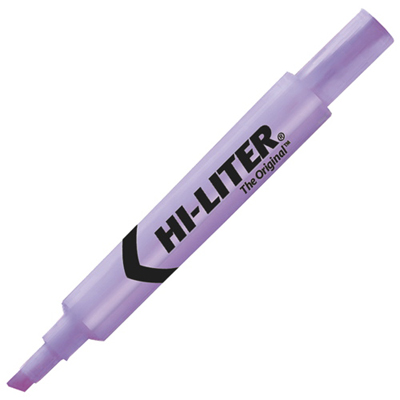
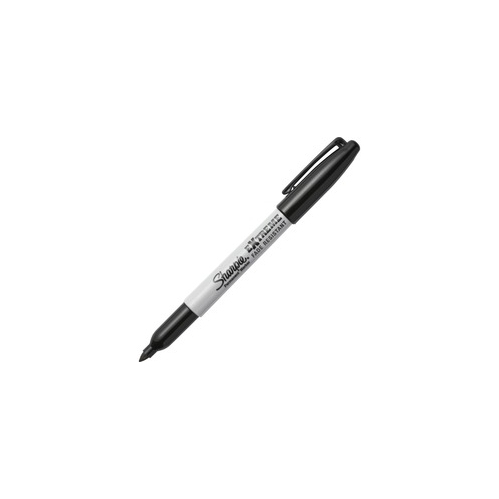
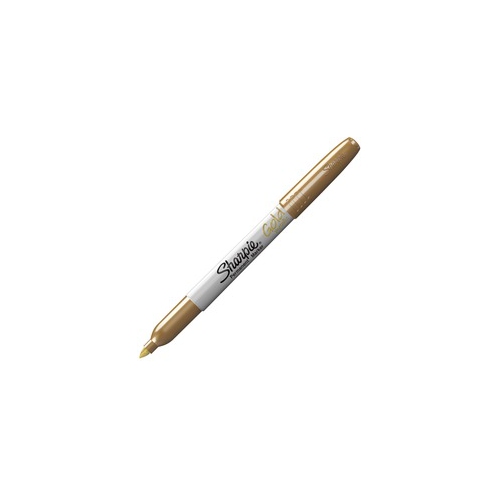
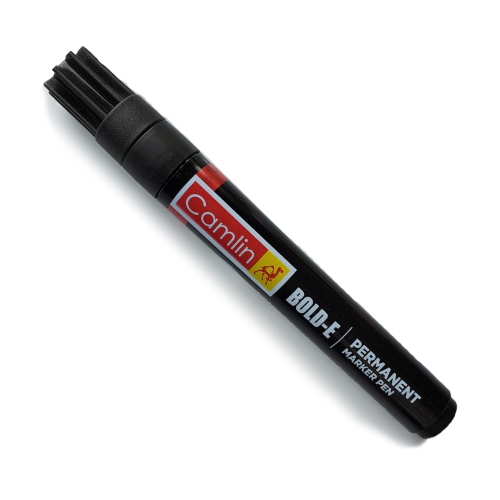
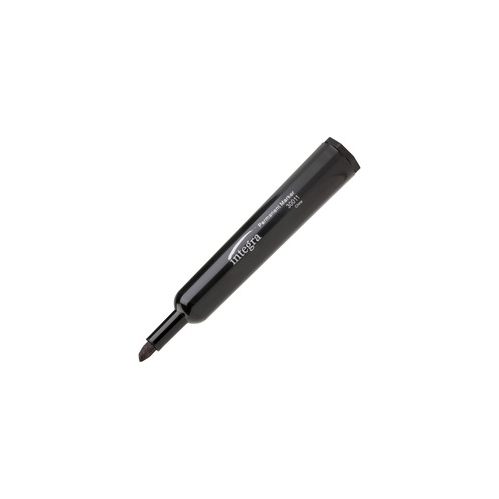
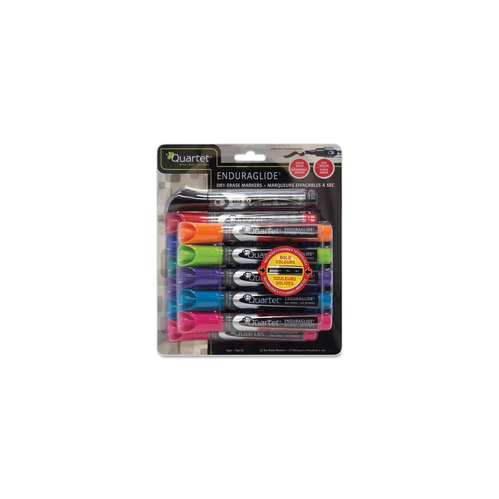
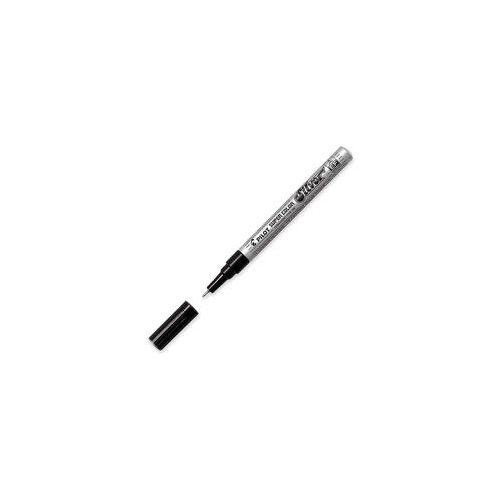
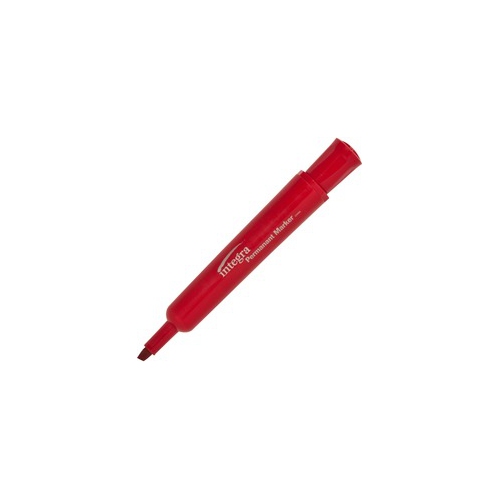
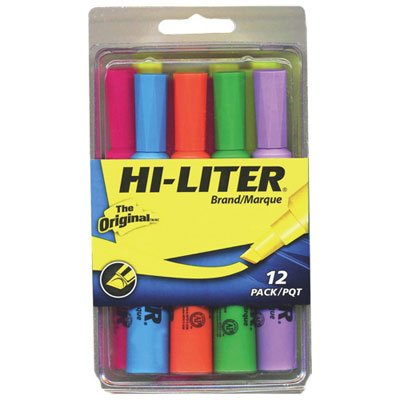
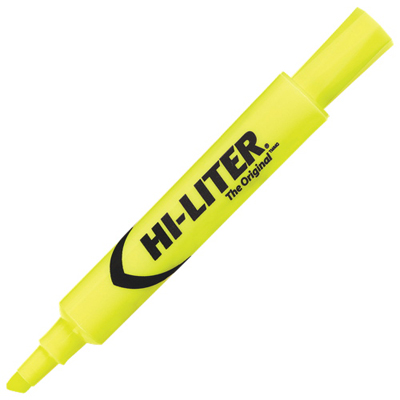
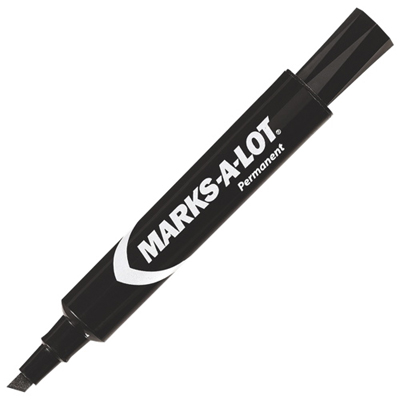
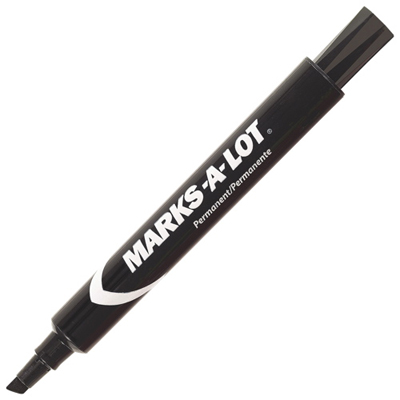
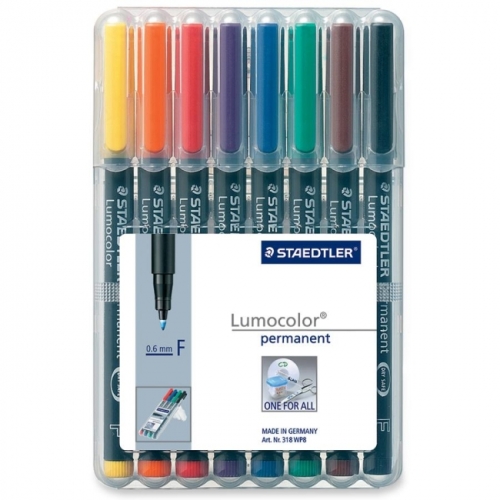
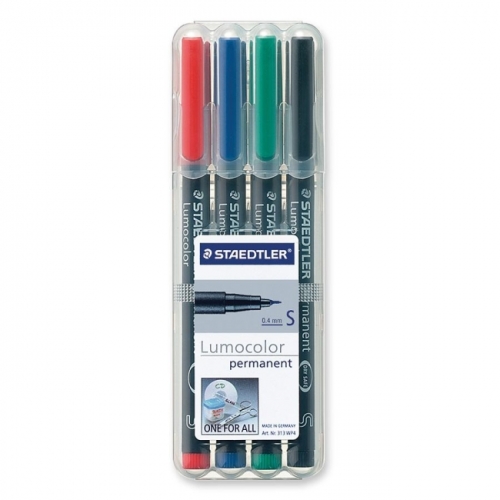
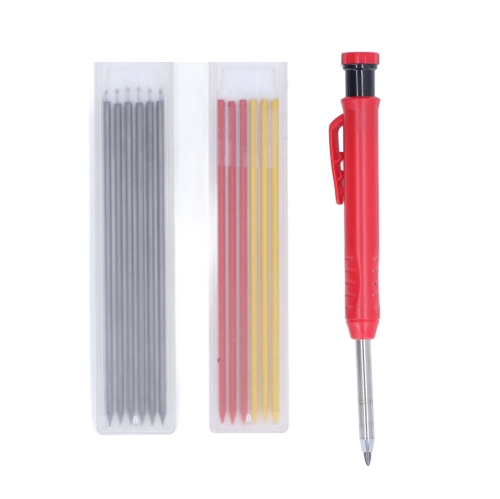
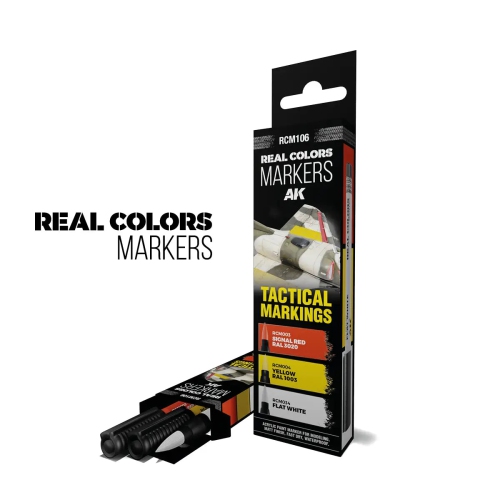
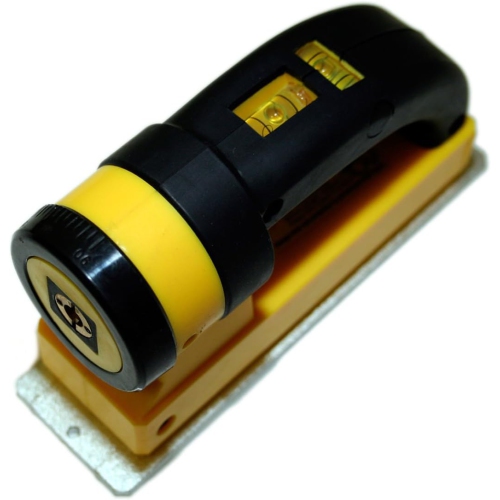
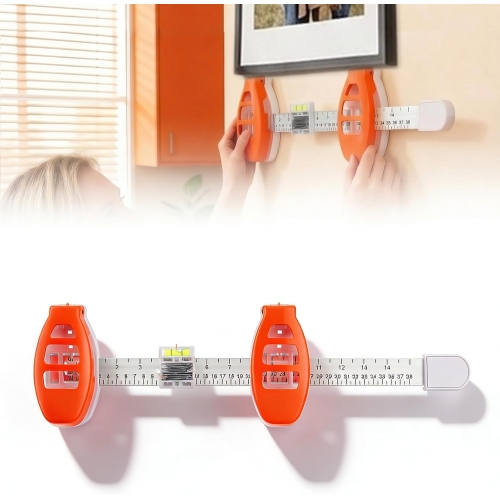

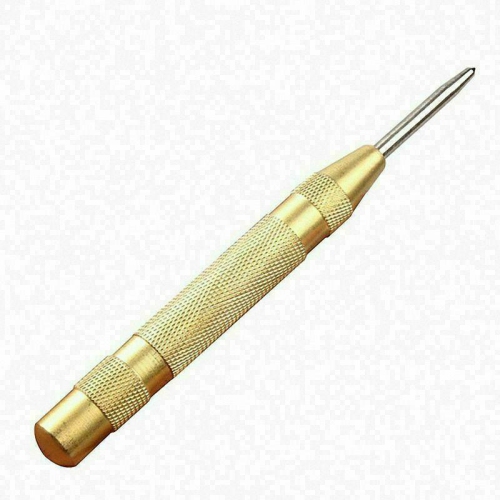
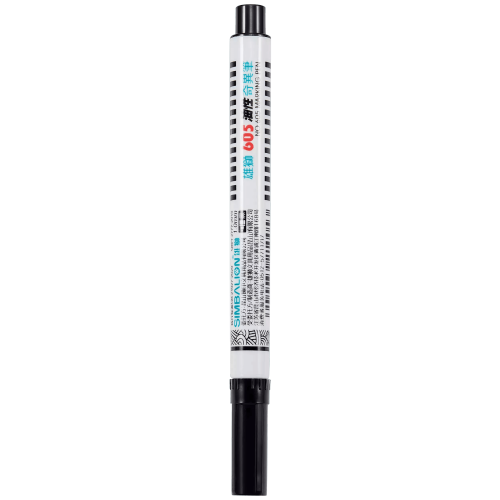
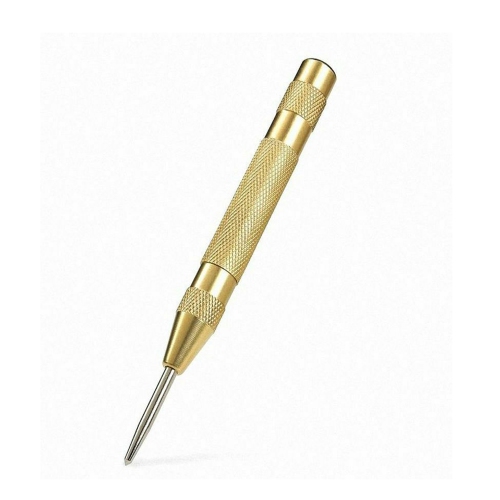
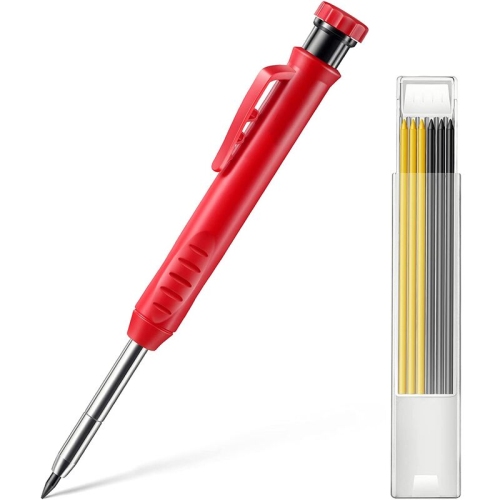
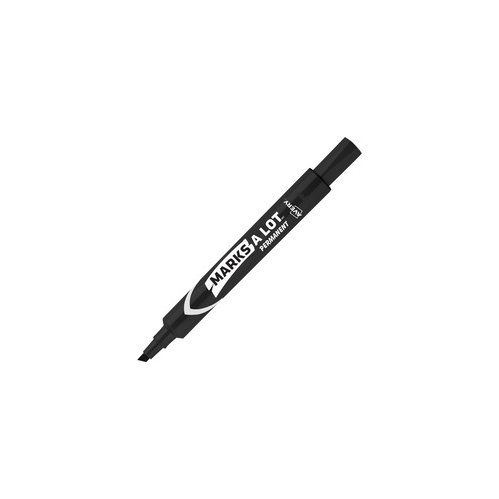
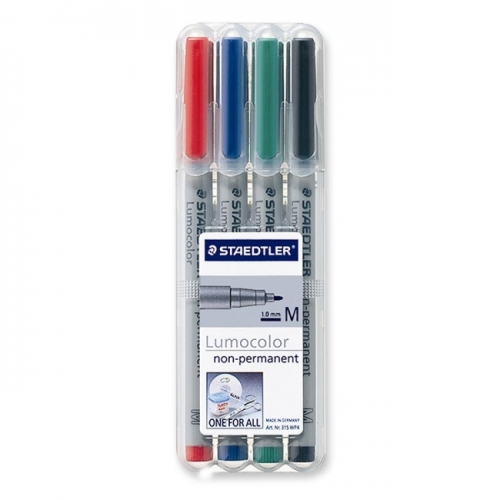
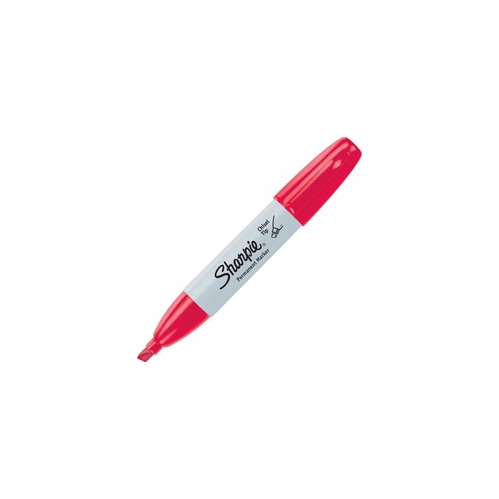

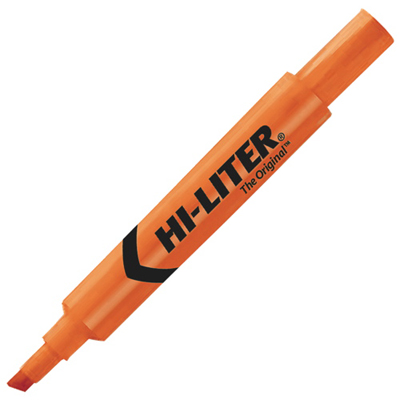
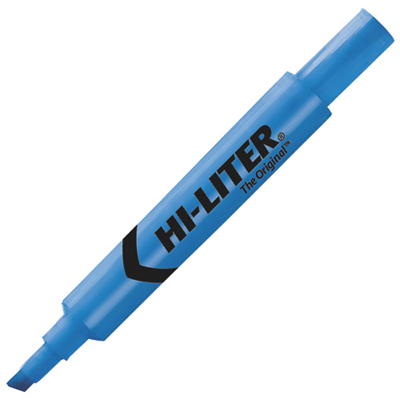
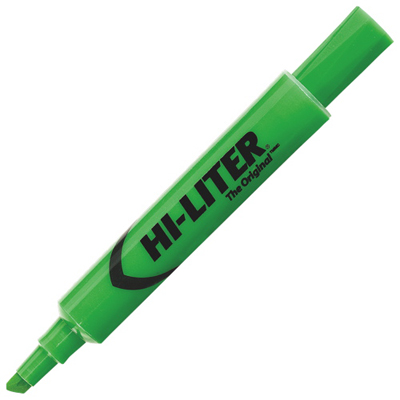
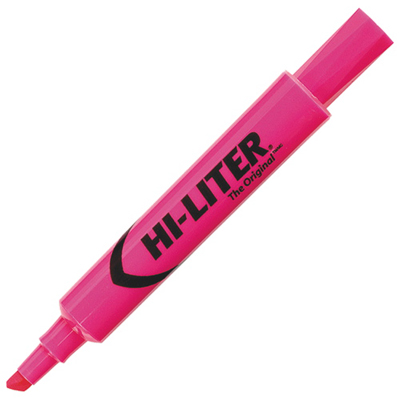
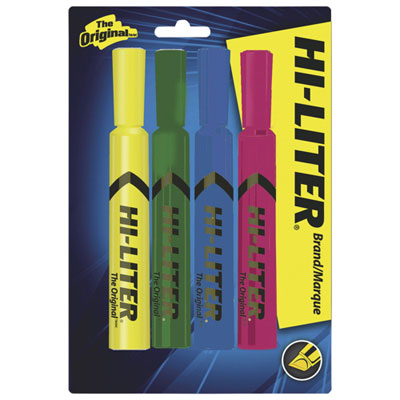
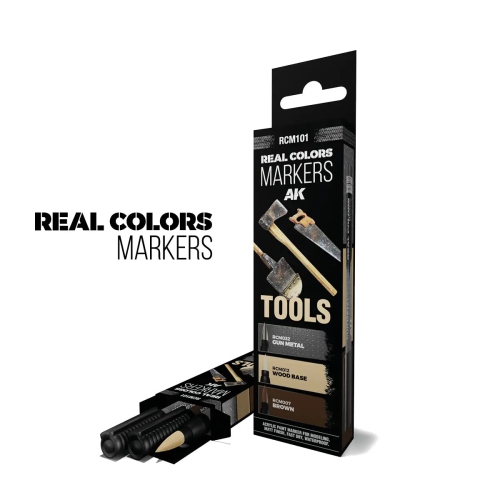
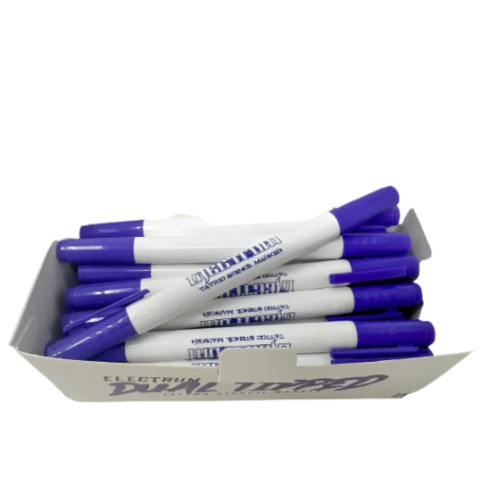
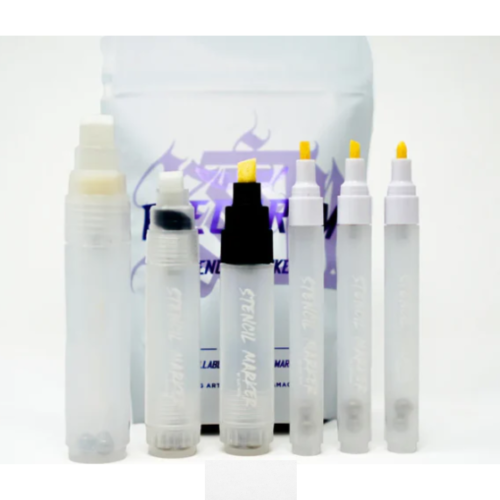
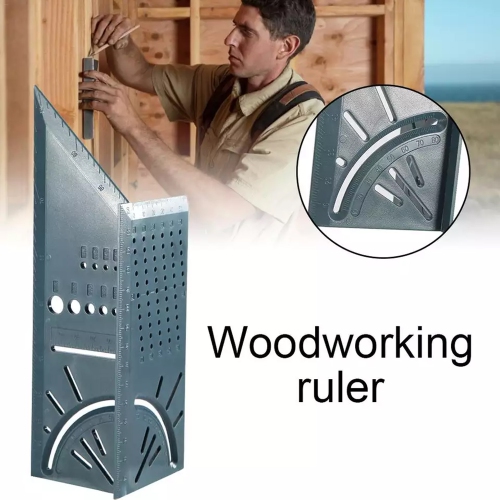
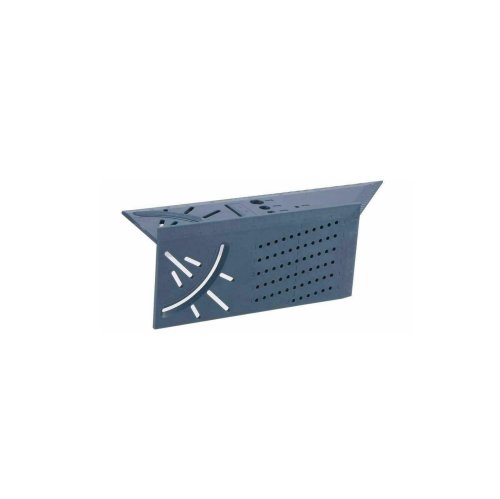
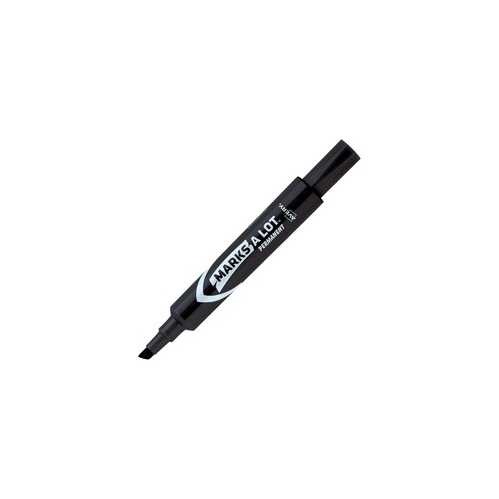
Precise lines and temporary marks for every project
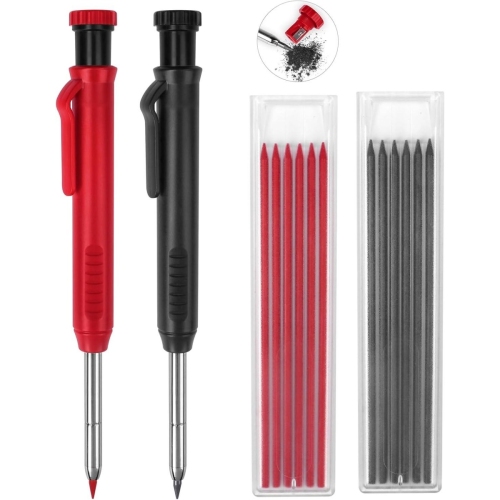
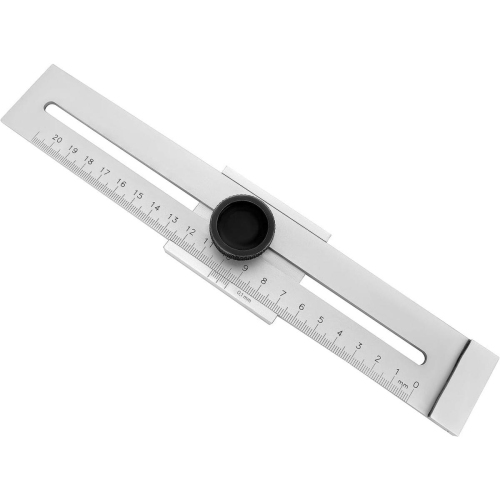
Marking tools are instruments used to leave clear lines, points, creases or symbols on materials such as wood, metal, fabric, stone, drywall and paper. They help turn measurements and plans into visible reference points, making it easier to cut, drill, sew, shape, align and assemble with confidence. The right marking tool depends on the material, the level of precision required and whether the mark needs to remain permanent or disappear after the work is finished. For woodworking, carpenter pencils create broad, easy-to-see lines on rough timber, while mechanical deep-hole markers can reach through narrow openings, drilled holes and tight spaces between joists. A marking knife makes a fine incision in wood fibres, producing a highly precise line that can help keep a chisel or saw from wandering. Marking and cutting gauges use a fence that rides along an edge while a blade, pin or wheel creates a consistent parallel line, which is useful when fitting joints, trimming boards or laying out repeated measurements. An awl presses a small indentation into wood, leather or other workable materials to help a screw or drill bit start in the intended location. These tools are useful for cabinetmakers, carpenters, woodworkers, furniture builders, DIY renovators and anyone who values clean, repeatable results. When choosing among them, consider the shape of the handle, the visibility of the mark, the hardness of the tip and how comfortably the tool sits in your hand during extended work. A balanced tool with a secure grip can make a noticeable difference when marking a series of holes or transferring the same measurement across several pieces.
Metalworking and fabrication call for marking tools that can stand up to heat, abrasion and hard surfaces. A scriber uses a hardened point to scratch a fine, permanent line into metal, making it suitable for layout work before cutting, filing, drilling or machining. A centre punch creates a deeper dimple when struck with a hammer, helping a drill bit stay centred instead of skating across a smooth sheet or bar. Soapstone offers a different type of marking solution: it leaves a visible line on metal and remains useful around high-heat work, including welding and torch cutting, where ordinary writing tools may burn away. For construction and home improvement, bold pencils and markers are often preferred because their lines remain easy to see on timber, concrete, drywall and other building materials. Look for a tip suited to the surface, a barrel that is easy to hold while wearing work gloves and a design that can be carried securely in a pocket, tool pouch or apron. It is also worth considering whether the mark should resist rubbing and moisture or be removable once the work is complete. In a workshop, keeping more than one marking method close by can save time: a fine scriber for exact metal layout, a centre punch for drill starts, a broad pencil for rough lumber and a lighter marker for notes or temporary reference lines. Marking tools can also make practical gifts for new homeowners, students learning a trade, experienced craftspeople and hobbyists setting up a workbench. A thoughtfully selected set gives a recipient useful equipment for projects ranging from assembling shelving and repairing furniture to building a planter, installing hardware or preparing materials for a larger renovation.
For sewing, quilting, tailoring and other textile projects, marking tools need to provide visibility without leaving a lasting stain or damaging the fabric. Tailor’s chalk can trace pattern lines, seam allowances, darts and placement marks, and many varieties brush or wash away when the garment or project is finished. Chalk pencils and wheel dispensers can provide a narrower line for detailed layouts, while disappearing ink pens are designed to create temporary purple or blue marks that fade over time or respond to water, depending on the type. Hera-style tools make crease marks by pressing a visible line into fabric rather than applying ink or chalk, which can be helpful when a clean, residue-free guide is preferred. Always check the intended fabric and removal method before marking a visible area, particularly with delicate, dark or heavily textured materials; testing on a hidden scrap is a sensible step. General craft projects may call for markers that work on paper, card, wood, glass, plastic or other surfaces, so the tip shape, ink coverage and drying time are important considerations. Fine tips suit lettering, outlining and intricate patterns, while broader tips help fill large areas and make bold symbols that can be seen from a distance. For creative projects, classroom supplies, party decorations and handmade gifts, explore Craft Markers alongside marking tools suited to the surface at hand. Whether you are laying out a dovetail joint, locating a hole in sheet metal, adjusting a clothing pattern or adding details to a handmade project, dependable marking equipment helps keep each step clear from the first measurement to the finished result.
Metalworking and fabrication call for marking tools that can stand up to heat, abrasion and hard surfaces. A scriber uses a hardened point to scratch a fine, permanent line into metal, making it suitable for layout work before cutting, filing, drilling or machining. A centre punch creates a deeper dimple when struck with a hammer, helping a drill bit stay centred instead of skating across a smooth sheet or bar. Soapstone offers a different type of marking solution: it leaves a visible line on metal and remains useful around high-heat work, including welding and torch cutting, where ordinary writing tools may burn away. For construction and home improvement, bold pencils and markers are often preferred because their lines remain easy to see on timber, concrete, drywall and other building materials. Look for a tip suited to the surface, a barrel that is easy to hold while wearing work gloves and a design that can be carried securely in a pocket, tool pouch or apron. It is also worth considering whether the mark should resist rubbing and moisture or be removable once the work is complete. In a workshop, keeping more than one marking method close by can save time: a fine scriber for exact metal layout, a centre punch for drill starts, a broad pencil for rough lumber and a lighter marker for notes or temporary reference lines. Marking tools can also make practical gifts for new homeowners, students learning a trade, experienced craftspeople and hobbyists setting up a workbench. A thoughtfully selected set gives a recipient useful equipment for projects ranging from assembling shelving and repairing furniture to building a planter, installing hardware or preparing materials for a larger renovation.
For sewing, quilting, tailoring and other textile projects, marking tools need to provide visibility without leaving a lasting stain or damaging the fabric. Tailor’s chalk can trace pattern lines, seam allowances, darts and placement marks, and many varieties brush or wash away when the garment or project is finished. Chalk pencils and wheel dispensers can provide a narrower line for detailed layouts, while disappearing ink pens are designed to create temporary purple or blue marks that fade over time or respond to water, depending on the type. Hera-style tools make crease marks by pressing a visible line into fabric rather than applying ink or chalk, which can be helpful when a clean, residue-free guide is preferred. Always check the intended fabric and removal method before marking a visible area, particularly with delicate, dark or heavily textured materials; testing on a hidden scrap is a sensible step. General craft projects may call for markers that work on paper, card, wood, glass, plastic or other surfaces, so the tip shape, ink coverage and drying time are important considerations. Fine tips suit lettering, outlining and intricate patterns, while broader tips help fill large areas and make bold symbols that can be seen from a distance. For creative projects, classroom supplies, party decorations and handmade gifts, explore Craft Markers alongside marking tools suited to the surface at hand. Whether you are laying out a dovetail joint, locating a hole in sheet metal, adjusting a clothing pattern or adding details to a handmade project, dependable marking equipment helps keep each step clear from the first measurement to the finished result.
Top selling and popular products
-
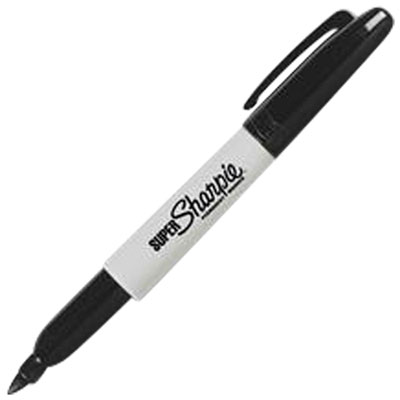 Your price for this item is $3.99
 -
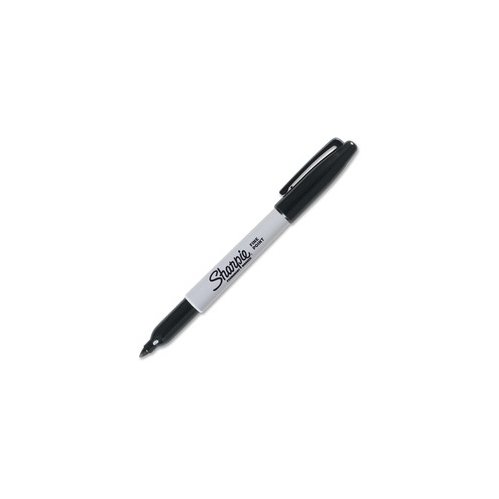 Your price for this item is $44.99
 -
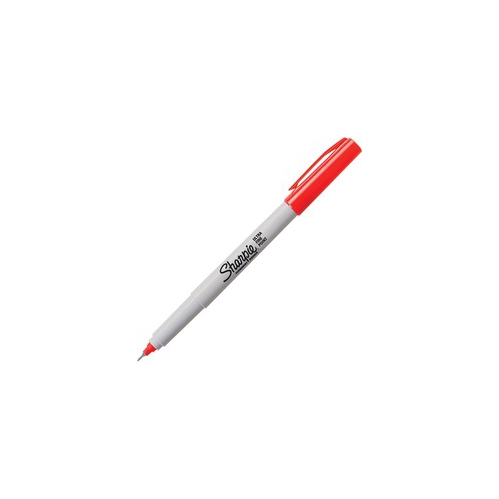 Your price for this item is $3.99
 -
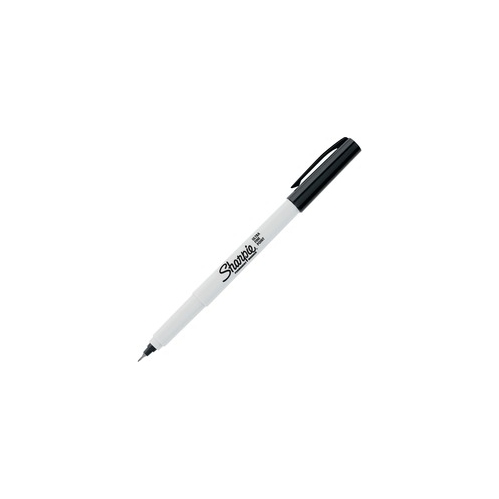 Your price for this item is $15.99
 -
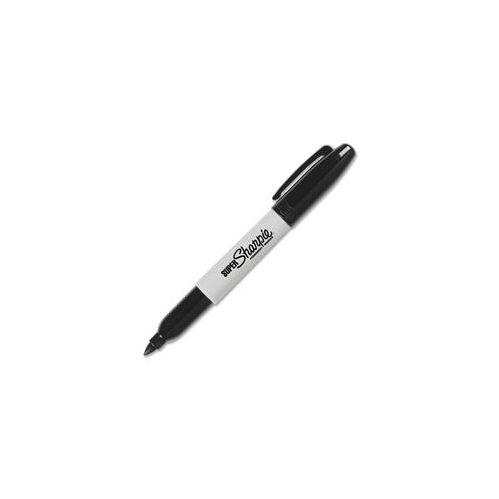 Your price for this item is $1.99
 -
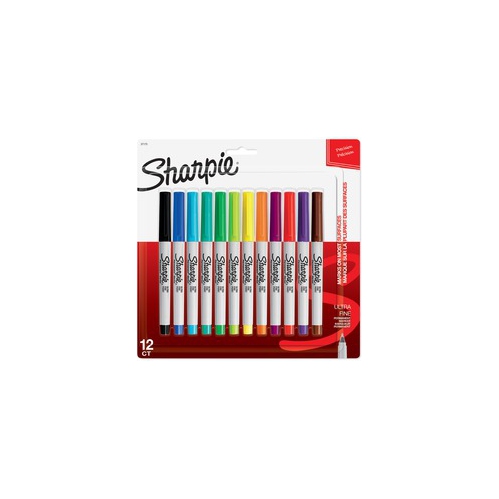 Your price for this item is $15.99
 -
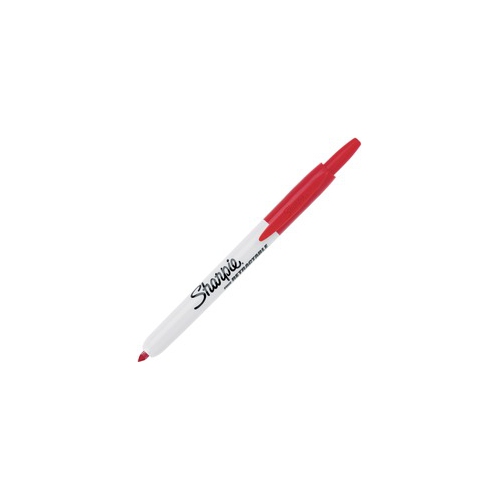 Your price for this item is $2.99
 -
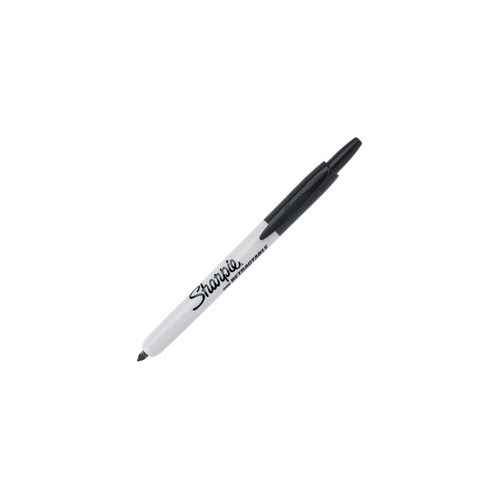 Your price for this item is $2.99
Discover more categories related to Marking Tools
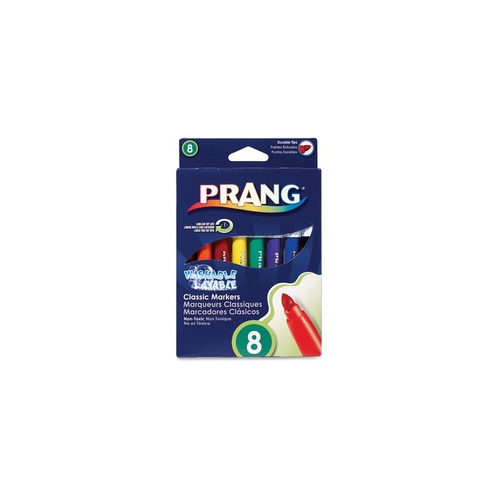
Top Collections:
Pokemon Centers, Kindle Devices, Best Budget Office Chairs, Apple iPhones 16, Best Laptops for Writers, iPhone 15 Apple, Canon G7X Cameras, Refurbished Apple Laptops, Alarm Clock, Motorola Razr Phones
Some products may be subject to Environmental Handling Fees
(EHF) depending on your province.
Learn more about EHFs.