Stamping Tools
Unleash your creativity with our wide selection of stamping tools, perfect for crafters and DIY enthusiasts alike. Whether you're personalizing cards, embellishing scrapbook pages, or adding unique details to home décor projects, these versatile tools offer endless possibilities. Explore a variety of options designed to help you achieve precise and intricate designs with ease. From beginners to seasoned artists, find the right tools to elevate your crafting experience and transform your creative visions into reality. Dive into the world of stamping and discover how these essential tools can add a personal touch to any project.
Sort

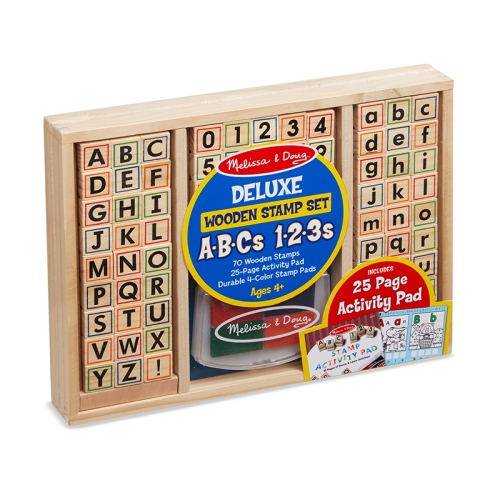
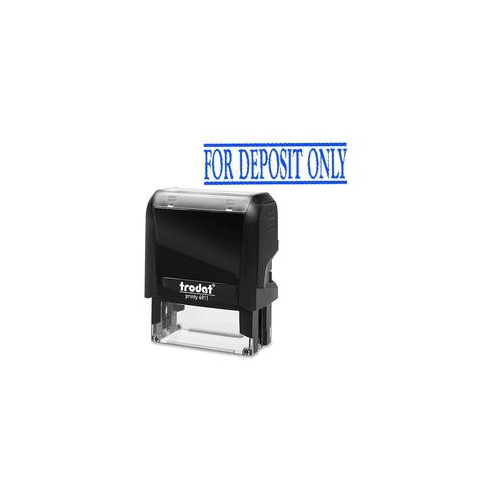
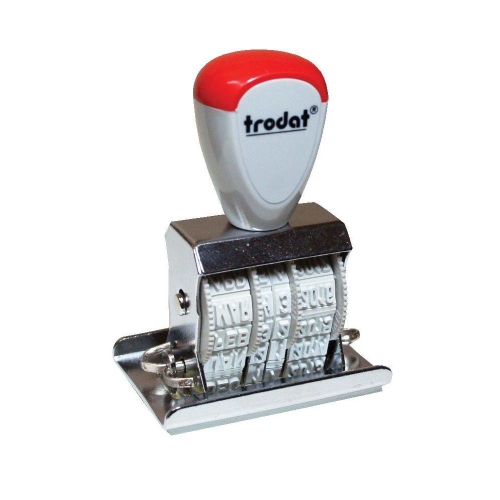
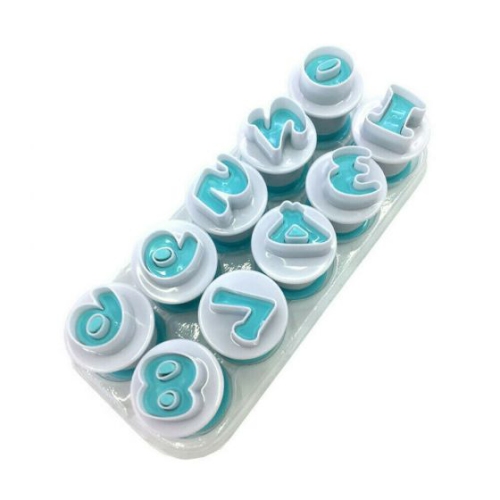
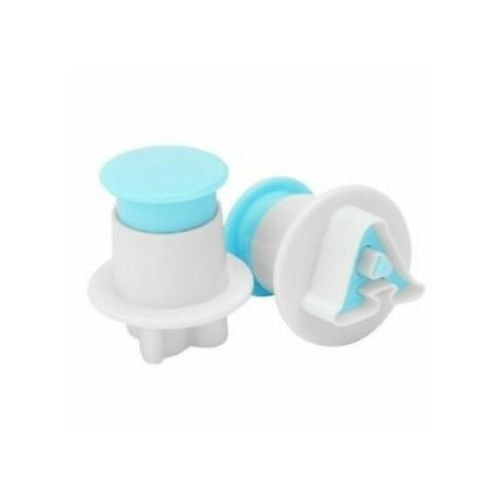
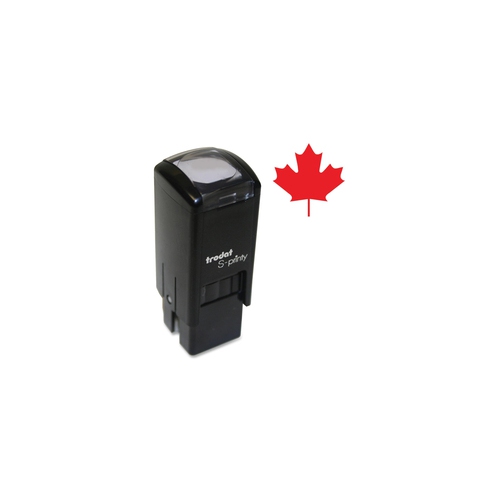
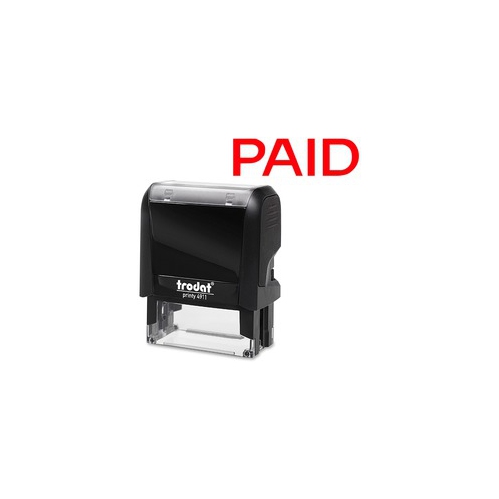
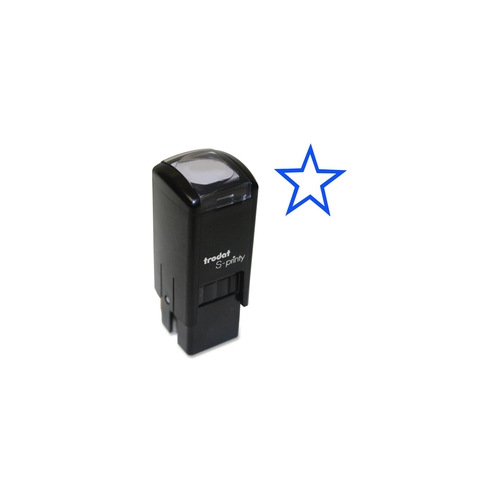
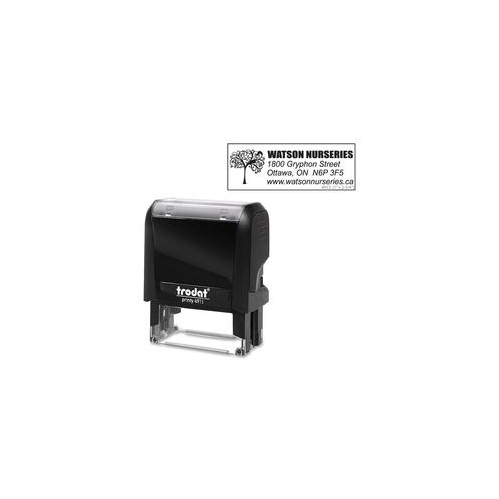
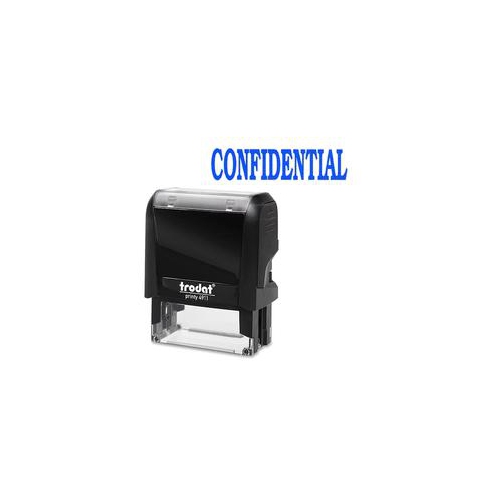
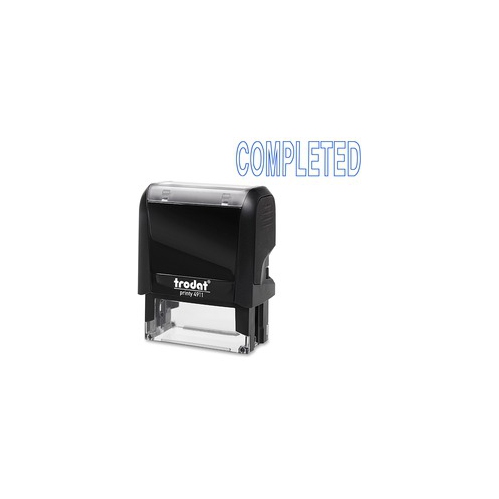
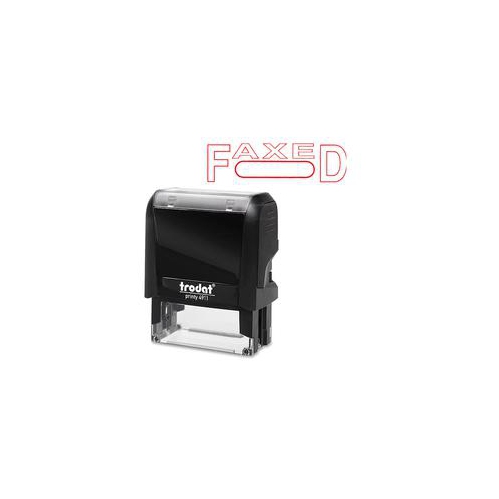
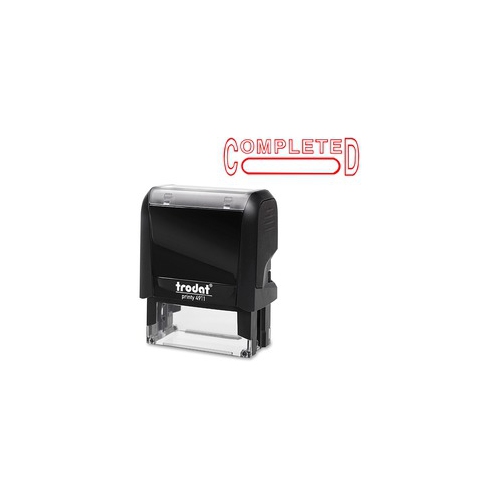
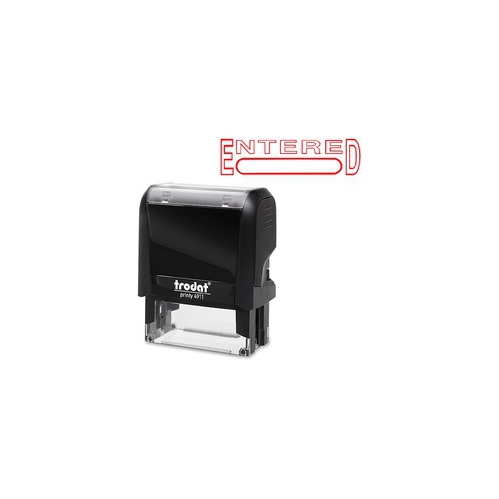
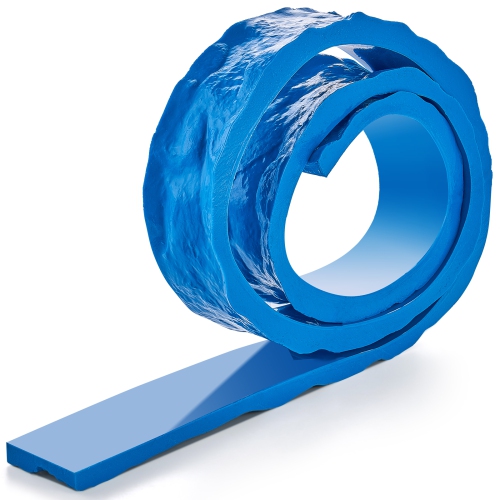

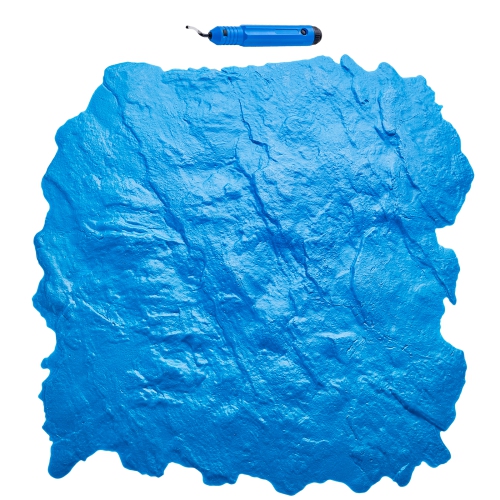
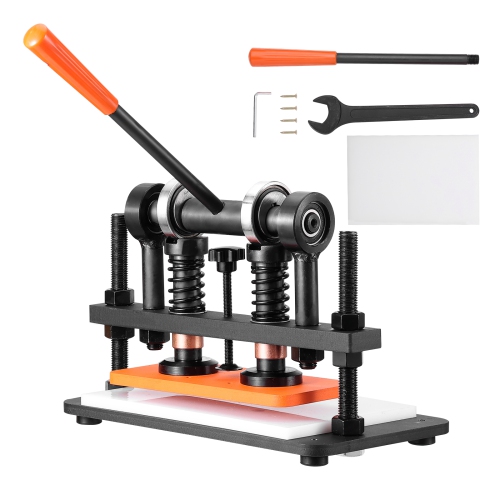
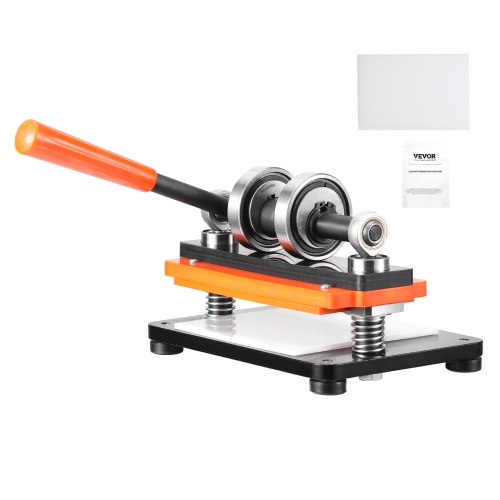
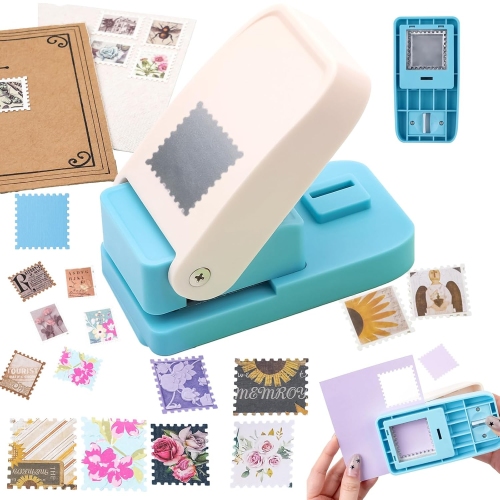
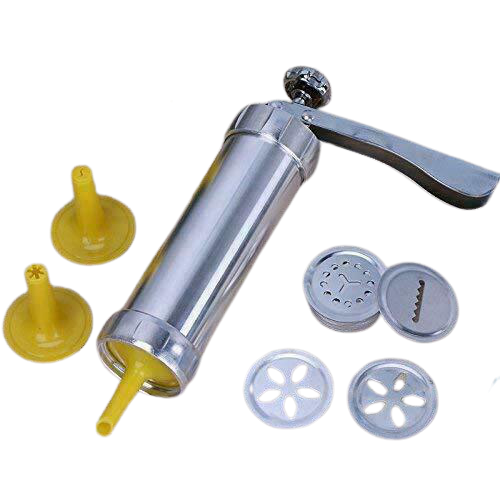
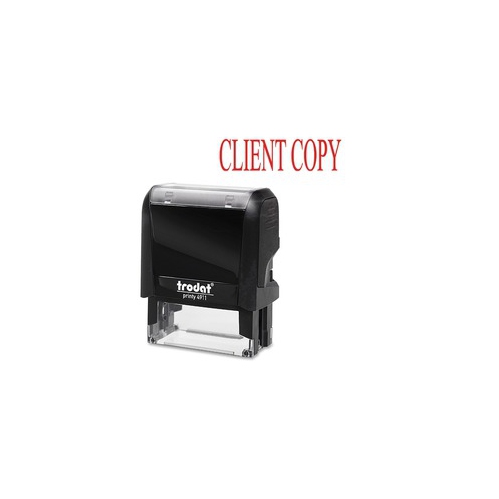
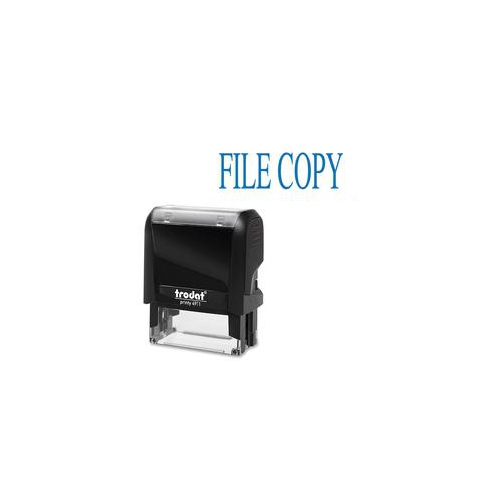
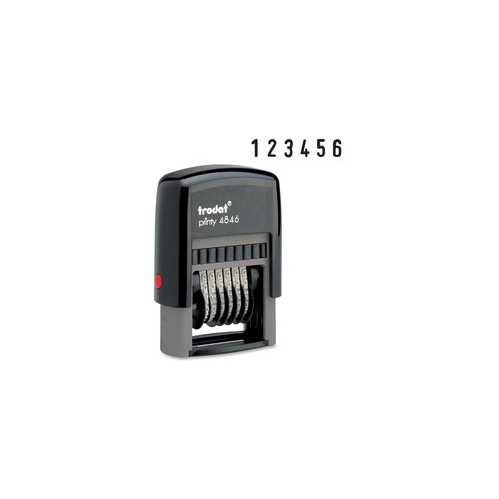
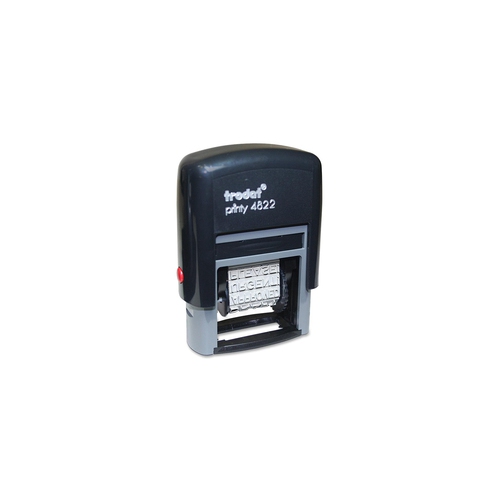
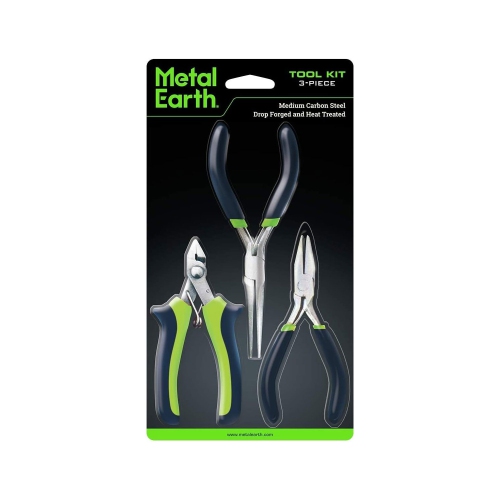

The difference between inked images and pressed impressions
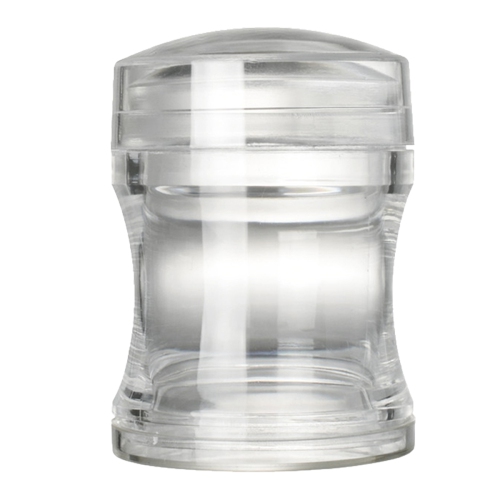
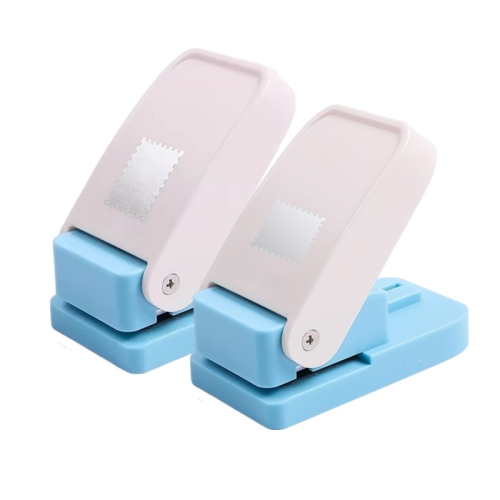
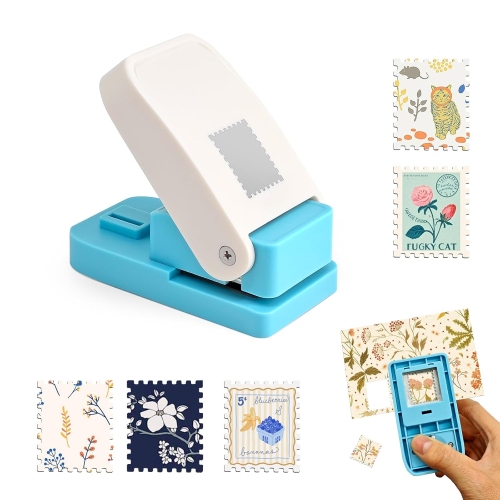
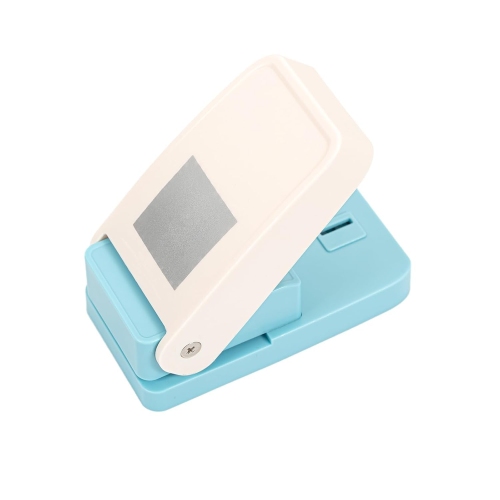
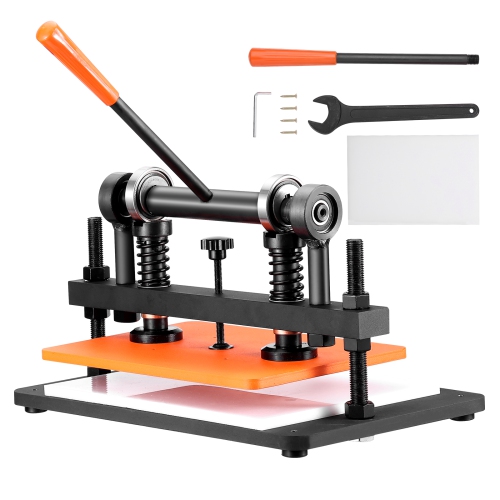
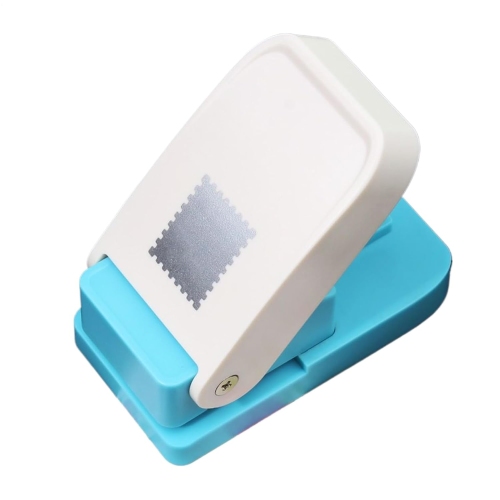
Stamping tools transfer an inked image or press an impression into a surface, adding lettering, patterns, borders, and other details to handmade projects. The term covers several types of equipment, from handheld stamp mounts and positioning platforms for paper crafts to striking tools that imprint leather or suitable metals. The main distinction is whether the project calls for colour on the surface or a physical mark in the material. For greeting cards, scrapbook pages, gift tags, and stationery, ink stamping creates anything from a fine botanical outline to a bold block of text. Clear stamps typically attach to transparent acrylic blocks, making it easier to see where an image will land, while mounted rubber stamps offer a familiar grip and a firm backing. A positioning platform holds the stamp on a hinged lid and keeps the paper aligned against guides or beneath compatible holding accessories. This arrangement allows repeated impressions in the same place, which is useful when a large solid design needs a second application of ink or when several invitations need matching layouts. Pressure tools help distribute downward force over the platform lid, although comfort depends on the handle shape, grip, and amount of force required. The working area matters as much as the overall footprint: a platform must accommodate both the paper and the placement of the design, especially when a border extends close to an edge. Stamp thickness also affects compatibility, since some platforms support clear and cling rubber stamps through different lid positions or removable inserts. For someone making a few thank-you notes at a kitchen table, a compact setup can be easy to store between projects. A crafter arranging layered flowers, precise lettering, or a series of matching cards may value a larger work surface, visible grid lines, and reliable registration more. These differences make stamping tools useful to occasional makers and experienced papercrafters alike, with the intended project shaping which features matter most.
Materials and construction influence how stamping tools feel in the hand, how clearly they print, and how well they stand up to repeated use. A transparent acrylic block offers visibility, while sufficient thickness and comfortably shaped edges make it easier to grip without touching the inked design. A block close to the size of the stamp can be more manageable than an oversized mount, provided the full stamp has support. With positioning platforms, a stable base, secure hinge, and clearly marked alignment guides contribute to consistent results. A small amount of unwanted movement can show up as a blurred outline when an image is stamped twice. Paper selection has an equally noticeable effect: smooth cardstock generally captures fine lines more evenly than heavily textured paper, which can leave small gaps in an impression. Absorbent paper may soften an outline as ink spreads, while coated surfaces often need ink formulated to adhere to them. Dye, pigment, and specialty inks differ in drying behaviour and surface compatibility, so the ink, stamp material, and project surface need to work together. A crisp address label and a softly shaded journal page ask for different results, even when both begin with a simple stamp. For raised details, Embossing Tools relate closely to stamping, particularly when a stamped image is finished with embossing powder and an appropriate craft heat tool. That process creates a raised coating rather than pressing the design into the paper; dry embossing creates relief by shaping the paper itself. Care helps preserve the detail that makes these techniques effective. Stamp-safe cleaners suited to the ink help remove residue without unnecessary abrasion, and stamps should be dry before storage. Solvents can damage some stamp materials or cloud acrylic, so cleaner compatibility is important. Clear stamps benefit from storage on their backing sheets, protected from direct light and excessive heat, while blocks and platform lids need gentle cleaning to maintain visibility. A tidy storage arrangement also keeps small lettering stamps, alignment accessories, and ink pads together, reducing interruptions during detailed work.
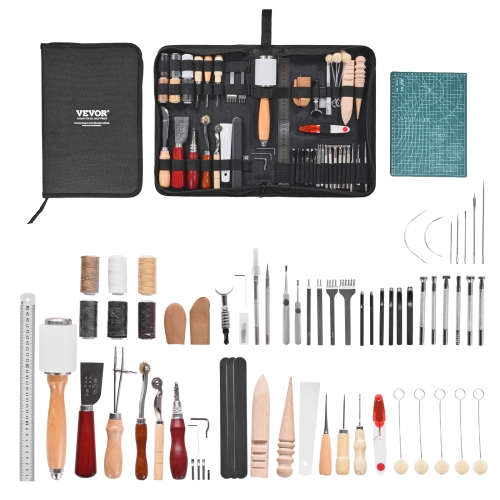
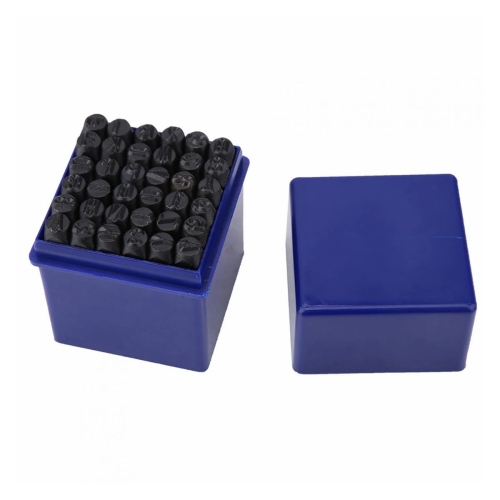
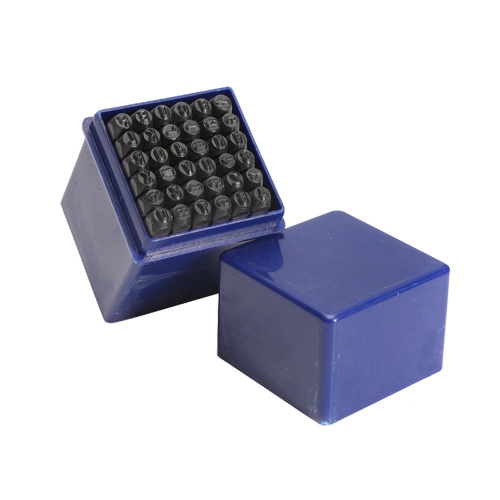
Leather and metal stamping tools serve a different purpose from ink-based papercraft equipment: their shaped faces displace the surface to leave a lasting impression. Letter and number punches can personalize a suitable blank, while patterned leather stamps create borders, textured areas, and recessed details on projects such as straps, notebook covers, and small accessories. These tools are not interchangeable simply because they produce similar-looking marks. Leather suitability depends on its tanning method and finish; vegetable-tanned leather is commonly used for traditional tooling, whereas soft, heavily finished, or chrome-tanned leather may not hold the same definition. Metal stamps need to be rated for the intended metal and its hardness. A punch designed for softer metals should not be assumed suitable for steel, and stamping can distort a thin blank or damage a finished object. Tool steel quality, a cleanly formed face, and resistance to wear matter for repeated impressions, but durability still depends on matching the tool to the task. Character height, font style, and punch dimensions influence both readability and spacing. A short name on a narrow tag leaves little room for uneven alignment, making guides and a stable work support valuable. Struck stamps also require an appropriate striking tool and backing surface, along with eye protection and careful finger placement. Industrial identification equipment is a separate category with application-specific requirements, not a substitute for ordinary craft punches. After use, metal tools benefit from being kept clean and dry, with any protective treatment applied according to their care requirements and kept away from surfaces it could stain. For gifting, stamping equipment is most useful when it complements a recipient’s existing craft: a card maker may appreciate precise alignment, a journal enthusiast may favour small repeatable motifs, and a leatherworker may be more interested in the shape and depth of an impression. Beginners often benefit from a manageable range of compatible tools rather than an assortment spanning unrelated materials. Whether the goal is a neat row of initials or a carefully layered paper design, the most satisfying results come from tools that suit the surface, the scale of the work, and the maker’s preferred way of creating.
Materials and construction influence how stamping tools feel in the hand, how clearly they print, and how well they stand up to repeated use. A transparent acrylic block offers visibility, while sufficient thickness and comfortably shaped edges make it easier to grip without touching the inked design. A block close to the size of the stamp can be more manageable than an oversized mount, provided the full stamp has support. With positioning platforms, a stable base, secure hinge, and clearly marked alignment guides contribute to consistent results. A small amount of unwanted movement can show up as a blurred outline when an image is stamped twice. Paper selection has an equally noticeable effect: smooth cardstock generally captures fine lines more evenly than heavily textured paper, which can leave small gaps in an impression. Absorbent paper may soften an outline as ink spreads, while coated surfaces often need ink formulated to adhere to them. Dye, pigment, and specialty inks differ in drying behaviour and surface compatibility, so the ink, stamp material, and project surface need to work together. A crisp address label and a softly shaded journal page ask for different results, even when both begin with a simple stamp. For raised details, Embossing Tools relate closely to stamping, particularly when a stamped image is finished with embossing powder and an appropriate craft heat tool. That process creates a raised coating rather than pressing the design into the paper; dry embossing creates relief by shaping the paper itself. Care helps preserve the detail that makes these techniques effective. Stamp-safe cleaners suited to the ink help remove residue without unnecessary abrasion, and stamps should be dry before storage. Solvents can damage some stamp materials or cloud acrylic, so cleaner compatibility is important. Clear stamps benefit from storage on their backing sheets, protected from direct light and excessive heat, while blocks and platform lids need gentle cleaning to maintain visibility. A tidy storage arrangement also keeps small lettering stamps, alignment accessories, and ink pads together, reducing interruptions during detailed work.
Leather and metal stamping tools serve a different purpose from ink-based papercraft equipment: their shaped faces displace the surface to leave a lasting impression. Letter and number punches can personalize a suitable blank, while patterned leather stamps create borders, textured areas, and recessed details on projects such as straps, notebook covers, and small accessories. These tools are not interchangeable simply because they produce similar-looking marks. Leather suitability depends on its tanning method and finish; vegetable-tanned leather is commonly used for traditional tooling, whereas soft, heavily finished, or chrome-tanned leather may not hold the same definition. Metal stamps need to be rated for the intended metal and its hardness. A punch designed for softer metals should not be assumed suitable for steel, and stamping can distort a thin blank or damage a finished object. Tool steel quality, a cleanly formed face, and resistance to wear matter for repeated impressions, but durability still depends on matching the tool to the task. Character height, font style, and punch dimensions influence both readability and spacing. A short name on a narrow tag leaves little room for uneven alignment, making guides and a stable work support valuable. Struck stamps also require an appropriate striking tool and backing surface, along with eye protection and careful finger placement. Industrial identification equipment is a separate category with application-specific requirements, not a substitute for ordinary craft punches. After use, metal tools benefit from being kept clean and dry, with any protective treatment applied according to their care requirements and kept away from surfaces it could stain. For gifting, stamping equipment is most useful when it complements a recipient’s existing craft: a card maker may appreciate precise alignment, a journal enthusiast may favour small repeatable motifs, and a leatherworker may be more interested in the shape and depth of an impression. Beginners often benefit from a manageable range of compatible tools rather than an assortment spanning unrelated materials. Whether the goal is a neat row of initials or a carefully layered paper design, the most satisfying results come from tools that suit the surface, the scale of the work, and the maker’s preferred way of creating.
Top selling and popular products
-
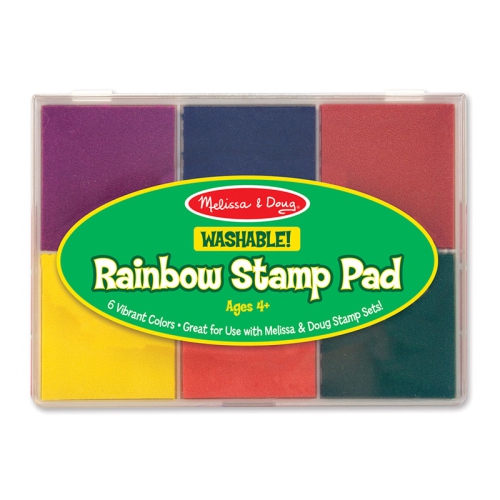 Your price for this item is $26.79
 -
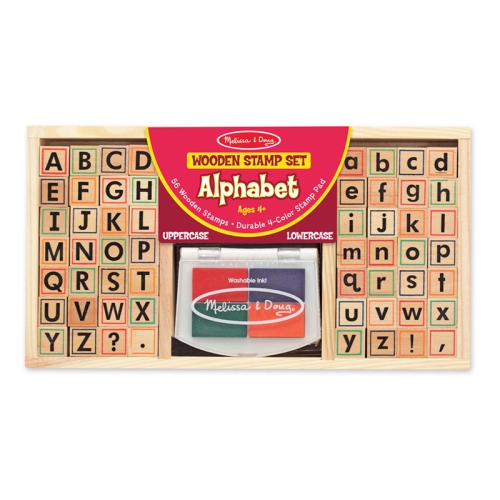 Your price for this item is $38.99
 -
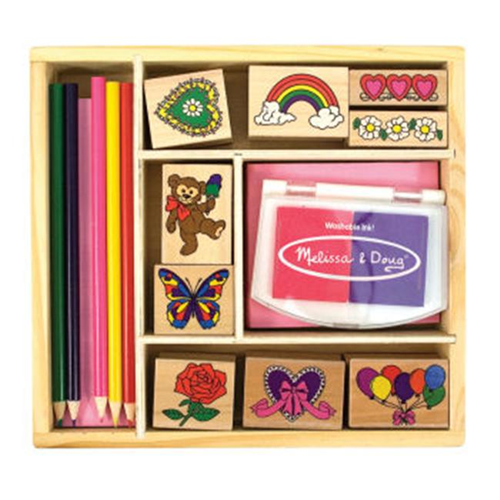 Your price for this item is $28
 -
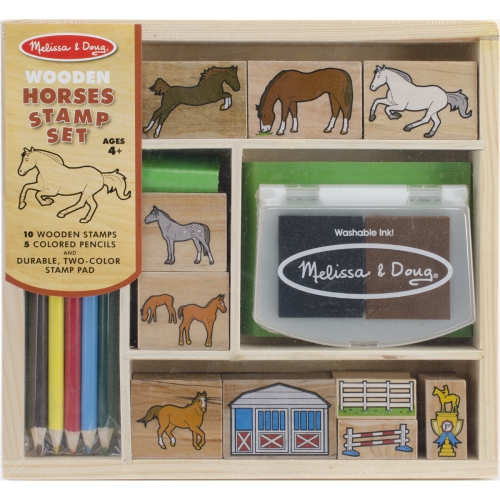 Your price for this item is $41.19
 -
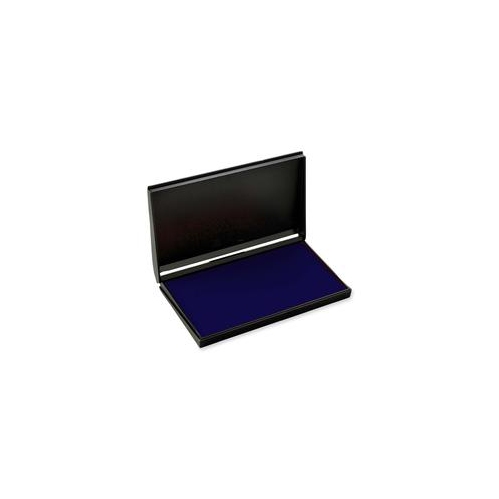 Your price for this item is $6.9
 -
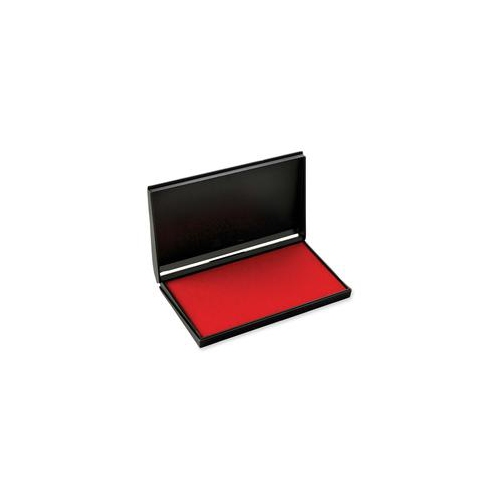 Your price for this item is $6.99
 -
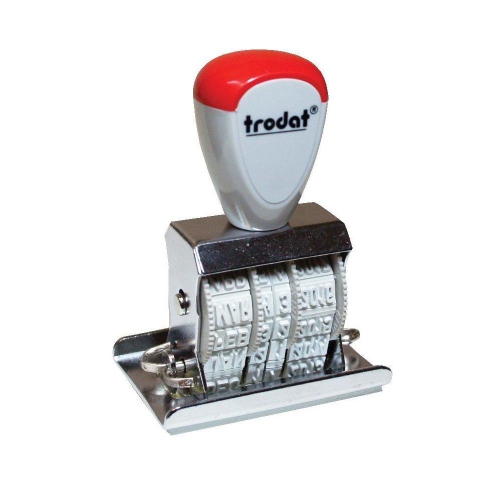 Your price for this item is $7.99
 -
 Your price for this item is $8.99
Discover more categories related to Stamping Tools
Top Collections:
Pokemon Centers, Kindle Devices, Best Budget Office Chairs, Apple iPhones 16, Best Laptops for Writers, iPhone 15 Apple, Canon G7X Cameras, Refurbished Apple Laptops, Alarm Clock, Motorola Razr Phones
Some products may be subject to Environmental Handling Fees
(EHF) depending on your province.
Learn more about EHFs.