Printer Ink Refills
Looking to keep your printer running smoothly without breaking the bank? Look no further than our selection of printer ink refills. Whether you're printing important documents for work, school assignments, or cherished family photos, having a reliable ink supply is essential. With our range of printer ink refills, you can find the perfect match for your printer model, ensuring crisp and vibrant prints every time. Say goodbye to blurry text and faded images; our ink refills are designed to deliver exceptional quality at an affordable price. Explore our collection today and never worry about running out of ink again!
Sort
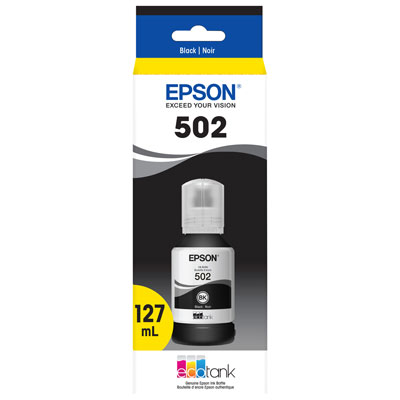
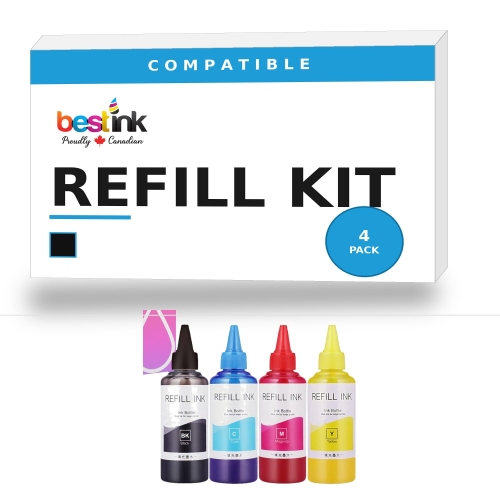


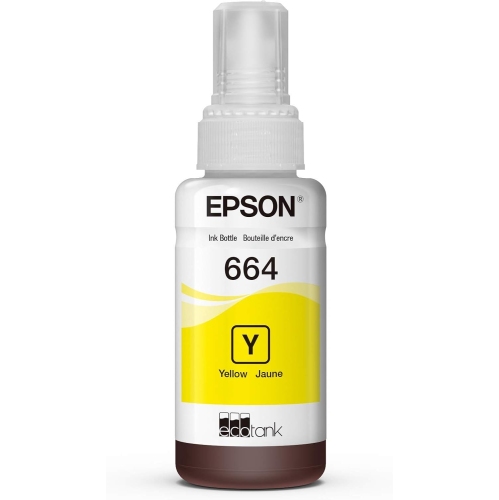


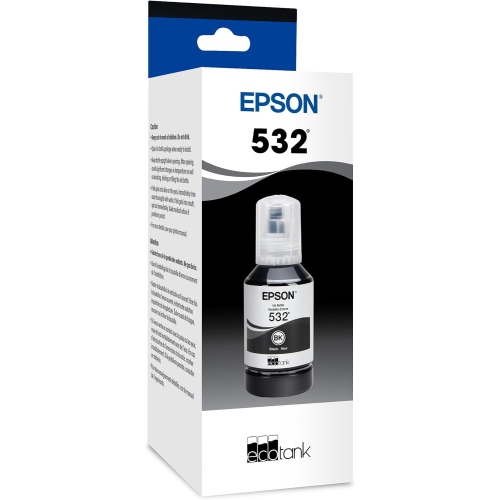

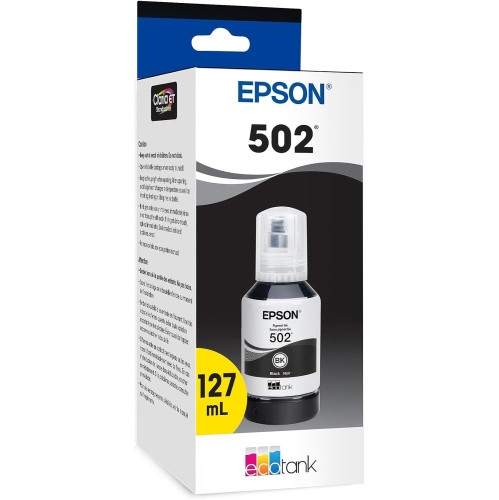


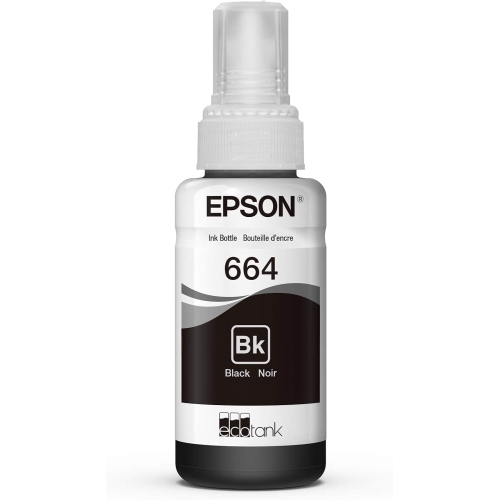


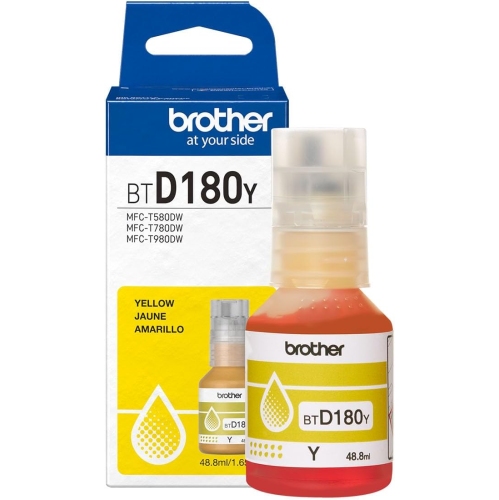


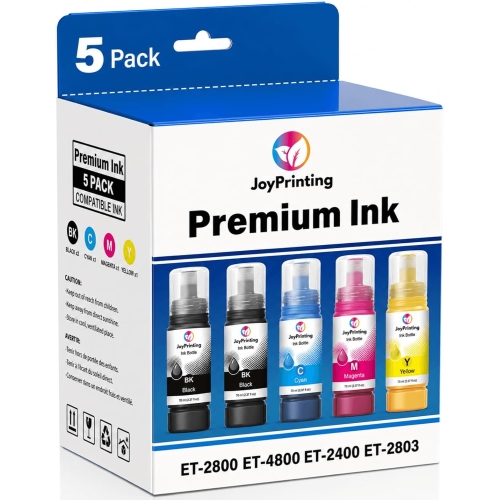


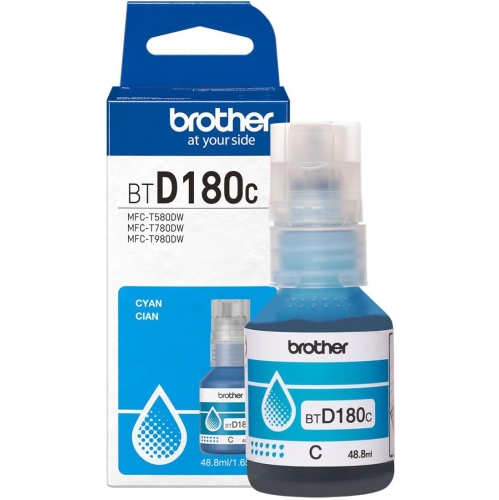


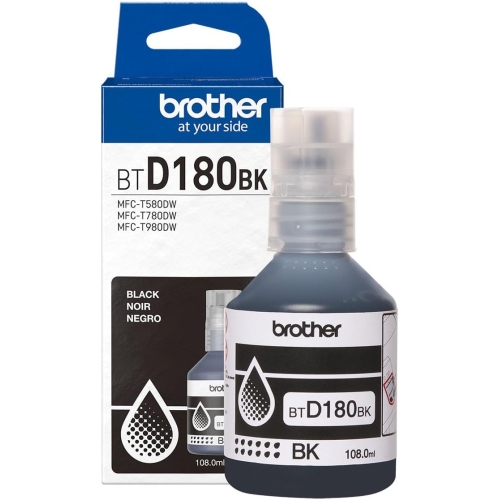


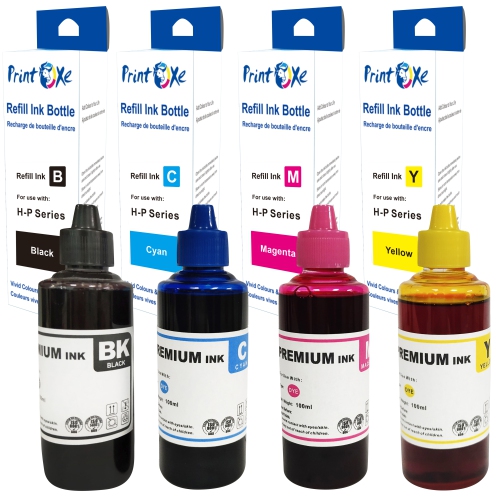
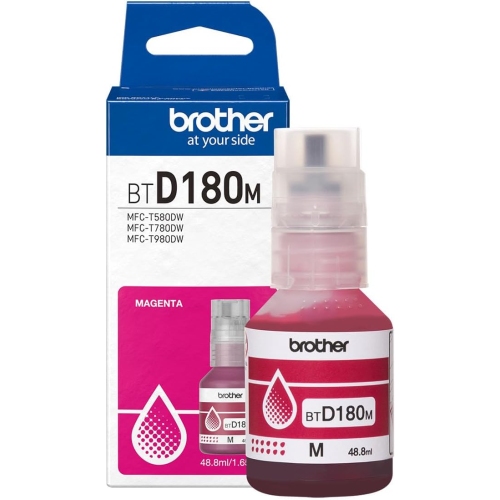

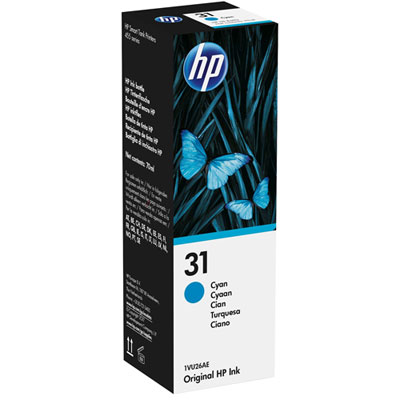


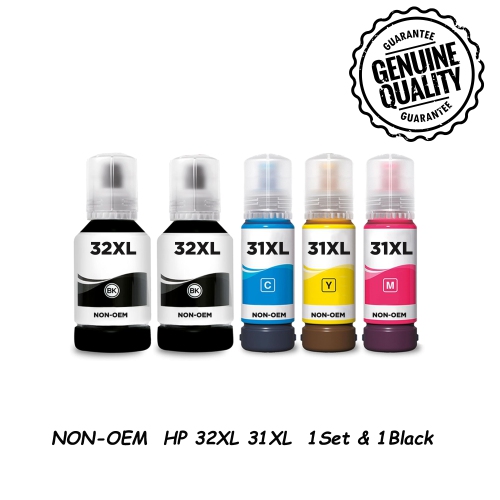
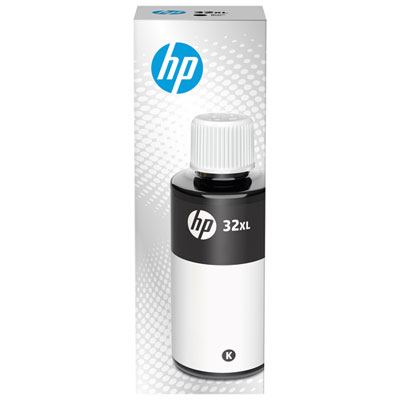
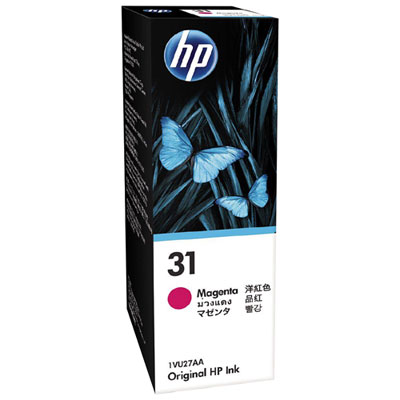




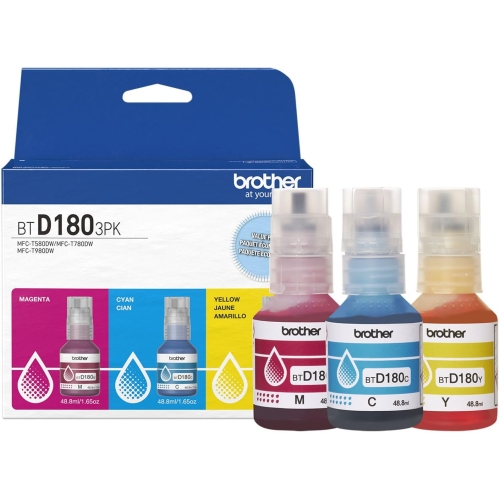

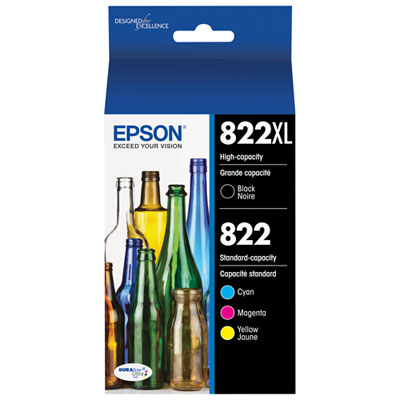


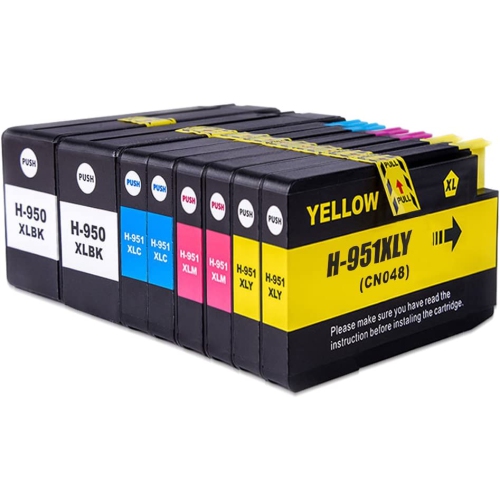
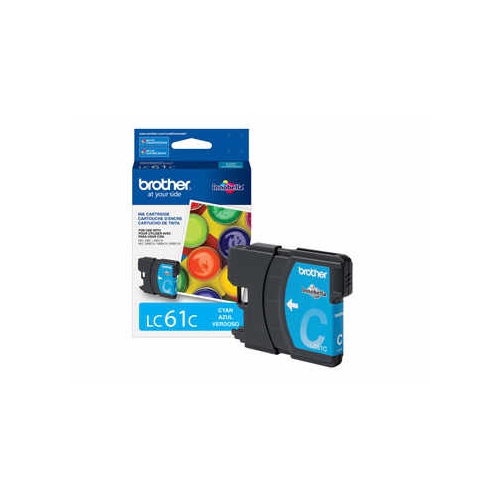







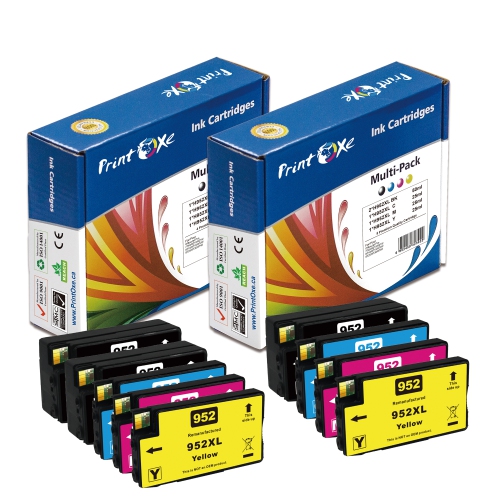


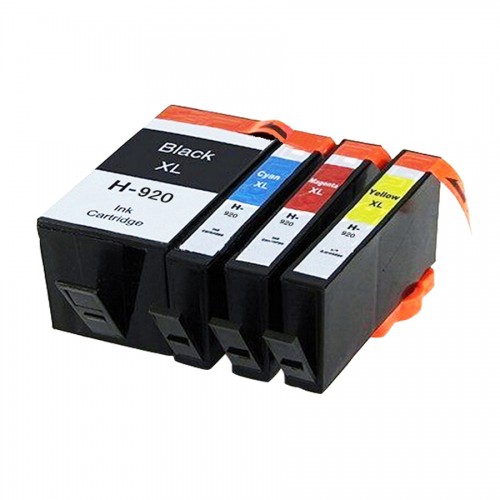
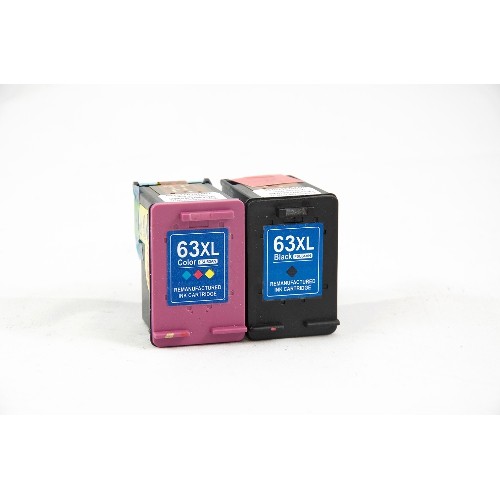
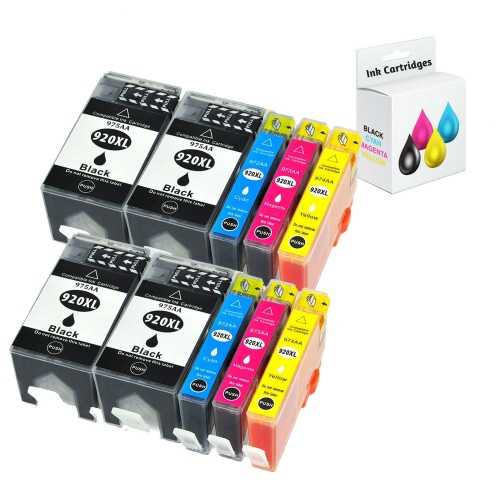


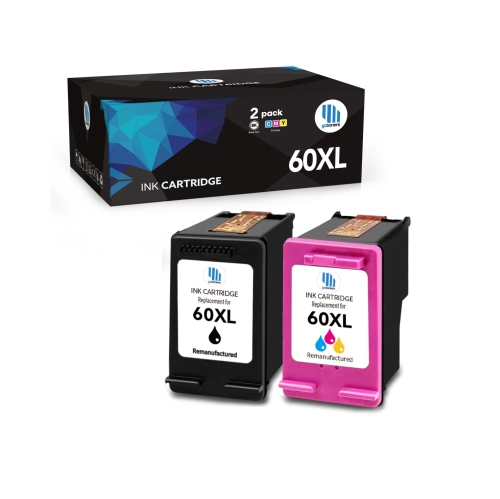


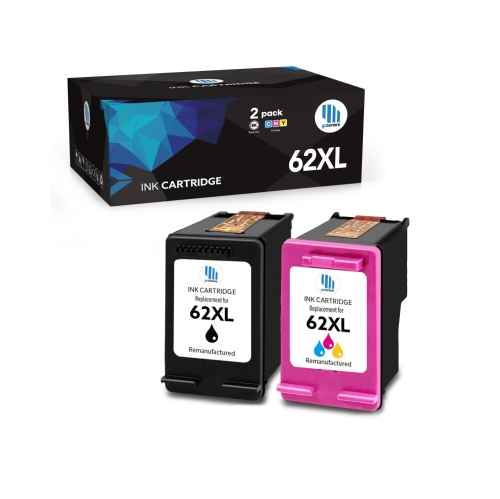


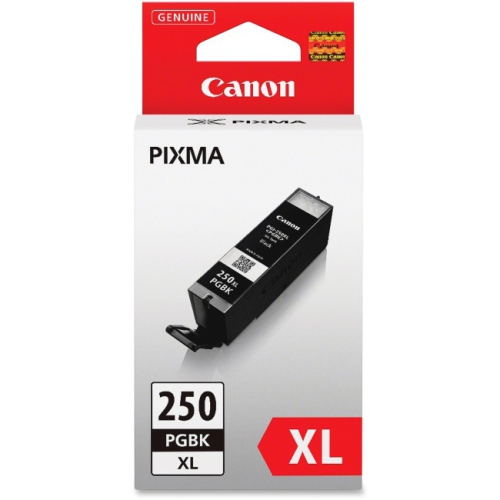


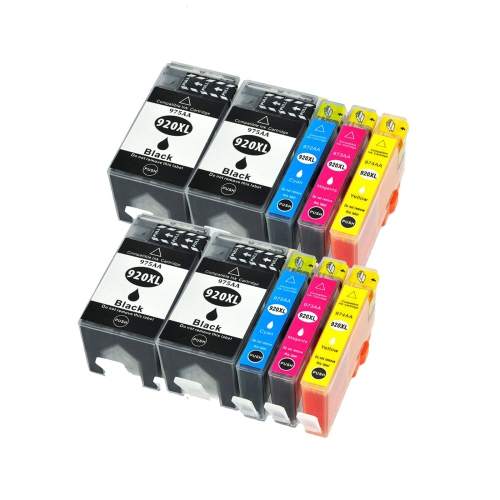


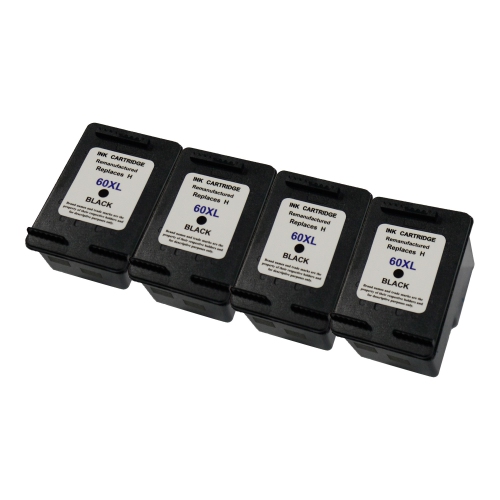
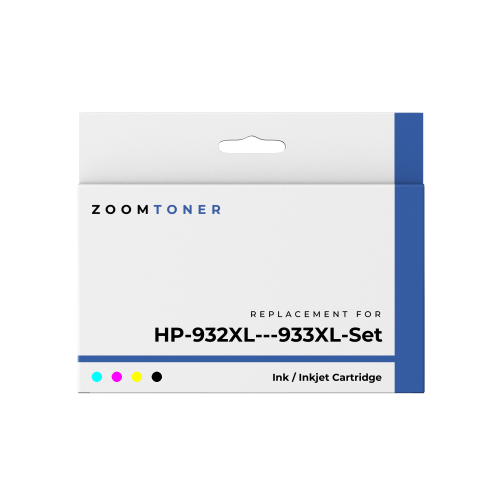

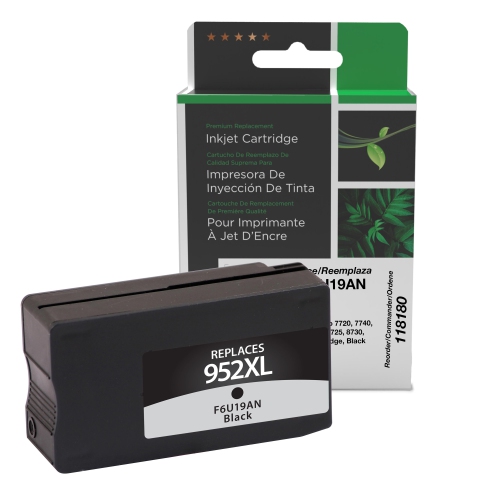


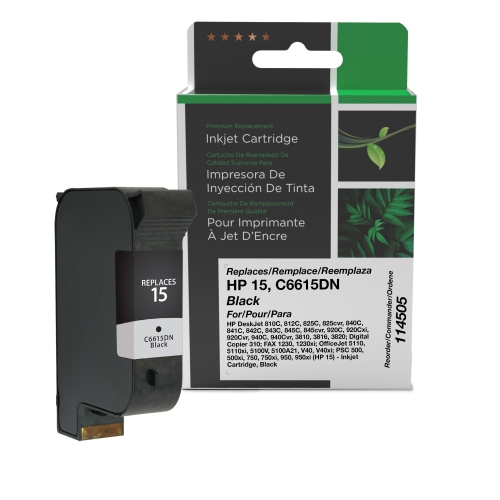
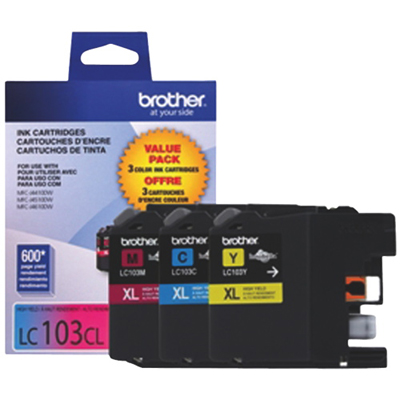


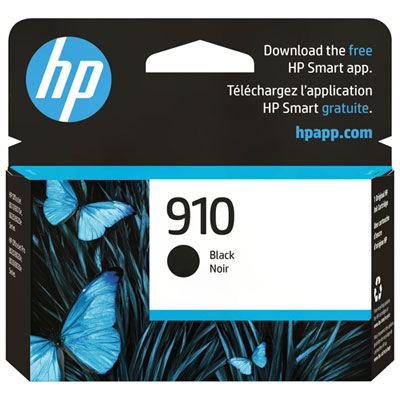


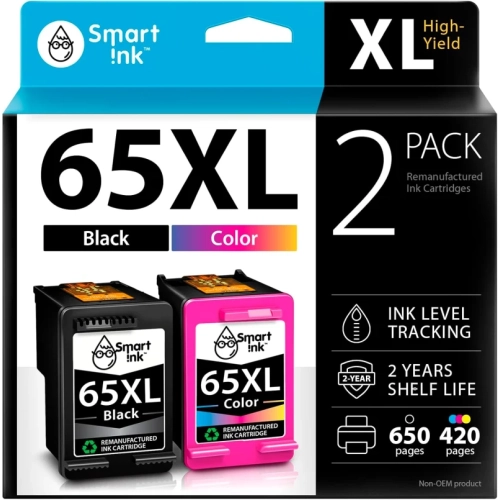


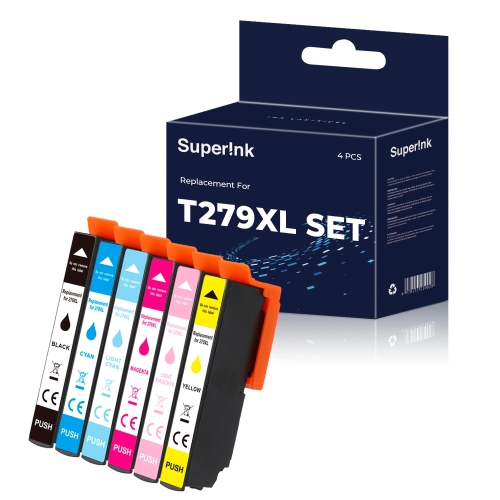


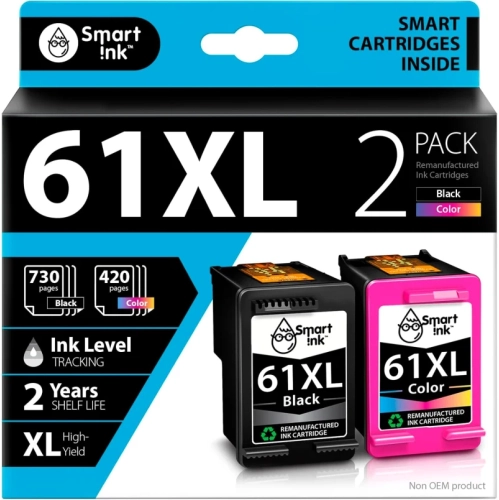



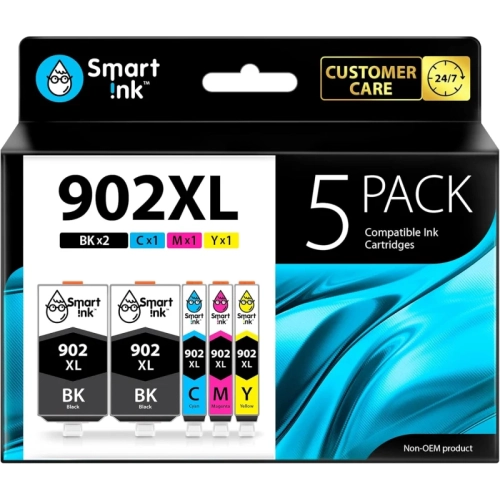


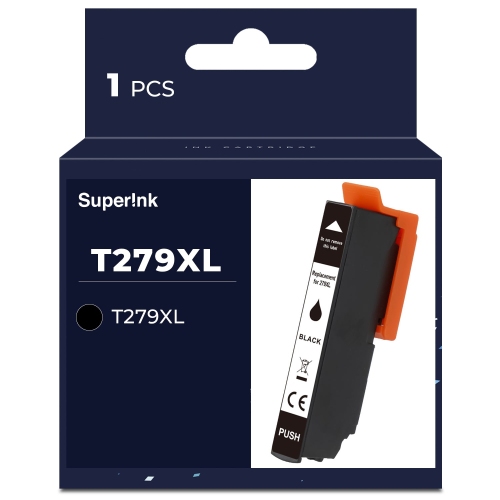
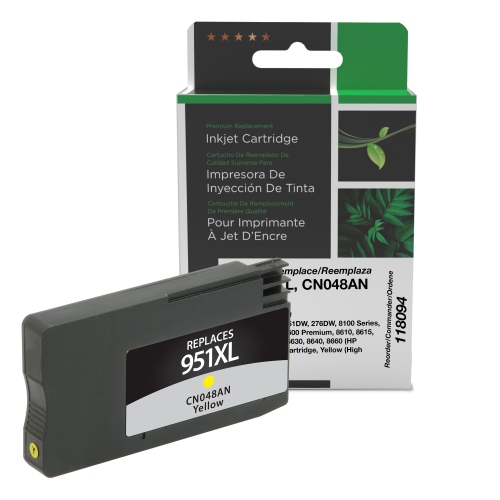
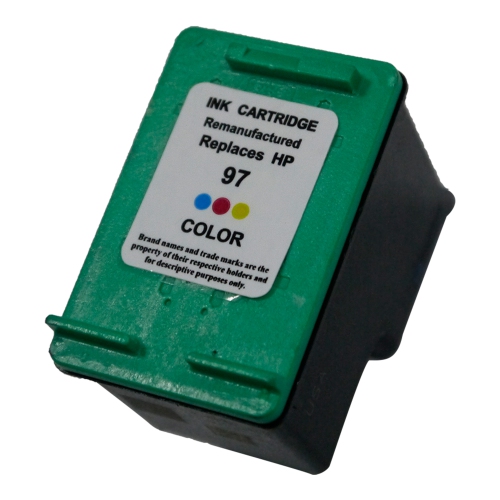


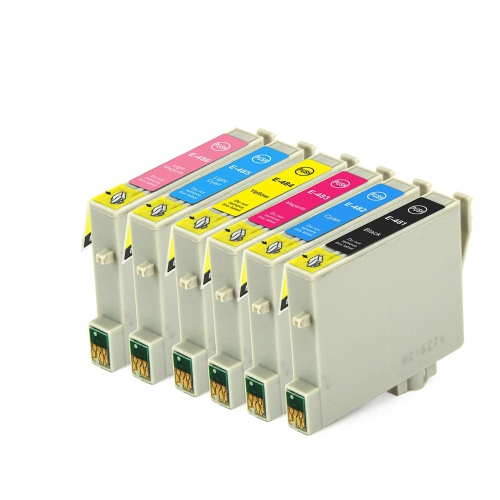


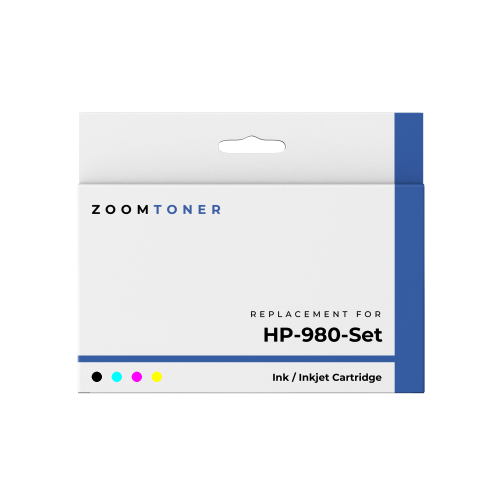

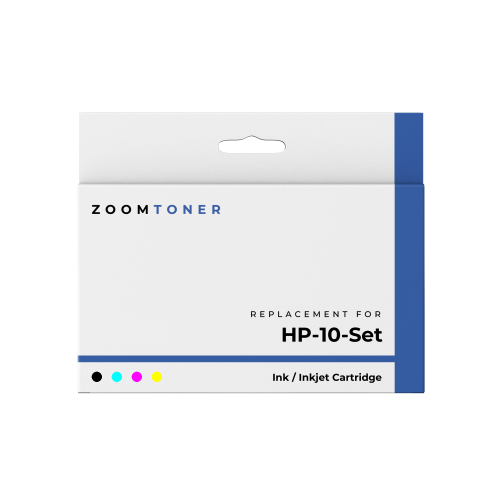
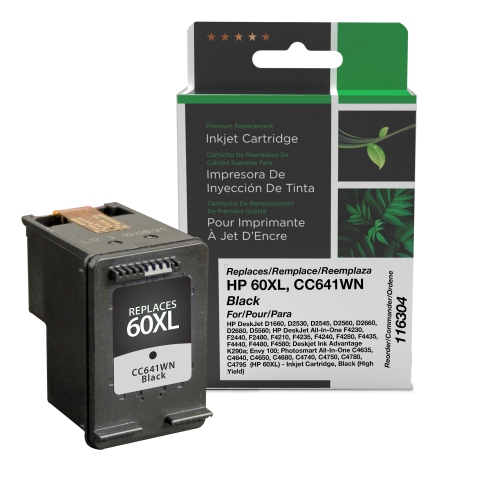
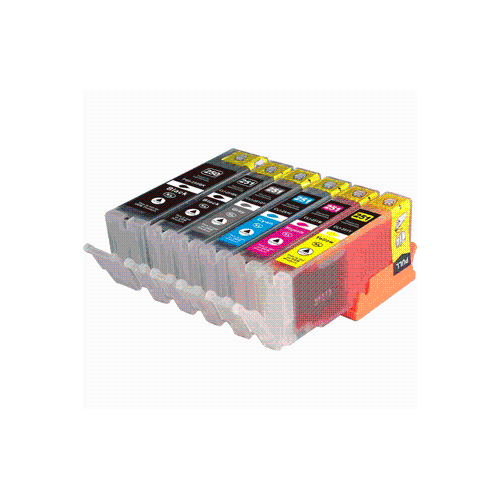
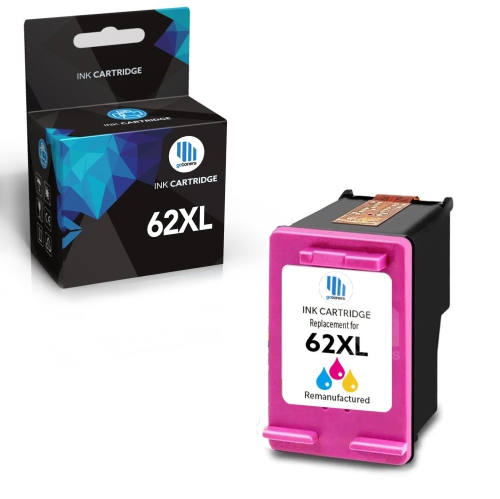


The right refill starts with your exact printer model
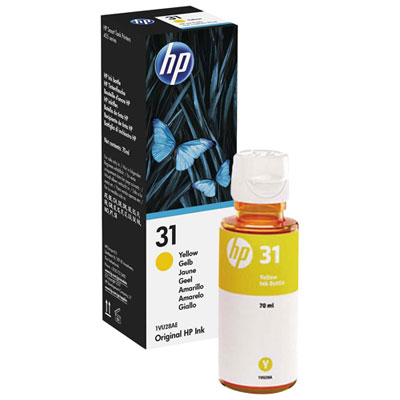
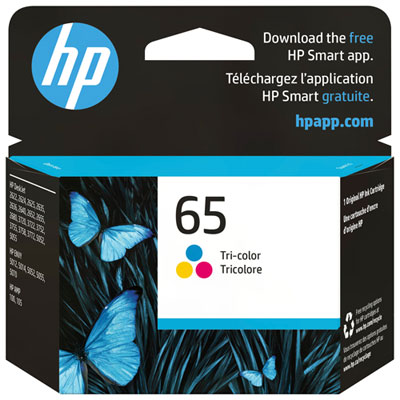
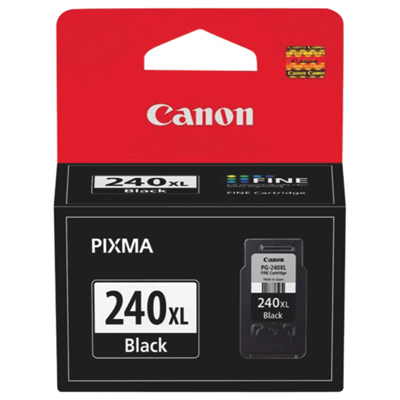
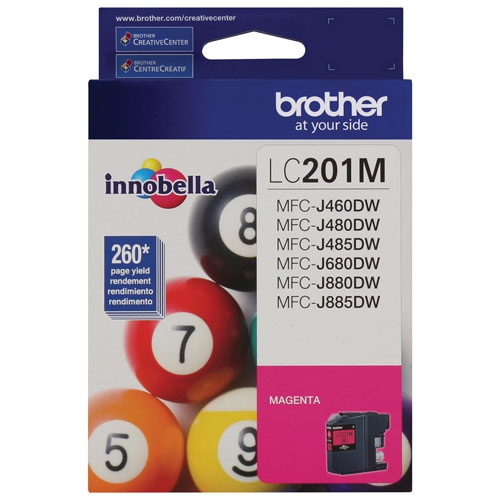
Printer ink refills replenish the liquid ink used by compatible inkjet printers, whether through a refillable cartridge or a built-in ink tank. The category includes bottled ink and refill kits designed for particular printing systems, rather than the powdered toner used in laser printers. The most important fit information is the printer’s full model number, along with the cartridge number or ink bottle designation specified for that model. A similar-looking bottle, matching colour, or shared printer family name does not establish compatibility on its own. Ink formulation, bottle fittings, cartridge construction, and electronic recognition can all affect whether a refill is suitable. Some systems are designed for straightforward bottle-to-tank filling, while others require a kit intended for a particular cartridge design. Not every cartridge supports refilling, and adding ink does not necessarily reset an electronic ink-level indicator. Manufacturer-labelled inks and third-party compatible inks should each be assessed against the exact printer and refill system named on the packaging. A useful compatibility description identifies supported models clearly instead of relying only on broad statements about printer types. For a more focused collection, HP Cartridge Refills provides a related place to browse, with exact model and cartridge matching remaining essential. Black ink and individual colour refills also serve different needs: a printer used mainly for text may consume ink differently from one producing full-colour presentations or photographs. Separate cyan, magenta, yellow, and black reservoirs allow each colour to be replenished independently where the printer supports that arrangement. Other printers use combined colour cartridges, which require a different approach. Refill volume is another practical detail, but a bottle’s capacity should not be confused with a guaranteed number of printed pages. Page coverage, print settings, cleaning cycles, and the printer’s design all influence consumption. For a household sharing one printer or an office managing several machines, accurate model information helps distinguish a suitable refill from one that simply looks familiar. The cartridge code is often printed on the cartridge itself, while supported ink details may also appear in the printer’s documentation.
The right ink formulation supports the kind of printing that happens most often. A home office producing invoices, shipping labels, and meeting notes has different priorities from a household printing family photographs, illustrated school projects, and colourful craft templates. Crisp lettering, legible fine lines, smooth colour transitions, and consistent filled areas all depend on the interaction between ink, printer settings, and paper. Dye-based inks are often used for vivid colour and smooth photographic tones, while pigment-based inks are commonly chosen for sharp text and resistance to handling or moisture on suitable media. These are general characteristics, not interchangeable specifications: a printer designed for one formulation should receive only the ink approved for that system. Some printers combine pigment black with dye-based colours, so the word “black” alone is not enough to identify the correct refill. Paper matters just as much. Everyday documents, coated presentation sheets, and photo paper absorb and hold ink differently, and the matching paper setting controls how the printer lays ink down. A photograph that looks rich on coated paper may appear flatter on ordinary copy paper, even with the same refill. For text-heavy work, a draft or standard setting may be entirely appropriate; detailed images can call for a higher-quality setting and suitable media. Printed sheets also need the drying time specified for the ink and paper before stacking, handling, or placing them in sleeves. Frequent printing can make larger refill capacities practical, while occasional use makes storage and the manufacturer’s stated usage period more relevant. Larger quantities are not automatically the best fit for a printer that produces only a few pages at a time. Ink consumption can also be uneven: a batch of blue presentation graphics may draw heavily on cyan, while repeated monochrome documents place more demand on black. These everyday patterns help explain why refill formats vary and why a complete colour set is not always the same practical choice as an individual colour refill.
Refill packaging and handling features can make a noticeable difference at a busy desk. Bottles may have shaped nozzles, resealable caps, or keyed connections intended to fit designated tank openings. Cartridge refill kits may include measured applicators, syringes, sealing components, or protective gloves, depending on the cartridge system. These accessories serve different purposes, so their usefulness depends on the printer rather than the number of pieces in the package. A tank bottle designed to connect directly to a filling port should not be treated as a universal cartridge refill tool. Likewise, a cartridge with an integrated printhead needs handling that protects both its ink outlets and electrical contacts. Clear fill markings, readable colour labels, and secure closures are particularly helpful when several bottles are kept together. Ink can stain desks, fabric, and hands, making a protected work surface and careful handling sensible wherever refilling takes place. Each colour needs its designated opening and suitable equipment; accidental mixing can affect output and may be difficult to correct. Filling beyond the specified level can also interfere with proper operation, so the printer’s stated capacity matters more than using the entire contents of a bottle. Between uses, ink belongs in its original, tightly closed container, stored upright and away from direct light according to the label. Keeping the original label intact preserves compatibility details, handling information, and any stated use-by date. Ink should also be kept away from children and pets. Once a supported refill is complete, the printer may require its own maintenance or recognition process before normal printing resumes. Refilling replenishes ink, but it does not repair a damaged cartridge, worn printhead, leaking seal, or failed electronic component. Regular use and manufacturer-directed maintenance can help support consistent output, while persistent streaks or missing colours may need attention beyond another refill. For everyday documents and carefully prepared images alike, a well-matched refill combines the correct formulation, appropriate delivery format, and clear care information for the printer it serves.
Top selling and popular products
-
 Your price for this item is $40.99
-
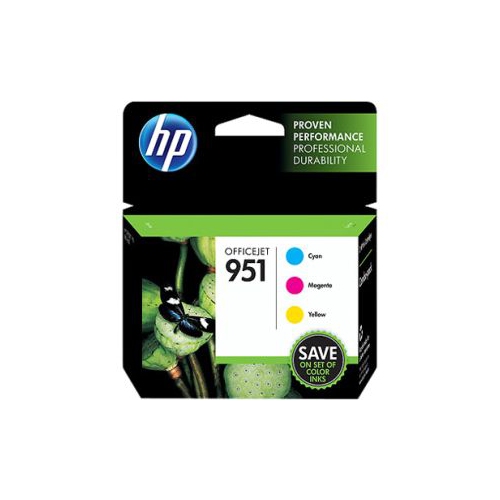 Your price for this item is $128.99
-
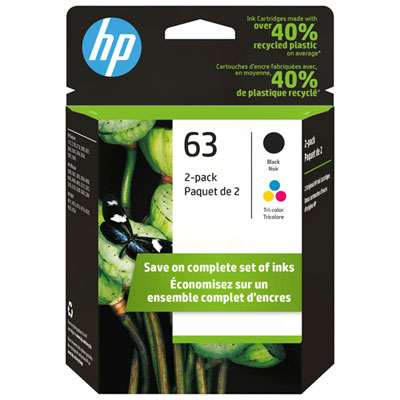 Your price for this item is $109.99
-
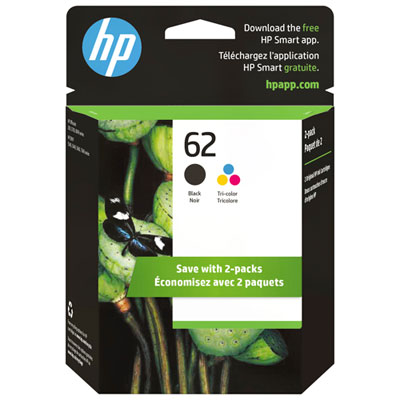 Your price for this item is $89.99
-
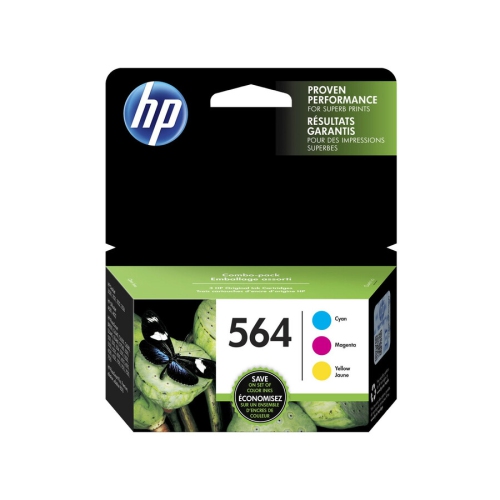 Your price for this item is $89.99
-
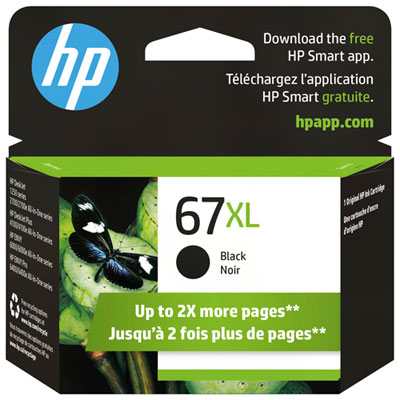 Your price for this item is $52.99
-
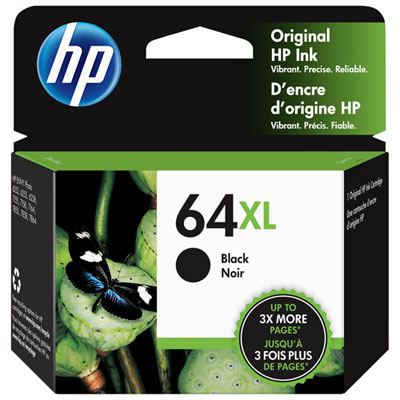 Your price for this item is $101.99
-
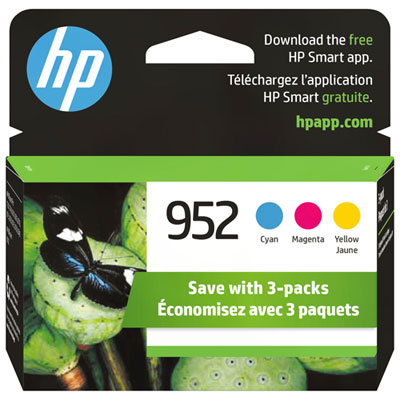 Your price for this item is $153.99
Discover more categories related to Printer Ink Refills
Top Collections:
Best Black Friday Deals This Year, Best Black Friday Deals On Electronics, Kindle Devices, Pokemon Centers, Best Black Friday Deals On Apple Products, Best Cameras for Sports Photography, Dyson Airwrap, Pokémon 30th Celebration Cards, Apple iPhone 17 Pro, Canon G7X Cameras
Some products may be subject to Environmental Handling Fees
(EHF) depending on your province.
Learn more about EHFs.