Refill Printer Cartridges
Refill printer cartridges are a convenient solution for keeping your home or office printer running smoothly. Whether you print documents, photos, or creative projects, having extra cartridges on hand ensures you’re always prepared. Explore a wide selection of refill printer cartridges designed to fit a variety of models and printing needs. Find the right options to help maintain high-quality prints and consistent performance with every use.
Sort


Why ink colour alone cannot confirm cartridge compatibility
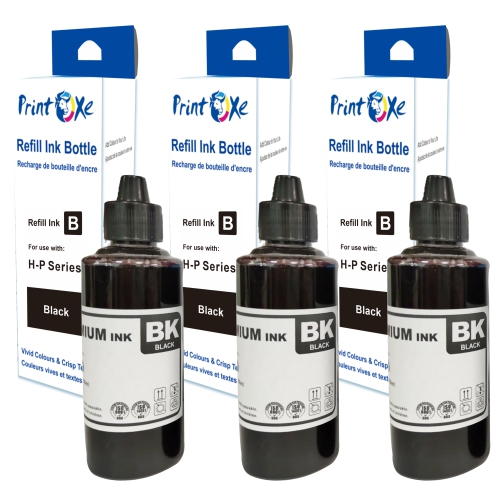
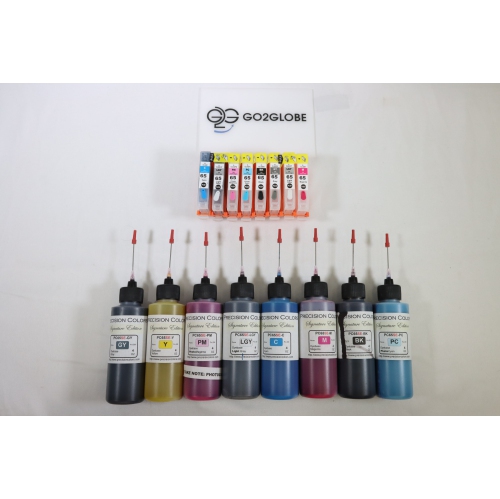
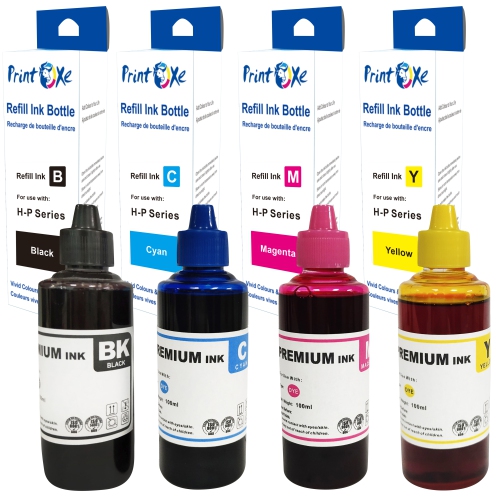
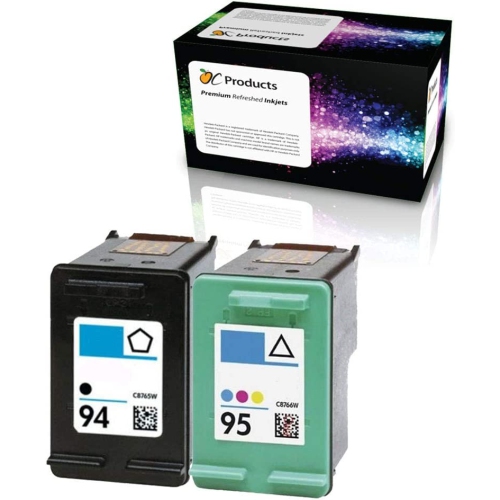
Printer cartridge refill supplies are designed to replenish ink in compatible inkjet cartridges rather than replace the entire cartridge assembly. Depending on the design, a refill kit may contain bottled ink, dispensing tools, adapters, sealing plugs, gloves, or other accessories intended for a particular cartridge family. The right match depends on both the printer model and the cartridge number: ink colour alone does not establish compatibility. Two cartridges that look similar can have different internal layouts, filling points, ink requirements, or electronic controls. Ink formulation matters just as much as physical fit. Dye-based ink contains dissolved colourants, while pigment-based ink contains fine particles suspended in liquid; each formulation must suit the printer’s ink delivery system and intended paper types. Substituting one for the other without explicit compatibility information can affect print quality or printer operation. Black ink is not automatically interchangeable across printers, and cyan, magenta, and yellow inks also need to match the intended application. Compatibility information for Printer Ink Refills is therefore more useful than a bottle’s appearance or colour label alone. Refillable cartridges, kits for refilling certain original cartridges, and bottles designed for dedicated ink-tank printers are distinct product types. A tank-refill bottle should not be assumed suitable for a cartridge-based printer simply because both systems use liquid ink. Laser printer cartridges are different again: they use toner powder, not inkjet refill liquid. For a household printing school assignments or a small office producing appointment sheets, these distinctions help narrow the focus to supplies that suit the equipment already in use. Cartridge electronics deserve attention as well. Adding ink does not necessarily reset an ink-level indicator, and some printers may continue to report a low or empty cartridge or may not accept a refilled cartridge. Any chip, resetter, or adapter needs its own stated compatibility rather than being treated as a universal accessory.
Everyday printing habits help determine which refill format makes sense. A home office that produces mostly black text has different requirements from a household printing colour diagrams, craft templates, and photographs. Black-only refill supplies address monochrome printing needs, while colour kits may contain separate bottles for individual ink channels. Some printers use separate cartridges for each colour; others combine several colours within one cartridge housing. That difference affects the tools, ink quantities, and cartridge designs involved. A larger bottle does not mean a cartridge can hold more ink than its specified capacity, and the amount of ink supplied should not be confused with a guaranteed number of finished pages. Page yield varies with the cartridge, print settings, cleaning cycles, and how much of each page is covered. A dense presentation slide or full-page photograph uses ink differently from a short letter with a small logo. Paper also influences the result. Everyday document paper, coated presentation sheets, and photo paper interact differently with ink, so the combination of compatible ink, suitable paper, and printer settings matters more than a general claim of vivid colour or sharp text. For documents with highlighted passages, small spreadsheet figures, or fine lines in a diagram, consistent ink delivery is particularly noticeable. Where a kit includes a dispensing tool, features such as clear volume markings and a cartridge-specific connector can make handling more controlled. Secure bottle caps, readable colour labels, and a stable bottle shape are practical details for a shared desk or compact work area. A complete kit and an ink-only refill serve different needs: one may include the accessories required for a supported cartridge design, while the other assumes those compatible accessories are already on hand. Neither format should be treated as suitable for every cartridge, even when the printer belongs to the same broad product family.
The condition of the cartridge is another consideration because replenishing ink does not restore worn, damaged, or dried components. Some cartridges incorporate the printhead, while other printers have a separate printhead that remains inside the machine. In either arrangement, seals, contacts, ink outlets, and internal materials need to remain in working condition. A cartridge that leaks, has damaged electrical contacts, or has been left empty for an extended period may not perform reliably after refilling. Streaking, missing colours, and uneven output can have several causes, including blocked nozzles or an ink delivery problem, so fresh ink is not a guaranteed remedy for every printing fault. The number of successful refills also varies with cartridge construction, handling, and use; there is no single refill count that applies to all cartridges. Care between uses matters for both the ink and the accessories. Storage requirements and any stated use-by period should follow the ink supplier’s directions, with bottles securely closed and clearly identified. Keeping colours separate helps prevent contamination, particularly where dispensing tools are reusable. A clean, protected work surface is sensible because concentrated printer ink can mark furniture, clothing, and nearby paperwork. Gloves and absorbent materials can make occasional handling more manageable without turning a desk into a permanent refill station. In a busy household, labelled storage keeps printing supplies distinct from craft paints and other liquids, while a small office may benefit from keeping cartridge references alongside its printer records. People who print only occasionally should consider the printer maker’s care recommendations, since long gaps between print jobs can contribute to drying in some inkjet systems. Those printing frequently may place greater emphasis on clearly marked quantities and straightforward handling. Ultimately, suitable refill supplies are defined by a precise match between ink formulation, cartridge design, printer requirements, and the way the printer is used. That match supports dependable everyday printing without assuming that every cartridge can be refilled or that every refill will produce the same result.
Top selling and popular products
-
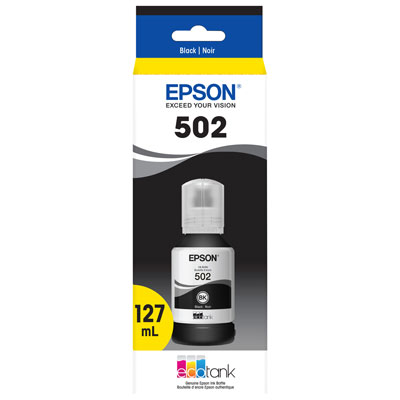 Your price for this item is $36.99
-
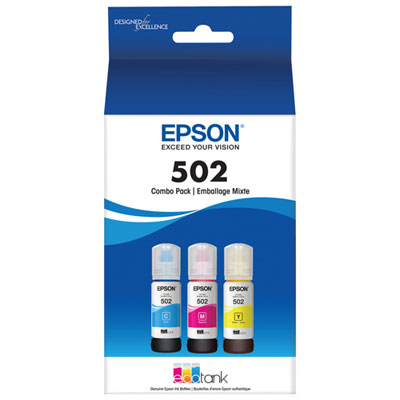 Your price for this item is $69.99
-
 Your price for this item is $29.99
-
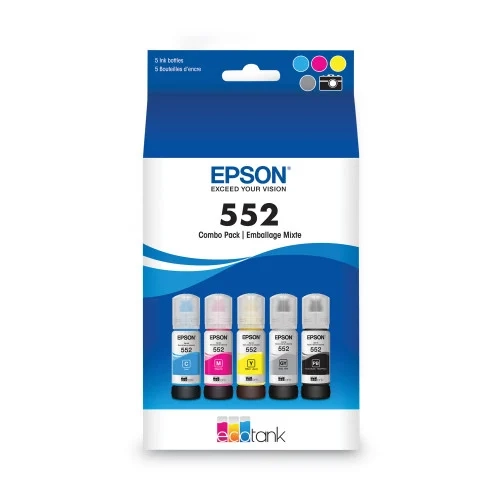 Your price for this item is $144.9
-
 Your price for this item is $3.97
-
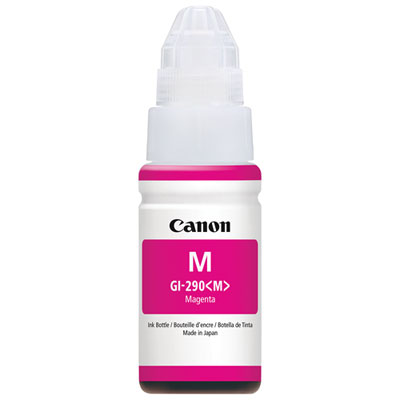 Your price for this item is $3.97
-
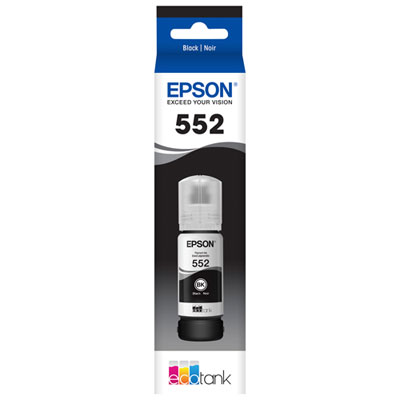 Your price for this item is $36.99
-
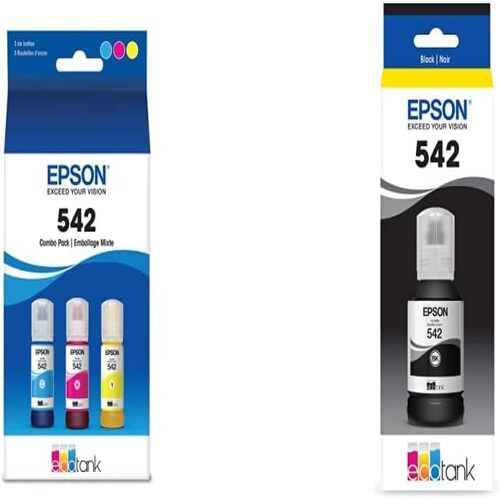 Your price for this item is $149.9
Discover more categories related to Refill Printer Cartridges
Top Collections:
Best Black Friday Deals This Year, Best Black Friday Deals On Electronics, Kindle Devices, Pokemon Centers, Best Black Friday Deals On Apple Products, Best Cameras for Sports Photography, Dyson Airwrap, Pokémon 30th Celebration Cards, Apple iPhone 17 Pro, Canon G7X Cameras
Some products may be subject to Environmental Handling Fees
(EHF) depending on your province.
Learn more about EHFs.