Refill Supplies
Looking to stock up on refill supplies for your everyday needs? Look no further! Our extensive selection of refill supplies has got you covered. Whether you're in need of printer ink, cleaning solutions, or personal care items, we have everything you need to keep your household running smoothly. With high-quality options from trusted brands, you can trust that our refill supplies will meet your expectations. Explore our wide range of products and find the perfect refill supplies to keep your home well-stocked and organized.
Sort











































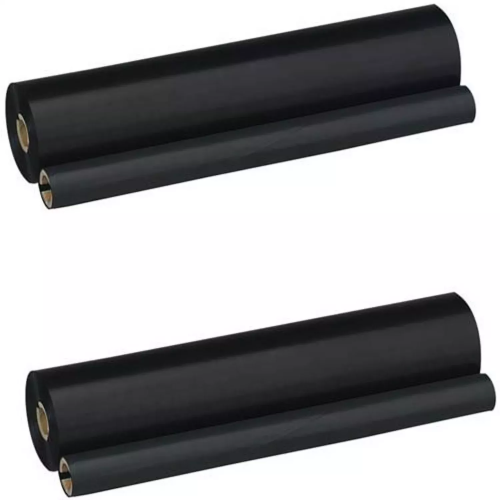
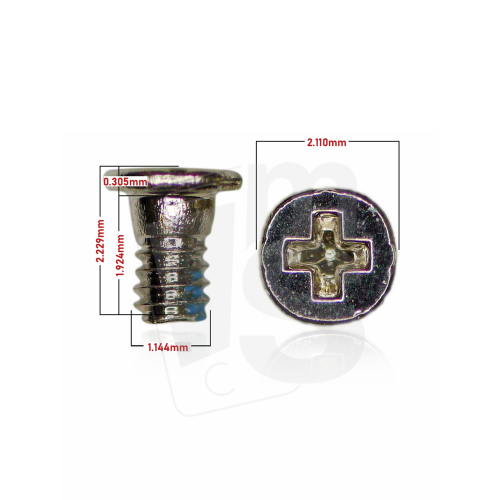
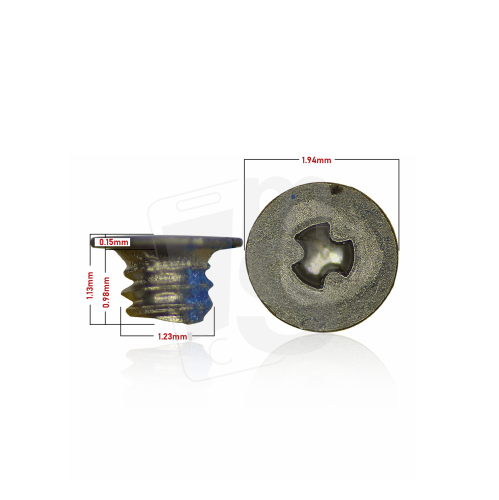
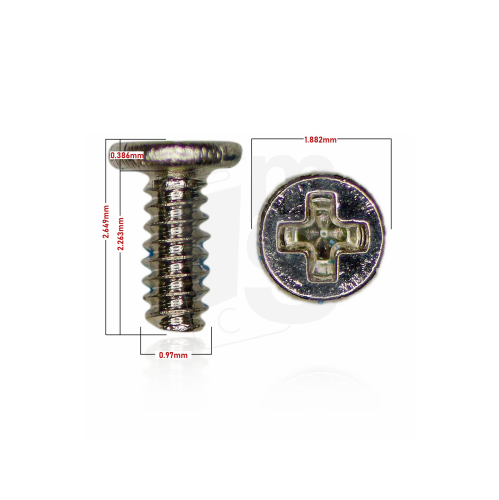






















Why the right fit matters for everyday refills
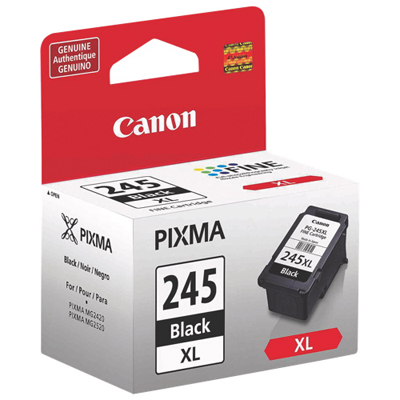
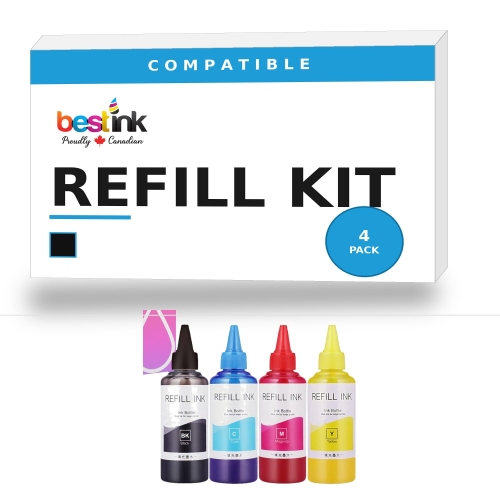
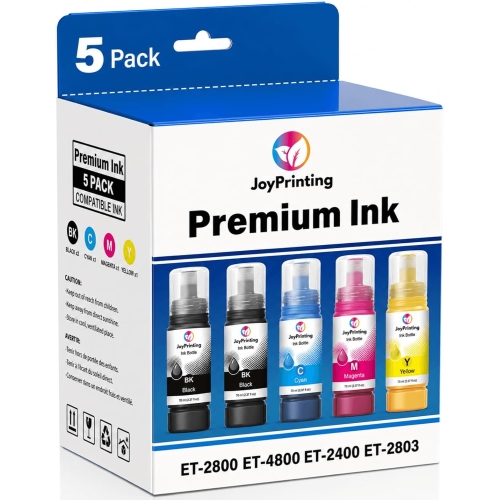
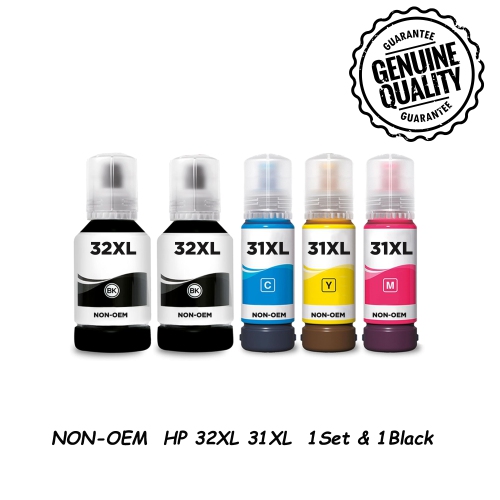
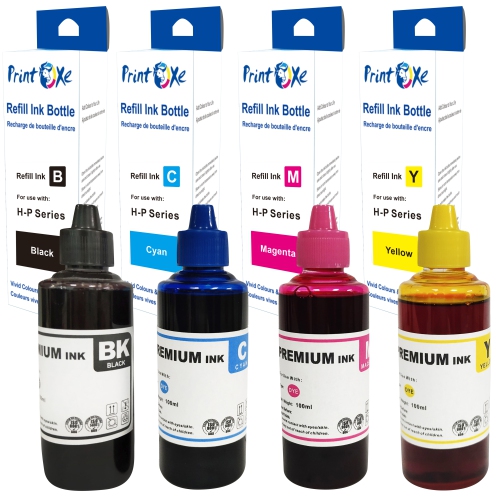
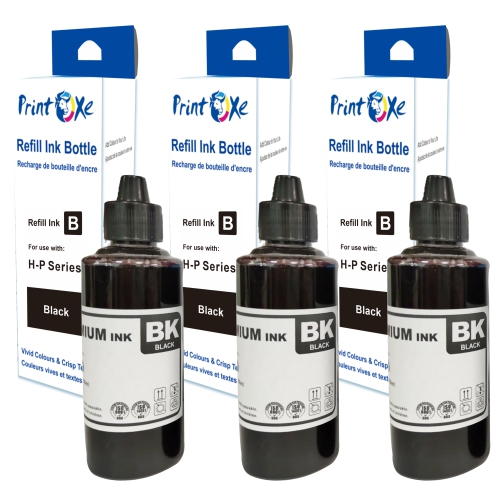
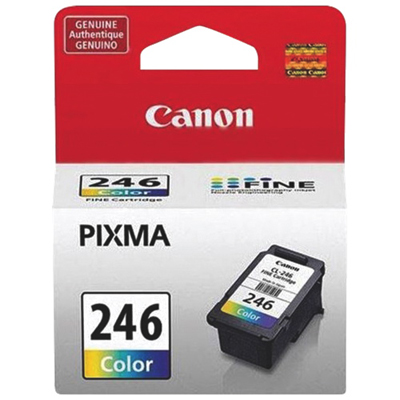
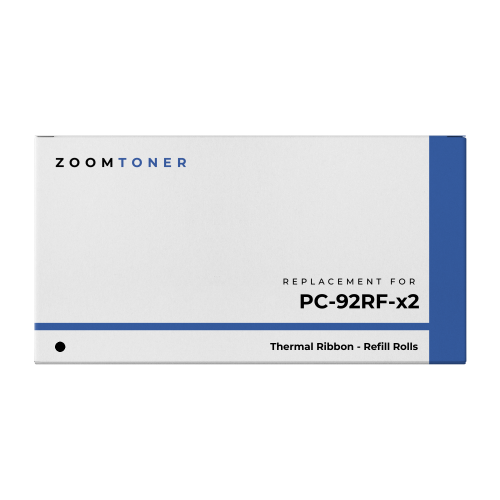
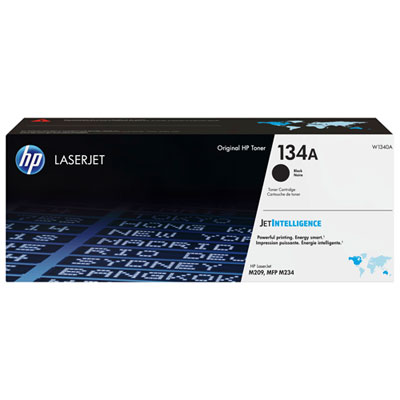
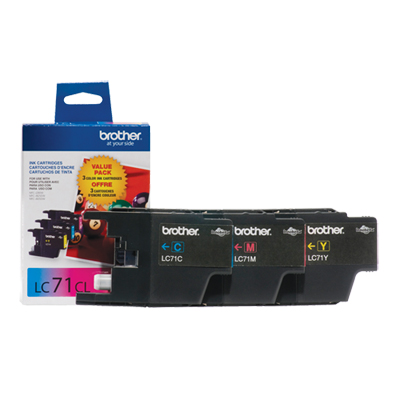
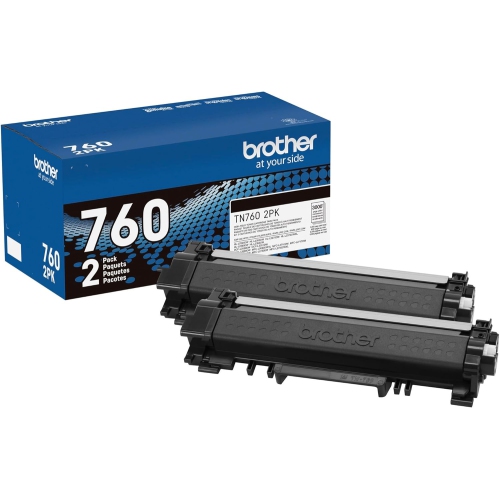
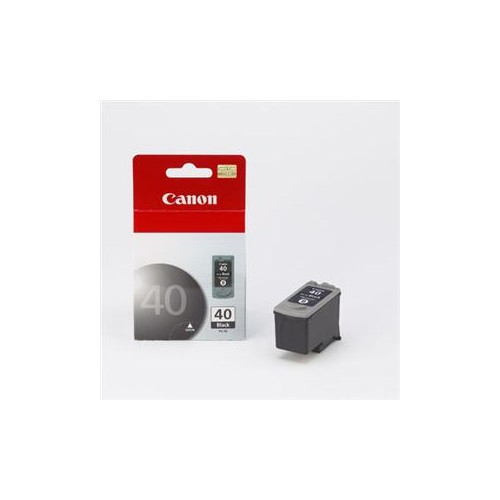
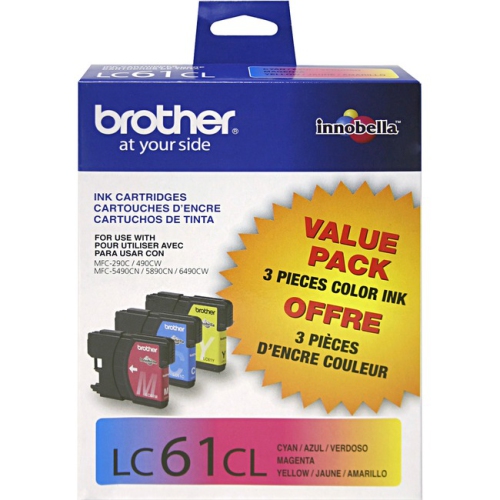
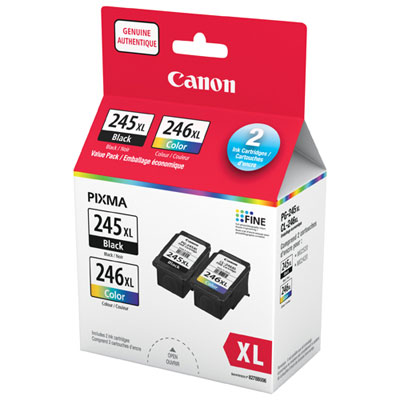
Refill supplies are consumable materials used to replenish compatible equipment, dispensers, writing tools, and supply kits after their original contents have been used. The category can include printer ink, toner, pen refills, first aid kit contents, liquid hand soap, and household cleaning solutions. Their defining feature is compatibility with something already in use: a refill needs to suit the original device, container, or purpose rather than simply resemble its previous contents. In a home office, that might mean keeping a printer ready for shipping labels and school assignments; in a busy household, it could mean replenishing the soap dispenser beside the kitchen sink. For printing needs, Refill Printer Cartridges belong to a category where the printer model and manufacturer’s refill instructions matter more than the shape of the container. Inkjet ink and laser toner are different materials and are not interchangeable. Even within inkjet printing, dye-based and pigment-based inks have different formulations, so colour alone does not establish suitability. A bottle marked black is not necessarily compatible with every printer that prints in black. Tank printers, cartridge-based printers, and toner reload systems also use different replenishment methods; not every cartridge is designed to be refilled. Clear model compatibility, the correct colour designation, and a dispensing design suited to the printer help narrow the choice. A fitted nozzle or designated filling port can make handling more controlled, but it still needs to match the equipment. Intended use matters as well: everyday documents, detailed colour graphics, and photographs place different demands on printing supplies. Store unopened printing refills according to their labels, keep caps secure, and avoid touching filling surfaces unnecessarily. A protected storage spot away from food preparation areas helps separate printing materials from household essentials, while the original packaging keeps model references and handling information close at hand. For students, remote workers, and small offices, a clearly labelled refill makes routine replenishment easier when several devices share the same workspace.
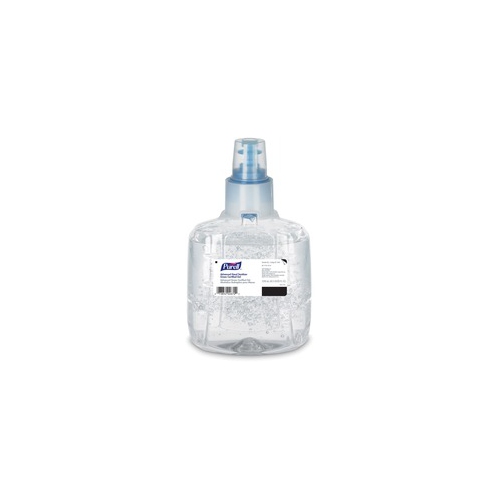
Household refill supplies serve a different purpose, with the emphasis on the formula, dispenser, and surfaces involved. Liquid hand soap refills are intended for compatible soap dispensers, while cleaning refills are formulated for particular household tasks. These categories should not be treated as interchangeable: a surface cleaner does not belong in a hand soap pump, and a concentrated formula should not be used undiluted unless its label permits it. Foaming dispensers generally require a suitable foaming formula, whereas a standard liquid soap pump is designed around a different consistency. The right pairing helps the dispenser deliver a usable amount without repeated pressing, drips, or an uneven flow. In a bathroom shared by several people, a refill container with a manageable handle and controlled pouring spout can be easier to use than a bulky container that needs both hands to lift. Container capacity should suit both the dispenser and the space used for storage; a large bottle is less convenient if it cannot stand upright inside the cupboard. Materials also deserve attention. Glass, plastic, and metal dispensers can have different care requirements, and pumps, seals, or internal components may not tolerate every formulation. Follow the dispenser’s cleaning instructions before replenishing it, and avoid mixing different liquids or adding new contents to old residue unless the manufacturer allows it. For household cleaning refills, check whether the formula is ready to use or requires a measured dilution, then follow the label for the intended surface. Wood finishes, natural stone, glass, and sealed flooring can require different cleaning approaches. Fragrance and ingredient preferences may also shape the choice, especially for shared sinks or frequently used rooms. Keep refill liquids in their original labelled containers, securely closed and out of reach of children and pets. Never mix cleaning chemicals. A clearly identified refill and a well-maintained dispenser make everyday tasks more predictable, whether the routine involves washing hands before preparing dinner or wiping down a desk at the end of a workday.
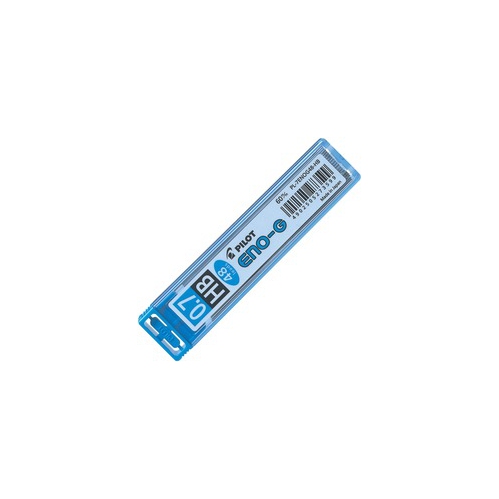
Office and first aid refills bring compatibility down to smaller details, where dimensions, materials, and packaging can determine whether a refill is useful. A pen refill needs the correct length, barrel shape, and tip fitting for the writing instrument; a similar appearance is not enough if the refill cannot sit securely or extend properly. Tip size and ink type influence the writing experience, from fine notes in a planner to broader marks on forms. Black and blue inks are common choices for documents, while other colours can help distinguish notes or organize written work. Smooth ink flow and a secure fit matter to anyone who writes frequently, including students, reception staff, and people who prefer handwritten lists. Keeping the refill’s identifying information makes future replacements easier, particularly when the pen itself has no visible model reference. First aid kit refills, by contrast, replenish consumables used for basic care and should be selected for the kit’s purpose and the needs of its users. A household kit, a travel kit, and a workplace kit may require different contents and quantities. Dressings and other packaged materials should have intact seals, legible labels, and suitable dimensions for their intended use. Where sterility is specified, packaging integrity and expiry dates are particularly important. Replace used, damaged, or expired contents rather than assuming that a full-looking kit is ready for use. Workplace requirements can vary by province, workplace size, and type of work, so a refill assortment alone does not establish compliance with applicable rules. Organization is part of usability: contents that fit the kit’s compartments are easier to identify and reach than loose supplies crowded into a pouch. Across refill categories, durability often depends on the reusable component as much as the consumable itself. A worn pump, damaged pen mechanism, or cracked storage case may need attention before replenishment. Clear labels, secure closures, and storage suited to the material help preserve the refill until it is needed. The most useful refill supplies match the existing equipment, support its intended task, and remain easy to handle within the routines of a household or workplace.
Top selling and popular products
-
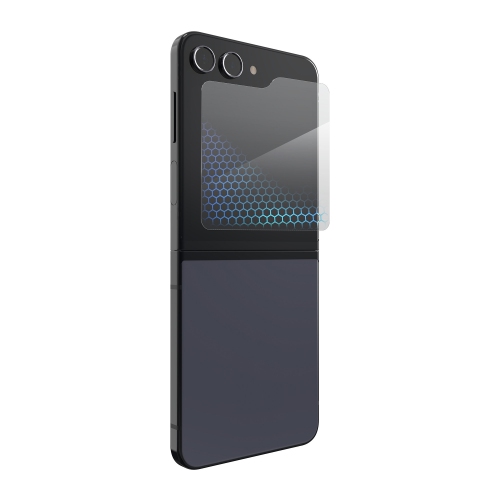 Your price for this item is $59.99
-
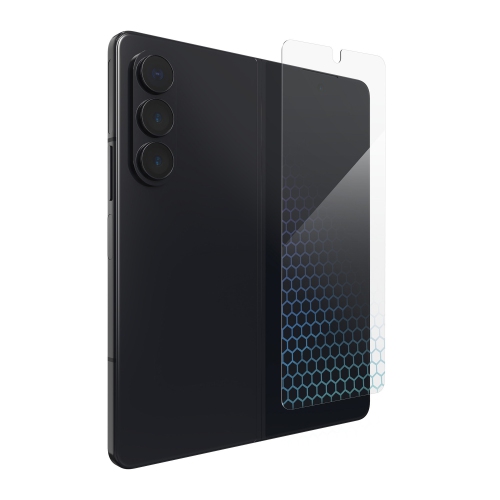 Your price for this item is $59.99
-
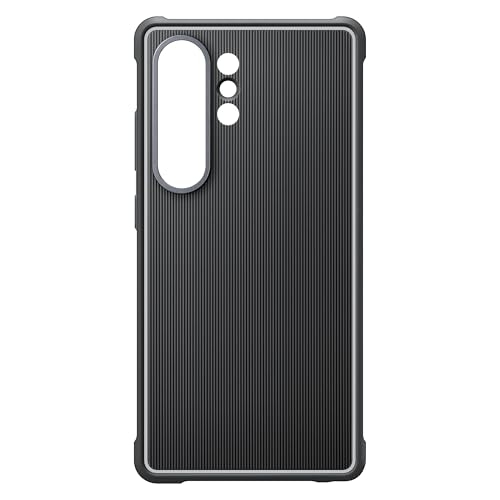 Your price for this item is $69.99
-
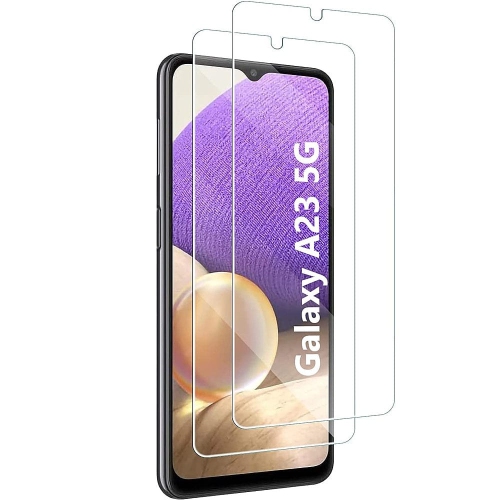 Your price for this item is $52
-
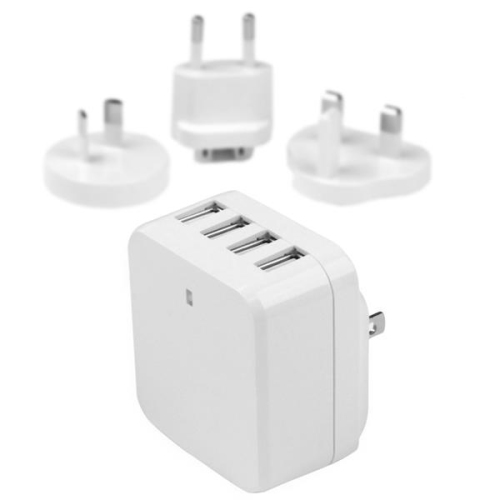 Your price for this item is $49.99
-
 Your price for this item is $59.51
-
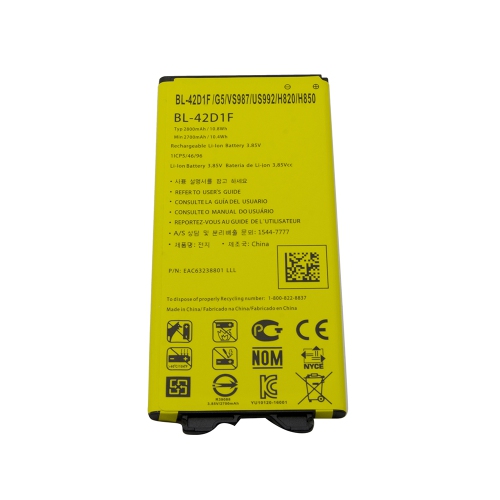 Your price for this item is $14.79
-
 Your price for this item is $16.79
Discover more categories related to Refill Supplies

Top Collections:
Pokemon Centers, Kindle Devices, Best Black Friday Deals This Year, Pokémon 30th Celebration Cards, Best Black Friday Deals On Electronics, Best Cameras for Sports Photography, Best Black Friday Deals On Apple Products, Canon G7X Cameras, iPhone 15 Apple, Candle Warmer Lights
Some products may be subject to Environmental Handling Fees
(EHF) depending on your province.
Learn more about EHFs.