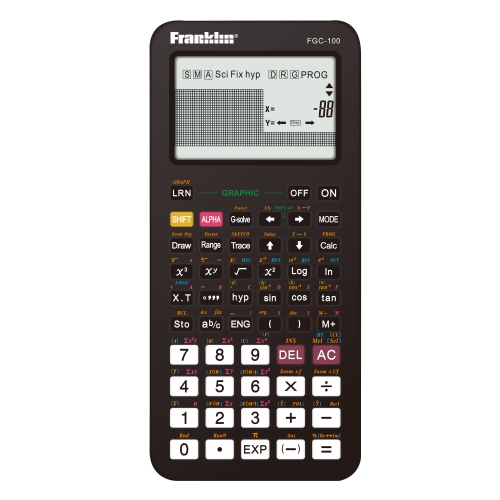
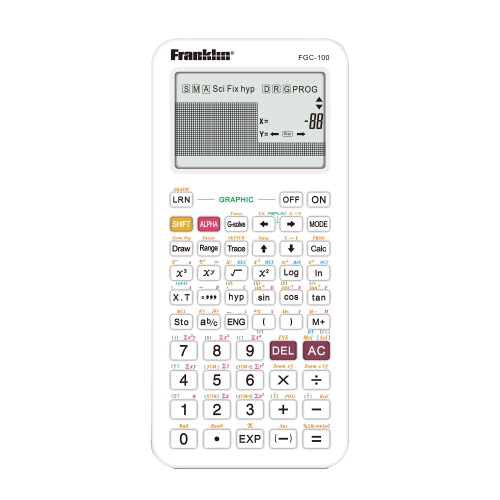
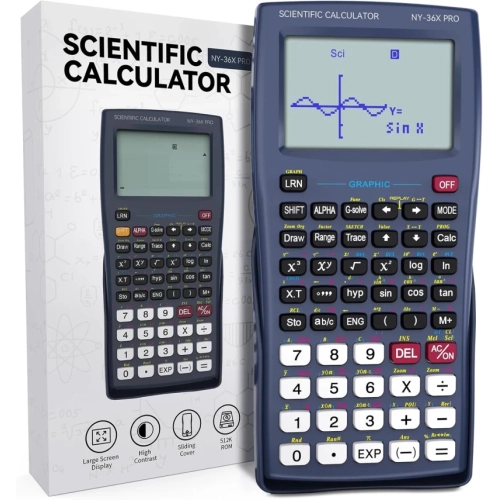
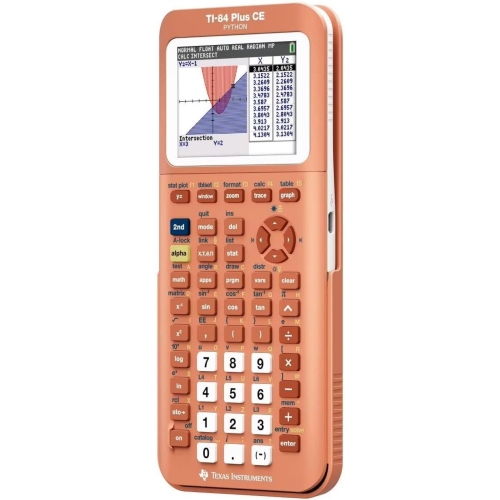
Reliable Back To School Graphing Calculators

Find reliable back-to-school graphing calculators for math and science coursework, from plotting functions to working through equations. Compare options based on course requirements, display readability, and ease of use, and check your school’s approved models and exam rules before choosing.
Read More

Reliable Back To School Graphing Calculators

Reliable Back To School Graphing Calculators bring together practical tools for students moving beyond basic arithmetic into algebra, trigonometry, calculus, and statistics. A graphing calculator can help turn a page of equations into something easier to interpret: the curve of a quadratic function, the point where two lines intersect, or the pattern hidden in a table of results. For secondary school students tackling more advanced maths, that visual connection can make a difference during homework and classroom practice. College and university students may also use graphing functions in courses involving science, engineering, business, or data analysis, depending on course requirements. The right choice starts with the class rather than the longest feature list. Check the teacher’s supply list, course outline, and applicable exam rules before choosing, since permitted functions can vary between courses and assessments. A calculator that suits a student’s lessons and is allowed when it matters can become a familiar part of the school day, from the first worked example in September to final exam preparation.

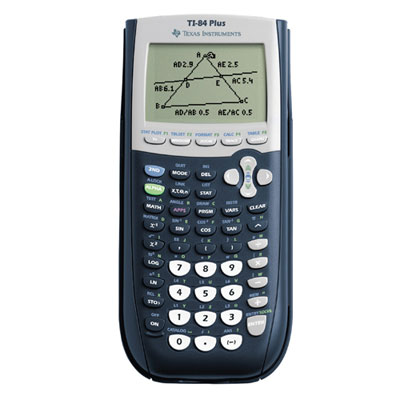
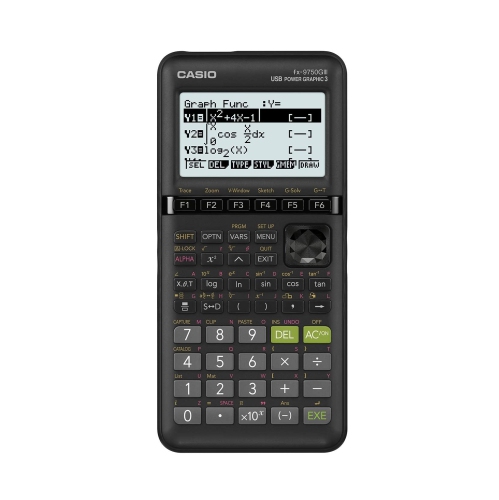
When comparing graphing calculators, pay attention to how comfortably a student can work through everyday tasks. A clear display with room for equations, graphs, and tables can make it easier to follow a calculation without repeatedly scrolling back. Colour displays may help distinguish multiple plotted functions, while readable labels, well-spaced keys, and straightforward menus are useful during a busy lesson. Consider whether the student needs numerical equation solving, matrix calculations, statistical analysis, or programming capabilities, and check each model’s specifications rather than assuming every graphing calculator includes the same tools. Some calculators offer a computer algebra system for symbolic work, but that capability is not permitted in every classroom or exam. Familiarity matters, too: using an interface similar to the one demonstrated in class can make instructions easier to follow. Picture a student switching between a notebook, a textbook, and a calculator on a small desk; easy navigation and a legible screen can be more valuable in that moment than an advanced function they rarely use.

Day-to-day reliability also comes down to power, protection, and a little preparation. Rechargeable models and models with replaceable batteries each have practical considerations, especially for students who carry their calculator between home, school, and study sessions. Check the stated battery life, charging requirements, and included accessories so there are no surprises when the first assignment arrives. A protective cover or compatible case can help shield the keys and screen inside a crowded backpack, while a manageable size and comfortable key layout support regular use. For a parent, caregiver, or relative buying a back-to-school gift, a graphing calculator can be a thoughtful contribution to a student’s next academic step, provided it matches the required model or capabilities. It is worth confirming those details together before purchasing. With time to practise entering expressions, adjusting graph windows, and checking results, students can build familiarity with their calculator before a timed assessment. The goal is a dependable tool that fits their coursework and supports the work on the page, without adding unnecessary complexity to an already full school schedule.

Read More

FAQ

Some products may be subject to Environmental Handling Fees (EHF) depending on your province. Learn more about EHFs.