Stencil Sets
Discover the perfect tools to unleash your creativity with our wide selection of stencil sets. Whether you're a seasoned artist, a DIY enthusiast, or just looking to add a personal touch to your projects, stencil sets provide endless possibilities for creating intricate designs and patterns. From detailed illustrations to simple shapes, these versatile kits are ideal for enhancing any artistic endeavor. Explore our collection and find the stencil sets that inspire you to bring your visions to life.
Sort

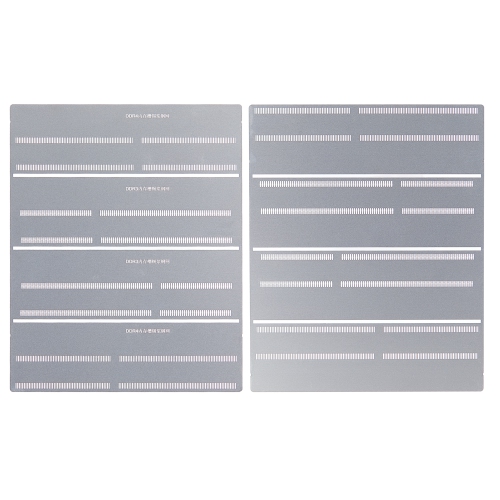
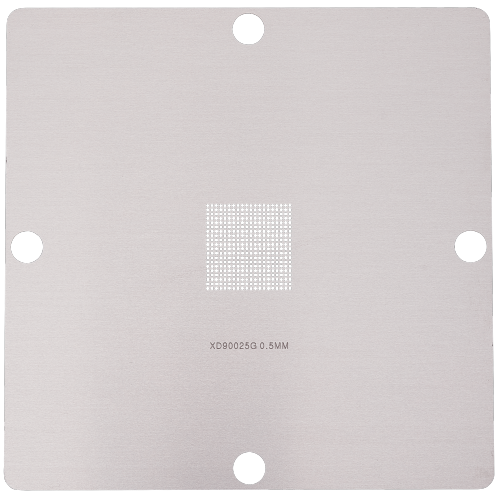
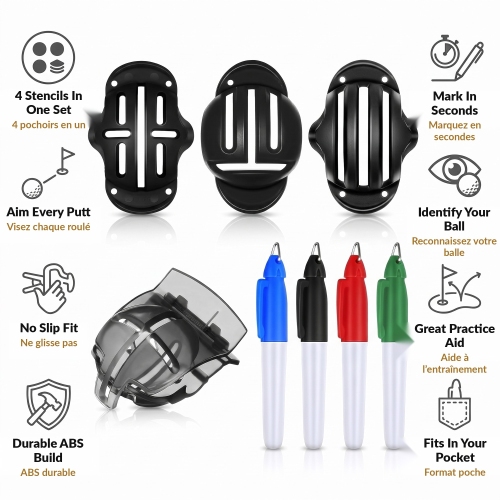

Consistent outlines with room for your own style
Stencil sets are collections of templates with cut-out shapes, letters, numbers, or patterns that help transfer a consistent design onto a surface. They bring structure to drawing, painting, lettering, and mixed-media projects while leaving plenty of room for individual choices in colour, placement, and finishing details. A simple outline can become a pencil sketch, a painted accent, or the starting point for a more detailed illustration. Depending on the set, designs may include animals, flowers, geometric shapes, decorative borders, or coordinated alphabets. Letter and number stencils are useful for handmade signs, classroom displays, storage labels, and personalized craft projects, while picture-based templates suit illustrated cards, scrapbook pages, and creative activities for children. Repeating patterns can add rhythm to a page or create a consistent border around a larger piece. For someone who enjoys making things but finds freehand drawing frustrating, a stencil provides a recognizable starting shape without determining the entire finished result. More experienced artists can use the same templates to establish repeated elements before adding shading, texture, or hand-drawn details. Stencil sets also pair naturally with Drawing Sets when a project combines traced outlines with pencils, markers, or other illustration materials. The most useful mix of designs depends on the projects they will support: clear, uncomplicated shapes suit early tracing practice, while smaller details and layered motifs appeal to people who enjoy more intricate work. Coordinated designs can make it easier to carry a consistent look across several pieces, such as matching cards and gift tags. A varied collection offers more freedom to combine unrelated shapes into scenes, characters, or abstract compositions. The appeal lies in that balance between repeatability and choice: the outline stays consistent, but a change in colour, spacing, or technique can make each use look different.
Material, thickness, and overall size affect how a stencil feels in use and the kind of detail it can produce. Flexible plastic templates can follow gently curved surfaces and are often straightforward to clean when used with compatible materials. Firmer plastic offers more support for tracing, while metal templates can provide durable edges for repeated use with suitable tools. Cardstock templates may suit dry drawing materials or limited-use projects, although moisture and repeated handling can soften their edges. No single material is best for every task. A template that works well for broad painted shapes may not suit a fine pen, and a detailed drawing stencil may be too delicate for a textured surface. The dimensions of the cut-out design matter as much as the outer dimensions of the sheet. A large sheet can contain quite small motifs, so finished shape size is especially important for lettering, labels, and projects with a defined space. Alphabet sets also vary in letter height, type style, and spacing flexibility. Small connecting bridges hold the centres of letters such as A and O in place, creating the familiar stencil-letter appearance. For tracing, the pencil or pen tip needs to reach the inside edge without catching or becoming wedged in a narrow opening. For painting, enough space around the cut-out helps separate the intended design from neighbouring areas. Smooth paper, card, unfinished wood, fabric, and painted surfaces each respond differently, and both the stencil and the marking material need to suit the intended use. Fabric projects require compatible fabric colourants and any finishing treatment specified by their manufacturer. On rough or absorbent surfaces, a crisp edge can be harder to achieve because colour may spread beneath the template. Even on a smooth surface, light applications generally offer more control than a heavily loaded brush. Border and repeating-pattern designs are easier to position when there is a clear reference point for lining up the next section, particularly across a wide page or panel.
Day-to-day handling has a noticeable effect on how well stencil sets hold their shape. Thin sections between cut-outs deserve particular care, since bending or pulling them can distort the design even when the rest of the sheet remains intact. Flat storage helps protect corners and delicate details, while a folder or divided case keeps different sizes together without forcing smaller templates beneath heavier supplies. Cleaning requirements depend on the template material and the medium used with it. Washable colour may come away with a gentle wipe or rinse where the care instructions allow, while dried paint can be more difficult to remove without damaging fine edges. Strong cleaners, abrasive scrubbing, and heat are not suitable for every material. Allowing washable templates to dry before stacking also helps prevent moisture from being trapped between sheets. These practical details matter in shared spaces, where a set may move between a classroom table, an activity cupboard, and a home craft area. For children, age recommendations, manageable sheet sizes, and uncomplicated shapes are useful considerations; adult supervision may be appropriate where small components, pointed tools, or paints are involved. Tracing can give young makers opportunities to practise controlled hand movements, recognize shapes, and experiment with arranging a picture, without requiring every line to be drawn freehand. Adults may appreciate the same consistency when lettering a handmade sign or repeating a motif across several pieces. As a gift, a stencil set is most thoughtful when its designs match the recipient’s interests and its scale suits their usual projects. A compact selection can fit neatly into a drawing folder, while larger templates need a suitable work surface and storage space. Durable edges, clear designs, and compatibility with familiar art materials help make a set practical beyond its first project, whether it is used for occasional handmade touches or as a regular part of a creative routine.
Top selling and popular products
-
 Your price for this item is $59.99
-
 Your price for this item is $59.99
-
 Your price for this item is $69.99
-
 Your price for this item is $52
-
 Your price for this item is $49.99
-
 Your price for this item is $14.68
-
 Your price for this item is $14.79
-
 Your price for this item is $16.79
Discover more categories related to Stencil Sets
Top Collections:
Best Black Friday Deals This Year, Best Black Friday Deals On Electronics, Kindle Devices, Pokemon Centers, Best Black Friday Deals On Apple Products, Best Cameras for Sports Photography, Dyson Airwrap, Pokémon 30th Celebration Cards, Apple iPhone 17 Pro, Canon G7X Cameras
Some products may be subject to Environmental Handling Fees
(EHF) depending on your province.
Learn more about EHFs.