Drawing Sets
Unleash your creativity with our diverse range of drawing sets designed to cater to artists of all skill levels. Whether you're a budding illustrator or a seasoned professional, you'll find the perfect tools to bring your artistic visions to life. Explore an array of high-quality pencils, charcoals, pastels, and more, all curated to help you achieve stunning results. Dive into the world of drawing sets and discover the endless possibilities for your next masterpiece.
Sort
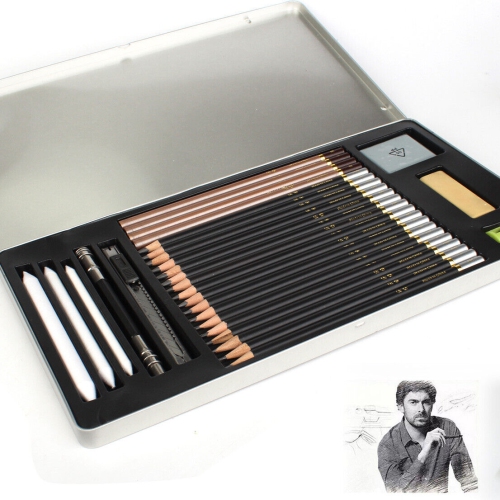

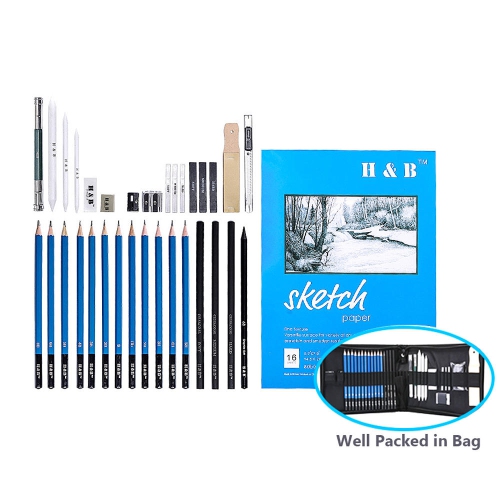
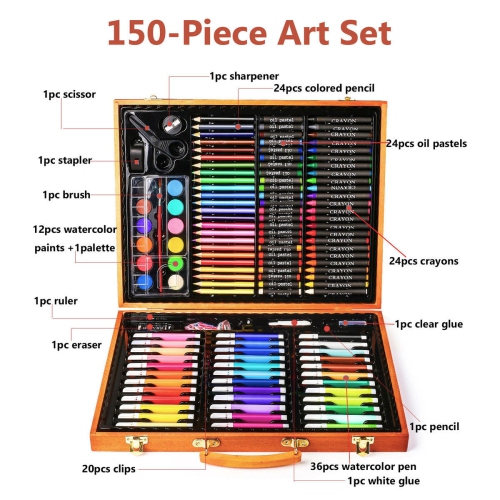
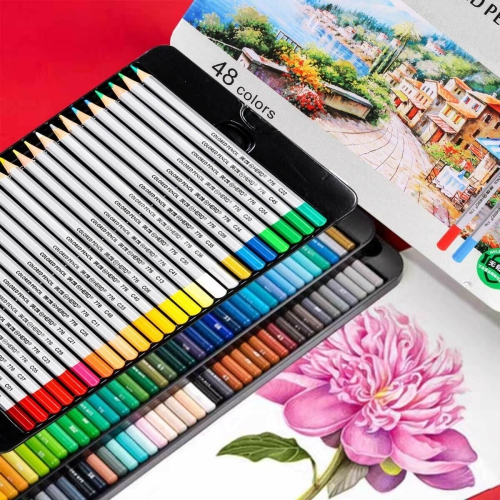
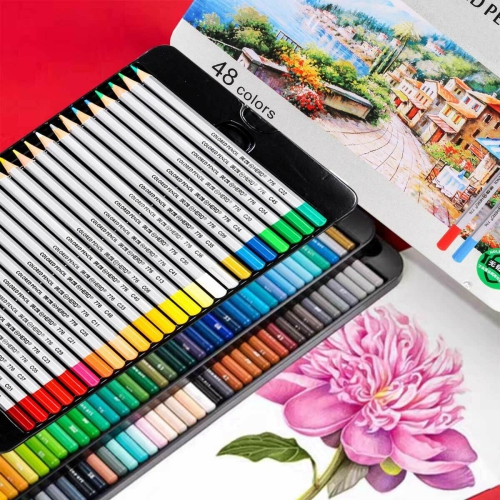
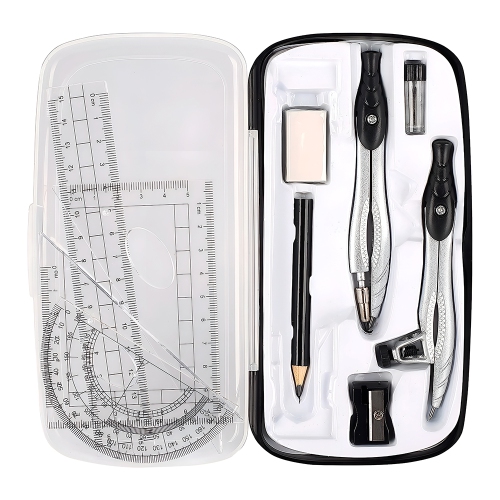
How pencil grades and materials shape your sketches
Drawing sets bring together tools for sketching, shading, outlining, and adding colour, making them useful for everything from a first still-life drawing to a detailed portrait. Their contents vary: some concentrate on graphite pencils, while others combine coloured pencils, charcoal, pastels, or drawing accessories in a single case. A focused set can make it easier to become familiar with one medium; a mixed-media assortment offers room to explore how different marks and textures work together. Graphite is particularly versatile because it can produce a faint construction line, a crisp architectural edge, or a deep shadow without changing the basic tool. Pencil grades describe the relative hardness of the core: H grades generally make lighter, firmer marks, while B grades are softer and produce darker tones. HB sits between those ranges and is useful for everyday drawing. Softer graphite suits broad shading and expressive marks, while harder grades can help with fine details and preliminary outlines. For those interested mainly in this medium, Drawing Pencils Sets offer a more focused starting point than assortments built around several art materials. Coloured pencils add another approach, with differences in core firmness, pigment, and binder affecting how smoothly they layer and how readily they blend. A firmer point can help define the veins of a leaf or the stitching on a jacket, while a softer core can cover larger areas with rich colour. Water-soluble pencils create additional effects when used with water and suitable paper, although not every coloured pencil is designed for that purpose. Charcoal has a different character again, producing soft, matte darks that suit gesture drawing and strong contrasts. These differences matter more than a large piece count: a well-matched range of tools can support more satisfying work than an assortment filled with materials that rarely leave the case. The most useful combination depends on whether the intended drawings are loose and expressive, carefully observed, colourful, or primarily tonal.
The feel of a drawing set also comes from the materials around the pigment or graphite. Wooden pencil barrels should feel comfortable in the hand, with a shape and thickness that suit the person using them. Hexagonal barrels are less likely to roll across a desktop, while round barrels offer a different grip; neither shape is automatically better for every artist. Core quality and construction influence how a pencil sharpens and how well it tolerates ordinary handling, but even a sturdy pencil can develop internal breaks after repeated drops. A fitted case helps keep tools separated and protects fine points in a backpack or drawer. For drawing away from a desk, a compact case that opens flat can be more practical than a large box that needs its own work surface. Paper is equally important to the result. A slightly textured surface gives graphite and charcoal something to catch on, helping create varied tones, while smoother paper supports clean outlines and small details. Coloured pencil layering benefits from enough surface texture to hold successive passes. Heavier paper is often more comfortable for repeated working, though suitability for water depends on the paper’s intended use, not weight alone. Accessories can make everyday drawing easier when they serve a clear purpose. A kneaded eraser lifts graphite or charcoal gently and can be shaped to lighten a narrow highlight; a firmer eraser is useful for more defined corrections. Blending stumps soften transitions without relying on fingertips, which can transfer skin oils to the page. A suitable sharpener helps maintain points without removing more material than necessary. Care is straightforward: tools last longer when stored dry, protected from impact, and returned to their compartments after use. Erasers and blending tools also benefit from separate storage so they do not pick up loose pigment. Finished charcoal and soft graphite drawings can smudge during handling, so protective interleaving sheets or a suitable portfolio help preserve the surface between drawing sessions.
Drawing sets can suit a wide range of users, but the most appropriate format depends on the kind of drawing someone enjoys and where it happens. A beginner may appreciate a manageable selection with clearly marked pencil grades, a useful eraser, and enough variation to practise light, middle, and dark tones. Too many unfamiliar materials can make a first session feel more complicated than it needs to be. Someone who already sketches regularly may prefer a broader tonal range, additional colours, or a portable arrangement that keeps frequently used tools within reach. A student working on observational studies has different needs from someone filling a journal with illustrated recipes or designing characters at home. For a small shared desktop, a case that closes neatly can keep a project easy to put away without losing track of individual pencils. For sketching on location, overall weight, case dimensions, and a secure closure can matter as much as the contents. Drawing sets also make thoughtful gifts for birthdays, graduations, and other personal milestones, especially when the medium reflects the recipient’s interests. A person who enjoys black-and-white portraits may get more use from graphite and charcoal than from a large colour assortment, while someone drawn to botanical subjects or imaginative scenes may appreciate a range of coloured pencils. For children, age recommendations, comfortable grips, and clearly labelled materials help distinguish an appropriate art set from tools intended for older users. Smaller accessories and sharp points may require adult supervision, and materials intended for drawing should not be treated as face paint or skin decoration. Across age groups, a set’s value lies in how naturally it fits into regular creative time. A few pencils laid beside a sketchbook can turn an ordinary mug, a folded coat, or a view through a window into an absorbing study of shape and light. A thoughtfully chosen assortment supports that habit with tools that feel familiar, store neatly, and leave room for skills and interests to develop.
Top selling and popular products
-
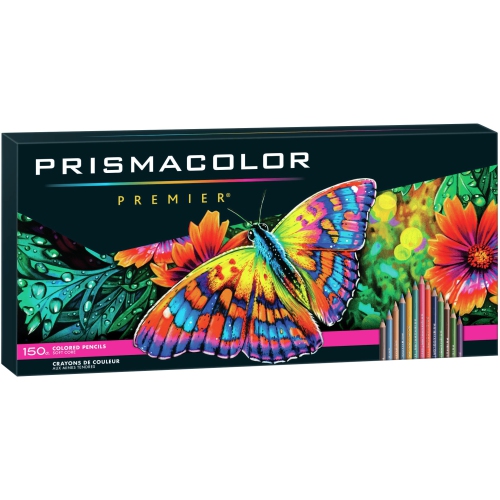 Your price for this item is $179.99
-
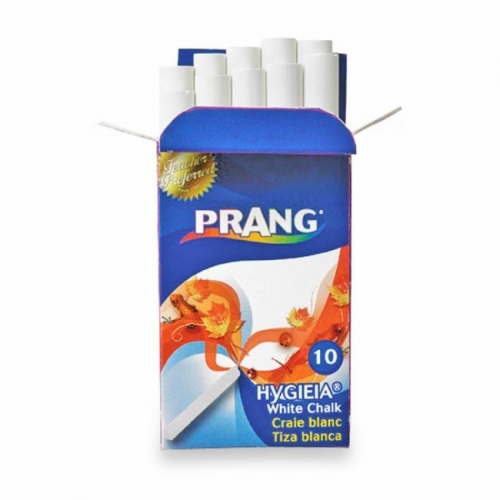 Your price for this item is $1.99
-
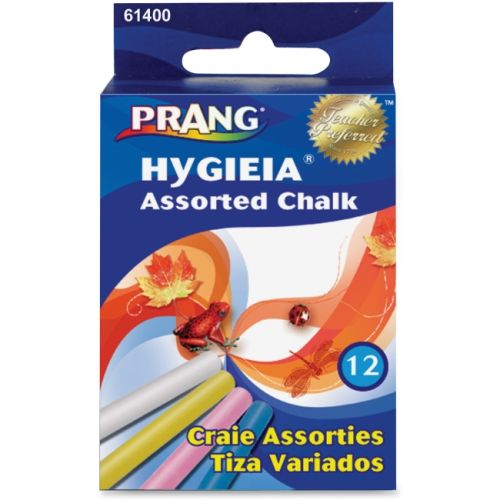 Your price for this item is $2.99
-
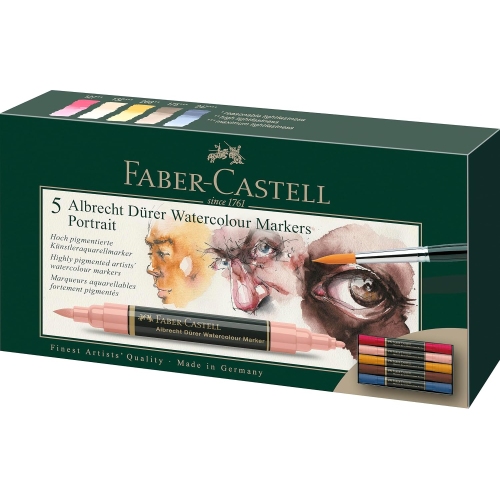 Your price for this item is $29.99
-
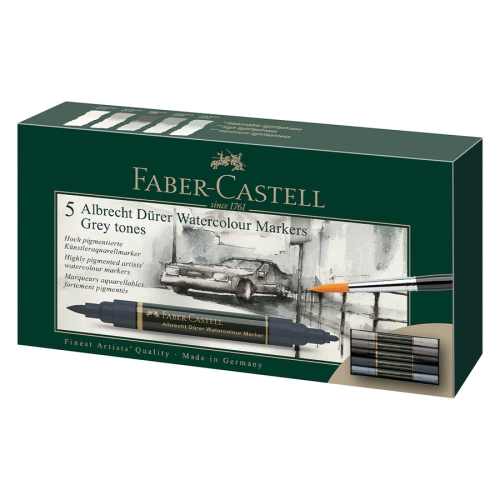 Your price for this item is $22.99
-
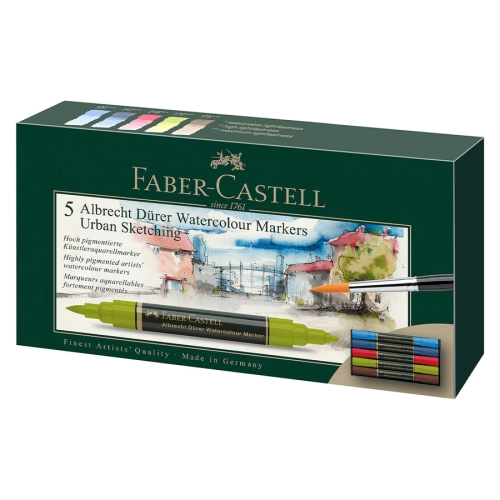 Your price for this item is $26.99
-
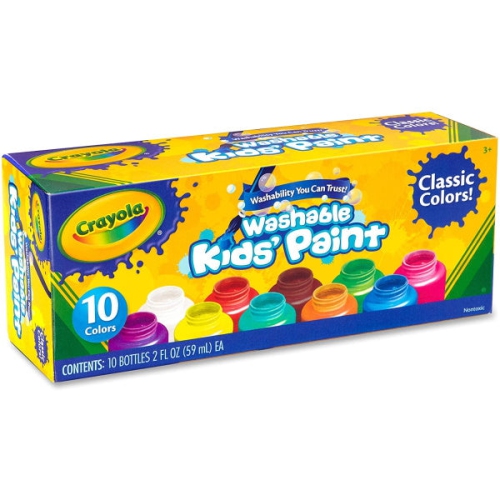 Your price for this item is $42.99
-
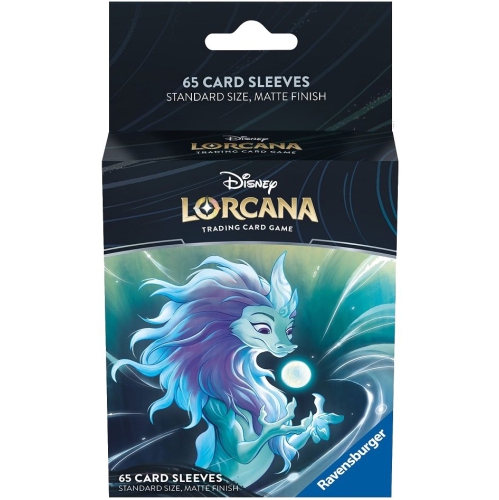 Your price for this item is $10.35
Discover more categories related to Drawing Sets
Top Collections:
Pokemon Centers, Kindle Devices, Best Cameras for Sports Photography, Pokémon 30th Celebration Cards, Canon G7X Cameras, Samsung Galaxy Phones, iPhone 15 Apple, Best Black Friday Deals On Electronics, Jackery Power Stations, Solar Generators for Home
Some products may be subject to Environmental Handling Fees
(EHF) depending on your province.
Learn more about EHFs.